 Complete Gardening
Dividing perennials is a horticultural practice that not only rejuvenates plants but also enhances their aesthetic appeal. Some perennials thrive and bloom exuberantly after being divided, while others suffer. Knowing which plants to split and which to leave intact is crucial for gardeners aiming to maintain a vibrant, healthy garden. Here, we explore 15 perennials that benefit from division and five that do not, providing guidance for every gardener.
1. Spring-Blooming Perennials
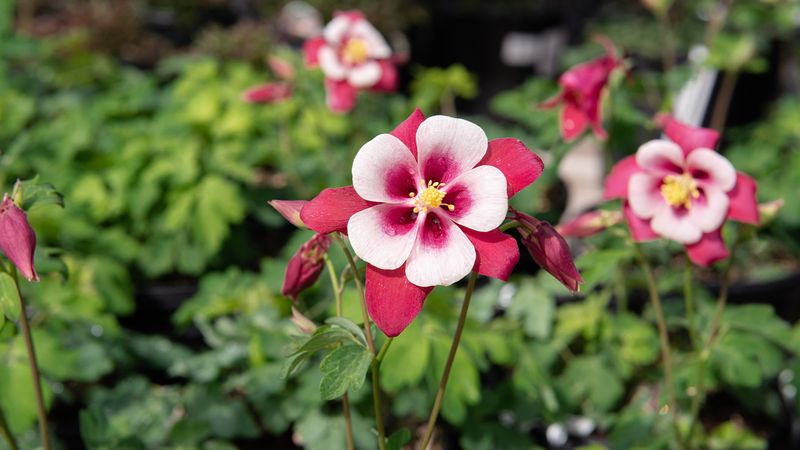
Spring is a season of renewal, and many perennials burst forth with color during this time. Splitting these plants can invigorate them. Dividing perennials like daylilies and hostas ensures they receive adequate nutrients and space to thrive in the garden. This practice not only enhances blooms but also prevents diseases.
2. Daylilies (Hemerocallis)
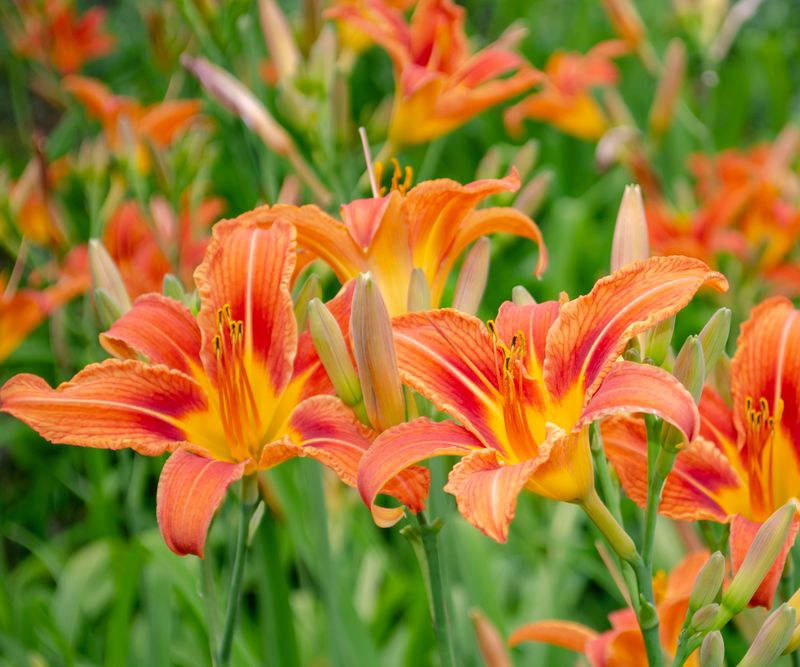
Daylilies are known for their resilience and vibrant blooms. Dividing them every 3–5 years enhances their vigor, leading to more abundant flowering. The process involves carefully uprooting the clump and separating the tubers. This not only rejuvenates the plant but also helps in controlling its spread. Daylilies are a beloved choice for gardeners due to their low maintenance and rewarding blooms. With each division, these plants return with even more vitality, adding a splash of color to any garden.
3. Hostas
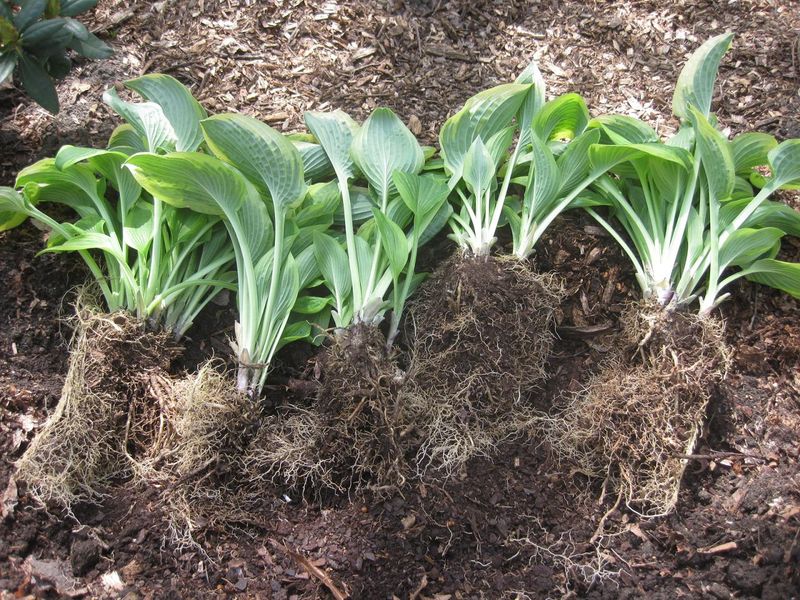
Hostas are a popular choice for shaded areas, known for their lush foliage. Splitting hostas is crucial to prevent overcrowding and maintain leaf size. By dividing them every few years, gardeners can ensure these plants retain their stunning appearance. The process involves cutting through the root ball, allowing each section to establish itself anew. Hostas thrive with this care, offering generous leaves and a robust presence in the garden. Their adaptability and beauty make them a staple in many landscapes.
4. Irises
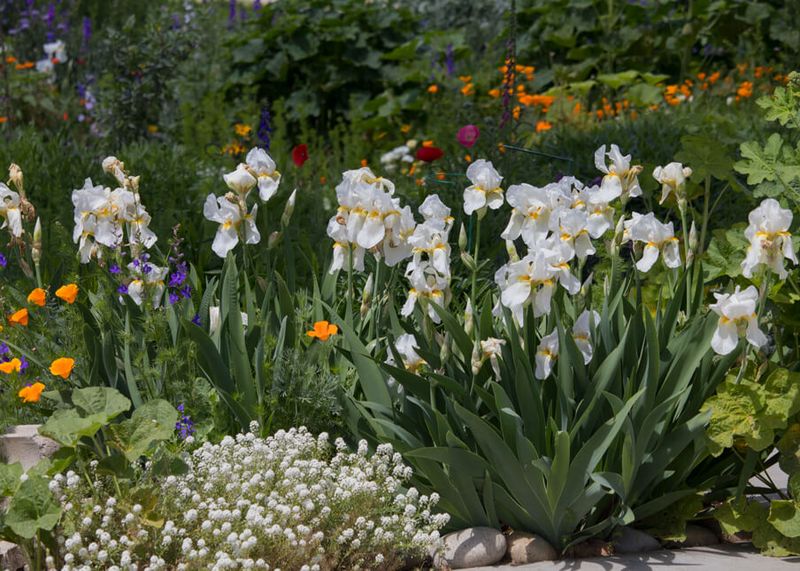
Irises bring elegance to gardens with their tall stalks and intricate blooms. Dividing irises every 3–4 years is essential to prevent rhizome rot and ensure healthy growth. This involves digging up the plant and cutting the rhizomes apart, disposing of any soft or diseased sections. Properly divided irises will flourish, providing a stunning display of color. Their resilience and beauty make them a cherished addition to any perennial bed, where they can continue to captivate with their unique charm.
5. Peonies
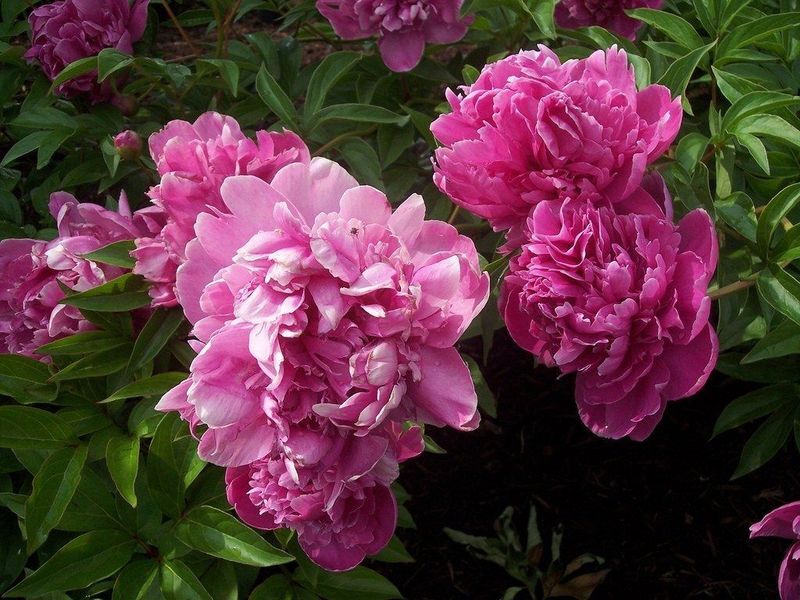
Peonies are long-lived perennials, often gracing gardens with their majestic blooms. Dividing peonies is best done in fall, ensuring they continue to thrive for decades. The process involves careful digging and separating of the tuberous roots. This rejuvenates the plant, encouraging new growth and prolonged blooming. Peonies require patience, as they may take a few years to bloom again after division, but the wait is worthwhile. Their showy flowers and delightful fragrance make them a treasured part of any garden landscape.
6. Coneflowers (Echinacea)
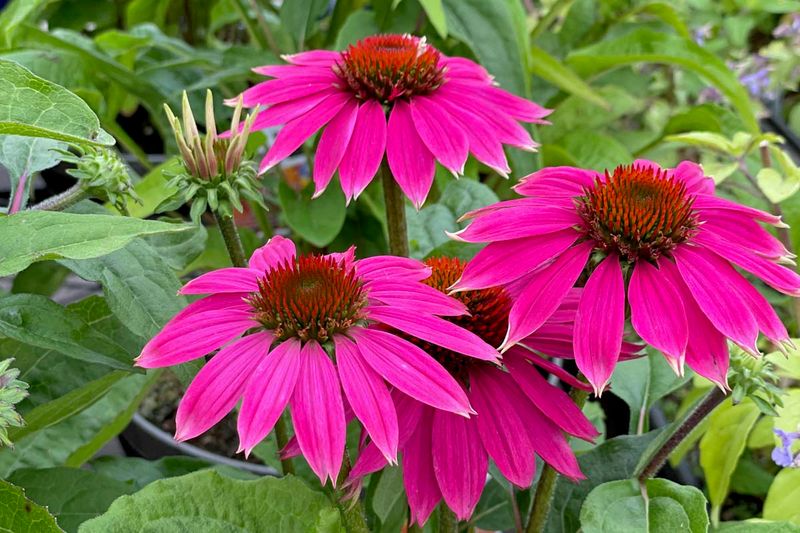
Coneflowers, or Echinacea, are prized for their drought tolerance and daisy-like blossoms. Dividing them every 4 years revitalizes their growth and enhances flowering. The process involves carefully lifting the plant and separating the clumps. This encourages the production of more blooms and maintains plant health. Coneflowers are not only attractive but also beneficial to pollinators, drawing bees and butterflies to the garden. Their hardy nature and vibrant blooms make them a favorite for both novice and experienced gardeners.
7. Black-eyed Susans (Rudbeckia)
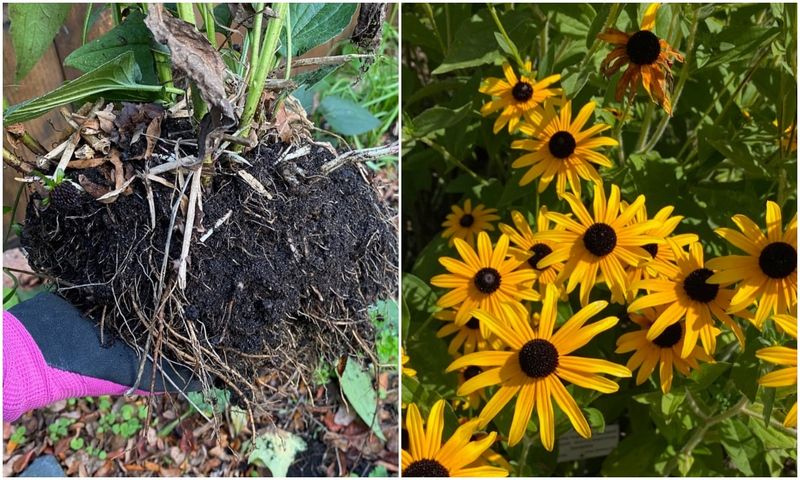
Black-eyed Susans light up gardens with their cheerful, sun-like appearance. Dividing them every 3 years helps prevent flopping and ensures a bushy growth habit. The process involves lifting the plant and cutting the root mass into sections. This encourages more vigorous blooming and a tidier appearance. Black-eyed Susans are easy to grow and maintain, making them a popular choice for sunny borders. Their ability to attract pollinators while providing a bright display makes them a valuable addition to any garden.
8. Astilbe
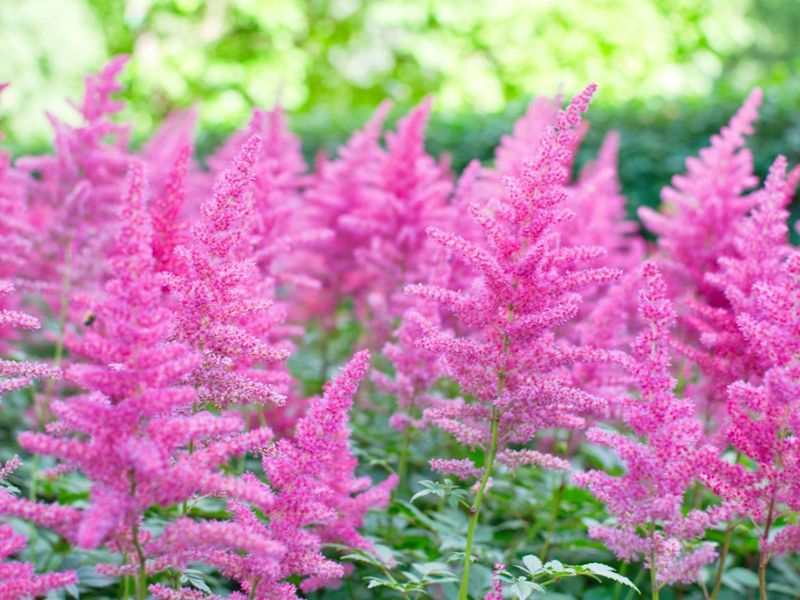
Astilbe are known for their feathery plumes and shade tolerance. Dividing them every 4–5 years keeps the blooms vibrant and the plants healthy. The process involves digging up the clump and carefully separating the roots. This rejuvenates the plant, ensuring continued lush growth and flowering. Astilbe add texture and color to shady garden spots, thriving where many other perennials may struggle. Their graceful blooms and easy-care nature make them a delightful choice for gardeners seeking to brighten shaded areas.
9. Sedum (Stonecrop)
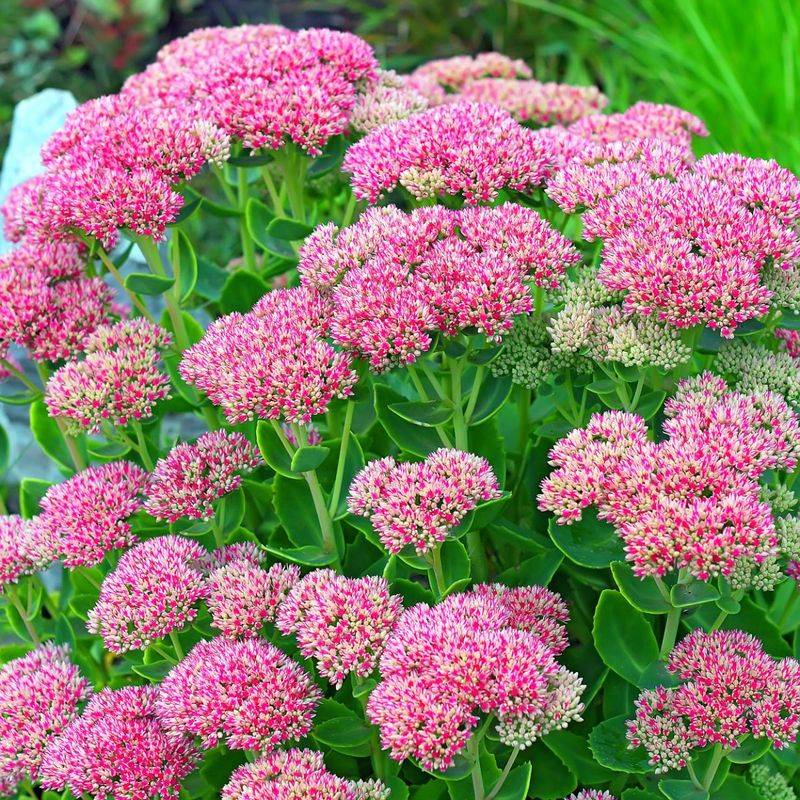
Sedum, or stonecrop, is a succulent perennial admired for its fleshy leaves and star-shaped flowers. Dividing sedum in spring promotes bushier growth and prevents overcrowding. The process involves lifting the plant and separating the rosettes. This encourages a fuller, more compact plant that is less prone to disease. Sedum is an excellent choice for rock gardens and sunny borders, requiring minimal care once established. Its ability to thrive in poor soil conditions makes it a versatile addition to any landscape.
10. Bee Balm (Monarda)
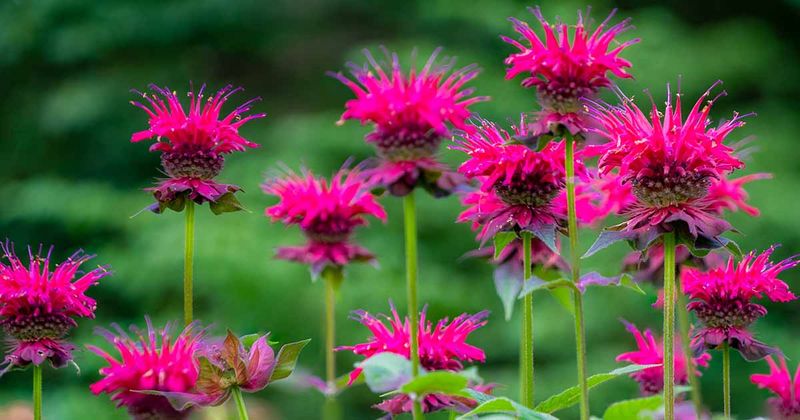
Bee Balm, or Monarda, is cherished for its aromatic foliage and vibrant blooms. Dividing it helps control powdery mildew by improving airflow. This involves cutting through the root mass and replanting the sections. A healthier plant results, with increased resistance to disease. Bee Balm attracts pollinators, making it a dynamic addition to any garden. Its ability to draw hummingbirds and bees adds life and movement to the landscape. The striking colors and delightful scent make it a garden favorite.
11. Phlox
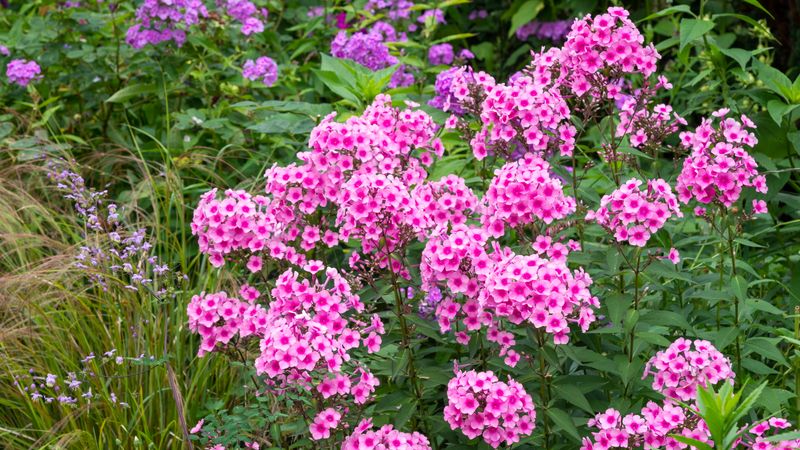
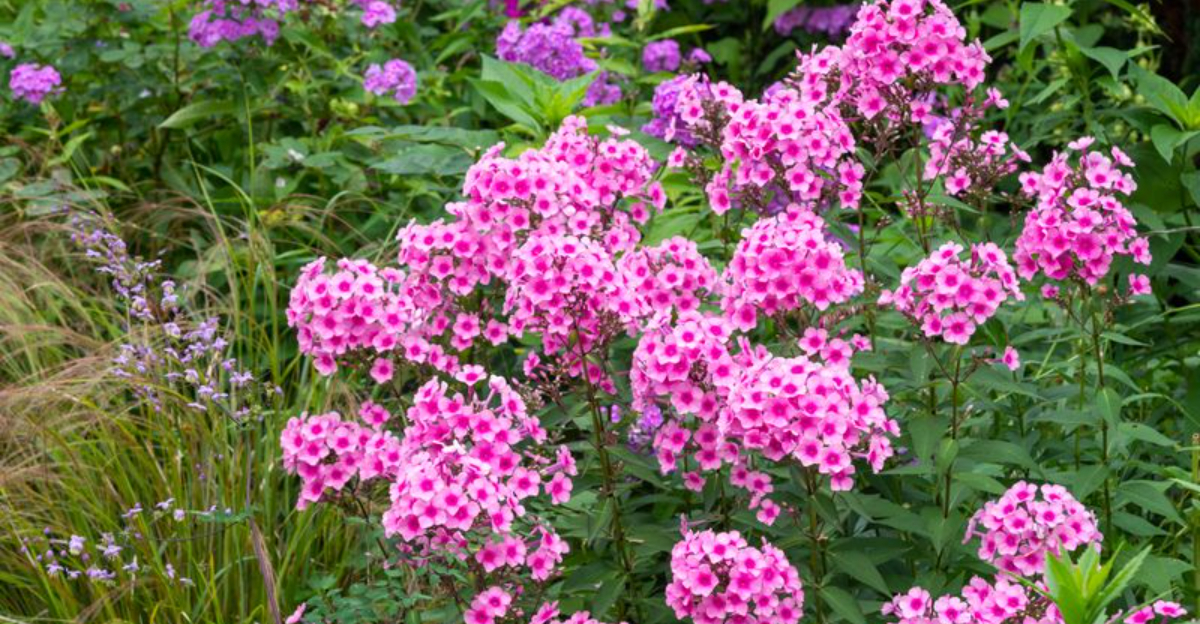
Phlox is a favorite for its vibrant colors and lush blooms. Dividing phlox prevents disease and increases flowering. The process involves carefully digging up the plant and separating the clumps. This encourages new growth and a healthier plant overall. Phlox thrives in sunny locations and can fill the garden with a sea of color. Its sweet fragrance is an added bonus, attracting pollinators and delighting gardeners. With proper care and division, phlox can be a showstopper in any garden setting.
12. Fountain Grass (Pennisetum)
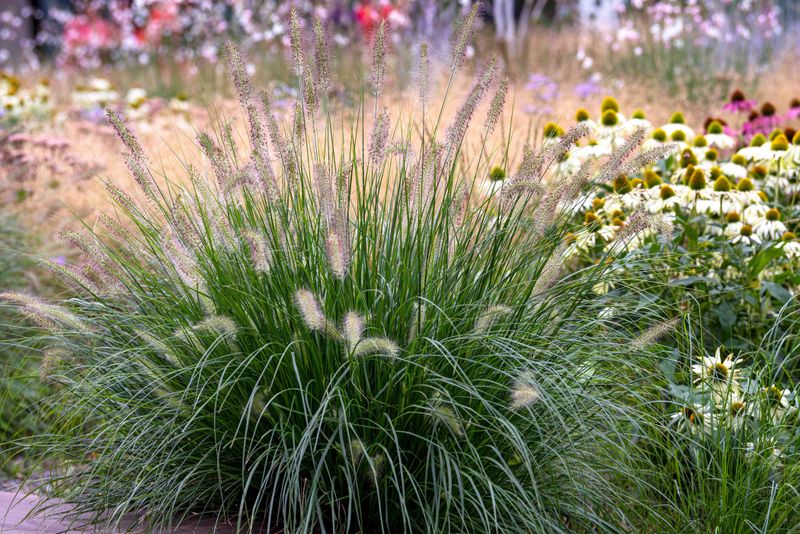
Fountain Grass adds elegance to landscapes with its arching blades and feathery plumes. Dividing it every 3 years maintains its shape and vigor. The process involves removing the entire clump and cutting it into sections. This encourages robust growth and a tidy appearance. Fountain Grass is a versatile choice for borders and containers, offering movement and texture to the garden. Its graceful form and low maintenance make it a popular choice for gardeners seeking to add interest to their landscapes.
13. Liriope (Lilyturf)
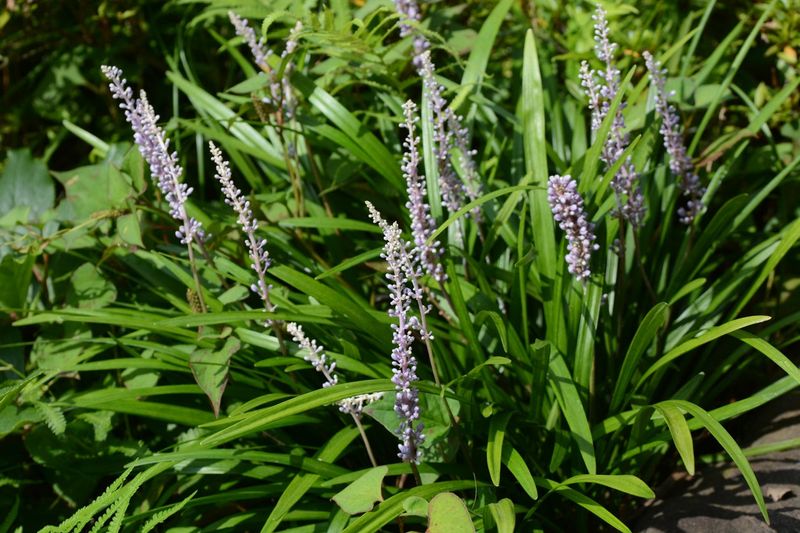
Liriope, or lilyturf, is appreciated for its grassy foliage and small purple blooms. Dividing liriope prevents a dead center and encourages healthy growth. The process involves cutting through the root ball and replanting the sections. This results in a fuller, more vigorous plant. Liriope is ideal for borders and groundcover, offering texture and color throughout the season. Its resilience and adaptability make it a reliable choice for various garden conditions, enhancing both structure and beauty.
14. Lamium (Dead Nettle)
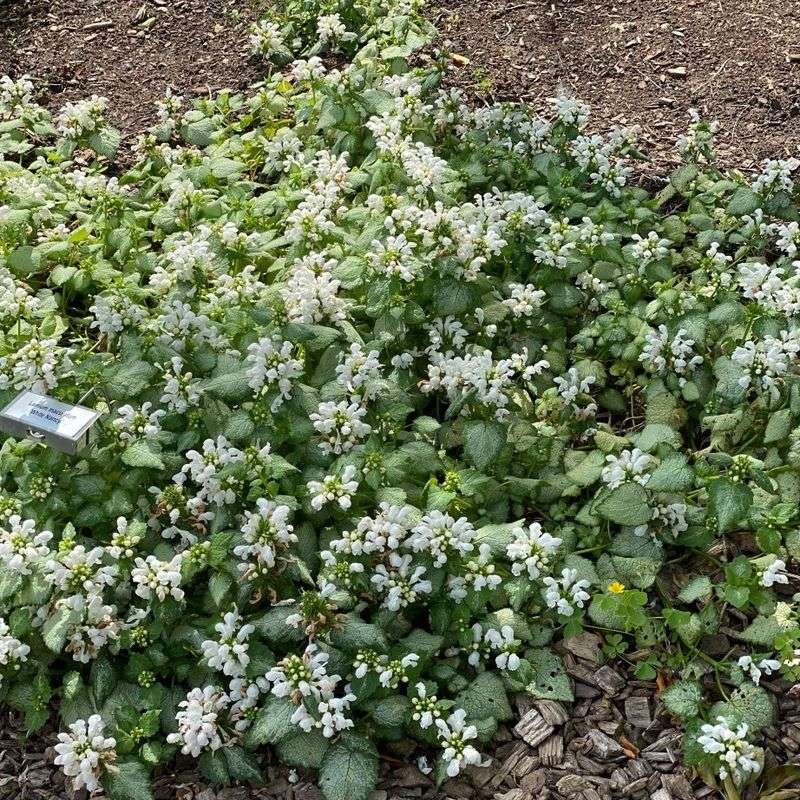
Lamium, or Dead Nettle, is a fast-spreading groundcover known for its silver-patterned leaves. Dividing it helps keep growth in check and prevents it from overtaking other plants. This involves lifting and separating the clumps, allowing for controlled spreading. Lamium thrives in shaded areas, adding light and texture to otherwise dark corners. Its hardy nature and decorative foliage make it a desirable addition to the garden. With proper management, lamium can be both beautiful and functional, creating lush carpets of color.
15. Catmint (Nepeta)
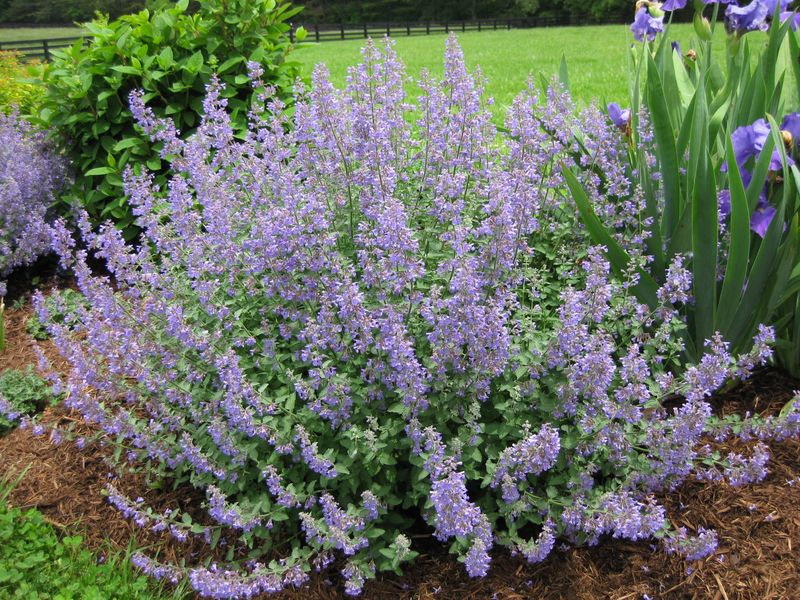
Catmint, or Nepeta, is beloved for its aromatic foliage and lavender-blue flowers. Cutting through the woody centers during division rejuvenates these plants. The process involves removing the plant and dividing the rootball, which encourages fresh growth and more blooms. Catmint is a favorite among pollinators, drawing bees and butterflies to the garden. Its sprawling habit and fragrant leaves make it a delightful choice for borders and cottage gardens. With proper care, catmint adds charm and fragrance to any landscape.
16. Yarrow (Achillea)
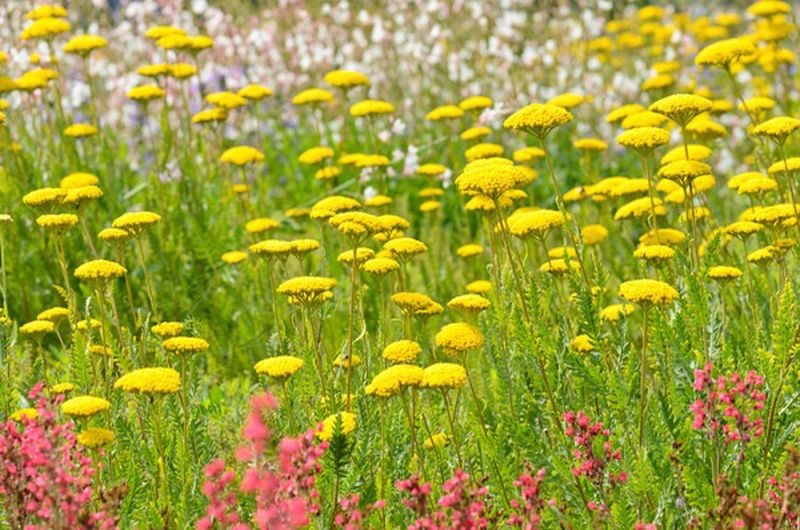
Yarrow is a resilient perennial known for its flat-topped clusters of flowers. Dividing yarrow every 2–3 years prevents weak stems and promotes vigorous growth. The process involves digging up the plant and separating the crowns. This encourages a bushier plant with more robust blooms. Yarrow is drought-tolerant and thrives in sunny conditions, adding both texture and color to the garden. Its ability to attract beneficial insects while providing a long-lasting display makes it a valuable asset to any garden.
17. Lavender
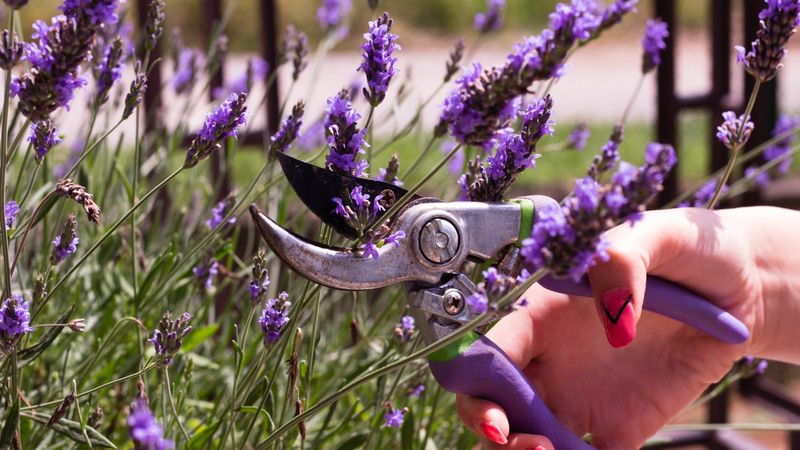
Lavender is cherished for its fragrant blooms and calming presence in gardens. However, woody stems don’t regenerate well, so propagation from cuttings is preferred over division. This ensures the plant retains its vigor and continues to produce aromatic flowers. Lavender thrives in sunny, well-drained conditions and is a favorite for herb gardens and borders. Its soothing scent and lovely color make it a beloved garden staple, providing beauty and fragrance throughout the growing season. Proper care keeps lavender thriving and captivating.
18. Baptisia (False Indigo)
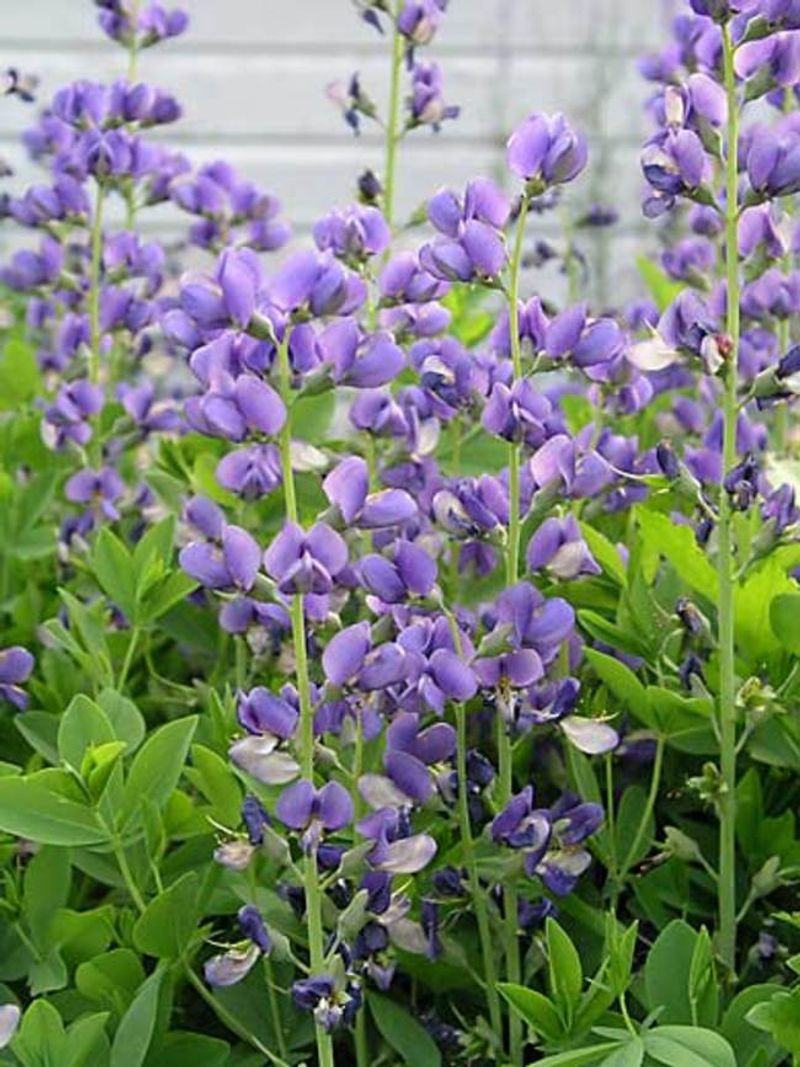
Baptisia, or False Indigo, is known for its tall spikes and deep blue flowers. Its deep taproot makes division risky, as the plant resents disturbance. It grows slowly from seed, making propagation challenging. However, once established, Baptisia is long-lived and requires little maintenance. Its ability to enhance garden aesthetics with striking blooms makes it a valuable addition. Baptisia’s presence in the garden is both ornamental and enduring, providing a show of color with minimal effort once settled.
19. Butterfly Weed (Asclepias tuberosa)

Butterfly Weed is celebrated for its vibrant orange blooms and role in supporting butterflies. Its fragile roots resent disturbance, making division unadvisable. Instead, propagation from seeds is recommended to maintain plant health. Butterfly Weed thrives in sunny locations, adding a splash of color and attracting pollinators. Its importance in the ecosystem as a host plant for monarch butterflies enhances its appeal. Gardeners value its brilliant blooms and contribution to biodiversity, making it a cherished part of native plant gardens.
20. Russian Sage (Perovskia)
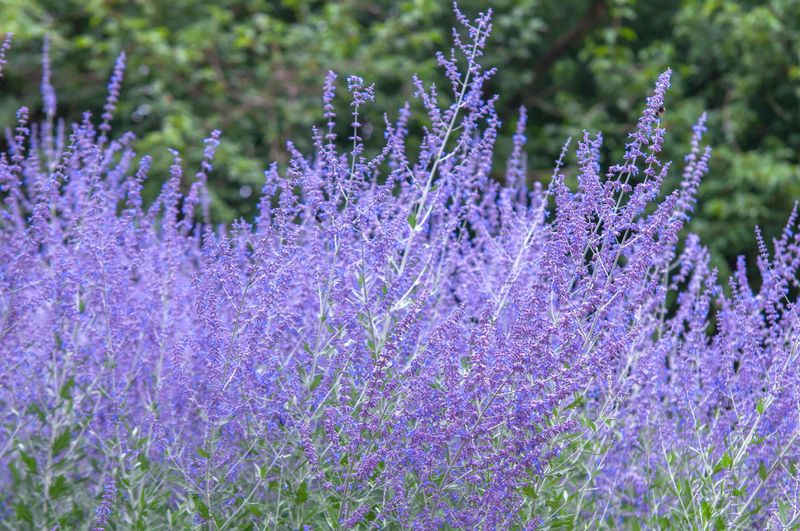
Russian Sage is admired for its silver foliage and lavender blooms. It is better propagated by cuttings or layering than by division, as its woody stems do not divide well. This propagation method ensures the plant maintains its health and vigor. Russian Sage thrives in sunny, well-drained environments, adding height and texture to the garden. Its aromatic foliage and long-lasting blooms make it a favorite for borders and mixed plantings. With minimal care, it provides a stunning display throughout the season.
21. Oriental Poppies
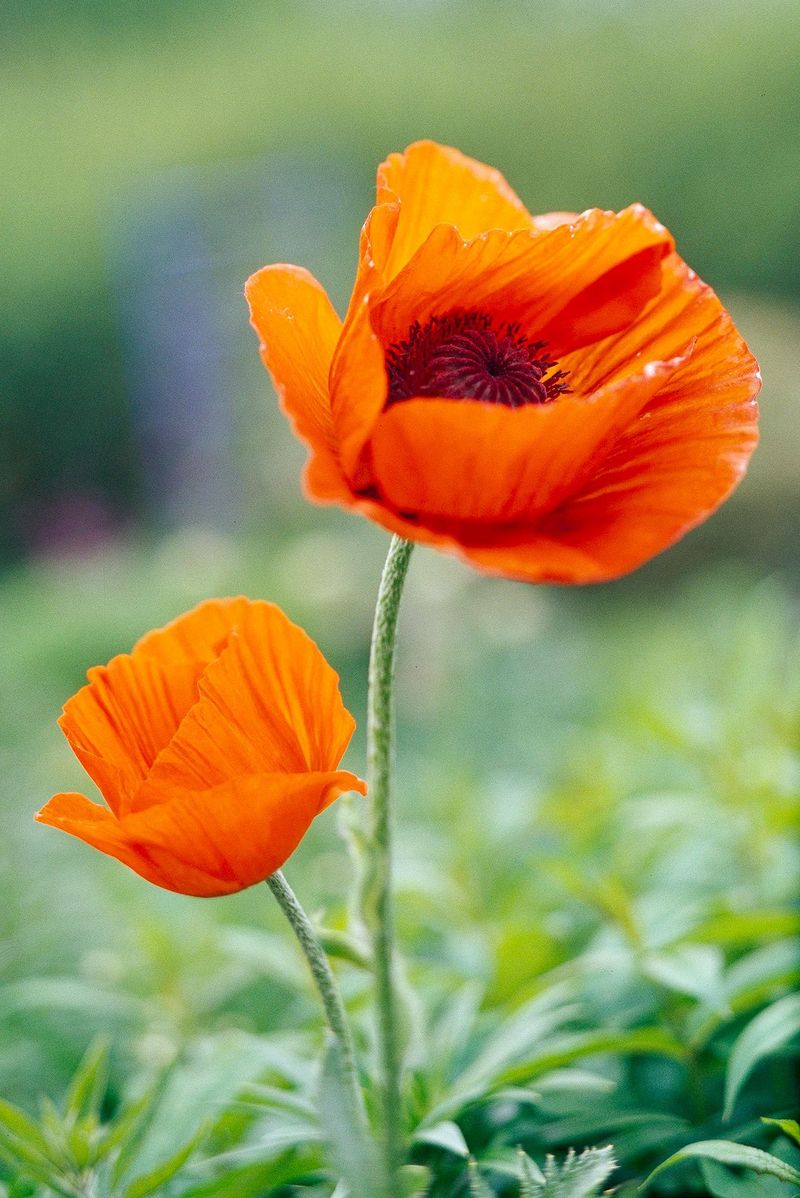
Oriental Poppies are renowned for their large, flamboyant blooms. Their long taproots make division nearly impossible, so propagation from seed is preferred. This method allows the plant to establish and flourish without disturbance. Oriental Poppies require full sun and well-drained soil to thrive, offering a spectacular display each spring. Their bold colors and dramatic presence make them a standout choice for gardeners seeking striking visual impact. Despite their delicate nature, Oriental Poppies deliver a breathtaking show when properly cared for.