 Complete Gardening
Beans are a staple in many gardens due to their versatility and taste. However, certain plants can negatively impact their growth when planted nearby. This guide explores 15 such plants, detailing how they can hinder your bean crop.
1. Garlic
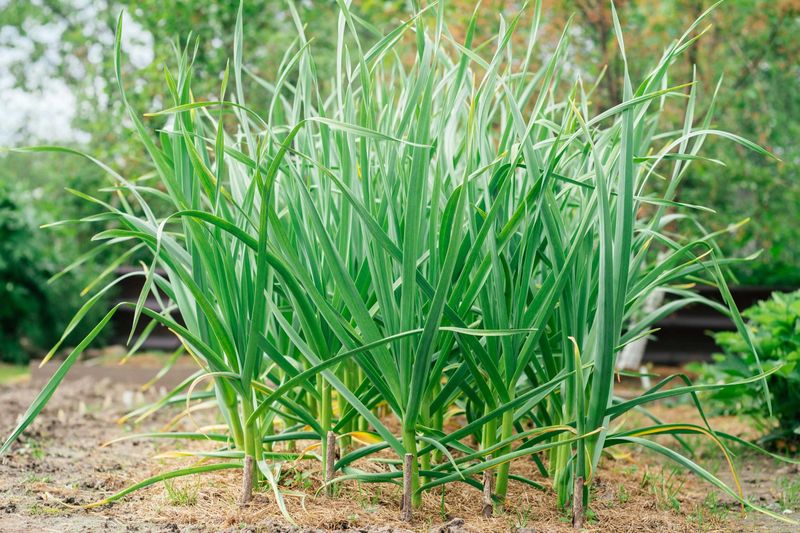
Garlic, with its potent aroma and flavor, is a kitchen favorite. However, this pungent bulb can be a poor companion for beans. Its strong scent can inhibit the growth of beans by affecting their root system. Additionally, garlic releases certain compounds into the soil that can interfere with bean development.
While garlic is beneficial to many plants by deterring pests, it is not the ideal neighbor for beans. The close proximity can lead to stunted growth and reduced yields, making it a less-than-ideal planting combination.
2. Onions
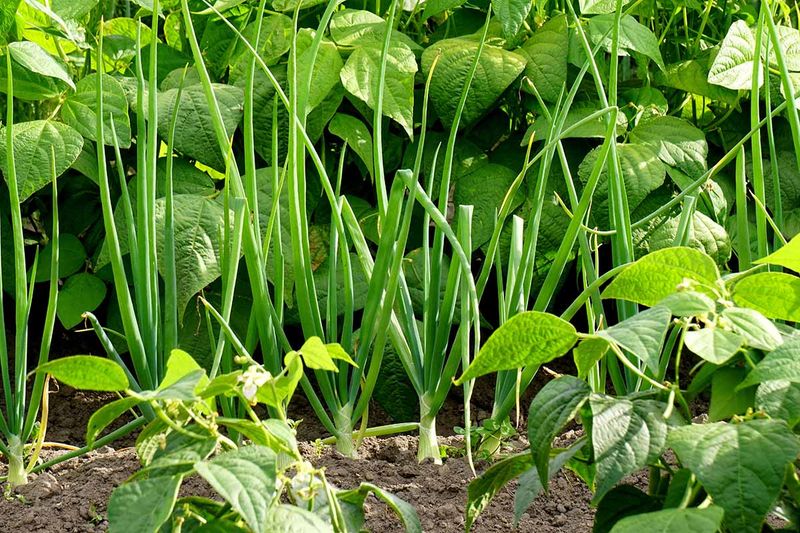
Onions bring flavor to dishes but can hinder bean growth. Their aggressive root system competes vigorously for nutrients, leaving beans struggling. The allelopathic chemicals in onions can further suppress bean growth, leading to decreased vigor and smaller harvests.
Companion planting with beans is often successful, but onions stand out as an exception. Their presence can lead to yellowing leaves and fewer beans per plant. Choosing better neighbors for your beans can enhance productivity and garden harmony.
3. Fennel
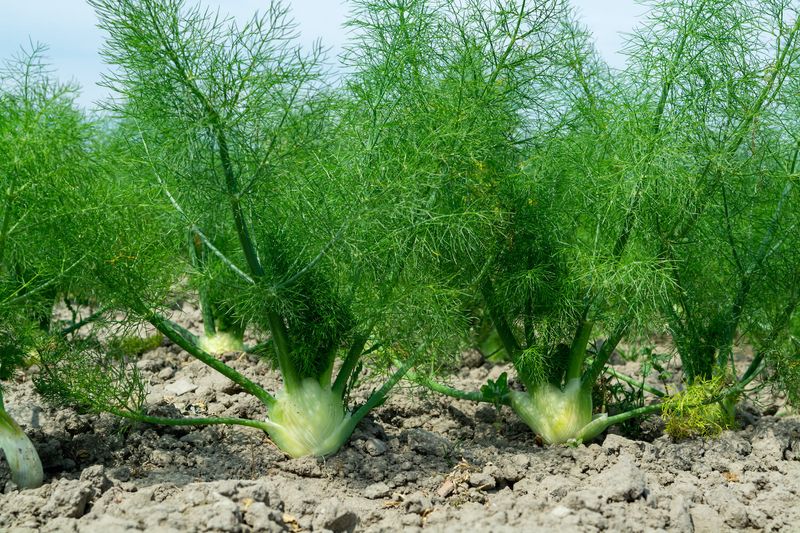
Fennel, with its feathery fronds and anise-like scent, is an attractive herb. However, it’s known to be a poor companion for beans. The chemicals secreted by fennel can hinder the growth of beans, preventing them from flourishing.
In a garden, this can mean beans appear stunted and underdeveloped when planted near fennel. The relationship is one-sided, with fennel thriving while beans suffer. Separating these plants in your garden plan ensures both can grow to their full potential.
4. Sunflowers
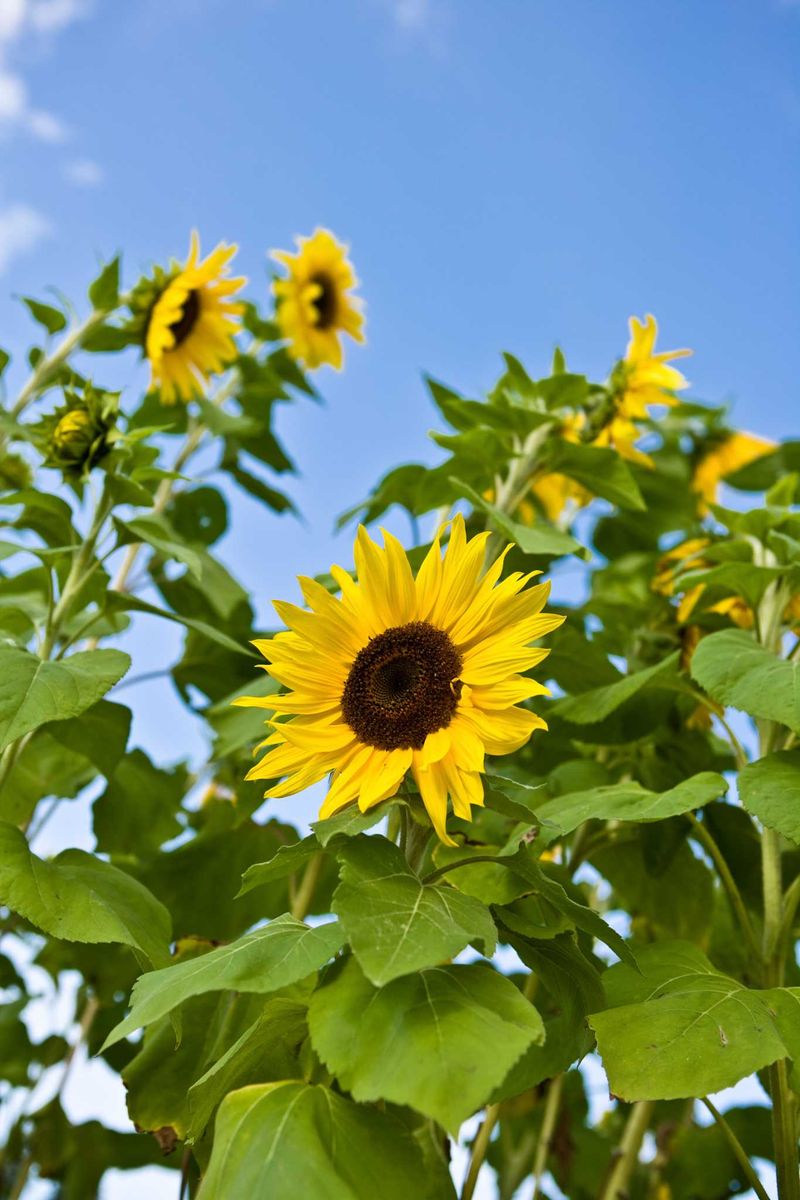
Sunflowers, with their towering height and bright blooms, are garden showstoppers. Yet, they can overshadow beans, both literally and figuratively. Their towering structure can block sunlight, crucial for the optimal growth of beans.
Moreover, sunflowers exude toxins from their roots, which can inhibit bean growth. This allelopathic interaction results in reduced bean yields and vigor. For a thriving garden, it’s wise to plant sunflowers away from your bean patches.
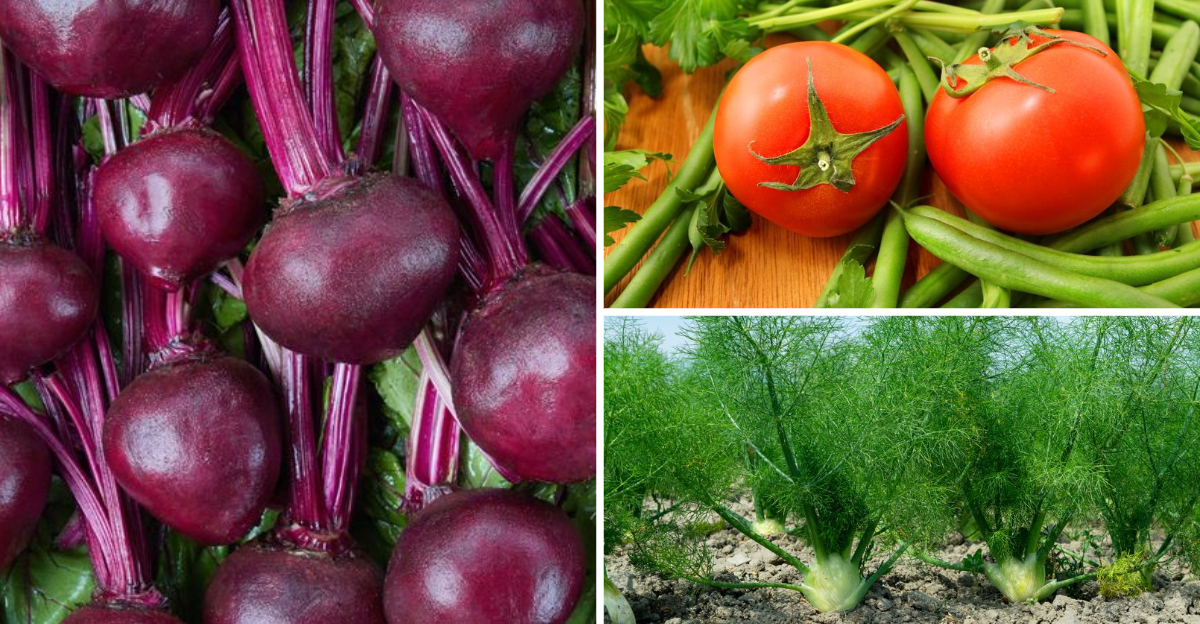
5. Beets
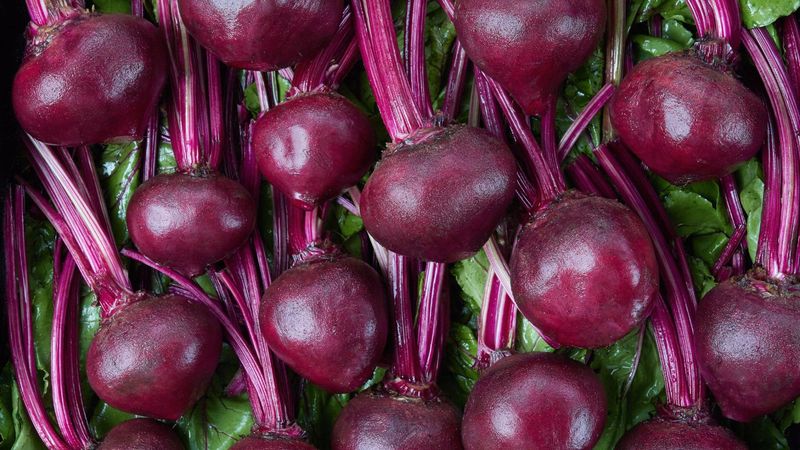
Beets, with their vibrant roots, are a garden favorite. But when planted near beans, they can cause trouble. The issue stems from competition for soil nutrients essential for both plants’ development.
Beans may end up with yellowing leaves and reduced pod production due to nutrient rivalry. The relationship is particularly harsh in nutrient-poor soils, where competition is fierce. Consider spacing them apart for a balanced and fruitful garden.
6. Kohlrabi
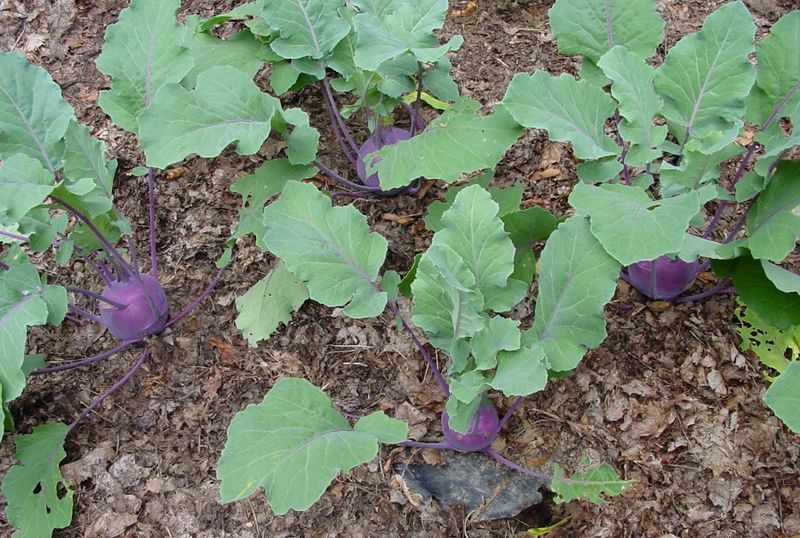
Kohlrabi, with its unusual bulbous stems, is intriguing but not bean-friendly. Its large leaves can overshadow beans, depriving them of sunlight. Moreover, kohlrabi’s nutrient demands can leave beans wanting.
In a shared garden space, beans may exhibit poor growth and sparse yields when grown close to kohlrabi. For the best results, allocate separate areas for these two to avoid adverse interactions and maximize yield potential.
7. Peas
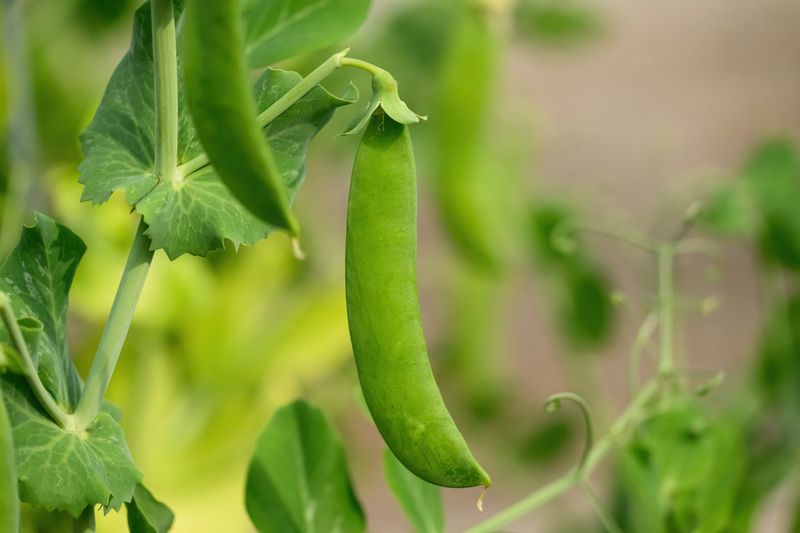
Peas, often seen as a close relative, can surprisingly be detrimental to beans. Both plants have similar nutrient needs and, when grown together, can exhaust soil resources quickly.
This competition leads to weaker plants and lower yields. In addition, peas can attract pests that also affect bean plants, compounding the issue. For a bountiful harvest, consider rotating these crops or planting them in separate areas of the garden.
8. Tomatoes
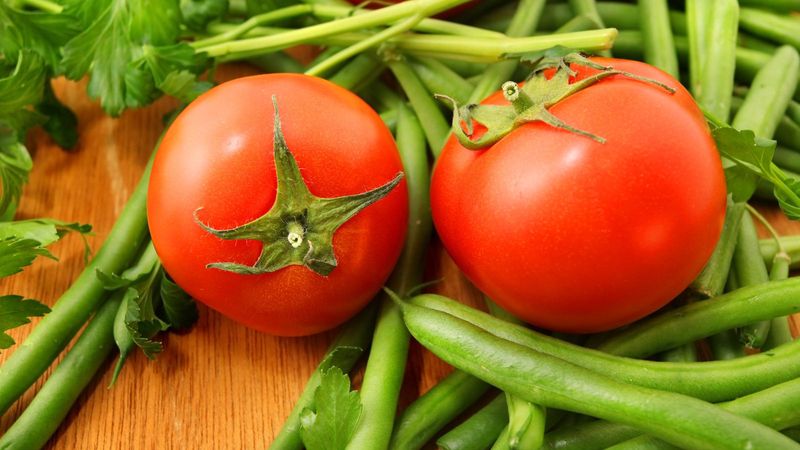
Tomatoes, with their juicy, sweet fruits, are garden staples but can be adversaries to beans. They are heavy feeders, depleting soil nutrients crucial for thriving bean plants.
Additionally, tomatoes and beans can share diseases, making cohabitation risky. When planted together, one may thrive at the expense of the other. For optimal growth, it’s better to plant them apart, ensuring both can access adequate nutrients and grow healthily.
9. Broccoli
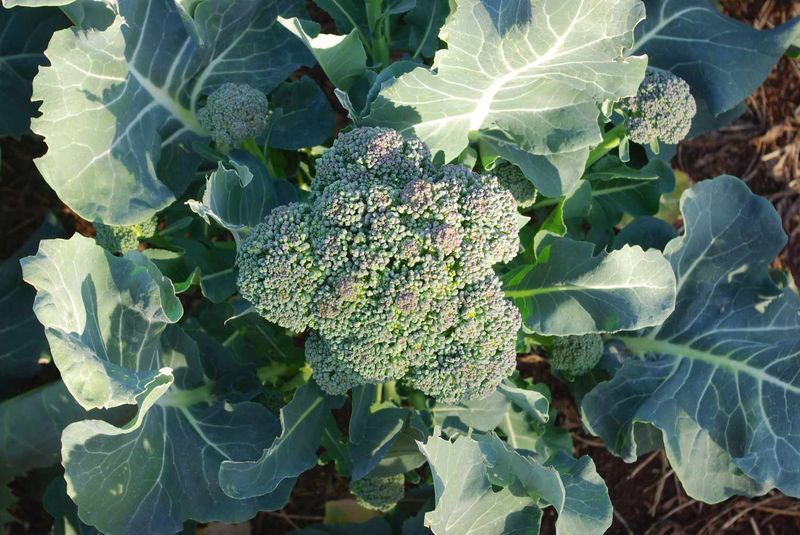
Broccoli, with its nutritious florets, is a mainstay in many gardens. But, it competes fiercely with beans for soil nutrients, leading to nutrient depletion.
This competitive dynamic results in stunted bean plants and fewer pods. Broccoli also casts shade that can further hinder bean development. Planting these crops far apart ensures each can access necessary resources and thrive independently.
10. Cabbage
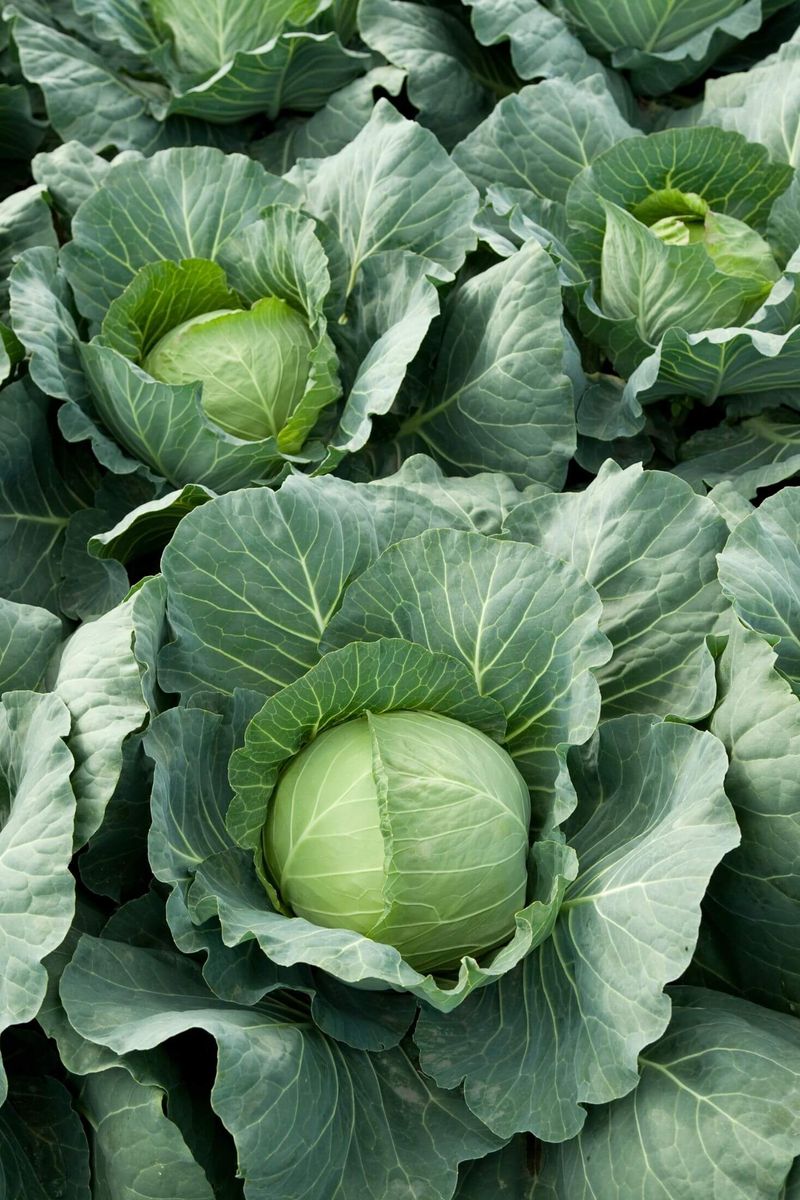
Cabbage, with its lush, leafy heads, is an unlikely antagonist to beans. Its dense foliage can overshadow beans, reducing their sunlight exposure.
Cabbage also competes for soil nutrients, crucial for bean development. This competition can lead to reduced growth and smaller bean yields. Providing adequate spacing or alternative garden layouts can prevent these issues and promote healthier crops.
11. Cauliflower
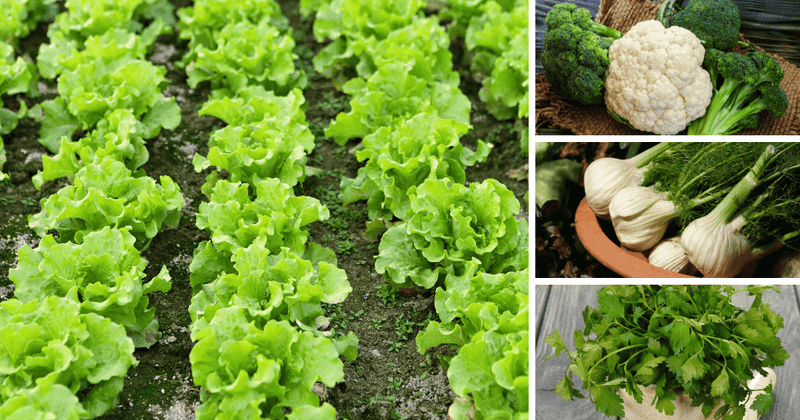
Cauliflower, a cruciferous vegetable, is a favorite for its creamy texture. However, it can be a challenging neighbor for beans. Its large leaves can cast shadows on bean plants, limiting their access to light.
Moreover, cauliflower competes for soil nutrients, which can lead to reduced bean growth. Planting them separately ensures both can flourish without hindrance. This separation allows for a balanced and productive garden environment.
12. Swiss Chard
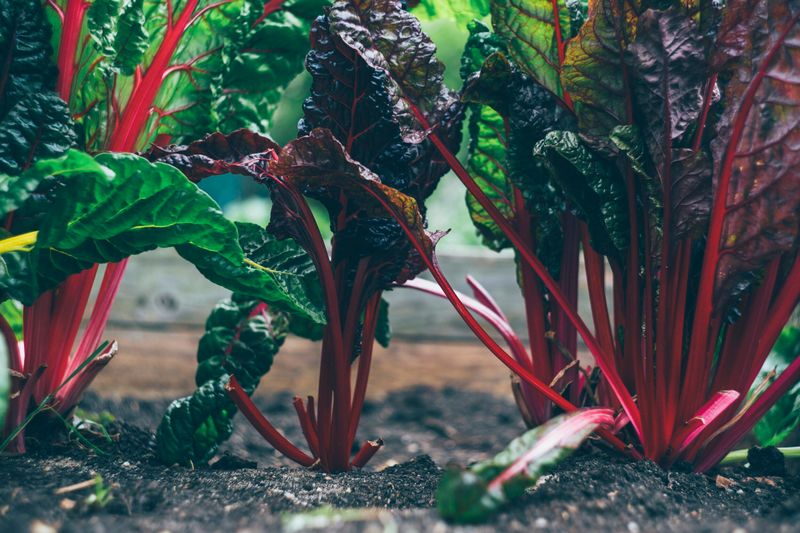
Swiss Chard, with its vibrant stems and lush leaves, is a striking addition to any garden. Yet, it competes with beans for resources, which can limit bean growth.
This competition can lead to stunted bean plants and fewer pods. Chard’s expansive leaves can also overshadow beans, reducing their sunlight exposure. For a thriving garden, consider planting Swiss Chard and beans in separate areas to minimize competition.
13. Turnips
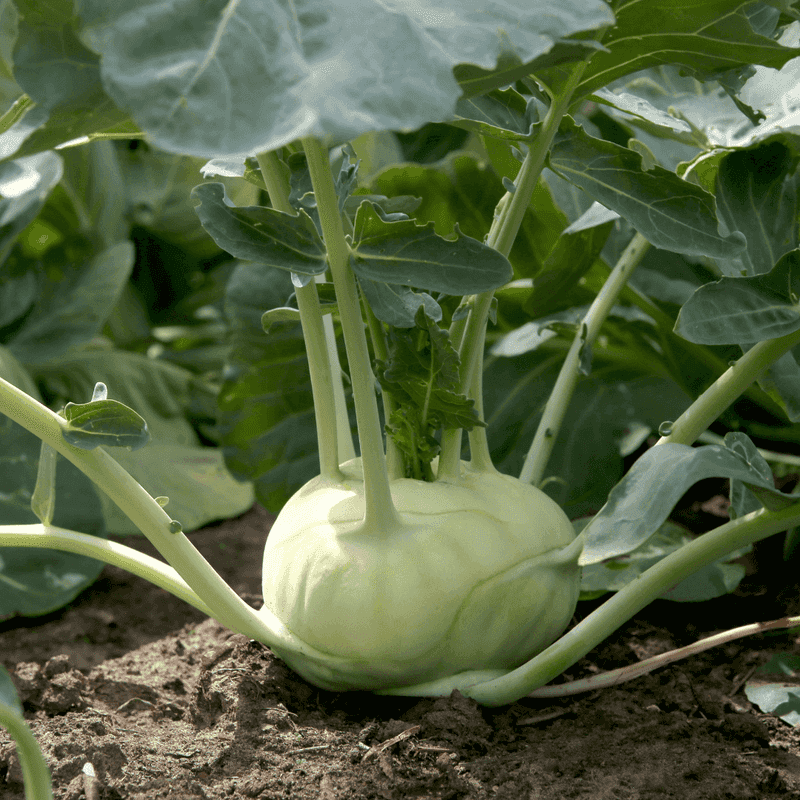
Turnips, known for their edible roots, can be problematic neighbors for beans. Their strong root systems compete for soil nutrients, leading to diminished bean growth.
Additionally, turnips can overshadow beans, depriving them of sunlight. This can result in yellowing leaves and fewer pods. Allocating separate garden spaces for these two ensures each receives adequate sunlight and nutrients, leading to healthier crops.
14. Radishes
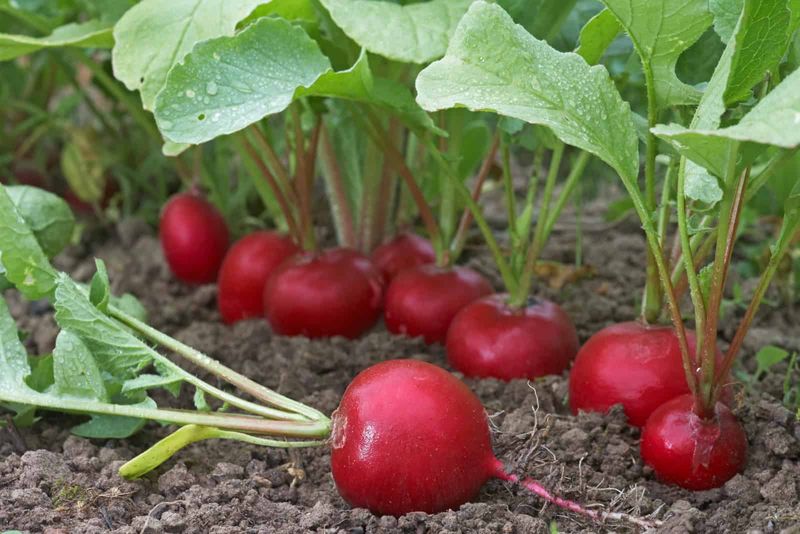
Radishes, quick to mature, might seem harmless but they can impede bean development. Their rapid growth can monopolize nutrients, leaving beans struggling to thrive.
Furthermore, radishes can cast shade on bean plants, reducing their photosynthetic efficiency. This dynamic results in fewer beans and underdeveloped plants. For optimal garden health, consider separate planting locations for radishes and beans.
15. Carrots
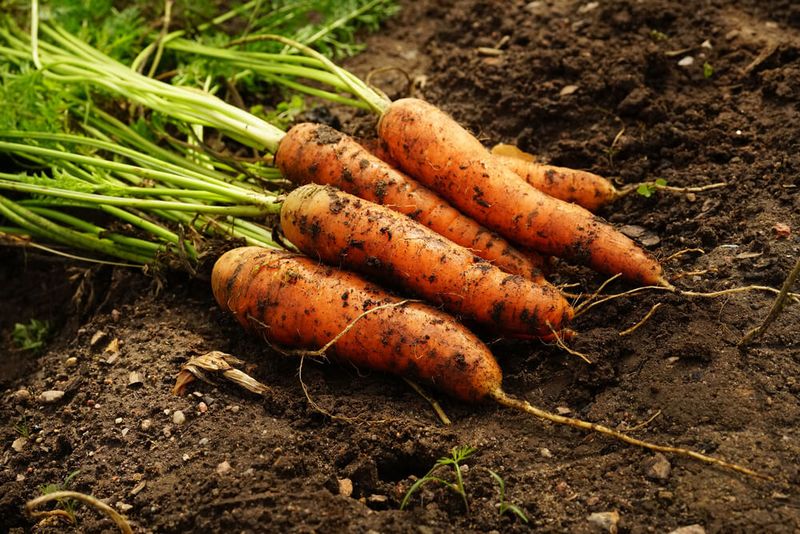
Carrots, with their sweet roots, are garden favorites but they can compete with beans for soil nutrients. This rivalry can lead to stunted bean growth and reduced yields.
Moreover, carrots’ feathery leaves can cast shade on beans, further inhibiting their development. By planting carrots and beans apart, gardeners can ensure both have the resources they need to thrive, resulting in a more productive garden.