 Complete Gardening
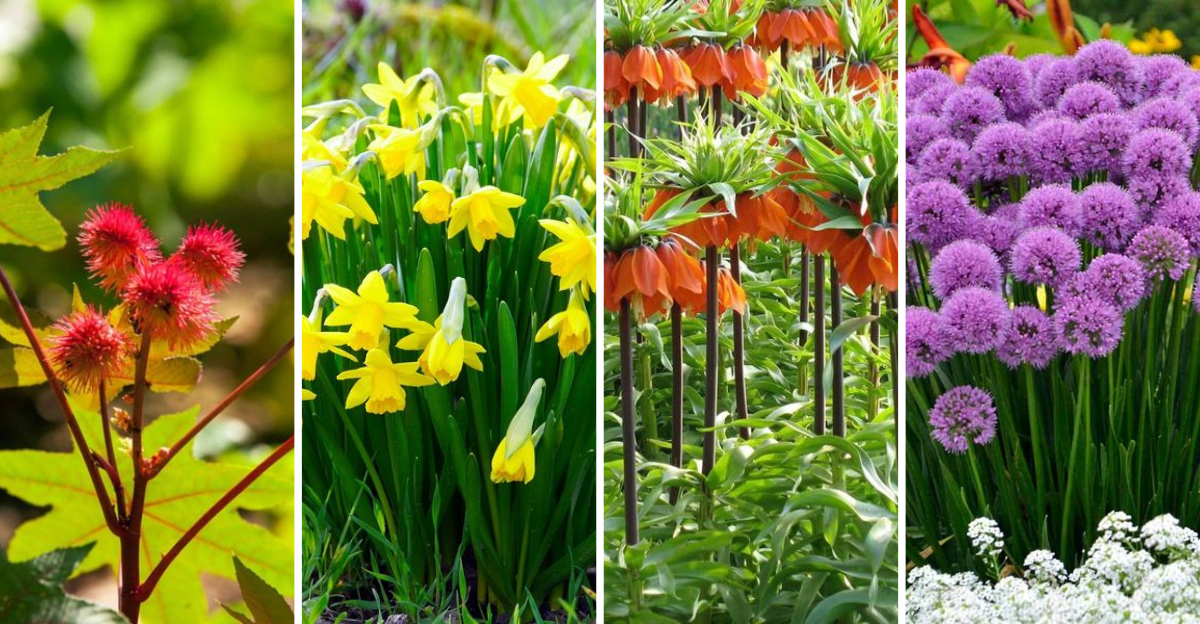
Gardening enthusiasts often battle against moles, whose underground tunnels can wreak havoc on carefully cultivated landscapes. If you’re seeking a natural way to deter these burrowing creatures, look no further than your garden. Several plants not only enhance the beauty of your outdoor space but also act as natural mole repellents. Discover the power of these 15 plants that promise to keep your garden tunnels-free, while adding charm and fragrance to the environment.
1. Castor Bean
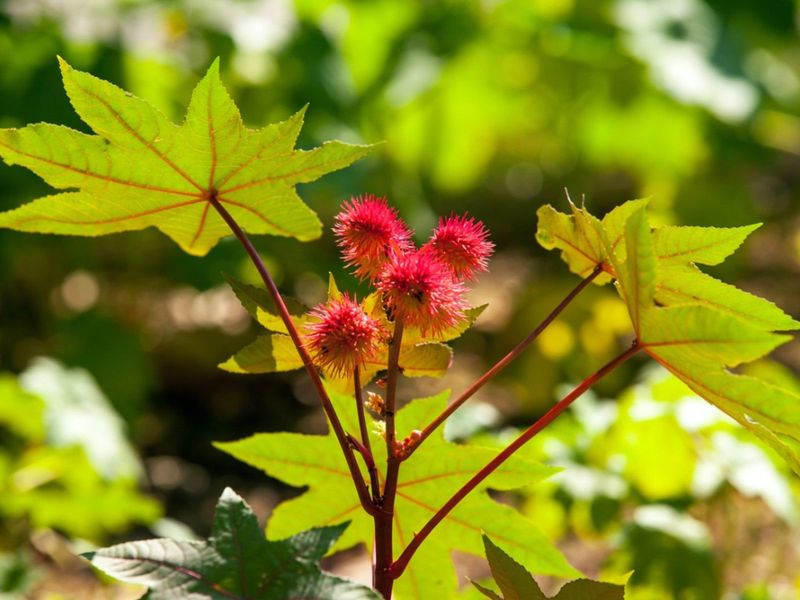
Castor bean plants are more than just a striking addition to your garden. Their large, glossy leaves and unique seed pods make them a visual treat. However, moles detest the presence of castor beans due to the plant’s natural toxins.
This plant releases chemicals that are unpalatable to moles, effectively driving them away. It’s important to handle castor beans with care, as they are toxic to humans and pets.
Gardeners appreciate their mole-repelling abilities, allowing other plants to flourish undisturbed. Known for their resilience, castor beans thrive in sunny spots and well-drained soil.
2. Daffodil
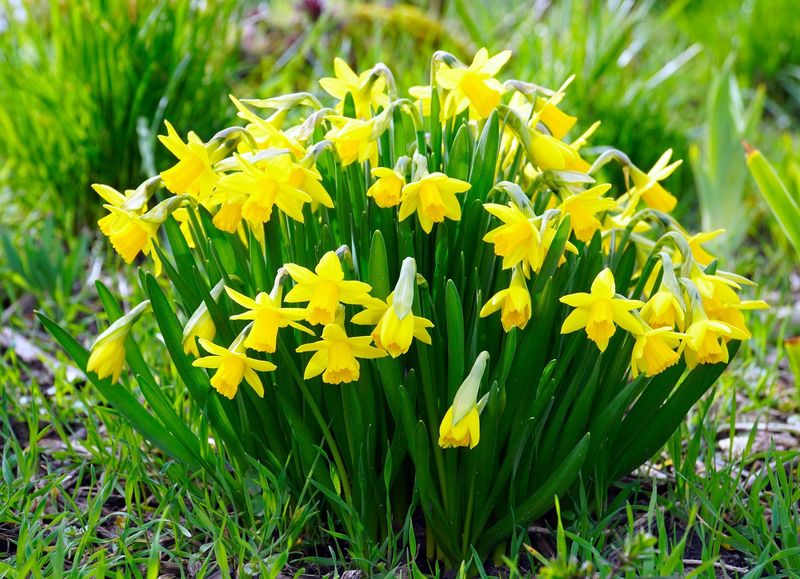
Bright and cheerful, daffodils bring a sense of joy to any landscape. Their vibrant yellow flowers are not just a feast for the eyes but a deterrent for moles.
Moles avoid areas with daffodils due to their unpalatable bulbs. These hardy plants thrive in various conditions, making them a versatile choice for gardeners.
Planted in clusters, daffodils create a visual barrier that moles are reluctant to cross. With their early spring blooms, they signal the end of winter and the beginning of a mole-free season.
3. Fritillaria
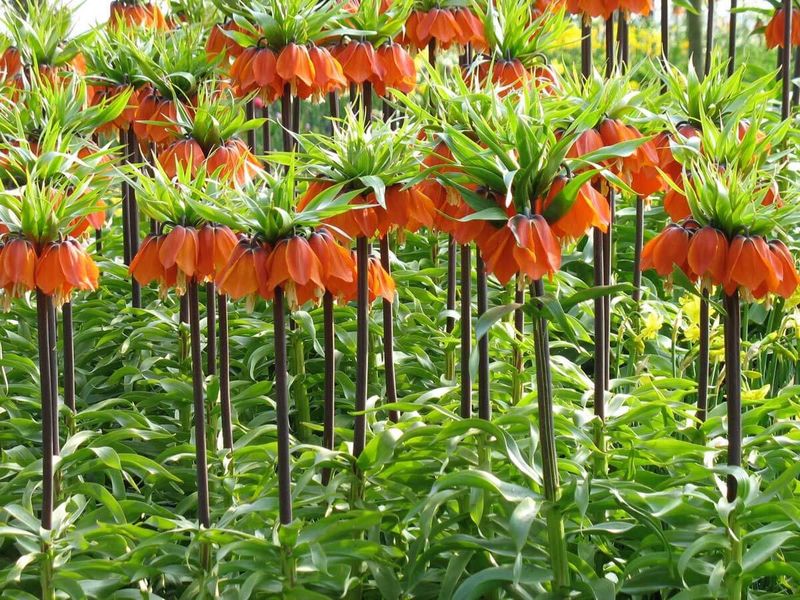
Elegant and exotic, fritillaria stands out with its distinctive bell-shaped flowers. This plant is a natural mole deterrent, thanks to its strong scent, which moles find unpleasant.
Fritillaria’s bulbs emit an odor that permeates the soil, creating an invisible barrier against these underground invaders. A favorite among gardeners, it brings diversity and beauty to flower beds.
Despite its delicate appearance, fritillaria is robust and capable of withstanding various climates, adding both functionality and aesthetic appeal to any garden.
4. Allium
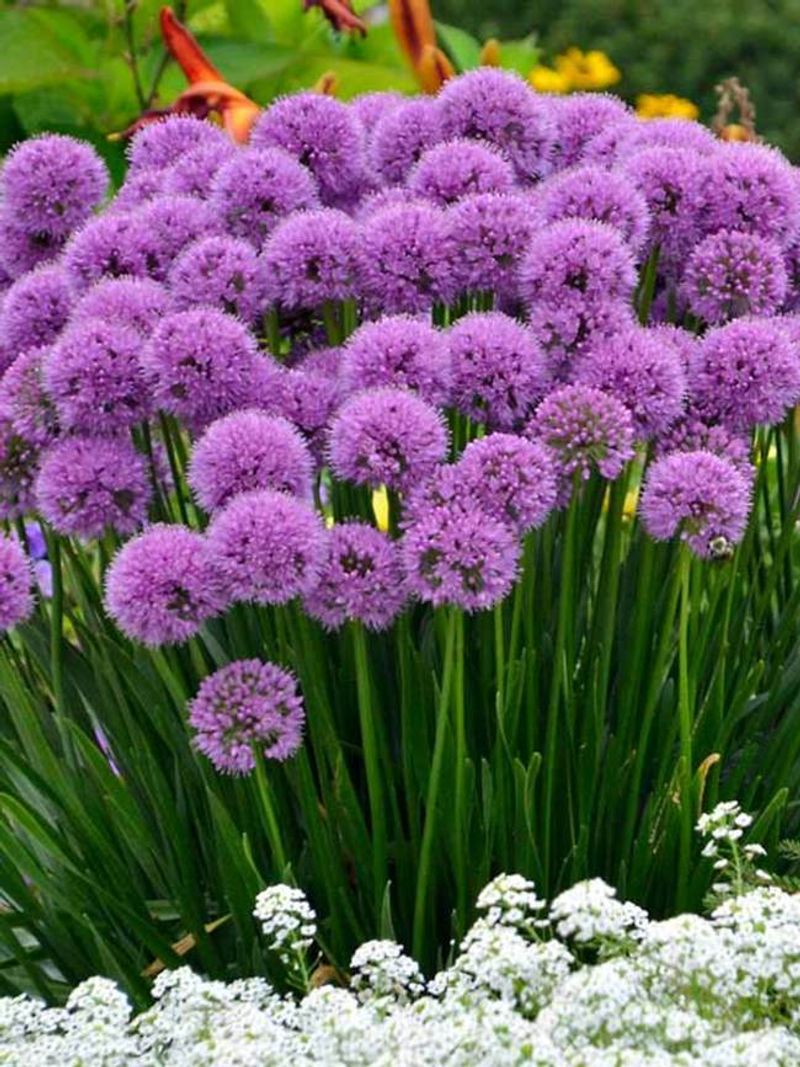
Boasting bold, spherical flowers, allium commands attention in any garden. These plants are beloved not just for their striking appearance but their mole-repelling properties.
Allium emits a scent similar to onions, which deters moles from venturing near. Their long-lasting blooms add color and height to garden borders.
Gardeners appreciate allium for its low maintenance and versatility. These plants flourish in sunny areas and well-drained soil, creating a vibrant barrier that moles tend to avoid.
5. Marigold
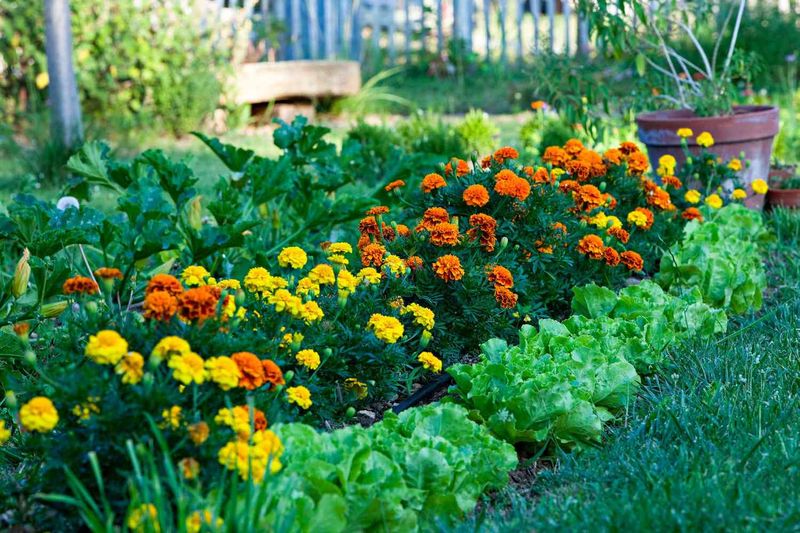
Marigolds are not only a garden favorite for their bright, sunny blossoms, but they’re also effective mole repellents. Their roots produce a pungent aroma that moles find unappealing.
Gardeners often plant marigolds around the perimeter of gardens to act as a natural barrier. These hardy plants are easy to grow and maintain, thriving in a variety of soil conditions.
By incorporating marigolds into your landscape, you add a splash of color while keeping moles at bay. Their cheerful blooms can transform any garden into a vibrant, mole-free zone.
6. Mint
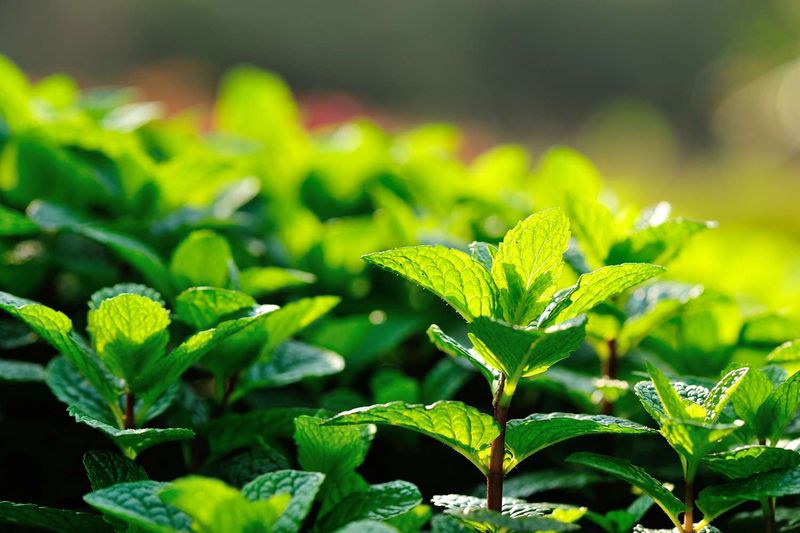
Known for its refreshing aroma, mint is more than just a culinary herb. It’s a natural mole repellent, thanks to its strong scent that deters these burrowing pests.
Planted along garden borders, mint creates a fragrant barrier that moles avoid. Its vigorous growth ensures quick coverage, providing an effective defense against moles.
Easy to cultivate, mint thrives in well-drained soil and shaded areas. Its aromatic leaves not only enhance your garden’s appeal but also contribute to a mole-free environment.
7. Lavender
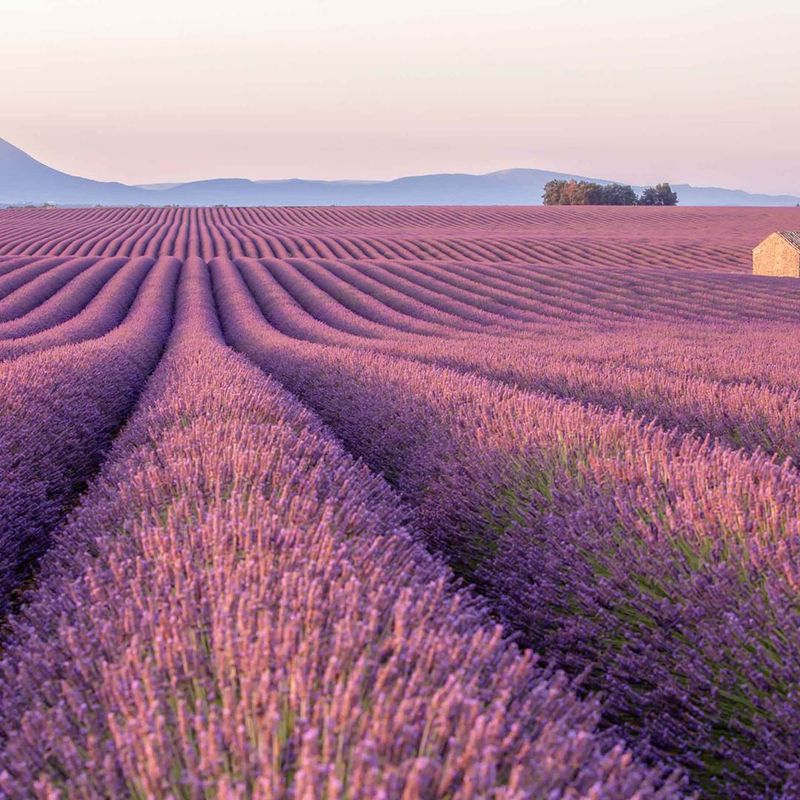
Lavender’s soothing scent is a favorite among gardeners and a deterrent for moles. This aromatic plant possesses natural oils that moles find repulsive.
Planting lavender around garden borders can help keep these unwanted visitors at bay. Besides its mole-repelling qualities, lavender adds a touch of elegance and calm to any landscape.
Lavender thrives in sunny, well-drained areas, making it a low-maintenance yet effective choice for pest control. Its fragrant blooms also attract pollinators, enhancing the biodiversity of your garden.
8. Euphorbia
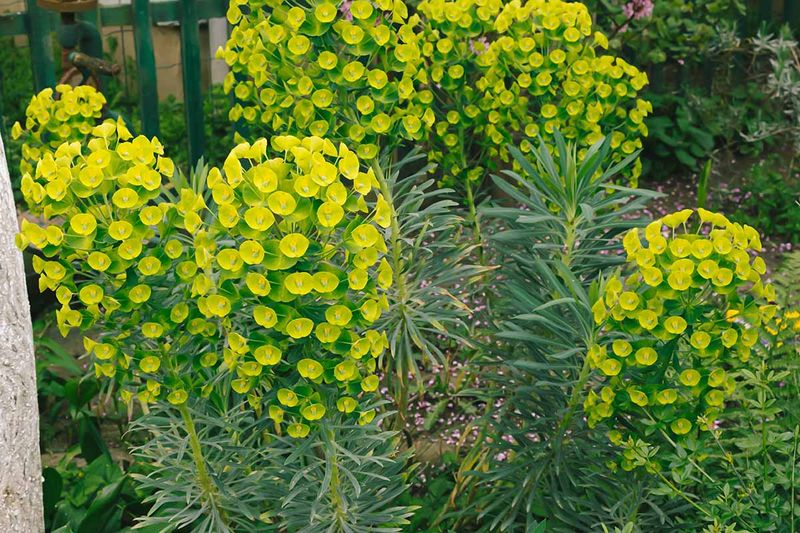
Euphorbia, with its diverse shapes and colors, is a garden staple that also repels moles. Its milky sap contains compounds that moles find distasteful.
This hardy plant adapts to various environments, thriving in poor soil and sunny locations. Its unique appearance adds interest to garden designs, providing both aesthetic appeal and practical benefits.
Gardeners value euphorbia for its resilience and ability to deter moles, making it a valuable addition to any pest-conscious landscape.
9. Garlic
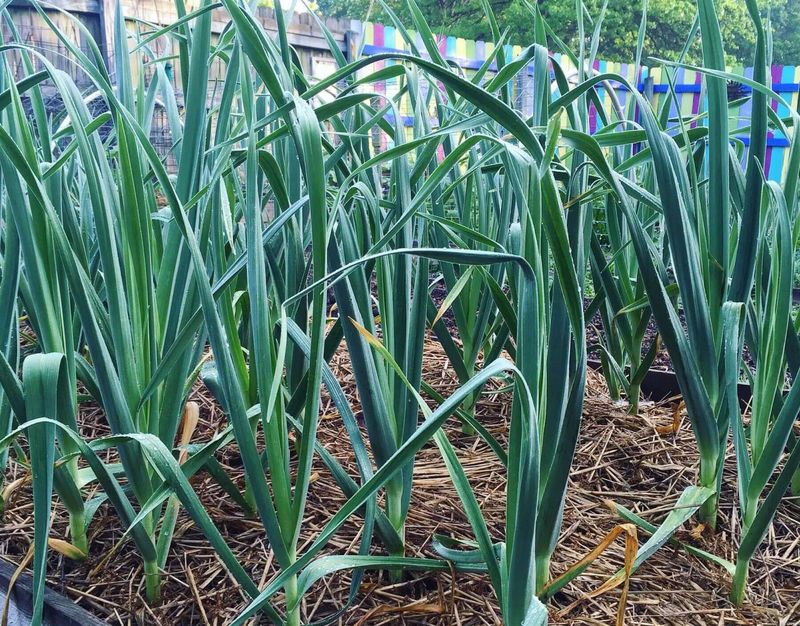
Garlic is renowned for its culinary uses, but it also serves as a natural mole repellent. Its pungent smell permeates the soil, creating an unwelcome environment for moles.
Planting garlic around garden borders forms a protective barrier against these pests. As garlic grows, its strong aroma intensifies, enhancing its repelling effect.
Gardeners appreciate garlic’s dual purpose: a flavorful addition to dishes and a defender of garden integrity. Easy to grow, garlic thrives in sunny spots and well-drained soil, adding both utility and protection to your garden.
10. Onion
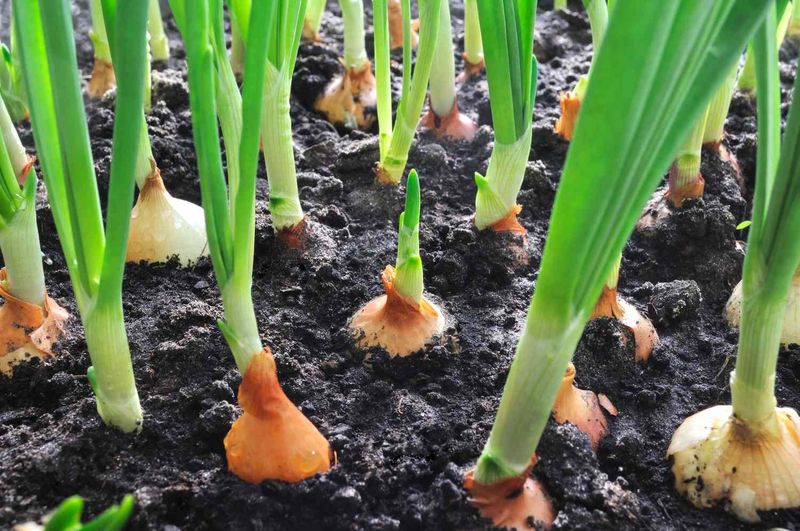
Onions, like their allium relatives, have a strong scent that moles find off-putting. This makes them an excellent natural repellent when planted strategically.
Their pungent aroma seeps into the ground, deterring moles from burrowing nearby. Onions are a versatile addition to any garden, offering culinary benefits alongside pest control.
Gardeners enjoy the dual-purpose nature of onions, which thrive in well-drained soil and sunny locations. By incorporating onions into your garden, you create a mole-resistant environment while enjoying fresh produce.
11. Rue
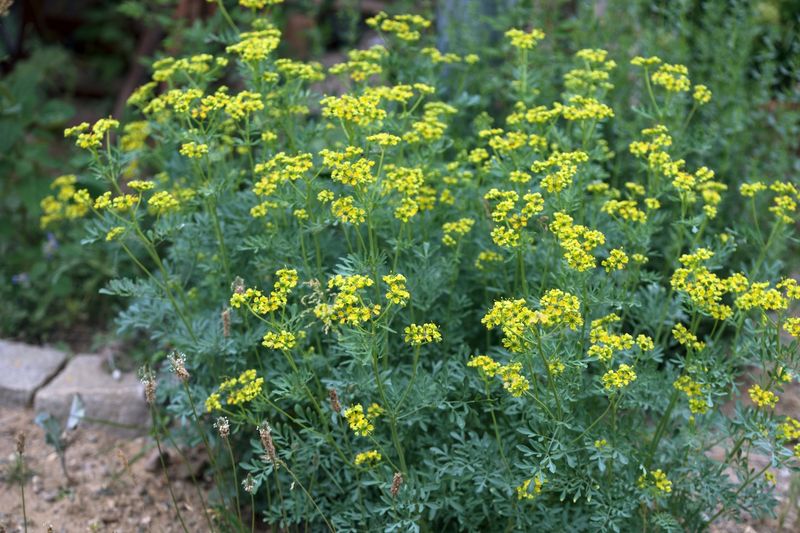
Rue, with its distinctive blue-green foliage, is not just visually appealing but also a mole deterrent. Its strong scent is unpleasant to moles, keeping them at bay.
This hardy plant thrives in poor soil and sunny areas, making it easy to incorporate into various garden settings. Its small yellow flowers add a touch of elegance to its robust appearance.
Gardeners appreciate rue for its pest-repelling properties, allowing other plants to flourish undisturbed. Its unique appearance makes rue a standout addition to any landscape.
12. Caper Spurge
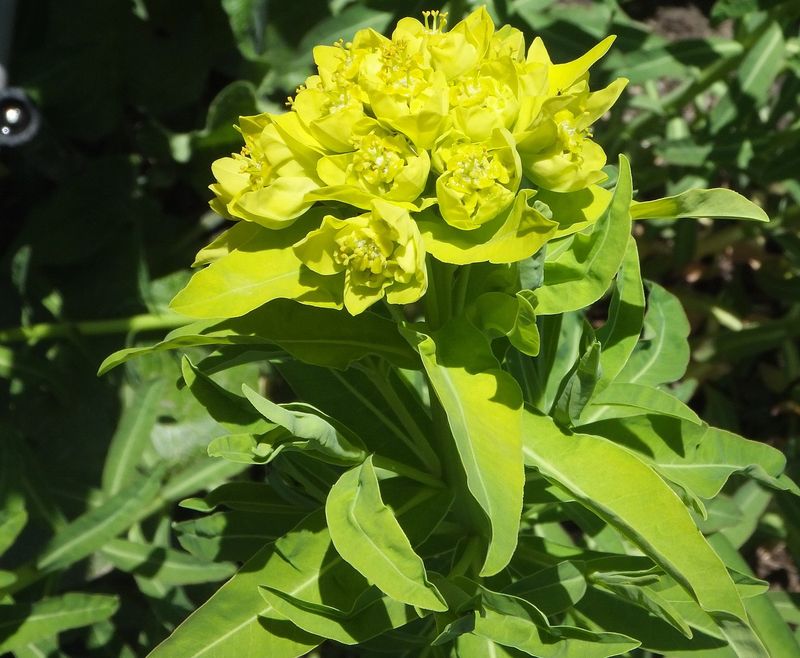
Caper spurge, also known as mole plant, is famous for its ability to repel moles. Its sap contains compounds that moles find highly unappealing.
This plant is easy to grow, thriving in sunny areas with well-drained soil. Its distinctive rounded leaves and vibrant flowers add interest to garden designs.
Gardeners value caper spurge for its dual function as an ornamental plant and a mole deterrent. Incorporating it into your garden ensures a beautiful, pest-free environment.
13. Hyacinth
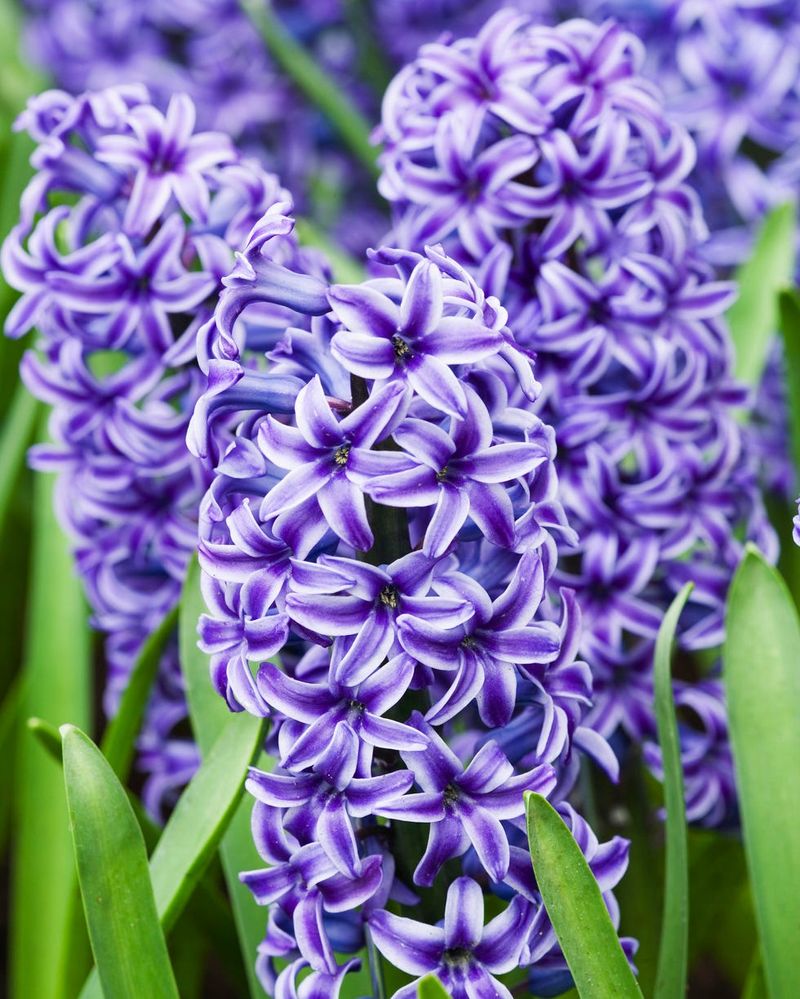
Hyacinths are celebrated for their intoxicating fragrance, which is a delight for humans but a deterrent for moles. Their strong scent helps keep moles out of the garden.
These spring blooms add vibrant colors to any landscape, making them a popular choice among gardeners. Hyacinths thrive in well-drained soil and sunny locations.
The combination of beauty and functionality makes hyacinths a top pick for those looking to cultivate a mole-free garden. Their presence signals a garden in full bloom, free from mole disturbances.
14. Squill
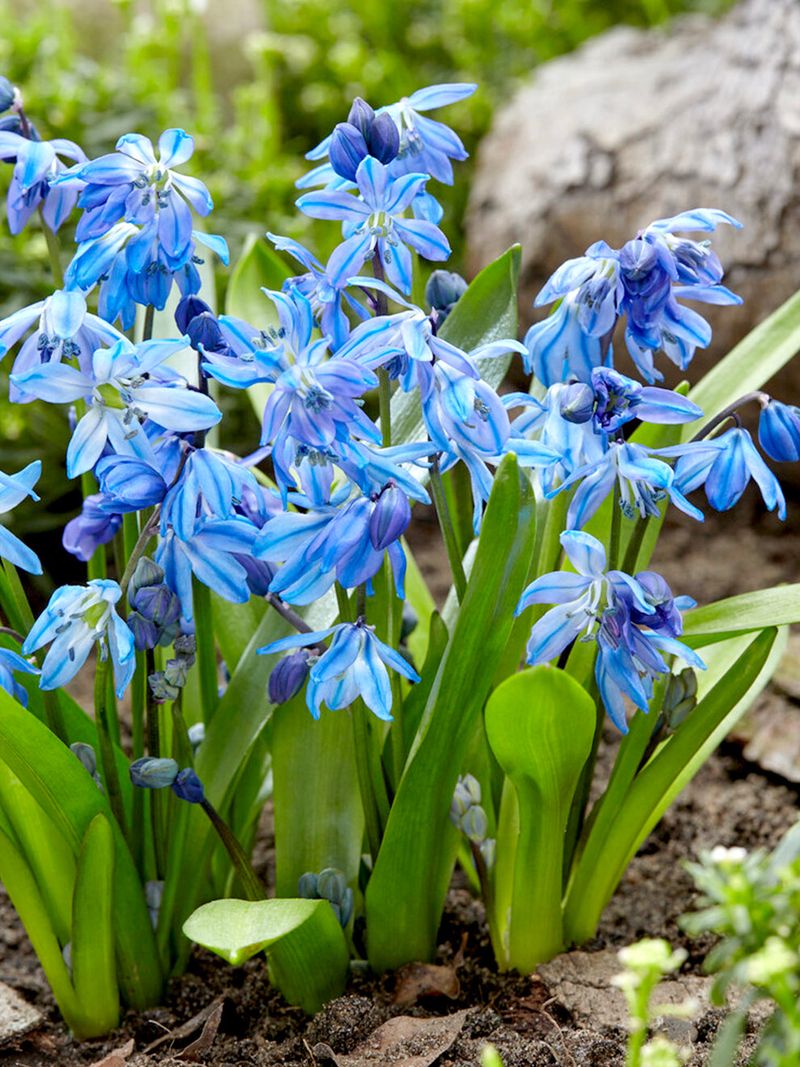
Squill, with its delicate blue flowers, is an elegant addition to any garden. Beyond its beauty, squill acts as a mole deterrent due to its unpalatable bulbs.
This early bloomer signals the arrival of spring, adding color to garden beds and borders. Squill thrives in sunny spots with well-drained soil, making it a versatile choice for gardeners.
Its understated charm and effectiveness in repelling moles make squill a valuable asset to any garden landscape. Gardeners appreciate its ability to protect while enhancing garden beauty.
15. Crown Imperial
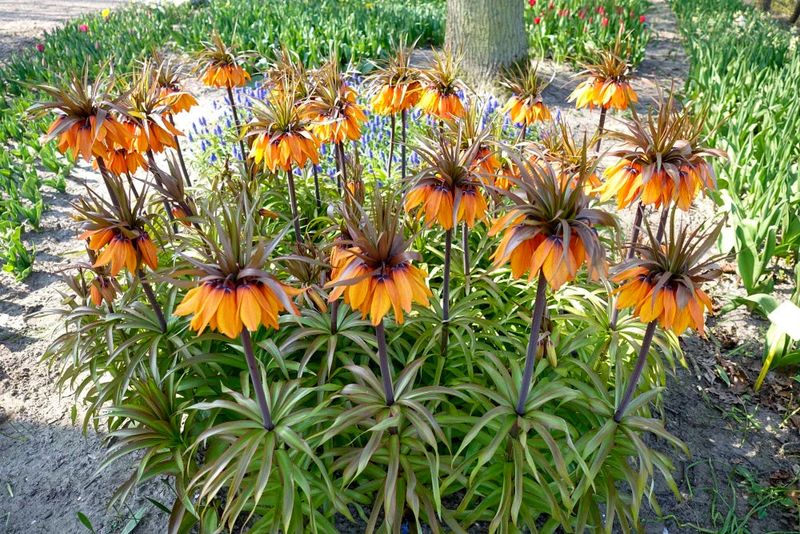
Crown imperial is a plant that commands attention with its bold orange blooms and tall, striking stems. Its strong scent is a natural mole deterrent, making it a valuable addition to gardens.
This plant thrives in sunny areas with well-drained soil, requiring little maintenance. Gardeners often plant crown imperials in clusters for maximum visual impact.
The combination of its dramatic appearance and mole-repelling abilities makes crown imperial a favorite among those aiming to maintain a beautiful, pest-free garden.