 Complete Gardening
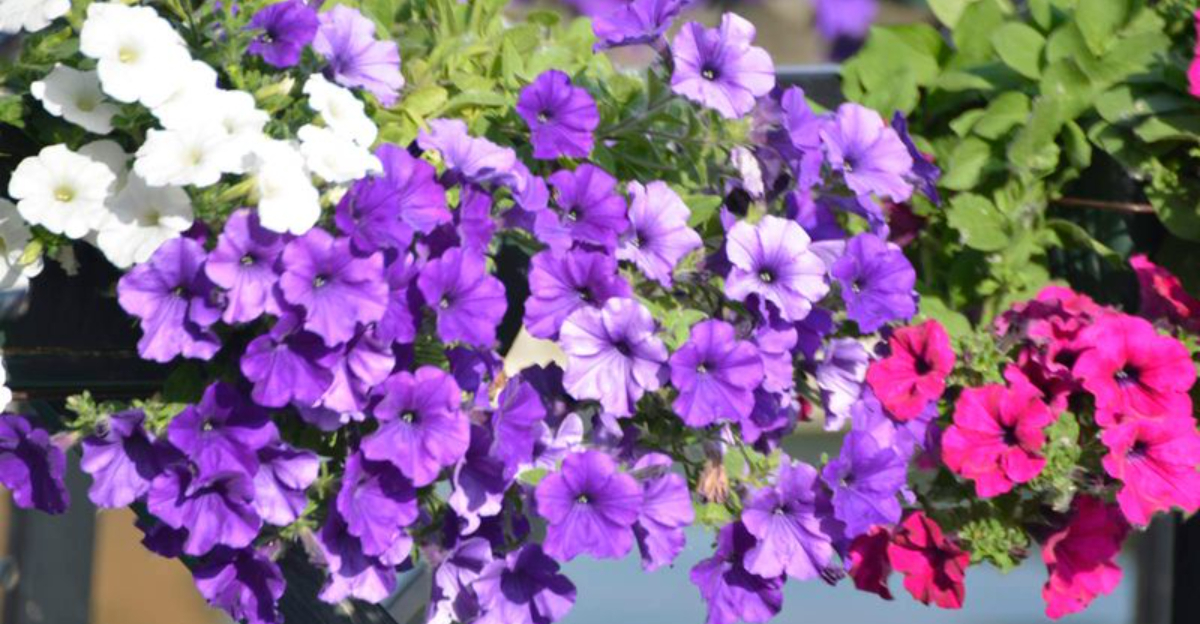
Buying plants from garden centers can be an exciting venture for gardening enthusiasts. However, not all plants thrive once they are taken home. This blog post explores 15 plants that often struggle after purchase and provides practical solutions for each, ensuring your garden remains vibrant and healthy.
1. Hybrid Tea Roses
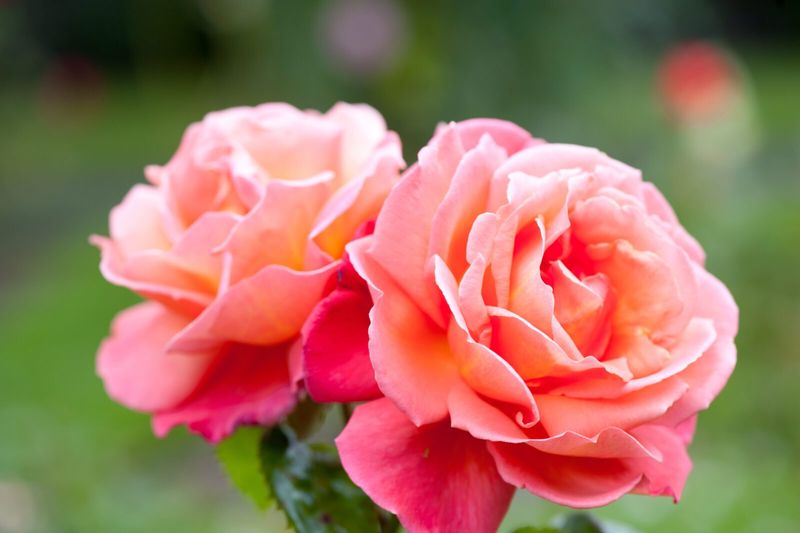
Hybrid Tea Roses, often admired for their stunning beauty, can be a challenge in home gardens. Grafted and susceptible to diseases, these roses require specific conditions to thrive. To help them settle in, plant in full sun and enhance the soil with compost.
Be vigilant for black spots, a common issue with these roses. Regular monitoring and proper care will aid in keeping them healthy. Despite their demanding nature, the reward of their blooms makes the effort worthwhile for many gardeners.
2. Hydrangeas (Bigleaf – Hydrangea macrophylla)
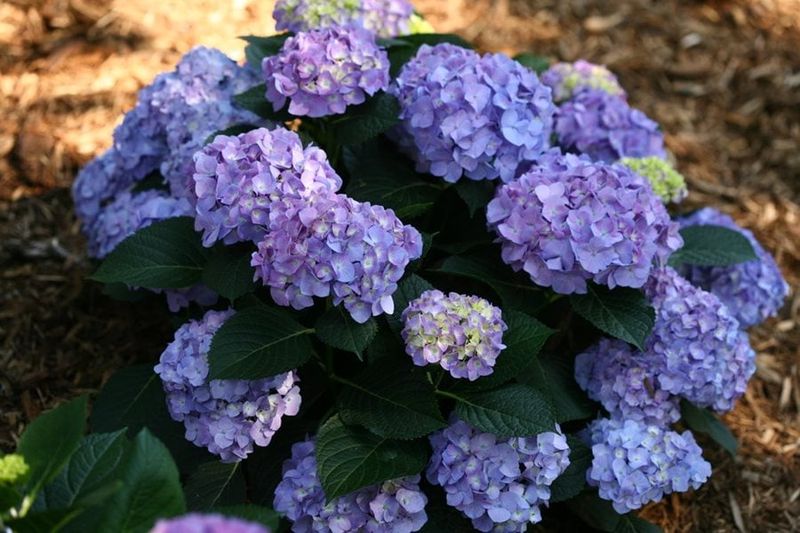
Hydrangeas, especially the Bigleaf variety, grace gardens with their showy blooms. Yet, these are often forced to bloom prematurely in nurseries, leading to wilting at home. To nurture them, maintain moist soil and shield them from harsh sunlight.
Careful pruning is essential, as incorrect methods can delay reblooming. Avoid pruning old wood varieties in fall. With patience and attention, these plants can transform any garden into a floral paradise, boasting a charm that captivates.
3. Lavender (Lavandula)
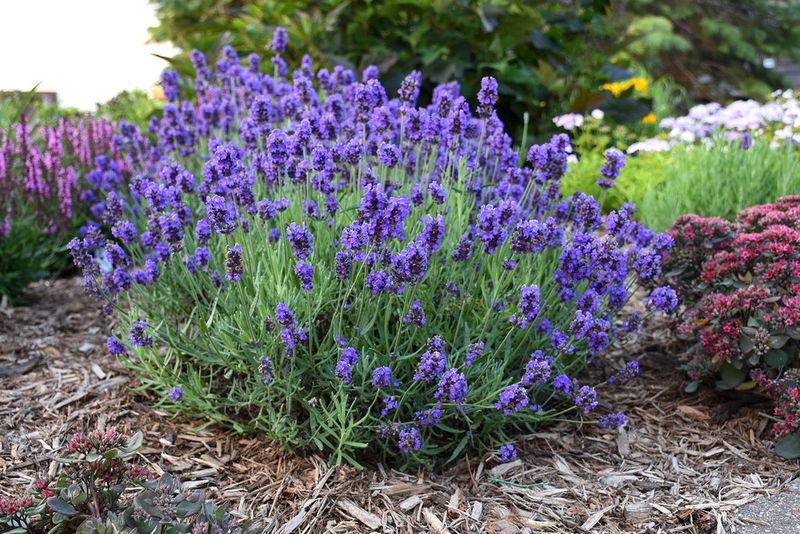
Lavender’s aromatic presence is a favorite among garden lovers. However, its tendency to be overwatered in stores can lead to root rot in gardens. Planting in well-draining soil and allowing it to dry between waterings help prevent this issue.
Avoid using mulch that retains moisture, as lavender prefers drier conditions. Its fragrant blooms and silvery foliage add a touch of elegance and tranquility. With the right care, lavender becomes a delightful, low-maintenance addition.
4. Peonies (Paeonia)
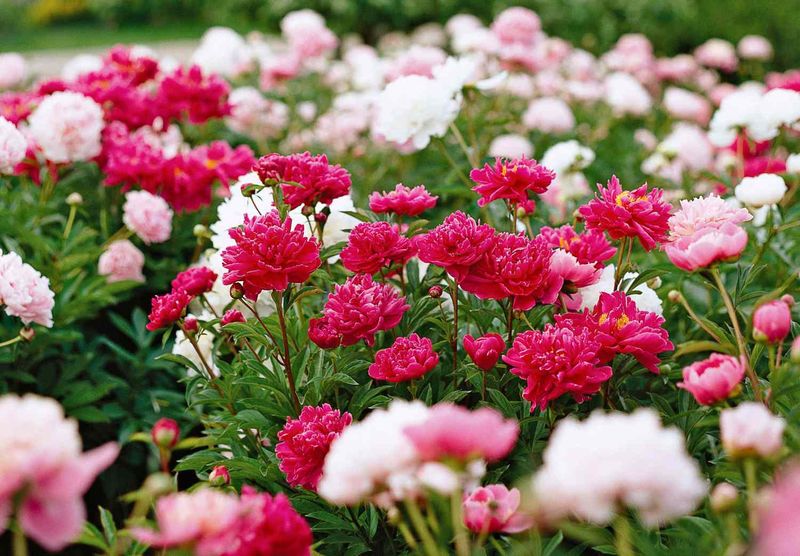
Peonies, with their lush, full blooms, are a favorite springtime spectacle. Yet, often sold with immature roots, they may take years to bloom. Planting them shallowly, with eyes 1-2 inches deep, can aid in their development.
Patience is key, as moving them once established can hinder blooming. Their enduring beauty and sweet fragrance make them worth the wait, turning any garden into a picturesque scene every spring.
5. Boxwood (Buxus)
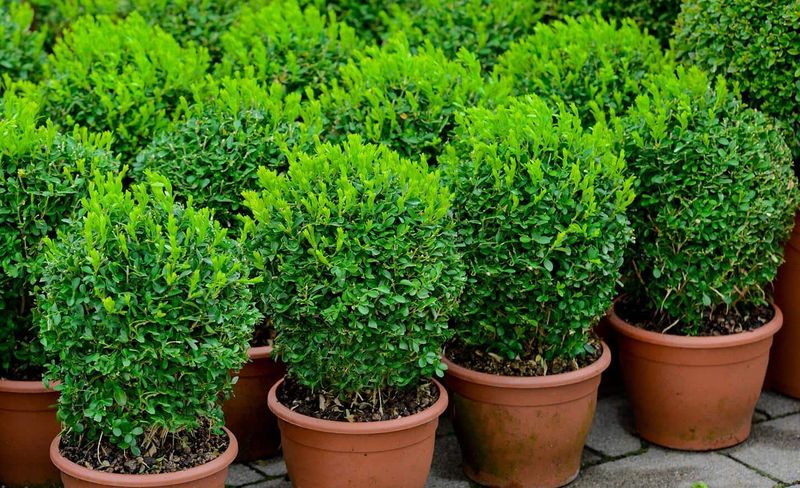
Boxwood shrubs, known for their versatility in landscaping, face challenges like boxwood blight and root rot. These issues often start with overwatering in nurseries. Ensuring proper spacing for airflow and avoiding overhead watering can prevent diseases.
Testing soil drainage and making adjustments as necessary can also help. With careful attention, boxwoods provide a classic, structured look, lending elegance to garden designs.
6. Impatiens (Impatiens walleriana)
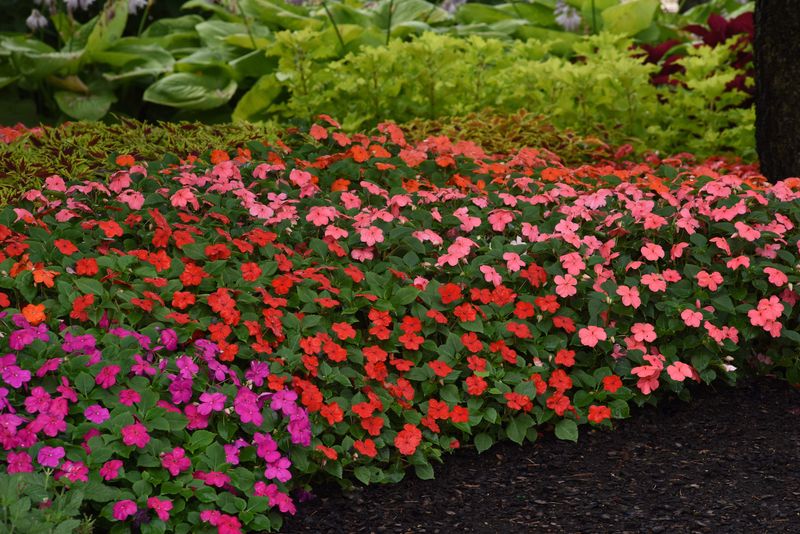
Impatiens, beloved for their bright blooms, often fall victim to downy mildew, especially from big-box stores. Opting for disease-resistant varieties or switching to New Guinea impatiens can alleviate this problem.
These resilient alternatives offer similar vibrant colors and adaptability. By choosing wisely, gardeners can enjoy a splash of color without the worry of mildew, brightening up shaded spots in any garden.
7. Japanese Maple (Acer palmatum)
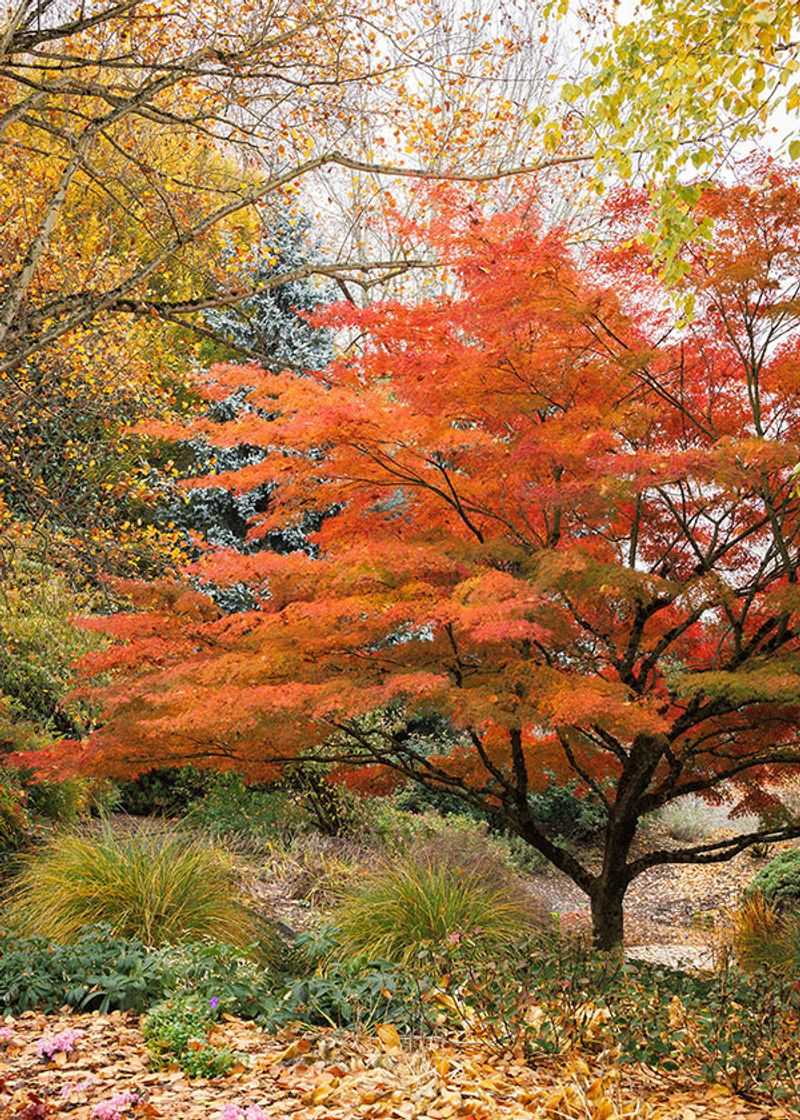
Japanese Maple trees, with their delicate leaves and graceful form, are prone to being root-bound in pots. This can stunt their growth once planted. Loosening the roots at planting and providing afternoon shade aid in their establishment.
Light mulching helps retain moisture without suffocating roots. These trees add a touch of elegance and color, transforming landscapes into serene retreats.
8. Gardenias (Gardenia jasminoides)
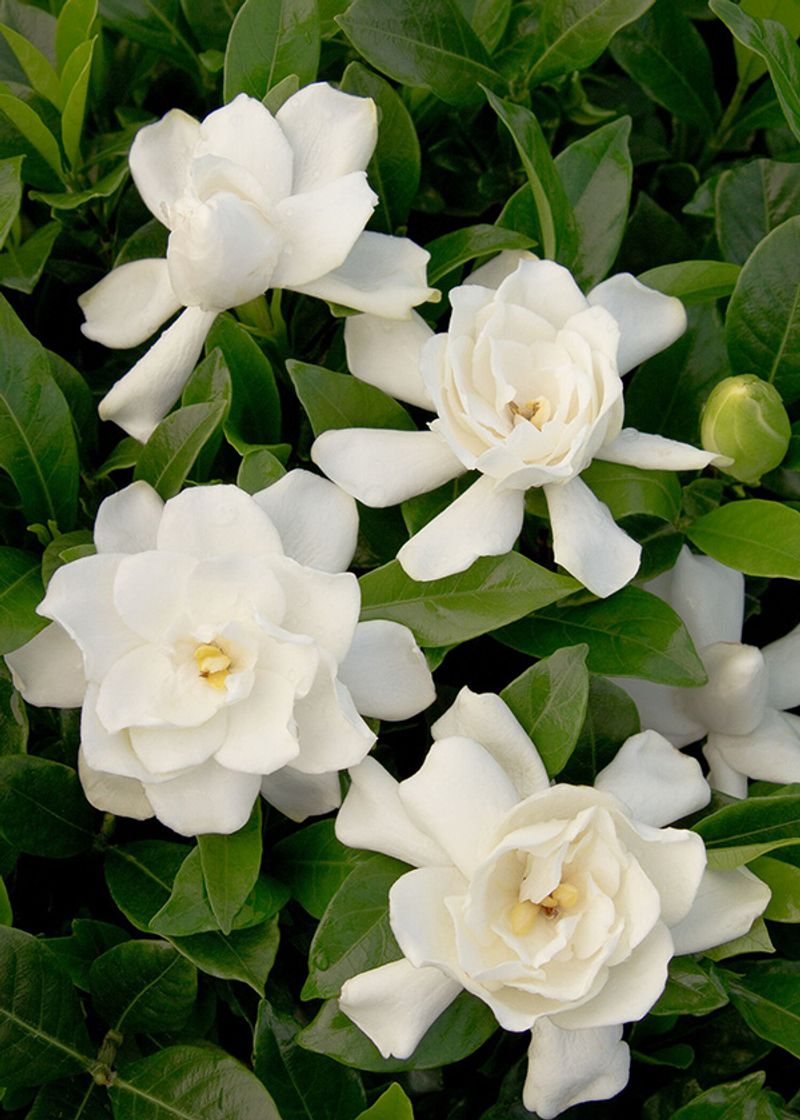
Gardenias, with their intoxicating fragrance, are particular about conditions. They require acidic soil and consistent moisture, but not sogginess. Misting leaves can maintain necessary humidity, reducing bud drop.
These finicky plants reward careful nurturing with their heavenly scent and pristine blooms. The elegance and aroma they contribute to gardens make them a cherished choice for many.
9. Petunias (Wave & SuperTunia varieties)
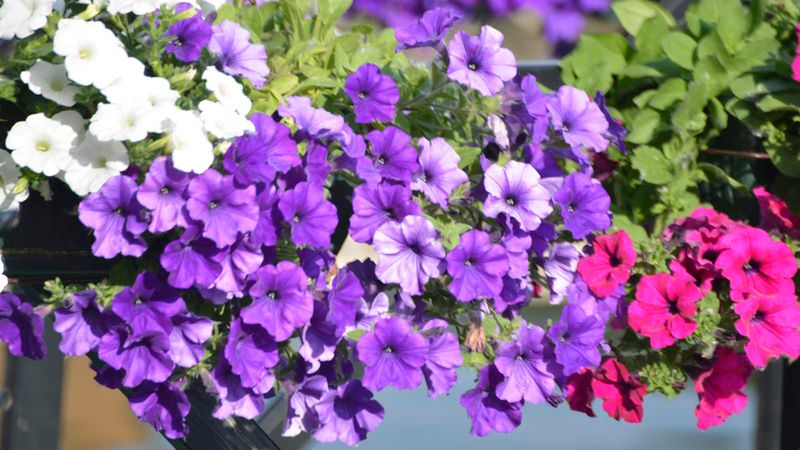
Petunias, especially Wave and SuperTunia varieties, often arrive over-fertilized from nurseries. This can lead to legginess at home. Pruning back by one-third after planting encourages bushier growth.
Light fertilization thereafter helps maintain their vibrant blooms. With their cascading habit and bright colors, petunias bring a lively touch to any garden setting, spilling joy over borders and containers alike.
10. Rhododendrons & Azaleas
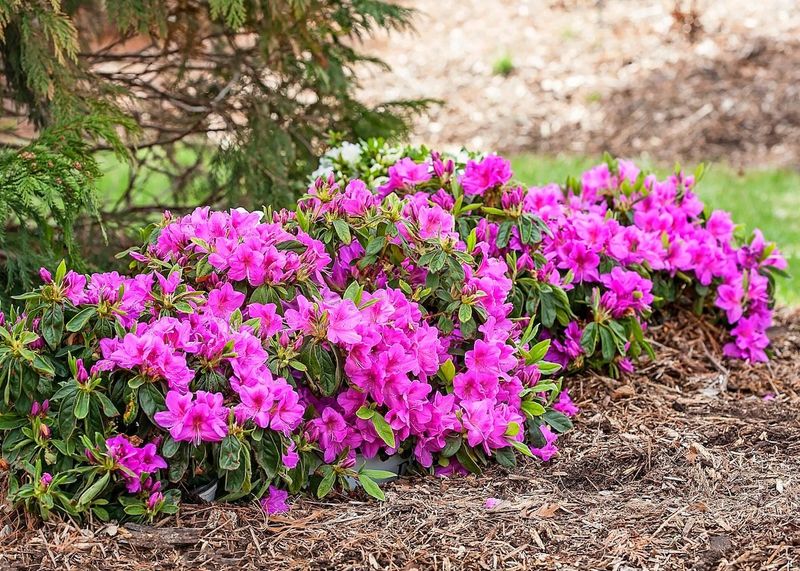
Rhododendrons and Azaleas are loved for their vibrant blossoms. However, they suffer from chlorosis if the soil pH is incorrect. Testing soil and ensuring a pH between 4.5 and 6.0 is crucial.
Mulching with pine needles helps maintain acidity. These spectacular shrubs, when cared for properly, offer a stunning visual display that captivates and enhances garden landscapes.
11. Ornamental Grasses (e.g., Fountain Grass – Pennisetum)
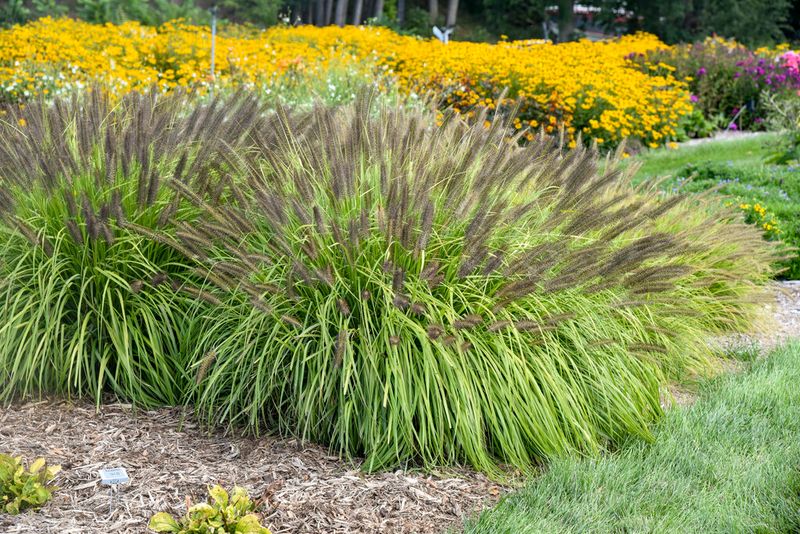
Ornamental grasses, like Fountain Grass, often arrive root-bound, slowing establishment. Dividing and planting them in spring rather than fall encourages better root growth.
Their graceful plumes and hardy nature make them a popular choice for adding movement and texture to gardens. Once settled, they require minimal care, swaying elegantly in the breeze.
12. Daffodils (Narcissus)
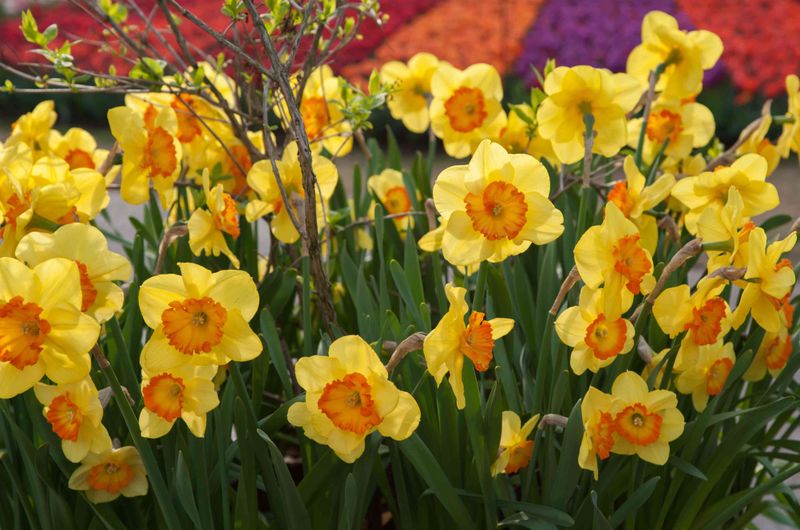
Daffodils, with their sunny disposition, sometimes struggle to rebloom after being forced in nurseries. Planting in well-draining soil and allowing foliage to die back naturally supports future blooming.
Their cheerful appearance heralds the arrival of spring, delighting gardeners with their vibrant yellow hues. With proper care, daffodils reliably return year after year, bringing joy to gardens.
13. Citrus Trees (Potted Meyer Lemon, etc.)
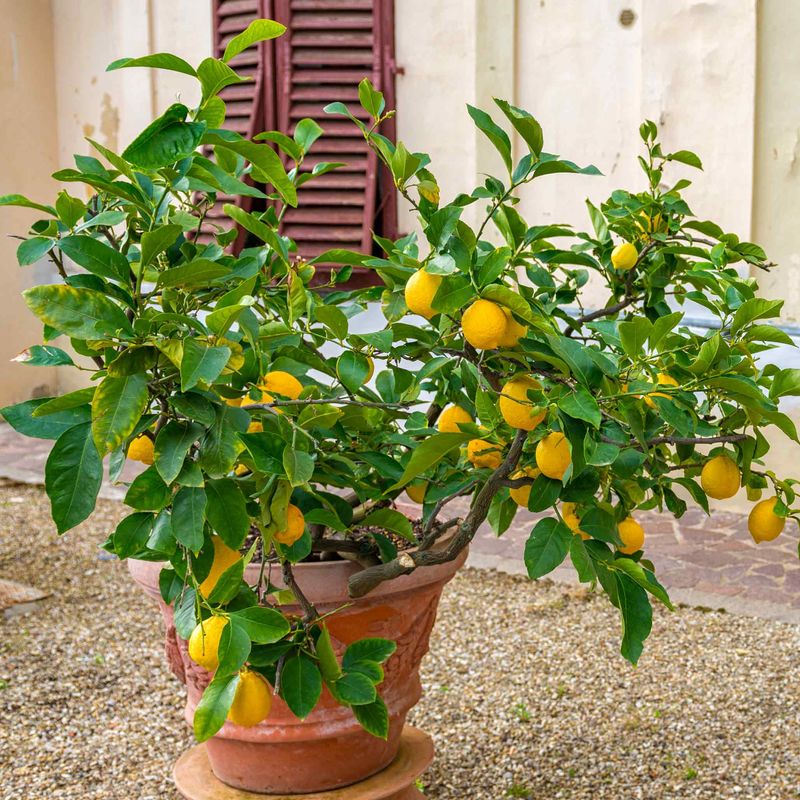
Citrus trees, like the Potted Meyer Lemon, are sensitive to change, often experiencing shock when moved outdoors. Gradual acclimation to sun exposure and regular pest checks are essential.
Using citrus-specific fertilizer ensures healthy growth and fruit production. These trees add a touch of the tropics, offering both beauty and bounty when properly tended.
14. Coleus (Plectranthus scutellarioides)
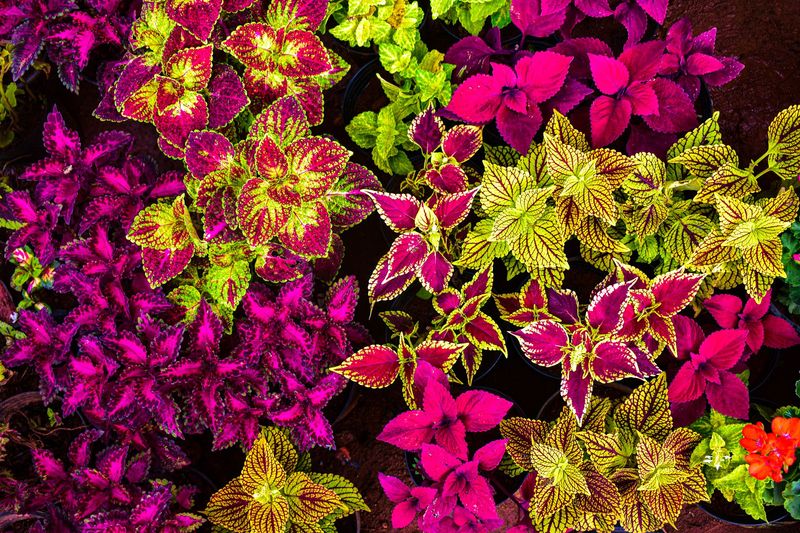
Coleus, admired for its vibrant foliage, can wilt quickly if not hardened off before transplanting. Introducing them gradually to outdoor sun over a week prevents shock.
Their array of colors and patterns provide visual interest, brightening gardens with minimal effort. Once adapted, coleus thrives with ease, making it a popular choice for colorful displays.
15. Arborvitae (Thuja)
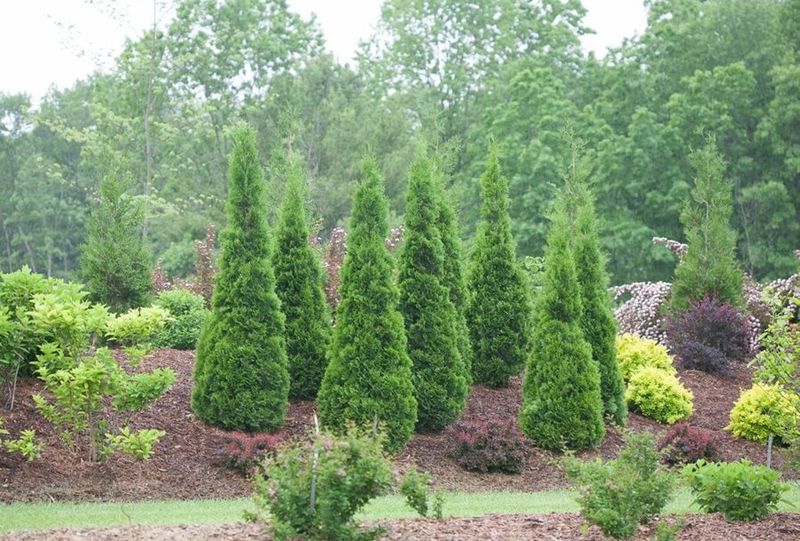
Arborvitae, valued for their dense, evergreen appearance, often suffer from root rot due to overwatering. Planting in well-draining soil and watering deeply but infrequently help prevent this.
These trees add structure and privacy to landscapes, forming natural screens and hedges. With the right care, arborvitae stands tall, offering year-round interest and shelter.