 Complete Gardening
Coffee grounds are often recommended as a natural fertilizer due to their essential nutrients.
However, some plants dislike the acidity or the structure coffee grounds can add to the soil. This blog post will explore 15 such plants that thrive better without coffee grounds.
1. Lavender
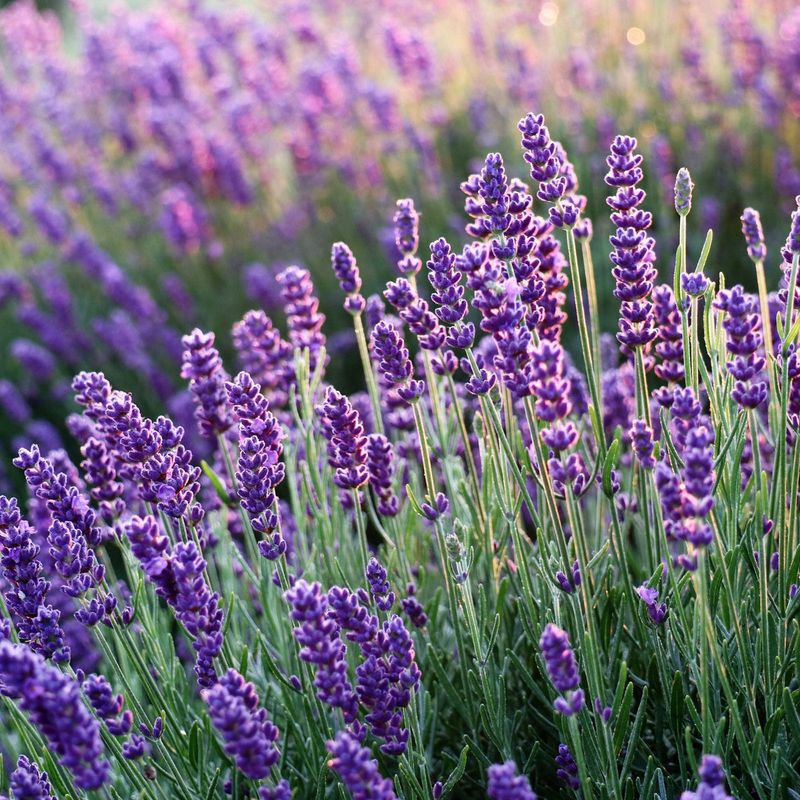
Lavender, a fragrant herb adored for its calming scent, thrives in well-drained, alkaline soils. Incorporating coffee grounds can increase soil acidity, which lavender doesn’t favor.
Coffee grounds may also compact the soil, impeding drainage, leading to root rot. Lavender’s Mediterranean origin means it prefers sandy, slightly alkaline conditions that coffee grounds disrupt.
Instead, use lime or wood ash to enhance alkalinity and drainage. A garden with scattered pebbles and light mulch will mimic its natural habitat.
Avoid the temptation to use coffee grounds, and your lavender will reward you with beautiful blooms and delightful aromas.
2. Rosemary
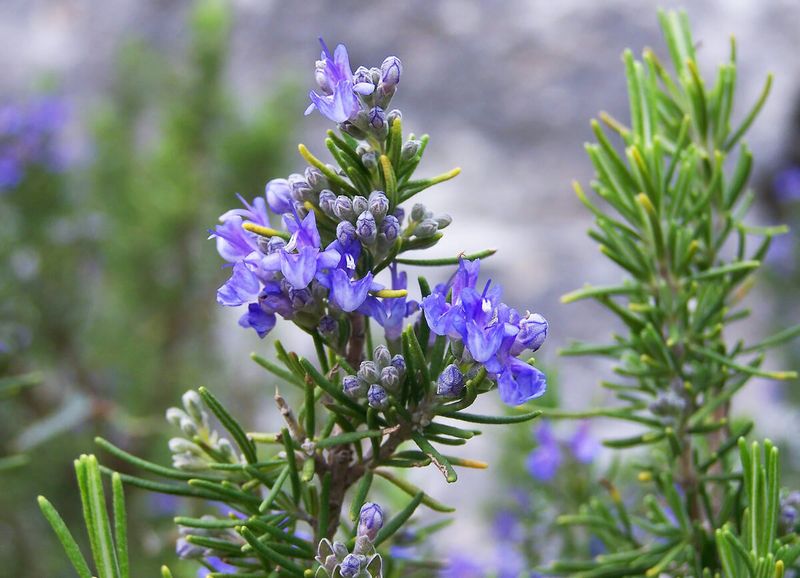
Rosemary is a resilient herb that enjoys dry, well-drained soil with a neutral to slightly alkaline pH. Coffee grounds can trap moisture, leading to an overly acidic environment that rosemary dislikes.
The herb’s roots need space and dryness to grow strong, and coffee grounds could harm this by creating compacted soil. Alternatively, use a sandy or gritty mix to encourage proper drainage.
Position rosemary in a sunny spot, mimicking its native Mediterranean habitat. By keeping coffee grounds away, you’ll allow rosemary to flourish, producing aromatic leaves perfect for culinary use.
3. Sage
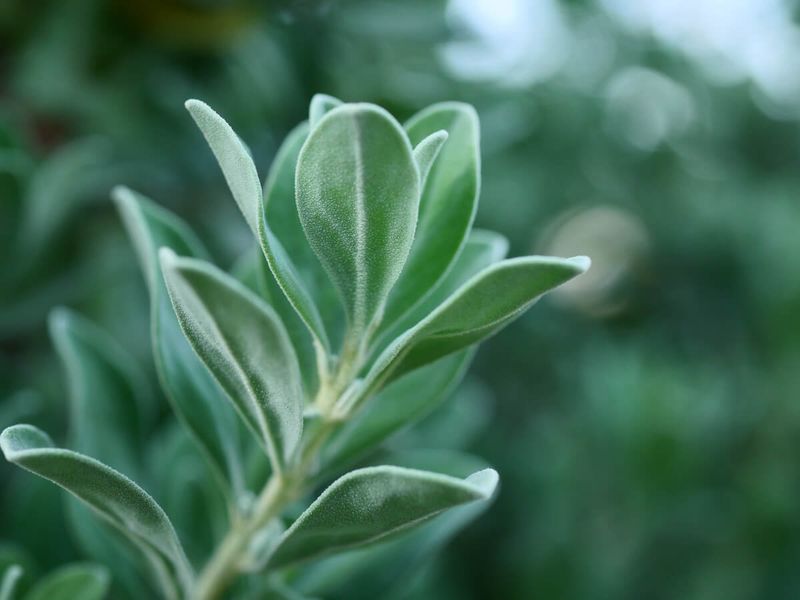
Sage prefers sandy, well-draining soil with a neutral to slightly alkaline pH, making coffee grounds an unsuitable choice. The acidity of coffee grounds can hinder sage’s growth, as it favors more alkaline conditions.
Compacted soil from coffee grounds can lead to waterlogging and root rot, detrimental to sage’s health. Instead, use crushed eggshells or garden lime to boost alkalinity.
Sage thrives in sunny weather and requires minimal watering, reflecting its Mediterranean origins. By avoiding coffee grounds, you’ll ensure your sage remains robust and flavorful, ready for your next culinary creation.
4. Thyme
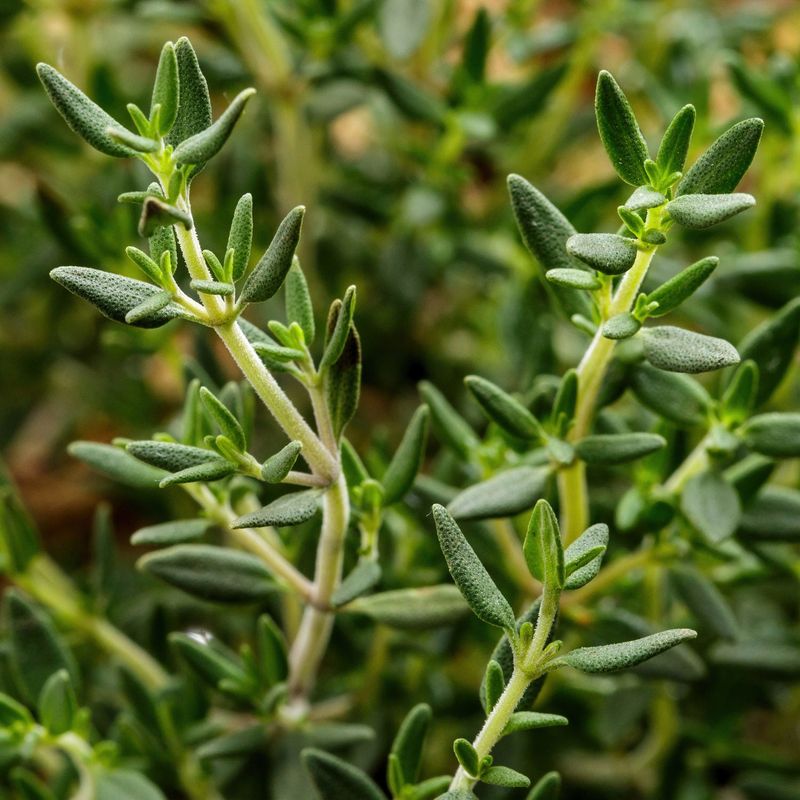
Thyme, a hardy perennial herb, flourishes in well-drained, slightly alkaline soil. Coffee grounds, with their acidity, can create an unfriendly environment for thyme, hindering its growth.
This herb enjoys dry conditions and can suffer if the soil remains too moist, a problem exacerbated by compacted coffee grounds. Instead, consider adding grit or sand to improve drainage, allowing thyme to thrive.
Position thyme in a sunny location to replicate its natural Mediterranean habitat. Keeping coffee grounds out of the mix will ensure your thyme grows lush and aromatic for culinary uses.
5. Oregano
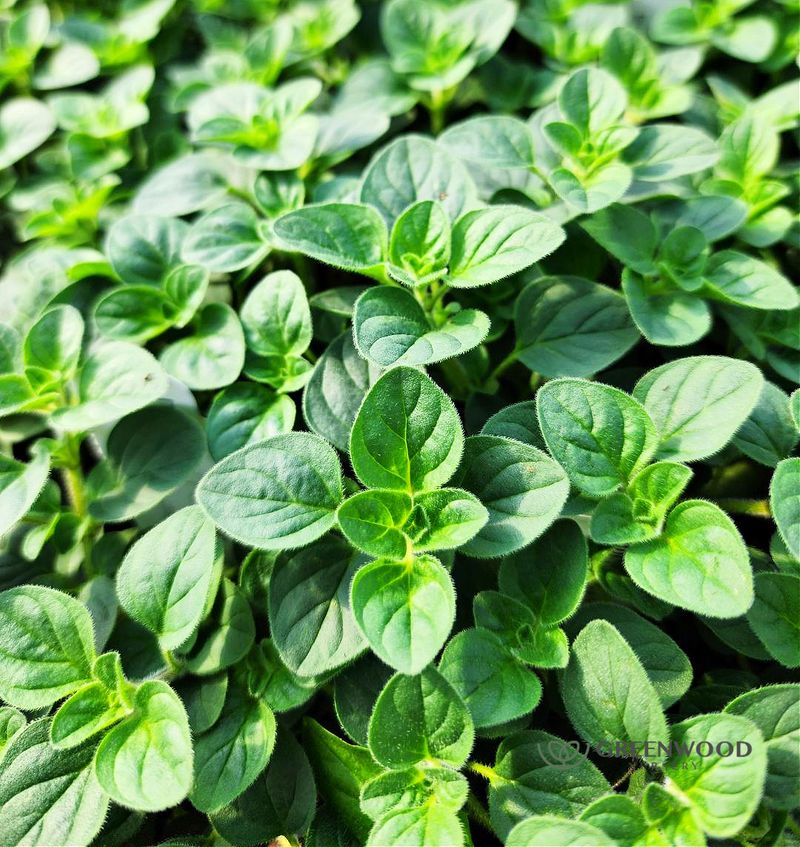
Oregano, a staple in Italian cooking, prospers in dry, well-drained soil with a neutral to slightly alkaline pH. Introducing coffee grounds can increase soil acidity and moisture retention, which oregano doesn’t favor.
The plant’s roots require dry conditions to prevent rot, something coffee grounds can disrupt. Instead, use a mix of sand and gravel to promote drainage and maintain the desired soil pH.
Plant oregano in a sunny spot to simulate its native Mediterranean environment. By avoiding coffee grounds, you’ll help your oregano plant thrive, yielding fresh leaves for your culinary delights.
6. Basil
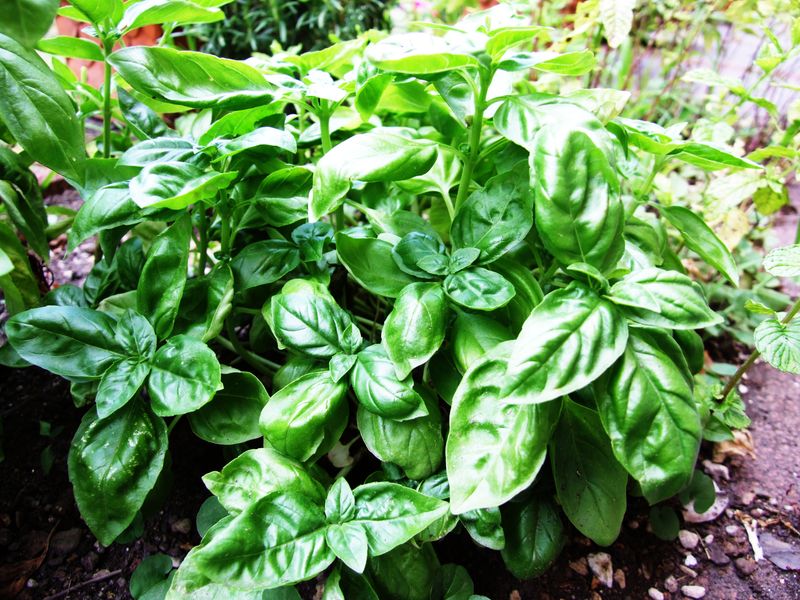
Basil, a beloved herb in many cuisines, prefers rich, well-drained soil with a neutral pH. Coffee grounds, which increase acidity, can harm basil’s growth by disrupting its nutrient uptake.
The compaction of coffee grounds can also lead to poor drainage, creating conditions ripe for root rot. Instead, use compost or well-rotted manure to enrich the soil without altering its pH significantly.
Ensure basil receives ample sunlight and warmth, mimicking its tropical origins. By steering clear of coffee grounds, you’ll cultivate a healthy, bountiful basil plant for all your culinary needs.
7. Geraniums
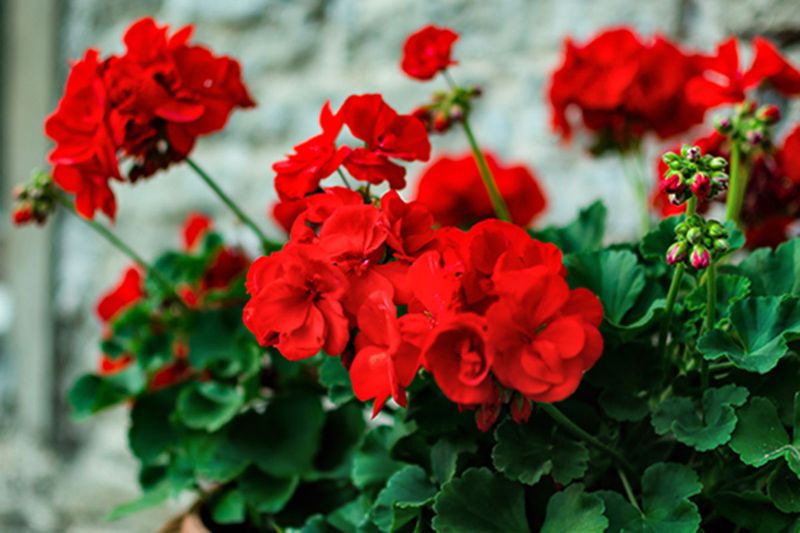
Geraniums, known for their colorful blooms, thrive in well-drained soil with a balanced pH. The acidity from coffee grounds can create an inhospitable environment, leading to poor growth.
Additionally, coffee grounds can compact the soil, affecting drainage and promoting root rot. Instead, use a balanced fertilizer to maintain optimal soil conditions. Ensuring good airflow and sunlight will further enhance their growth.
By avoiding coffee grounds, your geraniums will flourish, adorning your garden or window box with vibrant colors and delightful scents throughout the growing season.
8. Peonies
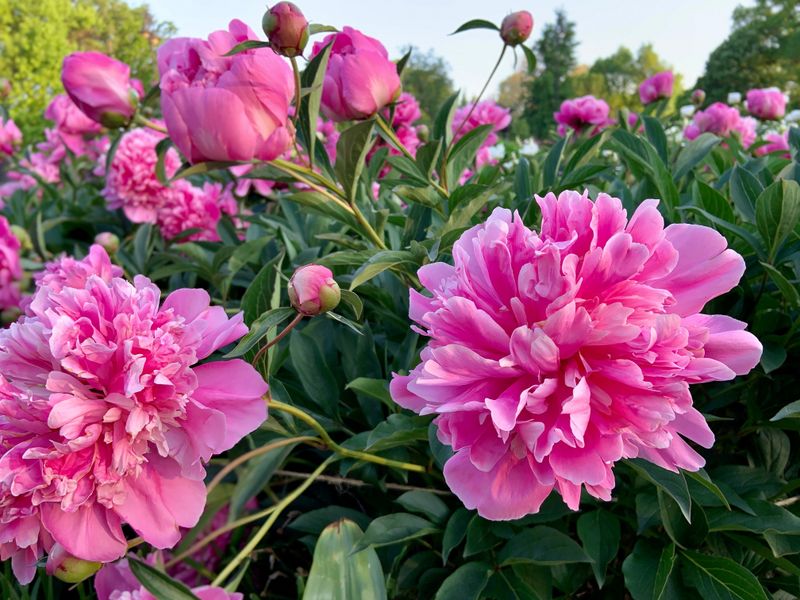
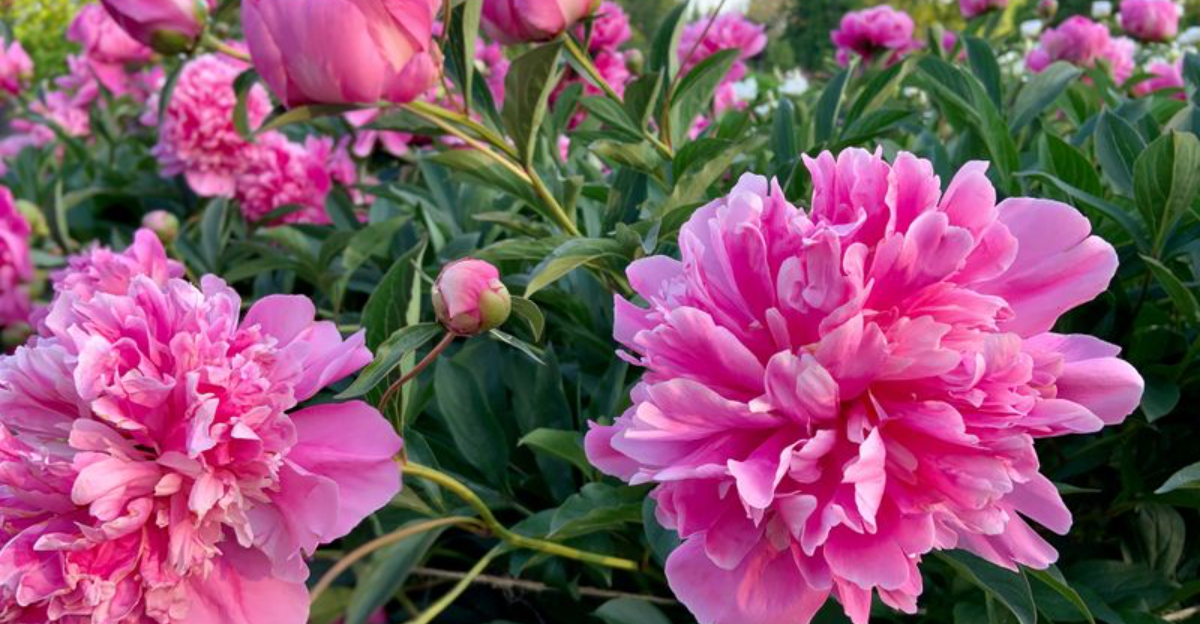
Peonies, cherished for their lush blooms, prefer neutral to slightly alkaline soil with excellent drainage. Coffee grounds can increase soil acidity and retention of moisture, both detrimental to peonies.
The use of coffee grounds can lead to compacted soil, promoting root rot. Instead, opt for compost or well-rotted manure to enrich your soil without altering its essential character.
Ensure peonies are planted in sunny spots to maximize their blooming potential. By steering clear of coffee grounds, you’ll enjoy robust peony plants that burst with color and fragrance during the blooming season.
9. Cacti
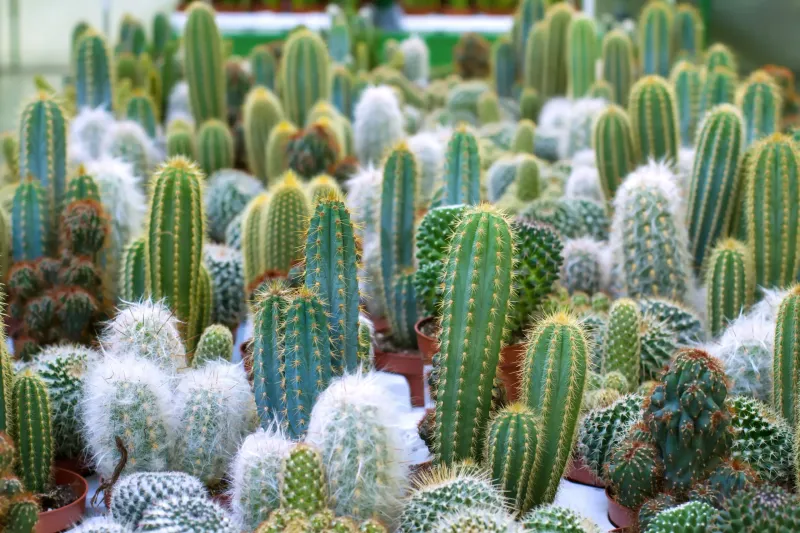
Cacti, adapted to arid environments, thrive in sandy, well-draining soil. Coffee grounds can increase moisture retention and acidity, unfavorable conditions for these hardy plants.
The compact nature of coffee grounds can impede drainage, essential for cacti. Instead, use a gritty mix designed for succulents and cacti to provide proper drainage. Position cacti in a sunny spot, replicating their natural desert habitat.
By avoiding coffee grounds, you’ll promote healthy growth and prevent root rot, allowing your cacti to flourish with minimal care and maintenance.
10. Succulents
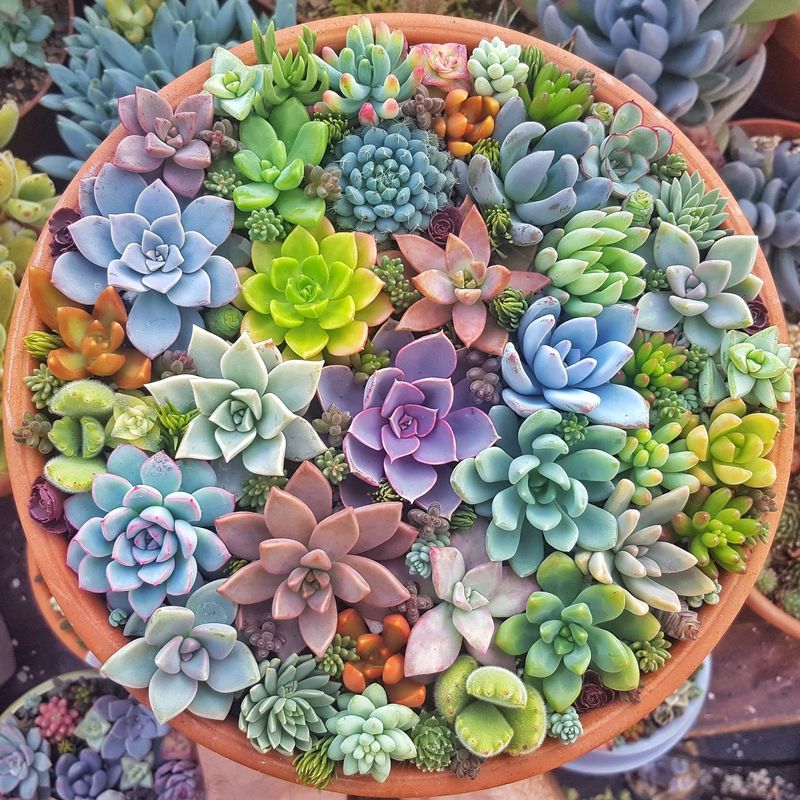
Succulents, known for their fleshy leaves, prefer well-draining soil with minimal moisture retention. Coffee grounds pose a risk due to their tendency to compact and hold water, potentially causing root rot.
The acidity of coffee grounds also disrupts the preferred pH level. Instead, use a specialized succulent mix that promotes drainage. Position succulents in bright, indirect light to simulate their native environment.
Avoiding coffee grounds will help maintain a healthy, thriving succulent garden, showcasing the diverse beauty of these resilient plants with ease and grace.
11. Poppies
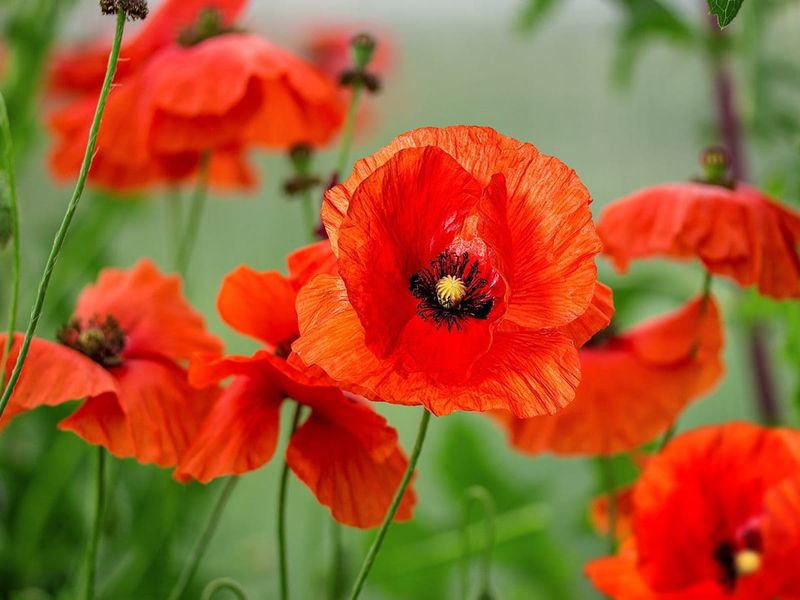
Poppies, with their striking flowers, thrive in well-drained, neutral to slightly alkaline soils. Coffee grounds can disturb this balance by increasing acidity and impeding drainage.
The compact nature of coffee grounds contributes to moisture retention, which poppies avoid. Instead, enhance drainage with sand or fine gravel to create an ideal growing environment. Plant poppies in sunny locations to enjoy their bright displays.
By excluding coffee grounds, you’ll support healthy poppy growth, allowing these iconic flowers to bring vivid color and charm to your garden landscape throughout the flowering season.
12. Snapdragons
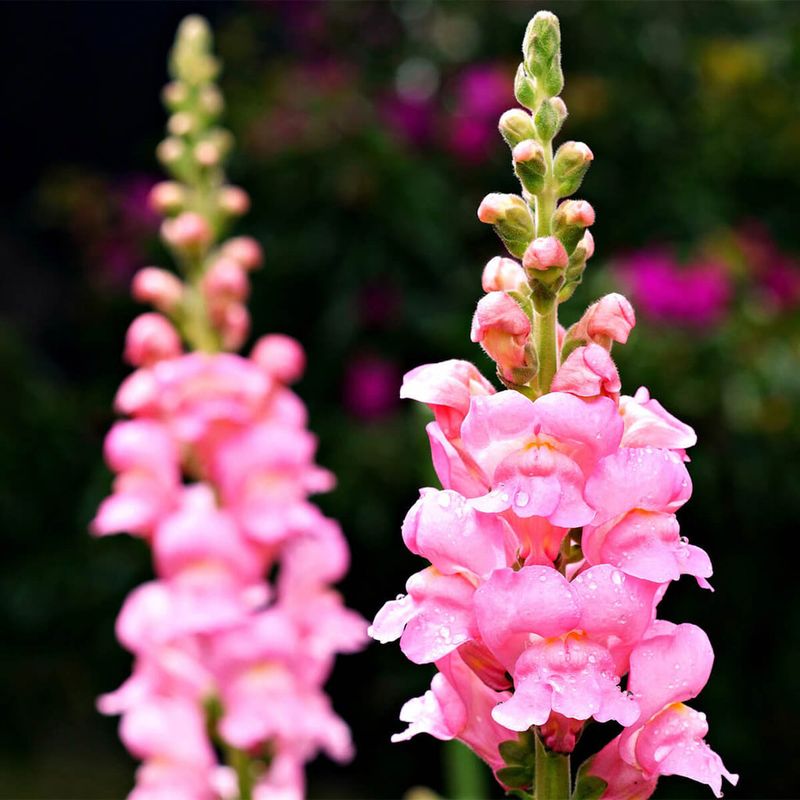
Snapdragons, adored for their colorful blooms, prefer neutral to slightly alkaline soils with good drainage. Coffee grounds can increase acidity and retain moisture, harming snapdragons’ health.
The compactness of coffee grounds can lead to poor root development and rot. Instead, use a balanced fertilizer to nourish the soil without altering pH levels. Ensure they receive ample sunlight and airflow to thrive.
By avoiding coffee grounds, your snapdragons will stand tall and vibrant, attracting pollinators and adding dynamic color to your garden throughout their blooming cycle.
13. Zinnias
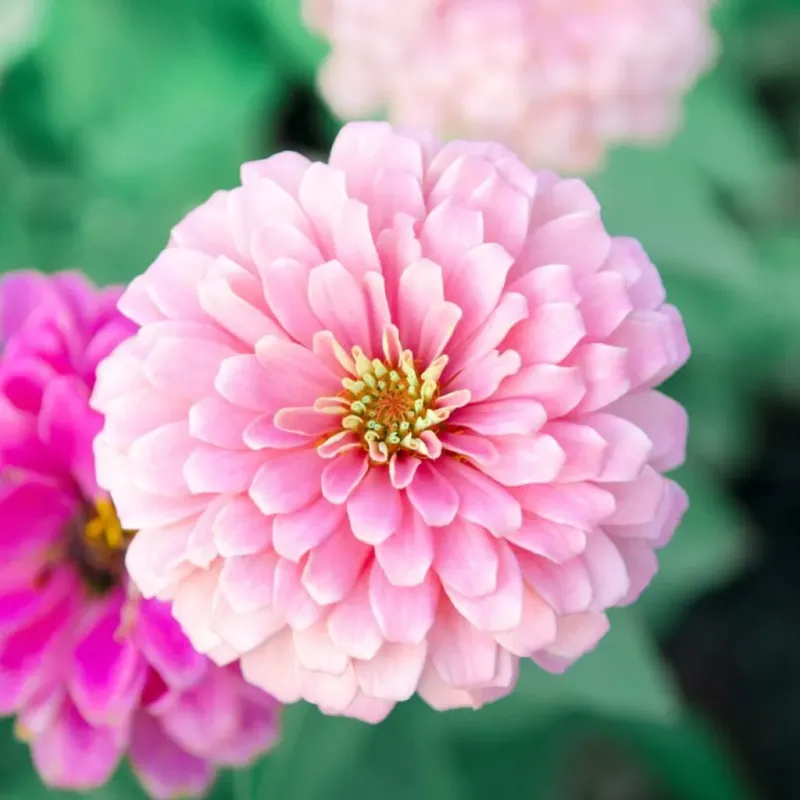
Zinnias, known for their vibrant, long-lasting flowers, thrive in well-drained, neutral soils. Coffee grounds increase soil acidity and moisture retention, which can hinder zinnia growth.
The compaction of grounds can lead to waterlogged conditions, causing root problems. Instead, use compost to enrich the soil without affecting pH levels. Plant zinnias in a sunny spot to maximize their blooming potential.
By steering clear of coffee grounds, you’ll encourage robust growth and vibrant displays, making zinnias a showstopper in your garden landscape throughout the growing season.
14. Carnations
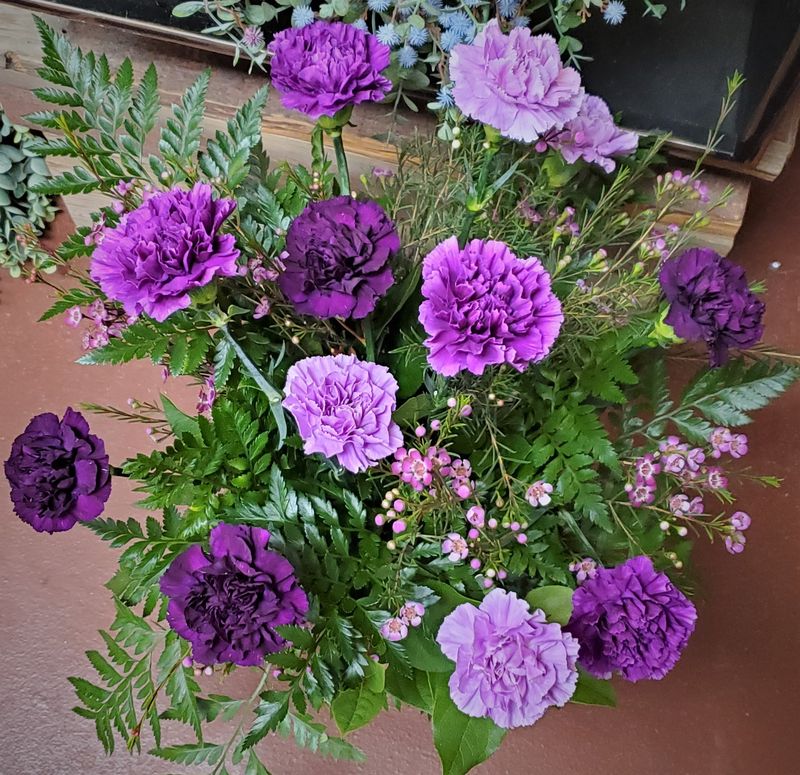
Carnations, cherished for their ruffled blooms, prefer well-drained, slightly alkaline soils. Coffee grounds can alter pH and increase moisture retention, detrimental to carnations.
The compact nature of grounds can hinder drainage, leading to root issues. Instead, opt for lime or dolomite to adjust soil alkalinity. Ensure carnations receive full sun and good airflow, crucial for their growth.
By avoiding coffee grounds, you’ll support healthy carnation development, resulting in stunning blooms that bring elegance and fragrance to your floral arrangements or garden displays throughout their flowering period.
15. Petunias
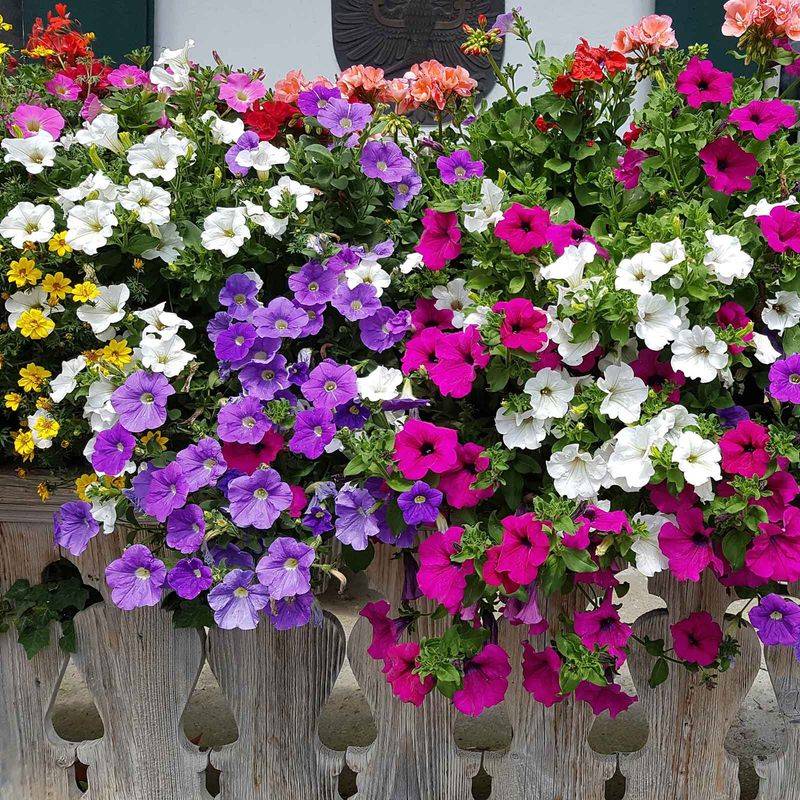
Petunias, favored for their vibrant, cascading blooms, thrive in well-drained, neutral soils. Coffee grounds can disrupt this balance by increasing acidity and moisture retention, leading to potential root rot.
The compact nature of grounds affects drainage negatively. Instead, enrich the soil with compost and ensure it provides adequate drainage. Position petunias in sunny spots to maximize flowering.
By keeping coffee grounds away, you’ll promote healthy petunia growth, resulting in a stunning, colorful display that cascades from hanging baskets or borders, enhancing your outdoor spaces throughout the growing season.