 Complete Gardening
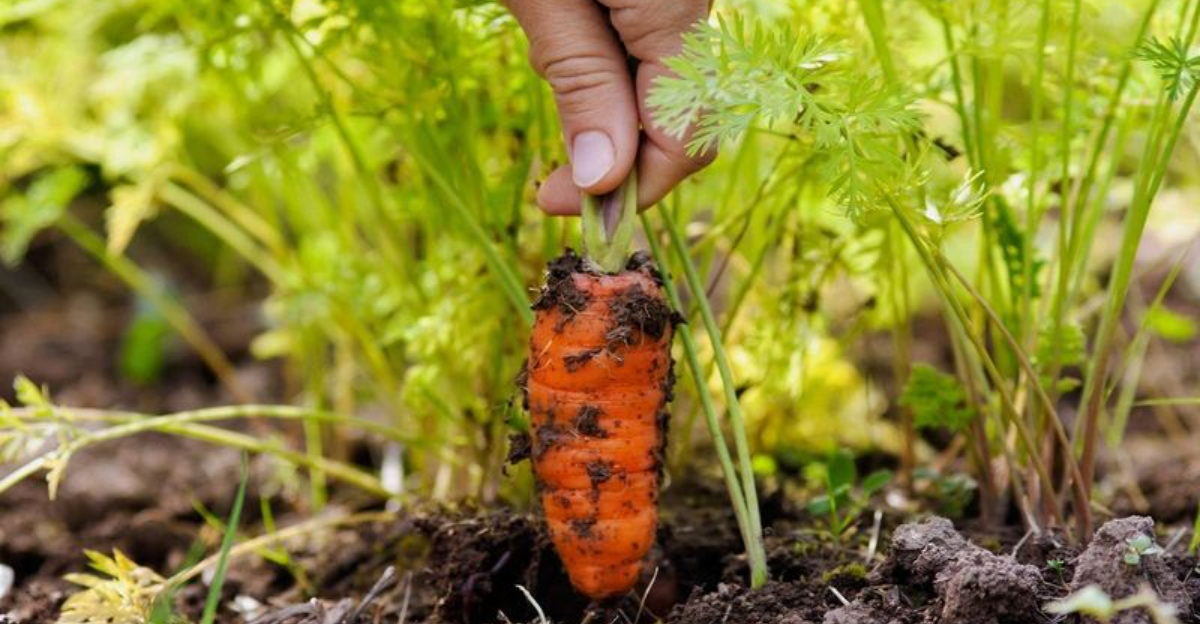
Discover the secrets to successful root crop gardening with these 15 essential tips. From selecting the perfect location to mastering soil preparation, these insights will elevate your gardening game.
Whether you’re a novice or a seasoned gardener, understanding these secrets will help you grow healthy, vibrant root crops. Embrace these tried-and-true methods for a bountiful harvest season after season.
1. Choose the Right Location
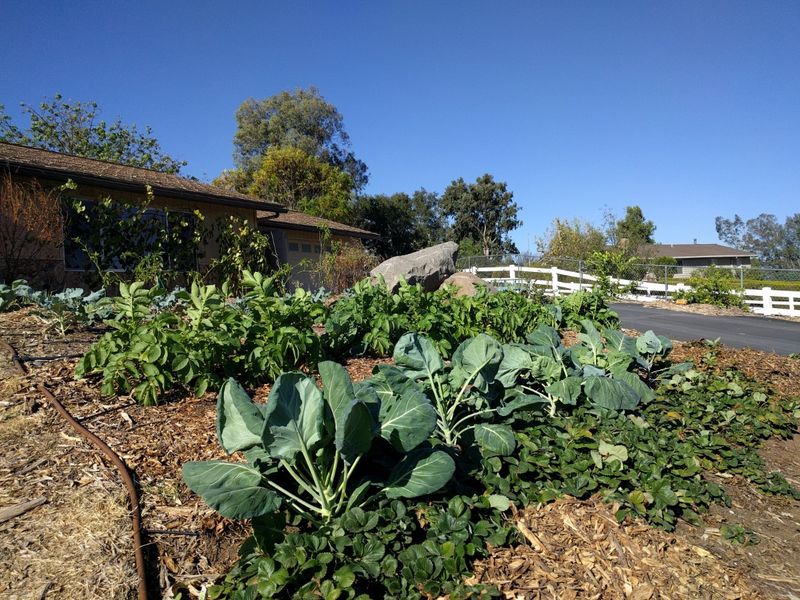
Have you ever wondered why some gardens thrive while others struggle? The secret often lies in the location. Root crops require at least six hours of direct sunlight daily to develop properly below ground. A sunny spot will ensure robust growth. Avoid areas with excessive shade or competition from large trees. By choosing the right location, you’ll give your root crops the best chance to prosper and yield bountifully.
2. Test and Prepare Your Soil
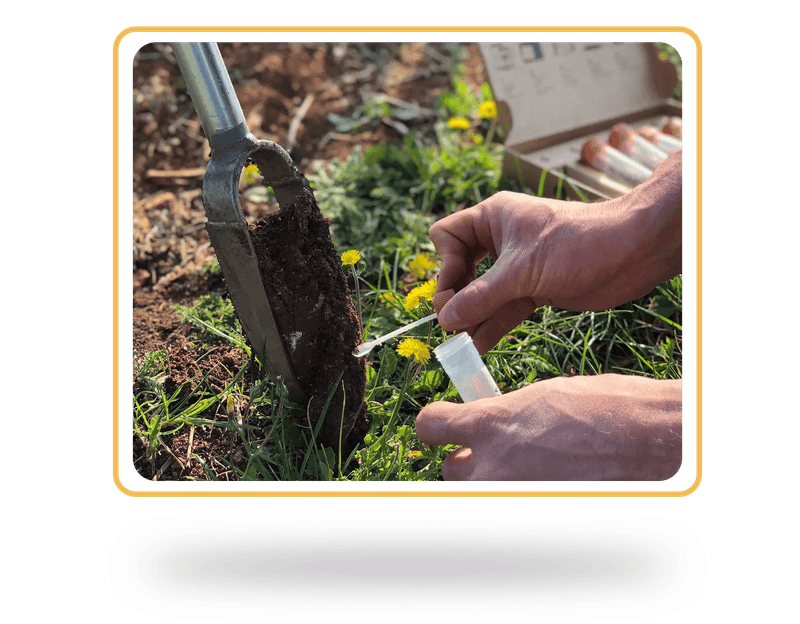
A garden’s success often hinges on soil quality. Loose, well-draining soil is essential for root crop development. Compacted or rocky soil can distort roots, leading to stunted growth. Aim for a pH level between 6.0 and 7.0 for optimal nutrient absorption. Testing your soil before planting can save you from potential disappointments. Proper preparation ensures that your root crops have the ideal environment to flourish.
3. Amend With Organic Matter
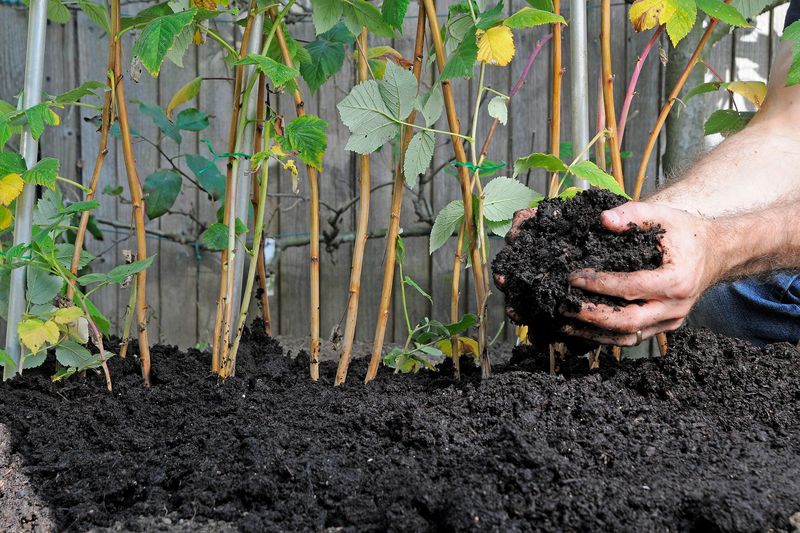
Enriching soil with organic matter is a gardening staple. Adding compost or well-rotted manure enhances soil texture and boosts nutrients. This allows root crops to develop healthily. Avoid fresh manure, which can lead to unwanted root formations. Organic amendments promote a vibrant underground ecosystem. This practice not only benefits current plantings but also improves soil health for future crops, ensuring long-term garden vitality.
4. Avoid Fresh Manure Before Planting
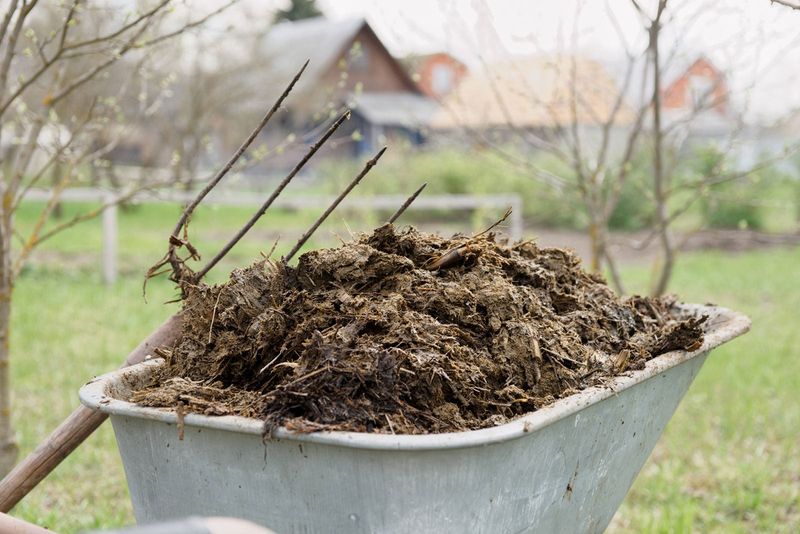
Why is fresh manure problematic for root crops? Its nutrient overload can cause forked or hairy roots, leading to malformed harvests. Stick to composted organics to avoid these growth issues. Composted manure breaks down nutrients effectively, providing balanced nutrition. This ensures that roots grow straight and true. By avoiding fresh manure, you’ll promote healthier root development and enjoy a more successful and satisfying harvest.
5. Use Raised Beds If Possible
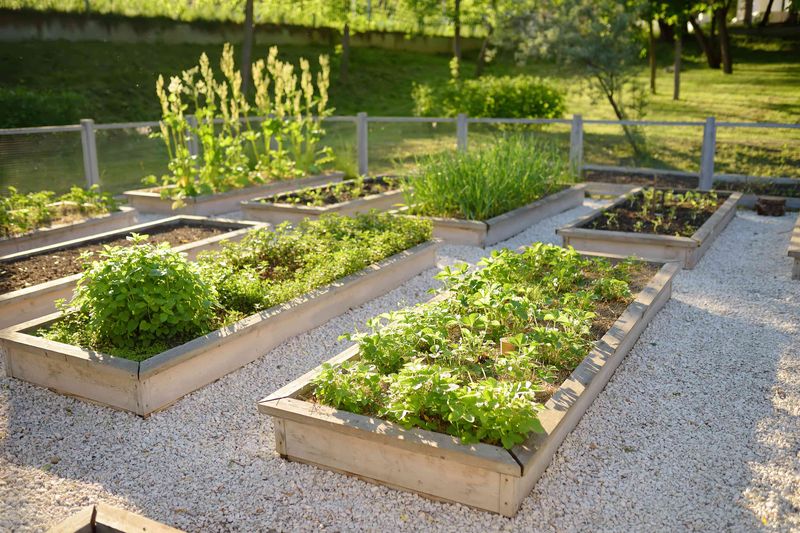
Ever tried growing carrots in compact soil? Raised beds might be your solution. They allow for deeper, more consistent soil—perfect for long-rooted crops like carrots and parsnips. The elevated structure aids in drainage and reduces soil compaction. Raised beds can transform challenging spaces into productive plots. They also offer easier access for maintenance. This gardening technique not only improves yield but also enhances crop quality.
6. Start From Seed, Not Transplants
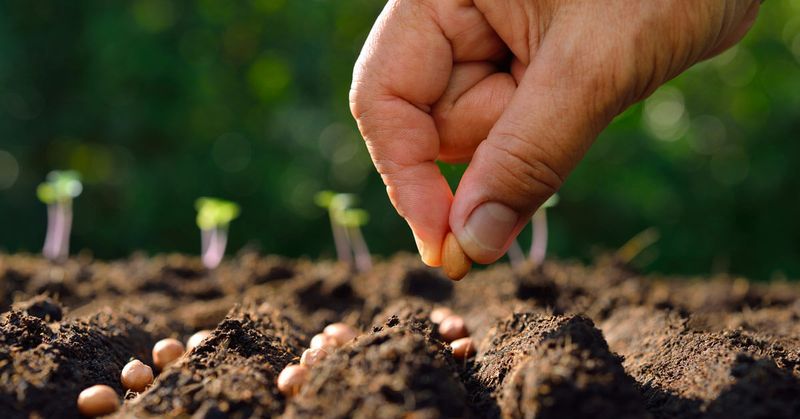
Why do many gardeners prefer starting root crops from seed? Transplants can disrupt root development, leading to poor growth. Directly sowing seeds into the ground ensures that roots establish naturally. This method offers a smoother transition from seedling to mature plant. It minimizes transplant shock and promotes stronger plants. By starting from seed, you’ll nurture your root crops from the ground up, enhancing their resilience and productivity.
7. Thin Seedlings Properly
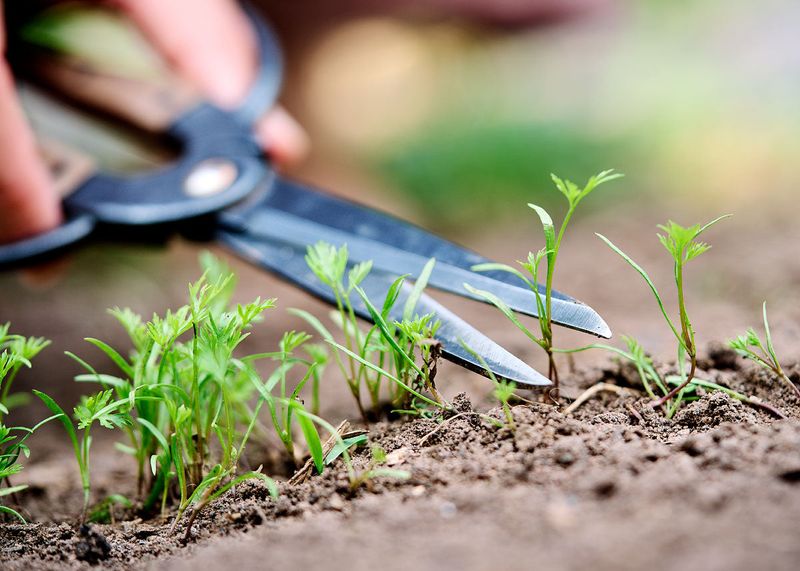
Crowded seedlings can lead to stunted roots. Thinning ensures each plant has room to thrive. As plants grow, space them adequately to allow proper air circulation and nutrient access. It may seem counterintuitive to remove healthy plants, but it’s essential for robust root development. Proper thinning encourages strong, healthy plants and maximizes your garden’s potential. This simple practice can make a significant difference in your harvest.
8. Water Consistently
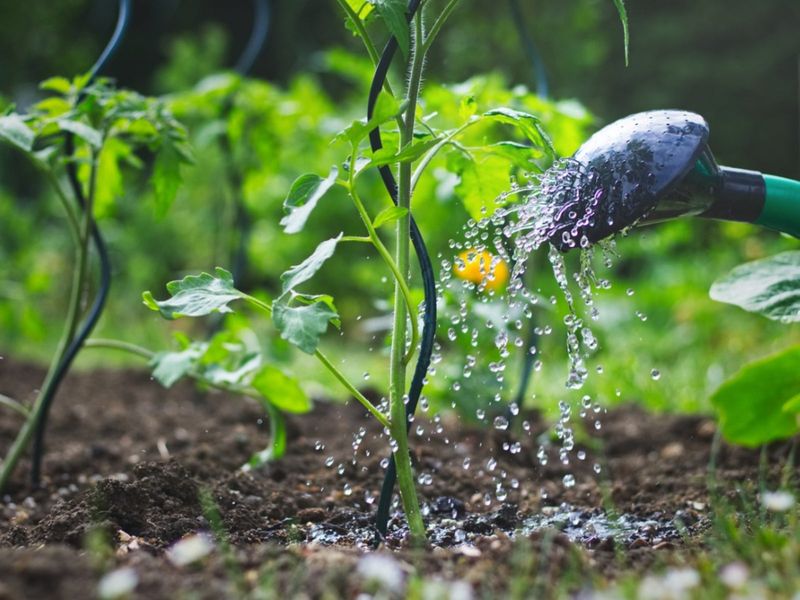
Have you ever noticed how some crops flourish while others falter? Consistent watering might be the key. Root crops require even moisture to thrive. Avoid letting soil become too dry or waterlogged. Deep, infrequent watering helps roots grow strong and deep. It ensures that plants receive the necessary hydration without drowning them. By maintaining consistent moisture levels, you’ll encourage healthy, vibrant root crops capable of reaching their full potential.
9. Keep Weeds Under Control
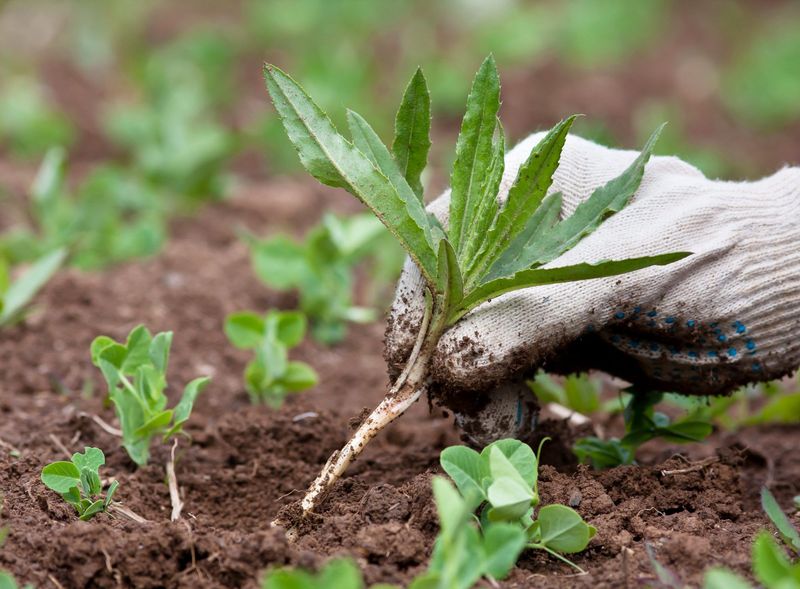
Weeds are notorious for competing with crops for nutrients. Regular weeding is crucial to keep them at bay. Mulching can help suppress weed growth and retain soil moisture. Hand-weeding ensures that tender seedlings aren’t disturbed. Keeping your garden weed-free allows root crops to absorb the nutrients they need. It promotes healthier, more resilient plants. By controlling weeds, you’ll enhance your garden’s overall health and productivity.
10. Monitor for Pests
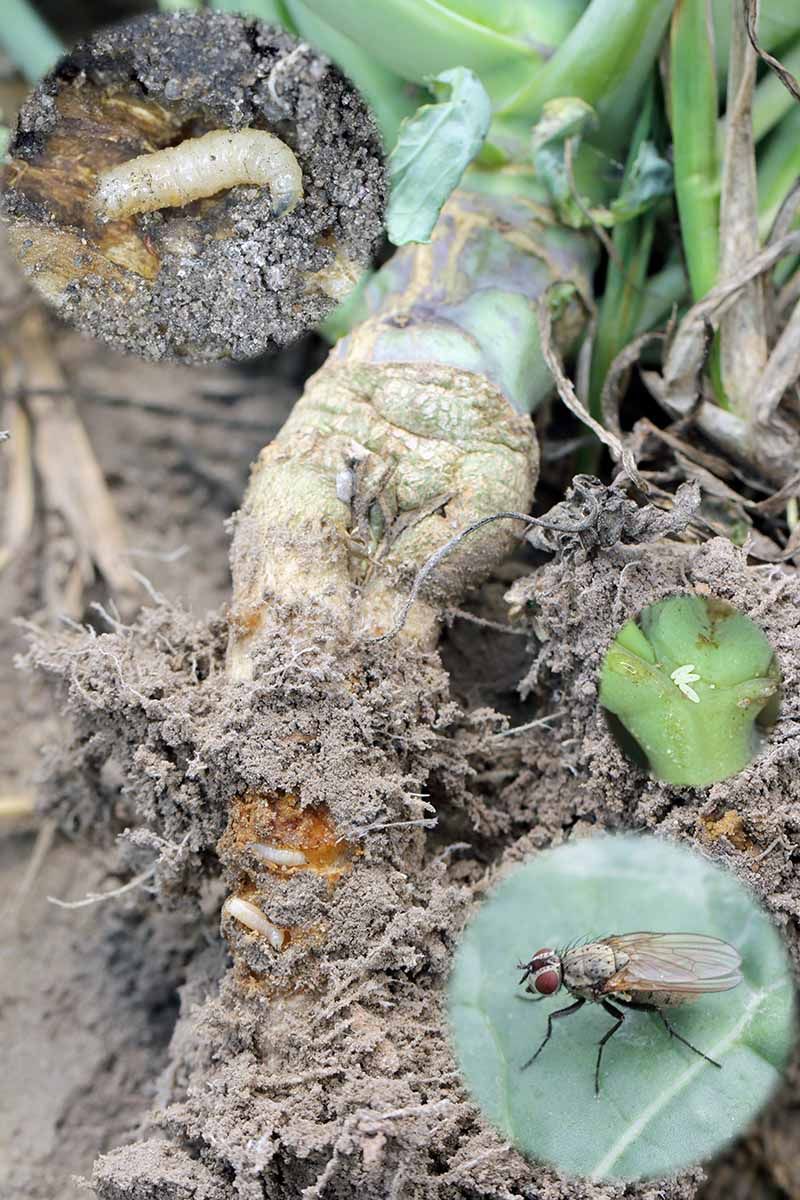
Pests can wreak havoc on your garden. Root maggots, wireworms, and carrot flies are common culprits. Monitoring your crops and employing preventative measures like crop rotation and row covers can help. These techniques reduce pest infestations and protect valuable crops. By staying vigilant, you’ll enjoy a healthier garden and a more abundant harvest. Protecting your crops from pests is a vital step toward successful gardening.
11. Don’t Over-Fertilize With Nitrogen
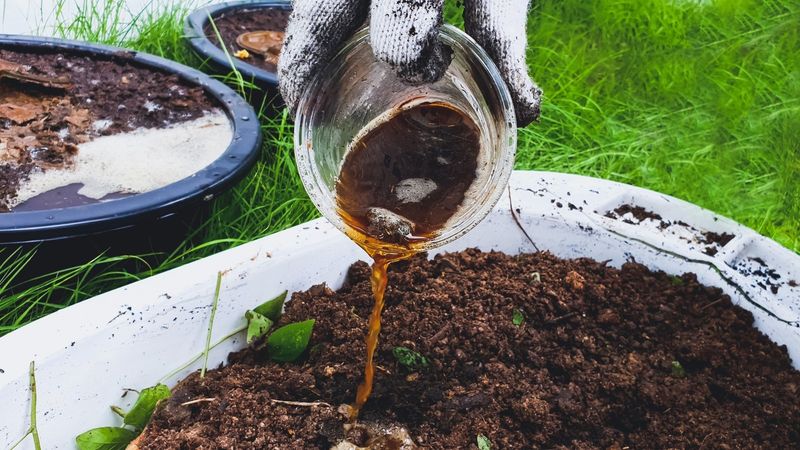
Ever wondered why some plants have lush leaves but underwhelming roots? Excessive nitrogen could be the culprit. It encourages leafy growth at the expense of root development. Use a balanced or low-nitrogen fertilizer to provide the right nutrients. This ensures that roots grow strong and healthy, supporting the entire plant. By moderating nitrogen levels, you’ll achieve a well-rounded garden with thriving root crops.
12. Practice Crop Rotation
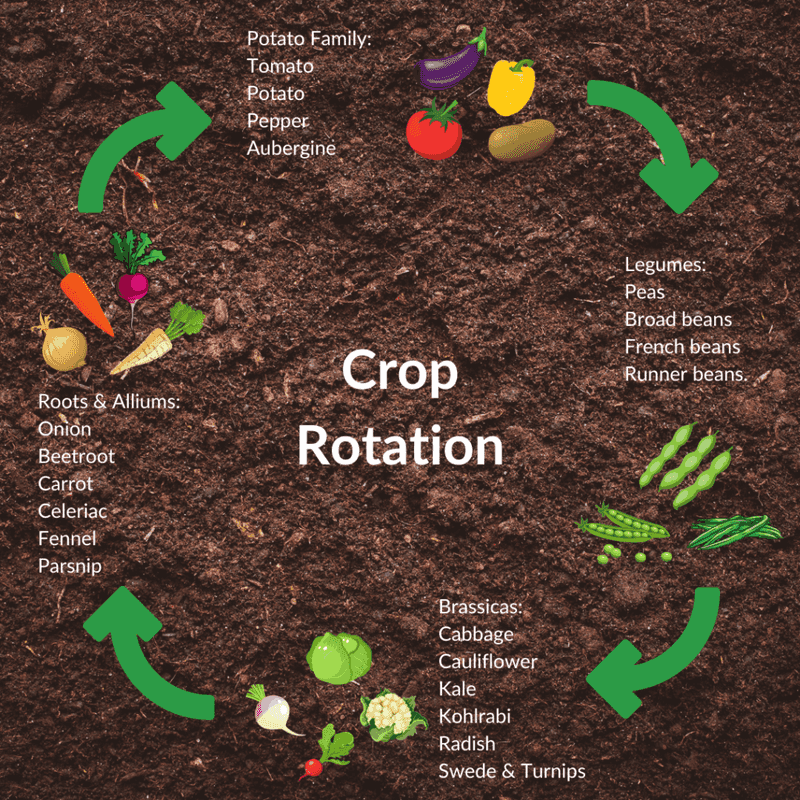
Crop rotation is an age-old gardening technique for preventing soil-borne diseases. By changing planting locations annually, you disrupt pest life cycles and enhance soil health. Root crops benefit greatly from this practice. It reduces the risk of disease and promotes nutrient balance. Crop rotation is a simple yet effective way to maintain a productive and sustainable garden, ensuring that each season yields a fruitful harvest.
13. Harvest at the Right Time
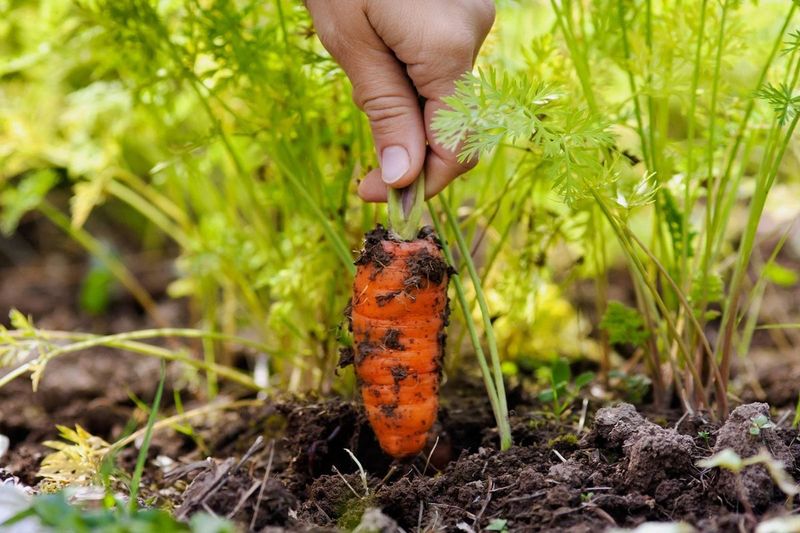
Timing is everything when it comes to harvesting root crops. Picking them at the right moment ensures optimal flavor and texture. Harvest when roots reach mature size but before they become woody. Check seed packets for specific timing guidance. This careful approach guarantees the best taste and quality. By mastering harvest timing, you’ll maximize your yield and enjoy fresh, delicious produce straight from your garden.
14. Store Properly After Harvest
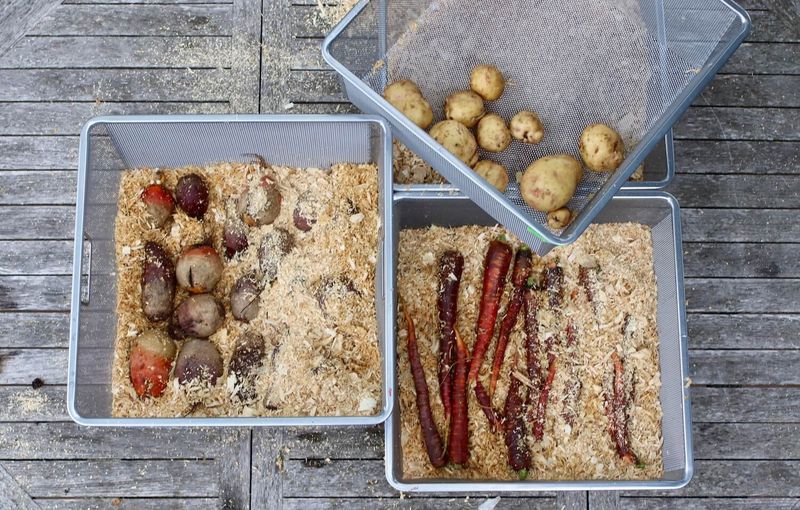
Once harvested, proper storage is key to prolonging root crops’ freshness. A cool, dark, humid place like a root cellar or refrigerator works best. Some crops can even be left in-ground with mulch in mild climates. Proper storage prevents spoilage and extends usability. It allows you to enjoy your harvest long after the growing season ends. By mastering storage techniques, you’ll savor the fruits of your labor for months.
15. Try Succession Planting
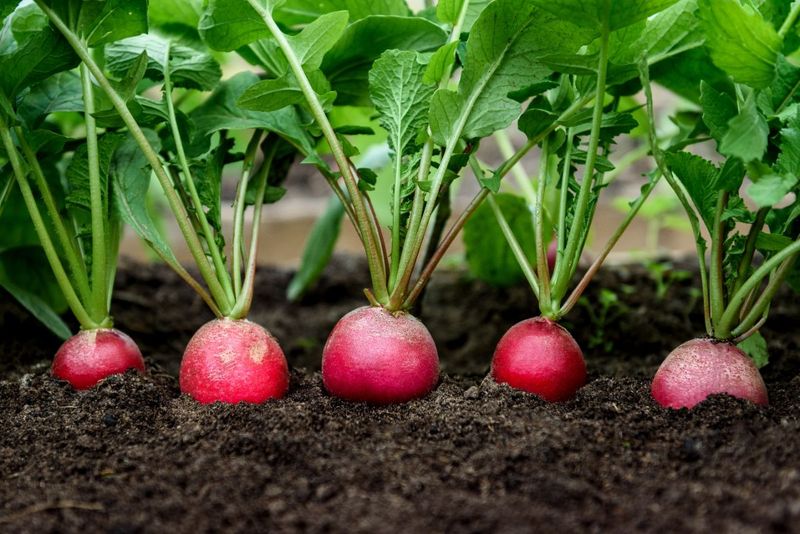
Imagine an endless supply of fresh produce. Succession planting makes this possible. By sowing seeds every few weeks, you ensure a continuous harvest. This technique is especially effective with fast-maturing crops like radishes. It keeps your garden productive throughout the growing season. Succession planting maximizes space and yield while providing fresh produce consistently. It’s an effective strategy for any gardener seeking a bountiful and sustained harvest.