 Complete Gardening
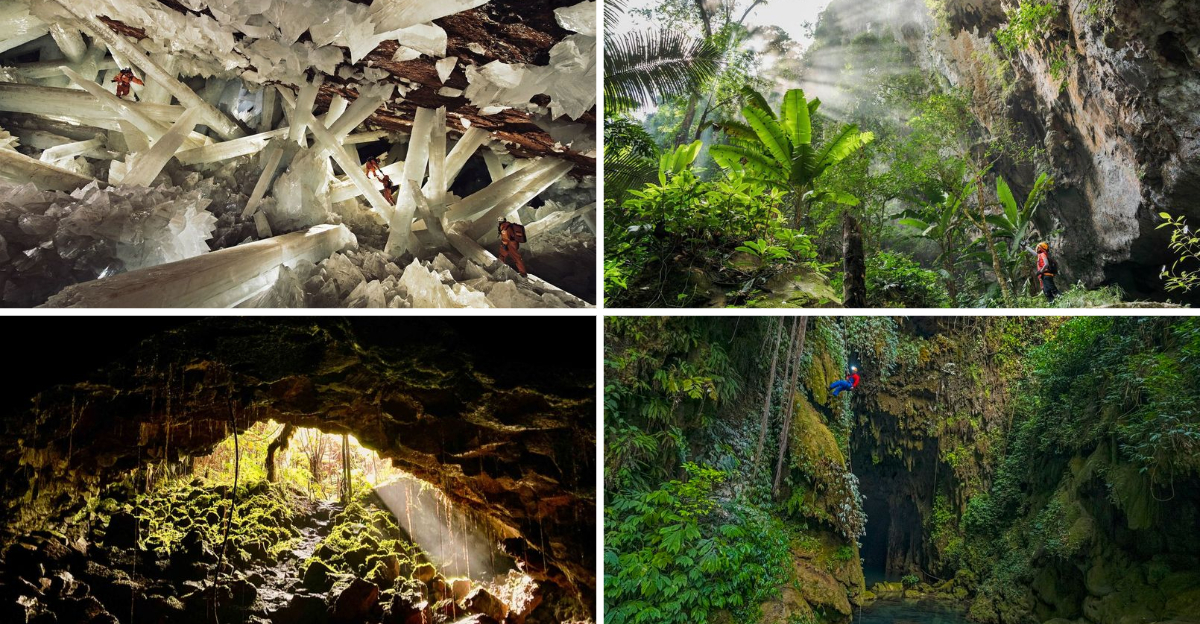
There are hidden wonders beneath our feet that baffle scientists and captivate explorers. These secret underground forests challenge our understanding of nature and push the boundaries of what we thought was possible. Nestled in caves, ancient lava tubes, and other hidden recesses, these ecosystems thrive where sunlight barely reaches. Delving into these subterranean wonders, we uncover a world of mystery and intrigue, where nature defies expectations and fosters life in the most unexpected ways. Here are 15 secret underground forests that continue to puzzle researchers and inspire awe in all who learn about them.
1. The Naica Crystal Forest
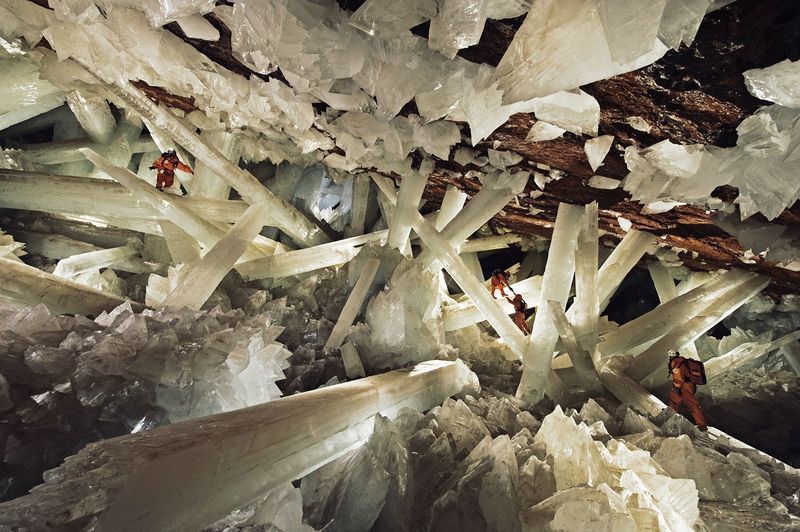
In the sweltering depths of the Naica Mine in Mexico lies a breathtaking forest of colossal selenite crystals. These giant, translucent formations resemble trees, creating a surreal underground environment. The crystals grow in all directions, forming a labyrinthine forest within the cave. Scientists are intrigued by the conditions that allowed such growth, with temperatures reaching over 50 degrees Celsius. This natural wonder is both perilous and enchanting, drawing researchers willing to brave the heat to study its secrets. The Naica Crystal Forest is a testament to nature’s ability to craft beauty in unexpected places.
2. Son Doong’s Hidden Jungle
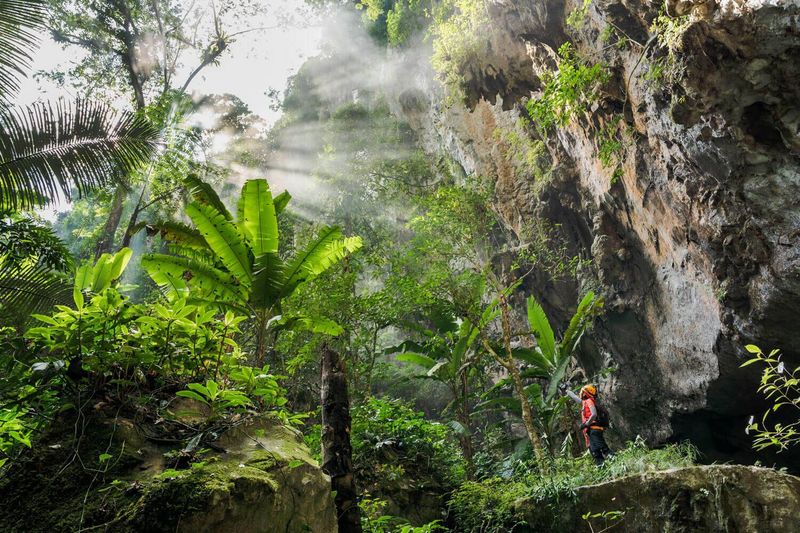
Vietnam’s Son Doong Cave, the largest in the world, harbors a thriving underground jungle, complete with its own weather system. The cave’s immense size allows sunlight to filter through, nurturing a vibrant ecosystem below. This green paradise is home to unique plant species that have adapted to the subterranean environment. Explorers marvel at the sight of towering trees and lush vegetation beneath the cave’s arches. This secret forest is a glimpse into Earth’s ability to adapt and sustain life in the most unusual settings. Son Doong’s hidden jungle remains a captivating and mysterious marvel.
3. The Lava Tubes of Hawaii
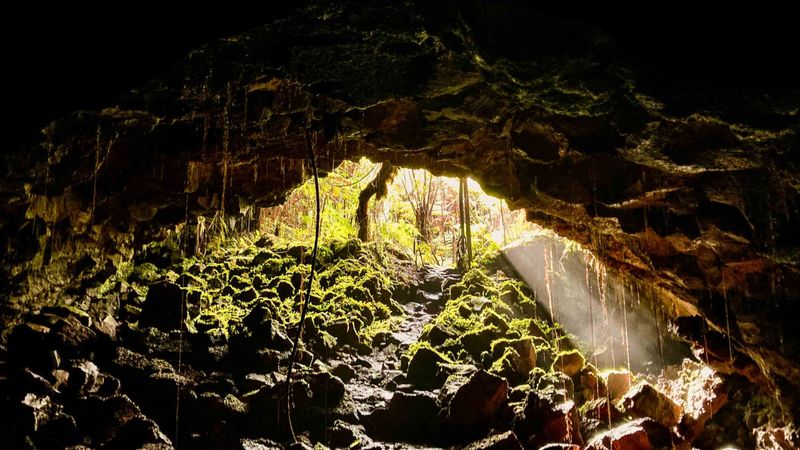
Beneath Hawaii’s volcanic landscape lies a network of ancient lava tubes, some of which cradle vibrant underground forests. These hidden ecosystems thrive in the nutrient-rich ash and are sustained by sporadic sunlight filtering through surface openings. The flora within these tubes includes ferns, mosses, and other hardy plants, showcasing resilience and adaptability. This unique environment has evolved independently, providing scientists a living laboratory to study ecological processes. The lush greenery within the lava tubes stands in stark contrast to the barren volcanic crust above, offering a glimpse into nature’s enduring tenacity.
4. The Underground Forest of Meghalaya
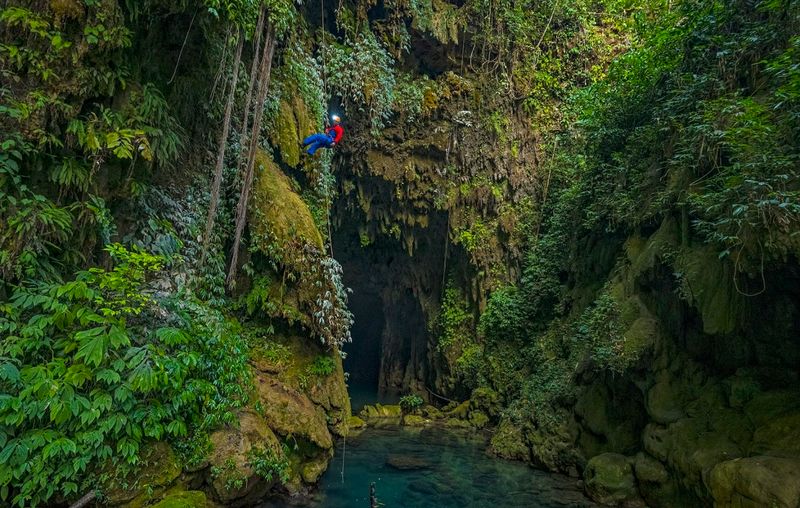
In the northeastern state of Meghalaya, India, limestone caves harbor dense underground forests shrouded in mist. The interplay of light and shadow creates an otherworldly atmosphere, with foliage seemingly suspended in time. These forests are home to unique flora and fauna, some of which are endemic to the region. Cave explorers and botanists journey into this ethereal realm to study the biodiversity and uncover its ecological significance. The underground forest of Meghalaya is a reminder of nature’s boundless creativity and the mysteries that lie beneath our feet, waiting to be discovered.
5. The Salt Cave Forest of Iran
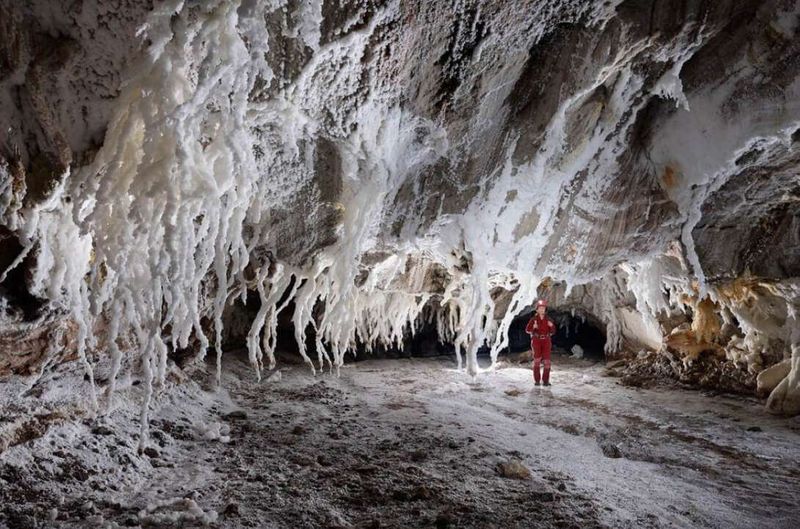
Deep within Iran’s salt caves, formations resembling trees and plants create a forest of pure salt. These intricate structures form as salt water seeps through the cave, evaporating and leaving behind crystalline deposits. The resulting formations are both beautiful and eerie, capturing the imagination of those who venture into this subterranean world. Scientists study these formations to understand the geological processes at play and their implications for other saline environments. The salt cave forest is a striking example of how life-like forms can arise from inorganic processes, blurring the lines between the living and non-living.
6. The Subterranean Forest of New Zealand
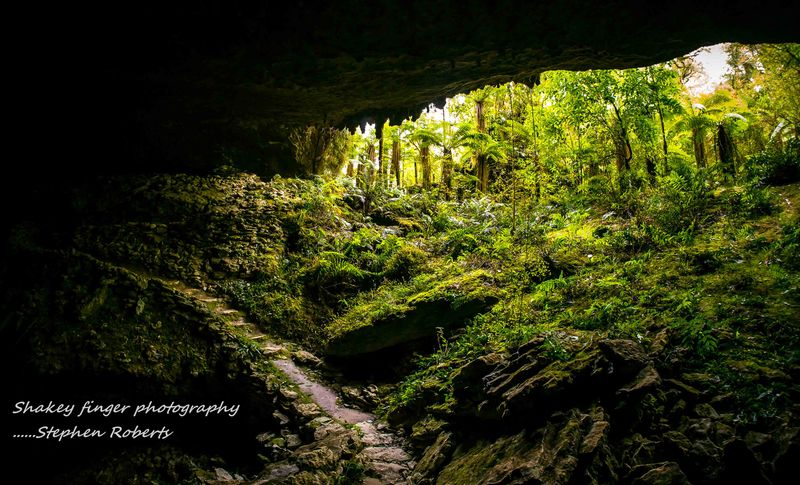
Beneath New Zealand’s karst landscape lies a hidden forest, thriving in the shadows of limestone formations. These underground ecosystems are fed by water and light filtering through the porous rock above. Unique plant species have adapted to this subterranean world, showcasing resilience and innovation. Explorers and researchers are drawn to these environments, seeking to understand the complex interactions between geology and biology. The subterranean forests of New Zealand offer a window into the adaptability of life and the intricate relationships that sustain ecosystems in unexpected places.
7. The Enchanted Forest of Waitomo
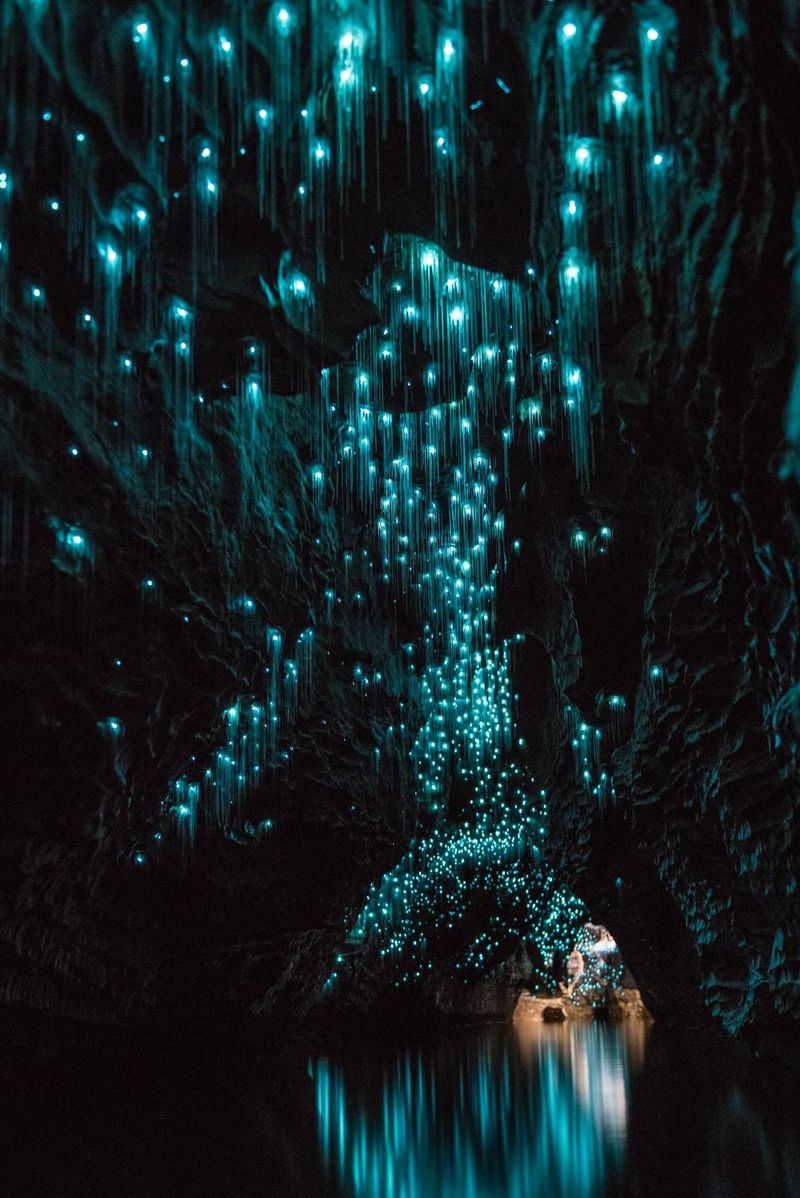
The Waitomo Caves in New Zealand are home to an enchanted forest where glowworms create a mesmerizing, starry display. These bioluminescent creatures illuminate the cave ceilings, casting a blue light that mimics a starlit sky. Thriving in the damp cave environment, the glowworms create an ethereal atmosphere that captivates visitors. This natural spectacle offers insight into the adaptations of life in darkness and the unique beauty that can arise in hidden places. The enchanted forest of Waitomo is a testament to nature’s creativity and the wonder found in subterranean realms.
8. The Forest of the Deep in Romania
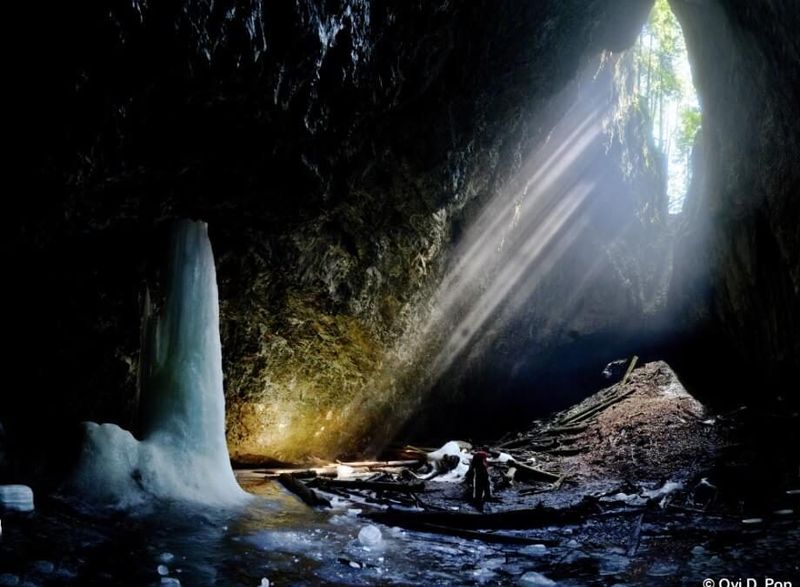
Deep within Romanian caves, forests of mosses and ferns create a hauntingly beautiful underworld. These ecosystems thrive in the cool, damp conditions, forming dense carpets of greenery. The forest’s mysterious atmosphere intrigues explorers and researchers alike, as they seek to unravel the secrets of its survival. The interplay of light and shadow lends an ethereal quality to the environment, drawing visitors into its depths. The forest of the deep is a reminder of the wonders hidden beneath the Earth’s surface and the uncharted territories awaiting discovery.
9. The Underground Forest of Slovenia
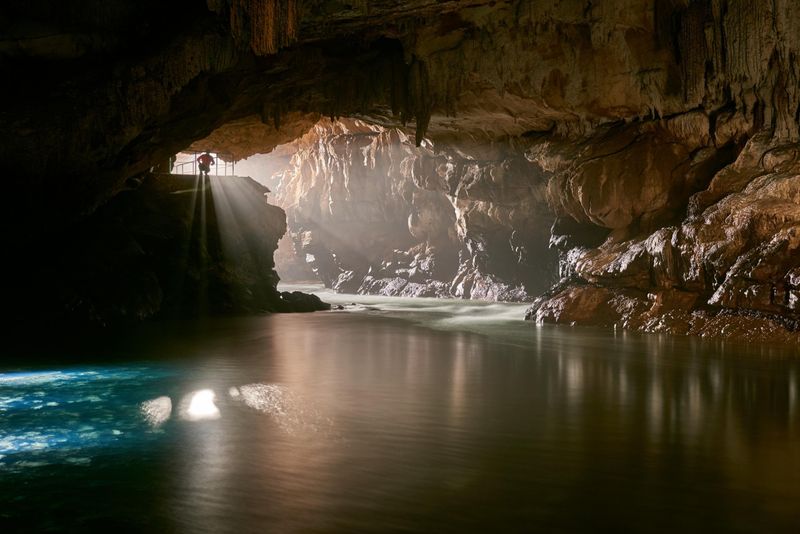
Slovenia’s karst caves shelter hidden forests, where unique plant species flourish in the darkness. These ecosystems are nourished by water and minimal light filtering through the limestone, creating a lush, verdant world below. Botanists and geologists explore these caves to study the interplay between geology and biology. The forest’s rich biodiversity offers insights into the resilience and adaptability of life. The underground forest of Slovenia is a captivating example of nature’s ability to thrive in challenging environments, showcasing the complexity and beauty of subterranean ecosystems.
10. The Forest Beneath the Yucatán
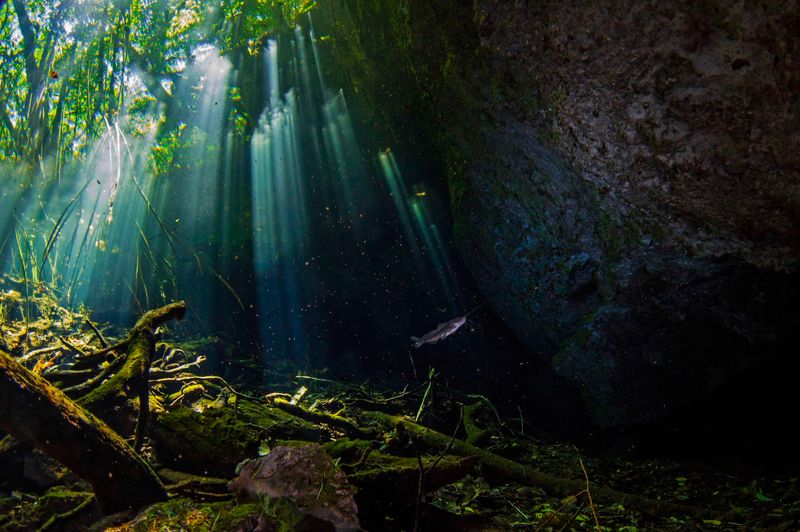
The cenotes of the Yucatán Peninsula conceal an underwater forest, where roots and vines intertwine beneath the turquoise waters. These freshwater sinkholes create a unique habitat, with sunlight filtering through the water to nourish the hidden forest below. The cenotes are steeped in history and mythology, adding to the allure of this underwater wonder. Researchers dive into these waters to study the ecosystem’s dynamics and its significance to the region’s biodiversity. The forest beneath the Yucatán is a testament to the unexpected beauty and complexity of underwater worlds.
11. The Cavern Forests of Madagascar
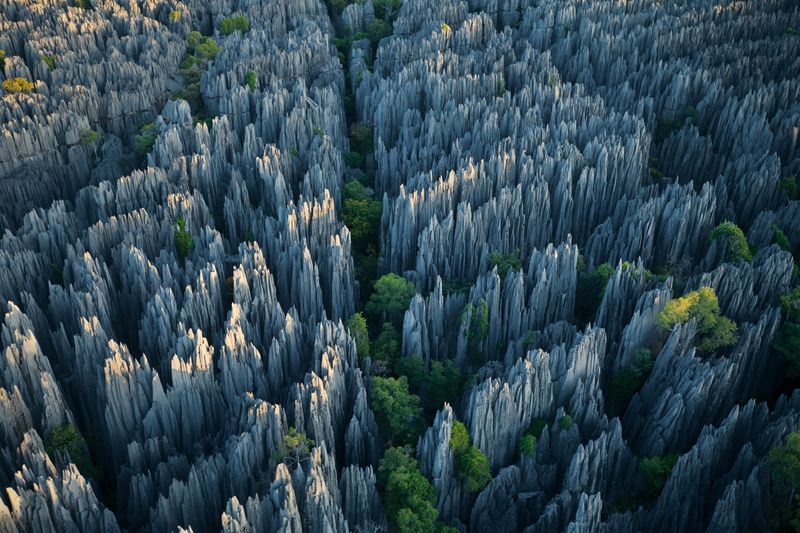
Madagascar’s limestone caves are home to cavern forests teeming with life. These subterranean environments host unique flora and fauna, adapted to the limited light and nutrient conditions. The forests’ biodiversity is a focus of scientific research, as it offers insights into evolutionary processes and adaptation. The lush greenery within the caves contrasts with the rocky surroundings, creating a vibrant tapestry of life. The cavern forests of Madagascar illustrate the remarkable ways in which ecosystems can develop and thrive below the surface, showcasing nature’s ingenuity and resilience.
12. The Forest in the Caves of Belize
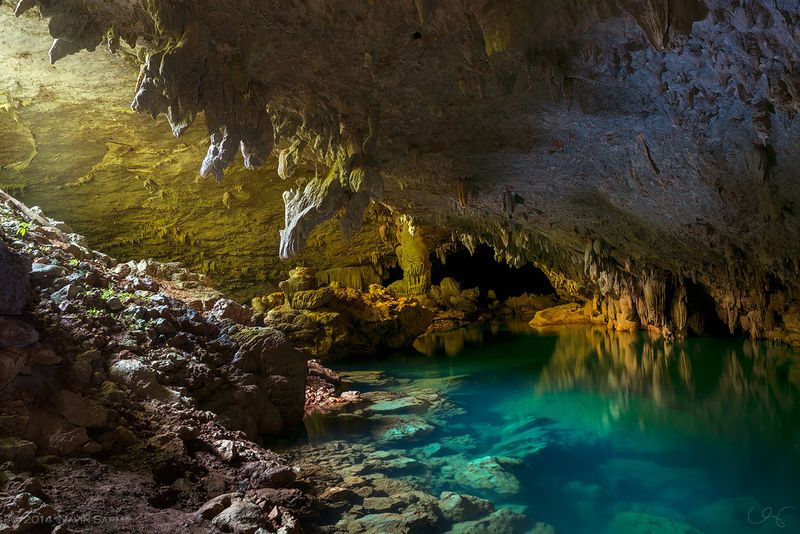
The caves of Belize harbor secretive underground forests, where ancient roots intertwine with stalactites and stalagmites. These hidden ecosystems are nourished by water and the faintest glimmers of light filtering through crevices. The forests are home to unique plant species, adapted to the cave’s challenging conditions. Explorers and scientists are drawn to this mysterious world, seeking to understand the intricate balance of life below. The forest in the caves of Belize is a captivating example of nature’s tenacity and the unexplored wonders that lie beneath the Earth.
13. The Hidden Forests of Cappadocia
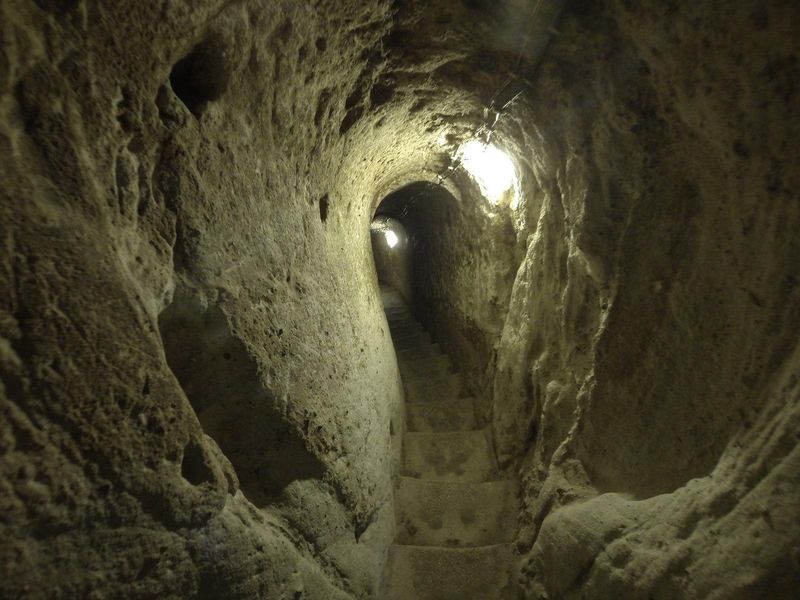
In the ancient underground cities of Cappadocia, Turkey, hidden forests thrive in the depths of man-made caves. These subterranean ecosystems are remnants of a time when inhabitants sought refuge below ground, nurturing plant life in the process. The forests are interwoven with history and mystery, as their existence hints at the ingenuity of past civilizations. Researchers are fascinated by the interplay of human and natural history in these environments. The hidden forests of Cappadocia offer a glimpse into the past and the enduring presence of nature in unexpected places.
14. The Underworld Forest of Patagonia
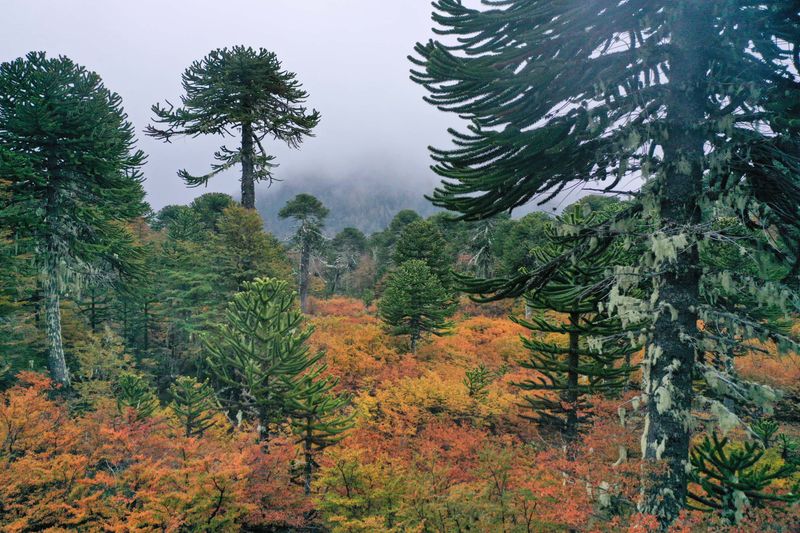
Patagonia’s underworld forest stretches beneath the surface, where ancient roots weave through the earth, creating a timeless landscape. This subterranean environment fosters unique plant species, adapted to thrive without direct sunlight. The forest’s age-old presence intrigues scientists and adventurers, drawn to its enduring mystery. This hidden world is a testament to nature’s ability to craft ecosystems in the most unlikely of places. The underworld forest of Patagonia continues to inspire awe and curiosity, inviting exploration and admiration from those who seek its secrets.
15. The Forest Beneath the Sea in California
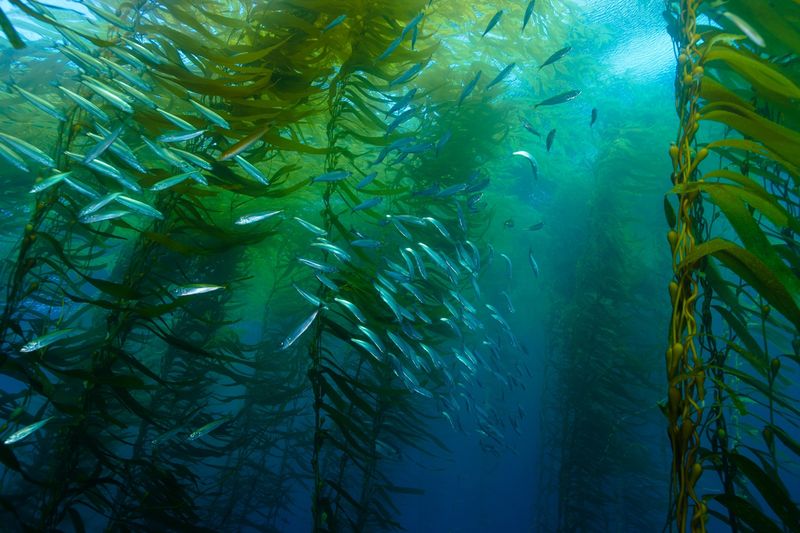
California’s coast conceals a forest beneath the sea, where kelp thrives in submerged caves. This underwater world is a haven for marine life, with fish and invertebrates weaving through the swaying fronds. The kelp forest’s unique environment supports a diverse ecosystem, offering insights into marine biology and ecology. Researchers explore these underwater caves to understand the dynamics of life below the waves. The forest beneath the sea in California is a testament to the richness of ocean habitats and the unseen wonders that lie beneath the surface.