 Complete Gardening
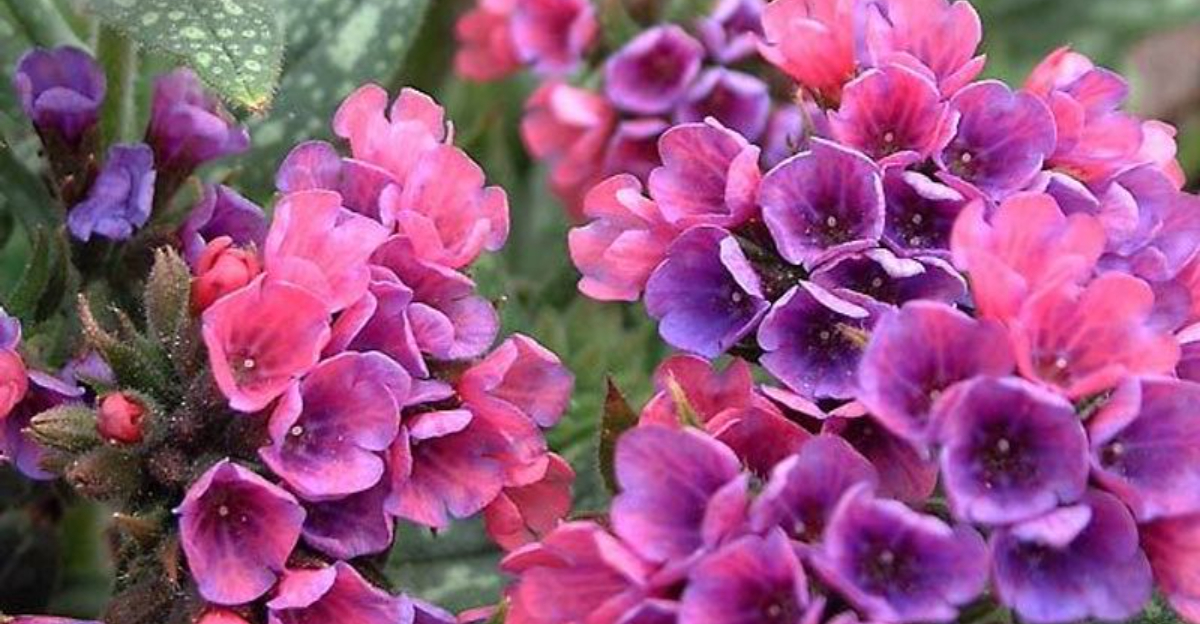
Finding the perfect plants for shaded garden areas can be a challenge, but these 15 shade flowers are not only easy to grow, they’re also stunning additions to any garden. Whether you’re dealing with full shade or partial shade, these flowers will thrive and bring vibrant colors and textures to your outdoor spaces.
1. Astilbe
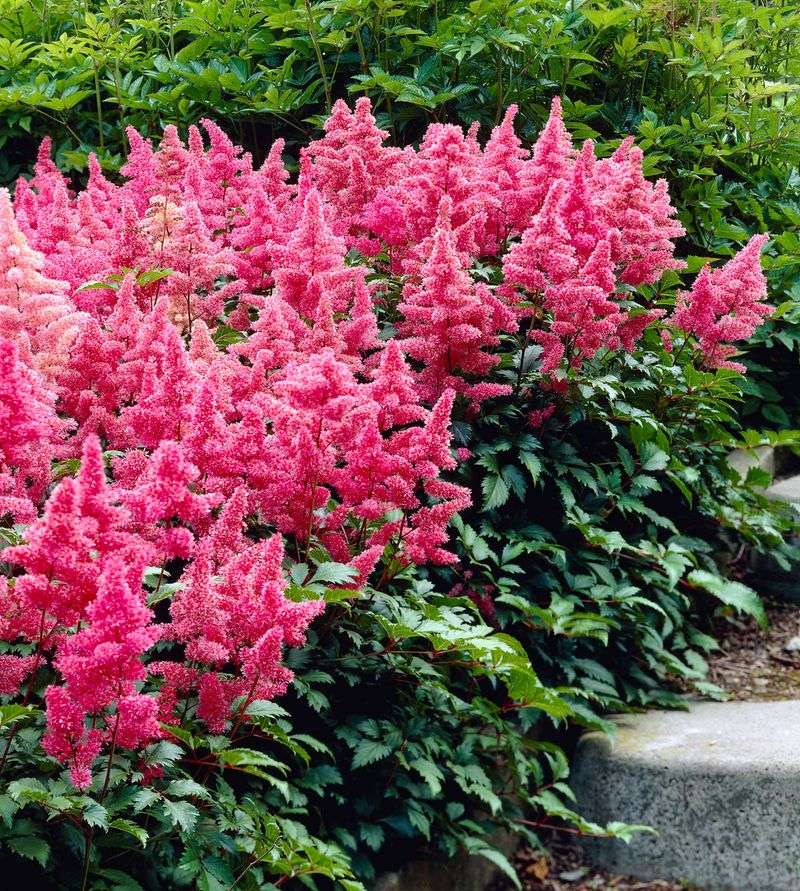
Astilbe, known for its feathery plumes and vibrant colors, thrives in shaded areas. These perennial plants are perfect for adding a splash of color where the sun doesn’t often shine. Their fern-like foliage provides a lush backdrop, making them ideal companions for ferns and hostas.
Astilbe blooms in a variety of colors, including pink, red, and white, offering diverse options for your garden palette. They are not only beautiful but also hardy, requiring minimal care once established. Keep the soil moist, and these stunning plants will reward you with continuous blooms throughout the season.
2. Hosta
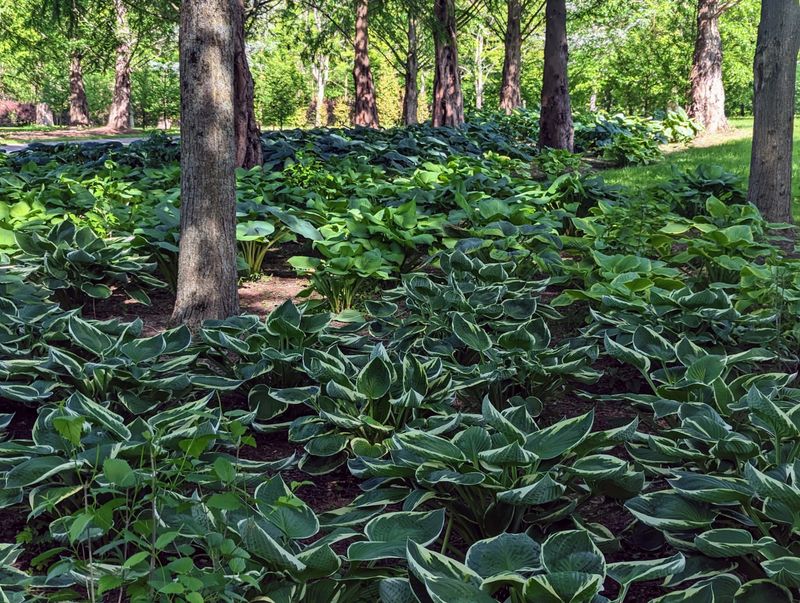
Hostas are beloved for their striking foliage and ability to thrive in the shade. These plants come in various sizes and colors, with leaves ranging from deep green to blue-green, and even variegated patterns.
Their lush, broad leaves create a serene garden atmosphere, perfect for adding depth and texture to shaded areas. Hostas are low-maintenance and can live for many years, making them a sustainable choice for gardeners. Pair them with other shade-loving plants to create a harmonious and inviting space.
3. Heuchera
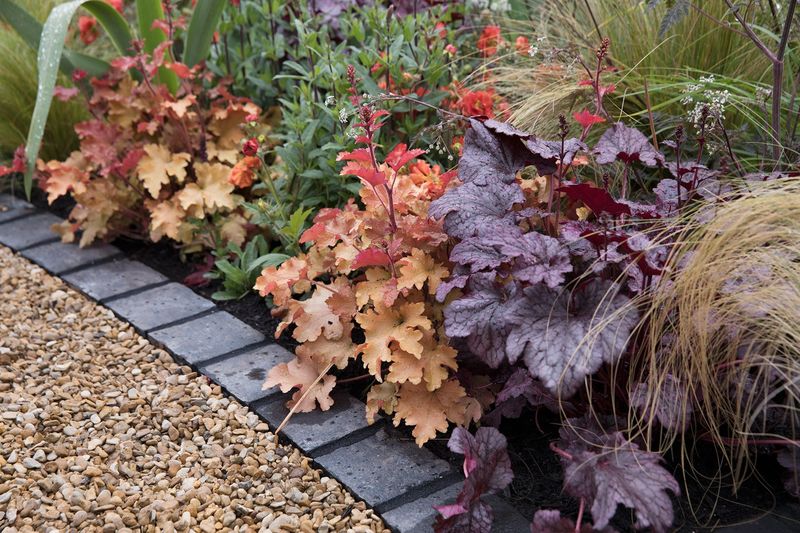
Heuchera, or coral bells, are known for their vibrant foliage rather than their flowers. These plants offer a stunning array of colors, from purples and reds to bronzes and greens, making them a favorite for adding year-round interest.
Heucheras are adaptable and can thrive in various conditions, though they perform best in shaded locations with well-drained soil. Their small, bell-shaped flowers attract pollinators, adding another layer of life to your garden. With minimal care, Heucheras can become a standout feature in any shaded area.
4. Bleeding Heart
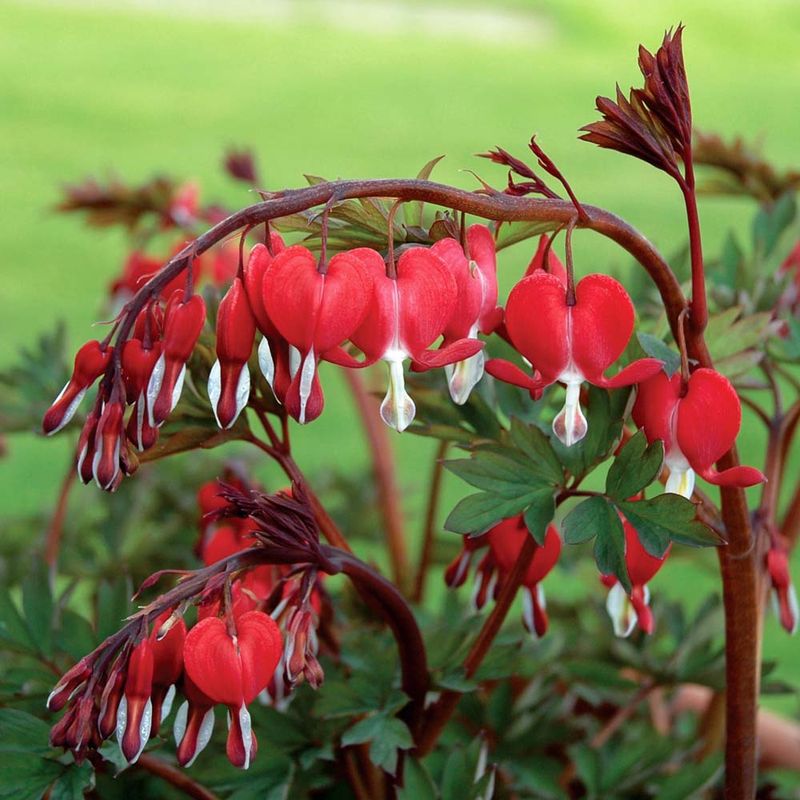
Bleeding Hearts are cherished for their unique, heart-shaped flowers that hang delicately from arching stems. Their romantic appearance makes them a charming addition to shaded gardens, particularly in woodland settings.
These perennials prefer moist, well-drained soil and can tolerate deeper shade. They bloom in spring, offering a short but spectacular display. After flowering, their foliage often dies back, so companion planting with ferns or hostas can help maintain garden interest. Bleeding Hearts are not only beautiful but also deer-resistant, making them a practical choice.
5. Brunnera
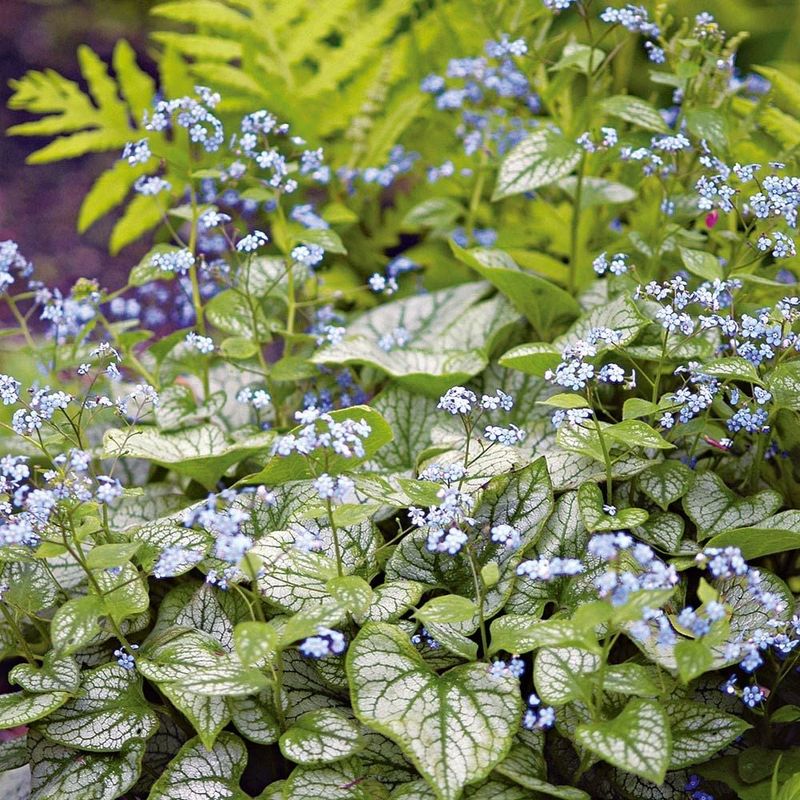
Brunnera, often called false forget-me-not, is prized for its sky-blue flowers and attractive, heart-shaped leaves. These plants bring a touch of brightness to shaded garden spots, with their flowers resembling those of true forget-me-nots.
Brunnera’s foliage is equally striking, often displaying silver markings that catch the eye. They prefer moist, rich soil and can brighten up even the darkest corners of your garden. They’re relatively low-maintenance and can form dense ground covers, helping to suppress weeds.
6. Toad Lily
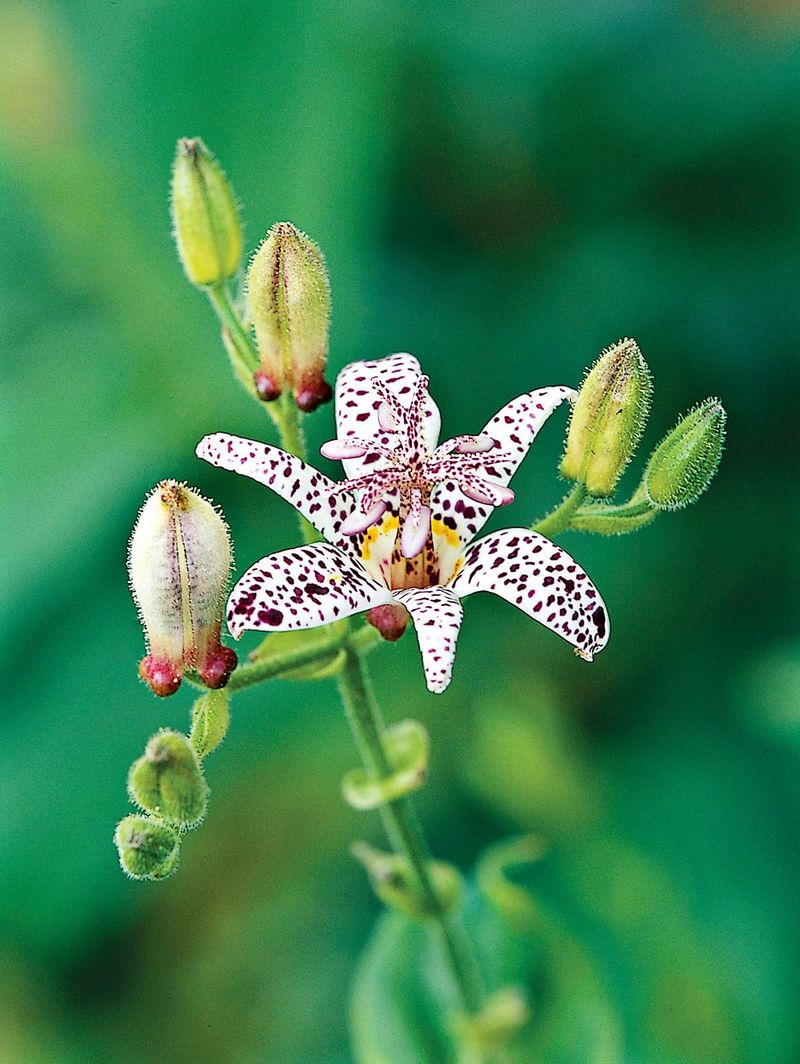
Toad Lilies are known for their exotic-looking, spotted flowers that bloom in late summer to fall. Their unique appearance makes them a captivating choice for shaded gardens, where they can add an element of surprise and intrigue.
These plants thrive in moist, well-drained soil and prefer partial to full shade. Toad Lilies are relatively low-maintenance and can be a wonderful addition to woodland gardens or shaded borders. Their late blooming period ensures that your garden remains colorful and interesting even as other plants begin to fade.
7. Pulmonaria
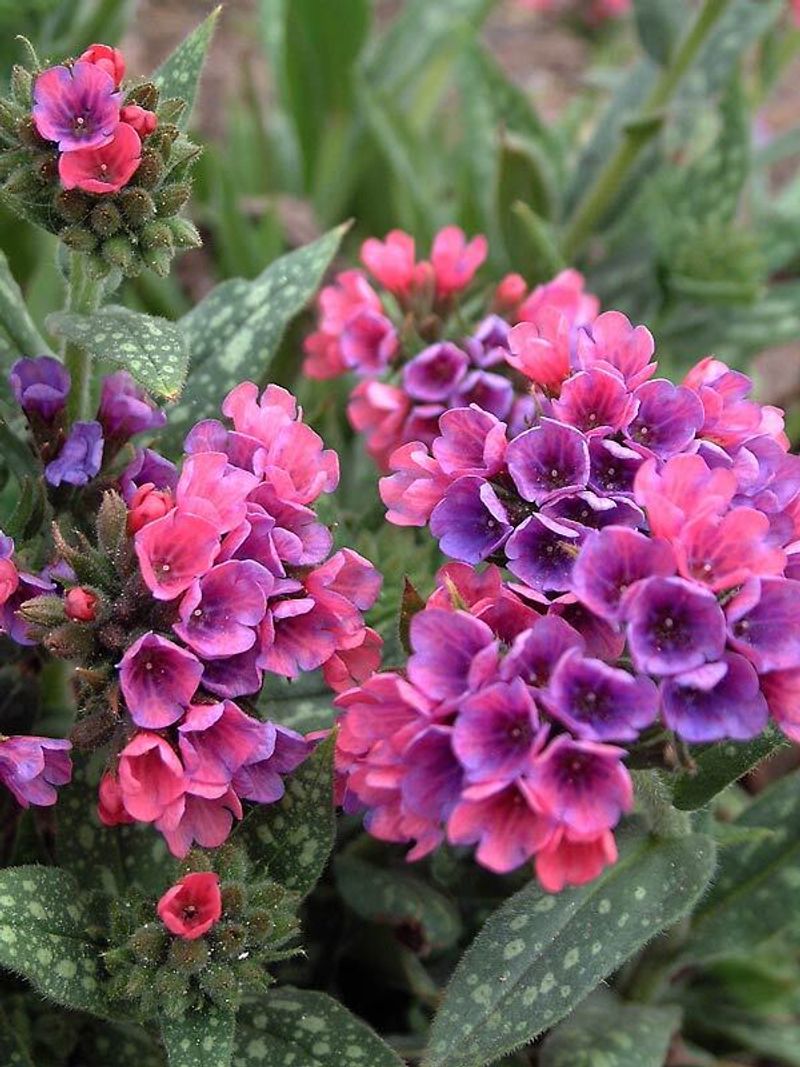
Pulmonaria, also known as lungwort, is celebrated for its early spring blooms and uniquely speckled foliage. These plants are perfect for adding early color to shaded garden areas, with flowers that change from pink to blue as they mature.
Pulmonaria’s foliage is equally attractive, featuring silvery spots that stand out in darker areas of the garden. They prefer moist, well-drained soil and can be a reliable ground cover that deters weeds. Their resilience and low-maintenance nature make them a favorite among shade gardeners.
8. Ferns
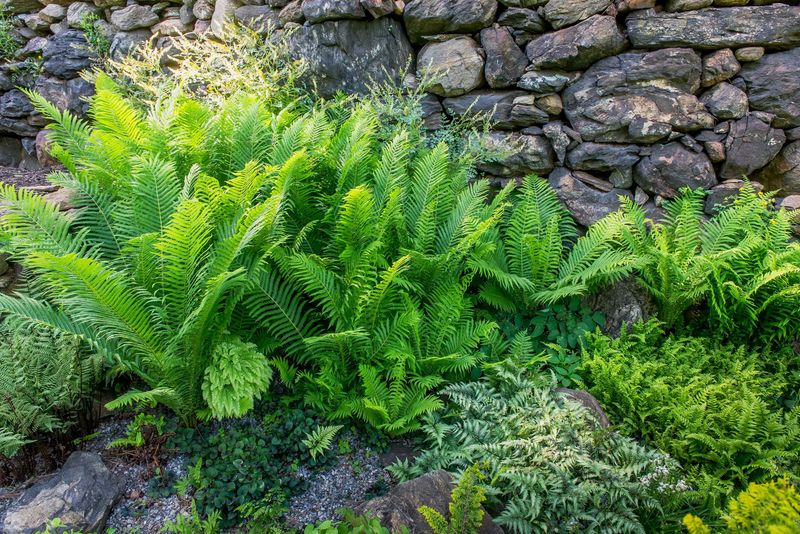
Ferns have long been a staple in shaded gardens, appreciated for their graceful fronds and lush greenery. These plants come in countless varieties, each offering unique textures and shades of green.
Their ability to thrive in low light makes ferns an indispensable choice for filling shaded garden spaces. They are generally easy to care for, requiring little more than consistent moisture and protection from harsh sunlight. Ferns can create a serene, forest-like atmosphere, making them perfect for woodland gardens or shaded borders.
9. Lily of the Valley
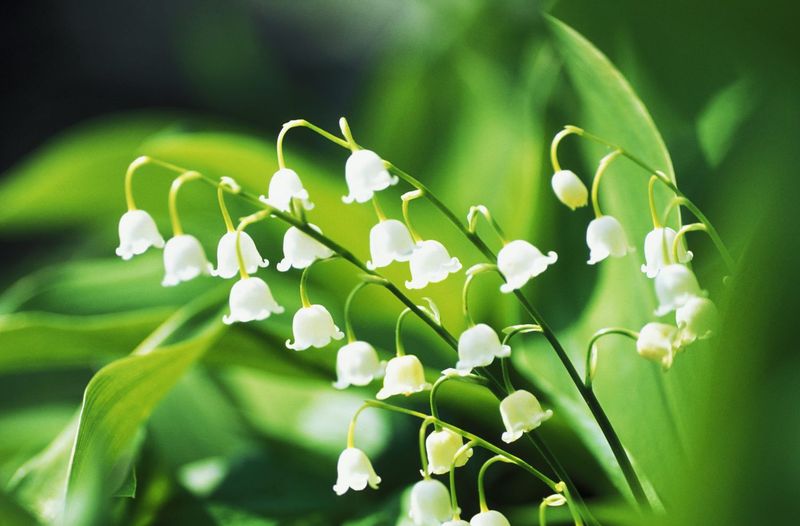
Lily of the Valley is cherished for its sweetly scented, bell-shaped flowers that emerge in spring. These dainty plants are ideal for shaded gardens, where they can form fragrant, lush carpets beneath trees and shrubs.
They prefer cool, moist conditions and are relatively low-maintenance once established. Lily of the Valley is a classic choice for traditional gardens, adding a touch of elegance and charm. Their fragrance and beauty make them a favorite for shaded, tranquil garden spots.
10. Solomon’s Seal
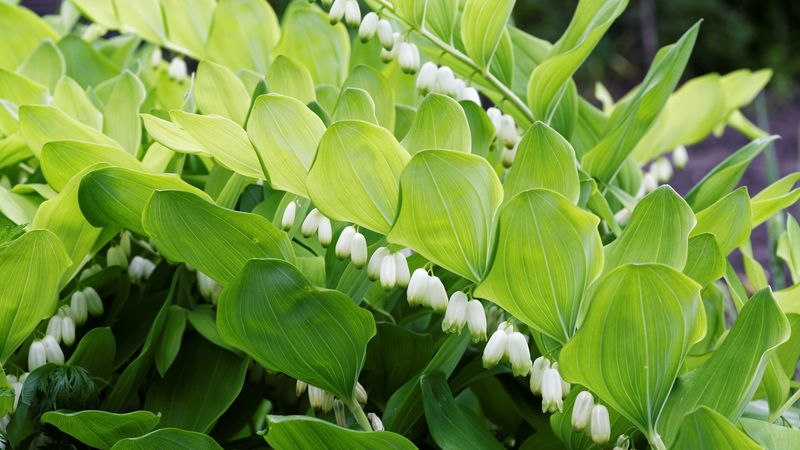
Solomon’s Seal is a graceful perennial known for its arching stems and dangling white flowers. It thrives in shaded areas and adds an elegant touch to woodland gardens or shady borders.
These plants are relatively low-maintenance and can thrive in a variety of soil conditions, provided they have adequate moisture. Their foliage turns a golden yellow in the fall, adding seasonal interest. Solomon’s Seal is a versatile plant, perfect for creating naturalistic garden settings.
11. Foxglove
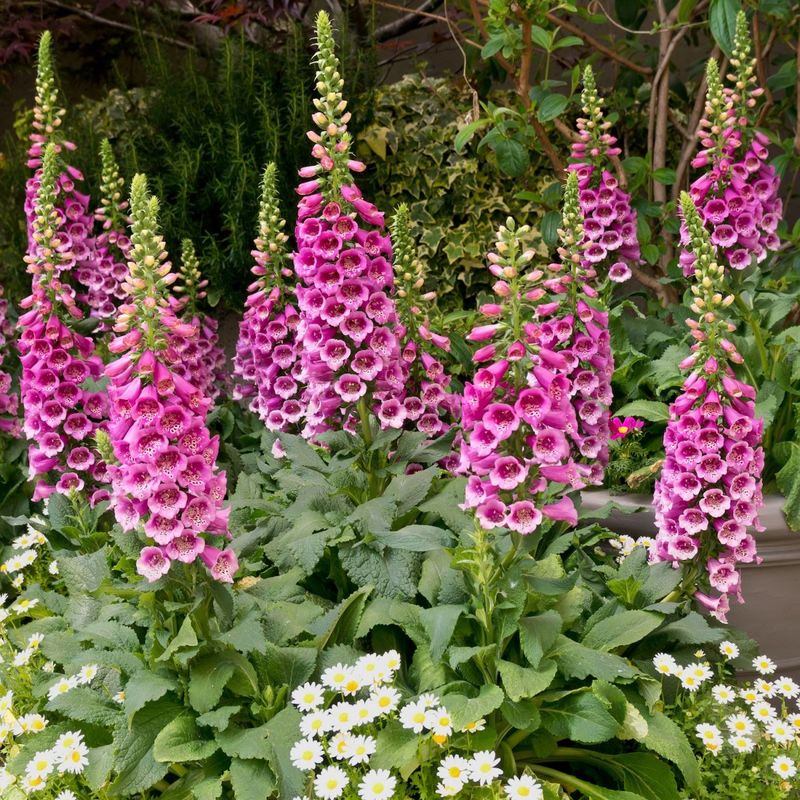
Foxglove is recognized for its tall spikes of tubular flowers that bloom in late spring to early summer. These striking plants are perfect for adding height and drama to shaded garden areas.
Foxgloves prefer rich, well-drained soil and can tolerate a range of light conditions, from partial shade to full sun. Their flowers attract bees and other pollinators, supporting garden biodiversity. Foxgloves’ towering presence and vibrant colors make them a standout choice for any garden.
12. Japanese Anemone
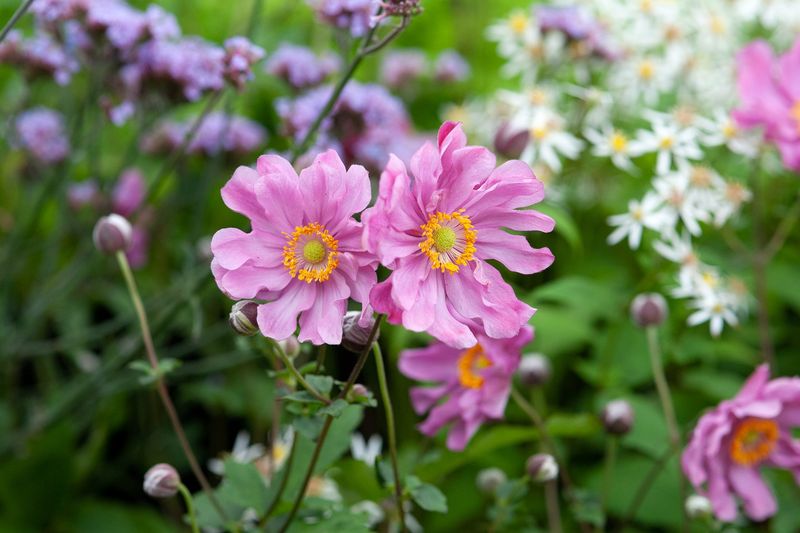
Japanese Anemones are renowned for their delicate, wind-swept blooms that appear in late summer and continue into fall. These plants thrive in shaded areas, bringing a touch of elegance and movement to the garden.
They prefer well-drained, rich soil and can form large clumps over time, providing a lush, floral display. Japanese Anemones are relatively low-maintenance and can add late-season beauty to shaded borders or woodland gardens.
13. Epimedium
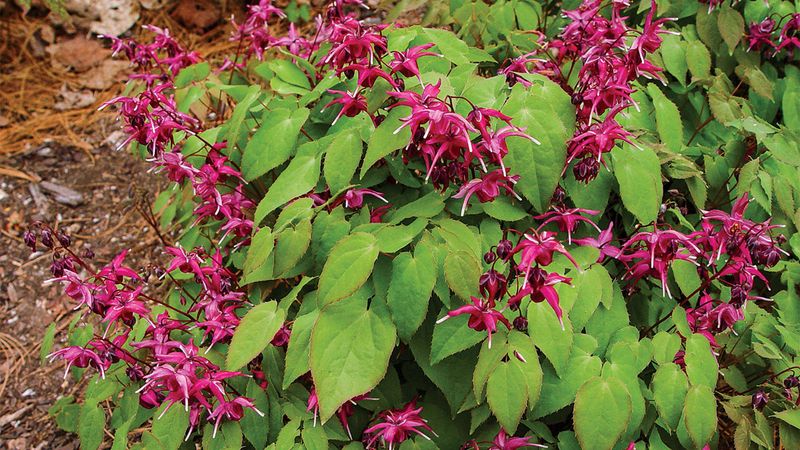
Epimedium, often called barrenwort, is admired for its heart-shaped leaves and delicate flowers. These plants are ideal for shaded, rocky areas where other plants may struggle to thrive.
Epimedium is known for its drought tolerance and ability to adapt to challenging conditions, making it a versatile choice for gardeners. Their foliage takes on beautiful hues in fall, adding seasonal interest. The plant’s resilience and charm make it a beloved option for those seeking low-maintenance beauty in shaded spots.
14. Bugleweed
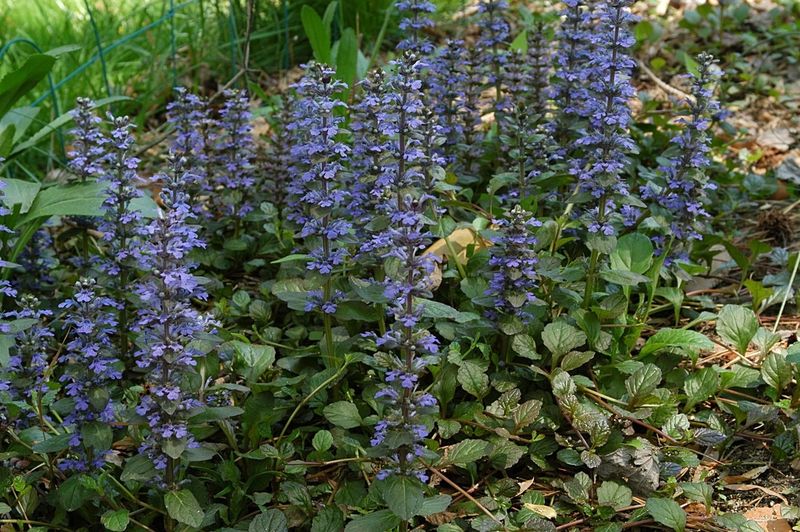
Bugleweed, or Ajuga, is a robust ground cover known for its low-growing foliage and vibrant blue flower spikes. This plant is perfect for creating colorful carpets in shaded garden areas.
Ajuga is adaptable and can thrive in various soil types, though it prefers moist, well-drained conditions. It spreads quickly, making it an excellent option for filling large spaces or controlling erosion on slopes. Bugleweed’s vibrant flowers attract pollinators, adding life to shaded areas of your garden.
15. Virginia Bluebells
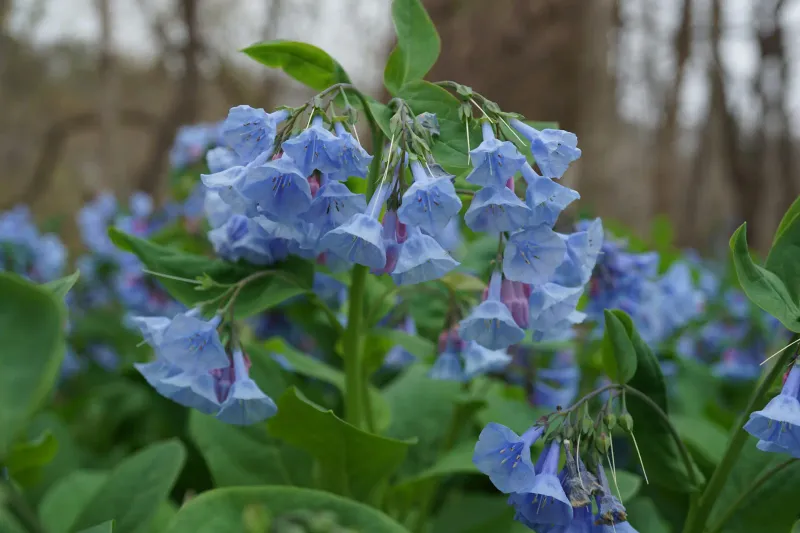
Virginia Bluebells are celebrated for their clusters of blue, trumpet-shaped flowers that bloom in early spring. These charming plants thrive in shaded, woodland settings, bringing a burst of color to the garden.
Virginia Bluebells prefer moist, well-drained soil and can naturalize over time, forming stunning drifts of color. Their early blooms provide a vital source of nectar for pollinators emerging in spring. Virginia Bluebells’ ephemeral beauty makes them a treasured addition to any shaded garden.