 Complete Gardening
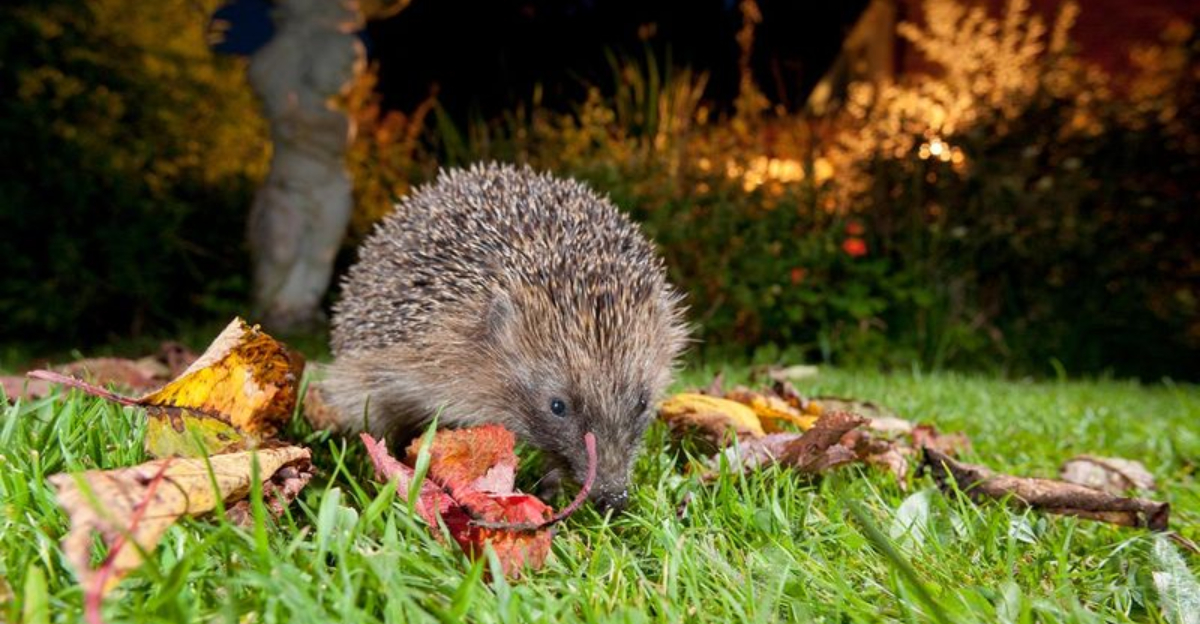
Creating a wildlife habitat garden isn’t just about planting flowers or shrubs; it’s about fostering an environment where local wildlife can thrive. This type of garden supports biodiversity, offering food, shelter, and places for creatures like birds, butterflies, and beneficial insects. By taking the right steps, your garden can become a certified wildlife habitat, recognized for its ecological importance.
1. Provide Food Sources

Transforming your garden into a wildlife haven starts with providing diverse food sources. Native plants are key, offering nectar, seeds, and berries that cater to local wildlife. For instance, planting milkweed attracts monarch butterflies, while sunflowers provide seeds for birds.
Think beyond plants; incorporate bird feeders and insect hotels to support year-round nourishment. Bird feeders stocked with seeds or suet can sustain birds during colder months.
By focusing on a variety of food sources, your garden becomes a bustling hub of activity, appealing to a wider range of species.
2. Ensure Water Availability
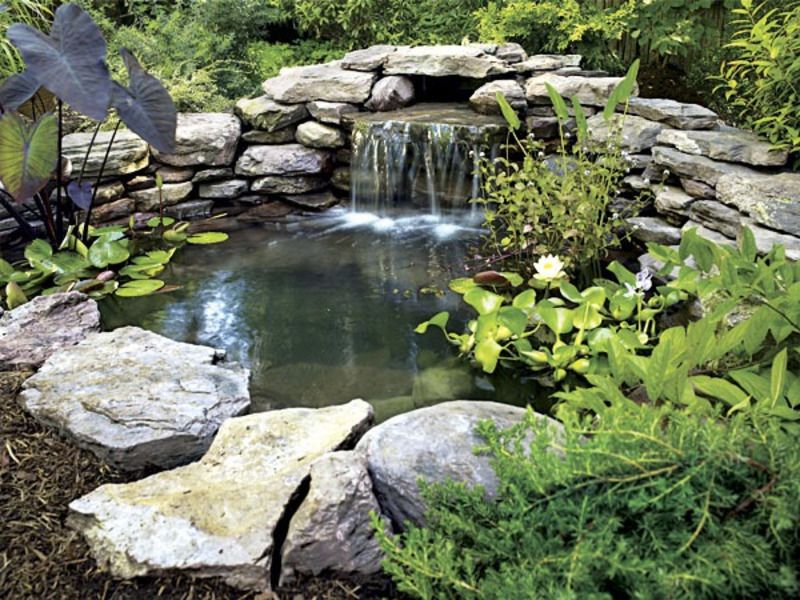
Water is essential for all living creatures, and your garden should have sufficient sources. Install a birdbath or a small pond to provide clean, fresh water. These features not only attract birds but also amphibians like frogs and toads.
Consider adding a fountain or dripper to keep the water moving and fresh. This discourages mosquitoes and adds a soothing ambiance.
Regularly maintain your water features by cleaning them to prevent algae growth. This ensures they remain healthy and inviting for local wildlife.
3. Create Shelter Spaces
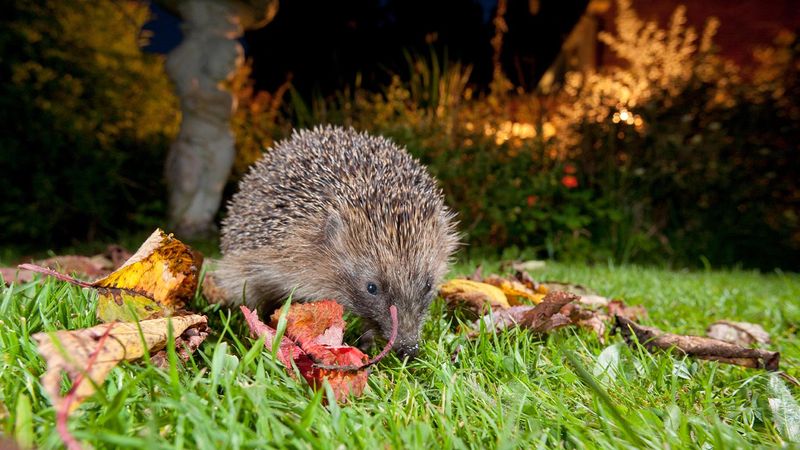
Providing shelter is crucial for protecting wildlife from predators and harsh weather. Dense shrubs, trees, and hedges offer excellent cover for birds and small mammals.
Incorporate dead wood or rock piles to create hiding spots for reptiles and insects. Birdhouses and bat boxes can also offer safe nesting sites.
Shelter diversity is key; it caters to the needs of various species, ensuring your garden becomes a sanctuary year-round.
4. Promote Biodiversity
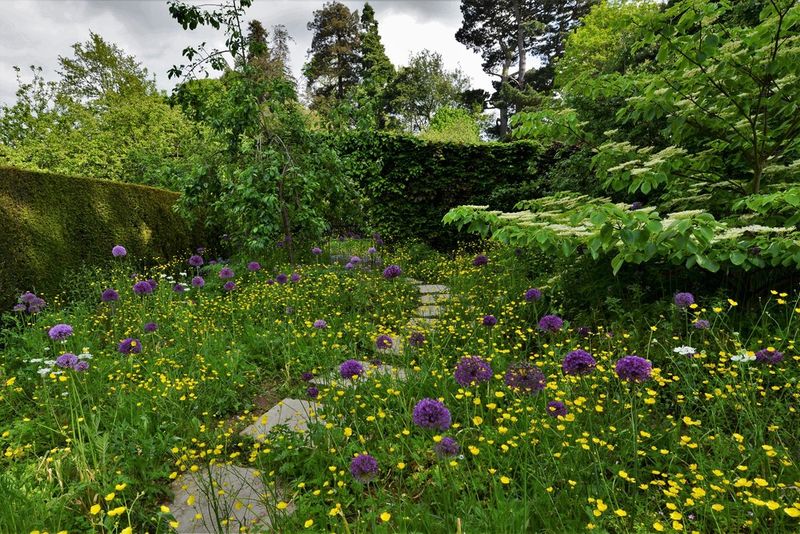
Biodiversity is the backbone of a healthy wildlife habitat. Ensure your garden includes a mix of plant species with varying bloom times and structures. This supports a wide array of insects, birds, and mammals throughout the year.
Avoid monocultures; instead, strive for a balance of trees, shrubs, and flowering plants. This diversity provides food and shelter for different life cycles.
A biodiverse garden not only supports wildlife but also becomes more resilient to pests and diseases.
5. Reduce Chemical Usage
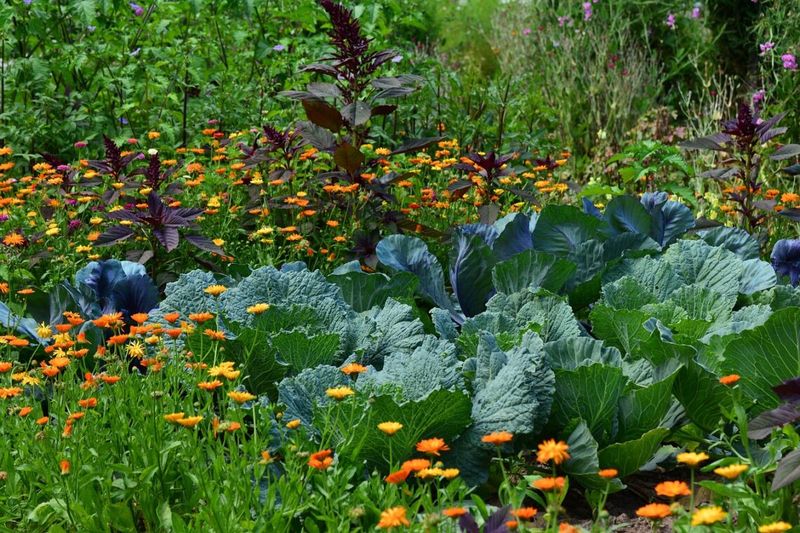
Chemicals can harm beneficial insects and disrupt the ecological balance. Opt for natural pest control methods like introducing ladybugs or using neem oil.
Companion planting is another effective strategy. Pairing certain plants can naturally deter pests and promote healthy growth.
By minimizing chemicals, you create a safer environment for wildlife and encourage a thriving, self-sustaining ecosystem.
6. Install Nesting Boxes
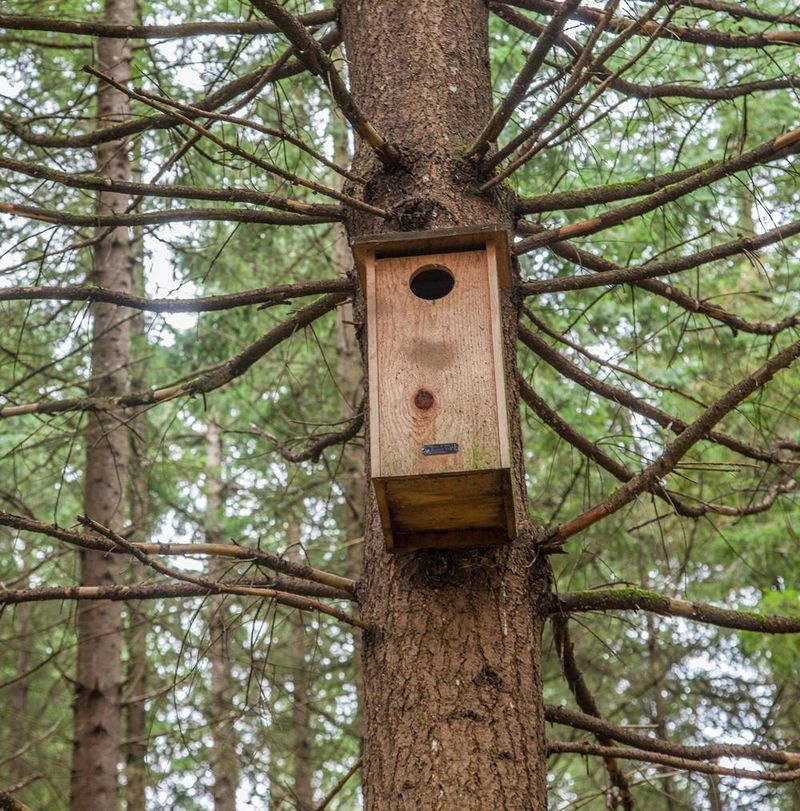
Nesting boxes are vital for species that lack natural nesting sites. Install birdhouses and bat boxes to encourage breeding. These structures should be placed in quiet, sheltered areas to attract occupants.
Ensure the boxes match the size and entry preferences of the target species. For instance, different birds require varied hole sizes.
Regularly clean and maintain the boxes to keep them safe and appealing for wildlife.
7. Set Up Feeding Stations
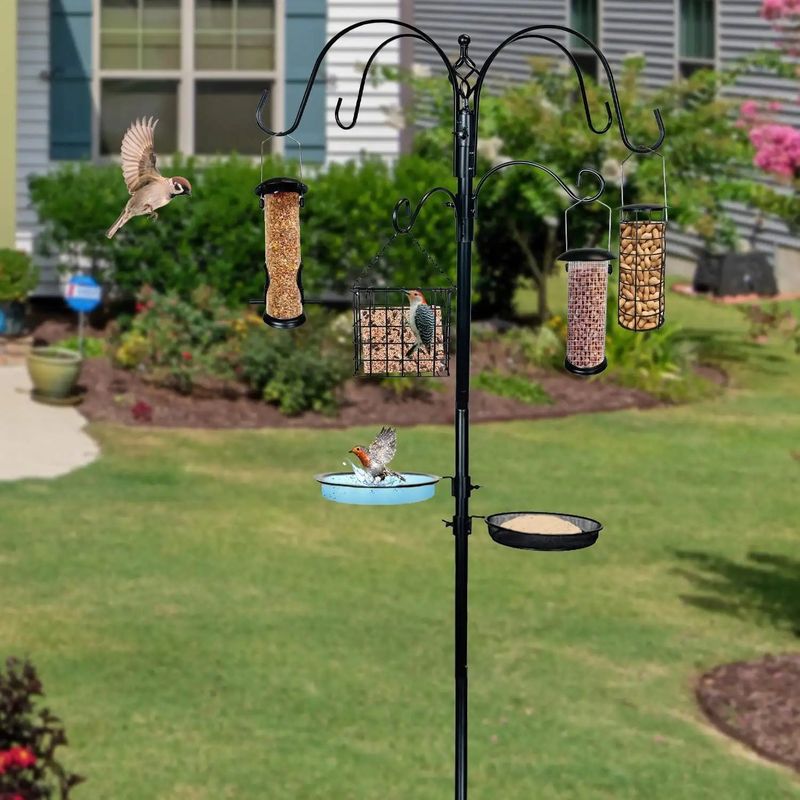
Feeding stations augment natural food sources, especially when resources are scarce. Bird feeders, squirrel feeders, and bee hotels are excellent additions.
Ensure a mix of seeds, nuts, and nectar is available to cater to diverse diets. Place feeders in safe, accessible locations.
Keep feeders clean to prevent disease. Regularly change the food to maintain its freshness and appeal.
8. Cultivate Native Plants
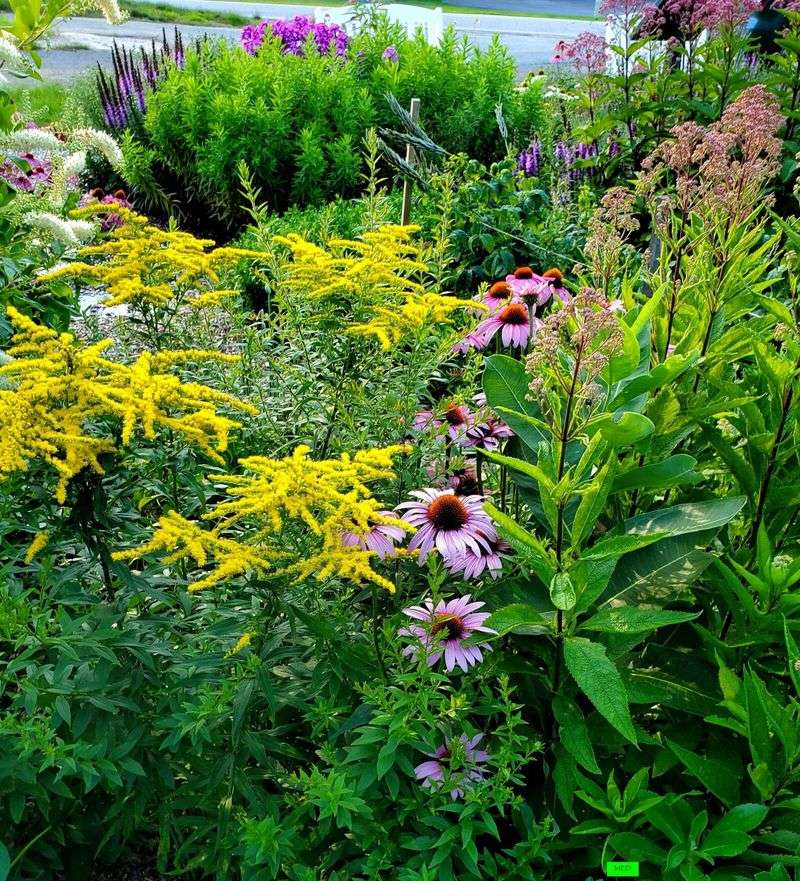
Native plants are adapted to local climates and soil, making them ideal for supporting wildlife. They offer essential resources such as nectar, seeds, and shelter.
Research which plants are native to your area and incorporate a variety into your garden design. This supports pollinators like bees and butterflies, enhancing biodiversity.
Native gardens require less maintenance and provide a natural beauty unique to your region.
9. Incorporate Water Features
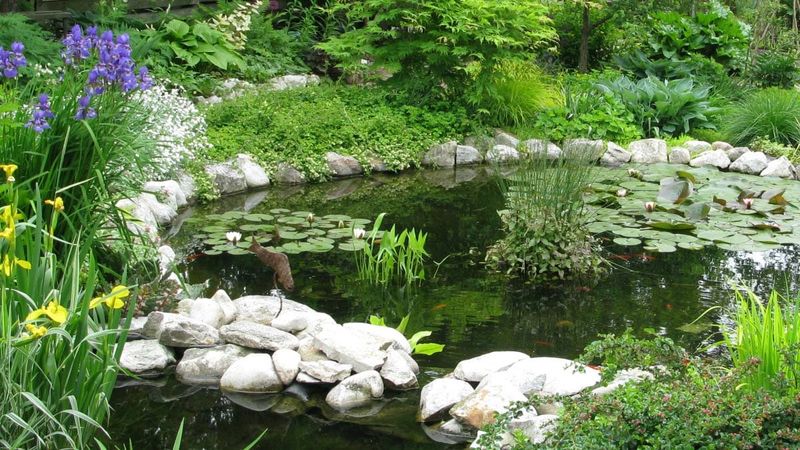
Water features create a dynamic environment for wildlife. A small pond or waterfall can attract frogs, dragonflies, and birds.
Include aquatic plants to provide shelter and improve water quality. These plants also attract insects, offering an additional food source.
Ensure the pond has shallow areas for easy access and egress, catering to diverse aquatic life.
10. Practice Sustainable Gardening
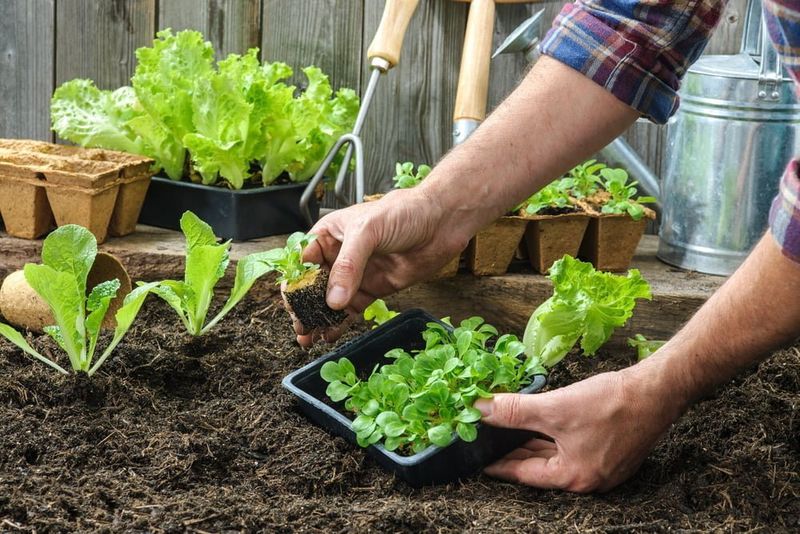
Sustainable gardening practices benefit the environment and enhance wildlife habitats. Composting reduces waste and enriches soil naturally, promoting healthy plant growth.
Collect rainwater in barrels to conserve water and reduce reliance on municipal supplies.
By embracing sustainability, you create a more balanced and resource-efficient garden.
11. Use Organic Fertilizers
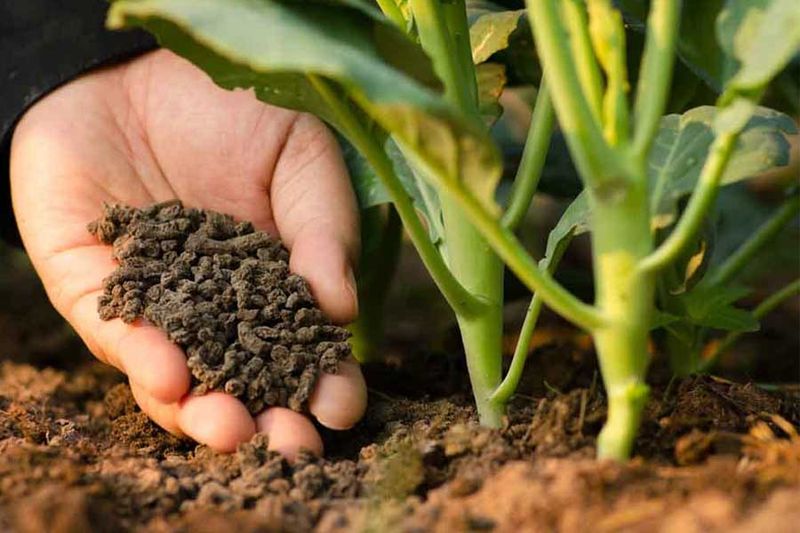
Organic fertilizers nourish plants without harming wildlife. Compost, manure, and bone meal enrich soil while boosting plant health.
These natural options improve soil structure and water retention, supporting robust root systems.
By choosing organic over synthetic, you foster a healthier garden ecosystem, benefiting both plants and visiting wildlife.
12. Engage with Community Programs
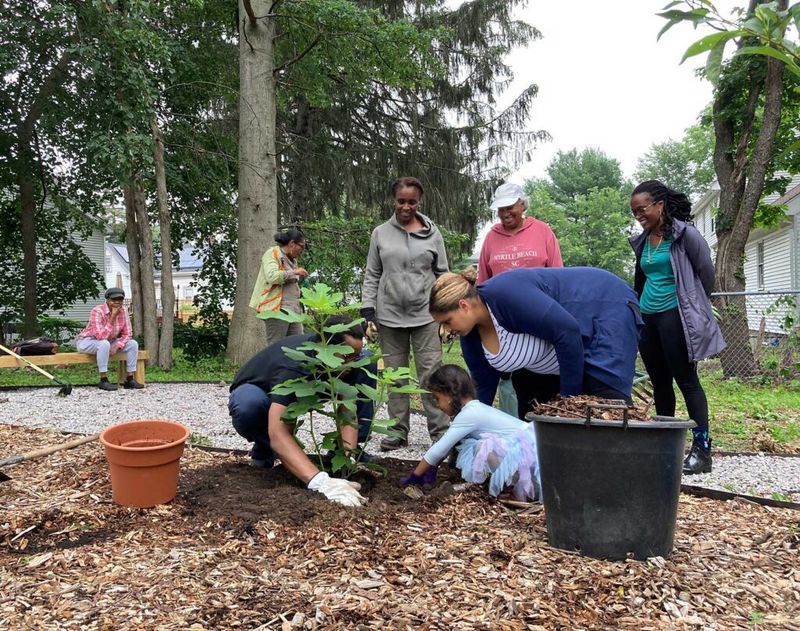
Engaging with community programs can amplify your efforts in creating a wildlife habitat. Participate in local garden clubs or conservation groups to share resources and knowledge.
These programs often offer workshops on native plants and sustainable practices. Collaboration with neighbors can lead to larger, interconnected habitats.
Community involvement not only strengthens ecological bonds but also enhances social connections.
13. Design Natural Pathways
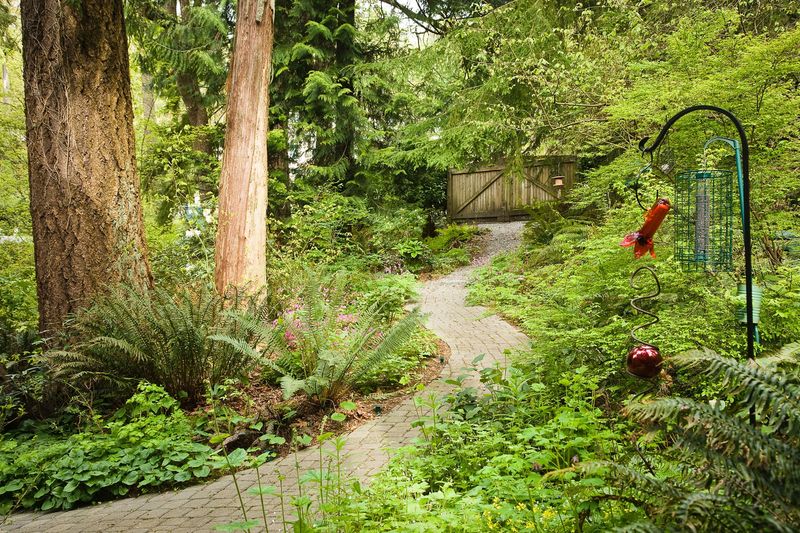
Imagine strolling through a garden where the paths seem to guide you on a journey of discovery. Natural pathways not only enhance aesthetic appeal but also encourage wildlife to traverse and explore. Curved lines, gentle slopes, and varied textures mimic nature’s own trails.
Incorporating organic materials like mulch and pebbles creates a soft ground cover. This design fosters a welcoming atmosphere for small mammals and insects.
By connecting different habitat zones, pathways ensure seamless movement, enriching the garden’s ecological diversity.
14. Implement Seasonal Changes
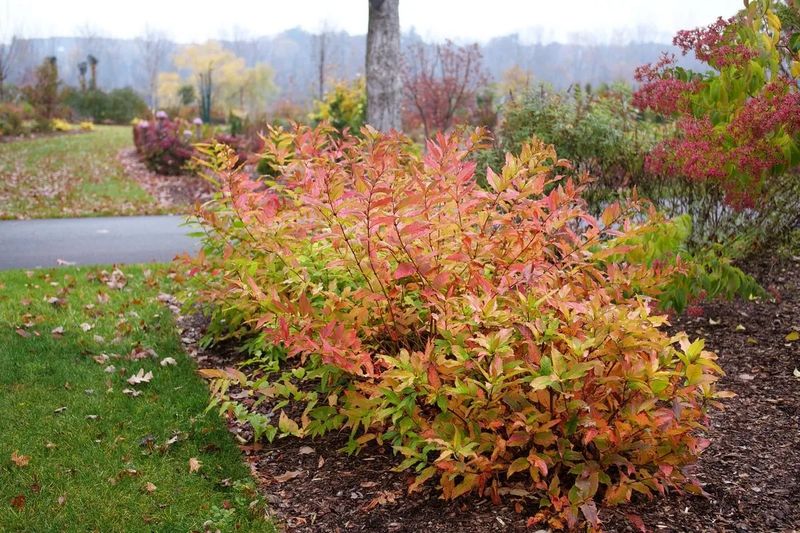
Does your garden adapt with the seasons? Implementing seasonal changes ensures a dynamic environment that supports wildlife year-round. Planting a variety of flora that blooms at different times provides essential resources and shelter as seasons shift.
Consider native species that are resilient to local climate changes. This approach not only sustains biodiversity but also offers ever-changing scenery.
Observing these natural transformations can be a rewarding experience, allowing one to witness the garden’s lifecycle unfold.
15. Focus on Soil Health
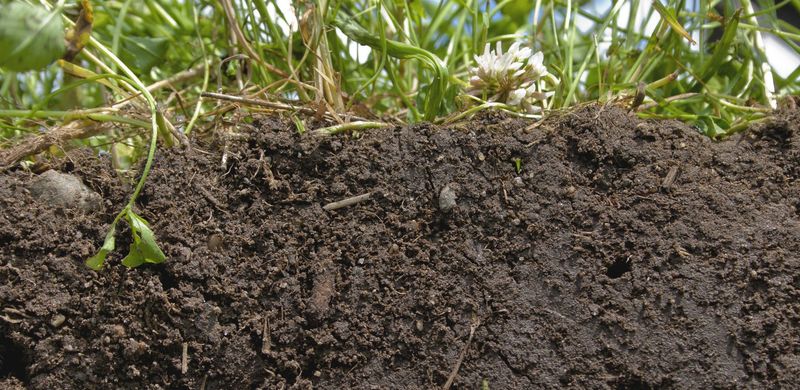
Deep beneath the surface lies the true foundation of a thriving garden. Soil health is paramount for supporting robust plant life and, consequently, local wildlife. Rich, well-aerated soil teeming with earthworms and microorganisms provides a fertile ground.
Incorporating compost and reducing tillage preserves soil structure and nutrients. This practice boosts plant growth, offering ample food and shelter to garden inhabitants.
Healthy soil fosters a vibrant ecosystem, making it indispensable in creating a sustainable wildlife habitat.