 Complete Gardening
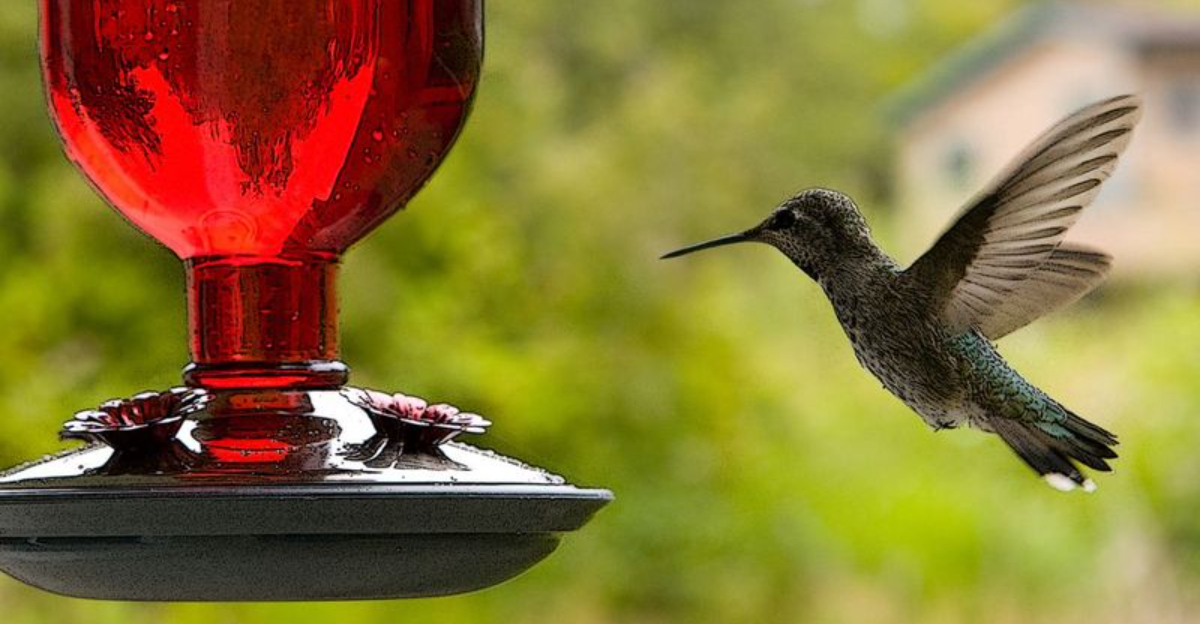
Hummingbirds, with their iridescent beauty and rapid wing beats, are a delightful presence in any garden.
However, there are many surprising factors that can deter these enchanting creatures from visiting your yard.
Understanding these deterrents can help you create a more inviting environment for hummingbirds.
1. Aggressive Birds (Like Blue Jays or Orioles)
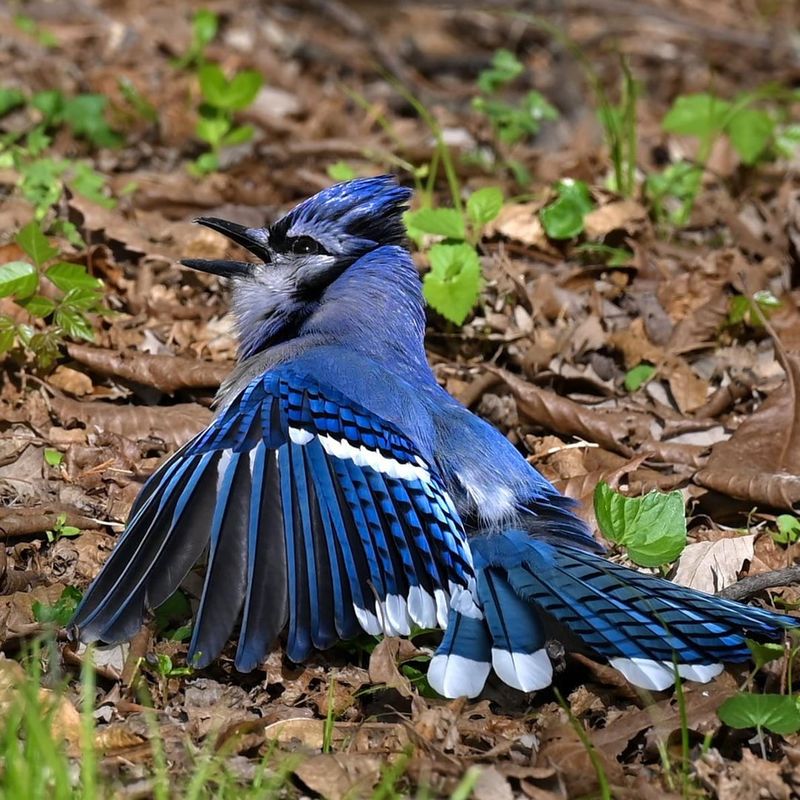
Hummingbirds, with their delicate and gentle nature, often find themselves intimidated by larger, more aggressive birds. Blue Jays and Orioles, known for their territorial behavior, can easily chase these tiny creatures away. The presence of such birds can make hummingbirds feel threatened, leading them to seek safer feeding grounds elsewhere. Imagine a bustling garden; yet, silent as hummingbirds hover nearby, wary of their larger, more assertive neighbors. It’s a delicate balance in nature, where size and temperament play a crucial role in the harmony of birdlife. Ensuring a peaceful coexistence is key.
2. Dirty or Moldy Feeders
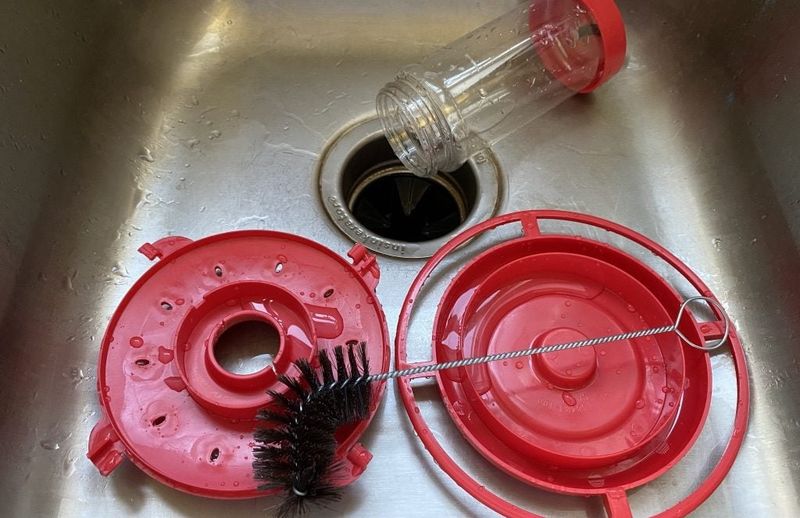
Hummingbirds are particularly sensitive to the quality of nectar they consume. Dirty or moldy feeders can not only deter them but also pose a severe threat to their health. Spoiled nectar becomes a breeding ground for harmful bacteria and mold, making it essential for bird enthusiasts to maintain cleanliness. Picture a feeder hanging in a garden, its contents neglected, presenting more danger than nourishment. Regular cleaning ensures that the nectar remains fresh and inviting, granting the hummingbirds a safe haven to feed. The effort to keep feeders clean is a small price for the joy of their presence.
3. Insects (Bees, Wasps, Ants)
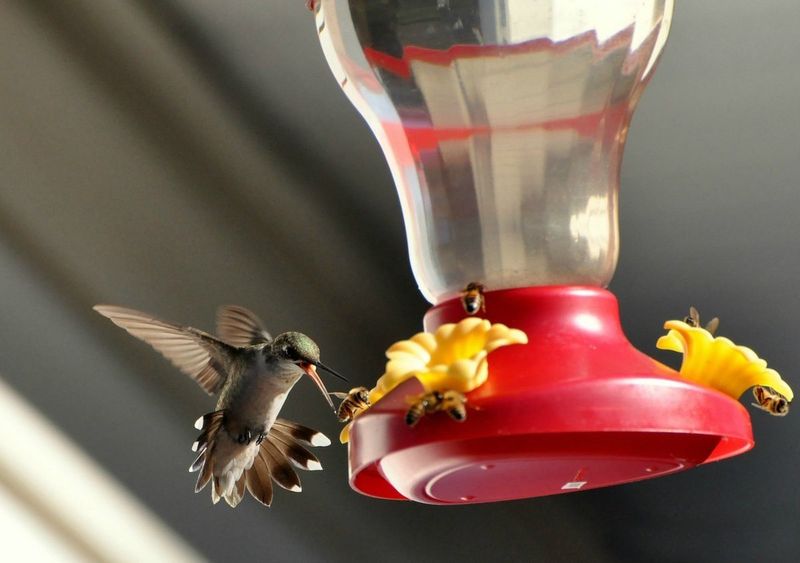
Insects like bees, wasps, and ants are natural competitors for nectar, often creating a challenging environment for hummingbirds. Their swarms can overwhelm the feeders, making it difficult for the birds to access their sugary sustenance. Picture a hummingbird darting around a feeder, only to find itself in a duel against an army of buzzing insects. Such competition not only frustrates the hummingbirds but can also turn them away in search of more peaceful feeding grounds. By managing insect populations, one can create a more welcoming atmosphere for these delicate fliers.
4. Too Many Feeders in One Spot
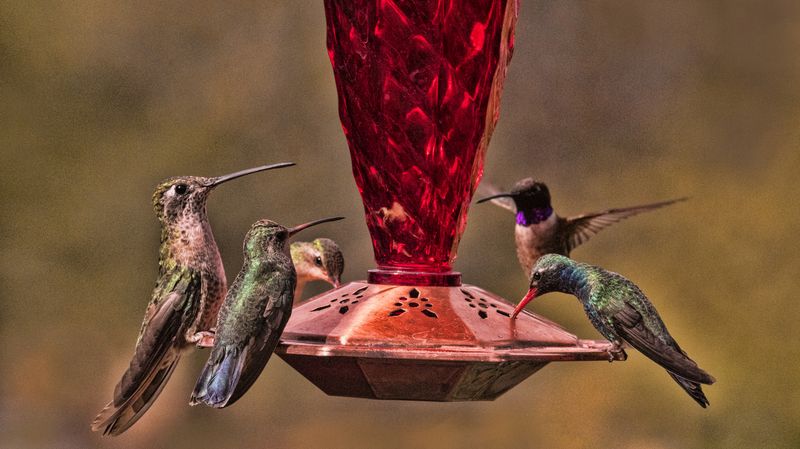
While it might seem beneficial to have multiple feeders in one spot, it can have the opposite effect. Clustering feeders together can incite territorial disputes among hummingbirds, as they are fiercely protective of their feeding areas. Imagine a tiny bird, flitting from flower to flower, only to be met with competition at every turn. The constant jostling for position can drive hummingbirds away, seeking solitude and less crowded spaces. Spreading out feeders not only reduces tension but also allows for more harmonious cohabitation in the garden.
5. Lack of Native Flowers
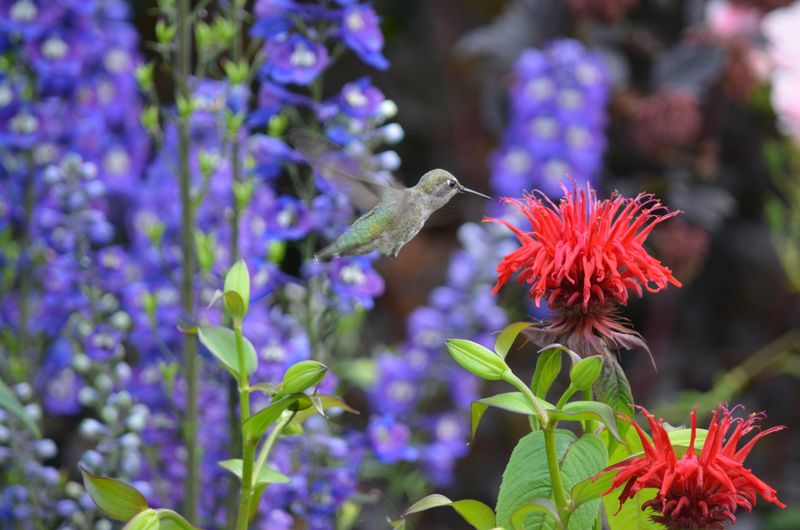
Real flowers, especially native varieties, are a hummingbird’s true delight. While feeders provide sustenance, nothing compares to the allure of vibrant, nectar-rich blooms like bee balm, salvia, and columbine. Imagine a garden filled with exotic plants yet devoid of native flowers, an empty promise to the hopeful hummingbird seeking its next meal. The absence of these natural attractions can make a garden seem barren and uninviting. By cultivating native flora, gardeners not only beautify their space but also extend a warm invitation to these avian jewels.
6. Strong Winds or Exposed Locations
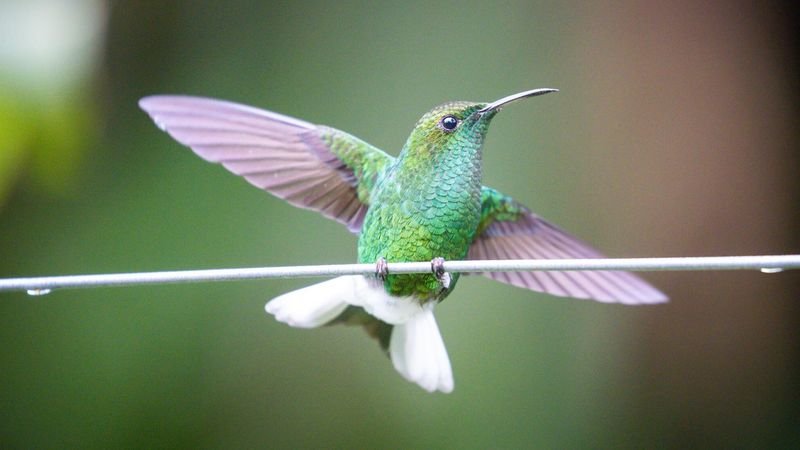
Hummingbirds, with their incredible agility, still fall victim to the whims of weather. Strong winds and exposed locations can make it challenging for them to hover and feed. Picture a tiny bird, its wings beating furiously, struggling to maintain balance against gusty breezes. Such conditions can deter these delicate creatures, pushing them to seek shelter. A garden shielded from strong winds, offering calm and tranquility, becomes a preferred sanctuary. Ensuring your yard provides such a haven can transform it into a safe haven for visiting hummingbirds.
7. Reflective Surfaces
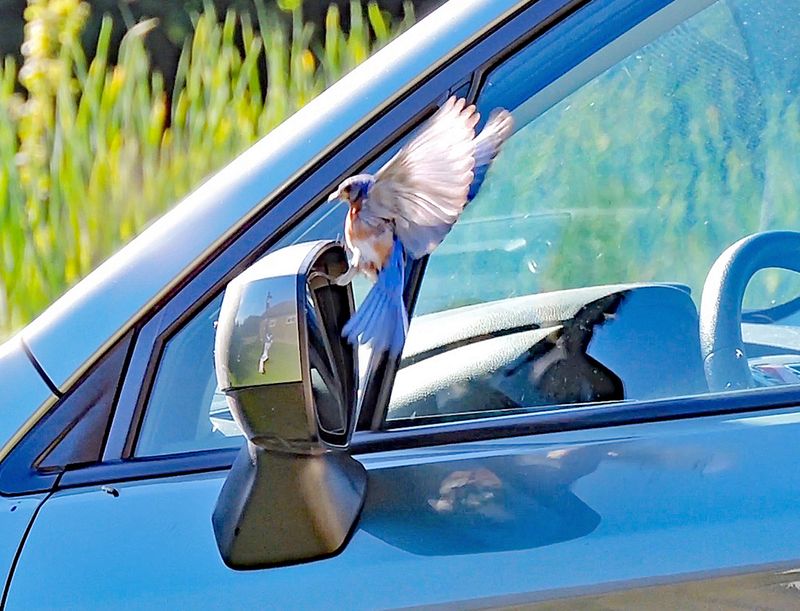
Reflective surfaces, such as mirrors or shiny garden decor, can disorient and confuse hummingbirds. These reflections may trick them into thinking there are more birds in the area, leading to unnecessary territorial clashes. Imagine a hummingbird darting through the air, only to be confronted by its own reflection, startled and bewildered. The presence of such surfaces can disrupt their natural feeding patterns, making a garden less appealing. Minimizing reflections and opting for matte finishes can help maintain a serene environment for these sensitive creatures.
8. Chemical Pesticides and Herbicides
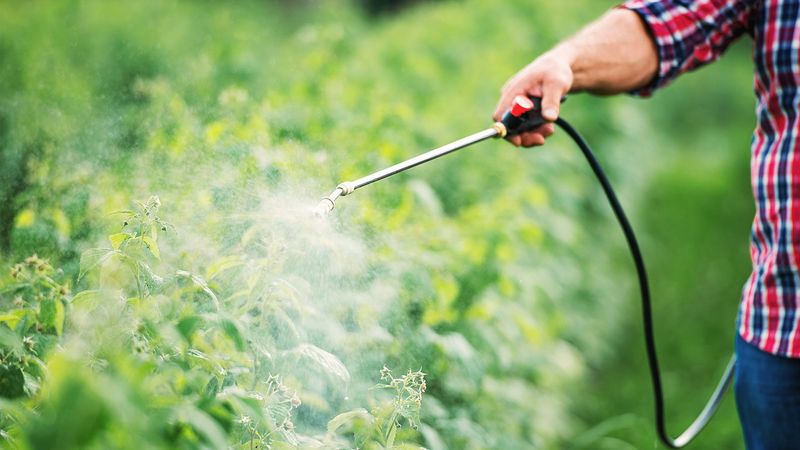
The use of chemical pesticides and herbicides can have detrimental effects on hummingbirds and the ecosystems they inhabit. Toxins on plants or in water sources not only harm the birds directly but also eliminate the insects they feed on. Picture a garden, lush and manicured, yet silently poisoned, offering danger instead of refuge. Such practices can drive hummingbirds away in search of safer havens. Opting for organic and bird-friendly pest control methods ensures that the garden remains a vibrant and welcoming sanctuary, safeguarding the health of its tiny visitors.
9. Lack of Perching Areas
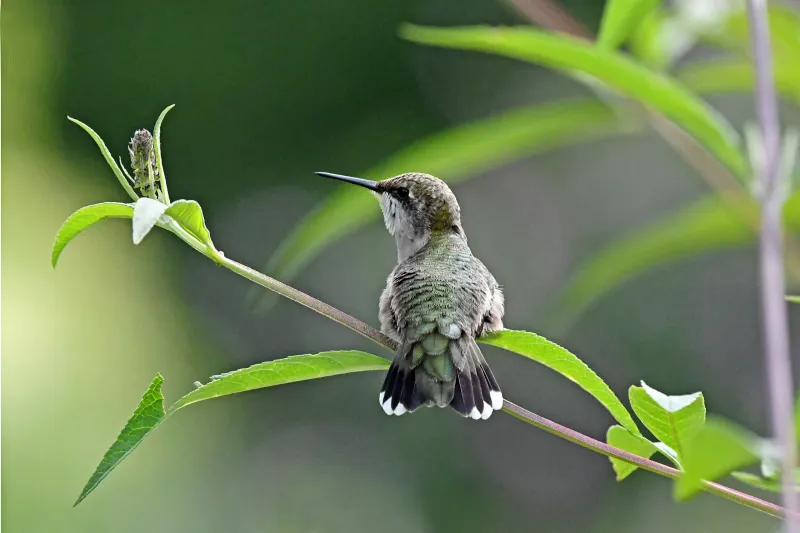
Hummingbirds, despite their energetic nature, need moments of rest. Perching areas, such as trees and bushes, offer them a place to pause and observe. Imagine a garden, lush yet unaccommodating, leaving hummingbirds with nowhere to rest their weary wings. Without these essential perching spots, a yard can feel empty and inhospitable. By incorporating perches, a garden transforms into a welcoming oasis, where hummingbirds can enjoy leisurely breaks between their energetic escapades. It’s these thoughtful additions that invite hummingbirds to linger a little longer.
10. No Water Source
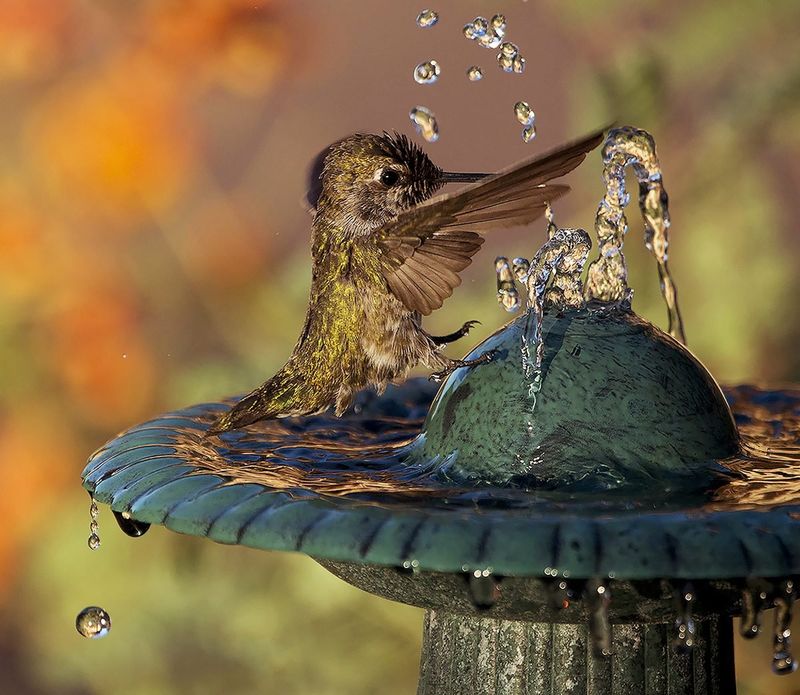
Water sources, such as misting fountains or small bubblers, are essential in attracting hummingbirds. These features offer not just hydration but also a place for the birds to bathe and play. Picture a garden, vibrant with flowers yet silent, missing the gentle tinkle of water. The absence of this soothing element can make a garden seem incomplete, lacking the allure hummingbirds crave. By adding a water feature, one creates a multi-sensory haven, enticing hummingbirds to visit frequently. It’s a simple enhancement that adds life to any garden.
11. Cats or Predators Nearby
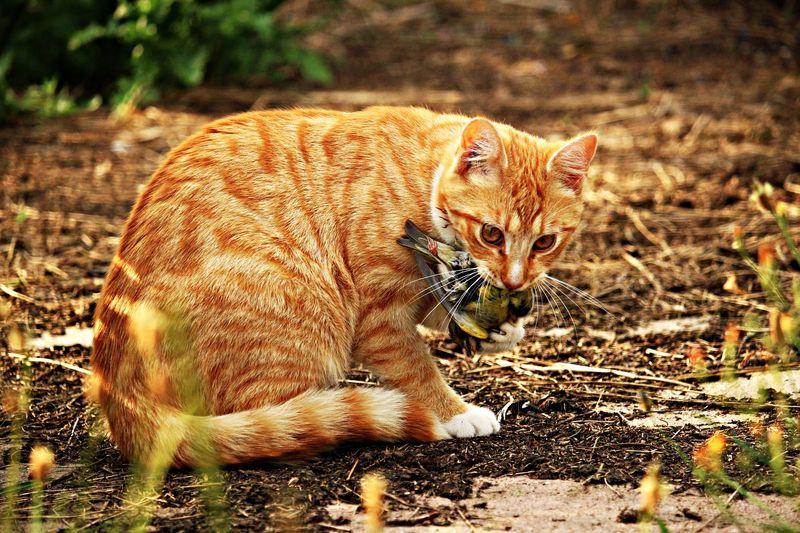
Predators such as cats, hawks, or even squirrels can pose a significant threat to hummingbirds. Their presence creates an environment of fear and caution for these tiny birds. Imagine a hummingbird, joyfully sipping nectar, only to be startled by the stealthy approach of a lurking cat. Such encounters drive them away, seeking safer territories. To encourage a hummingbird-friendly environment, it’s crucial to minimize predator presence, ensuring the garden remains a safe haven. This vigilance fosters an atmosphere where hummingbirds can thrive and delight in their surroundings.
12. Fake Nectar (with Dye or Corn Syrup)
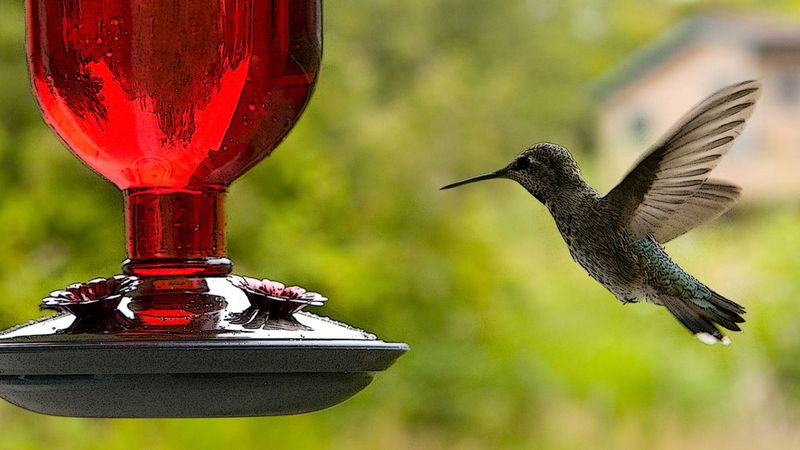
Artificial nectar, especially those containing dye or corn syrup, can be harmful to hummingbirds. While the bright colors may attract them initially, these concoctions often lack nutritional value and can even cause health issues. Picture a feeder filled with vibrant red liquid, enticing yet deceptive, offering more harm than sustenance. Providing a simple solution of four parts water to one part sugar ensures their health and happiness. This natural approach not only safeguards their well-being but also encourages them to return, free from the dangers of artificial additives.
13. Feeder Location in Full Sun
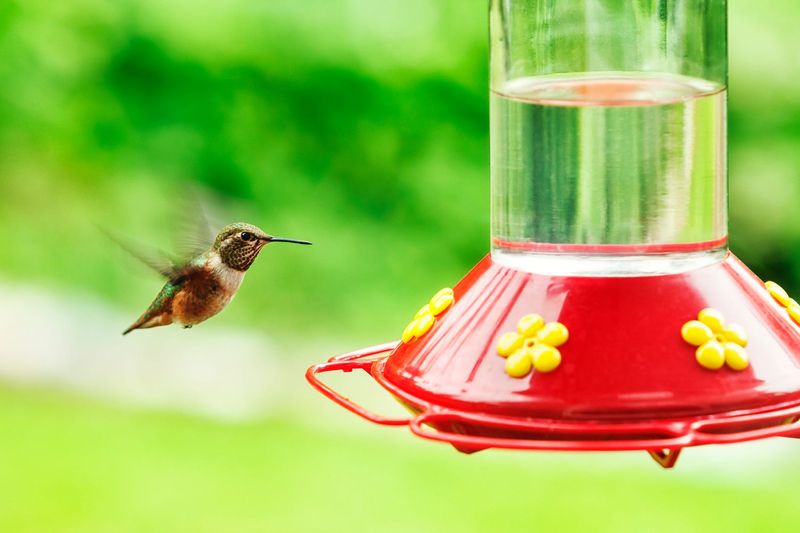
Positioning feeders in direct sunlight can cause the nectar to heat up and spoil more quickly. Warm temperatures accelerate fermentation, turning the nectar sour and unappealing. Imagine a garden, basking in sunlight, yet the feeders hold nectar that’s past its prime. Such conditions discourage hummingbirds from visiting, as they seek fresh, cool sustenance. Placing feeders in shaded areas helps maintain nectar quality, offering a more inviting option for these discerning creatures. This mindful adjustment ensures a steady stream of hummingbird visitors, eager for a sweet, refreshing treat.
14. No Seasonal Plant Variety
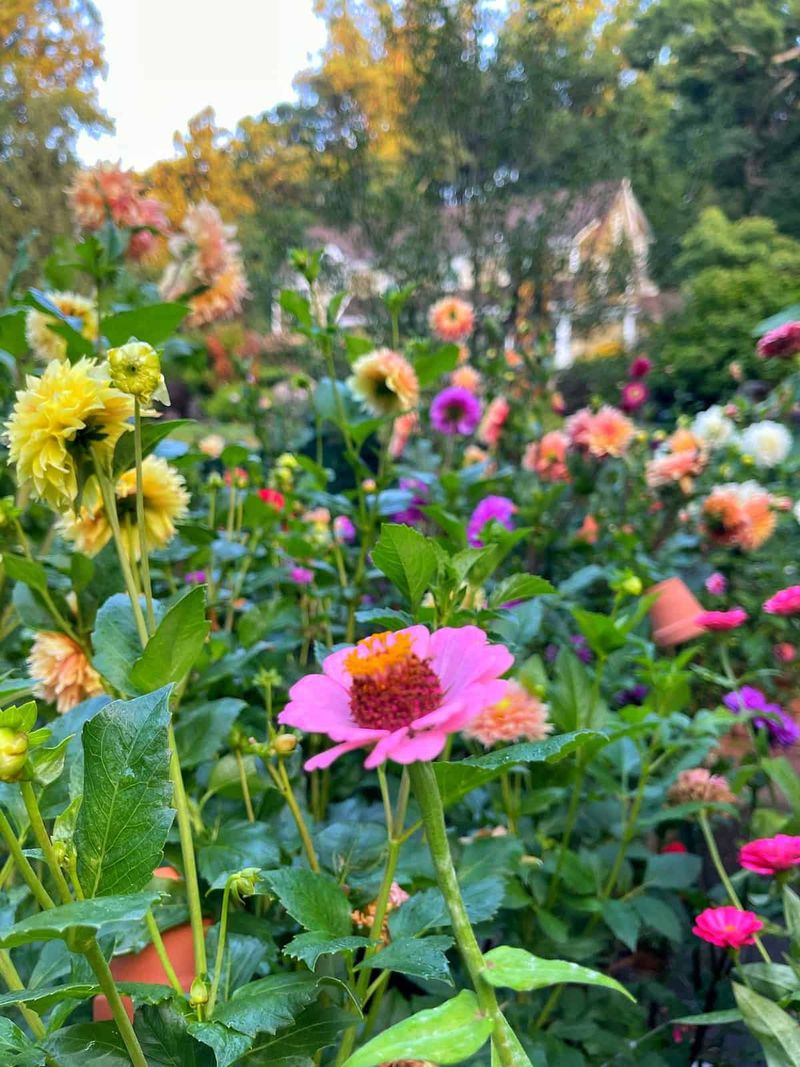
A garden that only blooms during one season may fail to provide a consistent food source for hummingbirds. Without a variety of plants that flower at different times, these birds might struggle to find nectar year-round. Picture a garden, vibrant in spring but barren by summer, its appeal waning with each passing month. By planting a diverse array of seasonal flowers, such as late-blooming sages or autumn asters, a garden can offer continuous nourishment. This thoughtful planning keeps hummingbirds returning, ensuring their presence throughout the changing seasons.
15. Overcrowding or Noise
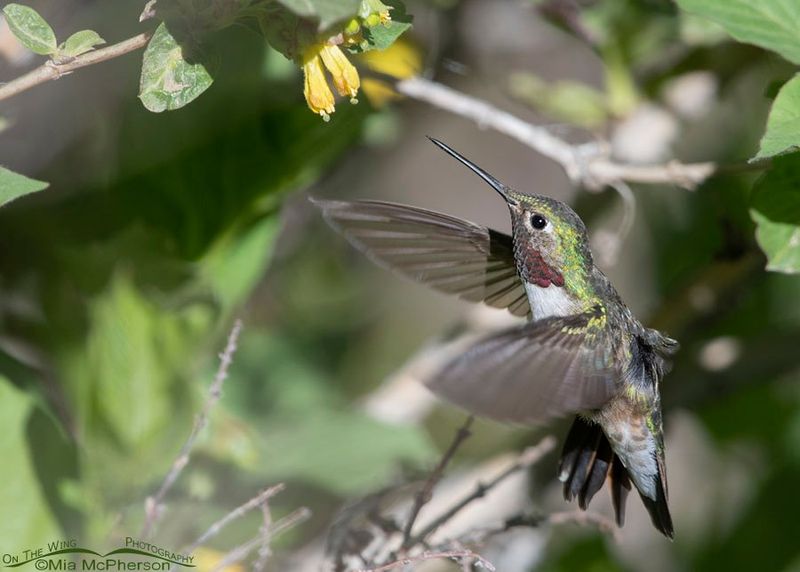
Hummingbirds are shy and prefer tranquility when feeding. Overcrowded or noisy environments, with constant human activity or loud pets, can deter them. Picture a bustling garden, filled with laughter and movement, yet void of the gentle hum of hummingbirds. Such noise and activity can drive these timid birds away, seeking calmer areas. By creating a more serene atmosphere and minimizing disturbances, one can transform a garden into a peaceful retreat. It’s this quiet charm that draws hummingbirds in, allowing them to feed and frolic undisturbed.