 Complete Gardening
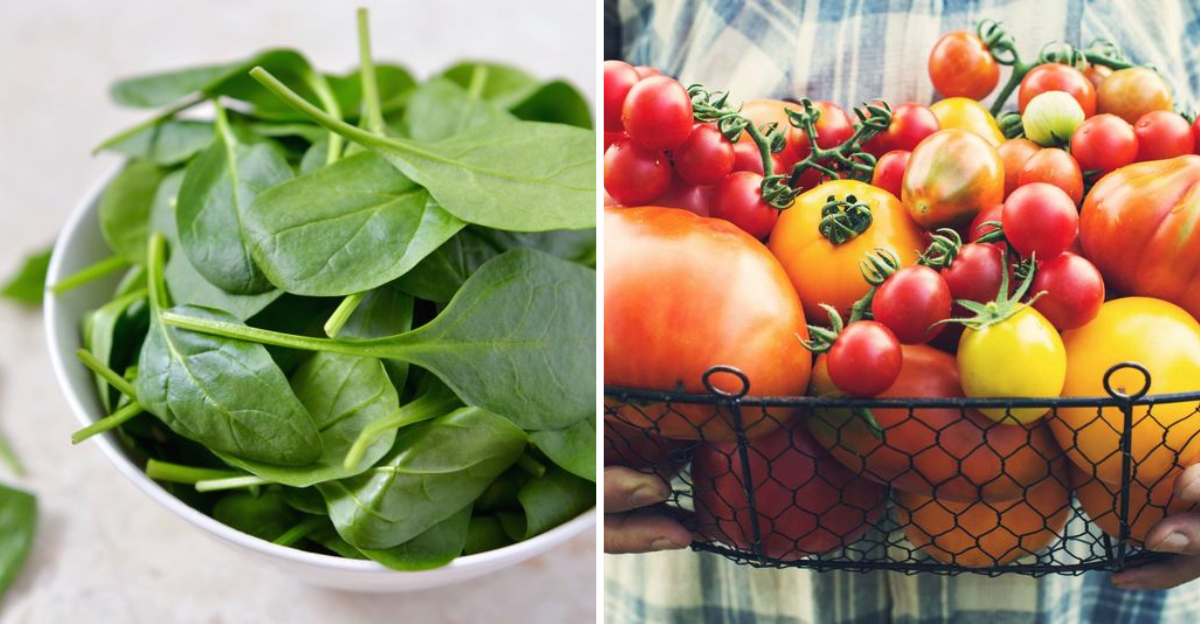
Eating the right vegetables can enhance cognitive function, improve memory, and support overall brain health. Here’s a list of twelve vegetables known for their brain-boosting properties and how they contribute to mental well-being. Including these in your diet can help maintain and improve brain function.
1. Spinach
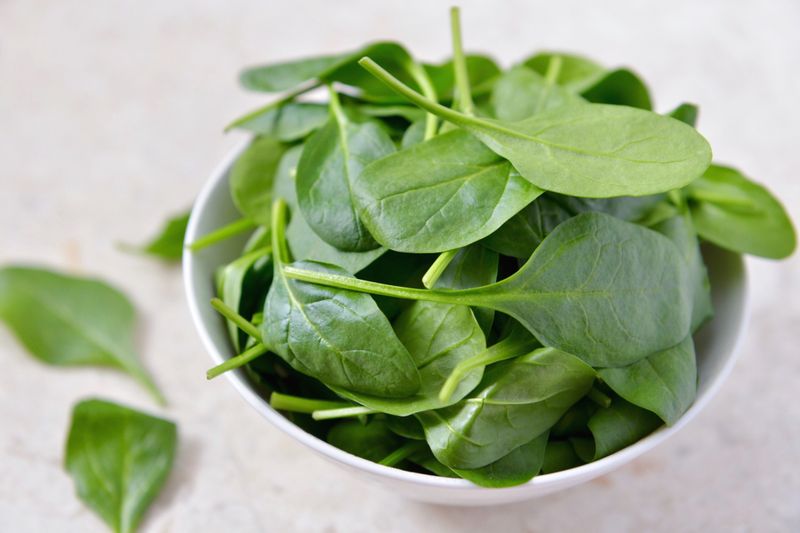
Spinach, rich in vitamin K, folate, and beta carotene, is a powerhouse for brain health. Its nutrients support cognitive function, enhance memory, and prevent oxidative stress. Spinach also contains lutein, which has been linked to improved brain processing speed.
By incorporating spinach into your diet, you can enjoy a delicious way to support mental clarity. Consider adding it to salads or smoothies. Did you know? Spinach has been cultivated for over 2,000 years and was a favorite of Persian and Chinese cuisines.
2. Broccoli
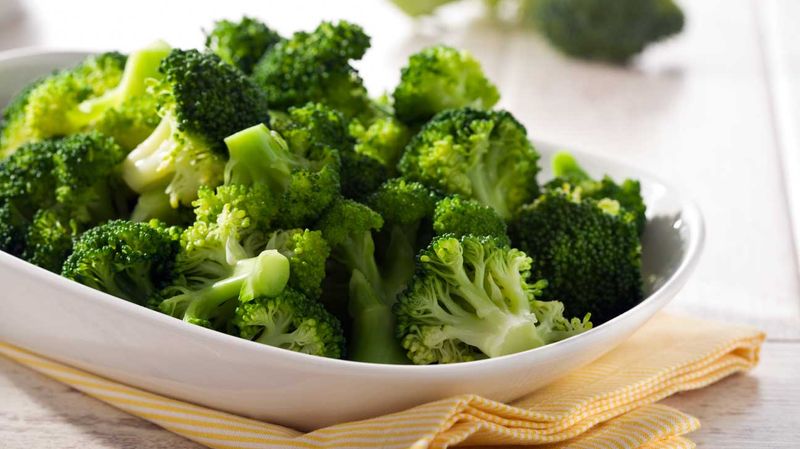
Broccoli is known for its high content of vitamin K and choline, both crucial for brain function. These nutrients help maintain cognitive performance and bolster memory. The sulforaphane in broccoli also plays a role in reducing inflammation and protecting brain cells.
Broccoli is a versatile vegetable, perfect in soups, stir-fries, or just steamed with a sprinkle of lemon. Fun fact: Broccoli belongs to the cruciferous family, sharing its lineage with cabbage and cauliflower.
3. Kale
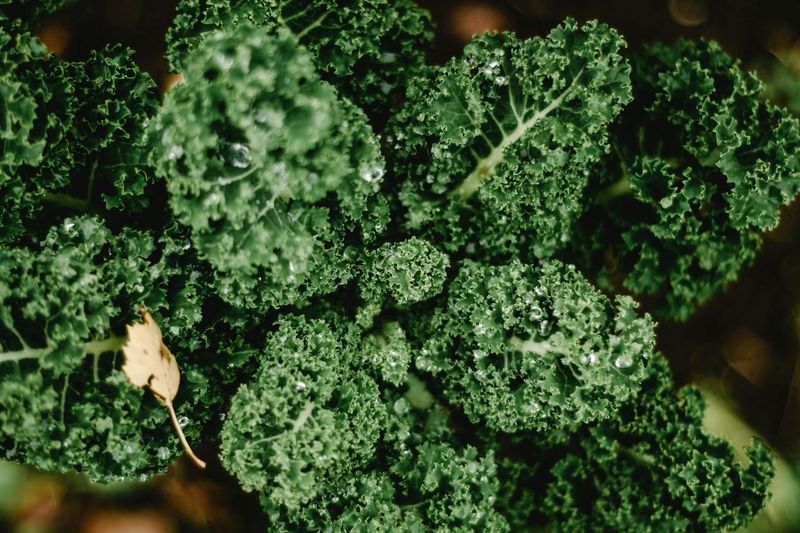
Packed with antioxidants, kale is a leafy green that supports brain health by combating oxidative stress and enhancing memory. Its high content of vitamin A and C helps protect brain cells from damage.
Kale’s flexibility in dishes makes it a popular choice for salads, chips, or smoothies. Curious about its history? Kale has been a staple since the Roman times, praised for its resilience and nutritional value.
4. Beetroot
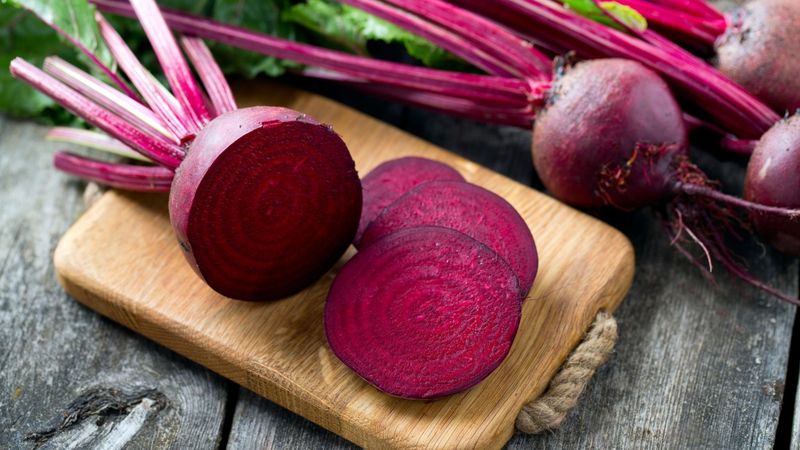
With natural nitrates that promote blood flow to the brain, beetroot is a star in enhancing cognitive function. It helps reduce inflammation and supports mental acuity. Beetroot’s rich color and flavor make it a favorite in juices and salads.
The earthy taste of beetroot pairs well with citrus or vinegar-based dressings. Did you know? Beets were initially cultivated for their leaves rather than roots.
5. Carrots
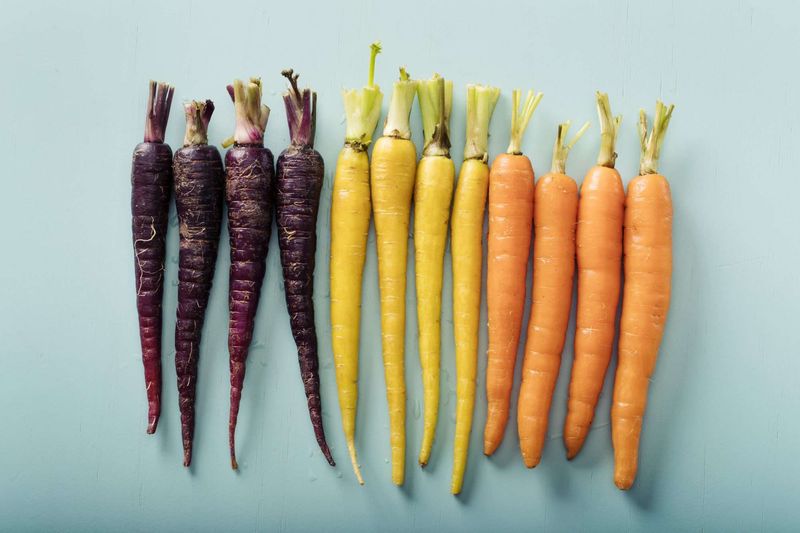
Carrots, high in beta-carotene and lutein, are not just good for eyesight but also beneficial for brain health. These nutrients support memory and protect against age-related cognitive decline.
Incorporating carrots into your diet can be as simple as snacking on them raw or adding them to stews. A fun tidbit: In the 16th century, carrots were predominantly purple or white, not the orange we know today.
6. Sweet Potatoes

Rich in beta-carotene, sweet potatoes are fantastic for brain health, aiding in memory retention and protecting neural cells. Their natural sweetness makes them a versatile ingredient in both sweet and savory dishes.
Sweet potatoes can be roasted, mashed, or added to curries for a nutritional boost. Historically, they have been a dietary staple in African and South American cultures for centuries.
7. Tomatoes

Tomatoes, abundant in lycopene, offer protection against free radicals that can damage brain cells. Their antioxidant properties help maintain cognitive health and reduce the risk of neurodegenerative diseases.
A staple in many cuisines, tomatoes can be enjoyed fresh, in sauces, or as a juice. Interesting fact: Tomatoes were once thought to be poisonous in Europe during the 18th century.
8. Bell Peppers
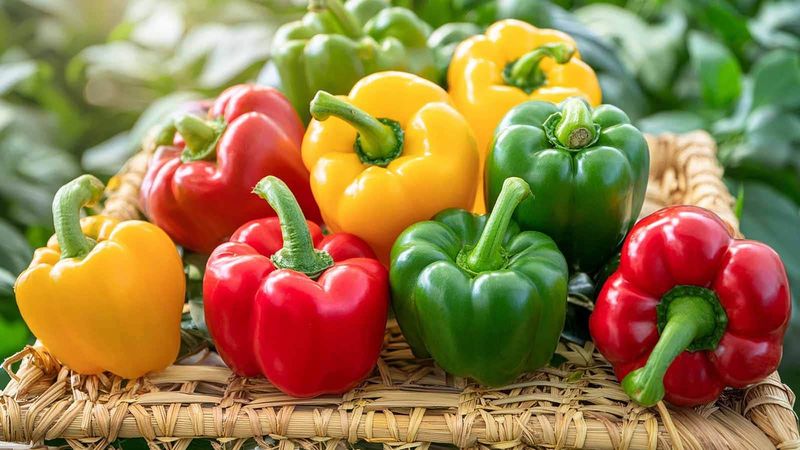
Bell peppers, especially red ones, are high in vitamin C and antioxidants, crucial for brain health. These nutrients combat oxidative stress and support mental sharpness.
Their crisp texture and vibrant colors make bell peppers a delightful addition to salads, stir-fries, or dips. Historically, bell peppers are native to Central and South America, having been cultivated for thousands of years.
9. Brussels Sprouts

Brussels sprouts are rich in vitamin K and omega-3 fatty acids, essential for brain health. These compounds support cognitive function and protect against inflammation.
Roasting Brussels sprouts brings out their natural sweetness, making them a popular side dish. Fun fact: Despite their name, Brussels sprouts’ cultivation is believed to have started in Belgium during the 16th century.
10. Cauliflower
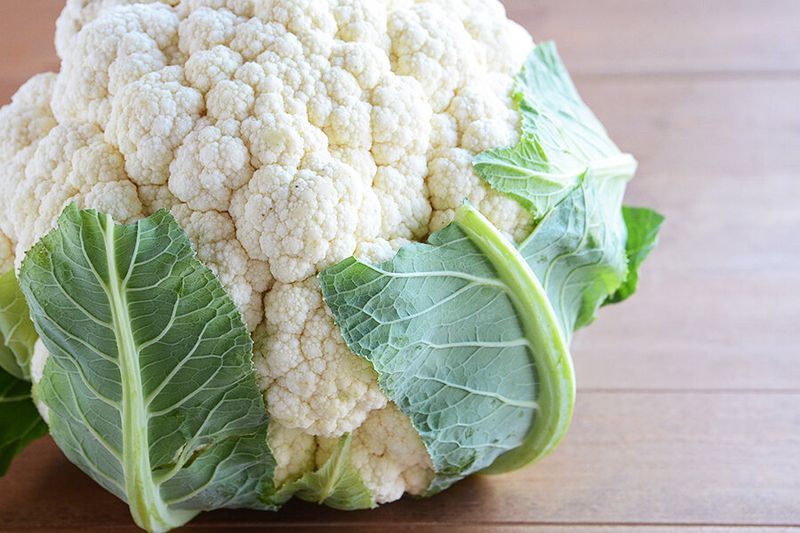
Cauliflower is a versatile vegetable packed with choline, crucial for brain development and function. It also contains antioxidants that support cognitive health.
This vegetable can be used in a variety of dishes, from rice substitutes to creamy soups. Historically, cauliflower has been cultivated since around the 1st century AD in the Mediterranean region.
11. Asparagus
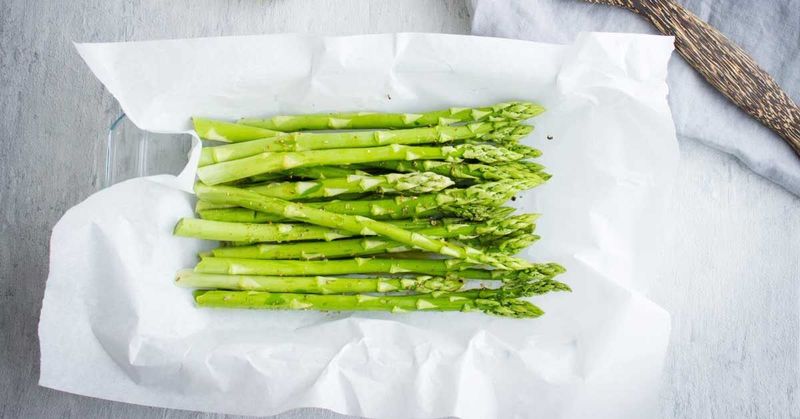
Asparagus is loaded with folate and vitamins that support brain function and reduce the risk of cognitive decline. This vegetable’s nutrient profile aids in protecting the brain from oxidative damage.
Enjoy asparagus grilled, roasted, or in salads for a tasty brain-boosting treat. Did you know? Asparagus has been admired since the Roman era for its delicate flavor and nutritional benefits.
12. Artichoke
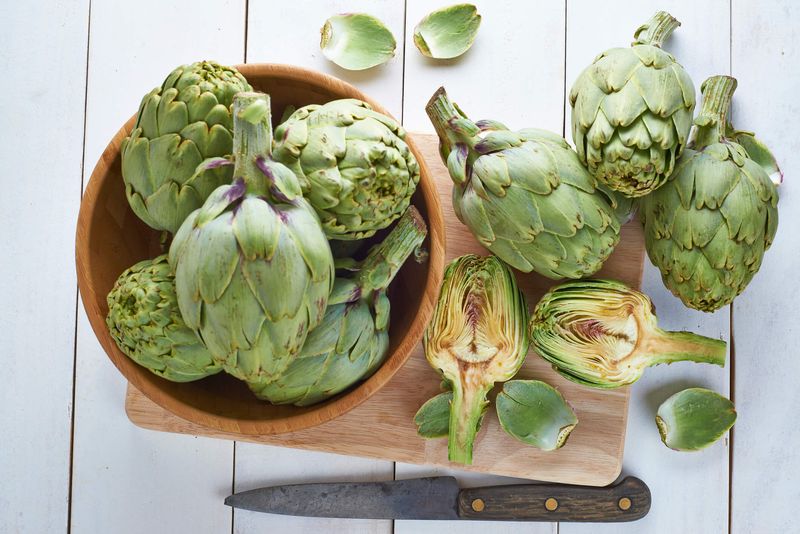
Artichokes, with their rich history dating back to ancient Greece, offer a unique blend of flavor and health benefits. These spiky vegetables are packed with antioxidants, supporting cognitive health and reducing inflammation.
Their high levels of folate and vitamin K are essential for brain function, aiding in memory enhancement and mental clarity.
With each leaf peeled, artichokes reveal their tender heart, a metaphor for unlocking mental potential. Enjoy them steamed or added to salads for a brain-boosting treat. Did you know? Artichokes were once considered a delicacy reserved for nobility.
13. Swiss Chard
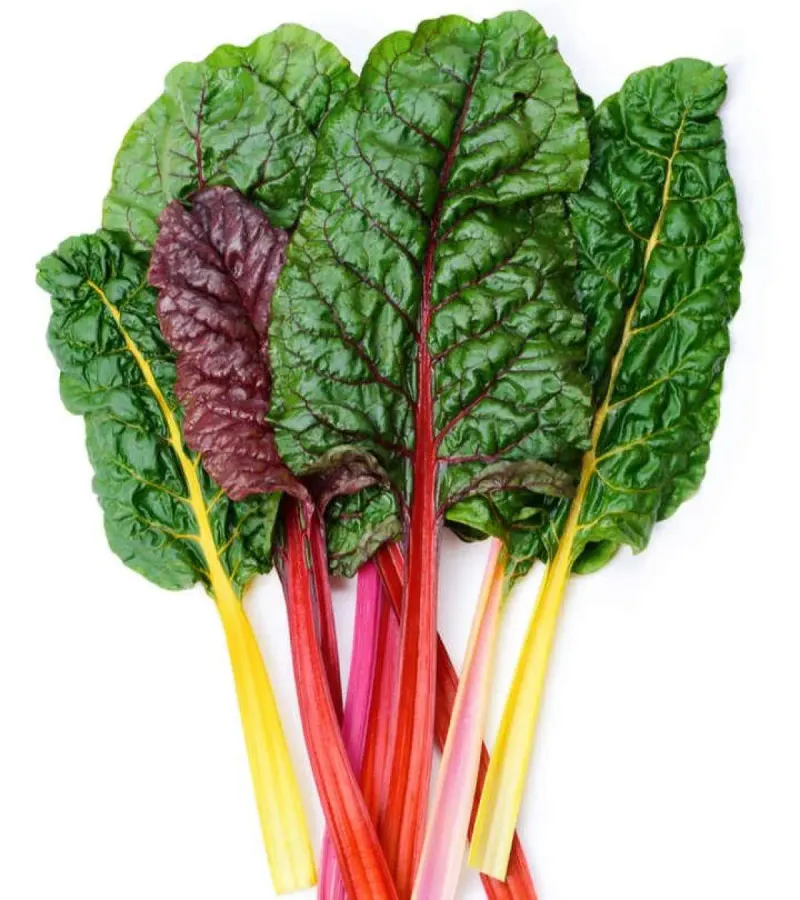
Swiss Chard, with its vibrant rainbow stems, is not just a visual delight but a nutritional powerhouse. This leafy green is loaded with magnesium, a mineral crucial for nerve transmission and brain health.
The antioxidants in Swiss Chard combat oxidative stress, potentially slowing down age-related cognitive decline.
Beyond its health benefits, Swiss Chard’s earthy flavor adds depth to any dish. Whether sautéed or in a smoothie, this vegetable is versatile and beneficial. Fun fact: Swiss Chard was originally cultivated for its roots, not its leaves.
14. Bok Choy
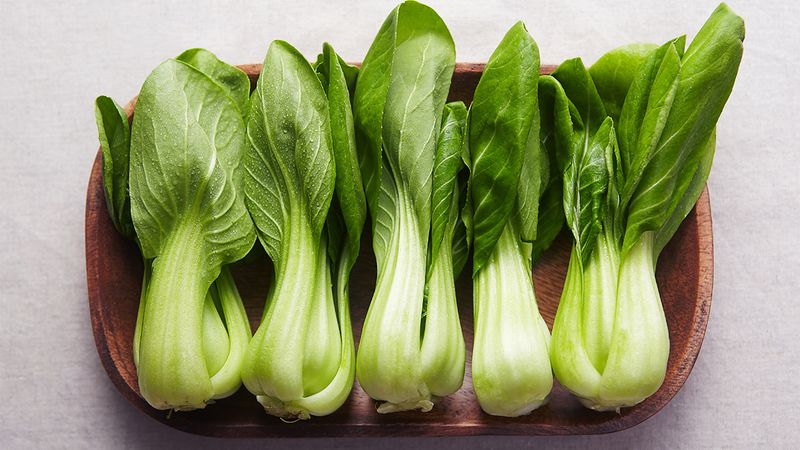
Bok Choy, a staple in Asian cuisine, is more than just a crunchy side dish. This cruciferous vegetable is rich in choline, supporting neurotransmitter synthesis and brain development.
Its high vitamin C content further aids in protecting brain cells from damage. The mild, peppery taste of Bok Choy complements a variety of recipes, offering culinary flexibility and health benefits.
Steamed or stir-fried, it’s a delicious way to nourish your brain. Interesting tidbit: Bok Choy’s name translates to “white vegetable” in Chinese, highlighting its crisp, pale stalks.