 Complete Gardening
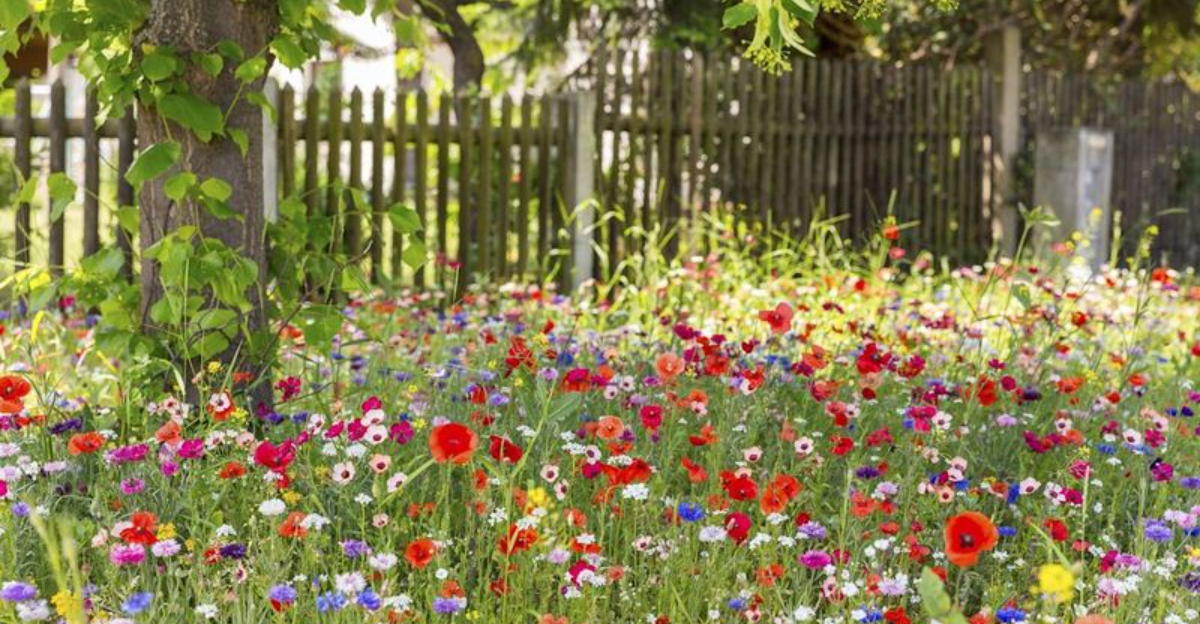
Growing wildflowers instead of traditional lawns is a trend that’s gaining momentum for reasons ranging from environmental benefits to aesthetic appeal. More than just a splash of color, wildflowers offer a sanctuary for local wildlife, require less maintenance, and contribute to a healthier ecosystem.
1. Biodiversity Boom
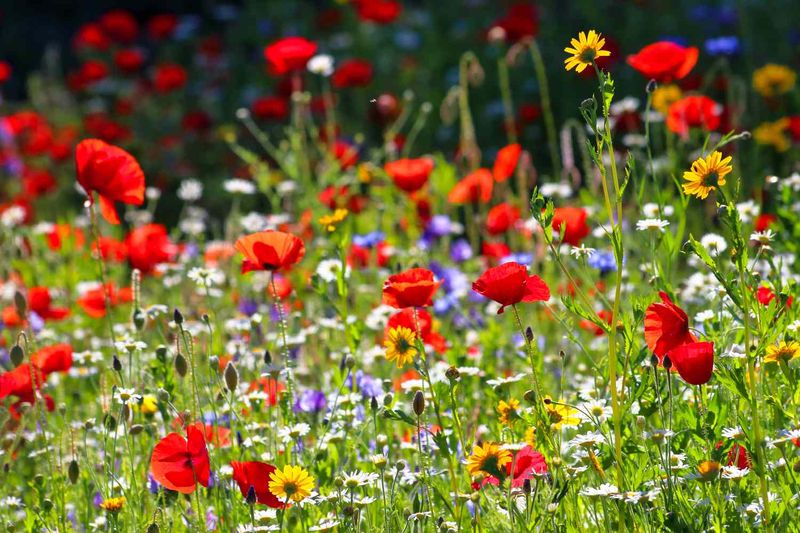
A wildflower meadow is like a bustling city for insects. With a rich tapestry of species, it turns your garden into a biodiversity hotspot. Imagine butterflies flitting from bloom to bloom, bees buzzing about, and ladybugs on patrol. This lively environment not only supports pollinators but also attracts birds and beneficial insects that keep pest populations in check. Wildflowers provide crucial habitats and food sources, promoting ecological balance. The sight and sound of life in your garden will be a constant source of wonder and joy.
2. Water Conservation
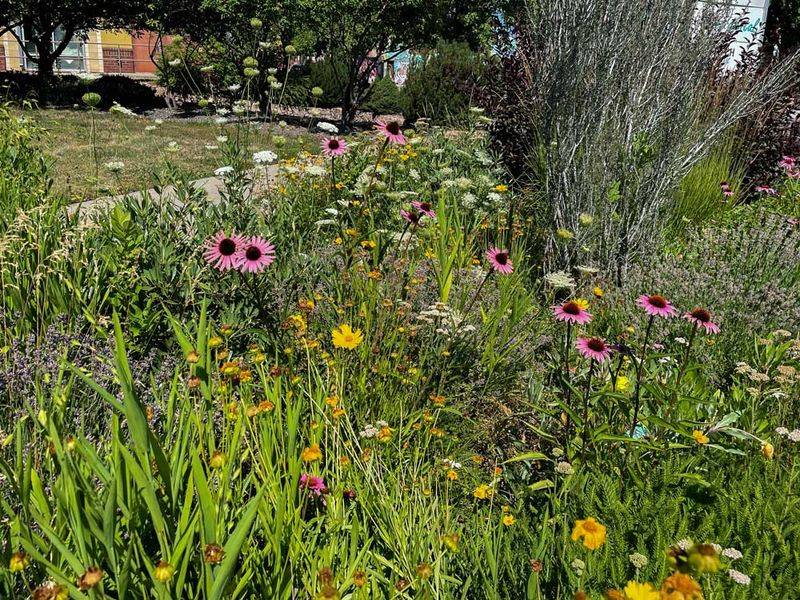
Traditional lawns demand a hefty amount of water to maintain their lush appearance. Wildflower gardens, on the other hand, are adaptable to local climates and need far less watering. This means you can conserve water while still enjoying a lush and colorful garden. By choosing native species, your wildflowers will thrive with the natural rainfall patterns, reducing the need for artificial irrigation. This not only cuts down on water bills but also aligns with sustainable gardening practices, making your garden both beautiful and eco-friendly.
3. Low Maintenance Delight
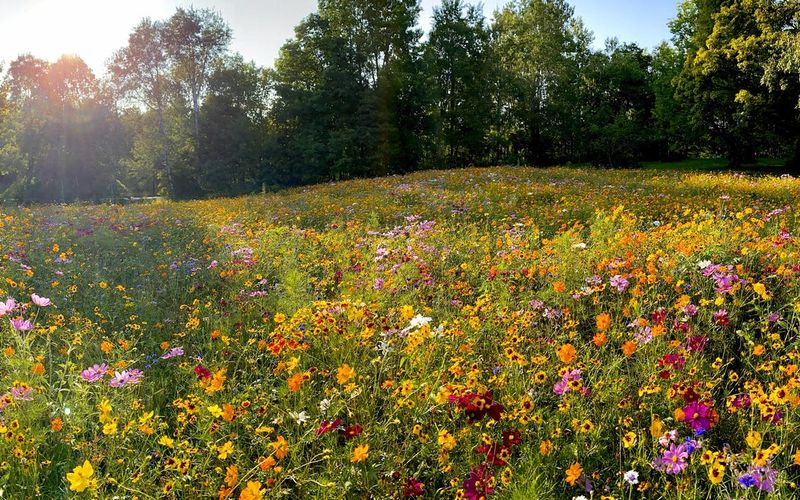
For those who dread constant mowing and fertilizing, wildflower gardens offer a refreshing change. Once established, they require minimal upkeep. You can say goodbye to the weekly chore of mowing and hello to a garden that largely takes care of itself. Without the need for chemical fertilizers and frequent watering, you’ll have more free time to enjoy your outdoor space. And when you do venture outside, you’ll be greeted by a riot of colors and scents, a true feast for the senses.
4. Seasonal Color Parade
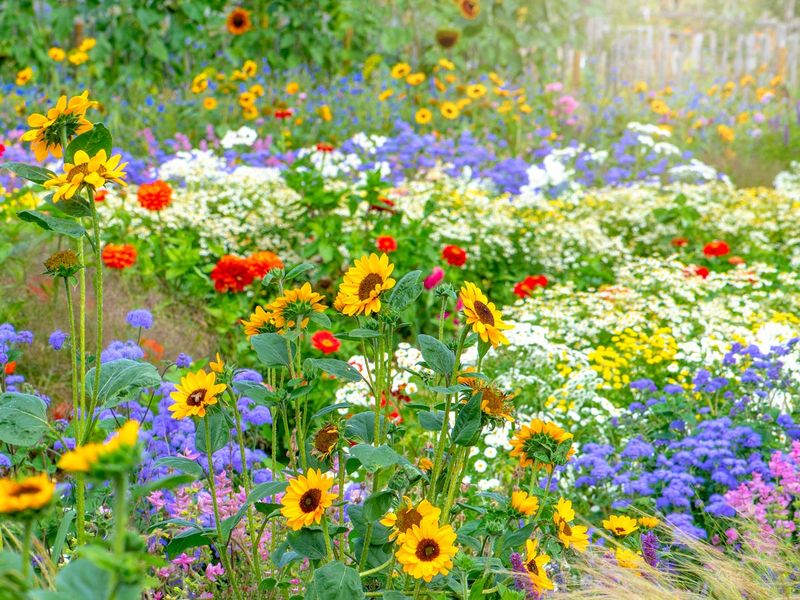
Wildflowers offer a dynamic display of colors that change with the seasons. From the soft pastels of spring to the bold hues of summer and the warm tones of autumn, your garden will never be dull. By selecting a variety of wildflower species, you ensure continuous blooming throughout the growing season. Each visit to your garden becomes a new adventure in color, texture, and form. This ever-changing landscape not only pleases the eye but also provides a habitat for wildlife year-round.
5. Natural Pest Control
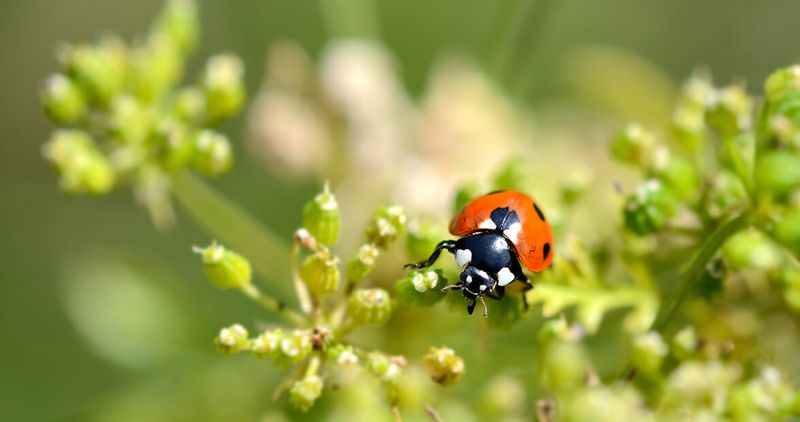
Wildflowers attract a host of beneficial insects like ladybugs and hoverflies, which naturally keep pest populations in check. Instead of resorting to harmful chemical pesticides, let nature do the work for you. This method of pest control is not only effective but also environmentally friendly, promoting a healthy ecosystem in your garden. As these insects feast on aphids and other pests, your plants thrive without the need for artificial intervention. It’s a natural and harmonious way to maintain a healthy garden.
6. A Haven for Pollinators
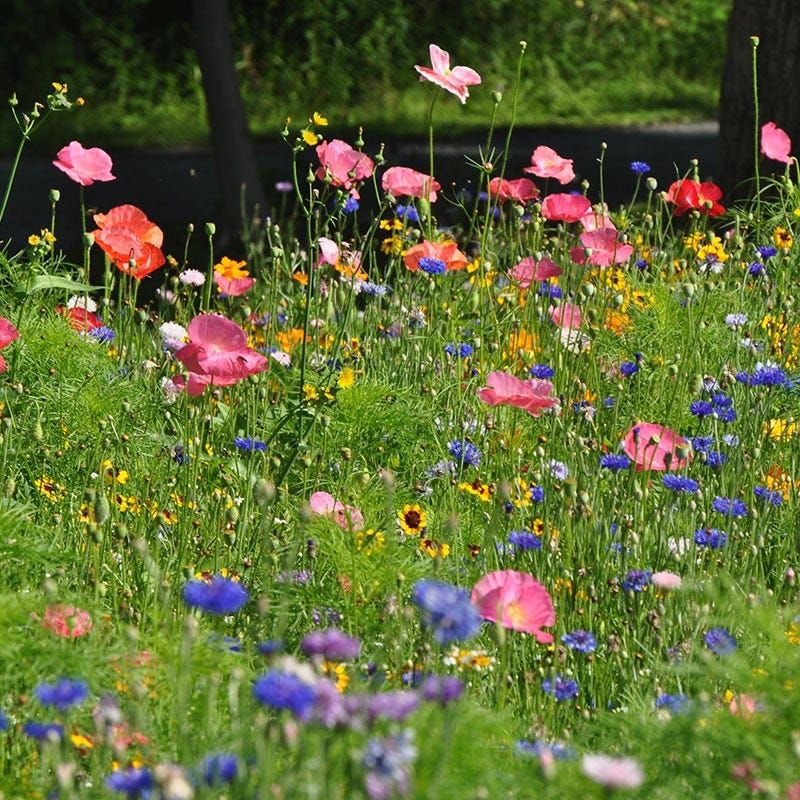
In recent years, the decline of bee populations has been a cause for concern. Wildflower gardens provide a crucial lifeline for these essential pollinators. By offering a diverse array of flowers, you create a haven for bees, butterflies, and other pollinating insects. Your garden becomes a bustling hub of activity, ensuring these creatures have access to the nectar and pollen they need. Supporting pollinators is vital for the production of fruits and vegetables, making your garden an important link in the food chain.
7. Economic Savings
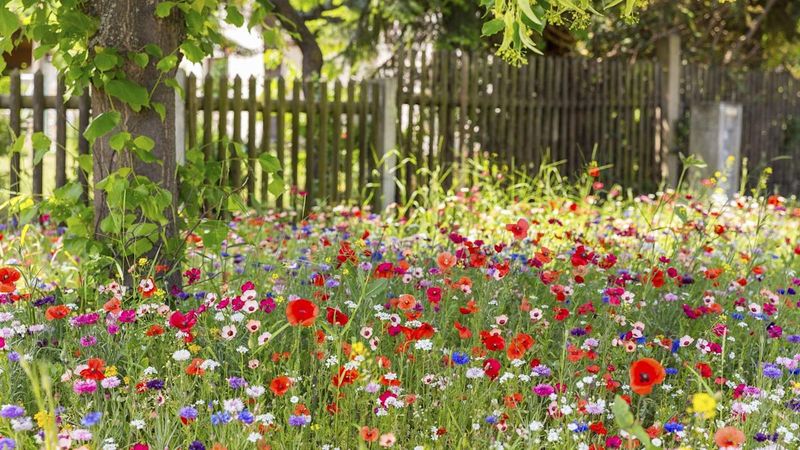
Maintaining a traditional lawn can be expensive, with costs for water, fertilizers, and regular maintenance adding up. Wildflower gardens, however, are a cost-effective alternative. Once established, they require very little input, saving you money on water bills and gardening services. Native plants are adapted to local conditions, reducing the need for additional resources. You’ll enjoy the financial benefits of lower maintenance costs while still having a vibrant and thriving garden. It’s a win-win for your wallet and the environment.
8. Support Local Wildlife
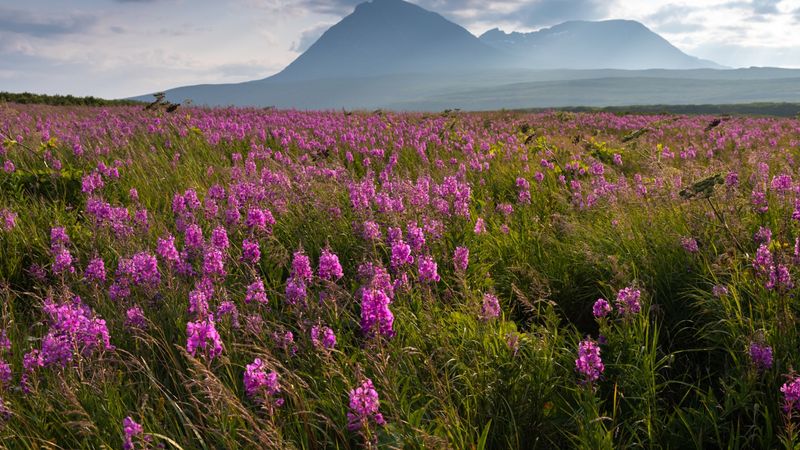
Wildflower gardens are not just about plants; they’re about creating a thriving ecosystem. Birds, small mammals, and myriad insects find refuge and sustenance in these vibrant habitats. Each visit to your garden becomes a wildlife-watching opportunity. From the chirping of birds to the rustle of small mammals, your garden is alive with activity. This support for local wildlife contributes to biodiversity and helps maintain ecological balance. By planting wildflowers, you’re playing a part in conserving nature at a grassroots level.
9. Soil Health Boost
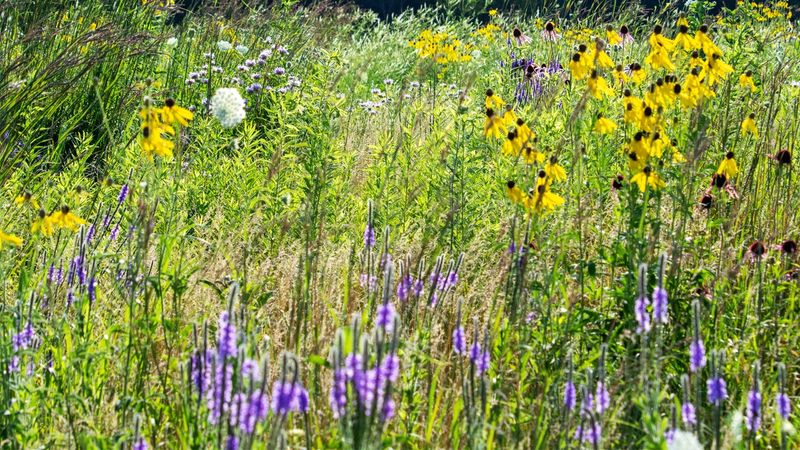
Wildflowers improve soil health by promoting natural processes that enrich the soil without artificial inputs. As these plants grow, their roots aerate the soil, encouraging the growth of beneficial microbes and earthworms. This natural soil enhancement leads to healthier plants and reduces the need for chemical fertilizers. Over time, your garden soil becomes a rich, living medium that supports robust plant growth. This approach not only sustains your wildflowers but also enhances the overall fertility of your garden.
10. Aesthetic Appeal
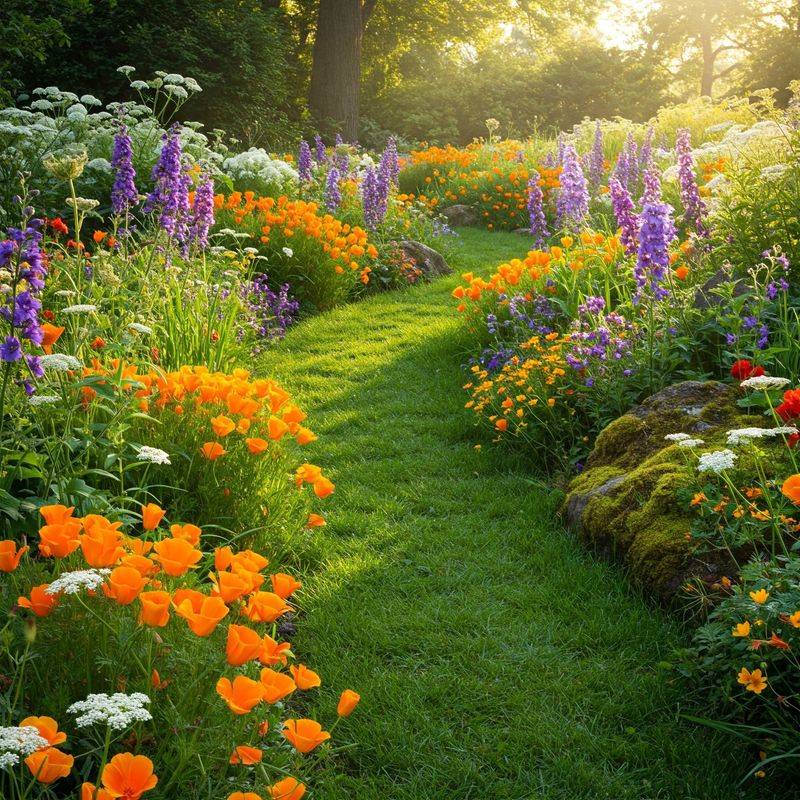
The aesthetic appeal of a wildflower garden is undeniable. With a rich tapestry of colors, shapes, and textures, it creates a visual feast that outshines a monotone lawn. Each species brings its own unique charm, creating a harmonious yet diverse landscape. This natural beauty invites relaxation and reflection, turning your outdoor space into a personal sanctuary. Whether you’re enjoying a sunny afternoon or a quiet evening, the vibrant display offers a sense of peace and contentment unmatched by traditional lawns.
11. Climate Resilience
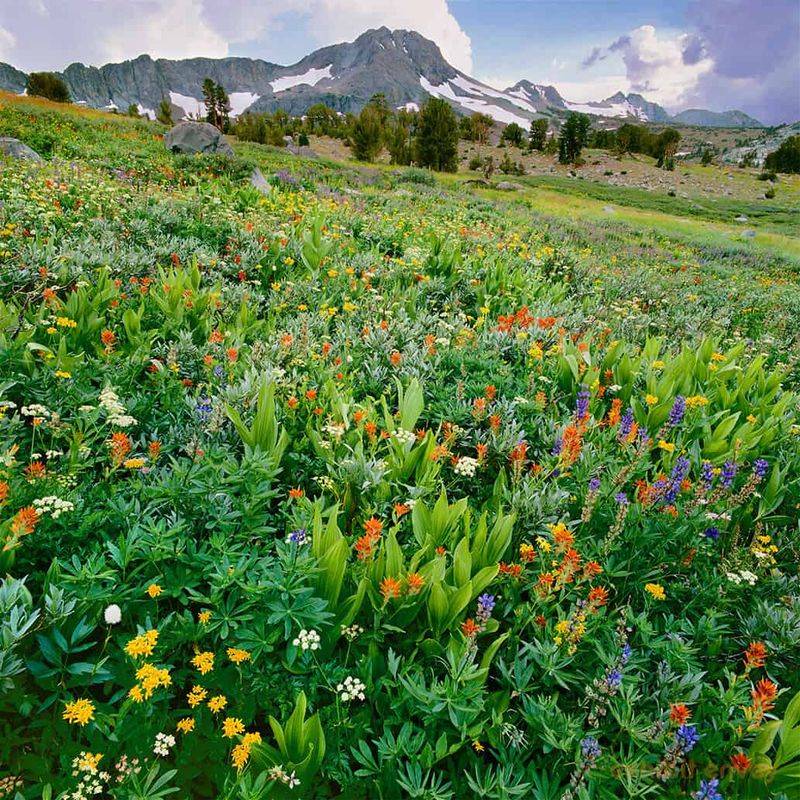
Wildflower gardens are incredibly resilient to changing climate conditions. Unlike traditional lawns, which can suffer during droughts or extreme weather, wildflowers thrive. By selecting native species, your garden adapts to local weather patterns, ensuring lush growth even in challenging conditions. This resilience makes wildflowers an excellent choice for gardeners looking to future-proof their outdoor spaces. As climate change continues to impact our environment, having a garden that can withstand these changes is both practical and sustainable.
12. Cultural Heritage
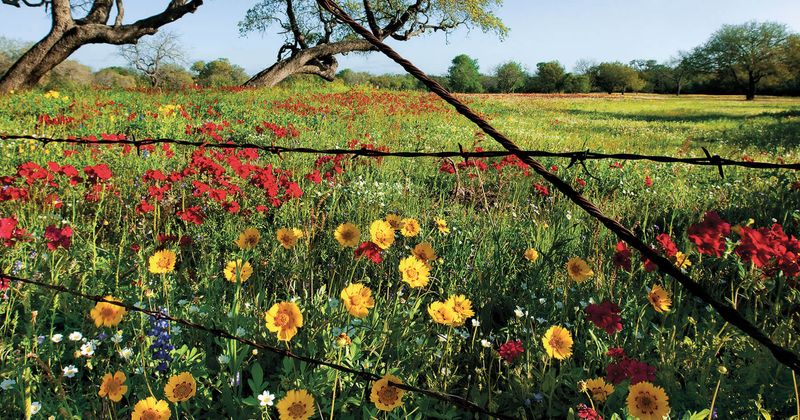
Cultivating wildflowers connects us to cultural and historical gardening practices. Many wildflower species have been used for centuries in traditional medicine and as part of local folklore. By growing these plants, you’re preserving a living link to your region’s heritage. This connection offers a unique sense of belonging and continuity, as you partake in age-old practices. Additionally, the stories and traditions associated with wildflowers can add depth and meaning to your gardening experience, enriching your relationship with the natural world.
13. Mental Health Benefits
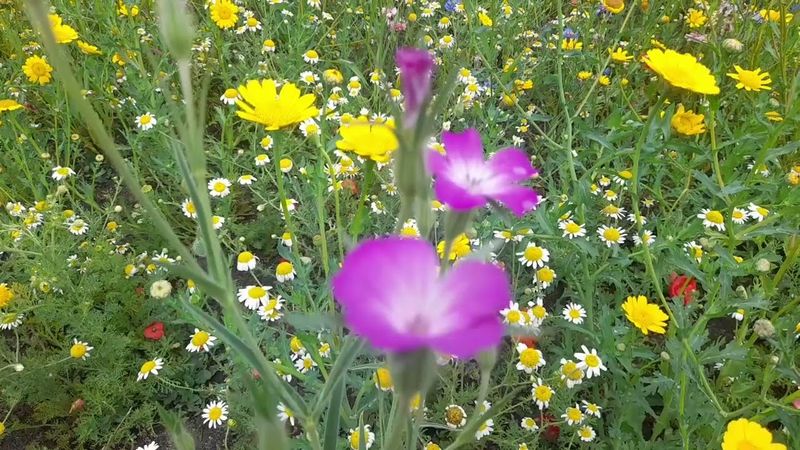
Spending time in a wildflower garden can be a balm for the soul. The soothing effect of nature has been shown to reduce stress and anxiety, improve mood, and enhance overall well-being. Simply being surrounded by the vibrant colors and gentle movements of wildflowers can promote relaxation and mindfulness. This tranquil setting provides an ideal backdrop for meditation, yoga, or simply unwinding after a long day. As a personal retreat, your wildflower garden becomes a sanctuary for mental rejuvenation, offering peace and balance in a hectic world.
14. Educational Opportunities
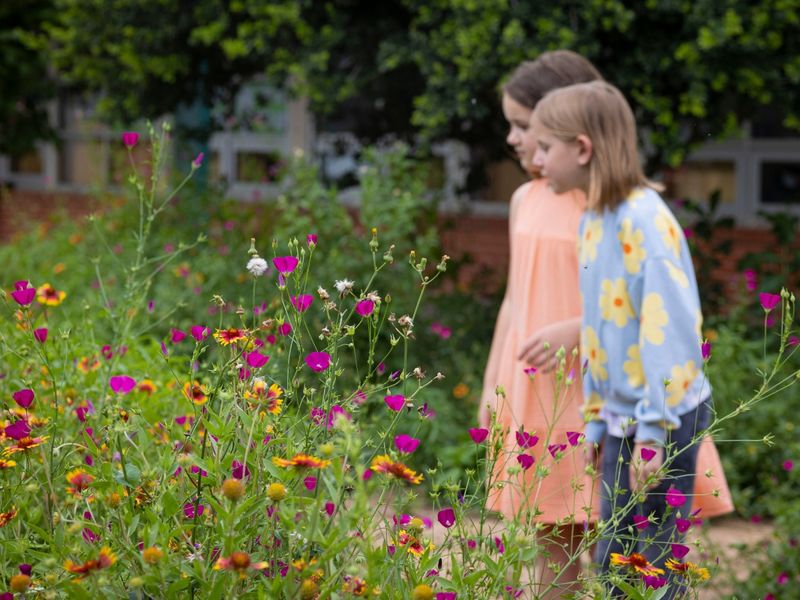
Wildflower gardens offer endless educational opportunities for curious minds. Children and adults alike can learn about plant species, pollination, and ecological relationships right in their backyard. Observing the interactions between plants and insects, and understanding the life cycles of various species, fosters a deeper appreciation for the natural world. This hands-on experience can spark a lifelong interest in botany and conservation. Your garden becomes a living classroom, inspiring a sense of wonder and encouraging stewardship of the environment for future generations.
15. Community Engagement
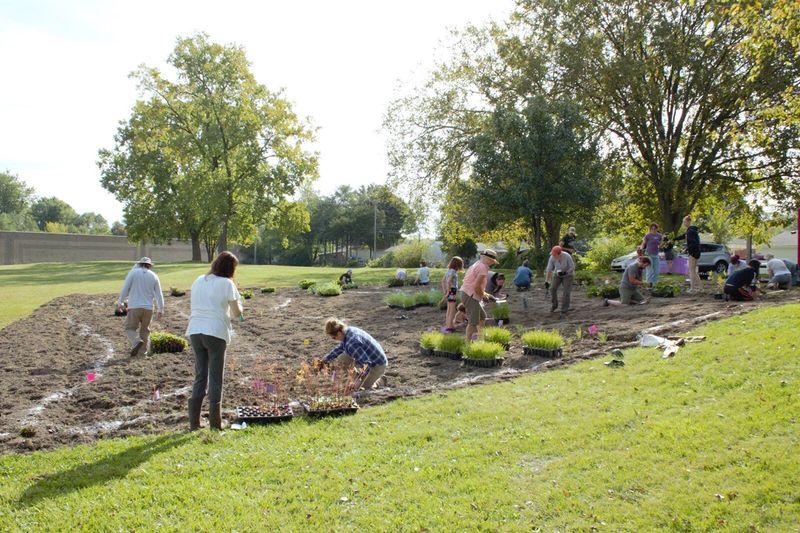
Wildflower gardens can foster community spirit and engagement. Organizing a community planting day or a garden walk can bring neighbors together, strengthening social bonds. Sharing seeds, tips, and experiences encourages collaboration and learning. These gardens can become a shared space for events, workshops, and volunteer activities, enhancing community life. By promoting biodiversity and environmental stewardship, you inspire others to appreciate and protect natural spaces. This collective endeavor not only beautifies the area but also builds a sense of community pride and responsibility.