 Complete Gardening
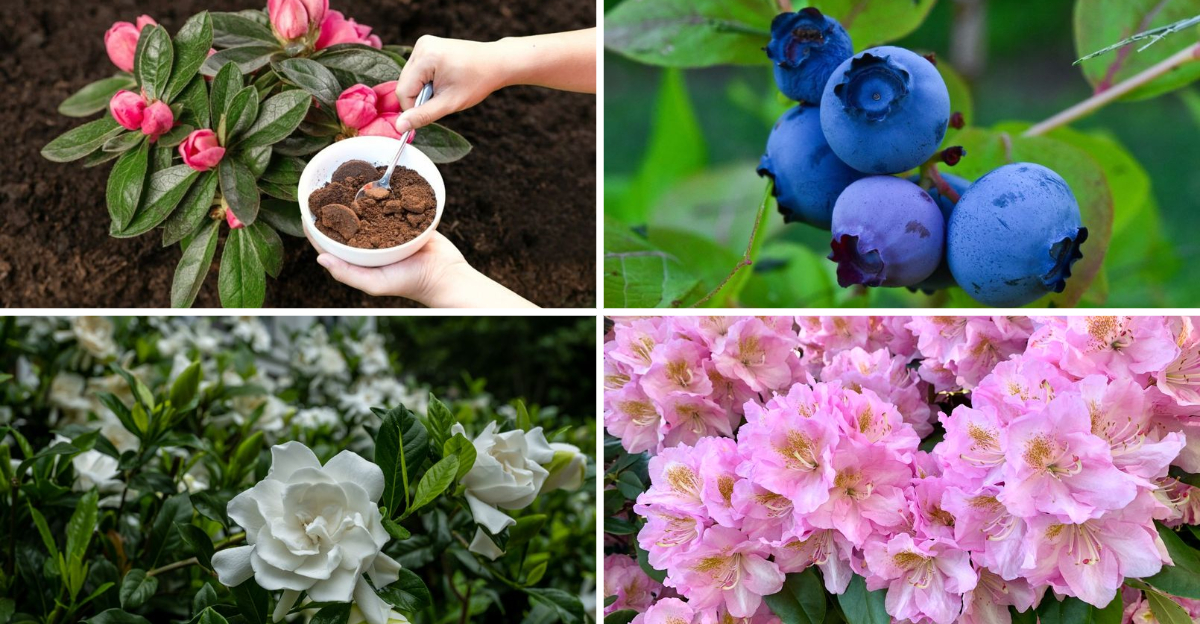
Coffee grounds are not only a kitchen waste but also a treasure trove for gardeners, especially those nurturing acid-loving plants. These grounds are slightly acidic in nature and rich in nitrogen, making them an excellent supplement for certain types of plants. Instead of discarding them, you can use coffee grounds to enrich your garden soil or as mulch, providing nutrients to plants that thrive in acidic environments. In this article, we explore 16 different plants that benefit from this natural resource, adding vibrancy and growth to your garden.
1. Azalea
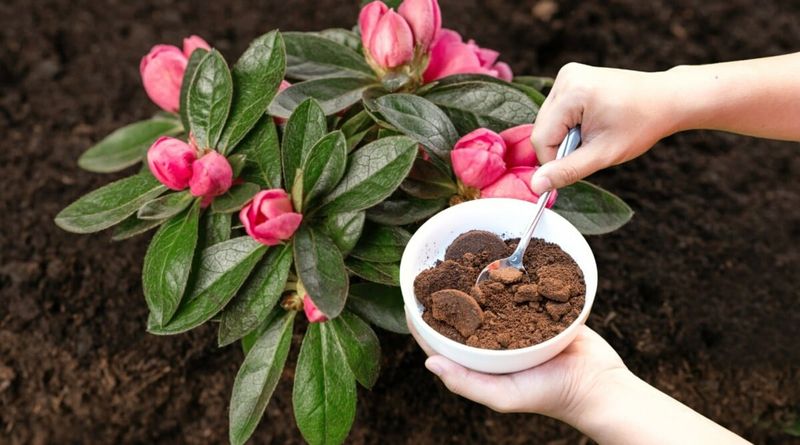
Azaleas, known for their stunning blossoms, adore acidic soil. These shrubs bloom with vivid colors, ranging from pinks to purples. Coffee grounds provide the acidity they crave, helping them flourish.
Gardeners often use these grounds as mulch around Azaleas, enhancing soil quality. This simple addition can lead to more vibrant blooms and healthier plants.
Did you know? Azaleas are celebrated in festivals worldwide, symbolizing beauty and femininity in many cultures. They are a favorite among gardeners for their ease of care and spectacular floral displays.
2. Blueberry
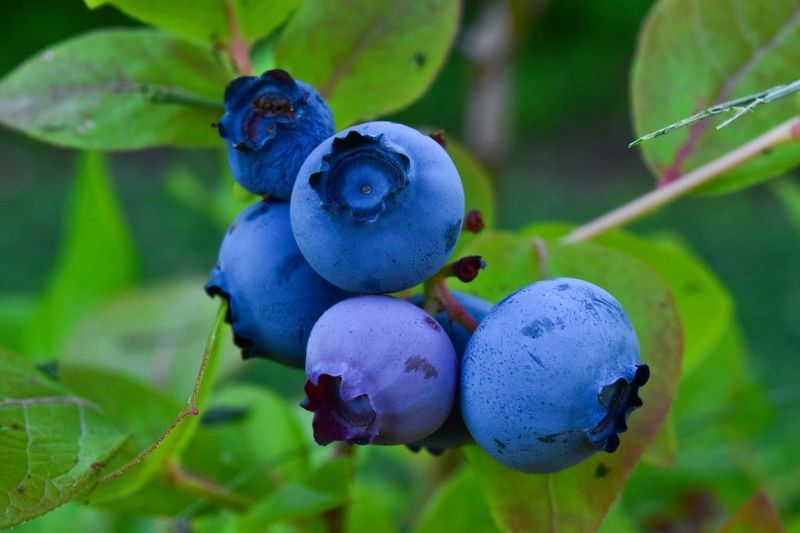
Blueberries, the sweet and nutritious berries loved by many, thrive in acidic soils. Coffee grounds can be a game-changer for these plants, providing the right pH balance.
They help improve soil structure, aiding in the production of juicy, flavorful berries. By adding coffee grounds, gardeners notice not only improved berry production but also healthier foliage.
Historically, blueberries are native to North America and were cherished by Indigenous peoples. Today, they are a popular choice for home gardens due to their health benefits and versatility in recipes.
3. Gardenia
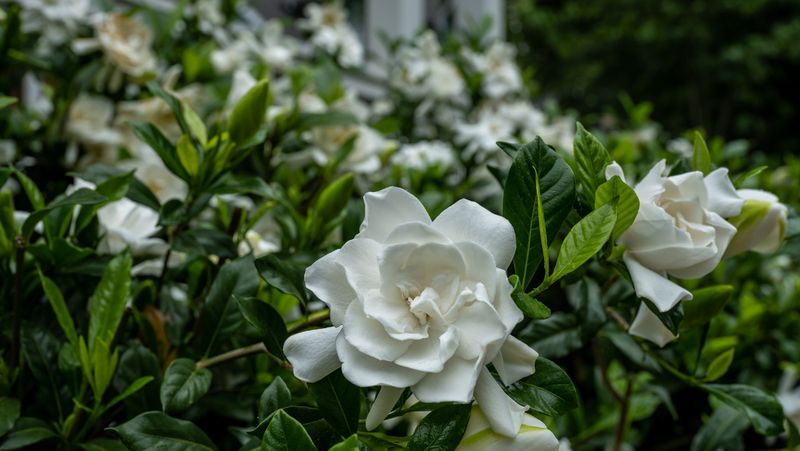
Gardenias, with their intoxicating fragrance and elegant blooms, love acidic environments. Coffee grounds provide the acidity Gardenias need to thrive.
When added to the soil, they enhance the plant’s health, resulting in more fragrant and abundant blossoms. Gardenias are often seen as symbols of purity and love, making them a cherished addition to any garden.
Did you know? Gardenias have been used in traditional medicine for their therapeutic properties. Their beauty and scent continue to captivate gardeners and floral enthusiasts alike.
4. Rhododendron
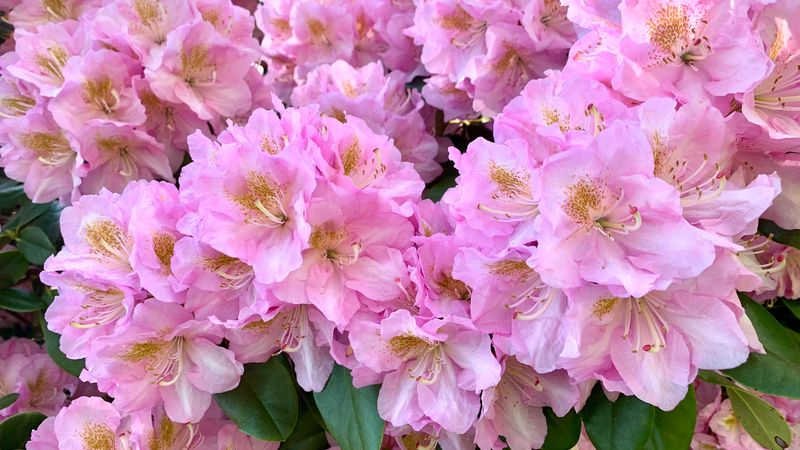
Rhododendrons, known for their grand floral displays, flourish in acidic soils. Coffee grounds offer an excellent source of acidity and nitrogen, essential for their growth.
These majestic shrubs are often the centerpiece of gardens, boasting large, vibrant flowers that captivate onlookers. Adding coffee grounds can lead to more robust growth and stunning blooms.
Fun fact: Rhododendrons have over 1,000 species, making them one of the largest plant families. They have a rich history in horticulture and are admired worldwide for their beauty and diversity.
5. Camellia
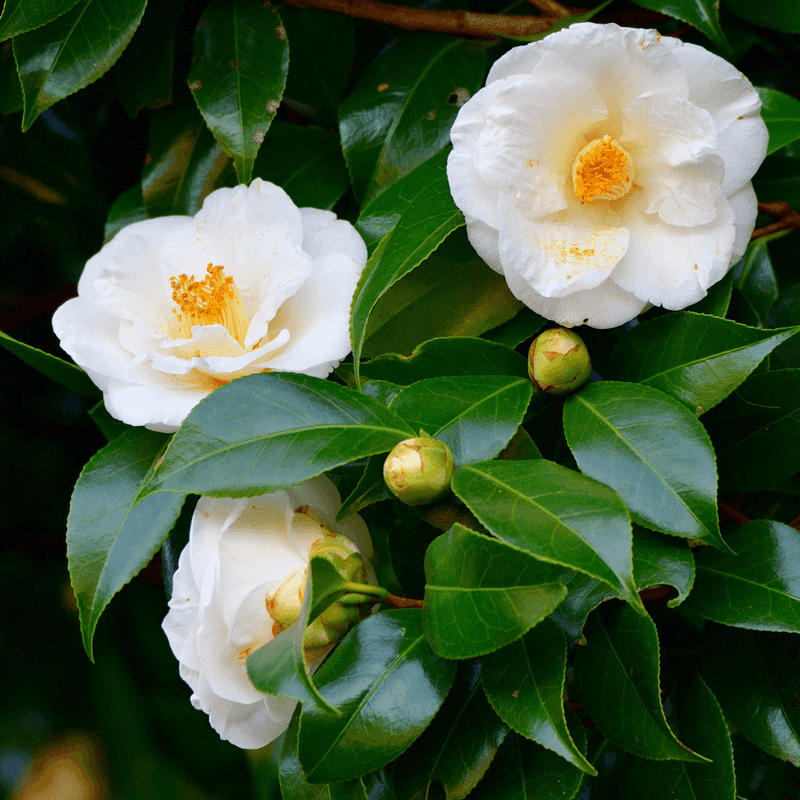
Camellias, with their rose-like petals, adore acidic soil. Coffee grounds can enhance their growth, providing necessary nutrients. These plants are known for their winter blossoms, bringing color when few other plants bloom.
Gardeners appreciate their evergreen foliage and long-lasting flowers. When enriched with coffee grounds, Camellias often produce more vibrant and plentiful blooms.
In history, Camellias symbolize admiration and perfection. They have been cultivated for centuries in Asia, particularly valued for their beauty and resilience in various climates.
6. Hydrangea

Hydrangeas are fascinating plants known for their ability to change flower color based on soil pH. Acidic conditions, enhanced by coffee grounds, can turn blooms blue.
These shrubs are a favorite for their showy, spherical flower clusters. Coffee grounds help maintain the acidity needed for vibrant blue hues, delighting gardeners.
Did you know? Hydrangeas have ancient roots in Asia and North America. They symbolize heartfelt emotions, making them a lovely addition to personal gardens and floral arrangements.
7. Holly

Holly, often associated with festive decorations, thrives in acidic soils. Coffee grounds can enhance their growth, ensuring lush foliage and abundant berries.
These bushes are popular for their vibrant red berries, adding color to gardens during winter months. Adding coffee grounds can lead to more robust and healthy Holly plants.
Historically, Holly symbolizes protection and good fortune. It has been used in various cultural rituals and remains a beloved ornamental plant in gardens worldwide.
8. Magnolia
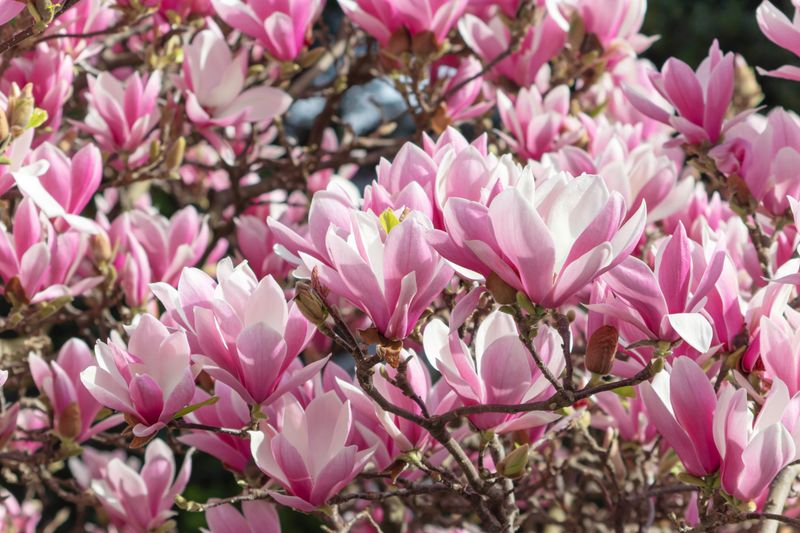
Magnolias, known for their grand blossoms and stately presence, prefer slightly acidic soil. Coffee grounds provide the necessary acidity and nutrients for these majestic trees.
Gardeners often use them to promote healthier growth and more spectacular blooms. Magnolias are iconic, often associated with Southern landscapes and cultural heritage.
Fun fact: Magnolias date back millions of years, making them one of the oldest flowering plants. They symbolize dignity and perseverance, admired for their timeless beauty and elegance.
9. Heath
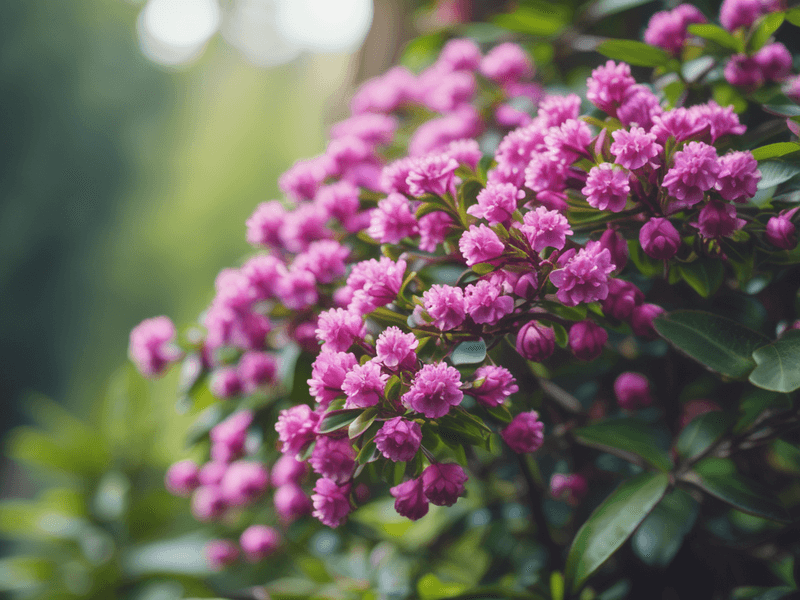
Heath plants, with their charming bell-shaped flowers, thrive in acidic environments. Coffee grounds can be a beneficial addition, providing essential nutrients and improving soil quality.
These hardy plants are often found in wild, rocky terrains, admired for their resilience and beauty. Gardeners cherish them for their unique appearance and adaptability.
Did you know? Heath plants are part of the Ericaceae family, closely related to heather. They have a long history in folklore, often associated with protection and good luck.
10. Lily of the Valley
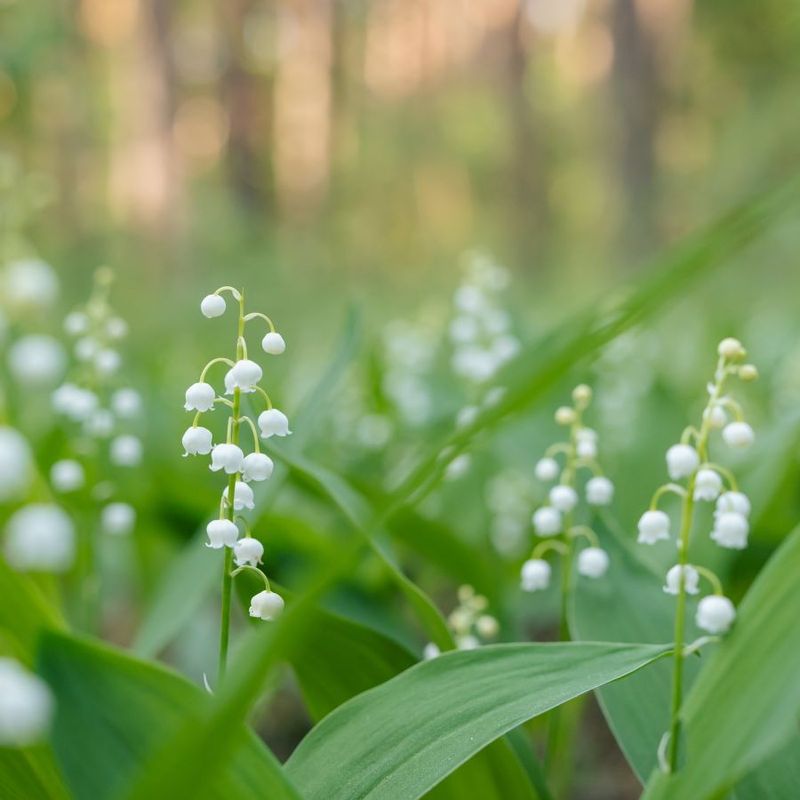
Lily of the Valley, famed for its sweet fragrance, appreciates acidic soil. Coffee grounds can aid in creating the ideal growing conditions for these delicate plants.
Their dainty, bell-shaped flowers are a springtime favorite, often used in bridal bouquets and perfumes. Adding coffee grounds can lead to healthier growth and more fragrant blooms.
Historically, Lily of the Valley symbolizes purity and return of happiness. It has been cherished across cultures for its beauty and enchanting scent.
11. Fothergilla

Fothergilla is a delightful shrub known for its fragrant, bottlebrush flowers. These plants adore acidic conditions, which coffee grounds can help achieve.
Gardeners value them for their autumn foliage, which turns vibrant shades of red and orange. Coffee grounds enhance soil acidity, promoting lush growth and colorful displays.
Fun fact: Fothergilla is named after John Fothergill, an 18th-century English physician and botanist. These shrubs are cherished for their unique flowers and vibrant fall colors.
12. Pieris
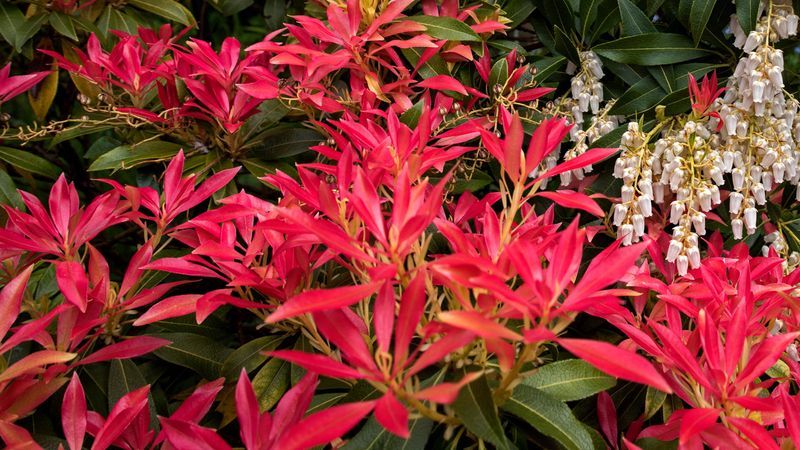
Pieris, known for its cascading floral displays, thrives in acidic soil. Coffee grounds can enhance the growth and vibrancy of these elegant shrubs.
They are often planted for their ornamental value, providing year-round interest with blooms and colorful new foliage. Adding coffee grounds can result in healthier and more abundant floral displays.
Did you know? Pieris is native to eastern Asia and North America. It is often associated with Japanese gardens, symbolizing grace and elegance. Gardeners appreciate its beauty and resilience.
13. Skimmia
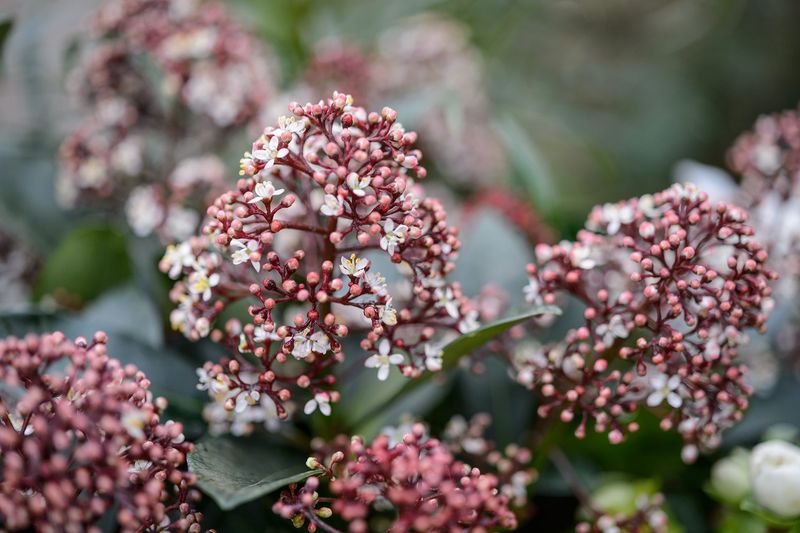
Skimmia, a versatile shrub, thrives in acid-rich soils. Coffee grounds can provide the ideal conditions for these plants, enhancing their growth and berry production.
Gardeners love Skimmia for its year-round interest, offering fragrant blooms in spring and colorful berries in fall. Adding coffee grounds can boost plant health and visual appeal.
In history, Skimmia has been a staple in traditional Japanese gardens, symbolizing peace and tranquility. It remains a popular choice for gardeners seeking low-maintenance beauty.
14. Heather
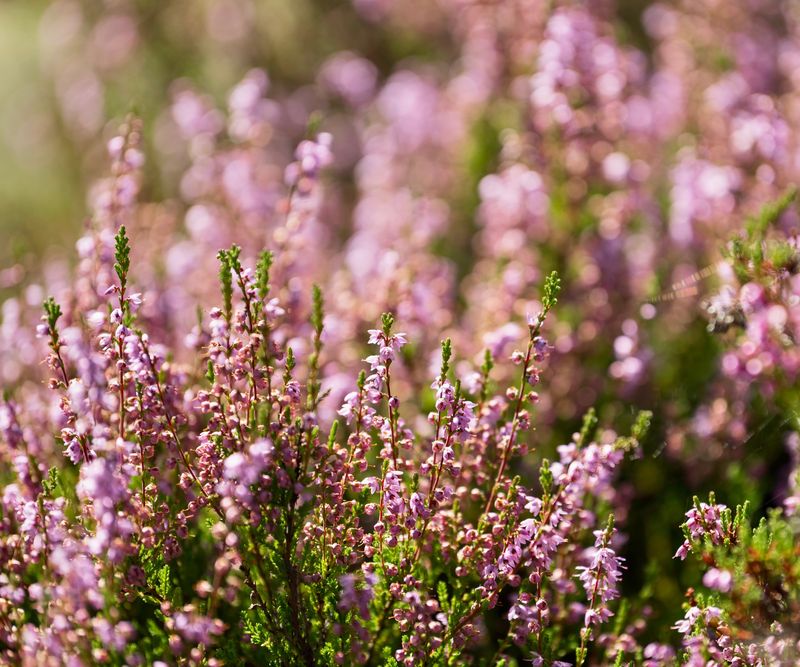
Heather plants, with their iconic purple blooms, thrive in acidic soils. Coffee grounds can provide the acidity and nutrients necessary for their vibrant growth.
They are beloved for their hardiness and ability to cover landscapes with color. Using coffee grounds can enhance their growth, leading to a more striking display.
Did you know? Heather is a symbol of Scotland and is often associated with good luck. It has a rich history in folklore and remains a favorite in gardens and natural landscapes.
15. Kalmia
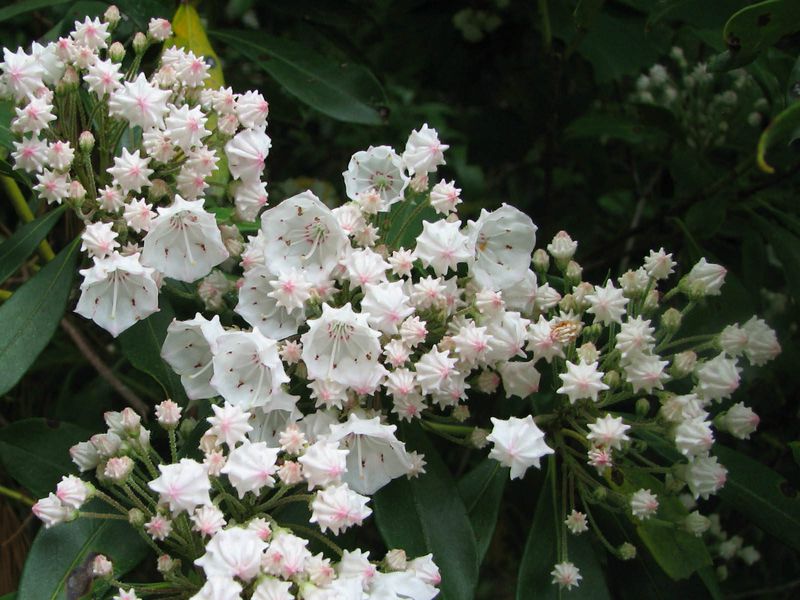
Kalmia, also known as mountain laurel, is renowned for its unique cup-shaped flowers. These plants prefer acidic soil, which coffee grounds can help maintain.
Gardeners appreciate Kalmia for its evergreen foliage and stunning floral displays. Coffee grounds can enhance soil conditions, supporting healthier growth and more blooms.
Fun fact: Kalmia is native to North America and is the state flower of Connecticut. It symbolizes perseverance and resilience, appreciated for its beauty and tenacity in various landscapes.
16. Daphne
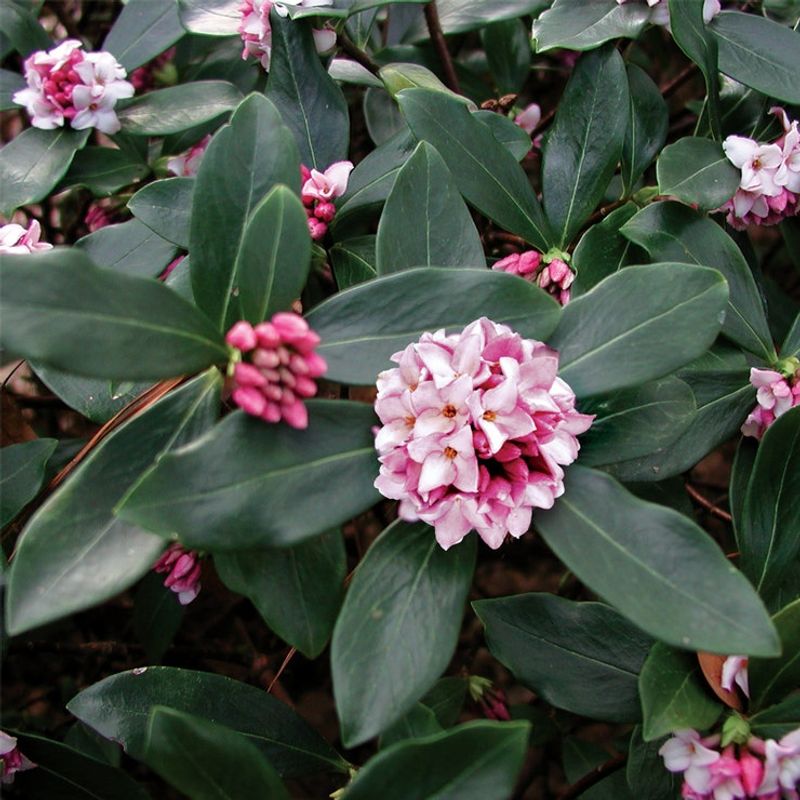
Ever wondered what gifts both enchanting fragrance and vibrant foliage? Meet Daphne, a marvelous choice for your garden. With its sweet-scented blooms and glossy green leaves, Daphne captures hearts effortlessly.
This plant thrives in slightly acidic soil, making coffee grounds a delightful treat. Its pink and white flowers bloom in early spring, adding a touch of elegance to any landscape.
Did you know Daphne symbolizes honesty and immortality? This charming plant not only beautifies your garden but also enriches it with its gentle essence, ensuring a serene outdoor sanctuary.