 Complete Gardening
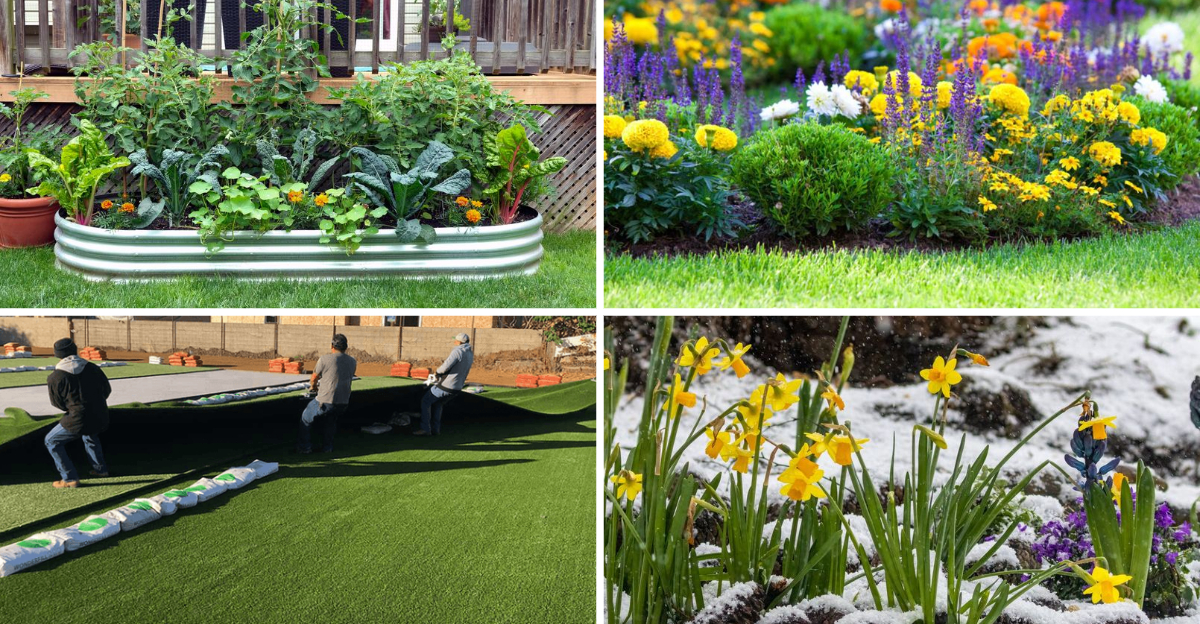
In the quest for a stunning exterior, many homeowners unknowingly commit landscaping blunders that can make their homes appear less valuable. From overcrowded gardens to mismatched styles, these mistakes are not only costly but also detract from a property’s curb appeal. Whether you’re a seasoned gardener or a novice, understanding these common pitfalls is essential to enhancing your home’s appearance. In this article, we’ll explore 16 landscaping mistakes that may be making your house look cheap, along with tips to avoid them and elevate your outdoor space.
1. Overcrowding Plants
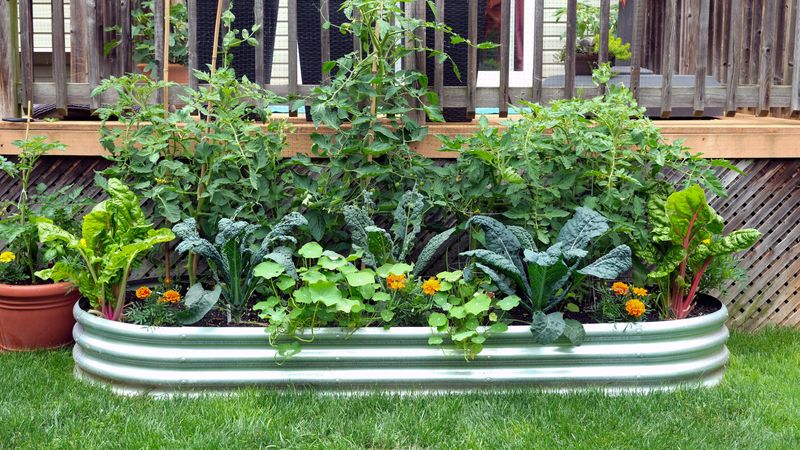
It’s tempting to fill your garden with lush plants, but overcrowding can spell disaster. Plants need space to flourish, and when crammed together, they compete for nutrients, water, and sunlight. This can lead to stunted growth and increased vulnerability to pests and diseases. Additionally, a crowded garden often looks chaotic, detracting from the clean, organized aesthetic that defines a well-maintained landscape. For an appealing garden, prioritize quality over quantity, and allow each plant room to thrive.
2. Ignoring Plant Zones
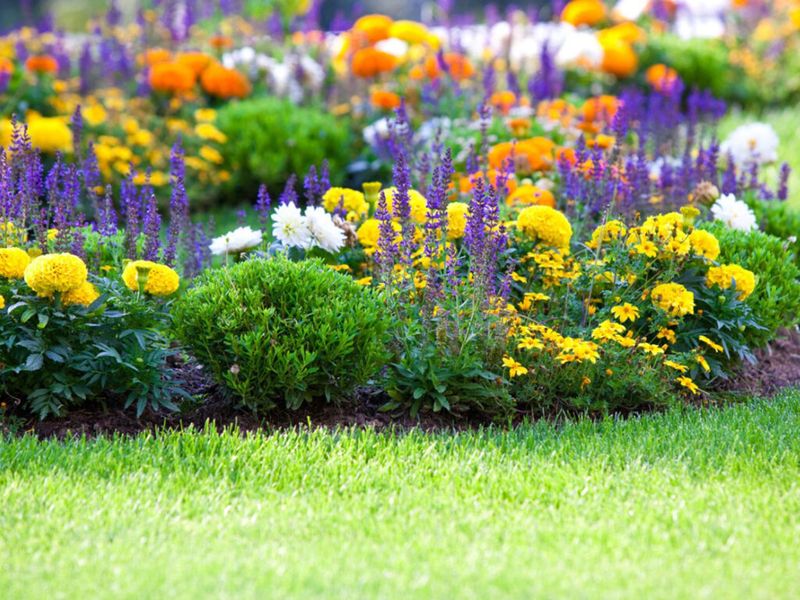
Plant hardiness zones are crucial in determining what will thrive in your garden. Ignoring these zones can result in the heartbreak of dead plants and wasted money. Each zone has specific temperature ranges, and planting outside these can cause plants to suffer or die. Research your area’s zone before purchasing plants, ensuring they can withstand your local climate. This attention to detail not only saves money but also ensures a vibrant, healthy garden that enhances your home’s appeal.
3. Using Artificial Turf

Artificial turf might seem like a low-maintenance solution, but it often lacks the charm of natural grass. While easy to maintain, it can appear unnatural and may not blend well with the surrounding landscape. Additionally, artificial turf can become unbearably hot in direct sunlight, making it uncomfortable to walk on. If you desire an authentic look, consider drought-resistant grasses or groundcovers that offer a more natural appearance, contributing to your home’s overall aesthetics.
4. Neglecting Seasonal Changes
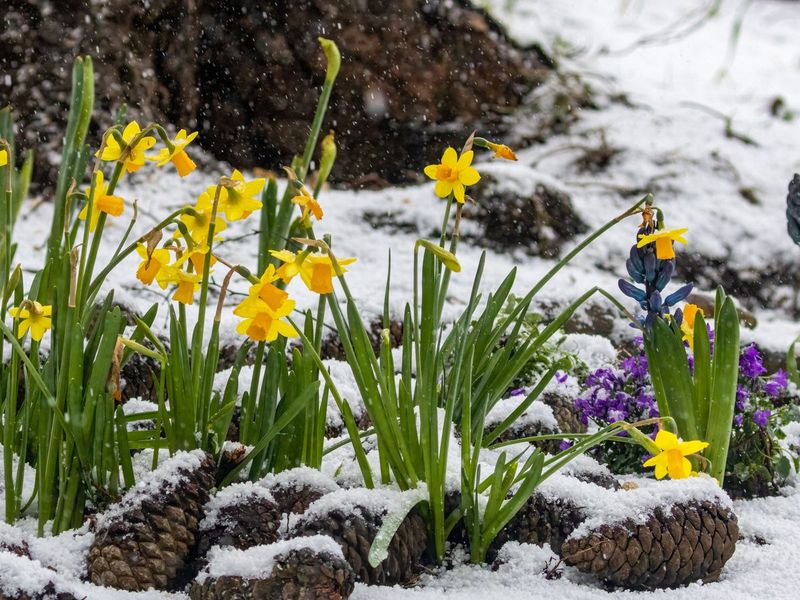
A vibrant garden should offer visual interest year-round, not just in spring or summer. Neglecting seasonal changes means missing out on the beauty different plants can provide throughout the year. By incorporating a mix of evergreen and seasonal plants, you ensure that your garden remains appealing even during colder months. This variety adds depth and texture, enhancing the overall look of your landscape and ensuring your home remains inviting no matter the season.
5. Mismatched Garden Styles
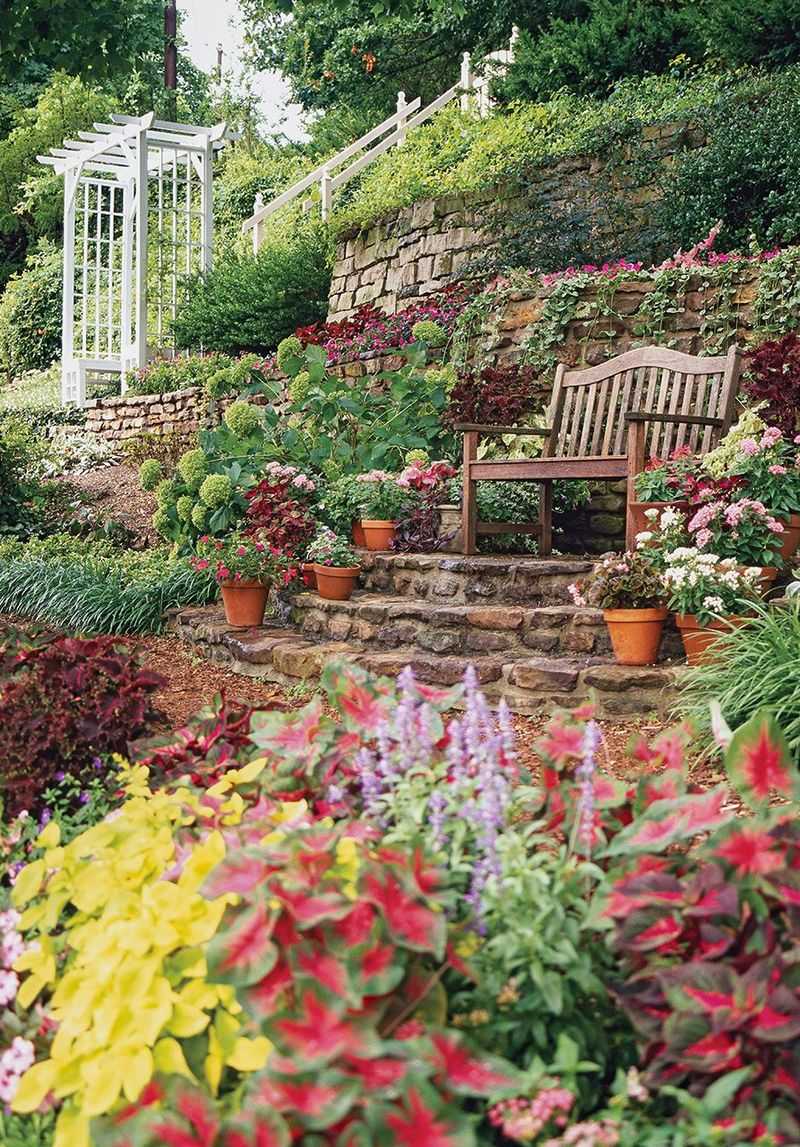
Harmony is key in landscaping, and mismatched styles can disrupt the flow of your outdoor space. Whether it’s blending Japanese elements with Mediterranean features or mixing modern with rustic, these disparities can create visual confusion. Consistency in style unifies your landscape, presenting a cohesive appearance that enhances your home’s elegance. To avoid this mistake, choose a theme and stick with it, ensuring each element complements the others and contributes to a unified look.
6. Overlooking Soil Quality
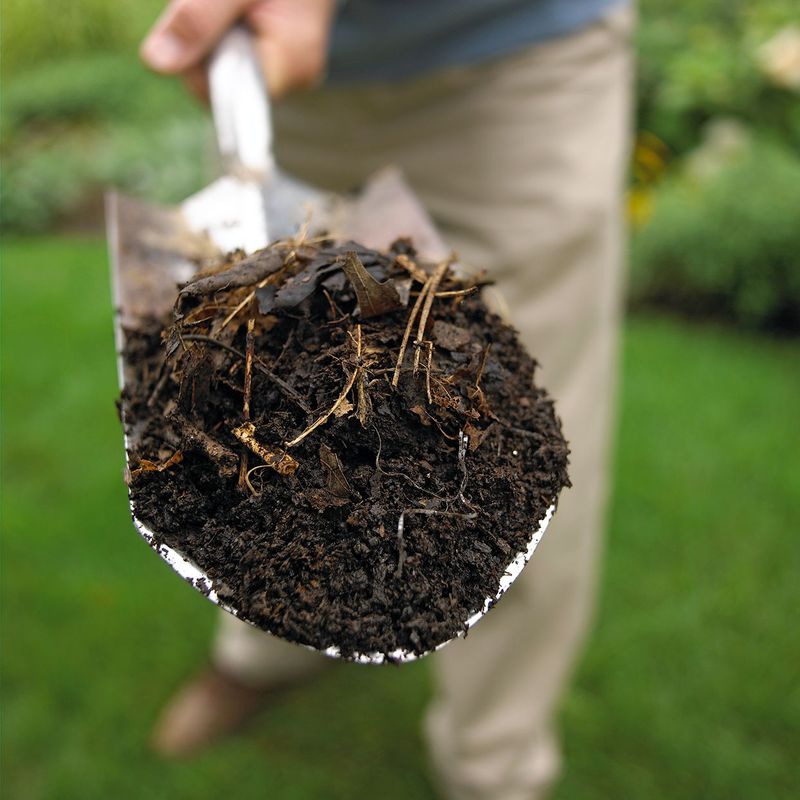
Soil is the foundation of any successful garden, yet many overlook its importance. Poor soil quality can stunt plant growth and lead to unsightly gardens. Testing soil pH and nutrient levels allows you to amend it appropriately, ensuring plants receive the care they need. Healthy soil supports robust plant growth, resulting in a lush, vibrant garden. Investing time in understanding and improving your soil quality pays dividends in the overall appearance and health of your landscape.
7. Improperly Sized Pots
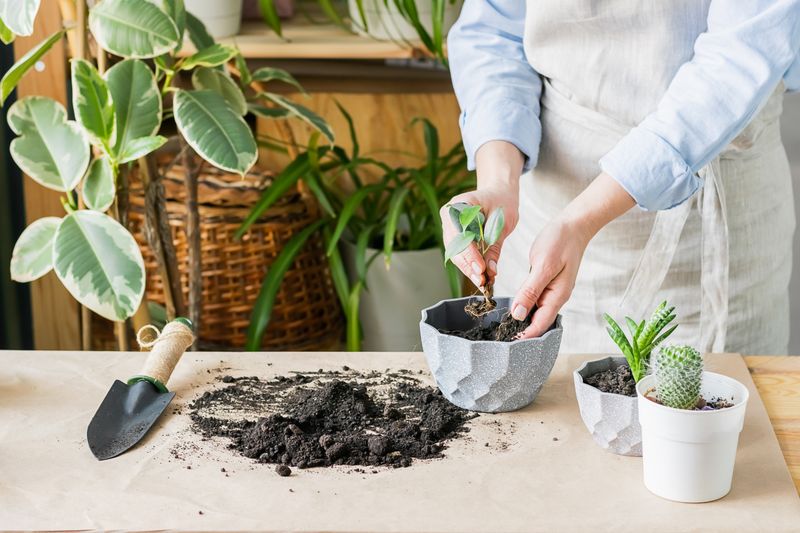
The size of your pots matters more than you might think. Plants in pots that are too small can become root-bound, leading to poor growth and health. Conversely, overly large pots may retain too much water, risking root rot. Selecting the right pot size ensures plants have room to grow while preventing water-related issues. Well-chosen pots not only support plant health but also contribute to the aesthetic appeal of your patio or garden space, enhancing your home’s exterior.
8. Neglecting Water Features
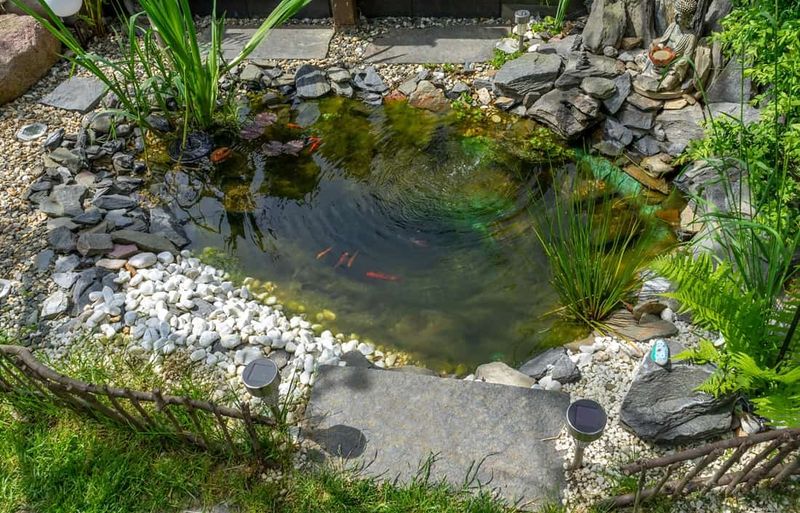
Water features can be stunning additions to any garden, but neglect can make them eyesores. Stagnant water and algae growth detract from their beauty, turning a potential highlight into a liability. Regular maintenance, such as cleaning and ensuring proper water flow, keeps these features attractive. A well-maintained water feature can serve as a focal point, adding tranquility and elegance to your landscape and enhancing the overall ambiance of your outdoor space.
9. Improper Lighting Placement
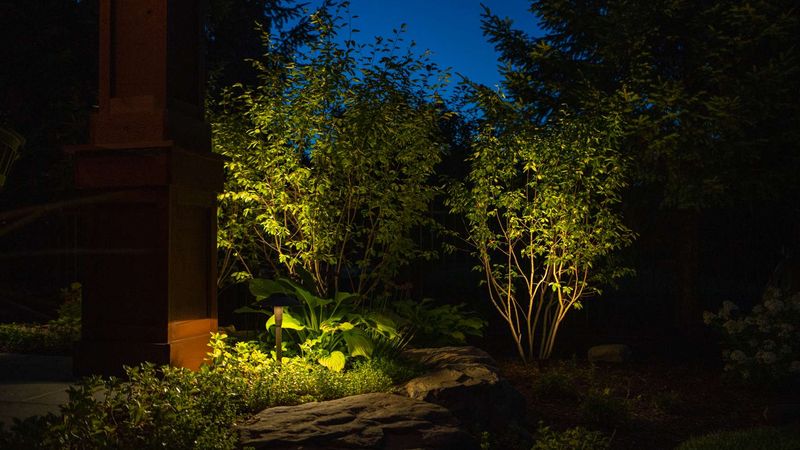
Outdoor lighting enhances safety and beauty, yet improper placement can disrupt the ambiance. Lights that illuminate unwanted areas or cast harsh shadows detract from your landscape’s appeal. Strategic lighting highlights architectural features and creates a welcoming glow. Evaluate your lighting plan to ensure it complements your garden’s design, enhancing both utility and aesthetics. Thoughtful lighting placement can transform your garden into a serene retreat, boosting your home’s nighttime allure.
10. Over-fertilizing Plants
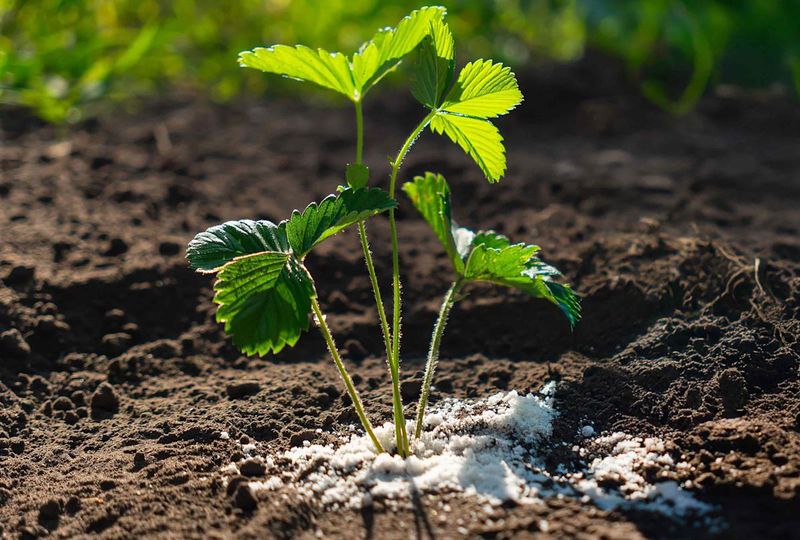
Fertilizer is essential for plant health, but over-fertilizing can be detrimental. Excess nutrients can lead to fertilizer burn, characterized by yellowing leaves and stunted growth. This not only harms the plants but also mars the garden’s appearance. Understanding the specific needs of your plants helps in applying the right amount of fertilizer. Balanced fertilization supports thriving plants, resulting in a lush, picturesque garden that enhances your home’s visual appeal while avoiding the pitfalls of overuse.
11. Ignoring Wildlife-Friendly Plants
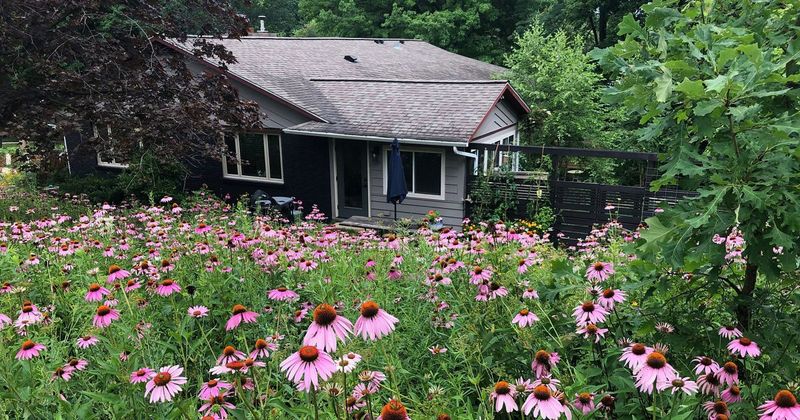
Gardens aren’t just for show; they also support local wildlife. Ignoring wildlife-friendly plants means missing out on the opportunity to attract beneficial insects and birds. Incorporating native plants and flowers that appeal to pollinators can transform your garden into a lively habitat. This not only enriches the ecosystem but also adds dynamic movement and color to your landscape. A garden that invites wildlife enhances your home’s connection to nature, elevating its overall charm and appeal.
12. Neglecting Walkway Design
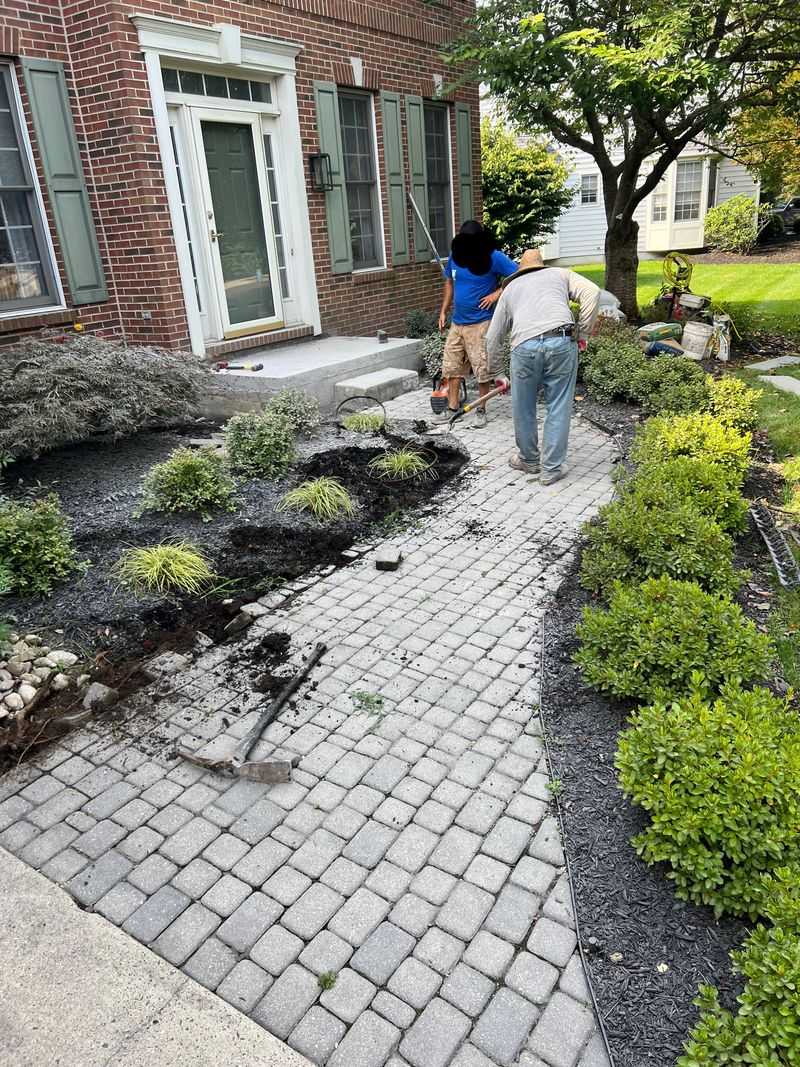
Walkways guide visitors and enhance accessibility, yet poor design can make them liabilities. Uneven stones or overgrown plants create hazards and detract from the garden’s beauty. A well-planned walkway complements the landscape, providing a smooth transition through your garden. Thoughtfully chosen materials and clear paths contribute to a cohesive design, making your walkways both functional and visually appealing. Investing in walkway design ensures your garden is welcoming and enhances your home’s curb appeal.
13. Overlooking Privacy
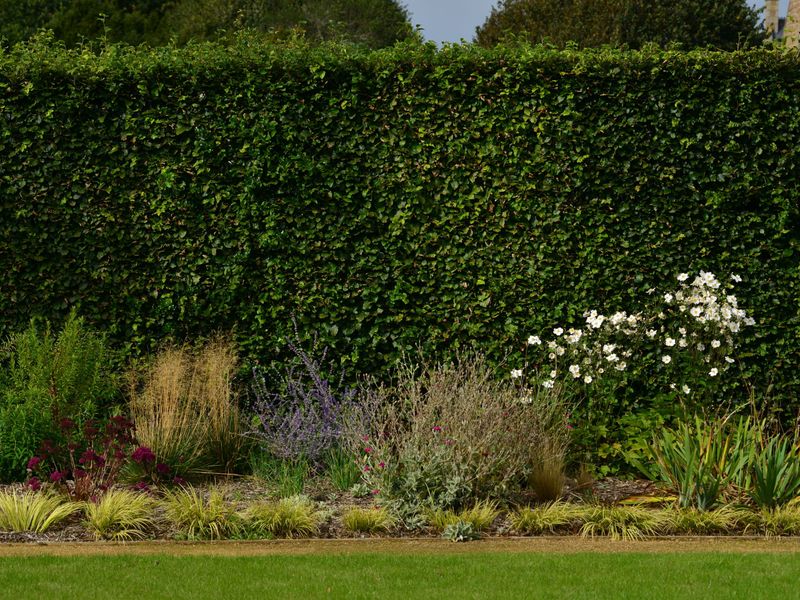
Privacy is a key component of comfortable outdoor living. Overlooking it can leave your yard exposed, reducing its comfort. Strategic planting of hedges or installing fences can provide seclusion without sacrificing aesthetics. Privacy features create intimate spaces and enhance the sense of retreat in your garden. By carefully considering privacy in your landscape design, you ensure that your outdoor spaces are both functional and inviting, contributing to your home’s overall charm and value.
14. Inconsistent Edging
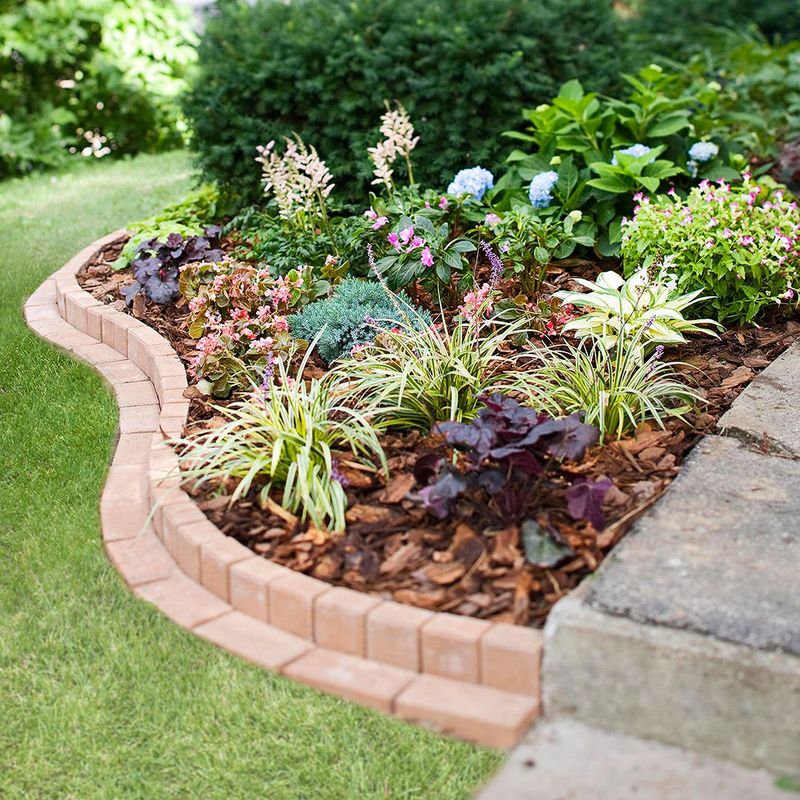
Edging defines your garden’s boundaries, yet inconsistency can undermine its appearance. Uneven or mismatched edging creates a disjointed look, detracting from the garden’s neatness. Consistent edging materials and styles unify the landscape, enhancing its overall design. Investing in quality edging ensures clean lines and a polished look, elevating the garden’s visual appeal. By maintaining consistent edging, you create a cohesive and attractive border, improving the overall aesthetics of your outdoor space.
15. Choosing Invasive Plants
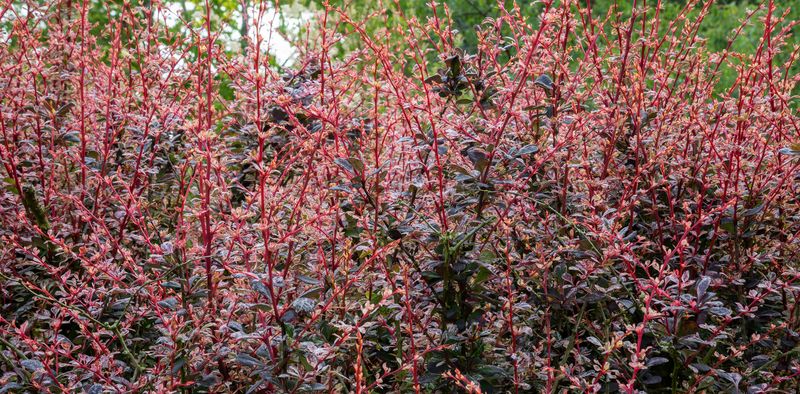
Invasive plants can quickly dominate your garden, outcompeting native species and disrupting the ecosystem. These aggressive growers spread fast, often requiring significant effort to control. Choosing plants wisely and avoiding invasives maintains a balanced garden and protects local biodiversity. By selecting native or well-behaved species, you ensure a harmonious landscape that supports local wildlife. An informed plant choice preserves your garden’s health and beauty, enhancing its role as a vibrant part of your home environment.
16. Overlooking Drainage Needs
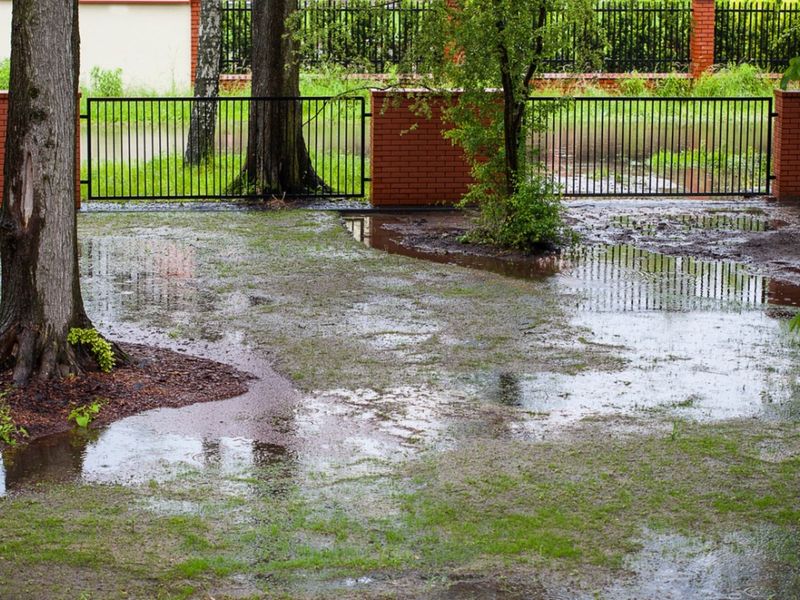
Proper drainage is vital for a healthy garden, yet often overlooked. Poor drainage can lead to waterlogged soil, suffocating plant roots and causing rot. Addressing drainage issues with solutions like raised beds or improved soil composition prevents these problems. A well-drained garden promotes healthy plant growth and prevents unsightly puddles. By prioritizing drainage, you protect your plants and enhance the overall appearance of your landscape, ensuring it remains an attractive and functional part of your home.