 Complete Gardening
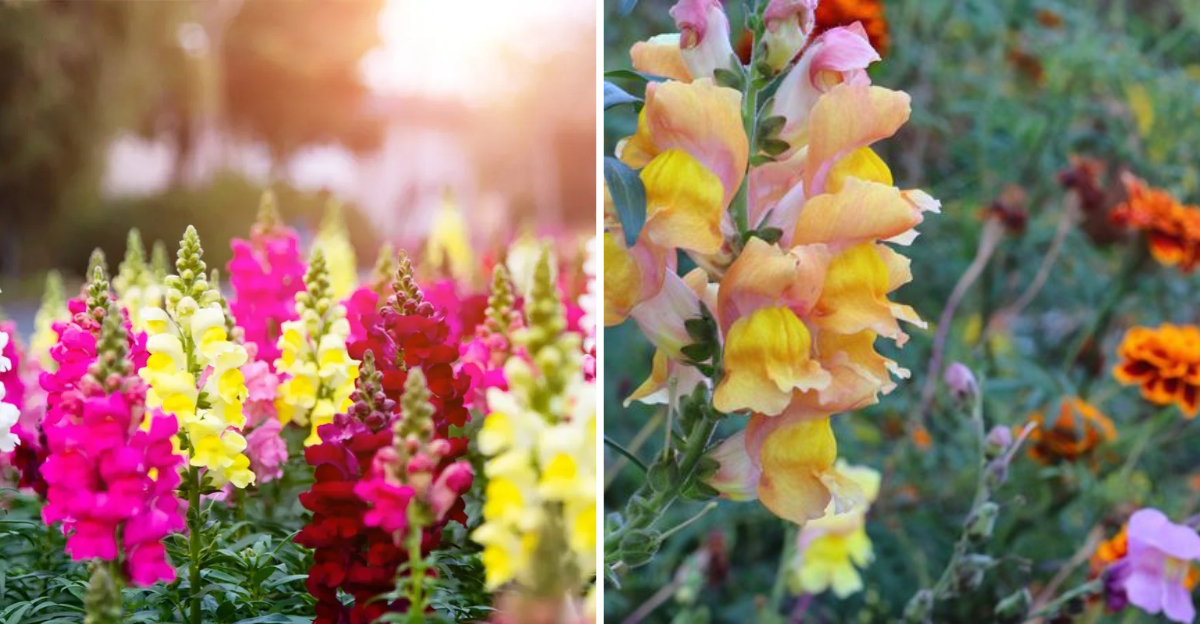
Cultivating a vibrant snapdragon garden is a rewarding endeavor for both novice and experienced gardeners. These stunning flowers, known for their dragon-shaped blooms and wide array of colors, can transform any garden space into a lively oasis. Whether you’re aiming to attract pollinators or simply add a splash of color, snapdragons are an excellent choice. This guide provides 16 essential tips to help you grow a flourishing snapdragon garden, ensuring healthy plants and bountiful blooms year after year.
1. Choosing the Right Snapdragon Varieties

Snapdragons come in a plethora of varieties, each offering unique colors and sizes. Selecting the right type is crucial for your garden’s success. Consider factors such as climate, soil type, and the desired height of the flowers. Some snapdragons are better suited for cooler climates, while others thrive in warmer conditions. For a dramatic effect, mix tall snapdragons with dwarf varieties to create layers of interest. Always check the seed packet for specific growing conditions and compatibility with your garden’s environment. This thoughtful selection will set the foundation for a visually striking display.
2. Preparing the Soil

Healthy soil is the bedrock of any successful garden. Snapdragons thrive in well-drained, nutrient-rich soil. Start by testing your soil’s pH and adjust it to a slightly acidic to neutral range, around 6.2 to 7.0. Incorporate organic matter such as compost or well-rotted manure to enhance soil fertility. This improves aeration and drainage, crucial for snapdragon root development. Avoid compacted soil, as it hampers root growth and water absorption. Regularly rejuvenate your soil by adding mulch and organic fertilizers. This ensures your snapdragons have the nutrients needed for robust growth and vibrant blooms.
3. Proper Watering Techniques
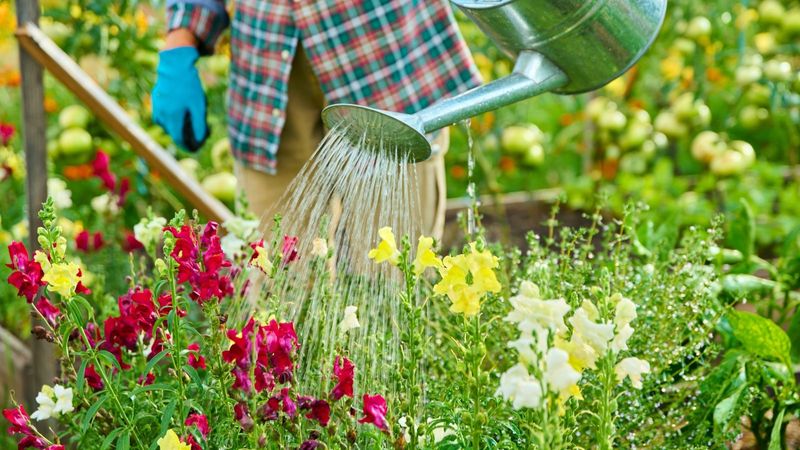
Snapdragons require a delicate balance when it comes to watering. Overwatering can lead to root rot, while underwatering may stunt their growth. Water snapdragons deeply once or twice a week, depending on the weather conditions. Early morning is the best time to water, allowing foliage to dry quickly and reducing disease risk. Use a soaker hose or drip irrigation to minimize water contact with leaves. Monitor soil moisture regularly, especially during dry spells. Keeping the soil consistently moist but not soggy ensures your snapdragons receive adequate hydration for lush, healthy blooms.
4. Sunlight Requirements

Snapdragons love sunlight and perform best with full sun exposure. Aim to plant them in a location where they receive at least six hours of direct sunlight daily. Adequate sunlight promotes vigorous growth and enhances flower color intensity. However, in extremely hot climates, providing some afternoon shade can prevent wilting. Observe your garden’s sun patterns and adjust planting locations if necessary. For indoor snapdragons, place them near a south-facing window for optimal light. Balancing sunlight exposure ensures your snapdragons develop strong stems and vibrant, lively blooms that captivate any onlooker.
5. Fertilizing for Maximum Growth

Feeding your snapdragons the right nutrients is key to achieving lush blooms and vigorous growth. Use a balanced, slow-release fertilizer with equal parts nitrogen, phosphorus, and potassium. Apply fertilizer at planting time and every six to eight weeks during the growing season. Be cautious not to over-fertilize, as excessive nutrients can lead to lush foliage with fewer flowers. Liquid fertilizers can be used as foliar feeds for a quick nutrient boost. Always follow the manufacturer’s instructions for application rates. This careful nourishment results in a garden filled with healthy, vibrant snapdragons.
6. Companion Planting with Snapdragons
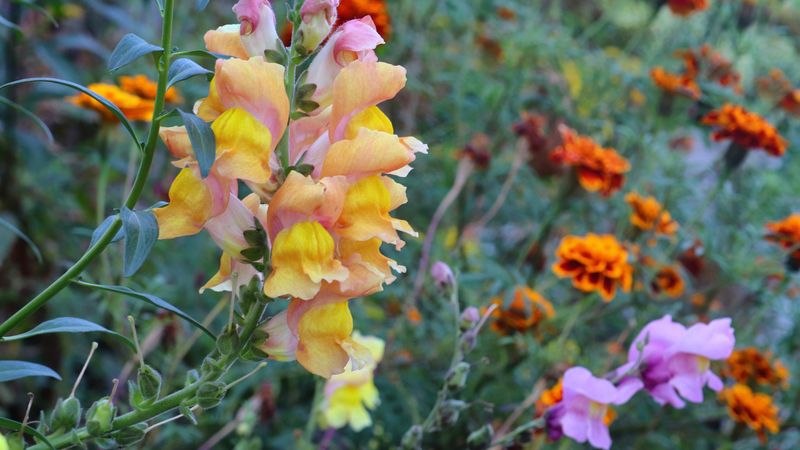
Snapdragons thrive when paired with complementary plants. Consider marigolds and lavender, which not only enhance the visual appeal but also deter pests naturally. These companions create a balanced ecosystem, allowing each plant to flourish. Intersperse them strategically to maximize their benefits. This method not only beautifies your garden but also promotes healthier growth. By understanding their natural symbiosis, gardeners can create a harmonious environment. Companion planting is more than aesthetics; it’s about nurturing a thriving garden. Experiment with different combinations and observe the results, tweaking as necessary to achieve the best outcome.
7. Pest Management Strategies

Managing pests in your snapdragon garden is crucial for healthy growth. Opt for natural solutions like neem oil or introducing beneficial insects such as ladybugs. These methods reduce harmful impacts on the environment. Regular monitoring helps in early pest detection. Keeping a diary can track pest patterns, aiding in preemptive measures. Employing barriers like nets can also prevent larger pests. Balancing nature’s elements ensures a thriving garden. These strategies not only protect your plants but also promote an eco-friendly approach. Embrace natural pest management for a more sustainable gardening experience.
8. Optimal Plant Spacing
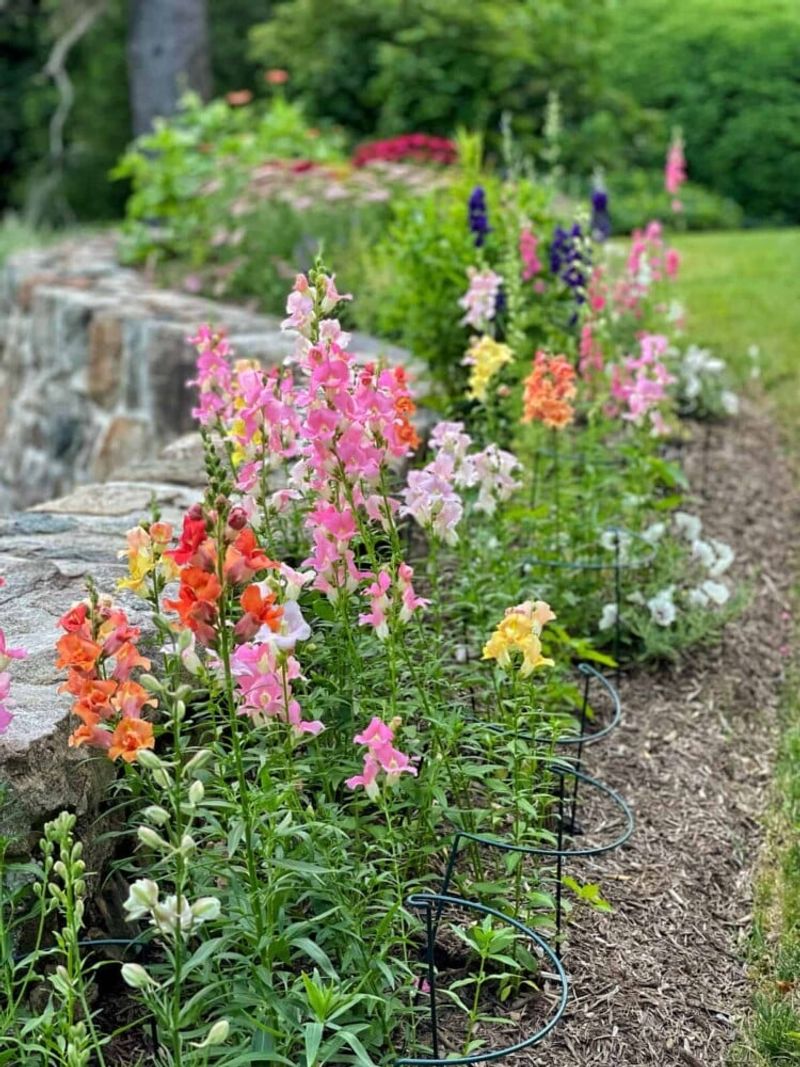
Proper spacing of snapdragon plants is pivotal for their health. By ensuring adequate distance, you allow air circulation, reducing the risk of diseases. Crowding leads to competition for resources, stunting growth. Measure and mark your garden bed meticulously before planting. Observe the growth patterns to adjust spacing in future plantings. This careful planning fosters robust plants. Gardening with precision and foresight yields a lush garden. Spacing impacts not just aesthetics but plant vitality. Embrace this fundamental principle to see your snapdragons reach their full potential.
9. Deadheading for Continuous Bloom

Deadheading snapdragons encourages a longer blooming period. By removing spent flowers, you redirect the plant’s energy towards new growth. This practice promotes vibrant and continuous blooms. Include deadheading in your regular garden maintenance routine. It’s a simple yet effective way to enhance your garden’s beauty. Observe each plant’s response and adjust accordingly for optimal results. This nurturing act benefits both the plant and the gardener, fostering a deeper connection with nature. The art of deadheading goes beyond aesthetics, revitalizing your garden’s dynamic energy.
10. Seasonal Snapdragon Maintenance
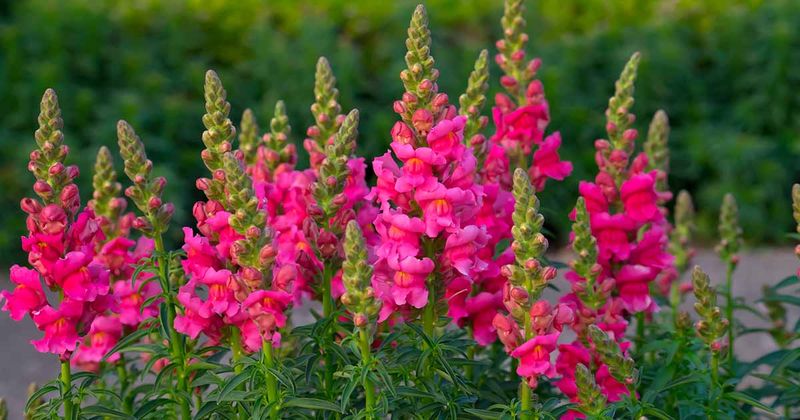
Caring for snapdragons requires attention to seasonal changes. In spring, focus on planting and soil preparation. Summer demands vigilant watering and pest management. As autumn approaches, prune back for winter dormancy. Each season presents unique challenges and opportunities. Adapting your care routine ensures resilient plants. Understanding seasonal dynamics fosters a thriving garden. Adjust techniques based on weather patterns and plant responses. This seasonal mindfulness transforms gardening into a rewarding journey. Embrace the rhythms of nature for a flourishing snapdragon oasis.
11. Soil Amendments for Snapdragons

Enhancing soil quality is essential for thriving snapdragons. Incorporate organic matter like compost to improve fertility and drainage. This enriches the soil, promoting vigorous root development. Test soil pH and adjust with lime or sulfur as needed. Regular amendments keep the soil dynamic and receptive to nutrients. A healthy soil foundation supports resilient plants. Tailor amendments to your garden’s specific needs. Understanding soil chemistry enhances your gardening success. By investing in soil health, you lay the groundwork for a vibrant snapdragon display.
12. Mulching for Moisture Conservation
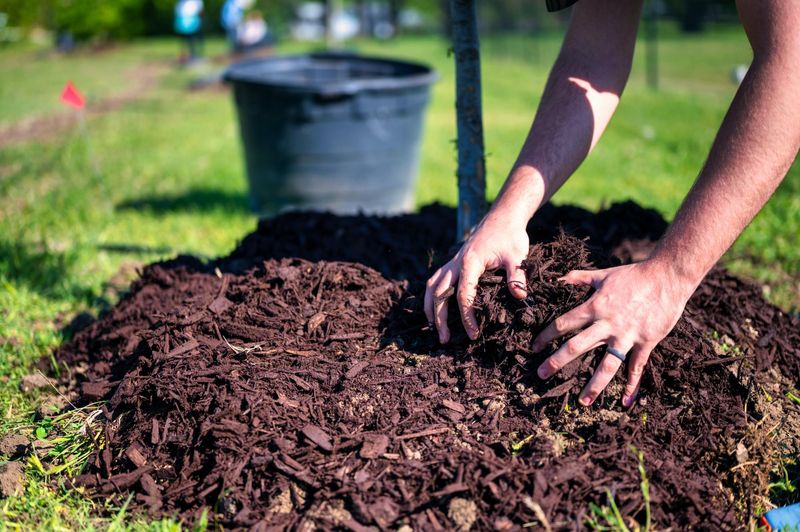
Mulching plays a crucial role in moisture retention for snapdragons. Organic mulches like straw or wood chips help maintain soil temperature and prevent evaporation. This practice not only conserves water but also suppresses weeds. Apply mulch generously around the base of plants. Choose materials that complement your garden’s aesthetic. Regularly refresh the mulch layer to sustain its benefits. This simple technique profoundly impacts plant health and garden efficiency. Mulching embodies sustainable gardening practices. It’s a testament to mindful stewardship of garden resources.
13. Staking Tall Varieties
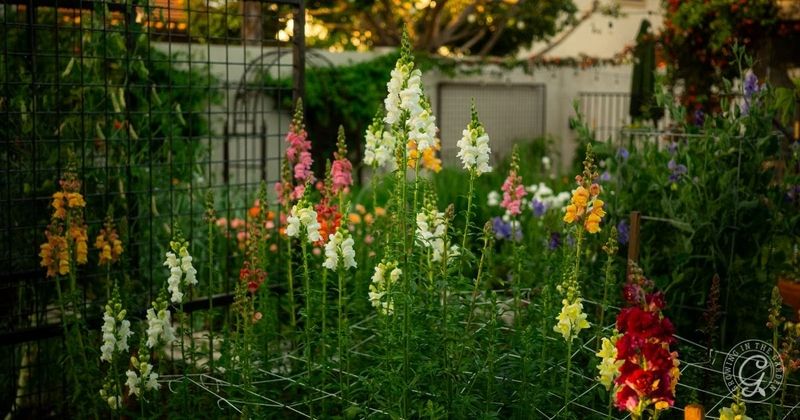
Snapdragons, especially taller varieties, benefit from staking. Support systems prevent breakage and encourage upright growth. Choose stakes that blend with your garden’s look. Position them early to avoid disturbing roots later. Secure plants loosely to accommodate growth. This proactive measure fosters stronger, healthier plants. It’s an investment in the garden’s structural integrity. Staking reflects a commitment to plant care. By providing support, you allow snapdragons to flourish. This practice highlights the gardener’s role as a nurturer, guiding plants to reach their full potential.
14. Snapdragon Pruning Techniques
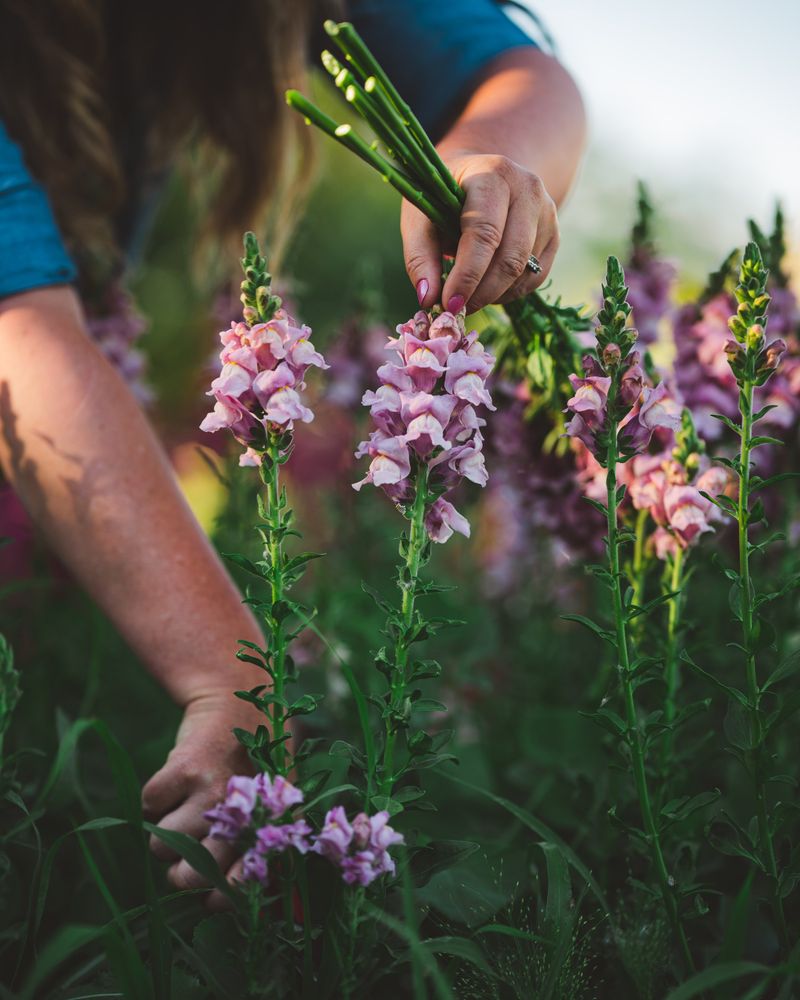
Pruning snapdragons enhances their shape and growth. Remove dead or damaged stems to promote healthy development. Regular pruning encourages dense, bushy plants. Use sharp, clean tools to prevent infections. Tailor your technique to each plant’s unique form. Pruning revitalizes plants and refreshes the garden’s appearance. It requires a discerning eye and a gentle touch. This practice embodies the art of gardening. By shaping plants thoughtfully, you influence their vitality and beauty. Embrace pruning as a creative expression of care and attention.
15. Understanding Snapdragon Lifecycles
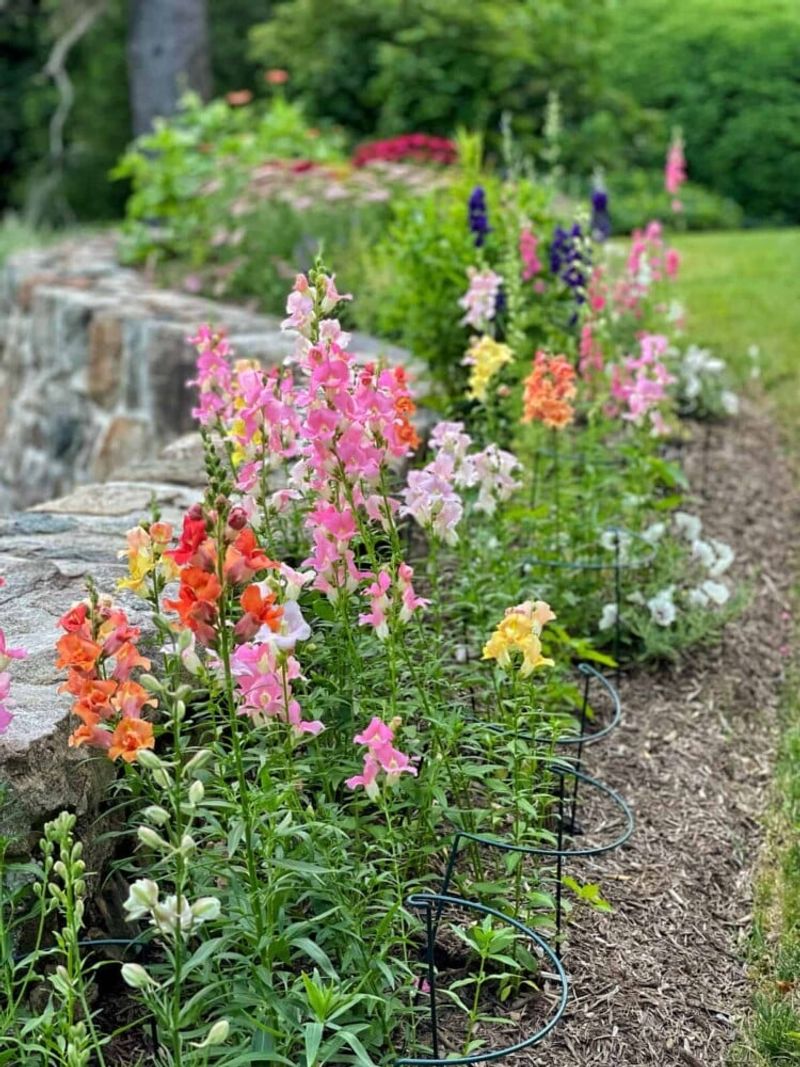
Appreciating snapdragon lifecycles enhances your gardening approach. From seedling to maturity, each phase offers insights into plant care. Observation helps tailor your techniques to meet their needs. Recognize the signs of each stage to optimize growth. This knowledge empowers gardeners to anticipate and respond effectively. Lifecycles reveal the intricate dance of nature. Understanding them transforms gardening from a task to a partnership. It deepens your connection to the garden and its rhythms. Embrace this awareness to cultivate a flourishing snapdragon landscape.
16. Utilizing Snapdragon Cut Flowers

Snapdragons make stunning cut flowers, adding charm to any bouquet. Harvest them when half of the flowers are open. This timing ensures longevity in arrangements. Snip stems early in the morning for freshness. Arrange them with complementary blooms for a striking display. Regularly change the water to maintain vitality. Cut flowers bring the garden indoors, extending its beauty. They offer a dynamic way to enjoy your hard work. Sharing bouquets fosters connection and joy. Celebrate the snapdragon’s versatility as both a garden and floral staple.