 Complete Gardening
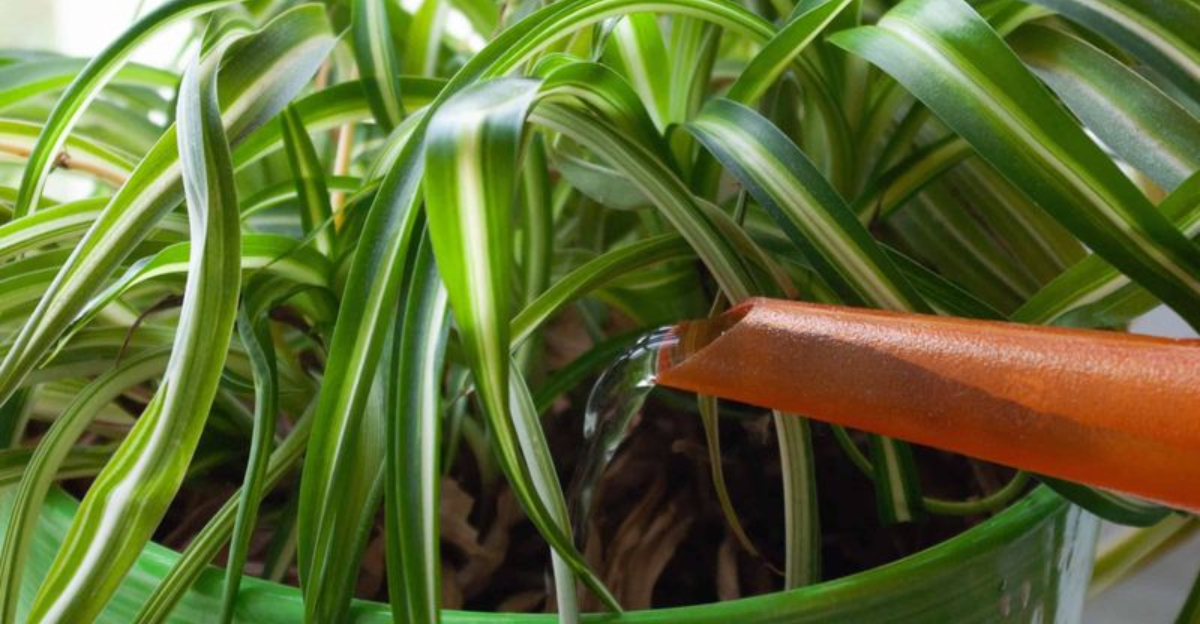
Houseplants bring life and color to our homes, but misconceptions about their care can lead to wilting leaves and droopy stems. From overwatering fears to misconceptions about rainwater, these myths can make plant care daunting. This article busts 13 common myths about houseplant watering, ensuring your green companions thrive.
1. Myth 1: Watering Schedule
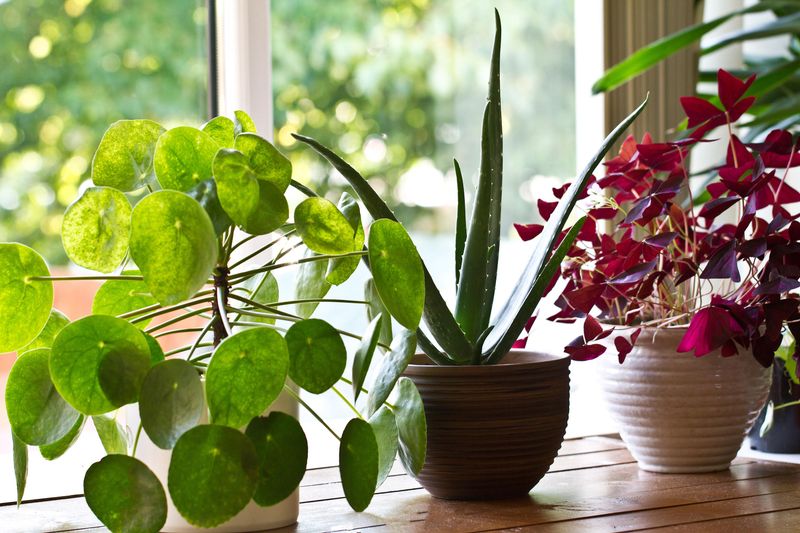
Plants are like people—they don’t all need the same amount of water on the same day. Some thrive with a drink every few days, while others prefer a weekly soak.
Imagine if we all ate the same meal every day! Instead of sticking to a rigid schedule, check the soil moisture level and adjust accordingly.
Each plant has unique needs, influenced by factors such as species, size, and environment. Remember, flexibility is key! Understanding your plant’s specific requirements will promote healthier growth and prevent over- or under-watering problems.
2. Myth 2: Wilting Means Thirsty
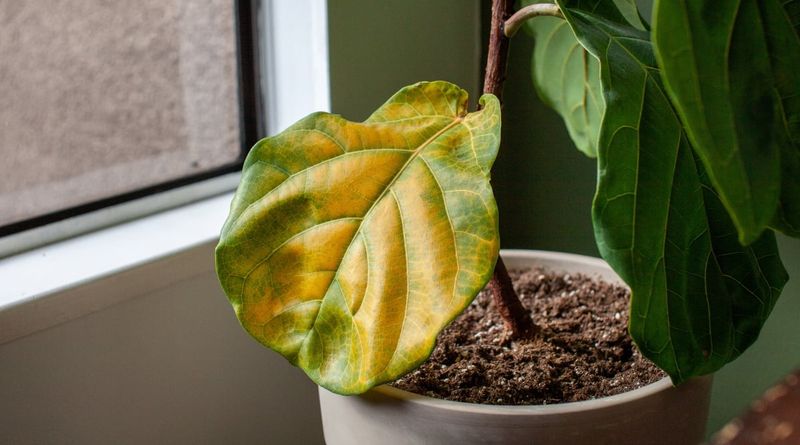
Wilting isn’t always a cry for water. Sometimes, it’s an indication of overwatering or inadequate light conditions.
Other factors like humidity levels and pot size can also affect your plant’s appearance. Before grabbing the watering can, assess the situation carefully.
Check the soil’s moisture level and consider other environmental aspects. Understanding these nuances can help prevent overwatering, which is a common cause of root rot. Healthy plant care involves more than just watering—it requires a holistic approach to meet all needs.
3. Myth 3: Rainwater is Best
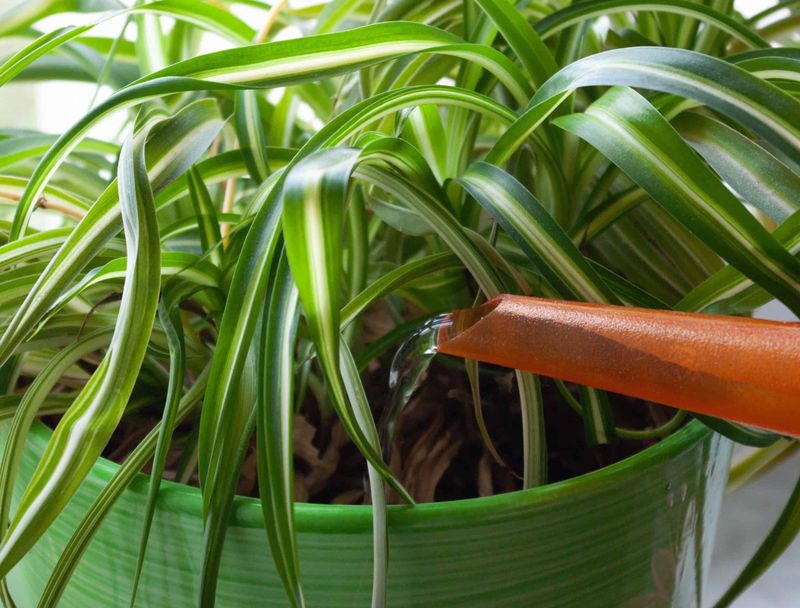
While rainwater can be excellent for plants due to its natural composition, tap water often works just as well.
Many houseplants adjust to tap water without any issues, provided it’s not overly chlorinated.
If you’re concerned about water quality, let tap water sit out overnight to dissipate chlorine. Alternatively, use filtered water. The key is consistency and ensuring your plants receive adequate hydration. Feel free to experiment and see which water type your plants prefer.
4. Myth 4: Ice Cubes Work Fine
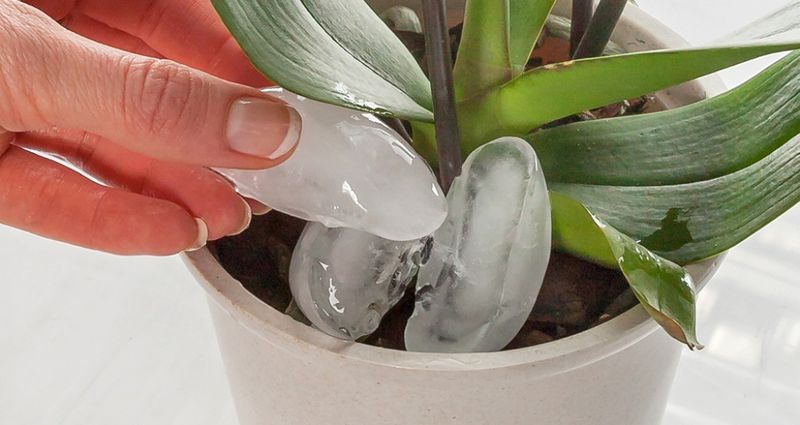
Watering with ice cubes might seem convenient, but it can shock your plant’s roots.
Plants prefer water at room temperature to avoid stress. Cold water can cause root constriction and damage.
Instead, pour room-temperature water directly into the soil, allowing it to absorb naturally. This method promotes healthy root development and prevents potential damage from sudden temperature changes. Your plants will thank you for the gentle care.
5. Myth 5: Brown Tips Mean Dryness
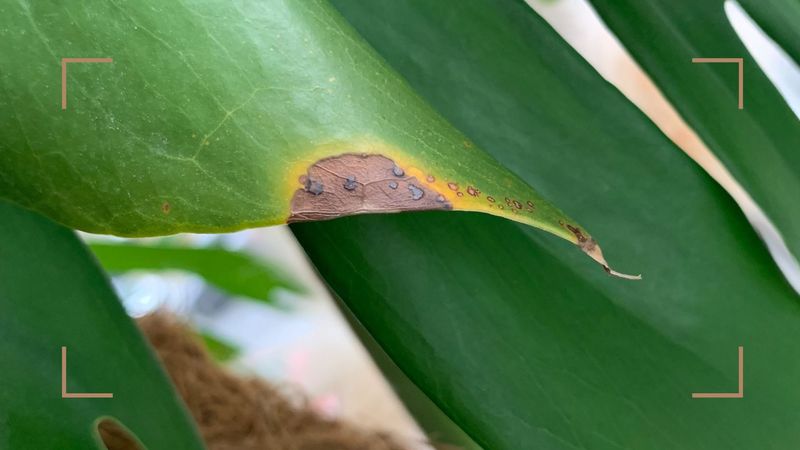
Brown tips can signal various issues—not just dryness. Over-fertilization, poor water quality, and low humidity are common culprits.
Before assuming your plant is parched, explore other possibilities. If you’ve been diligent with watering, consider these factors.
A little detective work can help resolve the issue and restore your plant’s health. Tailoring care to your plant’s specific needs will lead to more vibrant foliage and blooms.
6. Myth 6: Mist Often
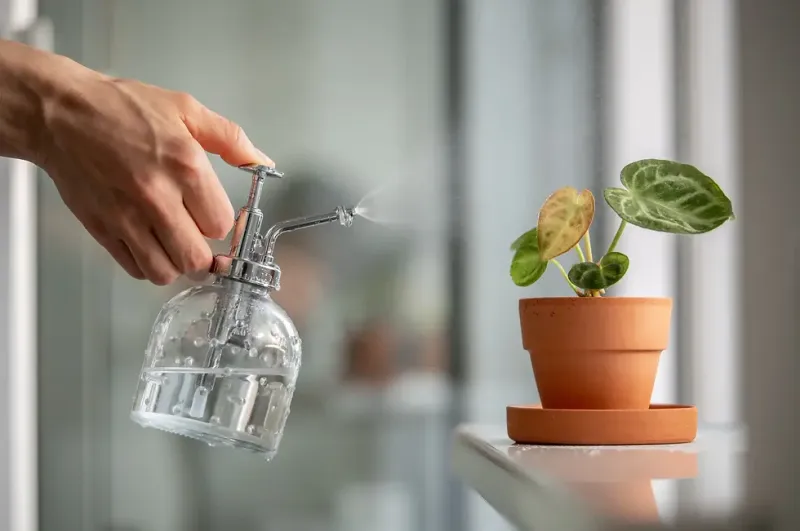
Misting might seem like a tropical treat, but it isn’t necessary for all plants.
For some, it offers no benefits and can even encourage mold growth.
Understanding your plant’s native environment helps determine its needs. For humidity-loving plants, consider a humidity tray or room humidifier. Others thrive without added moisture. Focus on what’s best for your plant’s species to ensure a healthy, happy home.
7. Myth 7: More Water Equals Better Growth
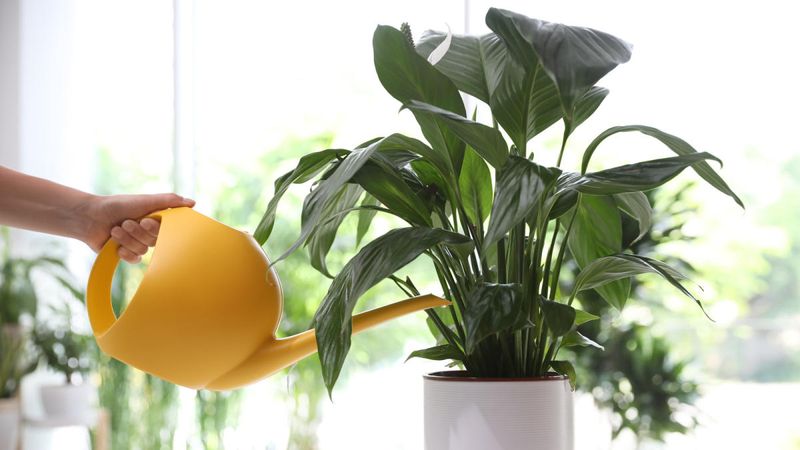
Pouring on the water won’t guarantee lush growth. Overwatering is a common mistake and can lead to root rot.
Plants need oxygen, too, and soggy soil restricts airflow.
Balance is crucial. Allow the top layer of soil to dry before watering again. This strategy encourages healthy root development and strong, vibrant foliage. By understanding your plant’s particular needs, you can foster robust growth without drowning its roots.
8. Myth 8: All Plants Need Drainage
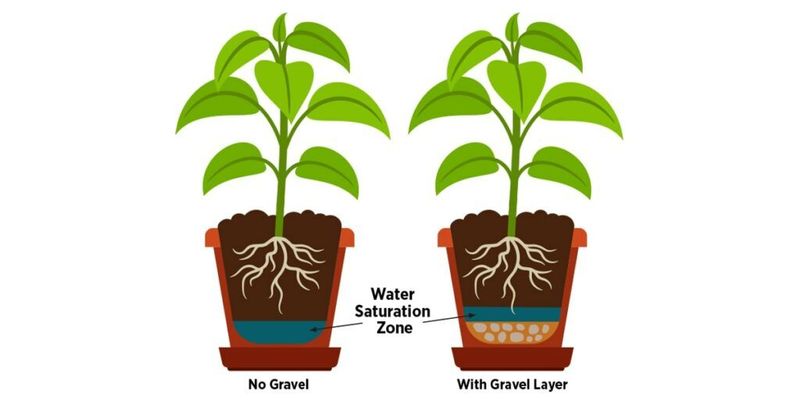
While drainage is vital for many plants, some species thrive in water without it.
Plants like lucky bamboo or Chinese evergreens can flourish in water-filled containers.
Researching your plant’s natural habitat will guide you in choosing the right potting method. Whether in soil or water, your plant’s happiness depends on mimicking its native conditions. By understanding these preferences, you’ll cultivate a thriving indoor garden.
9. Myth 9: Water from the Top Only
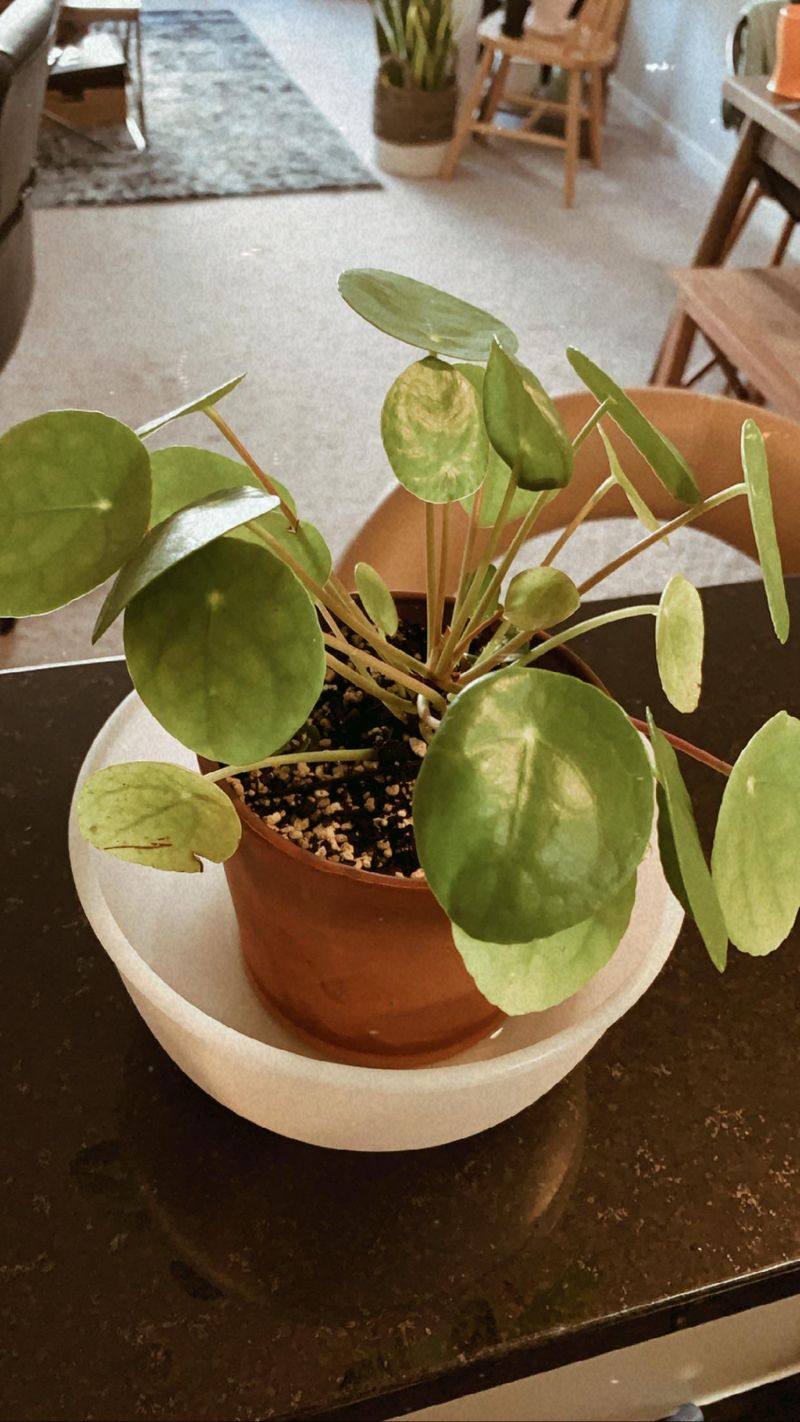
Top watering is common, but bottom watering can be beneficial for certain plants.
It encourages deep root growth and reduces the risk of overwatering.
Experiment with both methods to see which your plant prefers. Bottom watering involves placing the pot in a water-filled tray, allowing roots to draw moisture upward. Personalizing your watering approach enhances your plant’s health and vitality.
10. Myth 10: Water Daily
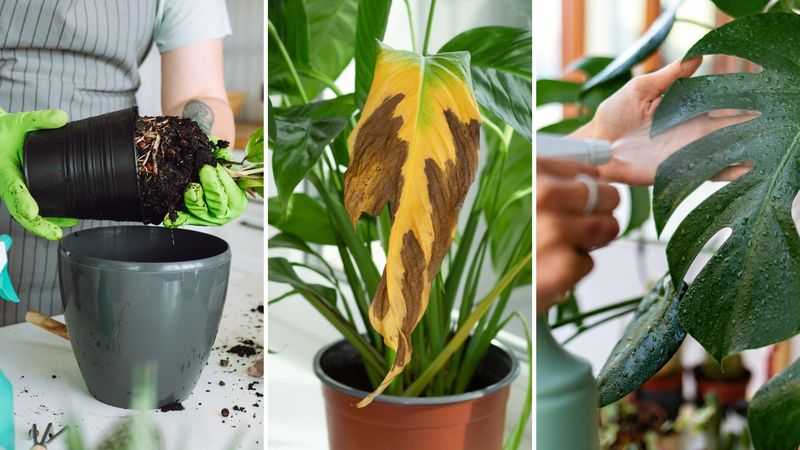
Daily watering isn’t necessary for all plants. Overwatering can be more harmful than missing a day.
Factors such as plant type, pot size, and climate influence watering needs.
Instead of a daily routine, adapt to your plant’s specific requirements. Observing your plant’s condition and soil moisture will guide you in creating a more effective schedule. This thoughtful approach promotes a healthier, more resilient plant environment.
11. Myth 11: All Plants Love Humidity
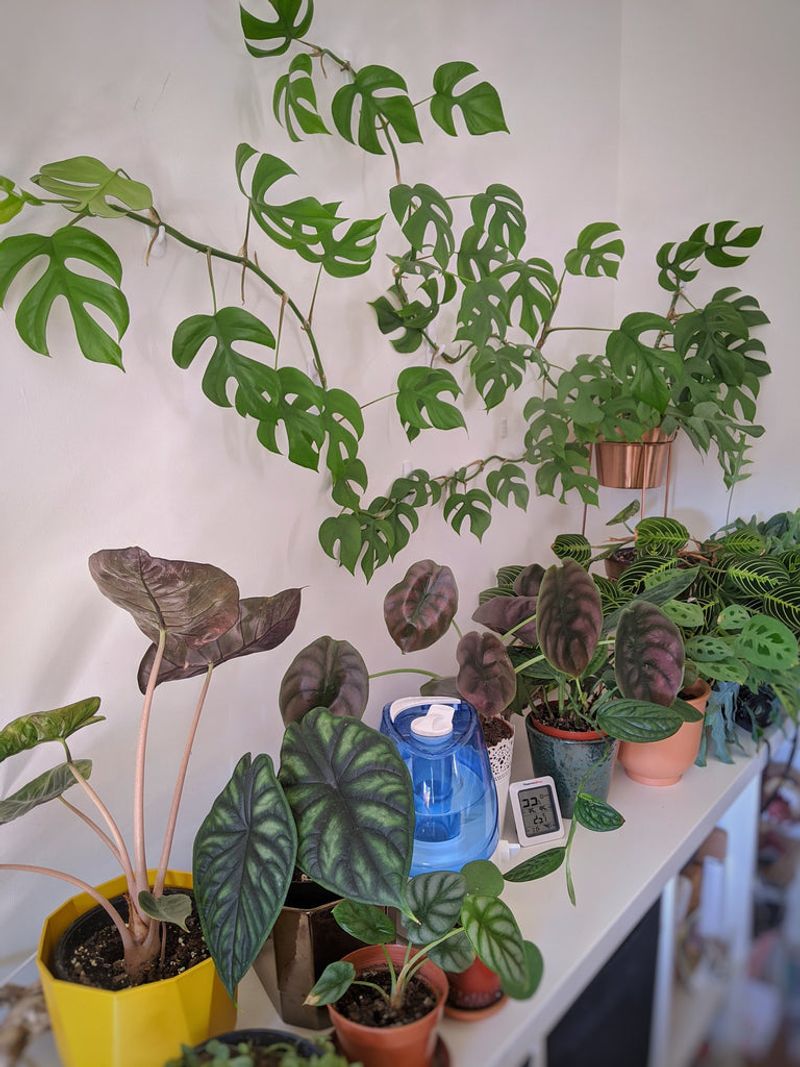
Not every plant craves a rainforest-like atmosphere. While some houseplants benefit from added humidity, others thrive in drier conditions.
Consider each plant’s natural habitat to tailor your care.
For instance, succulents and cacti prefer dry air. Providing the right environment helps prevent mold and other humidity-related issues, ensuring your plant’s overall well-being.
12. Myth 12: Watering at Night is Best
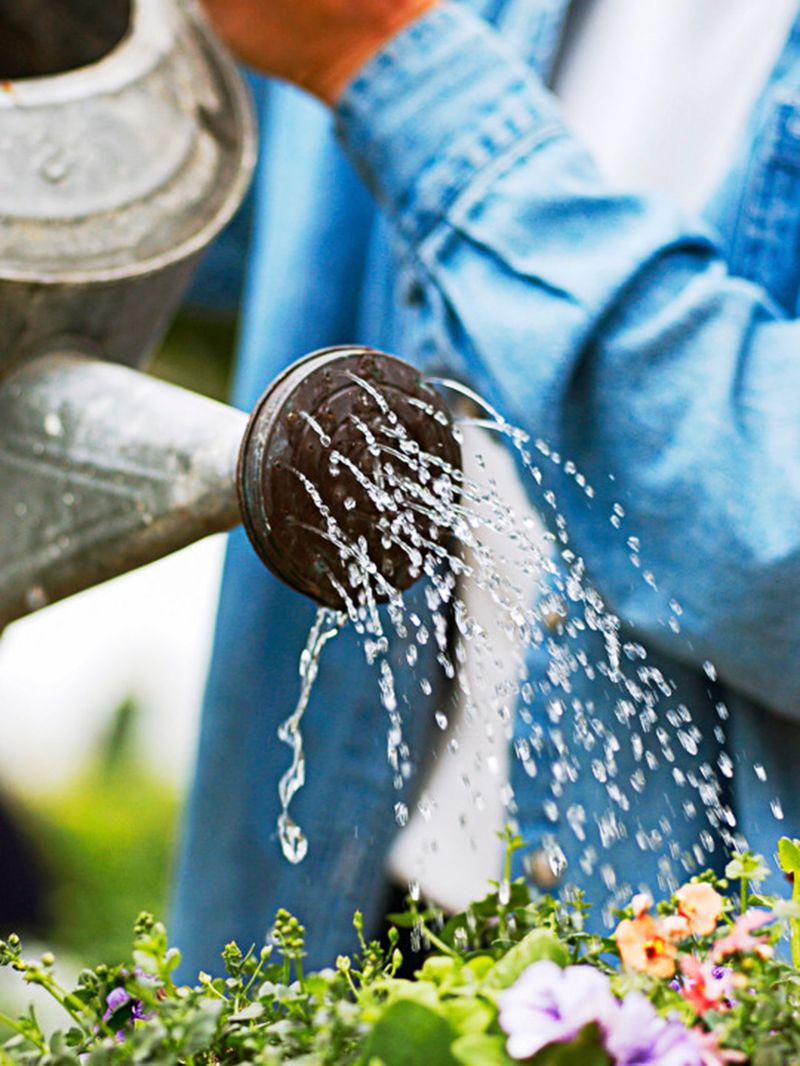
Watering at night can leave plants sitting in moisture, inviting mold.
Morning watering allows excess water to evaporate, reducing the risk of fungal issues.
Adjust your schedule to suit your plant’s needs and ensure a healthy environment. Consistent care tailored to your plant’s natural rhythm will foster resilience and vibrant growth.
13. Myth 13: Self-Watering Pots are Best
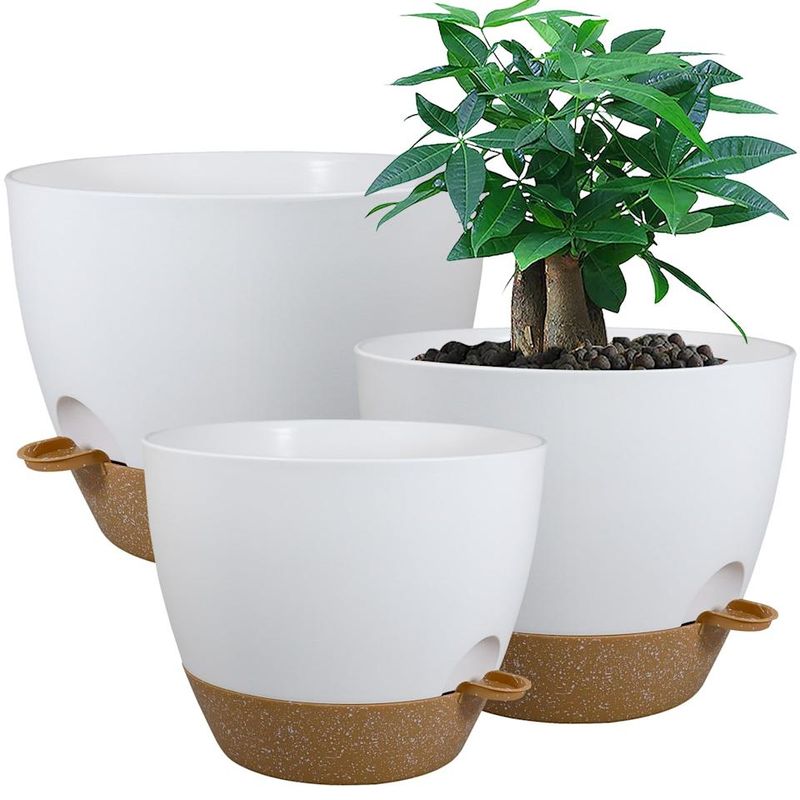
Self-watering pots might sound like a go-to solution, but they’re not ideal for every plant.
Some species prefer the control of traditional watering methods.
Understanding your plant’s specific preferences ensures optimal growth. Consider its natural habitat and watering needs before selecting a pot type. With thoughtful care, your plants will flourish in any setting.
14. Myth 14: All Plants Prefer Room Temperature Water
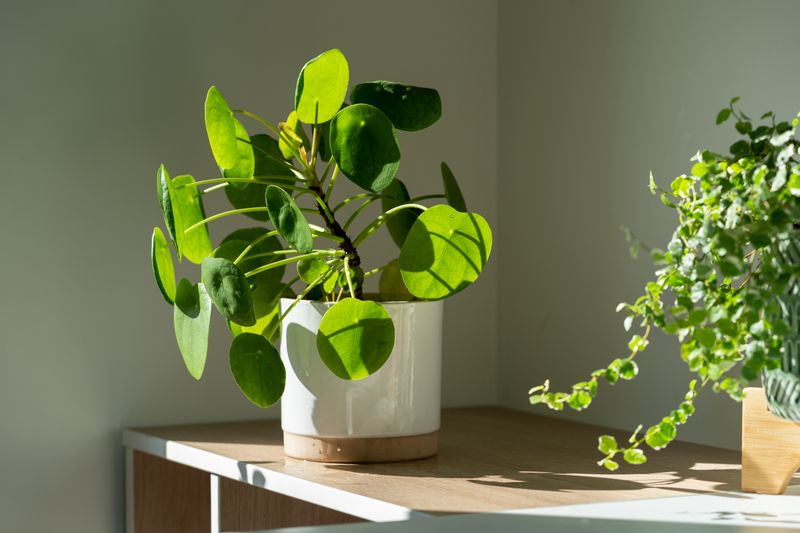
Contrary to popular belief, not all plants favor room temperature water. While it may seem cozy, some species thrive with tepid or even slightly cool water due to their native habitats. Overthinking water temperature can lead to stress and hinder plant growth.
Consider this: tropical plants, accustomed to warmer climates, may benefit from lukewarm water, aiding in nutrient absorption. In contrast, temperate plants might find cooler water more refreshing.
Keep in mind the essence of the plant’s native environment when watering. This tailored approach ensures that your green friends remain robust and flourishing.
15. Myth 15: Droplets on Leaves Cause Sunburn
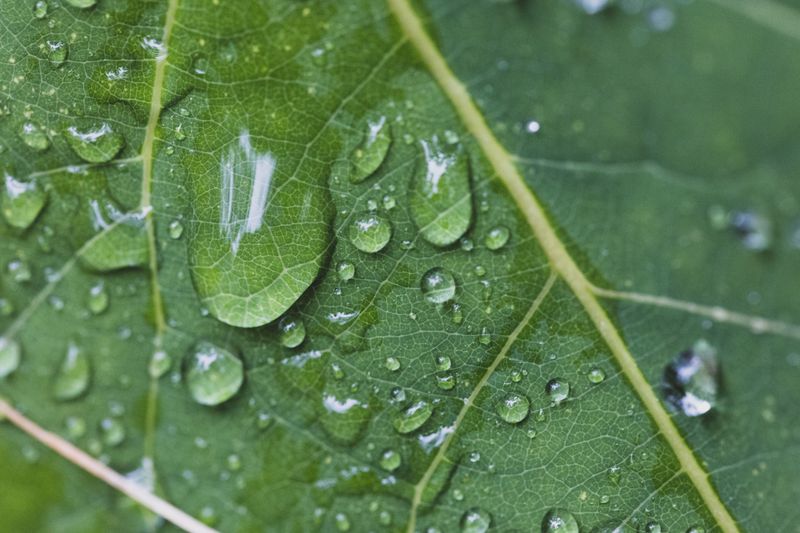
The idea that water droplets act like magnifying glasses causing sunburn is largely a myth. In reality, the curvature of the leaf often disperses water droplets, reducing any potential magnifying effect.
In nature, plants experience rain followed by sunshine, yet they adapt without adverse effects. The design of the leaf surface and natural water behavior prevent sunburn from droplets.
Thus, while droplets can temporarily increase humidity around the plant, they seldom harm when exposed to sunlight. Understanding this helps gardeners avoid unnecessary worry about natural watering processes.
16. Myth 16: Underwatering is Less Harmful Than Overwatering
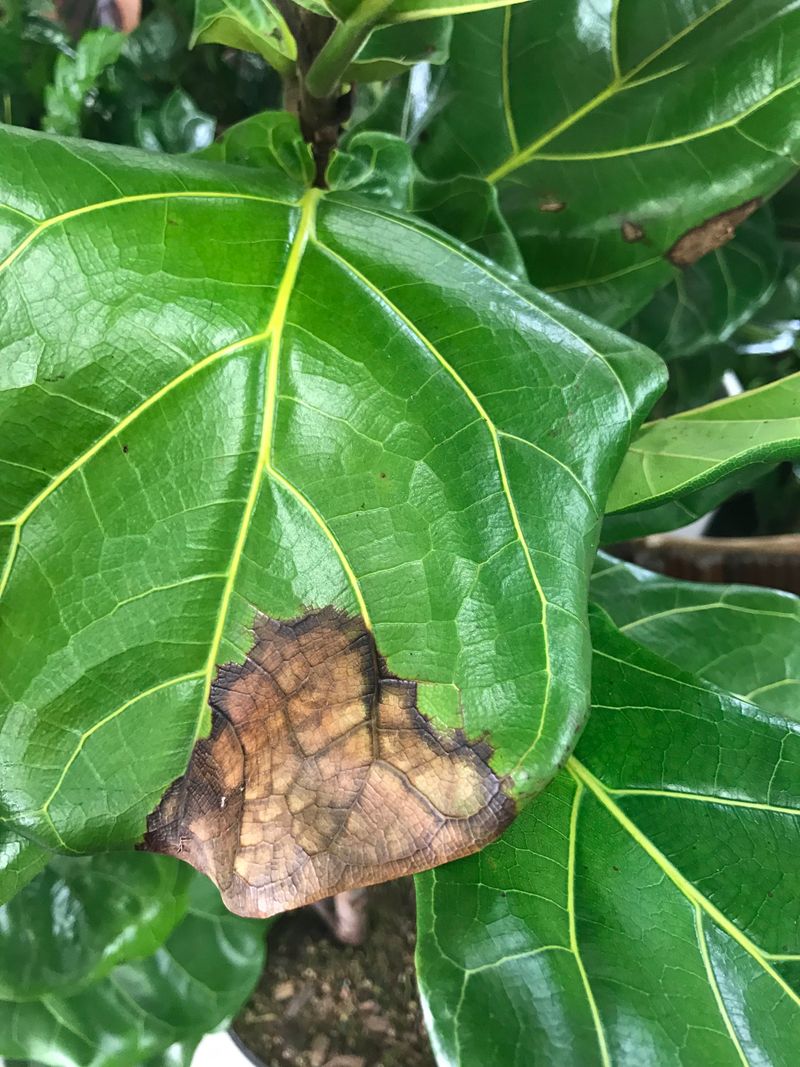
Many believe that underwatering poses less risk than overwatering. However, both can be equally damaging. Underwatered plants may exhibit wilting and browning edges, potentially leading to stunted growth.
Conversely, overwatered plants risk root rot, an often irreversible condition. The key is finding the right balance tailored to each plant species’ needs.
Water management is crucial, providing just enough to keep the soil moist without drowning the roots. By monitoring soil conditions and adjusting watering practices, plant lovers can maintain their leafy friends’ vitality and prevent stress-related damage.