 Complete Gardening
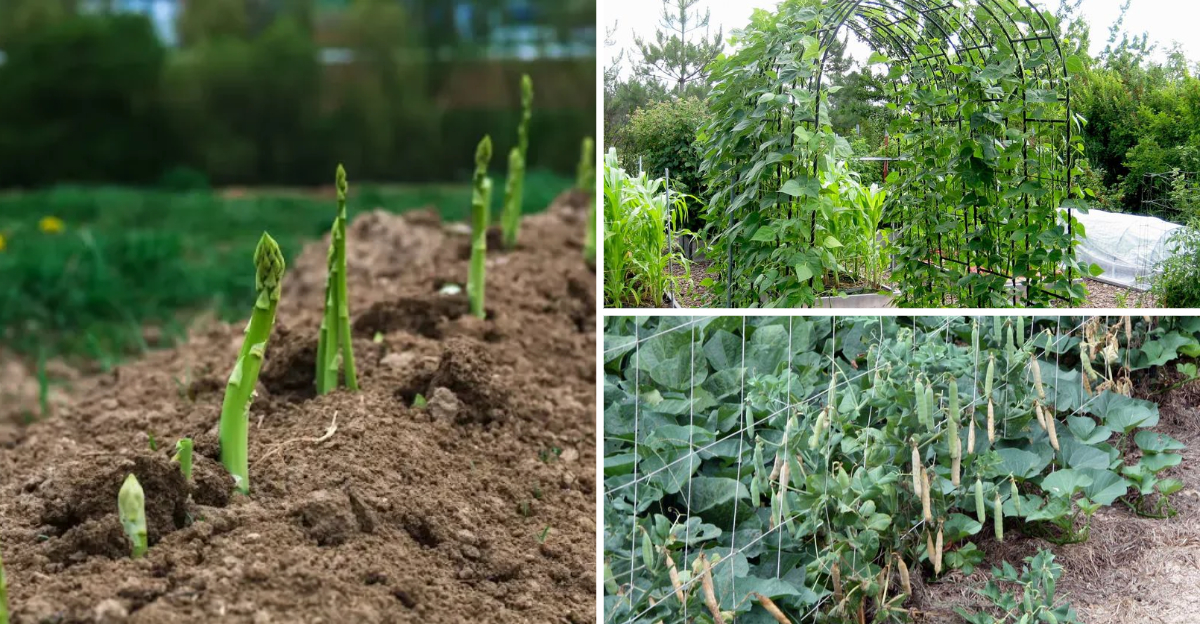
Garlic, a pungent member of the allium family, is often praised for its pest-repelling properties and culinary benefits. However, its strong aroma and allelopathic nature, which means it releases chemicals that affect the growth of other plants, can create challenges when planting it near certain species. This article explores sixteen plants that don’t thrive next to garlic, offering insights into why these pairings might not be ideal. Whether you’re planning your next garden or curious about plant interactions, understanding these dynamics can help create a harmonious garden ecosystem.
1. Asparagus
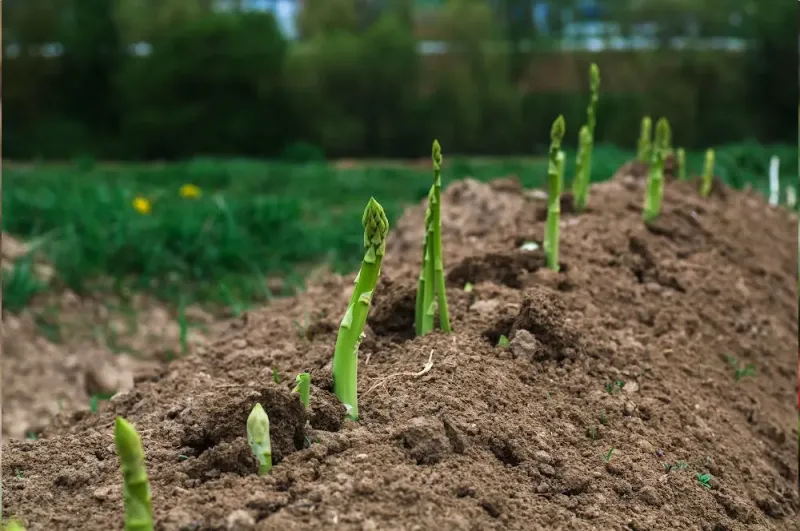
Asparagus, with its tender shoots and delicate flavor, might share the garden bed with many, but garlic isn’t its best neighbor. The sulfur compounds released by garlic can inhibit asparagus growth, impacting its long-term health. Asparagus thrives in well-drained soil and full sunlight, basking in a gentle environment. Pairing it with garlic, however, often leads to a clash of needs and chemical interactions. This combination can stunt growth and reduce yield, making it less than ideal. To ensure your asparagus bed remains lush, consider planting it far from garlic’s pungent influence.
2. Beans
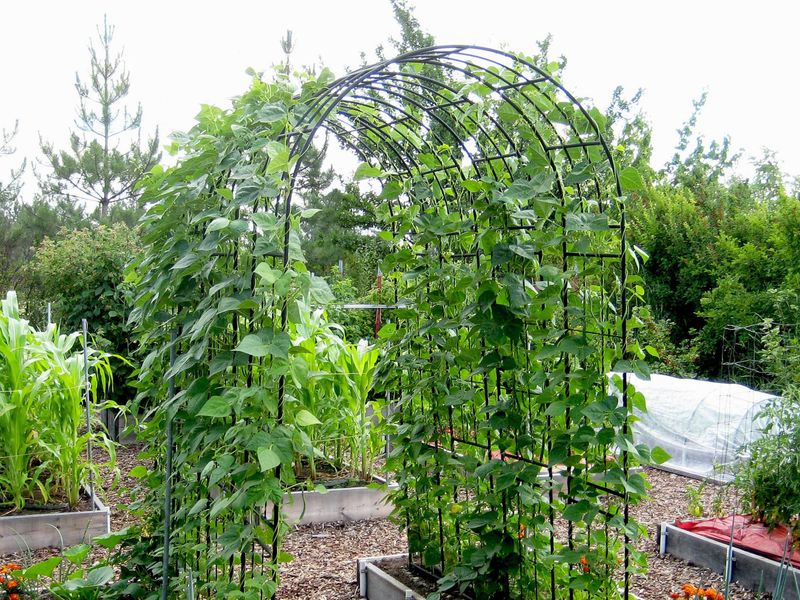
Beans, whether bush or pole, flourish best when their soil companions are thoughtfully chosen. Garlic’s allelopathic properties, though great at deterring pests, can also deter bean growth. These legumes prefer the company of plants that allow them to fix nitrogen comfortably. Garlic, with its strong aroma and chemical emissions, disrupts this balance, causing beans to struggle. Their growth becomes stunted, and yields diminish. For a thriving bean crop, it’s wise to plant them away from garlic. Offering a harmonious environment ensures they reach their full potential, rewarding gardeners with bountiful harvests.
3. Peas
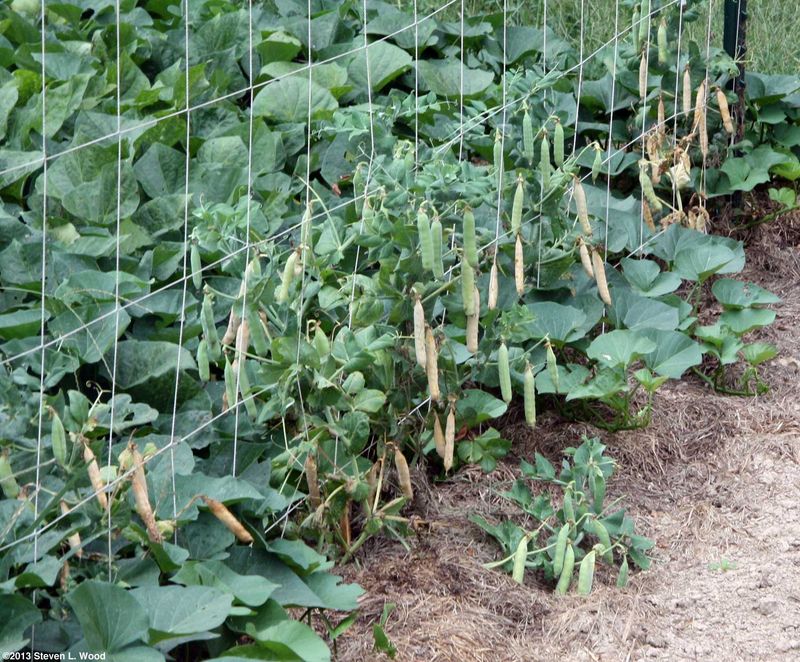
Peas, with their delicate tendrils and sweet pods, need companions that complement their growth. Garlic, unfortunately, doesn’t make the cut. The strong chemical compounds garlic releases can hinder pea plant development. These chemicals interfere with the delicate root system of peas, hampering their ability to absorb nutrients. The result is stunted growth and reduced pod production. By planting peas away from garlic, you allow these plants to flourish, reaching their natural potential. This separation fosters an environment where peas can grow tall and produce abundantly, enriching your garden with their sweetness.
4. Sage
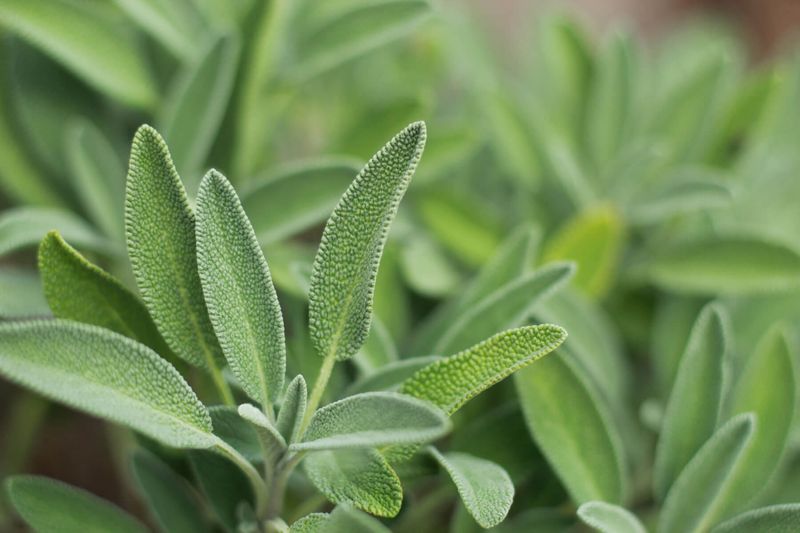
Sage, known for its strong aroma and culinary uses, prefers solitude when garlic is in the vicinity. These hardy herbs are sensitive to garlic’s allelopathic effects, leading to stunted growth. Although both plants are resilient in their own rights, their pairing often leads to a battle of chemical emissions. Sage thrives in well-drained soil and open spaces, conditions disrupted by garlic’s presence. Keeping these plants apart allows sage to maintain its robust nature and aromatic leaves. For a healthy herb garden, give sage the space to grow free from garlic’s shadow.
5. Parsley
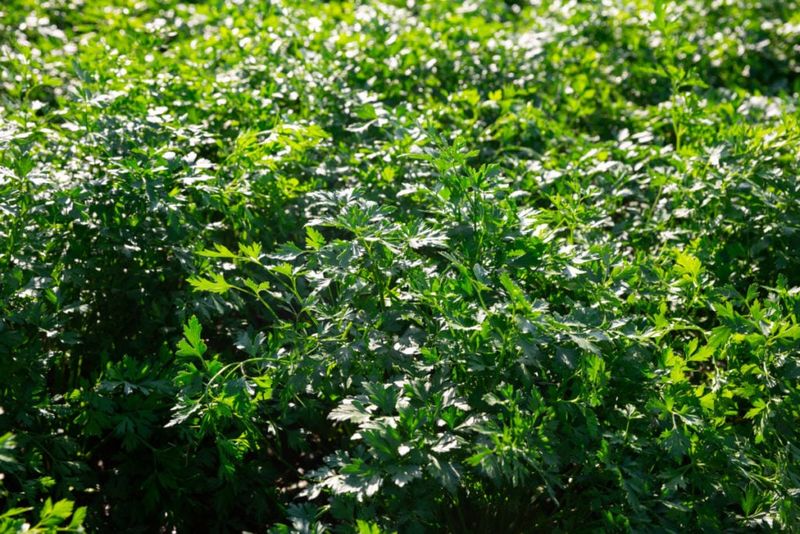
Parsley, with its vibrant green leaves and fresh aroma, is a staple in many gardens. However, garlic is not its friend. The sulfurous compounds released by garlic can stunt parsley’s growth, hindering its lush development. While both are culinary stars, they don’t shine as brightly together. Parsley needs space to spread and soak up sunlight, conditions compromised by garlic’s proximity. By distancing parsley from garlic, it allows its crisp leaves to flourish fully. This separation ensures a robust growth, enabling gardeners to enjoy a plentiful harvest of this beloved herb.
6. Spinach
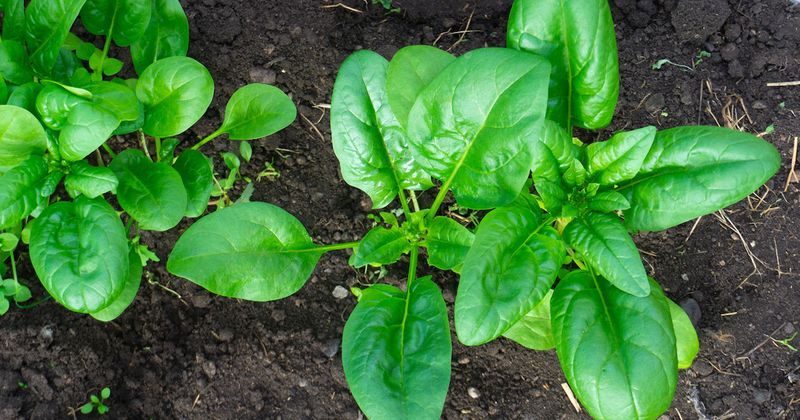
Spinach, with its tender leaves and high nutritional value, seeks harmony in the garden. Garlic’s strong allelopathic nature can disrupt this harmony, affecting spinach’s growth. These leafy greens thrive in nutrient-rich soil and gentle surroundings. However, garlic’s sulfur compounds can create an inhospitable environment for spinach, leading to reduced leaf production and vigor. For a lush, productive spinach patch, plant them at a distance from garlic. This separation nurtures their need for a peaceful environment, ensuring robust growth and a plentiful harvest, adding healthful greens to your table.
7. Strawberries
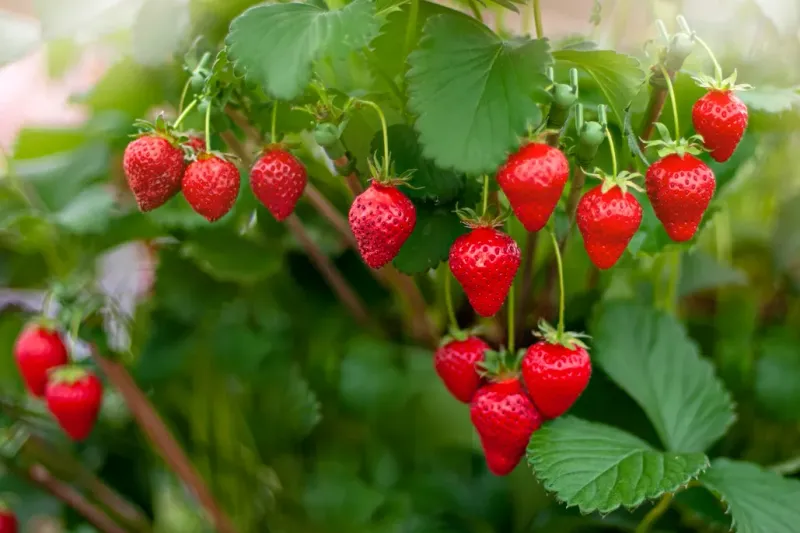
Strawberries, with their sweet, juicy fruits, are garden favorites. Yet, garlic’s presence can diminish their sweetness. The chemical compounds emitted by garlic can interfere with strawberry plants, affecting their growth and fruiting. Strawberries need space to spread and soak in sunlight; garlic’s proximity can compromise these needs. By planting strawberries away from garlic, you protect their delicate balance. This separation allows strawberries to flourish, yielding sweet, juicy fruits that dazzle in desserts. Maintaining this distance ensures a fruitful harvest, delighting gardeners and ensuring a bountiful supply of nature’s candy.
8. Carrots
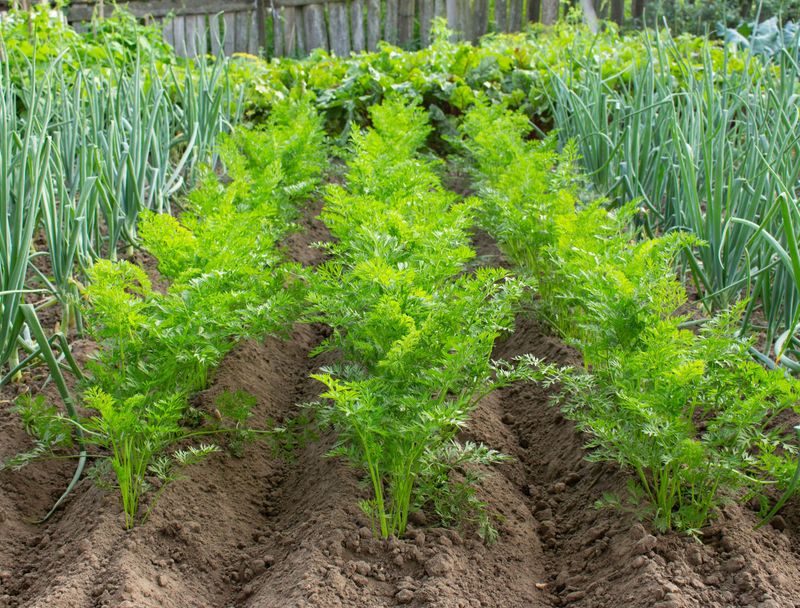
Carrots, with their crisp roots and sweet flavor, need careful companion planting. Garlic’s powerful allelopathic qualities can stunt carrot growth, disrupting root development. These root vegetables require loose, nutrient-rich soil to grow uninhibited. Garlic, however, introduces chemical compounds that challenge this need, affecting both growth and flavor. To foster a healthy carrot crop, consider planting them away from garlic. This separation allows carrots to reach their full potential, growing long and sweet. With proper spacing, gardeners can enjoy a vibrant harvest of these delicious roots, enhancing their culinary creations.
9. Corn
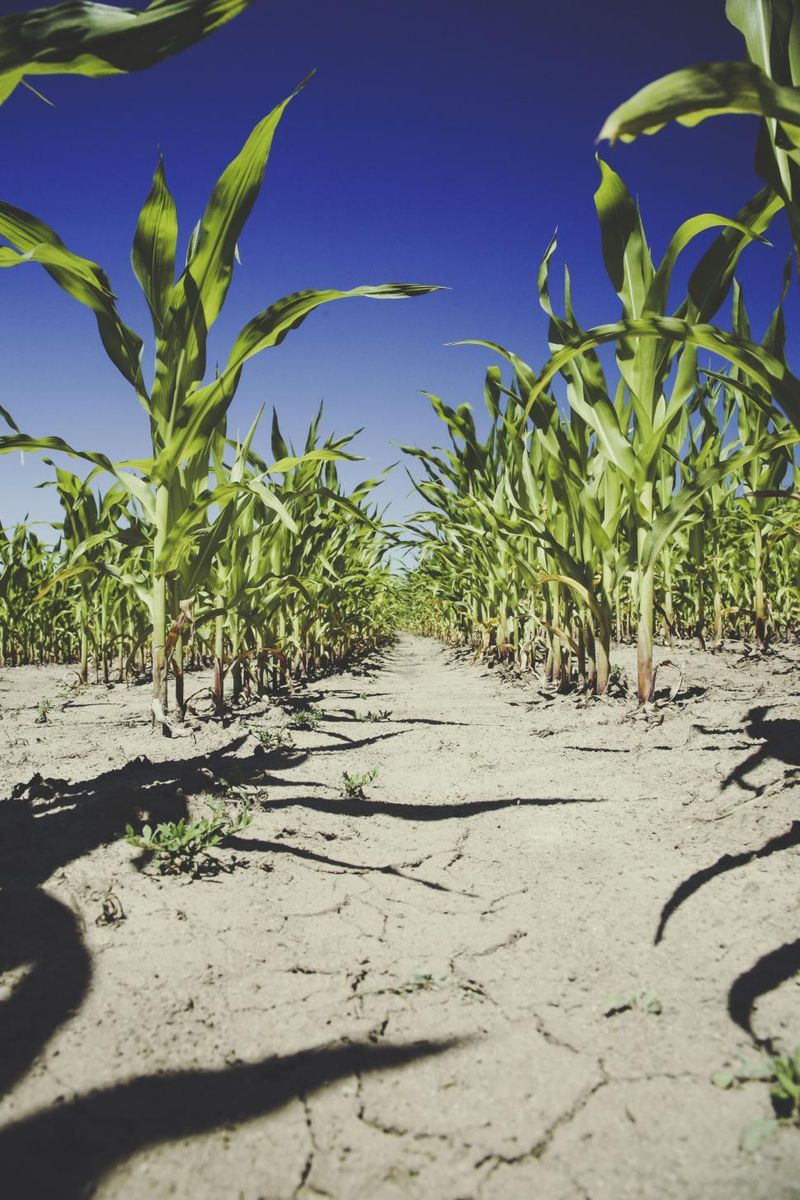
Corn, with its tall stalks and golden tassels, is a garden giant that needs room to breathe. Garlic’s allelopathic properties can interfere with corn’s growth, impacting its towering potential. Corn thrives in open fields with ample sunlight, conditions that can be compromised by garlic’s proximity and chemical emissions. These emissions can stunt corn’s development and reduce yields. For a bountiful corn harvest, it’s essential to give it space, maintaining distance from garlic. Providing this room ensures corn can grow tall and produce abundantly, rewarding gardeners with golden ears of deliciousness.
10. Cabbage
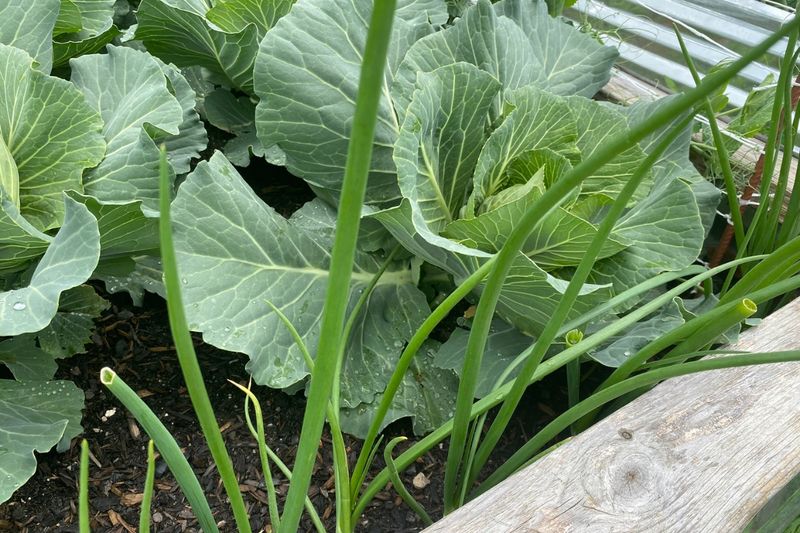
Cabbage, with its broad, leafy heads, needs companions that support its robust growth. Garlic’s strong allelopathic qualities can disrupt this, hindering cabbage development. These brassicas thrive in rich soil and open spaces, conditions that garlic can compromise with its chemical releases. By keeping cabbage away from garlic, you allow it to develop fully, resulting in large, healthy heads. This separation ensures a robust cabbage patch, providing gardeners with bountiful harvests. Plant cabbage with other friendly companions to maximize growth, enjoying a garden full of these nutritious, hearty vegetables.
11. Eggplant
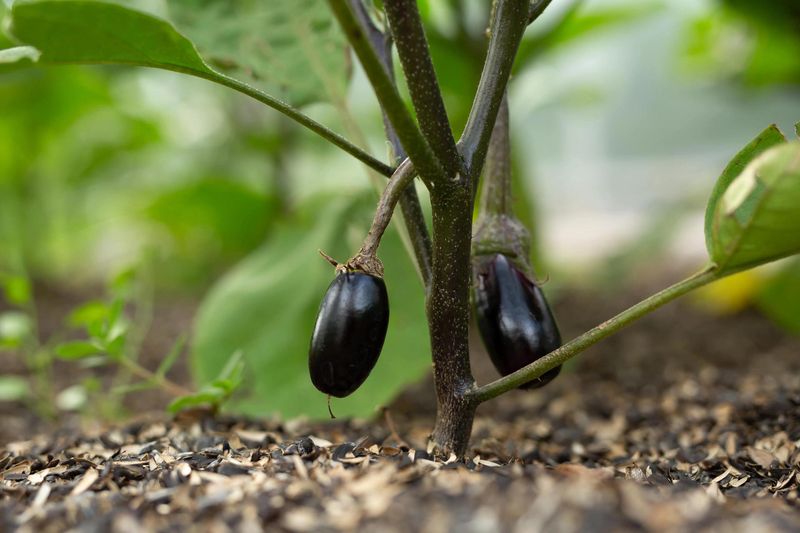
Eggplant, with its shiny purple fruits, thrives in warm, sun-drenched environments. Garlic’s allelopathic emissions can, however, inhibit eggplant growth. These emissions may interfere with nutrient uptake, impacting fruit development and plant health. For lush, productive eggplants, consider distancing them from garlic. This ensures they receive the necessary nutrients and space, allowing them to flourish. A healthy separation fosters a thriving eggplant crop, yielding glossy, delicious fruits that enhance culinary dishes. By avoiding garlic’s overpowering influence, you promote a vibrant, productive garden that celebrates eggplant’s unique charm.
12. Tomatoes
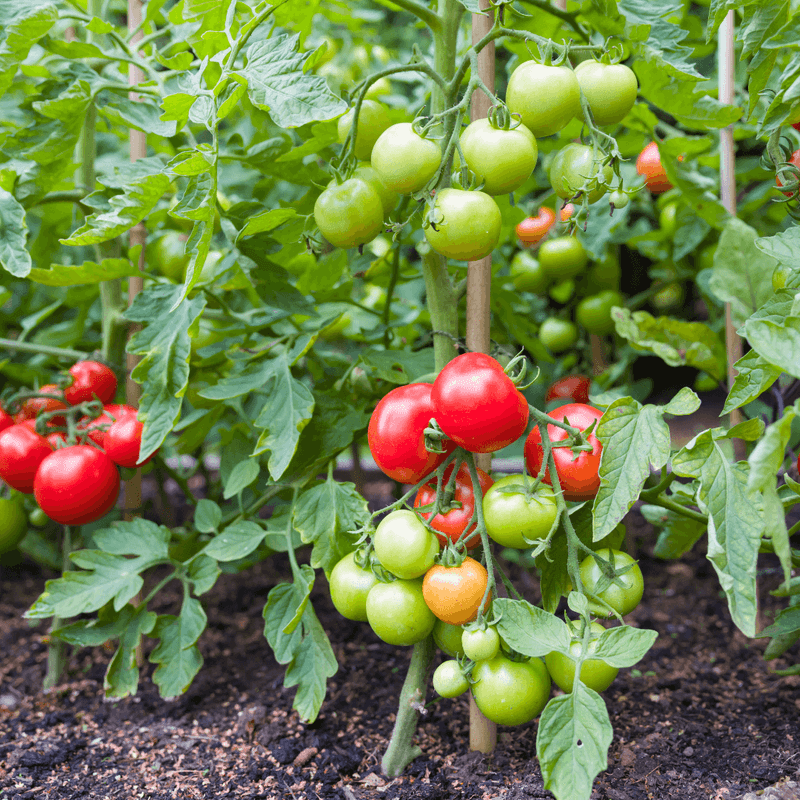
Tomatoes, with their juicy fruits and versatile use, are a garden staple needing careful companion selection. Garlic’s allelopathic nature can interfere, affecting tomato growth and yield. These plants crave sunlight and space, conditions that garlic’s strong emissions can disrupt. By keeping tomatoes separate from garlic, you allow them to absorb nutrients freely, thriving in their environment. This separation ensures a healthy tomato crop, offering gardeners a bountiful harvest. With the right companions, tomatoes can grow robust and fruitful, enhancing dishes with their vibrant flavor and rich texture.
13. Peppers
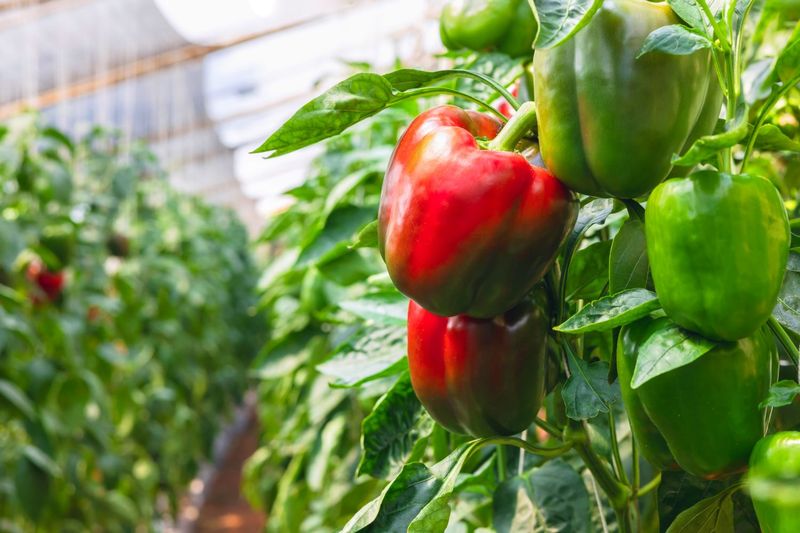
Peppers, whether sweet or hot, thrive in warm, sunny environments with ample nutrients. Garlic, while a pest deterrent, can disrupt their growth with its allelopathic emissions. These emissions interfere with pepper plants’ ability to absorb essential nutrients, impacting their health and yield. To cultivate a flourishing pepper crop, distance them from garlic’s influence. This separation allows peppers to grow strong, producing a vibrant array of fruits. With the right conditions and space, pepper plants can thrive, rewarding gardeners with a colorful and flavorful harvest that spices up any dish.
14. Lettuce
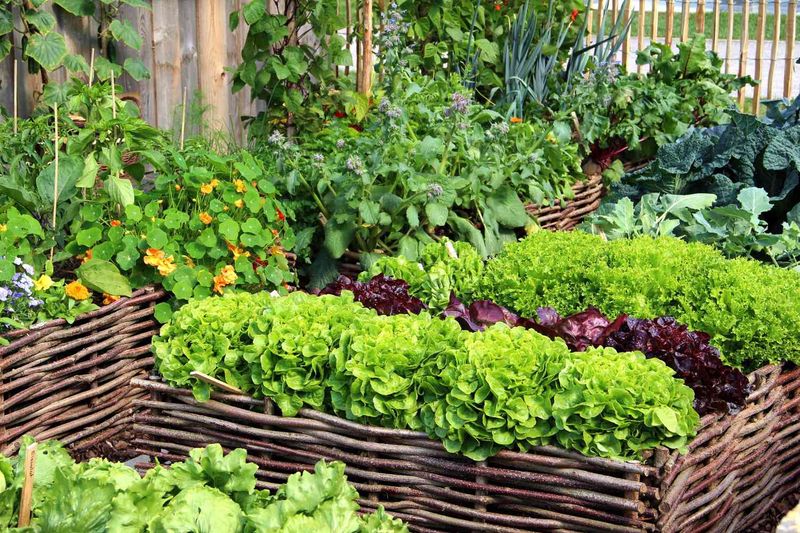
Lettuce, with its crisp leaves and refreshing taste, prefers gentle, accommodating neighbors. Garlic’s strong chemical compounds can create an inhospitable environment, stunting lettuce growth. These greens thrive in cool, moist soil, conditions disrupted by garlic’s presence. By planting lettuce away from garlic, you preserve its delicate balance, ensuring robust leaf production. This distance fosters a healthy lettuce patch, allowing these greens to flourish and provide a fresh harvest. With thoughtful companion planting, lettuce can thrive, adding crisp, nutritious leaves to your table throughout the growing season.
15. Onions
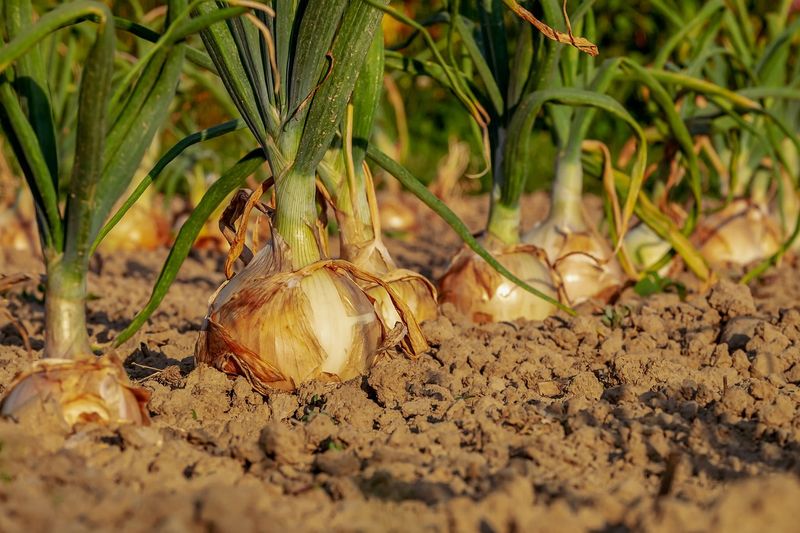
Onions, with their pungent flavor and versatile use, might seem a fitting companion for garlic, yet their pairing isn’t ideal. Both plants emit chemicals that can compete, affecting growth and bulb development. Onions thrive in nutrient-rich, well-drained soil, conditions that garlic’s strong emissions can compromise. To encourage robust onion growth, consider planting them away from garlic, allowing them to absorb nutrients freely. This separation fosters a healthy onion patch, producing large, flavorful bulbs. By giving each plant space, you ensure a thriving garden full of aromatic, delicious produce.
16. Broccoli
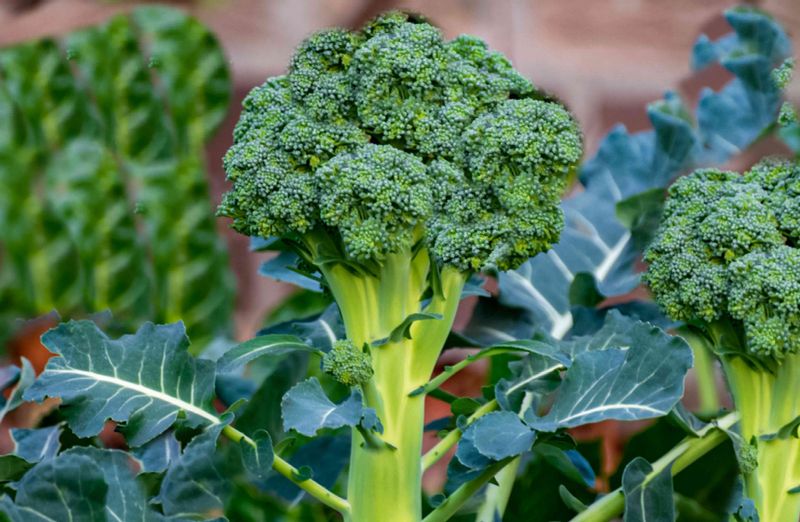
Broccoli, with its dense heads and nutritious appeal, needs space and harmony in the garden. Garlic’s allelopathic nature can interfere, disrupting broccoli’s growth. These cruciferous vegetables prefer a nutrient-rich environment without strong chemical emissions. Garlic’s presence can hinder their development and reduce yields. For a flourishing broccoli crop, keep them separate from garlic, allowing them to grow undisturbed. This separation supports robust plant health, yielding large, nutritious heads. By choosing the right companions, broccoli can thrive, providing gardeners with a plentiful supply of this healthy, versatile vegetable.