 Complete Gardening
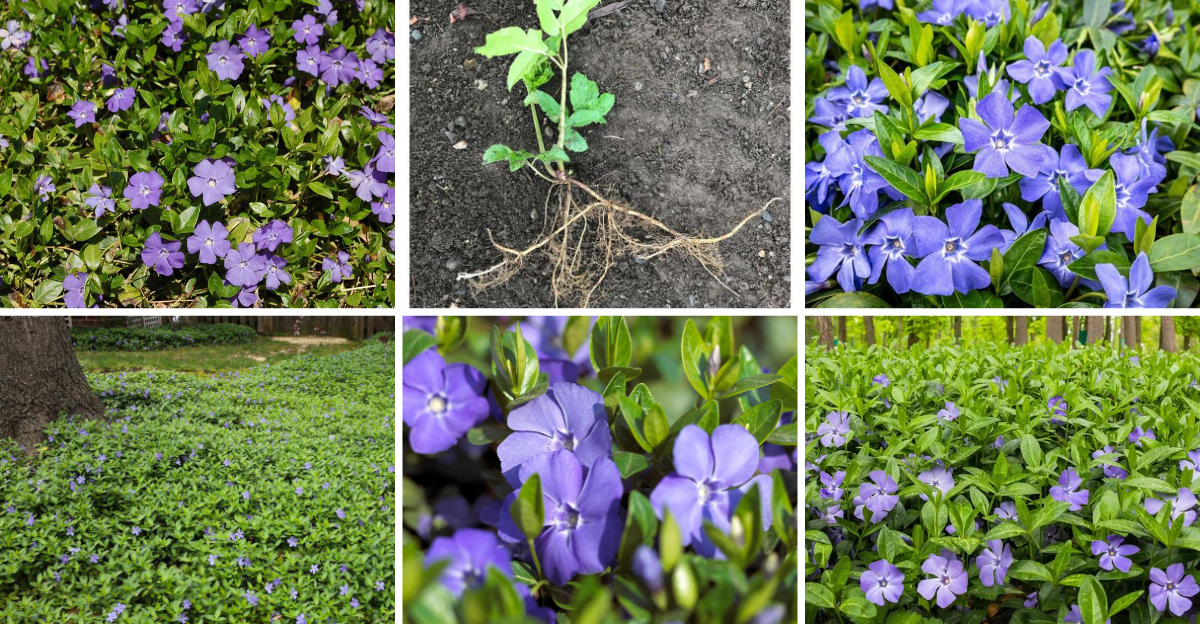
Periwinkle, known scientifically as Vinca, is a charming yet invasive plant that can quickly overrun flower beds. Its vigorous growth and attractive appearance often lure gardeners into planting it, only to discover its tenacious nature later. This article explores 16 distinct ways that periwinkle can invade and take over your garden, along with effective strategies to curb its spread. For each method, we’ll provide a detailed description, suggested imagery, and search queries to enhance your understanding of this pervasive plant.
1. Charming Ground Cover
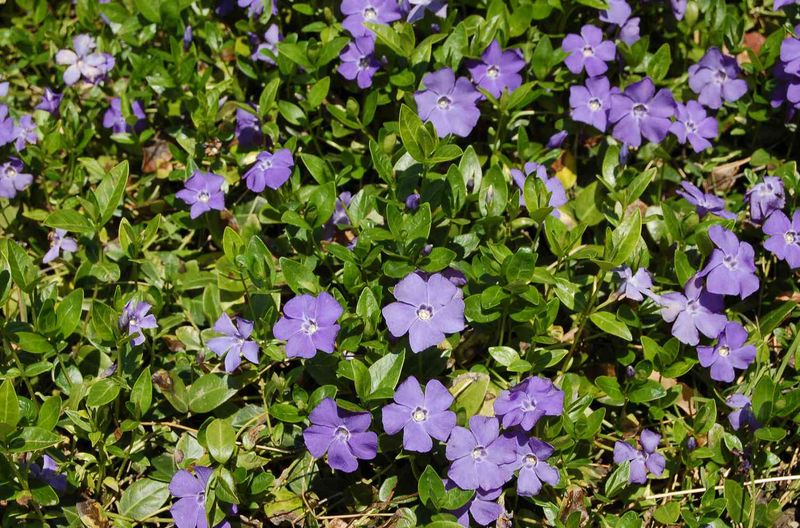
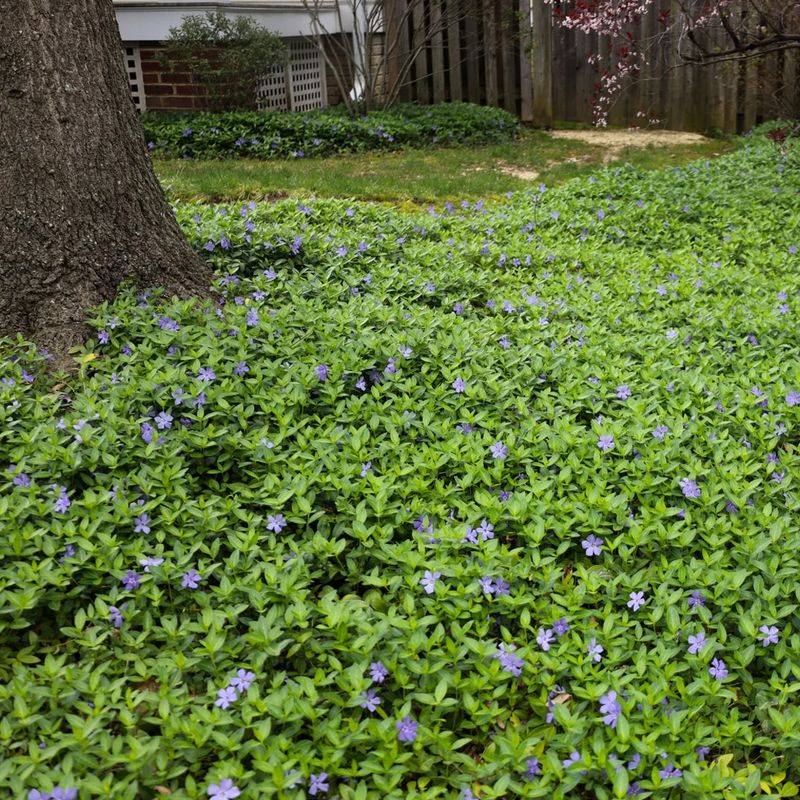
Periwinkle’s charm lies in its ability to form a dense, lush ground cover. This trait makes it appealing to gardeners seeking a quick solution for bare spots. However, its rapid growth can easily become a curse. What starts as a delightful patch of greenery soon transforms into an unstoppable carpet, suffocating other plants. Gardeners often find themselves in a love-hate relationship with this plant. To prevent periwinkle from taking over, consider using root barriers and regular pruning. These methods help maintain control while still enjoying its vibrant beauty. A balance is essential to harness its appeal without losing control.
2. Sneaky Underground Rhizomes
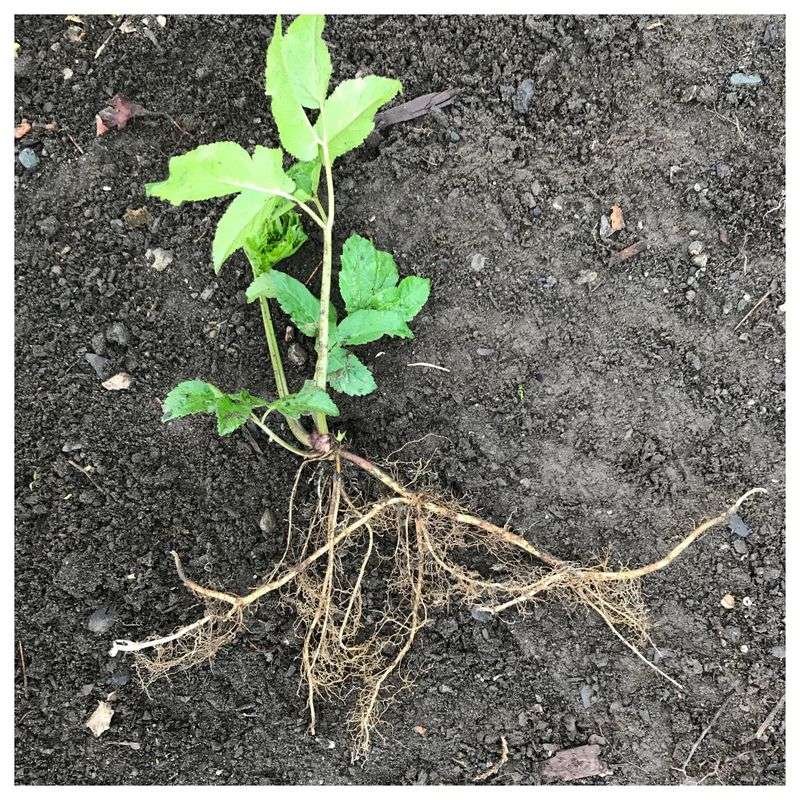
The real secret to periwinkle’s invasive nature lies underground. Rhizomes, or underground stems, allow the plant to spread quietly beneath the soil surface, bypassing barriers. This stealthy growth enables it to pop up unexpectedly, often in unwanted areas. A gardener’s nightmare, these rhizomes can be challenging to contain. Regular digging and monitoring are crucial to manage their spread effectively. Installing underground barriers can also help, ensuring periwinkle stays where desired. Understanding this hidden growth can empower gardeners to tackle periwinkle’s invasion head-on, preventing it from sneaking into pristine flower beds.
3. Attractive Purple Blossoms
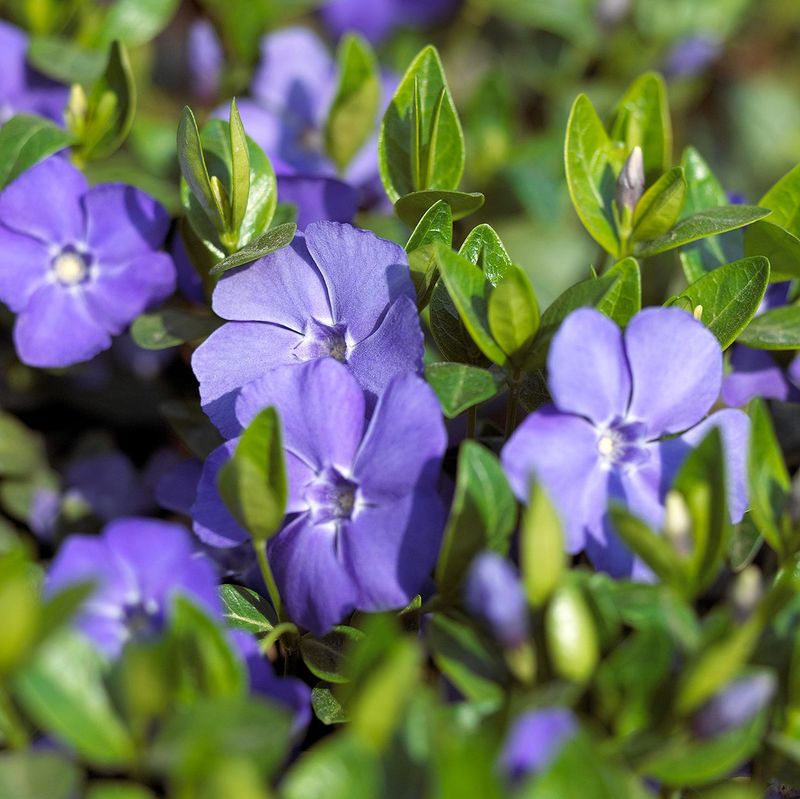
Periwinkle’s stunning purple flowers are undeniably attractive. These blossoms not only add color to gardens but also attract pollinators like butterflies and bees. However, this allure can quickly lead to overgrowth. As the flowers fade, seeds form, creating new plants and expanding the invasion. Regular deadheading can mitigate this issue, preventing seed formation and controlling the spread. While the flowers are a visual delight, caution is necessary to avoid an overwhelming takeover. By appreciating their beauty while remaining vigilant, gardeners can enjoy periwinkle’s blossoms without succumbing to its invasive tendencies.
4. Rapid Growth Rate
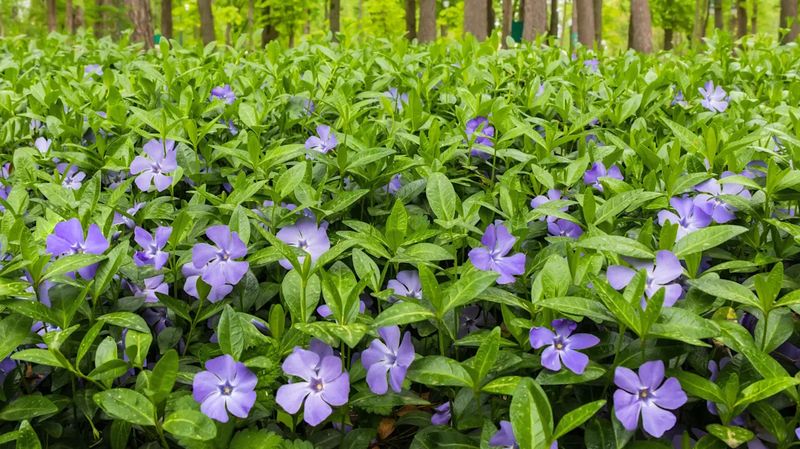
Periwinkle’s rapid growth rate is both a blessing and a curse. This vigorous plant covers ground swiftly, which is ideal for quickly establishing a garden bed. However, unchecked, it can easily dominate other plants, leading to a lack of biodiversity. To manage its growth, consider regular trimming and monitoring. Keeping periwinkle contained within designated areas ensures it doesn’t overpower less aggressive plants. By understanding its growth habits, gardeners can utilize periwinkle’s strengths without allowing it to smother a diverse garden landscape. Managing its vigor requires diligence, but the reward is a well-balanced garden.
5. Shade Tolerance
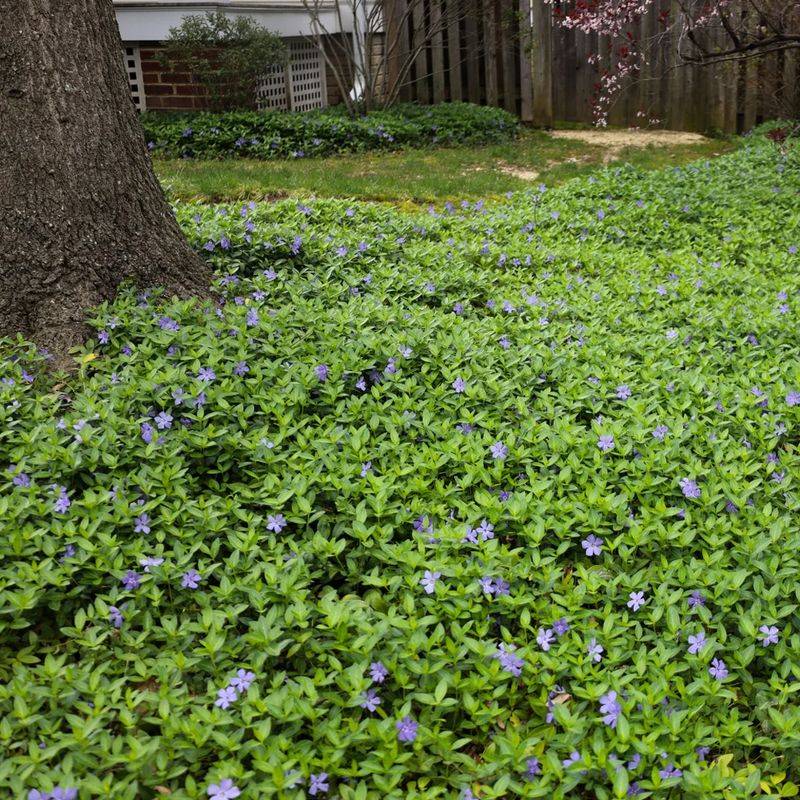
Periwinkle’s ability to thrive in shaded areas makes it a versatile choice for gardens with limited sunlight. This shade tolerance, however, also contributes to its invasive nature. Able to grow where many other plants cannot, periwinkle quickly fills in gaps, often outcompeting native shade-loving plants. To prevent it from overrunning shaded areas, regular maintenance and monitoring are essential. Consider using shade-tolerant native plants alongside periwinkle to maintain ecological balance. By leveraging its adaptability while implementing control measures, gardeners can prevent a periwinkle takeover in those shaded corners.
6. Drought Resistance
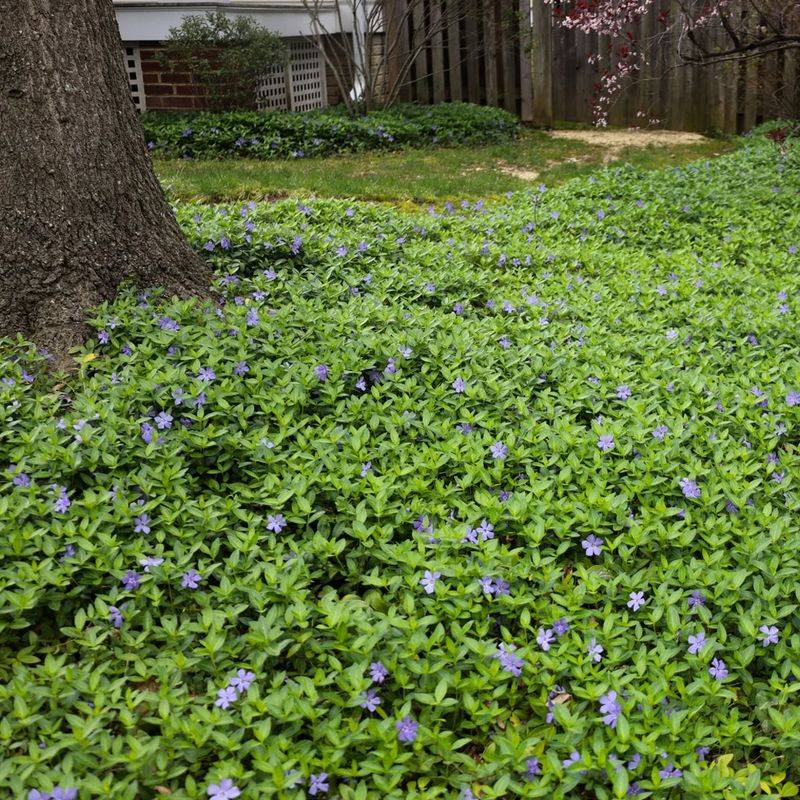
One of periwinkle’s standout features is its drought resistance. This plant can flourish in dry conditions where other plants may falter, making it an appealing choice for challenging landscapes. However, this resilience also means it can easily outcompete more delicate plants. Without careful monitoring, periwinkle may dominate, especially during dry spells. To keep its spread in check, consider combining it with other drought-resistant plants that can compete fairly. Regular inspection and maintenance ensure a balanced garden. By appreciating its hardiness while keeping an eye on its growth, gardeners can enjoy a lively yet controlled landscape.
7. Evergreen Nature
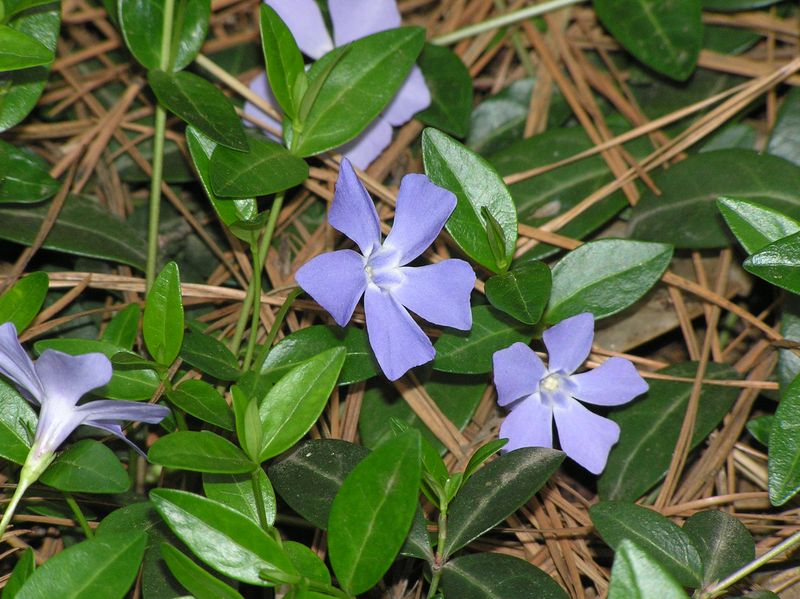
Periwinkle’s evergreen nature provides year-round appeal, keeping gardens vibrant even in winter. This constant greenery, though, can overshadow seasonal plants, limiting diversity. Its persistent presence can stifle the growth of other seasonal plants, leading to a monotonous garden. Balancing periwinkle with seasonal plants can enhance garden diversity. Regular pruning and strategic planting help maintain a visually appealing and varied garden. By leveraging its evergreen quality alongside a thoughtful selection of plant companions, gardeners can craft a year-round tapestry of texture and color without letting periwinkle dominate.
8. Self-Seeding Ability
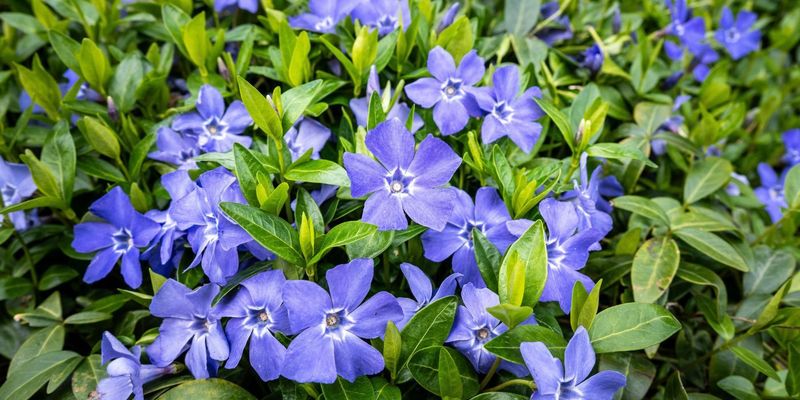
Periwinkle’s self-seeding ability is a double-edged sword. While it aids in natural propagation, it can also lead to unchecked spread. Seeds carried by the wind can settle in unintended areas, leading to an unexpected invasion. Preventing this requires regular deadheading and monitoring for new growth. By removing spent flowers before seeds form, gardeners can keep periwinkle’s spread in check. This proactive approach ensures periwinkle remains a welcome guest rather than an unruly invader. By understanding its reproductive habits, gardeners can enjoy its beauty without the worry of unwanted expansion.
9. Minimal Care Needs
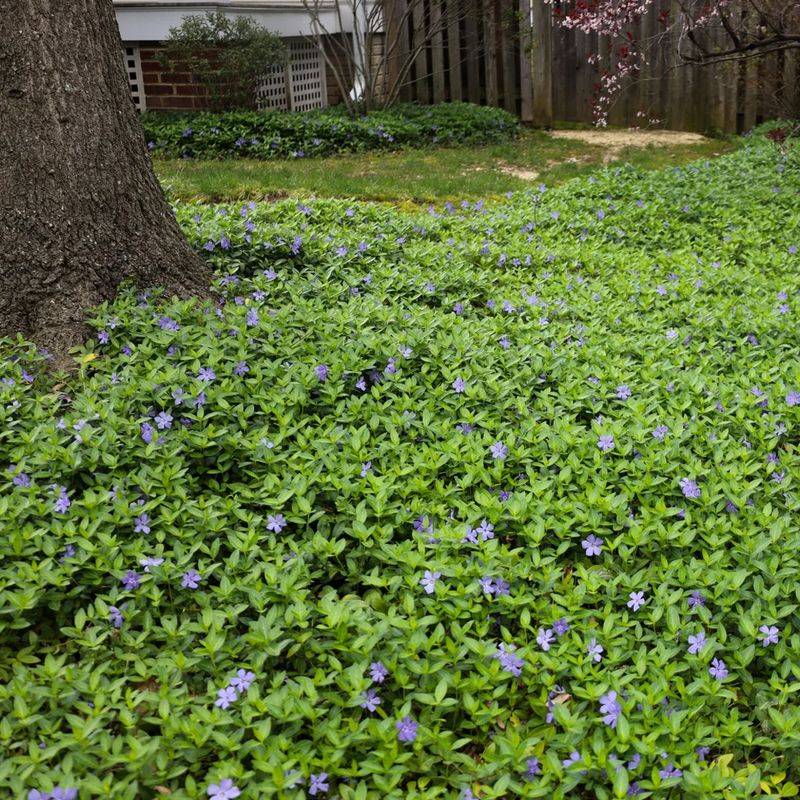
Periwinkle’s appeal is partly due to its minimal care needs. This low-maintenance plant thrives with little intervention, making it a favorite among busy gardeners. However, this same trait can lead to neglect, allowing it to spread unchecked. To prevent overgrowth, even low-maintenance plants like periwinkle require periodic attention. Regular trimming and monitoring, despite its easy-care reputation, are essential to maintain a balanced garden. By combining its low-care nature with regular oversight, gardeners can enjoy periwinkle’s benefits without losing control. Balance is the key to ensuring this plant remains an asset rather than an invader.
10. Propagating through Cuttings
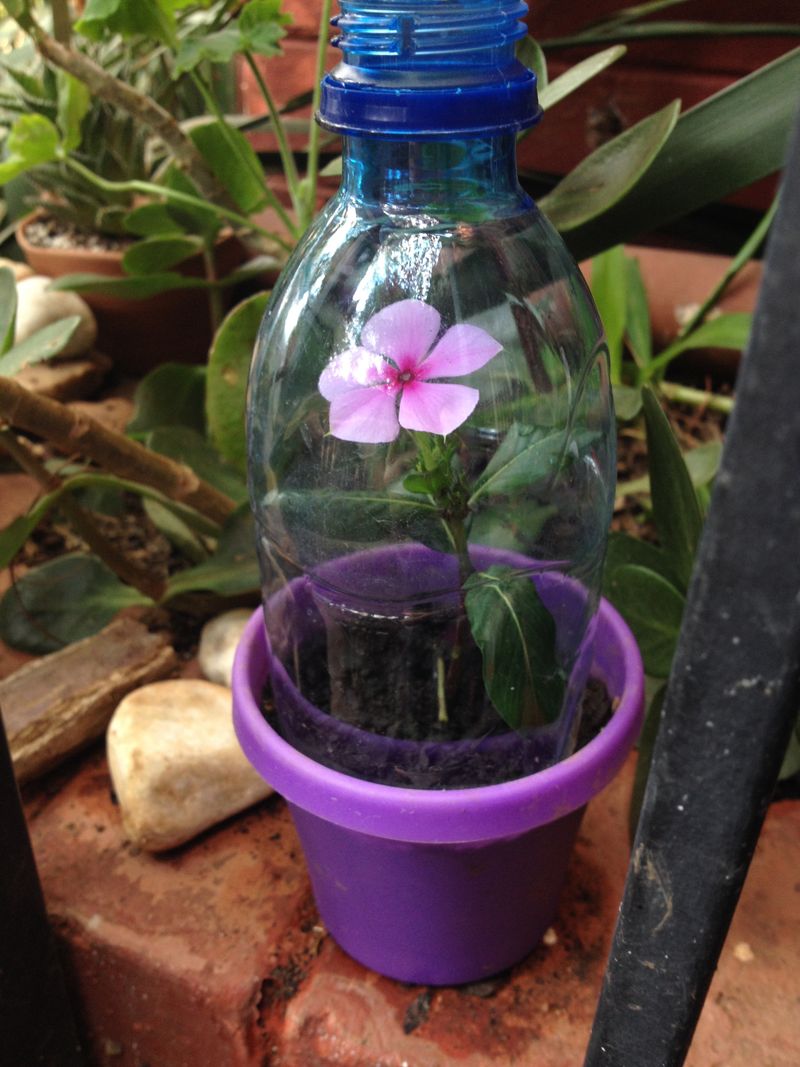
Periwinkle’s ability to propagate through cuttings is both a gardener’s delight and a potential pitfall. This easy propagation method allows for quick expansion, which can be beneficial for filling in garden gaps. However, it also means accidental spread is a real risk. Ensuring cuttings are controlled and intentional prevents unwanted growth in unintended areas. By managing how and where new plants are propagated, gardeners can expand periwinkle’s presence without encouraging an invasive takeover. Understanding this propagation potential empowers gardeners to use periwinkle wisely, enhancing their garden without unintended consequences.
11. Climate Adaptability
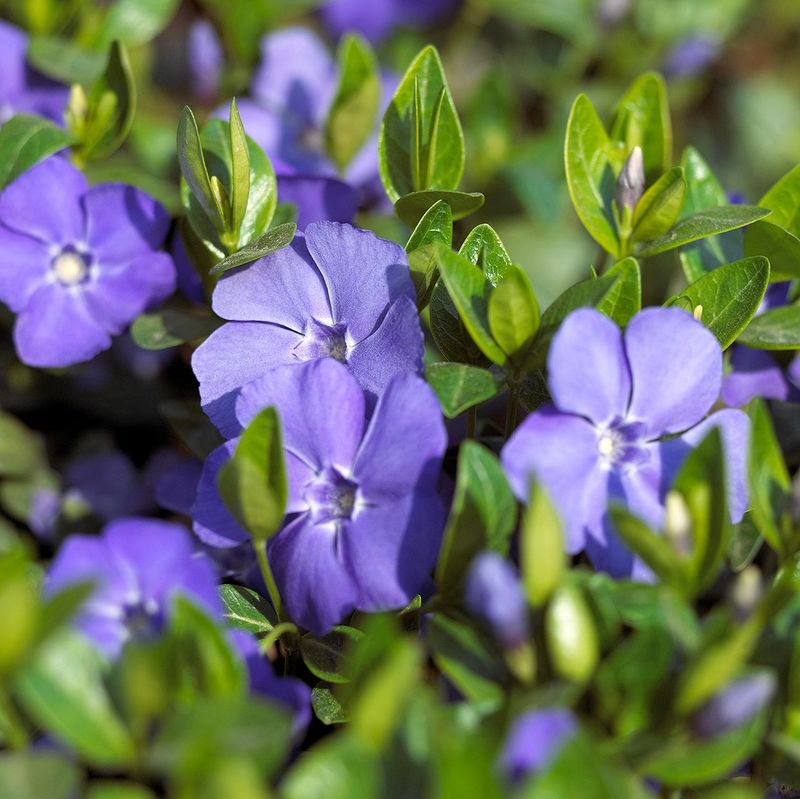
Periwinkle’s adaptability to a wide range of climates makes it an appealing choice for diverse gardens. Whether in temperate or tropical regions, this plant thrives, offering flexibility for gardeners. However, this adaptability also contributes to its invasive potential. Without proper controls, it can quickly establish itself and spread across diverse landscapes. Monitoring growth and implementing barriers are essential to harness its adaptability without succumbing to its invasive tendencies. By appreciating its versatility and implementing thoughtful garden planning, gardeners can enjoy periwinkle’s adaptability while maintaining ecological balance.
12. Invasive Allure to Pollinators
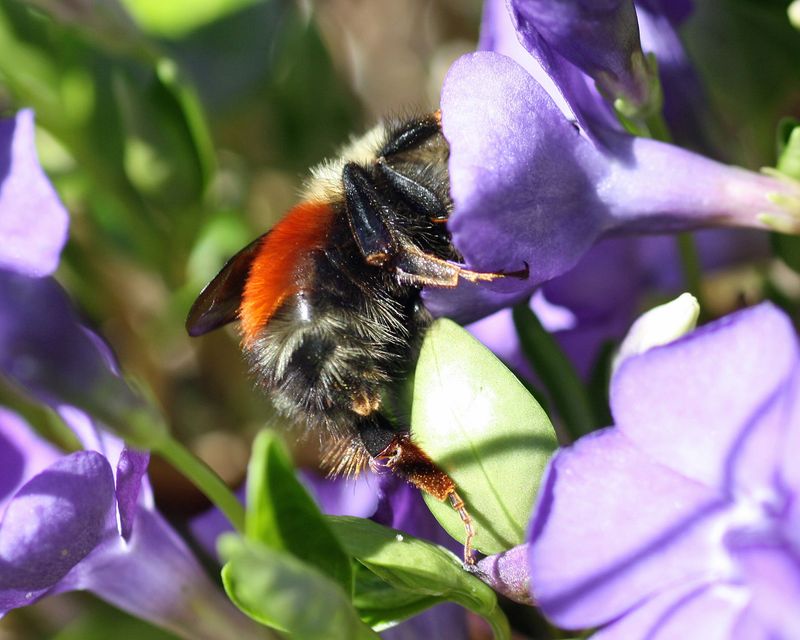
Periwinkle’s vibrant flowers and rich nectar make it a magnet for pollinators. This allure is beneficial for attracting bees and butterflies, enhancing biodiversity. However, it can also lead to overgrowth as more pollinators mean more seeds and, consequently, more plants. Balancing attraction with control is vital to prevent a garden takeover. By maintaining floral diversity and managing periwinkle’s flowering, gardeners can enjoy a lively pollinator-friendly garden without overwhelming growth. Understanding this balance between attraction and invasion allows for a vibrant yet controlled garden environment.
13. Resistance to Pests
Periwinkle’s resistance to common garden pests is both a strength and a challenge. This resilience helps maintain plant health without chemical interventions. However, it also means the plant can thrive unchecked, especially if other plants are struggling with pests. To keep periwinkle’s growth in harmony with other plants, maintaining plant health across the garden is crucial. Encouraging predator insects or using natural pest controls can ensure a balanced ecosystem. By leveraging its pest resistance while promoting overall garden health, gardeners can enjoy periwinkle without letting it overpower other plants.
14. Thrives in Poor Soil
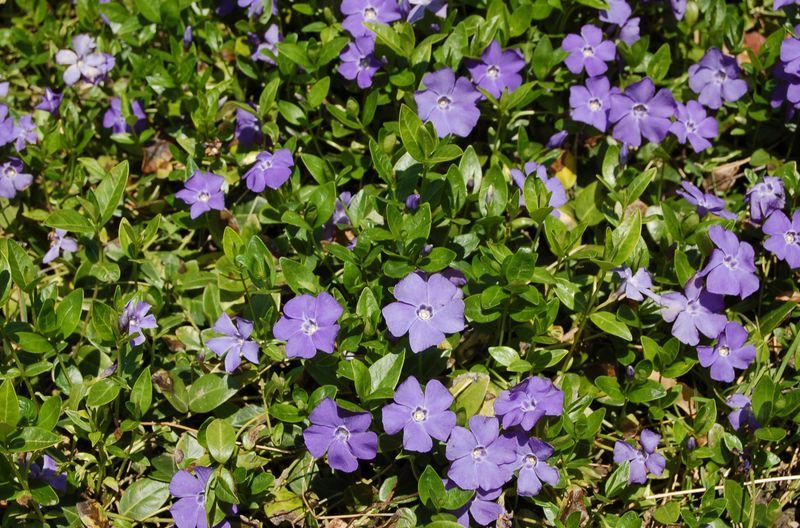
Periwinkle’s ability to thrive in poor soil conditions adds to its appeal, particularly in challenging landscapes. Yet, this same trait can turn it into a garden bully, outcompeting plants that need richer soil. Addressing this requires strategic soil management and companion planting. By choosing plants that can coexist or compete with periwinkle, gardeners can maintain garden diversity. Regular soil amendments can also help balance growth. Understanding how to manage soil conditions allows gardeners to appreciate periwinkle’s adaptability without letting it dominate less robust plants.
15. Competes with Native Species
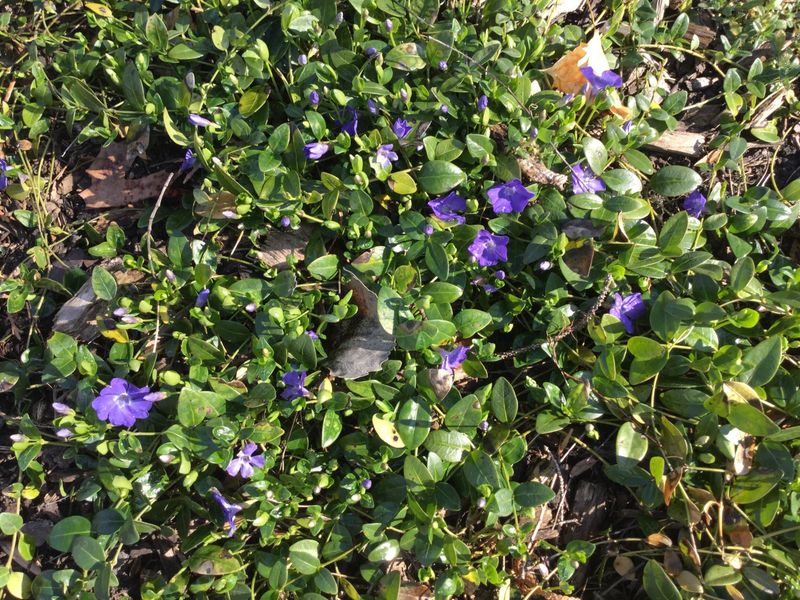
Periwinkle’s aggressive growth can pose a significant threat to native plant species. By outcompeting local flora, it disrupts the natural ecosystem balance. To protect native plants, monitoring and control are essential. Regular removal of excess growth and replanting of native species help restore balance. Considering environmental impact during garden planning ensures biodiversity is preserved. By understanding periwinkle’s competitive nature, gardeners can take proactive steps to minimize its impact on native species. This knowledge empowers gardeners to create a garden that respects and nurtures local flora, maintaining ecological harmony.
16. Persistence Through Root Fragments
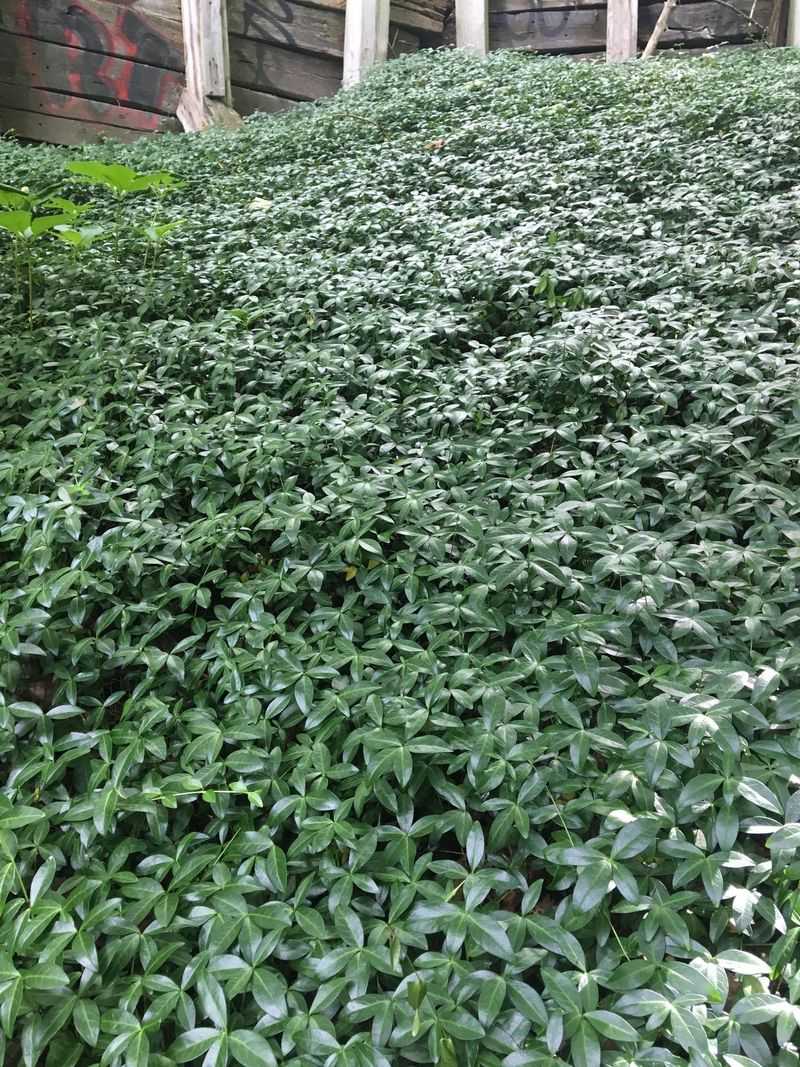
Periwinkle showcases an extraordinary ability to persist through even the smallest root fragments left in the soil. Imagine clearing a section of your garden, only to find periwinkle reemerging weeks later.
This tenacity is due to its robust roots that can regenerate quickly. Each tiny fragment becomes a new plant, making it difficult to eradicate completely.
Gardeners often find themselves battling this resilient species, as traditional removal methods prove ineffective. Did you know? A single root segment can begin a new colony, making vigilance essential in controlling its spread. Regular monitoring and thorough removal are crucial.