 Complete Gardening
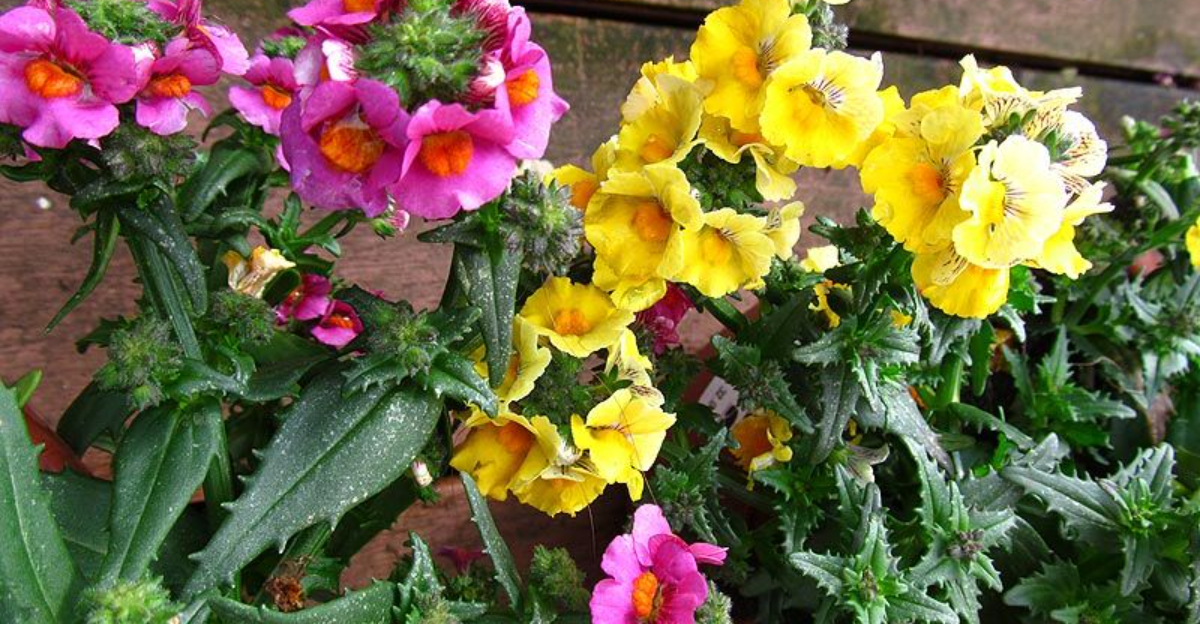
Waiting all winter for spring blooms can feel like forever, but the good news is you do not have to wait as long as you think. Many flowers can be started from seed indoors or planted outside weeks before the last frost, giving your garden a serious head start.
Getting an early jump on planting means more color, more blooms, and a garden that looks amazing sooner. Whether you are a beginner or a seasoned gardener, these 17 flowers are ready to get growing right now.
Snapdragons
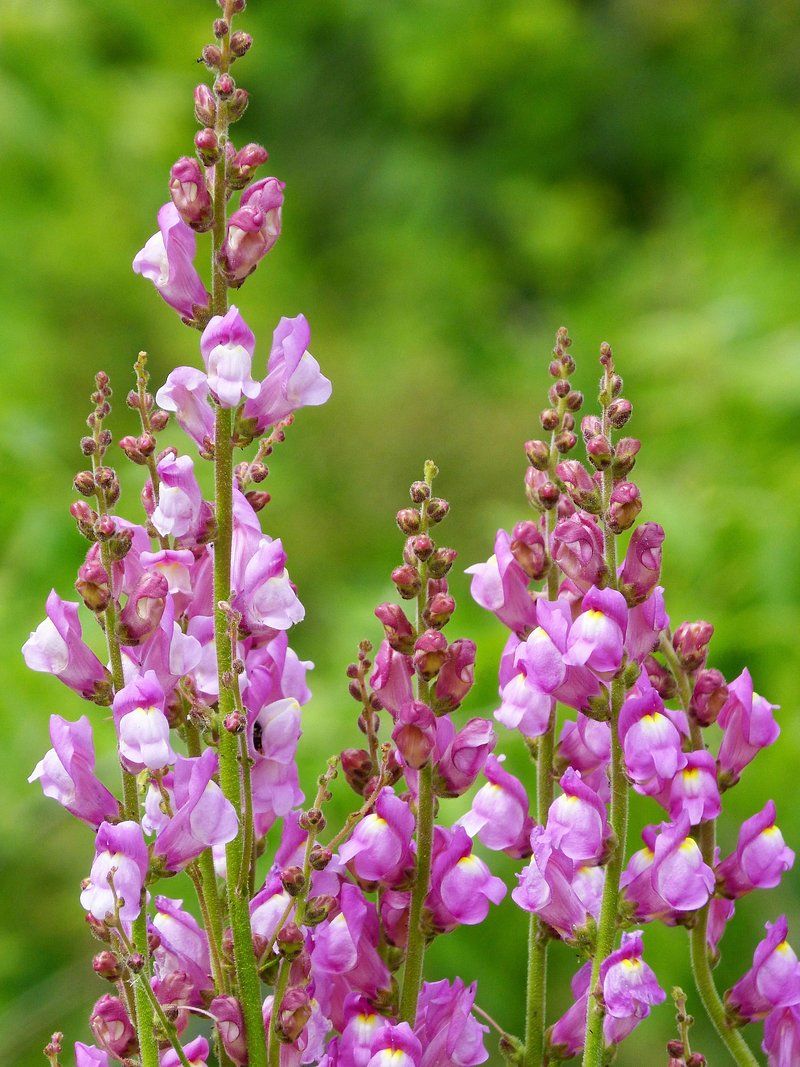
Snapdragons are the cool-weather champions of the flower world. These bold, tower-like blooms thrive in chilly temperatures that would make other flowers shiver.
Start seeds indoors about 8 to 10 weeks before your last frost date.
They germinate best with light, so press seeds onto the soil surface without covering them. Once established, snapdragons reward you with weeks of stunning color.
Kids love squeezing the blooms to make the little “mouths” open and snap shut.
Pansies
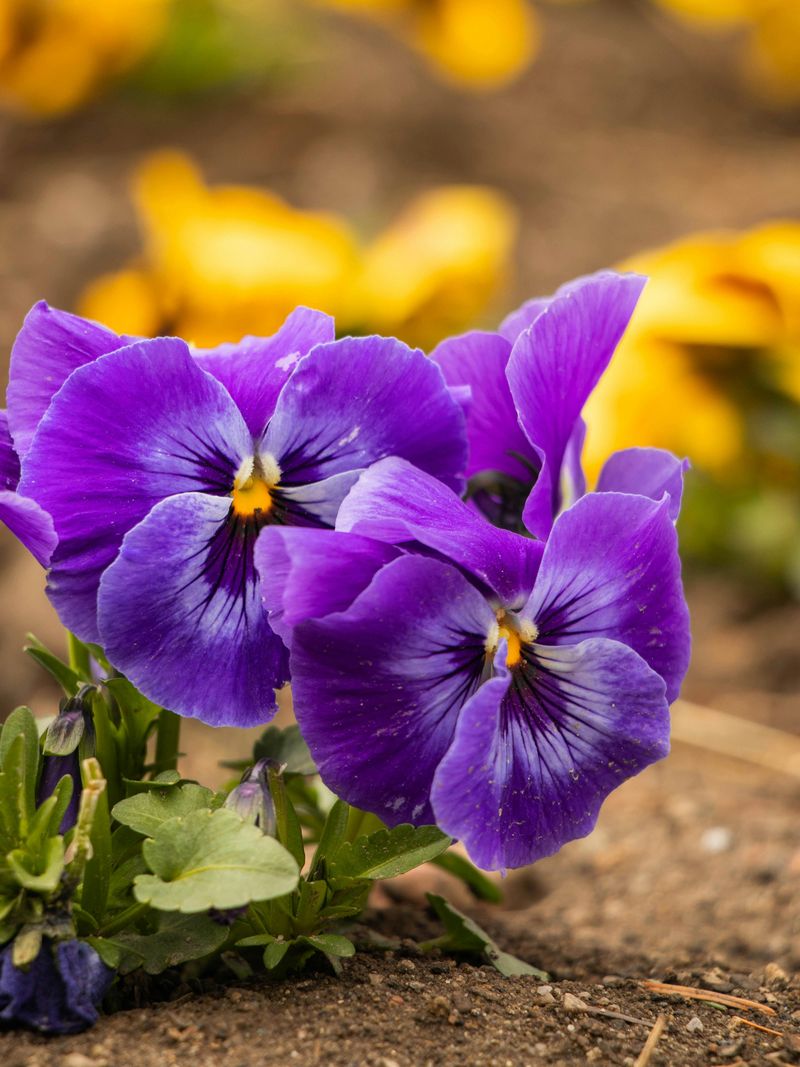
Few flowers are as cheerful or cold-tough as the pansy. These little face-shaped blooms can actually survive light frosts, making them one of the earliest flowers you can get into the ground.
Start seeds indoors 10 to 12 weeks before transplanting outside.
Pansies prefer cooler soil and tend to slow down in summer heat, so earlier planting really pays off. They look stunning in containers, window boxes, or garden borders with minimal effort required.
Larkspur
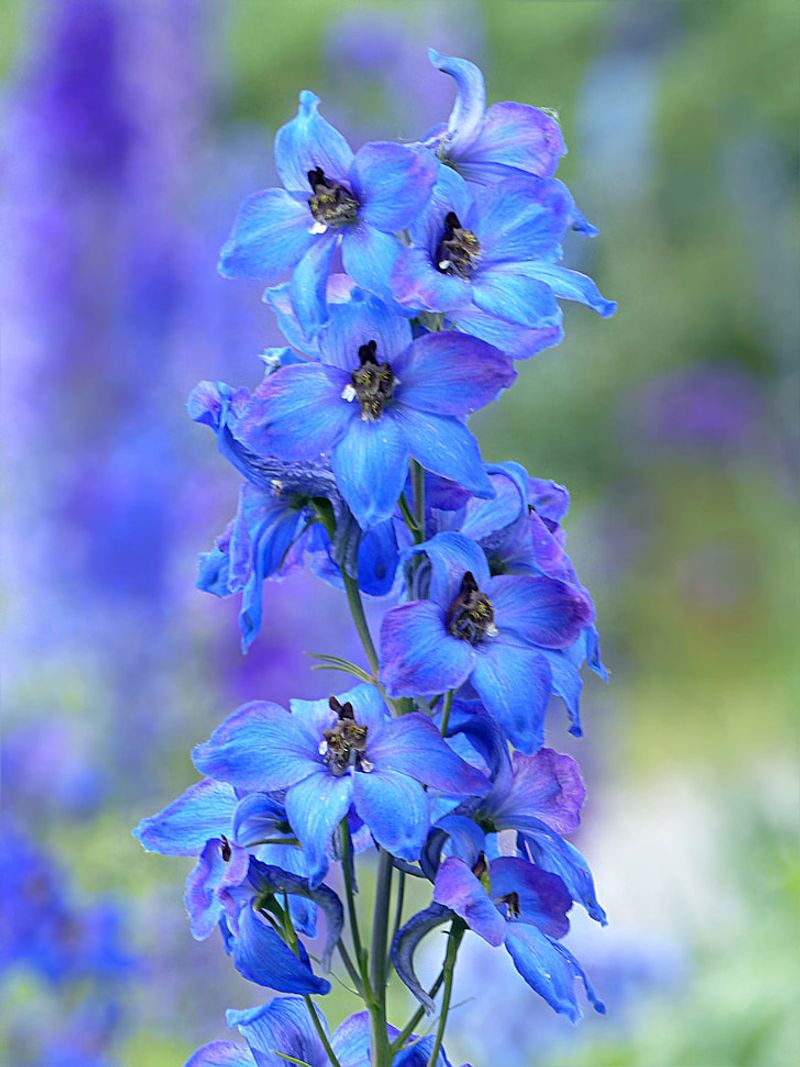
Larkspur has a wild, romantic look that makes any garden feel like a countryside dream. Unlike many flowers, larkspur actually prefers to be direct-sown outdoors while the soil is still cold, even in late winter.
Cold temperatures help the seeds break dormancy and sprout more reliably.
Scatter seeds in a sunny spot and lightly rake them in. These tall, spiky blooms in blue, purple, pink, and white will reward your early effort with a spectacular spring show.
Sweet Peas
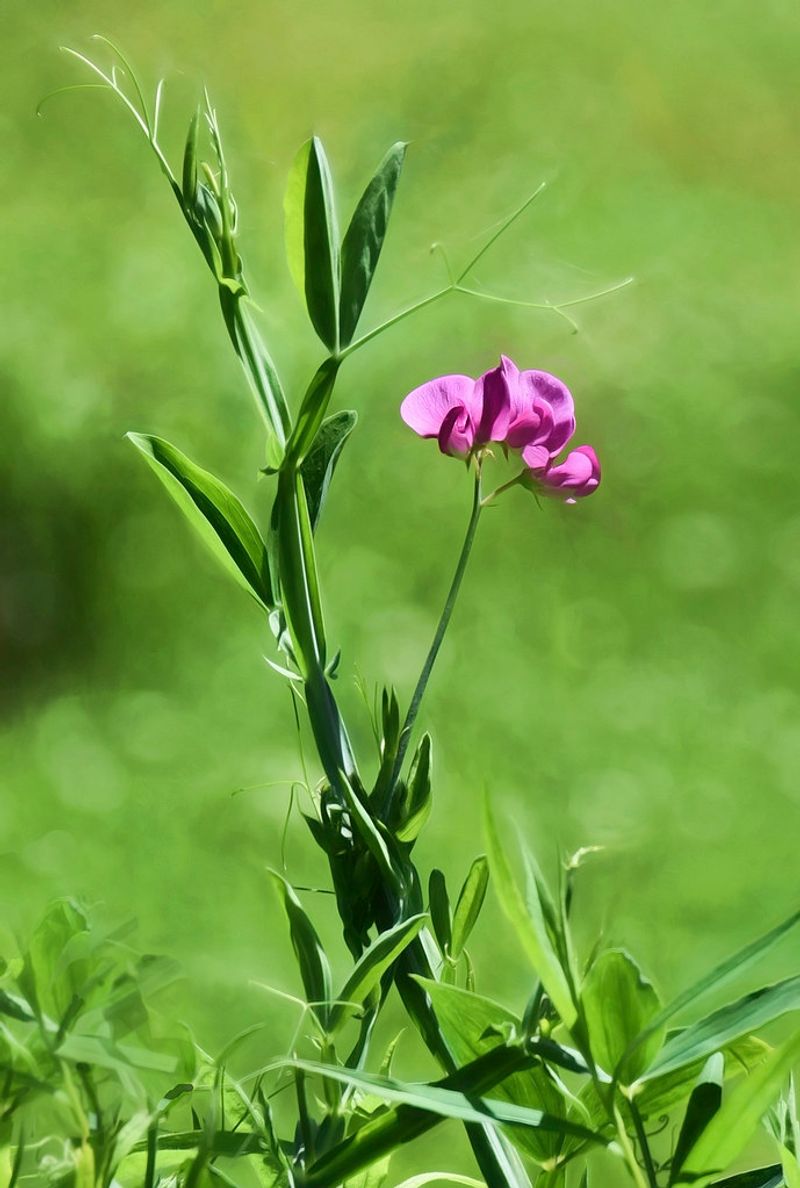
Sweet peas are old-fashioned favorites that smell absolutely incredible. They need a long, cool growing season to really shine, which means starting early is the secret to success.
Soak seeds overnight before planting to speed up germination.
Start them indoors 6 to 8 weeks before your last frost, or sow directly outside as soon as the soil can be worked. Give them something to climb, and they will fill your garden with pastel color and a fragrance that stops people in their tracks.
Alyssum
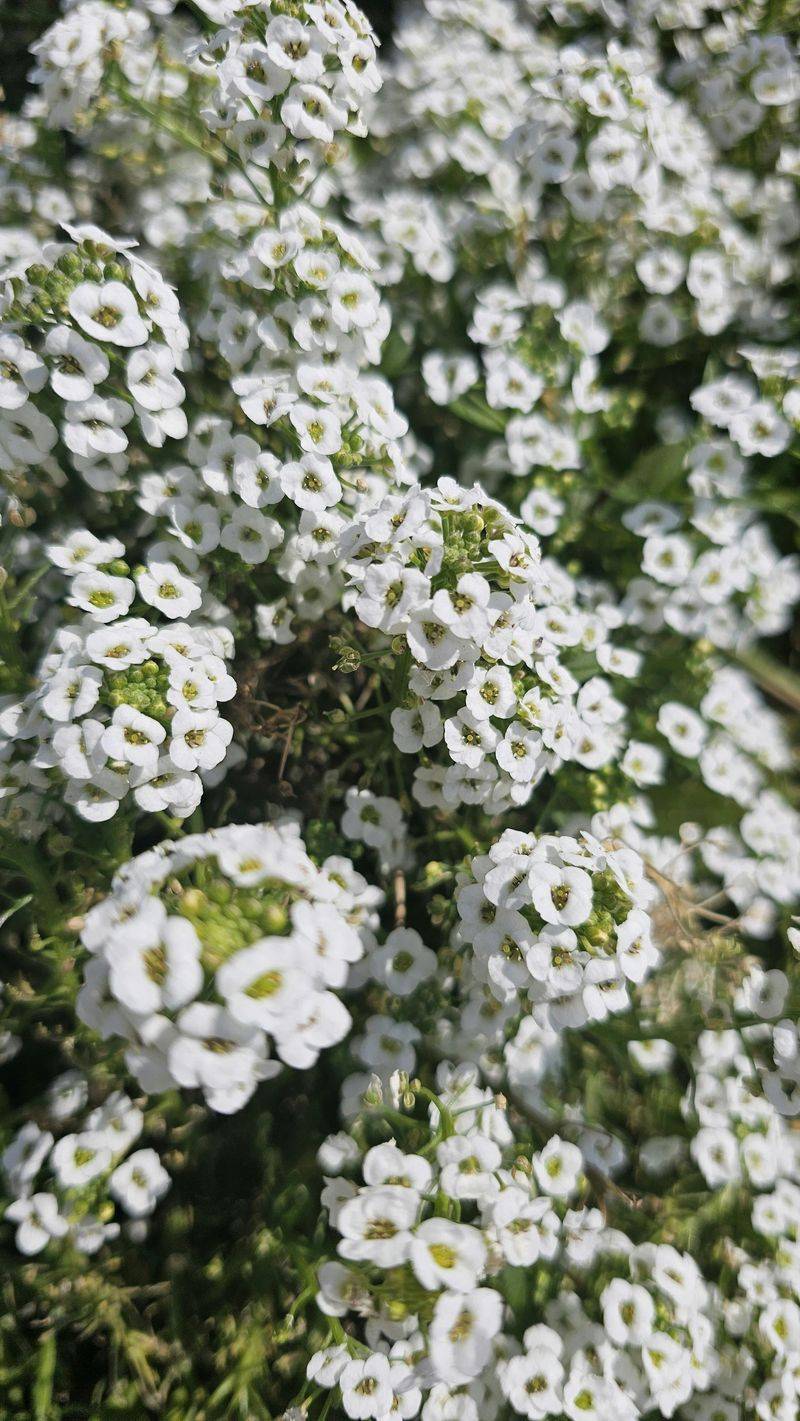
Sweet alyssum is the underdog of the flower world that quietly steals the show. Tiny clusters of honey-scented blooms spread into a low, lush carpet that looks polished in any garden setting.
Start seeds indoors 6 to 8 weeks early for the quickest color.
Alyssum tolerates light frost, so transplants can go outside sooner than most annuals. It works beautifully as a border edging or spilling out of containers.
Bonus: the flowers attract beneficial insects that help protect your whole garden.
Bachelor’s Button (Cornflower)
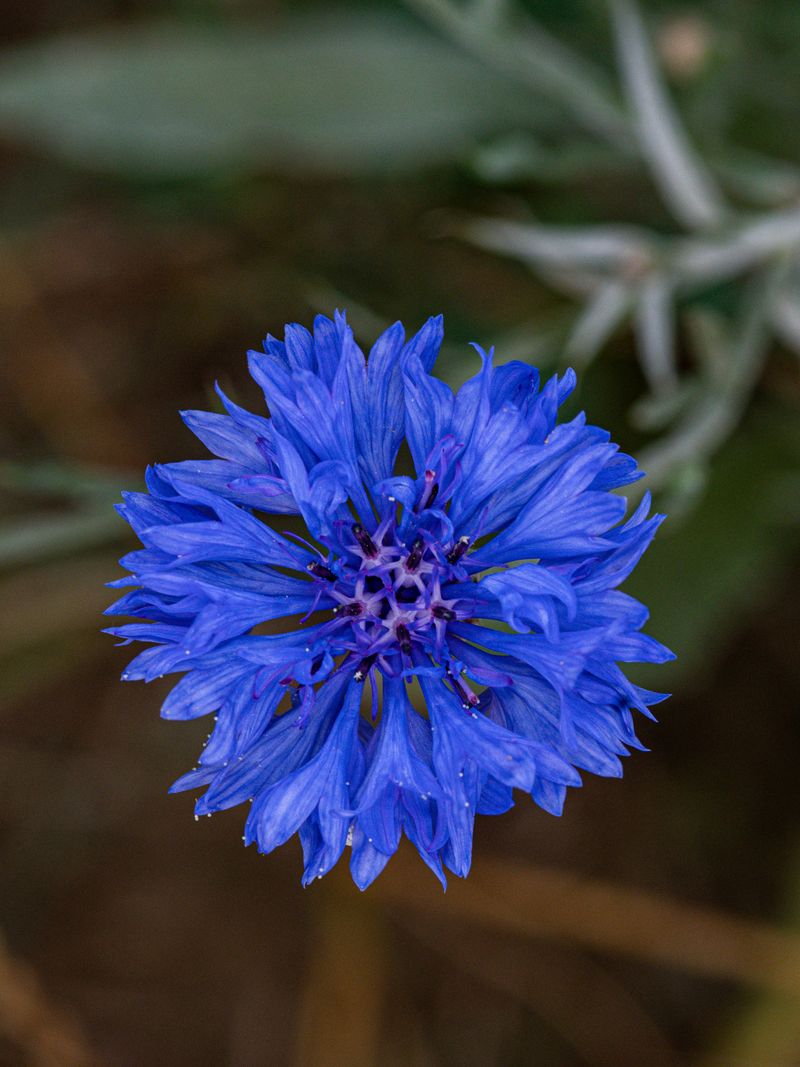
Bachelor’s buttons are practically impossible to kill, which makes them perfect for gardeners at every skill level. Their electric blue color is rare in the flower world and absolutely eye-catching in any garden.
Direct sow seeds outdoors in early spring since these plants actually prefer cool conditions to get started.
You can also start them indoors 4 weeks before transplanting. They grow quickly and bloom prolifically.
Deadhead spent flowers regularly and they will keep producing blooms well into summer.
Dianthus
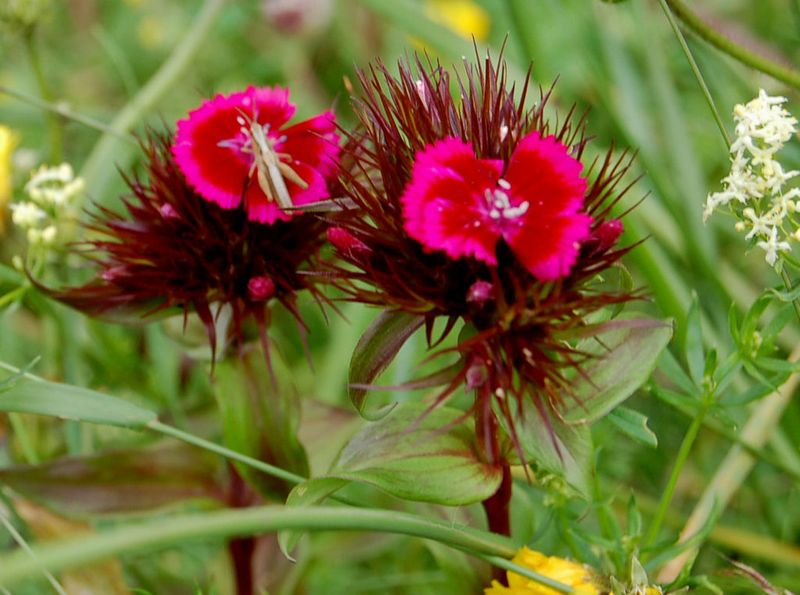
Dianthus flowers carry a spicy, clove-like fragrance that makes the whole garden smell wonderful. These compact, colorful plants handle cold weather surprisingly well, making early planting a smart move.
Start seeds indoors 8 to 10 weeks before your last frost date for the best results.
They come in shades of pink, red, white, and bi-color patterns that look stunning in borders or containers. Dianthus also makes a fantastic cut flower that holds up well in a vase for days.
Calendula
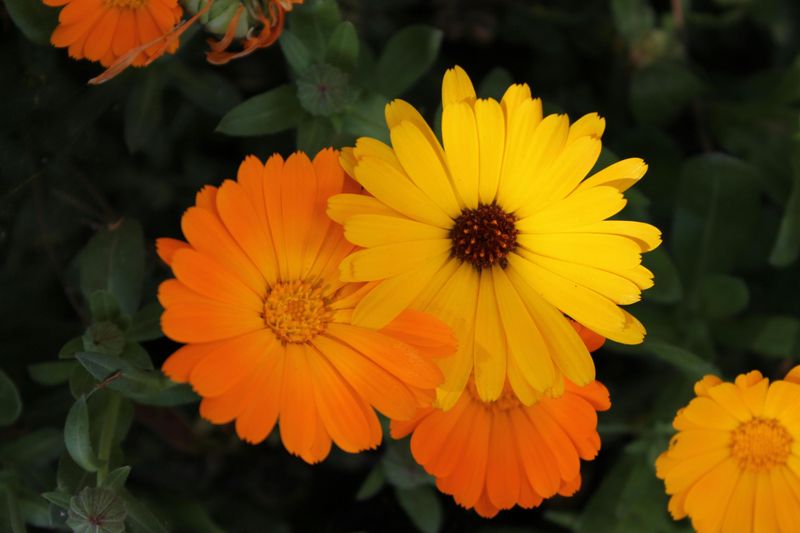
Calendula, sometimes called pot marigold, has been grown in gardens for hundreds of years for good reason. Its cheerful orange and yellow blooms pop up fast and keep going for months, especially in cool weather.
Sow seeds directly in the garden in early spring, or start indoors 4 to 6 weeks ahead of transplanting.
Calendula is also edible, with petals that add a peppery touch to salads. It self-seeds freely, meaning you may get free plants every year without any extra effort.
Lobelia
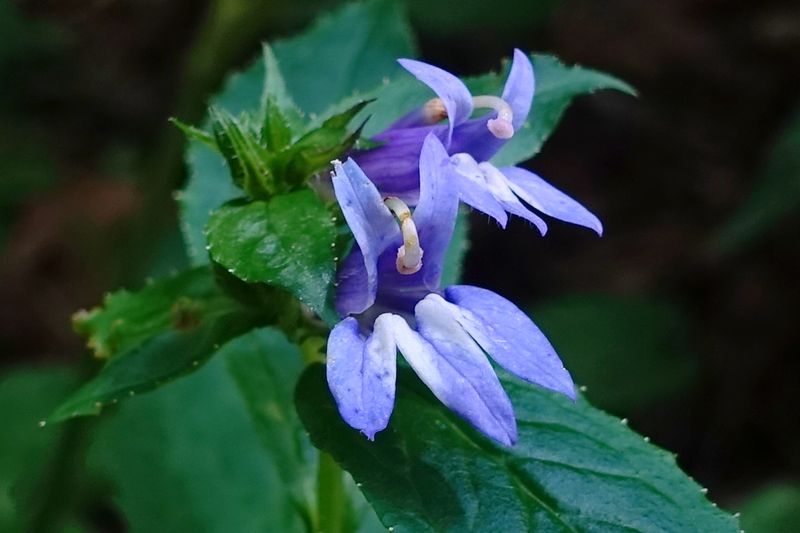
Lobelia produces a waterfall of tiny, jewel-toned flowers that are hard to match for sheer visual impact. The deep blue varieties are especially striking since true blue is a rare color among annual flowers.
Because lobelia seeds are incredibly tiny and slow to grow, starting them 10 to 12 weeks indoors is highly recommended.
Do not cover the seeds when planting since they need light to germinate. Lobelia thrives in cooler temperatures, so early starts translate directly into earlier, longer-lasting blooms.
Stock (Matthiola)
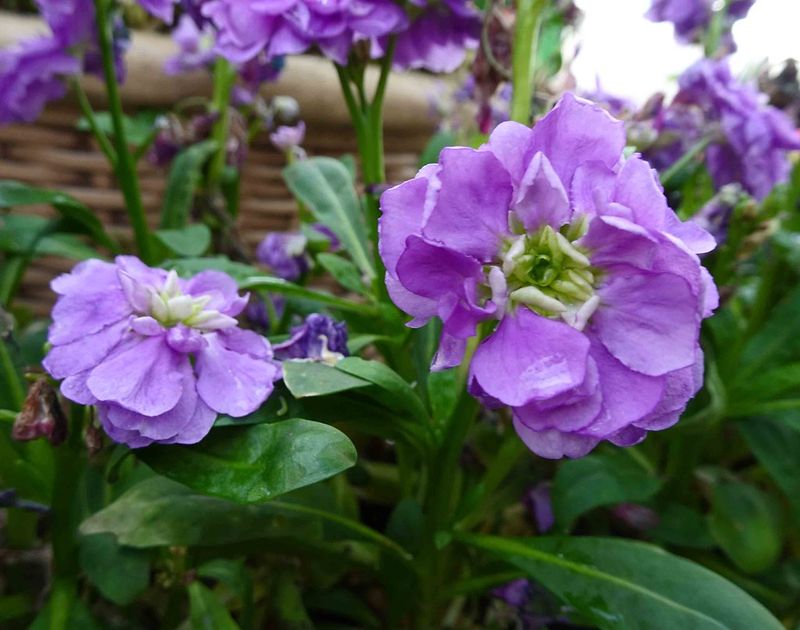
Stock is one of those flowers that makes you stop and breathe deeply the moment you walk past it. The fragrance is rich, sweet, and almost intoxicating on warm evenings.
Start seeds indoors 6 to 8 weeks before the last frost since stock loves cool temperatures to establish itself properly.
Seedlings can handle light frost, so they can move outside early in the season. Plant them near a walkway or patio where you can enjoy the incredible scent up close every single day.
Statice
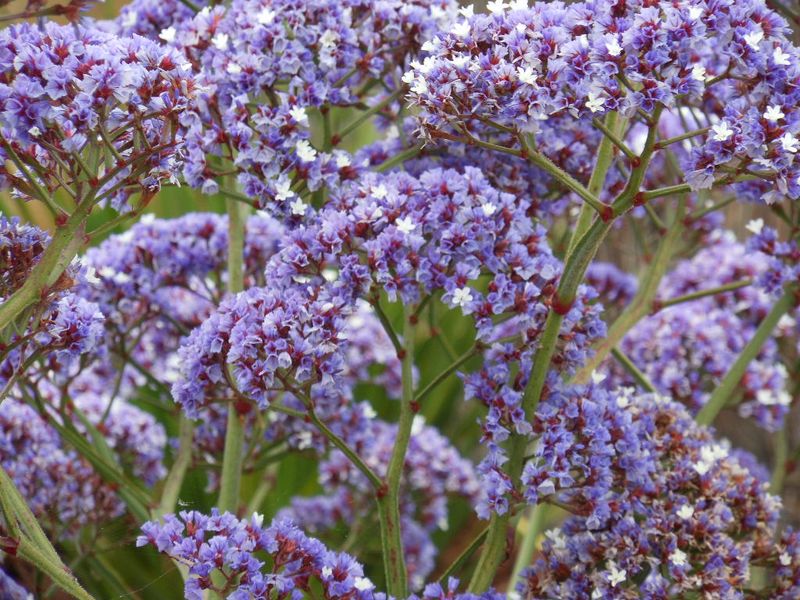
Statice is a flower that gives twice: once fresh in the garden and again when dried in arrangements. The papery blooms in purple, pink, white, and yellow hold their color beautifully even after drying, making them a crafty gardener’s best friend.
Start seeds indoors 8 to 10 weeks before the last frost date.
Statice grows slowly at first, so that early head start really matters. It thrives in full sun and handles dry conditions well once established, making it surprisingly low-maintenance.
Delphinium
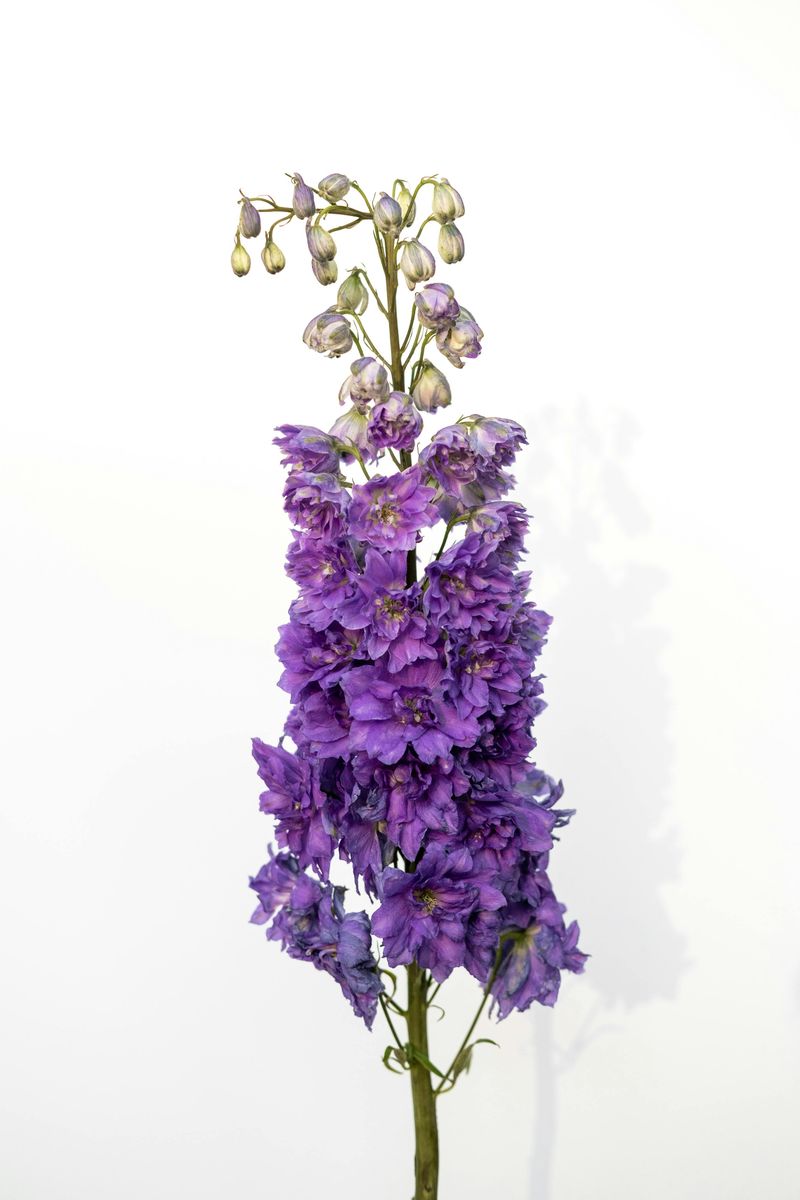
Delphiniums are the drama queens of the garden, and they earn every bit of that reputation. Their towering spikes of blue, purple, white, and pink are absolutely breathtaking when in full bloom.
These flowers need a long growing season, so starting seeds indoors 8 to 10 weeks before the last frost gives them the time they need.
Refrigerate seeds for a week before planting to improve germination rates. Plant in a sheltered spot since tall stems can snap in strong winds.
Nicotiana (Flowering Tobacco)
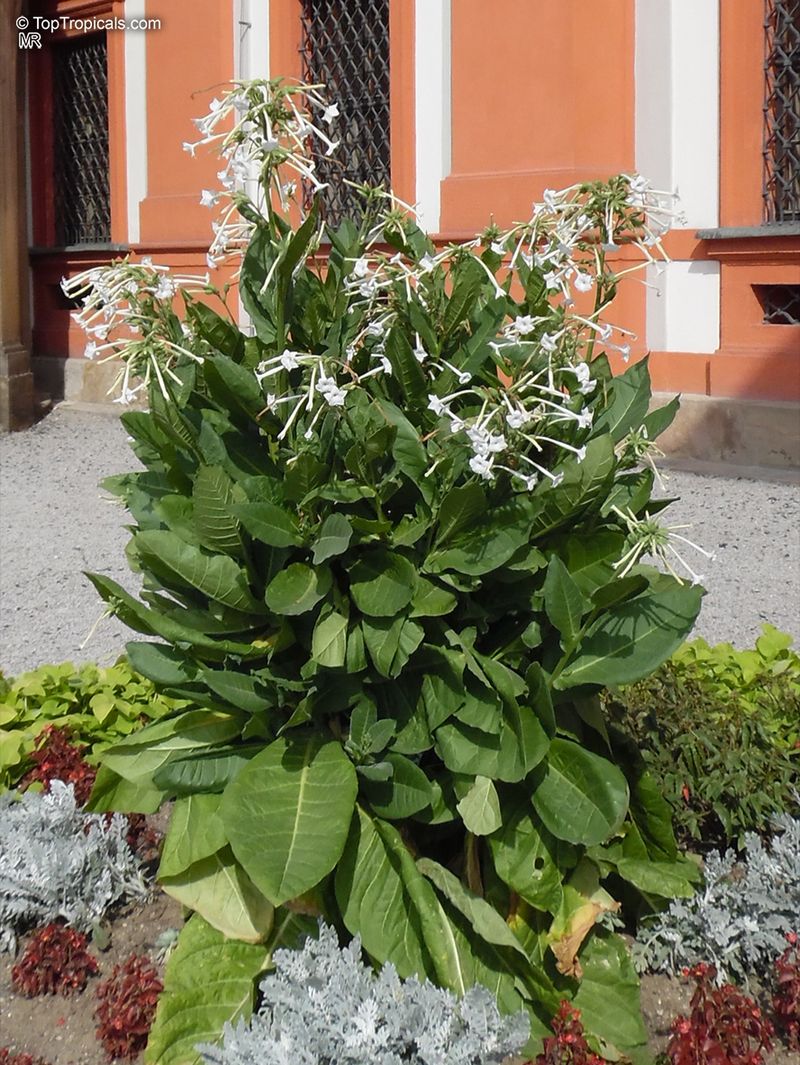
Nicotiana is a flower that truly comes alive at dusk, releasing a sweet, jasmine-like scent that fills the evening air. The trumpet-shaped blooms in pink, white, red, and lime green add a tropical feel to any garden.
Start seeds indoors 6 to 8 weeks before the last frost for earlier flowering.
Seeds need light to germinate, so do not bury them. Nicotiana self-seeds readily, meaning once you grow it, it tends to return on its own year after year with little encouragement.
Celosia
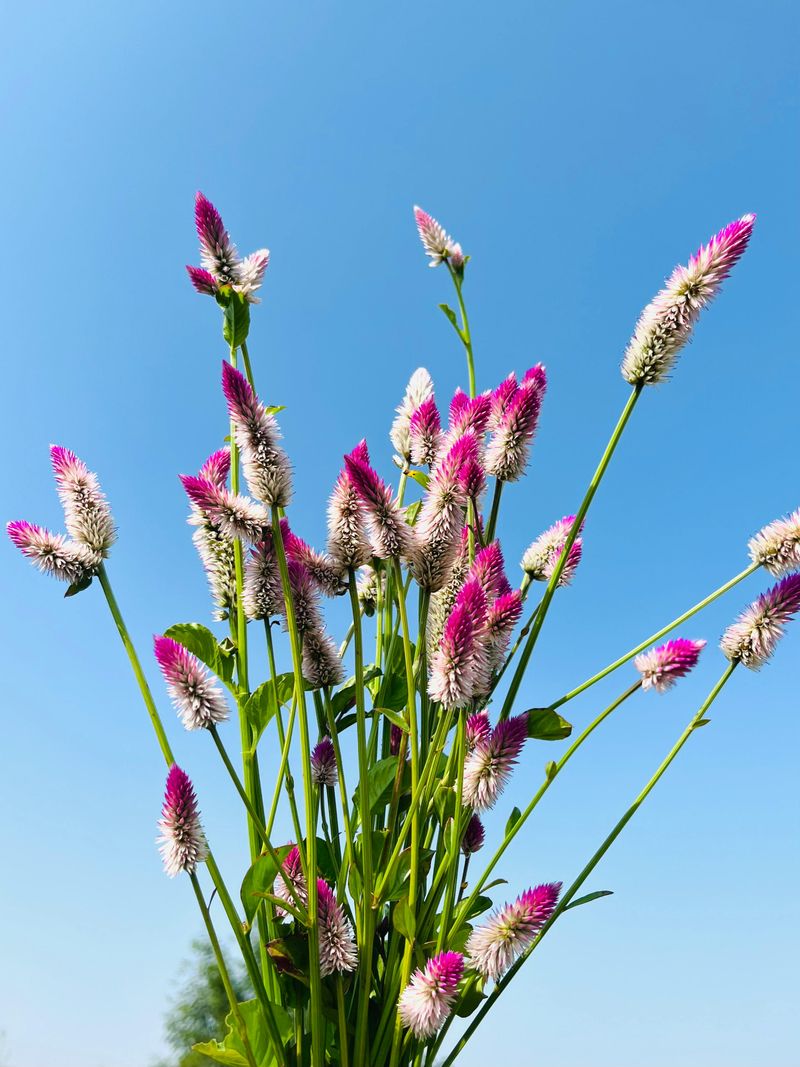
Celosia looks like someone turned the volume all the way up on color. The velvety, brain-like plumes of cockscomb varieties or the feathery spikes of plumed types are unlike anything else in the garden.
Start seeds indoors 4 to 6 weeks before the last frost date for a head start on blooming.
Celosia loves heat once established, but starting early indoors means blooms appear weeks sooner. The flowers also dry beautifully and hold their bold, saturated color for months after cutting.
Gazania
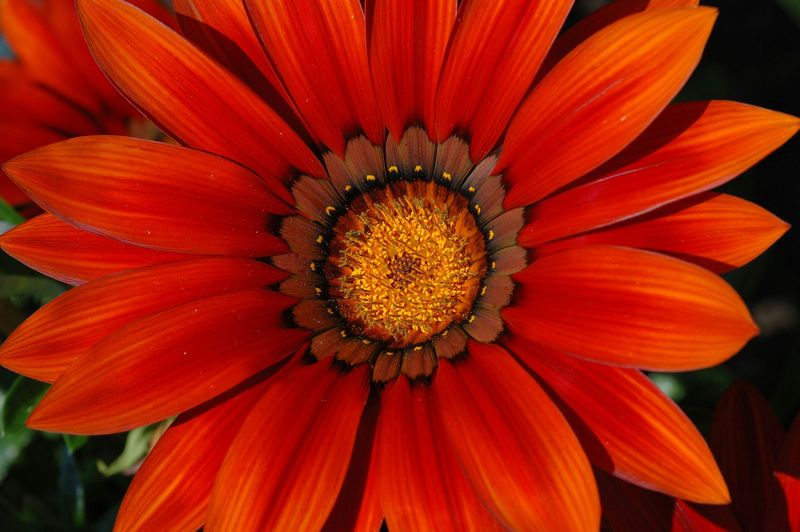
Gazania flowers behave like little solar panels, opening wide in bright sunshine and closing up at night or on cloudy days. Their bold, daisy-like blooms in orange, yellow, red, and pink with striped patterns are incredibly eye-catching.
Start seeds indoors 6 to 8 weeks before the last frost for earlier color in the garden.
They tolerate drought and poor soil once established, which makes them especially forgiving for beginners. Full sun is non-negotiable since gazania simply will not bloom well in shade.
Nemesia
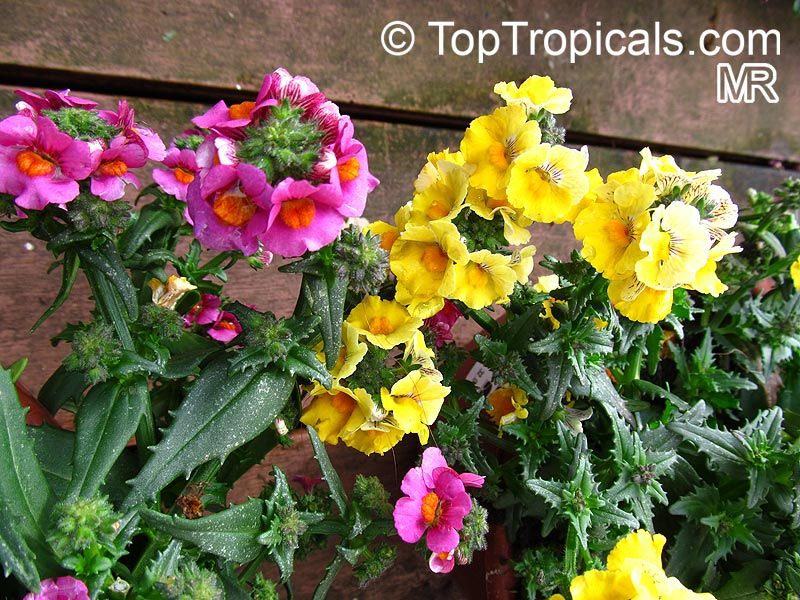
Nemesia is a bit of a hidden gem that deserves far more attention than it gets. These small, orchid-like blooms come in an almost dizzying range of color combinations and have a sweet, light fragrance.
Because nemesia loves cool weather and fades in summer heat, getting an early start is key.
Start seeds indoors 8 to 10 weeks before the last frost date. They grow quickly once conditions are right and look stunning spilling from containers or filling in gaps between larger plants.
Rudbeckia (Black-Eyed Susan)
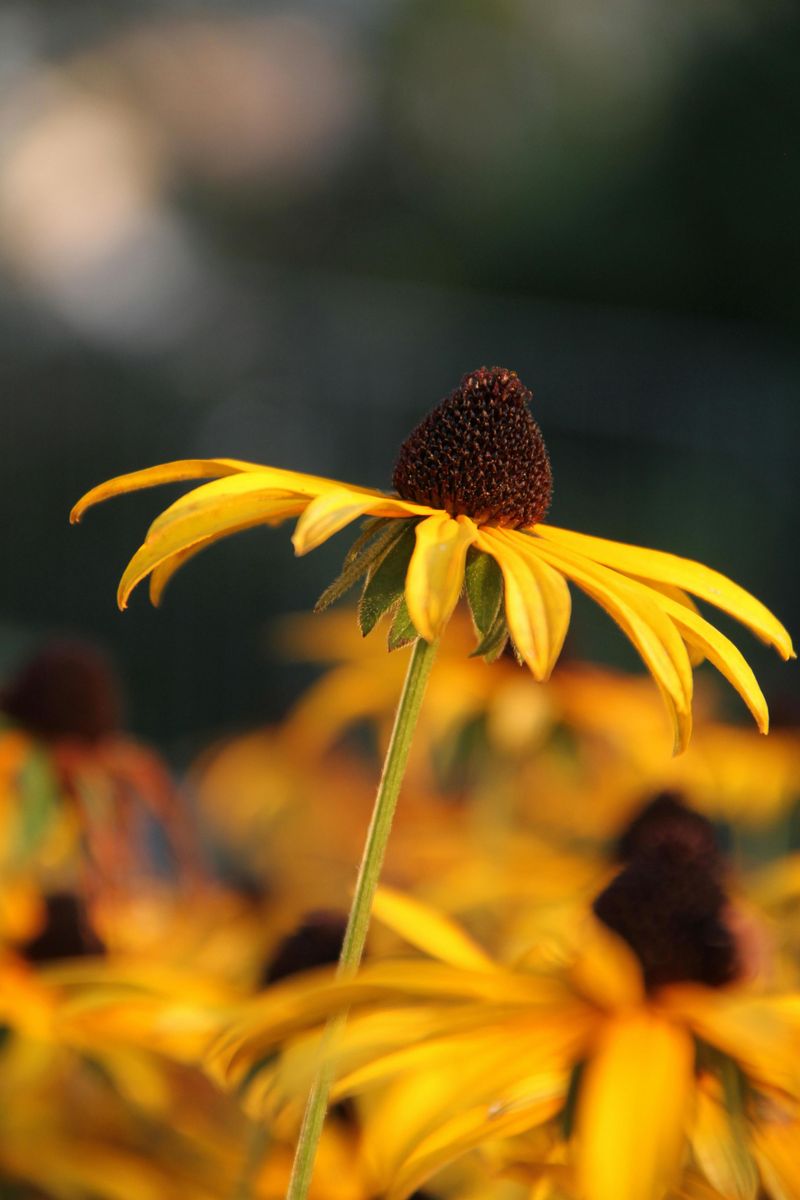
Black-eyed Susans are pure sunshine in flower form, and starting them from seed early means you will see those golden blooms much sooner than waiting until summer. Though often thought of as a perennial, many varieties bloom in their first year when started indoors 8 to 10 weeks before the last frost.
These tough, cheerful flowers thrive in heat and full sun once established. They attract butterflies and bees, resist drought, and spread happily year after year with almost no extra care needed.