 Complete Gardening
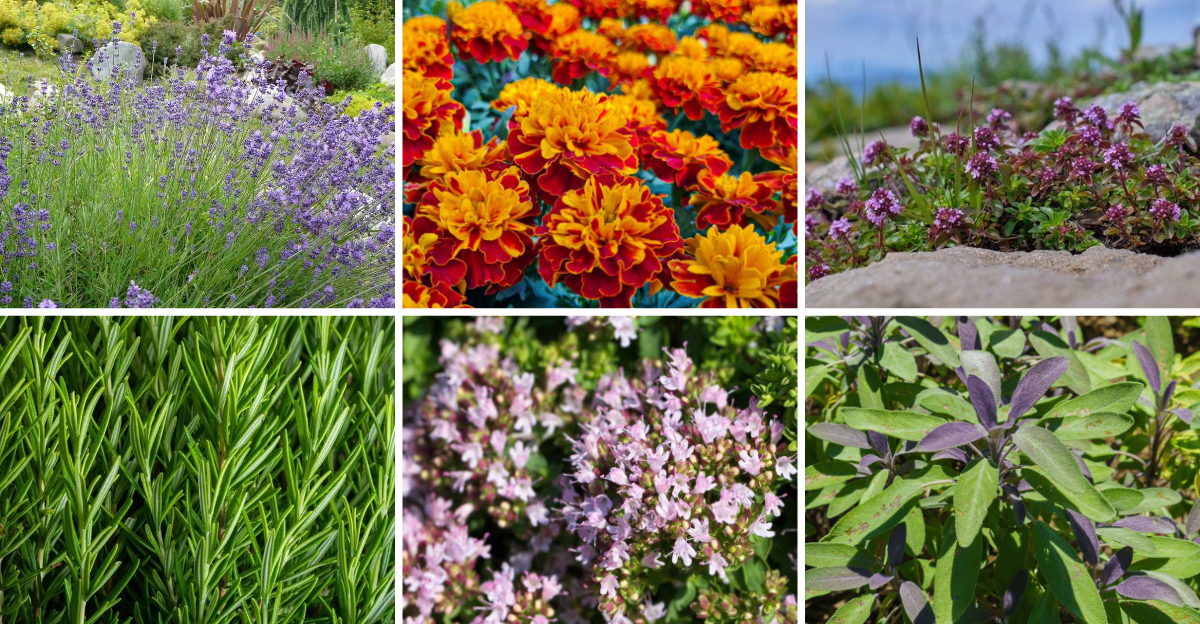
Tired of deer turning your beautiful garden into their personal buffet? You’re not alone in this frustrating battle that many gardeners face every growing season. The good news is that certain plants have natural defenses that make deer think twice before taking a bite. These smart plant choices can help you create a stunning garden that stays beautiful all season long.
1. Lavender – The Aromatic Fortress
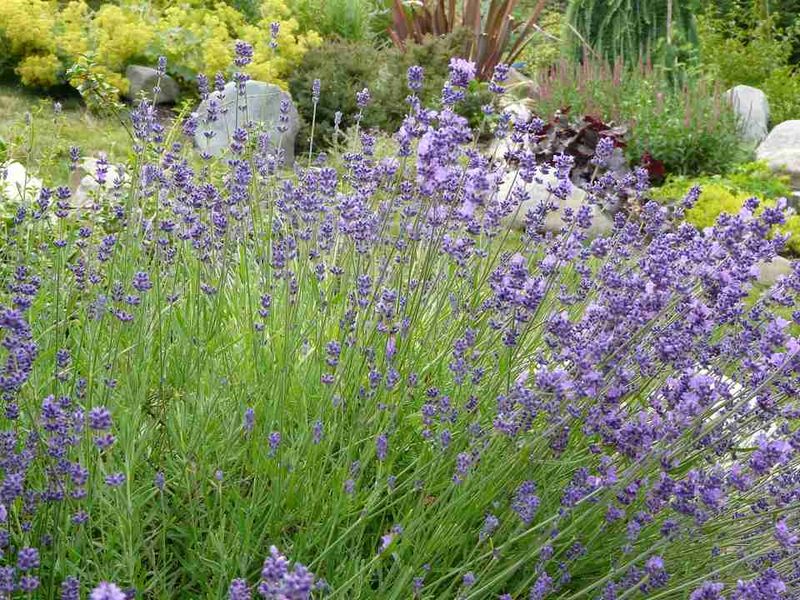
Purple spikes of lavender create more than just a pretty garden border. Strong oils in the leaves and flowers produce a scent that humans love but deer absolutely avoid.
Plant lavender in sunny spots with well-draining soil for best results. The silvery foliage looks beautiful year-round, while the fragrant blooms attract helpful bees and butterflies to your garden space.
2. Marigolds – Nature’s Pest Control
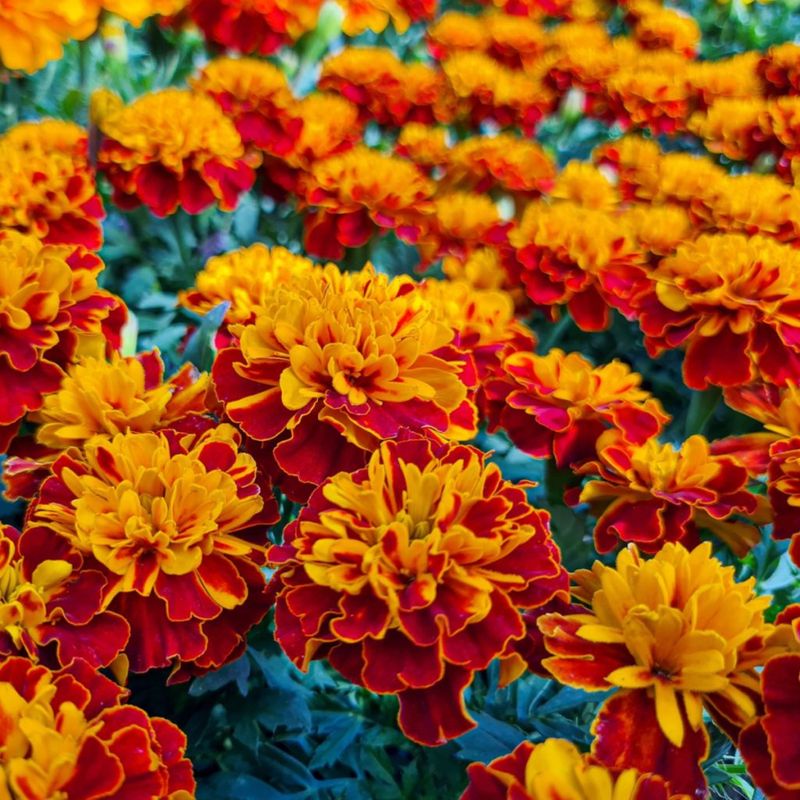
Bright orange and yellow marigolds pack a powerful punch against unwanted garden visitors. Their pungent smell comes from natural compounds that deer find completely unappetizing.
These cheerful annuals bloom all summer long with minimal care needed. Plant them around vegetable gardens or flower beds where deer problems are worst for maximum protection and colorful beauty.
3. Rosemary – The Culinary Guardian
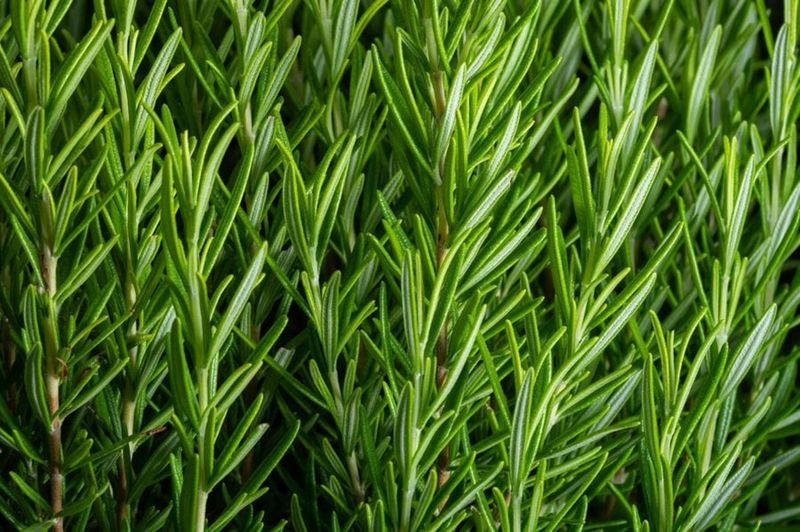
Woody stems of rosemary release intense pine-like aromas that keep deer at bay. This Mediterranean herb thrives in hot, dry conditions where many other plants struggle to survive.
Harvest fresh sprigs for cooking while enjoying natural deer protection. The needle-like leaves stay green year-round in mild climates, providing both practical kitchen use and reliable garden defense.
4. Sage – The Fuzzy Defender
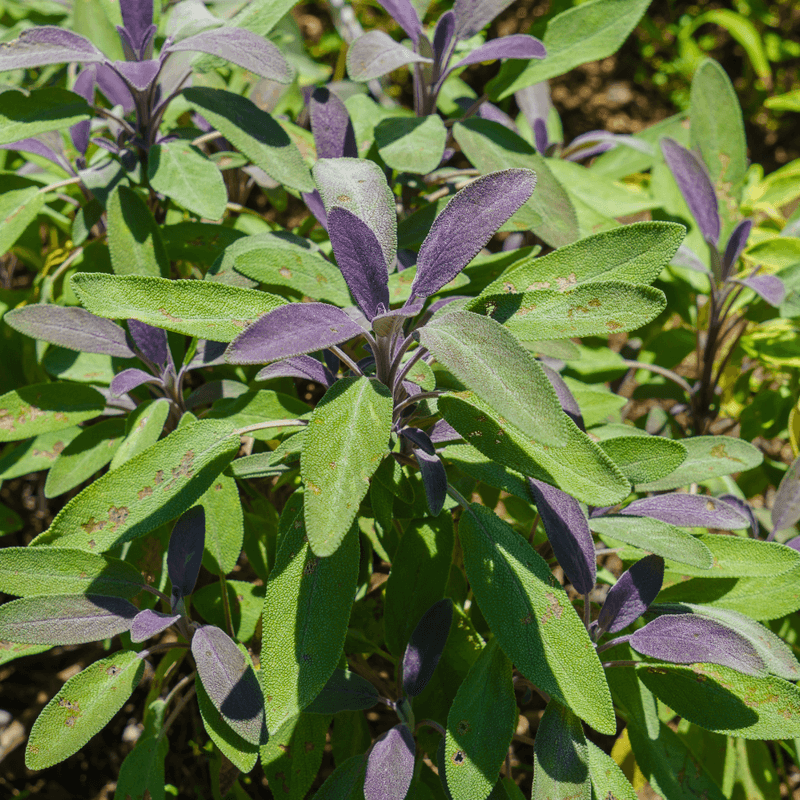
Soft, fuzzy leaves of sage contain oils that create an unpleasant taste for browsing deer. Gray-green foliage adds interesting texture to garden designs while providing reliable protection.
Purple flower spikes appear in late spring, attracting hummingbirds and beneficial insects. This drought-tolerant perennial returns year after year, making it an excellent long-term investment for deer-free gardening success.
5. Mint – The Spreading Protector
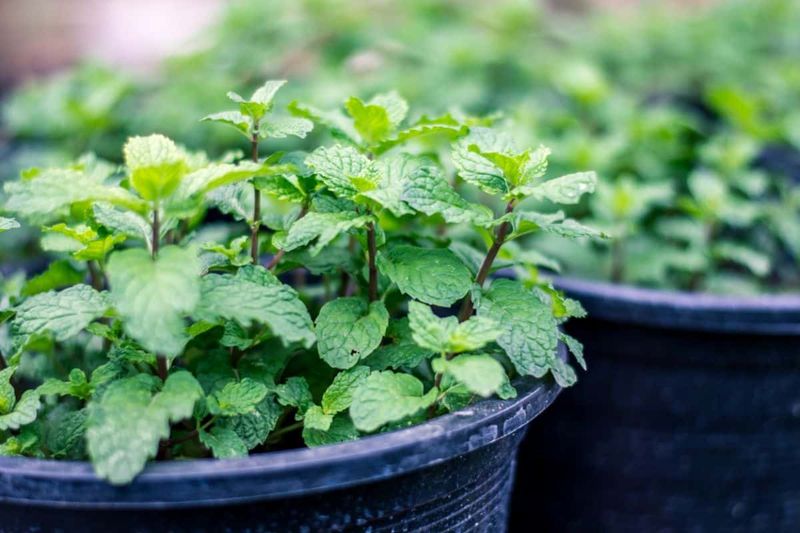
Cool, refreshing mint produces oils that humans enjoy but deer completely avoid. Fast-spreading roots quickly fill garden areas, creating natural barriers against hungry wildlife visitors.
Plant mint in containers to control its enthusiastic growth habits. Fresh leaves provide delicious additions to summer drinks and cooking while maintaining effective deer deterrent properties throughout the growing season.
6. Thyme – The Ground-Hugging Hero
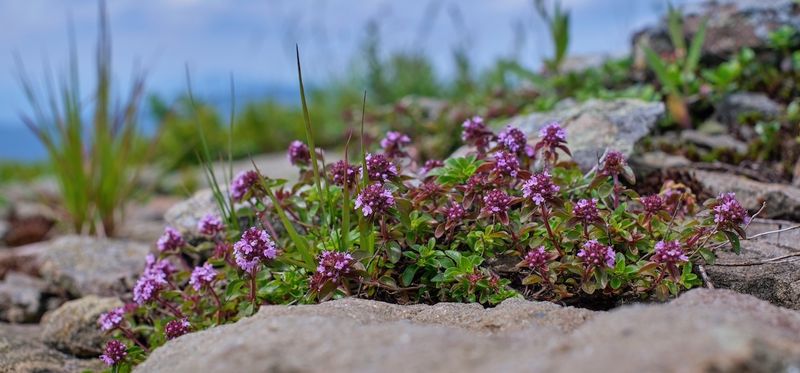
Low-growing thyme forms fragrant carpets that deer refuse to walk through or eat. Tiny leaves release strong scents when brushed against, creating invisible barriers in garden spaces.
Small flowers attract beneficial pollinators while repelling unwanted mammals. This hardy perennial tolerates poor soil and drought conditions, making it perfect for difficult garden areas where other plants fail.
7. Oregano – The Pizza Plant Protector
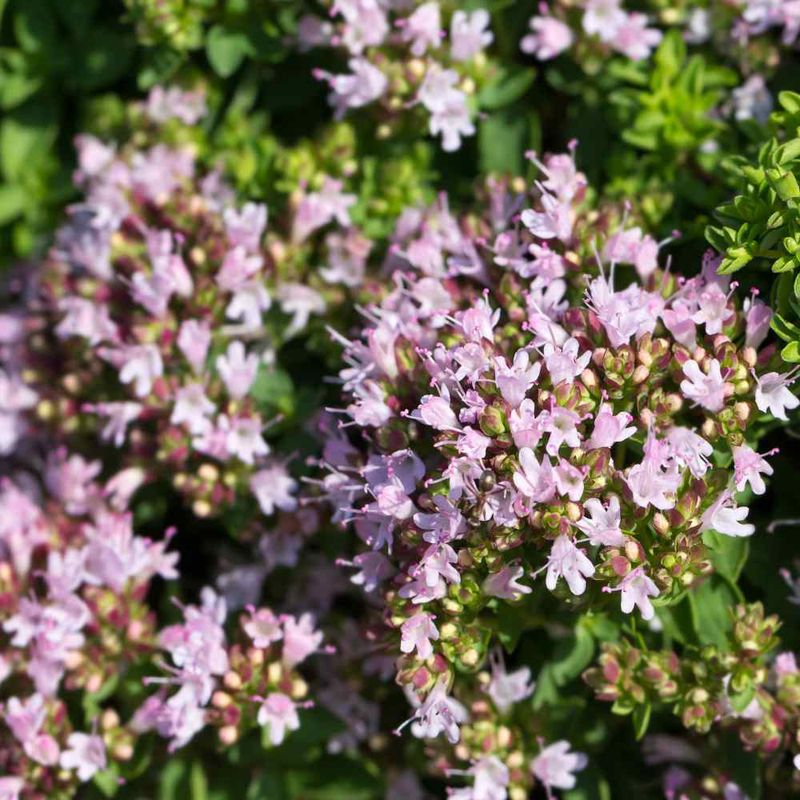
Pungent oregano leaves contain compounds that make deer turn away quickly. This Mediterranean herb spreads naturally to form protective patches around more vulnerable garden plants.
Harvest leaves regularly for cooking to encourage new growth and stronger scents. Pink or white flower clusters appear in summer, adding unexpected beauty while maintaining the plant’s natural deer-repelling properties.
8. Chives – The Onion Family Fighter
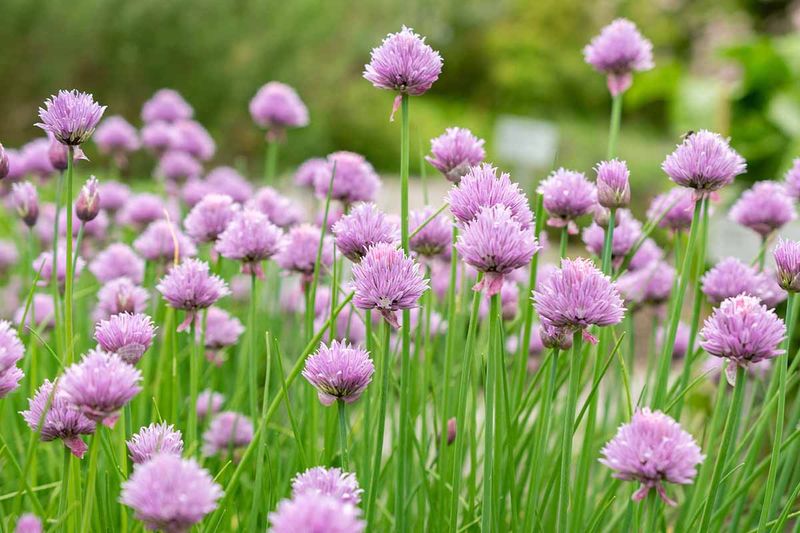
Grass-like chives produce sulfur compounds that deer find extremely offensive. Purple globe flowers add unexpected beauty while maintaining the plant’s protective qualities throughout the growing season.
Cut leaves regularly for cooking to promote continuous growth and stronger scents. These hardy perennials return reliably each spring, providing both culinary value and natural deer protection for years.
9. Garlic – The Underground Defender
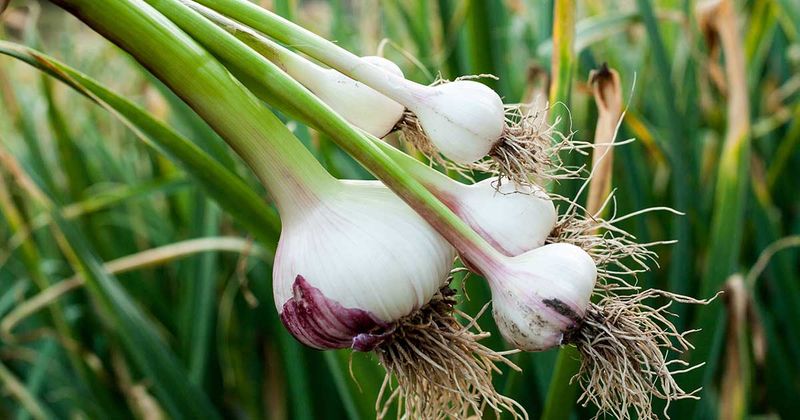
Strong-scented garlic bulbs create chemical barriers that deer instinctively avoid. Green shoots emerge in early spring, providing protection when other plants are most vulnerable to browsing damage.
Plant cloves in fall for summer harvest of flavorful bulbs. The entire plant from roots to flower heads contains compounds that effectively deter deer while providing valuable cooking ingredients.
10. Catnip – The Feline Favorite Fortress
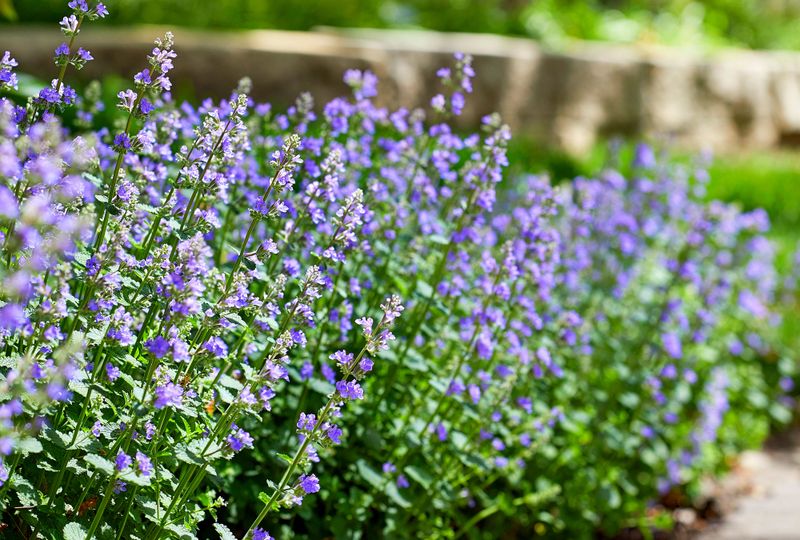
Heart-shaped catnip leaves contain nepetalactone, a compound that repels deer while attracting beneficial cats to your garden. Gray-green foliage creates attractive borders with natural protective properties.
White flower spikes bloom throughout summer, providing nectar for pollinators. This hardy perennial self-seeds readily, creating expanding zones of deer protection without additional planting costs or maintenance efforts.
11. Foxglove – The Tall Toxic Guardian
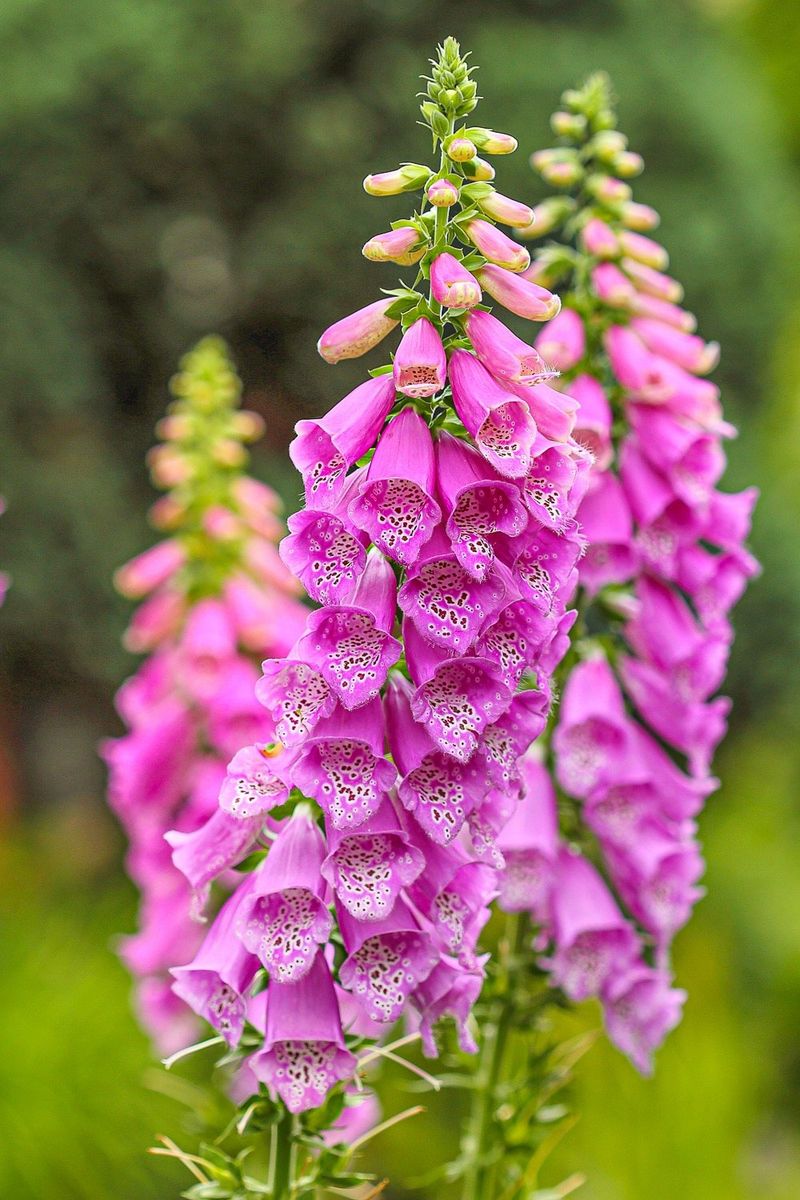
Towering foxglove spires contain digitalis compounds that deer instinctively recognize as dangerous. Bell-shaped flowers in purple, pink, or white create stunning vertical displays while providing reliable protection.
Biennial growth habit means plants bloom in their second year. Self-seeding ensures continuous generations of deer-resistant beauty, though all parts remain toxic to humans and pets requiring careful placement.
12. Lamb’s Ear – The Soft Deterrent
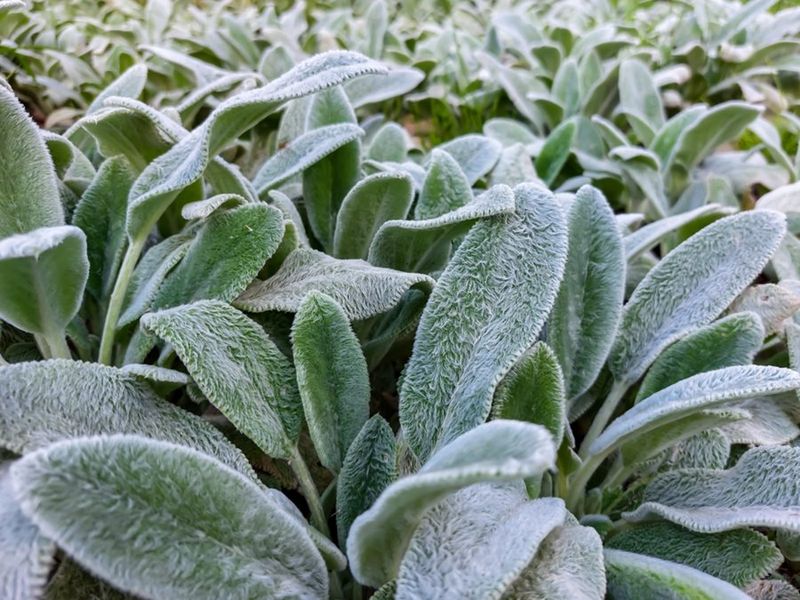
Velvety lamb’s ear leaves feel soft to human touch but contain compounds that deer find unpalatable. Silvery foliage creates beautiful contrast in garden designs while providing natural protection.
Fuzzy texture may also physically deter browsing animals. Purple flower spikes appear in summer, though many gardeners remove them to maintain the plant’s attractive foliage display and deer-repelling properties.
13. Bee Balm – The Pollinator Magnet
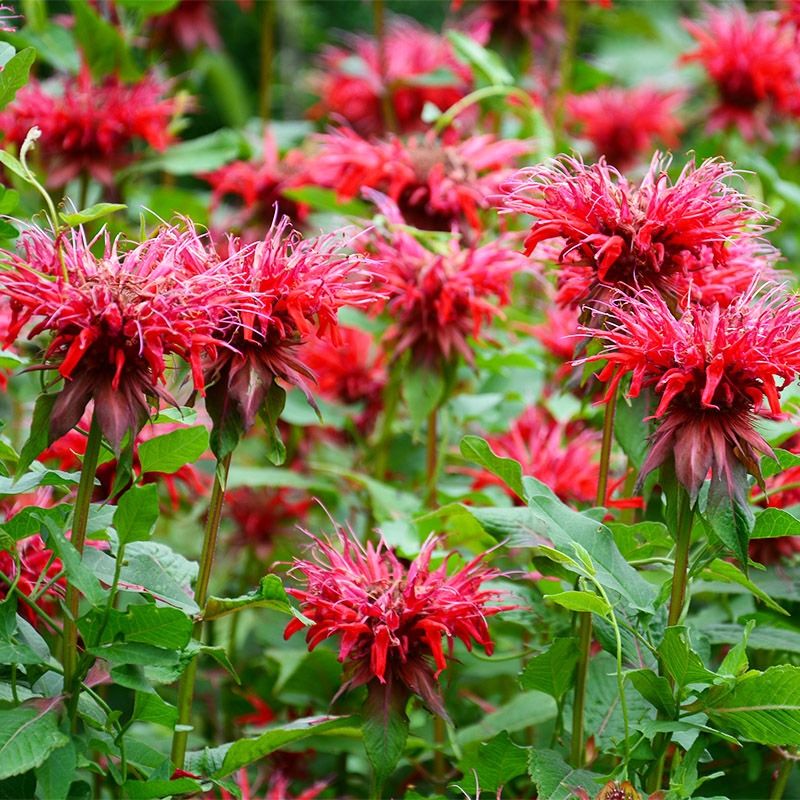
Spiky bee balm flowers in red, pink, or purple attract beneficial insects while repelling deer with their strong mint-family scents. Native origins make this perennial perfectly adapted to local conditions.
Aromatic leaves can be dried for herbal teas. Fast-spreading growth quickly fills garden areas with colorful, deer-resistant blooms that provide nectar for hummingbirds and butterflies throughout the summer months.
14. Snapdragons – The Dragon’s Mouth Defense
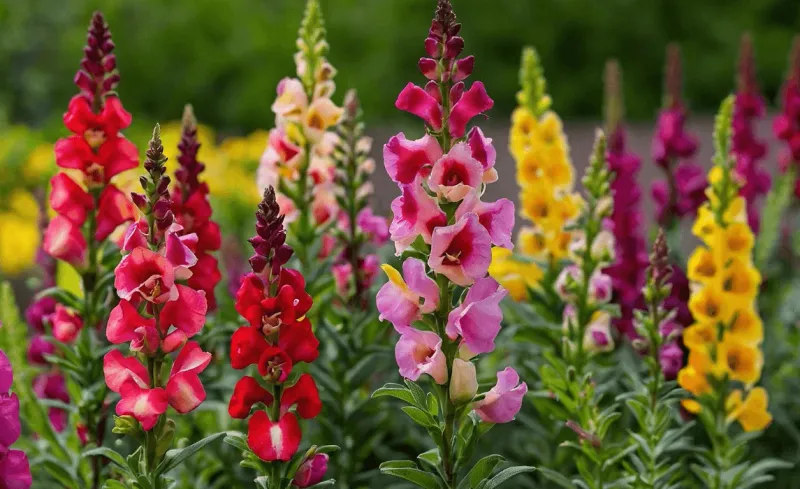
Colorful snapdragon flowers contain compounds that make them unappetizing to deer despite their attractive appearance. Tall spikes provide vertical interest in garden designs while maintaining natural protection.
Cool-season annuals bloom best in spring and fall weather. Pinch flower tips to encourage bushier growth and more blooms, extending both the decorative display and deer-deterrent effects throughout the growing season.
15. Dusty Miller – The Silver Sentinel
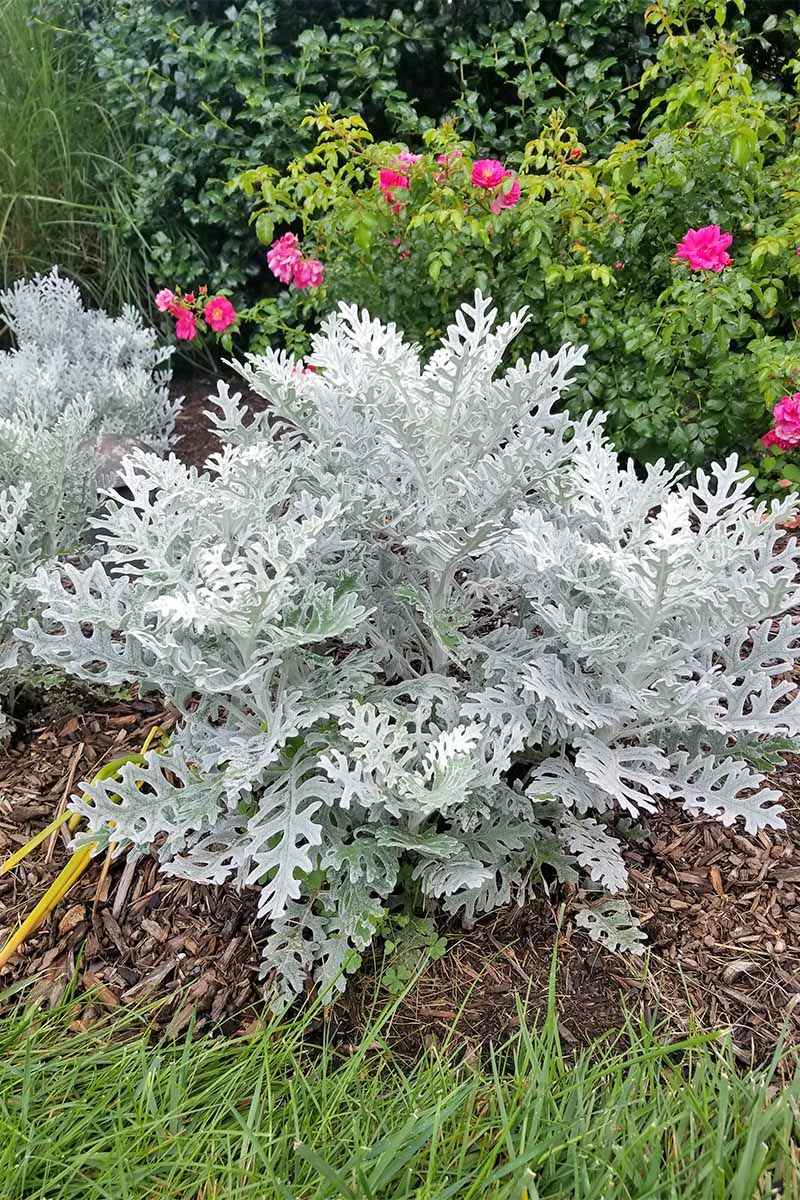
Silvery dusty miller foliage contains bitter compounds that deer consistently avoid. Deeply cut leaves create interesting textures that complement colorful flowering plants while providing reliable protection.
Heat and drought tolerance make this annual perfect for challenging garden conditions. Use as edging or accent plants to create protective barriers around more vulnerable species without sacrificing garden beauty.
16. Zinnia – The Cheerful Defender
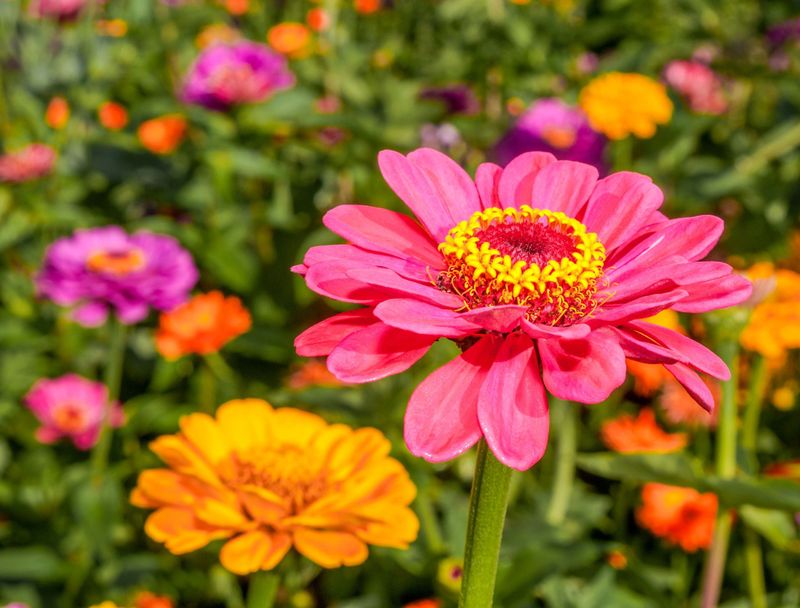
Bright zinnia blooms contain natural compounds that deer find unpalatable despite their cheerful appearance. Easy-growing annuals provide continuous color from spring until first frost arrives.
Deadhead spent flowers to encourage more blooms and stronger scents. These drought-tolerant plants attract beneficial butterflies while creating protective zones around vegetable gardens or other deer-vulnerable areas needing reliable protection.
17. Peony – The Fragrant Fortress
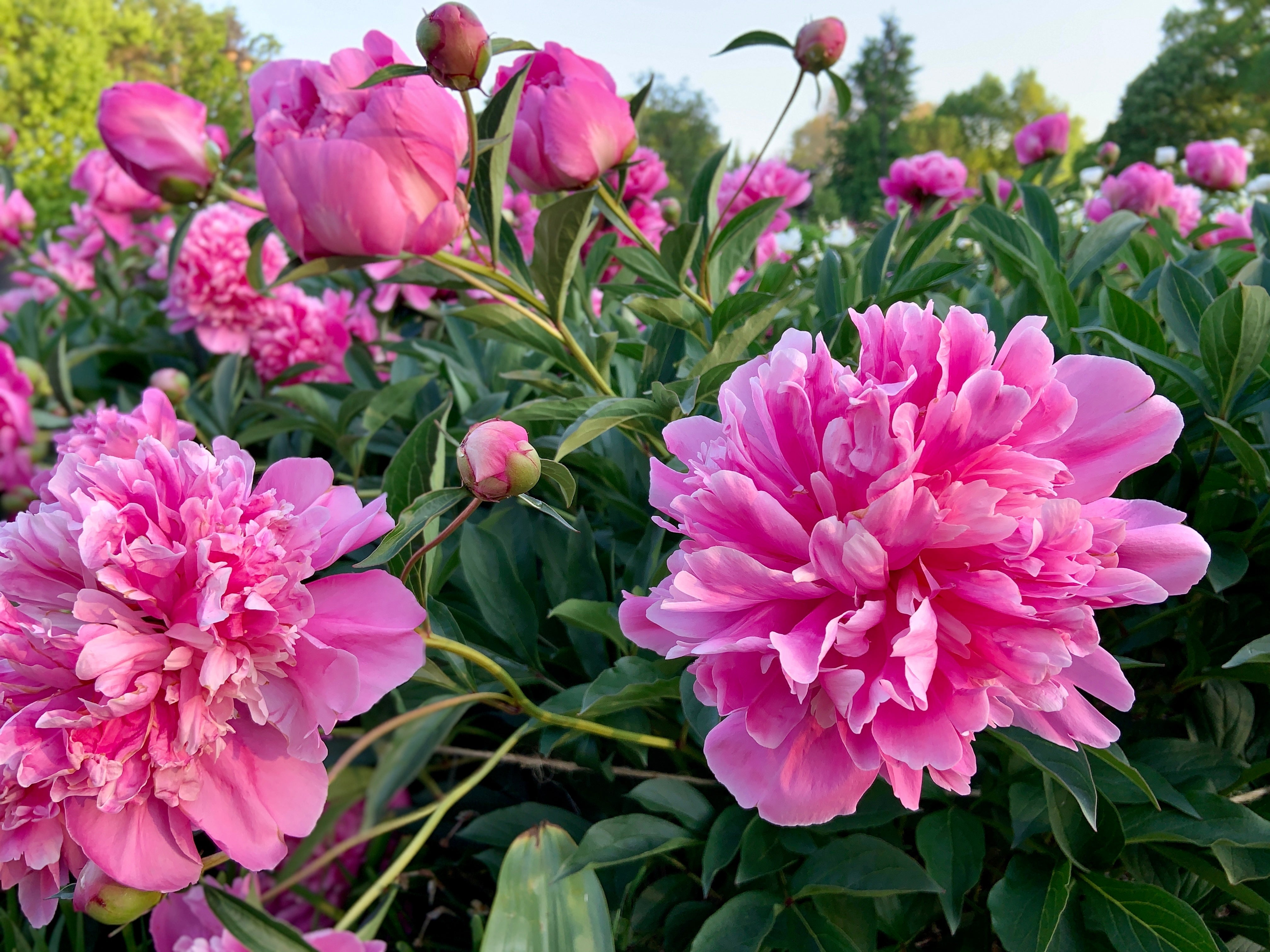
Lush peony blooms produce scents that humans love but deer consistently avoid. These long-lived perennials return stronger each year, creating permanent deer-resistant zones in garden designs.
Plant with eyes just below soil surface for best results. Once established, peonies can bloom for decades with minimal care, providing both spectacular spring flowers and reliable deer protection year after year.