 Complete Gardening
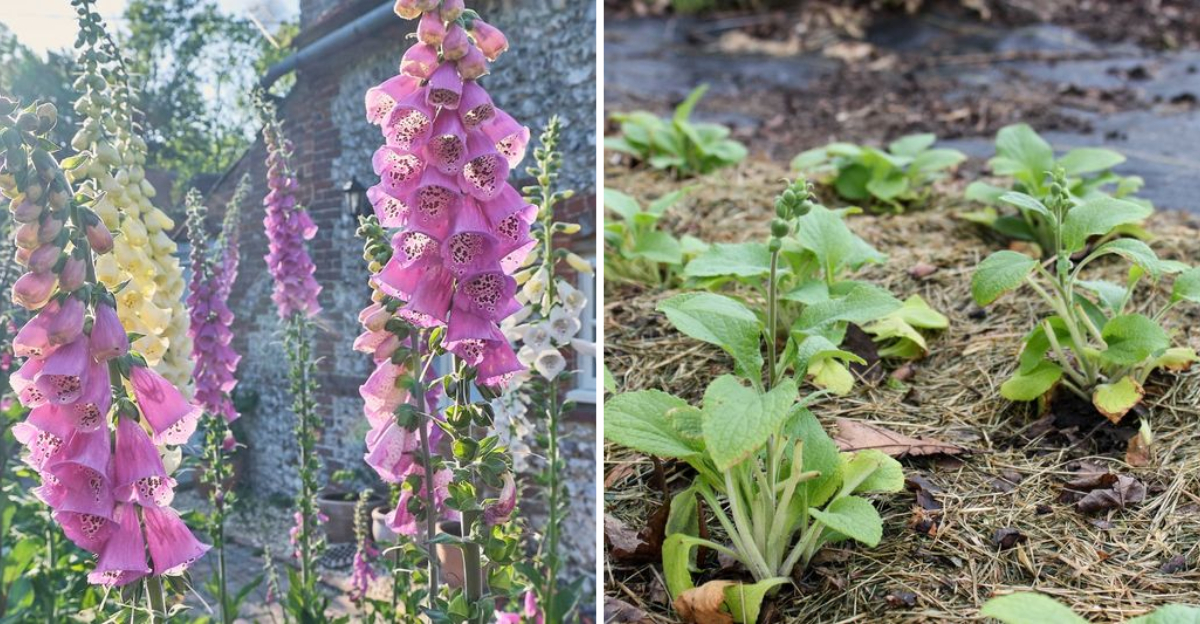
Foxgloves, with their towering spikes and enchanting bell-shaped flowers, are a favorite among gardeners. These biennials or short-lived perennials offer a dramatic vertical accent to any garden. This article provides a detailed guide to cultivating healthy and vibrant foxglove blooms. From selecting the right location to understanding soil preferences, each tip has been crafted to ensure your success in growing these stunning plants.
1. Choose the Right Location
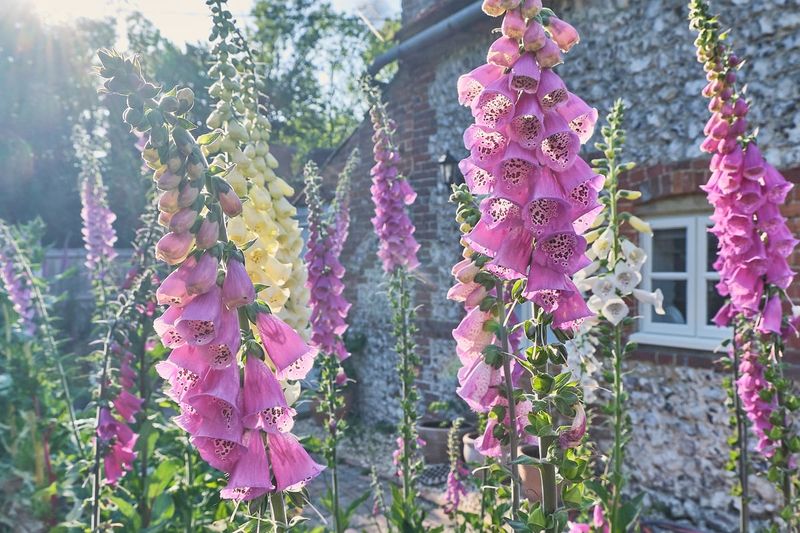
Finding the right spot for your foxgloves is crucial. These plants thrive with a mix of sun and shade, ideally in a location that gets morning sun and afternoon shade. This balance helps prevent the soil from drying out and protects the delicate blooms from scorching.
When selecting a site, consider the background too. Foxgloves look stunning against a backdrop of shrubs or a garden wall. They’ll naturally draw the eye upwards with their tall spires. Make sure the location allows for good air circulation to reduce the risk of disease.
2. Prepare the Soil
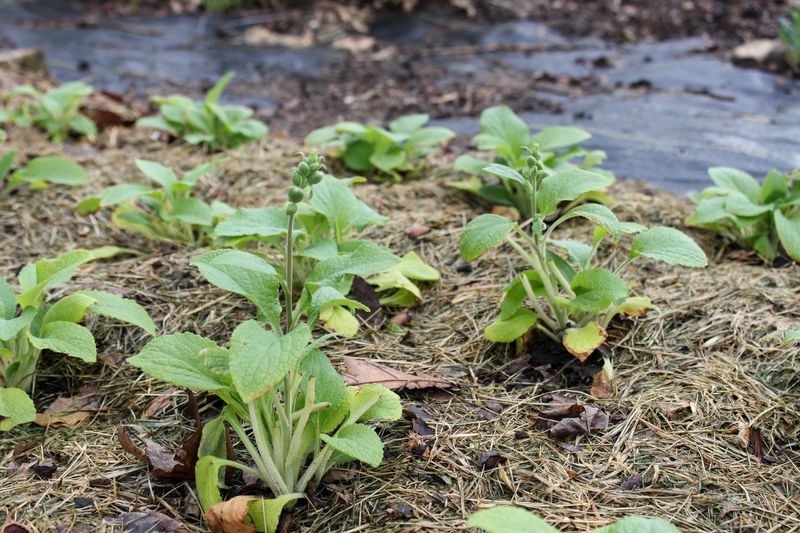
Healthy soil is the foundation for lush foxglove blooms. Before planting, enrich your soil with plenty of organic matter. Compost or well-rotted manure works wonders for improving soil fertility and structure.
Aim for a slightly acidic to neutral pH, as foxgloves prefer these conditions. The soil should be well-draining to prevent root rot, yet retain enough moisture to support growth.
Consider doing a soil test to understand the nutrient levels and pH. This preparation ensures the plants have the nutrients they need to thrive. Proper soil preparation goes a long way in determining the health of your plants.
3. Start from Seeds Indoors
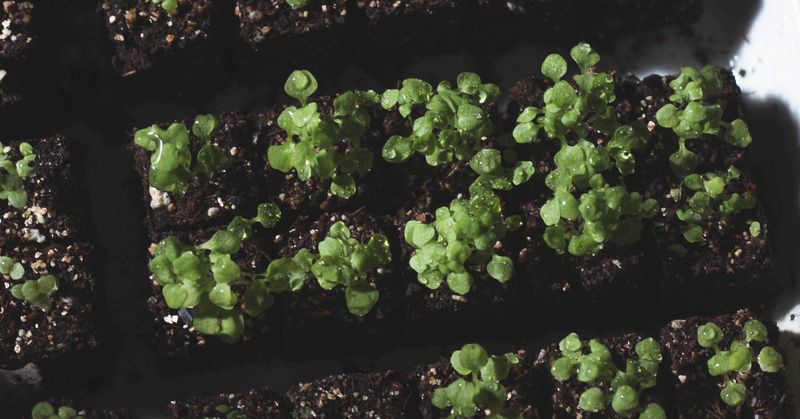
Starting foxgloves from seeds indoors can give you a head start. Sow seeds in trays filled with a seed-starting mix about 8-10 weeks before the last frost date. Lightly press the seeds into the surface but don’t cover them, as they need light to germinate.
Keep the soil moist and place the trays in a bright location. Germination typically occurs within two to three weeks. Once the seedlings have a few sets of leaves, they can be transplanted outdoors.
This early start allows the plants to establish themselves before summer, leading to stronger growth and better blooms.
4. Water Wisely
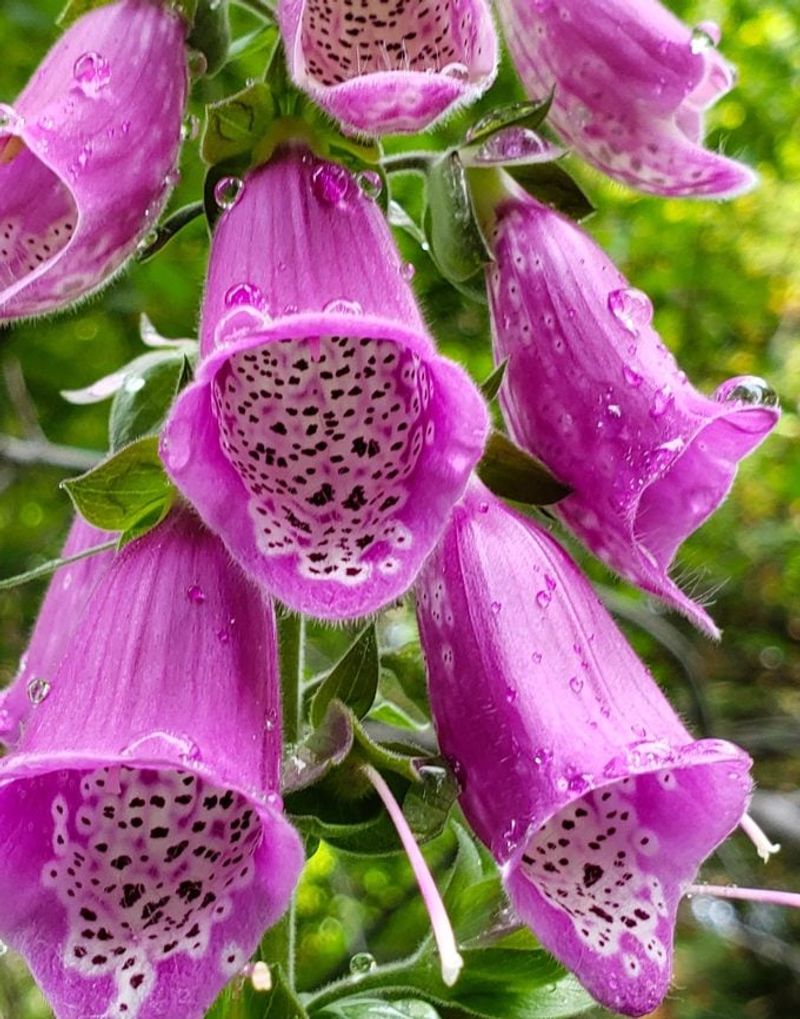
Watering is key to healthy foxgloves. These plants prefer consistent moisture, especially during dry spells. However, avoid overhead watering, which can promote fungal diseases.
Instead, water at the base of the plants, focusing on the roots. Early morning is the best time to water, minimizing evaporation and allowing foliage to dry before nightfall.
Mulching around the base can help retain moisture and reduce weed competition. Observing the plants and adjusting your watering schedule based on weather conditions ensures they receive the necessary care. Proper watering habits contribute significantly to the vibrancy of your foxgloves.
5. Fertilize for Blooms
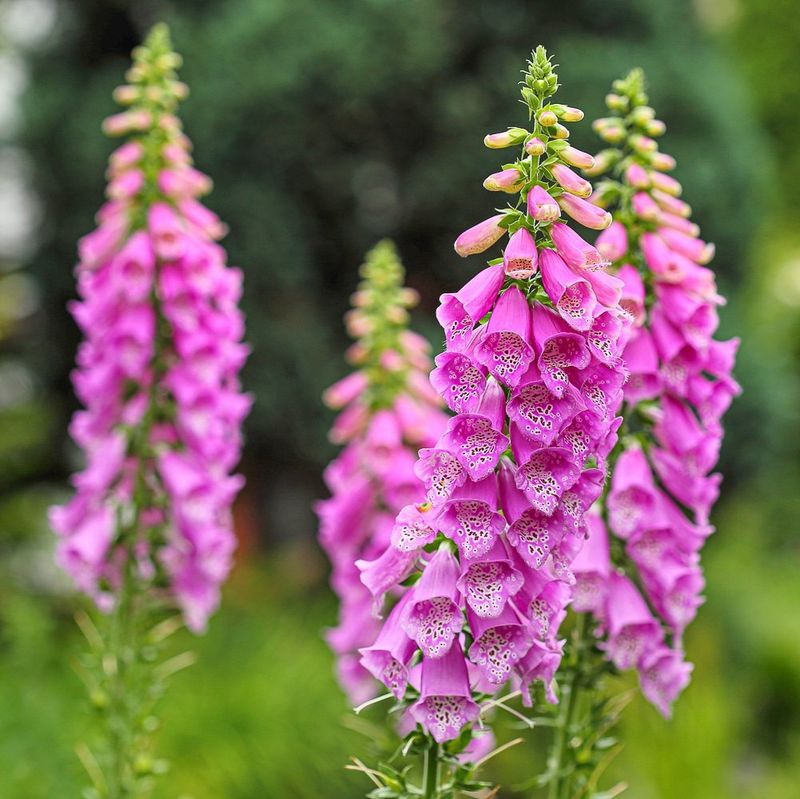
Fertilizing foxgloves at the right time encourages robust growth and plentiful blooms. Use a balanced, slow-release fertilizer in early spring as new growth begins. This initial feeding supports strong plant development.
For an additional boost, consider a liquid fertilizer high in phosphorus every few weeks during the growing season. Phosphorus is essential for flower production and can enhance the vibrancy and quantity of blooms.
Be cautious not to over-fertilize, as this can lead to lush foliage at the expense of flowers. Proper nutrition ensures your foxgloves put on a breathtaking display.
6. Prune for Health
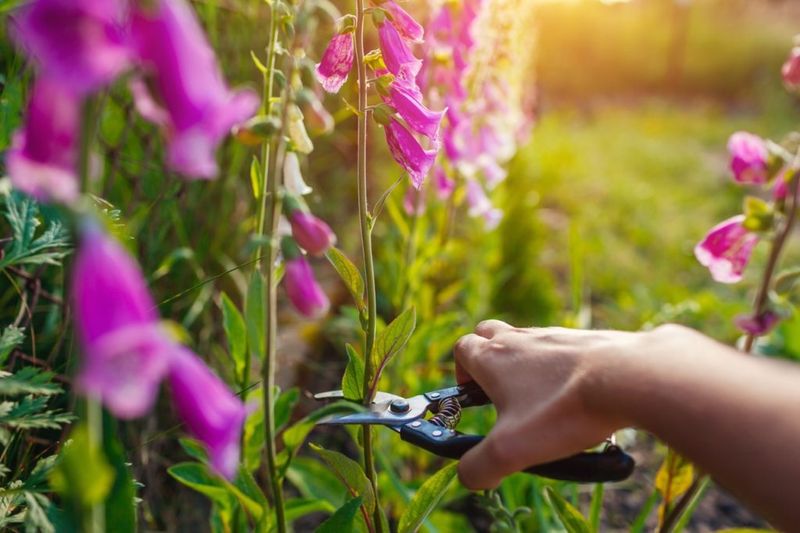
Pruning is an effective way to manage the health and appearance of foxgloves. Remove spent flowers before they set seed to encourage more blooms. This practice, known as deadheading, can extend the flowering period.
Also, remove any dead or diseased leaves to prevent the spread of infection. Pruning back the plants in late fall helps prepare them for winter dormancy.
Regular pruning not only enhances the aesthetic appeal but also promotes air circulation within the plant. This reduces the likelihood of disease, ensuring that your foxgloves remain vibrant and healthy throughout the growing season.
7. Manage Pests Naturally
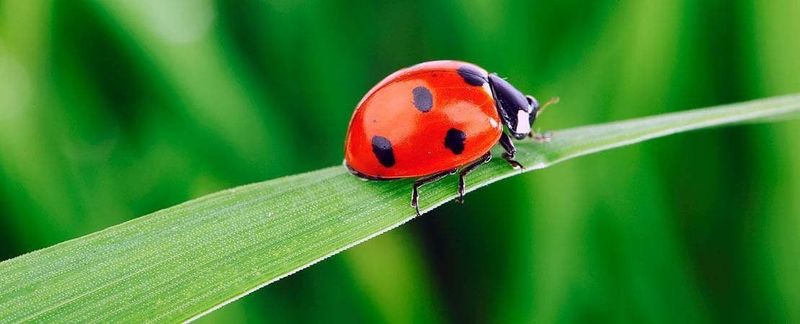
Foxgloves can be attractive to pests like aphids and slugs. Embrace natural pest management techniques to protect your garden without harming beneficial insects.
Introduce natural predators like ladybugs and lacewings to control aphid populations. For slugs, consider using barriers like crushed eggshells or copper tape around the plants.
Regularly inspect the plants for signs of pest activity and address issues promptly. A healthy garden ecosystem can often keep pest problems in check, allowing your foxgloves to flourish.
These natural methods ensure a thriving, chemical-free garden environment, contributing to the overall health of your foxgloves.
8. Support Tall Spires
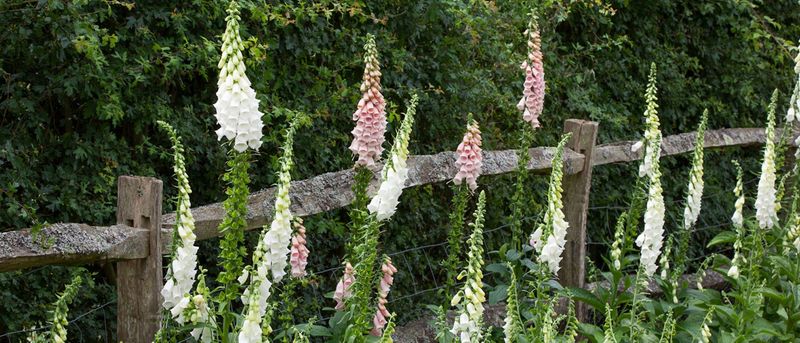
The tall flower spikes of foxgloves can be vulnerable to wind or heavy rain. Providing support ensures they maintain their majestic posture. Use stakes or decorative plant supports to keep the blooms upright.
Place supports early in the season as the plants begin to grow, positioning them close to the base without damaging roots. Tying the stalks loosely with garden twine allows for natural movement.
This preventative measure helps maintain the aesthetic appeal of your garden while protecting the plants from damage. It’s a simple yet effective way to ensure the longevity and beauty of your foxglove blooms.
9. Plan for Biennial Growth
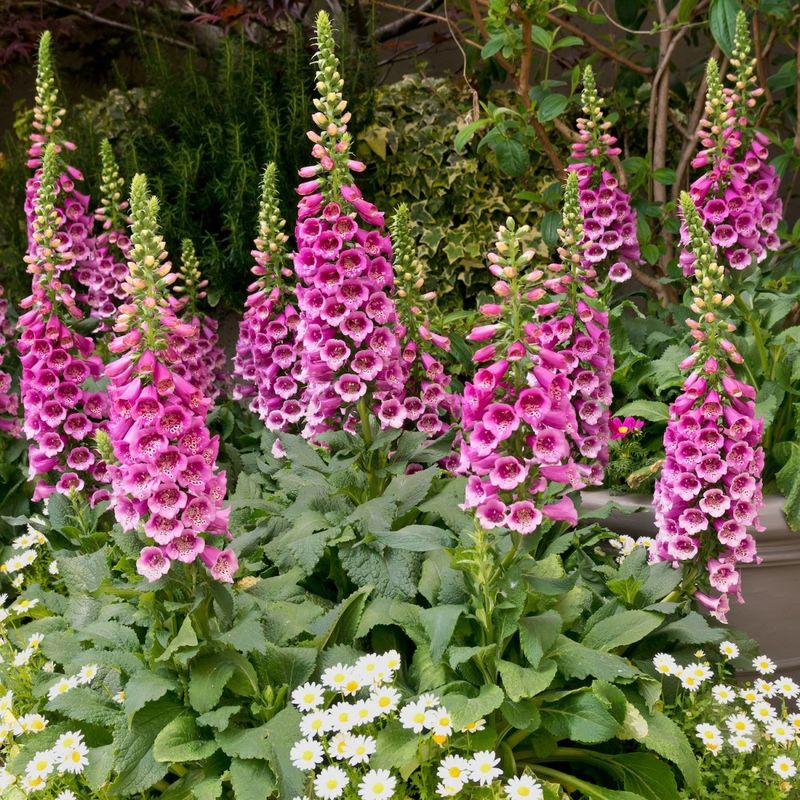
Foxgloves are typically biennial, meaning they flower in their second year. Planning for this growth cycle ensures continuous blooms in your garden. Start new seeds each year to maintain a regular display.
In the first year, focus on fostering strong foliage growth. The following year, enjoy the towering blooms. By staggering plantings and combining with perennials, you can achieve a seamless garden design.
Understanding their life cycle allows for strategic planting and a dynamic floral display each year. This foresight ensures your garden is always filled with the striking presence of foxgloves.
10. Mix Varieties
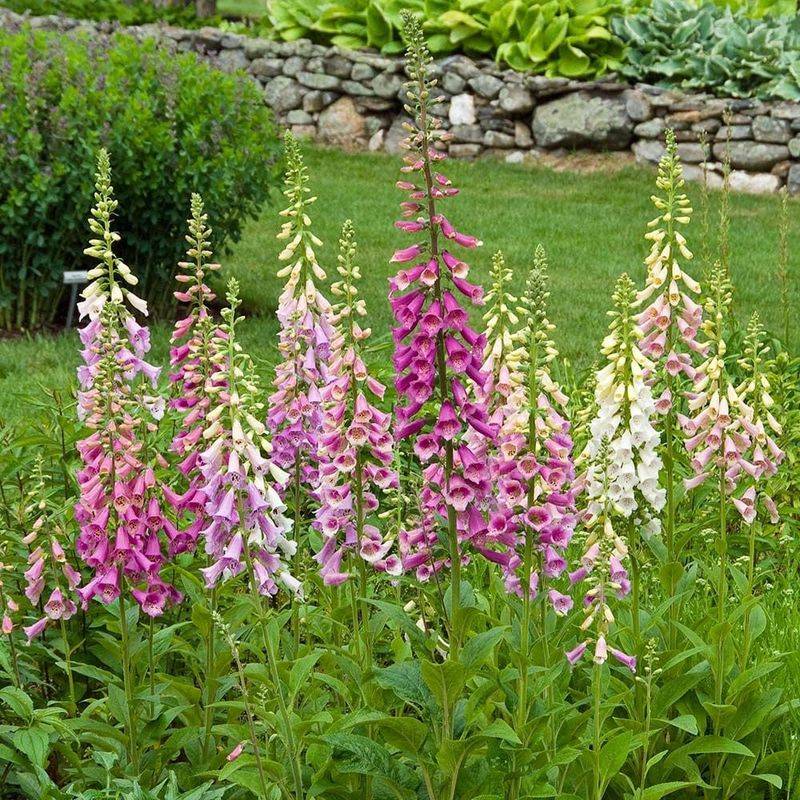
Diversity adds intrigue to any garden. Mixing different foxglove varieties can result in a captivating display of colors, heights, and flowering times. Some species offer unique hues like apricot or white, adding contrast to traditional purple and pink.
Choose varieties that complement each other and your overall garden design. This variety also encourages biodiversity, attracting a range of pollinators.
Experimenting with different foxglove types enhances the garden’s aesthetic and ecological value. This approach ensures a lively and engaging garden environment, filled with dynamic visual interest and ecological diversity.
11. Understand Toxicity
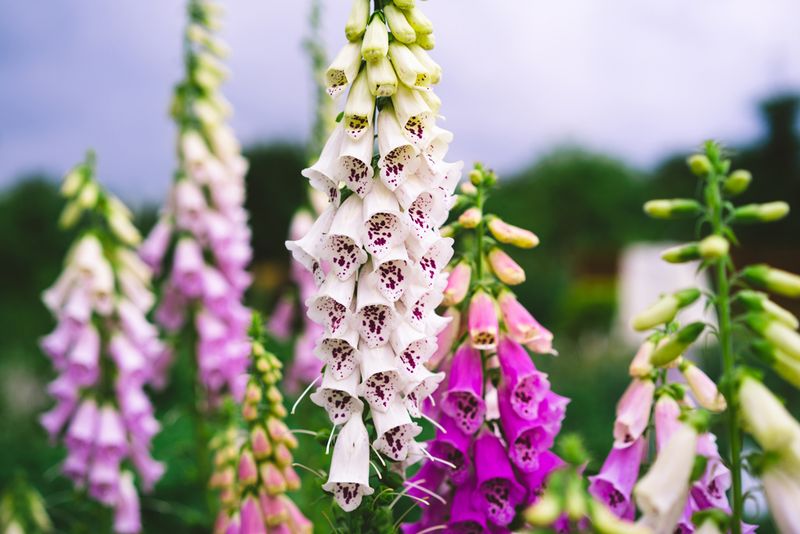
It’s essential to be aware of the toxicity of foxgloves. All parts of the plant contain digitalis, which can be harmful if ingested. Educate children and pets about the danger and consider placing cautionary signs in the garden.
Despite their beauty, maintaining a safe environment is paramount. Wearing gloves when handling the plants can prevent skin irritation.
Understanding this aspect of foxglove care is crucial for a safe gardening experience. It’s a reminder of the blend of beauty and caution necessary in garden planning, ensuring a safe and enjoyable outdoor space for everyone.
12. Rotate Planting Areas
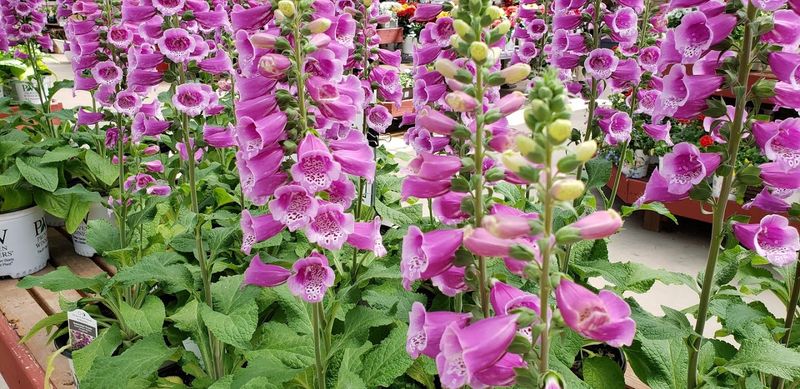
Rotating planting areas is vital for maintaining soil health and preventing disease build-up. By changing the location of your foxgloves every few years, you allow the soil to recover and reduce the risk of pests and diseases.
This practice also helps in managing nutrient depletion, ensuring that the plants have access to fresh, fertile soil. Consider companion planting with other plants that improve soil quality.
Such rotations encourage a robust garden ecosystem, supporting the health of your foxgloves and enhancing the overall vitality of your garden beds.
13. Protect from Harsh Weather

Harsh weather can damage delicate foxglove blooms. During frost, cover plants with burlap or frost cloth to prevent damage. In areas with strong winds, install windbreaks or plant in sheltered spots.
In hot climates, providing afternoon shade can prevent sun scorch. Understanding your local climate and preparing accordingly ensures that your foxgloves remain healthy and vigorous.
These protective measures are crucial for sustaining the beauty and longevity of your plants. Tailoring your approach to the specific weather challenges of your region ensures thriving foxglove groves.
14. Design with Height Variation
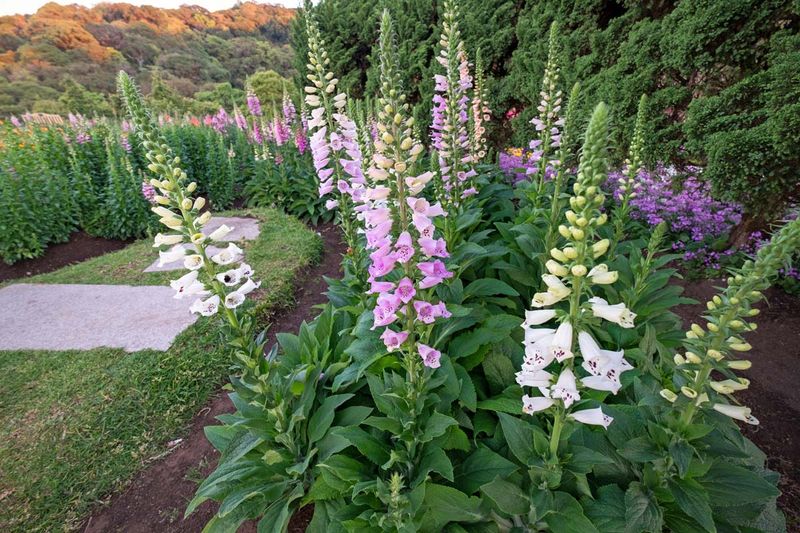
Foxgloves offer great potential for vertical interest in garden design. By staggering the heights of different plants, you create depth and visual intrigue in your flower beds.
Position taller varieties towards the back, allowing shorter plants in front to bask in sunlight. This layering effect not only enhances aesthetics but optimizes the growing conditions for each plant.
Incorporating height variation into your design creates a dynamic and engaging landscape. It’s a simple yet impactful method to showcase the grandeur and elegance of foxglove blooms, enhancing the overall beauty of your garden.
15. Encourage Wildlife
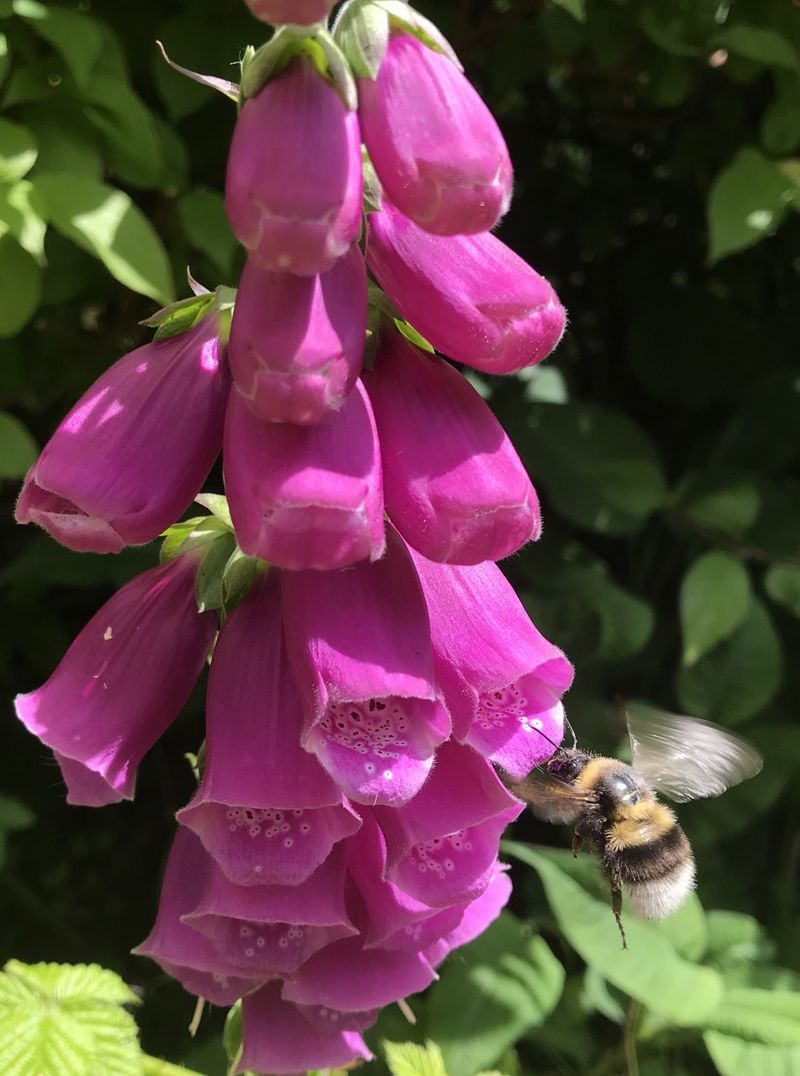
Foxgloves are magnets for pollinators, attracting bees and butterflies with their vibrant blooms. Planting foxgloves contributes to local biodiversity and supports vital ecosystems.
To enhance this effect, plant in clusters to create a more inviting environment. The tubular flowers provide a rich source of nectar, crucial for pollinator health.
By fostering a wildlife-friendly garden, you not only enjoy the aesthetic appeal of foxgloves but also contribute positively to the environment. This harmonious relationship between plant and pollinator enriches both your garden and the local ecosystem.
16. Celebrate Their Heritage
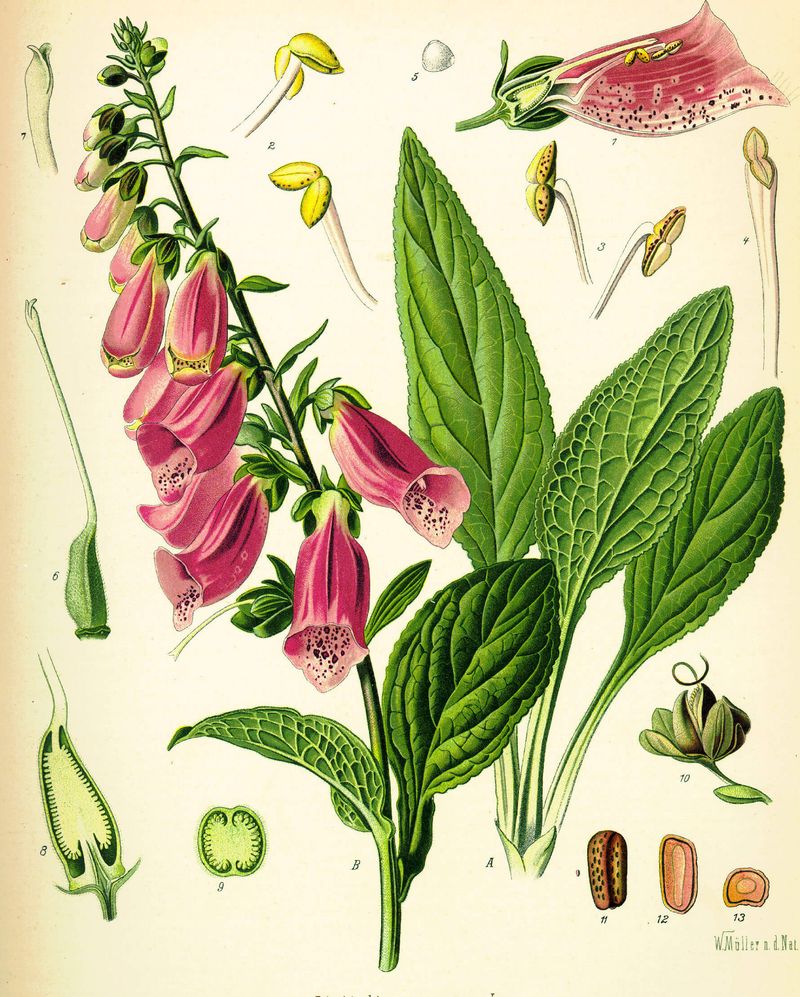
Foxgloves have a storied history, often associated with folklore and traditional medicine. Known as “fairy gloves,” they were believed to be worn by the mystical creatures.
Historically, foxgloves have been used in heart medicine, although this practice is now outdated due to their toxicity. Exploring their cultural significance adds a layer of appreciation to your garden.
Celebrating the heritage of foxgloves enriches your gardening experience, connecting you with the past. This appreciation of history and folklore contributes to the charm and allure of growing these fascinating plants.
17. Companion Planting Techniques
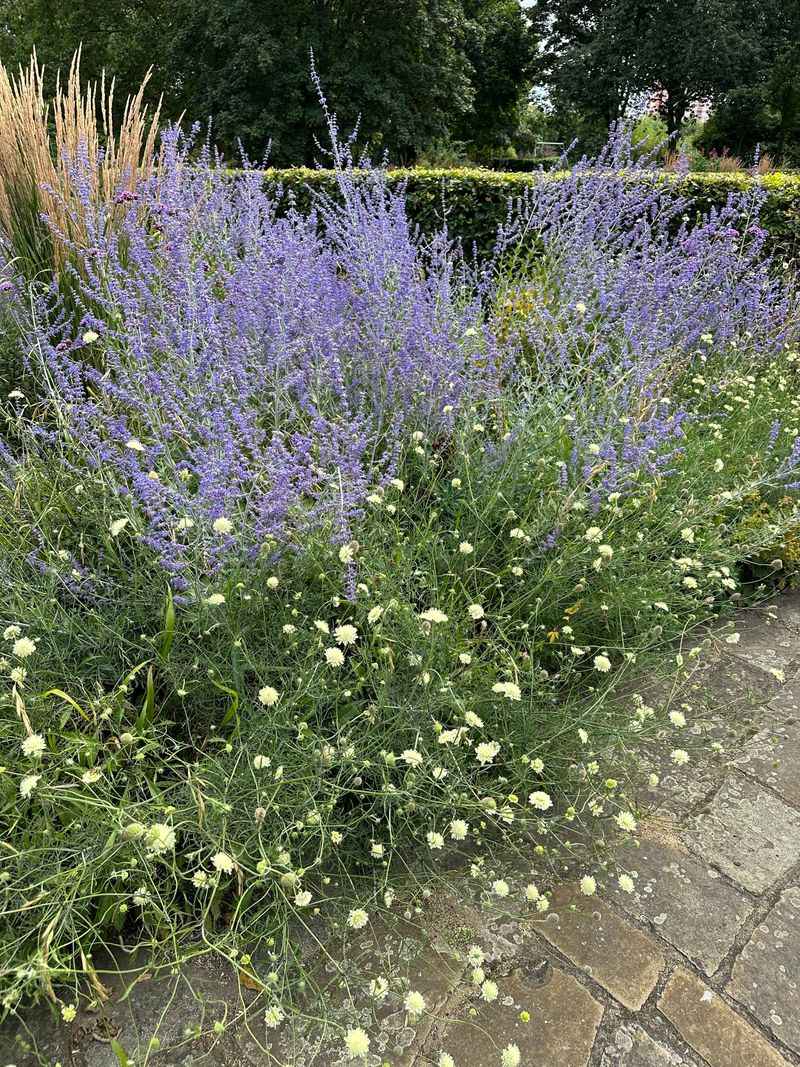
Foxgloves are not only beautiful but also beneficial when planted alongside certain companions. Consider pairing them with plants like lavender, which complements the foxglove’s height with its low-growing form. This combination not only enhances visual appeal but also promotes a healthier garden environment. The aroma of lavender can deter pests, providing a natural defense. Additionally, the diversity in plant height and structure can lead to a more balanced ecosystem, fostering pollinators and ensuring robust growth. Experiment with various companion plants to discover combinations that best suit your garden’s unique aesthetic and ecological needs.