 Complete Gardening
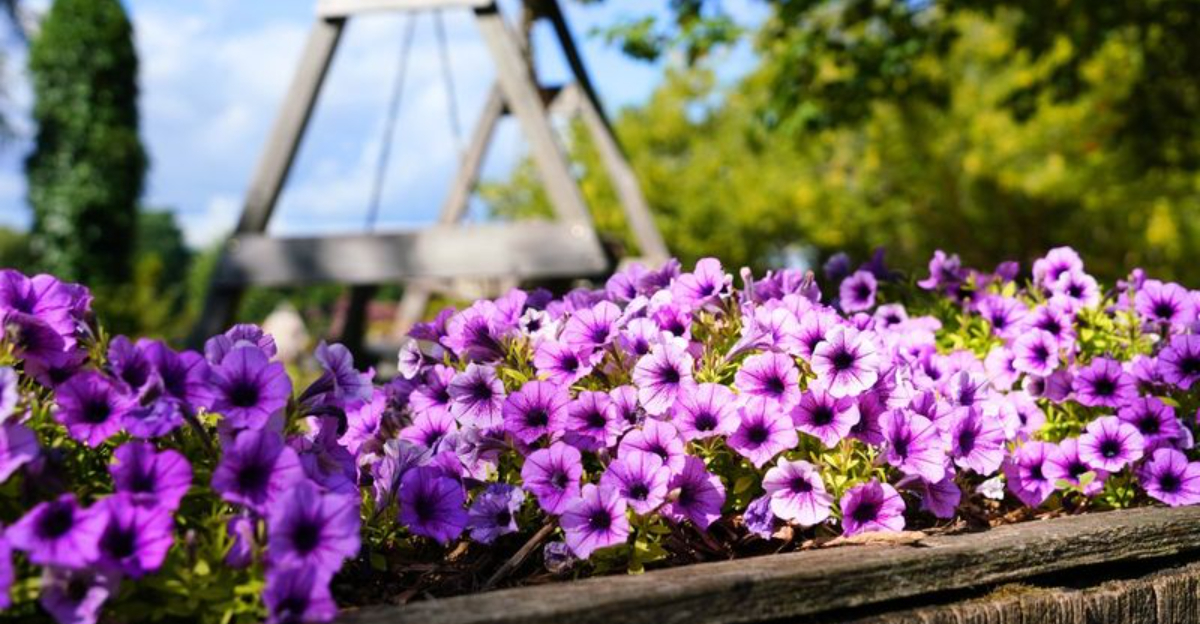
Petunias are beloved for their vibrant colors and lush blooms, but they can sometimes struggle to thrive. Here’s exactly how to bring them back to life with 17 proven methods.
1. Check for Proper Watering (Not Too Much, Not Too Little)
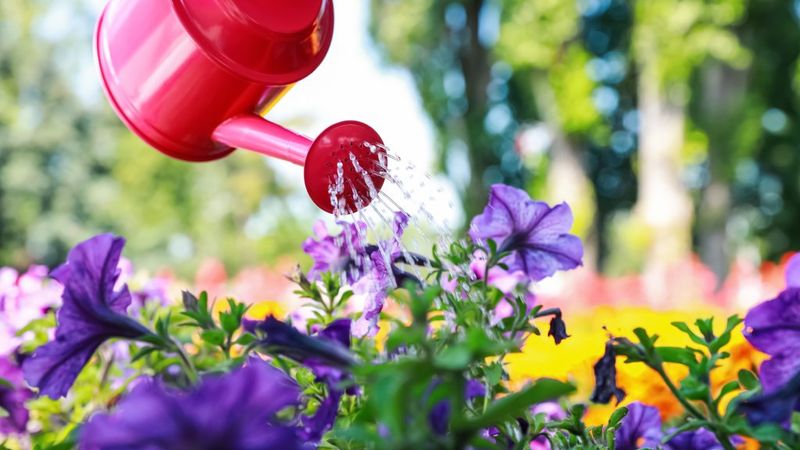
A seasoned gardener once said, “Watering is an art.” Overwatering leads to root rot, while underwatering results in crispy leaves. Insert your finger 1-2 inches into the soil. If it’s dry, it’s time to water. This tactile method ensures your petunias receive just the right amount of hydration. Hydration balance is key; avoid saturating the soil. A light hand with watering can make all the difference in keeping your beloved flowers flourishing. Keep these plants happy and vibrant by giving them the moisture they deserve – but not too much!
2. Improve Drainage (Soggy Soil = Dead Petunias)
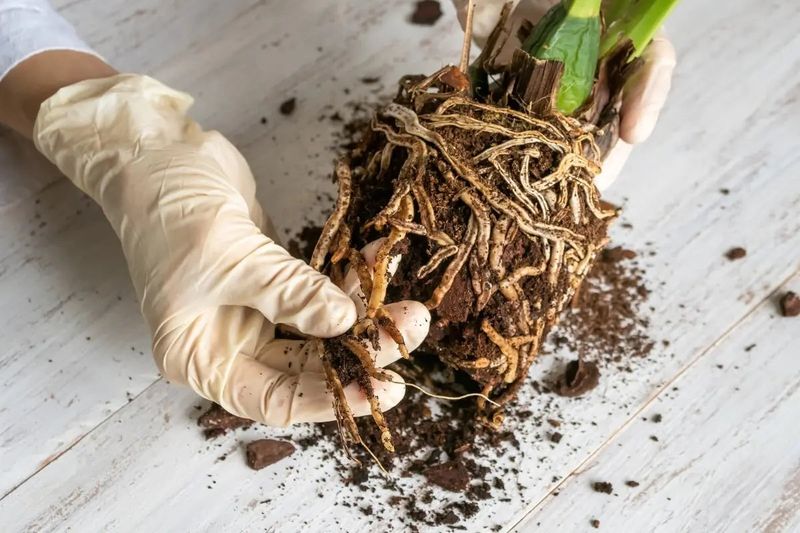
Petunias detest having “wet feet.” Poor drainage suffocates their roots and spells disaster. Enhance drainage by incorporating perlite or sand into the soil. Alternatively, repot petunias in containers with ample drainage holes. This simple adjustment allows excess water to escape, preventing the dreaded root rot. By ensuring your petunias’ roots can breathe, you’ll foster a robust and healthy growth environment. Don’t let soggy soil be the downfall of your cherished blooms. Instead, provide the ideal growing medium for them to flourish.
3. Give Them More Sun (They’re Sun Worshippers!)
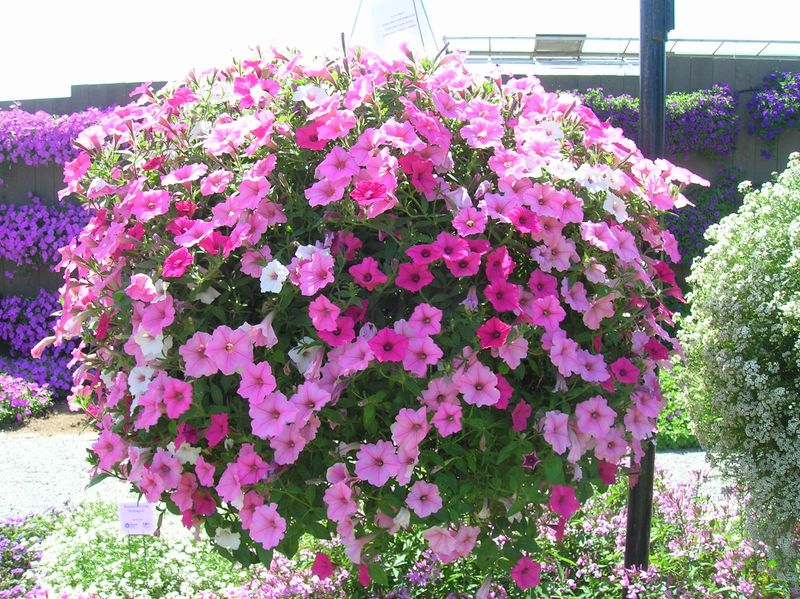
Petunias are sun worshippers by nature. When they appear leggy and weak, insufficient sunlight is often the culprit. Relocate them to a spot where they can soak up at least six hours of direct sunlight daily. This infusion of solar energy will invigorate their growth and bloom production. Sunlight is essential for their photosynthesis process, ensuring vibrant colors and robust foliage. Don’t let them languish in the shadows; let them thrive in the sun’s warm embrace. Your petunias deserve to bask in glorious sunlight!
4. Trim Dead or Yellowing Leaves & Flowers
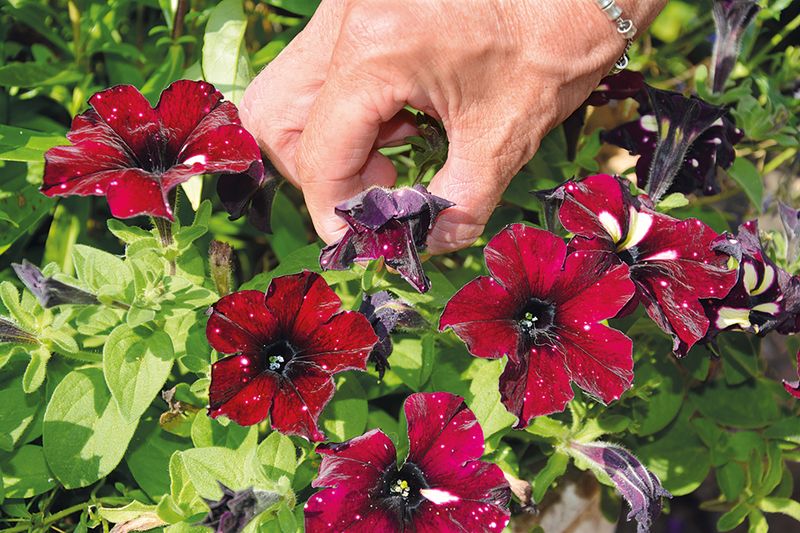
An old gardener’s adage goes, “Out with the old, in with the new.” Dead or yellowing leaves and flowers sap energy from the thriving parts of your petunias. By snipping off wilted blooms and yellow leaves, you redirect valuable nutrients to healthier areas. This regular maintenance is crucial for promoting new growth and ensuring your petunias stay vibrant. Keep your blooms looking their best by giving them a fresh start. A little trim here and there goes a long way in keeping these beauties vigorous!
5. Fertilize (But Don’t Overdo It!)
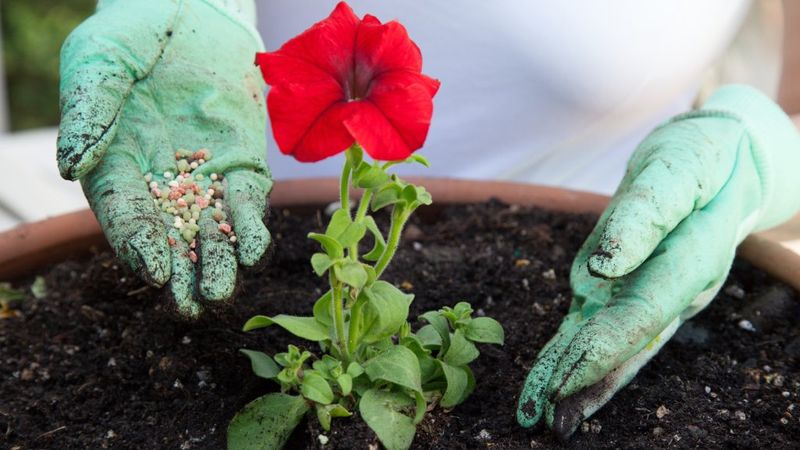
Fertilization is like fuel for your petunias. Pale leaves or stunted growth signal a nutrient deficiency. Use a balanced, water-soluble fertilizer, such as 10-10-10, every 2-3 weeks. This regimen provides essential nutrients without overwhelming your plants. By feeding them the right nutrients, you’ll enhance their bloom potential and overall vitality. But remember, moderation is key; too much fertilizer can be as harmful as too little. Nurture your petunias with care, and they’ll reward you with a glorious display of color!
6. Watch for Pests (Aphids Love Petunias)
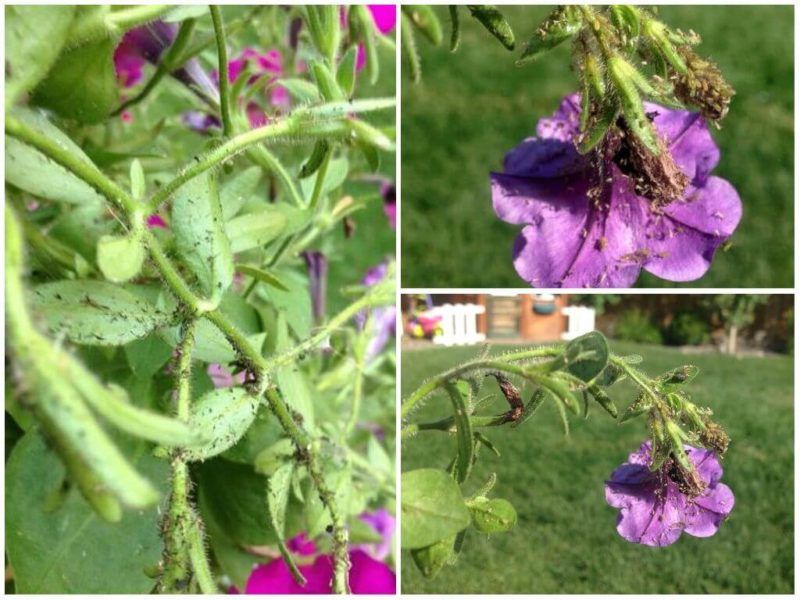
Petunias are occasionally plagued by unwanted guests like aphids or spider mites. These tiny pests can cause sticky leaves or visible damage. Keep a vigilant eye out for infestations, and act promptly. Spray infected areas with neem oil or insecticidal soap to keep these intruders at bay. Regular monitoring and timely intervention prevent pests from wreaking havoc on your garden. Protecting your petunias from these tiny adversaries ensures their continued health and vitality. Don’t let pests ruin your garden’s beauty.
7. Avoid Overcrowding (Give Them Space!)
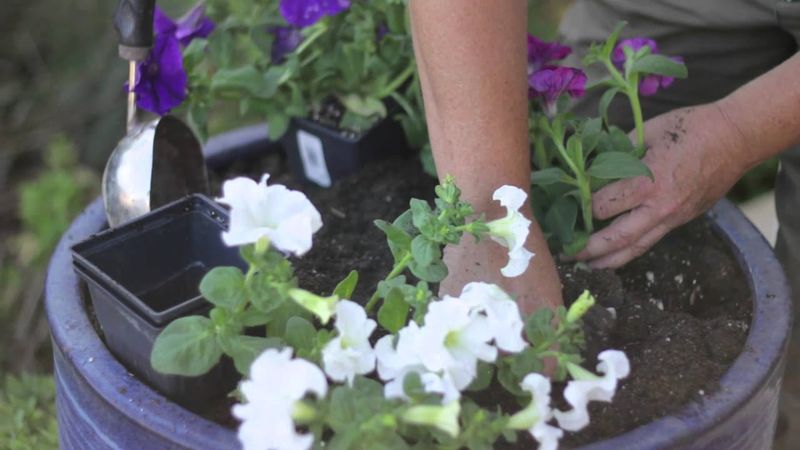
An old saying goes, “Give them room to breathe.” Overcrowding petunias leads to competition for resources, stifling their growth. Thin out or transplant your petunias to provide each plant the space it needs to thrive. By allowing for good air circulation, you’ll minimize the risk of disease and optimize nutrient uptake. Creating room for each plant ensures stronger, healthier growth. Don’t let overcrowding hinder their potential; give your petunias the space to flourish and watch them thrive!
8. Deadhead Religiously (More Blooms, Less Rot)
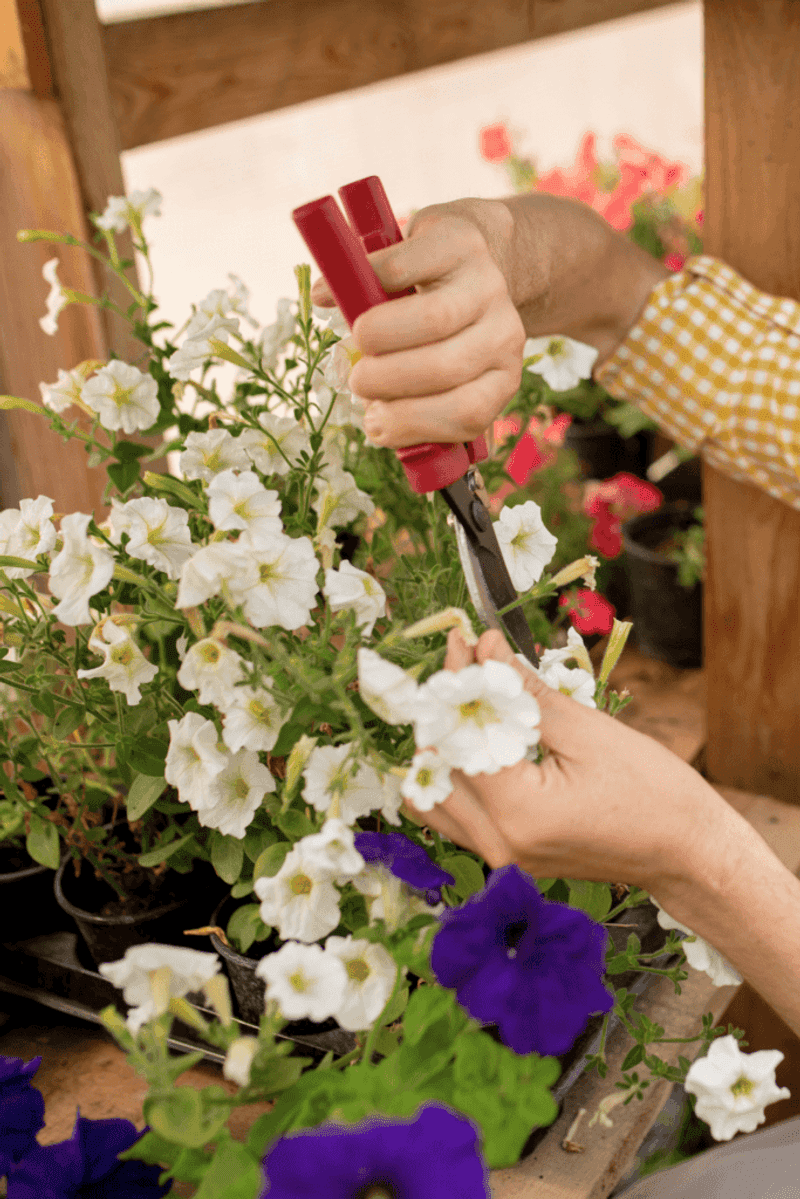
Deadheading petunias is more than just maintenance—it’s an art form. Removing spent flowers prevents mold and encourages new blooms. Pinch off dead blooms to channel energy into new growth and maintain vibrant displays. This simple practice not only enhances the aesthetic appeal of your petunias but also promotes their overall health. By removing the old, you make way for the new, ensuring a continuous cycle of color and vitality. Make deadheading a regular part of your gardening routine.
9. Test Soil pH (They Prefer Slightly Acidic Soil)
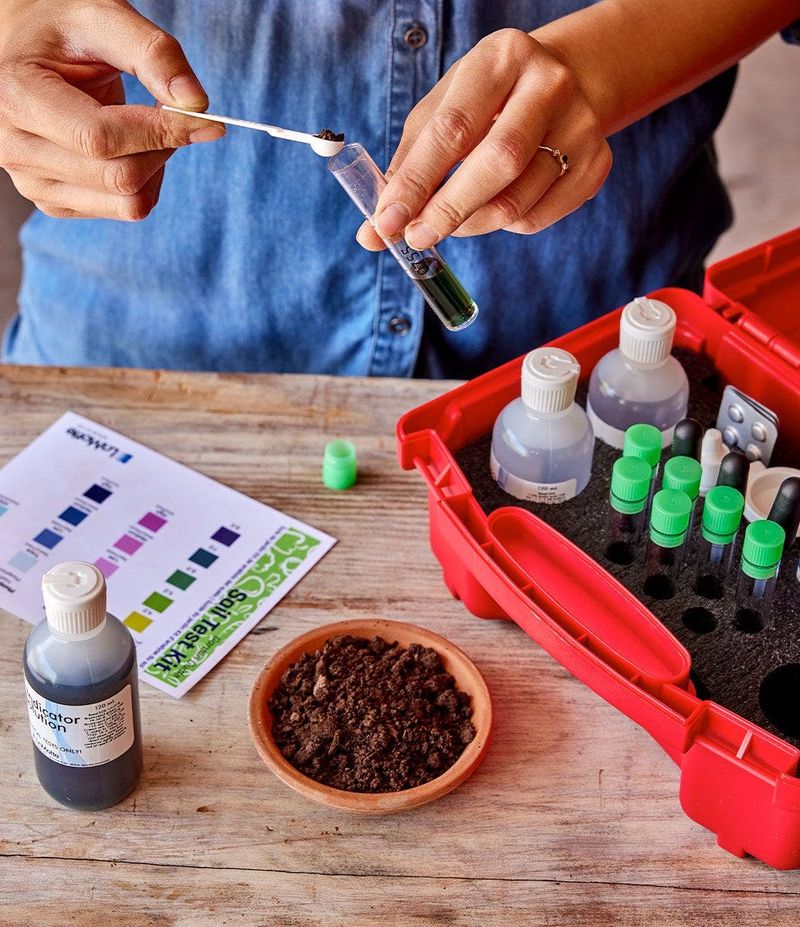
Soil pH plays a crucial role in the nutrient uptake of petunias. If your plants seem lackluster, the soil’s pH may be off. Aim for a pH between 6.0 and 7.0 to prevent nutrient lockout. Adjust the pH using lime to raise it or sulfur to lower it. By maintaining the proper pH, you’ll facilitate optimal nutrient absorption, promoting lush growth and vibrant blooms. Don’t overlook this essential factor in your petunia care routine. Let your flowers thrive in the right pH environment.
10. Protect from Extreme Heat (Midday Shade Helps)
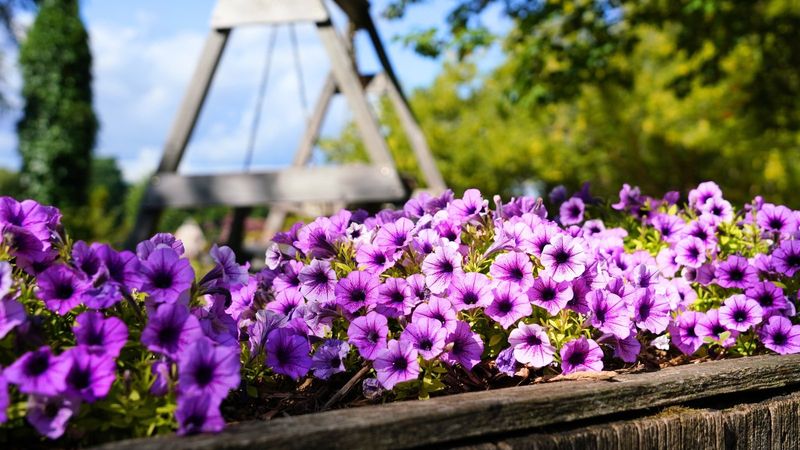
Petunias, like us, can suffer from extreme heat. Scorched leaves often signal a need for respite from the sun. Provide afternoon shade or mist lightly during heatwaves to protect them from sunburn. These measures prevent the damaging effects of excessive heat and maintain the health of your plants. By offering a little relief from the sun’s intensity, you’ll keep your petunias looking fresh and lively. Preserve their beauty by shielding them from the harshest rays.
11. Prevent Fungal Diseases (Like Powdery Mildew)
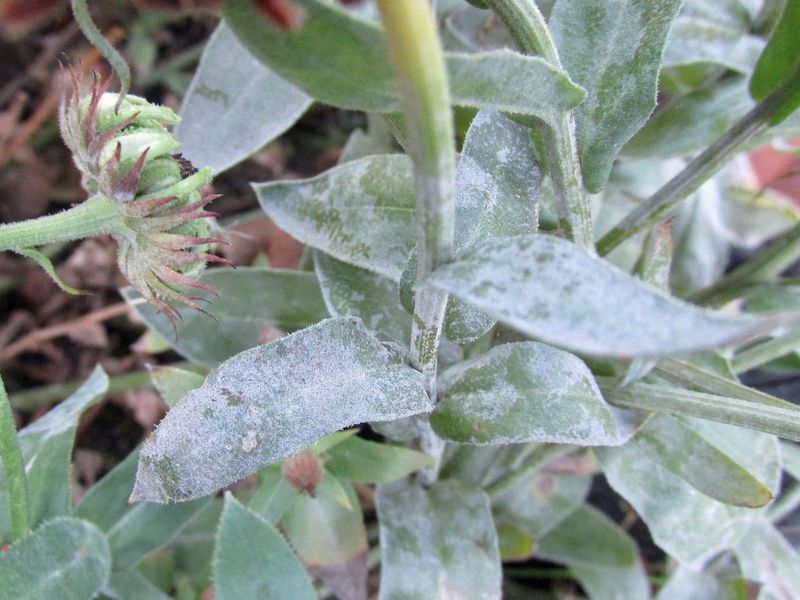
Fungal diseases like powdery mildew can plague petunias, leaving white, powdery spots on leaves. Enhance airflow around your plants to minimize the risk. Treat affected areas with a baking soda spray, mixing one teaspoon of baking soda with a quart of water. This natural remedy combats fungal growth without harming your plants. By addressing fungal issues promptly, you’ll keep your petunias healthy and blooming. Don’t let mildew mar their vibrant appearance; take action today!
12. Avoid Wetting the Leaves (Water at the Base)
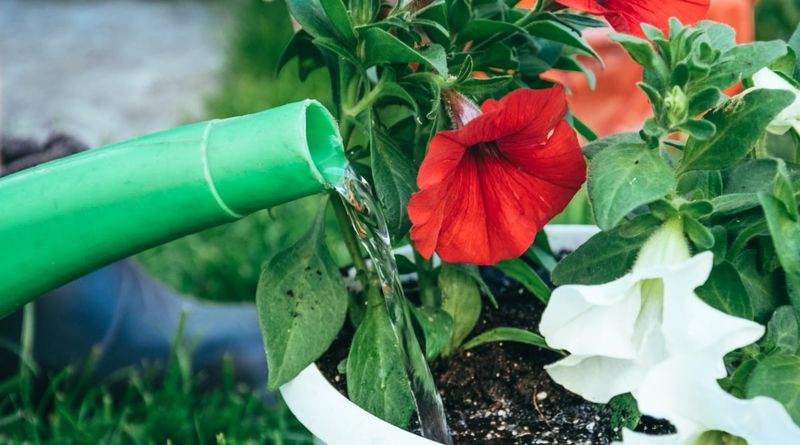
A golden rule of petunia care: water at the base. Wet foliage invites fungal infections, compromising plant health. Direct your watering efforts to the soil, not the plant’s leaves. This simple practice reduces the risk of disease and keeps your petunias thriving. Proper watering techniques are essential for maintaining vigorous growth and ensuring lush blooms. By focusing on the roots, you’ll foster a healthier environment for your flowers. Keep your garden disease-free by watering wisely.
13. Rejuvenate with a Hard Prune (If They’re Leggy)
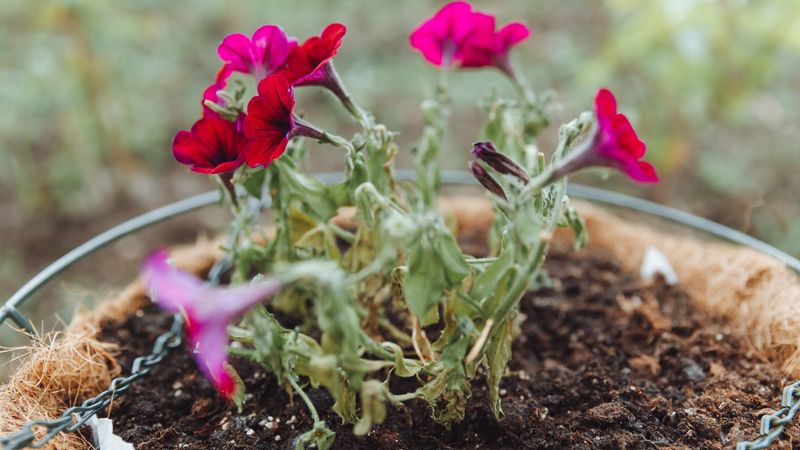
When petunias become leggy, a hard prune can be transformative. Cut back stems by a third to encourage bushier growth and more blossoms. This technique revitalizes tired plants, giving them a fresh start. Hard pruning may seem drastic, but it promotes renewal and vigor, leading to a fuller appearance. By embracing this bold approach, you’ll reinvigorate your petunias and enhance their beauty. Don’t hesitate to wield those shears; your plants will thank you for it!
14. Use Mulch to Retain Moisture & Regulate Temp
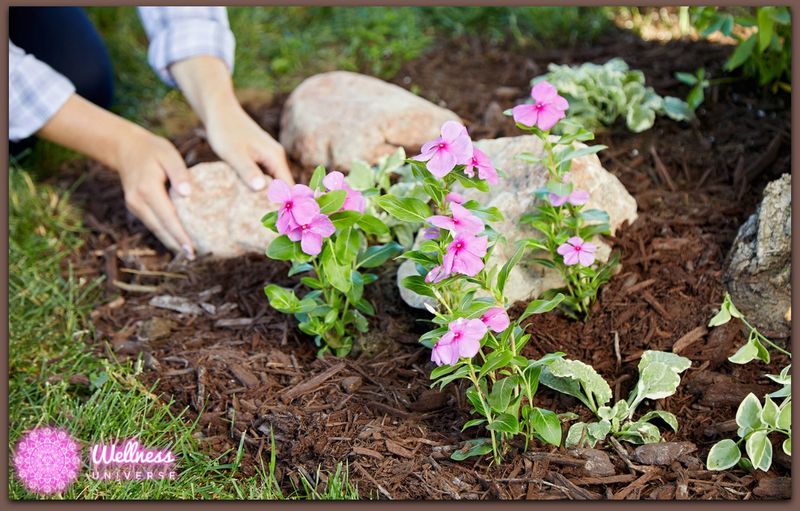
Mulch is a gardener’s ally. Applying organic mulch, like straw or bark, around petunias helps retain soil moisture and regulate temperature. This protective layer shields roots from drying out too quickly or overheating. By creating a stable environment, you’ll support robust growth and vibrant blooms. Mulch also suppresses weeds, further benefiting your plants. Embrace this simple yet effective practice to enhance your garden’s health and appearance. Keep your petunias thriving with a thoughtful layer of mulch.
15. Repot if Root-Bound (Tangled Roots = Stress)
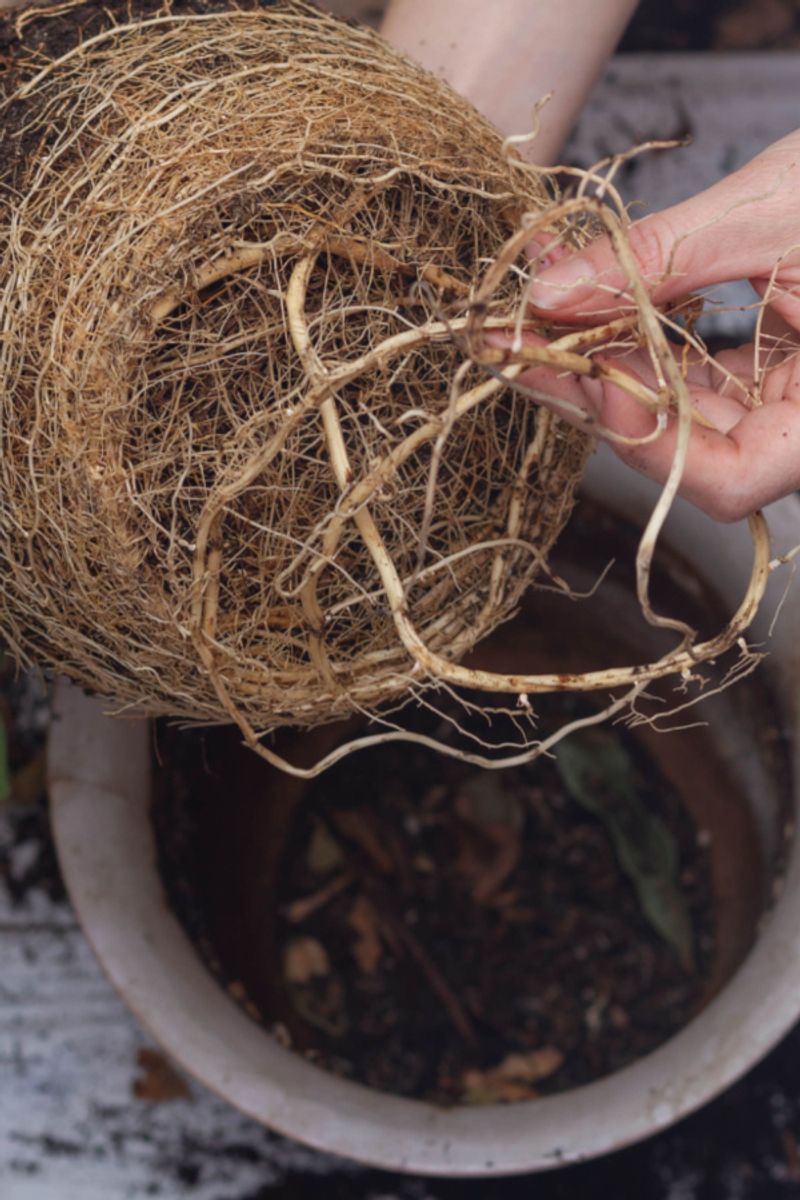
Roots circling the pot signal a need for repotting. Petunias become stressed when root-bound, hindering their growth. Gently loosen tangled roots and transfer them to a larger container with fresh soil. This process alleviates stress and provides room for expansion, fostering healthy development. By giving your petunias a new home, you’ll encourage vigorous growth and prevent nutrient deficiencies. Don’t let root-bound conditions stifle their potential; repot for revitalized blooms!
16. Try Epsom Salt for a Magnesium Boost
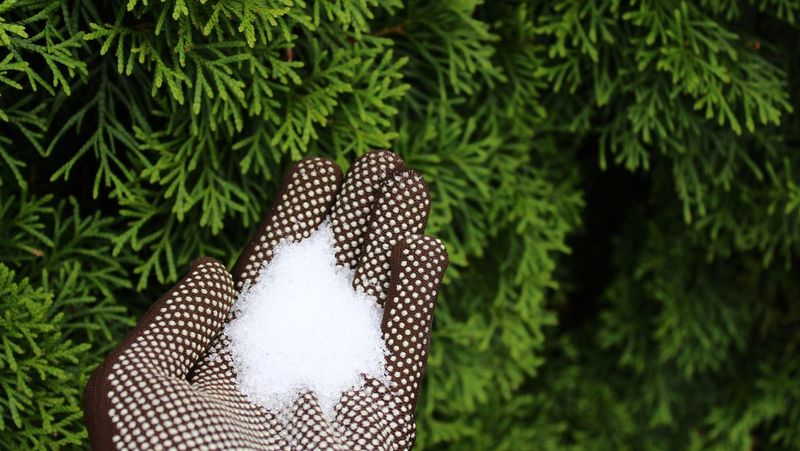
Yellowing between leaf veins suggests a magnesium deficiency. Boost your petunias with Epsom salt—mix one tablespoon per gallon of water and apply monthly. This magnesium-rich solution enhances chlorophyll production and overall plant health. By addressing this nutrient gap, you’ll improve foliage color and vitality. Incorporating Epsom salt into your care routine can transform lackluster leaves into lush, vibrant ones. Give your petunias the extra boost they need to shine bright and beautiful!
17. Be Patient & Consistent (They’ll Bounce Back!)
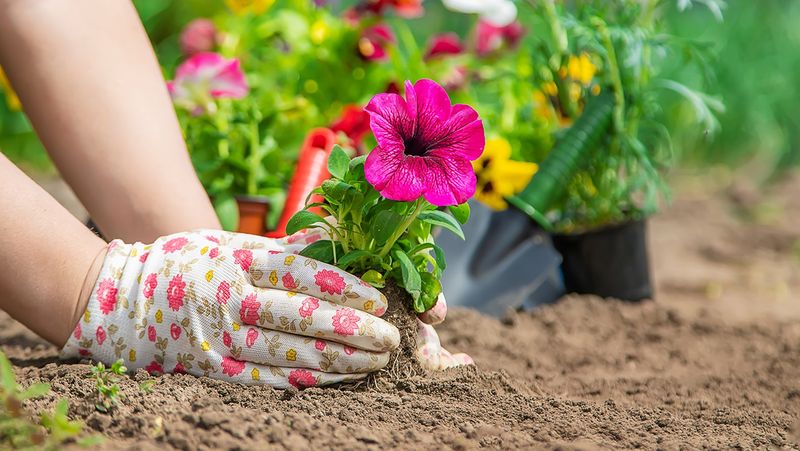
Gardening requires patience. Recovery takes time, but consistent care yields rewarding results. Stick with your care routines, and watch your petunias bounce back with vigor. Patience and diligence foster a resilient garden, with petunias rewarding your efforts. Embrace the journey as you nurture these delicate blooms, knowing your dedication will pay off. With time and consistent care, your petunias will flourish into a stunning display of color and vitality. Stay committed, and nature will reward you.