 Complete Gardening
Gardening is a rewarding hobby, but beginners often face challenges that can be discouraging. By understanding common mistakes, you can cultivate a thriving garden and enjoy the fruits of your labor. Here are 17 mistakes beginner gardeners make and how to fix them, each presented with practical advice and encouraging insights.
1. Overwatering Plants
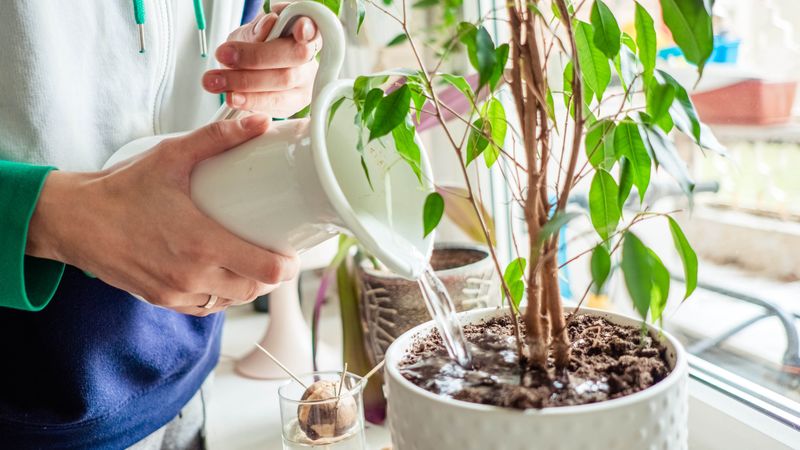
Overwatering is a common mistake many novice gardeners make. They believe more water equates to healthier plants. However, drowning the roots can lead to rot and disease.
Instead, check the soil moisture by sticking a finger an inch into the soil. If it feels dry, then it’s time to water. This method prevents overwatering and helps plants grow robustly.
Healthy roots need air as much as they need water. Remember, it’s about balance. Proper watering is essential for a thriving garden. An enthusiastic gardener learns to listen to the plant’s needs.
2. Not Understanding Sunlight Needs
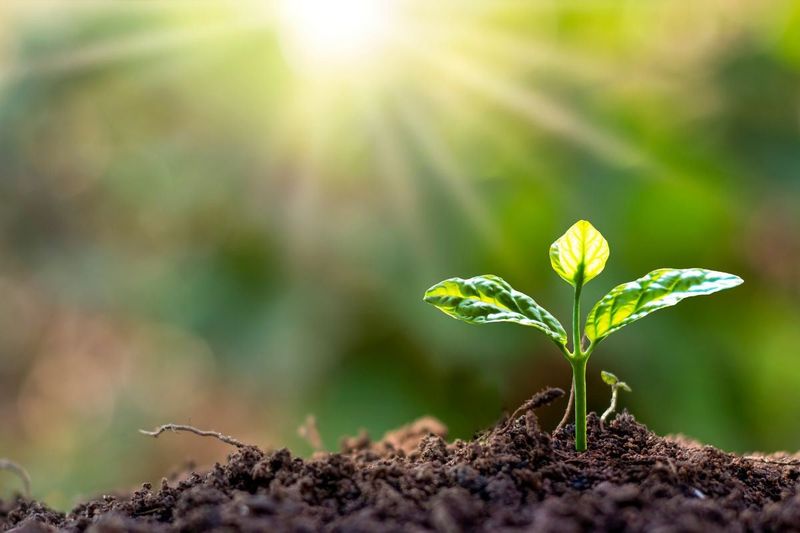
Sunlight is crucial for photosynthesis, yet many beginners overlook plant-specific light requirements. Some plants flourish in full sun, while others prefer shade.
Understanding these needs helps in placing plants in suitable spots. Read plant tags or research online to know what each plant requires.
This mistake is easily rectified with a little attention. Proper sunlight exposure ensures healthy growth, vibrant blooms, and a bountiful harvest. Every plant has its personality, and knowing it makes gardening a delightful experience.
3. Ignoring Soil Quality
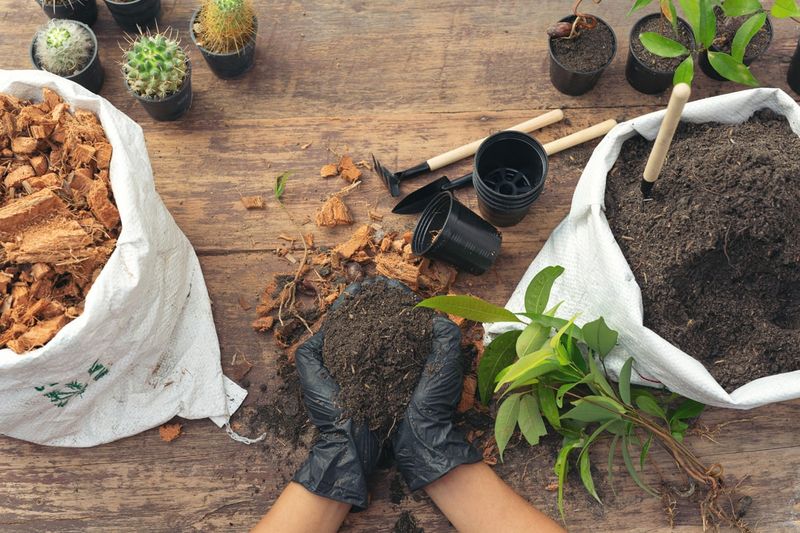
Soil is the foundation of any garden, yet its importance is often underestimated. Poor soil quality can hinder plant growth and lead to disappointing results.
Amend the soil with organic matter like compost or well-rotted manure. This enhances fertility, drainage, and structure.
Testing soil pH can also offer insights into nutrient availability. A gardener’s success often lies beneath their feet. Embrace the earth and watch your garden flourish. Good soil is the bedrock of vibrant and healthy plants.
4. Planting Too Close Together
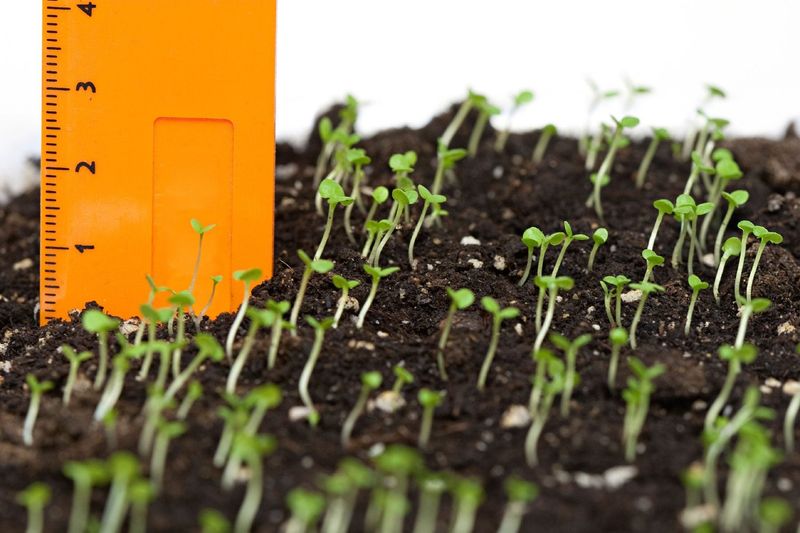
Cramming plants too close can lead to competition for nutrients, water, and light. It also encourages diseases as air circulation is compromised.
Give plants enough space to grow by following spacing guidelines on seed packets or plant labels. Consider future growth, not just current size.
Adequate room allows for healthy development, reducing stress and pest problems. Watching plants thrive in their own space is truly satisfying. Gardening is about nurturing, not overcrowding.
5. Ignoring Pest Control
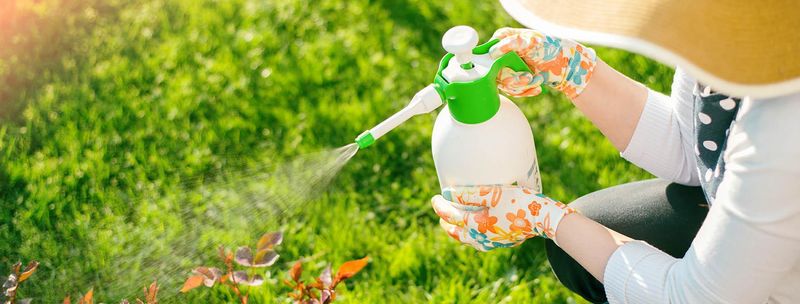
Pests are an inevitable part of gardening, but ignoring them can lead to devastation. Regular inspection helps in early identification of problems.
Use natural predators or organic solutions like neem oil to manage pests. This promotes a balanced ecosystem without harmful chemicals.
Gardening is a partnership with nature. Keeping pests in check ensures a flourishing garden. Embrace a proactive approach, and your plants will reward you with lush growth and beauty.
6. Neglecting Seasonal Planting
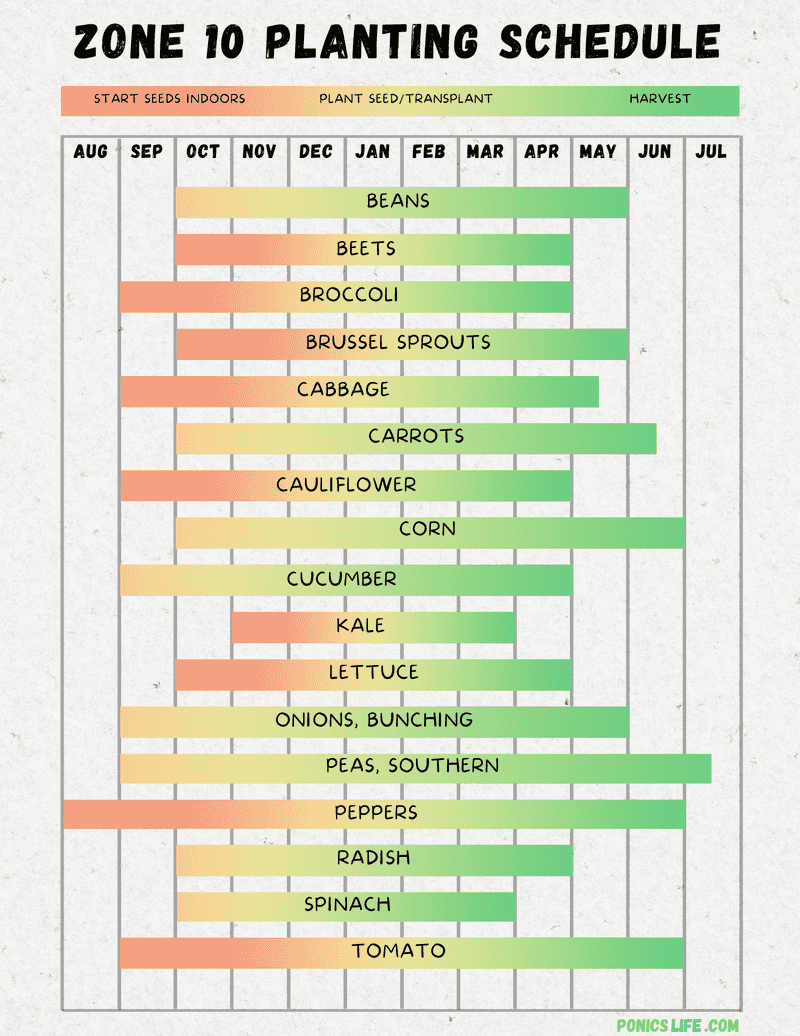
Planting out of season can yield poor results, as plants have specific seasonal needs. Cool-season crops will fail in the heat, while warm-season plants struggle in the cold.
Research local planting calendars to understand the best times for your plants. This ensures conditions are ideal for growth and productivity.
Every region has its rhythm. Aligning with this natural cycle leads to a thriving garden. Seasonal awareness transforms gardening from guesswork to an art form.
7. Using Too Much Fertilizer
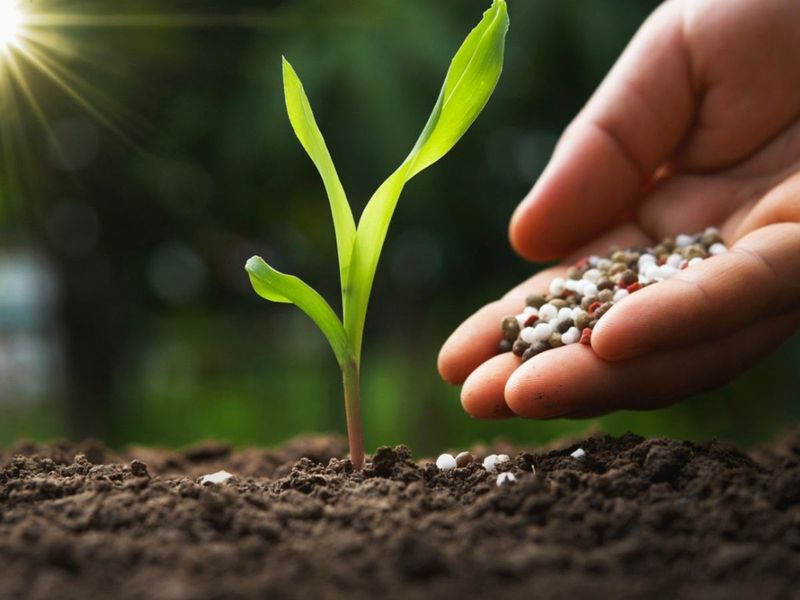
Fertilizer is meant to nourish plants, but overuse can harm them. It may lead to nutrient imbalance and burn the roots, damaging the plant’s health.
Follow label instructions and use organic fertilizers to avoid over-fertilization. Compost is a wonderful alternative, providing balanced nutrients.
A gardener’s touch should be gentle. Recognizing the signs of over-fertilization protects your plants. Balance and moderation are keys to a healthy garden.
8. Not Mulching Properly
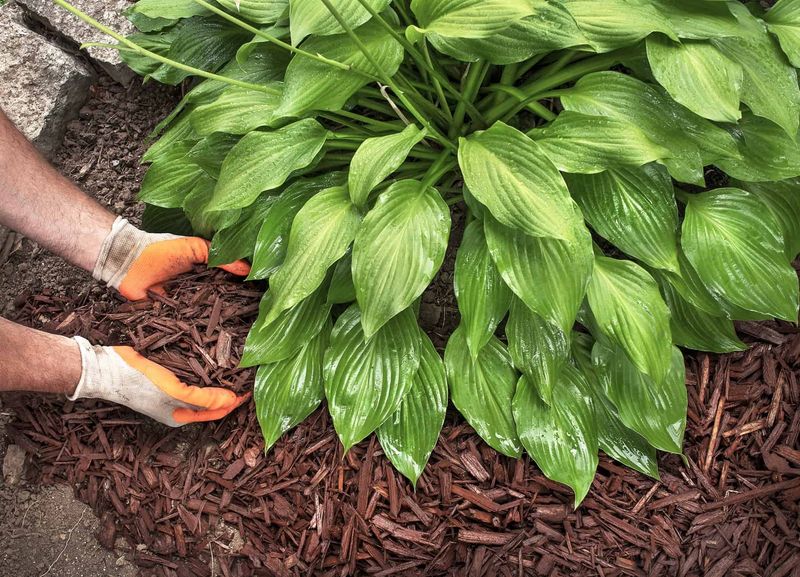
Mulch is more than decorative; it conserves moisture, suppresses weeds, and regulates soil temperature. Improper mulching can lead to rot and evaporation.
Apply mulch evenly, avoiding direct contact with plant stems. Organic mulch, like wood chips, enriches the soil as it breaks down.
Mulching is a gardener’s ally. Proper application transforms the garden, promoting health and vitality. Like a warm blanket, it nurtures the plants beneath.
9. Not Rotating Crops
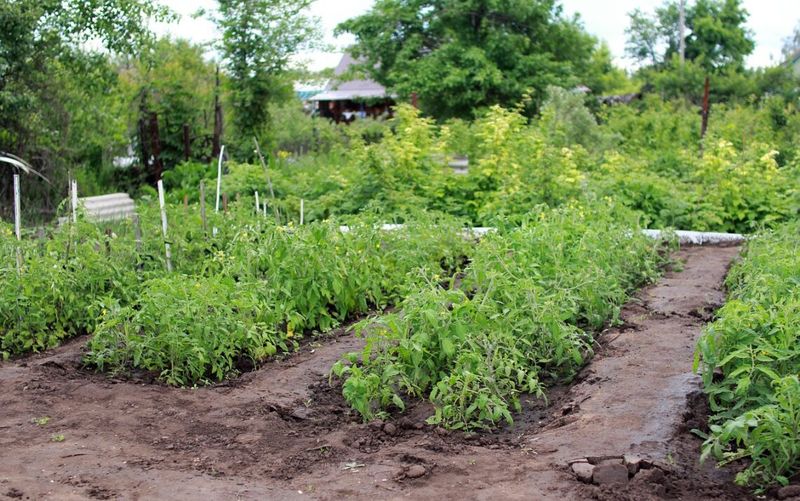
Crop rotation prevents soil depletion and reduces pest and disease build-up. Planting the same crops repeatedly can exhaust the soil and invite problems.
Plan your garden layout to rotate crops yearly. This maintains soil health and breaks pest cycles.
Gardening is a dynamic process. Embracing rotation ensures continuous growth and robust plants. It’s nature’s way of refreshing the garden’s soul.
10. Ignoring Plant Compatibility
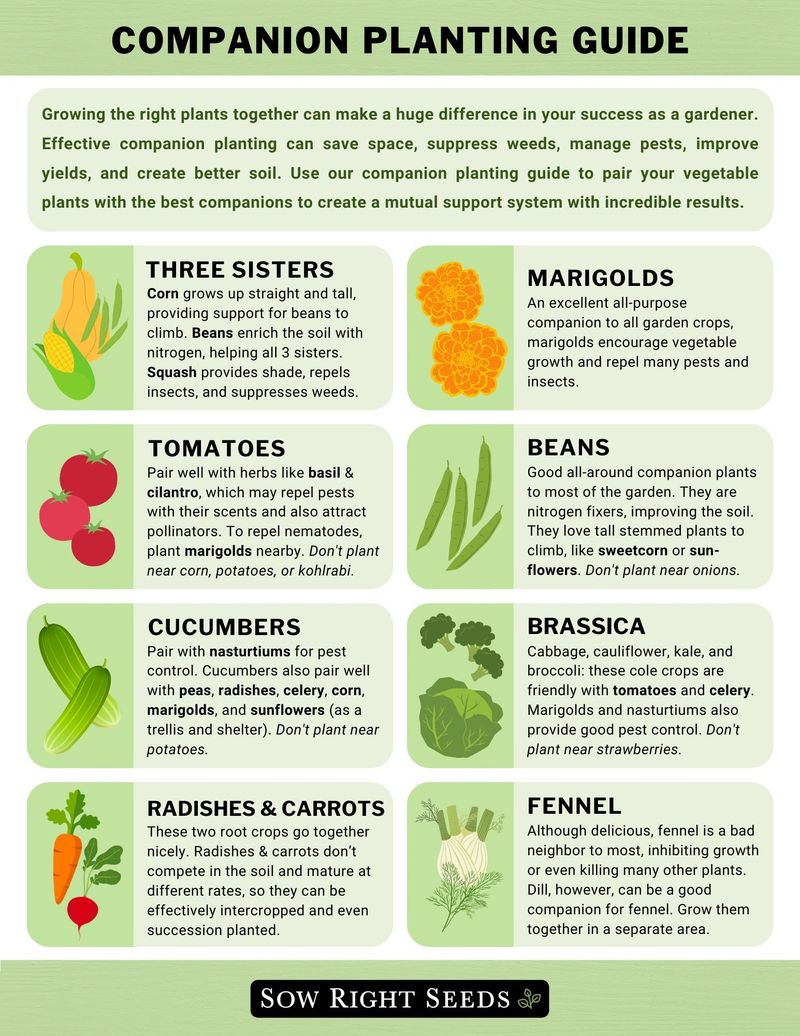
Companion planting enhances growth and deters pests by pairing compatible plants. However, ignoring plant compatibility can lead to poor growth and increased pest issues.
Research which plants thrive together and which should be kept apart. This knowledge turns the garden into a harmonious ecosystem.
Understanding relationships within the garden creates a thriving environment. Compatibility is key to a flourishing garden, much like any friendship.
11. Skipping Regular Pruning
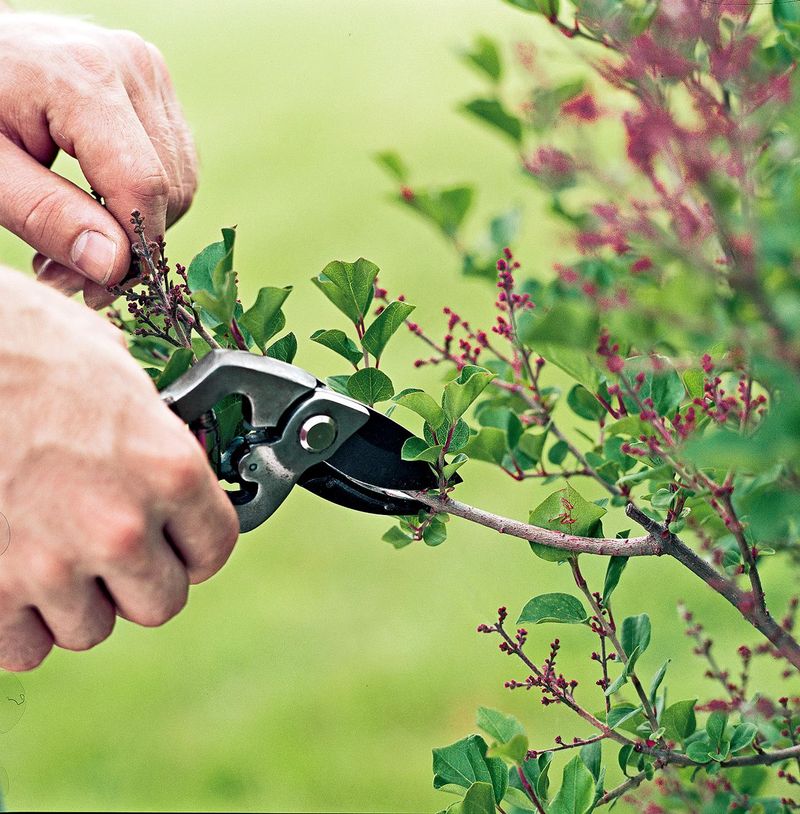
Pruning promotes healthy growth by removing dead or diseased parts. Skipping it leads to overgrowth, reduced yield, and increased disease risk.
Regularly trim plants, focusing on dead branches and spent flowers. Pruning encourages new growth and blooms.
A little trim goes a long way in maintaining a vibrant garden. Pruning is like art, sculpting beauty from chaos. Embrace it, and your garden will thrive.
12. Not Planning for Growth
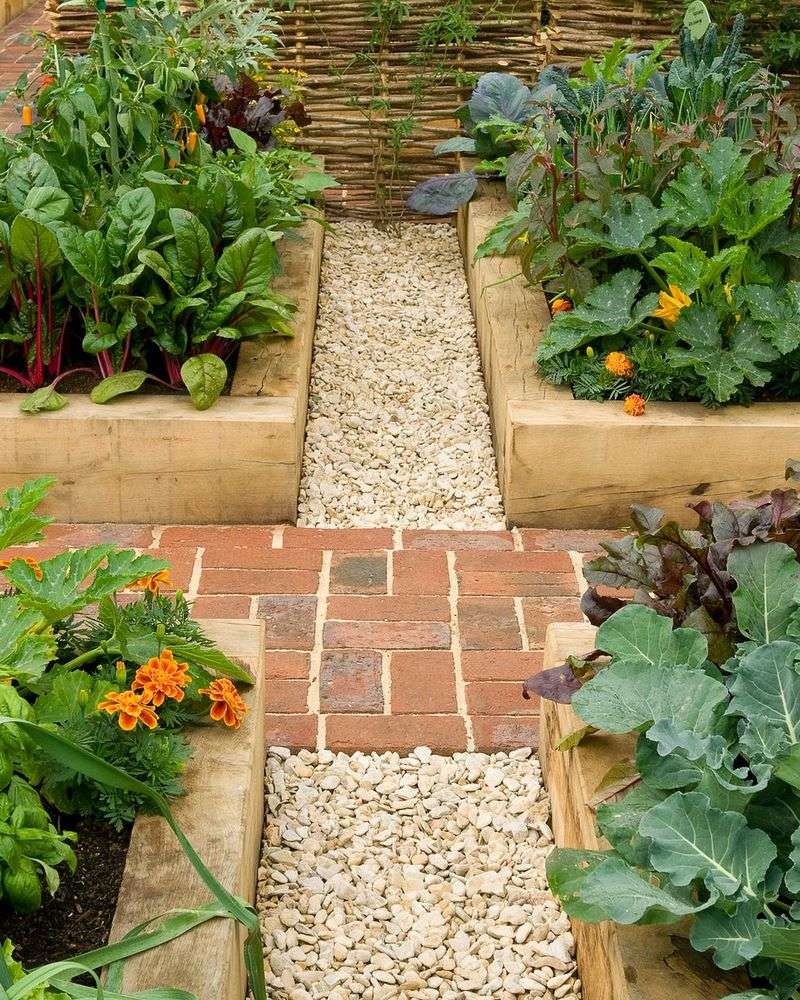
Failing to plan for growth can lead to a cramped garden. Plants need space to reach their potential. Crowding stunts growth and invites disease.
Consider mature size when planting and provide room for expansion. This foresight allows plants to flourish without interference.
A well-planned garden is a joy to behold. Planning for growth ensures your plants thrive, creating a serene and spacious haven.
13. Relying Solely on Chemical Solutions
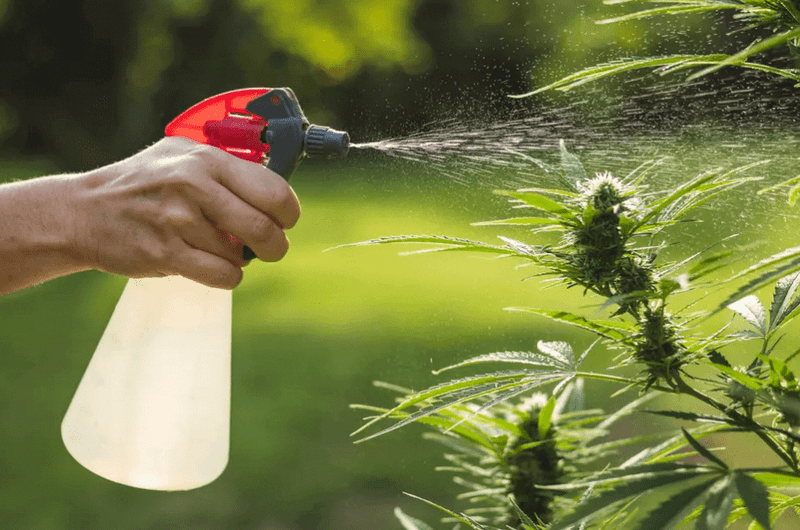
Chemical solutions can control pests and diseases but may harm beneficial organisms and the environment. Over-reliance can create dependency and resistance.
Explore natural alternatives and use chemicals sparingly. Beneficial insects and organic treatments provide balanced pest control.
A healthy garden thrives on balance. Reducing chemical dependency nurtures a diverse ecosystem. Embrace natural solutions and witness nature’s resilience.
14. Not Reading Plant Labels
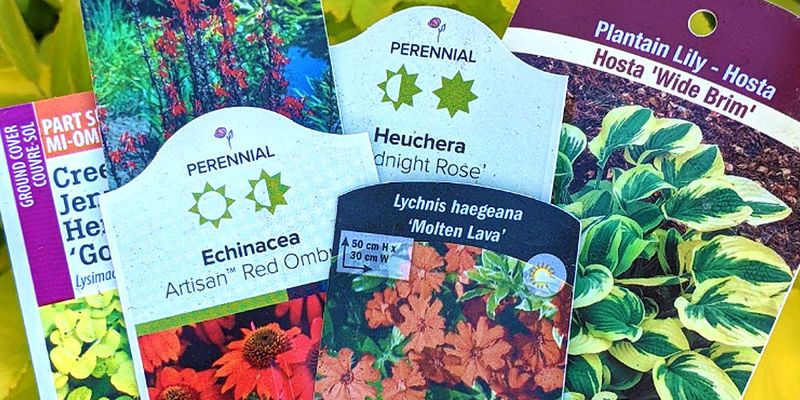
Plant labels contain vital information about care, spacing, and light requirements. Ignoring them can lead to misplacement and poor growth.
Read labels carefully and follow instructions. They guide you in creating optimal conditions for each plant.
Attention to detail ensures gardening success. Labels are a gardener’s roadmap to a flourishing garden. Knowledge is power in the world of plants.
15. Neglecting Indoor Plants
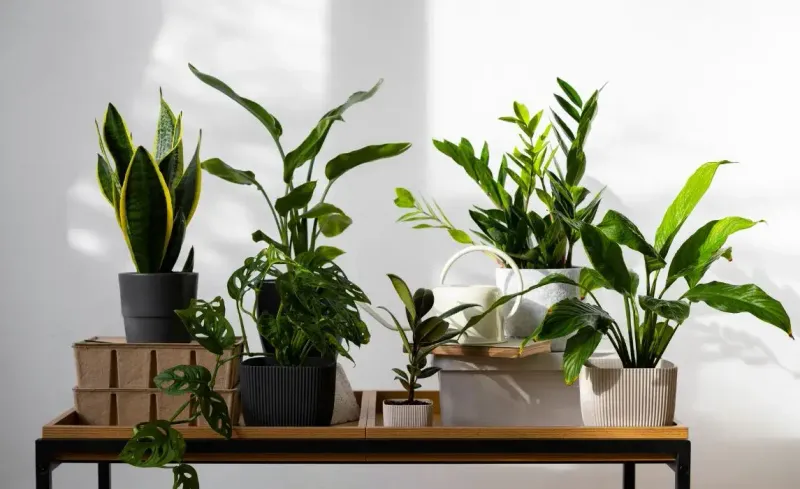
Indoor plants are often forgotten, leading to neglect and poor health. They require regular care and specific conditions to thrive.
Understand the needs of each indoor plant, from watering to light. Routine care keeps them vibrant and healthy.
Indoor gardening brings nature inside. Nurturing these plants transforms living spaces into green sanctuaries. Consistent care ensures their beauty and vitality.
16. Underestimating Weather Impact
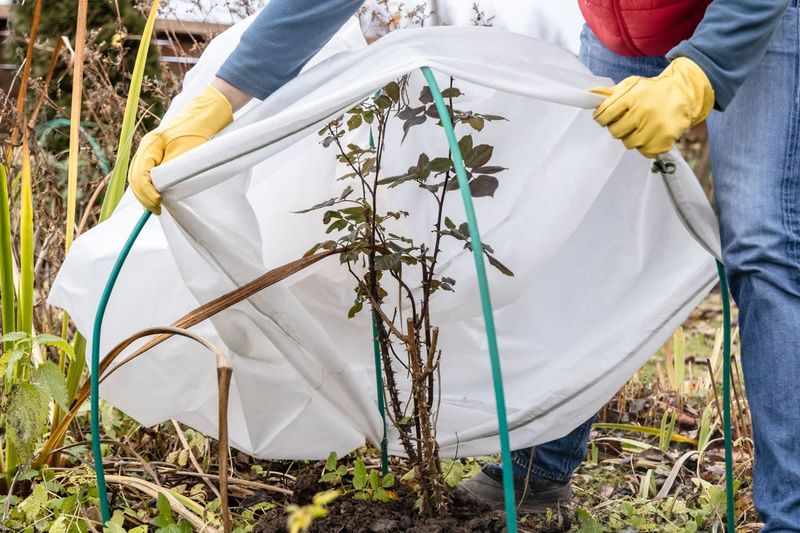
Weather can dramatically impact a garden’s health. Unexpected changes may lead to stress or damage. Many gardeners underestimate this factor.
Monitor weather forecasts and protect plants accordingly. Cover them during frost or move pots during extreme heat.
Awareness of weather patterns ensures a resilient garden. Preparedness allows your garden to weather any storm and continue to flourish.
17. Neglecting Tool Care
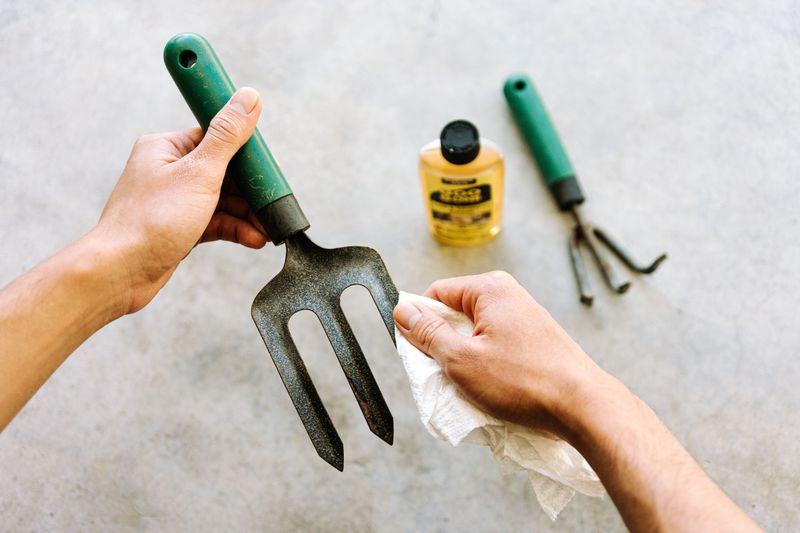
A gardener’s tools are akin to a chef’s knives; without proper care, they become ineffective. Many beginners overlook the importance of maintaining their tools, leading to frustration in the garden. Rusty shears or dull spades can damage plants and make gardening tasks tedious.
Regular cleaning and sharpening extend the lifespan of tools, ensuring every cut and dig is effortless. Store them in a dry place to prevent rusting and handle them with care.
Did you know? Well-kept tools not only enhance efficiency but also contribute to healthier plant growth by reducing the risk of disease transmission.