 Complete Gardening
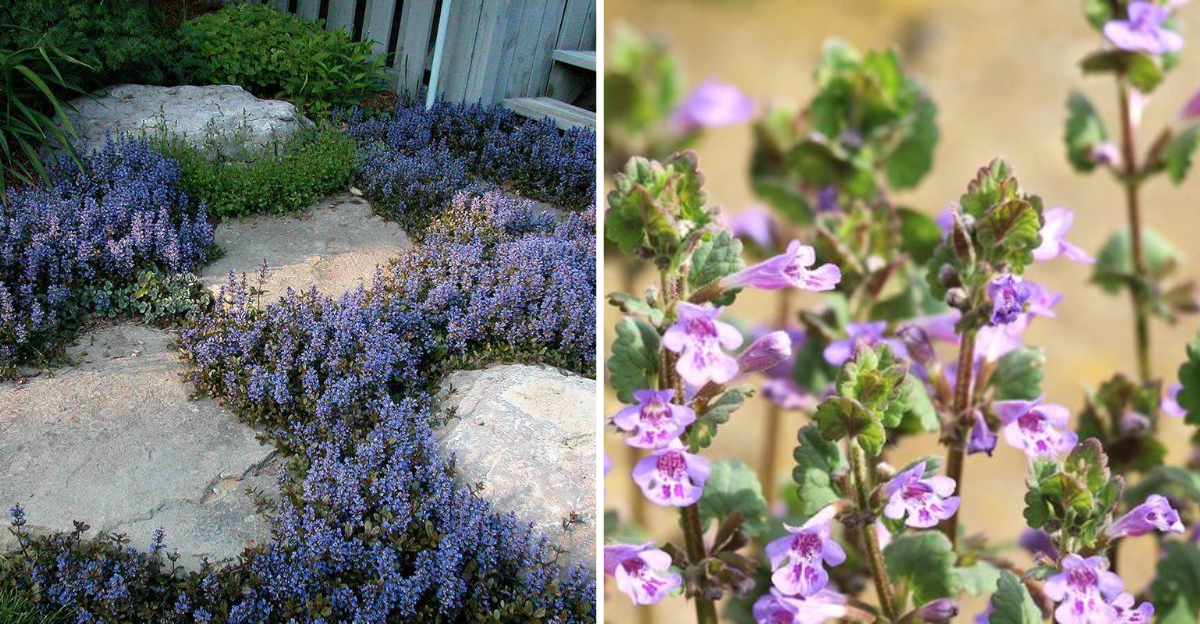
Gardening under the sun can be a rewarding experience, but not all plants thrive in sunny conditions. Some low-growing plants, although popular, may not be the best choice for a sunlit garden. Experts suggest avoiding these 17 ordinary low plants if you’re aiming for a thriving and vibrant sunny garden.
1. Ground Ivy
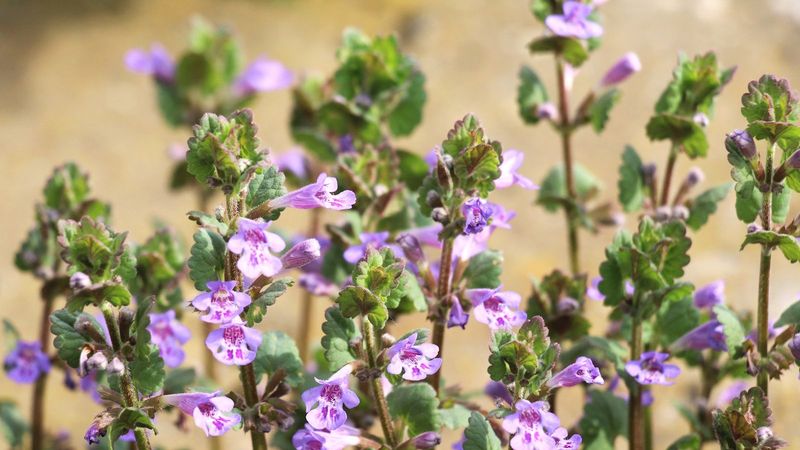
Ground Ivy is a plant with a reputation for being more of a nuisance than a blessing. Its rapid growth and ability to spread make it a challenge to control. Although it can cover bare spots quickly, it often does so at the expense of other plants. Gardeners often find themselves battling this invasive species, which tends to choke out more desirable flora. Because of its aggressive nature, many horticulturists advise against planting it in sunny areas. It may look harmless, but Ground Ivy can quickly dominate the garden if not kept in check.
2. Creeping Charlie
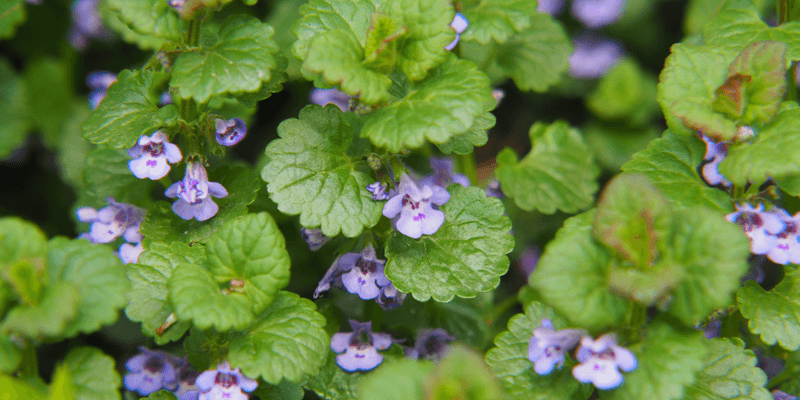
Creeping Charlie, despite its charming name, is a plant that can overstay its welcome. Known for its tenacity, it spreads rapidly, forming mats that are difficult to remove. Its tiny purple flowers might seem appealing, but they mask the plant’s invasive tendencies. Gardeners often struggle to control its widespread growth, which can suffocate other plants. In sunny gardens, Creeping Charlie can quickly become the dominant species, overshadowing more desirable varieties. Horticulturists frequently caution against planting it, as it requires constant maintenance to prevent it from taking over.
3. Lamb’s Ears

Lamb’s Ears are instantly recognizable for their soft, velvety leaves, which tempt gardeners into including them in sunny spots. However, these plants are notorious for their propensity to rot in humid conditions, making them less ideal for sunny climates where moisture can become trapped. While their texture is appealing, they often require more care than anticipated to prevent fungal issues. Many gardeners opt to replace them with hardier plants that can withstand the rigors of a sunny environment. Despite their charm, Lamb’s Ears can be more trouble than they’re worth in such settings.
4. Bugleweed
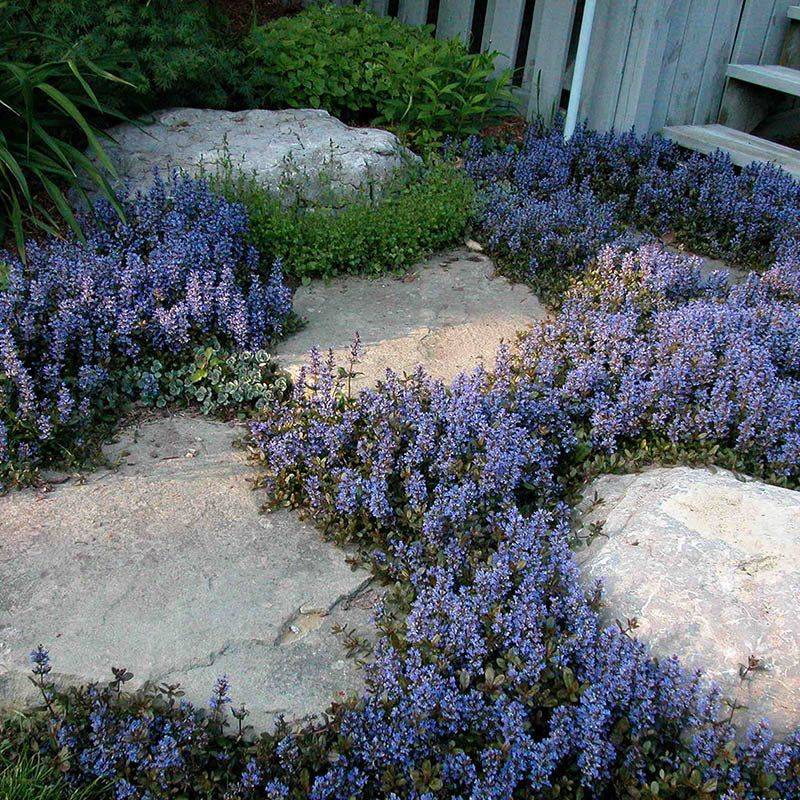
Bugleweed, with its lovely blue-violet blooms, seems like a perfect addition to a sunny garden. Yet, its aggressive growth habit makes it a plant to avoid. Known for forming dense mats, it can outcompete other plants, leading to a monoculture that lacks diversity. While its blossoms are attractive, they often come at the cost of more desirable species. Gardeners who plant Bugleweed in sunny areas frequently face the challenge of keeping it contained. It’s a plant that, once established, is difficult to eradicate, and many horticulturists suggest steering clear of it.
5. Mint
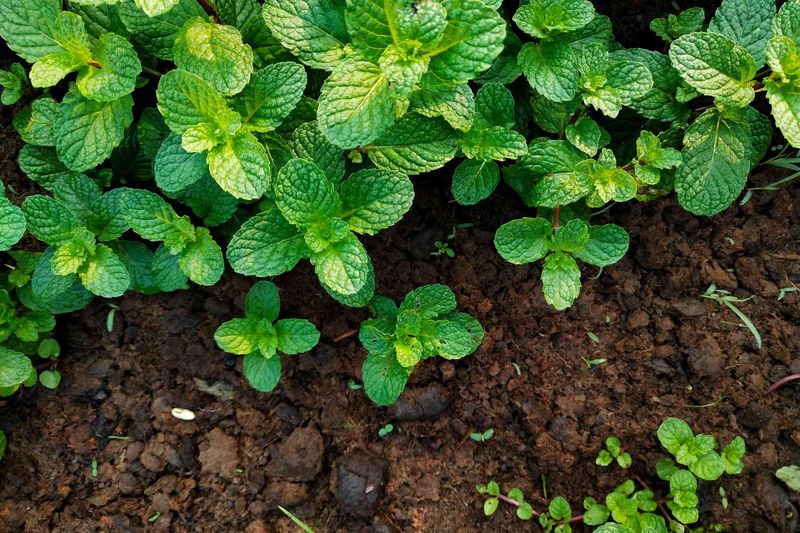
Mint is a favorite for its aromatic leaves and culinary uses, but it can quickly become a garden bully. Its ability to spread rapidly through runners makes it a plant that can easily escape control. In sunny gardens, mint can overshadow less vigorous plants, leading to a lack of diversity. Gardeners often find themselves battling to keep mint contained, as it can dominate entire sections if left unchecked. While mint’s fragrance and uses are undeniable, its aggressive nature in sunny areas often leads horticulturists to recommend against planting it without strict containment measures.
6. Ajuga
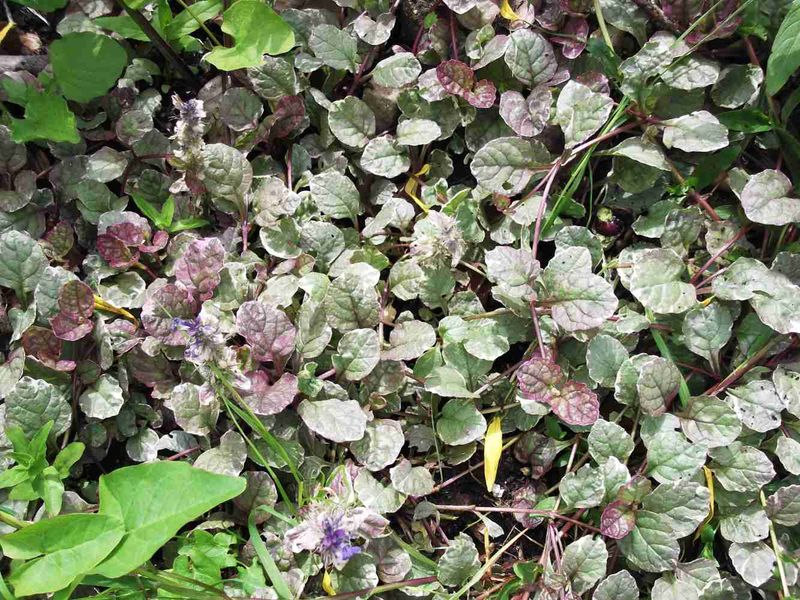
Ajuga, or Bugleweed, is valued for its colorful foliage and ability to create ground cover. However, in sunny gardens, it can spread too aggressively, leading to a lack of balance. Its rapid growth can overshadow other plants, making it a plant that requires constant monitoring. Gardeners often find themselves struggling to keep Ajuga from taking over, as it can quickly dominate a sunny garden space. Despite its visual appeal, Ajuga’s invasive tendencies make it a less-than-ideal choice for those seeking a harmonious garden environment.
7. Vinca
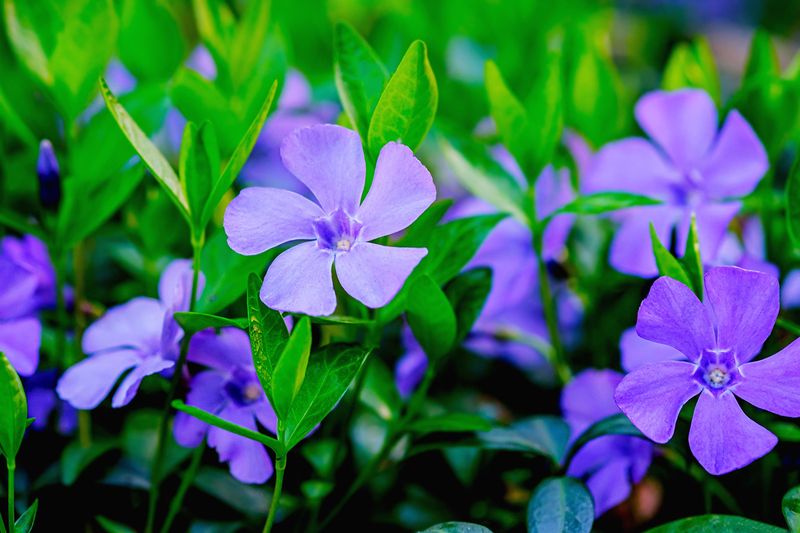
Vinca, also known as Periwinkle, is a plant that often finds its way into gardens due to its beautiful blue flowers and evergreen leaves. However, its vigorous growth can quickly turn it from a welcome guest to an unmanageable invader. In sunny gardens, Vinca can spread unchecked, smothering other plants and reducing biodiversity. Gardeners frequently battle its tenacity, finding that it requires more effort to contain than expected. While its aesthetic appeal is undeniable, the challenges it presents in sunny locations often outweigh its benefits, leading experts to recommend caution.
8. Pachysandra
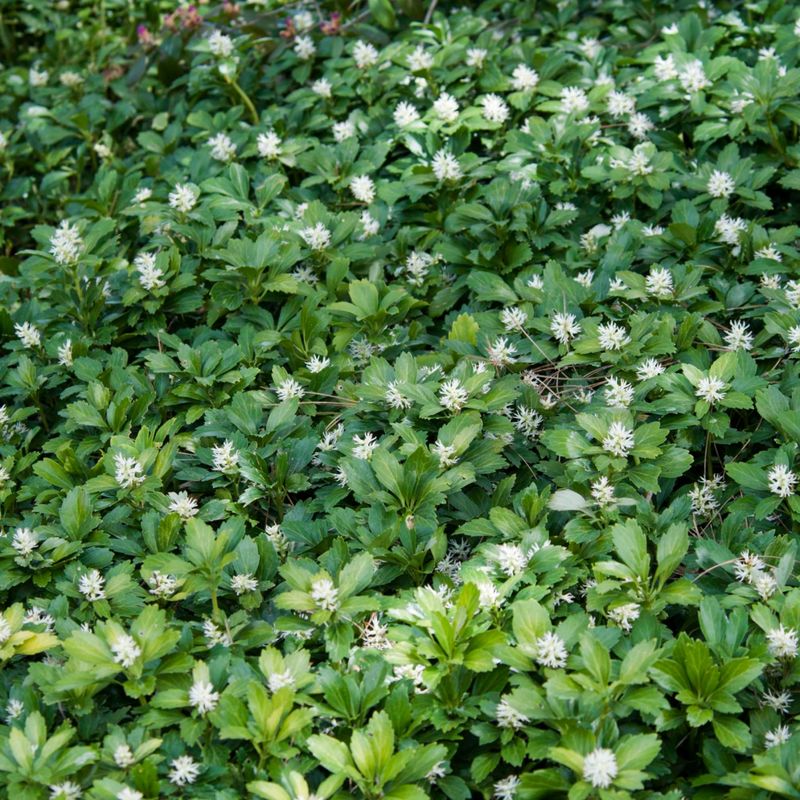
Pachysandra is often chosen for its ability to create lush ground cover, but it struggles in sunny gardens. The plant thrives in shade but becomes less vigorous under full sun, often leading to disappointment. Its glossy leaves may appear attractive, but they can become scorched without adequate shade. Gardeners seeking low-maintenance options might find Pachysandra more demanding than anticipated, as it requires careful placement to thrive. Horticulturists often advise against using it in sunny areas, as it doesn’t perform well under such conditions, making it a less suitable choice for those environments.
9. Creeping Jenny
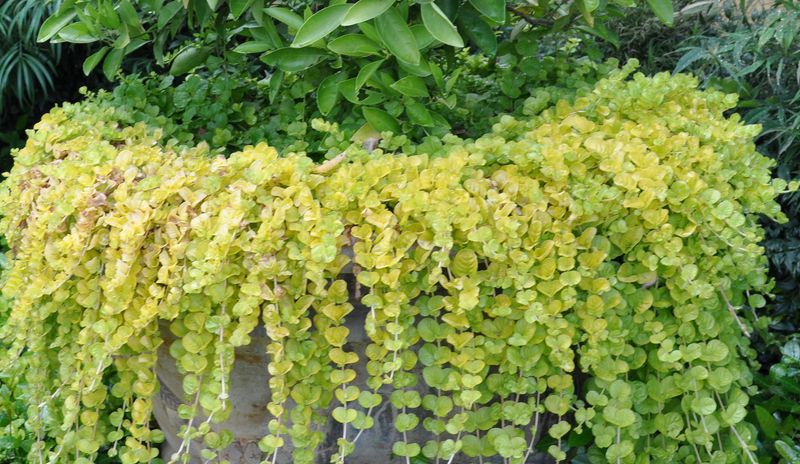
Creeping Jenny captivates with its vibrant golden leaves, often tempting gardeners to include it in their sunny landscapes. Yet, this plant’s vigorous growth can quickly become overwhelming. Known for its ability to spread rapidly, Creeping Jenny can cover large areas, often at the expense of other plants. In sunny gardens, it may require constant management to prevent it from taking over completely. While its color and texture are appealing, the maintenance it demands makes it a plant that many horticulturists advise against using in sunny settings.
10. English Ivy
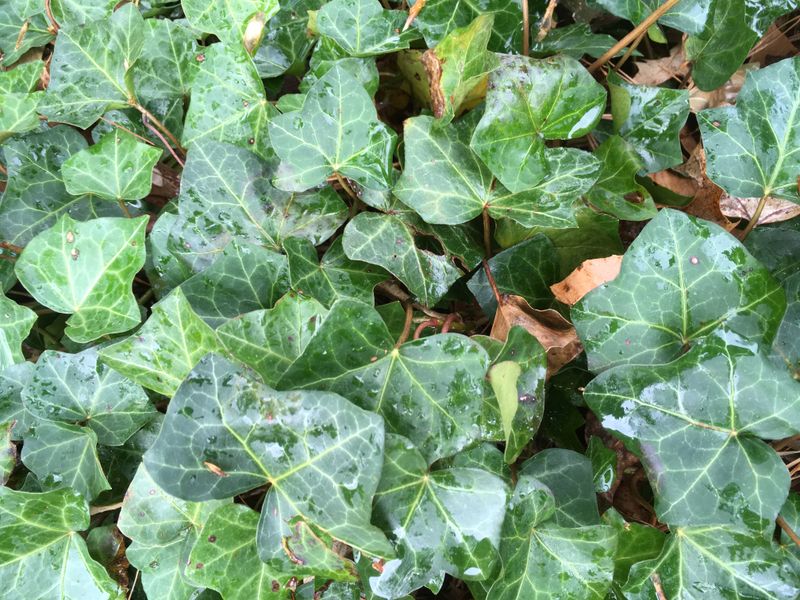
English Ivy is renowned for its classic appearance and ability to climb, but in sunny gardens, it poses significant challenges. Its aggressive growth can lead to it overtaking other plants, both horizontally and vertically. While it provides excellent coverage, its invasiveness can damage structures and choke out other plant life. Gardeners often find themselves in a constant battle to keep English Ivy contained, as it thrives under full sun. The potential for overwhelming growth makes it a plant that experts frequently suggest avoiding in sunny garden environments.
11. Japanese Honeysuckle
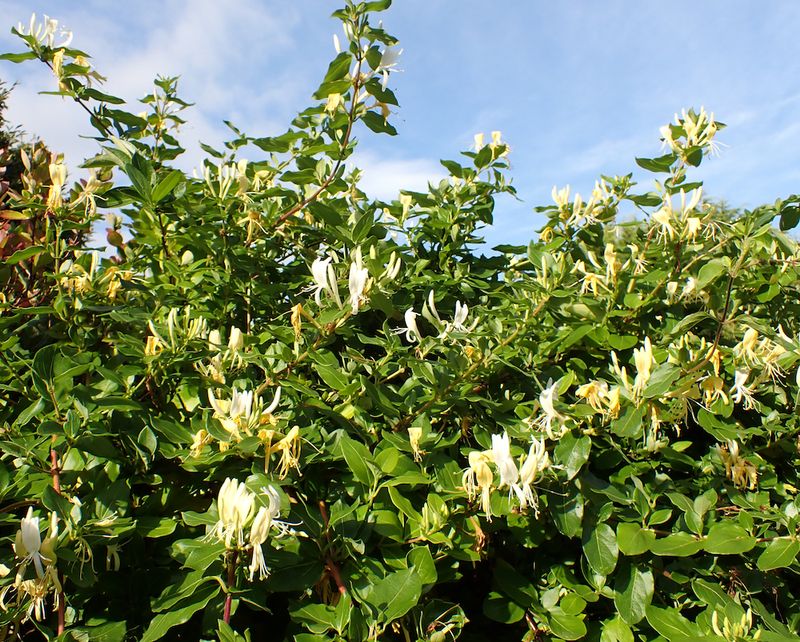
Japanese Honeysuckle boasts fragrant flowers that attract pollinators, making it initially appealing. However, its rapid spread can quickly transform it from a charming addition to a garden to an invasive problem. In sunny gardens, it can climb and smother other plants, leading to a lack of diversity. Its ability to establish dominance makes it a plant that requires vigilant management to avoid unintentional spread. While its blossoms and fragrance are delightful, the aggressive nature of Japanese Honeysuckle makes it a plant that many experts recommend avoiding in sunlit gardens.
12. Liriope
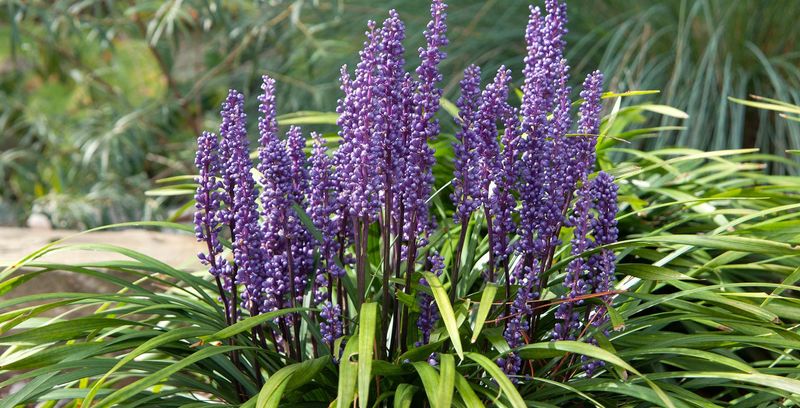
Liriope, sometimes called Lilyturf, is appreciated for its spiky leaves and purple flowers, yet it can be a problematic choice for sunny gardens. Its tendency to form dense clumps can crowd out neighboring plants, leading to reduced garden diversity. While it is visually striking, its growth habit often necessitates frequent division and maintenance. Gardeners seeking a carefree garden experience might find Liriope more labor-intensive than anticipated. Despite its decorative appeal, the challenges it presents in sunny settings often lead horticulturists to recommend other, less demanding options.
13. Bishop’s Weed
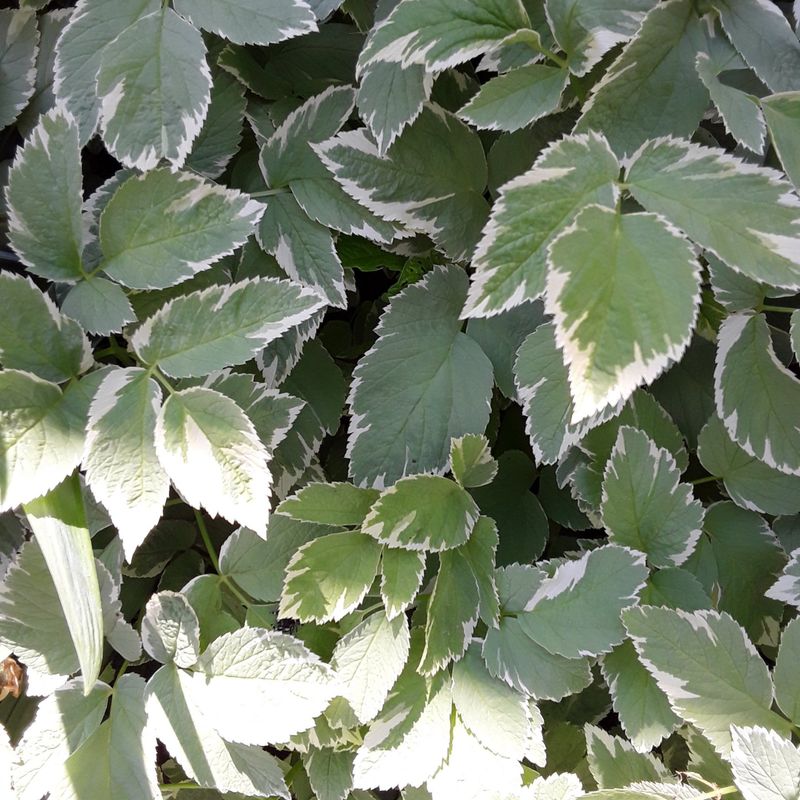
Bishop’s Weed is known for its attractive variegated leaves, which can add interest to any garden. However, in sunny environments, it often becomes more of a challenge than an asset. Its aggressive spreading can lead to it taking over large areas, outcompeting other plants for resources. While its foliage is undoubtedly eye-catching, the maintenance required to keep it in check can be daunting. Many gardeners find that Bishop’s Weed demands more attention than initially expected, prompting experts to suggest alternative plants for sunny spots.
14. Sweet Woodruff
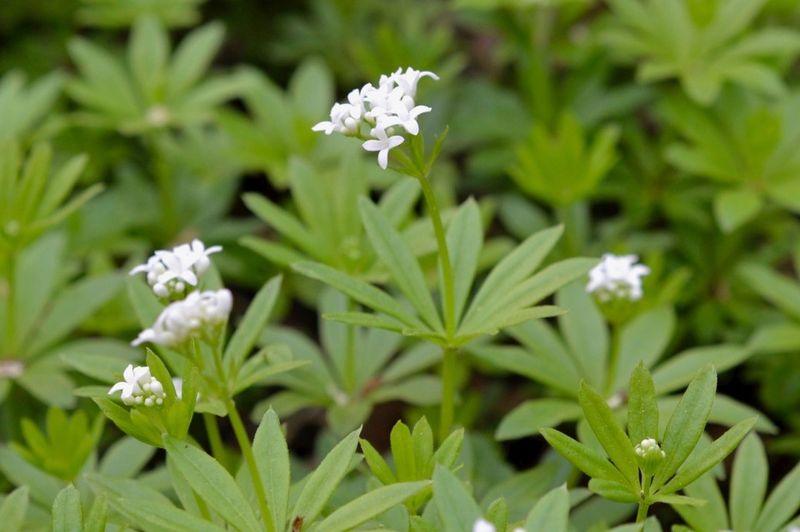
Sweet Woodruff enchants with its dainty white flowers and sweet scent, yet it is a less-than-ideal choice for sunny gardens. Its preference for shade means it often struggles in full sun, leading to a lackluster appearance. While its fragrance and delicate blooms are appealing, they often require careful positioning to thrive. Gardeners hoping for a low-maintenance option might find Sweet Woodruff more demanding than expected, as it needs protection from the sun’s harsh rays. Horticulturists often recommend avoiding it in sunlit gardens for a more resilient selection.
15. Houttuynia

Houttuynia is admired for its striking foliage, which boasts a mix of colors. However, its invasive nature makes it a plant to avoid in sunny gardens. Known for spreading quickly, it can overrun other plants, leading to a lack of diversity. While its appearance is captivating, the management it demands can be overwhelming. Gardeners often find themselves battling to keep Houttuynia contained, as it thrives under full sun. Its ability to dominate garden spaces makes it a plant that many experts suggest steering clear of when planning sunlit landscapes.
16. Yellow Archangel
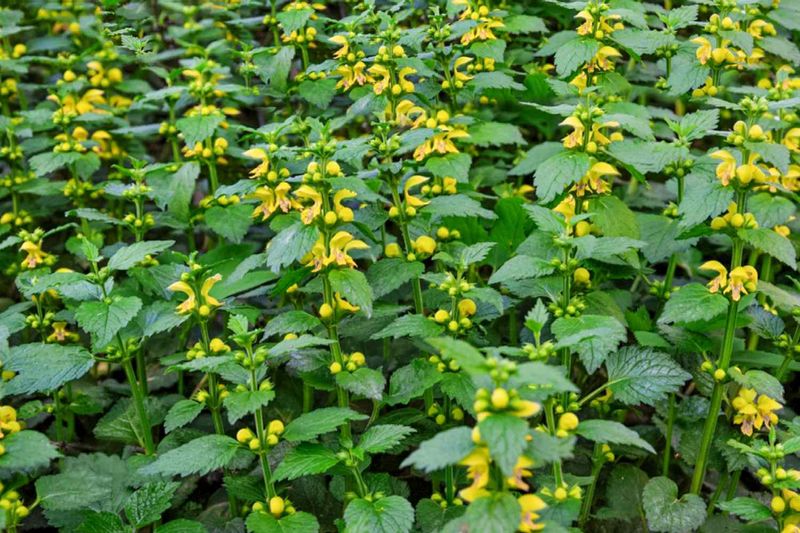
Yellow Archangel, with its variegated leaves and yellow blooms, seems like an attractive option for gardens. Yet, its aggressive growth habit can lead to it becoming a garden invader. In sunny spots, it can spread rapidly, overshadowing more desirable plants. Its need for constant control makes it a plant that can be more demanding than initially anticipated. While its aesthetic value is clear, the challenges it presents in terms of maintenance often result in horticulturists advising against its use in sunny garden settings.