 Complete Gardening
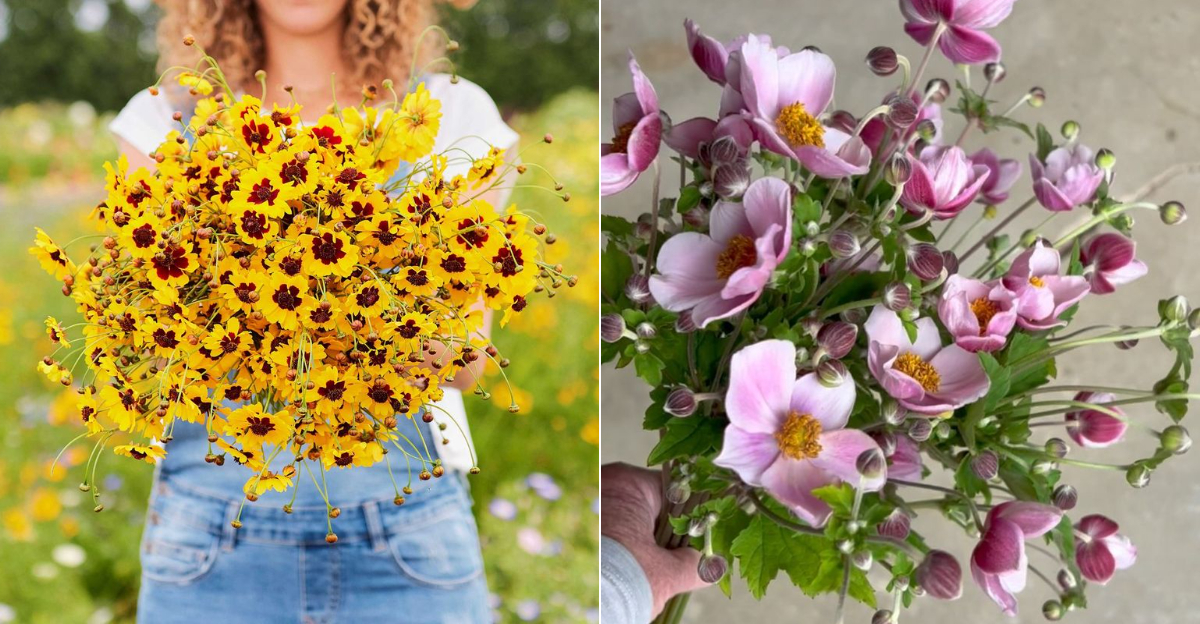
Discover the world of perennials that thrive in vases, making your floral arrangements more vibrant and long-lasting, contrasted with those that wilt quickly.
1. Peony (Paeonia spp.)
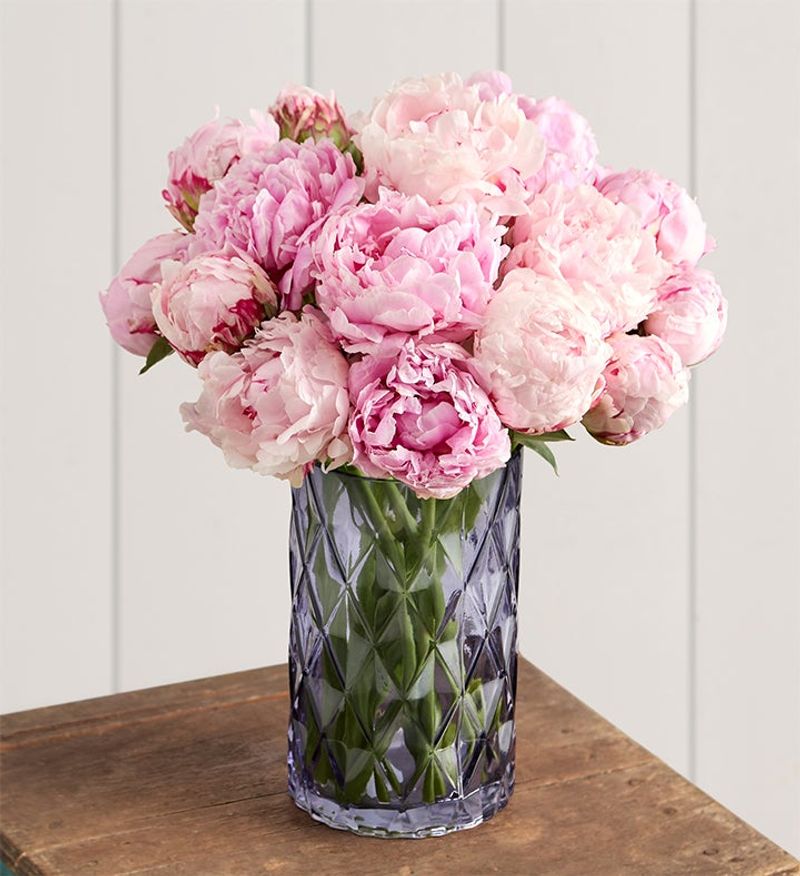
Peonies are the divas of the garden, flaunting large, fragrant blooms that captivate with their beauty and aroma. These flowers, known for their generous size and voluptuous petals, can brighten any room with their presence. Although they bloom in late spring to early summer, their impact lasts much longer when placed in a vase. The peony’s charm is matched only by its resilience, as these blooms can last 5-7 days when cut, their fragrance lingering in the air. Gardeners in zones 3-8 cherish these floral masterpieces, often using them as focal points in their gardens.
2. Coneflower (Echinacea purpurea)
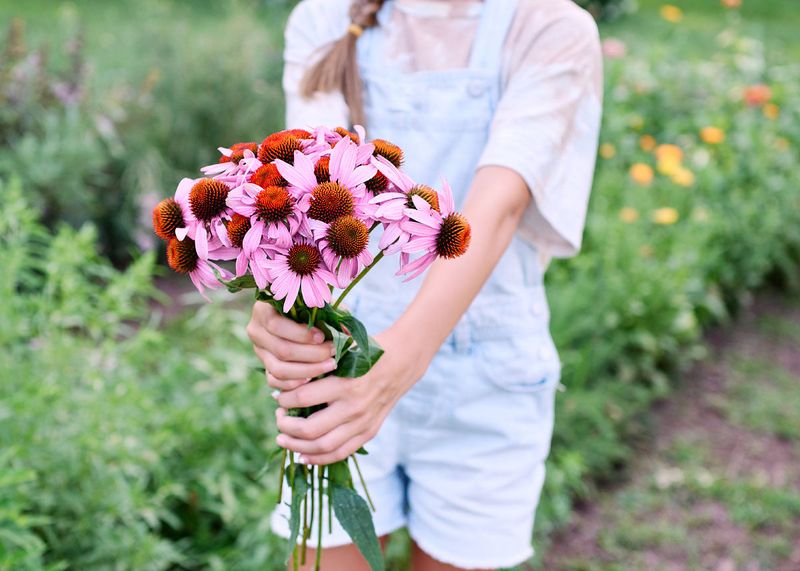
Coneflowers, with their sturdy stems and daisy-like appearance, are the unsung heroes of summer bouquets. Their vibrant hues and structural form bring both color and stability to arrangements, making them a favorite among florists. Blooming from summer to fall, these flowers are more than just eye candy; they offer medicinal properties as well. Echinacea, their botanical name, is renowned for supporting immune health. Thriving in zones 3-9, coneflowers withstand harsh conditions, ensuring that your floral displays remain fresh and lively for days, a testament to their enduring nature.
3. Black-Eyed Susan (Rudbeckia spp.)
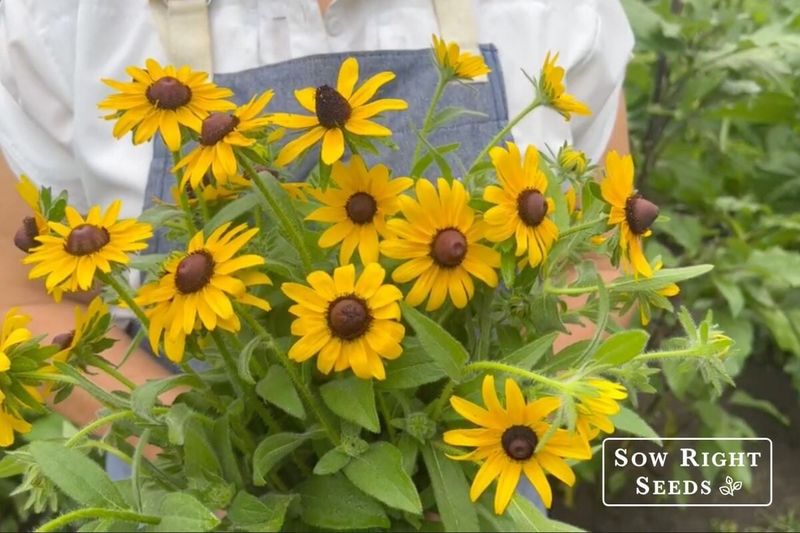
Black-Eyed Susans, with their cheerful yellow petals and dark centers, bring sunshine to any bouquet. These flowers are not just visually pleasing; they represent endurance and resilience, qualities that resonate in their long vase life of 7-10 days. Blooming from summer through fall, they are a staple in zones 3-9, easily adapting to various climates. The contrast between their bright petals and deep centers makes them a striking addition to floral arrangements. As symbols of encouragement and motivation, Black-Eyed Susans remind us of the beauty in perseverance.
4. Shasta Daisy (Leucanthemum x superbum)
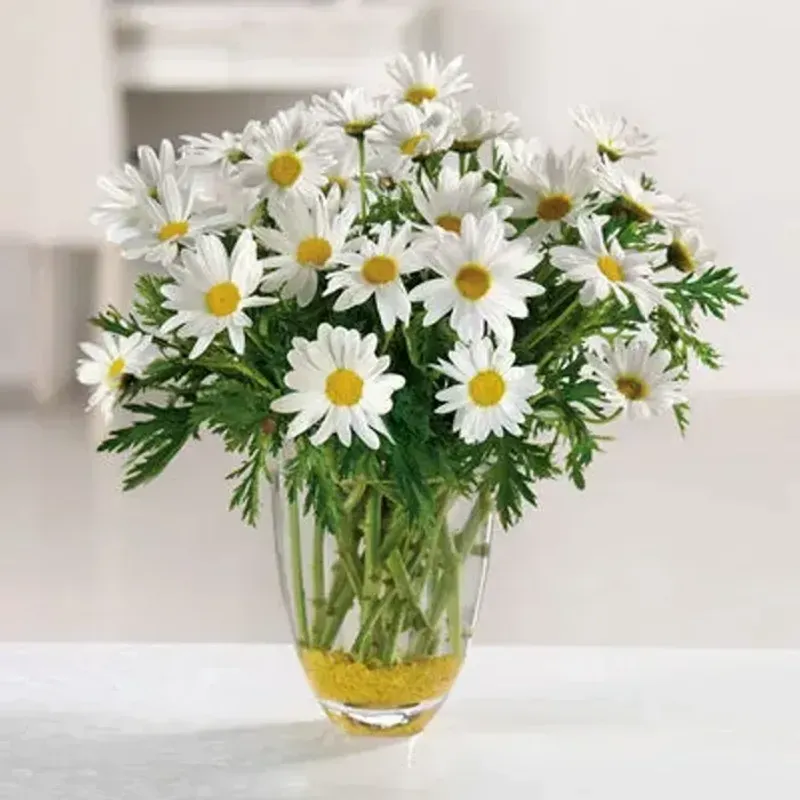
Shasta Daisies evoke nostalgia with their classic white petals and sunny yellow centers. These daisies are synonymous with simplicity and purity, evoking memories of carefree summer days. Known for their robust stems, they stand tall and firm, making them ideal for cutting gardens and floral displays. Blooming in early to midsummer, they thrive in zones 5-9, enduring heat and drought. The Shasta Daisy’s timeless appeal is matched by its practicality, as they bring both beauty and durability to any vase, lasting several days without wilting.
5. Russian Sage (Perovskia atriplicifolia)
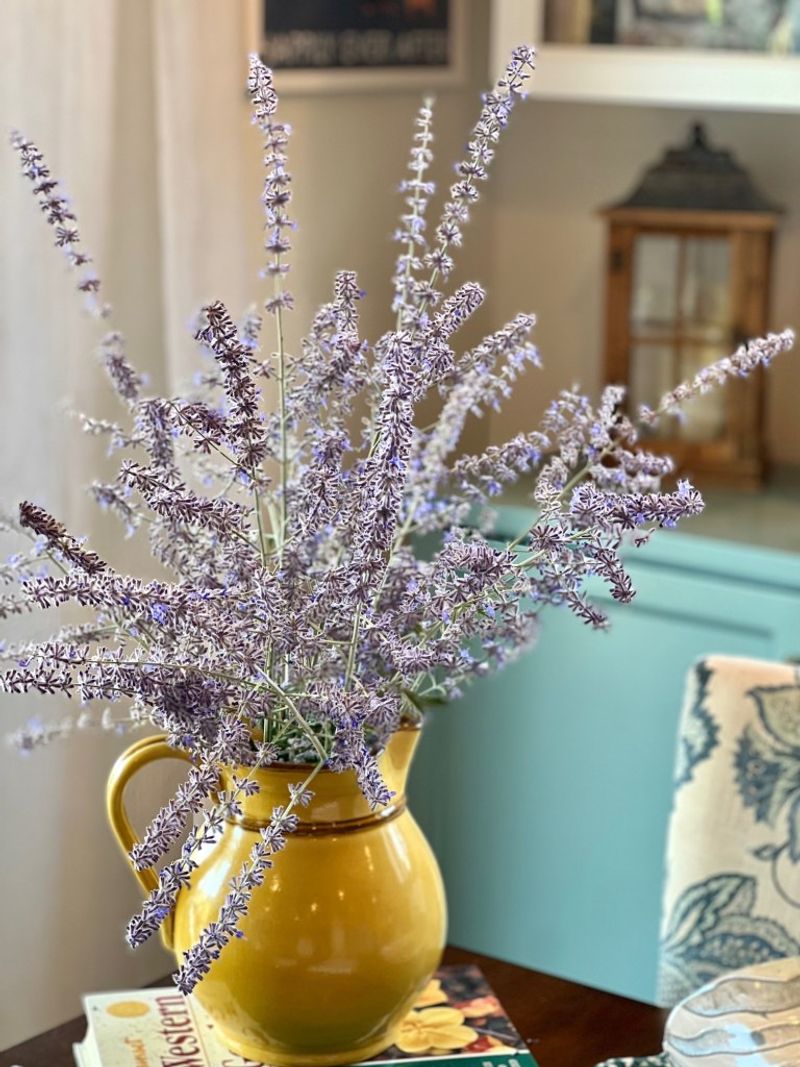
Russian Sage offers an ethereal touch to floral arrangements with its airy purple spikes. This perennial is not just about looks; its aromatic foliage adds an unexpected dimension, engaging both sight and smell. Blooming from summer to fall, its long-lasting presence is cherished in zones 4-9. Russian Sage is a symbol of wisdom and longevity, with its delicate appearance belying its hardy nature. These spikes add texture and a touch of elegance to any bouquet. The combination of beauty and resilience makes it a gardener’s favorite.
6. Yarrow (Achillea millefolium)
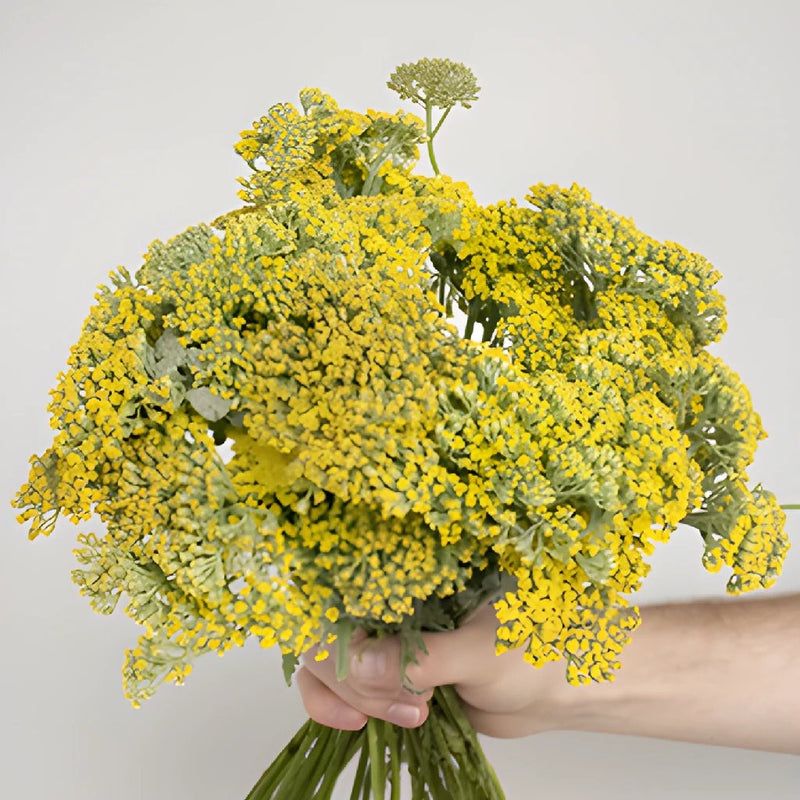
Yarrow is a versatile perennial that charms with its flat-topped clusters in pink, yellow, or white. Known for its ability to dry well, it is a favorite among those who appreciate lasting beauty. Blooming in summer, Yarrow thrives in zones 3-9, adapting to various environments with ease. This flower’s history is rich with folklore, as it was once used for medicinal purposes, believed to heal wounds and ward off evil spirits. Its presence in a bouquet adds both color and a touch of history, making it a unique addition.
7. Bee Balm (Monarda spp.)
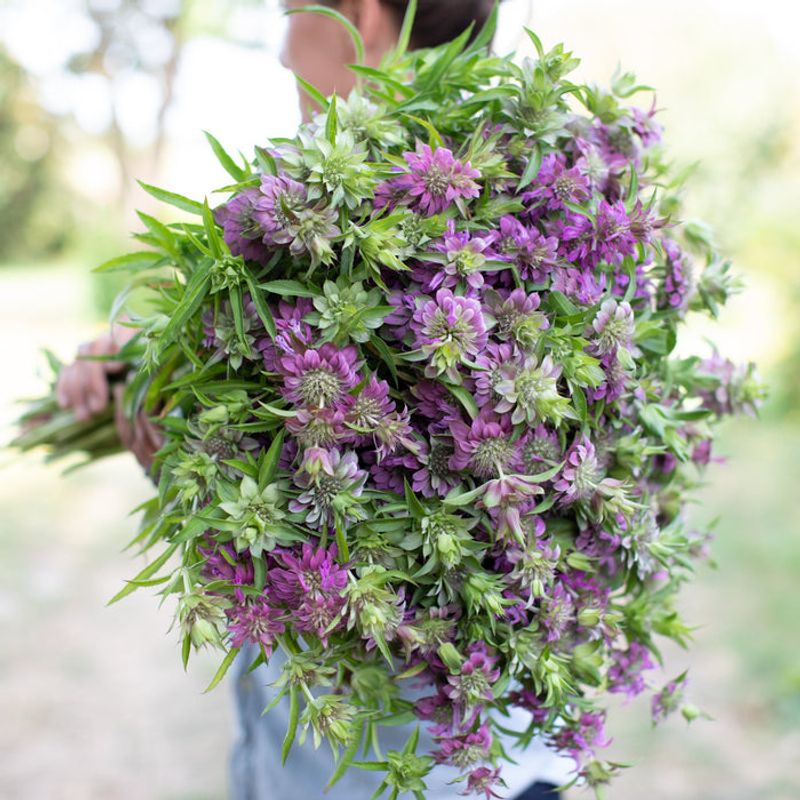
Bee Balm captivates with its unique spiky flowers and vibrant colors. Known for attracting pollinators, these blossoms become a lively hub of activity in gardens. Blooming in summer, they thrive in zones 4-9, adding a splash of color and life to any setting. With a vase life of 5-7 days, their longevity is as appealing as their beauty. Often associated with healing, Bee Balm has been used in traditional remedies, symbolizing health and vitality. Its striking appearance makes it a standout in floral arrangements, adding both flair and function.
8. Phlox (Phlox paniculata)
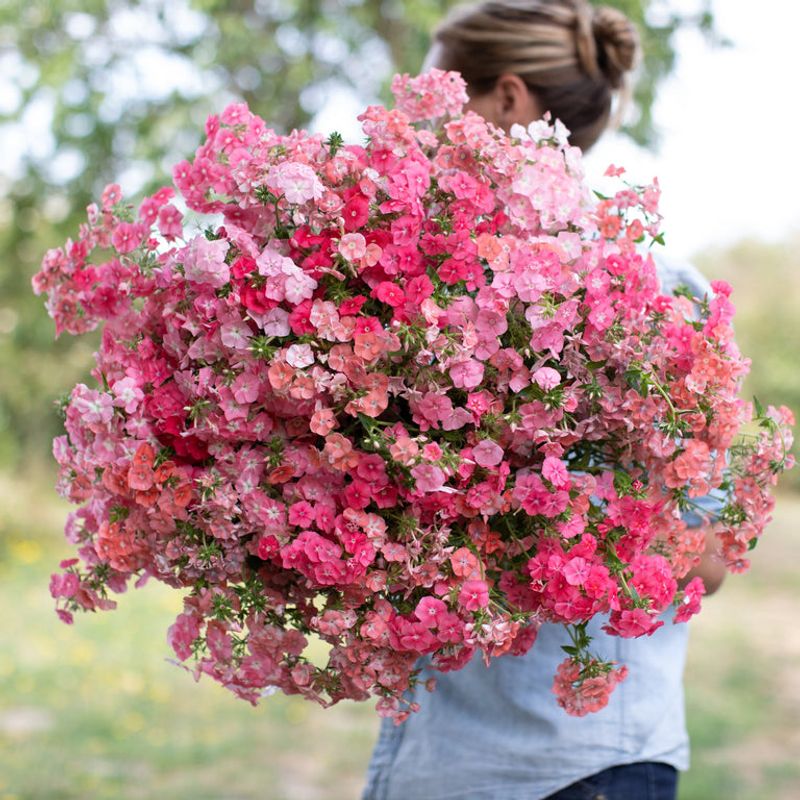
Phlox, with its fragrant clusters, is a garden favorite that brings a sweet scent to any space. These blooms, appearing in shades of pink, purple, or white, create a tapestry of color that captivates the eye. Blooming in summer, they thrive in zones 4-8, easily adapting to different climates. Phlox is known for its ability to attract butterflies, adding a touch of magic to gardens. With its charming fragrance and vibrant color, Phlox enhances any floral arrangement, offering both visual and olfactory delight to its admirers.
9. Sedum (Hylotelephium spp.)
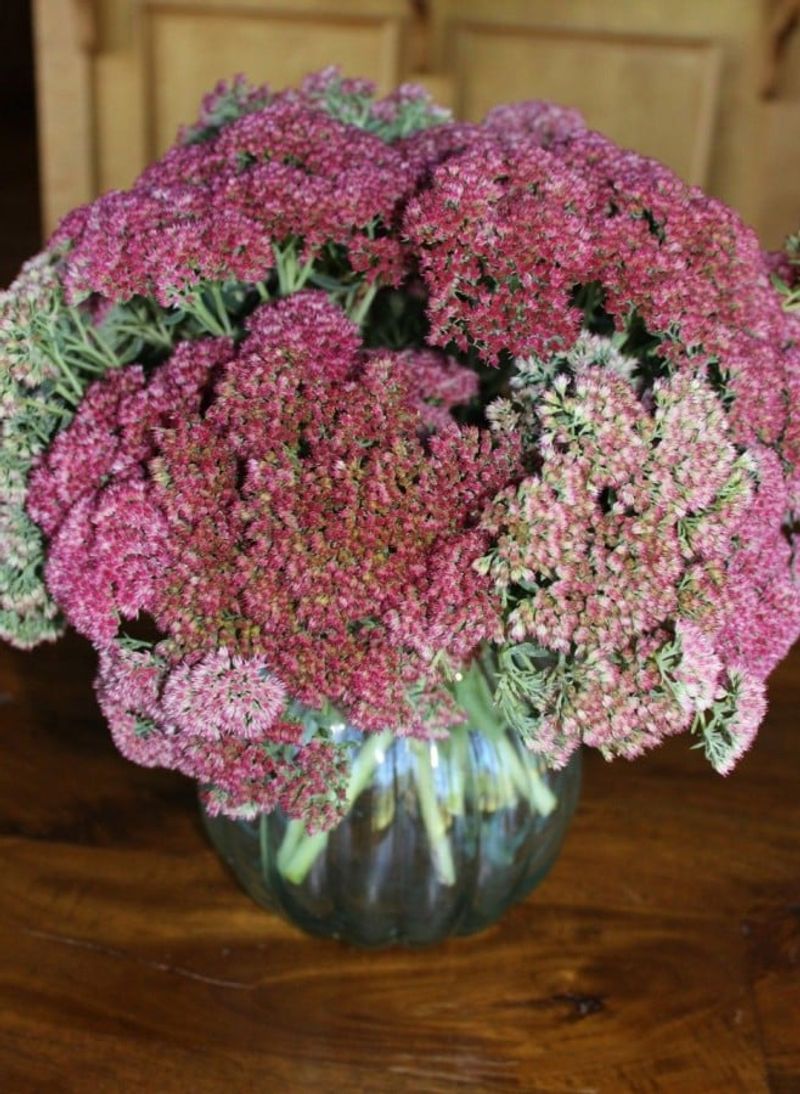
Sedum stands out as a late-season star for bouquets, with its thick leaves and vibrant clusters of blooms. Known for their durability, these flowers last weeks when cut, making them perfect for long-lasting displays. Blooming from late summer to fall, Sedum thrives in zones 3-9, adapting to various conditions with ease. Often associated with peace and tranquility, Sedum brings a calming presence to any arrangement. Its unique texture and ability to retain water make it a fascinating addition to gardens and vases alike, showcasing nature’s resilience.
10. Lavender (Lavandula spp.)

Lavender enchants with its fragrant purple spikes and calming aroma. This perennial is celebrated not only for its beauty but also for its ability to soothe and relax. Blooming in summer, Lavender thrives in zones 5-9, making it a staple in gardens worldwide. When dried, its scent lingers, providing lasting pleasure. Lavender symbolizes serenity and grace, qualities that resonate in its delicate blooms. As a companion in culinary and herbal uses, it enhances both gardens and homes with its multifaceted charm, bringing tranquility to those who appreciate its gentle presence.
11. Astilbe (Astilbe spp.)
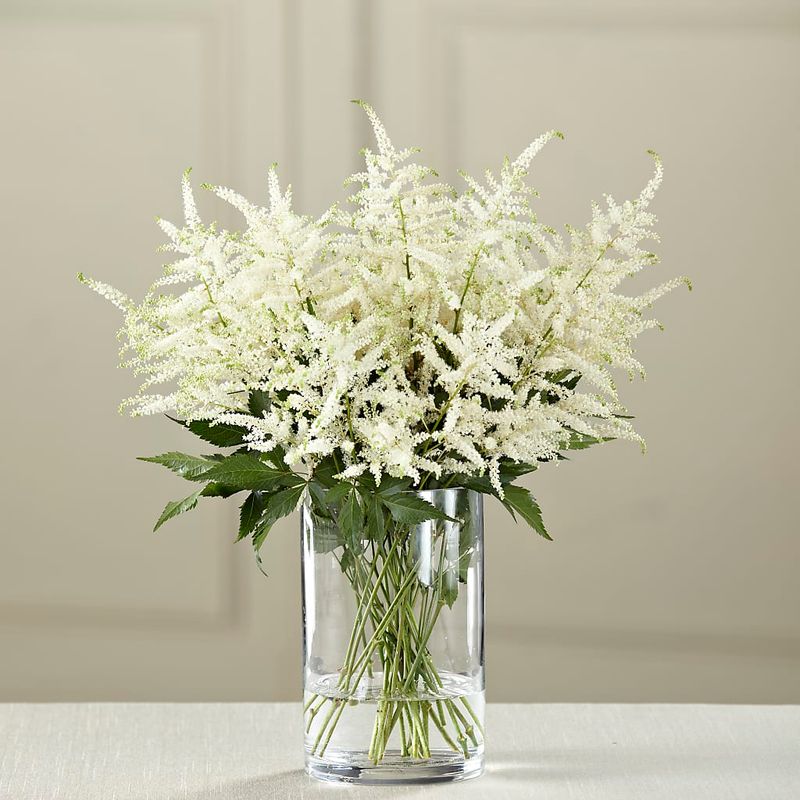
Astilbe adds a touch of elegance with its feathery plumes in shades of pink, red, or white. These perennials thrive in shaded areas, providing color where it’s often lacking. Blooming in early to midsummer, they flourish in zones 3-8, known for their adaptability and resilience. Astilbe is a symbol of strength and patience, enduring challenging conditions with grace. Its unique texture and vibrant colors make it a sought-after addition to floral arrangements, offering both visual interest and a sense of sophistication to any setting.
12. Coreopsis (Coreopsis spp.)
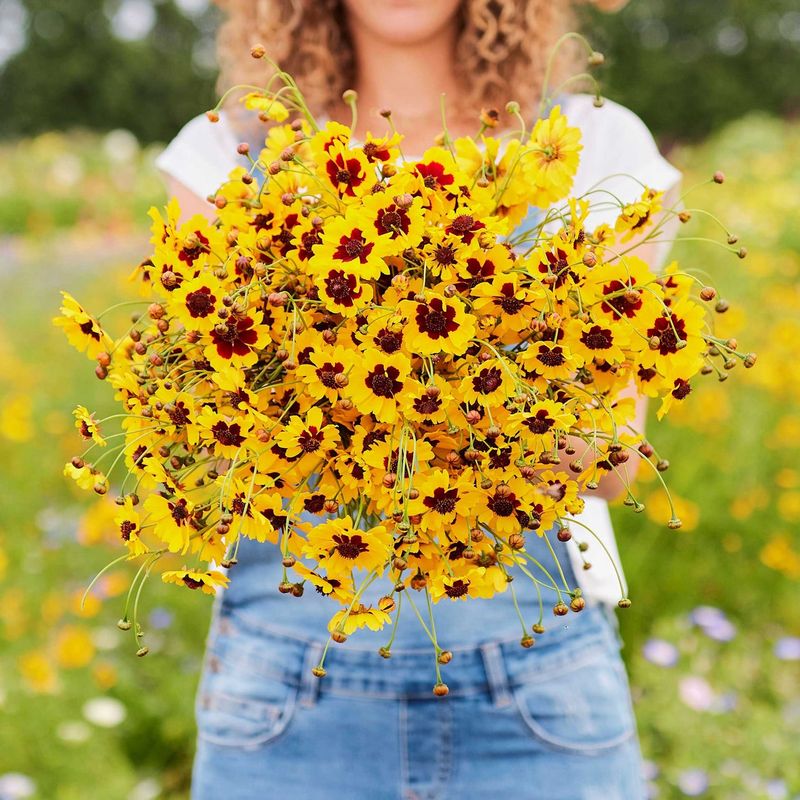
Coreopsis brings a burst of sunshine with its bright yellow or red blooms, lifting spirits with its cheerful demeanor. These flowers, known for their long vase life of 7+ days, are a testament to the beauty of simplicity. Blooming from summer to fall, they thrive in zones 4-9, easily adapting to various environments. Coreopsis symbolizes cheerfulness and love, qualities that resonate in its vibrant petals. As a favorite of pollinators, it adds life and color to any garden or bouquet, capturing the essence of joy in every bloom.
13. Salvia (Salvia nemorosa)
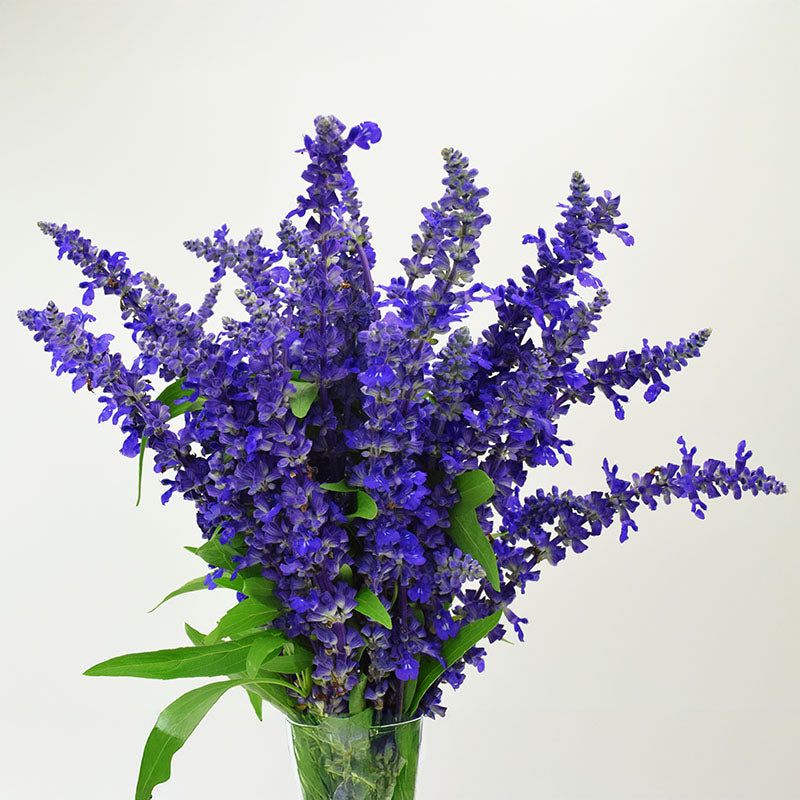
Salvia captivates with its spiky purple or blue flowers, bringing a touch of elegance to any garden. These blooms are more than just visually appealing; they serve as great fillers in floral arrangements, adding both color and texture. Blooming in summer, Salvia thrives in zones 4-8, known for its resilience and adaptability. Often associated with wisdom and longevity, Salvia has a rich history of use in traditional medicine. Its presence in a bouquet adds both grace and a touch of mystery, making it a cherished addition to any floral display.
14. Veronica (Veronica spicata)
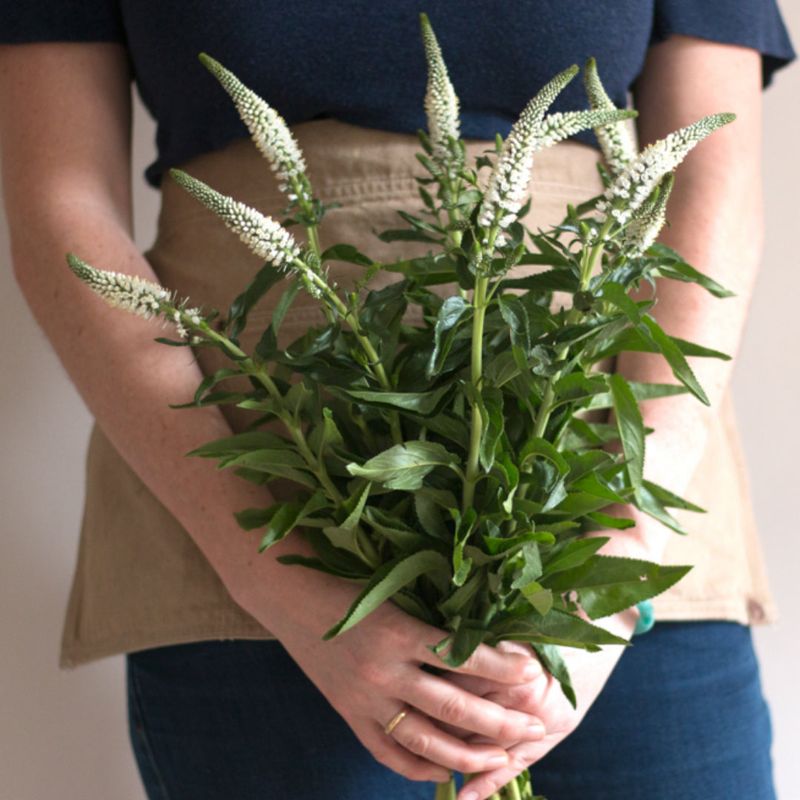
Veronica stands tall with its spiky blooms in blue, pink, or white, adding vertical interest to any floral arrangement. These flowers are known for their vibrant colors and ability to attract pollinators, bringing life to gardens. Blooming in summer, they thrive in zones 3-8, easily adapting to different conditions. Veronica symbolizes fidelity and love, qualities that resonate in its upright form. Its presence in a bouquet adds both elegance and dimension, making it a favorite among gardeners and florists alike for its striking appearance and enduring charm.
15. Helenium (Helenium autumnale)
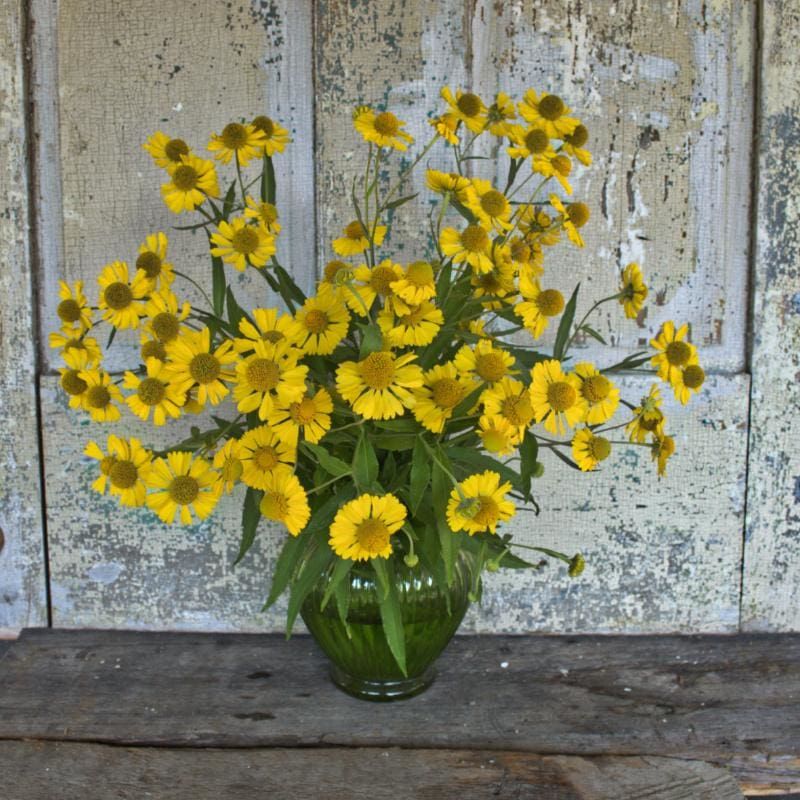
Helenium bursts with vibrant daisy-like flowers that capture attention with their radiant colors. These blooms, lasting over a week when cut, provide long-lasting beauty and joy. Blooming in late summer to fall, they thrive in zones 3-8, known for their adaptability and resilience. Helenium is often associated with devotion and warmth, qualities that resonate in its sunny petals. Its presence in a floral arrangement adds both color and cheer, making it a popular choice for those looking to brighten their spaces with natural beauty and vibrant energy.
16. Globe Thistle (Echinops ritro)
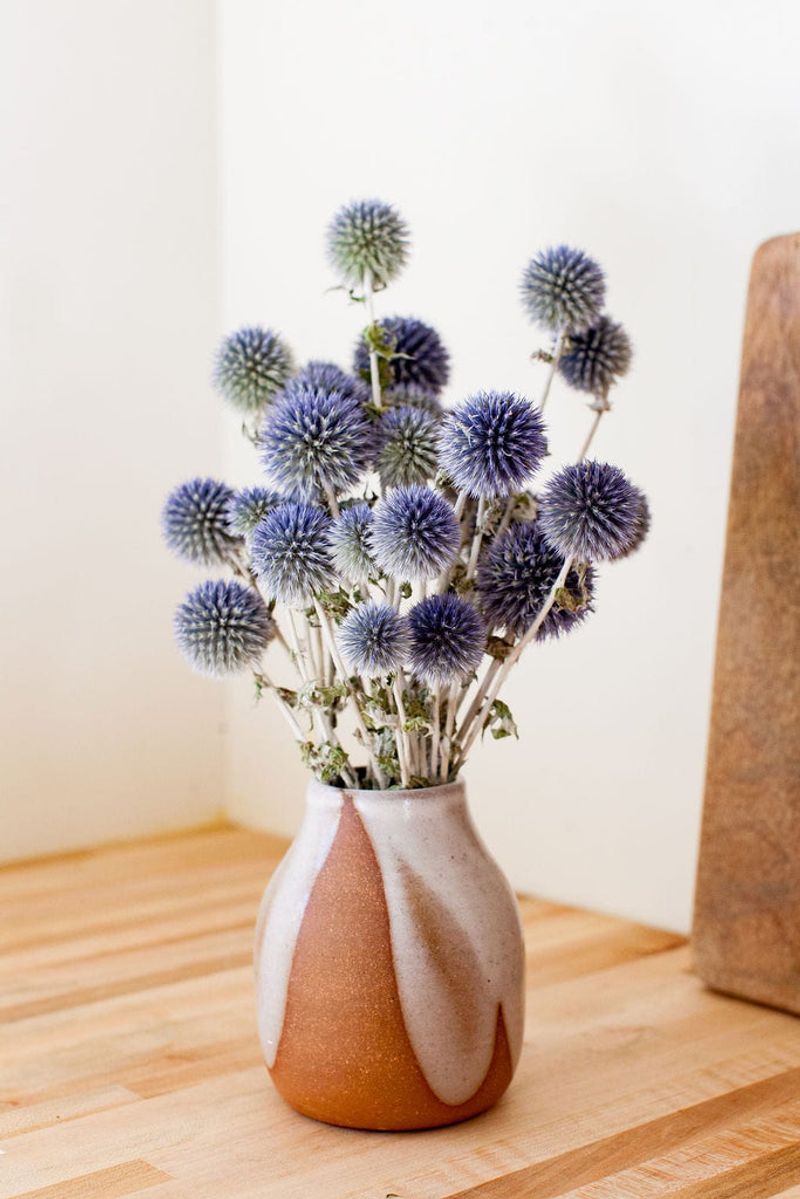
Globe Thistle intrigues with its metallic blue spheres, offering a unique and long-lasting addition to any bouquet. These flowers, known for their unusual appearance, add both texture and interest to floral arrangements. Blooming in summer, they thrive in zones 3-8, easily adapting to various conditions. Globe Thistle symbolizes protection and strength, qualities that resonate in its hardy form. Its presence in a bouquet adds both intrigue and character, making it a favorite among those looking to add a touch of the unexpected to their floral displays.
17. Japanese Anemone (Anemone hupehensis)
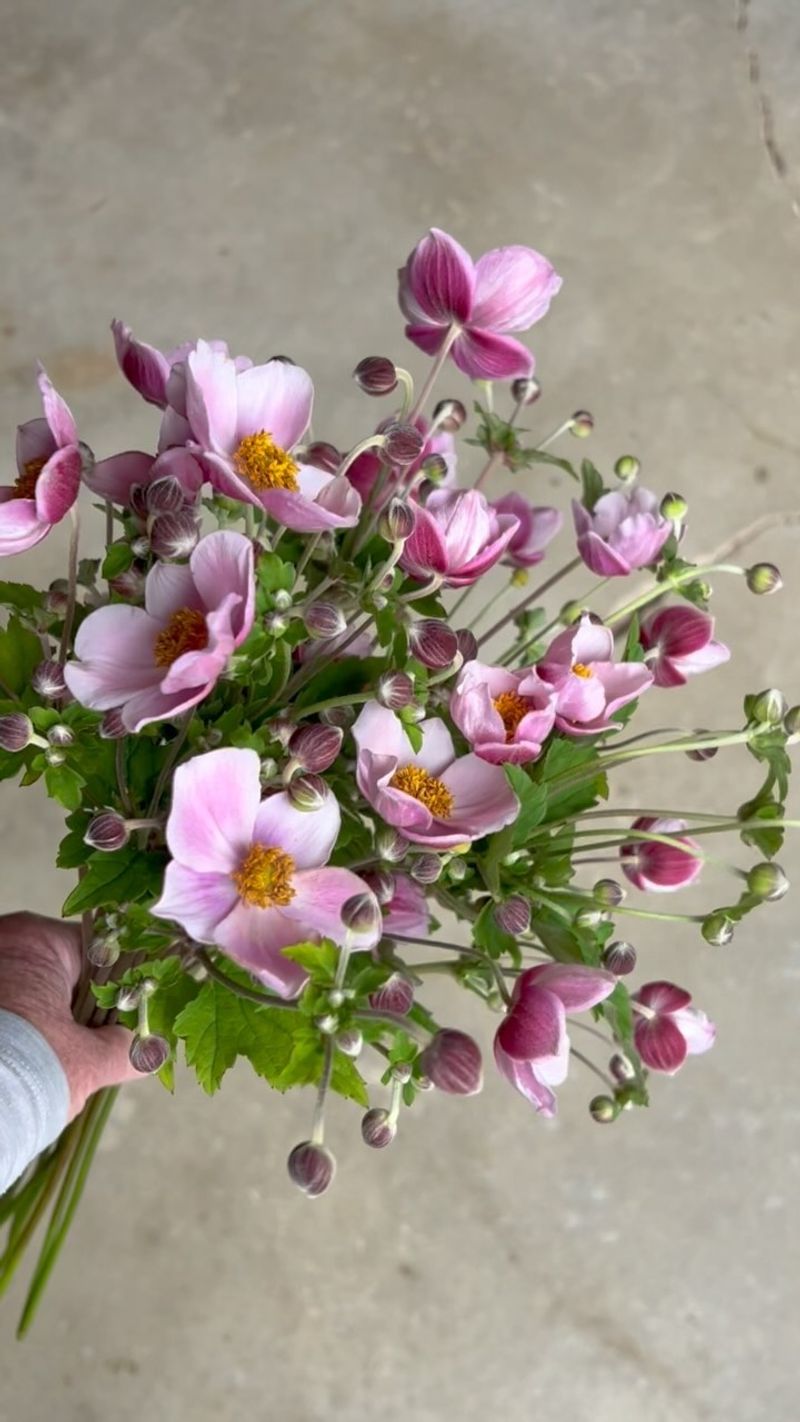
Japanese Anemone captivates with its delicate-looking blooms that are surprisingly hardy in vases. These flowers, in shades of pink and white, bring a touch of elegance and grace to any arrangement. Blooming in late summer to fall, they thrive in zones 4-8, known for their adaptability and resilience. Often associated with anticipation and protection, Japanese Anemones add both beauty and symbolism to floral displays. Their presence in a bouquet offers a sense of serenity and sophistication, making them a cherished addition to gardens and homes alike.
1. Bleeding Heart (Dicentra spectabilis)
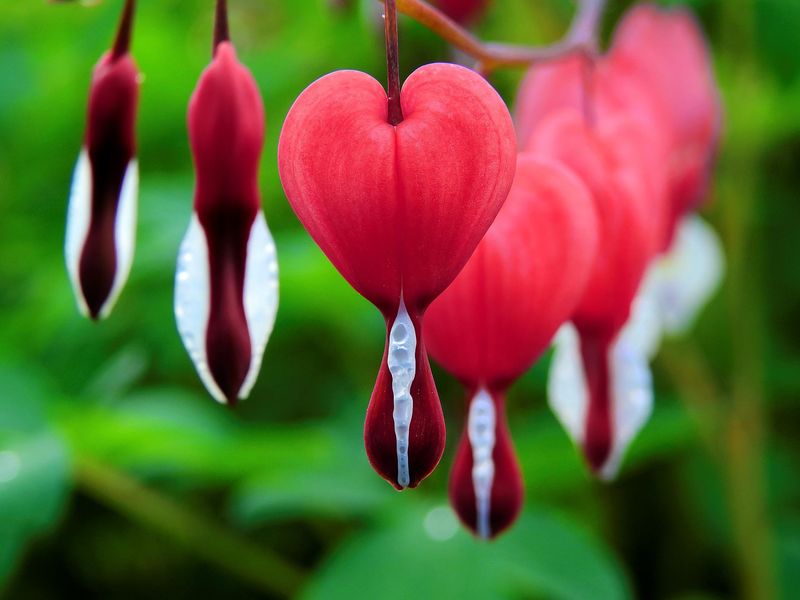
Bleeding Heart enchants with its heart-shaped blooms, a true spectacle of nature’s artistry. However, these delicate beauties droop within hours of being cut, their fragility a reminder of the fleeting nature of beauty. Blooming in spring, they thrive in shaded areas, adding a touch of romance to gardens. Despite their short-lived presence in vases, Bleeding Hearts are cherished for their unique appearance and symbolic meanings of love and compassion. Their presence in a garden adds a poetic touch, evoking emotions and memories with their gentle elegance.
2. Lupine (Lupinus spp.)
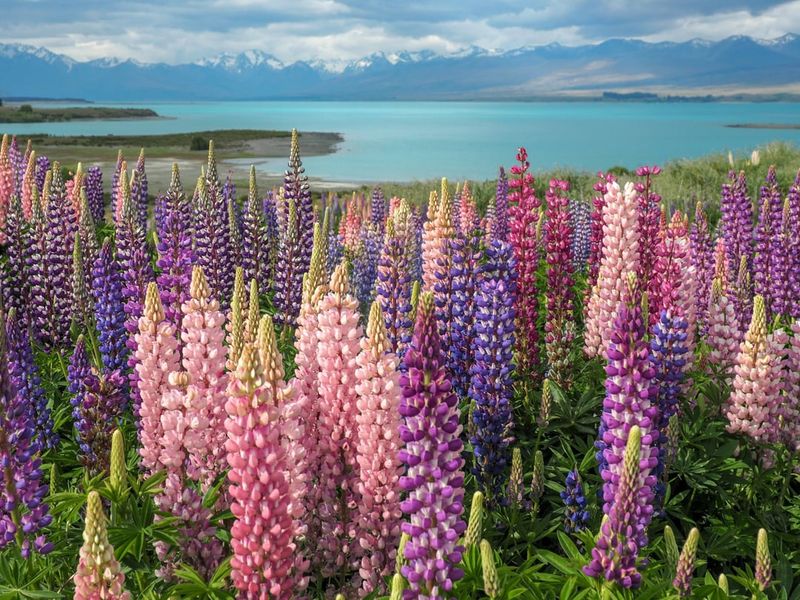
Lupines captivate with their tall, spiked flowers in a spectrum of vibrant colors. Despite their majestic appearance, these blooms are fleeting in vases, as the flowers tend to fall off quickly after cutting. Blooming in late spring to early summer, they thrive in sunny spots and are known for their nitrogen-fixing abilities, enriching the soil. Lupines symbolize imagination and creativity, qualities that resonate in their striking form and color. Their presence in a garden is a testament to their beauty and ecological importance, even if they don’t last long indoors.
3. Oriental Poppy (Papaver orientale)
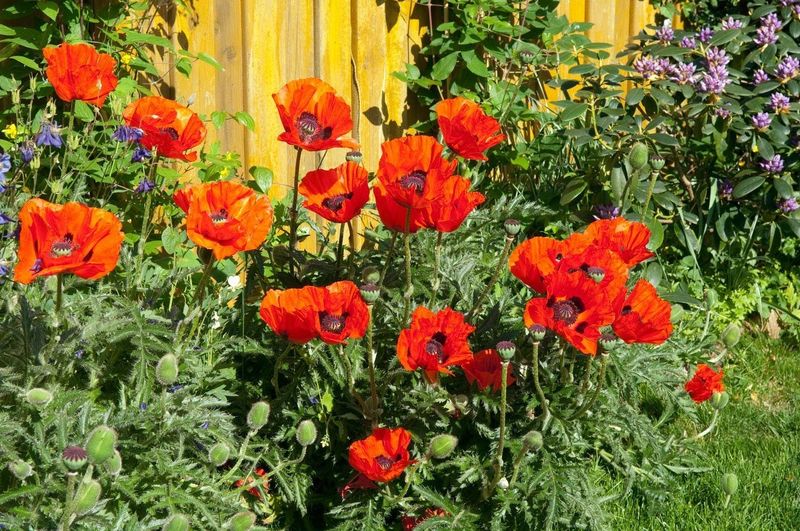
Oriental Poppies dazzle with their bold colors and delicate petals, a sight to behold in any garden. However, their beauty is ephemeral when cut, as the petals drop quickly, leaving only memories of their splendor. Blooming in late spring to early summer, they thrive in well-drained soil, adding a splash of color to sunny gardens. Oriental Poppies symbolize rest and recovery, qualities that resonate in their fleeting blooms. Despite their short vase life, they remain a beloved feature in gardens, captivating admirers with their dramatic presence and vibrant hues.
4. Columbine (Aquilegia spp.)
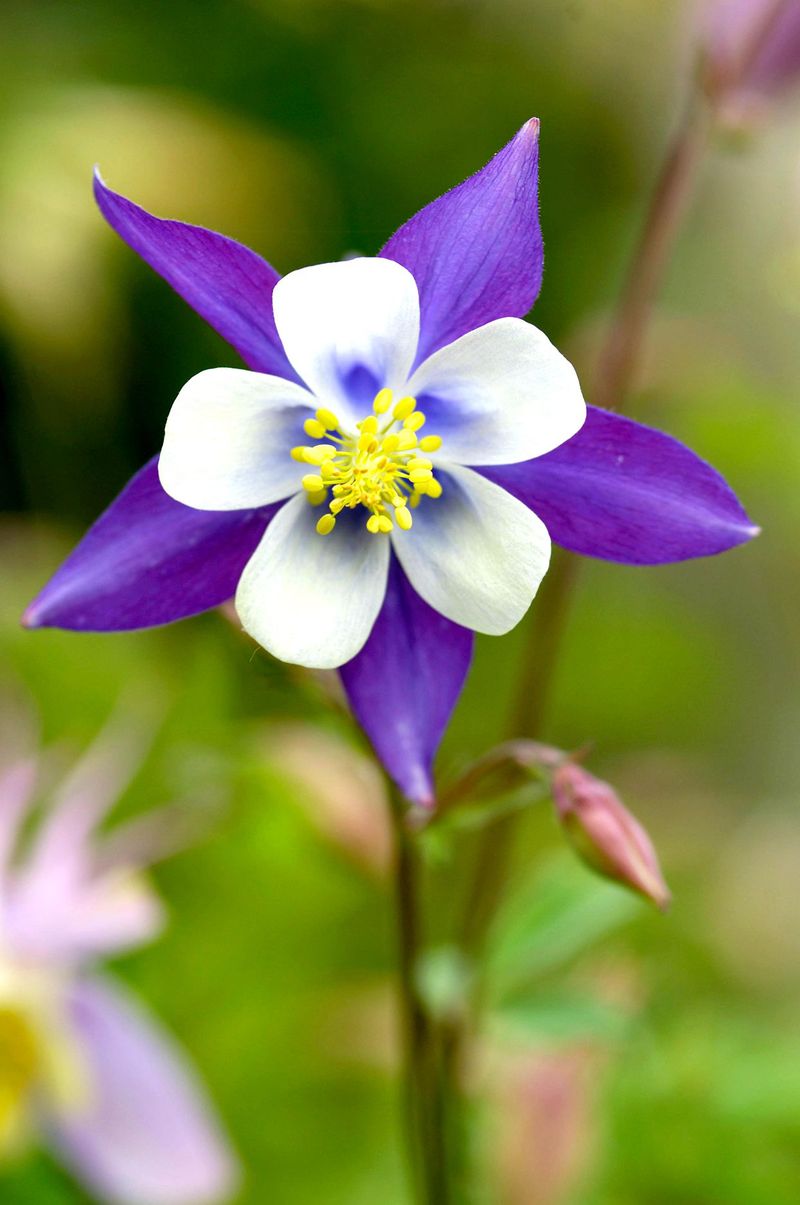
Columbine flowers enchant with their distinct shapes and variety of colors, making them a delight for gardeners and pollinators alike. Despite their charm, these flowers wilt within a day of being cut, their fragile nature a contrast to their vibrant appearance. Blooming in late spring, they thrive in shaded areas, adding a touch of whimsy to gardens. Columbines symbolize wisdom and intellect, qualities that resonate in their unique form and adaptability. Their presence in a garden adds both beauty and a touch of the ethereal, capturing the imagination of those who behold them.
5. Virginia Bluebells (Mertensia virginica)
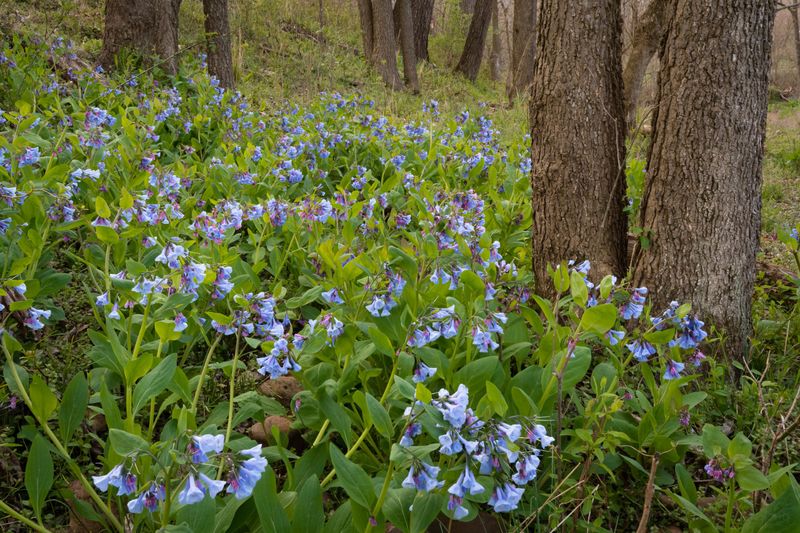
Virginia Bluebells create a breathtaking scene with their clusters of soft blue flowers. However, these beauties collapse when cut, their delicate nature best appreciated in their natural woodland setting. Blooming in early spring, they thrive in shaded areas, adding a carpet of color to forest floors. Virginia Bluebells symbolize gratitude and humility, qualities that resonate in their understated beauty. Despite their short-lived presence indoors, they remain a favorite among wildflower enthusiasts, capturing the essence of spring with their gentle hues and graceful presence.
6. Hellebore (Helleborus spp.)
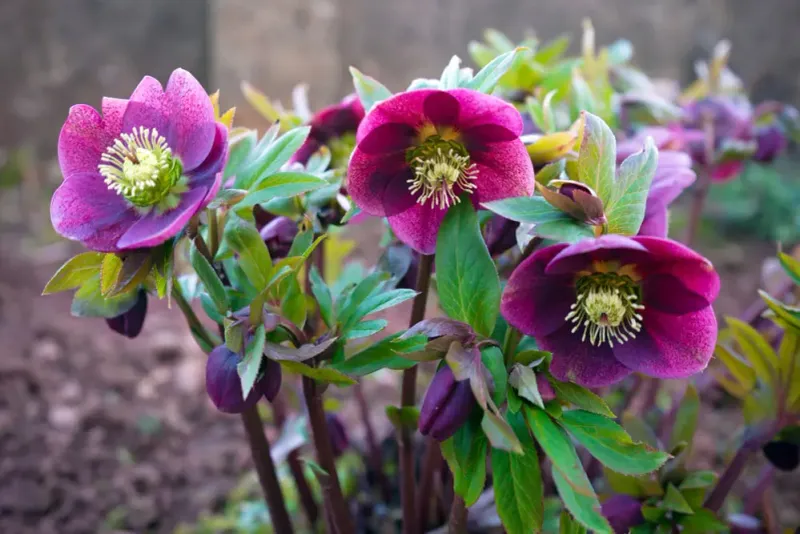
Hellebores, with their nodding flowers in shades of pink, white, and green, add an understated elegance to shaded gardens. Unfortunately, these blooms droop in water, their resilience best showcased in their natural habitat. Blooming in late winter to early spring, they thrive in zones that offer cool temperatures, providing early color when few others dare to bloom. Hellebores symbolize serenity and tranquility, qualities that resonate in their subdued hues and graceful form. Despite their short vase life, they remain a beloved feature in gardens, offering a quiet beauty that endures.
7. Trillium (Trillium spp.)
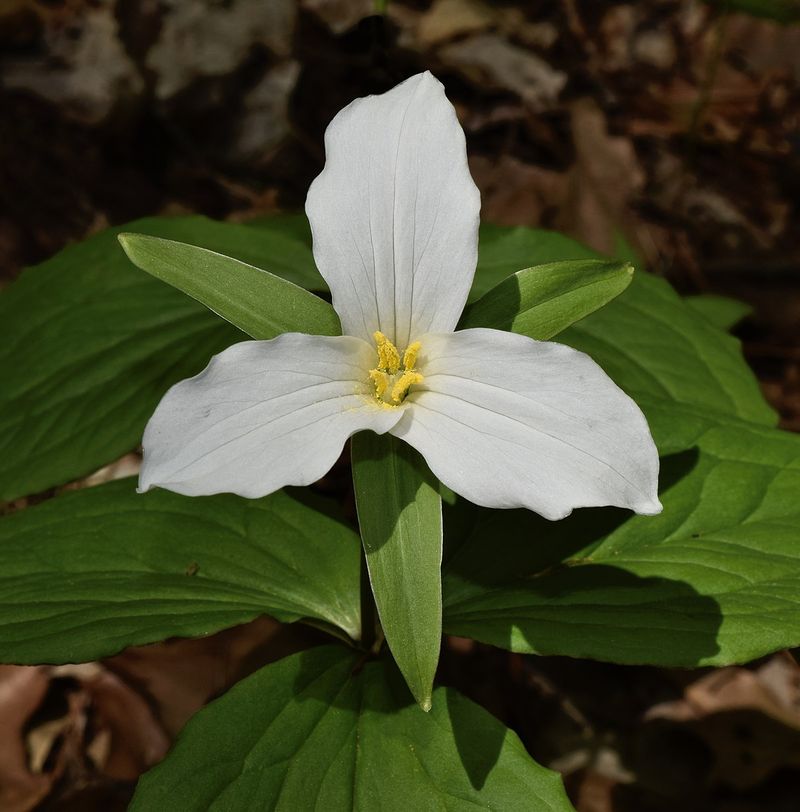
Trilliums captivate with their iconic three-petaled blooms, a rare and fragile beauty in spring woodlands. Despite their charm, these flowers are delicate and rare, wilting quickly when cut. Preferring shaded areas, they symbolize purity and beauty, qualities that resonate in their simple yet striking form. Trilliums are protected in many areas due to their rarity, making them a treasured sight in their natural habitat. Their presence in a forest adds both elegance and a sense of wonder, a reminder of nature’s delicate balance and the importance of preservation.
8. Dutchman’s Breeches (Dicentra cucullaria)
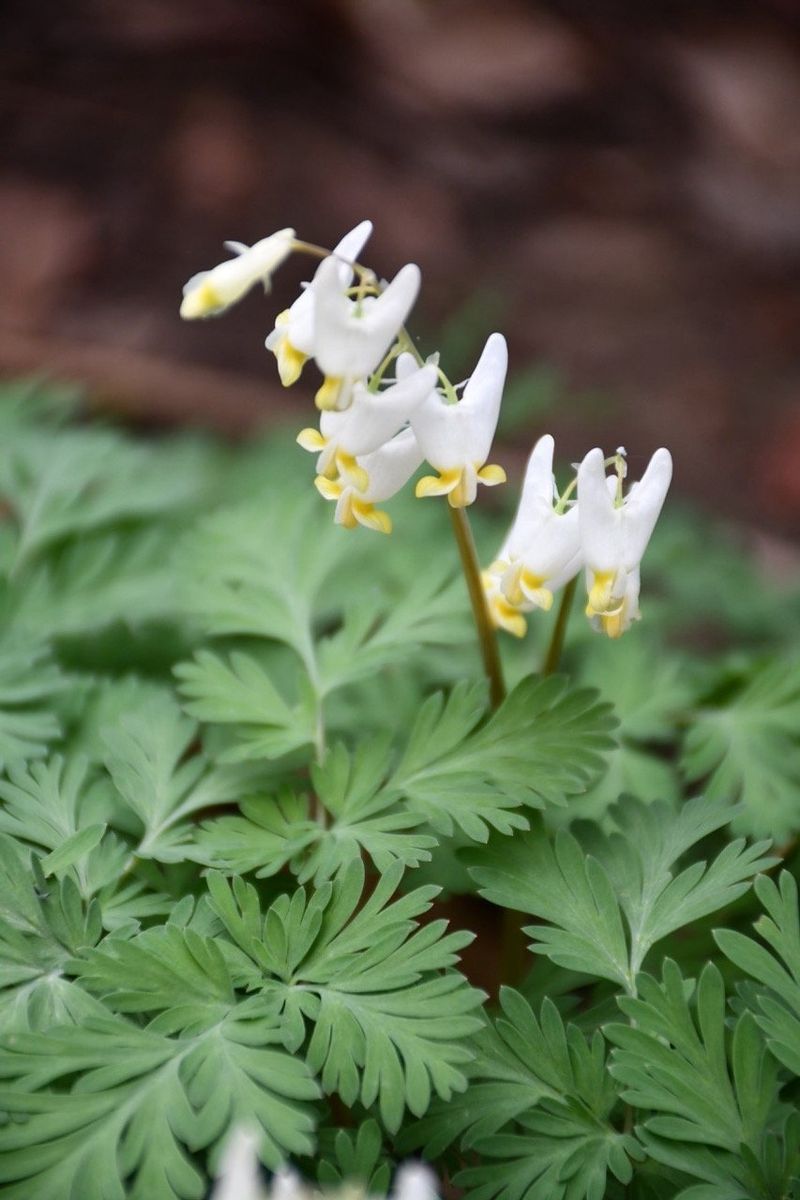
Dutchman’s Breeches charm with their whimsical, trouser-like blooms, a delightful spectacle in spring woodlands. Despite their enchanting appearance, these flowers are too delicate for vases, their beauty best appreciated in their natural setting. Blooming in early spring, they thrive in shaded areas, adding a touch of whimsy to forest floors. Dutchman’s Breeches symbolize simplicity and innocence, qualities that resonate in their unique form and gentle presence. Their presence in a woodland setting adds both charm and a sense of wonder, capturing the imagination with their playful appearance.
9. Mayapple (Podophyllum peltatum)
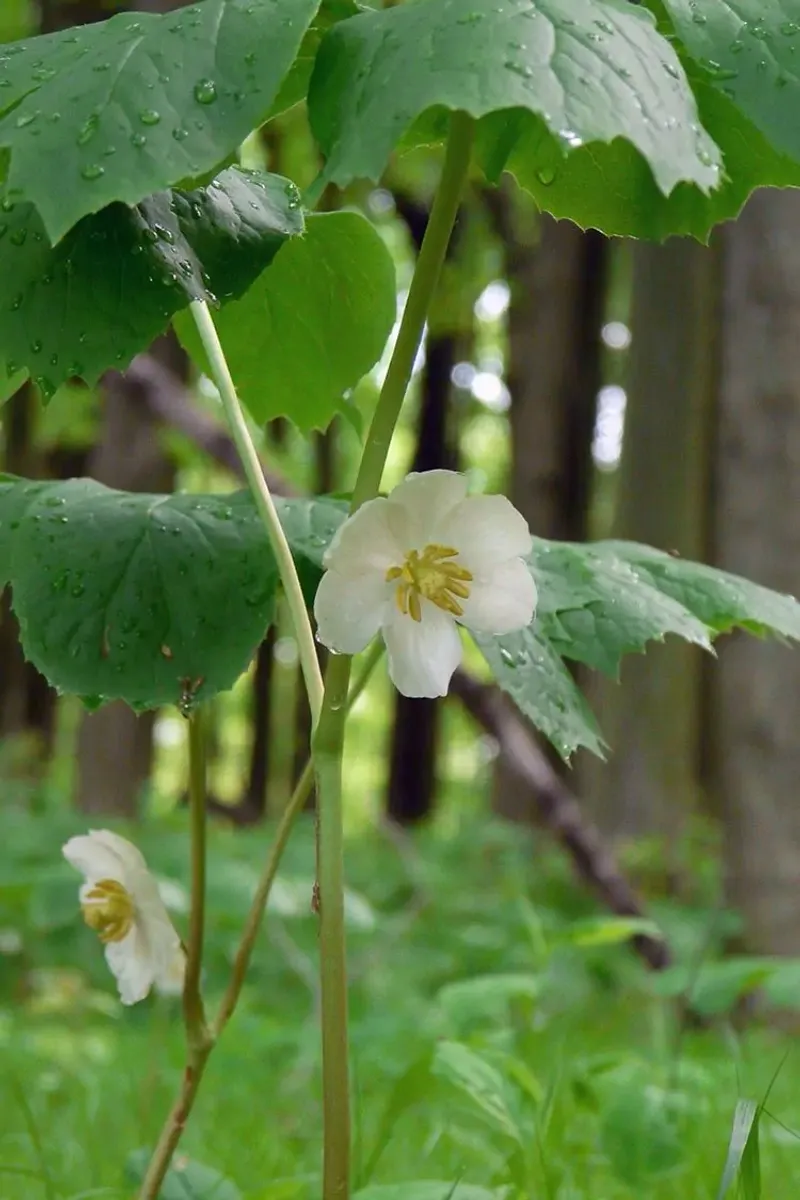
Mayapples intrigue with their umbrella-like leaves, a distinctive feature in spring woodlands. While their foliage lasts, the delicate flowers do not, wilting quickly when cut. These plants thrive in shaded areas, adding a touch of mystery to forest floors. Mayapples symbolize protection and concealment, qualities that resonate in their hidden blooms and broad leaves. Despite their short-lived blossoms, they remain a favorite among wildflower enthusiasts, offering a glimpse of nature’s ingenuity and the fleeting beauty of spring.
10. Foamflower (Tiarella cordifolia)
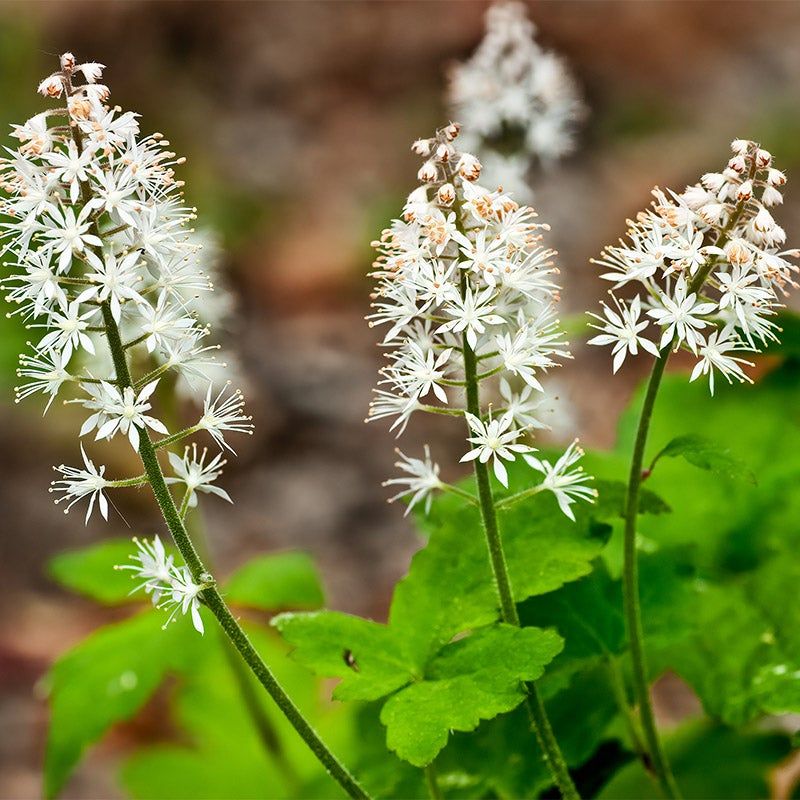
Foamflowers enchant with their delicate, airy blooms, a soft addition to shaded gardens. Despite their beauty, these flowers are wilt-prone when cut, their fragility a contrast to their vibrant appearance. Blooming in spring, they thrive in zones that offer shade and moisture, providing a gentle display of color. Foamflowers symbolize purity and beauty, qualities that resonate in their light and ethereal form. Their presence in a garden adds both charm and a touch of elegance, capturing the essence of spring with their gentle blooms and graceful demeanor.