 Complete Gardening
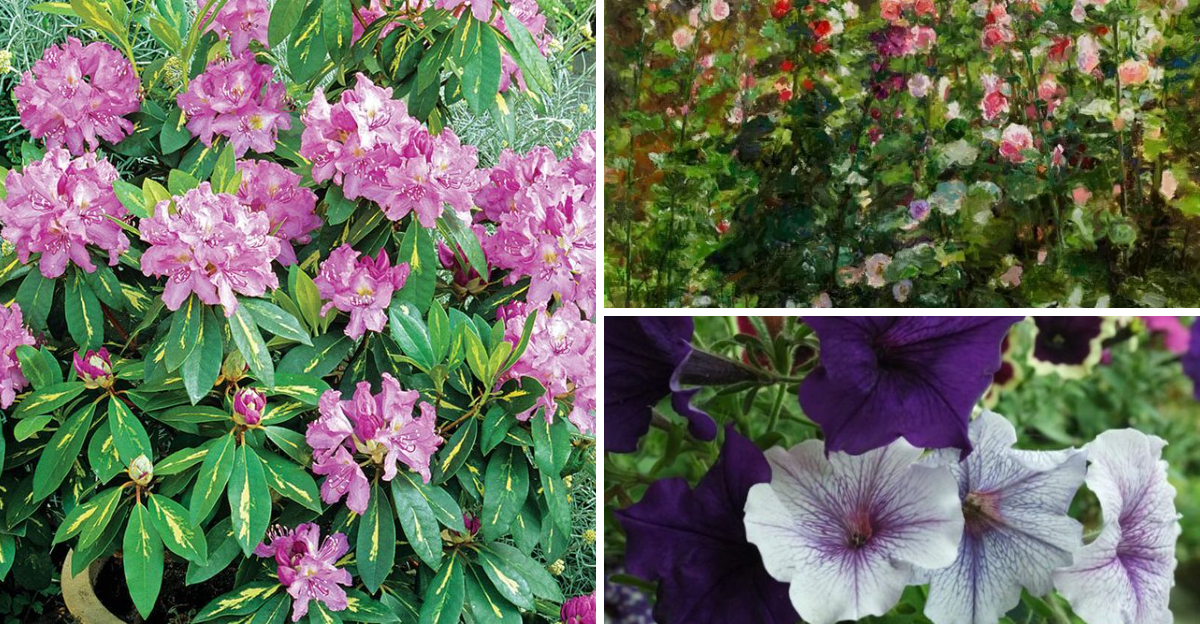
The 1970s and 80s were vibrant decades for gardening, with a delightful array of plants that adorned our parents’ gardens. These plants, cherished for their beauty and resilience, brought life to countless backyards. Let’s journey through these 17 garden favorites, each holding a special place in the nostalgic landscape of yesteryears.
1. Marigold
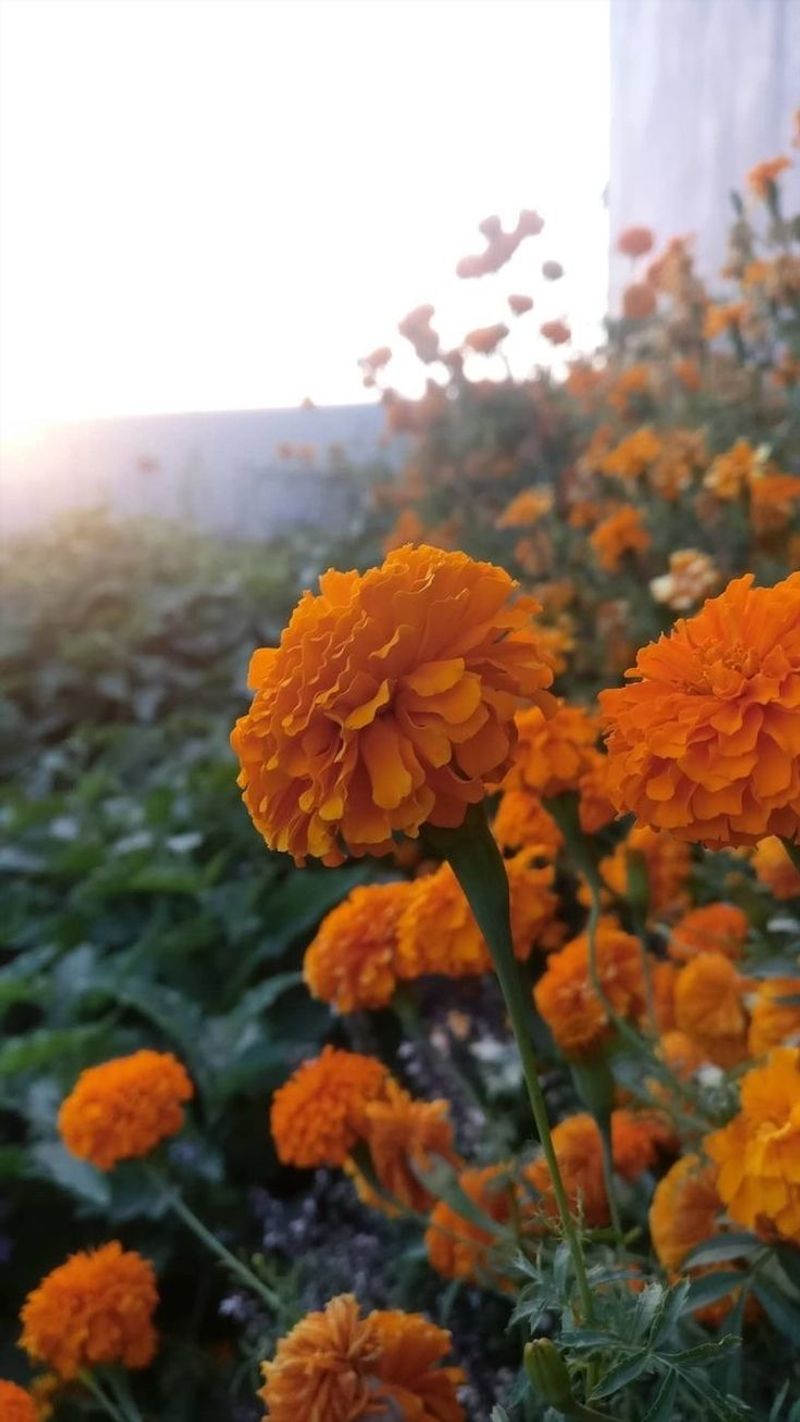
With its fiery hue and easy maintenance, the marigold was a staple in many gardens. Known for its pest-repellent properties, it was not only beautiful but functional. The marigold’s vibrant colors added a cheerful touch, making it a favorite among gardeners who sought both aesthetics and utility. In the evenings, their blooms seemed to glow, creating a warm and inviting atmosphere. Planting marigolds was often a family affair, with children eagerly helping to sow seeds, creating memories intertwined with the earthy scent of soil and the promise of vibrant blooms.
2. Hydrangea
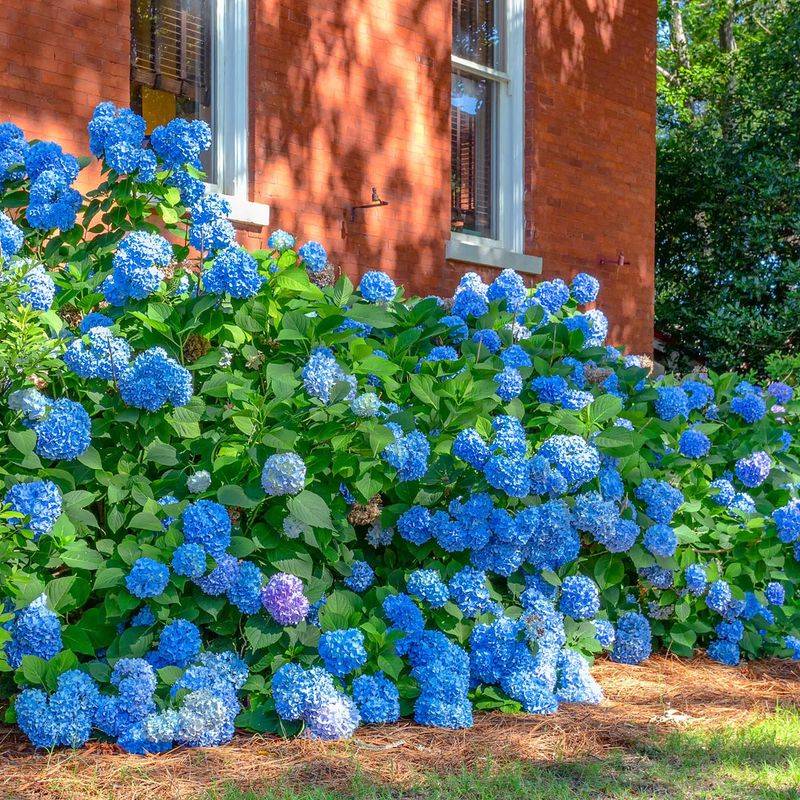
Big, bold, and beautiful, the hydrangea made a statement in any garden. Homeowners loved the way its large flower clusters could shift in color, depending on the soil’s pH. In the acidic soils of many neighborhoods, blooms sported a vivid blue, while alkaline conditions turned them pink. The hydrangea’s adaptability made it a versatile choice, effortlessly fitting into diverse landscape designs. Its presence in the garden often acted as a natural conversation starter among neighbors, further cementing its place as a beloved garden classic.
3. Geranium
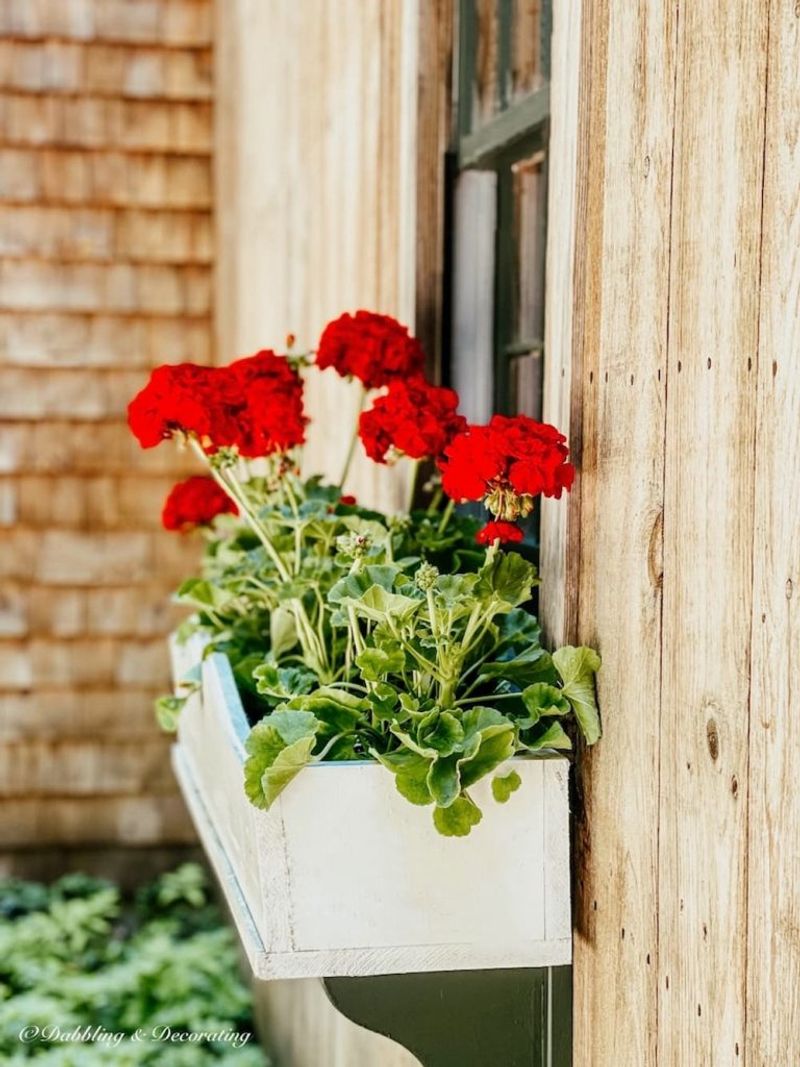
Geraniums, with their compact form and abundant blooms, were perfect for brightening patios and window boxes. Their slightly peppery scent was unmistakable, evoking warm summer days spent outdoors. Versatile and hardy, these plants thrived in pots, making them ideal for urban dwellers with limited garden space. The geranium’s resilience meant it could survive on a sunny windowsill or a bustling porch, bringing joy with its cheerful blossoms. Often, children would pluck a bloom to tuck behind their ear, adding a touch of floral whimsy to their play.
4. Chrysanthemum
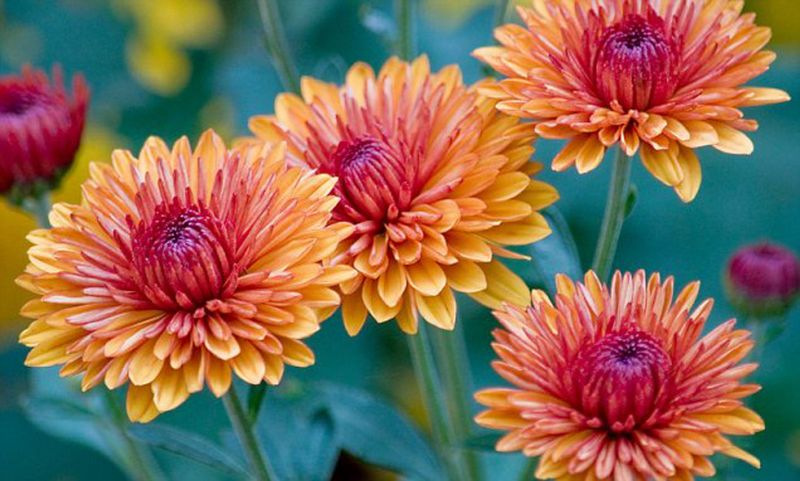
Chrysanthemums, or ‘mums,’ were the stars of autumn gardens. Their diverse range of colors and forms meant there was a variety for every gardener’s taste. As summer faded, mums took center stage, their rich hues symbolizing the changing seasons. Hardy and reliable, they were often passed down through generations, with cuttings shared among family and friends. The crisp air of fall days heightened their scent, making a stroll through the garden a sensory delight. Chrysanthemums embodied the spirit of togetherness and the beauty of seasonal change.
5. Snapdragon
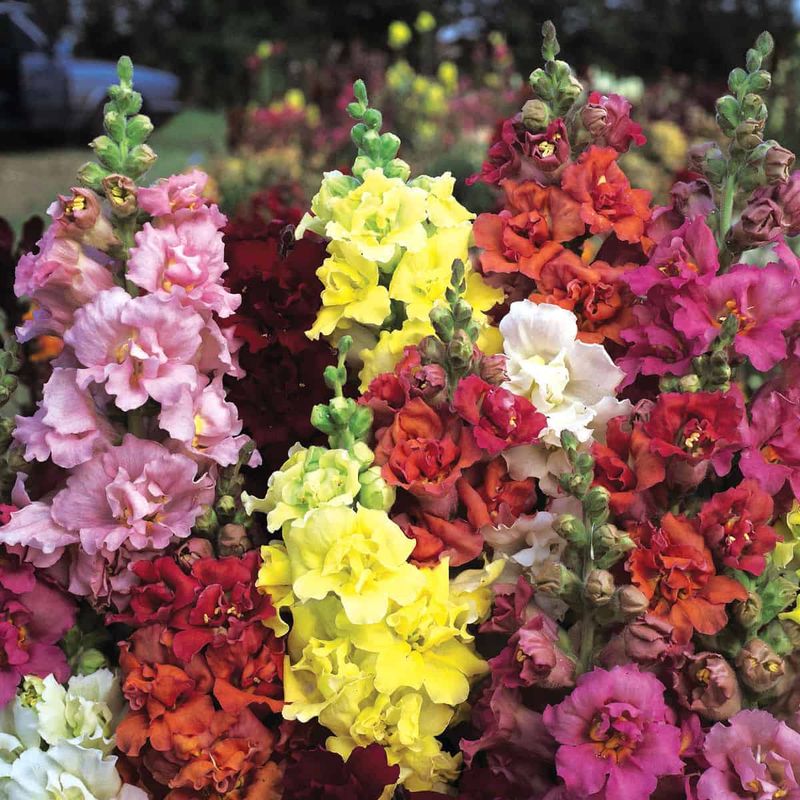
Snapdragons captured imaginations with their unique blooms that, when pinched, seemed to open like a dragon’s mouth. These playful flowers came in a spectrum of colors, adding a dynamic vertical element to flower beds. Their colorful spikes were a magnet for bees and butterflies, bringing life and movement to the garden. Children especially loved them, often popping the dragon-like blossoms open in playful delight. Snapdragons were a testament to the joy and wonder that simple plants could bring, making them a beloved choice for family gardens.
6. Daffodil
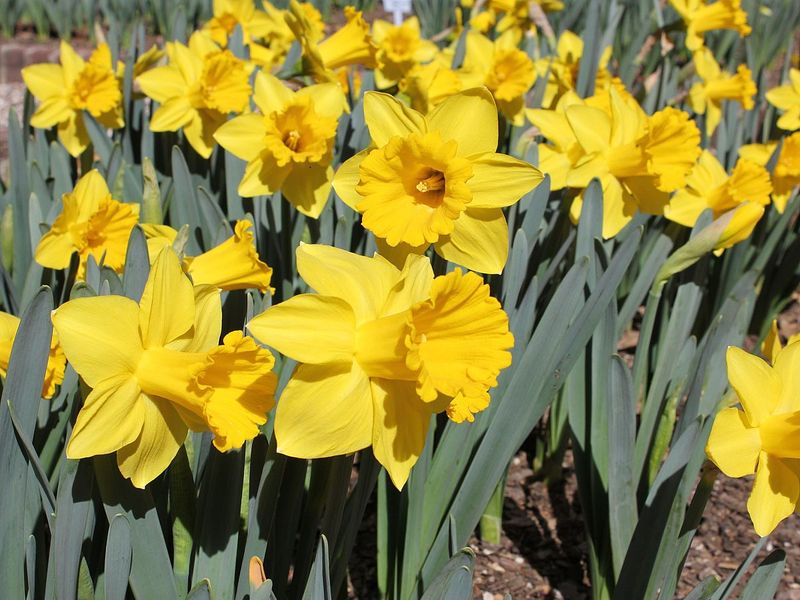
Daffodils signaled the joyful arrival of spring with their sunny yellow blooms. These hardy bulbs were among the first to bloom, lifting spirits after the gray winter months. Their bright trumpets and elegant petals danced in the breeze, creating a lively and hopeful scene. Gardeners cherished their reliability and ability to naturalize, spreading joy year after year. For many, daffodils were synonymous with springtime childhood memories, where picking a fresh bouquet for the kitchen table was a yearly tradition cherished by families.
7. Zinnia
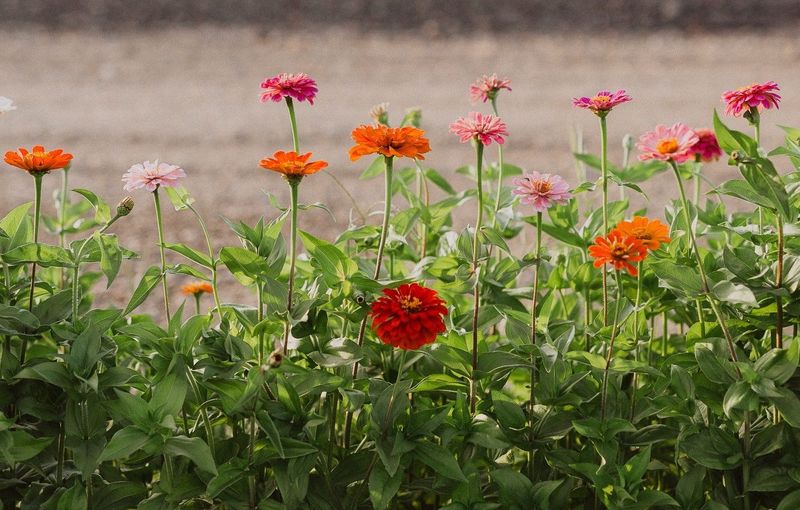
Zinnias were a favorite for their bold and varied colors, ranging from fiery reds to pastel pinks. These sun-loving annuals brought a burst of energy to garden beds, creating a lively tapestry of hues. Easy to grow from seed, they were often the first choice for novice gardeners. Zinnias thrived in the summer heat, attracting butterflies and creating a lively, colorful spectacle. Their long-lasting blooms made them ideal for cut flower arrangements, ensuring a splash of garden color indoors. Zinnias were the quintessential summer flower, embodying joy and resilience.
8. Iris
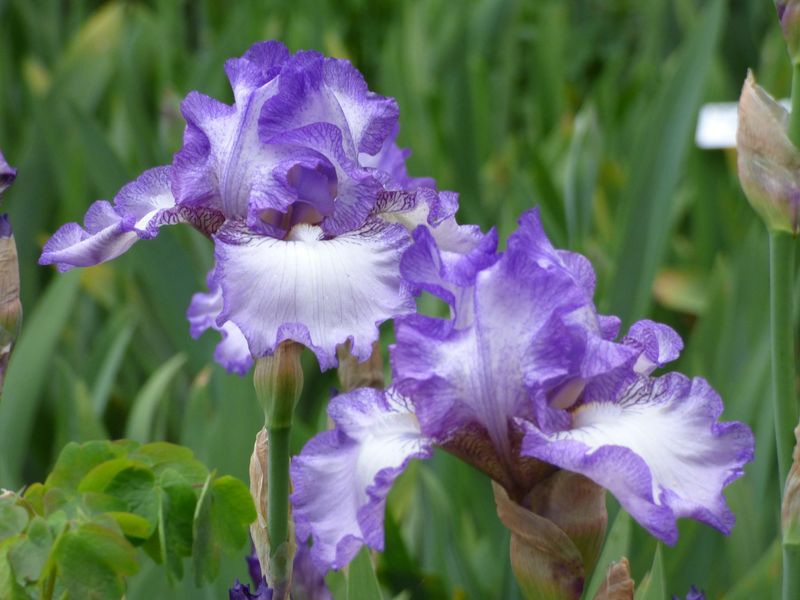
Irises added a touch of elegance and grace to gardens with their intricate, frilled petals. These perennials were prized for their striking appearance and range of colors, from deep purples to soft blues. Blooming in late spring, irises brought a sense of renewal and beauty. The sword-like leaves and dramatic flowers created a striking architectural presence, often acting as a focal point in garden designs. For many, irises were a link to heritage, with rhizomes passed down through generations, carrying memories and stories of gardens past.
9. Lavender
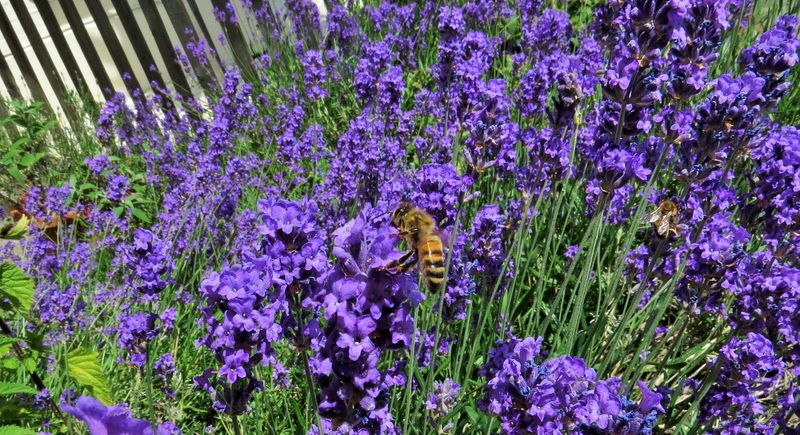
Lavender, with its soothing fragrance and delicate purple blooms, was a garden staple. Valued for its calming properties, it was often used in homemade potpourris and sachets. The plant’s silvery foliage and vibrant flowers added a touch of elegance and tranquility to any garden space. Lavender’s ability to attract bees made it a vital part of eco-friendly gardening. Its presence was synonymous with relaxation, evoking memories of lazy summer afternoons. Planting and tending to lavender often became a cherished family ritual, blending beauty and serenity into garden life.
10. Azalea
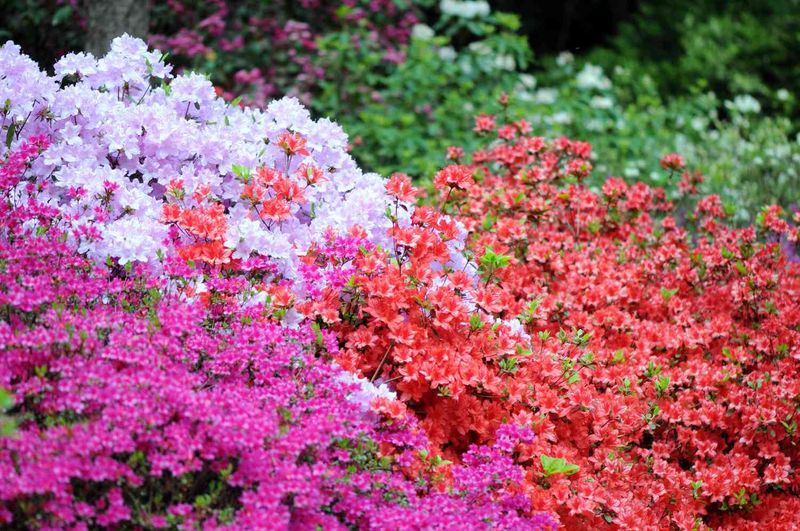
Azaleas, with their stunning floral displays, were the pride of many gardeners. These shrubs exploded with color each spring, transforming gardens into vibrant tapestries of pink, red, and white. Their lush blooms were a sight to behold, making them a popular choice for front yards and public parks. The azalea’s ability to thrive in shady areas made it versatile, adding beauty where other plants might struggle. With a little care, azaleas became the showpieces of the garden, their brilliance often marking the pinnacle of spring’s glory.
11. Begonia
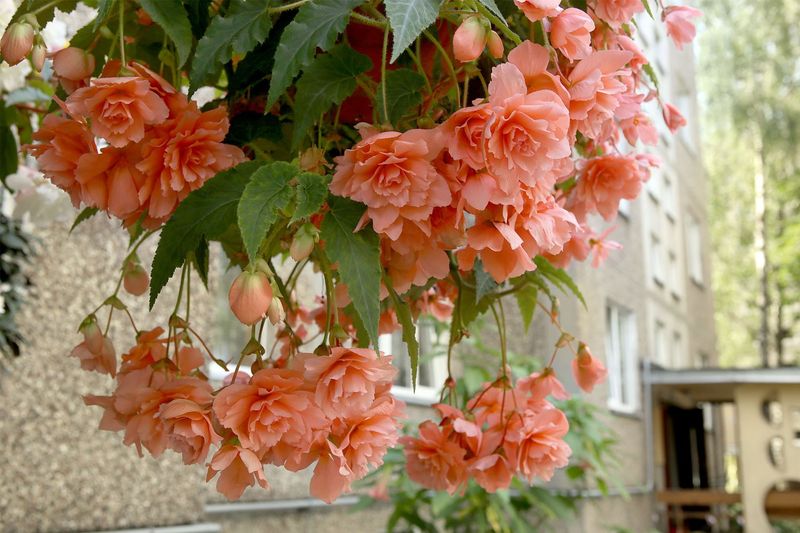
Begonias brought a touch of whimsy and color to gardens, with their lush foliage and vibrant blooms. Perfect for hanging baskets and shaded areas, these plants thrived in a variety of conditions. Their ability to bloom continuously made them a favorite for adding long-lasting beauty to porches and patios. Begonias were a symbol of adaptability, flourishing in both humble garden plots and ornate landscapes. Their presence was often a testament to a gardener’s creativity and dedication, transforming ordinary spaces into enchanted floral displays.
12. Rhododendron
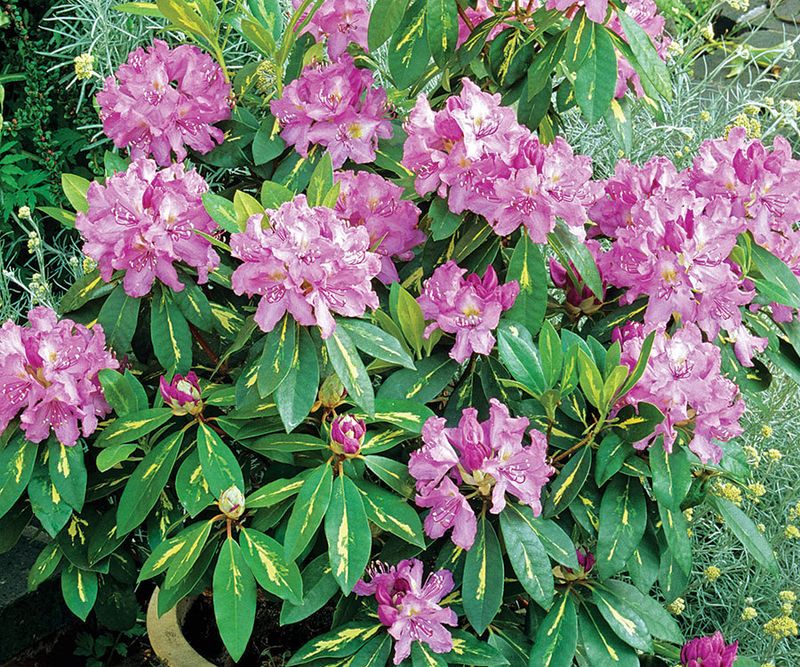
Rhododendrons were cherished for their magnificent floral displays and evergreen foliage. These shrubs produced large, showy clusters of blooms, often in shades of purple, pink, and white. Their presence added drama and elegance to any garden, making them a focal point in landscape design. Rhododendrons’ ability to thrive in cooler climates made them popular in northern regions. The anticipation of their springtime bloom was a highlight for many gardeners, signaling a burst of color and life. Rhododendrons embodied both resilience and beauty, captivating all who beheld them.
13. Hosta
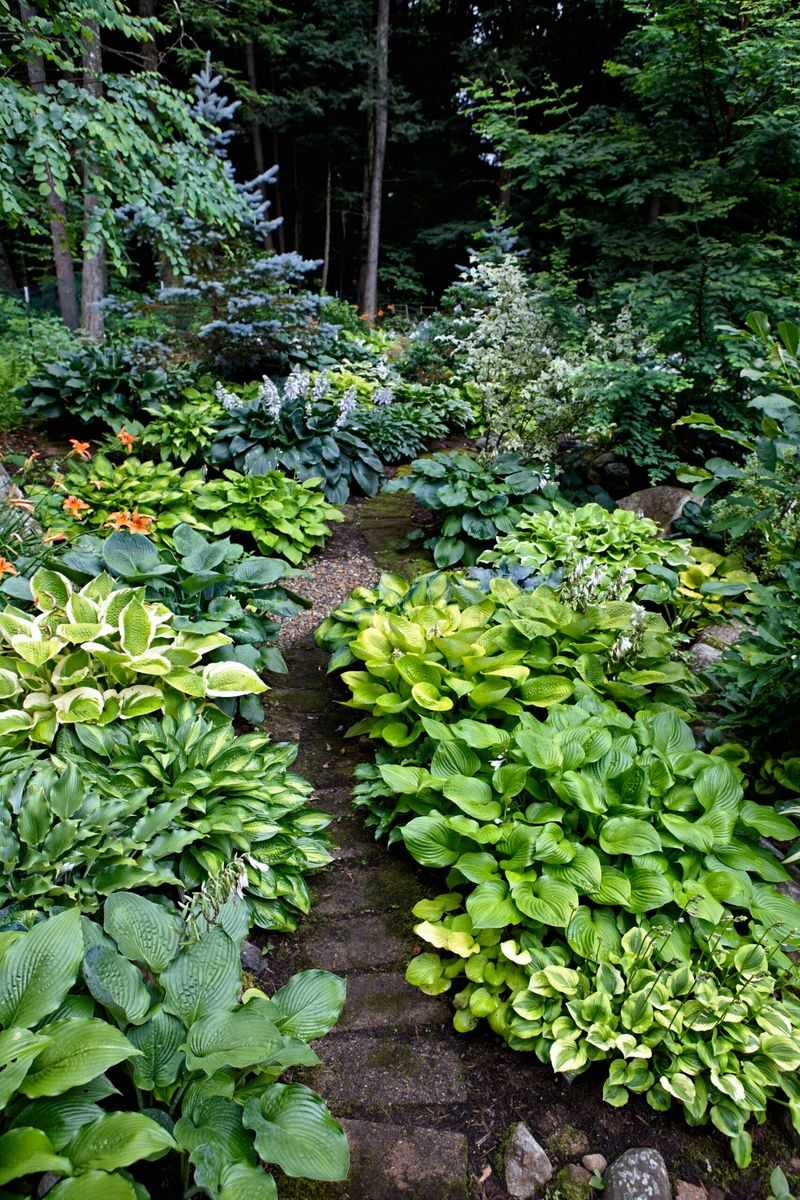
Hostas were the unsung heroes of shaded garden areas, known for their attractive foliage rather than flowers. With a diverse range of sizes, colors, and leaf patterns, hostas added texture and interest to garden beds. Their ability to thrive in low-light conditions made them perfect for under trees and along north-facing walls. Hostas were easy to grow and maintain, often becoming a gardener’s go-to for reliable greenery. Their presence in the garden provided a tranquil backdrop for more flamboyant blooms, creating a balanced and harmonious landscape.
14. Peony
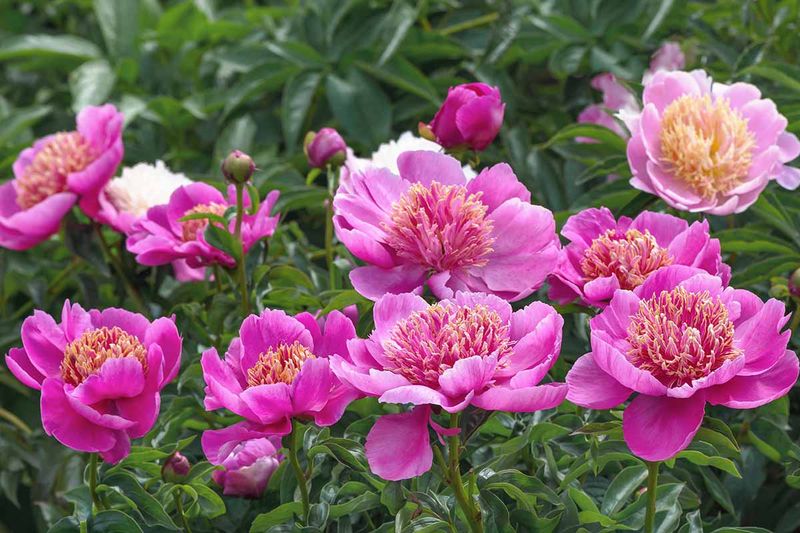
Peonies were the epitome of garden romance, with their large, fragrant blooms and lush foliage. These perennials were a favorite for their luxurious blossoms, often used in bridal bouquets and celebratory arrangements. Peonies’ ability to thrive with minimal care made them a staple in many gardens. Their seasonal bloom was eagerly anticipated, marking the transition from spring to summer. For many, peonies were associated with family gatherings and celebrations, their beauty enhancing special moments. Their presence in the garden was a nod to timeless elegance and enduring charm.
15. Sunflower
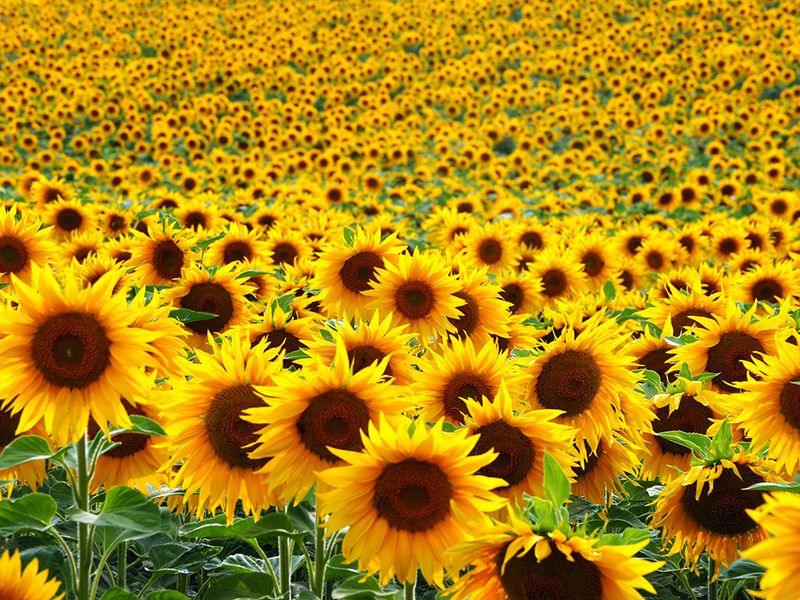
Sunflowers brought joy with their towering heights and cheerful yellow faces. These giants of the garden were often planted in the back of flower beds or along fences, where they could reach for the sky. Sunflowers were not only beautiful; they also provided seeds for both humans and wildlife. Their sunny disposition made them a favorite among children, who marveled at their rapid growth and impressive size. Planting sunflowers was a summer tradition, where families gathered to witness nature’s grandeur and enjoy the simple pleasure of watching flowers follow the sun.
16. Hollyhock
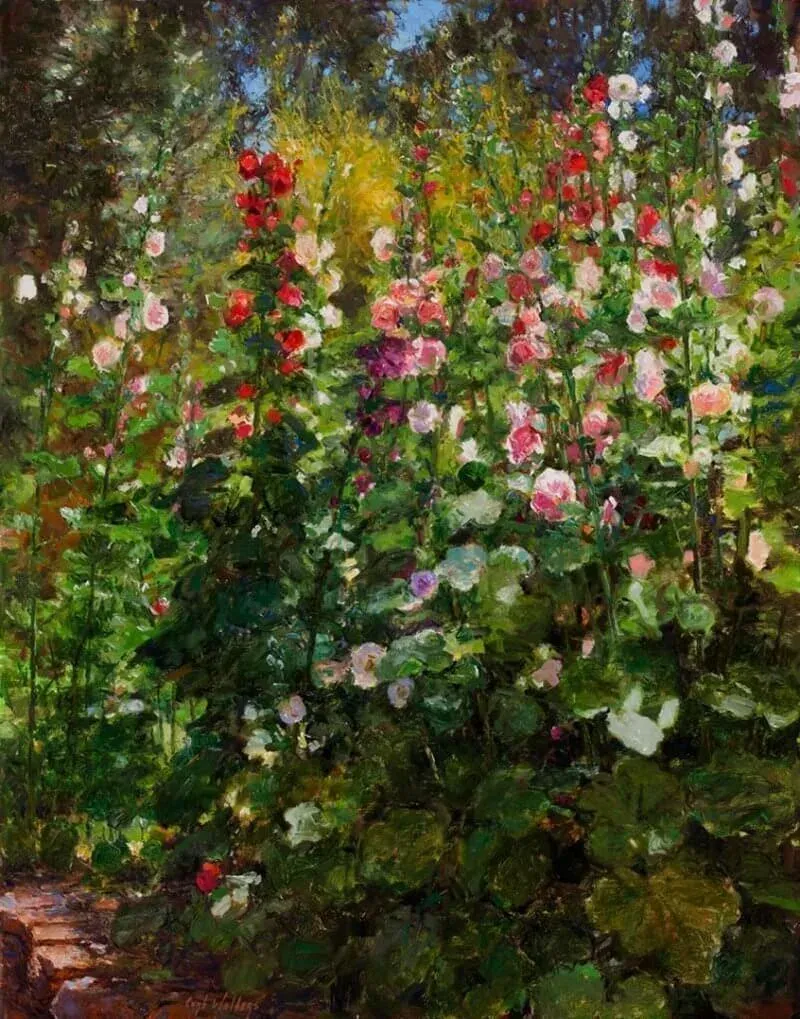
Hollyhocks added a touch of cottage charm to gardens, with their towering spikes of blooms. These biennials were often seen adorning fences and garden borders, creating a picturesque backdrop. Their old-fashioned appeal made them a beloved choice for nostalgic gardeners seeking to recreate the charm of country gardens. Hollyhocks’ ability to attract pollinators added life to the garden, ensuring a buzzing, vibrant ecosystem. Their stately presence and array of colors made hollyhocks a symbol of rustic elegance, capturing the hearts of those who longed for simpler times.
17. Petunia
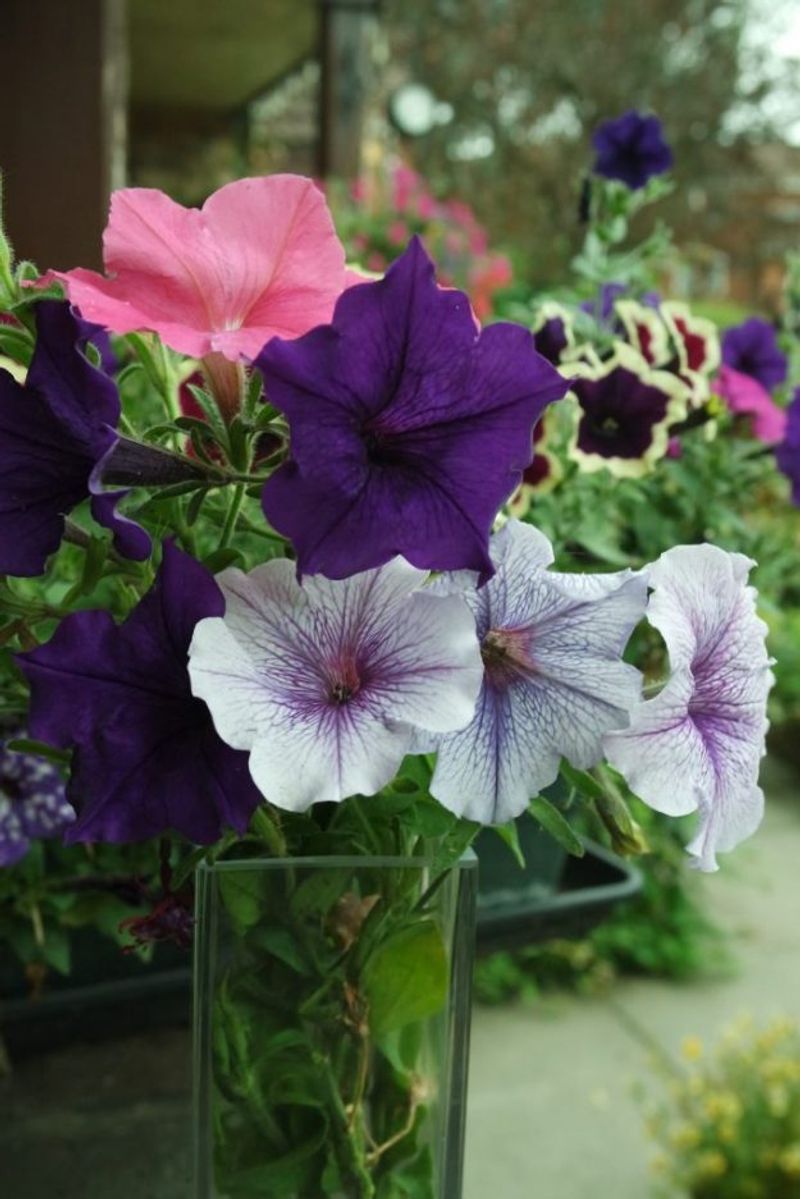
Petunias were the champions of vibrant color, bringing a kaleidoscope of hues to gardens. These versatile annuals thrived in both beds and containers, making them ideal for gardeners of all skill levels. Petunias’ resilience and long blooming period meant they could provide color from spring through fall. Their sweet fragrance and wide range of patterns made them a favorite for adding personality to garden spaces. Planting petunias became a joyful ritual, where each bloom’s unique pattern added a touch of magic to everyday life, embodying creativity and joy.