 Complete Gardening
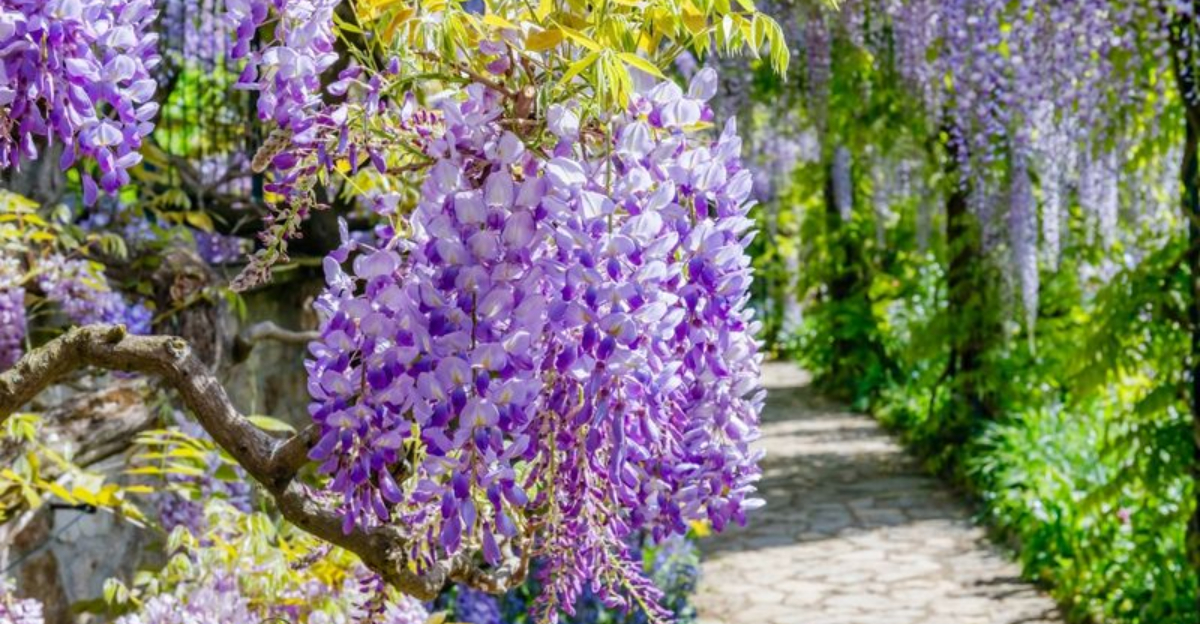
Gardening enthusiasts often look forward to shaping their plants, but timing is crucial. Some plants, if pruned too early in the season, may lose their blooms. Here are 17 plants you should only prune after May to ensure a garden full of vibrant flowers.
1. Lilacs
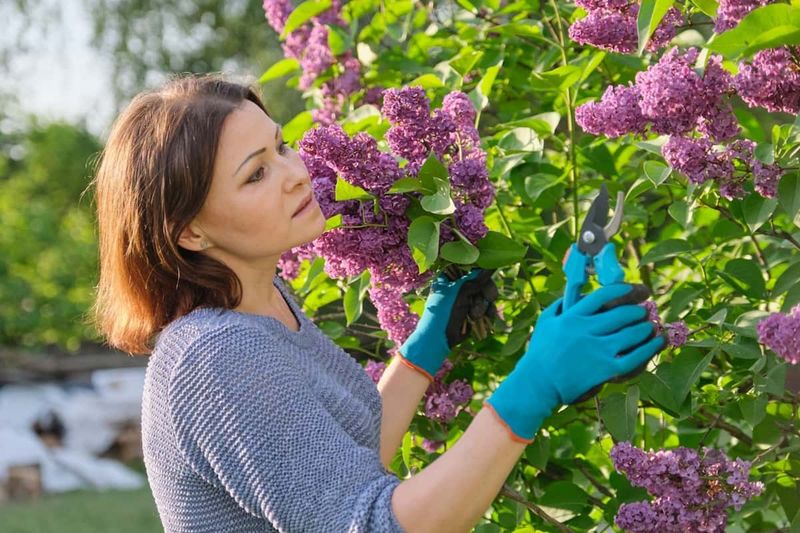
Lilacs, with their intoxicating fragrance, are a spring garden’s pride. If you prune them too early, you might miss their lovely blossoms. They set their flower buds the previous summer, so trimming them before blooming can lead to a bloomless season.
The ideal time to prune lilacs is right after their blooms fade. This ensures the plant has ample time to grow new shoots for the next year.
For those who cherish their lilac bushes, patience is key, allowing the garden to be filled with their delightful scent come spring.
2. Azaleas
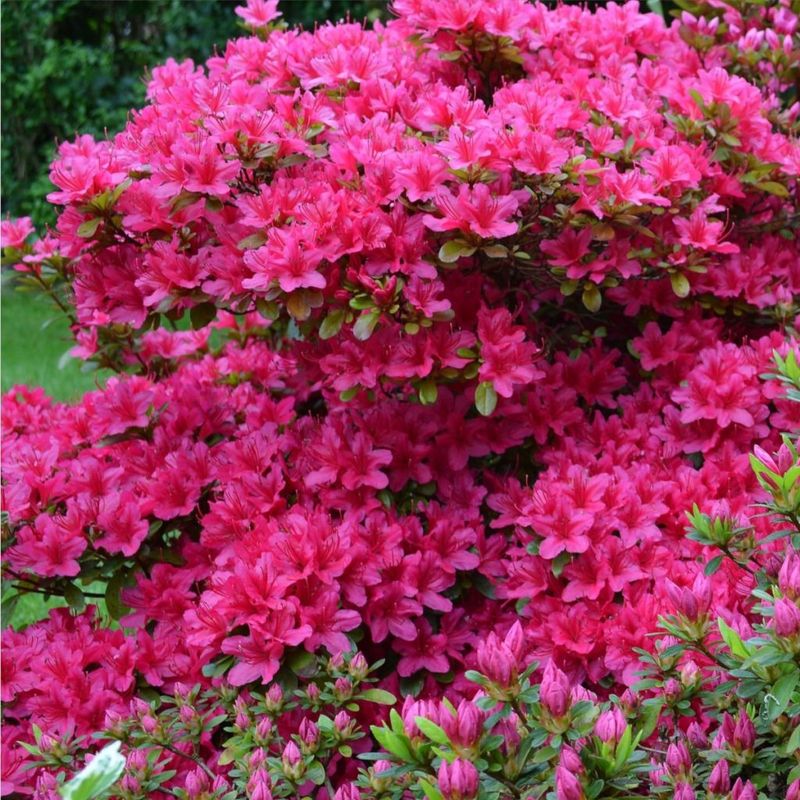
Azaleas are adored for their colorful displays. Pruning them before their flowering season can lead to disappointment, as they form buds on old wood.
Allow these beauties to flourish by waiting until late spring to trim. This timing helps to maintain their lush appearance and ensures a spectacular show of blooms.
An interesting tidbit: Azaleas were once so popular in the 19th century that they symbolized femininity and softness. Embrace the elegance of azaleas by timing your pruning wisely.
3. Rhododendrons
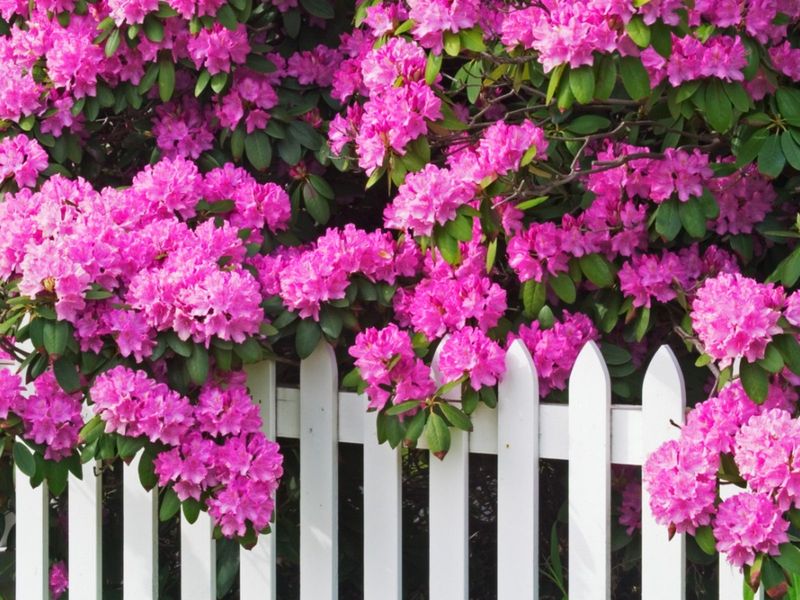
Rhododendrons are a majestic addition to any garden. They form buds in late summer, so early pruning could mean a lack of flowers.
To enjoy their stunning blooms, hold off on pruning until after they’ve flowered. This method not only preserves their beauty but also encourages growth for the next season.
Rhododendrons have an ancient lineage, with fossils dating back 50 million years. This rich history makes preserving their blooms even more worthwhile.
4. Camellias
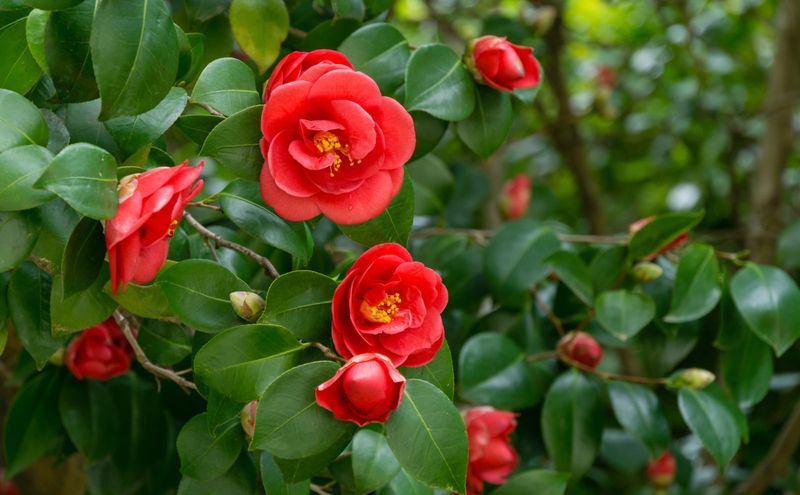
Camellias, known for their elegant flowers, require careful pruning. Trim them too soon, and you risk cutting off buds that set in the previous season.
The key to camellia care is patience, pruning only after the flowers fade. This ensures the plant’s vibrant display continues year after year.
In Victorian times, camellias symbolized admiration and perfection, making them a cherished garden favorite. Their timeless beauty deserves the right timing for their care.
5. Forsythia
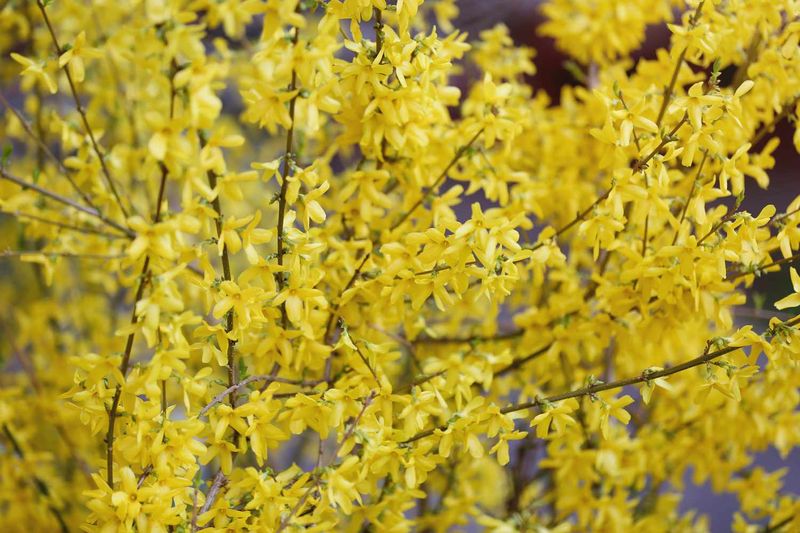
Forsythias are one of the first signs of spring with their bright yellow blooms. Prune too early, and you might miss this cheerful display.
It’s best to prune right after they bloom, allowing for new growth and ensuring a brilliant display next spring.
Forsythias have been used in traditional medicine for centuries, symbolizing anticipation and renewal. Their sunny flowers are a gardener’s delight, making patience in pruning a virtue.
6. Wisteria
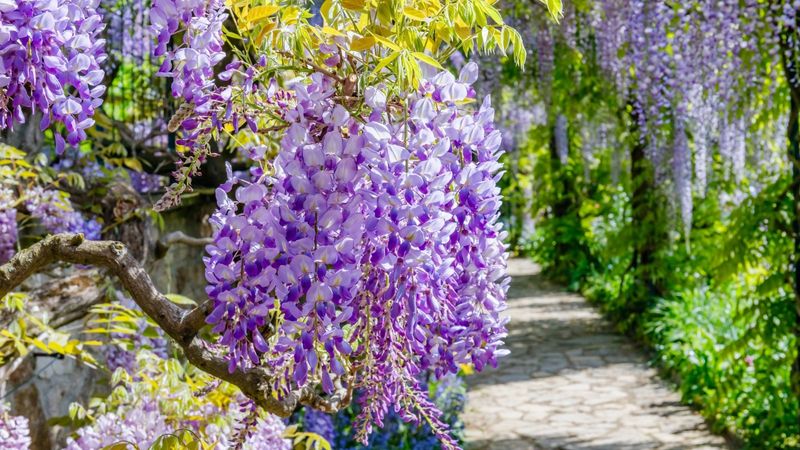
Wisterias, with their dramatic hanging flowers, are a sight to behold. Pruning before they’ve had a chance to display their blooms can lead to disappointment.
Wait until after flowering to prune, as this encourages vigorous growth and a stunning display the following year.
Wisterias are known to live for over a century, with some vines in China over 1000 years old. Such longevity deserves careful timing in their care.
7. Hydrangeas
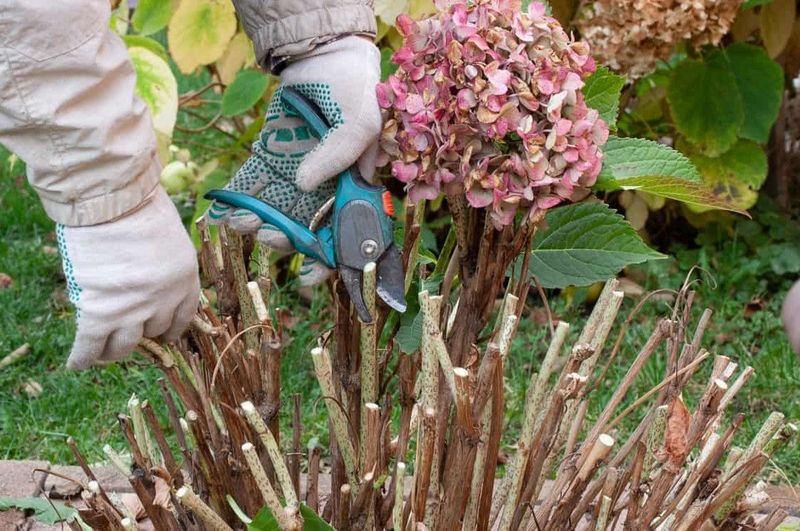
Hydrangeas, loved for their large, colorful blooms, need careful timing for pruning. They bloom on old wood, so cutting too early can result in no flowers.
The best time to prune is immediately after they bloom, ensuring they have time to set buds for next year.
Did you know hydrangeas were cultivated in Japan as far back as 800 years ago? Their rich history and stunning flowers make them a garden staple.
8. Magnolias
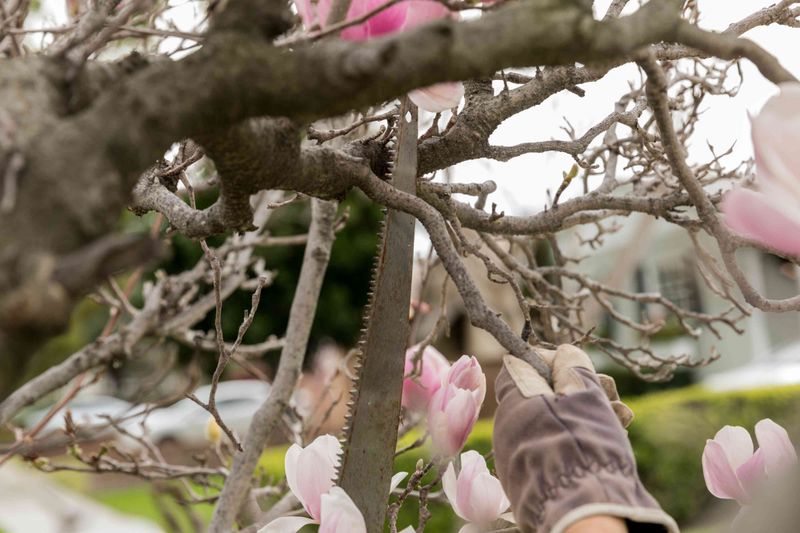
Magnolias are renowned for their impressive blooms. Pruning them in winter or early spring can remove flower buds, leading to fewer flowers.
To keep magnolias flourishing, wait until after they bloom to prune. This ensures a magnificent display each year.
Interestingly, magnolias existed before bees, with their flowers evolving to encourage pollination by beetles. Such an ancient lineage deserves care in pruning.
9. Peonies
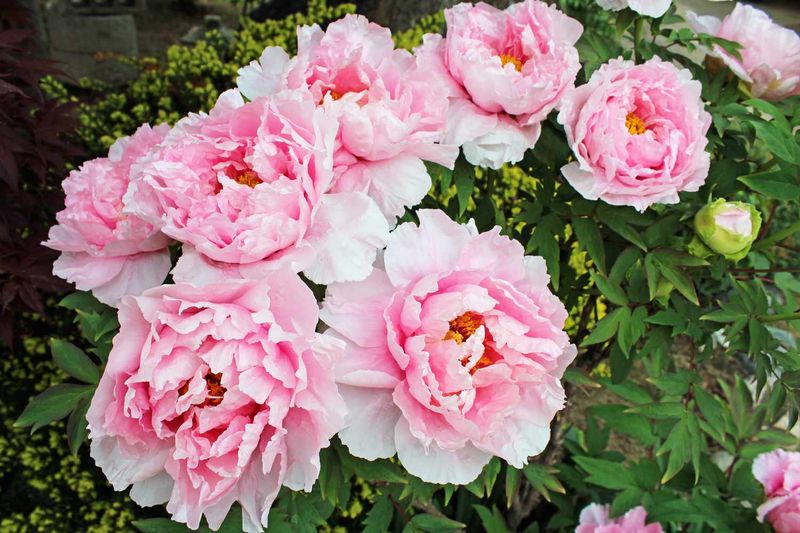
Peonies, with their lush and fragrant blossoms, are a gardener’s delight. Pruning them too soon can cut off their blooms as they form buds the year before.
For a full peony display, wait until after blooming to prune. This timing supports their perennial beauty and vigor.
An interesting fact: Peonies can live for over 100 years, providing generations with their exquisite blooms. Such a legacy deserves proper care.
10. Clematis
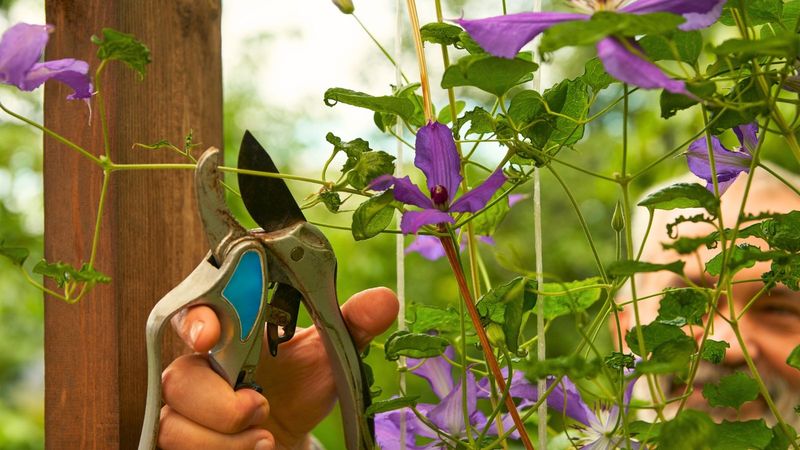
Clematis vines are admired for their profuse flowering. Pruning too early can sacrifice their blooms, as they set buds on old wood.
To enjoy a vibrant clematis show, prune right after blooming. This encourages new growth and ensures a floral spectacle every season.
Clematis has been a symbol of ingenuity and mental beauty since ancient times. Their elegance deserves the right timing in care.
11. Weigela
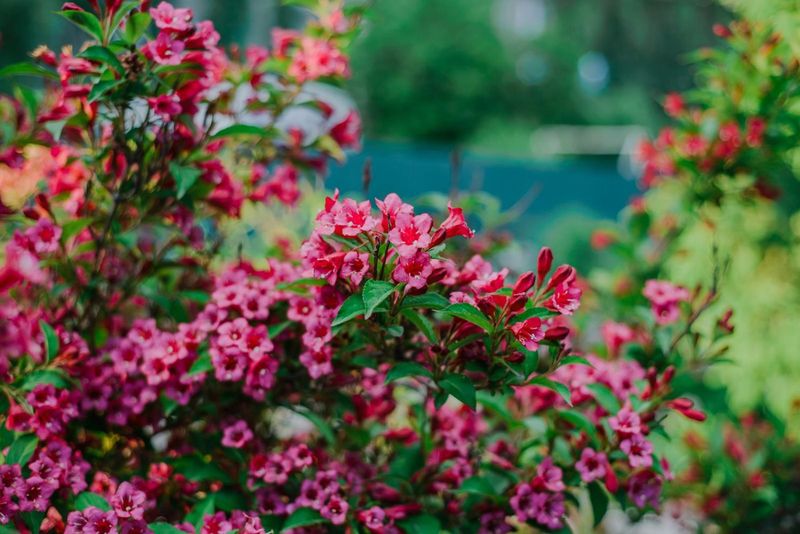
Weigelas are known for their beautiful, trumpet-shaped flowers. Pruning before their bloom can result in a less impressive display.
For the best results, wait until after they flower to prune, ensuring their beauty is preserved.
Weigelas have been popular since the Victorian era, symbolizing warmth and romance. Their charm is worth the wait in pruning.
12. Mock Orange
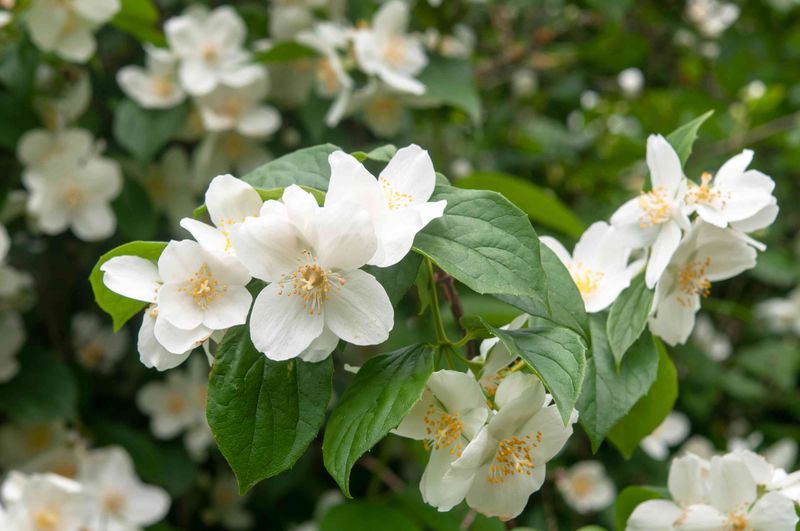
Mock Orange, known for its delightful fragrance, is a garden favorite. Pruning too early can remove the buds set the previous year.
For a fragrant garden, prune after blooming to promote healthy growth and a rich aroma.
The mock orange’s historical use in perfumes adds to its allure, making timing in its care essential.
13. Viburnum
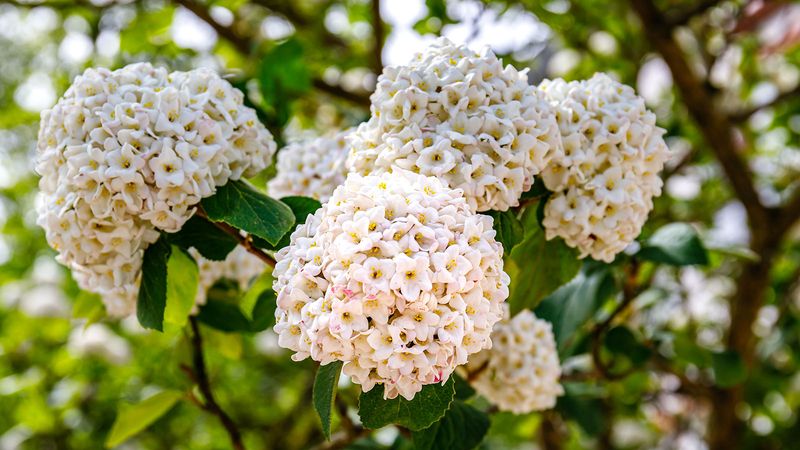
Viburnums offer a wide variety of blooms and berries, providing seasonal interest. Pruning them too soon might cut off the flower buds, reducing their appeal.
To maintain their charm, prune after the flowering season, ensuring a lush display the next year.
Viburnums have been cultivated since ancient times, symbolizing sophistication and vibrancy. Their enduring popularity makes the right pruning time crucial.
14. Lilies
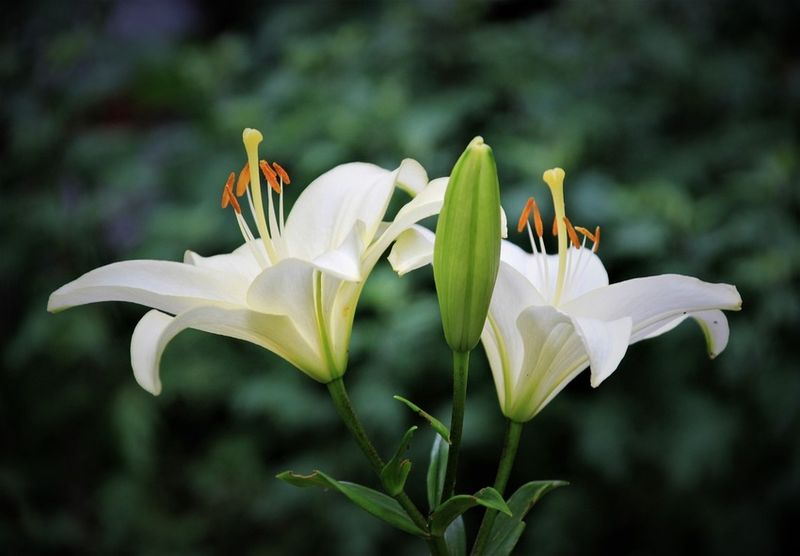
Lilies, with their striking blossoms, are a summer highlight. Pruning them prematurely can remove the buds that promise future blooms.
To enjoy their beauty, allow the lilies to flower before trimming. This timing supports their perennial charm.
Lilies have been a symbol of purity and refined beauty throughout history. Their timeless elegance deserves careful attention in pruning.
15. Rose of Sharon
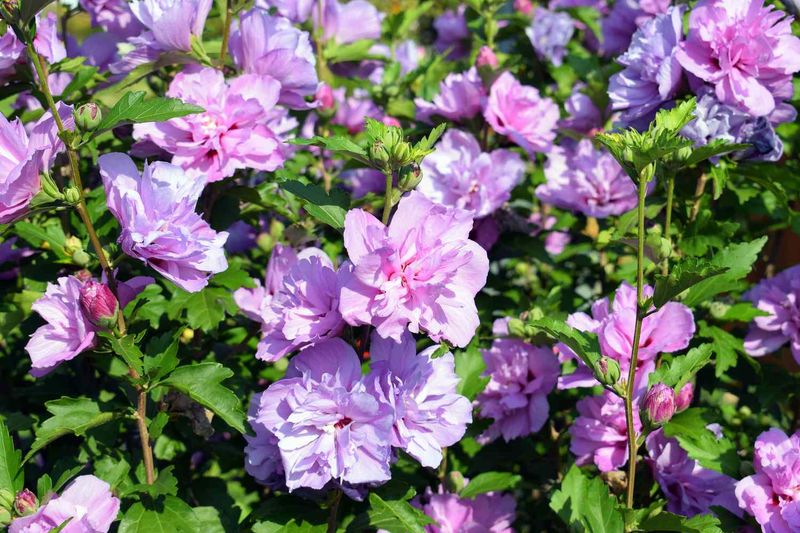
Rose of Sharon is admired for its hibiscus-like blooms. Pruning too early can hinder the development of flowers that bring summer joy.
For a vibrant display, wait until after the blooms fade to prune, encouraging robust growth.
This plant has been cherished for its adaptability and beauty, symbolizing tenacity and resilience.
16. Flowering Quince
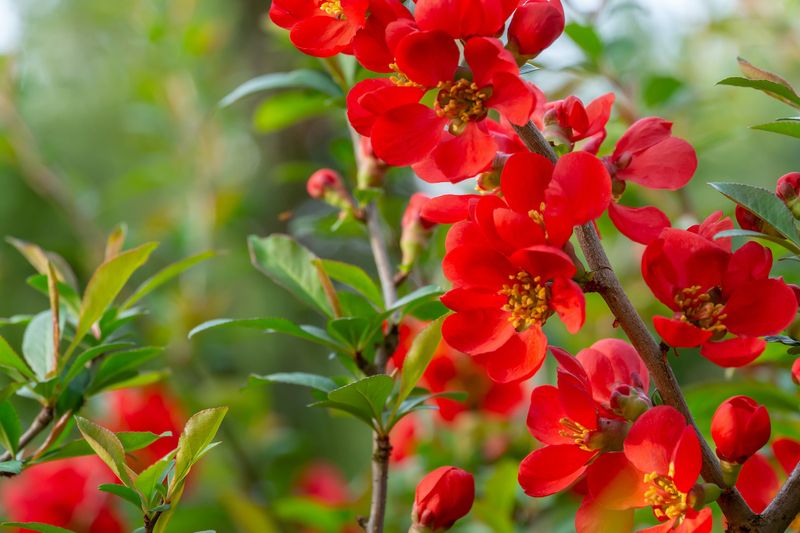
Flowering quince is valued for its early spring blooms. Pruning too early can result in fewer flowers, diminishing their spring spectacle.
To preserve their beauty, prune after flowering. This supports healthy growth and ensures a vibrant display each year.
Once a symbol of love and fertility, flowering quince has been a part of gardens for centuries. Its place in history makes precise care worthwhile.
17. Beauty Bush
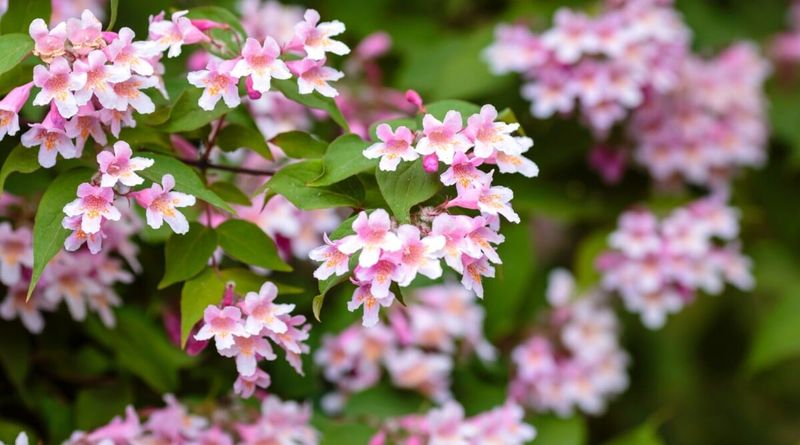
Beauty Bush lives up to its name with an abundance of pink blooms. Pruning prematurely can cut off flower buds, robbing the garden of its splendor.
To keep the Beauty Bush thriving, prune after the blooming season. This timing fosters growth and ensures continuous beauty.
Known for its resilience, Beauty Bush has adorned gardens since the late 1800s, symbolizing grace and abundance.