 Complete Gardening

Reviving an old, overgrown plant can seem daunting. Yet, with a few clever tricks, you can breathe new life into it. Here are thirteen creative ideas to rejuvenate your beloved greenery.
1. Prune with Care
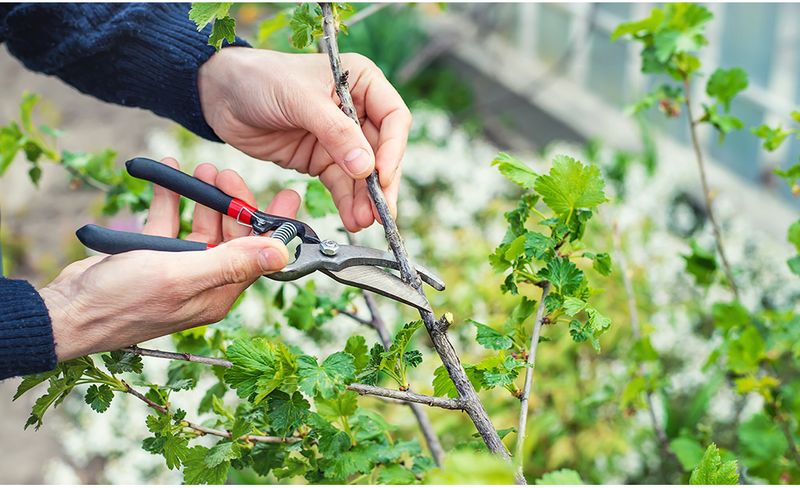
Has your plant become a tangled mess? Pruning might just be the solution! Begin by removing any dead or diseased branches. This will not only aid in shaping the plant but also promote new growth. Focus on thinning out areas that seem overcrowded to ensure sunlight reaches all parts of the plant. Remember, less is more when it comes to pruning. Overdoing it can stress the plant. A balanced approach is key, giving your plant room to breathe while encouraging lush foliage. Revitalizing a plant through careful pruning can transform your garden into a thriving oasis.
2. Refresh the Soil
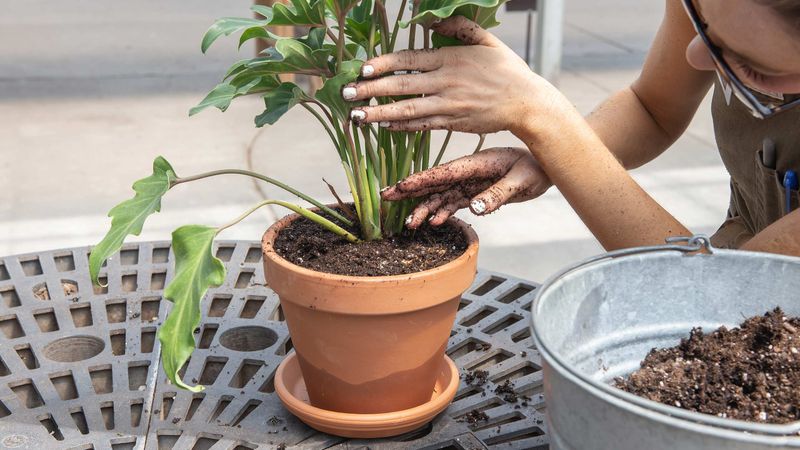
Has your plant been rooted in the same soil for years? Plants need fresh soil for nutrients. Gently remove the plant from its pot, being cautious not to damage the roots. Remove old soil clumps and replace them with nutrient-rich soil. This refreshes the plant’s environment. Ensure the new soil is well-draining to prevent waterlogging. You’ll be surprised at how a simple soil refresh can invigorate your plant, encouraging vigorous growth and vibrant colors. It’s an essential step in giving your plant the best chance to thrive and flourish once more.
3. Adjust Light Levels
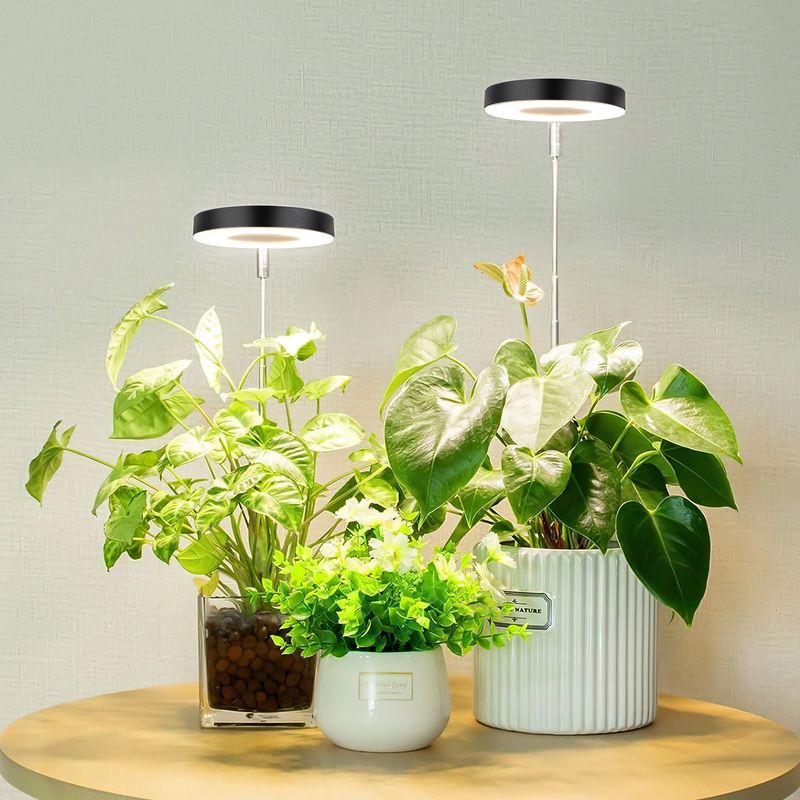
Is your plant looking a little pale? Light plays a critical role in a plant’s health. Consider its current location. Is it getting too much direct sunlight, causing leaves to scorch? Or is it in too much shade, leading to stunted growth? Adjusting the light levels can have a dramatic impact. Move your plant to a more suitable location, or use curtains and blinds to moderate light exposure. By fine-tuning light conditions, you can balance the plant’s needs, resulting in healthier foliage and more robust growth.
4. Hydration Check
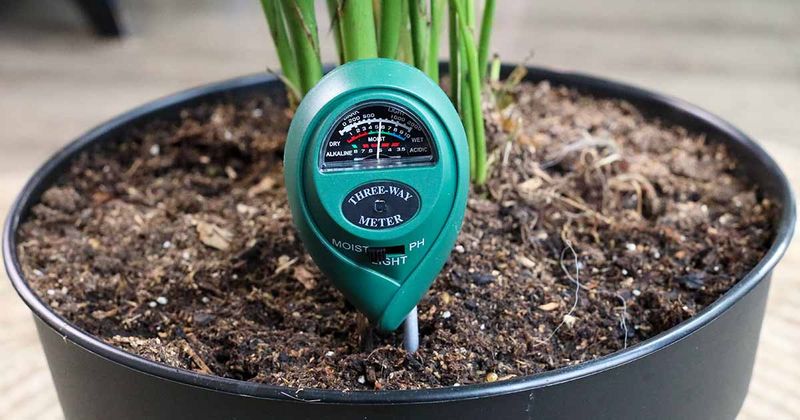
Are you watering your plant correctly? Overwatering or underwatering can harm your plant. Check the soil moisture regularly using a moisture meter or your finger. If the soil feels dry, it might be time for a drink. But if it’s damp, hold off on watering. Adjust your watering schedule according to the plant’s needs and the season. Maintaining optimal moisture levels is crucial. It ensures the plant remains hydrated without drowning its roots, promoting steady growth and vibrant blooms.
5. Temperature Tweaks

Plants are sensitive to temperature changes. Is your plant too hot or too cold? Temperatures that are too extreme can hinder growth. Try relocating your plant away from drafty windows or heat sources like radiators. Ensure that it’s in a stable environment with a consistent temperature. By creating a cozy climate, you allow your plant to thrive. Temperature adjustments are often overlooked but can be the missing link to reviving a struggling plant.
6. Fertilize Wisely
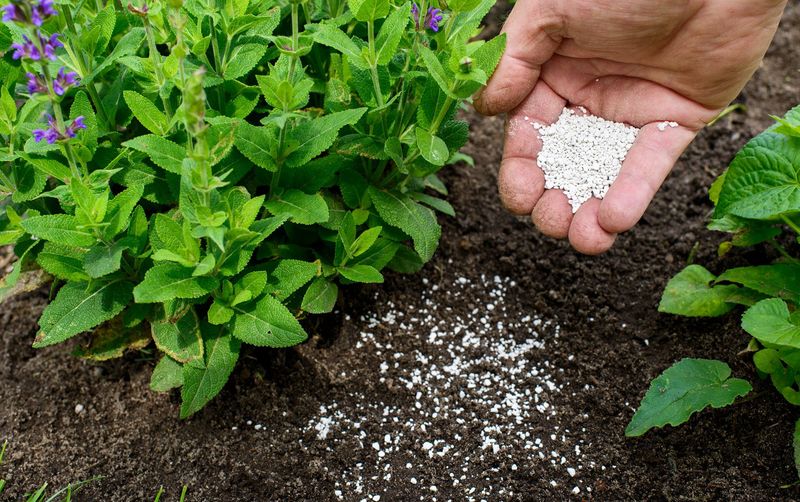
Fertilizers can be a plant’s best friend if used wisely. Before you apply, research your plant’s specific needs. Some plants thrive on general-purpose fertilizers, while others require specialized formulas. Apply during the growing season for maximum benefit. Be careful not to over-fertilize, as this can burn the roots. Fertilizing can stimulate growth and enhance the plant’s vibrancy, providing the essential nutrients that may have been depleted from the soil over time.
7. Re-potting
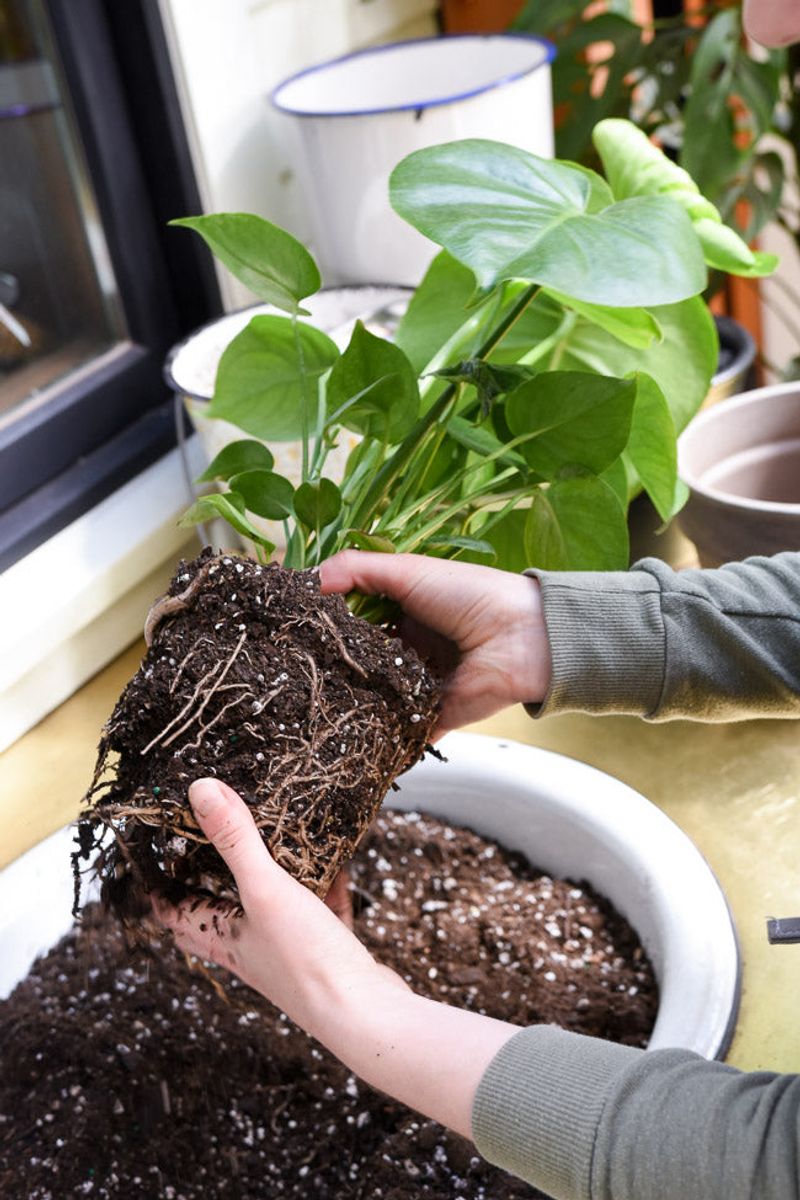
When was the last time your plant was given a new home? Re-potting can make a world of difference. As plants grow, they can outgrow their pots, causing roots to become cramped and deprived of nutrients. Choose a pot that’s slightly larger, providing room for growth. Gently transfer the plant, taking care to maintain root integrity. Fresh soil and a spacious pot can rejuvenate your plant, allowing it to expand and flourish in its new environment.
8. Trim the Roots
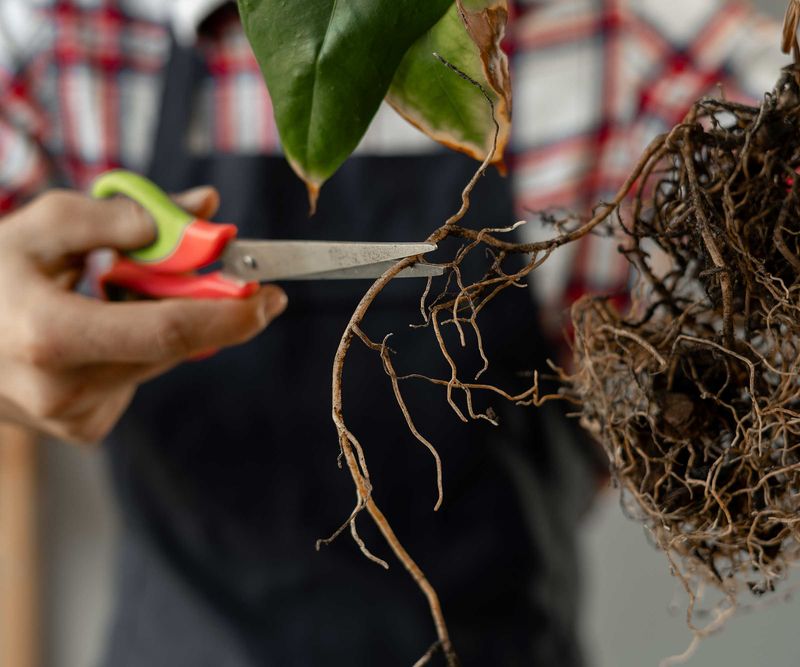
Have you considered root trimming? Overgrown roots can stifle a plant’s development. Carefully remove the plant from its pot, and inspect the roots. If they’re densely tangled, it’s time for a trim. Use clean, sharp scissors to snip away excess roots, focusing on those that are circling the pot’s edge. Trimming stimulates new root growth, enhancing the plant’s ability to absorb nutrients. This under-the-surface adjustment can lead to a more vigorous and healthy plant.
9. Pest Patrol
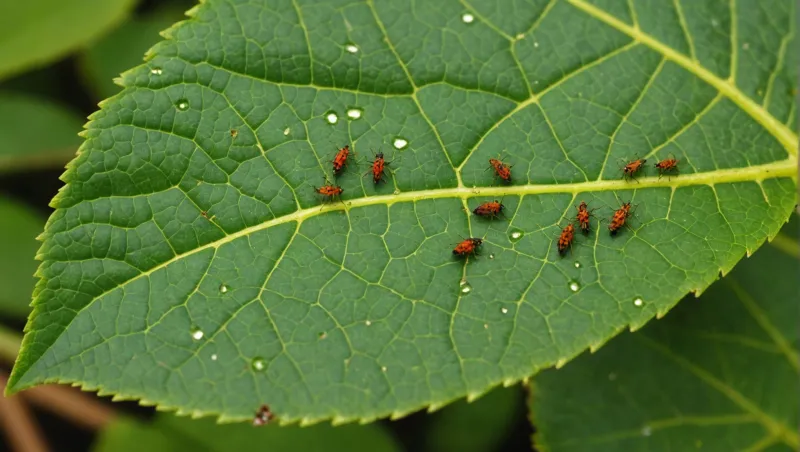
Are pests the culprits causing your plant distress? Inspect leaves and stems for signs of infestation, such as discolored spots or sticky residue. If pests are present, act swiftly! Use natural remedies or appropriate pesticides to tackle the problem. Keeping pests in check is crucial for plant health. Regular inspections ensure early detection, preventing widespread damage. A pest-free environment allows your plant to focus its energy on growth rather than defense.
10. Leaf Cleaning
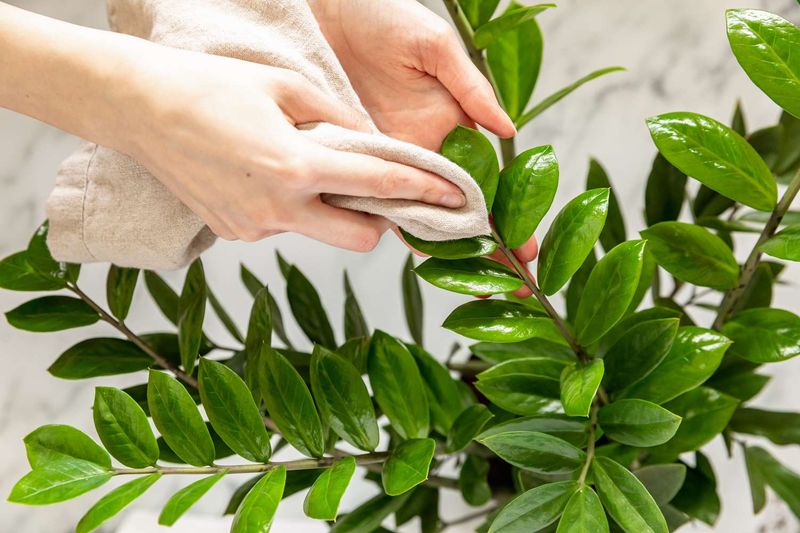
Have you noticed a layer of dust on the leaves? Dust can block light and hinder photosynthesis. Gently cleaning the leaves with a damp cloth or sponge can make a significant difference. This simple act helps the plant breathe better and absorb more sunlight. Clean leaves not only look attractive but also enhance the plant’s overall health. Regular leaf cleaning is a small yet impactful way to contribute to the plant’s well-being, leading to more vibrant growth.
11. Change Watering Technique
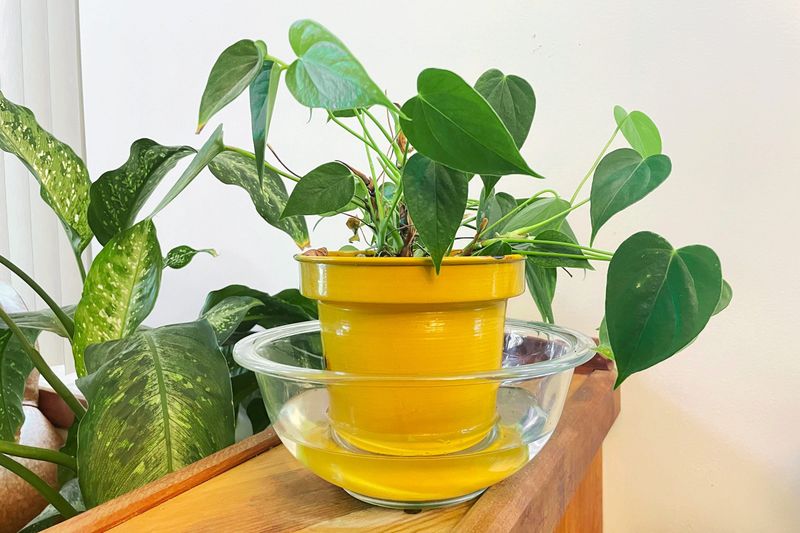
Are you watering your plant correctly? Sometimes, the method makes all the difference. Consider bottom watering, where you allow the plant to absorb water through the drainage holes by placing it in a tray of water. This encourages deep root growth and reduces the risk of overwatering. Experimenting with different techniques can reveal what works best for your plant. A tailored approach to watering can reinvigorate a struggling plant, ensuring it receives the hydration it needs.
12. Support Structures
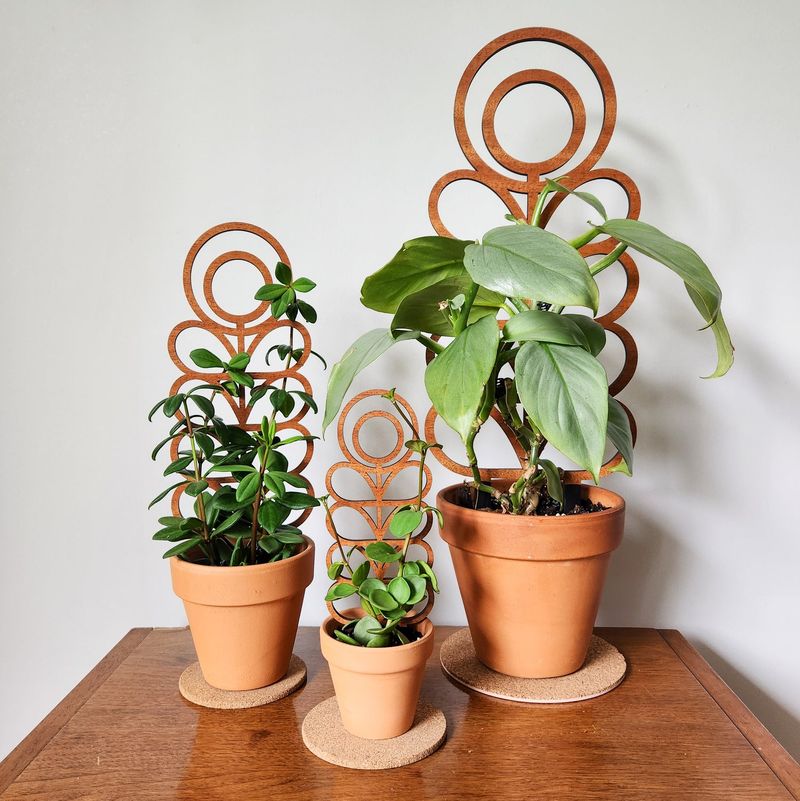
Does your plant look like it needs a helping hand? Support structures like stakes or trellises can guide growth, especially for climbing plants. These structures prevent plants from toppling over and allow them to grow in an organized manner. By providing the necessary support, you enable the plant to focus its energy on developing strong stems and healthy leaves. This simple addition can enhance the plant’s aesthetic appeal while promoting robust growth.
13. Embrace Patience
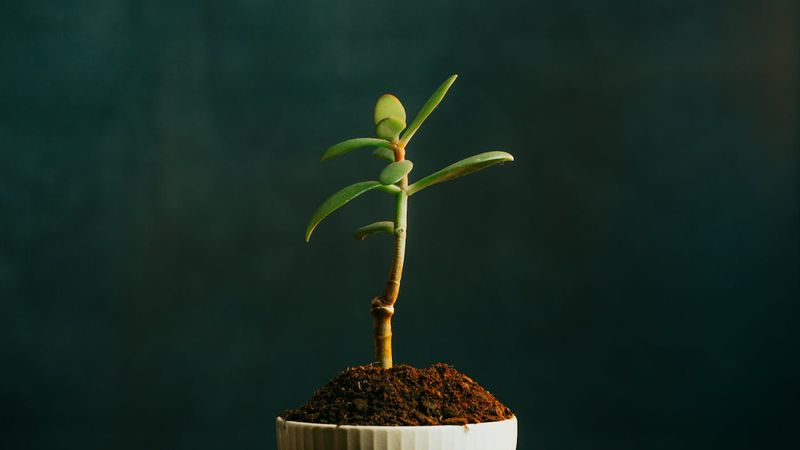
Sometimes, the best thing you can do for an overgrown plant is to give it time. Plants have their own pace for recovery and growth. Observe and adjust care as needed, but also allow nature to take its course. Patience is a virtue in gardening, especially when reviving an old plant. Trust the process and celebrate small signs of improvement. A patient approach often yields the most rewarding results, turning a struggling plant into a flourishing centerpiece.
14. Music and Vibration Therapy

Did you know plants can respond to sound? Playing soothing music near your plant might enhance its growth. Many plant enthusiasts swear by this unconventional method.
Music, especially classical or acoustic, can create a calming environment that stimulates plant health. Consider trying this holistic approach to rejuvenate your greenery.
Vibrations can mimic natural outdoor conditions, potentially helping plants thrive indoors. Next time you water your plant, play a melody and observe any changes over time. This simple yet intriguing method might be the key to revitalizing your cherished plant.
15. Companion Planting
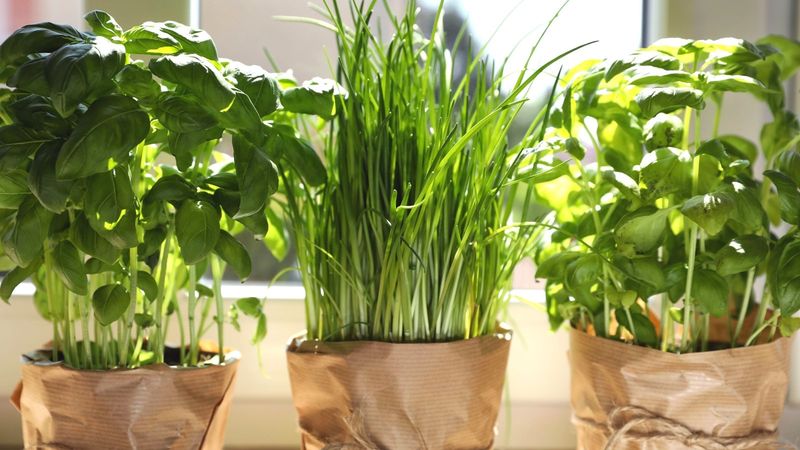
Companion planting isn’t just for gardens; it works indoors too. Pairing your struggling plant with a companion can improve its health.
Certain plants release chemicals beneficial to others, creating a symbiotic relationship. For instance, planting basil beside tomatoes can enhance growth.
Try placing your plant next to a complementary species to see if it boosts vitality. The right companion can shield against pests and encourage robust growth. Experimenting with plant partners is a sustainable way to breathe life back into your tired flora.
16. Narrative Engagement
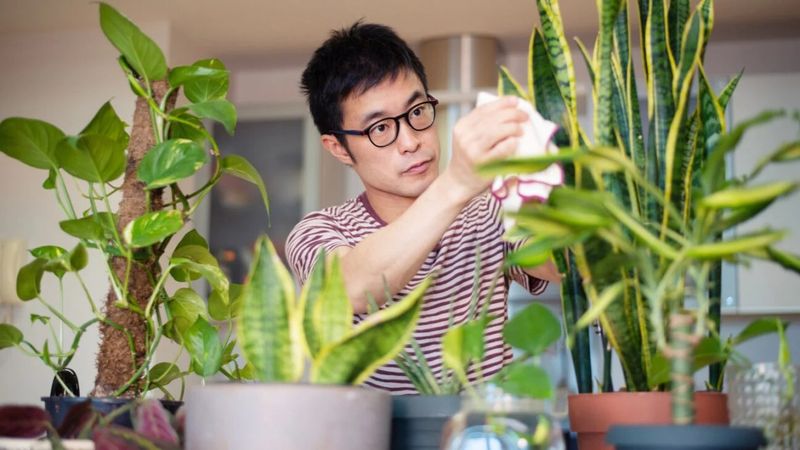
Engage your plant with storytelling. While it may sound unusual, talking or reading to plants can foster a nurturing environment.
This practice might boost your plant’s health, as the carbon dioxide from your breath can benefit it. Additionally, the rhythmic sound of your voice might create a soothing atmosphere.
Choose a favorite book and read a passage daily to your leafy friend. This routine could strengthen the bond between you and your plant, encouraging growth and vitality.
17. Strategic Shedding
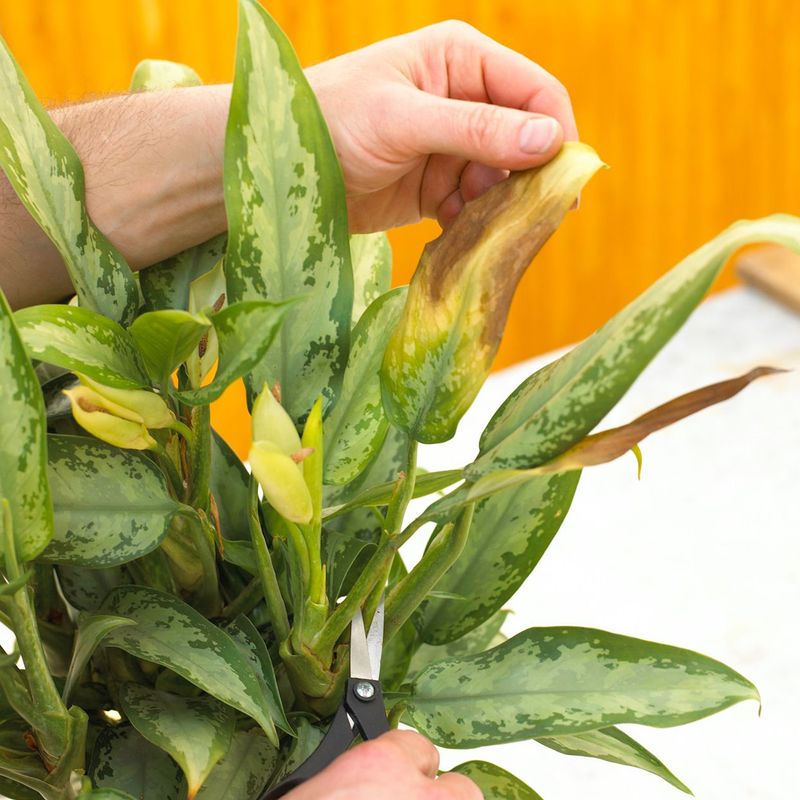
Sometimes less is more. Removing dead or yellowing leaves can channel a plant’s energy into new growth.
This practice, known as strategic shedding, is crucial for revitalizing aging plants. By eliminating unhealthy parts, the plant can focus on nurturing healthier areas.
Regularly inspect your plant and delicately trim away faded foliage. This attention to detail can make a significant difference in your plant’s health and appearance. It’s a subtle yet powerful technique to breathe new life into your overgrown plant.