 Complete Gardening
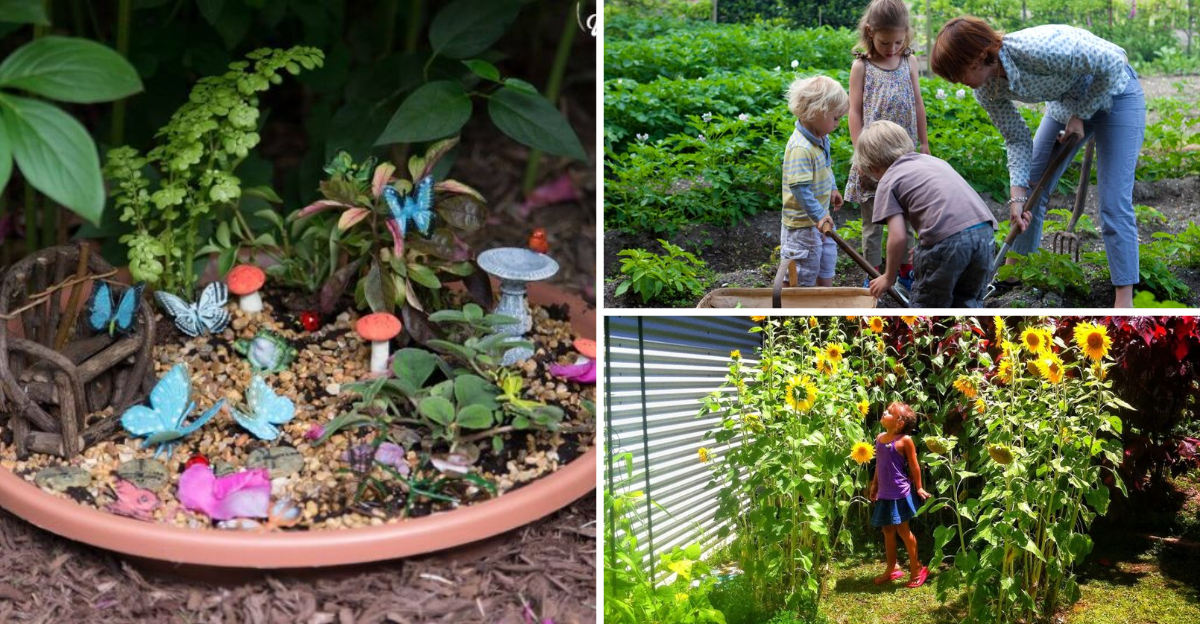
In today’s digital age, it’s a challenge to keep kids entertained away from screens. What better way to engage their creativity and love for the outdoors than with some hands-on backyard garden projects? These activities will not only keep them busy but also teach valuable lessons about nature, sustainability, and patience. From crafting whimsical fairy gardens to planting their first vegetable patch, these projects are designed to spark imagination and cultivate a lifelong appreciation for the natural world. Let’s explore 14 exciting garden projects that promise endless fun and learning opportunities.
1. Fairy Garden Creation
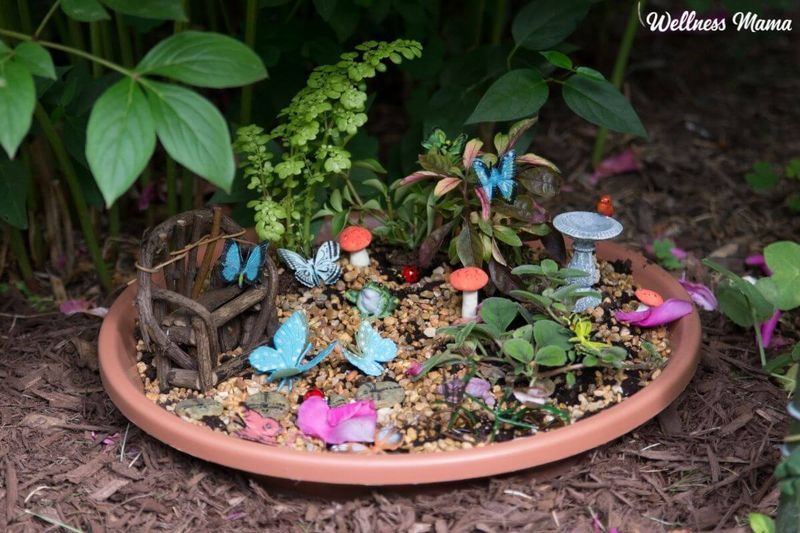
Ever dreamed of a magical world? Creating a fairy garden is the perfect way for kids to bring that dream to life. They can design miniature landscapes with tiny houses, pathways, and plants.
With a few pebbles, moss, and imagination, children can craft enchanting environments for their fairy friends. This project is not just about creativity; it encourages patience and planning. Kids learn how to care for living plants and understand the importance of each element in their tiny ecosystem. It’s a charming project that nurtures creativity and responsibility.
2. Vegetable Patch Planting
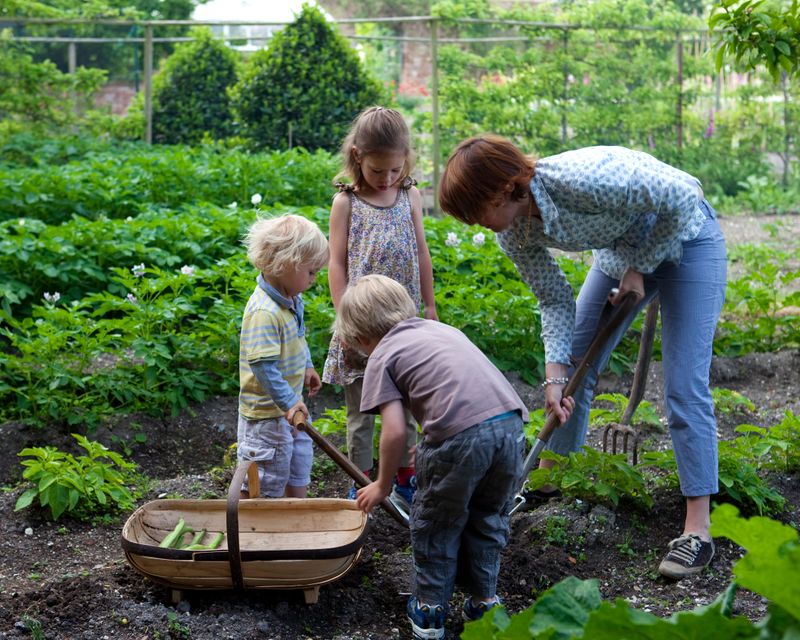
Have you ever wondered where your food comes from? Kids can discover this firsthand by planting their own vegetable patch. Starting with easy-to-grow plants like carrots or tomatoes, they’ll learn about the growth cycle from seed to harvest.
Each step is a new adventure, and the satisfaction of eating what they’ve grown is unparalleled. This project teaches responsibility, as regular watering and tending are crucial. Plus, it’s a great way to introduce healthy eating habits. It’s not just a garden; it’s a living classroom.
3. Birdhouse Building
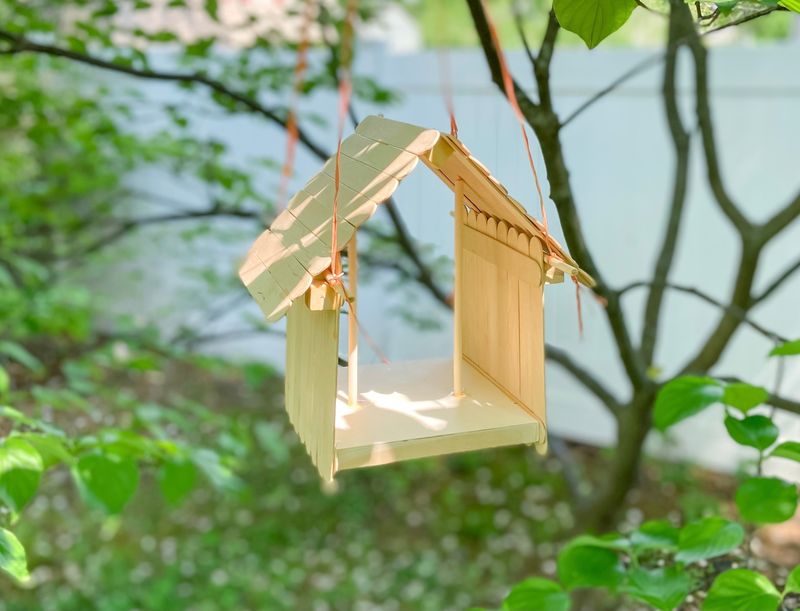
Why not invite more feathered friends into your garden? Building a birdhouse is a great way to do that. Kids can use simple materials to construct and decorate their very own birdhouses.
It’s an activity that combines craft and nature in a beautiful way. They’ll learn about different bird species and the importance of providing shelter. Hanging the finished product in the garden offers an ongoing opportunity to observe and learn about local wildlife. This project is a blend of creativity, learning, and caring for nature.
4. Butterfly Feeder Making
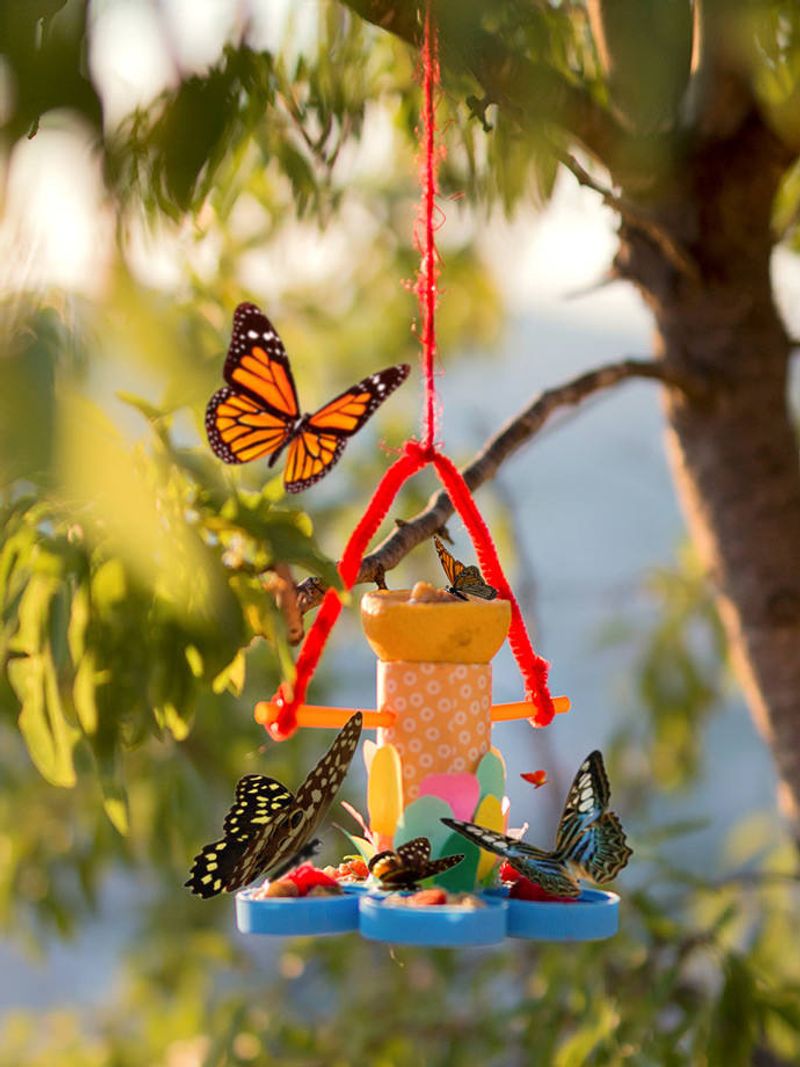
Attract beautiful butterflies to your backyard with a handmade butterfly feeder. Using simple materials like sponges and sugar water, kids can create these feeders in no time.
Observing butterflies fluttering around their creation is a delightful experience. This project is a wonderful blend of craft and biology, teaching kids about butterfly habits and the importance of pollinators. It’s a small but effective way to contribute to environmental awareness and biodiversity right at home. A splash of color and life, all from a little hands-on effort.
5. Herb Spiral Construction
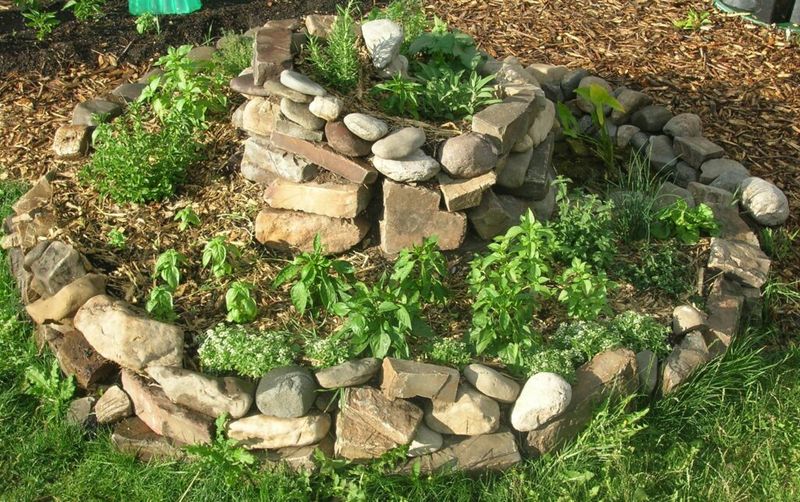
Have you ever cooked with herbs you’ve grown yourself? Creating an herb spiral offers kids a taste of gardening with a culinary twist. By planting a variety of herbs in a spiraled design, they can see how different plants thrive together.
It’s an engaging way to understand microclimates, as each level of the spiral has different conditions. The project teaches kids about sustainable gardening and the benefits of using home-grown ingredients. It’s not just about gardening; it’s about connecting with food and nature.
6. Bug Hotel Building
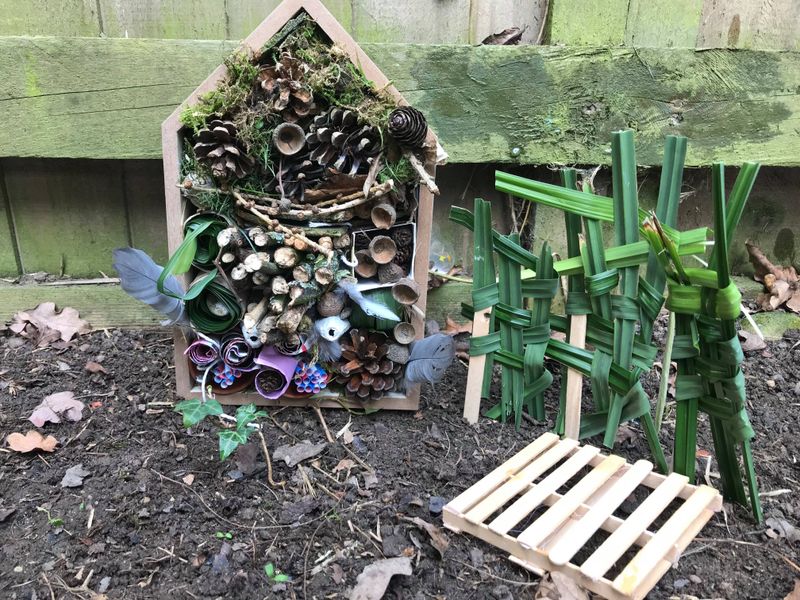
Ever wondered where bugs like to stay? Building a bug hotel offers a fascinating peek into the world of insects. Using natural materials like sticks and leaves, kids can create a cozy habitat for beneficial insects.
This project brings biology into the backyard, teaching about the roles insects play in the ecosystem. It encourages kids to appreciate and understand nature’s smallest creatures. Bug hotels are a fun, educational project that combines creativity with ecological awareness. It’s a simple way to foster a love for the environment.
7. Sunflower House Planting
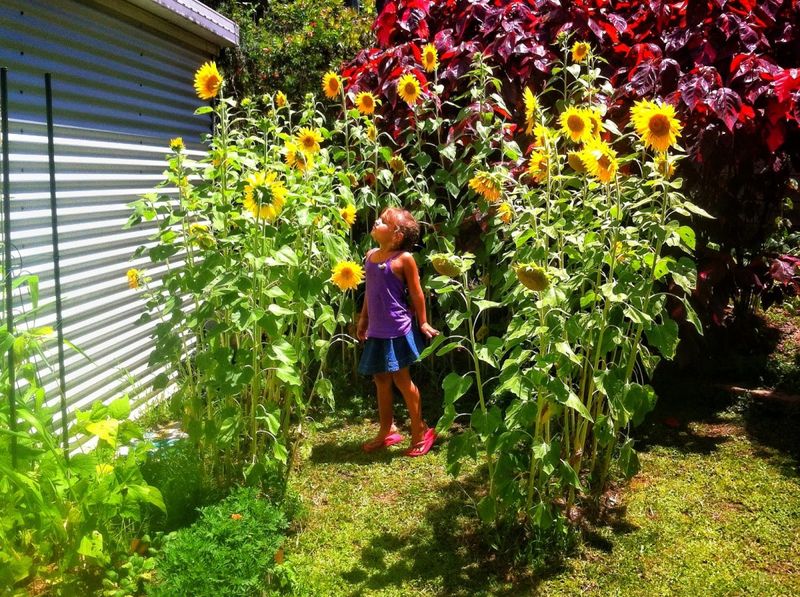
Imagine a house made of sunflowers! By planting tall sunflowers in a circle, kids can create a natural hideaway in the garden. As the sunflowers grow, they form walls, offering a unique play space.
This project is all about patience and wonder, as kids watch their creation rise from the ground. It’s an imaginative way to engage with nature and see how plants can be more than just decoration. The sunflower house is a living, playful structure that inspires creativity and outdoor play.
8. Compost Bin Crafting
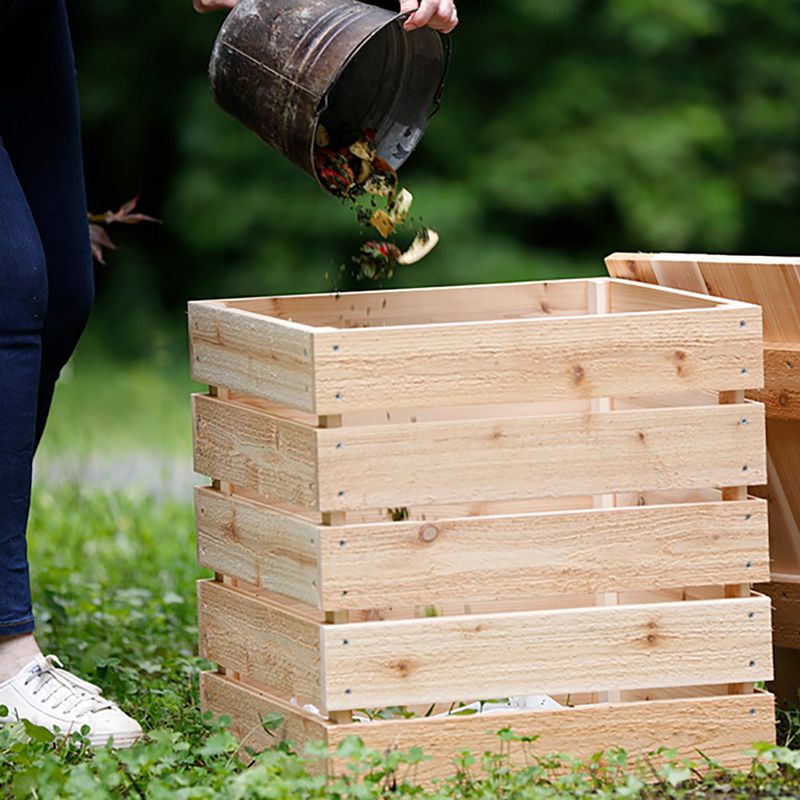
Want to turn waste into something wonderful? Crafting a compost bin is a rewarding project that shows kids how to recycle organic waste into nutrient-rich soil. Using materials like wooden pallets, they can build a basic compost bin.
It’s a practical lesson in sustainability and environmental responsibility. Kids will learn about decomposition and the role compost plays in healthy plant growth. This project is a hands-on way to teach eco-friendly practices and the magic of nature’s recycling process.
9. Garden Stepping Stones
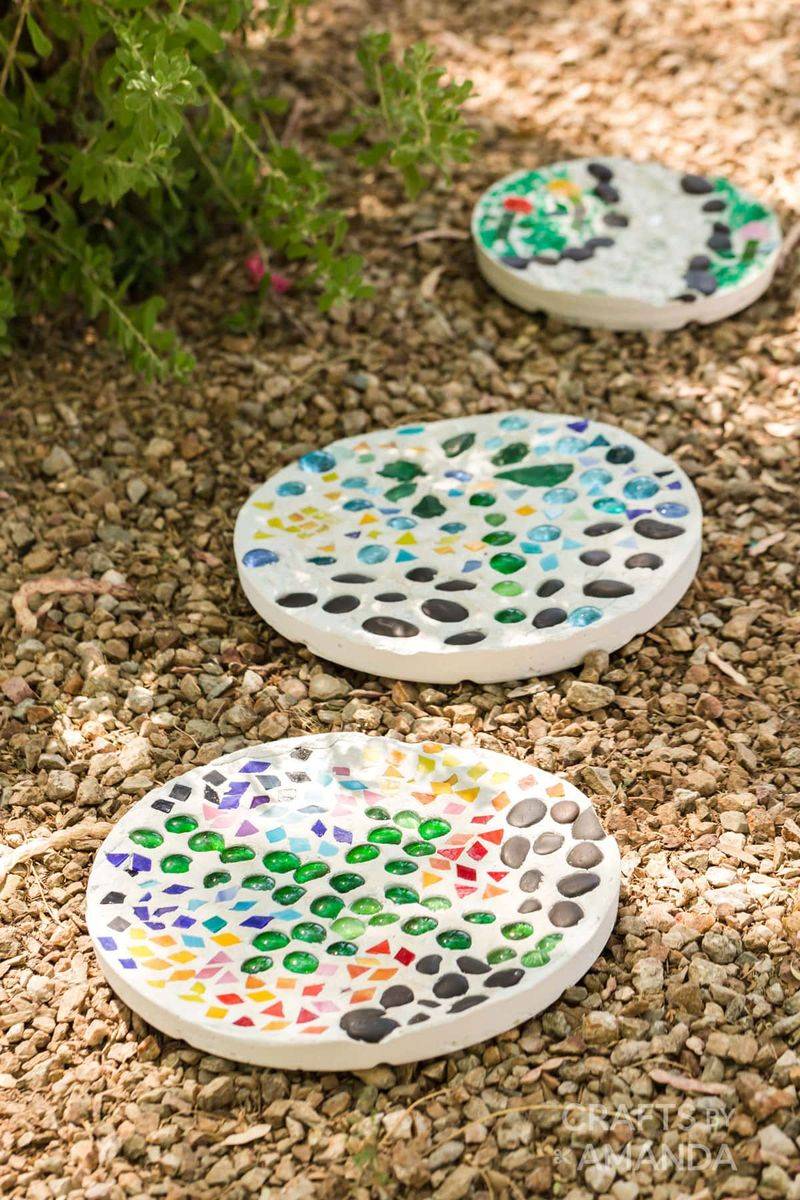
Step into a world of creativity with handcrafted garden stepping stones. Kids can use cement and colorful mosaics to create unique pathways.
The process is a blend of art and practicality, allowing them to express themselves while contributing to the garden’s design. Each stone tells a story, and the finished path becomes a personal touch in the outdoor space. This project encourages artistic expression and planning, turning simple materials into lasting beauty. It’s a fun way to personalize the garden.
10. Rain Gauge Crafting
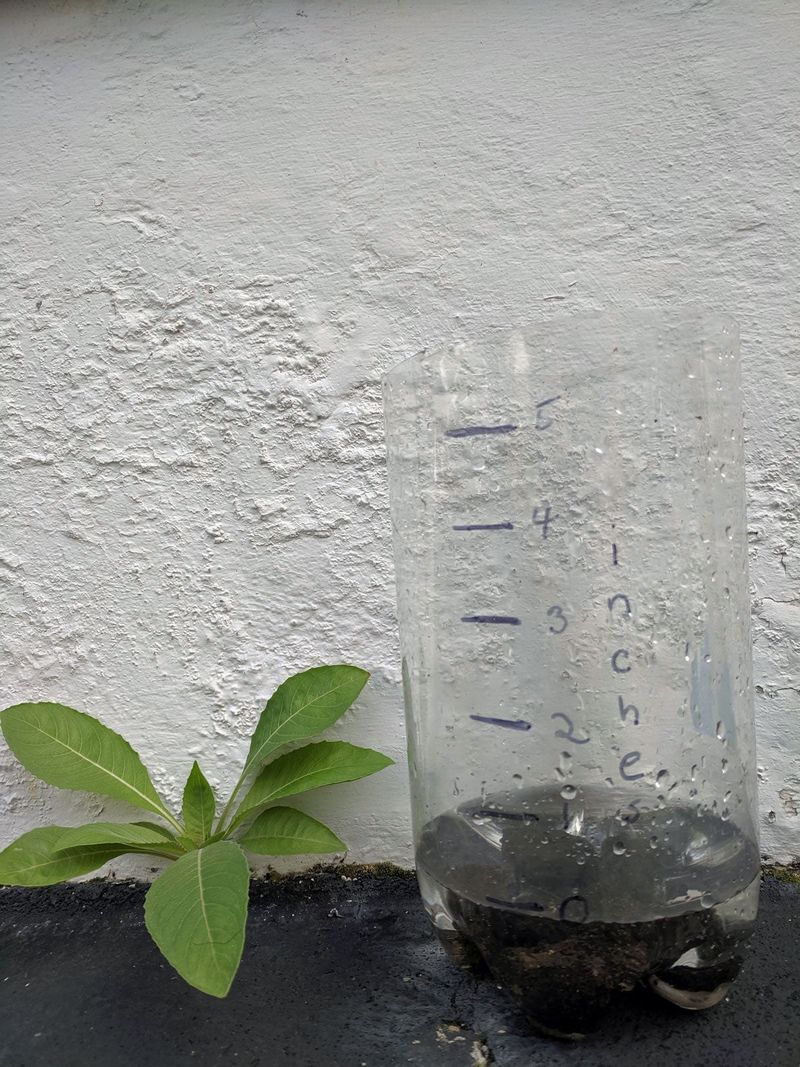
Ever wondered how much rain falls in your garden? Crafting a rain gauge is a simple way for kids to measure and explore local weather. Using a clear plastic bottle, they can create their own gauge.
It’s a scientific project that combines observation with environmental education. Kids learn to record data and understand weather patterns, fostering curiosity about the natural world. This project turns a simple concept into an engaging learning experience. It’s not just about weather; it’s about discovery.
11. Wildlife Garden Planning
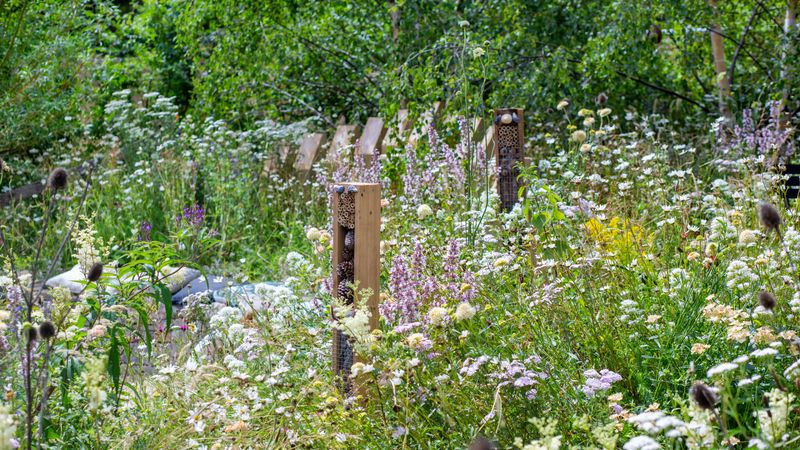
Why not make your garden a haven for wildlife? Planning a wildlife garden involves selecting plants that attract birds, insects, and other creatures.
Kids will enjoy choosing flowers and shrubs that provide food and shelter. This project is a great way to teach about ecosystems and the importance of biodiversity. It encourages an understanding of how different species interact and depend on each other. A wildlife garden transforms a backyard into a thriving, living ecosystem, full of life and learning opportunities.
12. Garden Scavenger Hunt
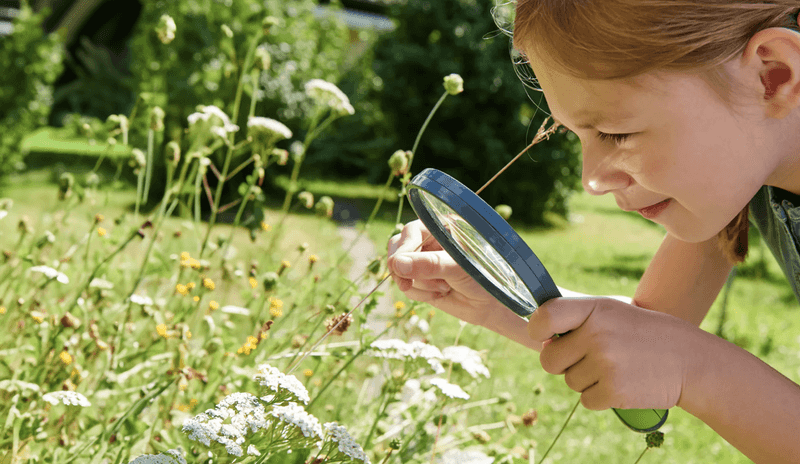
Turn your garden into an adventure with a scavenger hunt. Kids can explore to find different plants, insects, and hidden treasures.
It’s a playful way to learn about the diverse life in your garden. This project encourages observation and exploration, teaching kids to notice the small details in nature. A scavenger hunt is not just a game; it’s a journey of discovery that fosters a deep connection with the environment. It’s an outdoor activity that blends fun with education.
13. Mud Kitchen Setup
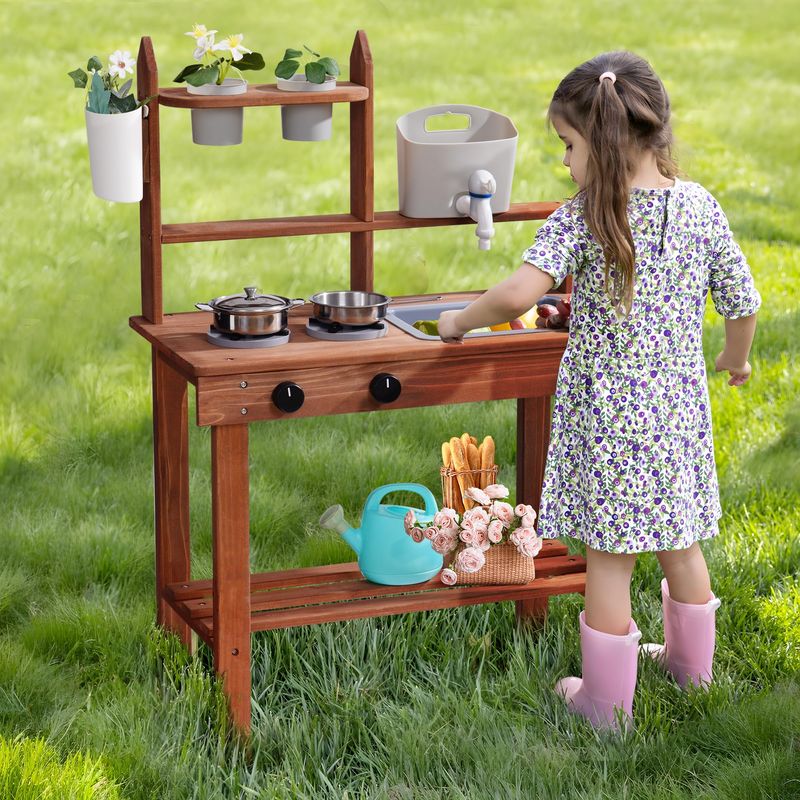
Imagine cooking with mud! Setting up a mud kitchen lets kids create culinary concoctions using soil, water, and other natural ingredients.
It’s a sensory-rich play experience that encourages creativity and role-play. Kids can experiment with textures and recipes, making their own messy masterpieces. This project is all about freedom and imaginative play, allowing children to explore without boundaries. It’s a delightful way to connect with nature through play.
14. Worm Farm Building
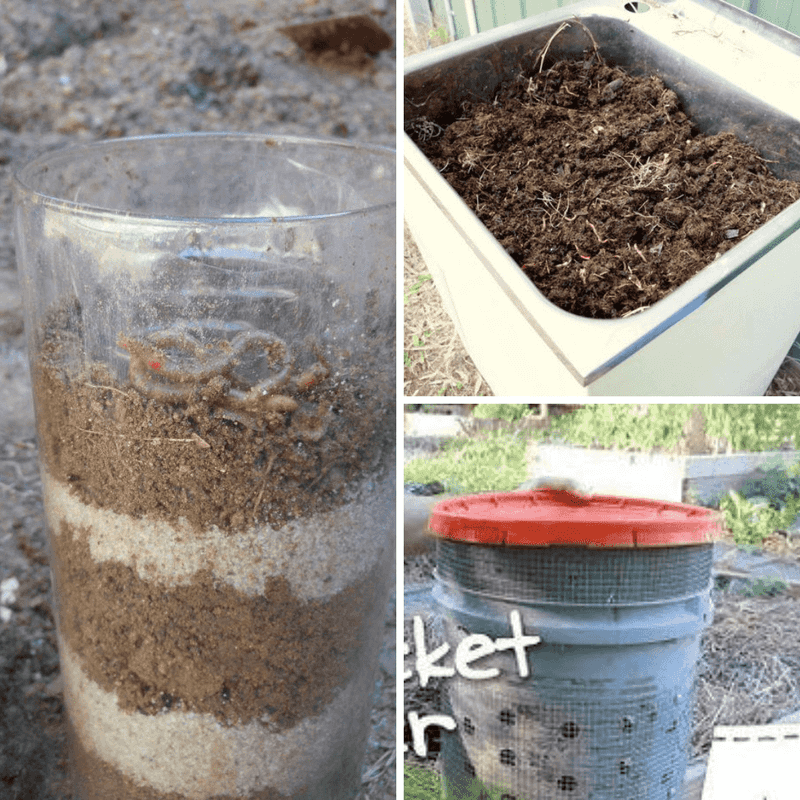
Ever considered worms as pets? Building a worm farm allows kids to see these creatures in action. Using containers, they can create a space for worms to recycle food waste into nutrient-rich compost.
It’s an eye-opening project that teaches about decomposition and soil health. Kids learn the importance of worms in the ecosystem and how they contribute to sustainable gardening. A worm farm is a fascinating, hands-on way to explore life underground.
15. Nature Paintbrushes
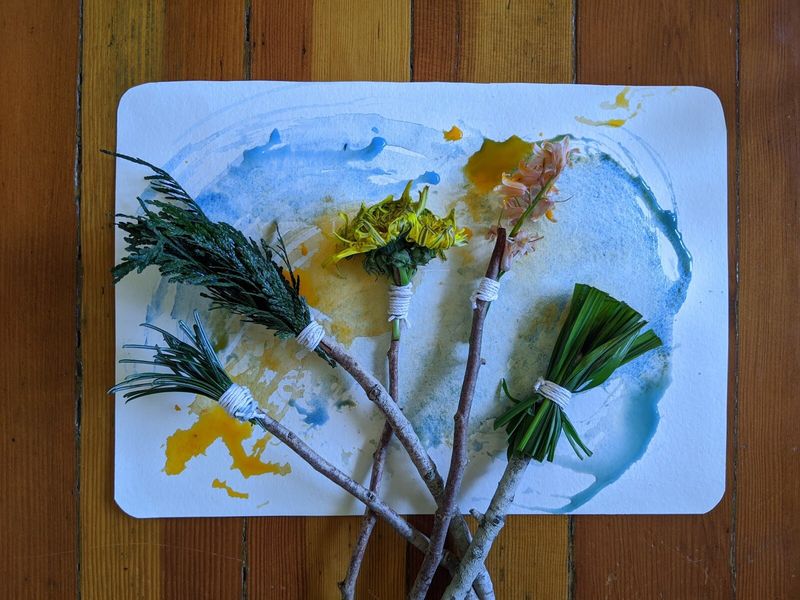
Gather various natural materials like twigs, leaves, and flowers to create unique paintbrushes.
Children can explore different textures and colors as they paint on paper or stones. This activity encourages creativity and fine motor skills.
The fascinating part is discovering which materials leave the most intriguing marks. Kids can experiment and let their imaginations run wild.
It’s a fun, hands-on activity that connects kids with nature in a playful way. Who knew art supplies could be found right in your backyard?
16. Giant Lawn Tic-Tac-Toe
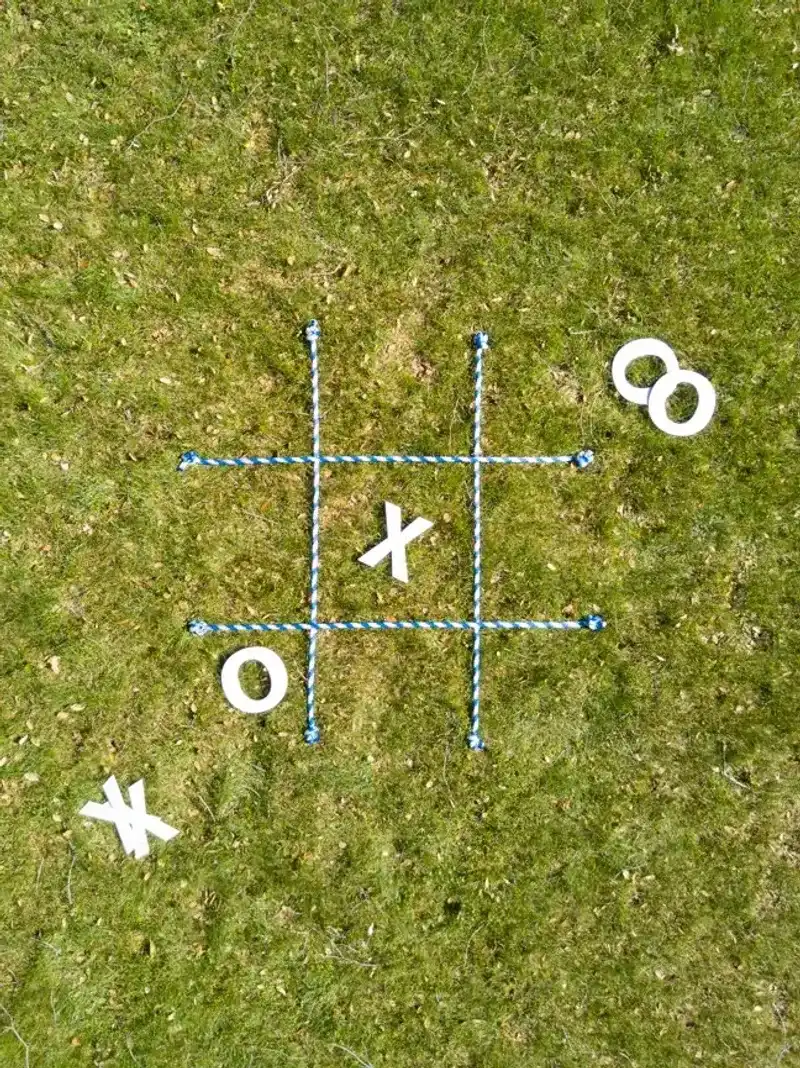
Transform your lawn into a giant Tic-Tac-Toe board using ropes and painted stones.
Kids will love the thrill of a life-sized version of this classic game. It’s a great way to foster strategic thinking and friendly competition.
Designate areas using ropes or chalk, and let the games begin.
Such an engaging activity allows children to enjoy the outdoors while also sharpening their minds. No screens required, just some strategy and fun!
17. Sensory Garden Path
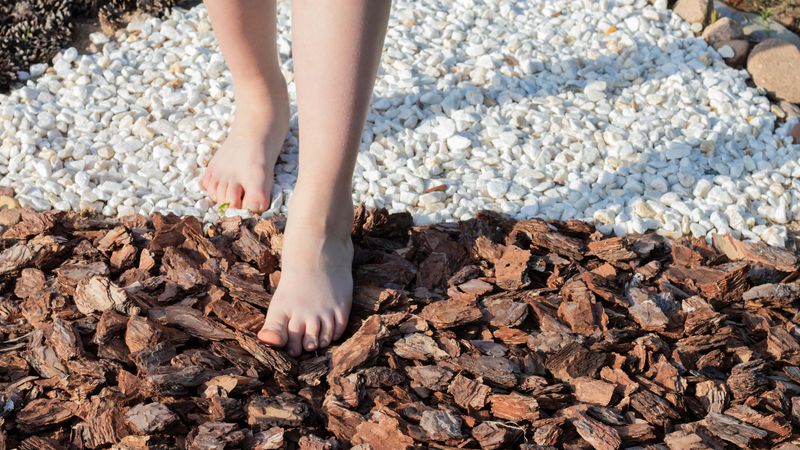
Create a sensory garden path with various textures like pebbles, sand, mulch, and grass.
Walking barefoot, children can enjoy a tactile adventure that stimulates their senses. It’s an excellent way to teach kids about different textures and sensations.
Not only does it offer sensory exploration, but it also provides a calming experience.
This project invites exploration and mindfulness, transforming the backyard into a sensory-rich environment.
18. Miniature Garden Labyrinth
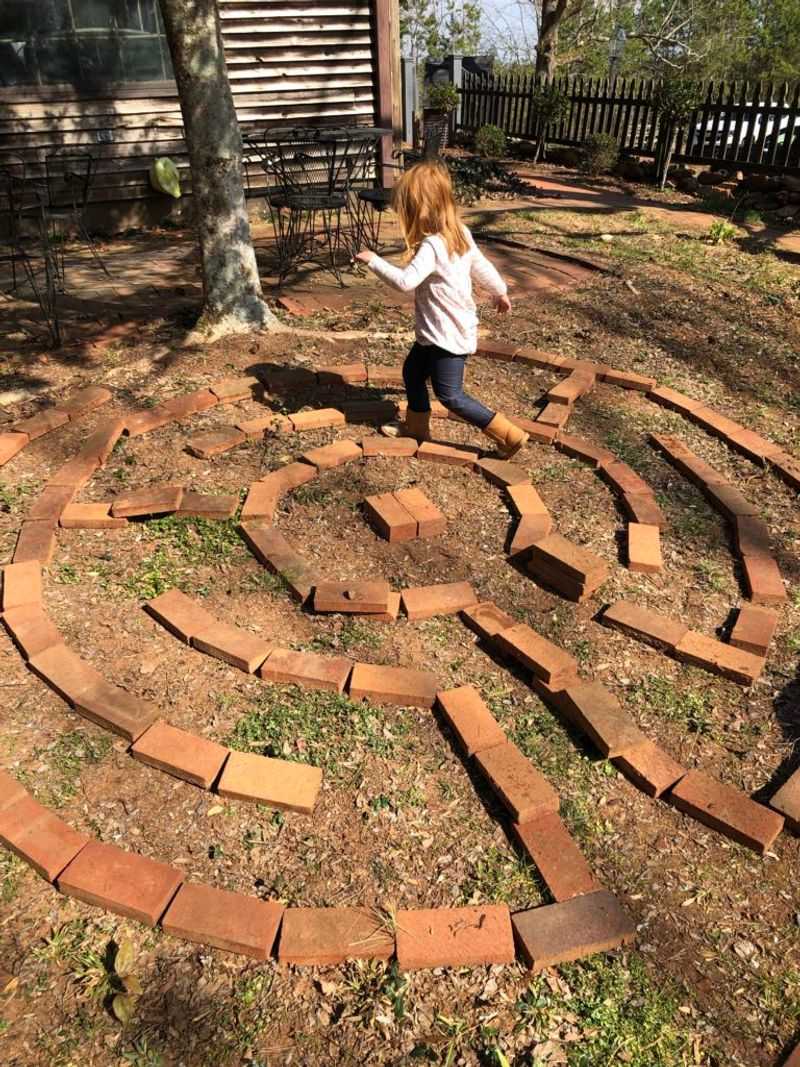
Design a miniature labyrinth using stones and small plants.
Kids can take on the challenge of creating the layout, then enjoy walking through their creation. It’s an activity that combines planning with a physical journey.
The labyrinth becomes a space for reflection and exploration. Children learn about pattern and design, engaging both body and mind.
A backyard labyrinth offers a unique twist on traditional gardening projects, sparking curiosity and creativity.