 Complete Gardening
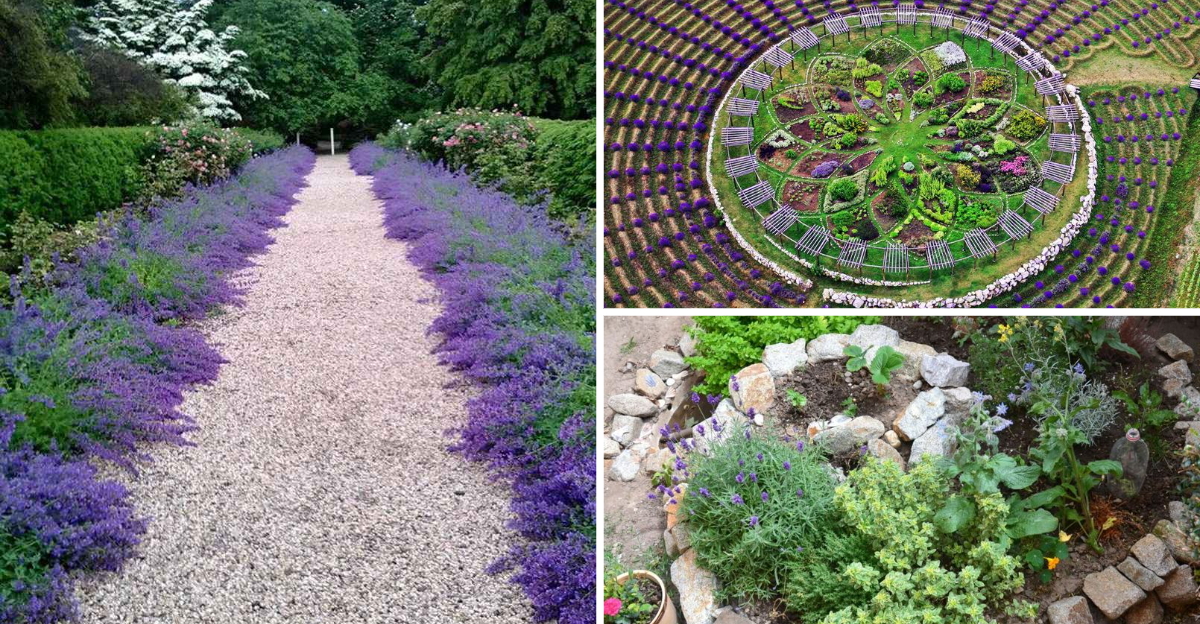
Lavender, with its captivating fragrance and vibrant purple blooms, offers endless possibilities for enhancing your garden. From visual beauty to practical uses, lavender can transform ordinary spaces into enchanting retreats. Explore eighteen creative ways to integrate this versatile herb into your garden design, providing not only aesthetic appeal but also therapeutic benefits. Whether you’re looking to attract pollinators, create calming spaces, or enjoy aromatic delights, these ideas will inspire you to make the most of lavender’s unique qualities. Discover the charm of lavender and let its elegance elevate your gardening experience.
1. Lavender Border
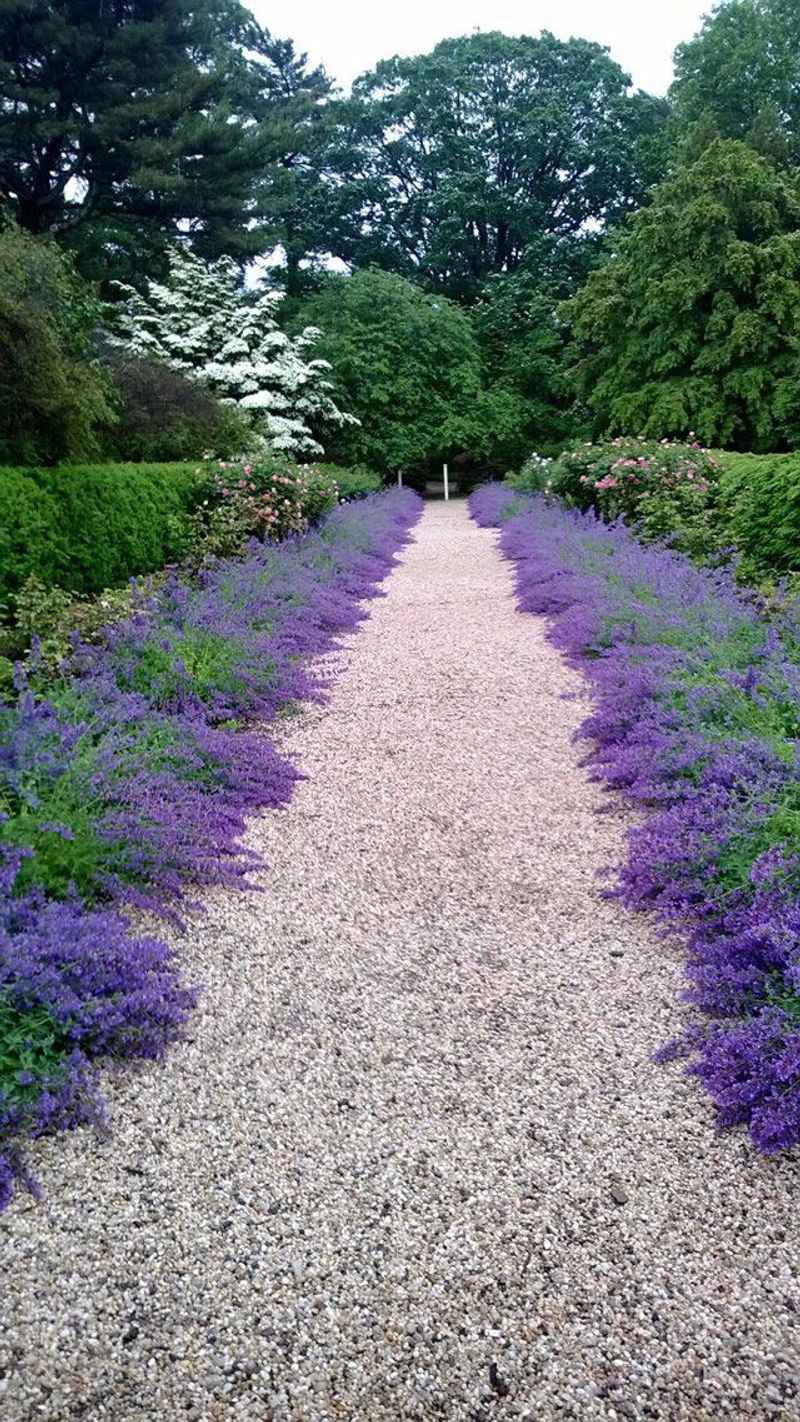
Imagine a garden pathway bordered by lavender, where the soft sway of purple blooms and the gentle hum of bees create a symphony of nature. This delightful arrangement serves as more than just a visual treat. Lavender borders define pathways and enhance garden structure. They also attract pollinators, contributing to a vibrant ecosystem. As you stroll along the path, the fragrance of lavender hovers in the air, offering a relaxing experience. Creating a border with lavender not only beautifies your garden but also brings serenity, making each walk feel like a peaceful retreat.
2. Lavender Hedge
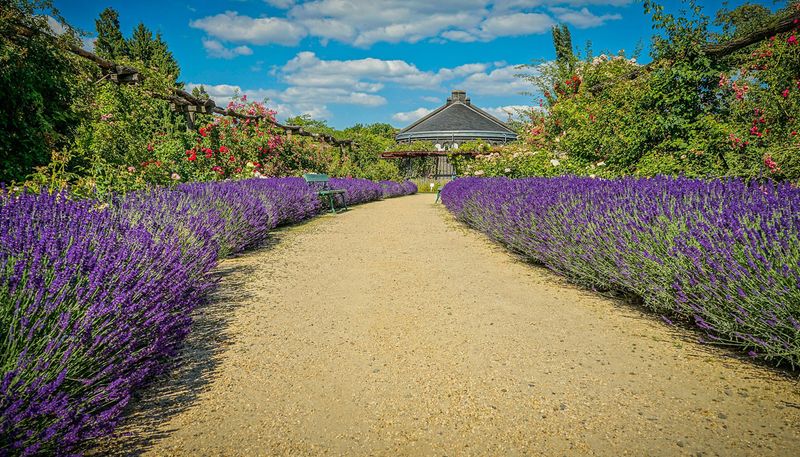
A hedge of lavender provides not only a stunning visual impact but also serves practical purposes. It defines space, offers privacy, and can even act as a wind barrier. Planting lavender as a hedge captures the essence of a traditional garden while imbuing it with a fresh, aromatic twist. The continuous bloom of purple flowers creates a picturesque scene, offering both beauty and functionality. This hedge acts as a natural fence, combining elegance with utility. Its aromatic presence ensures that your garden remains a peaceful, fragrant haven throughout the seasons.
3. Lavender Rock Garden
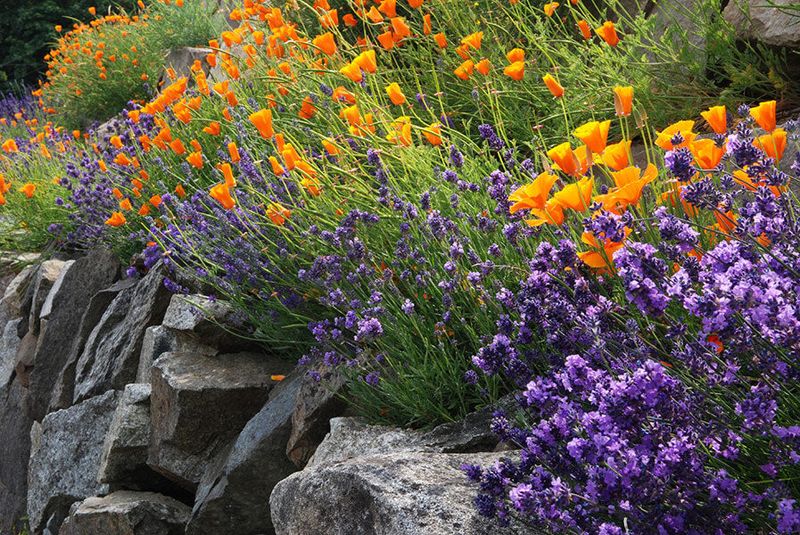
Incorporating lavender into a rock garden blends beauty with resilience. The contrast between the soft lavender blooms and rugged stones creates an eye-catching display. Lavender’s drought-tolerant nature makes it ideal for rock gardens, thriving with minimal water. This combination not only adds visual interest but also ensures a low-maintenance, sustainable garden feature. The rocky setting enhances lavender’s rustic charm, bringing a touch of wild elegance to your space. This setup transforms a simple area into a captivating focal point, where nature’s artistry is on full display.
4. Lavender Herb Spiral
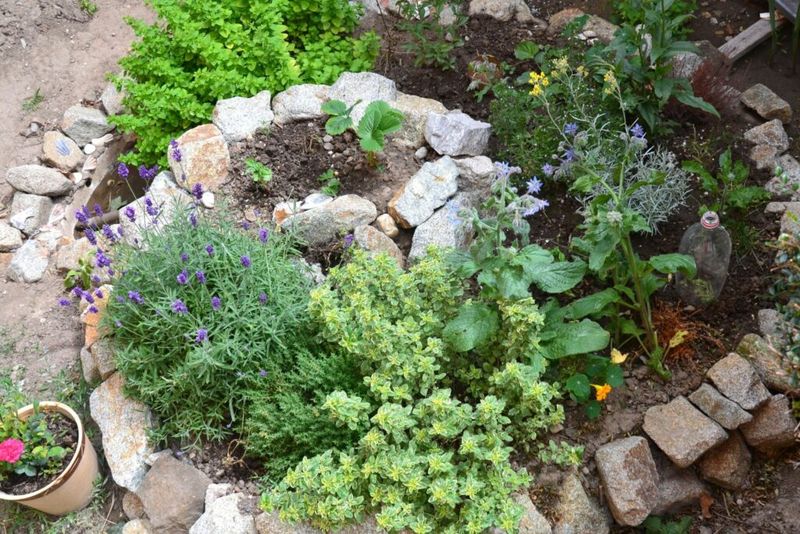
A herb spiral featuring lavender at its peak creates a dynamic, layered garden structure. Lavender’s height provides an attractive centerpiece, drawing the eye upwards. This spiral design conserves space while allowing various herbs to flourish. Lavender’s aromatic leaves add a sensory dimension, enhancing the garden’s appeal. The spiral form facilitates efficient water use, benefiting both lavender and its herbal companions. This innovative design not only maximizes limited space but also adds a creative twist to traditional herb gardening, offering beauty and practicality in one elegant structure.
5. Lavender in Pots
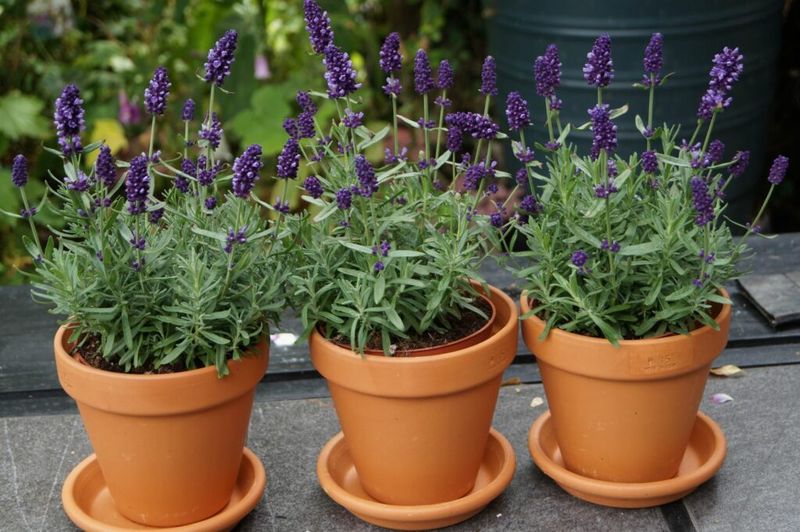
Growing lavender in pots offers flexibility and charm, perfect for patios or balconies. The portability of potted lavender allows for easy rearrangement to catch the best sun. Decorative pots enhance the aesthetic, complementing the lavender’s natural beauty. This setup is ideal for urban gardeners or those with limited space, providing a touch of countryside charm. The fragrance of lavender fills the air, turning any outdoor space into a tranquil retreat. This approach combines elegance with convenience, bringing the essence of lavender to even the smallest of gardens.
6. Lavender Companion Planting
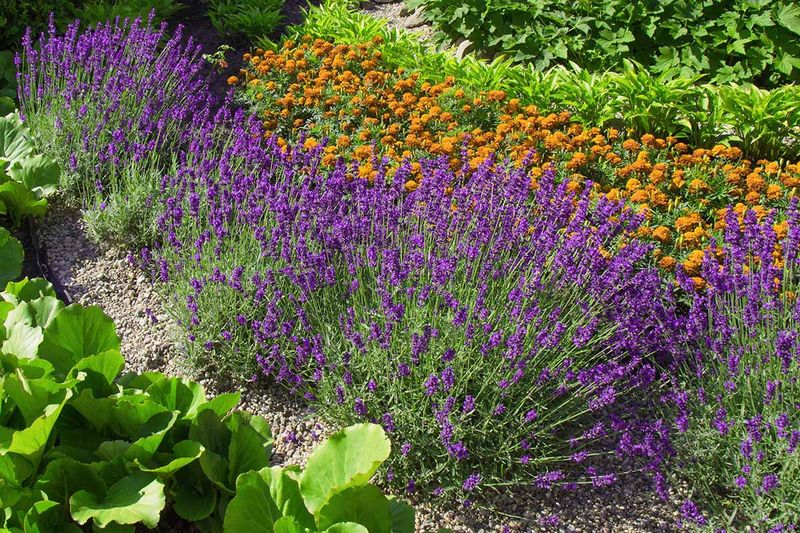
Lavender’s presence in a vegetable garden is not only beautiful but also beneficial. When planted alongside vegetables, lavender acts as a natural pest deterrent. Its aromatic oils repel harmful insects, promoting a healthier garden. This companion planting enriches the soil with diverse plant life, fostering a balanced ecosystem. The visual contrast between lavender’s blooms and green vegetables adds interest to the garden. This harmonious relationship benefits both lavender and its companions, resulting in a productive and visually appealing garden space.
7. Lavender Fragrance Garden
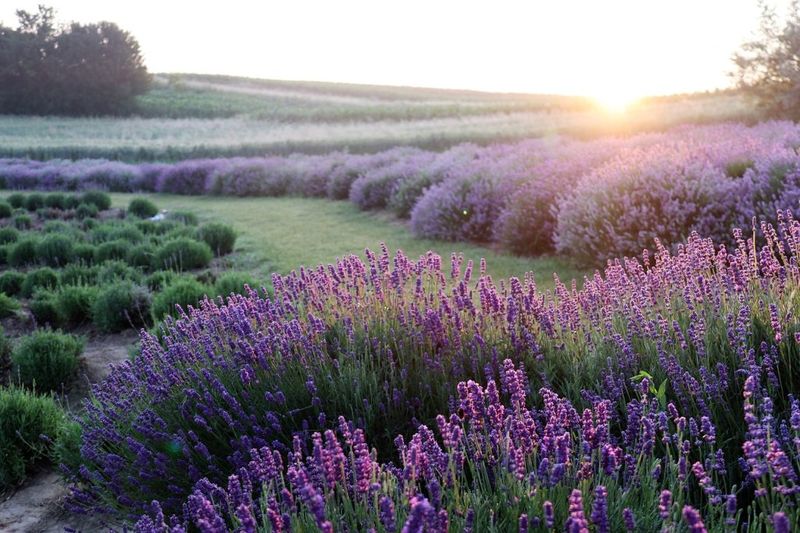
Creating a fragrance garden with lavender as the star attraction promises a sensory delight. Lavender’s soothing scent mingles with other aromatic plants to craft an olfactory haven. This garden becomes a serene escape, where visitors are enveloped in calming fragrances. The combination of lavender with other scented flowers enhances the garden’s allure, offering a multi-layered aromatic experience. A fragrance garden not only pleases the senses but also promotes relaxation and well-being, inviting you to unwind amidst nature’s most pleasant aromas.
8. Lavender Arbor
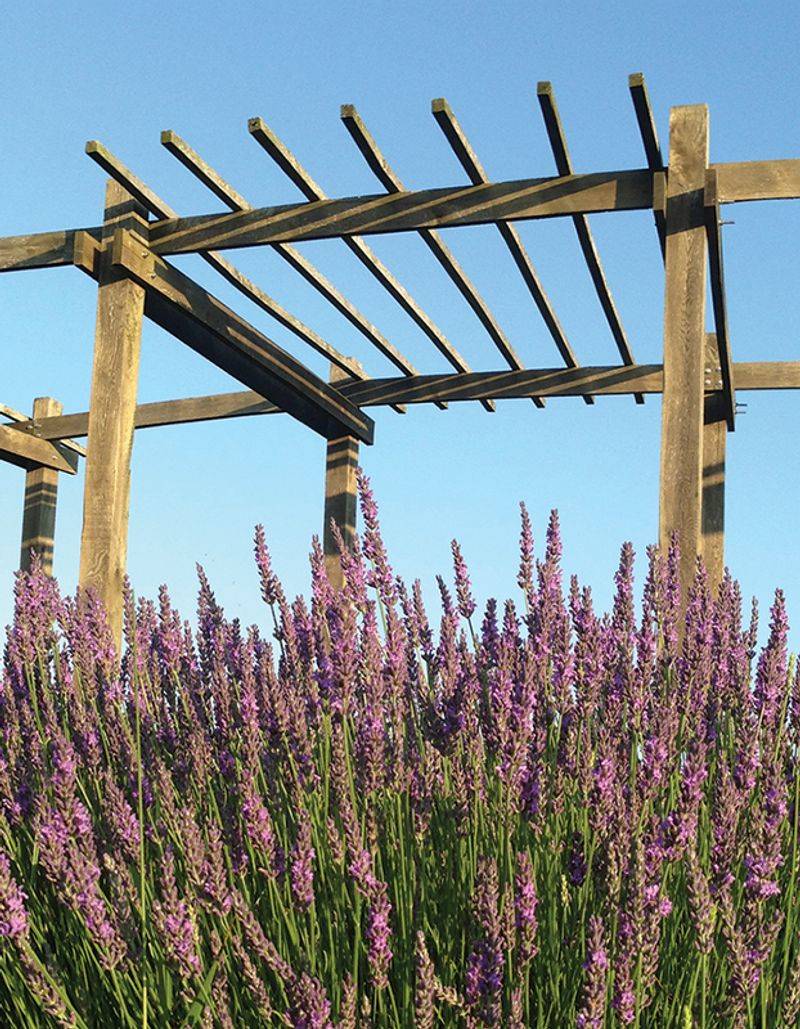
An arbor adorned with lavender vines offers a whimsical touch to any garden. As lavender climbs, it creates a living canopy of flowers and fragrance. This enchanting feature serves as a picturesque entryway or focal point, drawing attention with its beauty. The sight of lavender draping over an arbor invites exploration and curiosity. This combination of structure and nature results in a harmonious blend, where the elegance of lavender elevates the garden’s overall design. The lavender arbor is both a visual and aromatic delight, perfect for any garden setting.
9. Lavender Zen Garden
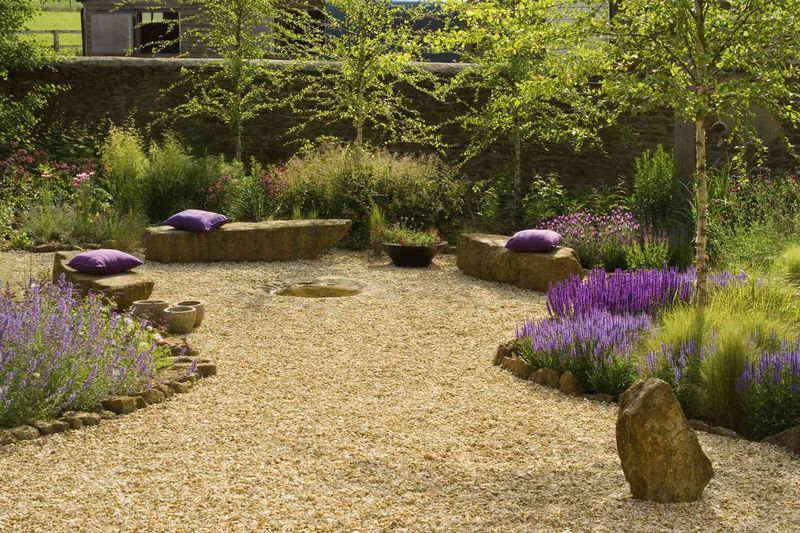
Incorporating lavender into a zen garden infuses tranquility and beauty. The minimalist design, accented by lavender’s gentle purple hues, creates a serene and meditative space. Lavender’s calming presence enhances the garden’s peaceful ambiance, inviting reflection and relaxation. The combination of lavender with elements like pebbles and water features adds to the garden’s allure. This zen garden becomes a sanctuary, where simplicity meets elegance. The lavender’s connection to relaxation and well-being makes it a perfect fit for meditative practices, offering a retreat from the everyday hustle.
10. Lavender Wildlife Garden
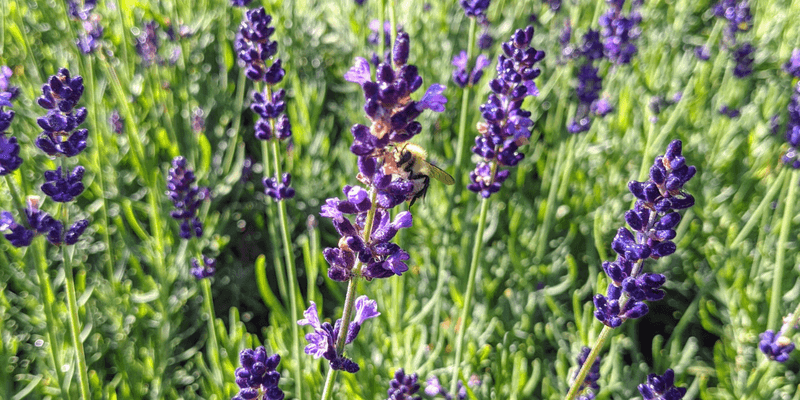
Lavender’s role in a wildlife garden is both functional and enchanting. Its flowers attract bees, butterflies, and other pollinators, fostering biodiversity. This garden becomes a lively habitat, buzzing with life and color. Lavender provides essential nectar, supporting pollinator populations. The interplay of lavender with other wildlife-attracting plants creates a vibrant ecosystem. This garden not only captivates with its beauty but also contributes to environmental health. Embracing lavender in a wildlife garden enhances the natural balance, offering a space where nature thrives in harmonious coexistence.
11. Lavender Knot Garden
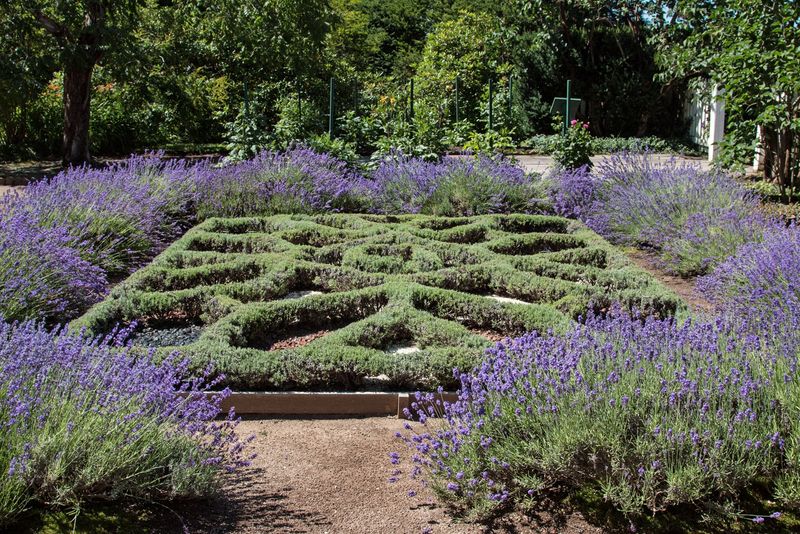
A lavender knot garden combines traditional elegance with aromatic charm. The intricate patterns formed by lavender plants create a visual masterpiece. This formal garden style emphasizes symmetry and precision, offering a timeless appeal. Lavender’s fragrant blooms add a sensory dimension, inviting visitors to linger and admire the craftsmanship. The combination of structured design with lavender’s natural beauty results in a garden that is both classic and contemporary. This knot garden stands as a testament to the artistry of gardening, where tradition meets innovation.
12. Lavender Cottage Garden
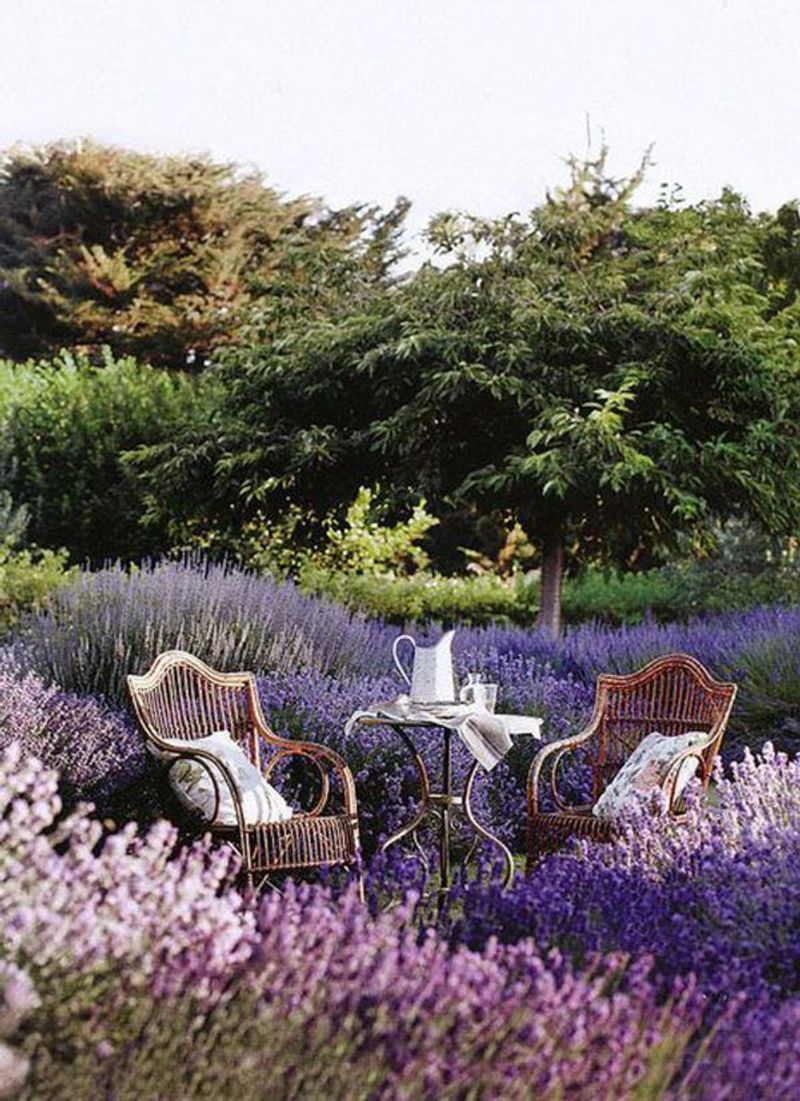
A cottage garden filled with lavender exudes charm and nostalgia. The informal arrangement of plants creates a relaxed and inviting atmosphere. Lavender’s presence enhances the garden’s romantic appeal, with its delicate blooms and calming scent. This setting evokes images of idyllic countryside life, where gardens overflow with color and fragrance. The combination of lavender with other cottage flowers like roses and daisies adds to the garden’s enchanting allure. This garden becomes a picturesque escape, where simplicity and beauty coexist in perfect harmony.
13. Lavender Water Feature
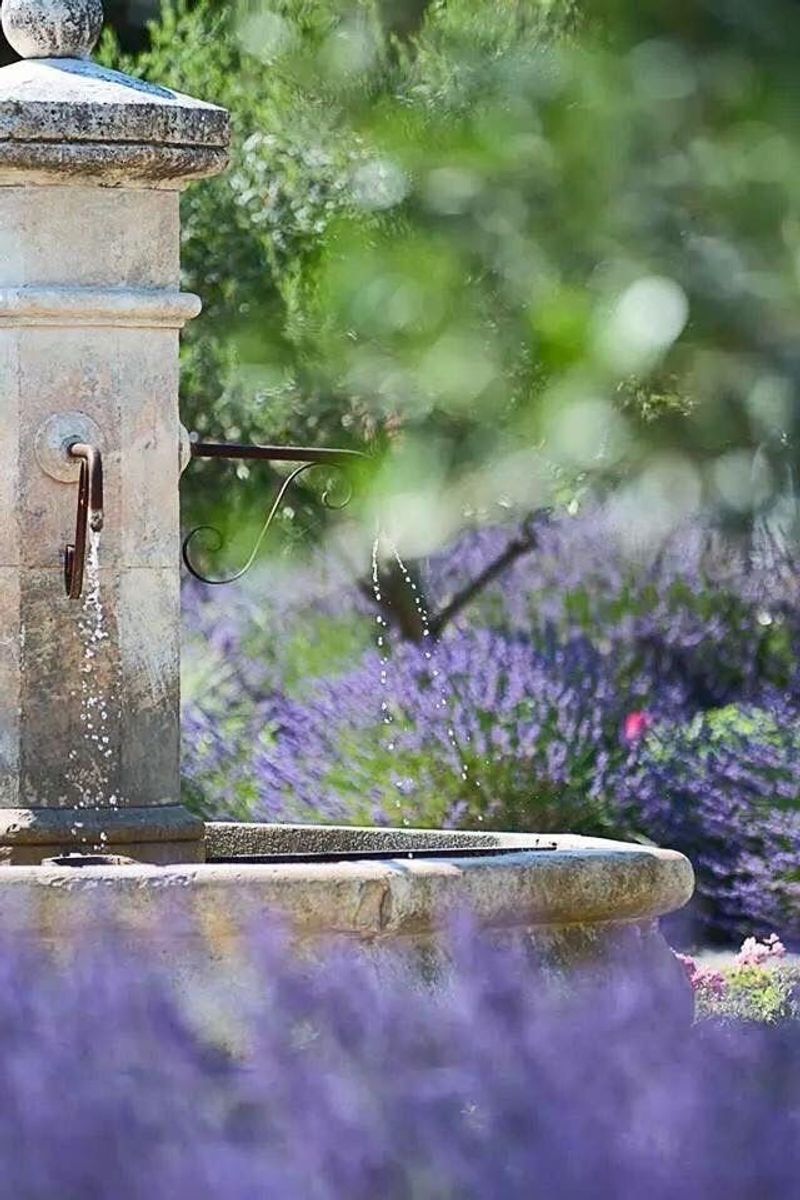
Incorporating lavender around a water feature adds a layer of tranquility to any garden. The gentle sound of water combines with lavender’s fragrance, creating a soothing environment. This harmonious blend of elements invites relaxation and contemplation. The reflection of lavender in the water enhances the garden’s visual appeal, offering a serene retreat. The presence of lavender around a water feature provides both aesthetic charm and sensory delight. This combination transforms a simple garden feature into a captivating focal point, where the beauty of nature is fully realized.
14. Lavender Topiary
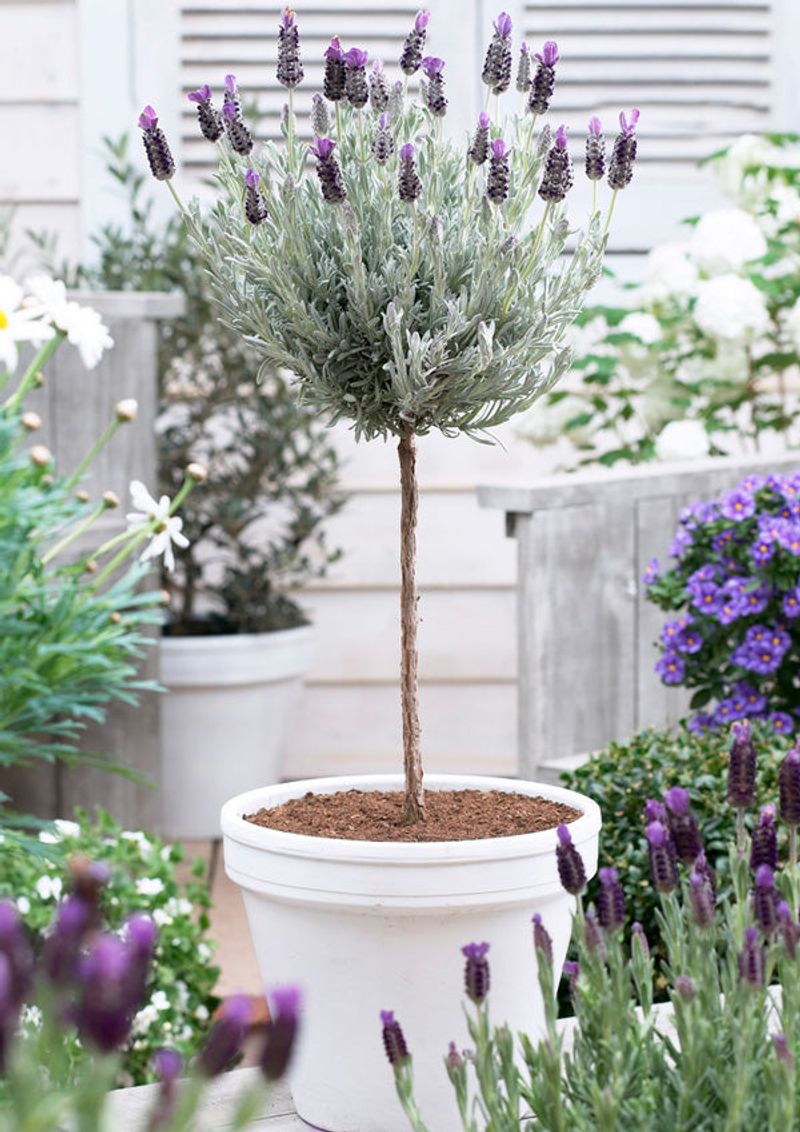
Lavender topiary offers a whimsical twist on traditional gardening. The artistic shaping of lavender plants adds an element of fun and creativity. This practice combines the elegance of lavender with the precision of topiary art, resulting in a garden feature that is both playful and sophisticated. Lavender’s adaptability makes it an excellent choice for topiary, allowing for a variety of shapes and designs. This garden feature becomes a conversation piece, inviting admiration and wonder. The combination of structure and natural beauty ensures that the lavender topiary captivates and delights.
15. Lavender Pergola
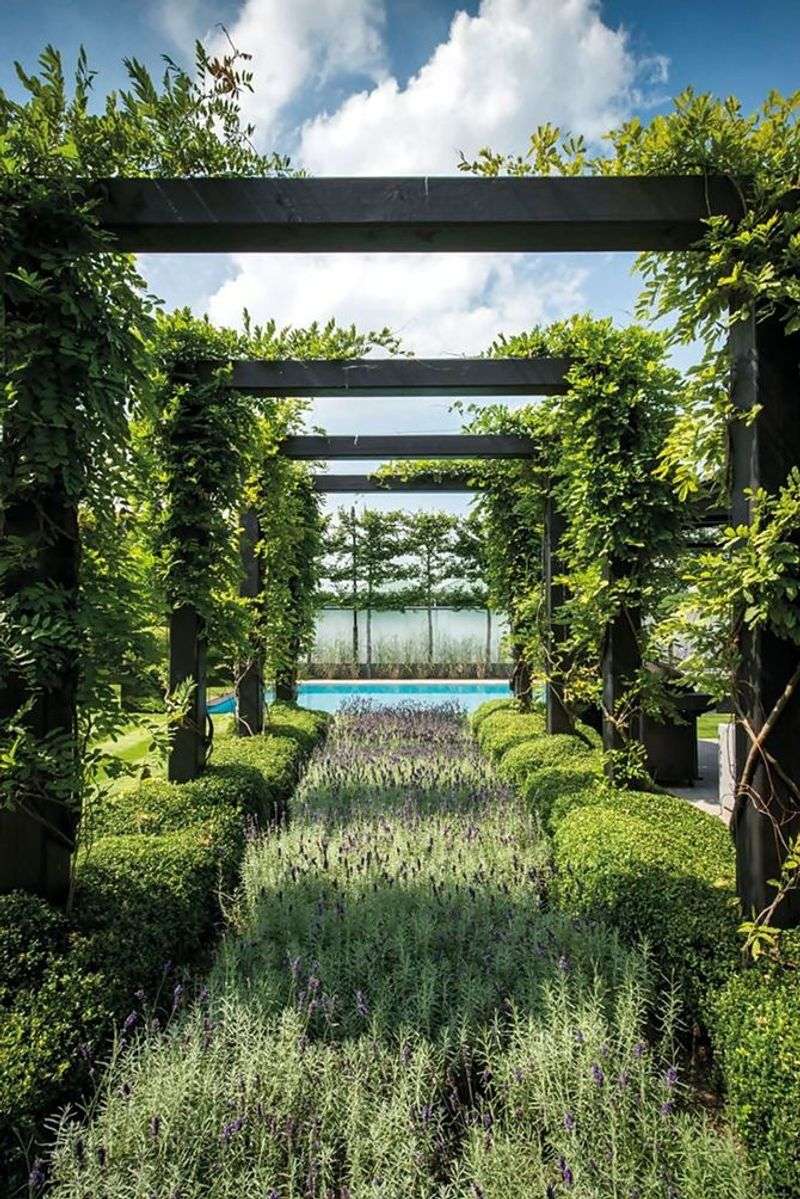
A pergola intertwined with lavender vines offers a shaded retreat full of fragrance and beauty. This garden structure provides shelter while enhancing the landscape with its floral adornment. The combination of lavender’s blooms with the pergola’s architecture results in a stunning visual effect. This inviting space becomes a haven for relaxation, where the gentle scent of lavender envelops you. The pergola, draped in lavender, transforms into a garden sanctuary, offering both aesthetics and comfort. Its presence elevates the garden’s charm, making it a perfect spot for leisure and reflection.
16. Lavender Maze
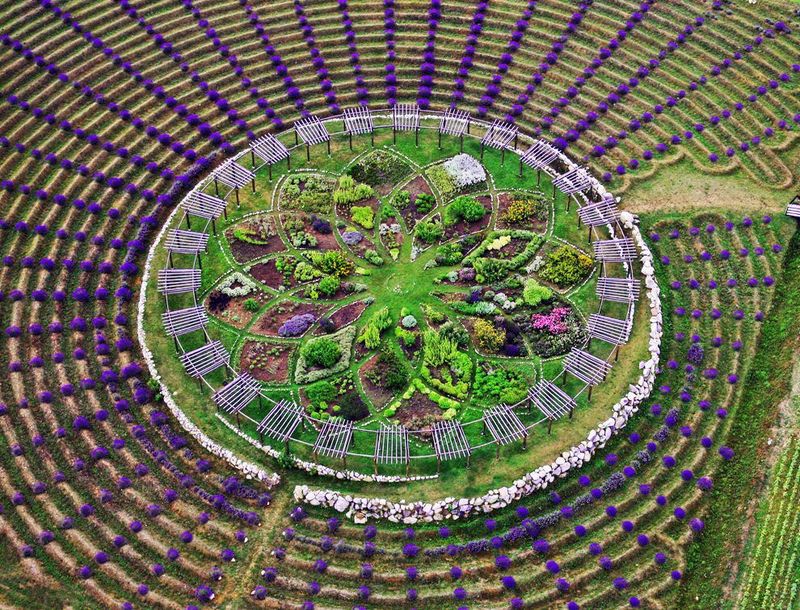
A maze constructed from lavender plants offers a unique and enchanting garden experience. The twisting paths lined with fragrant blooms invite exploration and discovery. This labyrinthine creation combines mystery with sensory delight, as the calming scent of lavender guides your journey. The maze’s design challenges the mind while providing a peaceful escape from the outside world. Lavender’s presence in the maze adds a touch of elegance and tranquility, making it a memorable garden feature. This creation celebrates the art of gardening, where creativity and nature intertwine.
17. Lavender Edible Garden
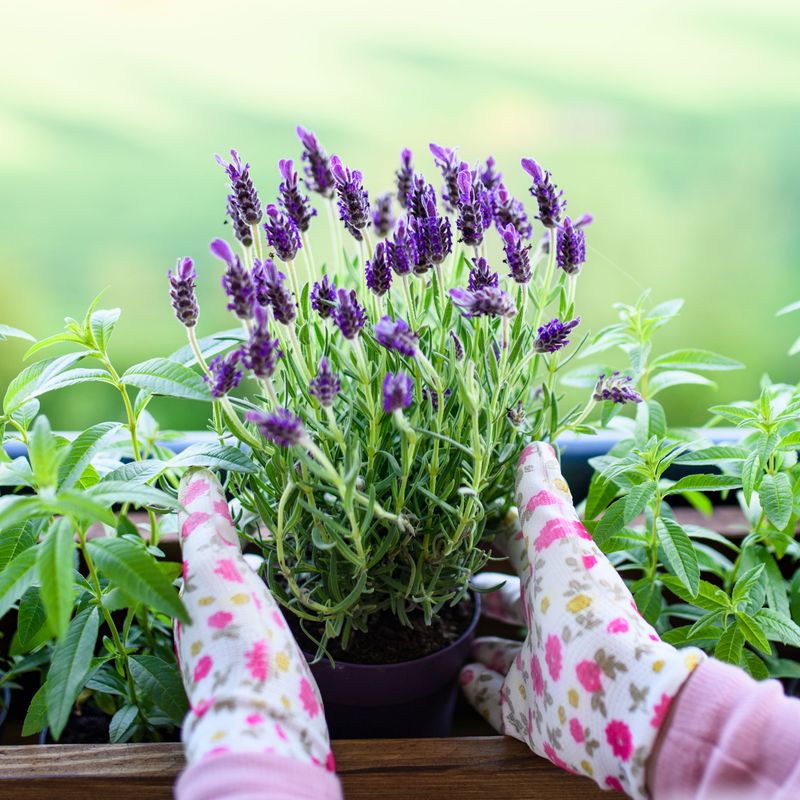
Incorporating lavender into an edible garden introduces a flavorful twist to traditional gardening. Lavender’s culinary uses range from flavoring desserts to enhancing savory dishes. Its presence alongside other edible plants creates a garden that delights both the senses and the palate. The combination of lavender with culinary herbs and vegetables emphasizes versatility and creativity in the garden. This setup offers a feast for the eyes and taste buds, providing fresh ingredients for culinary exploration. The edible garden becomes a source of inspiration, where lavender’s unique flavor shines.
18. Lavender Meditation Garden
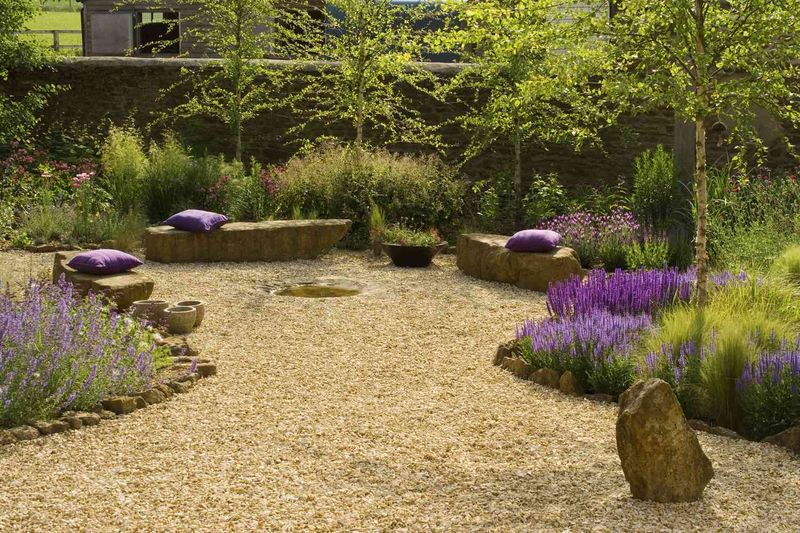
A meditation garden featuring lavender offers solace and serenity. The soothing presence of lavender enhances the meditative atmosphere, inviting calm and reflection. This garden space encourages mindfulness, where the gentle rustle of leaves and subtle fragrance promote relaxation. Lavender’s calming qualities compliment the serene setting, making it an ideal choice for meditation practices. The garden’s design fosters peace and introspection, offering a retreat from daily life. Lavender’s role in this sanctuary ensures that tranquility is at the forefront, providing a space for personal growth and well-being.