 Complete Gardening
A flourishing garden is a delight, but it can quickly become a battleground with invading pests. Each pest requires a unique approach to control. This guide explores 18 common garden intruders and offers effective solutions to reclaim your green paradise.
1. Aphids
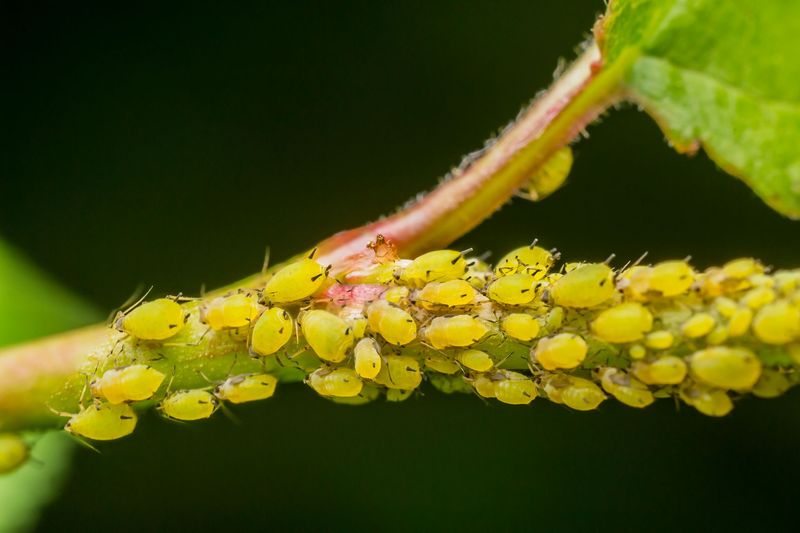
Aphids, the tiny green invaders, are often seen clustering on tender rose stems. These sap-sucking pests can stunt plant growth and cause leaves to curl. Introducing ladybugs, their natural predators, helps keep aphid populations in check. Alternatively, a gentle spray of soapy water can dislodge them effectively.
Did you know? Aphids can reproduce rapidly, with some species giving birth to live young. Vigilance is key! Regularly inspect the undersides of leaves, and you’ll catch them early, preventing a full-blown infestation.
2. Slugs and Snails
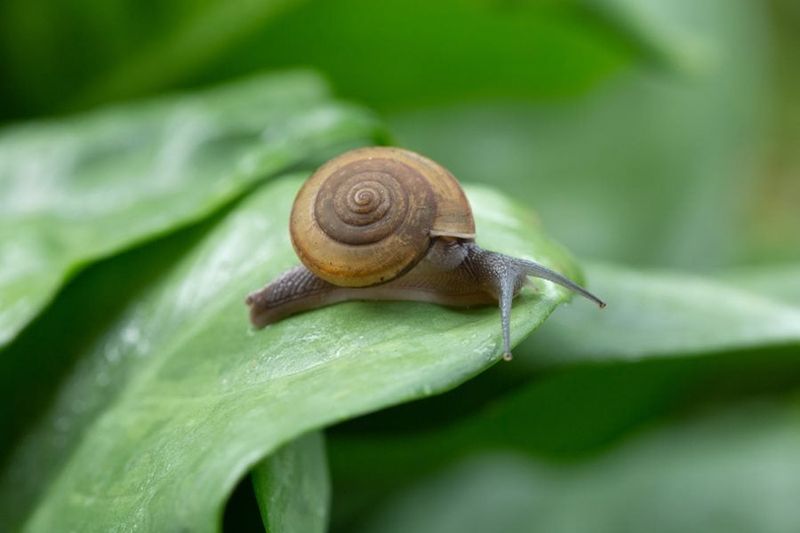
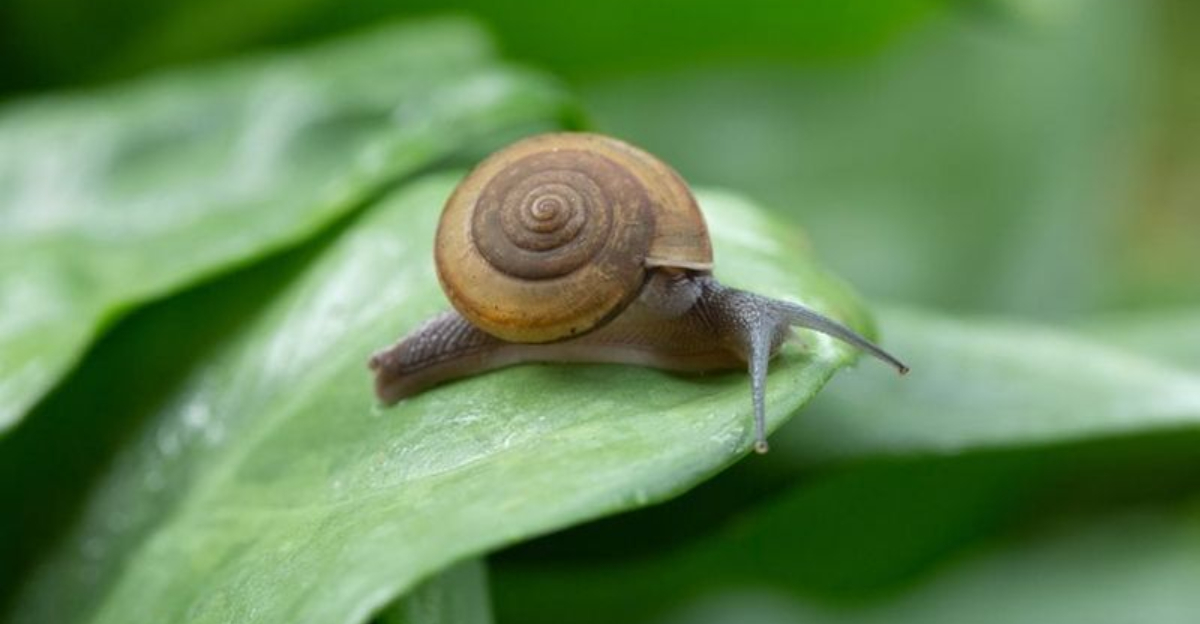
Slugs and snails, the nocturnal nuisances, can devastate young plants overnight. They leave behind a tell-tale silvery trail as a calling card. Handpicking under the cover of darkness is an effective, albeit labor-intensive, solution.
Alternatively, create barriers with crushed eggshells or copper tape to deter their advance. Beer traps are a popular method too, luring them to a yeasty demise.
Fun fact: Some species of snails can hibernate for up to three years, surviving dry spells by sealing themselves in their shells.
3. Caterpillars
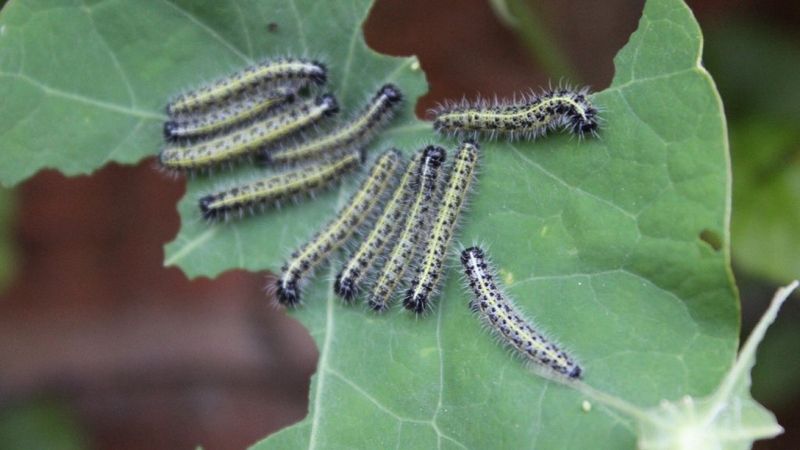
Caterpillars, the voracious munchers, often transform into beautiful butterflies, but their appetite can decimate leafy greens. Consider introducing parasitic wasps, which naturally curb caterpillar numbers.
Alternatively, handpicking is practical, though time-consuming, for smaller gardens. Using floating row covers can protect crops without harming beneficial insects.
A quirky tidbit: The cabbage white caterpillar, a common pest, can eat its way through a whole cabbage in a matter of days. Keep your eyes peeled for their characteristic green and black stripes!
4. Whiteflies
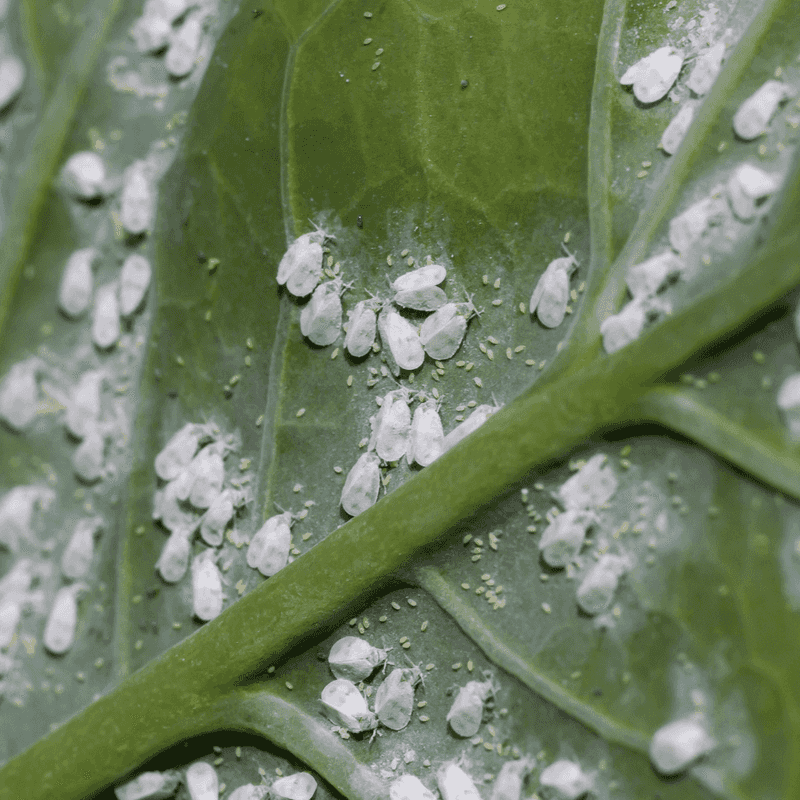
Whiteflies, tiny but mighty, are often spotted fluttering around tomato plants. These insects suck the sap, weakening plants and spreading disease. Yellow sticky traps are an effective way to capture adult whiteflies.
Encouraging natural predators like lacewings and spiders can also help maintain a balanced ecosystem. Another approach is spraying neem oil, a natural pesticide that disrupts their life cycle.
Interesting fact: Whiteflies excrete a sticky substance known as honeydew, which can lead to sooty mold on plant leaves, adding insult to injury.
5. Spider Mites

Spider mites, barely visible to the naked eye, weave webs that can cover entire plants. These pests thrive in hot, dry conditions, causing leaves to yellow and drop. Misting plants can create inhospitable conditions for them.
Introducing predatory mites is a biological control method that can keep spider mite populations down. Alternatively, insecticidal soap offers a chemical-free solution.
Did you know? Spider mites are not insects but arachnids, related to spiders and scorpions. Their ability to breed rapidly means quick action is crucial.
6. Japanese Beetles

Japanese beetles are the garden’s glittering gluttons, known for their iridescent wings and insatiable hunger for rose petals and leaves. Handpicking in the early morning when they’re less active can reduce their numbers.
Planting geraniums as a trap crop can also distract them from prized plants. Neem oil can deter them without harming other insects.
Fun fact: Japanese beetles were first discovered in the U.S. in 1916. Originating from Japan, they have since become a widespread pest in North American gardens.
7. Ants
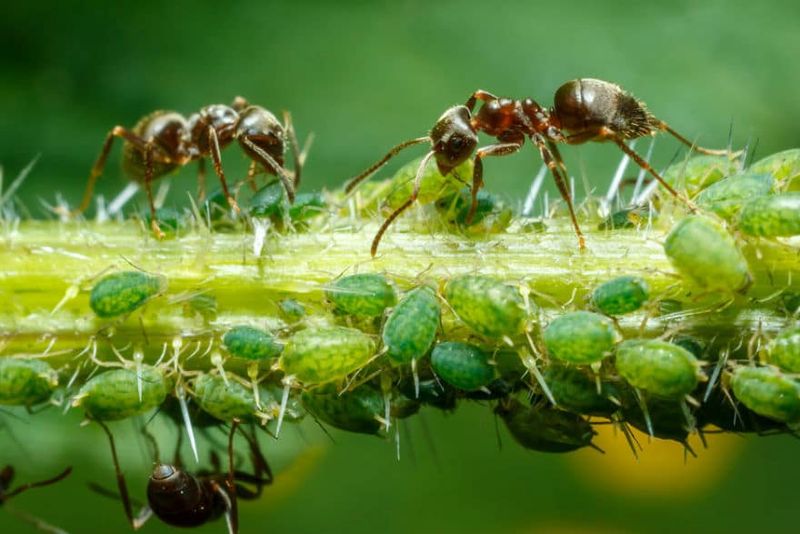
Ants, industrious and persistent, often farm aphids for their honeydew. While generally harmless to plants, their presence can indicate other pest issues. Diatomaceous earth sprinkled around plants can deter ants effectively.
A homemade mixture of borax and sugar acts as a bait, disrupting their colonies.
Fascinatingly, some ants protect their aphid partners from predators, ensuring a steady supply of sweet honeydew. Monitoring and managing their numbers can benefit the overall health of your garden.
8. Thrips
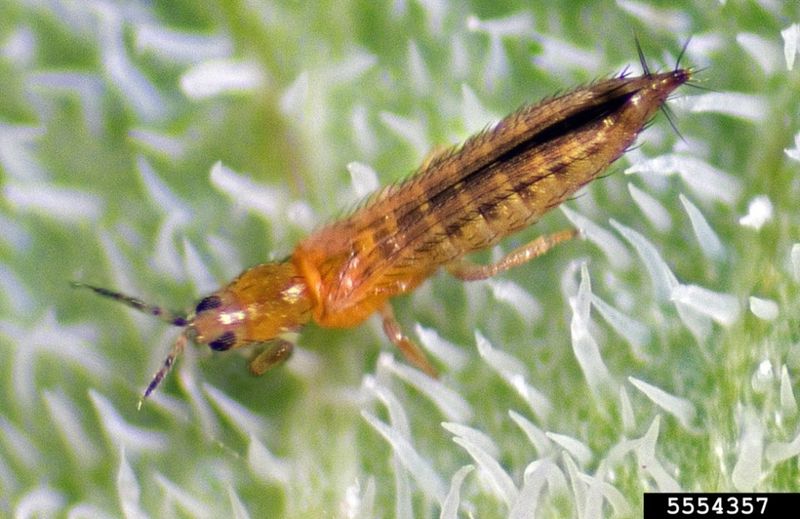
Thrips, though tiny, pack a punch with their rasping-sucking mouthparts. They attack flowers and leaves, leading to discolored and distorted growth. Blue sticky traps are useful for capturing these pests.
Beneficial insects like orius bugs can naturally keep thrip populations in check. Alternatively, insecticidal soap offers a non-toxic solution.
An intriguing fact: Thrips are known for their unique asymmetrical mouthparts, which are uncommon in the insect world. Their presence is often signaled by silvery streaks on foliage.
9. Scale Insects
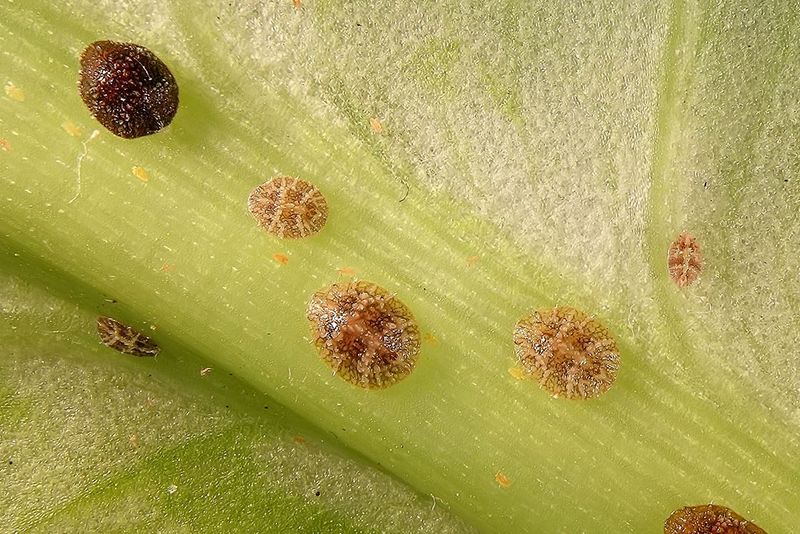
Scale insects, resembling tiny shells, fix themselves to stems and leaves, sucking the life out of plants. Their hard exterior makes them resilient to many pesticides. A cotton swab dipped in alcohol can remove them individually.
Introducing parasitic wasps offers a biological control method. Pruning heavily infested branches may also be necessary.
Fun fact: Some scale insects produce a waxy coating that was historically used in making shellac, a natural varnish. Regular monitoring can prevent scales from becoming a severe problem.
10. Earwigs
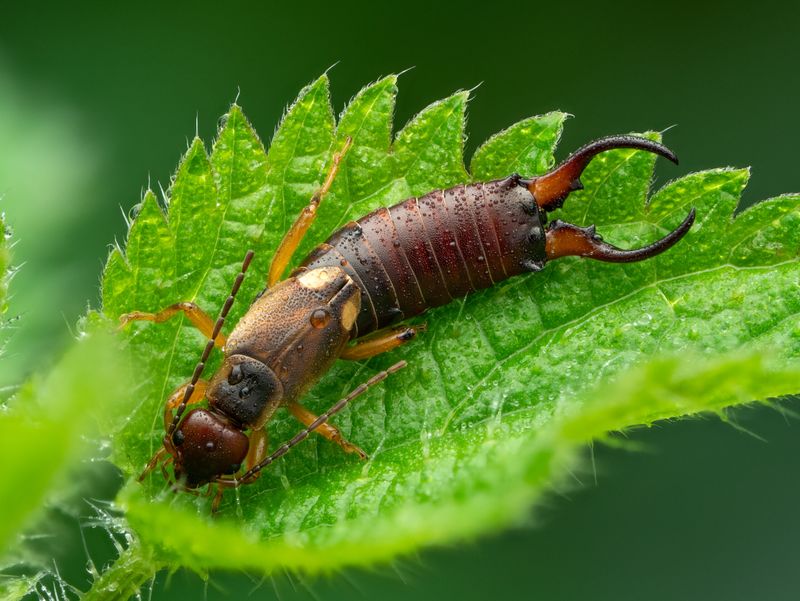
Earwigs, with their menacing pincers, are often misunderstood garden visitors. While they can damage young leaves, they also help by consuming decaying matter and other pests. Rolled-up newspapers act as traps, luring them in for easy disposal.
Placing shallow dishes of oil can also attract and trap these nocturnal critters.
Curious fact: In some cultures, earwigs are considered a sign of good luck, believed to bring prosperity to the garden. Balancing their presence can be beneficial to a healthy ecosystem.
11. Leaf Miners
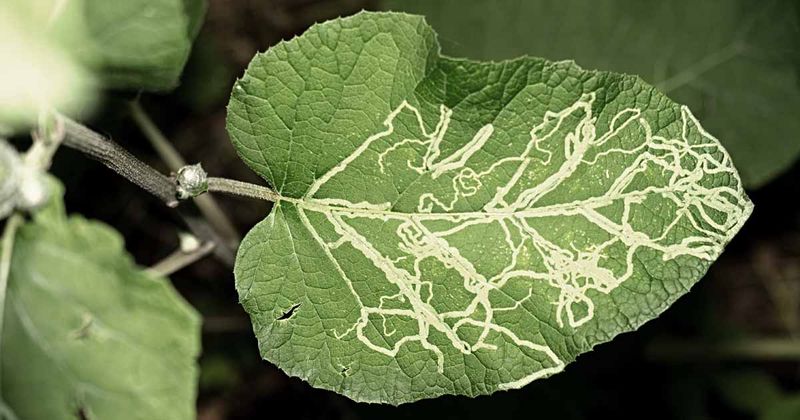
Leaf miners, the unseen artists of the garden, leave winding trails as they feed between leaf layers. These tunnels can weaken plants and reduce photosynthesis. Removing and destroying affected leaves helps control their spread.
Introducing beneficial insects like parasitic wasps can reduce their numbers naturally. Floating row covers offer a physical barrier to prevent egg-laying.
Did you know? Leaf miners are not a single species but a collective term for various insect larvae that create these distinctive patterns. Vigilant monitoring is essential for early intervention.
12. Flea Beetles
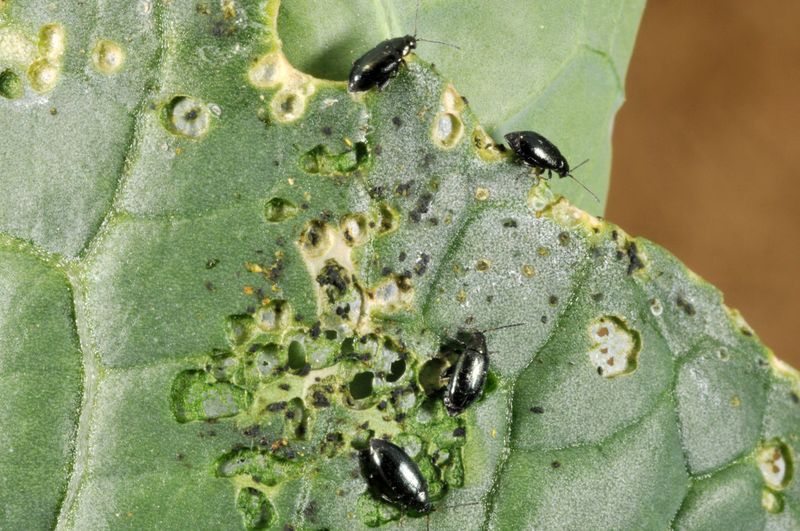
Flea beetles, tiny jumpers, are notorious for riddling vegetable leaves with holes. These pests can severely stifle young plant growth. Planting trap crops like radishes can divert them from your main vegetables.
Row covers provide effective protection during the early growing stages. Neem oil offers a natural deterrent without harming beneficial insects.
Surprisingly, flea beetles can leap impressive distances relative to their size, much like fleas, which inspired their name. Regular monitoring can keep their numbers manageable.
13. Cabbage Loopers
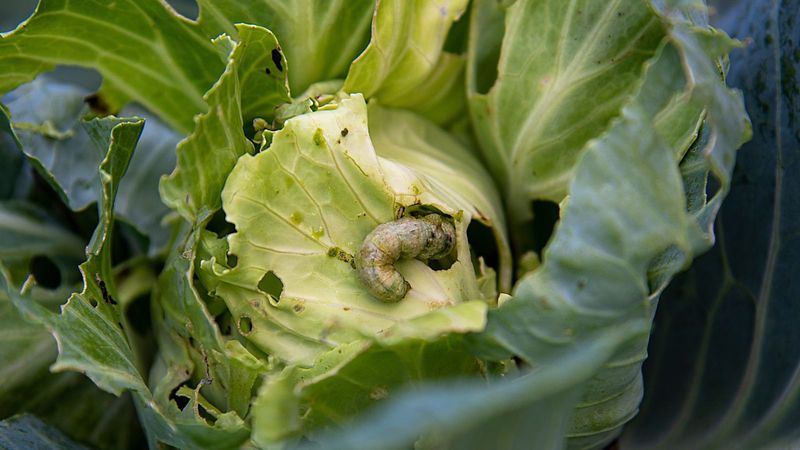
Cabbage loopers, the inchworms of the garden, skeletonize cabbage leaves with their voracious appetite. Handpicking is a straightforward method to reduce their numbers. Encouraging predatory insects like ground beetles can naturally control them.
Bacillus thuringiensis (Bt), a natural bacterial pesticide, targets these pests without affecting other wildlife.
Fun fact: Cabbage loopers move in a looping motion, which inspired their name. Vigilant monitoring and prompt action can prevent significant crop damage.
14. Mealybugs
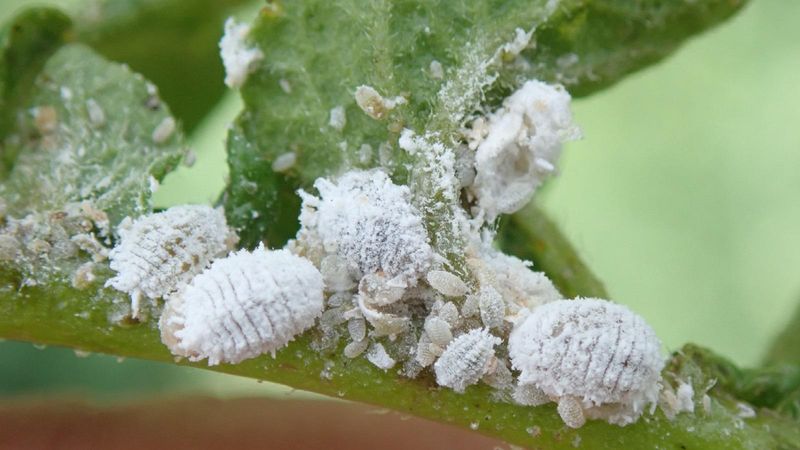
Mealybugs, with their white, cottony appearance, cluster on stems and leaves, sucking plant juices. This can lead to stunted growth and sooty mold. A spray of water mixed with alcohol can be an effective way to dislodge them.
Introducing predatory insects like ladybugs helps maintain control naturally. Pruning heavily infested areas may be necessary for severe cases.
Did you know? Mealybugs produce a waxy coating that serves as protection against desiccation. Regular inspections can keep their populations in check.
15. Cutworms
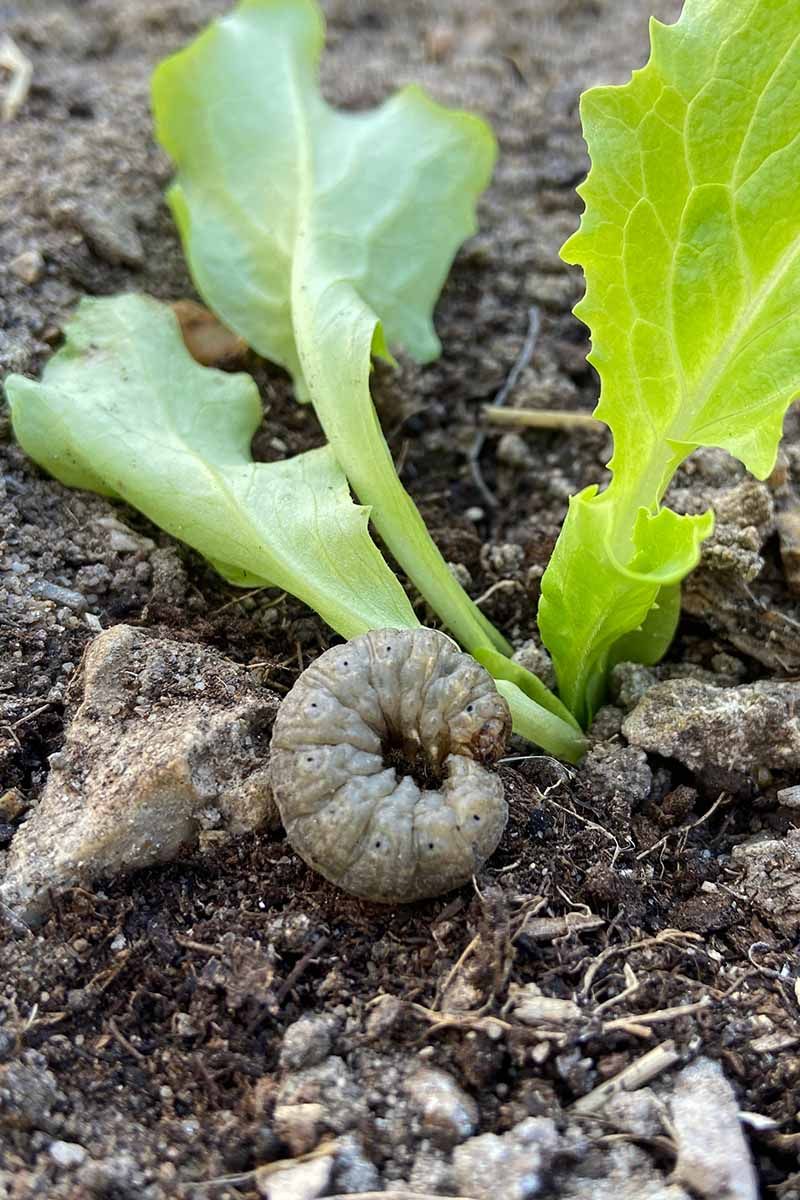
Cutworms, the nocturnal stem cutters, can sever young plants at the base overnight. Placing collars around seedlings can protect them from these hungry pests. Tilling soil before planting helps expose and reduce their numbers.
Encouraging natural predators like birds and ground beetles can also help control their populations.
Interesting tidbit: Cutworms are not worms but caterpillars of certain moth species. Early intervention is crucial to prevent them from causing significant damage.
16. Root Maggots
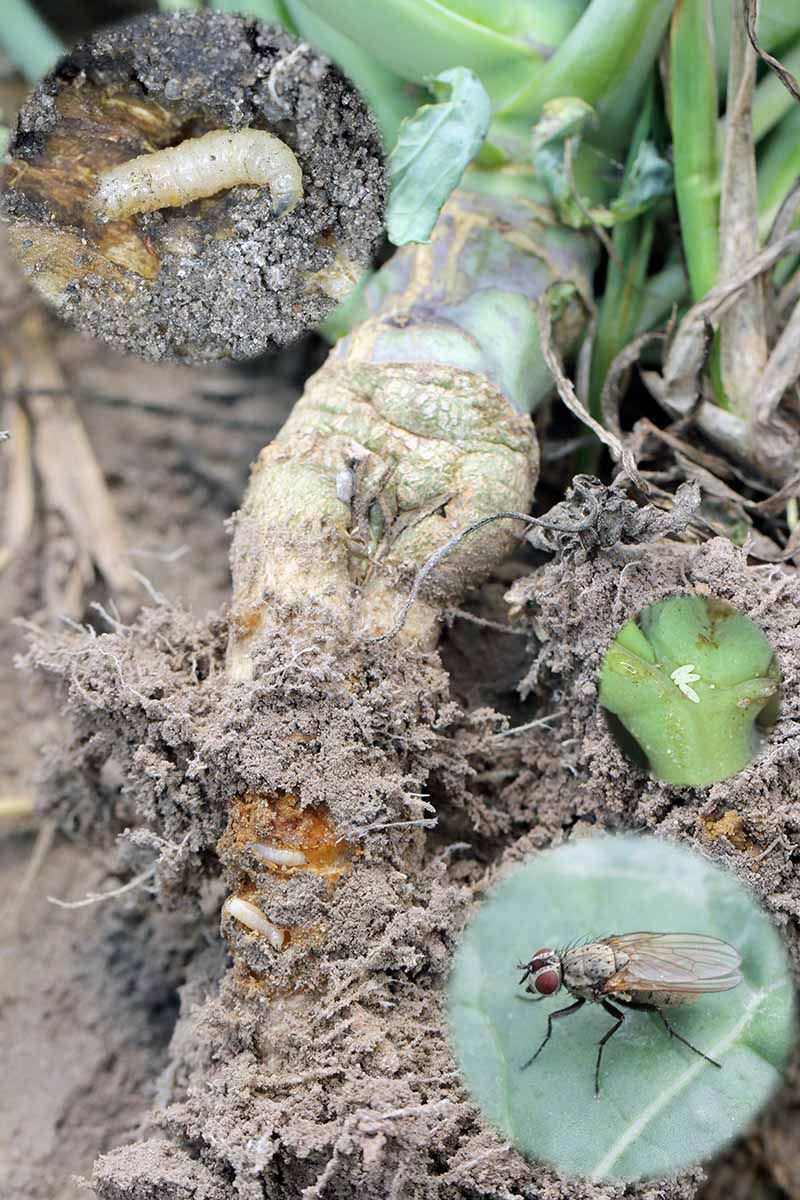
Root maggots, the hidden destroyers, attack the roots of vegetables like radishes and turnips, causing wilting and poor growth. Floating row covers can prevent flies from laying eggs.
Crop rotation and maintaining healthy soil are key preventative measures. Beneficial nematodes can be introduced to target maggot populations naturally.
Did you know? Root maggots are the larvae of various fly species, and their presence is often first noticed when plants suddenly wilt. Vigilance is essential for effective management.
17. Stink Bugs
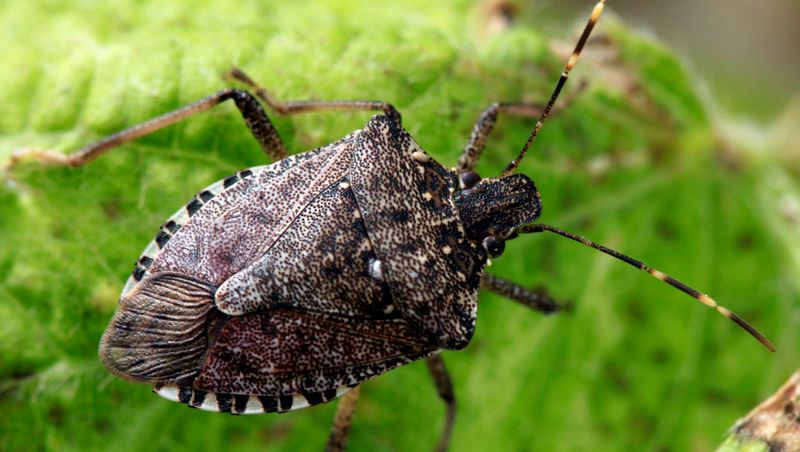
Stink bugs, with their shield-shaped bodies, feed on tomatoes and peppers, leaving behind blemished produce. Handpicking is effective but should be done carefully to avoid their notorious odor.
Planting trap crops like sunflowers can lure them away from valuable plants. Insecticidal soap provides a chemical-free control option.
Fun fact: Stink bugs release their foul smell as a defense mechanism. Early intervention helps prevent extensive crop damage.
18. Squash Bugs
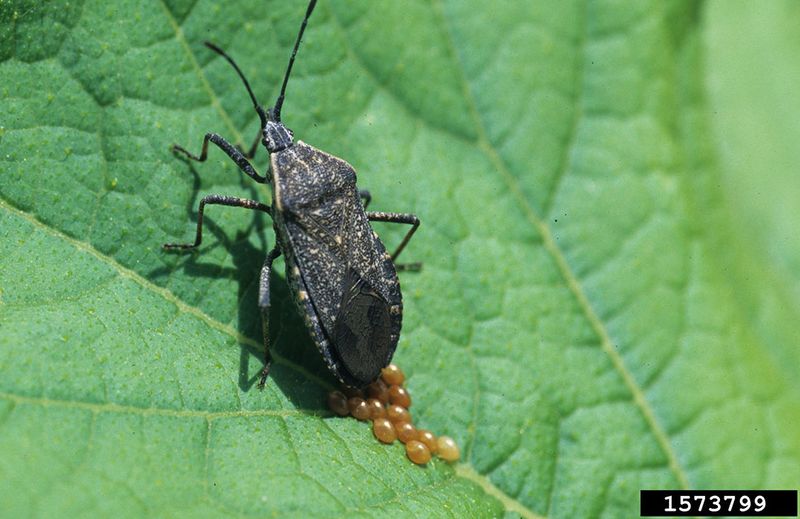
Squash bugs, the nemesis of zucchini plants, suck sap from leaves, causing them to wilt and die. Handpicking adults and eggs is a labor-intensive, yet effective method.
Introducing predatory insects like tachinid flies can provide a natural form of control. Neem oil is another option to deter these pests.
Did you know? Squash bugs emit a foul odor when crushed, similar to stink bugs. Regular monitoring and swift action can protect your squash harvest.