 Complete Gardening
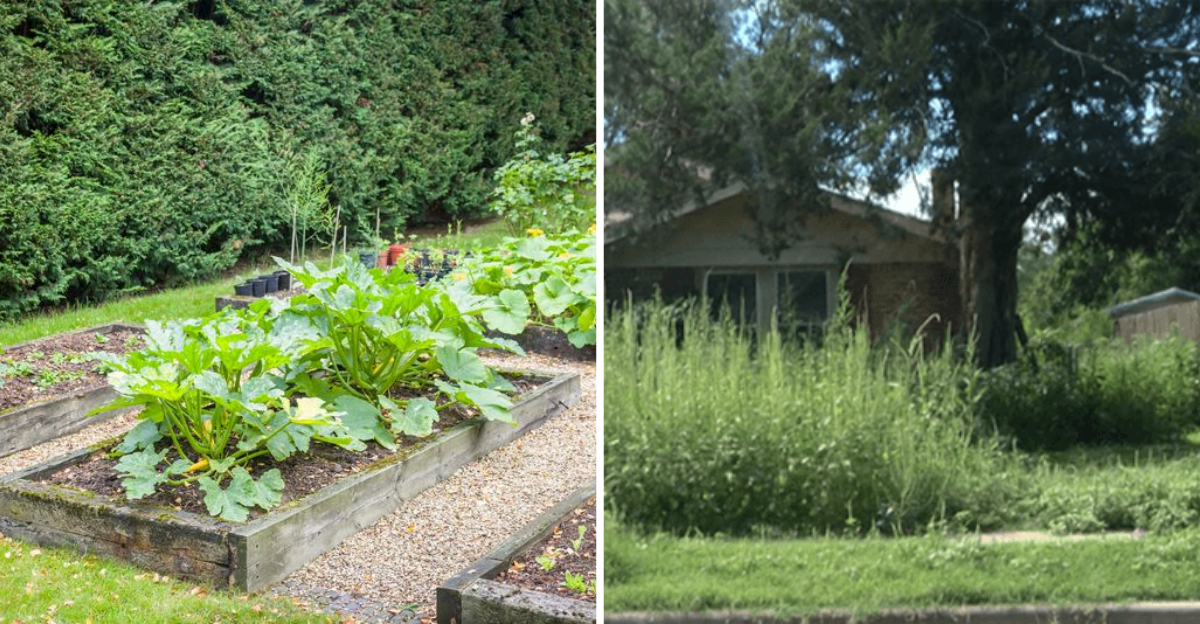
Landscaping can significantly enhance the curb appeal of your home. However, certain common mistakes can have the opposite effect, making your property look cheaper than it is. In this article, we explore 18 landscaping tricks that can inadvertently downgrade your home’s appearance.
1. Overgrown Lawn

An overgrown lawn is like an unkempt hairstyle; it sends the message of neglect. Grass that grows too high can harbor pests and become patchy. Regular mowing keeps lawns healthy and vibrant, but when neglected, they can quickly turn into an eyesore.
Keeping a consistent mowing schedule is essential to prevent this. Trimming the edges also adds a neat touch. Without care, a lush green lawn can become a dull, weedy patch. A well-maintained lawn boosts your home’s beauty, while a neglected one detracts from it.
2. Cheap Garden Ornaments

Garden ornaments can either add charm or cheapen your landscape. Plastic flamingos and gnomes, though whimsical, often appear tacky. Selecting quality materials like stone or metal can make a difference.
Avoid overcrowding; a few well-placed pieces create elegance. When too many inexpensive ornaments clutter a garden, it loses its aesthetic appeal and can seem kitschy rather than charming.
Choosing tasteful, well-made pieces enhances the garden’s natural beauty. It’s not about the number of ornaments but their quality and placement that counts.
3. Artificial Grass
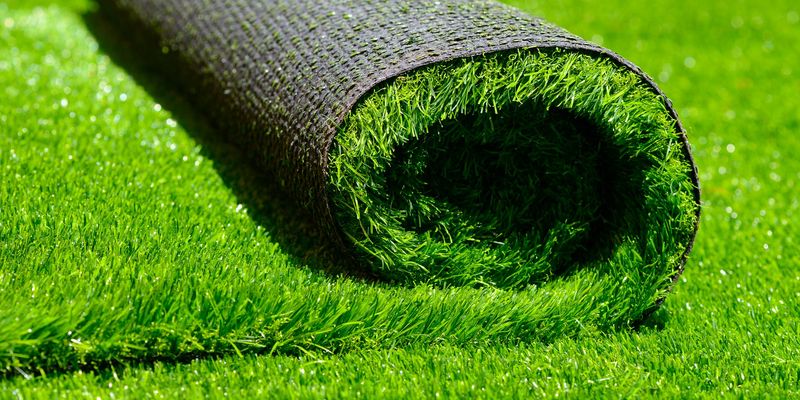
Artificial grass may seem a low-maintenance option, yet it can look unrealistic and cheap. Its uniform appearance lacks the natural variation of real grass, giving it an odd, synthetic feel. While convenient, it can degrade over time, particularly in areas with heavy sun exposure.
A genuine lawn, despite needing care, offers authentic texture and color. Artificial turf might not wear well and can heat up, causing discomfort. Real grass enhances a yard’s natural ambiance and feels inviting and cool underfoot.
4. Improper Plant Spacing
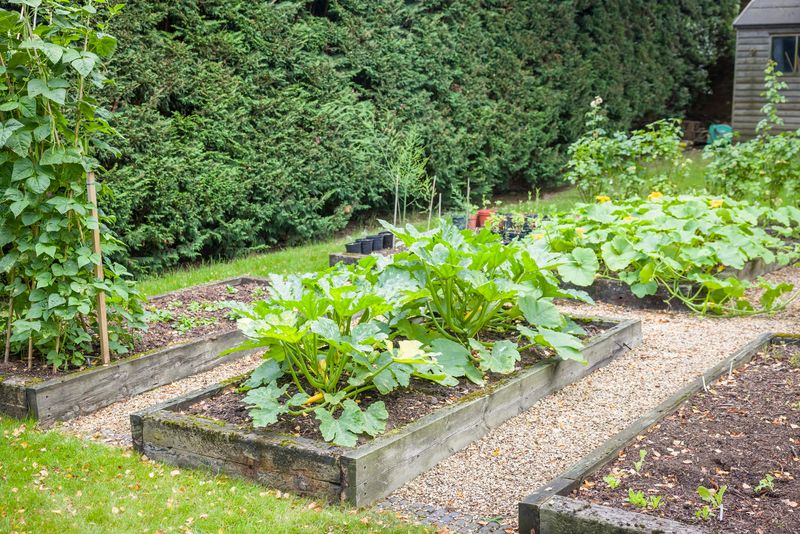
Proper plant spacing is crucial for garden health and appearance. Crowded plants compete for nutrients, resulting in stunted growth. Moreover, overcrowding reduces air circulation, inviting disease.
Strategic spacing allows each plant to thrive, showcasing its unique characteristics. When planted too close, the landscape appears chaotic rather than harmonious. Providing enough room ensures healthy growth and a visually pleasing garden. Thoughtful spacing respects the natural form of plants, allowing them to be the focal point.
5. Neglected Edging
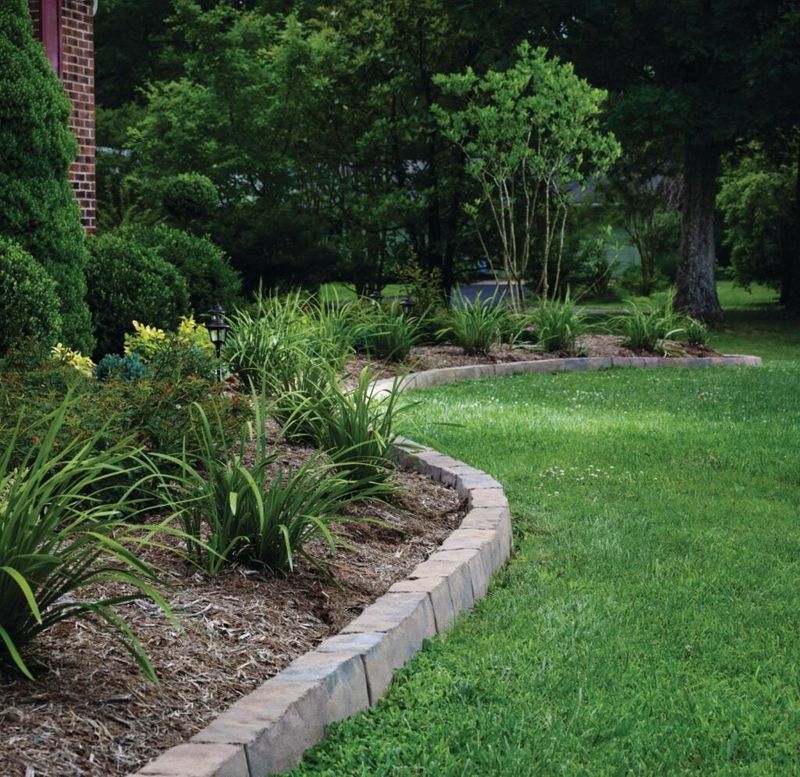
Edging is the unsung hero of landscaping, defining spaces and adding polish. Ignoring this detail can result in a messy, unkempt appearance. Proper edging materials, like stone or metal, can complement your garden’s style. Without it, planted areas bleed into lawns, trees, and pathways.
Creating clear boundaries with edging provides structure and highlights plantings. It also prevents grass from invading garden beds, maintaining neat lines and a professional look. Neglecting this aspect can detract from your landscape’s overall appeal.
6. Overuse of Gravel
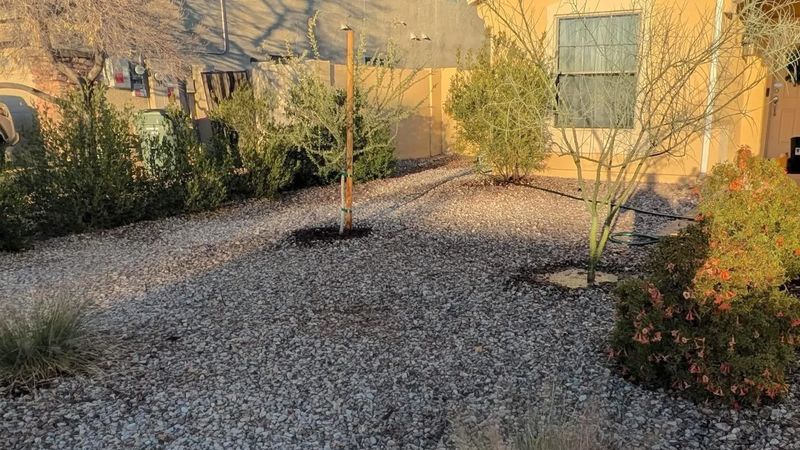
Gravel is versatile but overusing it can make a yard look barren and cheap. While useful for paths and driveways, it shouldn’t dominate the landscape. Excessive gravel can make spaces appear stark and unfriendly.
Balancing gravel with greenery creates a welcoming environment. Too much gravel can also lead to drainage problems and requires maintenance to avoid weeds. Incorporating varied textures and materials enhances visual interest. Using gravel strategically ensures it complements rather than overwhelms your garden.
7. Fading Patio Furniture
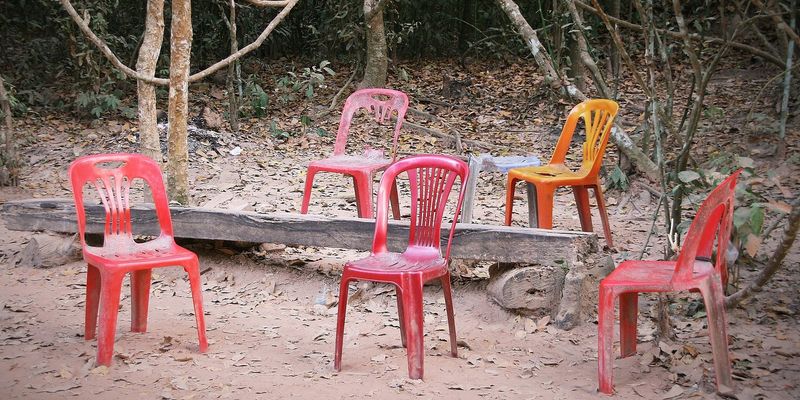
Patio furniture is an outdoor style statement, but faded or cheaply made pieces can ruin an otherwise lovely space. Plastic furniture, in particular, can look worn quickly.
Investing in durable, weather-resistant materials like teak or metal can enhance outdoor areas. Regular maintenance, like cleaning and covering furniture, prolongs its life. Faded chairs and tables can diminish the elegance of a patio, making it feel neglected. High-quality pieces elevate the space, creating a relaxed yet stylish atmosphere.
8. Plastic Plant Pots
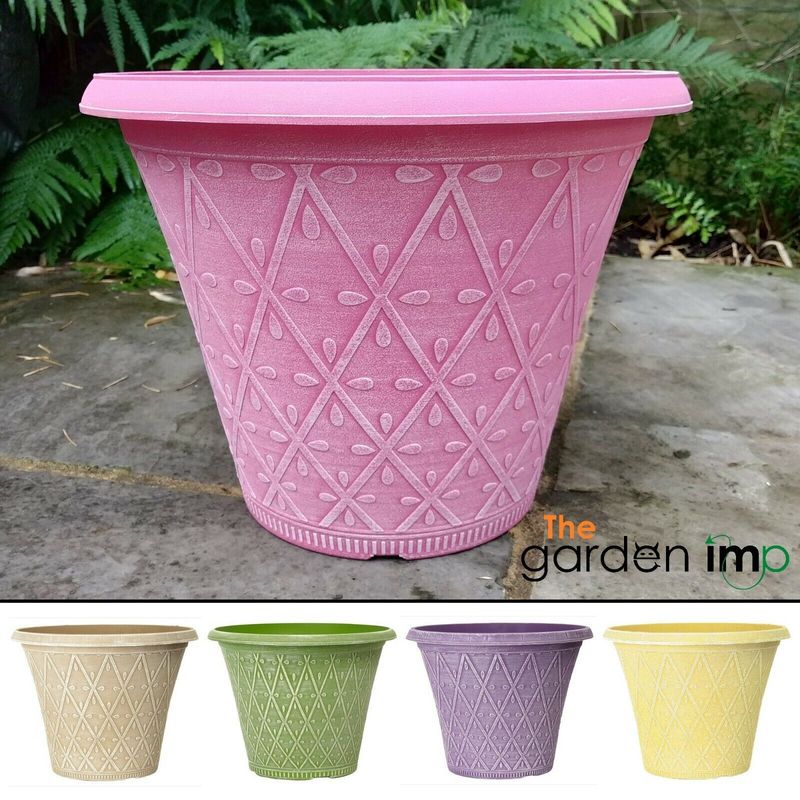
Plastic plant pots, although practical, can cheapen a garden’s appearance. Their bright colors may clash with the natural tones of a landscape. Choosing ceramic or terra cotta pots adds sophistication and blends with the environment.
The material of a pot can impact a plant’s health, affecting drainage and temperature regulation. Plastic pots might not withstand weather changes. Opting for quality materials improves both aesthetics and functionality, offering a more polished look.
9. Neglected Weeding
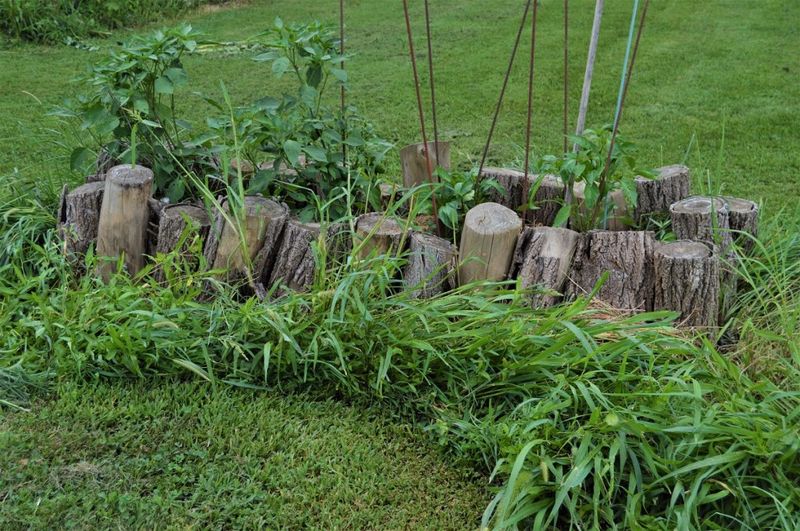
Weeds are the unwanted guests in any garden, thriving when ignored. They compete for nutrients and space, affecting the health of desired plants. Regular weeding is essential for a tidy, flourishing garden.
Neglected weeding can quickly turn a beautiful landscape into a tangled mess. Keeping on top of this task ensures plants have room to grow and display their full potential. A weed-free garden looks well-maintained and vibrant, showcasing the effort put into its care.
10. Cluttered Pathways
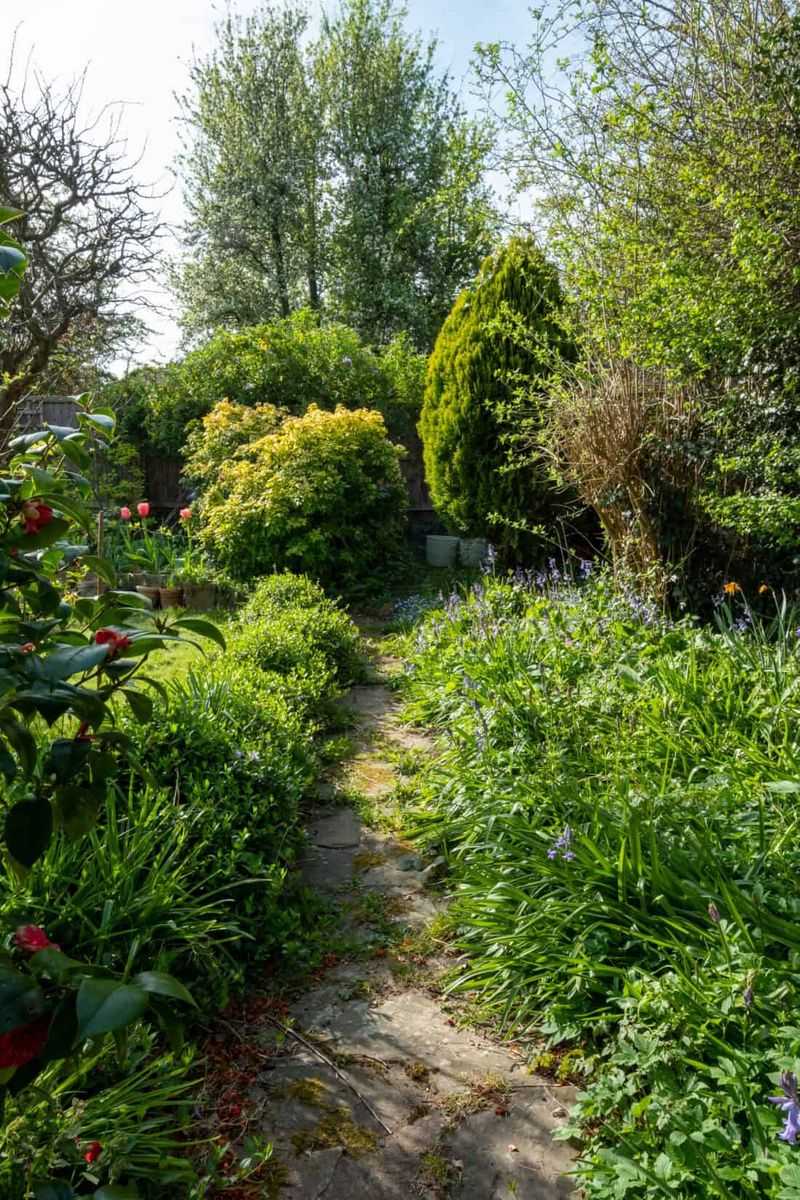
A pathway should guide you through a garden, not hinder your journey. Cluttered paths covered in leaves or debris can look messy and uninviting. Clearing walkways regularly keeps them functional and attractive.
Using quality materials like stone or brick for paths enhances visual appeal. Consistent maintenance prevents pathways from becoming overgrown or obstructed. A clean, well-defined path invites exploration and adds to the garden’s overall charm. Neglecting this detail can detract from the landscape’s beauty.
11. Inconsistent Themes
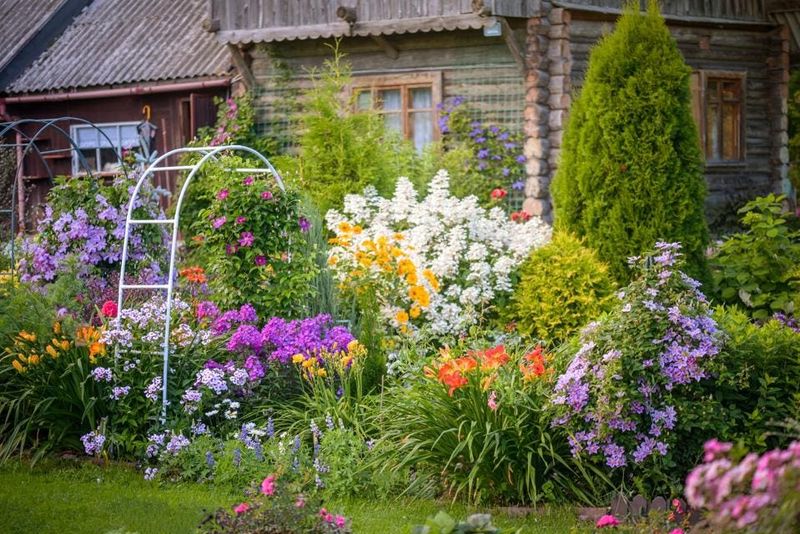
A cohesive theme ties a landscape together, creating a unified look. Mixing too many styles or plant types can result in a disjointed appearance.
Choosing a theme helps in selecting complementary plants and decorations. Avoiding too much variety keeps the design consistent. A mismatched garden can seem chaotic, while a well-thought-out theme enhances its appeal. Ensuring that all elements work together harmoniously creates a more inviting and aesthetically pleasing environment.
12. Neglected Water Features
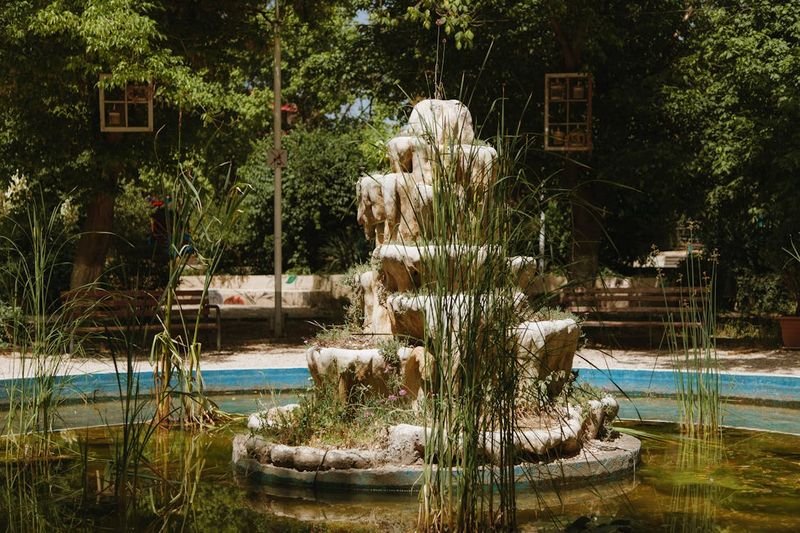
Water features add tranquility to a garden, but when neglected, they can become eyesores. Algae buildup and murky water indicate a lack of maintenance. Regular cleaning and proper filtration keep water features clear and inviting.
Surrounding plants should be trimmed to enhance the feature’s beauty. A well-maintained fountain or pond is a stunning focal point, while neglect can lead to an unattractive, stagnant pool. Attention to detail ensures the water feature complements the overall landscape design rather than detracting from it.
13. Improper Lighting
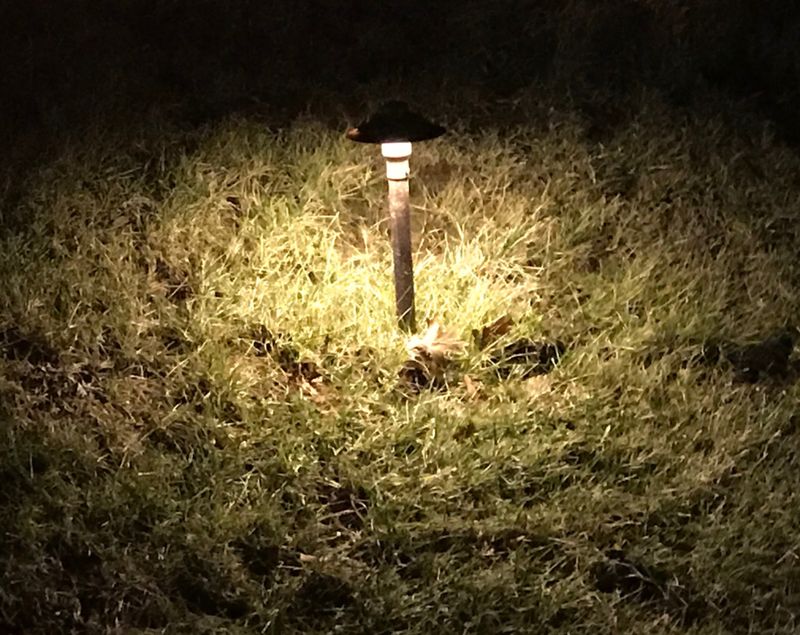
Lighting transforms a garden at night, but improper placement can create harsh glare or leave areas too dark. Strategic lighting highlights key features and ensures safety.
Using soft, focused lights enhances a serene atmosphere. Overly bright or misaligned lights can be disruptive rather than decorative. Adjusting lights to highlight pathways and focal points creates a balanced and enchanting evening garden. Proper lighting design enhances the landscape’s beauty long after the sun sets.
14. Unpruned Shrubs
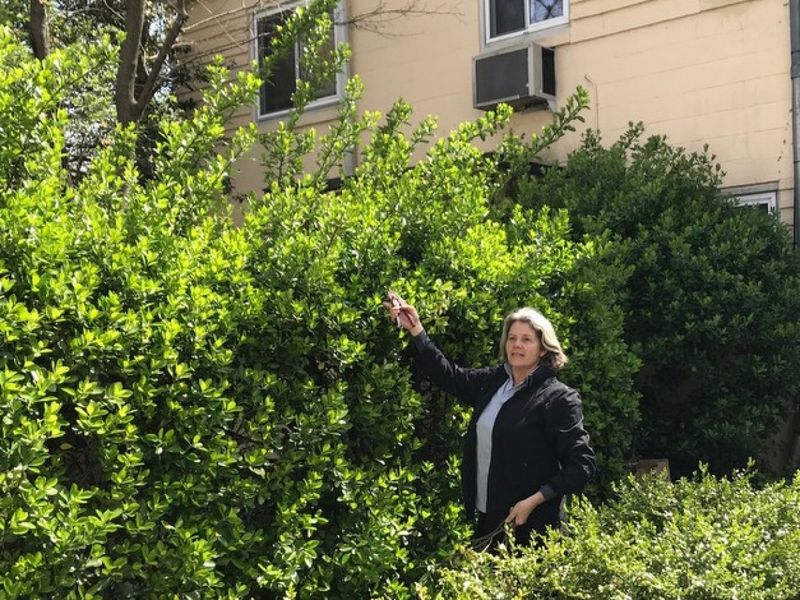
Shrubs can frame a home beautifully, but when unpruned, they become unruly and obscure views. Regular trimming keeps them in shape and encourages healthy growth.
Overgrown shrubs can block windows and pathways, making spaces feel cramped. Pruning them enhances their natural shape and allows light to reach other plants. Well-maintained shrubs enhance curb appeal and contribute to a tidy, inviting landscape.
15. Cracked Walkways
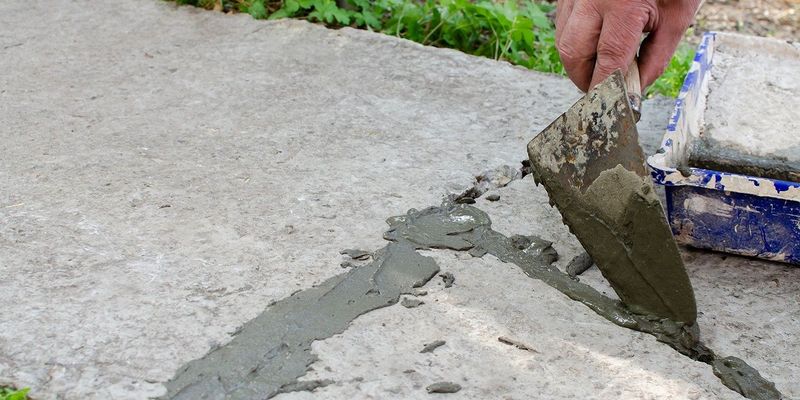
Walkways should provide smooth passage, but when cracked and filled with weeds, they detract from a garden’s appeal. Regular maintenance includes repairing cracks and clearing weeds.
Using durable materials like stone or concrete ensures longevity. A pristine walkway invites exploration and complements the garden’s beauty. Neglecting this maintenance task can result in a hazardous and unsightly path. Keeping walkways in good condition enhances safety and aesthetics.
16. Wrong Plant Choices
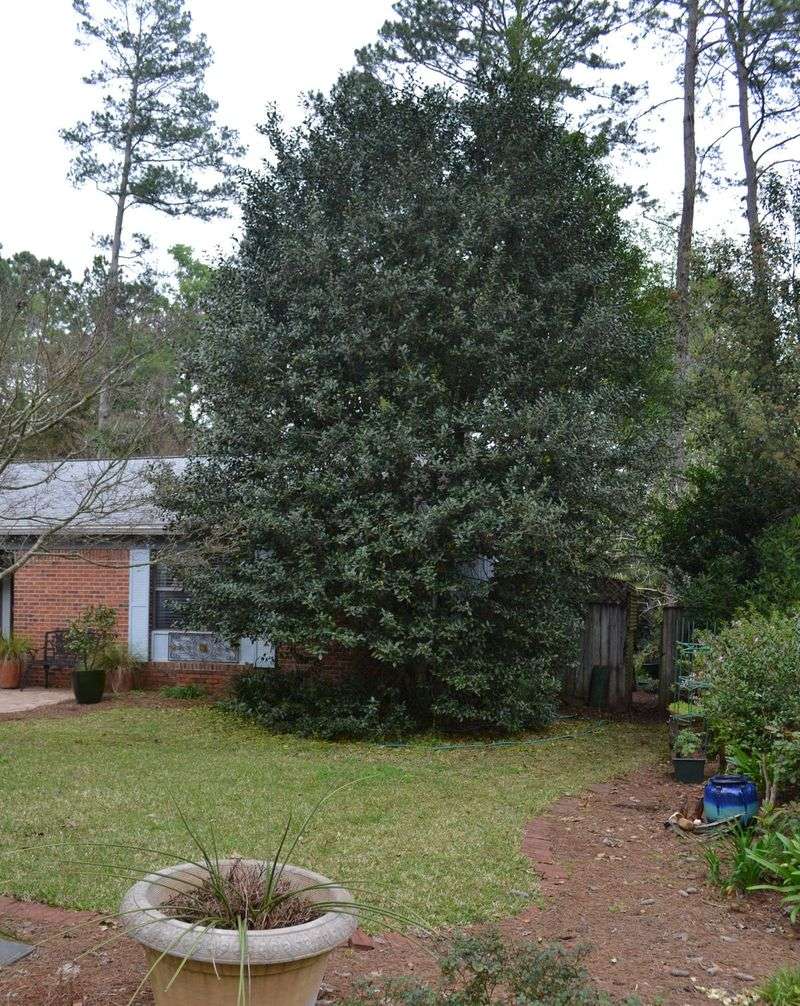
Selecting the wrong plants for the environment can lead to dismal results. Sun-loving plants in the shade struggle to thrive, while shade plants in full sun can scorch.
Understanding each plant’s needs ensures they flourish. Choosing plants suited to the local climate and soil enhances their beauty and the garden’s overall vitality. The right plant choices create a lush, thriving landscape. Mismatched plants, however, highlight neglect and poor planning.
17. Oversized Lawn Decor

Large lawn decorations can overwhelm a garden, drawing attention away from its natural beauty. Oversized statues or structures may appear out of place, disrupting the garden’s balance.
Choosing appropriately sized decor that complements the landscape enhances visual appeal. Subtlety often works best, allowing the garden’s flora to be the main attraction. Thoughtful scale and placement of decorations ensure they enhance rather than detract from the garden’s charm.
18. Unbalanced Color Schemes
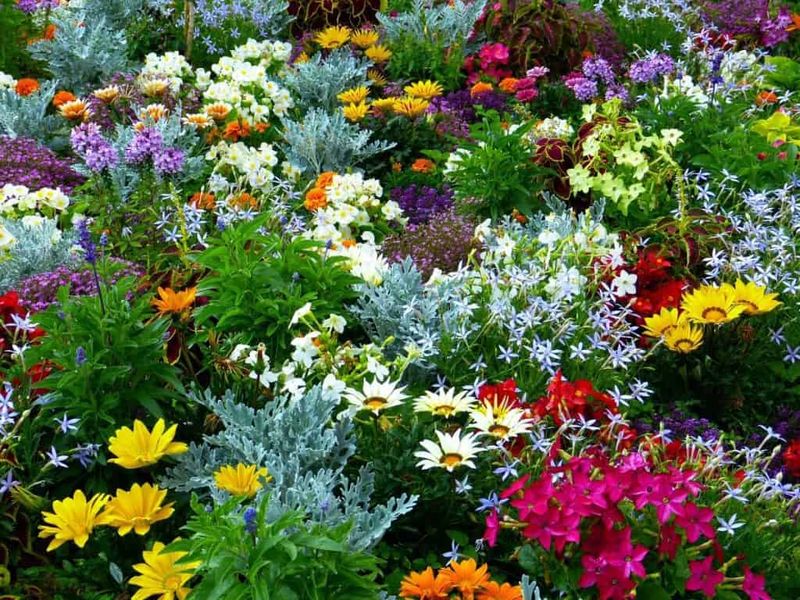
Color brings vibrancy to a garden, but an unbalanced scheme can be jarring. Clashing colors in flower beds disrupt the visual harmony.
Choosing a complementary color palette helps create a cohesive and pleasing appearance. Consistency in color choices enhances the garden’s aesthetic appeal. Too many contrasting colors can appear chaotic rather than lively. Thoughtfully selecting and arranging colors elevates the garden’s beauty, ensuring it feels unified and inviting.