 Complete Gardening
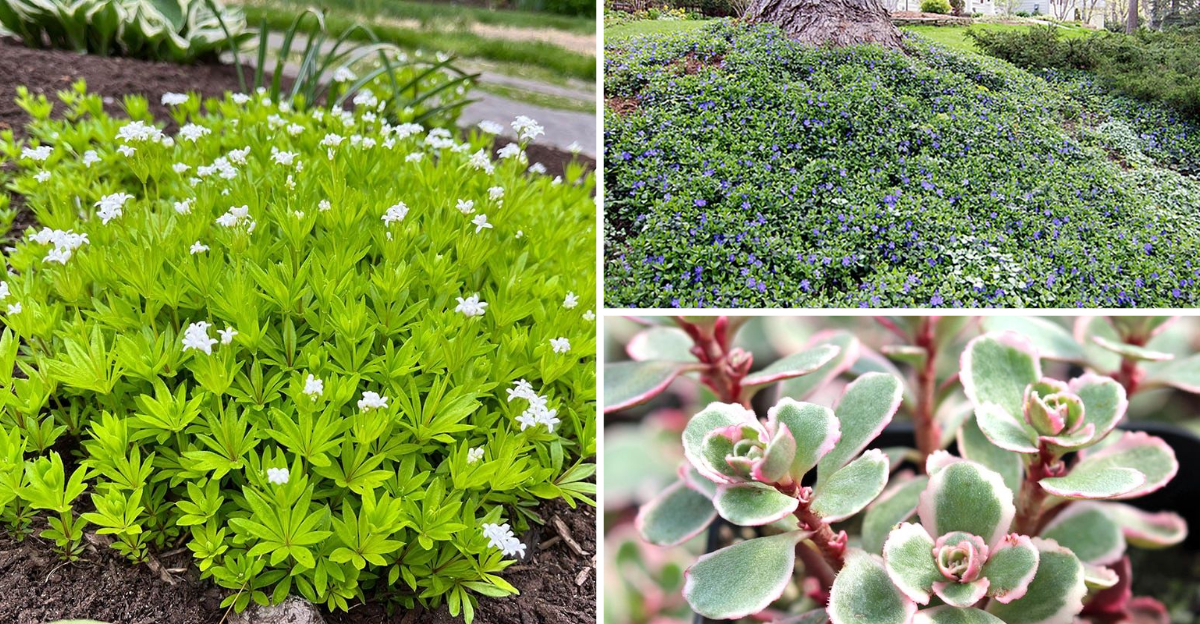
Ground covers are essential for maintaining a lush, weed-free garden. They not only add beauty and texture but also play a crucial role in suppressing weed growth. Here, we explore 18 fast-growing ground covers that can help you achieve a vibrant and low-maintenance landscape.
1. Creeping Thyme
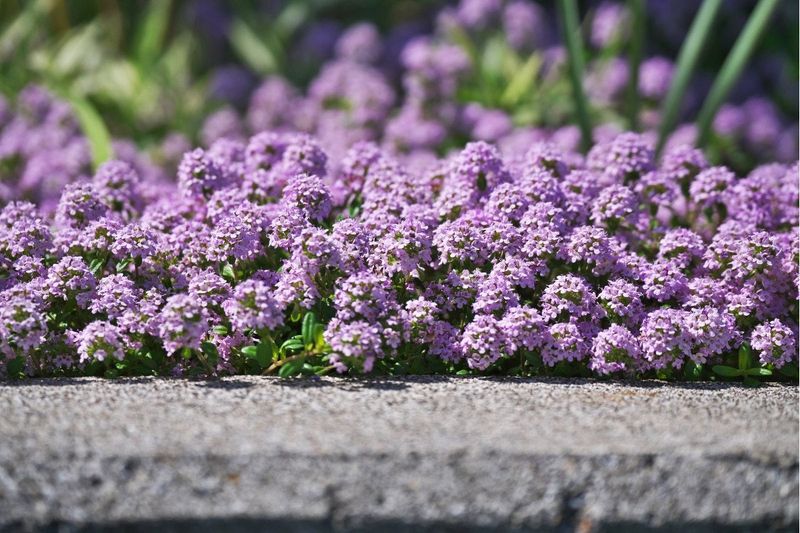
Creeping Thyme, known for its aromatic foliage, forms a dense mat that quickly fills in spaces. Its tiny purple flowers attract bees, adding life to your garden. With a low-growing habit, it needs minimal care and thrives in sunny spots. Its drought resistance makes it perfect for rock gardens. Does your garden need a splash of fragrance and color? This perennial does the job! Fun fact: In medieval times, Thyme was thought to bring courage to warriors. Today, it bravely defends gardens against weeds.
2. Ajuga Reptans
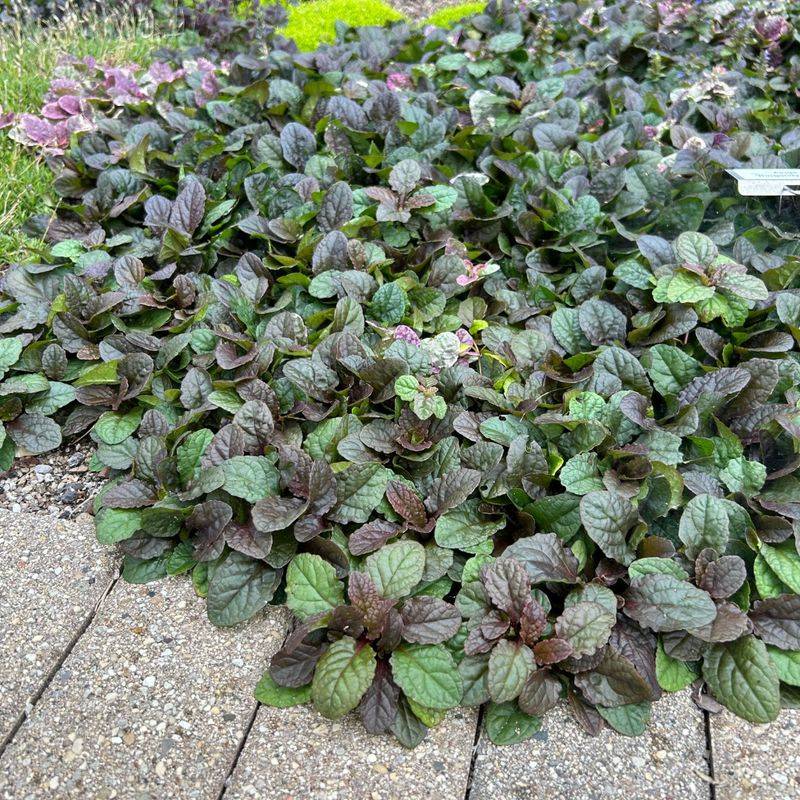
Ajuga Reptans, often called Bugleweed, stands out with its glossy, dark foliage and striking blue flower spikes. It creeps effortlessly, covering ground with a tapestry of colors. Perfect for shaded areas, it suppresses weeds with its vigorous growth. Looking for a touch of drama under trees? Ajuga’s textured leaves add depth. A quirky tidbit: Ajuga once served as a folk remedy for ailments. Now, it’s a hero in the fight against weeds, thriving where grass won’t.
3. Sedum Spurium
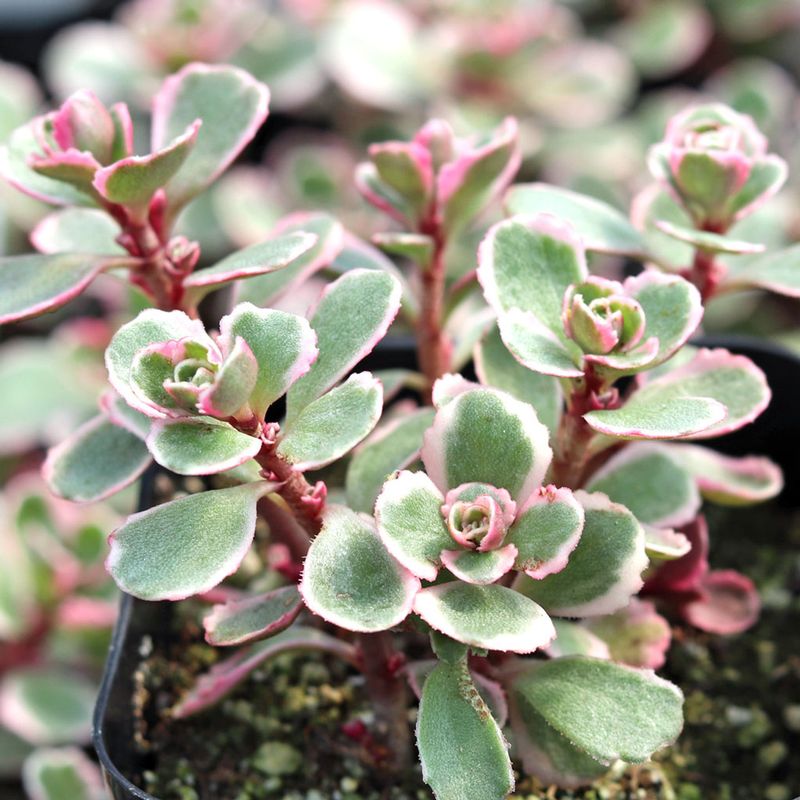
Sedum Spurium, often dubbed the “stonecrop,” is a resilient ground cover with fleshy, red-tinged leaves. It thrives in poor soil, making it ideal for rock gardens. Its star-shaped pink flowers add charm in summer, while foliage remains colorful year-round. Got a sun-drenched spot with poor soil? This plant’s your go-to! Historically, Sedum’s medicinal uses were as diverse as its growth habits. Today, it’s admired for its tenacity and ability to outgrow weeds.
4. Sweet Woodruff
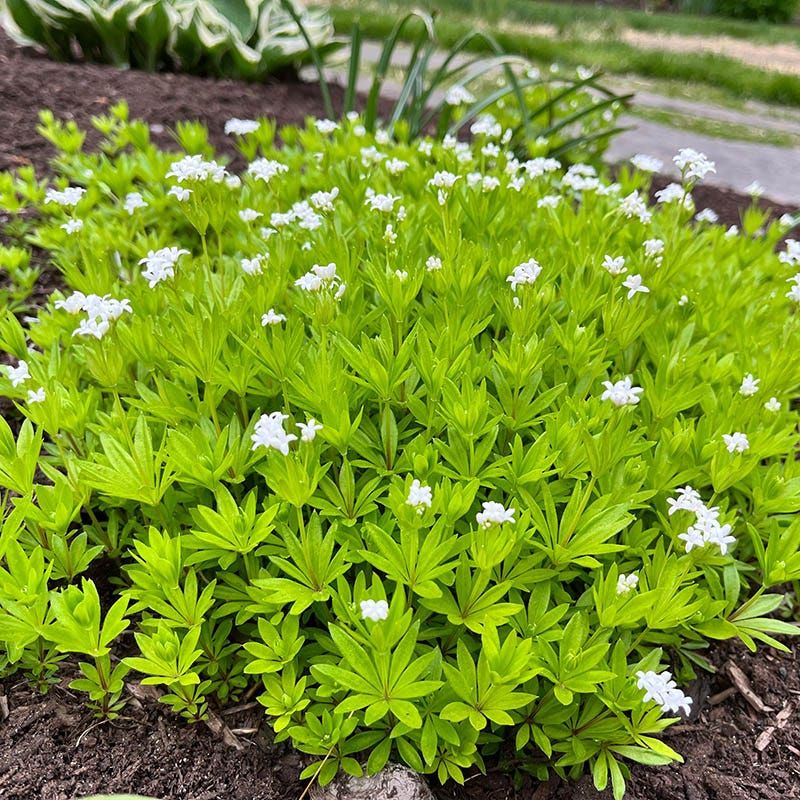
Sweet Woodruff enchants with its whorled leaves and delicate, white flowers. A favorite for shaded gardens, it forms a fragrant carpet, thriving where other plants falter. Its strong growth habit naturally suppresses weeds. Need serenity in your shade garden? Sweet Woodruff offers visual peace. Did you know? Medieval Europeans used it to freshen bedding. Today, its sweet scent and robust nature make it an ally against weeds.
5. Vinca Minor
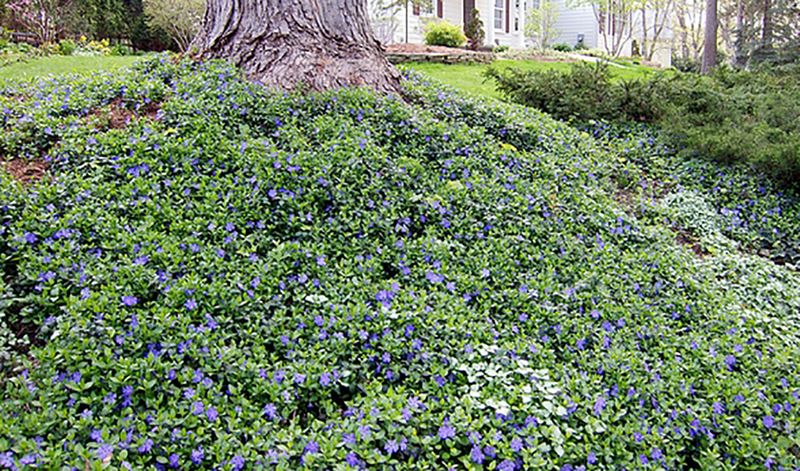
Vinca Minor, or periwinkle, is cherished for its evergreen foliage and charming blue flowers. It spreads rapidly, forming a dense mat that keeps weeds at bay. Perfect for difficult areas like slopes, it adds beauty with minimal effort. Need a hardy ground cover for troublesome spots? Vinca Minor is your answer. Intriguingly, it’s been used for its medicinal properties since ancient times. Today, its evergreen nature ensures year-round appeal.
6. Liriope
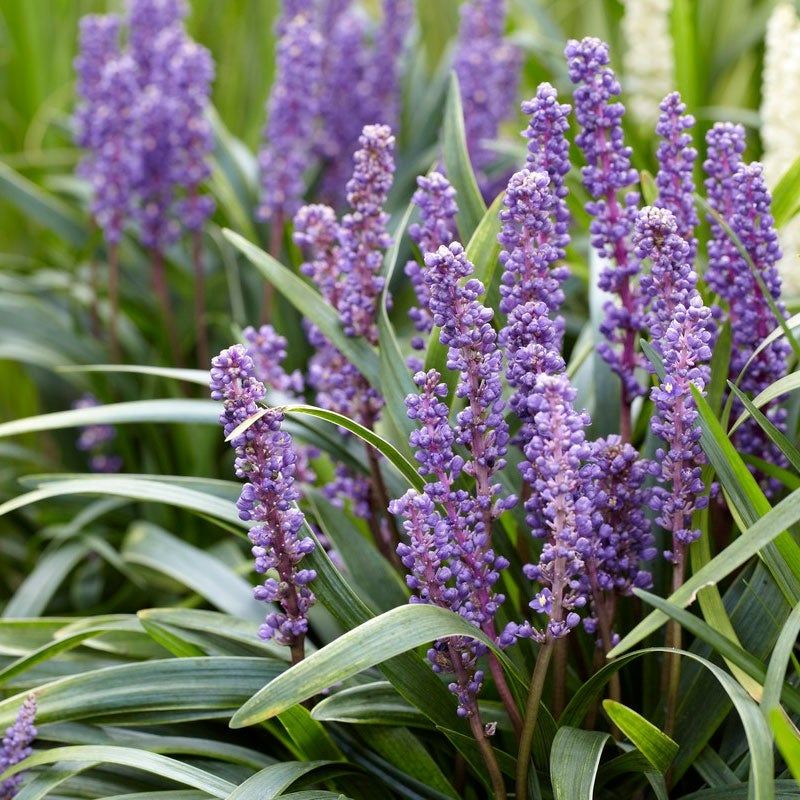
Liriope, often called lilyturf, boasts grass-like foliage and unique, spiky purple flowers. It’s perfect for borders and thrives in both sun and shade. Its dense growth habit chokes out weeds effortlessly. Do you desire a low-maintenance yet striking border plant? Liriope answers with elegance. Historically, it’s been a symbol of resilience and beauty. Today, its adaptability makes it a landscape favorite, offering texture and color year-round.
7. Pachysandra
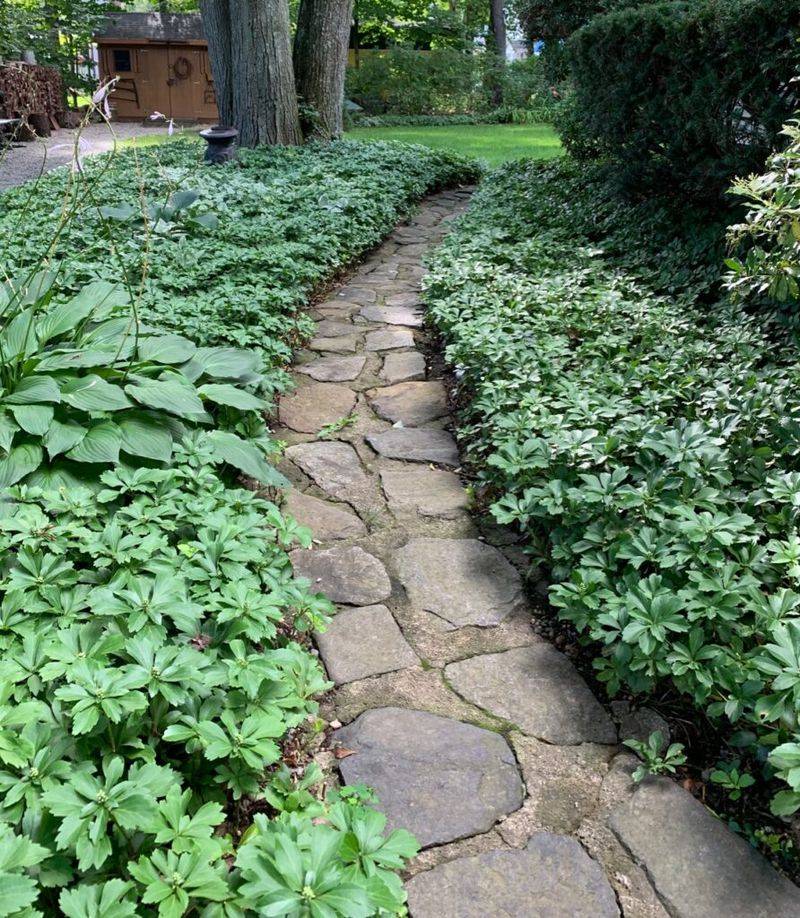
Pachysandra, with its lush, green foliage, excels in shaded areas where grass struggles. Its dense, low-growing nature makes it a champion against weeds. Seeking a reliable ground cover for those hard-to-fill shady spots? Pachysandra delivers with style. Fun tidbit: It was traditionally used in Japanese gardens for its serene appearance. Today, it provides a tranquil green carpet, maintaining beauty throughout the seasons.
8. Ivy (Hedera Helix)
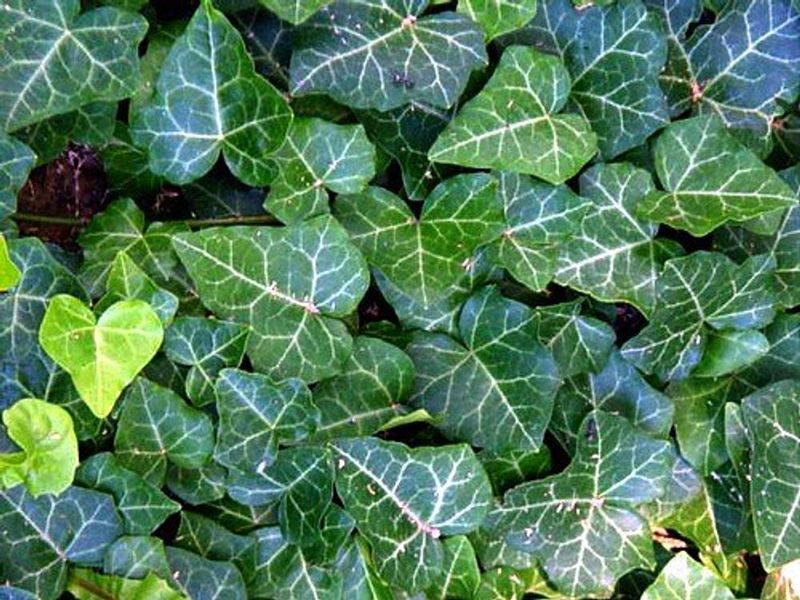
Ivy, or Hedera Helix, is a versatile ground cover known for its vigorous growth. It quickly covers unsightly areas, offering a lush, green backdrop. Perfect for urban settings, it thrives with minimal care. Need to cover an unsightly wall or fence? Ivy’s your go-to plant. A fun fact: Ivy has been associated with fidelity and eternity in ancient cultures. Today, it’s valued for its ability to transform dull spaces into green oases.
9. Lamb’s Ear
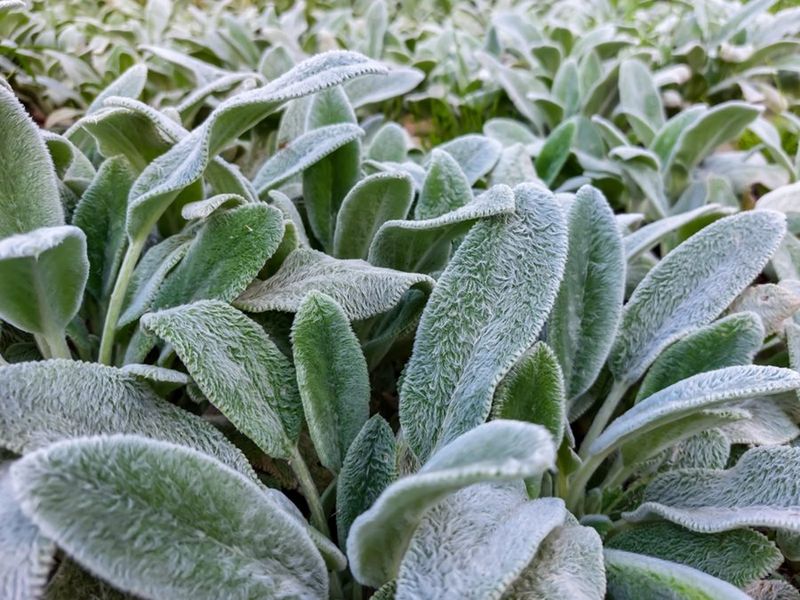
Lamb’s Ear delights with its soft, silvery leaves that invite touch. This ground cover thrives in sunlit areas, forming a thick mat that discourages weeds. Its unique texture makes it a favorite in sensory gardens. Do you want a plant that engages the senses? Lamb’s Ear does just that. Interestingly, it was once used as a natural bandage due to its soft texture and antiseptic properties. Today, it brings visual and tactile interest to gardens.
10. Mazus Reptans
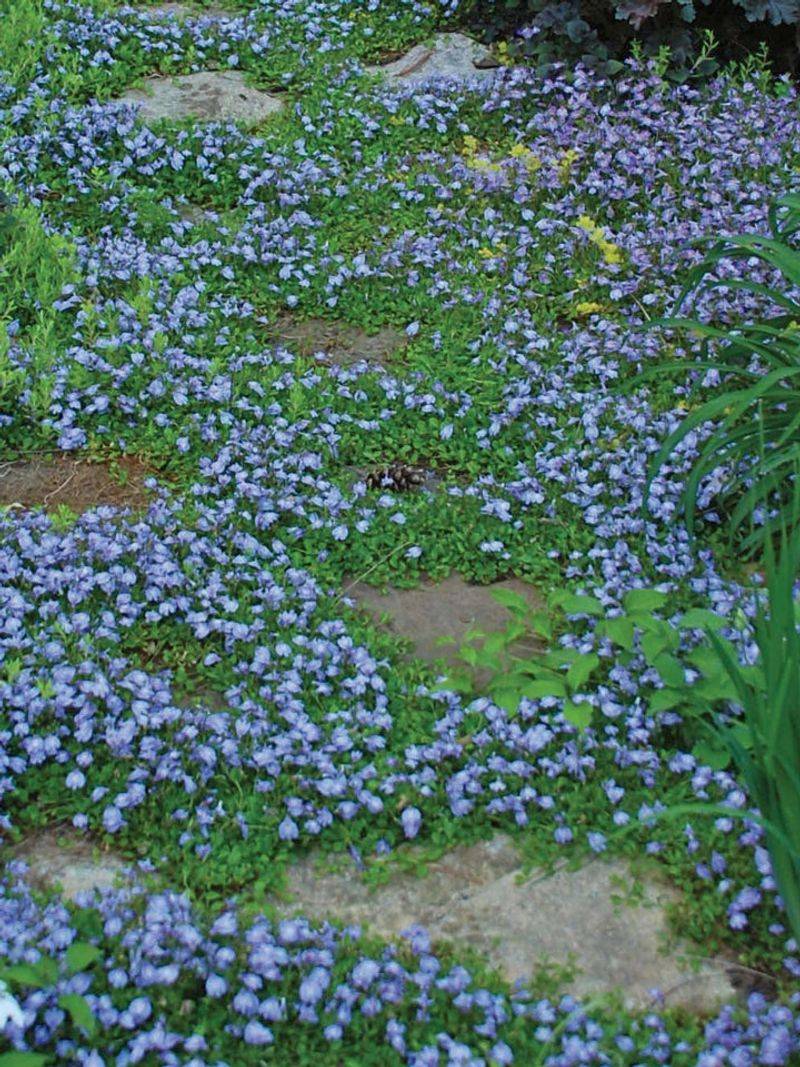
Mazus Reptans brings life to garden floors with its tiny purple blossoms. It thrives in moist environments, spreading rapidly to form a dense mat. Perfect for borders and pathways, it leaves no room for weeds. Looking to fill those damp garden areas? Mazus Reptans is your vibrant solution. Did you know? Despite its delicate appearance, it’s a tough contender in the garden. Today, it’s celebrated for its ability to create lush, weed-free expanses.
11. Creeping Jenny
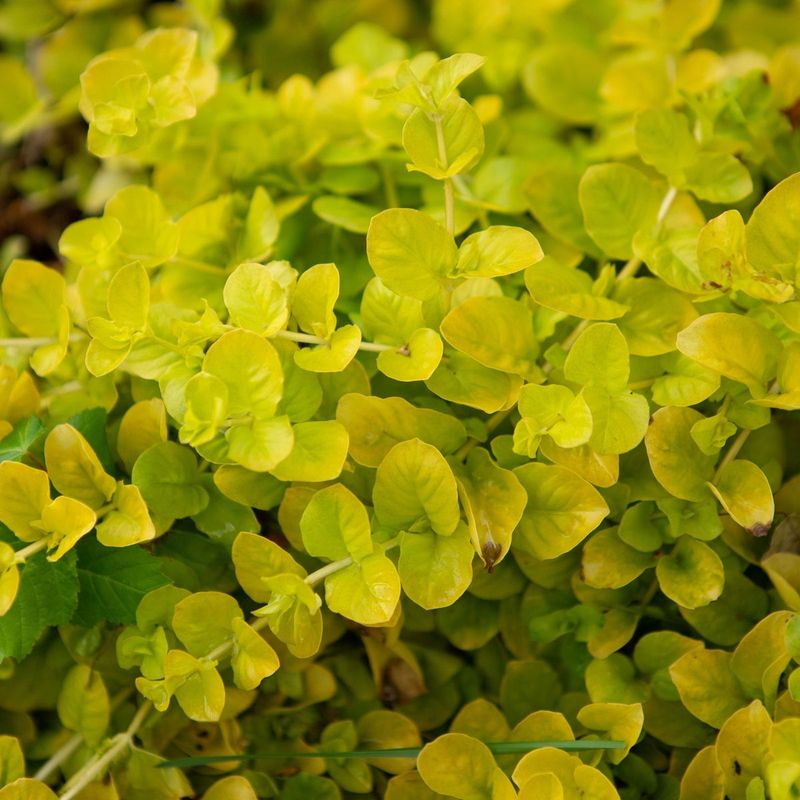
Creeping Jenny’s vibrant golden leaves create a striking carpet that brightens any garden. Its trailing nature makes it ideal for ground cover, spilling over edges with grace. This plant thrives in moist environments, making it perfect for areas needing erosion control. Not only is it visually appealing, but it also plays a critical role in choking out unwanted weeds, ensuring your garden stays tidy.
Interesting fact: Creeping Jenny is also known as Moneywort. Its ability to spread quickly makes it a favorite among gardeners seeking a low-maintenance solution for large areas.
12. Bugleweed
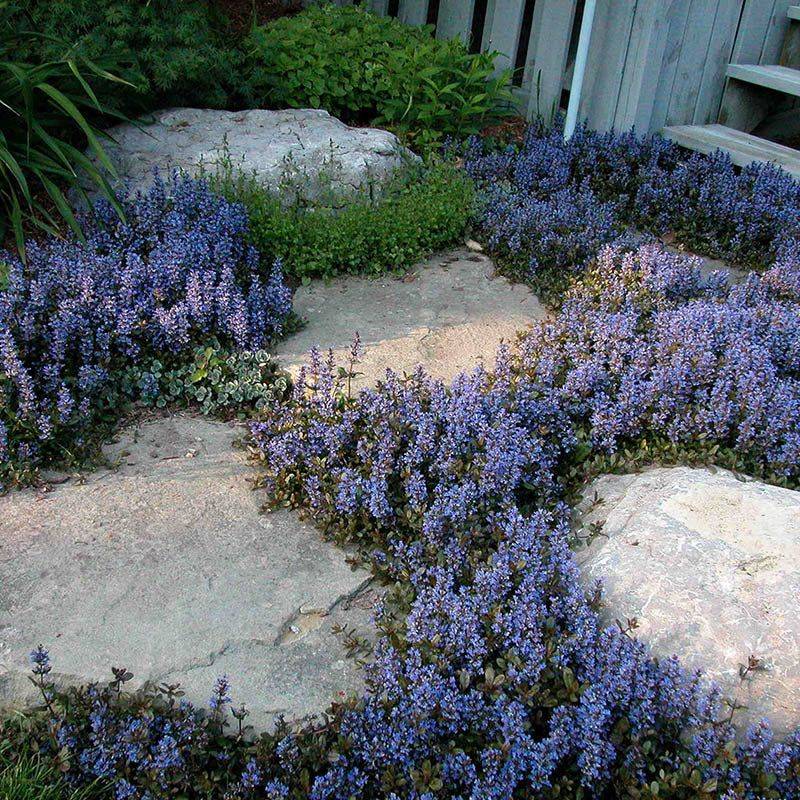
Bugleweed, with its eye-catching blue flowers, adds a splash of color to shady areas. Its resilience and adaptability make it a great choice for challenging spots. This vigorous grower quickly forms a dense mat, suppressing weed growth effectively. Each spring, it rewards gardeners with striking blooms that attract pollinators.
Did you know that Bugleweed is part of the mint family? Its aromatic leaves add an understated fragrance to your garden, enhancing the sensory experience of your outdoor space.
13. Clover
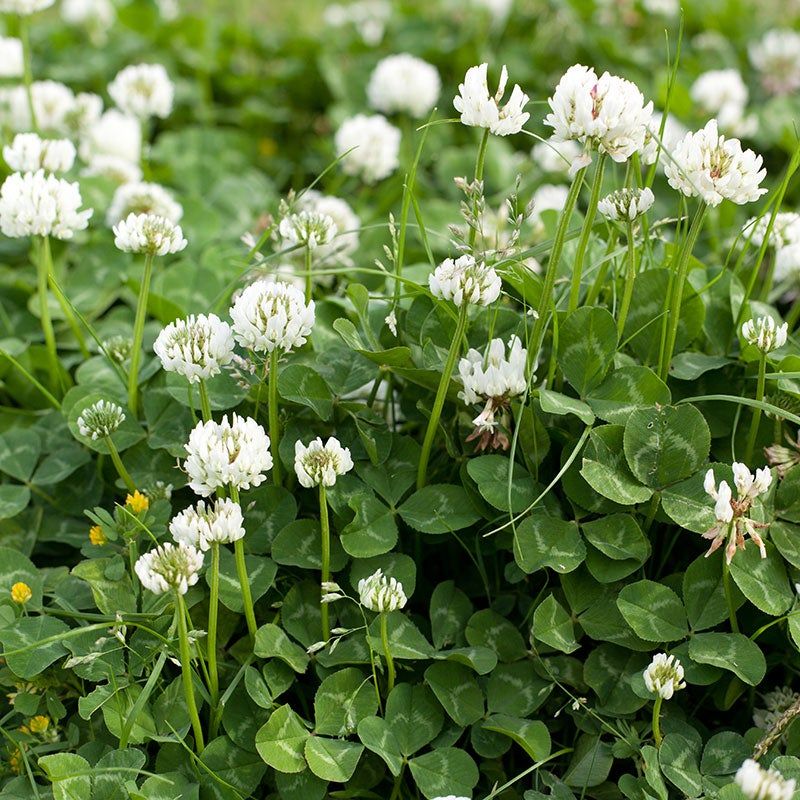
Clover, often overlooked, is a powerhouse in the garden. Its trifoliate leaves and charming white blooms offer both beauty and functionality. Known for its nitrogen-fixing abilities, Clover enriches the soil, benefiting surrounding plants. As a ground cover, it forms a thick layer, preventing weed growth with ease.
Clover has a long history of being considered lucky, especially when a four-leaf variant is found. Its resilience and ecological benefits make it a cherished addition to any eco-friendly garden.
14. Periwinkle
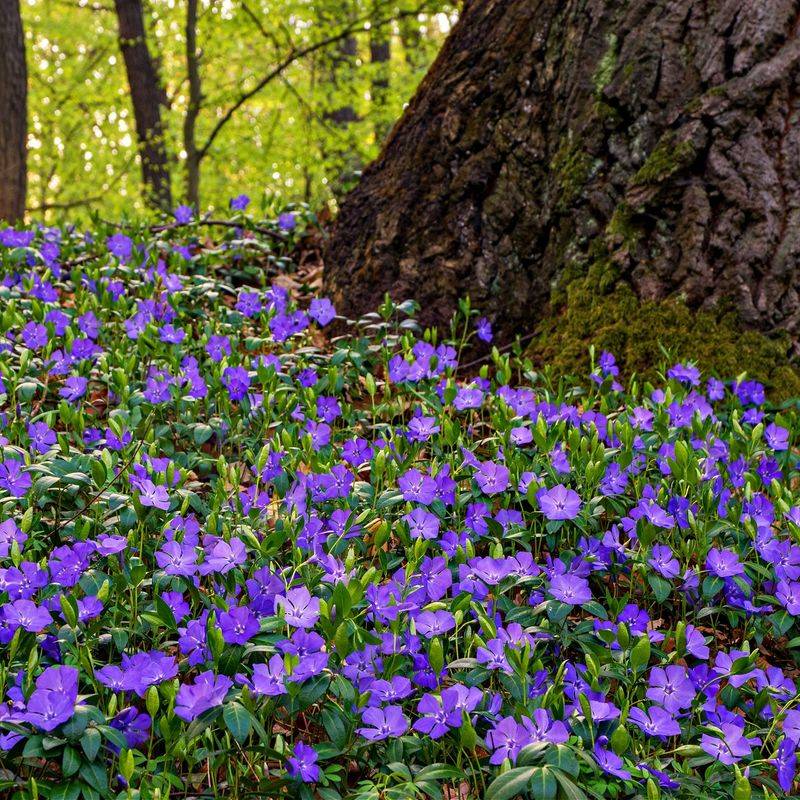
Periwinkle’s charming purple flowers and glossy leaves create an enchanting display. This vigorous grower is perfect for areas needing a quick, reliable cover. Its evergreen nature ensures year-round beauty, while its dense growth habit effectively crowds out weeds.
Fun fact: Periwinkle is often used in traditional medicines, highlighting its versatile utility beyond just aesthetic appeal. Its low-maintenance nature makes it a favorite for busy gardeners.
15. Fescue
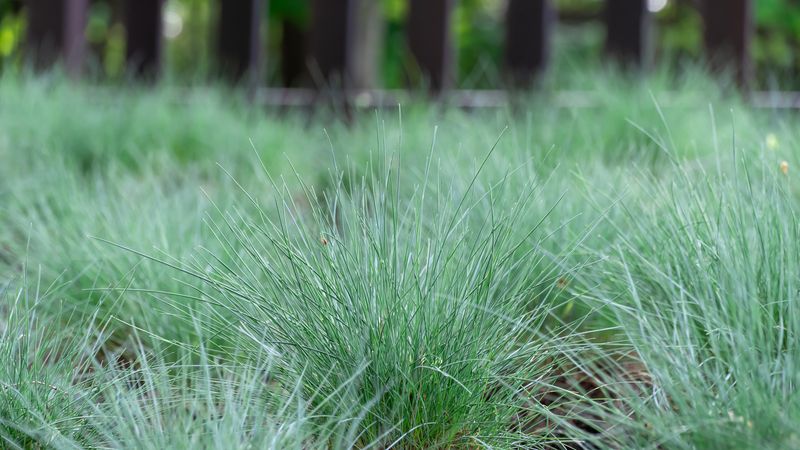
Fescue is not just a grass; it’s an elegant solution for covering large areas. Its fine blades create a soft, undulating sea of green that dances in the breeze. Fescue’s dense growth habit makes it effective at suppressing weeds, while its drought tolerance ensures it remains lush in various climates.
This ground cover is ideal for naturalistic gardens, providing a textured backdrop that complements other plantings. Its ability to thrive in poor soils adds to its appeal for sustainable landscaping.
16. Wild Ginger
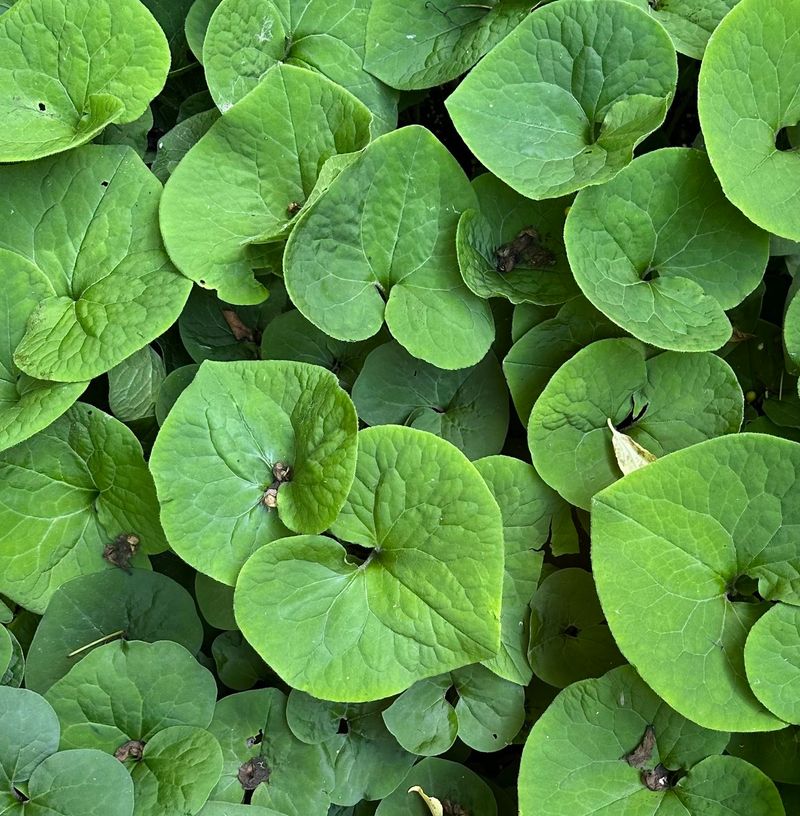
Wild Ginger, with its heart-shaped leaves, offers a unique texture in the garden. This native plant prefers shaded areas where it forms a dense mat, effectively suppressing weeds. Its earthy aroma adds a sensory dimension to your garden experience.
Historically, Wild Ginger was used by Native Americans for medicinal purposes, showcasing its cultural significance. Its ability to thrive in difficult conditions makes it a valuable addition to woodland gardens.
17. Baltic Ivy
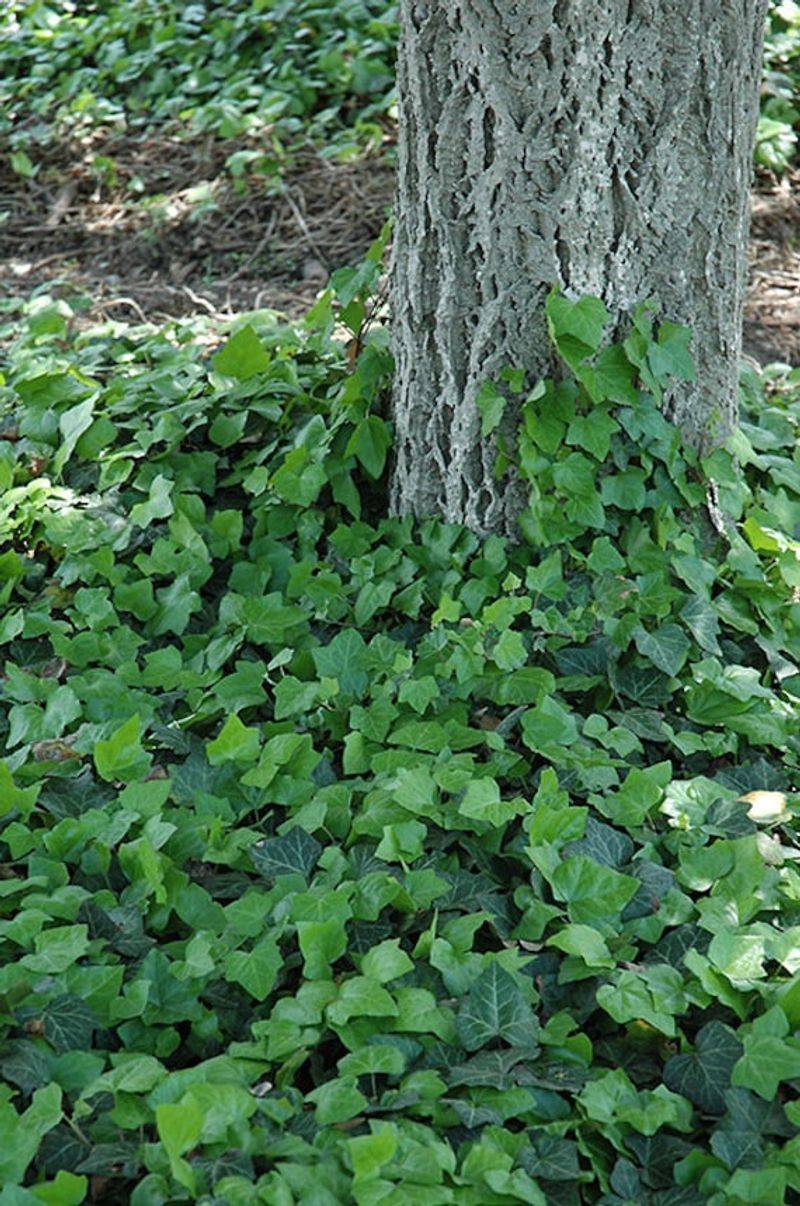
Baltic Ivy is a robust choice for those seeking fast coverage. Its glossy, deep-green leaves create a lush backdrop, making it a popular choice for shady areas. As an evergreen, it provides year-round interest and effectively chokes out weeds.
This ivy variant is less aggressive compared to its relatives, making it suitable for controlled environments. Its ability to climb and cascade offers versatility in landscaping, from ground cover to vertical greening.
18. Herniaria Glabra
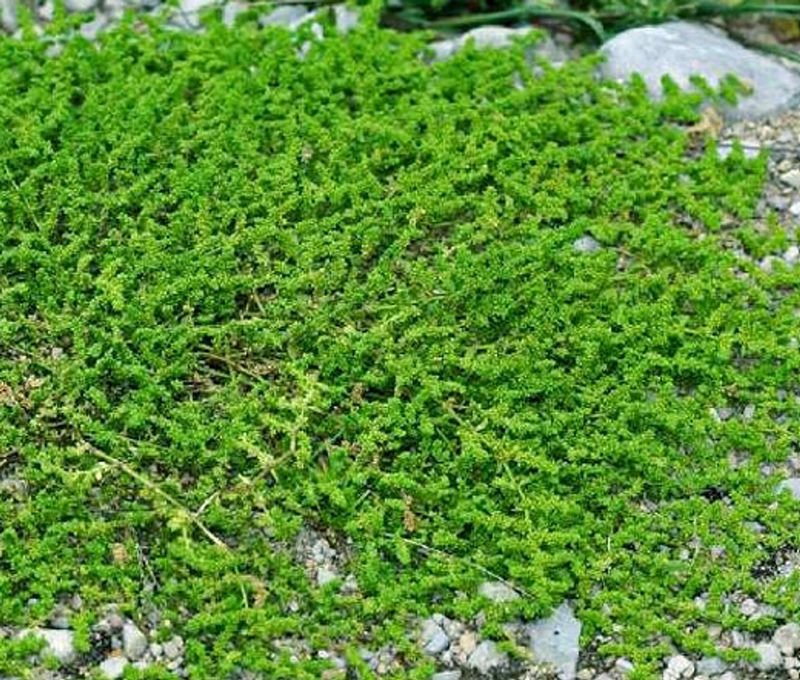
Herniaria Glabra, or Rupturewort, is a resilient ground cover perfect for hot, dry conditions. Its low-growing, dense mat of green foliage can withstand foot traffic, making it ideal for pathways. Its tiny flowers, while subtle, add charm during the blooming period.
This hardy plant was historically used in herbal remedies, highlighting its utility beyond ornamental purposes. Its ability to thrive in poor soils and resist drought makes it a practical choice for difficult landscaping areas.