 Complete Gardening
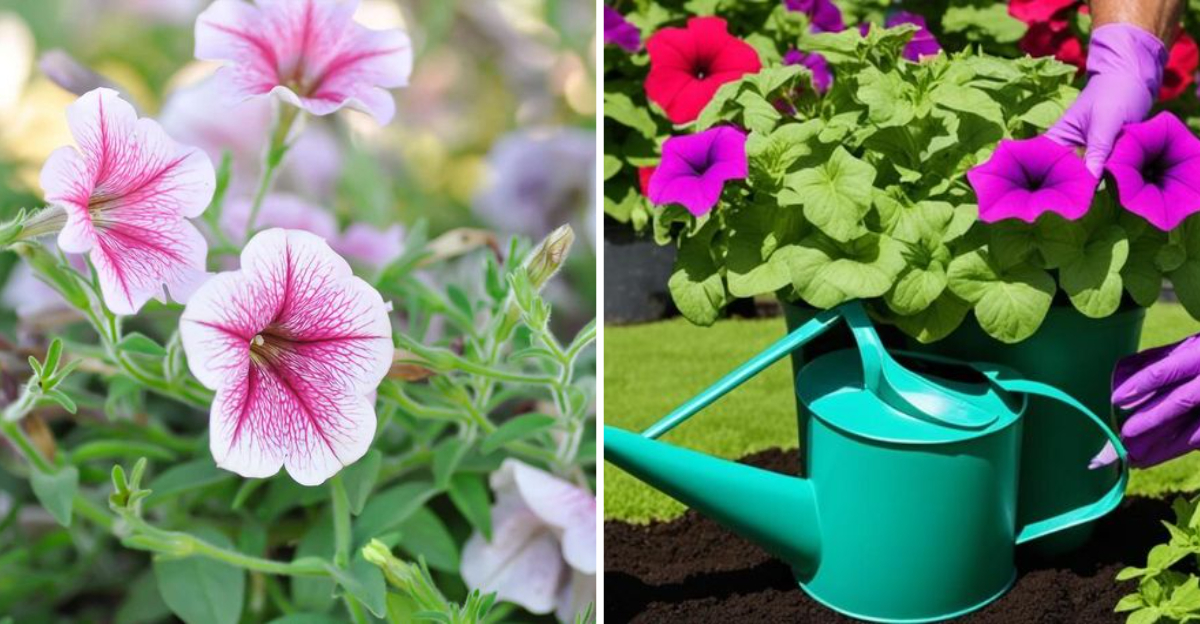
Petunias are one of the most beloved flowers for gardeners looking to add a splash of color to their landscapes. These vibrant blooms, known for their range of stunning hues, are relatively easy to cultivate, making them an ideal choice for both novice and experienced gardeners. Whether you’re planting a small bed or envisioning an entire field of petunias, the following tips will help you nurture these beautiful flowers to their full potential. From soil preparation to pest control, each step is crucial in ensuring your petunias thrive and transform your garden into a floral paradise.
1. Choosing the Right Variety
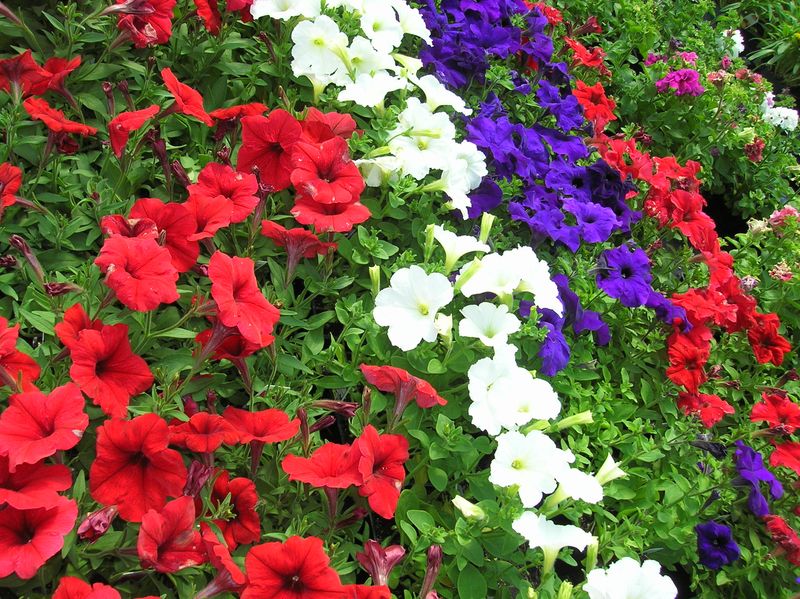
In the world of petunias, variety is the spice of life. With so many options, selecting the right one can be daunting. Consider your regional climate and the bloom colors you desire. Opt for wave petunias if you prefer cascading blooms. On the other hand, grandiflora petunias offer large, showy flowers that captivate with their vibrant displays.
Understanding the growth habits and appearance of each variety aids in making an informed choice. Whether you aim for a uniform color palette or a riotous mix, the right variety sets the foundation for a thriving petunia field.
2. Optimal Soil Preparation
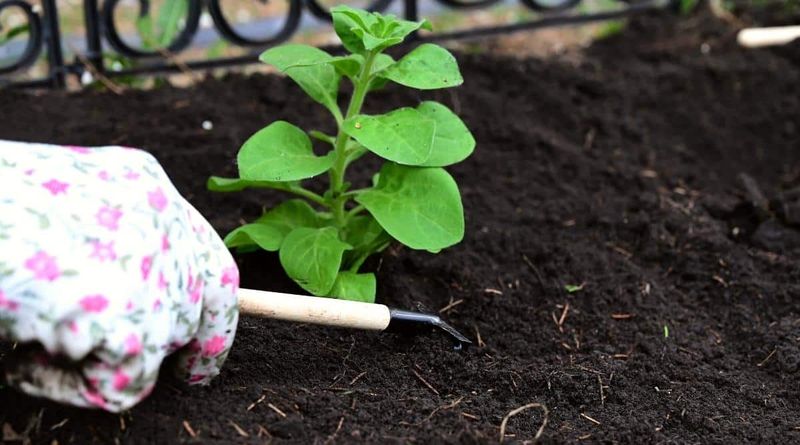
Soil preparation is pivotal for thriving petunias. Begin by selecting well-draining soil rich in organic matter. Amend the soil with compost or peat moss to enhance its fertility and drainage capabilities.
A slightly acidic to neutral pH level is ideal, so testing your soil beforehand can guide necessary adjustments. By ensuring the soil is loose and nutrient-rich, you provide a welcoming environment for petunias to flourish.
Incorporating these steps not only nurtures growth but also lays the groundwork for a resilient and vibrant petunia field that dazzles all season long.
3. Planting Timing and Techniques
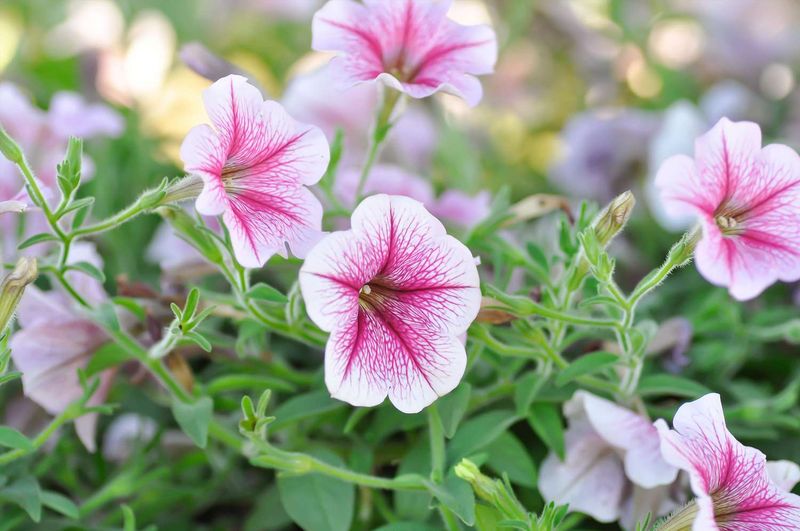
Timing is everything when planting petunias. Aim for late spring when the threat of frost has passed. Carefully space the seedlings to allow for airflow and root expansion.
Gently loosen the roots before planting to promote establishment. Proper technique ensures robust growth as petunias flourish under the sun’s gentle rays.
This attentiveness fosters a strong start, setting the stage for abundant blooms. By adhering to these planting strategies, your field of petunias will not only survive but thrive, turning your gardening endeavor into a colorful success story.
4. Consistent Watering Practices
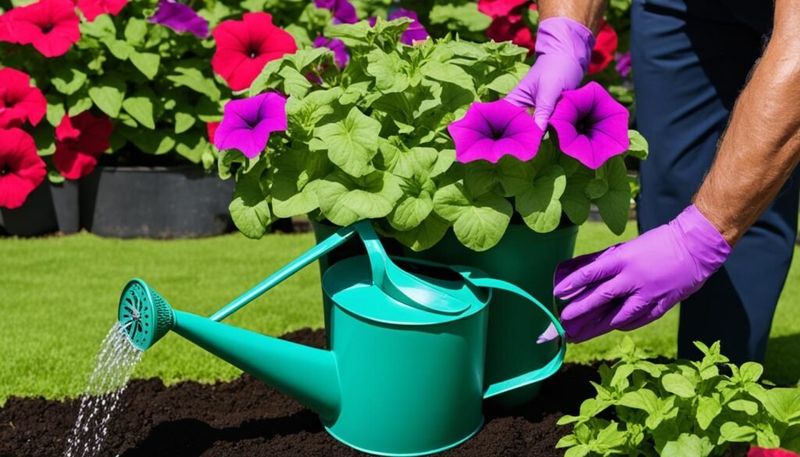
Watering petunias requires a balanced approach. Overwatering can lead to rot, while under-watering stresses the plants. Aim for consistent moisture, especially during dry spells.
Early morning watering allows foliage to dry in the sun, reducing disease risk. Adjust practices based on weather conditions, ensuring plants receive adequate hydration without waterlogged roots.
This balance is crucial for maintaining healthy, vibrant petunias that continue to bloom. By nurturing with consistent care, your petunia field will reward you with a cascade of colors that brighten any garden space.
5. Fertilization Strategies
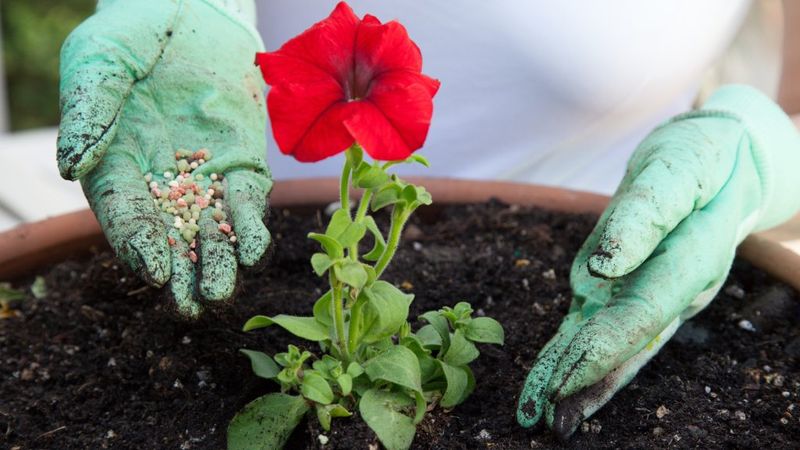
Fertilizing petunias enhances their growth and bloom potential. Begin with a balanced, slow-release fertilizer during planting to provide continuous nourishment.
Supplement with liquid fertilizers bi-weekly to support vigorous flowering. This combination encourages lush, colorful displays. Monitor plant response to avoid over-fertilization, which can hinder growth.
Adapting your strategy to the season’s needs ensures a stunning and sustained bloom. With these fertilization techniques, your petunias will thrive, creating a vibrant tapestry of color that enriches the garden’s aesthetic appeal.
6. Pest and Disease Control
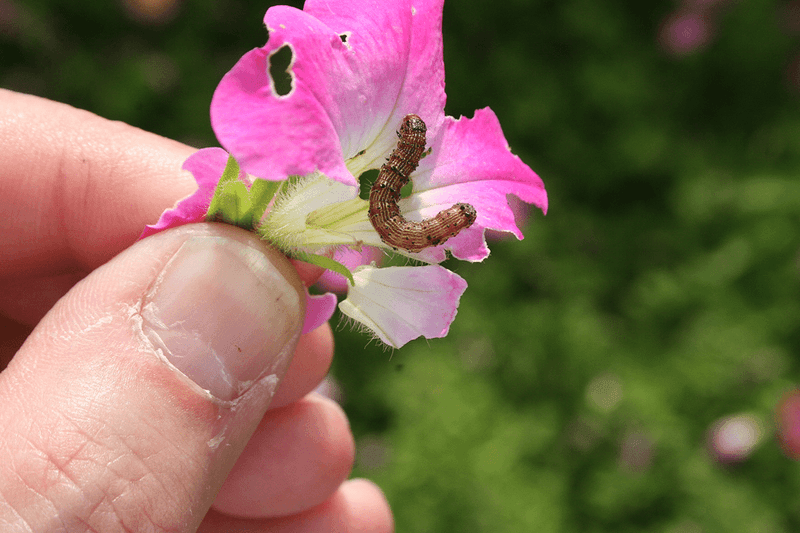
Petunias, while resilient, are not immune to pests and diseases. Vigilance is key to maintenance. Regularly inspect plants for aphids and caterpillars, common nuisances that threaten blooms.
Employ natural pest control methods, such as neem oil, to safeguard against infestations. Additionally, maintain a clean garden environment to deter fungal diseases.
Integrated pest management ensures a healthy, thriving petunia field. By actively monitoring and addressing issues, you protect your garden’s beauty and ensure continuous vibrant blooms throughout the growing season.
7. Pruning for Full Blooms
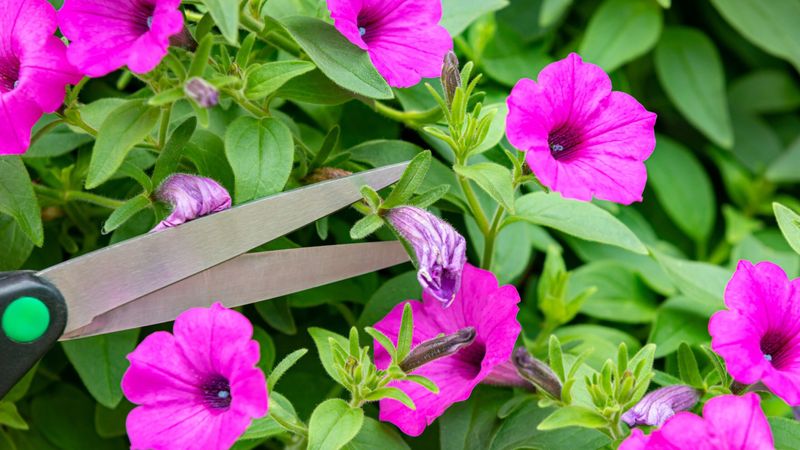
Pruning is essential for petunias to reach their full blooming potential. Regularly trim spent flowers to encourage new growth and prolong blooming periods.
Pinching back stems promotes bushier plants and more abundant flowers. While it might seem counterintuitive, removing blooms invigorates the plant, leading to a more vigorous display.
Integrating pruning into your routine leads to a petunia field that continuously delights. Keeping plants tidy and encouraging new growth ensures your garden remains a vibrant tapestry of color throughout the season.
8. Companion Planting Ideas
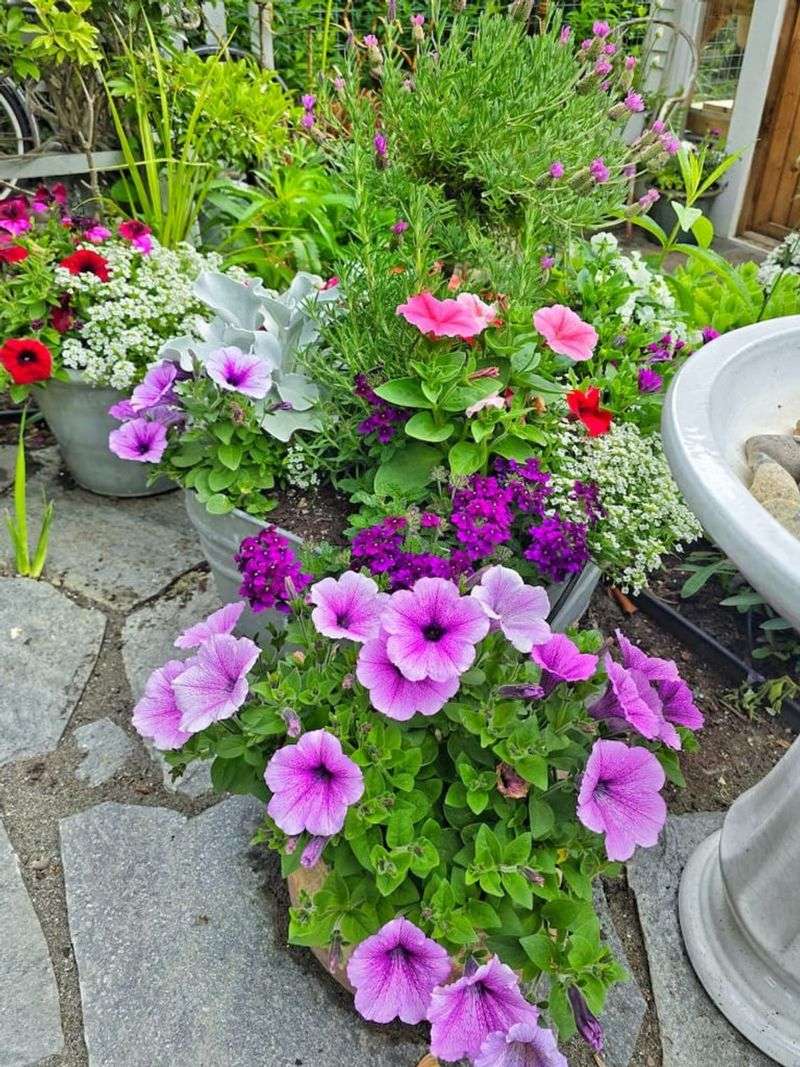
Companion planting enhances petunia growth and garden diversity. Pair petunias with marigolds or lavender for a symbiotic garden environment. Marigolds repel pests, while lavender attracts beneficial pollinators.
This strategic pairing not only protects but also enriches the garden’s ecosystem. The visual contrast of these plants adds layers of texture and color, creating a harmonious garden landscape.
Such thoughtful combinations elevate your gardening efforts, transforming a simple petunia field into a dynamic, thriving botanical tapestry that captivates with its beauty.
9. Mulching for Moisture Retention
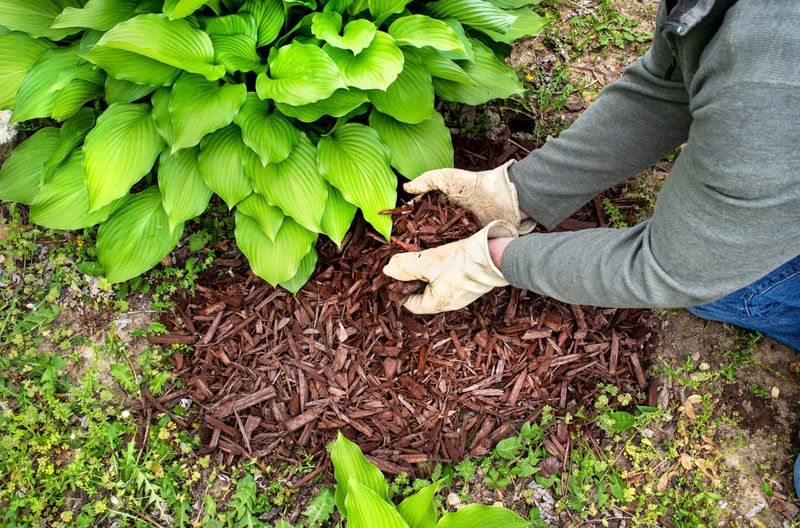
Mulching is a gardener’s ally in moisture retention and weed suppression. Apply a layer of organic mulch around petunias to conserve water and regulate soil temperature.
This protective barrier reduces evaporation and minimizes weed growth, allowing petunias to absorb essential nutrients without competition. Choose mulch that complements your garden’s aesthetic while enhancing growth conditions.
By incorporating mulching into your routine, you create an environment where petunias thrive, ensuring a lush and vibrant garden that requires less maintenance and yields abundant blooms.
10. Seasonal Care & Maintenance
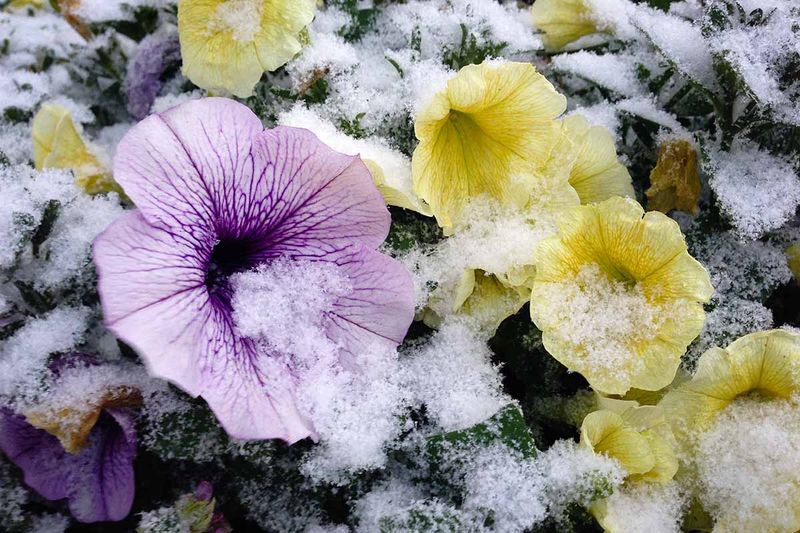
Seasonal care ensures petunias’ longevity and resilience. As seasons change, adapt your care routine. In autumn, prepare for winter by cleaning debris and covering plants to protect against frost.
Understanding each season’s demands allows you to support petunias year-round. Regular maintenance, like deadheading and seasonal pruning, aids in plant health and bloom cycles.
Adapting to the seasons leads to robust and enduring petunias. By recognizing and responding to seasonal needs, your garden remains a vibrant sanctuary, offering continual beauty regardless of the weather’s whims.
11. Petunia Color Coordination
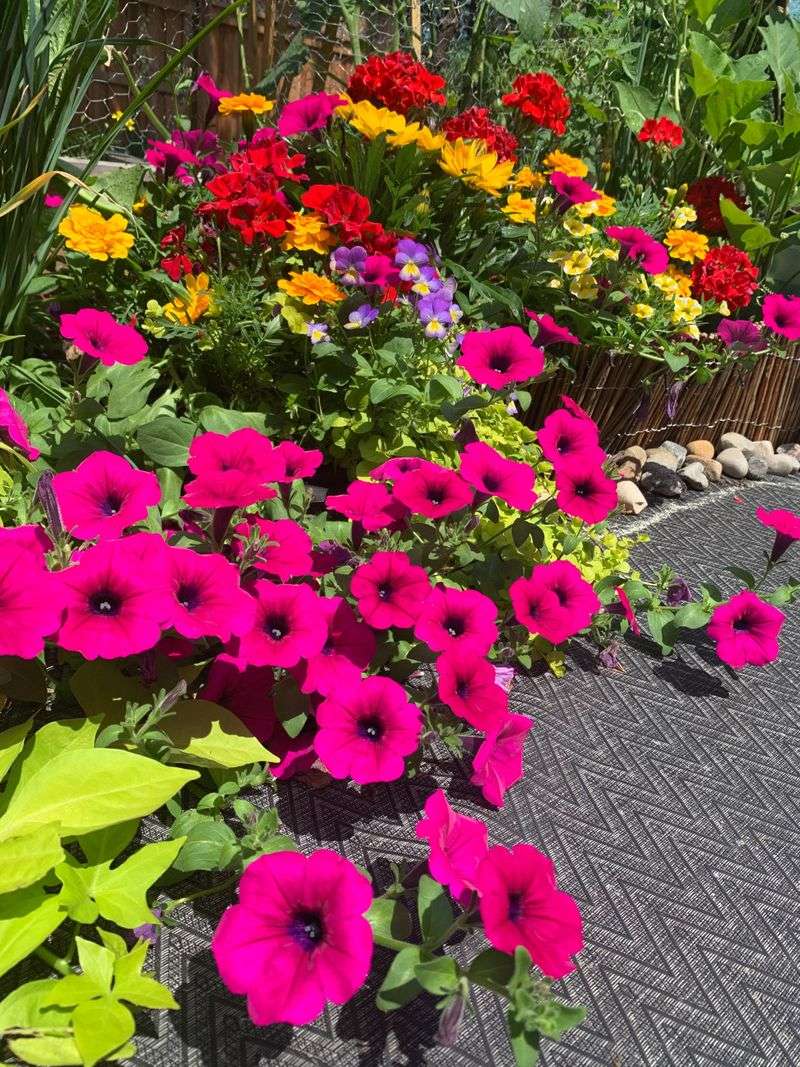
A field of petunias can become a masterpiece of color when you carefully select complementary hues. Consider arranging colors in a way that creates a gradient or a striking contrast. This visual appeal enhances the overall aesthetic of your garden. Playing with color not only attracts the eye but also supports pollinators who are drawn to specific shades.
Experiment with color patterns to see what best suits your garden’s personality. Mixing and matching tones can lead to unexpected beauty. Let your creativity guide you in creating a tapestry of color that celebrates the essence of petunias.
12. Using Trellises for Vertical Growth
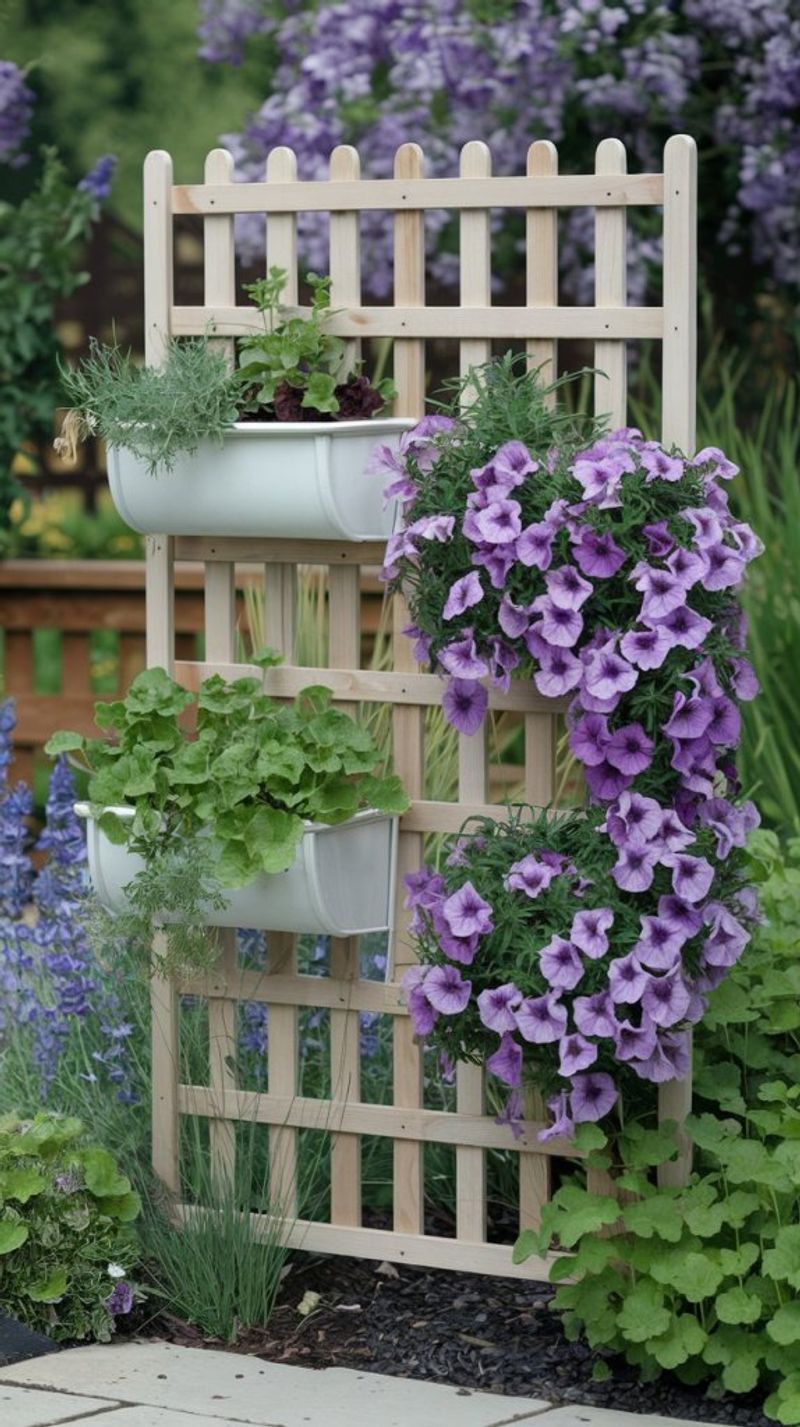
While petunias are typically known for spreading, they can thrive on trellises too. By training petunias to grow vertically, you can save space and add a new dimension to your garden. Vertical growth not only maximizes space but also enhances air circulation around the plants.
This method is especially useful in compact gardens where space is limited. Utilizing trellises can transform your petunia field into a dynamic vertical spectacle. It’s a unique approach that provides an engaging focal point, offering both functional and decorative benefits.
13. Incorporating Bird Baths
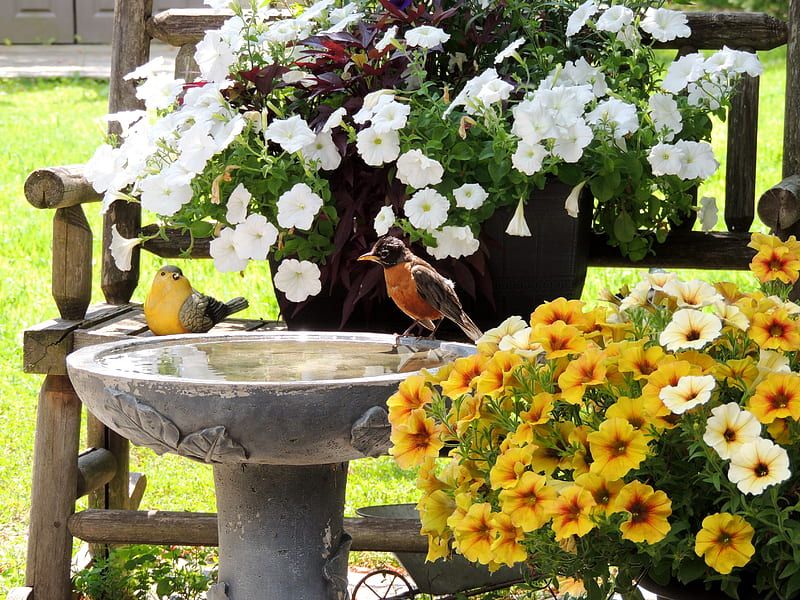
Integrating a bird bath among your petunias adds an element of life and movement. Birds are naturally attracted to water, and their presence can enhance the ecological balance of your garden. Watching birds flit among the flowers adds a dynamic feel.
The bird bath serves as both a decorative and practical feature, helping to control pests by encouraging birds to visit. This simple addition can transform your petunia field into a lively habitat. Consider positioning it for optimal visibility so you can enjoy the interplay of birds and blooms.
14. Creating Pathways with Petunias
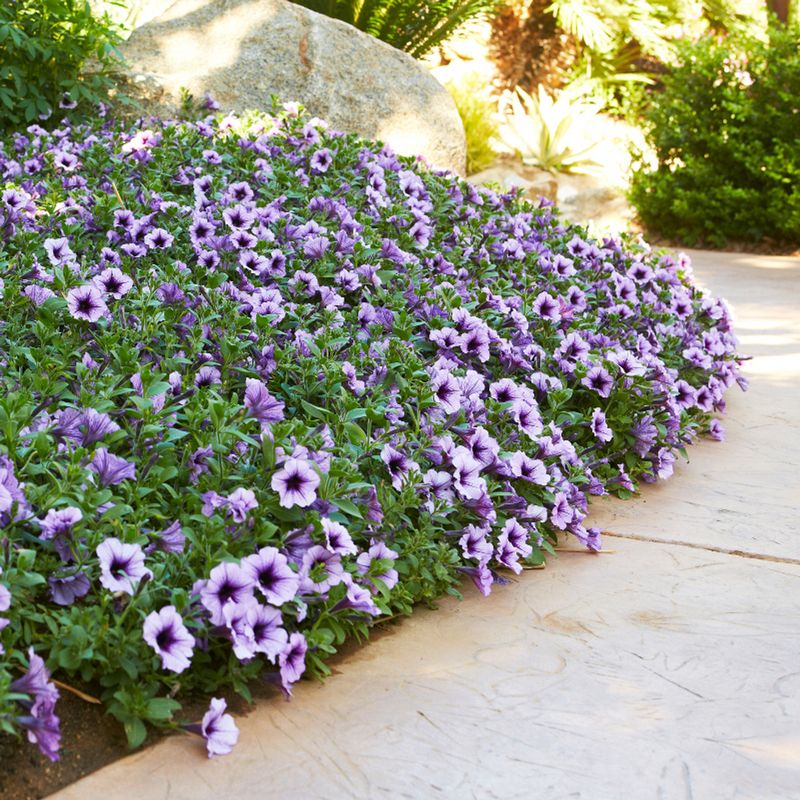
Designing pathways lined with petunias invites exploration and interaction within your garden. Strolling through a field of vibrant flowers provides a sensory experience, engaging sight and smell.
Pathways offer a structured way to enjoy the garden’s beauty up close. They encourage visitors to wander, discovering new perspectives and enjoying the blooms from different angles. A well-placed path not only organizes the garden but also enhances its accessibility and charm. It’s a simple yet effective way to elevate the overall garden experience.
15. Using Petunias for Ground Cover
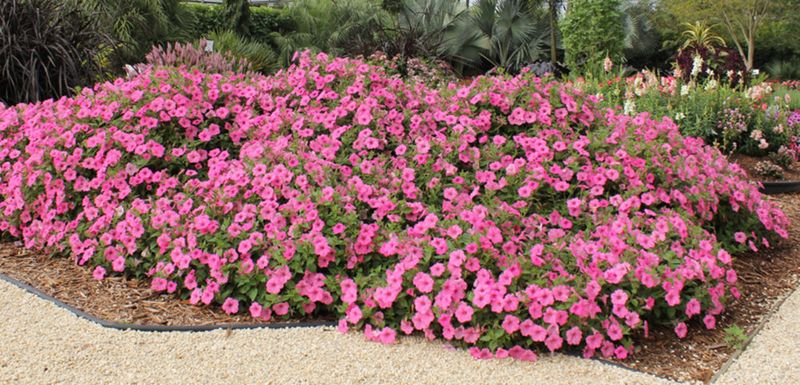
Petunias make excellent ground cover, providing dense foliage that suppresses weeds and retains moisture in the soil. Their lush growth habit covers bare spots, creating a seamless and visually pleasing environment.
This technique is particularly beneficial in larger gardens where uniformity is desired. By acting as a natural mulch, petunias help maintain soil health while beautifying the landscape. Ground cover planting with petunias offers a practical, aesthetic solution for gardeners looking to minimize maintenance while maximizing beauty.
16. Utilizing Wind Chimes for Natural Harmony
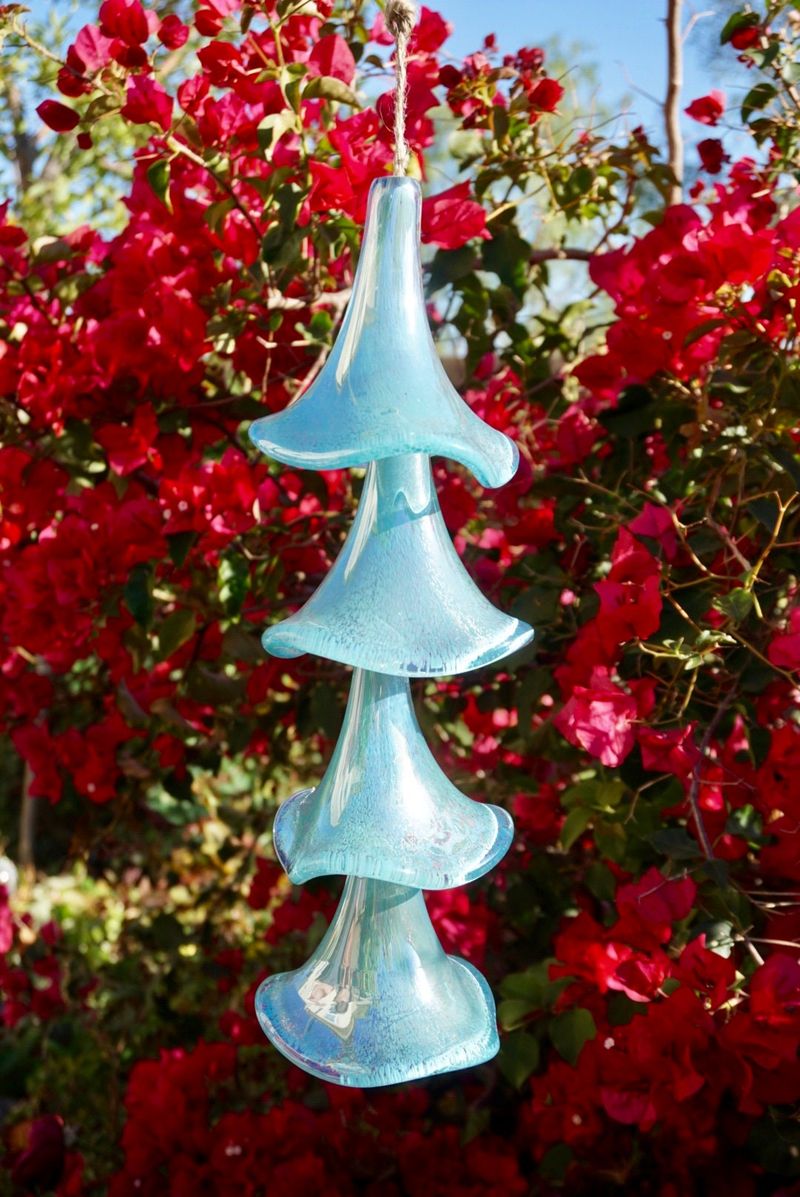
Wind chimes add an auditory dimension to the visual splendor of a petunia field. The gentle tinkling of chimes complements the vibrant colors, creating a soothing, multisensory experience.
Placed strategically, they not only enhance aesthetic appeal but also deter certain pests. This harmonious blend of sight and sound makes your garden a more inviting space. Wind chimes offer a way to personalize your garden, giving it character and charm. It’s about crafting an atmosphere that resonates with both you and nature.
17. Adding Night Lighting for Evening Delight

Extend the enjoyment of your petunia garden into the evening by incorporating subtle lighting. Solar-powered lights or lanterns can highlight the vibrant colors and create a magical ambiance.
Night lighting transforms the garden into an enchanting space, making evening strolls delightful. It enhances safety while providing a unique way to appreciate the garden’s beauty after sunset. This approach not only allows for nighttime enjoyment but also adds value to your garden’s design. It’s an invitation to experience the garden from a new perspective.
18. Implementing Rainwater Collection Systems
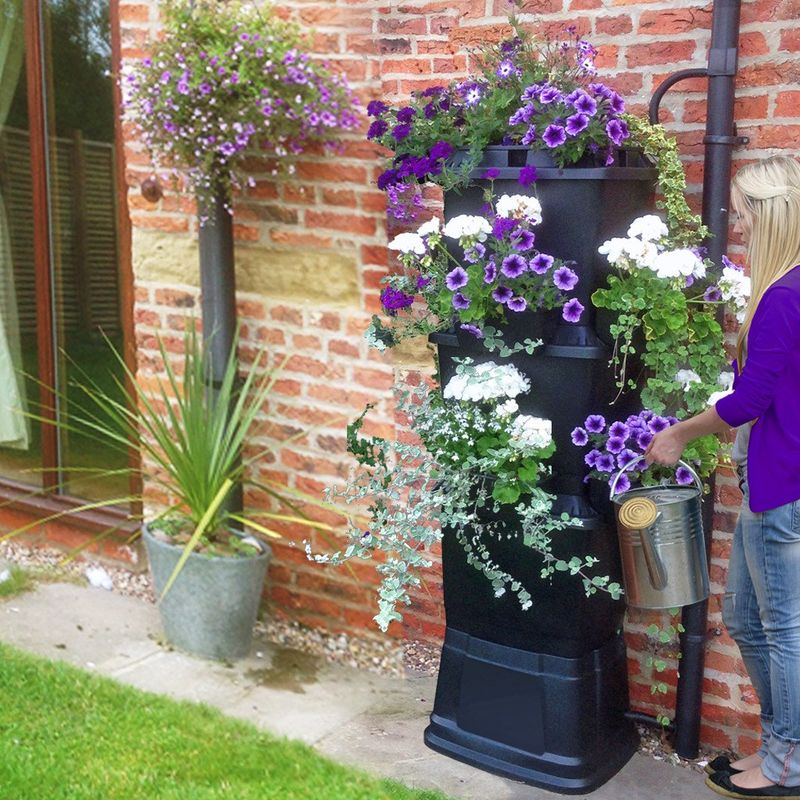
Save water and support sustainability by installing a rainwater collection system in your garden. Collected rainwater can be used to nourish your petunias, reducing reliance on municipal water supplies.
This eco-friendly practice not only conserves water but also provides plants with natural nutrients found in rainwater. It’s a practical solution that aligns with environmental stewardship, allowing your garden to thrive responsibly. Implementing such a system reflects a commitment to sustainable gardening, promoting a healthy ecosystem and reducing your garden’s ecological footprint.