 Complete Gardening
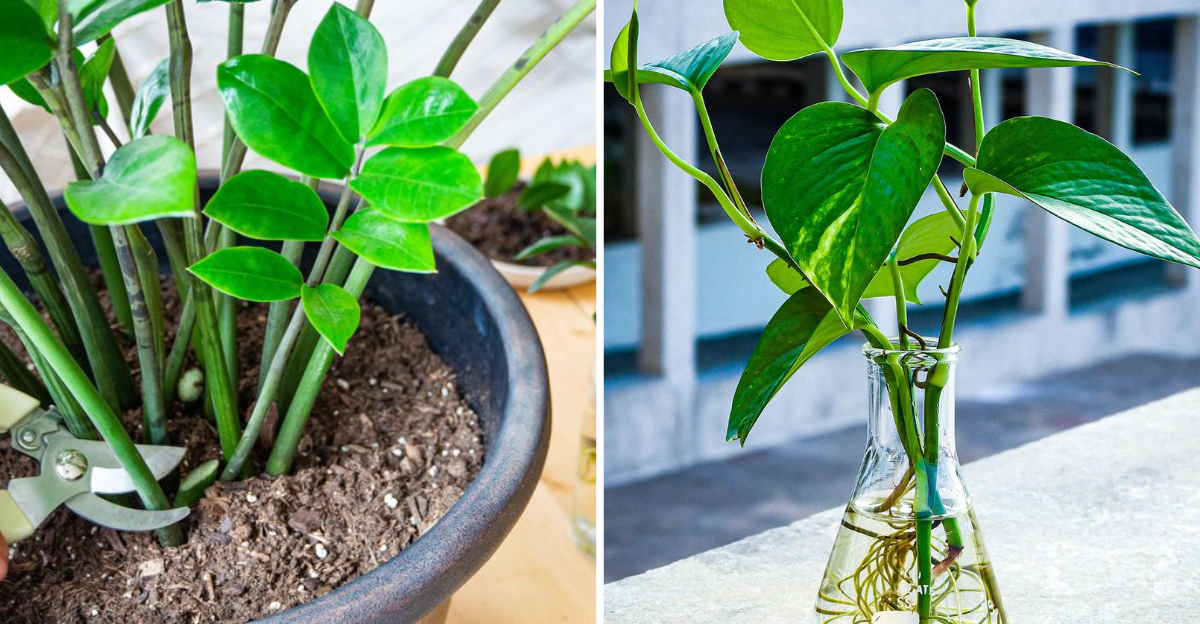
Houseplants not only beautify our homes, but they also bring a touch of nature indoors. Propagating plants is a rewarding and cost-effective way to expand your plant collection. Fortunately, many houseplants are easy to propagate, allowing even beginners to enjoy the satisfaction of growing new plants from cuttings or divisions. Below is a list of 18 houseplants that are particularly simple to propagate, each with a unique charm and personality.
1. Spider Plant
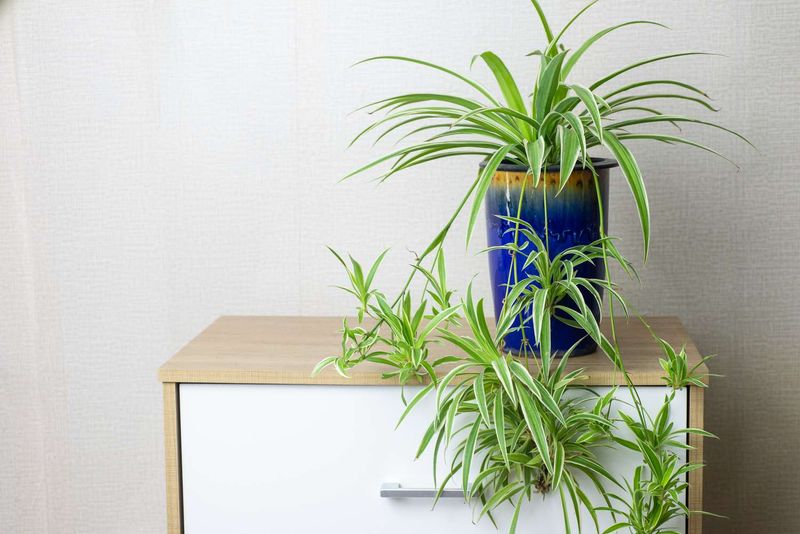
Spider plants are a delightful addition to any home, known for their unique appearance and ease of care. Their long, arching leaves create a graceful cascade, while tiny white flowers add a delicate touch. These plants produce small plantlets that can be easily snipped and rooted in water. Simply place them in a bright spot and watch them thrive. Perfect for beginners, spider plants are forgiving and resilient, requiring minimal attention. Keep them happy with occasional watering and indirect sunlight, and they will reward you with lush growth and new offspring ready to be shared.
2. Pothos
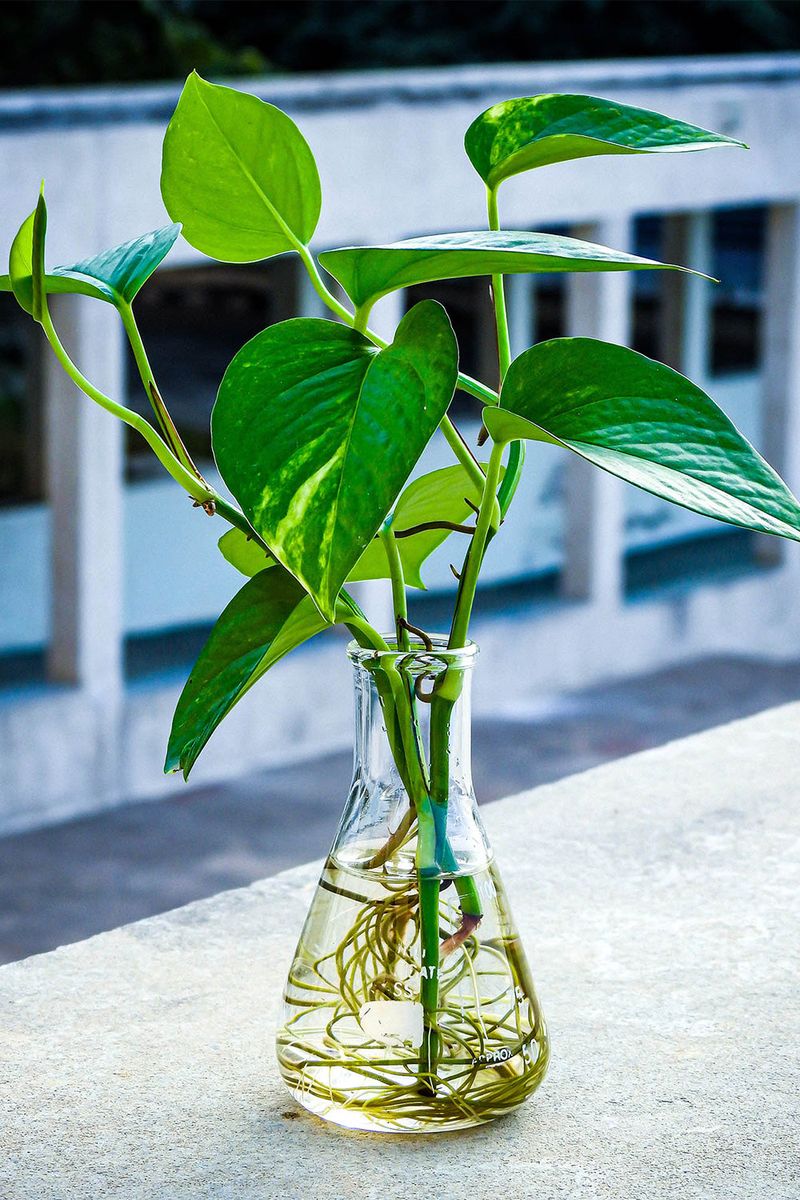
Pothos are renowned for their striking, heart-shaped leaves and low-maintenance nature. Often found cascading from shelves or hanging baskets, they bring a lively touch to any space. Propagation is a breeze—simply snip a stem just below a node and place it in water or soil. With its rapid growth, pothos quickly fills spaces with vibrant greenery. They thrive in various lighting conditions but prefer bright, indirect light. Perfect for busy plant lovers, pothos require minimal care, rewarding you with abundant foliage and easy propagation opportunities.
3. Snake Plant
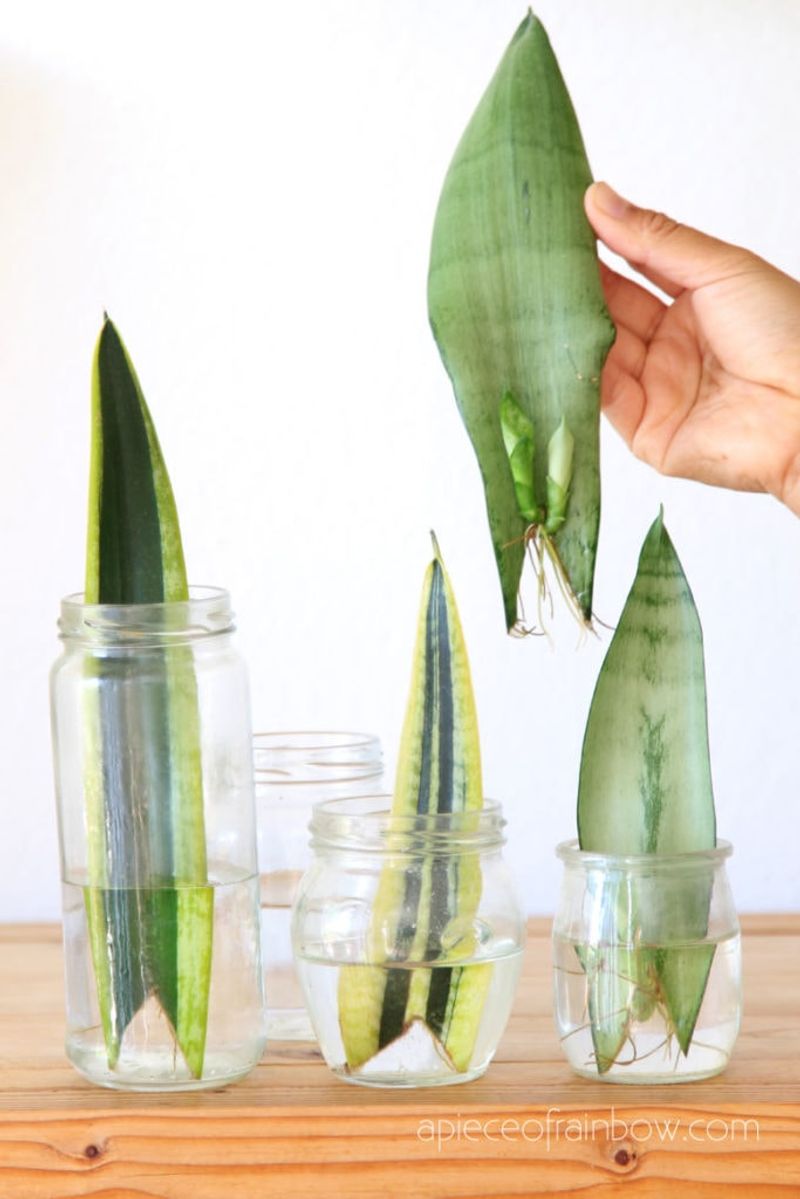
Snake plants are a favorite among indoor gardeners, celebrated for their striking, architectural leaves and hardy nature. Their tall, erect foliage makes them a standout addition to any room. Propagation is straightforward—simply divide the rhizomes or cut a leaf and place it in water. Known for purifying indoor air, snake plants thrive on neglect and are perfect for those with a busy lifestyle. They tolerate low light but prefer indirect sunlight. With minimal care needs, snake plants not only beautify your space but also offer fresh air and easy propagation.
4. ZZ Plant
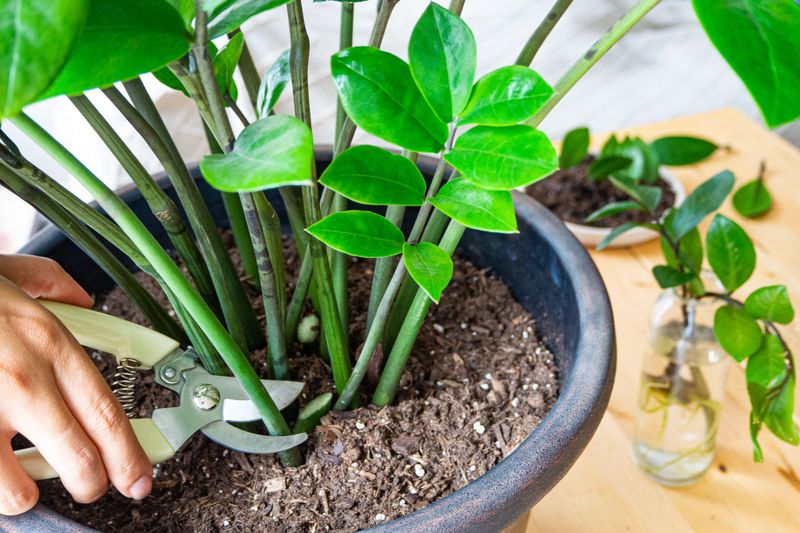
ZZ plants, with their glossy, oval leaves, are a testament to elegance and resilience. Their thick foliage shines in low-light environments, making them ideal for offices or shaded corners. Propagation is as simple as taking a leaf cutting and planting it in soil. Known for their drought tolerance, ZZ plants require infrequent watering, making them perfect for forgetful gardeners. Their robust nature ensures they can withstand various conditions, adding a touch of green to any setting with minimal effort. A perfect blend of beauty and ease, ZZ plants are ideal for any home.
5. Philodendron
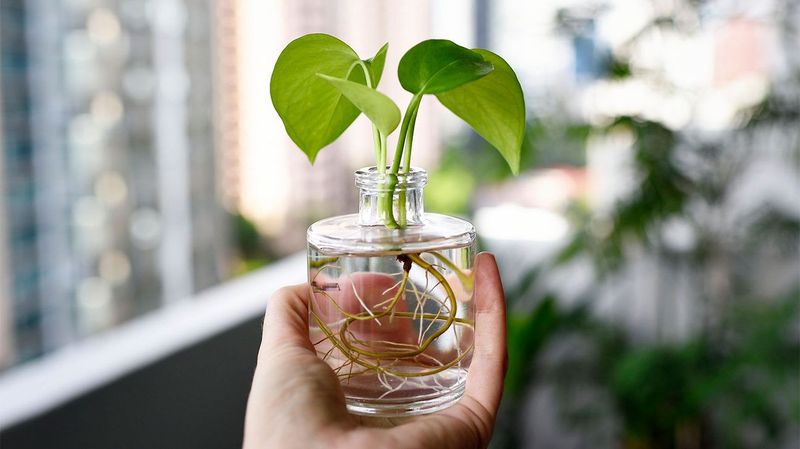
Philodendrons, with their lush foliage and easygoing nature, are beloved by plant enthusiasts. Their heart-shaped leaves bring warmth and vitality to any space. Propagation is simple—just snip below a node and place the cutting in water or soil. These plants thrive in various lighting conditions, though they prefer indirect light. Known for their rapid growth and adaptability, philodendrons are perfect for adding a touch of nature to your home. With minimal care, they flourish, making them a favorite for both novice and experienced plant lovers.
6. Monstera Deliciosa
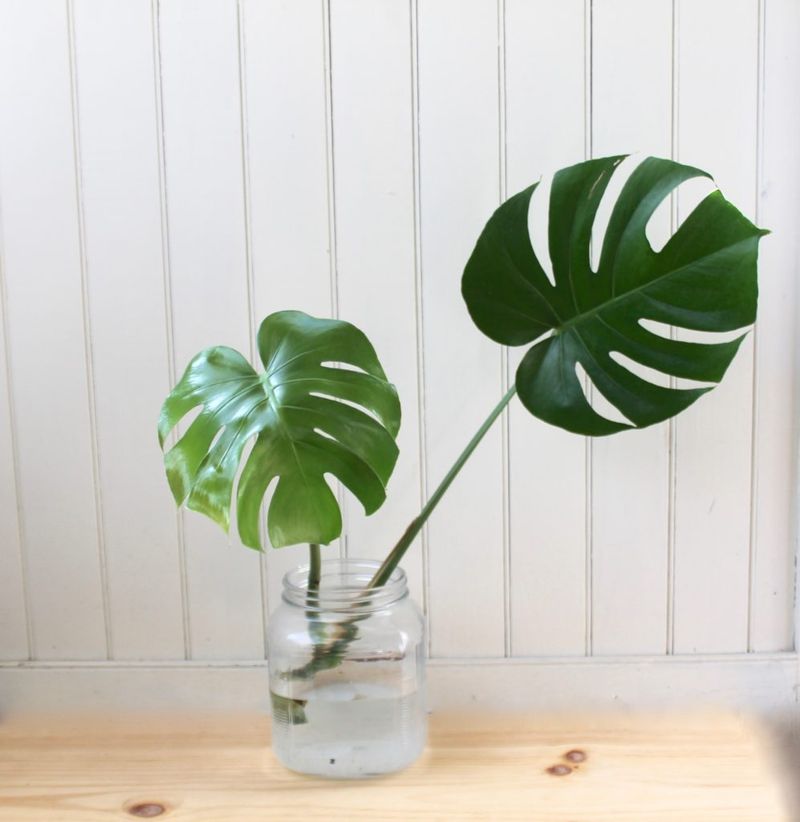
Monstera deliciosa, with its iconic split leaves, is a statement piece in any home. Its dramatic foliage adds a touch of the tropics, capturing attention effortlessly. Propagating monstera is straightforward—cut below a node and root the stem in water or soil. As they grow, monstera plants develop fenestrations, adding to their allure. They thrive in bright, indirect light, though they tolerate lower conditions. Monstera’s robust nature makes them a favorite among plant collectors, offering both beauty and ease of propagation.
7. Peperomia
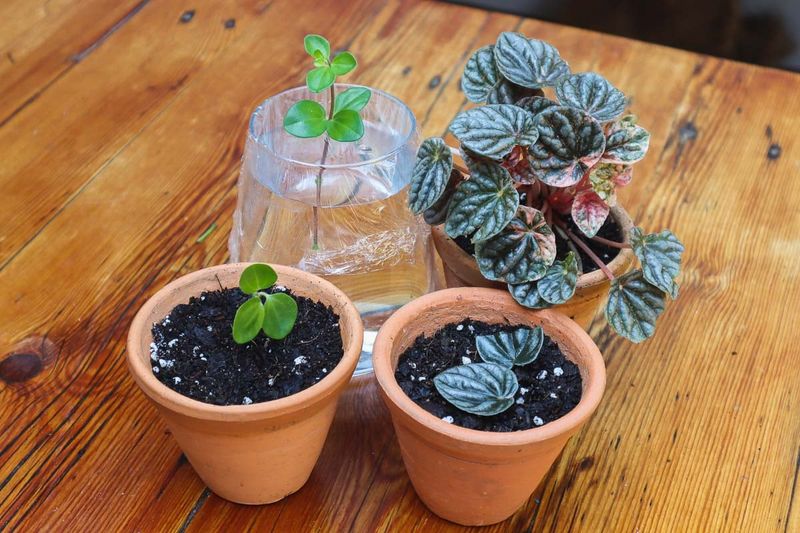
Peperomias are small but mighty, offering a delightful variety of shapes and colors. Their thick, round leaves are both eye-catching and easy to care for. Propagation is as simple as taking a stem or leaf cutting and placing it in water or soil. Known for their compact size, peperomias are perfect for small spaces or desktops, adding a pop of greenery without overwhelming the area. They prefer bright, indirect light and minimal watering, making them an ideal choice for busy individuals seeking a low-maintenance plant.
8. Jade Plant
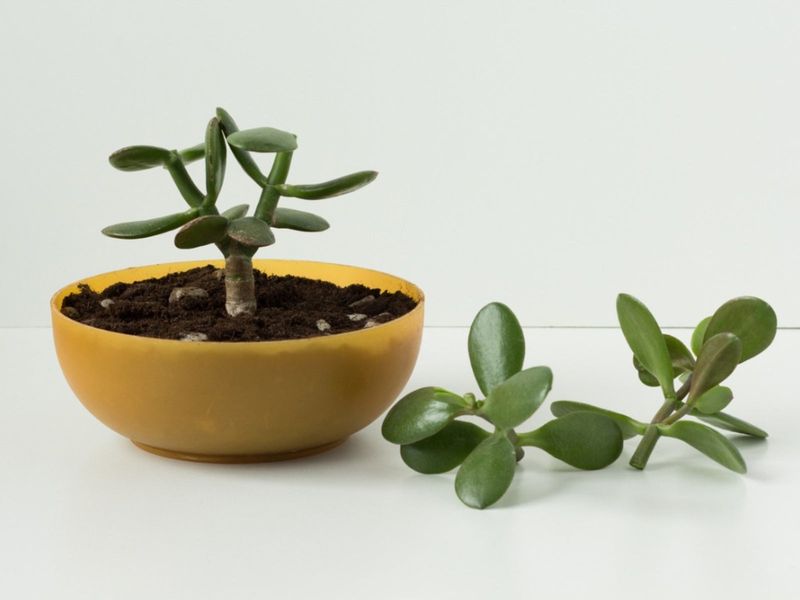
Jade plants, with their succulent, jade-green leaves, symbolize prosperity and good fortune. Their fleshy foliage stores water, allowing them to thrive on infrequent watering. Propagation is easy—take a leaf or stem cutting and let it dry before planting in soil. Jade plants prefer bright, indirect light and can live for many years, making them a cherished addition to any plant collection. Their resilience and minimal care needs make them perfect for those new to gardening, while their timeless beauty brings elegance to any space.
9. Chinese Money Plant
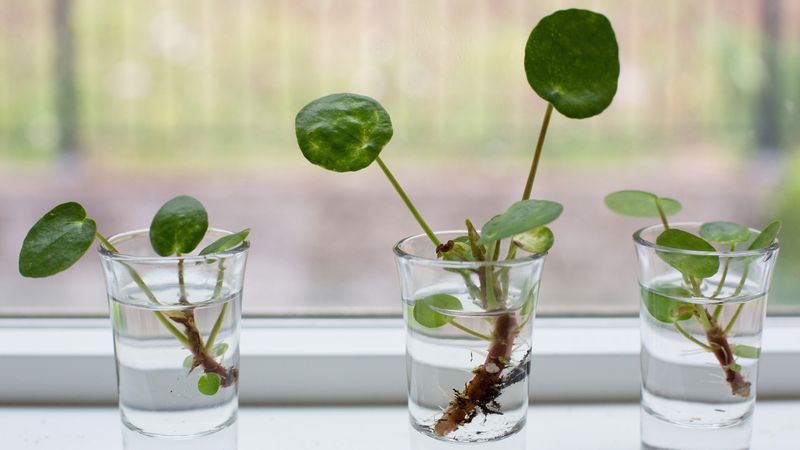
The Chinese money plant, with its distinctive round leaves, is a favorite for those seeking style and simplicity. Its foliage resembles coins, lending it an aura of prosperity. Propagation is a breeze as it naturally produces offshoots that can be easily potted. Known for its forgiving nature, this plant thrives in bright, indirect light and requires minimal care. Its unique appearance and easy propagation make it a popular choice for both seasoned and novice plant enthusiasts, adding character and charm to any living space.
10. Aloe Vera
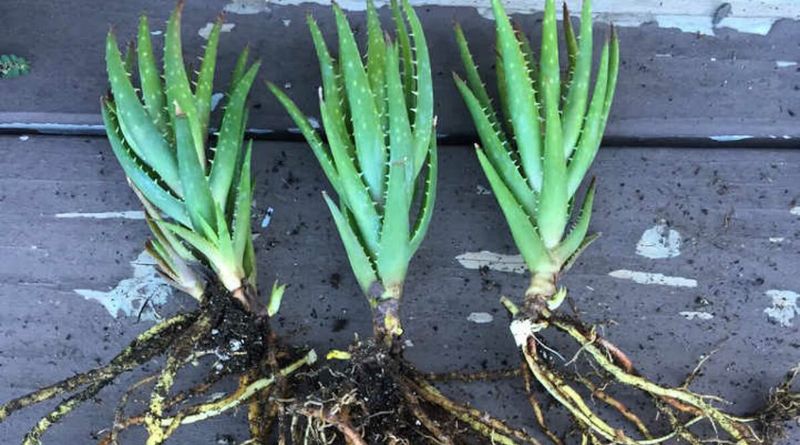
Aloe vera is not just a plant; it’s a natural remedy in a pot. Its fleshy leaves contain a soothing gel, known for its healing properties. Propagation is straightforward—remove an offset or ‘pup’ and plant it in well-drained soil. Aloe vera thrives in bright light and requires minimal watering, making it perfect for sunny spots. Its resilience and medicinal benefits make it a must-have for any household. Whether soothing a sunburn or adding a touch of green, aloe vera is both practical and beautiful, offering easy care and propagation.
11. Begonia
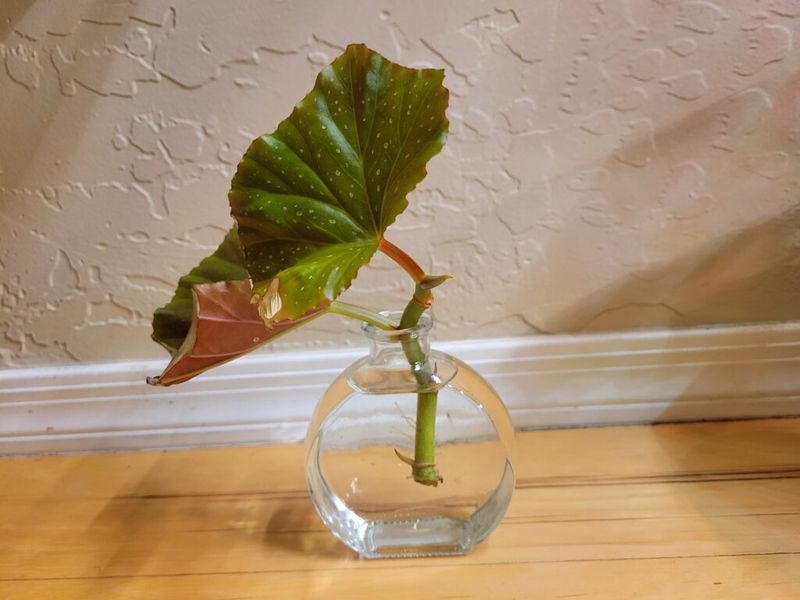
Begonias are a riot of color and texture, celebrated for their stunning foliage and cheerful blooms. Their leaves range from bold and bright to subtle and intricate. Propagation is simple—cut a stem or leaf and root it in water or soil. These plants thrive in various lighting conditions, though they prefer indirect light. Begonias add a splash of color to any room, making them a favorite among plant enthusiasts. With minimal care, they flourish, offering both beauty and ease. Begonias are perfect for those looking to brighten their homes effortlessly.
12. Fiddle Leaf Fig
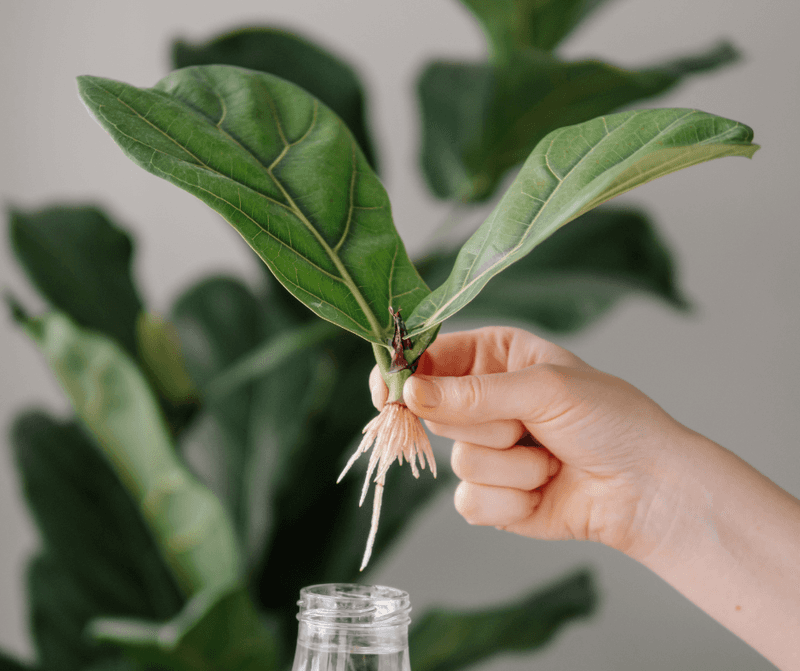
Fiddle leaf figs are known for their striking, violin-shaped leaves, making them a popular choice for interior decor. Their glossy foliage adds a touch of sophistication to any room. Propagation involves taking a cutting and rooting it in water or soil. These plants thrive in bright, indirect light and require regular watering. Though a bit finicky, the reward of a flourishing fiddle leaf fig is well worth the effort. Their bold presence and dramatic foliage make them a centerpiece in any space, adding elegance and life.
13. Rubber Plant
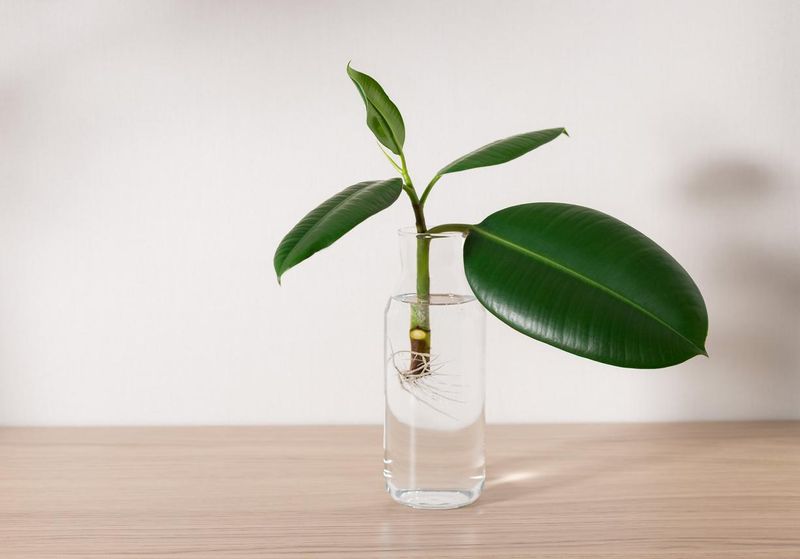
Rubber plants, with their broad, glossy leaves, are a testament to strength and beauty. Their sturdy appearance belies their easygoing nature. Propagation is straightforward—take a stem cutting and place it in water or soil. Rubber plants thrive in bright, indirect light and require regular watering. Known for their air-purifying qualities, they add a touch of nature to any room. With minimal care, rubber plants grow tall and majestic, making them a popular choice for those seeking both style and simplicity in their indoor gardens.
14. Boston Fern
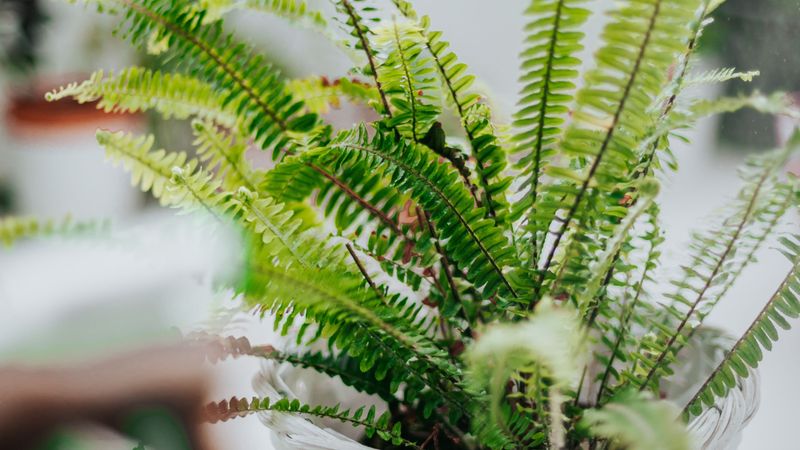
Boston ferns are the epitome of elegance with their feathery fronds and vibrant green color. These plants add a touch of nature’s grace to any interior. Propagation is simple—divide the root ball and replant it. Boston ferns thrive in humid environments with indirect light, making them perfect for bathrooms or kitchens. Their lush appearance and ease of care make them a favorite among plant lovers. With regular watering and misting, Boston ferns flourish, offering a timeless beauty that enhances the look and feel of any space.
15. Peace Lily
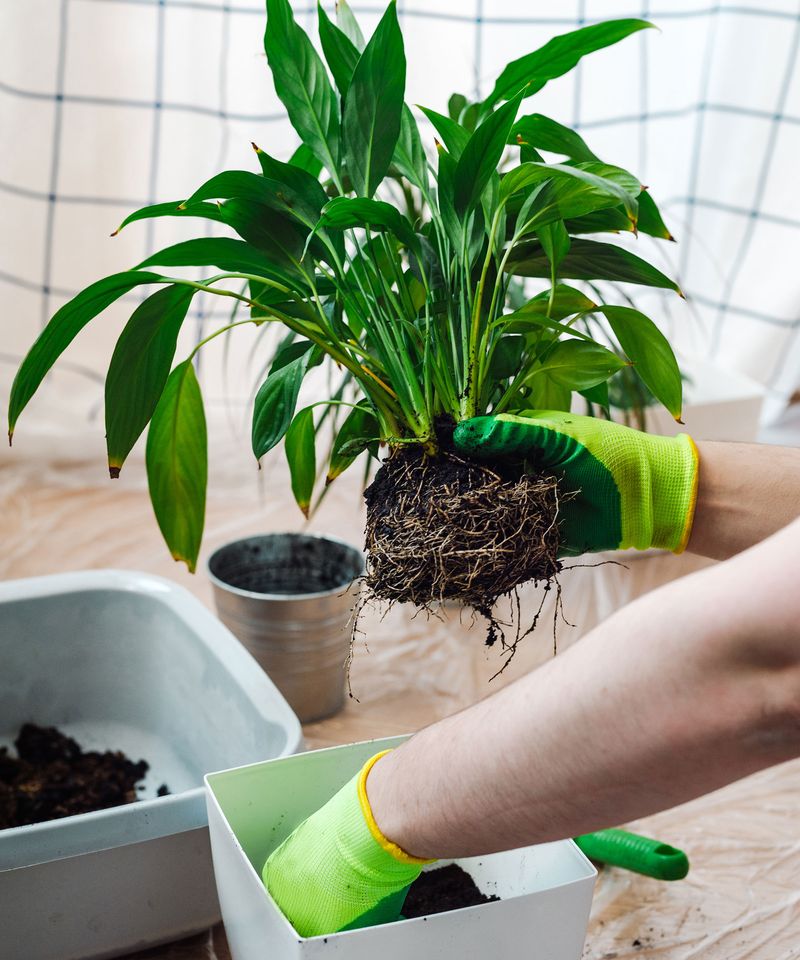
Peace lilies are the embodiment of tranquility, known for their elegant white blooms and lush foliage. Their graceful appearance brings a sense of calm to any room. Propagation is simple—divide the root ball and replant. These plants thrive in low light conditions and require regular watering, making them perfect for shaded corners. Known for their air-purifying qualities, peace lilies enhance indoor air quality while adding beauty. Their serene presence and ease of care make them a beloved choice for both novice and experienced gardeners alike.
16. English Ivy
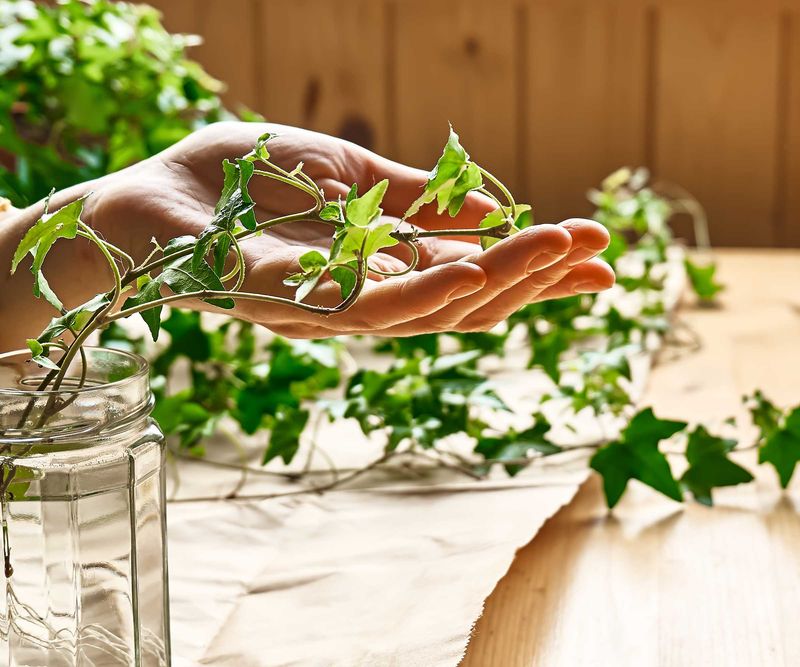
English ivy is a classic, known for its trailing vines and lush, green leaves. Its timeless beauty makes it a favorite for indoor and outdoor spaces. Propagation is easy—cut a stem and root it in water or soil. English ivy thrives in various lighting conditions but prefers bright, indirect light. Its rapid growth and adaptability make it ideal for creating green walls or cascading displays. With minimal care, English ivy adds a touch of nature’s elegance to any setting, offering both beauty and easy propagation.
17. African Violet
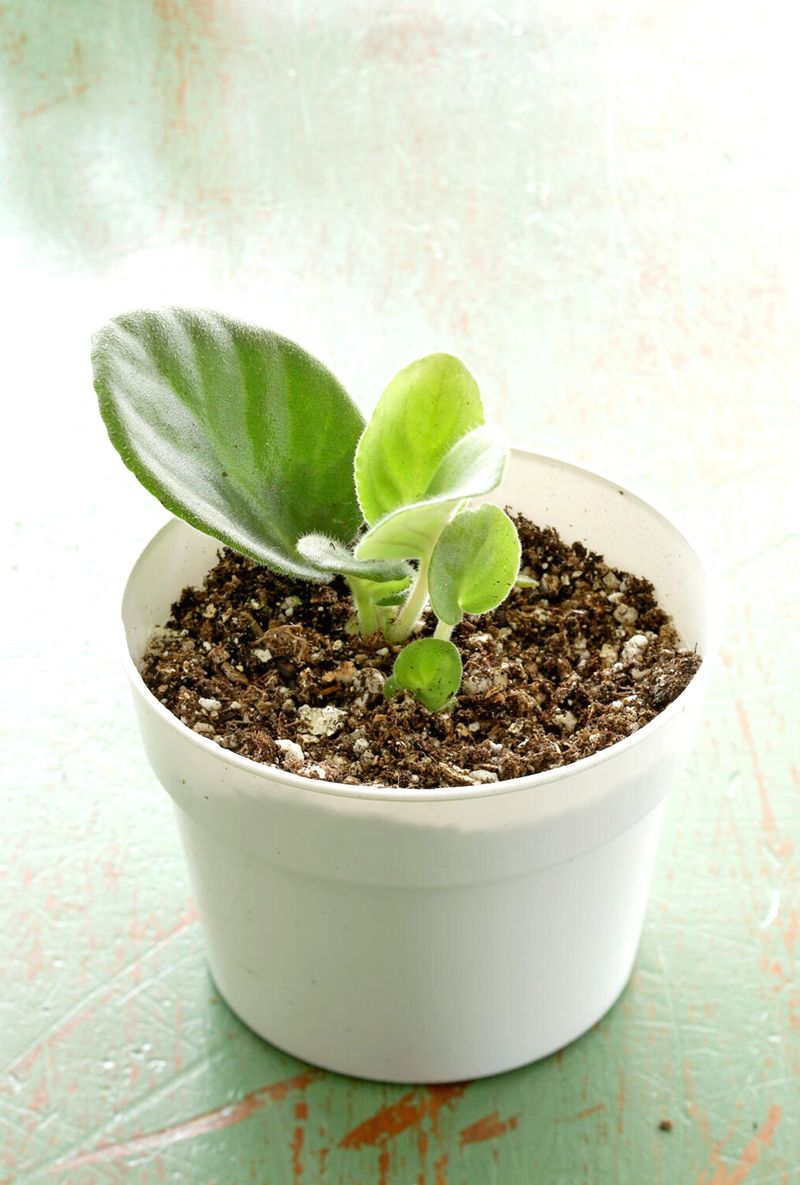
African violets, with their delicate blooms and fuzzy leaves, bring a touch of color and charm to any home. Their compact size makes them perfect for windowsills or small tables. Propagation is simple—take a leaf cutting and root it in water or soil. These plants prefer bright, indirect light and consistent watering, rewarding you with vibrant flowers. With their delightful appearance and ease of care, African violets are a favorite for plant enthusiasts seeking a splash of color and elegance in their indoor gardens.
18. Tradescantia (Wandering Jew)
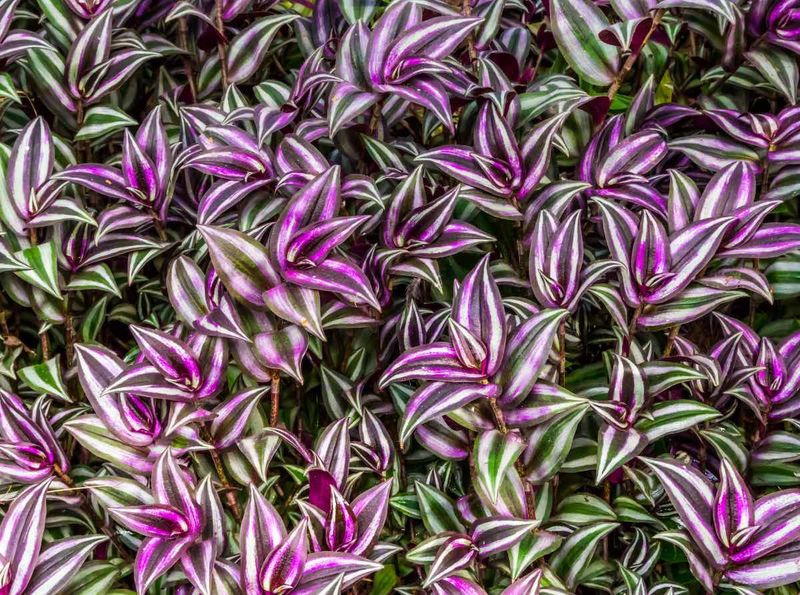
Known for its striking purple and green foliage, Tradescantia, or Wandering Jew, is an effortless addition to any home. Its vibrant colors and vigorous growth make it a popular choice for both beginners and seasoned plant enthusiasts.
To propagate, simply snip a healthy stem just below a node and place it in water. Within days, roots will begin to form, ready to be potted in soil. This plant thrives in bright, indirect light but is forgiving of low-light conditions.
Did you know? Tradescantia’s name pays homage to the wandering nature of its trailing vines.