 Complete Gardening
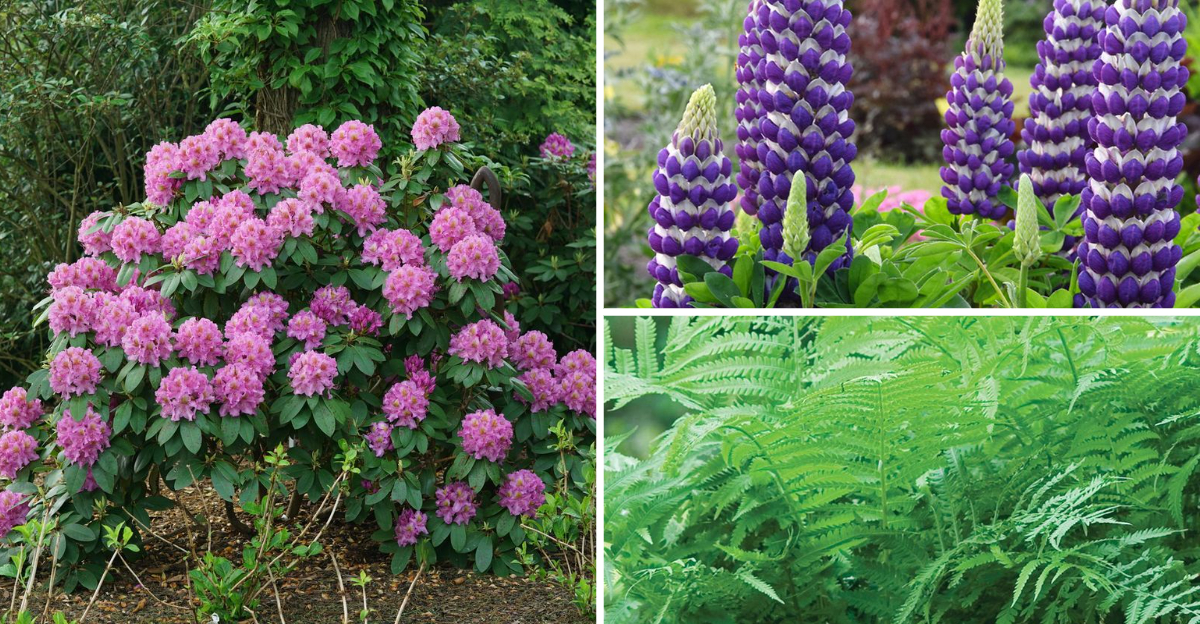
Growing blueberries is a delightful endeavor, offering delicious and nutritious fruits. To ensure your blueberry bushes thrive, consider planting companion plants alongside them. These companions not only help blueberries flourish but also create a diverse and healthy garden ecosystem. Here are 18 plants you can grow with blueberries to promote growth, deter pests, and enhance soil health.
Rhododendrons
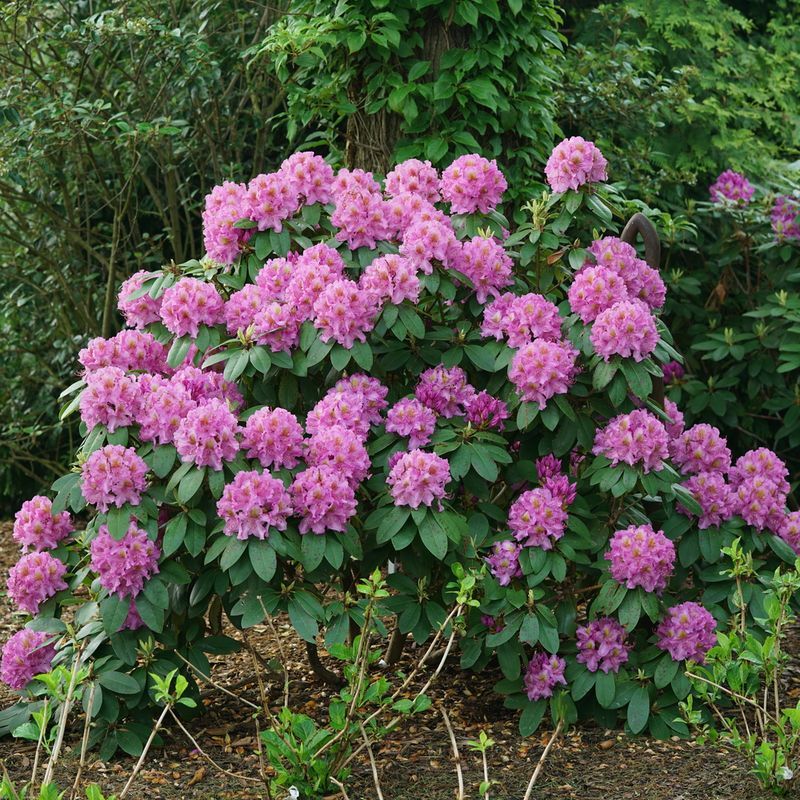
Rhododendrons, with their stunning blooms, make a striking companion for blueberry bushes. Their shared preference for acidic soil creates a harmonious garden pair. These flowering shrubs not only add beauty but also act as a living mulch, helping to retain soil moisture. The shade provided by rhododendrons protects blueberries from harsh sun, fostering a thriving environment. Their roots also help in improving soil structure, making them indispensable allies. Consider planting different rhododendron varieties for a burst of color throughout the growing season. This dynamic duo will surely enhance your garden’s visual appeal and health.
Azaleas
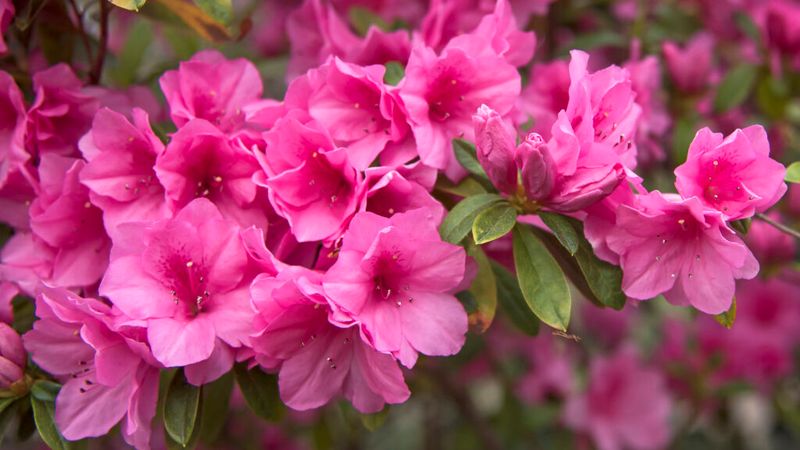
Azaleas, known for their vibrant blossoms, are ideal companions for blueberries, sharing similar soil and light requirements. Their colorful flowers attract pollinators, benefiting both plants. Azaleas’ root systems help in aerating the soil, enhancing its fertility, and preventing erosion. By planting azaleas close to your blueberries, you ensure a burst of color while enhancing the overall garden ecosystem. These plants also deter pests naturally, making them a wise choice for organic gardeners. Embrace the symbiotic relationship between azaleas and blueberries for a flourishing garden landscape.
Ferns
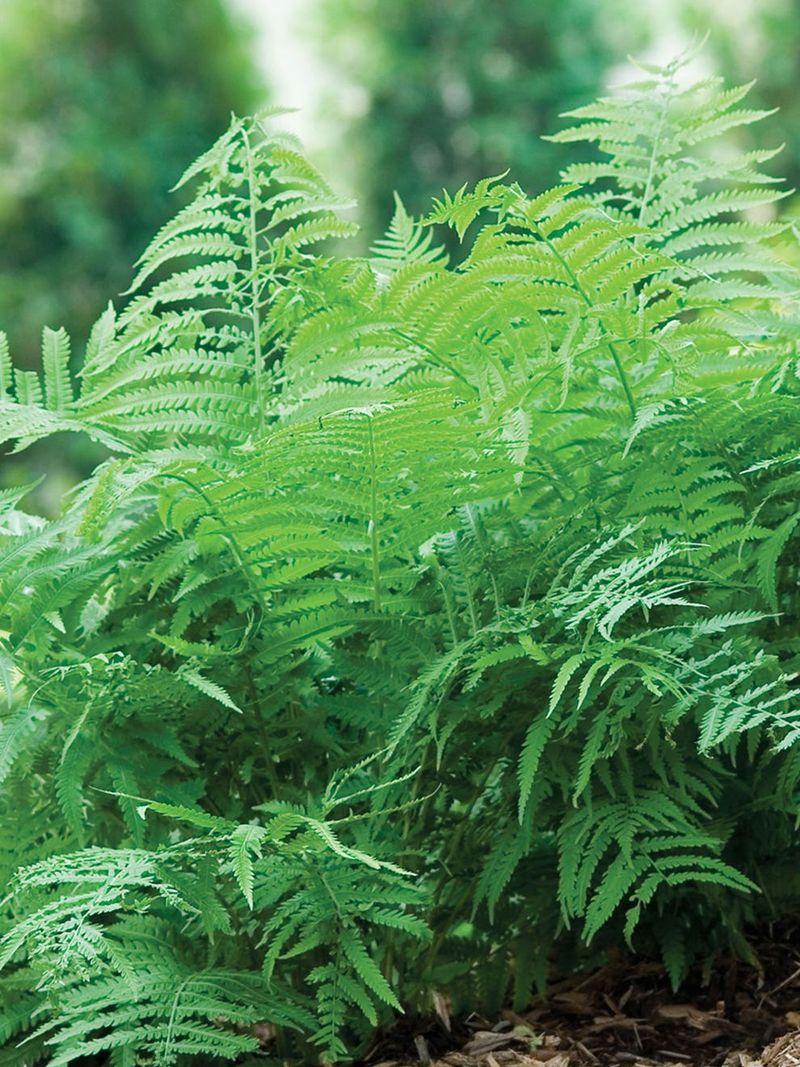
Ferns add a woodland charm to your garden and are excellent companions for blueberries. Their love for shaded, moist environments complements the needs of blueberry bushes. Ferns help in retaining soil moisture and provide a gentle ground cover that suppresses weeds. This natural mulch enhances soil health, promoting robust blueberry growth. With their delicate fronds, ferns offer a visual contrast to blueberry leaves, adding texture to the garden. Planting various fern species can create a lush, green backdrop that supports both the aesthetic and practical needs of a blueberry patch.
Heathers
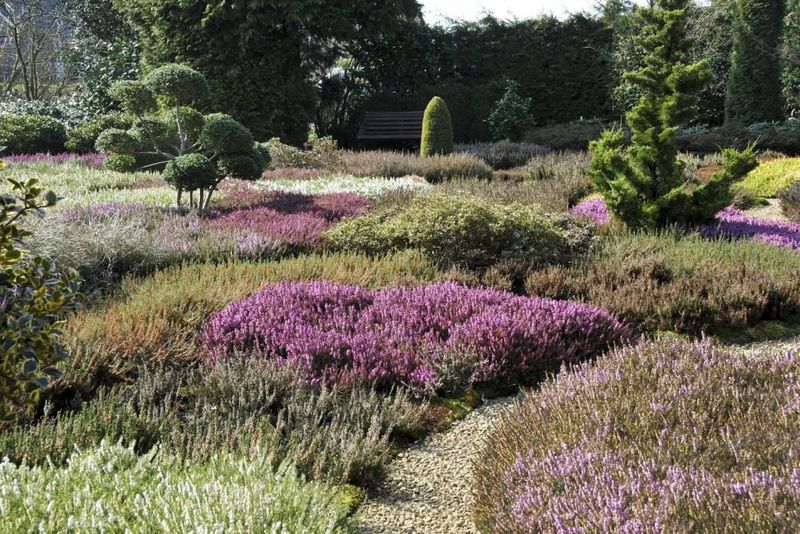
Heathers are low-maintenance plants that thrive in acidic soil, making them perfect partners for blueberries. Their evergreen nature provides year-round interest, while their dense growth helps suppress weeds. Heathers’ blooms attract pollinators, aiding in blueberry fruit set. The combination of heathers and blueberries creates a visually stunning garden with contrasting textures and colors. These hardy plants also offer winter interest, ensuring your garden remains attractive even in colder months. Embrace the versatility and beauty of heathers to complement your blueberry bushes effectively.
Camellias
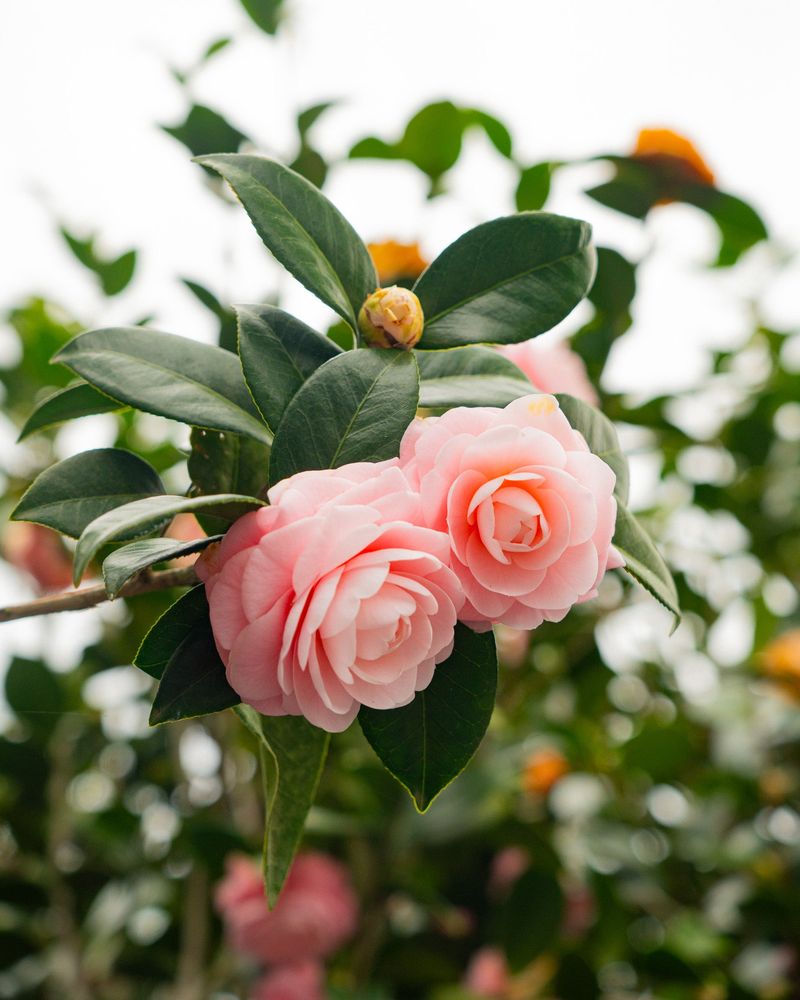
Camellias, with their luscious blooms, pair beautifully with blueberry bushes. Both plants prefer acidic soils and part-shade conditions, creating a seamless garden alliance. Camellias’ thick foliage offers shelter to blueberries, protecting them from strong winds. Their flowers attract pollinators, enhancing blueberry fruit production. Camellias also contribute to soil health through leaf litter, acting as a natural mulch. With careful selection, camellias provide extended blooms, adding continuous color to your garden. Enjoy the elegance and functionality of camellias as they work in harmony with your blueberry plants.
Mint
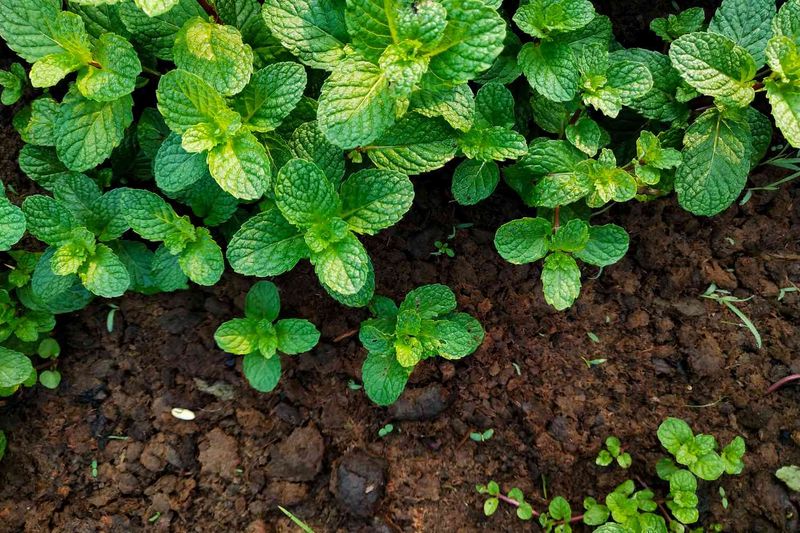
Mint, a fragrant herb, is an unexpected yet beneficial companion for blueberries. Its rapid growth provides ground cover, reducing weeds and retaining soil moisture. The aromatic leaves of mint deter pests, offering natural protection for blueberries. However, mint’s vigorous nature requires control; consider using containers to manage its spread. The refreshing scent and lush foliage of mint enhance the sensory experience of your garden. With proper management, mint can be a valuable ally in maintaining healthy blueberry bushes, adding fragrance and utility to your garden.
Strawberries
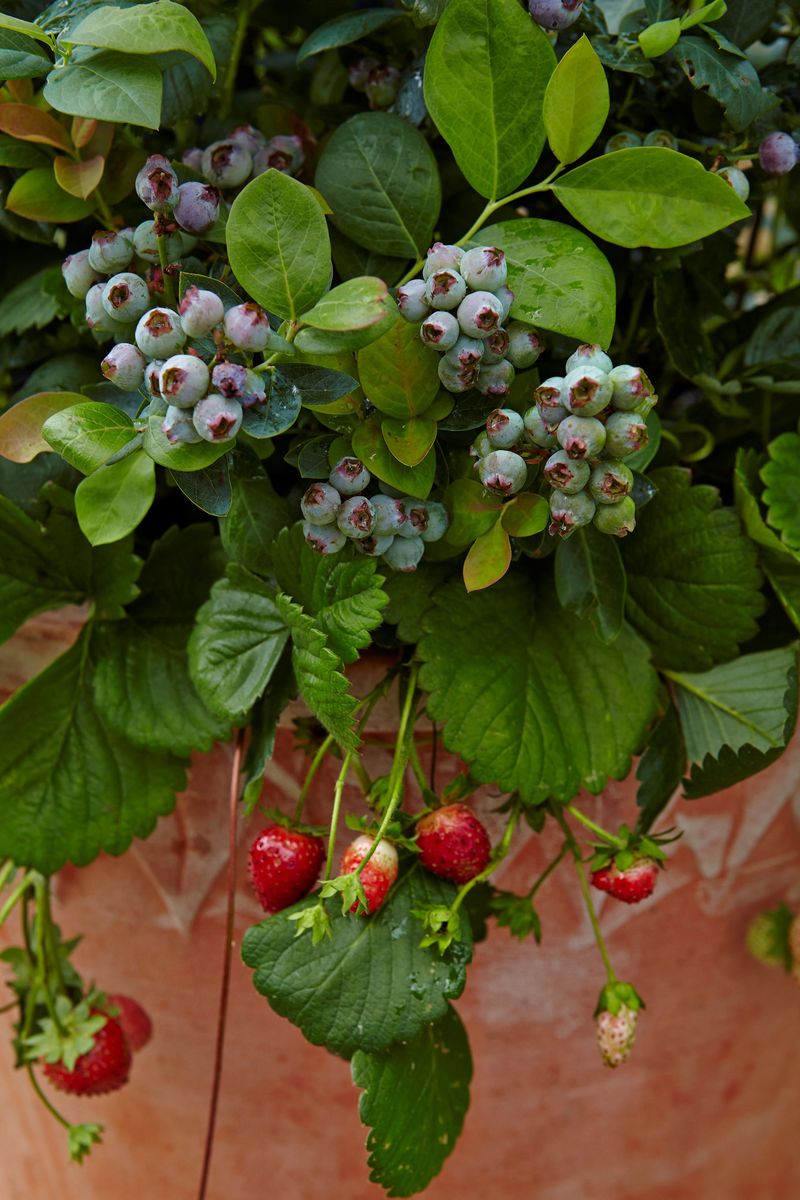
Strawberries and blueberries share a love for acidic soil, making them ideal partners in the garden. Planting strawberries as ground cover around blueberry bushes helps in retaining moisture and suppressing weeds. These two fruits benefit from each other’s presence by attracting pollinators, boosting fruit production. The combination of strawberries’ bright red berries and blueberries’ deep blue hues creates a visually appealing and productive garden space. Consider spacing them adequately to prevent competition for nutrients, ensuring a harmonious coexistence and bountiful harvest.
Lupines
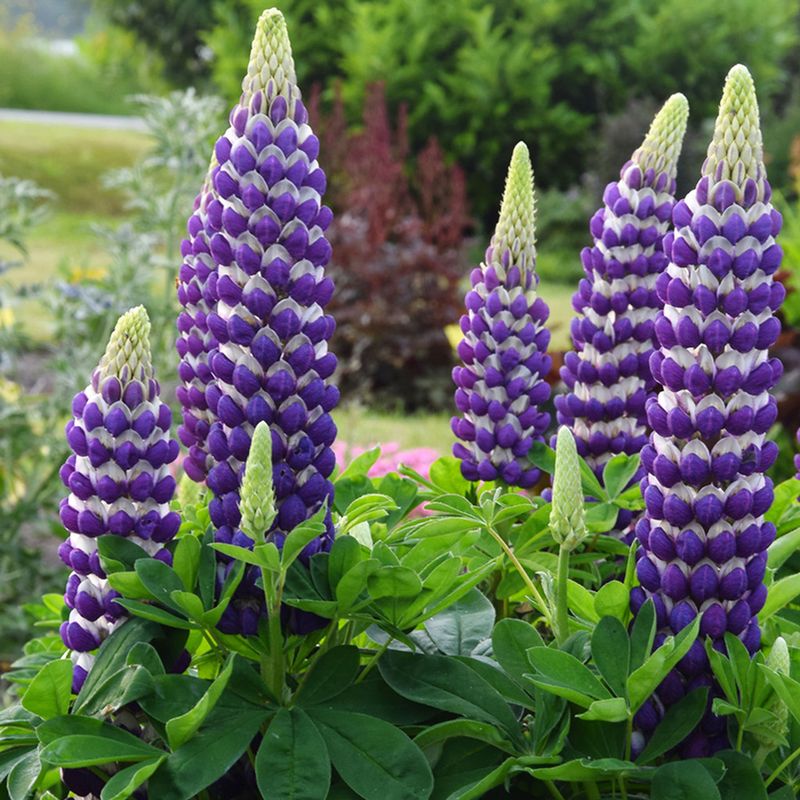
Lupines, with their tall spires of colorful blooms, are excellent nitrogen-fixing companions for blueberries. These flowers enrich the soil, benefiting the overall garden ecosystem. Lupines’ striking appearance adds height and interest to the blueberry patch. They attract pollinators, supporting increased blueberry yields. Their robust growth helps in stabilizing the soil, preventing erosion around blueberry plants. By integrating lupines into your garden, you not only enhance soil fertility but also create a vibrant landscape filled with diverse plant life and color.
Thyme
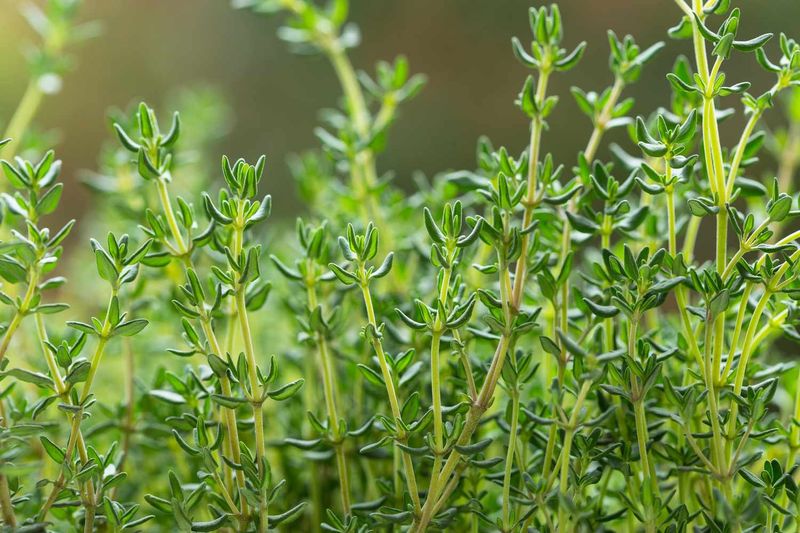
Thyme is a low-growing herb that serves as a perfect companion for blueberries, offering both aromatic appeal and practical benefits. Its dense mats suppress weeds and retain soil moisture. Thyme’s tiny flowers attract beneficial insects, promoting pollination and deterring pests. This herb’s adaptability to various soil conditions complements the specific needs of blueberries, ensuring they thrive together. The combination of thyme’s fragrance and blueberries’ sweetness creates a delightful sensory experience. Incorporate thyme in your garden for a harmonious and productive blueberry companion planting.
Cranberries
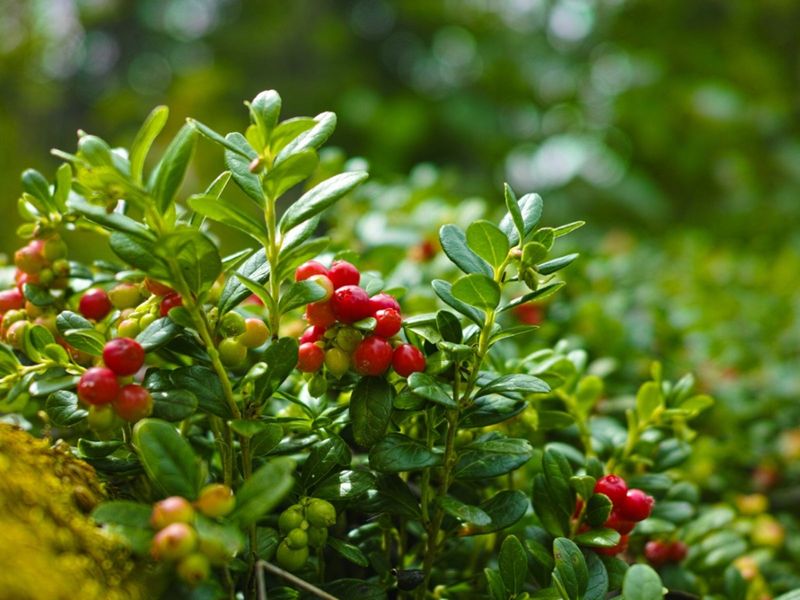
Cranberries and blueberries are natural companions due to their shared love for acidic, moist soils. These two berries can be grown together in bog-like conditions, creating a thriving habitat. Cranberries’ trailing vines act as a living mulch, aiding in moisture retention and weed suppression. Their red berries add a splash of color to the garden, contrasting beautifully with blueberries. Together, they attract pollinators, enhancing fruiting success. Embrace the synergy of cranberries and blueberries for a productive and visually appealing garden space, filled with seasonal interest and bounty.
Sage
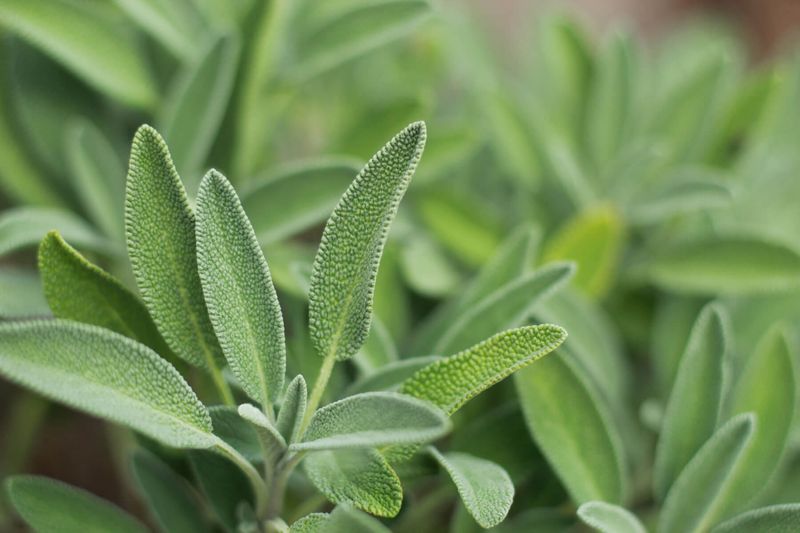
Sage, known for its aromatic foliage and culinary uses, is a valuable companion for blueberries. Its fragrant leaves repel pests, providing natural protection. Sage also attracts pollinators with its lovely blue flowers, enhancing blueberry fruiting. This herb thrives in similar soil conditions, ensuring compatibility with blueberries. The silvery leaves of sage offer a striking contrast to the green foliage of blueberry bushes, adding visual interest. Planting sage near your blueberries enriches the garden both aesthetically and functionally, supporting a healthy and vibrant environment.
Huckleberries
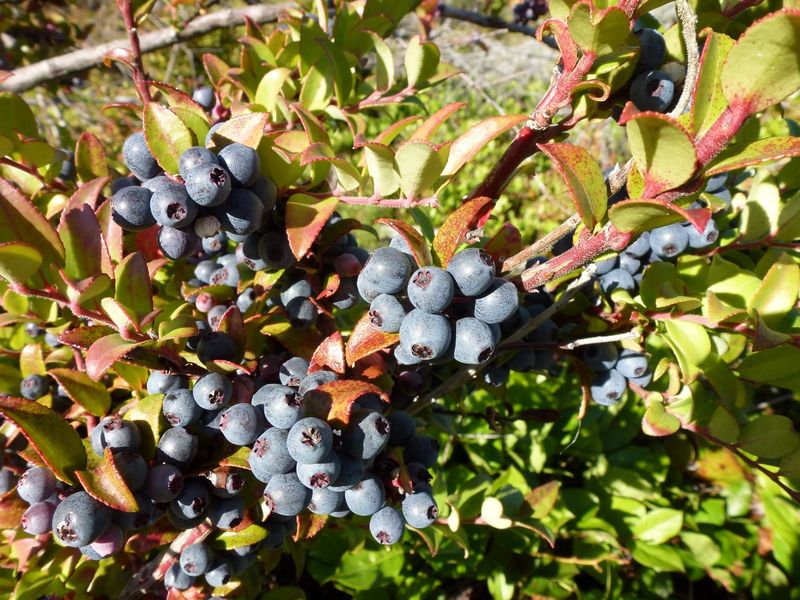
Huckleberries are a delightful addition to any blueberry garden, sharing similar growing conditions and enhancing diversity. These berries thrive in acidic soils, just like blueberries, and their coexistence improves pollinator attraction. Huckleberries’ dark blue fruits add variety to your harvest, offering different flavors and textures. Their dense growth helps in suppressing weeds, providing a natural mulch. By planting huckleberries with blueberries, you create a biodiverse garden that benefits from shared resources and mutual support. Enjoy the added fruit diversity and garden vitality with this pairing.
Lemon Balm
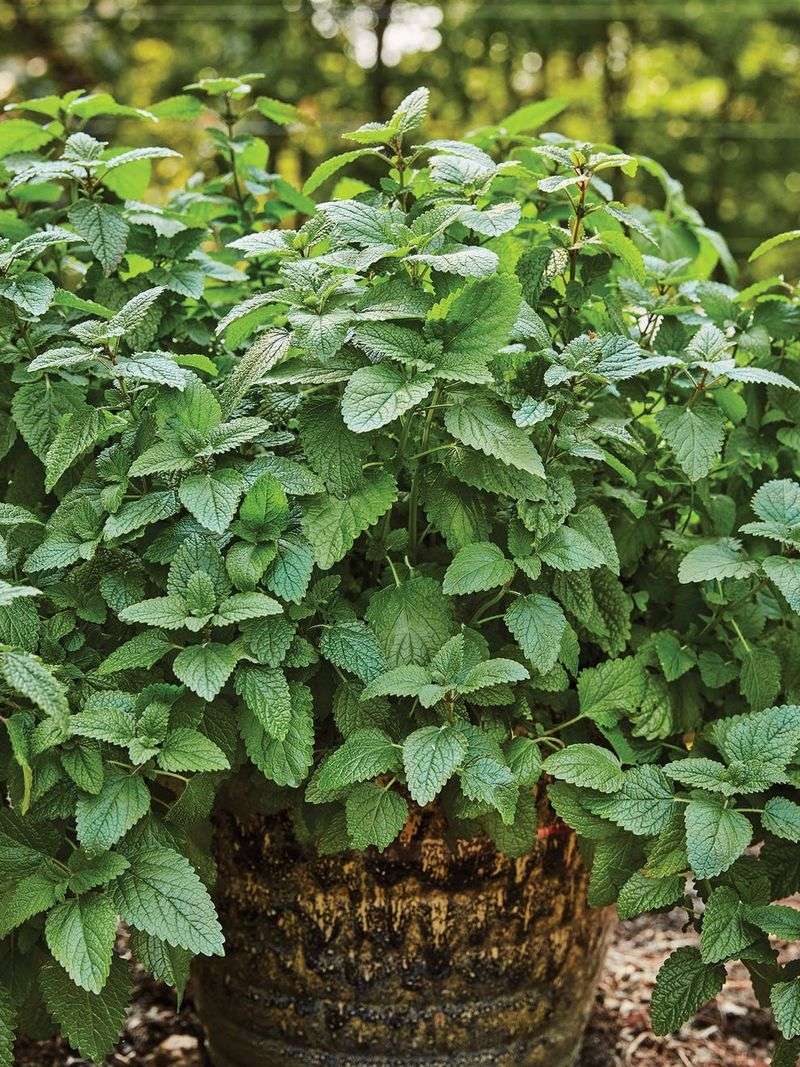
Lemon balm, with its citrusy aroma, complements blueberries by enhancing garden fragrance and deterring pests. This herb grows well in similar soil conditions, making it an ideal companion. Lemon balm’s bushy growth helps in retaining soil moisture and suppressing weeds, supporting healthy blueberry growth. The calming scent attracts beneficial insects, aiding in pollination. Its leaves add a refreshing touch to garden bouquets or herbal teas. Incorporate lemon balm near your blueberries for a fragrant and functional garden partnership that promotes plant health and sensory delight.
Yarrow
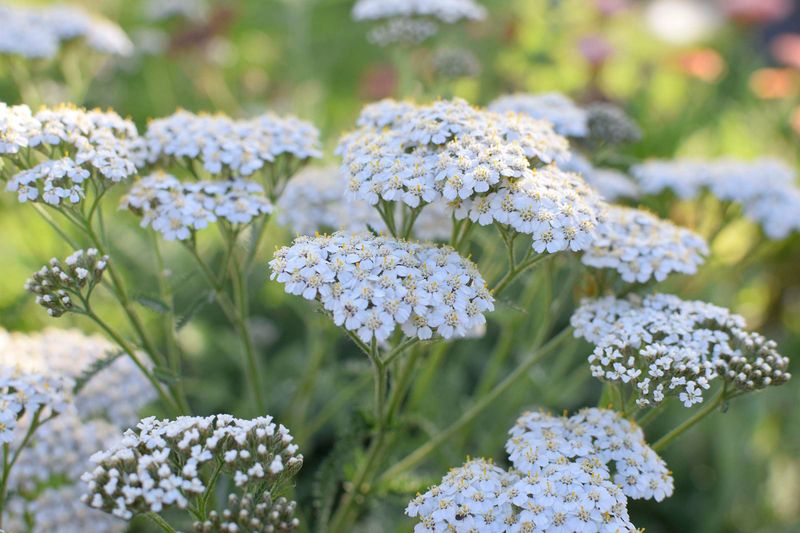
Yarrow is a resilient plant that offers numerous benefits to blueberries. Its ability to attract beneficial insects improves pollination and pest control. Yarrow’s deep roots contribute to soil aeration, enhancing nutrient availability for surrounding plants. The clusters of delicate flowers add visual charm, complementing the blueberry garden. Yarrow’s drought tolerance ensures it thrives without competing for water, making it a sustainable choice. By incorporating yarrow in your garden, you support a healthy ecosystem and enhance the beauty and productivity of your blueberry bushes.
Bee Balm
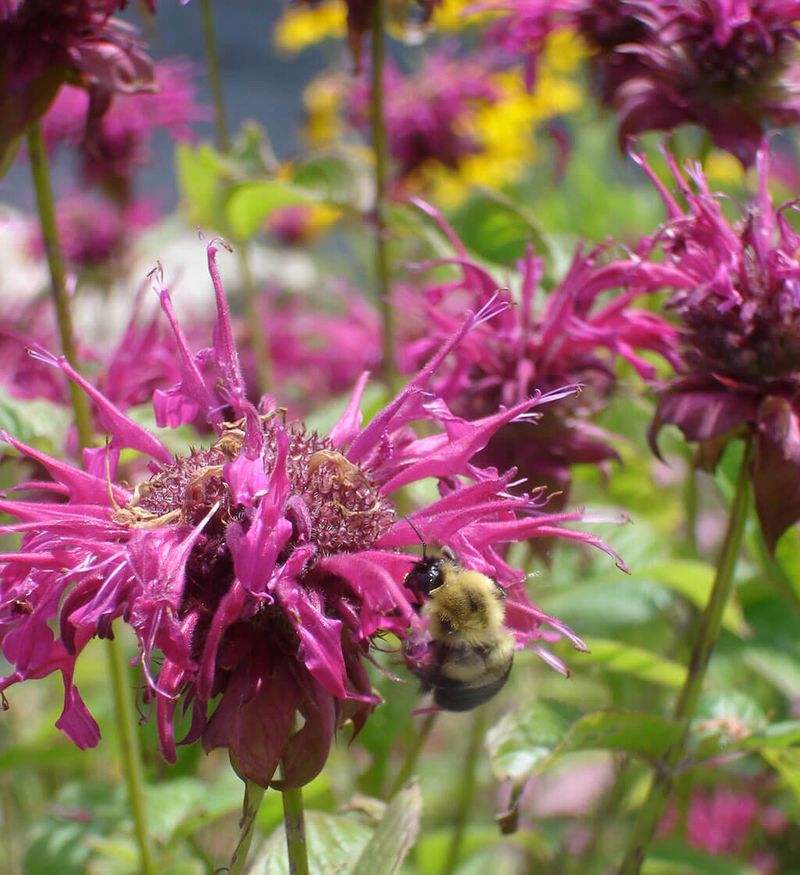
Bee balm, known for its striking flowers and pollinator attraction, is an excellent companion for blueberries. Its bright blooms draw bees and butterflies, enhancing blueberry pollination. Bee balm thrives in similar soil conditions, ensuring compatibility with blueberry plants. This herb’s vibrant colors add a splash of visual interest, creating a lively and productive garden scene. Bee balm’s aromatic leaves also deter pests, offering natural protection to your harvest. Incorporate bee balm to support a thriving ecosystem and enjoy a garden filled with color and life.
Borage
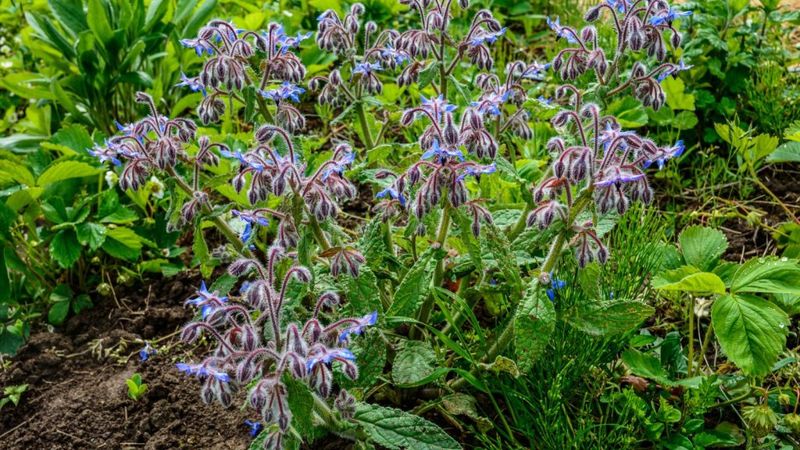
Borage, with its starry blue flowers, is a charming companion for blueberries. This annual herb attracts pollinators, boosting blueberry yields. Borage is known for its ability to enrich soil by adding trace minerals, promoting overall plant health. Its rapid growth provides ground cover, helping to suppress weeds and retain moisture. The delicate flowers of borage complement the blueberry patch, adding aesthetic appeal. By planting borage, you enhance your garden’s ecosystem while supporting the growth and productivity of your blueberry bushes.
Dogwood
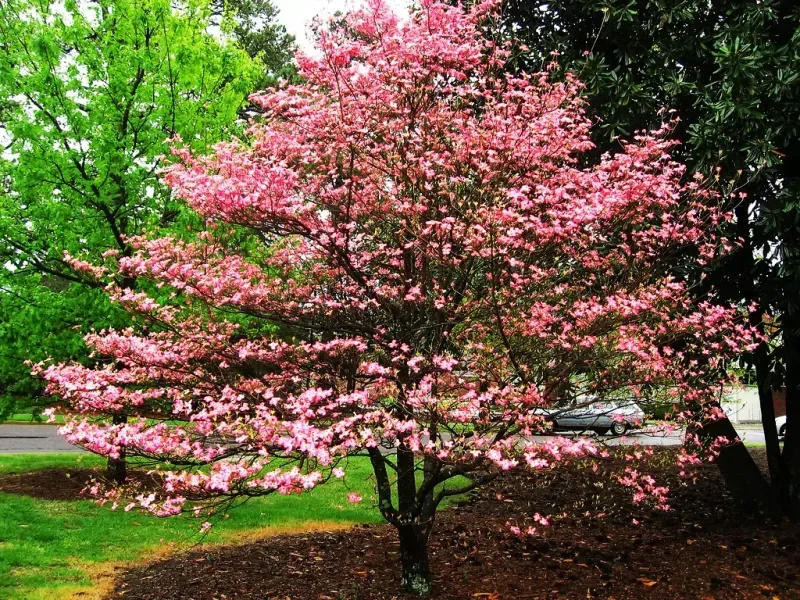
Dogwood trees offer ornamental beauty and practical benefits as companions for blueberries. Their colorful stems and spring blossoms create visual interest throughout the year. Dogwoods provide partial shade, protecting blueberries from excessive heat and sun. The fallen leaves act as a natural mulch, enriching the soil and retaining moisture. Dogwoods’ shallow root systems ensure minimal competition for nutrients, supporting healthy blueberry growth. By including dogwoods in your garden, you enhance its aesthetic value and create a supportive environment for your blueberry bushes.
Marigolds
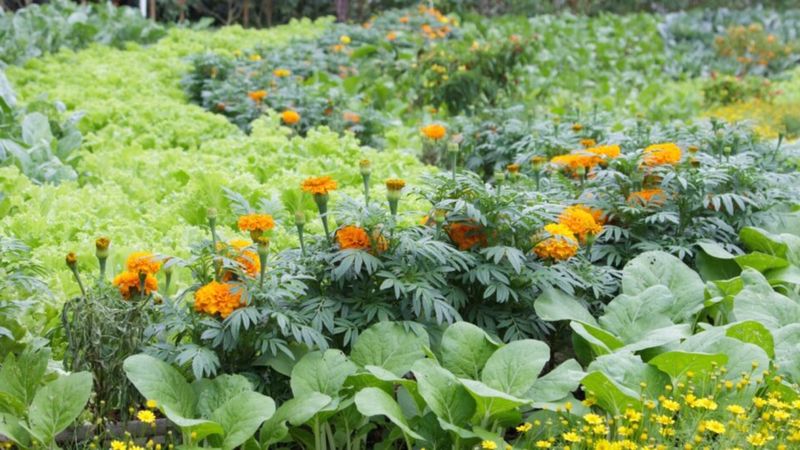
Marigolds are not just colorful additions to the garden; they are beneficial companions for blueberries. Their bright blooms deter pests, offering a natural defense. Marigolds’ roots produce compounds that repel nematodes, protecting blueberry roots. These flowers thrive in similar soil conditions, ensuring harmonious growth with blueberries. The cheerful colors of marigolds enhance the garden’s visual appeal, creating a vibrant and healthy landscape. Planting marigolds with your blueberries supports an eco-friendly garden that promotes plant health and beauty.