 Complete Gardening
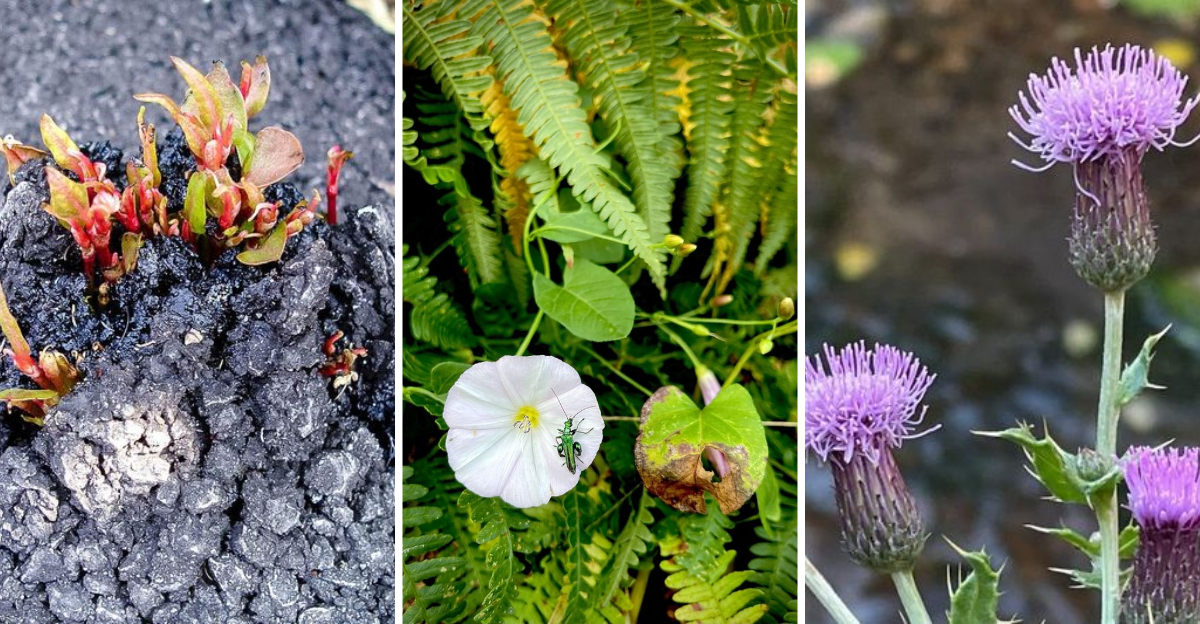
Weeds can be more than just an eyesore. Some notorious weeds have the potential to choke out your favorite plants, stealing nutrients, water, and sunlight. This guide will introduce you to 18 invasive weeds that wreak havoc in gardens. Identifying these plant adversaries can help you combat them effectively and maintain a flourishing garden season after season.
1. Japanese Knotweed
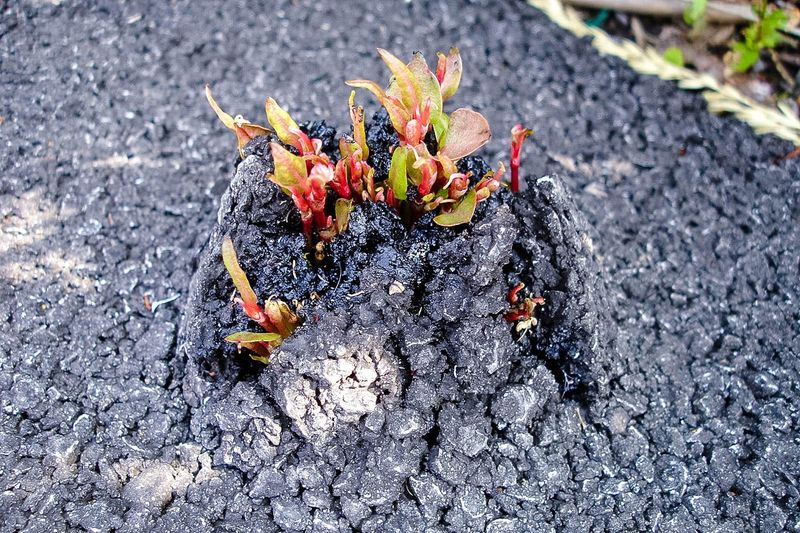
Japanese Knotweed is a relentless invader. Known for its bamboo-like stems, it quickly dominates landscapes. This invasive weed has a reputation for growing through concrete and asphalt, making it a notorious adversary. Despite its attractive white flowers, Japanese Knotweed can cause havoc in gardens, outcompeting native plants for resources. Its rapid growth and resilience make it a challenge to eradicate. Gardeners often find themselves battling this persistent intruder year after year. You may wonder how to control its relentless spread. The answer lies in consistent removal and professional advice.
2. Bindweed
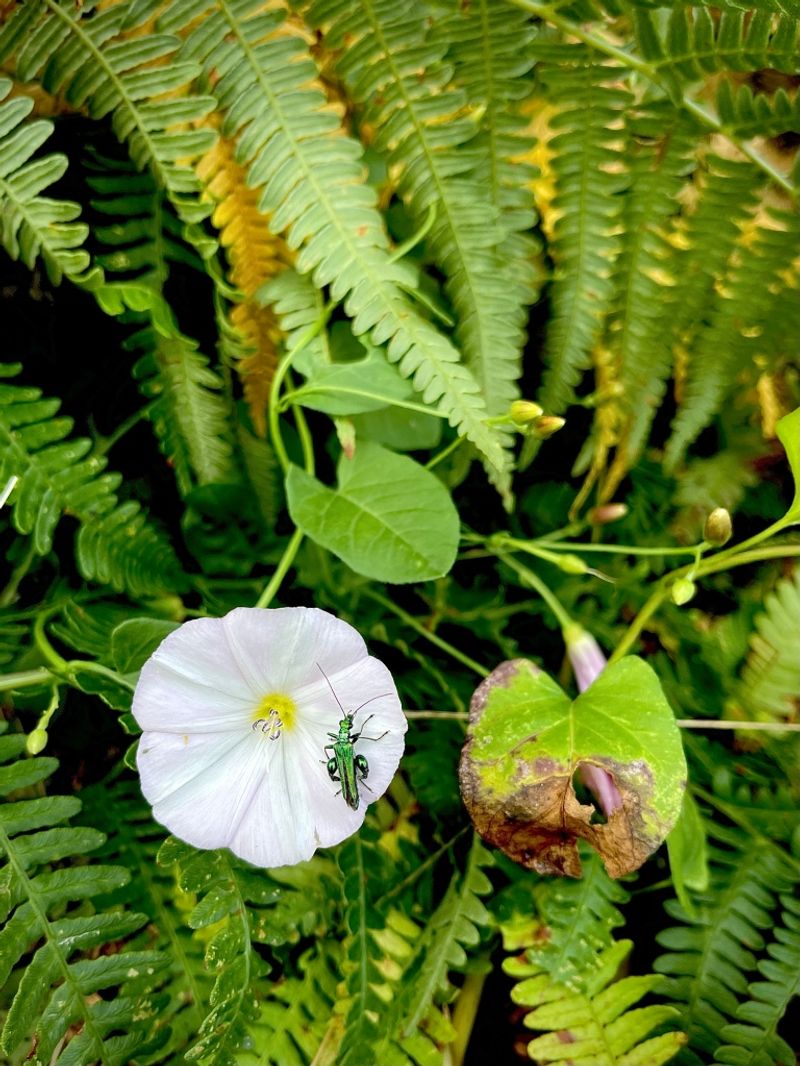
Bindweed’s charming appearance belies its tenacity. This perennial weed produces beautiful trumpet-shaped flowers that are deceptively alluring. However, beneath the surface lies a web of roots that can spread far and wide. Its climbing habit allows it to strangle desirable plants, smothering them beneath its foliage. Eradicating Bindweed is no easy task, as its roots can extend deep into the soil. Persistent pulling and digging are required to keep this invader at bay. Its deceptive beauty serves as a reminder of its invasive nature and destructive potential.
3. Canada Thistle
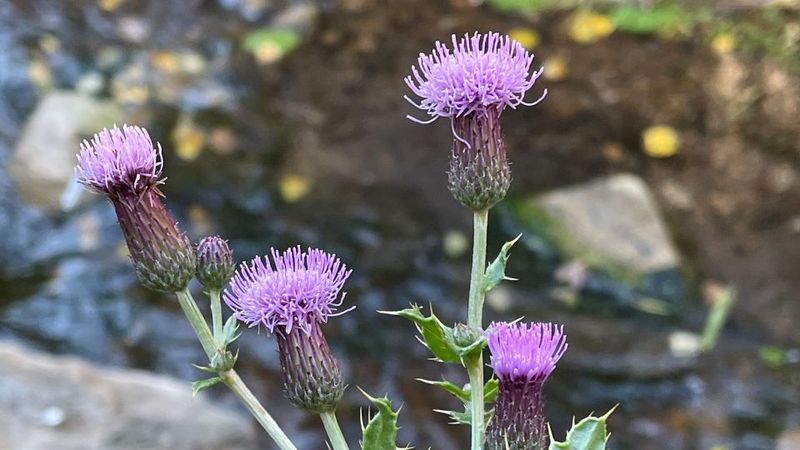
Canada Thistle is a formidable opponent for gardeners. With its sharp, spiky leaves and vibrant purple flowers, it presents both a challenge and a beauty. This weed spreads aggressively through creeping roots, making it difficult to eliminate. Its tenacity can overwhelm even the most well-maintained gardens, outcompeting flowers and vegetables for vital resources. The prickly foliage is a deterrent to handling, requiring careful removal methods. Persistence is key to managing this invasive plant. Regular monitoring and prompt removal of young plants can prevent an infestation.
4. Crabgrass
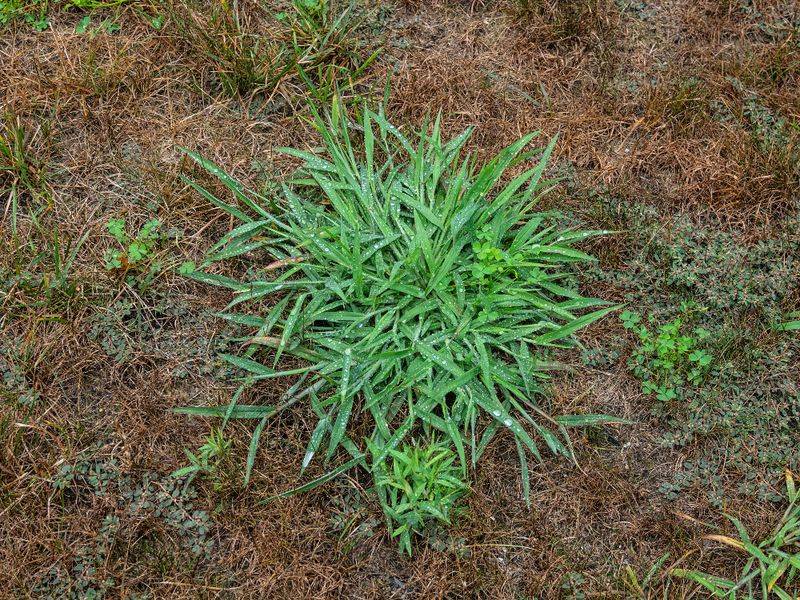
Crabgrass is often the bane of any lawn enthusiast. Its broad, flat leaves quickly take over, crowding out desired grasses. This annual weed thrives in warm, sunny conditions, making it a common summer nuisance. Once established, Crabgrass can be challenging to control, as it competes fiercely for sunlight and nutrients. Pre-emergent herbicides can be effective in preventing its growth. Prompt removal of young plants is crucial to managing its spread. Understanding its growth pattern can help in formulating an effective control strategy, keeping your lawn pristine.
5. Dandelion
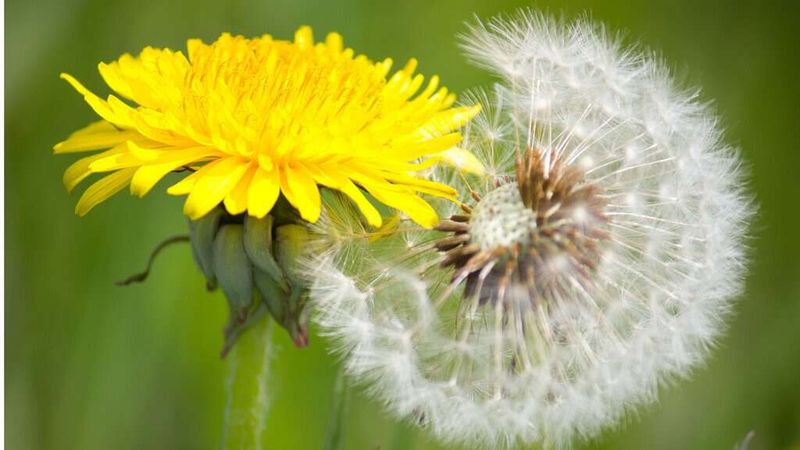
The cheerful yellow blooms of Dandelions are a familiar sight in many gardens. Yet beneath their sunny exterior lies a weed that can quickly dominate a landscape. Known for their deep taproots, Dandelions are notoriously difficult to eradicate once established. Their seeds disperse easily, carried by the wind to new locations. Regular mowing can help control their spread, but persistent digging is often necessary to remove the entire root. Despite their beauty, Dandelions are a reminder of nature’s tenacity and adaptability.
6. Quackgrass
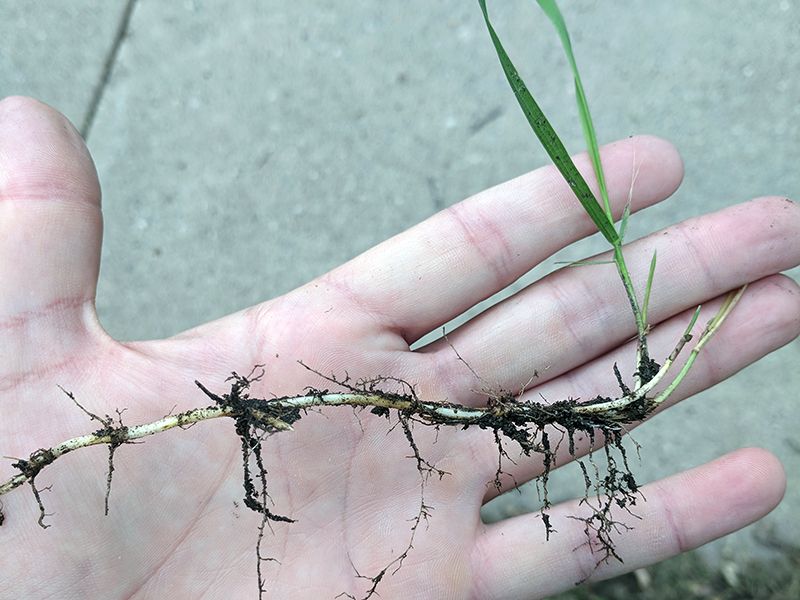
Quackgrass is a sneaky adversary in the garden. With its creeping underground rhizomes, it can spread unnoticed until it’s well-established. Its long, narrow leaves can outcompete desirable plants for resources, making it a challenging weed to control. Quackgrass’s resilience is matched by its ability to regrow from small root fragments, complicating removal efforts. Regular tilling and careful extraction of roots can help manage its spread. Awareness of its presence and persistence in removal are key to keeping this invasive grass at bay.
7. Lamb’s Quarters
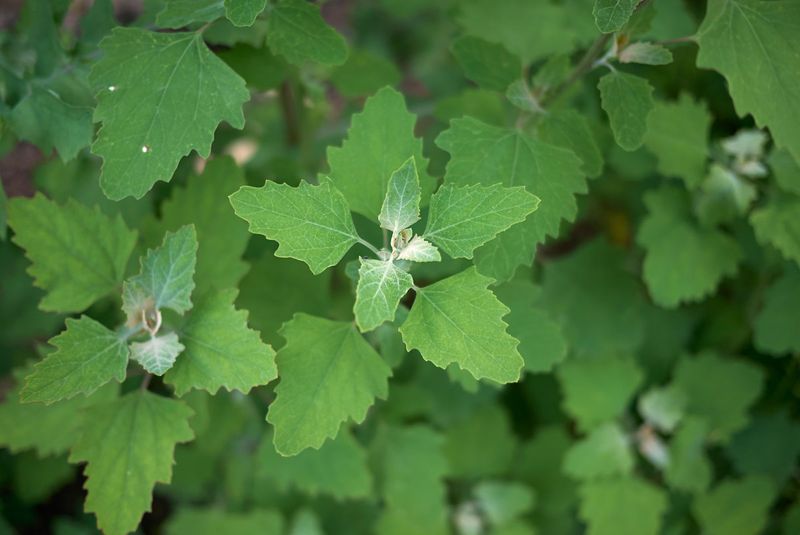
Lamb’s Quarters may look unassuming, but this fast-growing weed can quickly take over a garden. Its dusty-looking leaves and small green flowers are a common sight in disturbed soils. This annual weed competes aggressively for light, water, and nutrients, making it a formidable opponent for vegetables and flowers. Regular weeding and mulching can help control its spread. Despite its invasive nature, it is edible and nutritious, offering a silver lining to its presence. Understanding its growth habits can help in its management.
8. Purslane
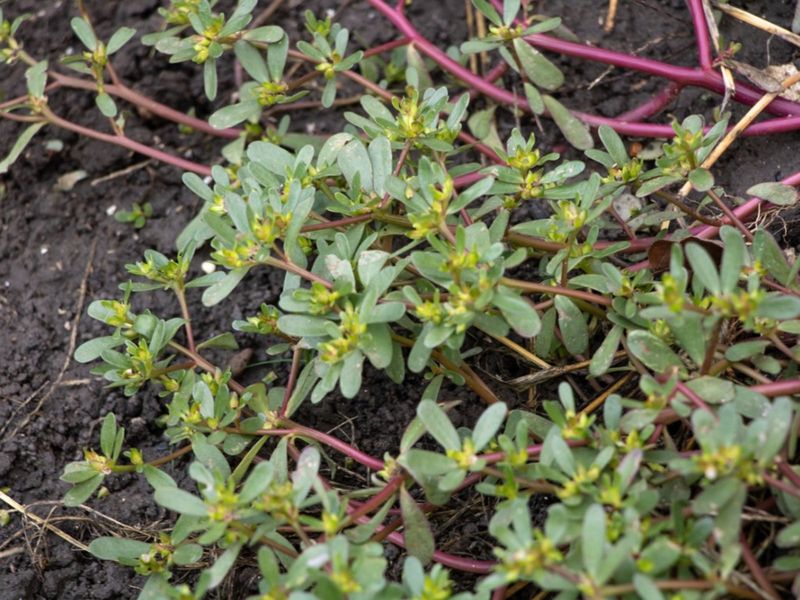
Purslane’s succulent leaves may look appealing, but this weed can become a persistent problem. Known for its ability to thrive in hot, dry conditions, Purslane can quickly spread across garden paths and beds. Its thick leaves and small yellow flowers can outcompete less robust plants. Removing Purslane requires diligence, as it can regrow from even the smallest stem fragments. Regular monitoring and prompt action are essential to keep this invader in check. Its resilience in adverse conditions is both its strength and downfall.
9. Chickweed
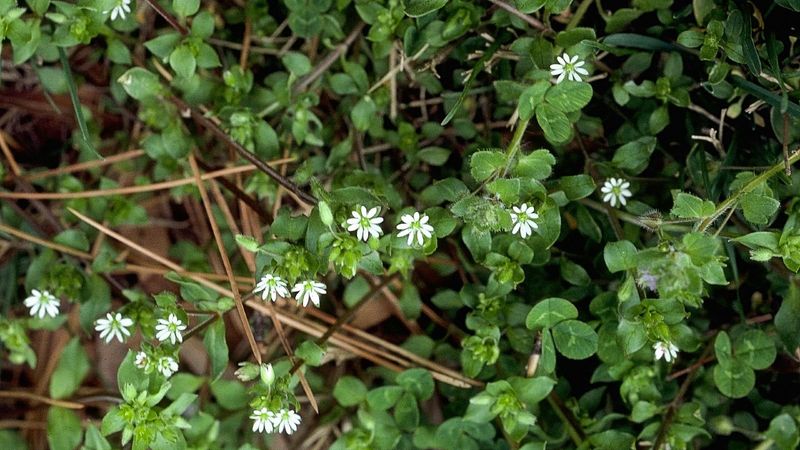
Chickweed is a persistent intruder in gardens and lawns. Its small white flowers and dense mat-like growth allow it to spread rapidly. This annual weed thrives in cool, moist conditions, often appearing in early spring. Chickweed’s shallow roots make it easy to pull, but prompt removal is crucial to prevent seeding. Regular mulching and monitoring can help keep this invader at bay. Despite its delicate appearance, Chickweed is a tenacious competitor, capable of outshining more desirable plants. Awareness and timely action are key to control.
10. Nutsedge
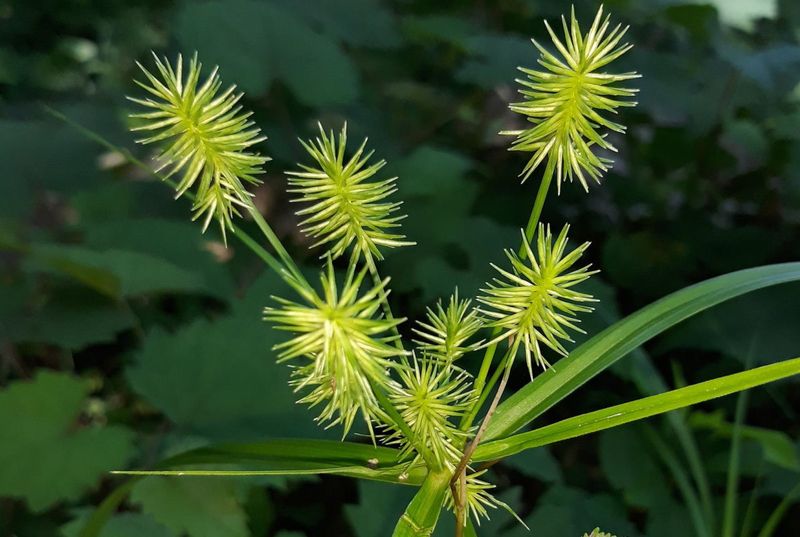
Nutsedge, with its unmistakable bright green stems, is a formidable challenge for gardeners. Its triangular stems and aggressive growth habit allow it to dominate garden beds. Unlike most weeds, Nutsedge thrives in wet conditions, making it a frequent problem in irrigated areas. Its underground tubers make eradication difficult, as they can sprout new plants. Consistent monitoring and targeted removal are necessary to manage its spread. Understanding its growth cycle can lead to more effective control strategies. Its resilience makes it a daunting opponent.
11. Bermudagrass
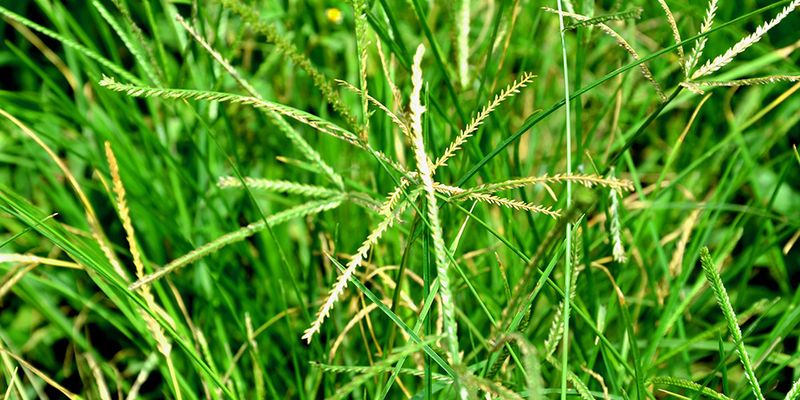
Bermudagrass is both a lawn favorite and a notorious invader. While valued for its durability, this grass can quickly overrun garden areas. Its fine-bladed leaves spread rapidly, competing fiercely with other plants. Bermudagrass thrives in warm climates, making it a common sight in southern regions. Controlling its spread requires diligence, as even small fragments can regrow. Regular mowing and edging can help keep this grass in check. Its dual nature as both friend and foe highlights the complexities of garden management.
12. Giant Hogweed
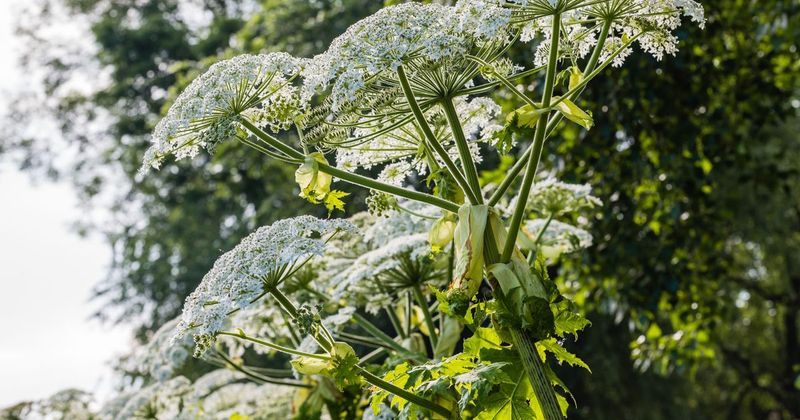
Giant Hogweed is a striking, yet dangerous, presence in any landscape. Its towering height and large white flowers create an imposing sight. However, contact with this plant’s sap can cause severe skin irritation and burns. Giant Hogweed’s ability to spread rapidly makes it a significant threat to native flora. Its seeds disperse widely, complicating control efforts. Removal often requires professional assistance due to the plant’s size and potential health hazards. Its dramatic appearance belies the hidden dangers it poses to both humans and plants alike.
13. Johnson Grass
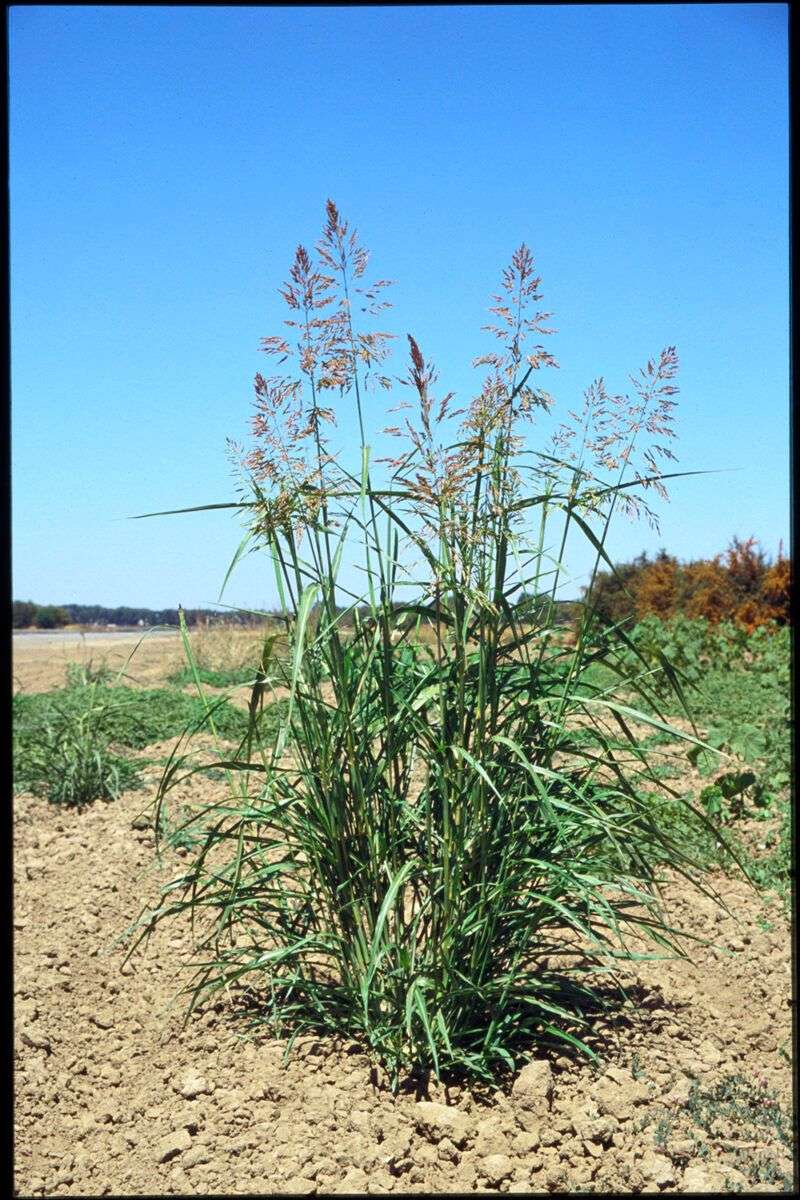
Johnson Grass is a tenacious weed with a love for disturbed soils. Its tall green stalks and feathery seed heads are a common sight in fields and gardens. This perennial grass spreads aggressively through rhizomes and seeds, making it difficult to control once established. Johnson Grass competes fiercely for sunlight and nutrients, often outmatching cultivated plants. Regular mowing and removal of seed heads can help manage its spread. Its resilience and rapid growth make it a formidable adversary in any landscape.
14. Kudzu

Kudzu is often called “the vine that ate the South.” Its rapid growth allows it to engulf entire landscapes, covering trees and structures in a blanket of green. Kudzu’s broad leaves and purple flowers mask its invasive nature. Control is challenging due to its extensive root system and vigorous growth. Mechanical removal and herbicides are often necessary to combat this aggressive vine. Its ability to transform landscapes in short periods is both fascinating and concerning. Understanding its growth patterns is essential for effective management.
15. Morning Glory
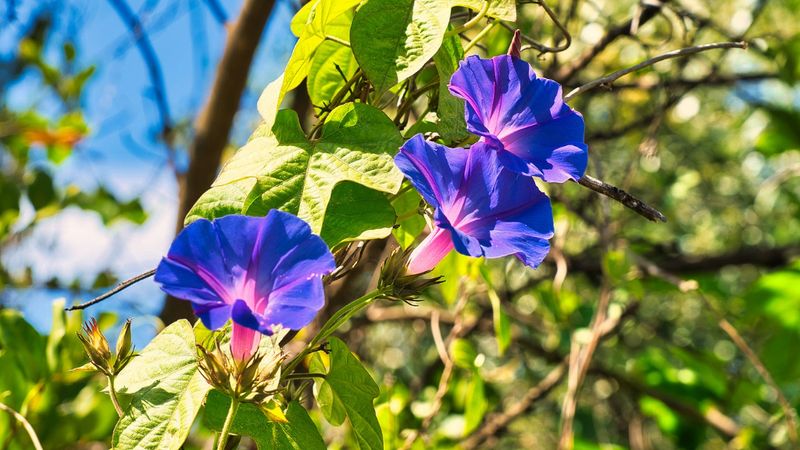
Morning Glory’s vibrant blooms are a delightful sight in any garden. However, this fast-growing vine can quickly overwhelm other plants. Its twining stems and large flowers compete for sunlight and resources. Once established, Morning Glory can be difficult to remove, as it clings tenaciously to supports. Regular pruning and vigilance are necessary to keep its growth in check. Despite its beauty, Morning Glory’s invasive tendencies make it a challenging addition to any garden. Its dual nature as both adornment and adversary adds complexity to garden care.
16. Poison Ivy
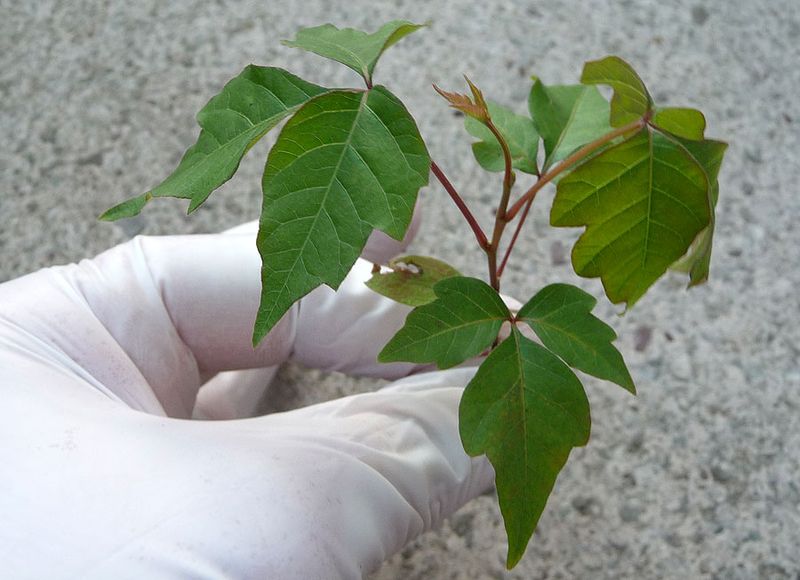
Poison Ivy is infamous for its ability to cause skin irritation. Its shiny, three-lobed leaves are a familiar warning sign for outdoor enthusiasts. This perennial weed can spread rapidly, forming dense clumps in gardens and forests. Control is challenging, as even small fragments can regrow. Protective clothing and careful removal are necessary when dealing with Poison Ivy. Its presence serves as a reminder of nature’s unpredictability and the need for caution in natural settings. Awareness and respect for this plant’s potential effects are crucial.
17. Ragweed
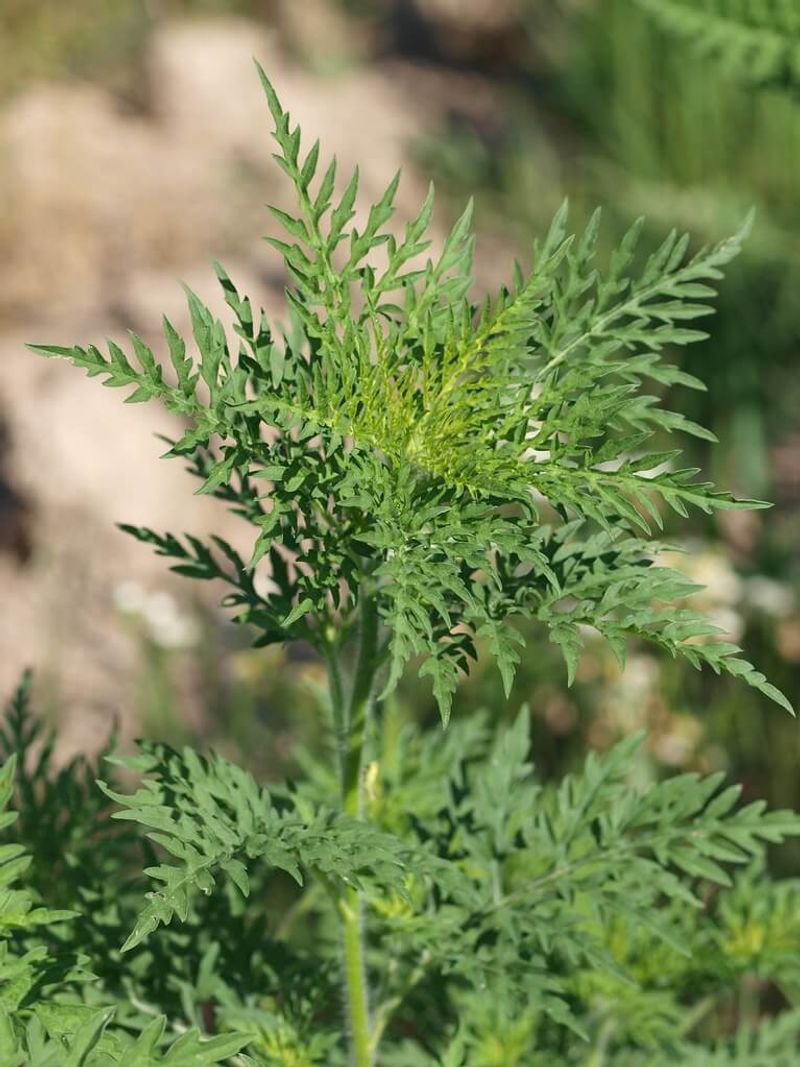
Ragweed is notorious for causing seasonal allergies. Its feathery leaves and small green flowers release copious amounts of pollen, affecting many people. This annual weed thrives in disturbed areas, spreading rapidly through seeds. Eradicating Ragweed requires persistence, as it can regrow from root fragments. Regular mowing and removal of mature plants can help reduce its spread. Its impact on human health and plant competition highlights the challenges of managing this pervasive weed. Understanding its growth habits can aid in effective control measures.
18. Stinging Nettle
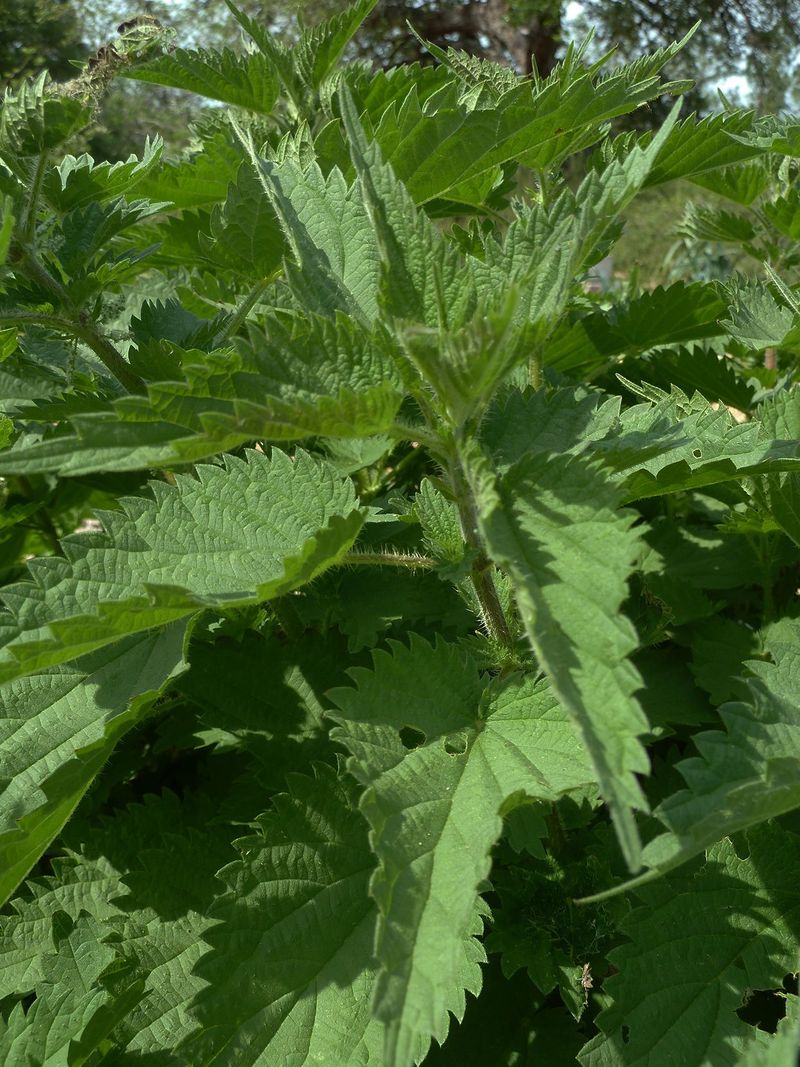
Stinging Nettle is both a nuisance and a resource. Its serrated leaves and tiny stinging hairs can cause discomfort upon contact. This perennial weed thrives in nutrient-rich soils, often appearing at the edges of gardens. Despite its sting, Nettle is valued for its nutritional properties and has been used in traditional remedies. Control requires careful handling and regular cutting. Its dual nature as both irritant and beneficial plant adds complexity to its management. Awareness and respect for its potential uses and dangers are essential.