 Complete Gardening
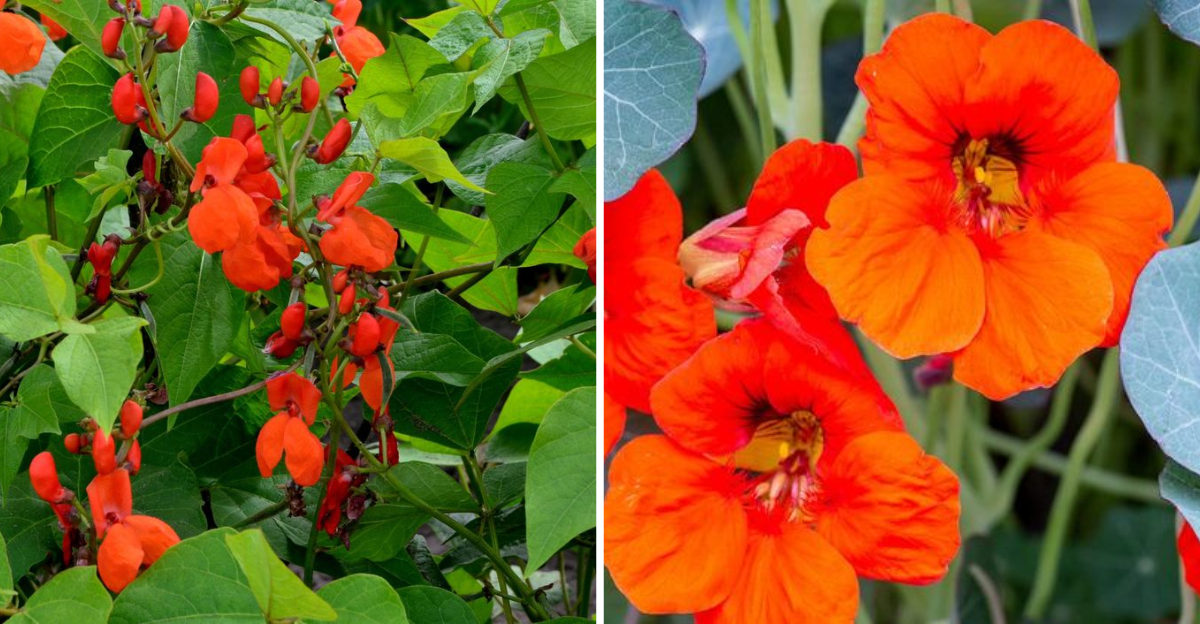
Discover the vibrant world of plants that don’t just provide culinary delights but also add a splash of color to your garden. These 20 plants are both edible and ornamental, making them perfect for those who love to blend aesthetics with practicality. Whether you’re a seasoned gardener or just starting, these plants will surely captivate your senses and taste buds. From exotic herbs to dazzling fruits, each plant holds a unique story waiting to be explored. Join us on this journey to find the perfect addition to your garden.
1. Rainbow Swiss Chard
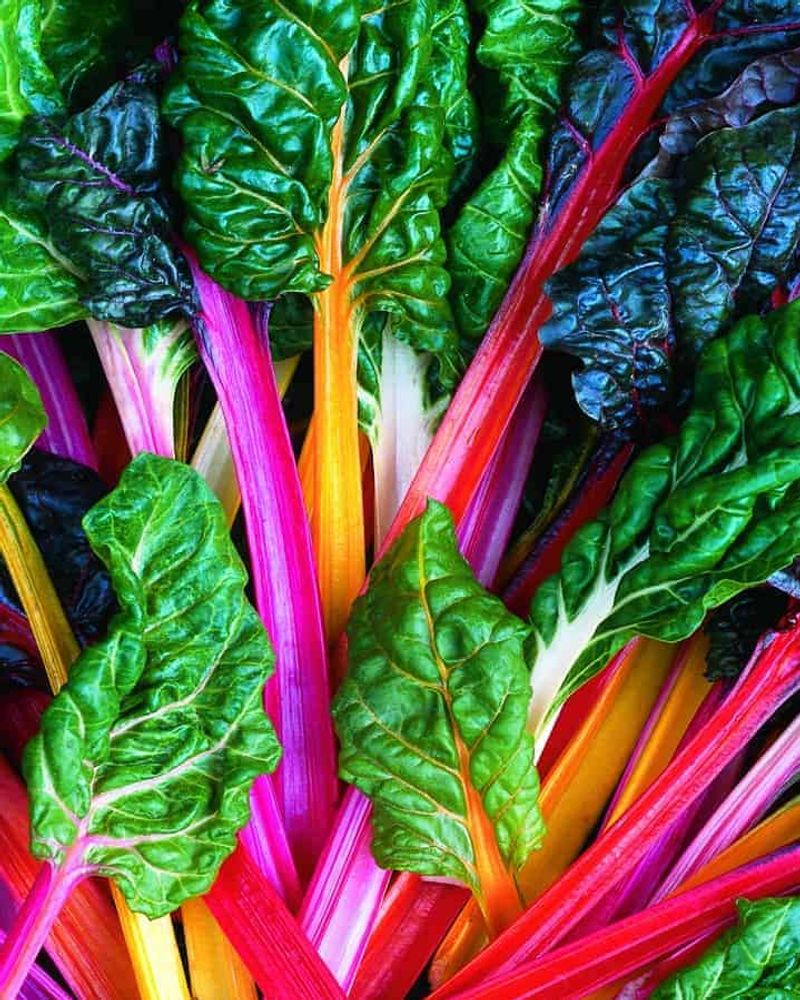
Swiss chard is not just a staple in healthy diets but also a feast for the eyes. The rainbow variety, with its vibrant stalks in shades of red, yellow, and orange, stands out in any garden. This leafy green is easy to grow and requires minimal care, making it perfect for beginners. Swiss chard thrives in both containers and garden beds, and its colorful stems make it an attractive border plant. Packed with nutrients, it’s a popular choice for salads and sautés. Fun fact: Swiss chard isn’t Swiss at all but originated in the Mediterranean.
2. Purple Basil
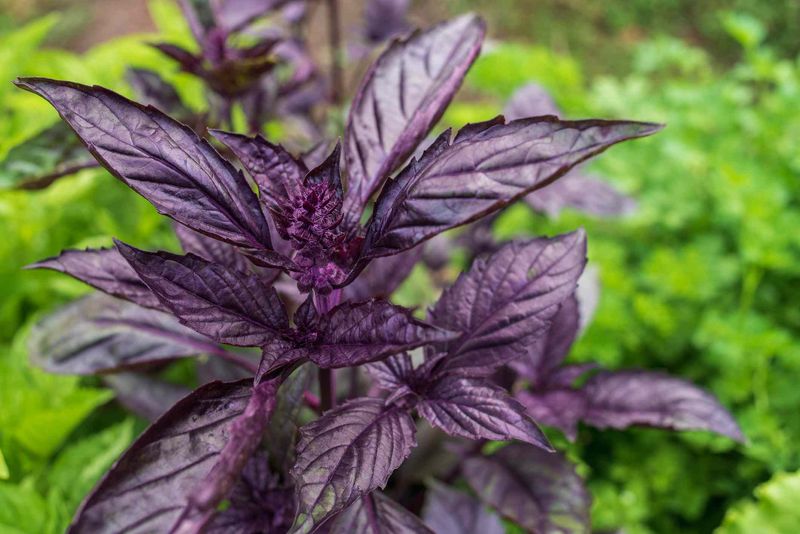
Purple basil adds a splash of color and a unique flavor twist to traditional basil. Its deep violet leaves bring an exotic touch to any herb garden. This aromatic plant not only enhances dishes with its mild clove-like taste but also serves as an ornamental attraction. Ideal for pots and small spaces, purple basil thrives with regular watering and sunlight. It’s a fantastic companion plant, known to repel pests naturally. Did you know? Purple basil is often used to make herbal teas and vinegars, adding both color and flavor.
3. Nasturtiums
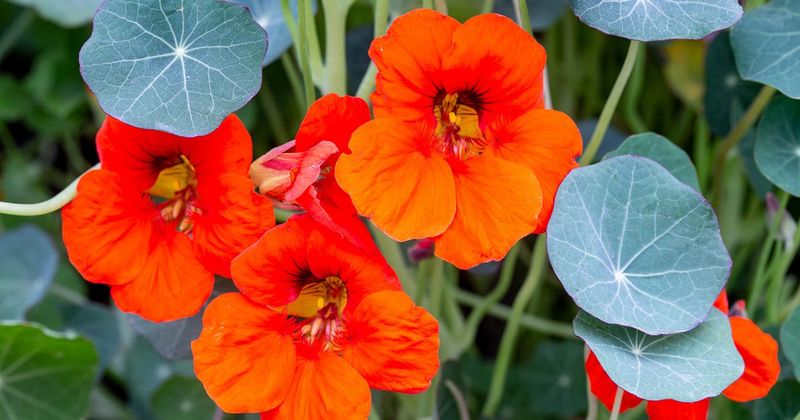
Nasturtiums are a gardener’s delight, known for their vibrant flowers and peppery taste. These cheerful plants thrive almost anywhere, requiring little attention. Nasturtiums are excellent for those who love edible flowers; their blooms and leaves add a spicy kick to salads. They make fantastic companion plants, helping to deter pests from other crops. Historically, nasturtiums were used as a substitute for capers. Their trailing nature and bold colors make them ideal for hanging baskets or garden borders. A true feast for the eyes and palate!
4. Scarlet Runner Beans
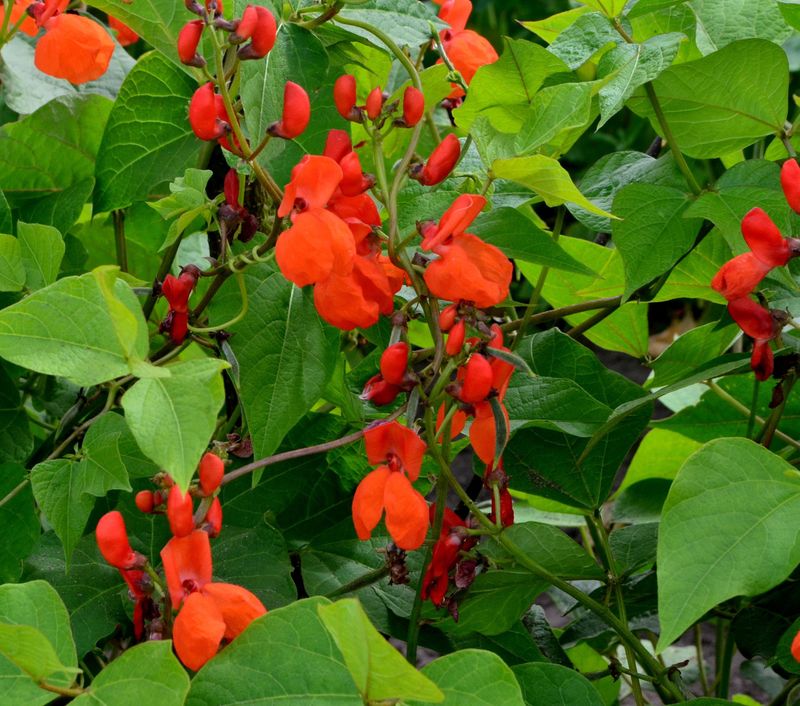
Scarlet runner beans are a striking addition to any garden. Known for their brilliant red flowers, these climbing vines can reach impressive heights. They are not just ornamental; their beans are edible and delicious when picked young. Scarlet runner beans are perfect for creating a natural screen or adding vertical interest. These beans prefer cooler climates and are loved by pollinators. Historically, they were grown by the Native Americans for their beauty and nutrition. Whether in a pot or garden, they transform any space with their lush growth.
5. Purple Kale
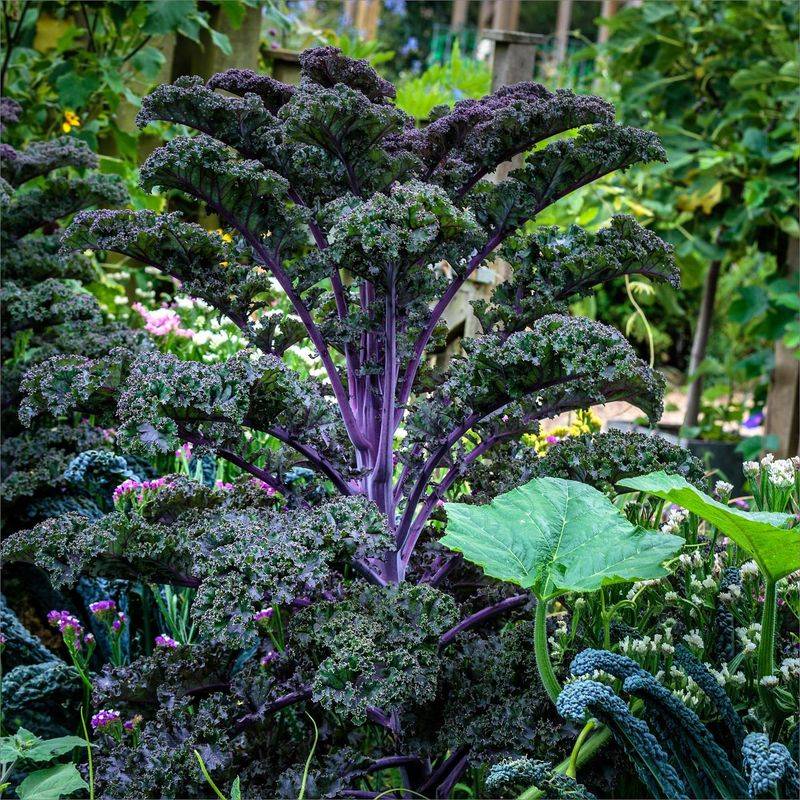
Purple kale is more than just a nutritious green; it’s a visual masterpiece. With its deep purplish leaves, this kale variety adds elegance to vegetable patches. It’s known for its robust flavor, perfect for soups and smoothies. Easy to grow, purple kale is frost-resistant, providing a harvest well into winter. Its striking color also makes it a favorite in ornamental borders. Fun fact: The colder the temperature, the more vibrant the color becomes. Whether you’re after health benefits or garden aesthetics, purple kale delivers both in spades.
6. Variegated Sage
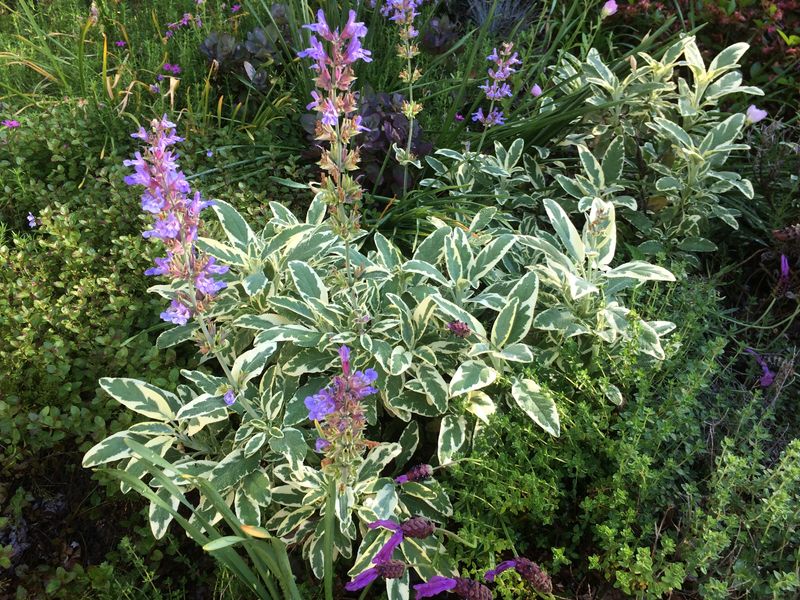
Variegated sage is a standout with its cream-edged leaves and savory scent. This perennial herb is not just for cooking but also enhances garden beauty. It thrives in well-drained soil and full sun, making it a hardy choice for herb gardens. Its unique foliage adds texture and interest to any planting scheme. Variegated sage is also drought-tolerant, an excellent feature for low-maintenance gardening. Historically, sage has been revered for its medicinal properties. A must-have for those who love both flavor and visual appeal in their garden.
7. Ornamental Peppers
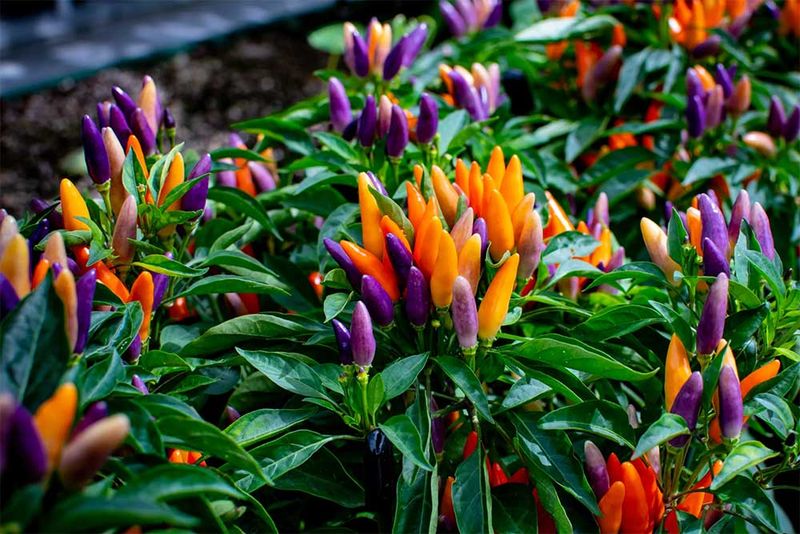
Ornamental peppers are a fiery feast for the eyes. With their small, colorful fruits, they are a bold choice for patios and gardens. While these peppers are edible, they pack a punch, often used more for decoration than consumption. They grow well in pots and are highly versatile. Their vibrant colors make them excellent for adding contrast to garden beds. Originating from South America, these peppers thrive in warm climates. Beyond aesthetics, they symbolize warmth and hospitality. Ornamental peppers are a perfect blend of beauty and spice.
8. Calendula
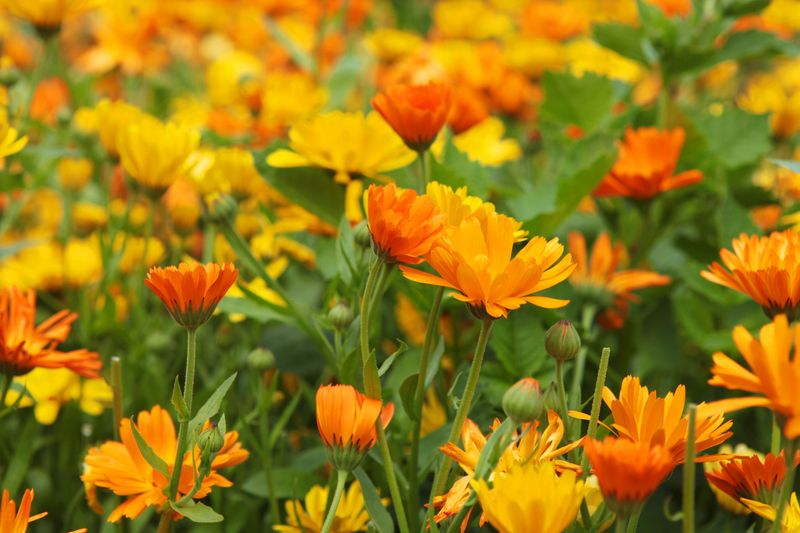
Calendula, often known as pot marigold, brightens gardens with its sunny blooms. These cheerful flowers are not only ornamental but also have edible petals. Calendula petals add a splash of color to salads and soups, often used as a saffron substitute. They are easy to grow and attract beneficial insects. Known for its healing properties, calendula is a staple in herbal medicine. This versatile plant thrives in sunny spots and is drought tolerant. Whether in culinary or cosmetic applications, calendula’s charm and utility make it a gardener’s favorite.
9. Red Mustard Greens
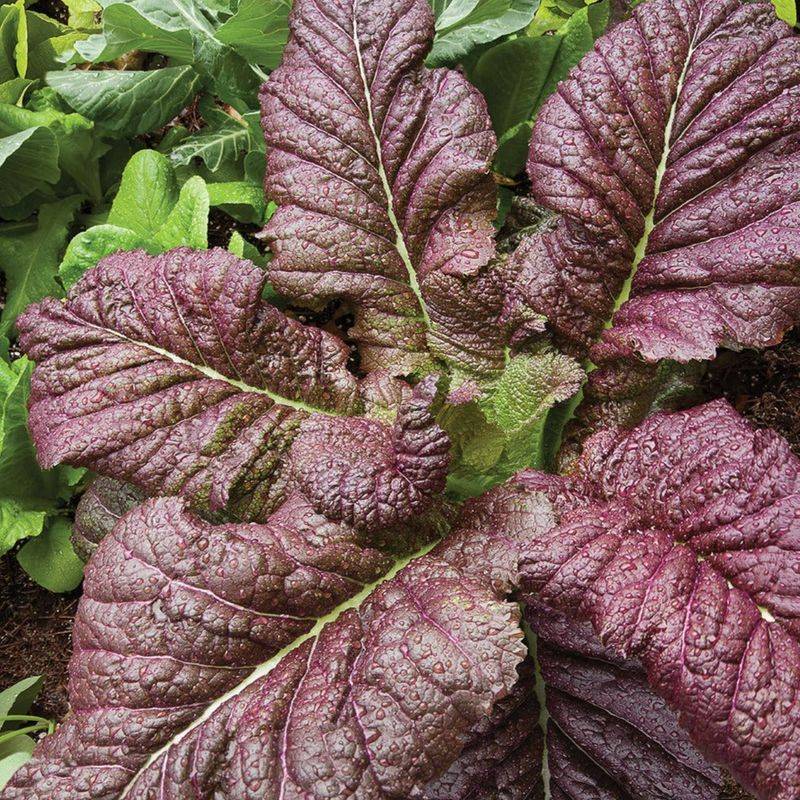
Red mustard greens bring a pop of color and a spicy flavor to gardens and tables alike. With their crinkled, deep red leaves, they stand out in any vegetable patch. These greens are cold-tolerant, making them an excellent choice for fall planting. Known for their peppery taste, they are used in salads and stir-fries for an added kick. Red mustard greens are also rich in vitamins, contributing to a healthy diet. Originating from Asia, they’ve been cultivated for both their beauty and nutritional value. A true double-duty plant.
10. Pineapple Sage
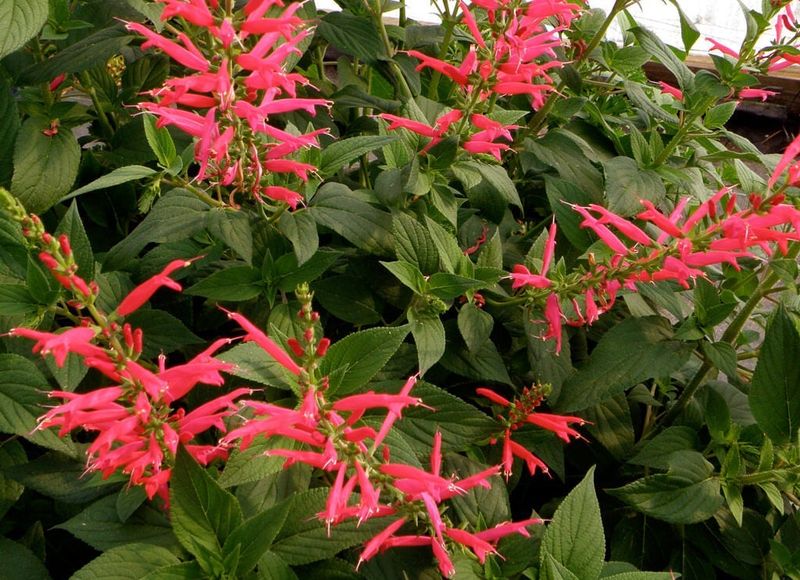
Pineapple sage is a delightful herb that infuses gardens with a hint of tropical allure. With its bright green leaves and red flowers, it attracts both hummingbirds and admirers. The leaves carry a subtle pineapple aroma, making them a unique addition to teas and desserts. Pineapple sage thrives in sunny locations and well-drained soil. It’s an ideal plant for mixed borders or herb gardens. Fun fact: Pineapple sage is native to Mexico and is celebrated for its culinary and ornamental uses. A charming plant with a fruity twist.
11. Amaranth
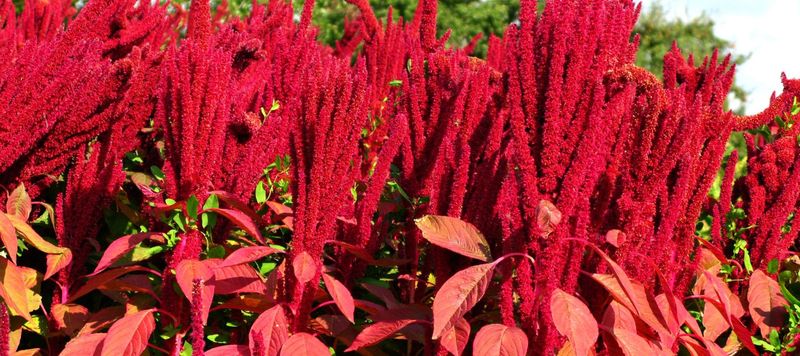
Amaranth is an ancient grain with a visually stunning presence. Its tall stalks and vibrant seed heads in shades of red and purple make it a standout in gardens. Amaranth seeds are a protein-rich staple in many cultures and can be popped like popcorn or ground into flour. This heat-loving plant is drought-resistant, an excellent choice for sustainable gardening. Amaranth’s striking appearance also makes it perfect for ornamental borders. Historically revered by the Aztecs, it’s both a food source and a decorative element. A plant with heritage and flair.
12. Fennel
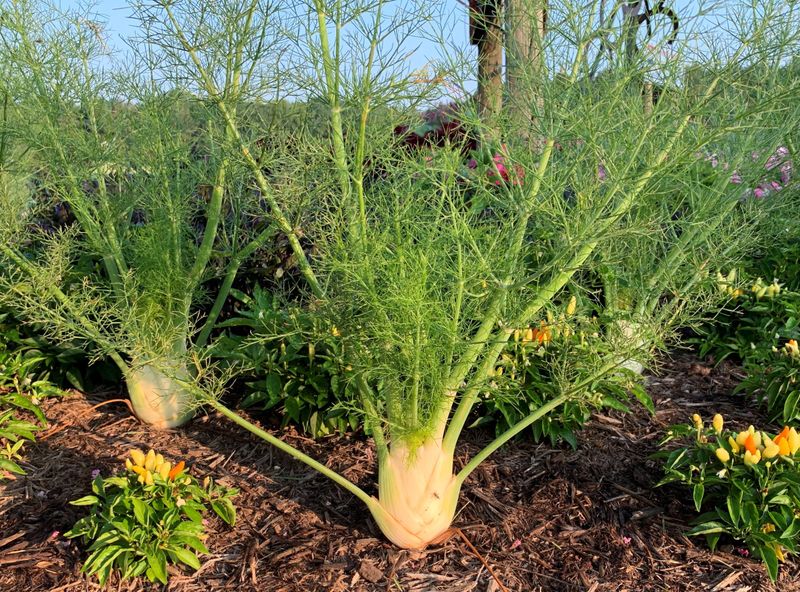
Fennel is not just a culinary herb but also a garden showstopper. With its feathery, fragrant foliage and bulbous base, it adds height and texture to plantings. Fennel’s anise-like flavor enhances dishes from salads to seafood. It thrives in well-drained soil and full sun, making it a hardy garden choice. Besides its culinary uses, fennel is known for its digestive benefits. Historically, it was used by ancient Romans for seasoning and medicinal purposes. Its graceful appearance and versatility in the kitchen make fennel a must-have plant.
13. Bright Lights Chard
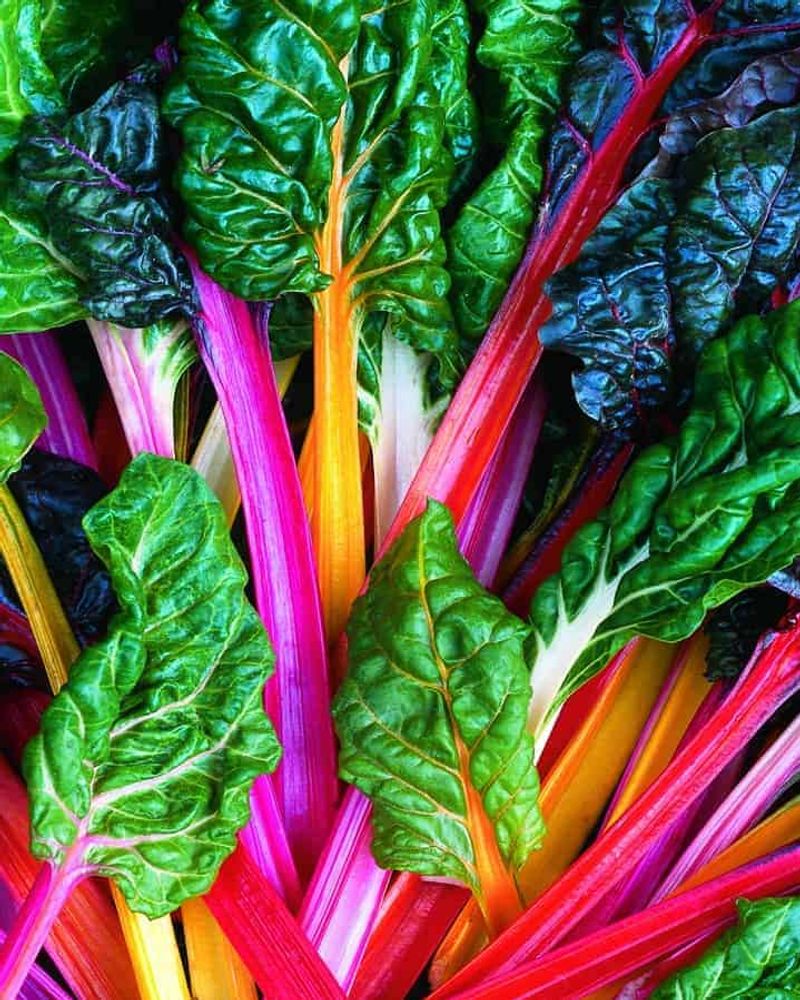
Bright Lights chard dazzles with its neon-colored stems, an eye-catching feature in any vegetable garden. This Swiss chard variety is not only colorful but also packed with nutrients. It grows well in both containers and open plots, preferring sunny spots and regular watering. Bright Lights chard is as tasty as it is beautiful, perfect for sautés and salads. This variety is known for its mild flavor and tender leaves, making it a favorite among gardeners. Its vibrant hues add a splash of color to garden beds and dining tables alike.
14. Lavender
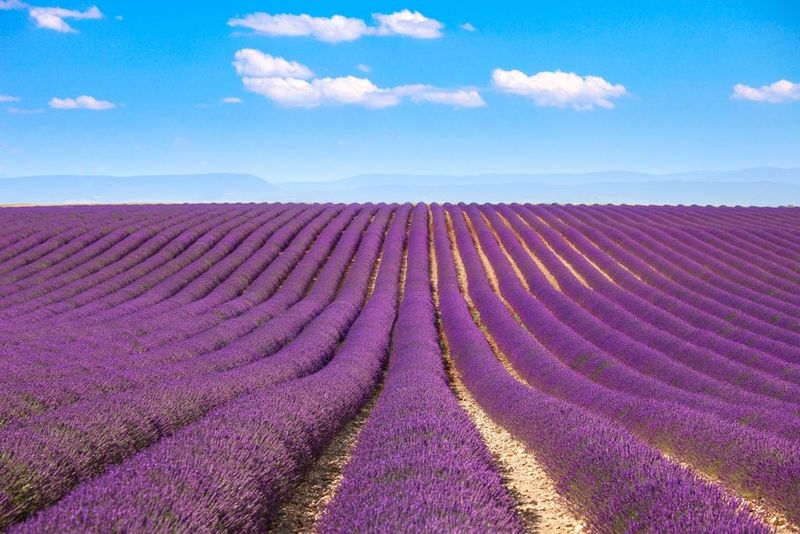
Lavender is synonymous with relaxation and beauty. Its fragrant purple blooms are a staple in gardens worldwide. Lavender is not only ornamental but also edible, used in culinary dishes and herbal teas for a subtle floral note. This hardy plant thrives in sunny, well-drained areas, making it perfect for borders and rock gardens. Historically, lavender was used for its soothing properties in aromatherapy. It’s a magnet for pollinators, enhancing garden biodiversity. Whether you’re cultivating a calming space or exploring unique flavors, lavender is an excellent choice.
15. Rainbow Carrots
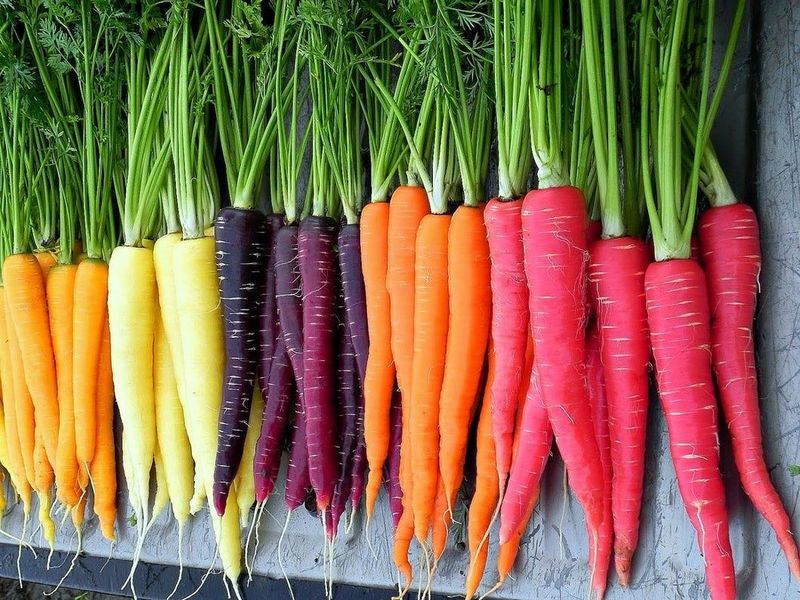
Rainbow carrots are a feast for both eyes and palate. Unlike the usual orange variety, rainbow carrots come in a spectrum of colors, including purple, yellow, and red. These vibrant roots not only add visual appeal but also offer various nutritional benefits. Easy to grow, they thrive in loose, sandy soil with regular watering. Rainbow carrots are excellent for raw snacks, roasts, and colorful salads. Originating from Afghanistan, they have a rich history and diverse flavor profile. A delightful way to brighten up your garden and meals.
16. Artichoke
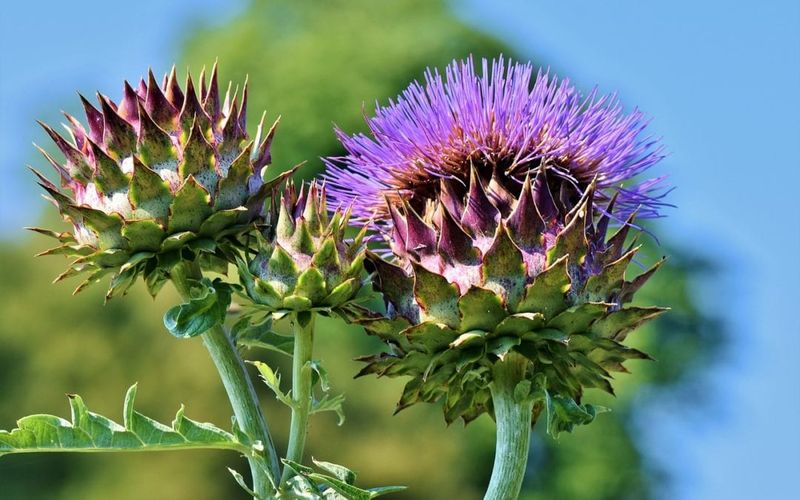
Artichokes are a unique addition to any edible landscape. With their large, spiky leaves and silvery-green hue, they provide a dramatic backdrop. The flower heads, when allowed to bloom, reveal stunning purple thistle-like flowers. Artichokes prefer mild climates and well-drained soil. Their edible buds are a delicacy, often steamed or grilled. Did you know? Artichokes were considered a luxury in ancient Rome, prized for their taste and medicinal properties. Whether for their striking appearance or culinary uses, artichokes are a gardener’s delight.
17. Lemon Balm
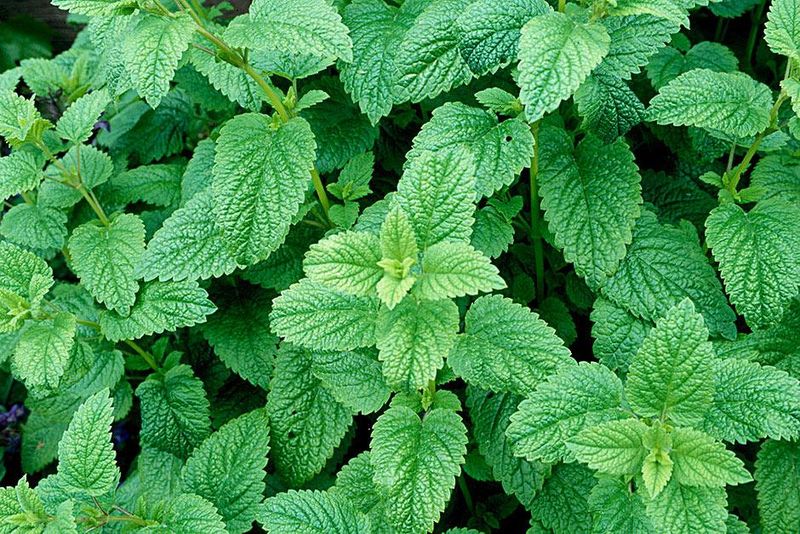
Lemon balm, with its refreshing citrus scent, is a versatile herb in both gardens and kitchens. Its lush green leaves offer a delightful fragrance, making it a favorite for sensory gardens. Lemon balm thrives in sunny locations but tolerates some shade, ideal for herb gardens and borders. It’s often used in teas and desserts, adding a lemony twist. Historically, lemon balm was believed to reduce stress and promote relaxation. Its ability to attract bees makes it a beneficial addition to any garden. A charming and aromatic herb.
18. Culantro
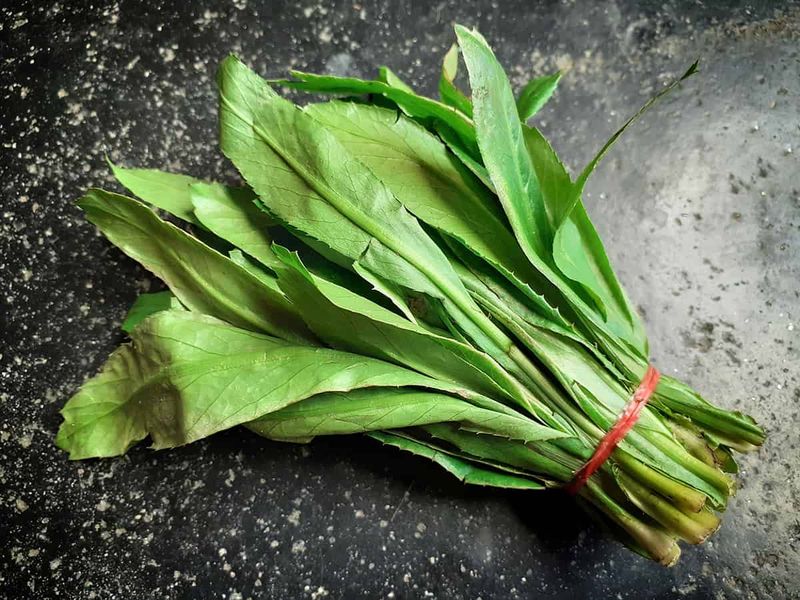
Culantro, an aromatic herb, is a robust alternative to cilantro. With its long, serrated leaves, culantro thrives in tropical climates, making it a staple in Caribbean and Latin American cuisines. Its flavor is more intense than cilantro, often used in soups and stews. Culantro grows best in shaded, moist areas, perfect for herb gardens. Historically, it has been used for its medicinal properties, including aiding digestion. For those who love bold flavors and unique plants, culantro is a standout. A must-have for adventurous cooks and gardeners.
19. Purple Cauliflower
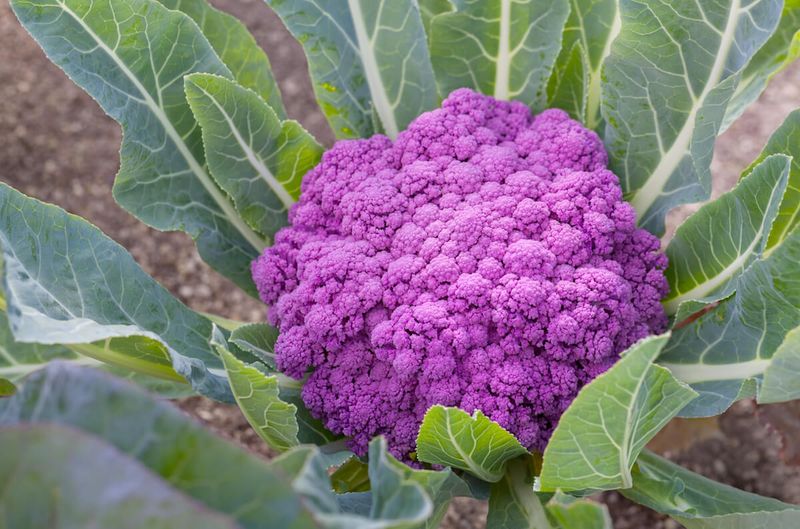
Purple cauliflower is a vibrant twist on a classic vegetable. Its rich violet florets make it an artistic addition to any garden. Not only is it visually appealing, but it also contains anthocyanins, antioxidants found in red cabbage and red wine. Purple cauliflower thrives in full sun and well-drained soil, perfect for cool-season planting. This vegetable is as versatile in the kitchen as it is beautiful, suitable for roasting, steaming, or raw dishes. Originating from Italy, it’s a colorful way to boost your garden’s aesthetic and nutritional value.