 Complete Gardening
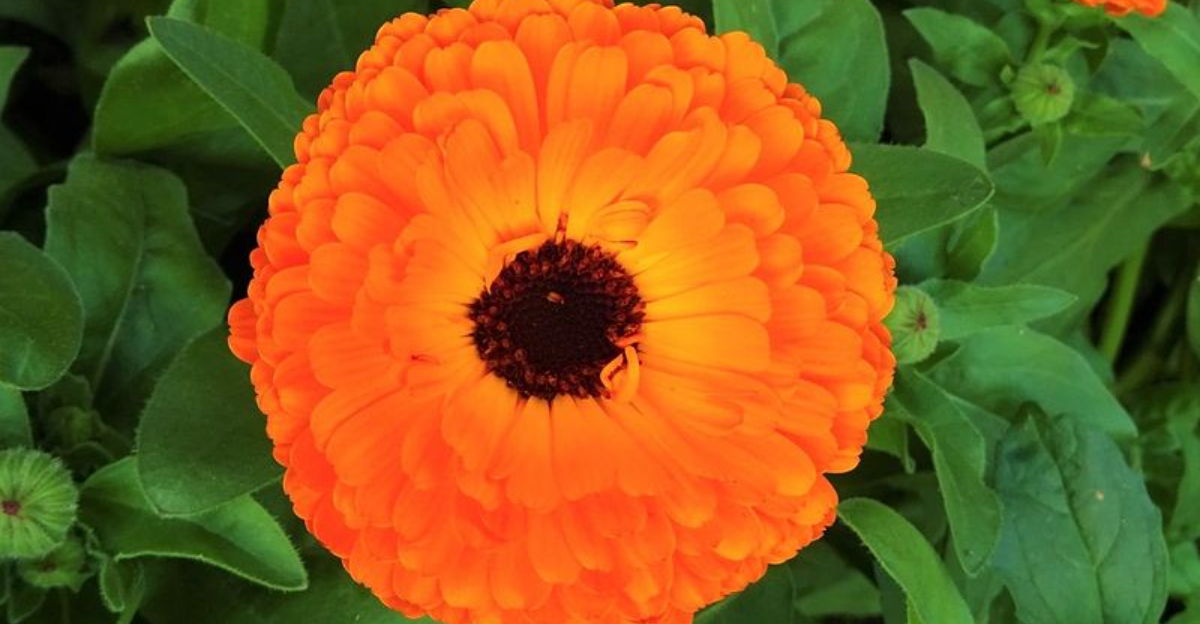
The Secret Behind Glowing and Healthy Skin Lies in These 22 Plants
Unlock the secret to radiant, healthy skin with the timeless power of medicinal plants! These botanical wonders are packed with potent compounds that not only soothe inflammation but also nourish your skin with essential nutrients.
In this captivating blog post, we dive into 20 unique plants that can transform your skincare routine and enhance your natural beauty.
Whether you’re just beginning your journey into natural skincare or are a seasoned enthusiast, each plant offers its own special benefits. Are you ready to discover nature’s secret to a glowing complexion?
1. Borage
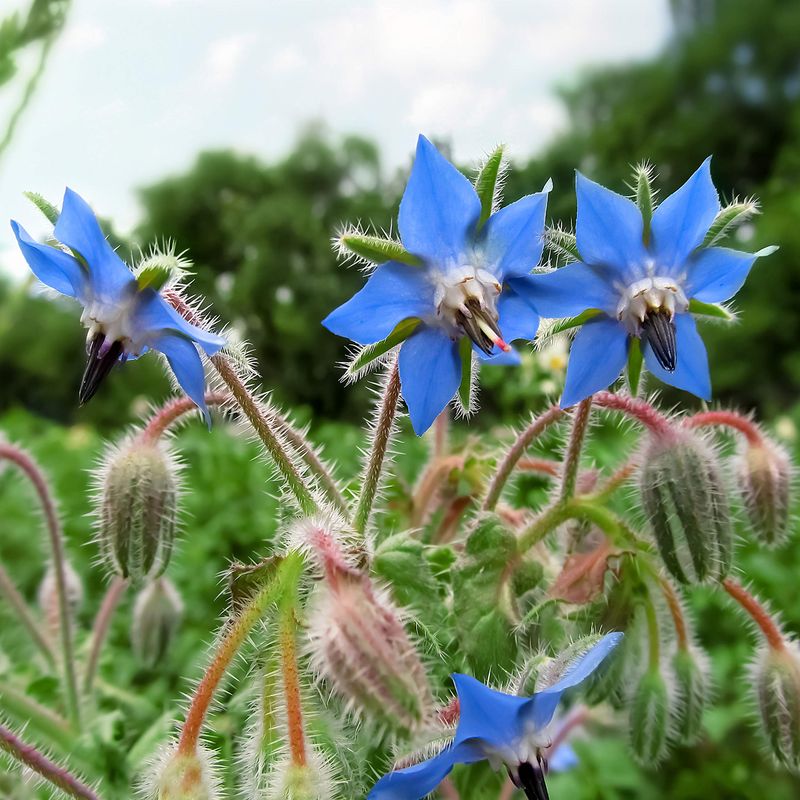
Borage, with its striking blue star-shaped flowers, is a powerhouse for skin health. The seeds of this plant contain gamma-linolenic acid, a type of omega-6 fatty acid known for its anti-inflammatory properties.
Borage oil calms dry and irritated skin, making it a favorite in skincare products aimed at soothing conditions like eczema. The oil’s hydrating effects support the skin’s barrier function, keeping it supple and resilient.
Including borage in your skincare routine could help maintain a youthful glow, while also soothing sensitive skin prone to flare-ups.
2. Mugwort
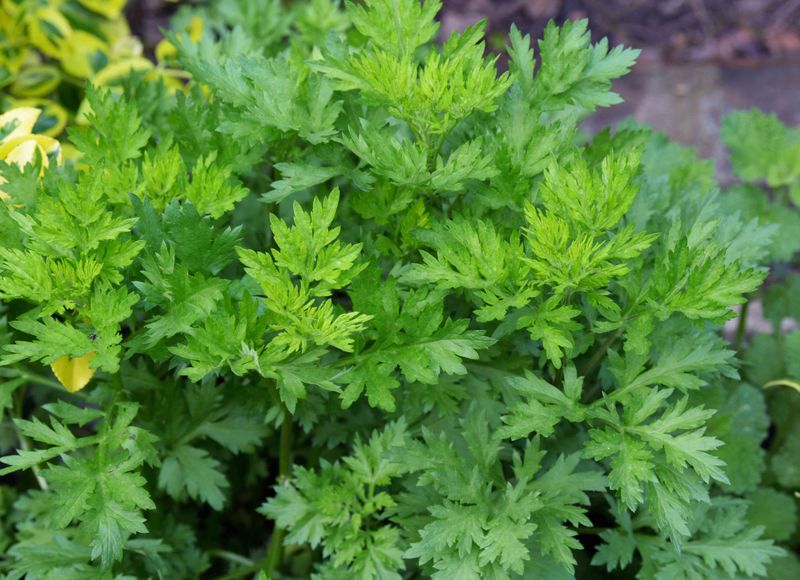
Mugwort, an herb steeped in tradition, is gaining popularity in modern skincare. Its anti-inflammatory and antibacterial properties make it particularly beneficial for acne-prone skin.
Mugwort helps balance the skin’s natural oils, reducing the frequency of breakouts. Additionally, it can soothe redness and irritation, providing relief for sensitive skin types.
With its ability to calm and protect, mugwort is often found in toners and creams designed to enhance the skin’s overall texture and appearance. Consider incorporating mugwort into your beauty regimen for smoother, clearer skin.
3. Sassafras
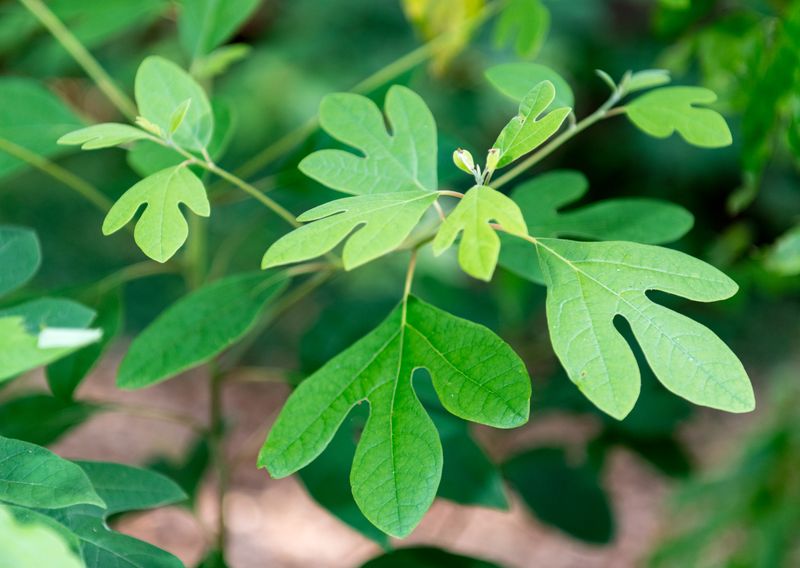
Sassafras, known for its aromatic qualities, offers intriguing benefits for the skin. Traditionally used in Native American herbal practices, it contains safrole, an essential oil with soothing properties.
Sassafras tea or topical applications can help alleviate skin irritation and inflammation, making it useful for conditions like psoriasis. Its gentle exfoliating action supports skin regeneration, revealing a fresher complexion.
While sassafras should be used with caution due to its potent nature, it can be a valuable addition to herbal skincare, offering a touch of wild, natural elegance.
4. Lavender
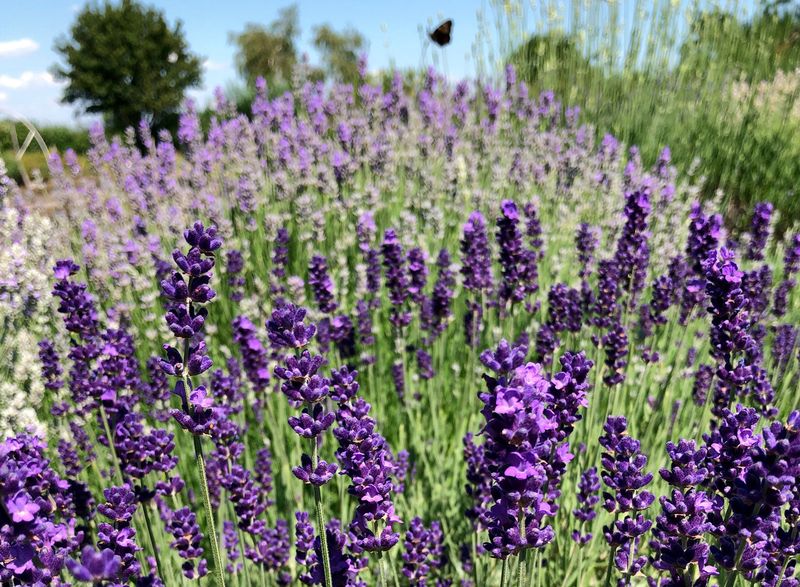
Lavender is not only a fragrant delight but also a powerful ally for skin health. Known for its antiseptic and anti-inflammatory properties, lavender can help cleanse the skin and prevent acne breakouts.
Its soothing nature is perfect for calming irritated or sunburned skin. Lavender oil can also be used for minor burns and bug bites.
To enjoy its benefits, add a few drops of lavender oil to your bath or use it in a diffuser for a calming effect. Lavender truly embodies the essence of relaxation and skincare.
5. Tea Tree
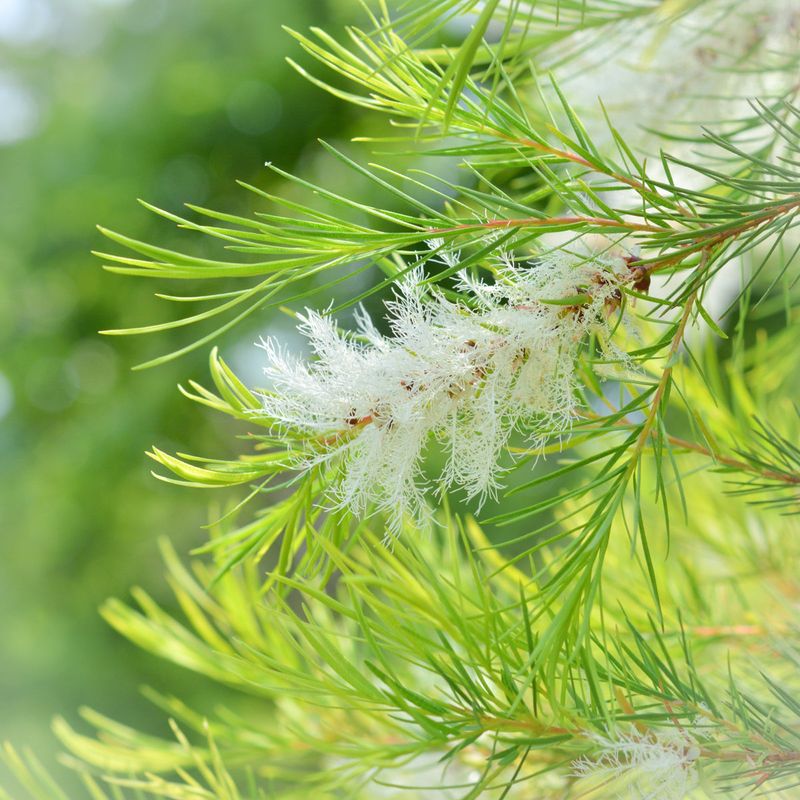
Tea Tree oil is a staple in many skincare products for its potent antibacterial and anti-inflammatory properties. It is highly effective in treating acne and preventing skin infections.
Applying diluted Tea Tree oil can reduce redness and swelling, promoting clearer skin. Its natural compounds help balance oil production without drying out the skin.
For a natural acne remedy, dilute Tea Tree oil with a carrier oil and apply to affected areas. Its powerful healing qualities make it a favorite among those seeking clearer skin.
6. Calendula
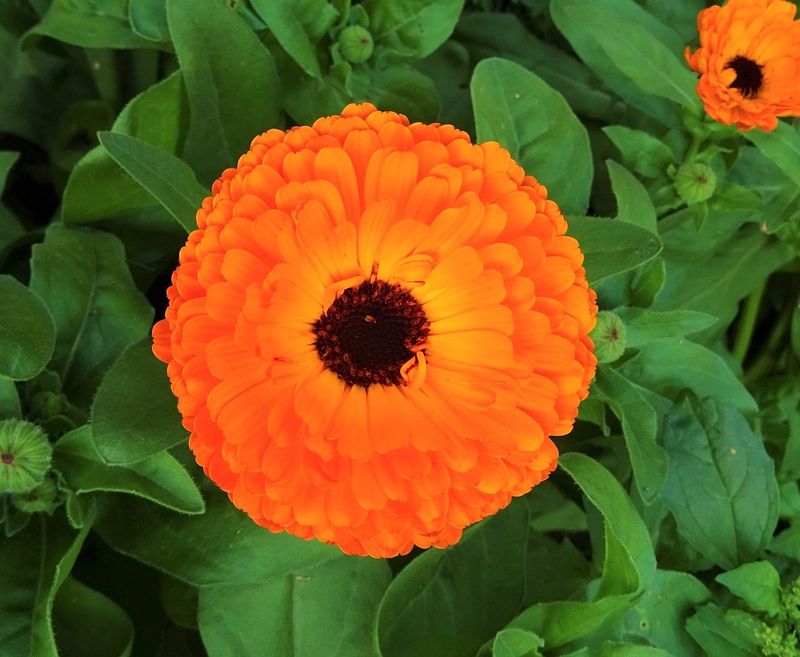
Calendula, also known as marigold, is celebrated for its ability to heal and protect the skin. Rich in flavonoids, it provides hydration and boosts skin’s natural repair process. Calendula creams or oils are perfect for treating dry or damaged skin.
The plant’s anti-inflammatory properties make it effective in reducing swelling and irritation. It’s a common ingredient in herbal ointments for cuts and burns.
For radiant skin, consider adding Calendula oil to your moisturizer. Its natural healing power is truly remarkable!
7. Basil
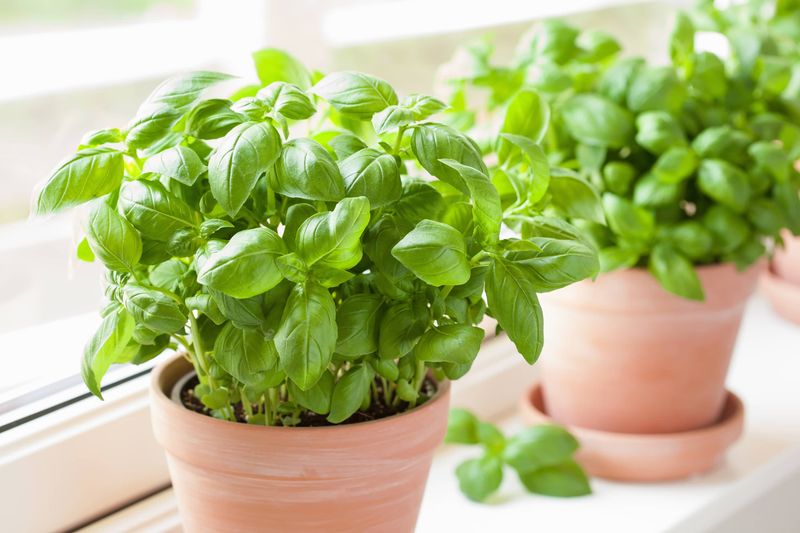
Basil, often a kitchen staple, offers significant benefits for skin health. Its anti-inflammatory properties help in calming irritated skin and reducing redness. Basil extracts are effective in managing acne and improving skin tone.
The essential oils in basil can rejuvenate the skin, providing a fresh and youthful appearance. It’s a versatile ingredient in homemade masks and scrubs.
To enhance your skincare routine, use basil-infused oils or add fresh basil to your beauty concoctions. Basil’s simplicity and efficacy make it a skincare staple.
8. Echinacea
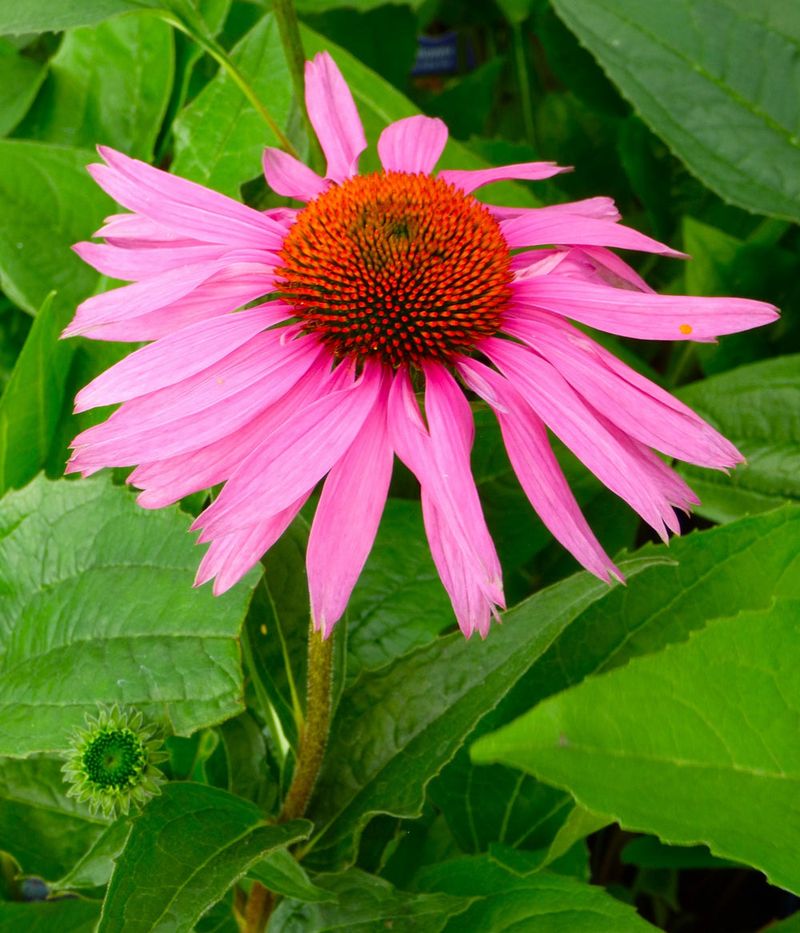
Echinacea, often associated with immunity boosting, also offers skin benefits. Its extracts can enhance skin’s elasticity and reduce the appearance of wrinkles. Echinacea helps in managing inflammation and fighting infections.
This plant is beneficial for speeding up skin recovery and reducing redness caused by eczema or other irritations. It’s often found in serums and moisturizers targeting mature skin.
To leverage its benefits, use Echinacea-infused creams or teas as part of your skincare ritual. It’s a natural choice for healthier, more resilient skin.
9. Jasmine
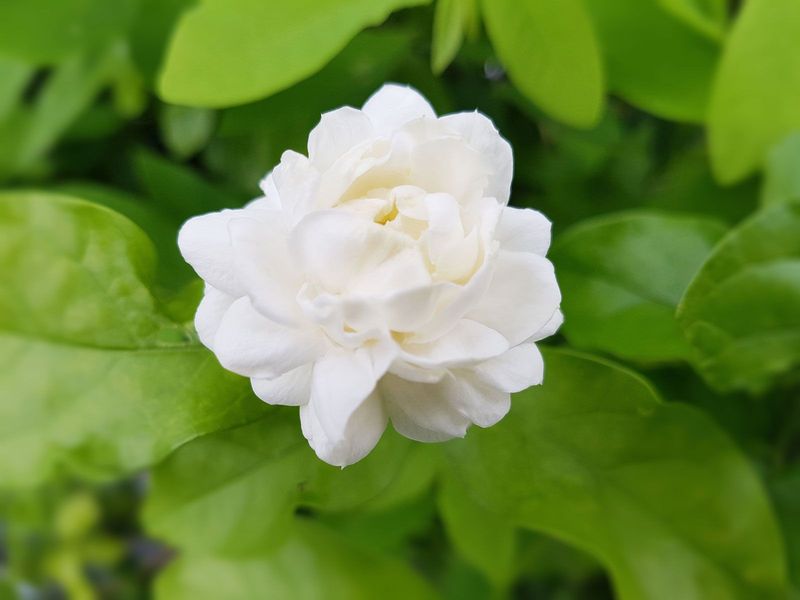
Jasmine is a flower that not only enchants with its scent but also benefits the skin. Its oils are known for their moisturizing and soothing properties. Jasmine is effective in improving skin elasticity and reducing the visibility of scars.
The flower’s natural oils help to balance moisture levels, making it suitable for both dry and sensitive skin types.
Incorporate jasmine oil into your beauty routine for a luxurious touch and radiant skin. Jasmine’s enchanting qualities make it a timeless addition to skincare.
10. Chamomile
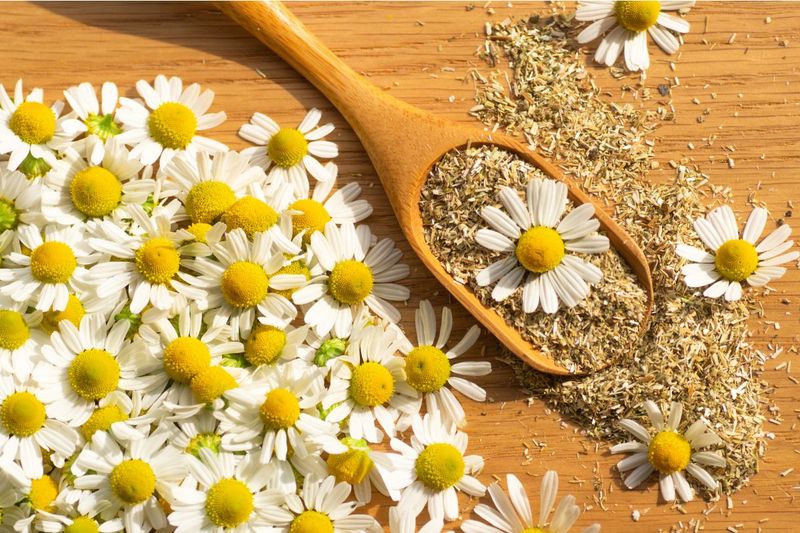
Chamomile is renowned for its calming effect, not just on the mind but also on the skin. It contains anti-inflammatory and antioxidant properties that help soothe irritated skin. Chamomile extracts can reduce redness and blemishes, promoting a more even skin tone.
Using Chamomile in skincare routines helps to alleviate eczema and other skin irritations. Its gentle nature makes it suitable for sensitive skin types.
Incorporate Chamomile tea or extracts into your daily regimen for a soothing effect and improved skin resilience.
11. Rosemary
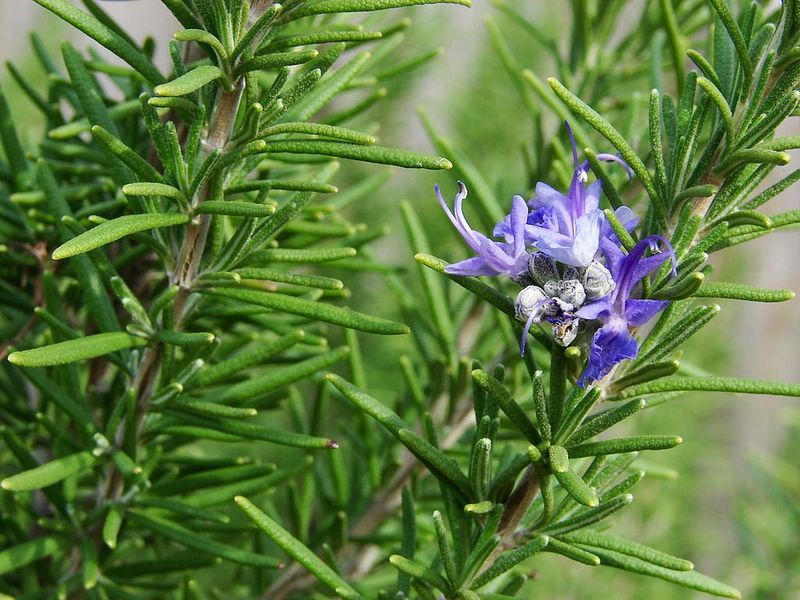
Rosemary is a herb often found in kitchens, but its benefits extend to skincare as well. It is packed with antioxidants that help protect the skin from free radical damage and improve circulation.
Rosemary oil can aid in unclogging pores and reducing puffiness, making it a great addition to facial treatments. Its antimicrobial properties make it effective against acne-causing bacteria.
Include rosemary in your skincare routine by using infused oils or adding fresh rosemary to homemade masks. This herb is a versatile addition to both your diet and beauty regimen.
12. Mint
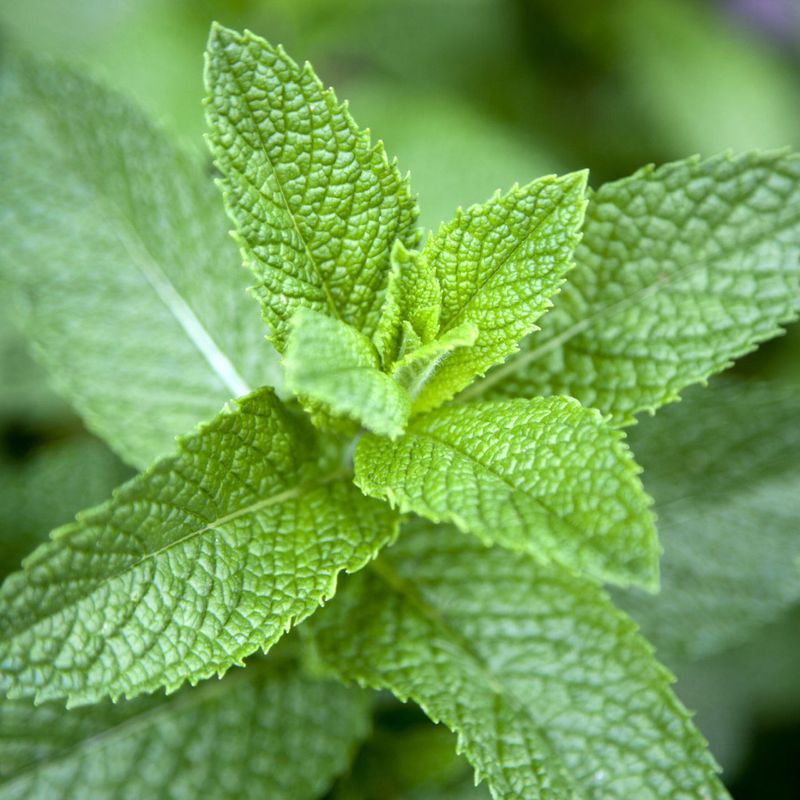
Mint is not just a refreshing herb for culinary uses but also a boon for skin health. It has a cooling sensation that invigorates and soothes inflamed skin. The menthol in mint helps in controlling oil production, making it ideal for oily or acne-prone skin.
Mint leaves or extracts can be used to tone the skin and shrink pores, providing a refreshed appearance.
To enjoy its cooling effects, create a mint-infused toner or add mint leaves to facial masks. Mint’s invigorating properties are perfect for a fresh start.
13. Witch Hazel
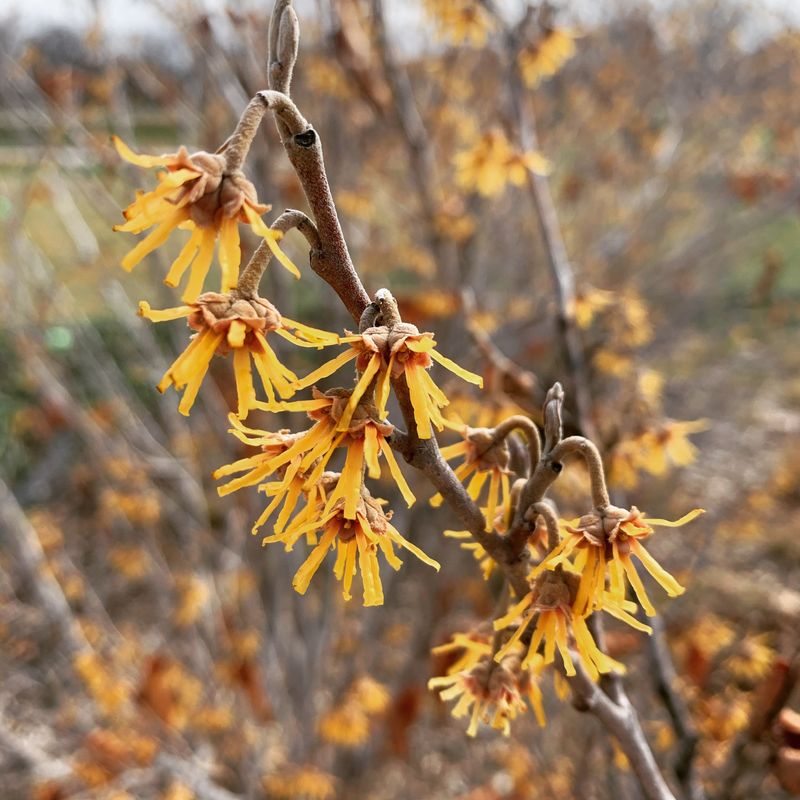
Witch Hazel is well-known for its astringent properties, making it a go-to for tightening and toning the skin. It effectively removes excess oil and reduces the appearance of pores.
This plant’s extracts can soothe inflammation and calm irritated skin, providing relief from conditions like acne and eczema. Witch Hazel is gentle enough for daily use and suitable for sensitive skin.
Incorporate Witch Hazel into your skincare routine through toners or facial mists for refreshed and revitalized skin. It’s a gentle solution for maintaining healthy skin.
14. Gotu Kola
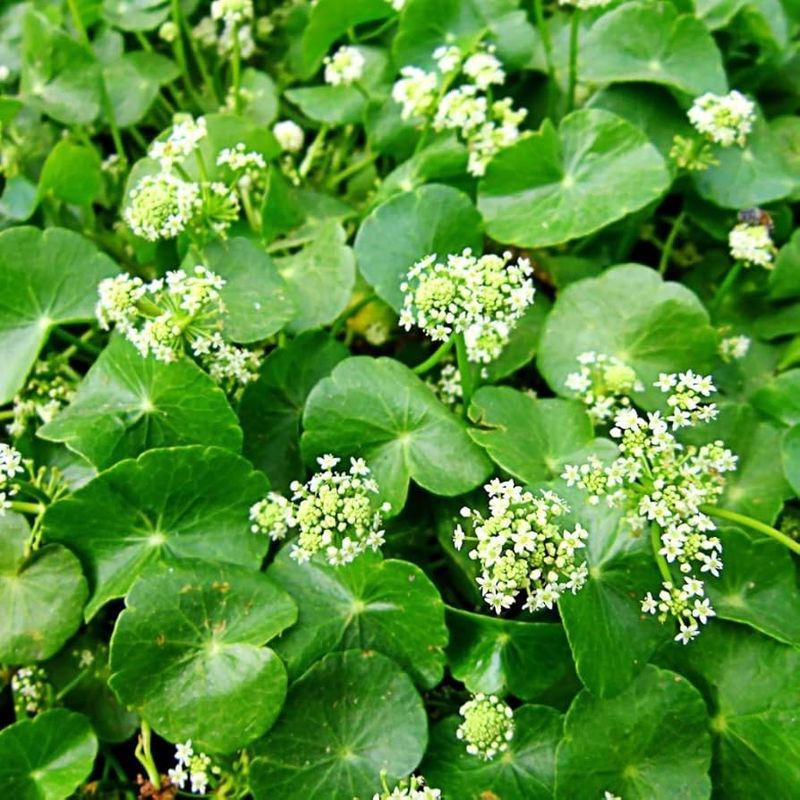
Gotu Kola is a revered herb in traditional medicine for its skin-rejuvenating properties. It aids in collagen production, enhancing skin elasticity and reducing the appearance of wrinkles.
The herb is beneficial for healing wounds and reducing scarring. Its extracts can improve skin moisture and firmness, making it a favorite in anti-aging products.
Incorporate Gotu Kola into your routine with creams or teas for a youthful glow. Its restorative qualities are perfect for a holistic skincare approach.
15. Thyme
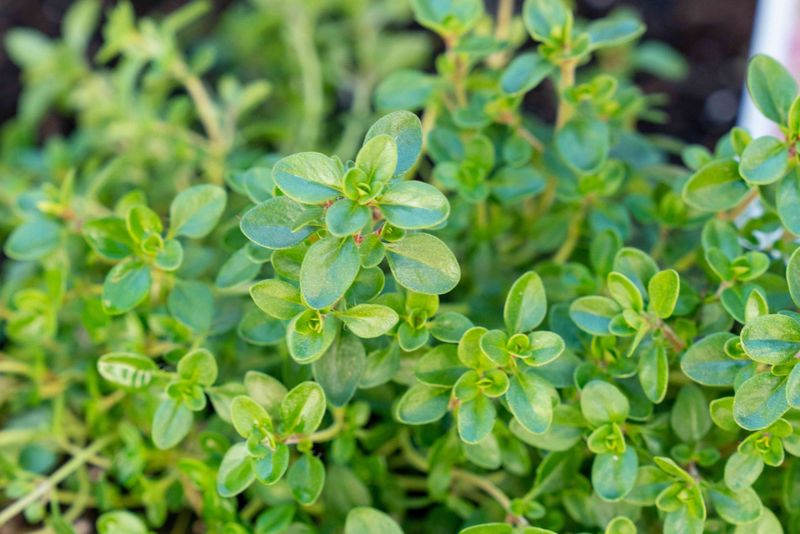
Thyme, commonly used in cooking, also offers antibacterial benefits for the skin. Its essential oils can help combat acne and reduce swelling.
Thyme extracts are effective in cleansing the skin and improving complexion. Its antioxidant properties protect against free radical damage, promoting healthier skin.
To incorporate thyme, use it in facial steams or teas for a clear and radiant complexion. Thyme’s multifaceted benefits make it a versatile addition to skincare.
16. Neem
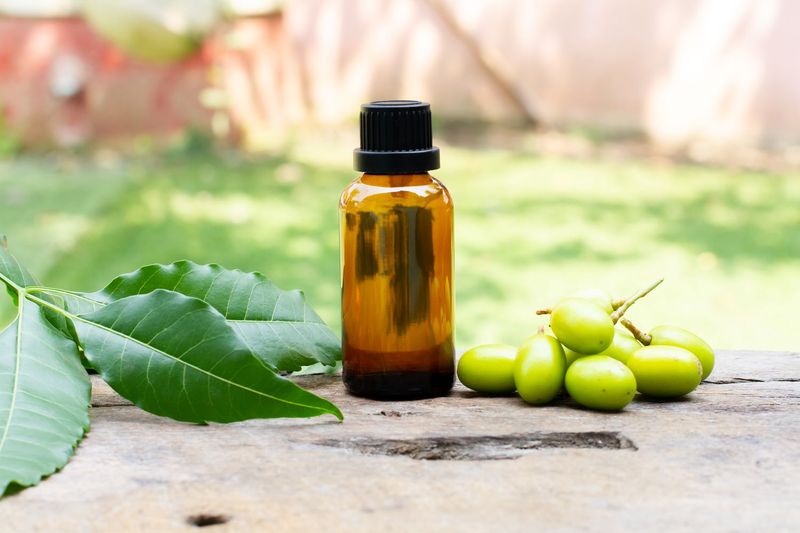
Neem, widely used in Ayurveda, is a powerful plant for skin purification. Its leaves are rich in antibacterial and antifungal properties, making it effective against acne and infections.
Neem oil is known for its ability to soothe irritated skin and improve overall skin health. It helps in reducing scars and pigmentation, promoting clearer skin.
For a natural remedy, incorporate neem oil or powder into your skincare products. Neem’s potent properties ensure a clean and healthy complexion.
17. Yarrow
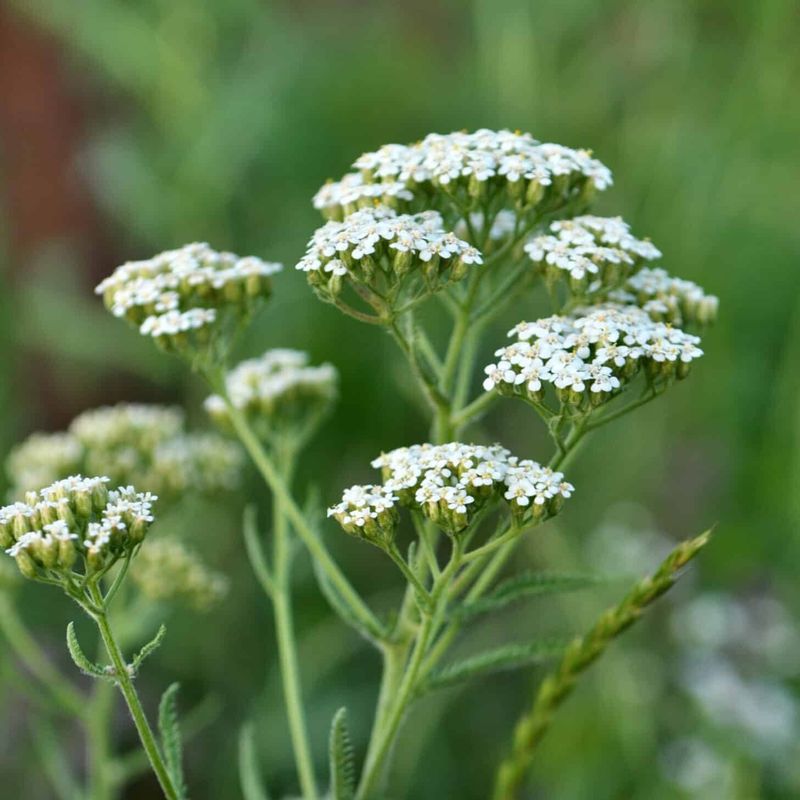
Yarrow is an herb known for its healing properties in both wounds and skin health. It has anti-inflammatory and astringent qualities that help tighten pores and soothe irritated skin.
The herb is beneficial for treating minor cuts and rashes. Its calming effect makes it suitable for sensitive skin types.
Incorporate Yarrow into your skincare routine through infusions or creams for enhanced skin protection. Its gentle yet effective nature makes Yarrow a must-have in natural skincare.
18. Aloe Vera
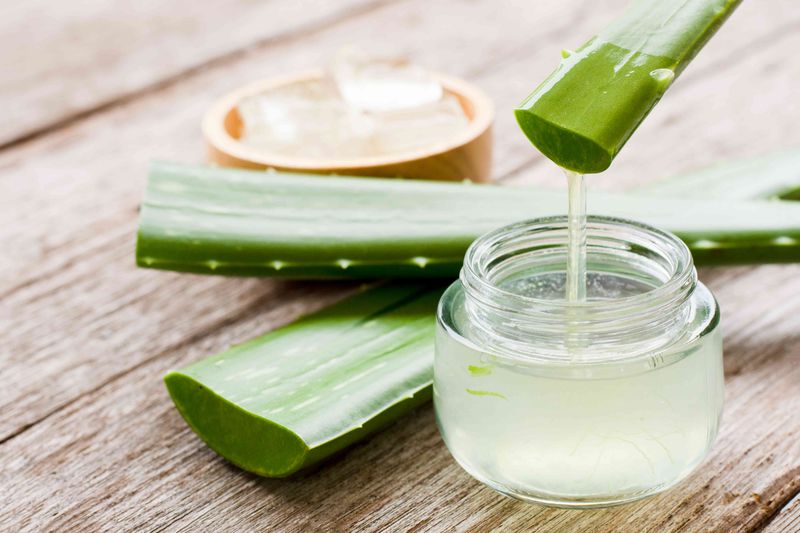
Aloe Vera is often hailed as a miracle plant for skin care. Its succulent leaves contain a gel-like substance that is rich in vitamins, enzymes, and amino acids. This gel is known for its soothing and moisturizing properties, making it ideal for treating sunburns and minor cuts.
Aloe Vera gel can also help in reducing acne by fighting bacteria and reducing inflammation. Regular use can lead to smoother, more hydrated skin.
For best results, apply fresh aloe gel directly from the leaf to the affected area. Aloe Vera truly is a skin savior!
19. Sea Buckthorn
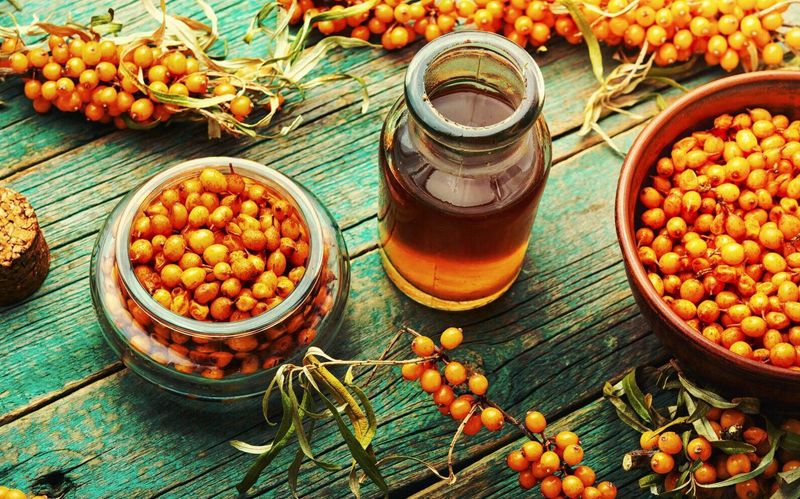
Sea Buckthorn is a powerhouse of nutrients, rich in vitamins C, E, and essential fatty acids. Its oil is prized for deeply nourishing and revitalizing the skin, making it a favored ingredient in many rejuvenating skin therapies.
The high vitamin C content helps in collagen production, improving the skin’s firmness and elasticity, while its anti-inflammatory properties can reduce redness and irritation.
For a hydrating boost, apply Sea Buckthorn oil directly to the skin, or use it as part of a facial serum.
20. Sage
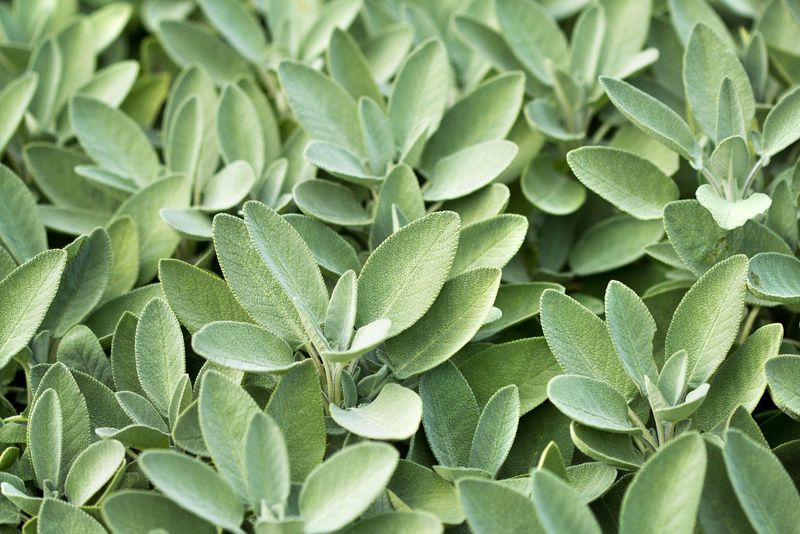
Sage is a herb known for its antimicrobial and antioxidant properties, making it valuable for skin health. It helps in reducing free radical damage and combating acne.
Sage extracts can improve skin texture and tone, offering a more youthful appearance. Its anti-inflammatory effects help soothe skin irritations and redness.
To benefit from sage, use it in facial steams or add to homemade skincare recipes. Sage’s natural potency provides a refreshing boost to any beauty regimen.
21. Comfrey
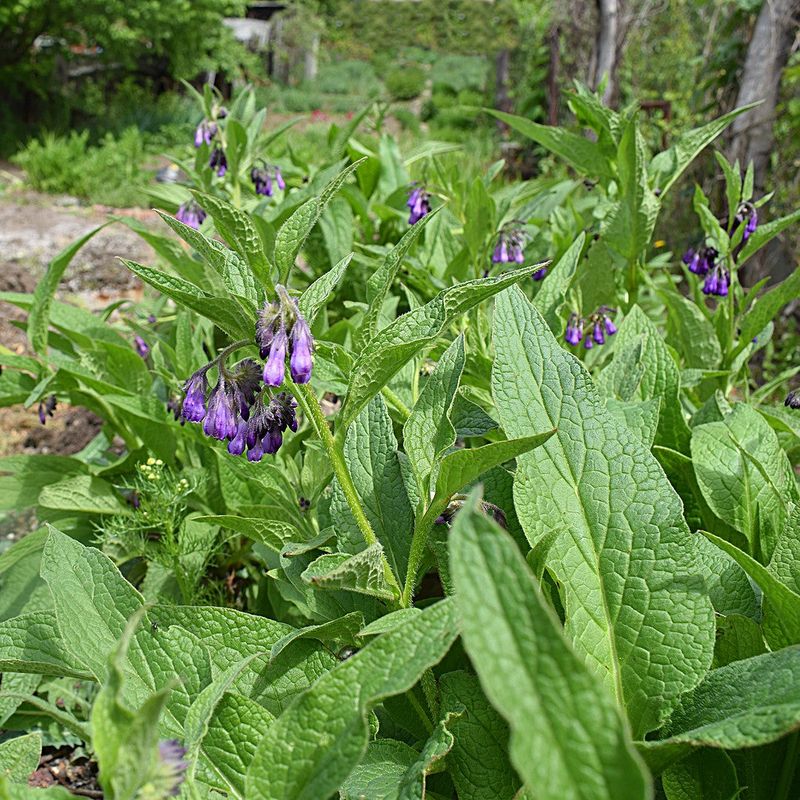
Comfrey is a plant with a long history of use in traditional medicine. It is rich in allantoin, a compound that supports skin cell regeneration and accelerated healing of wounds.
Comfrey’s soothing properties help in managing skin irritations and reducing swelling. It is often used in creams and ointments for its healing effects.
For skin rejuvenation, apply comfrey-infused balms or poultices to affected areas. Comfrey’s natural healing power makes it a valuable addition to any skincare routine.
22. Turmeric
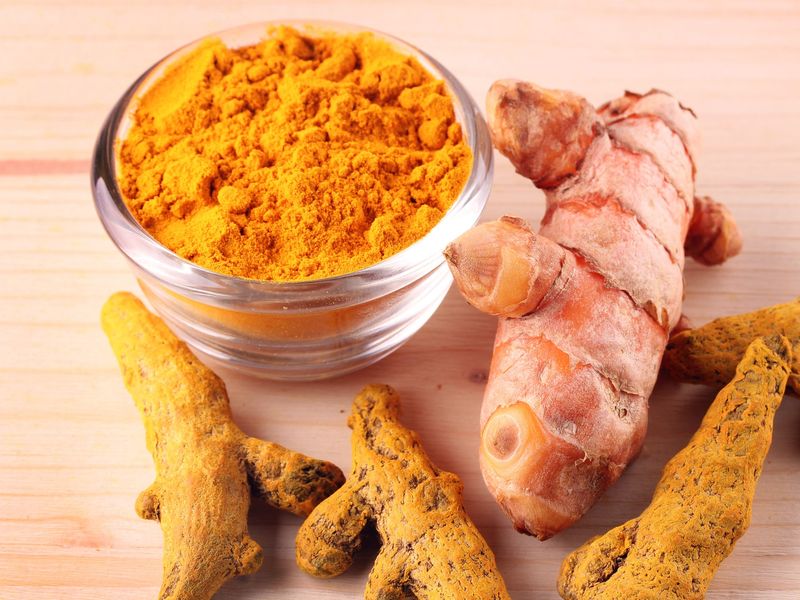
Turmeric is a golden spice revered for its anti-inflammatory and antioxidant properties. Its active compound, curcumin, is effective in reducing redness and blemishes, promoting a radiant complexion.
Turmeric can help in managing acne and accelerating the healing of minor skin wounds. Its antimicrobial properties make it suitable for various skin types.
For a natural glow, incorporate turmeric into face masks or serums. Its golden touch can rejuvenate and brighten the skin, making it an essential in any skincare routine.