 Complete Gardening
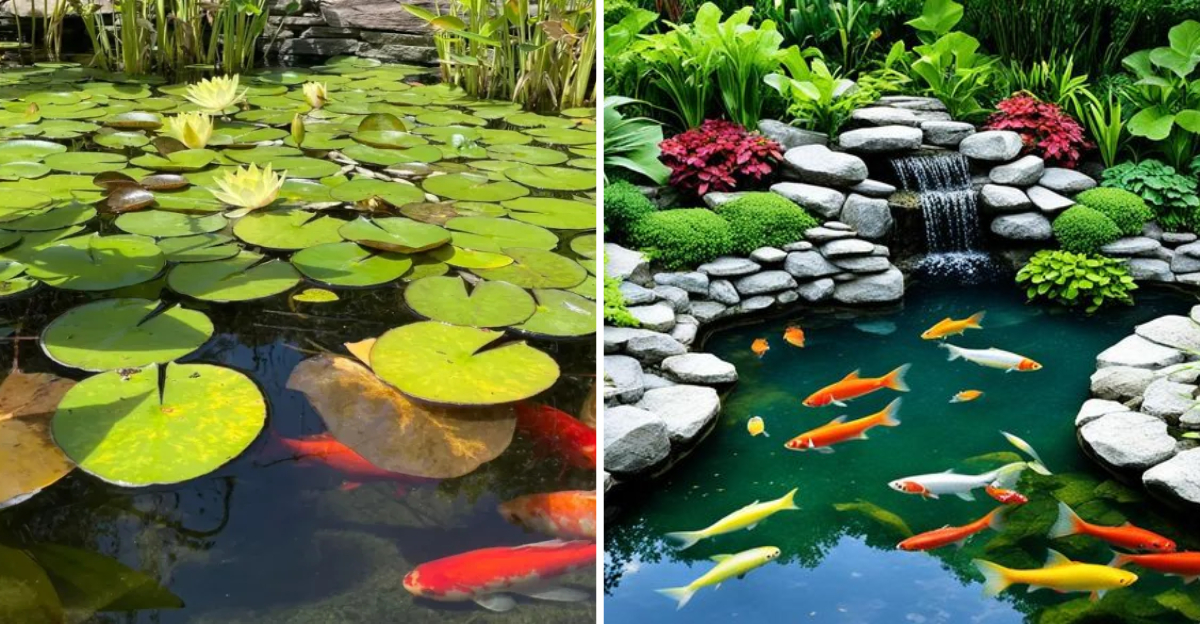
Ponds are dynamic ecosystems teeming with life, and introducing fish can significantly enhance the vitality of pond plants. This article explores 19 compelling reasons why having fish in your pond can benefit the flora. From nutrient cycling to algae control, fish offer a plethora of advantages that nurture and sustain plant life. Discover how these aquatic companions contribute to a balanced and flourishing pond environment.
1. Nutrient Cycling
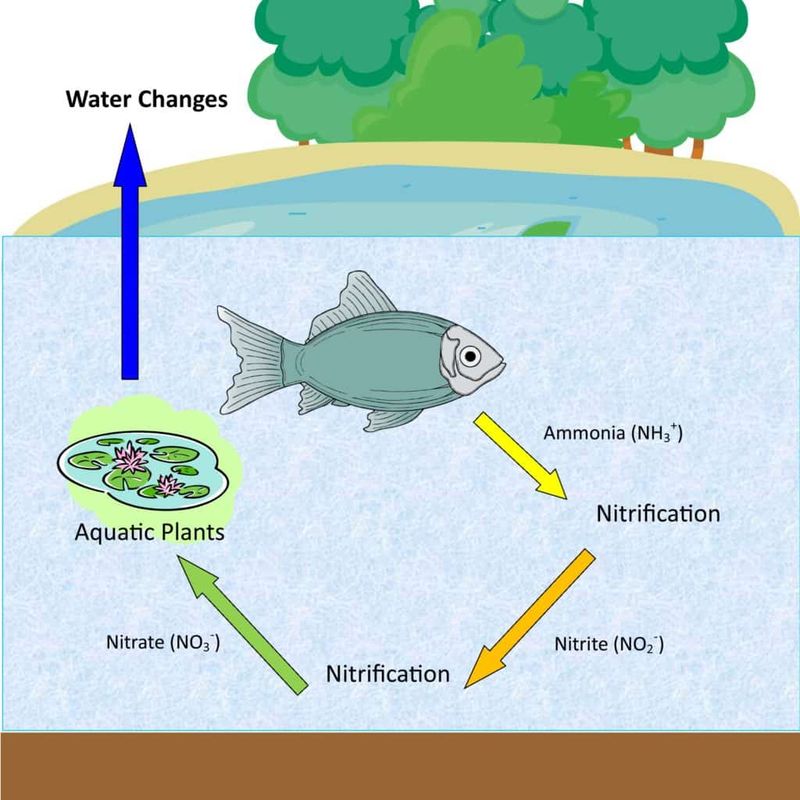
Fish play a pivotal role in nutrient cycling within pond ecosystems. As they consume food and produce waste, fish introduce essential nutrients into the water. These nutrients, in turn, become vital for the growth and health of aquatic plants.
The fish waste acts as a natural fertilizer, providing plants with the necessary elements like nitrogen and phosphorus. This process helps maintain a balanced environment, encouraging lush plant growth.
By facilitating nutrient cycling, fish ensure that pond plants receive a continuous supply of nutrients, enhancing their vitality and growth.
2. Algae Control
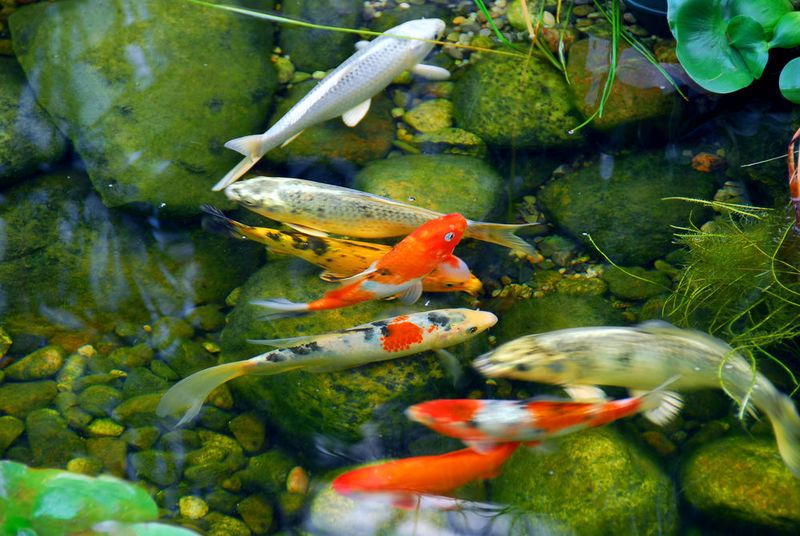
With a voracious appetite, certain fish species help control algae growth in ponds. Algae can quickly overtake a pond, shading out other plants and disrupting the ecosystem.
Fish like koi and goldfish consume algae, helping to keep levels in check. This not only reduces competition for sunlight among plants but also maintains water quality.
By managing algae populations, fish contribute to a clearer, healthier pond environment where plants can thrive. Their presence ensures that the delicate balance of the pond ecosystem is preserved.
3. Oxygenation Enhancement
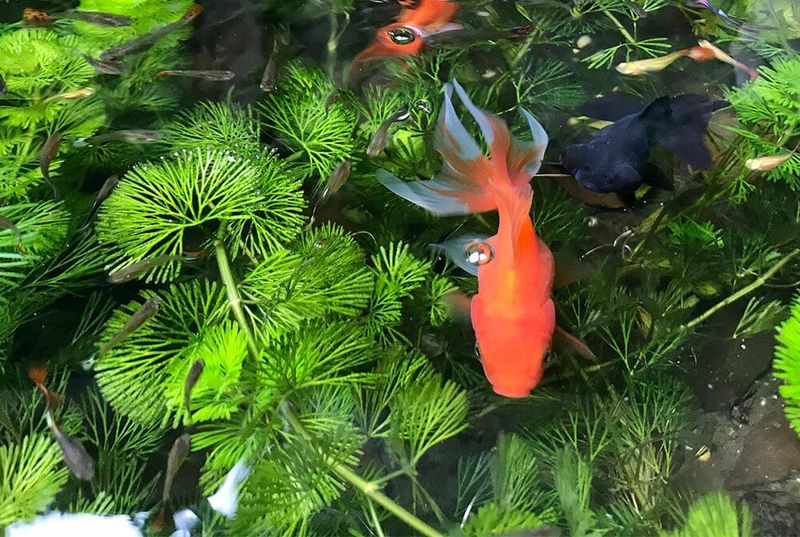
Fish activity enhances pond oxygenation, a crucial element for plant health. As fish swim and interact with their surroundings, they promote water circulation, increasing oxygen levels.
This enhanced oxygenation supports both plant and fish life, leading to a more vibrant ecosystem. Adequate oxygen levels are essential for photosynthesis, allowing plants to flourish and sustain aquatic life.
Fish effectively enhance the oxygen dynamics of the pond, contributing to an environment where plants can grow robustly, ensuring a lively and thriving habitat.
4. Pest Control
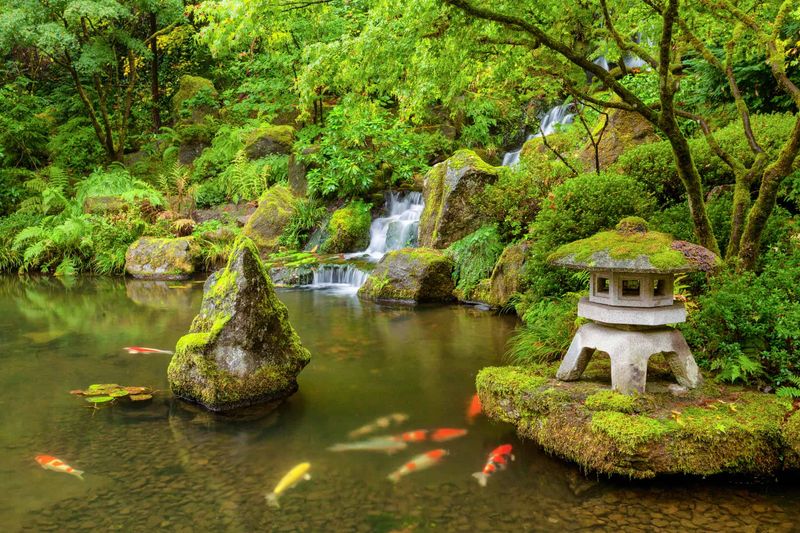
Fish are natural pest controllers, feeding on insects and larvae that could harm pond plants. Insects such as mosquitoes and their larvae can become a nuisance, affecting both plants and humans.
Fish like guppies and mosquito fish are particularly effective in eliminating these pests, helping to protect the plants from damage.
By controlling pest populations, fish contribute to a healthier pond ecosystem. Their presence ensures that plants are not overwhelmed by harmful insects, maintaining the balance necessary for a flourishing pond environment.
5. Sediment Reduction
Fish help reduce sediment accumulation in ponds, which can smother plant roots and impede growth. Their movement stirs up the sediment, allowing it to be evenly distributed or filtered out.
This activity prevents the buildup of debris and promotes clear water conditions, benefiting plant photosynthesis and overall health.
By minimizing sediment levels, fish ensure pond plants have the necessary conditions to thrive. Their dynamic interactions with the pond environment play a crucial role in maintaining a habitat conducive to plant growth.
6. Biodiversity Support
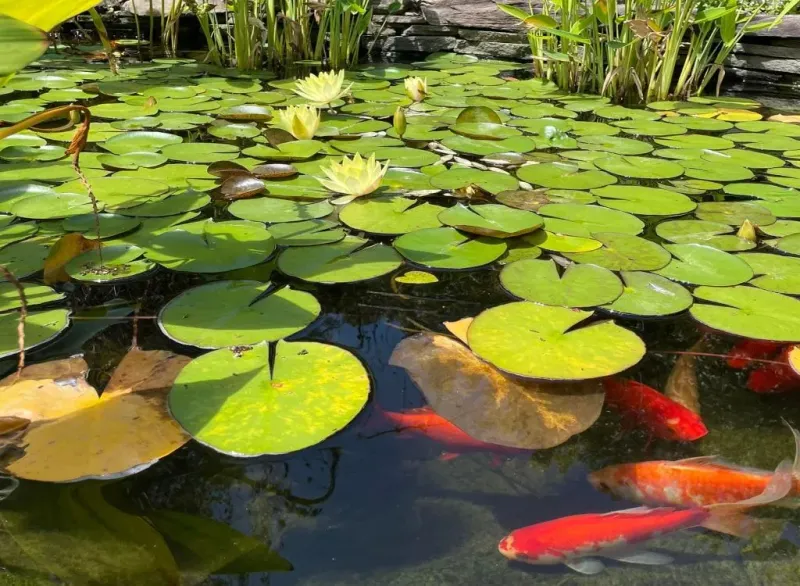
Fish contribute to the biodiversity of pond ecosystems by interacting with various plant and animal species. Their presence adds another layer to the ecological web, supporting a wider range of life forms.
This diversity is crucial for ecological resilience, allowing the pond to adapt to changes and challenges. Fish interactions with plants and other organisms foster a balanced and dynamic habitat.
By supporting biodiversity, fish enhance the robustness of pond ecosystems, providing a stable environment where plants can flourish alongside a multitude of aquatic creatures.
7. Natural Aesthetics
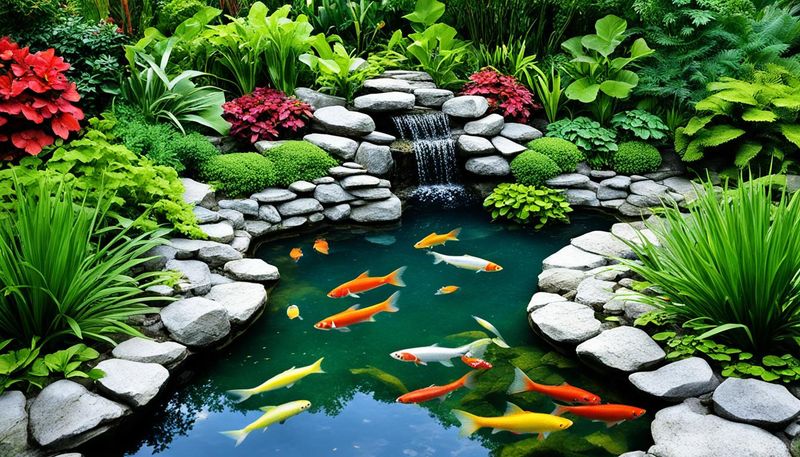
The presence of fish adds to the natural aesthetics of a pond, creating a tranquil and visually pleasing environment. Their movements and colors complement the lush greenery of aquatic plants.
This harmonious blend of fish and plants enhances the visual appeal, making the pond a serene and inviting space.
Fish create a lively and dynamic backdrop for the plants, enriching the overall aesthetic experience. Their presence transforms a simple pond into a vibrant ecosystem that delights the senses and nurtures the soul.
8. Natural Fertilization
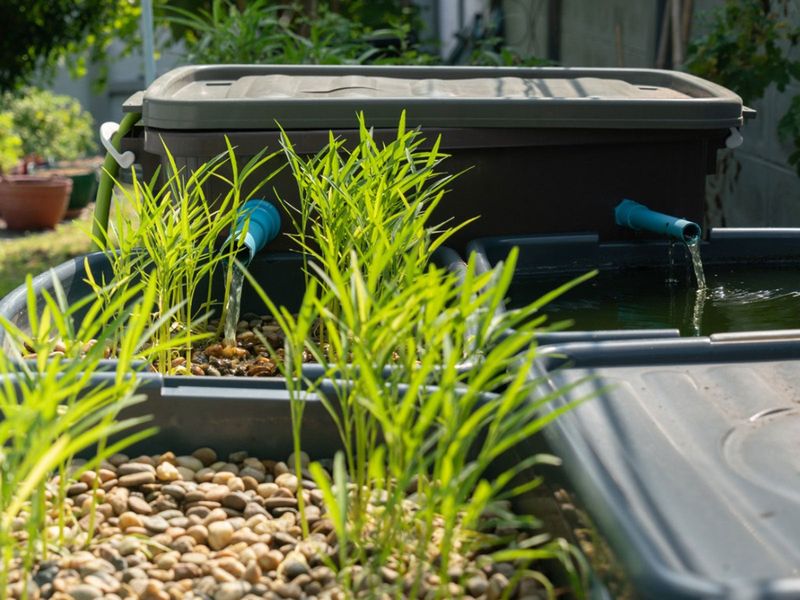
Fish contribute to natural fertilization in ponds through their waste production. This organic matter serves as a nutrient-rich fertilizer for pond plants.
The nutrients released by fish waste, such as nitrogen and phosphorus, are essential for plant growth and development. This natural fertilization process enhances plant health without the need for artificial additives.
Fish ensure that pond plants have a steady supply of nutrients, promoting robust growth and vitality. Their role in natural fertilization supports a sustainable and thriving pond ecosystem.
9. Microbial Balance
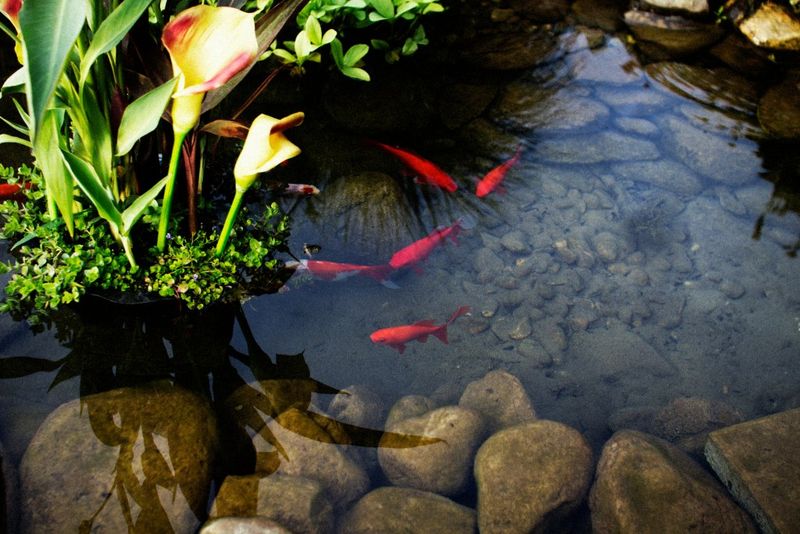
Fish help maintain microbial balance in pond ecosystems, which is vital for plant health. Their interactions with the water and substrate influence the microbial communities that play a role in nutrient cycling and decomposition.
A balanced microbial environment supports healthy plant growth by breaking down organic matter and recycling nutrients.
Fish contribute to a stable and balanced pond ecosystem, ensuring that microbial processes function efficiently. Their presence fosters an environment where plants can thrive, supported by a dynamic and diverse microbial community.
10. Temperature Regulation
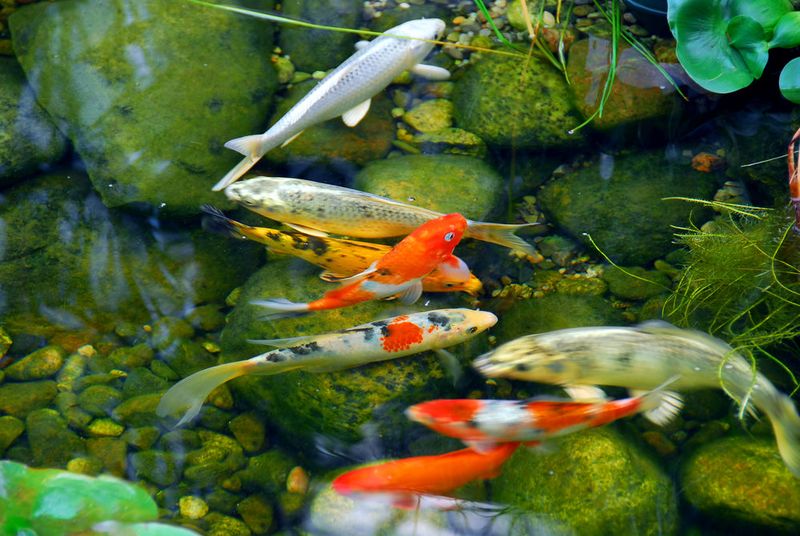
Fish activities contribute to the regulation of pond temperature, which is crucial for plant health. By moving through the water, fish promote circulation, helping to distribute heat evenly across the pond.
This regulation prevents temperature extremes that could harm plants. A stable temperature environment supports plant growth and resilience.
Fish play a vital role in maintaining a balanced thermal environment, ensuring that pond plants have the conditions they need to prosper. Their presence mitigates temperature fluctuations, fostering a stable and nurturing habitat.
11. Disease Prevention
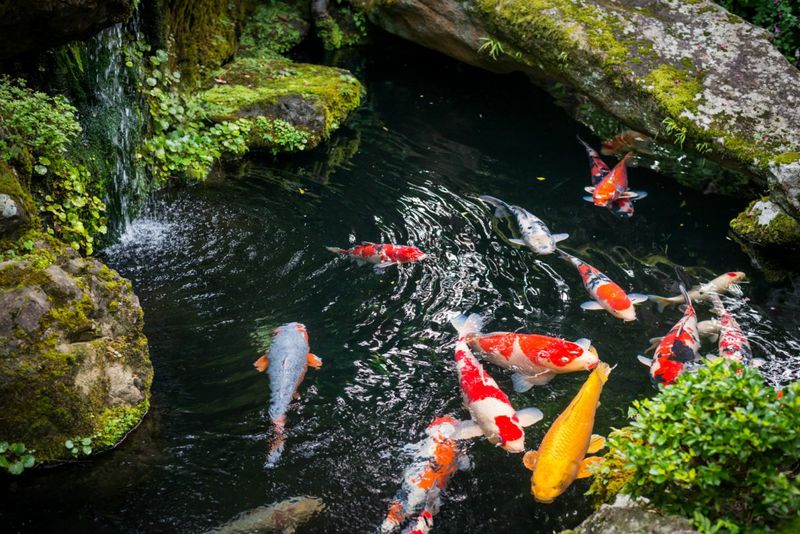
Fish contribute to disease prevention in ponds by promoting robust plant health. Their presence helps maintain water quality, reducing the risk of disease outbreaks.
Healthy fish and plant interactions create an environment less susceptible to pathogens. Fish also help control pest populations that can carry diseases.
By fostering a disease-free environment, fish ensure that pond plants remain vibrant and healthy. Their contribution to water quality and pest control creates a resilient ecosystem where plants can thrive, free from the threat of diseases.
12. Environmental Education
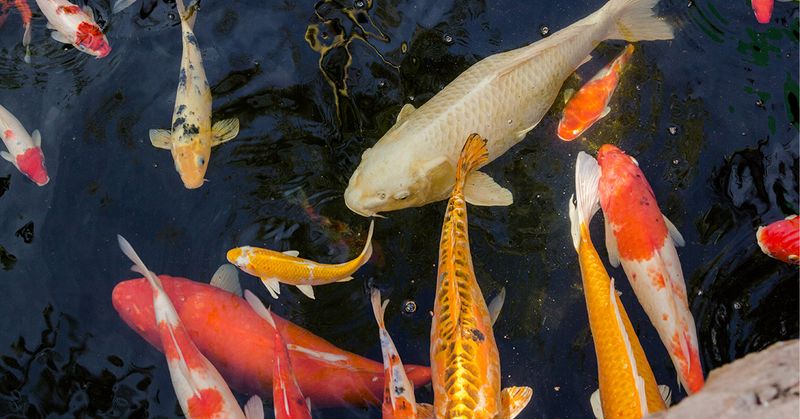
Having fish in a pond offers a valuable opportunity for environmental education. Observing fish and their interactions with plants and the environment provides insights into ecological dynamics.
This educational aspect fosters an appreciation for nature and the importance of biodiversity. It encourages stewardship and conservation efforts.
Fish and plant interactions serve as a living classroom, teaching about ecological balance and interdependence. Their presence in the pond offers a hands-on learning experience, inspiring a deeper understanding of the natural world and its complexities.
13. Erosion Control
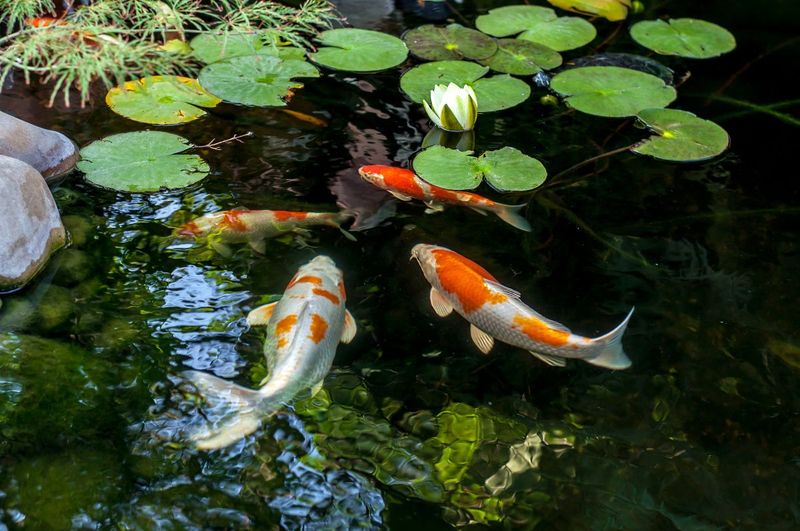
Fish contribute to erosion control in ponds by promoting healthy plant growth. Strong plant roots help stabilize the pond’s edges, preventing soil erosion.
Fish interactions with the substrate also reduce sediment displacement, maintaining clear water conditions.
By supporting plant health and root development, fish play a crucial role in preventing erosion. Their presence ensures that the pond environment remains stable and intact, protecting the surrounding landscape from degradation.
14. Reduced Chemical Use
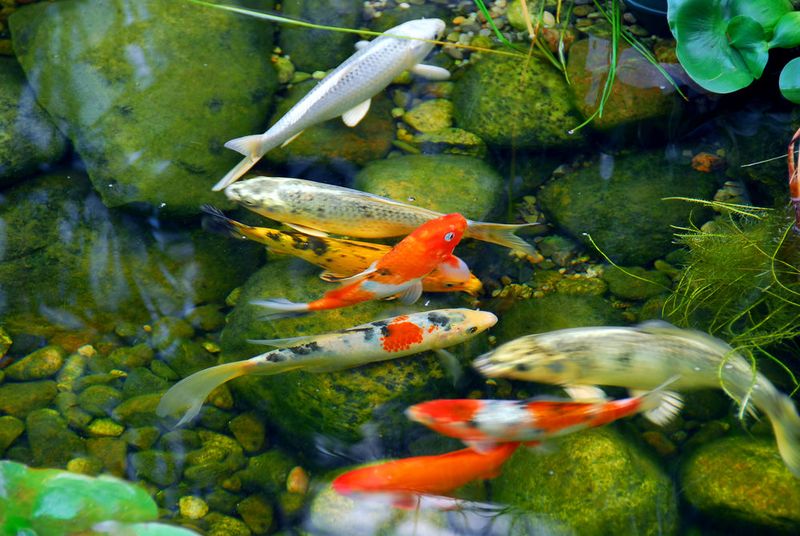
Fish reduce the need for chemical treatments in ponds by naturally managing algae and pest populations. This organic approach supports a healthier pond environment for plants.
By relying on fish for ecosystem maintenance, pond owners can minimize chemical use, promoting a more sustainable habitat.
Fish interactions create a self-regulating ecosystem, reducing reliance on artificial interventions. Their presence supports a natural balance, ensuring that pond plants thrive without the need for chemical additives.
15. Visual Interest
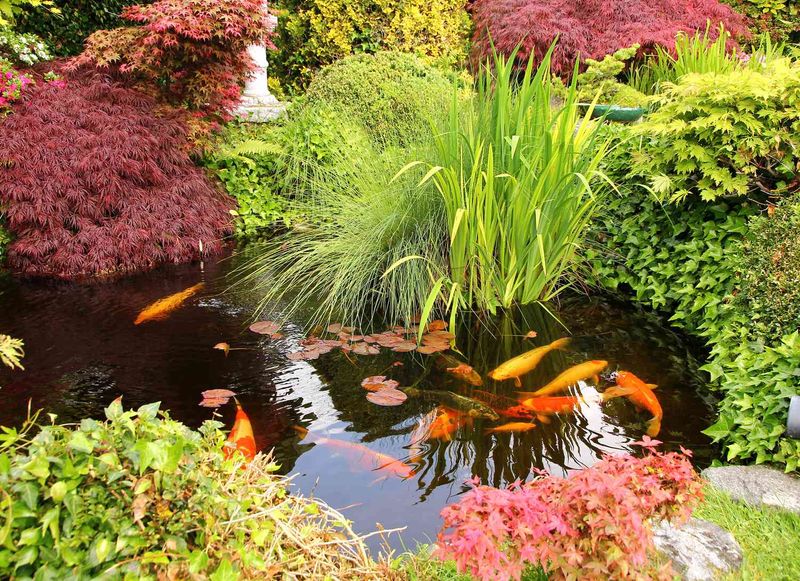
Fish add visual interest to ponds, with their unique patterns and colors creating a captivating scene. This diversity of appearance enhances the aesthetic appeal of the pond.
Plants and fish together create a dynamic visual tapestry, engaging observers and providing a sense of tranquility.
The presence of fish transforms the pond into a living canvas, where each moment offers a new visual delight. Their lively movements complement the serene presence of plants, offering a feast for the eyes and a balm for the soul.
16. Natural Filtration
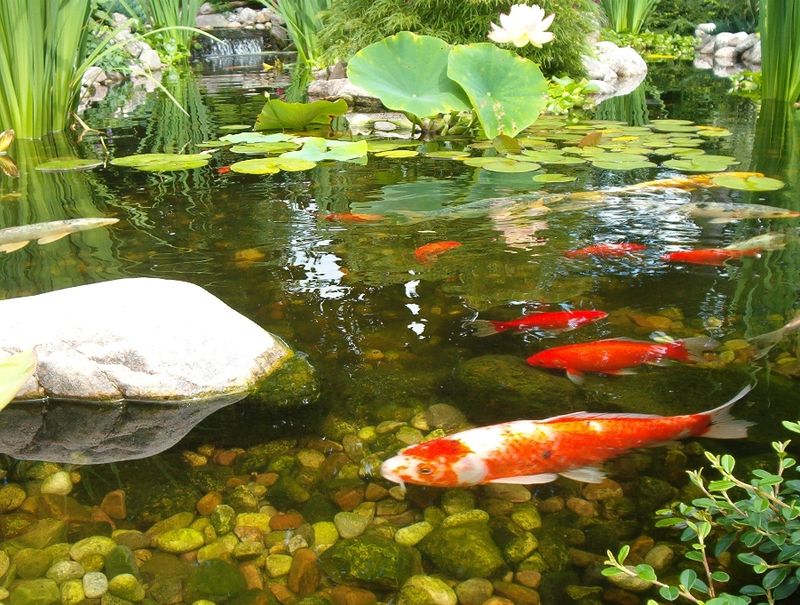
Fish contribute to natural filtration in ponds, aiding in the removal of debris and excess nutrients. Their interactions with the water and substrate promote a clean and healthy environment for plants.
This natural filtration process supports water clarity and quality, crucial for plant photosynthesis.
By enhancing filtration, fish ensure that pond plants have the optimal conditions to thrive. Their presence maintains a pristine pond environment, where plants can flourish without the need for artificial filters.
17. Adaptation to Seasonal Changes
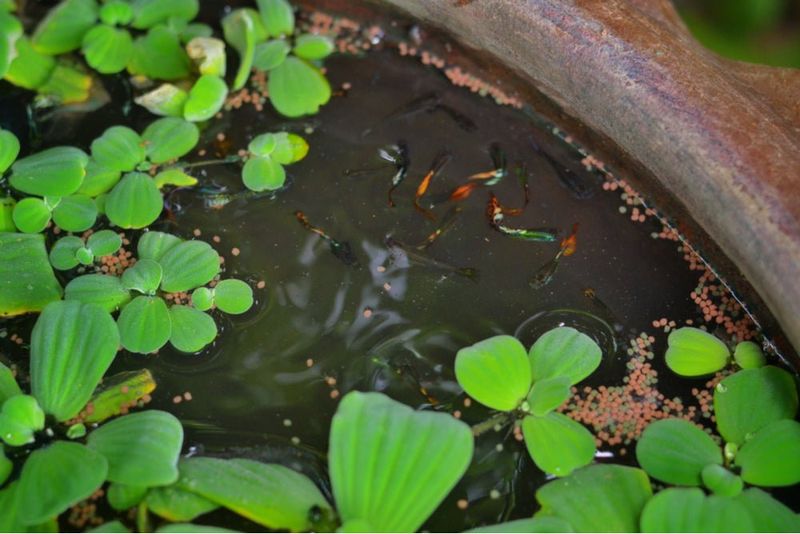
Fish help pond plants adapt to seasonal changes by influencing water conditions. Their movement and waste production promote stable environments, even as external conditions fluctuate.
This stability allows plants to adjust to temperature and light variations, ensuring year-round health.
Fish presence ensures that pond ecosystems remain resilient and adaptable to seasonal shifts. Their interactions with the environment create favorable conditions for plants, supporting growth and vitality through all seasons.
18. Nutrient Recycling
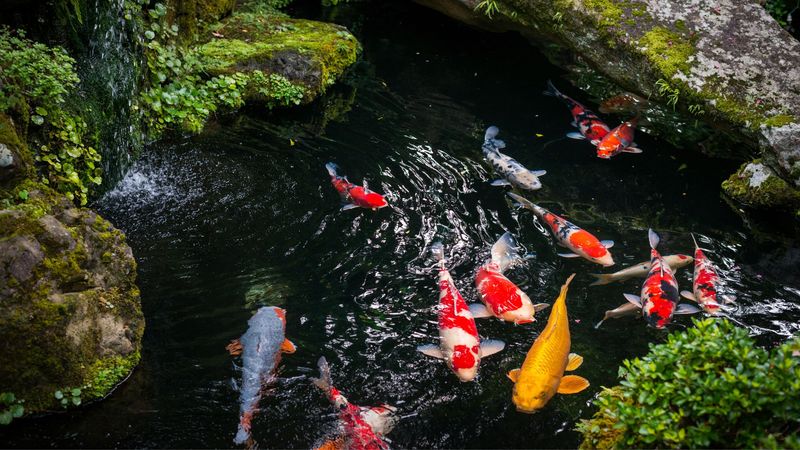
Fish facilitate nutrient recycling in ponds, ensuring continuous nutrient availability for plants. Their waste products and interactions with the ecosystem contribute to nutrient cycling.
This recycling process supports plant growth and health, maintaining a balanced ecological system.
Fish play a vital role in the nutrient dynamics of the pond, providing a steady supply of essential elements. Their presence fosters an environment where plants can thrive, benefiting from the efficient recycling of nutrients.
19. Community Engagement
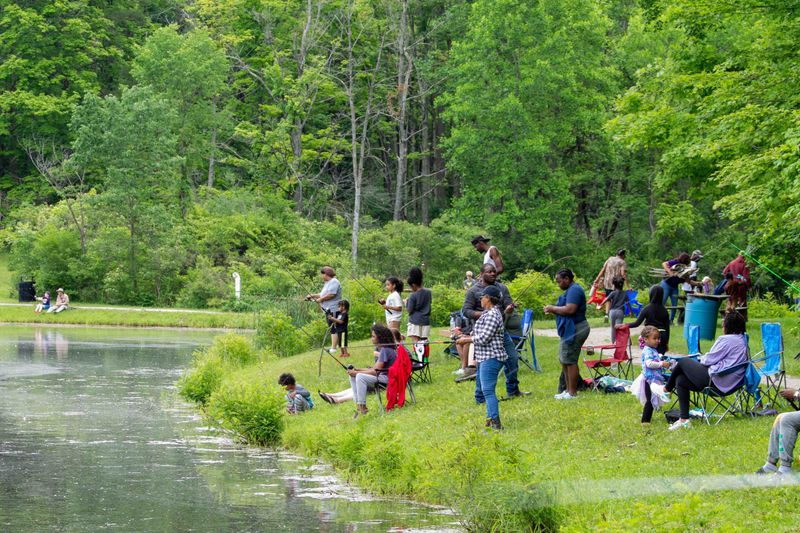
Having fish in a pond fosters community engagement, bringing people together to enjoy and care for the aquatic environment. Shared experiences around the pond create bonds and encourage collective efforts to maintain its health.
Community activities such as feeding fish and observing their interactions with plants inspire interest and stewardship.
Fish and plant interactions become a focal point for community connection, promoting environmental awareness and collaboration. Their presence encourages a sense of shared responsibility for the pond ecosystem, enriching communal life.