 Complete Gardening
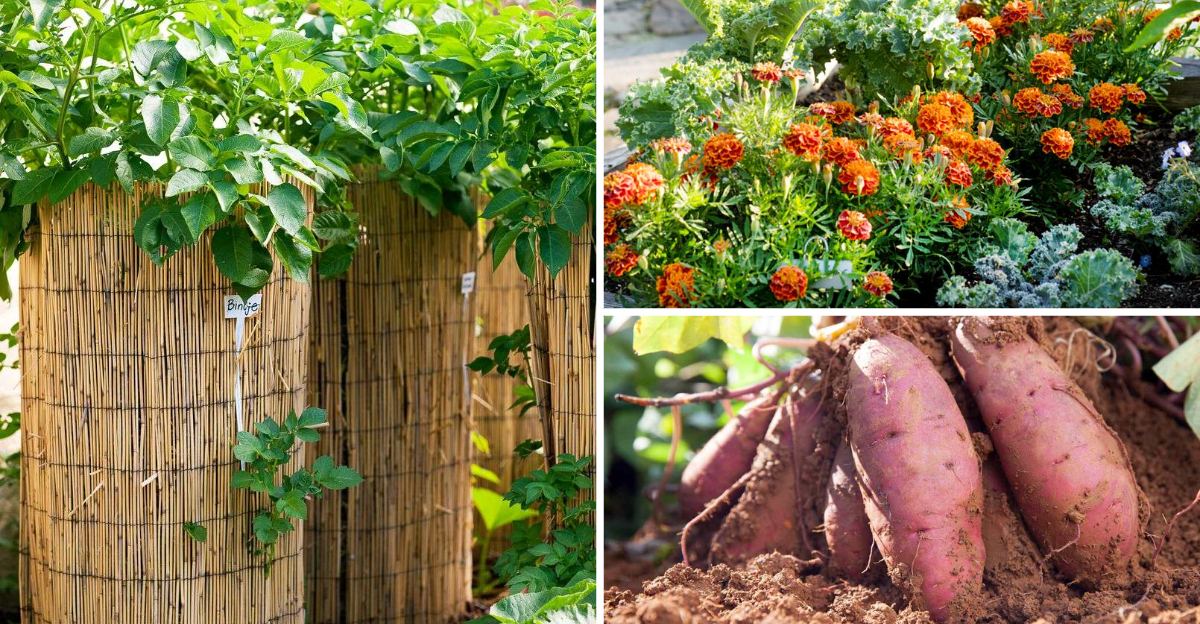
Sweet potatoes, with their vibrant hue and delightful taste, have been a staple in many cultures around the globe. Known for their adaptability, these tubers can be grown in various climates and conditions, offering an endless supply once you know how. In this guide, we’ll explore nineteen innovative ways to cultivate your sweet potato garden to its full potential, ensuring a continuous harvest. Whether you’re a seasoned gardener or a beginner, these methods provide practical and creative solutions to grow sweet potatoes effortlessly at home.
1. Vertical Gardening Towers
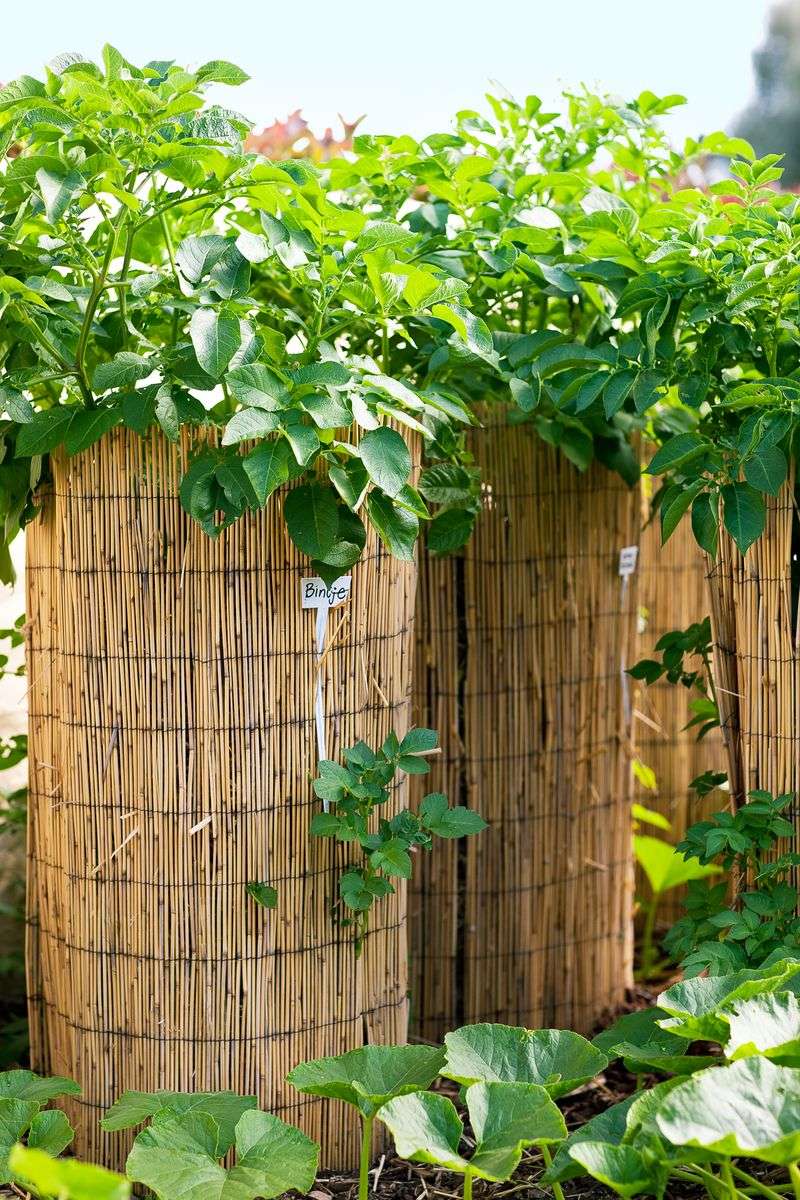
Harness the power of vertical space with gardening towers. Perfect for small spaces, these towers allow sweet potatoes to grow upwards, maximizing your yield. Picture a tower filled with lush green vines reaching for the sun. Splendid, isn’t it? Although unconventional, vertical gardening has proved effective and visually pleasing. Once the vines cascade down, they create a natural, green waterfall effect. Towers can be easily crafted using recycled materials, making them both eco-friendly and economical.
2. Organic Soil Mix
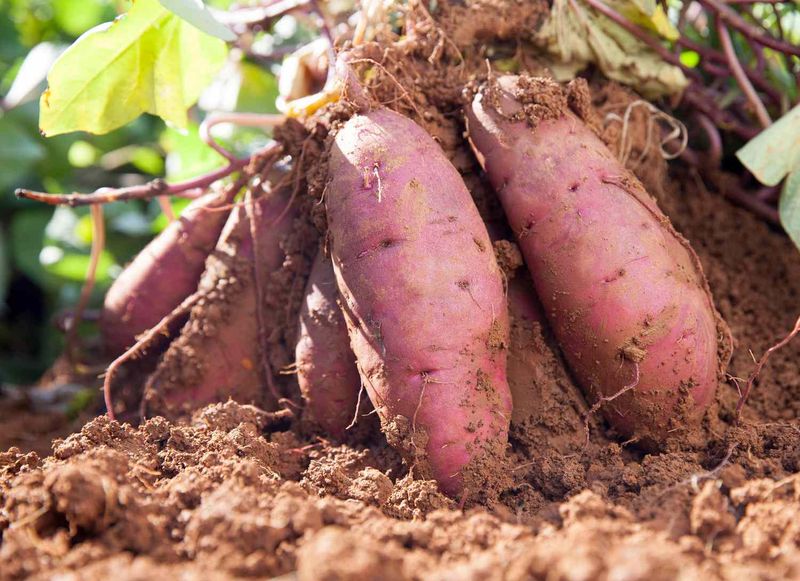
Imagine soil teeming with life, rich in nutrients, and free of chemicals. This is the foundation for sweet potato success. Organic soil mixes, brimming with compost and natural fertilizers, provide the essential nutrients for robust growth. Earthworms wriggle through, aerating the soil and enhancing its structure. Such a mix not only supports plant health but also improves yield. Creating your organic soil mix ensures a sustainable, chemical-free growing environment, benefiting both the garden and the planet.
3. Raised Beds
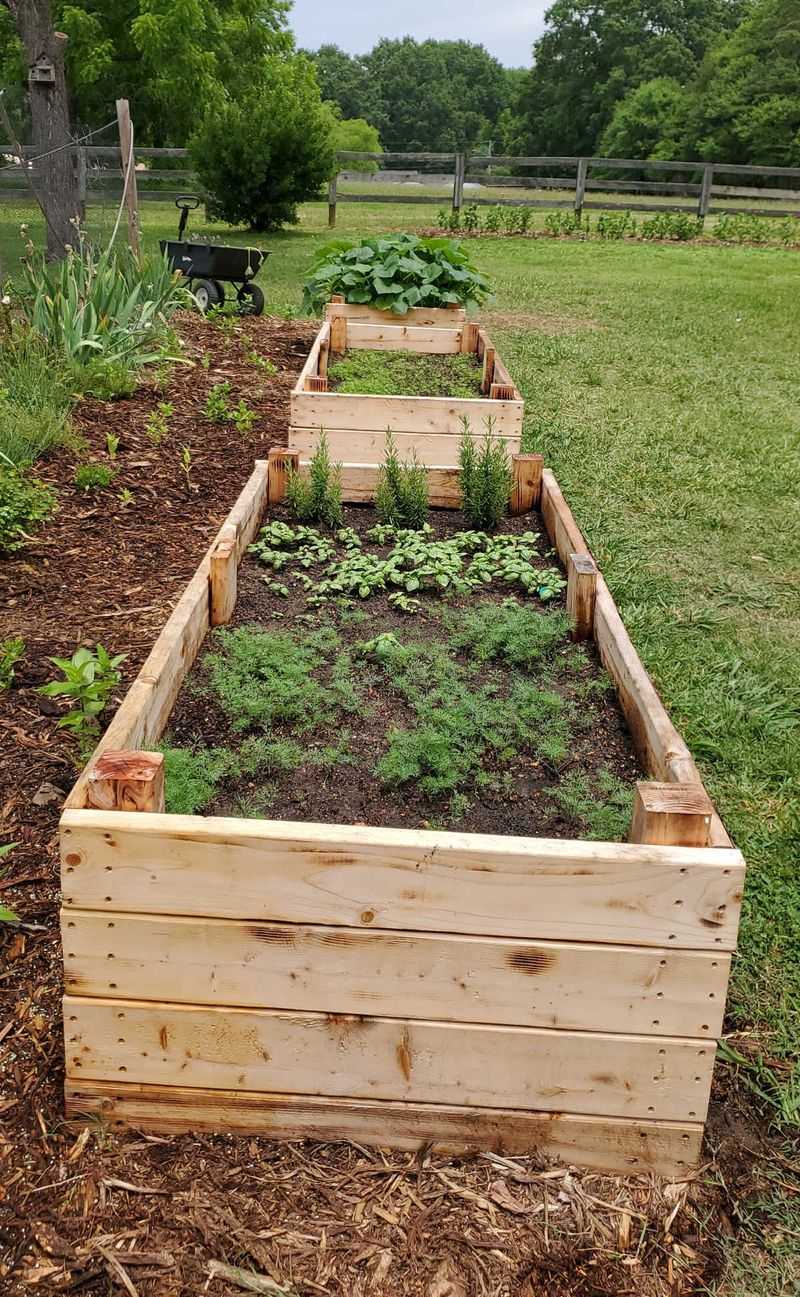
Raised beds elevate your gardening game, literally. They offer improved drainage and soil quality, ideal for sweet potatoes. Imagine neat rows of wooden beds, each brimming with verdant foliage. Raised beds warm up faster in spring, allowing an earlier start to the planting season. Additionally, they reduce soil compaction, enhancing root development. By controlling the soil composition, gardeners can optimize conditions specifically for sweet potatoes, resulting in a bountiful harvest.
4. Companion Planting
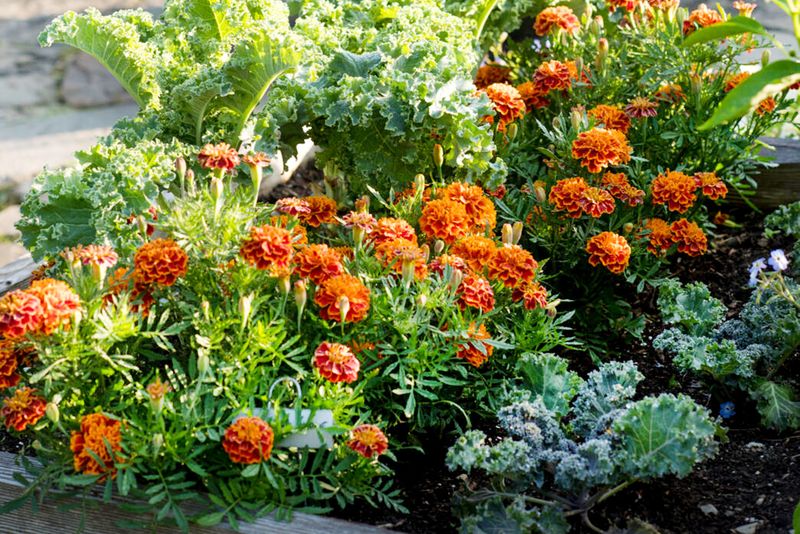
Companion planting is nature’s way of enhancing growth through plant relationships. Sweet potatoes thrive alongside friendly companions like marigolds and beans. Picture a vibrant garden, alive with diverse plants serving complementary roles. Marigolds deter pests while beans enrich the soil with nitrogen. This harmonious planting strategy not only boosts yield but also fosters a balanced ecosystem, reducing the need for chemical interventions. It’s a natural, sustainable approach to gardening.
5. Mulching Techniques
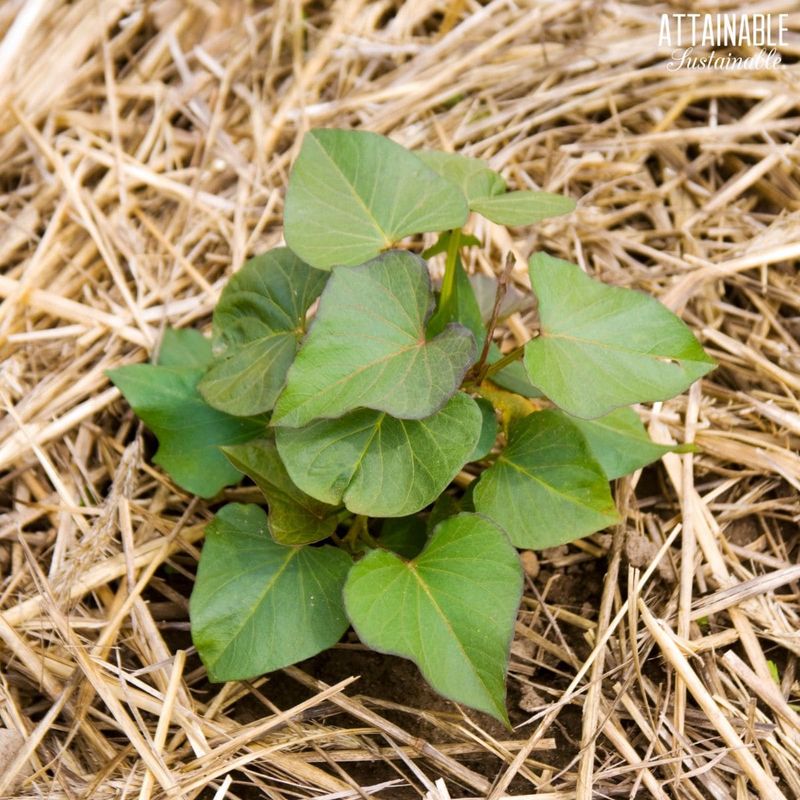
Mulching is a gardener’s best friend when it comes to moisture retention and weed control. Envision a garden with a thick, golden blanket of straw mulch, protecting the sweet potato plants beneath. This method conserves water, maintains consistent soil temperature, and suppresses weed growth. As the mulch breaks down, it enriches the soil with organic matter, enhancing fertility naturally. Mulching provides a low-maintenance, eco-friendly solution to many common gardening challenges.
6. Crop Rotation Practices
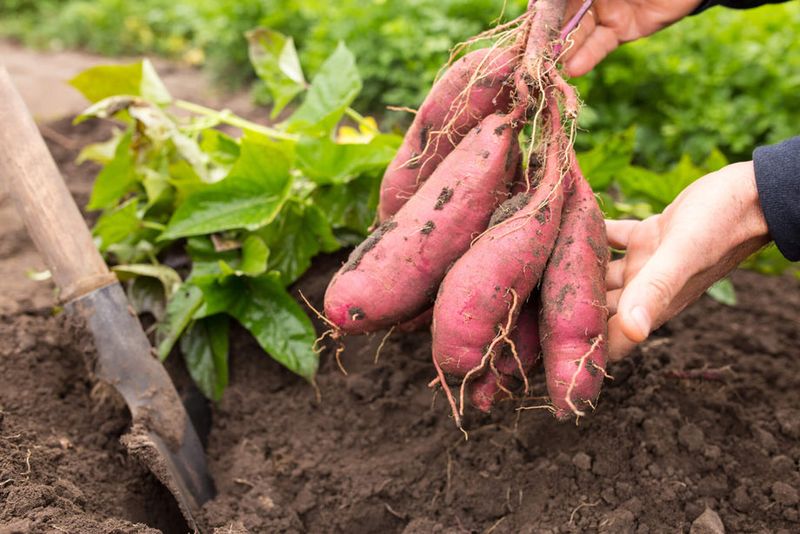
Crop rotation is a time-honored practice that boosts soil health and reduces pest issues. Imagine a cycle involving sweet potatoes, beans, and corn, each planted in succession. This rotation minimizes disease risk and balances nutrient use. Sweet potatoes benefit from following nitrogen-fixing crops like beans. Rotating crops disrupts pest life cycles, reducing infestations naturally. By rotating your garden’s residents, you maintain soil vitality, ensuring a healthy and productive harvest.
7. Drip Irrigation Systems
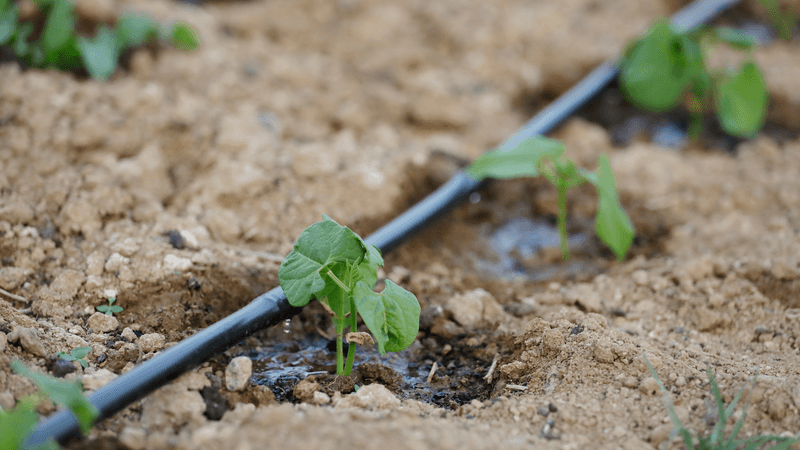
Efficiency is key with drip irrigation systems. Picture water dripping precisely at the base of each sweet potato plant. This method conserves water while ensuring each plant receives the right amount of hydration. Drip irrigation minimizes evaporation and runoff, making it an environmentally friendly choice. Perfect for regions with water scarcity, this system provides consistent moisture, crucial for tuber development. With drip irrigation, sweet potatoes thrive, yielding a rich, abundant harvest.
8. Heirloom Varieties
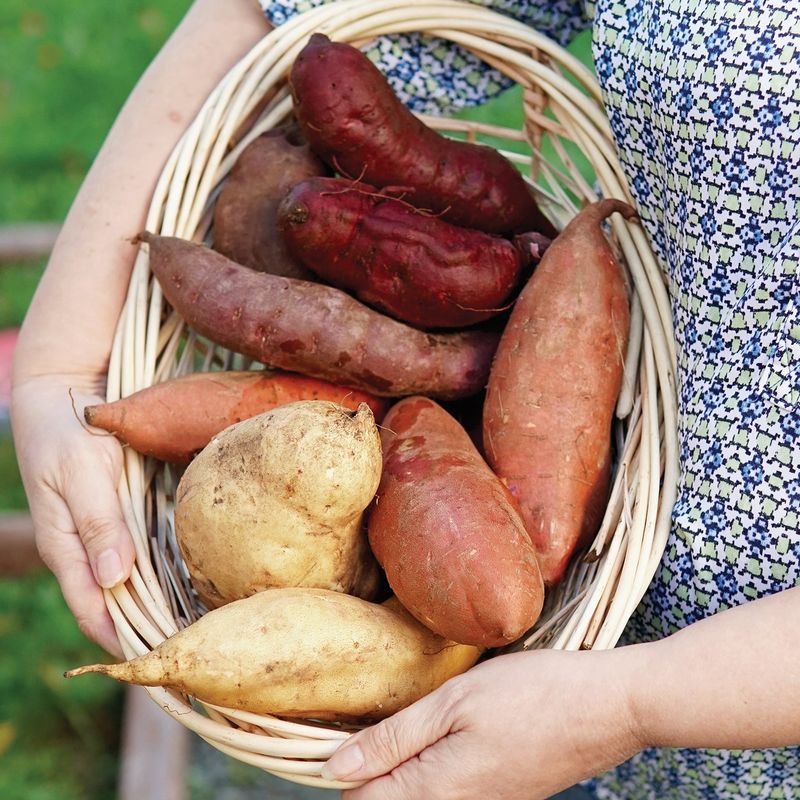
Explore the world of heirloom sweet potatoes, where each variety tells a story. From the purple-skinned ‘Purple Majesty’ to the orange-fleshed ‘Beauregard,’ these varieties offer unique flavors and textures. Heirlooms are celebrated for their genetic diversity and resilience. By cultivating heirloom varieties, gardeners preserve history while enjoying a palette of colors and tastes. These plants often boast enhanced disease resistance, making them an excellent choice for sustainable gardening.
9. Container Gardening
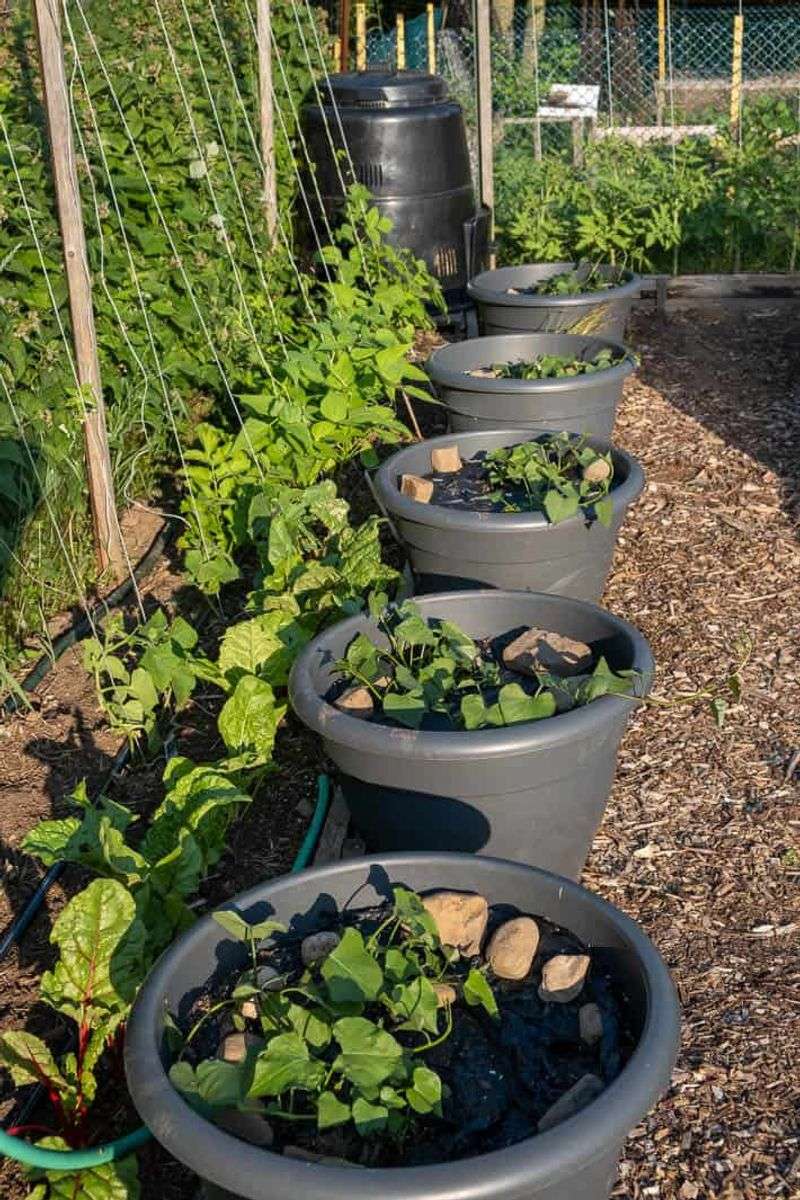
Container gardening opens up possibilities for those with limited space. Visualize pots brimming with sweet potato vines on a sun-drenched balcony. Containers allow for precise control over soil and nutrients, optimizing growth conditions. This method is perfect for urban gardeners or those desiring a portable garden. It offers a solution to space constraints while providing an opportunity to experiment with different varieties. Enjoy fresh sweet potatoes from your very own container garden.
10. Trellising Vines
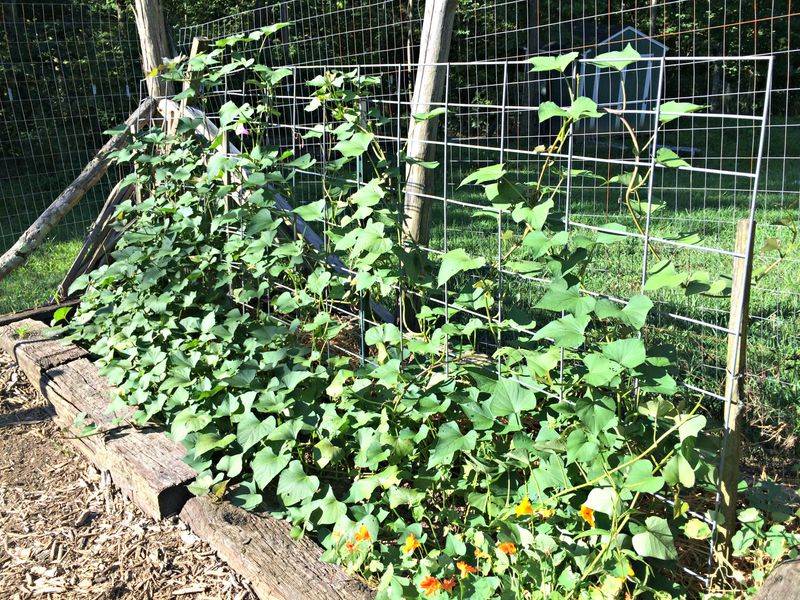
Trellising elevates gardening to an art form. Imagine sweet potato vines gracefully climbing a wooden trellis, creating a living tapestry. This method saves space and keeps plants off the ground, reducing the risk of disease. Trellising improves air circulation, supporting healthier growth. It’s a creative way to add vertical interest to your garden while maximizing yield. Trellised vines are easier to manage and harvest, offering both aesthetic and practical benefits.
11. Hydroponic Systems
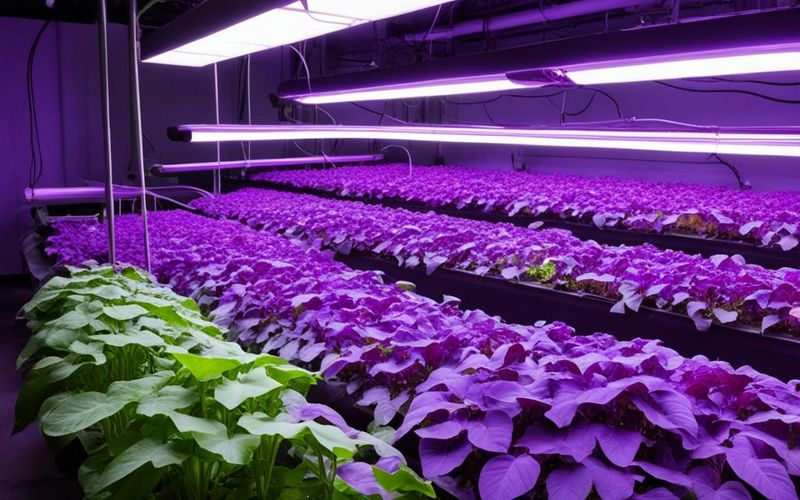
Hydroponics revolutionizes traditional gardening by growing plants without soil. Picture sweet potato plants thriving in a nutrient-rich solution, lit by LED lights indoors. This method allows for year-round growth and is highly efficient in water usage. Hydroponic systems provide precise control over nutrients, optimizing plant health and yield. Perfect for tech-savvy gardeners or those in urban environments, hydroponics offers a futuristic approach to cultivating sweet potatoes.
12. Greenhouse Growing
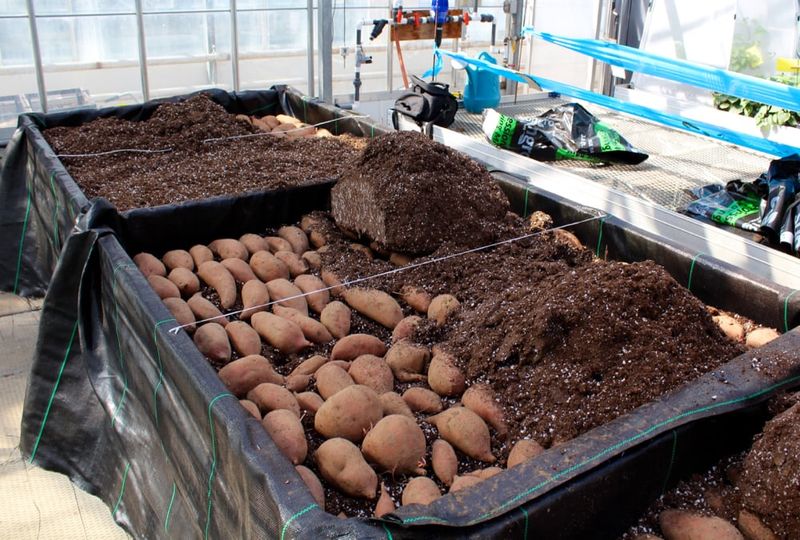
Greenhouses provide a controlled environment for sweet potato cultivation. Imagine sweet potato plants flourishing in a sunlit greenhouse, sheltered from harsh weather. This setting extends the growing season and offers protection from pests. Greenhouses maintain optimal temperature and humidity, enhancing plant growth and productivity. For gardeners seeking consistent results, a greenhouse offers the perfect conditions to cultivate a bountiful sweet potato crop throughout the year.
13. Aquaponics Integration
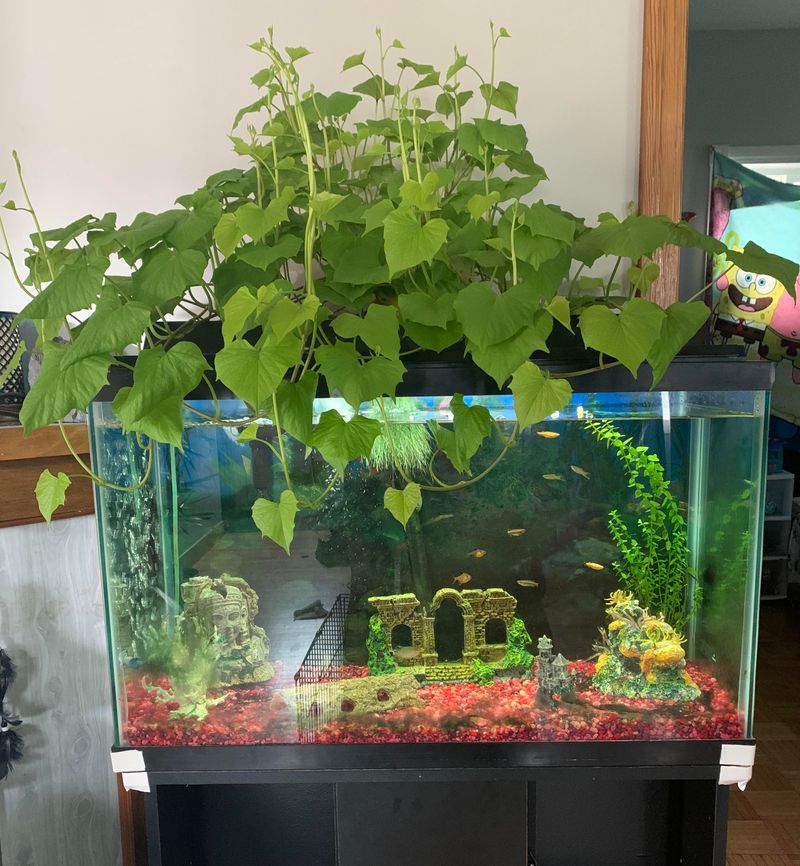
Aquaponics combines aquaculture and hydroponics, creating a symbiotic environment. Visualize sweet potato plants growing alongside fish tanks, where fish waste provides nutrients. This closed-loop system benefits both plants and fish, offering a sustainable gardening solution. Aquaponics maximizes resource efficiency, requiring less water than traditional methods. It’s an innovative approach for eco-conscious gardeners, providing fresh sweet potatoes and fish in one integrated system.
14. Sandy Soil Benefits
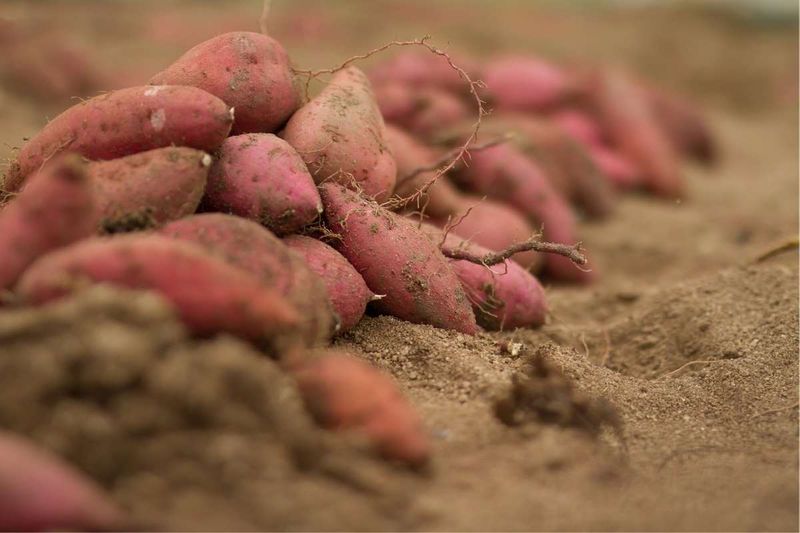
Sweet potatoes thrive in sandy soil, known for excellent drainage. Picture sandy loam, where water flows freely, preventing root rot. This soil type warms quickly, promoting early growth and deep tuber development. Sandy soil requires frequent watering, but its loose structure facilitates easy harvesting. By amending sandy soil with organic matter, gardeners can enhance its fertility and structure. Ideal for sweet potatoes, sandy soil supports a robust, prolific yield.
15. Pest Management Strategies
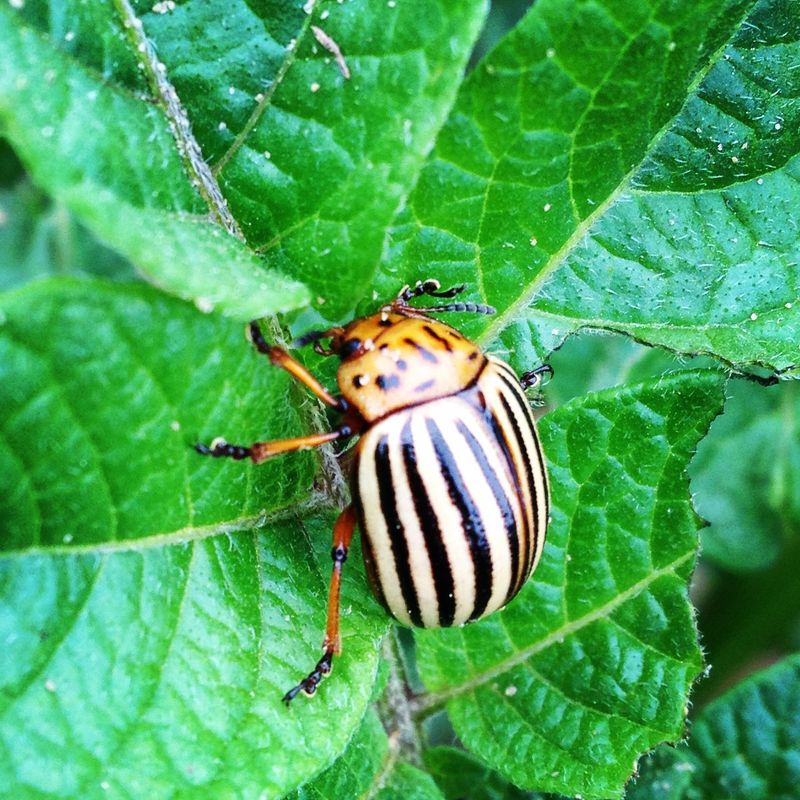
Effective pest management is crucial for sweet potato success. Imagine a garden where beneficial insects and natural barriers protect plants. Techniques like introducing ladybugs or planting garlic deter pests organically. Companion planting also plays a role, as some plants repel harmful insects. By avoiding chemical pesticides, gardeners create a healthier environment for both plants and wildlife. Natural pest management fosters a balanced ecosystem, ensuring sweet potatoes thrive without harmful chemicals.
16. Season Extension Techniques
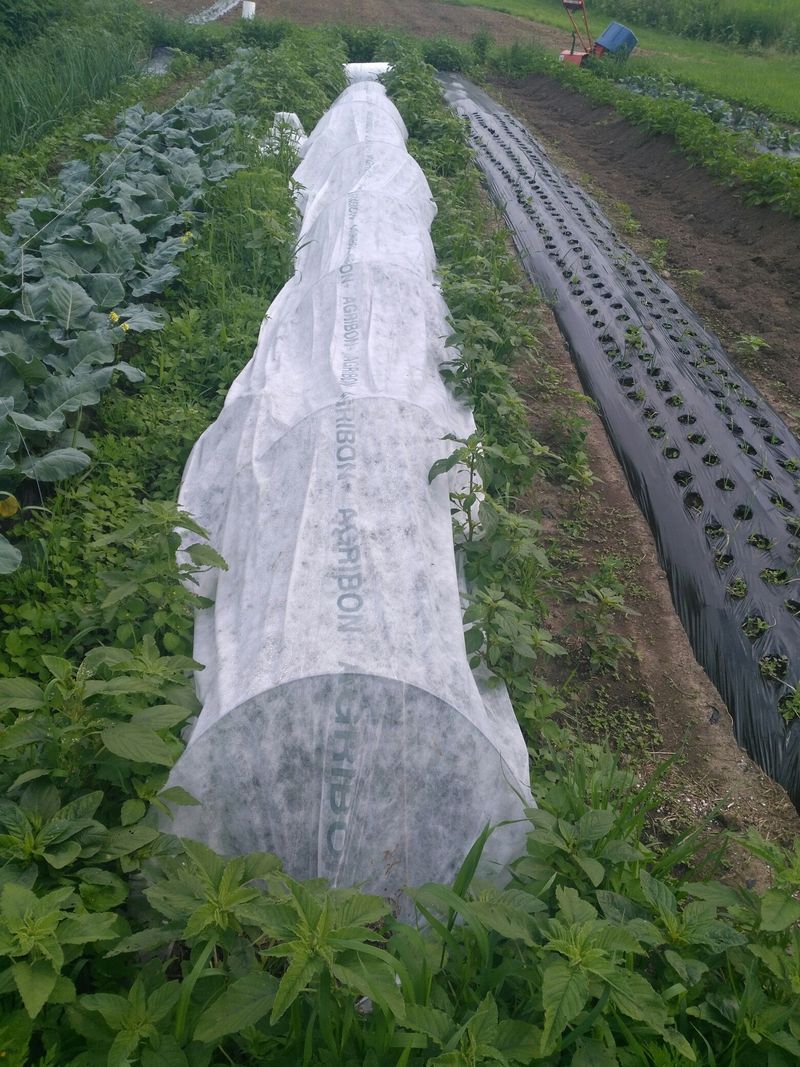
Season extension techniques allow gardeners to prolong the growing period. Envision row covers and cold frames, providing shelter from frost and harsh weather. These tools create a microclimate, maintaining warmer temperatures for sweet potato plants. Season extension enables an earlier start and later harvest, maximizing productivity. It’s a valuable strategy for regions with short growing seasons, ensuring a continuous supply of sweet potatoes beyond the typical timeframe.
17. Cutting Propagation
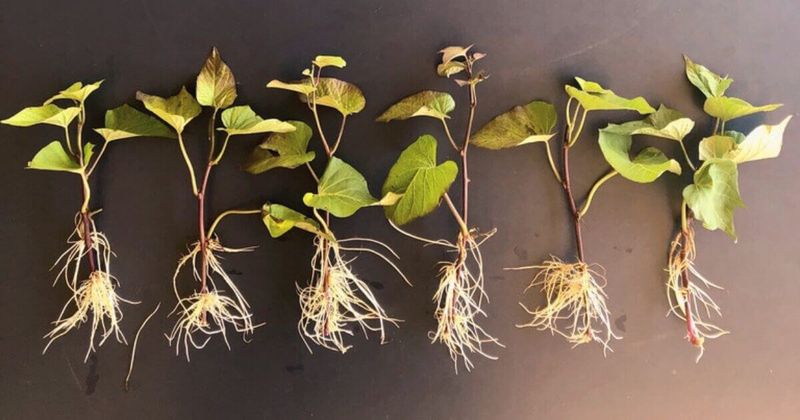
Cutting propagation is a simple yet effective method to multiply sweet potato plants. Picture a healthy vine cutting, ready to root in soil. This technique ensures genetic consistency and accelerates growth. By taking cuttings from vigorous plants, gardeners can quickly expand their sweet potato patch. It’s a cost-effective way to increase plant numbers without purchasing seeds. Cutting propagation offers an accessible approach for gardeners of all skill levels, enhancing productivity effortlessly.
18. Polyculture Practices
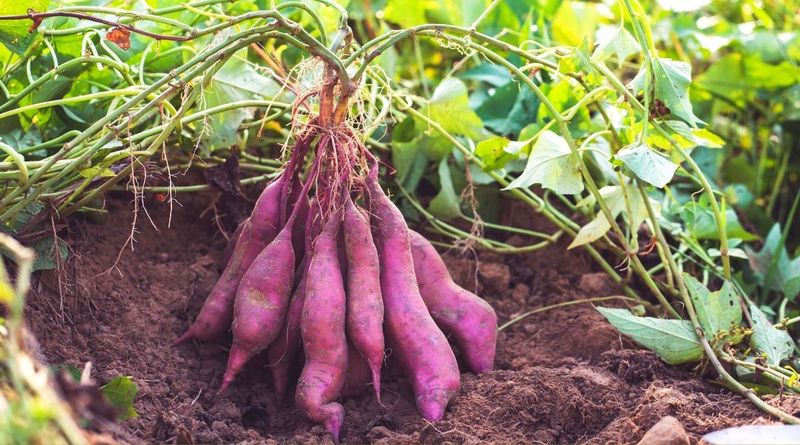
Polyculture embraces diversity, cultivating a mix of plants together. Visualize a garden where sweet potatoes cohabit with a variety of vegetables and flowers. This method fosters biodiversity, enhancing resilience against pests and diseases. Different plants contribute unique benefits, improving soil health and structure. By mimicking natural ecosystems, polyculture creates a sustainable, productive growing environment. It’s a holistic approach that celebrates the interconnectedness of life, supporting a thriving garden.
19. Succession Planting
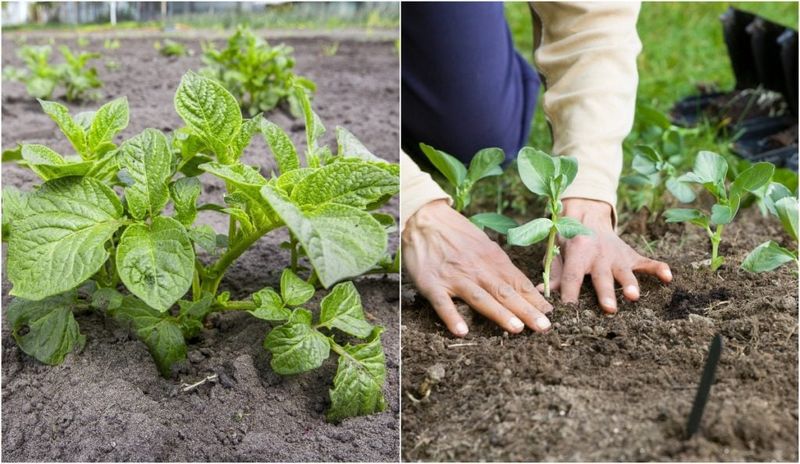
Succession planting ensures a continuous harvest by staggering planting times. Imagine a schedule that allows sweet potatoes to mature at different intervals. This method prevents gluts and ensures fresh produce throughout the season. By planning your planting times, you can enjoy a steady supply of sweet potatoes without interruption. Succession planting maximizes garden productivity, making it a strategic choice for home gardeners seeking an ongoing yield of delicious tubers.