 Complete Gardening
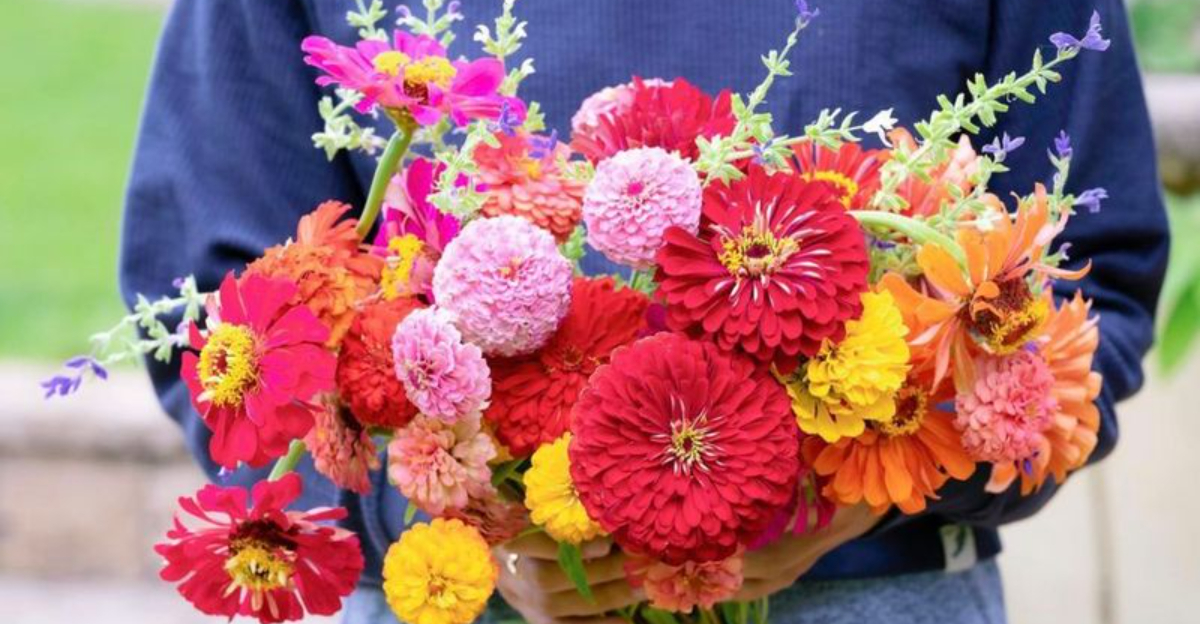
Starting flowers from seed in February can be a delightful way to anticipate the bloom season. With a little planning, you can enjoy fresh bouquets throughout the year. Here are 20 beautiful flowers to consider planting from seed for endless floral arrangements.
1. Sweet Peas
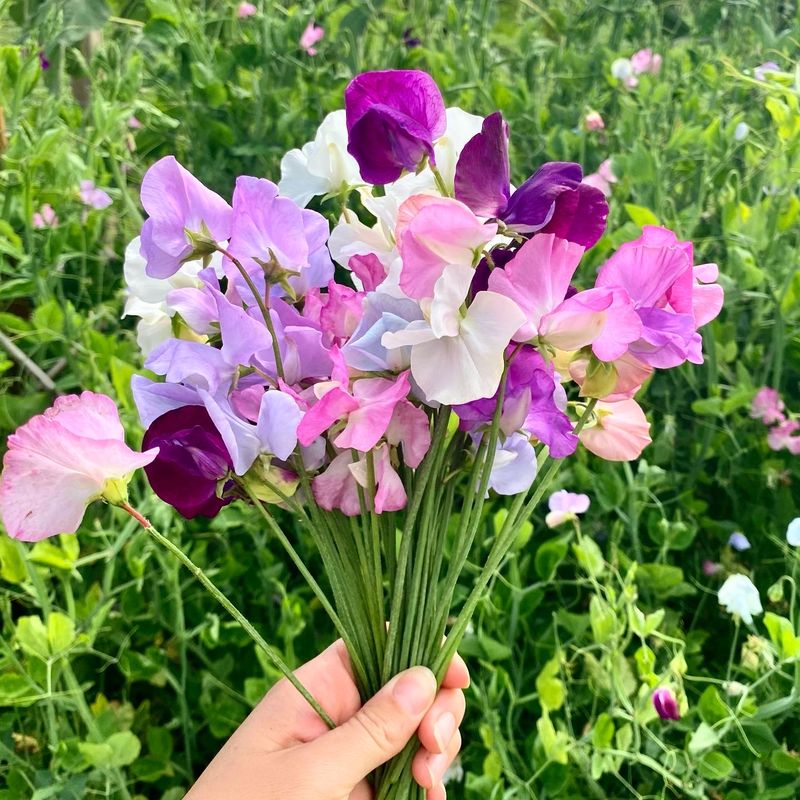
Sweet peas are known for their enchanting fragrance and delicate petals. They thrive in cool weather, making February the perfect time to start them from seed. Plant sweet peas in well-drained soil and provide support for their climbing vines.
They come in a range of colors, from soft pastels to vibrant hues. Regularly picking the blooms encourages more flowers to grow, ensuring a continuous supply for bouquets.
Sweet peas prefer a sunny location but can tolerate partial shade. Their captivating scent makes them a favorite for adding fragrance to any room.
2. Snapdragons
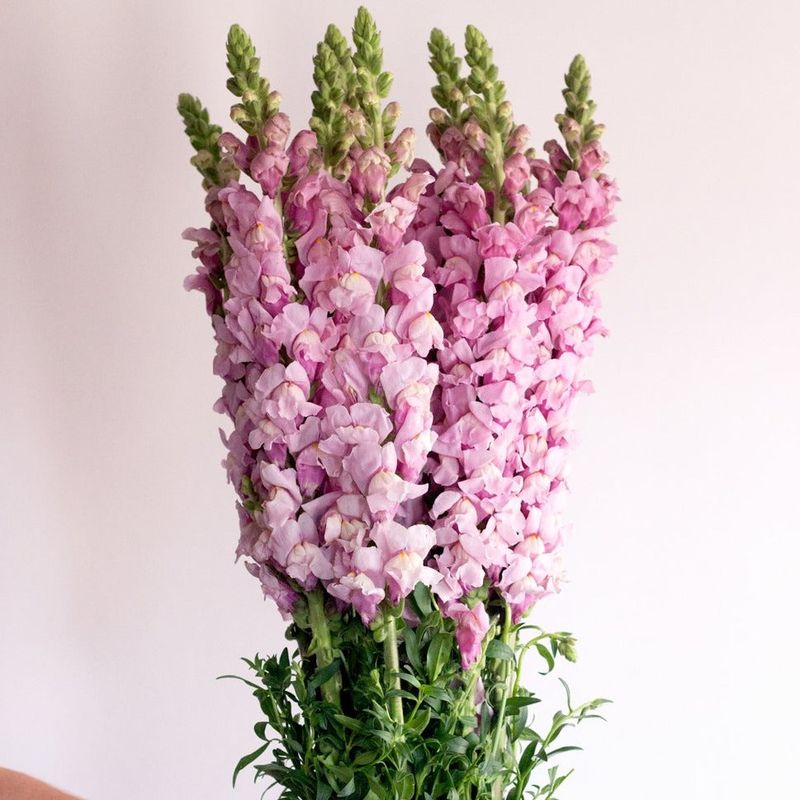
Snapdragons bring a burst of color to any garden with their unique, dragon-like flowers. These resilient blooms do well when sown in February, especially in well-drained, rich soil.
Snapdragons are available in a wide spectrum of colors, making them versatile for any bouquet. They perform best in full sun, though they can also tolerate partial shade.
Deadheading spent flowers encourages new growth, providing a longer flowering period. Their tall, upright stems are ideal for adding height and structure to arrangements. Plant in clusters for a striking visual impact.
3. Statice
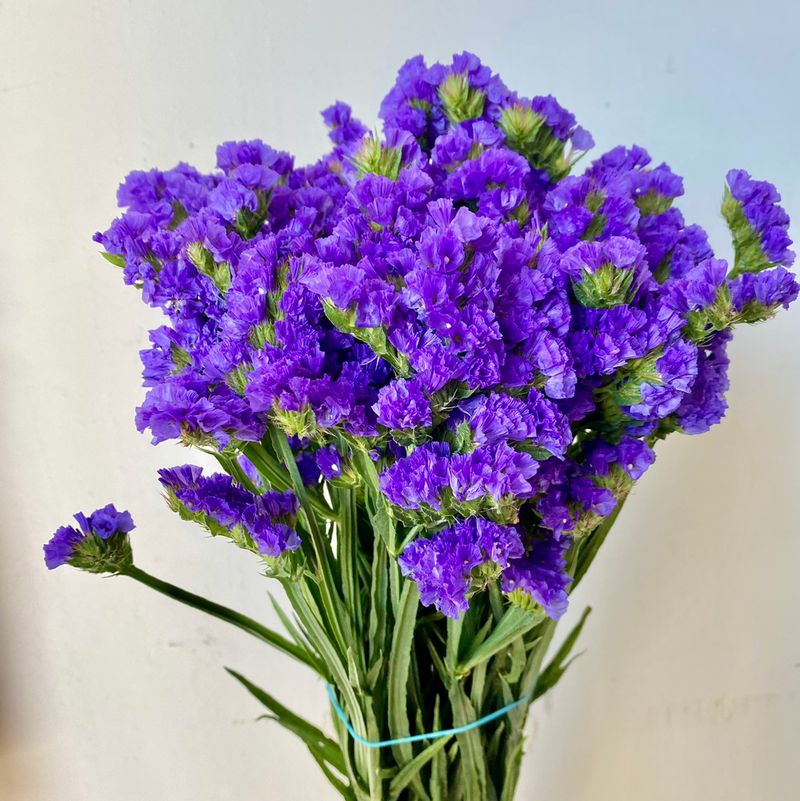
Statice is cherished for its papery flowers and long-lasting nature, perfect for both fresh and dried bouquets. Start statice seeds in February for blooms that last well into the season. They thrive in sunny locations and require well-drained soil.
The flowers come in various shades, including purple, white, and pink. Statice adds texture and volume to arrangements, making them an excellent filler flower.
These hardy annuals require minimal maintenance, and their drought tolerance is an added advantage. Harvest when flowers are fully open for the best vase life.
4. Foxglove
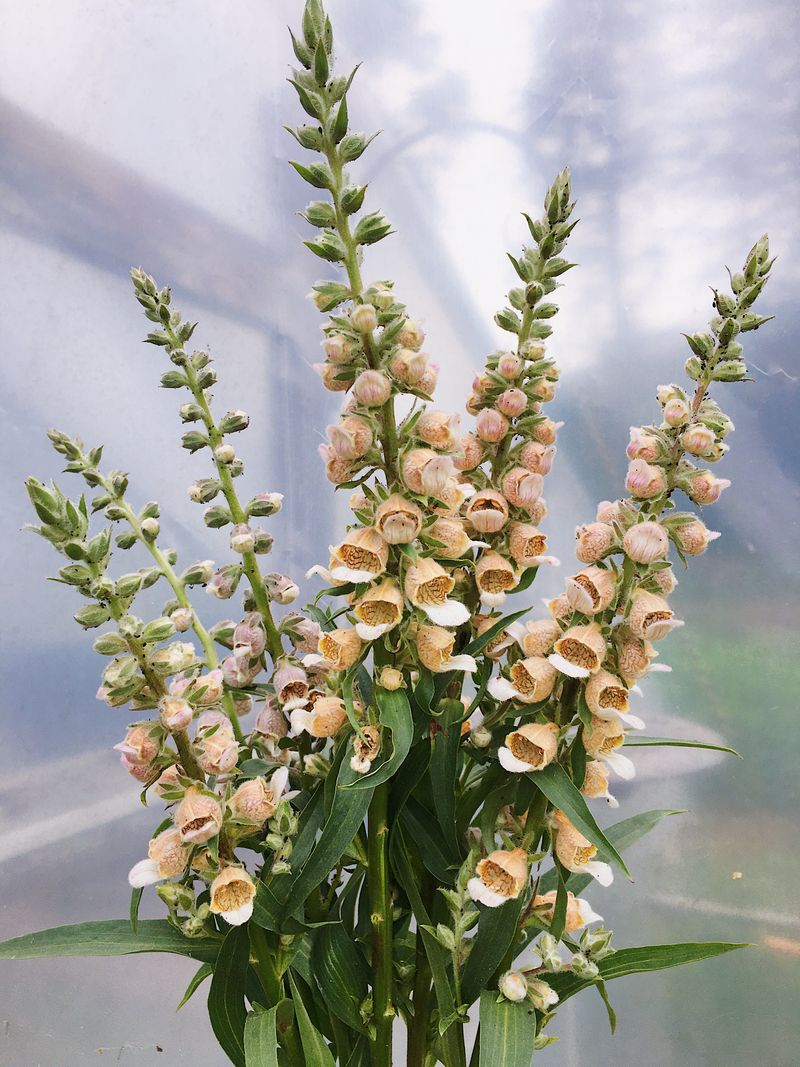
Foxgloves are striking with their tall spires of bell-shaped flowers, adding elegance to any garden. Sowing seeds in February gives them a head start for a flourishing display. They prefer partial shade and moist, well-drained soil.
Foxgloves are available in various shades, from muted tones to vibrant hues. These biennials often self-seed, ensuring a continuous presence in your garden.
Their height makes them excellent choices for the back of borders or as focal points. Caution: Foxgloves are toxic if ingested, so handle with care around pets and children.
5. Bells of Ireland
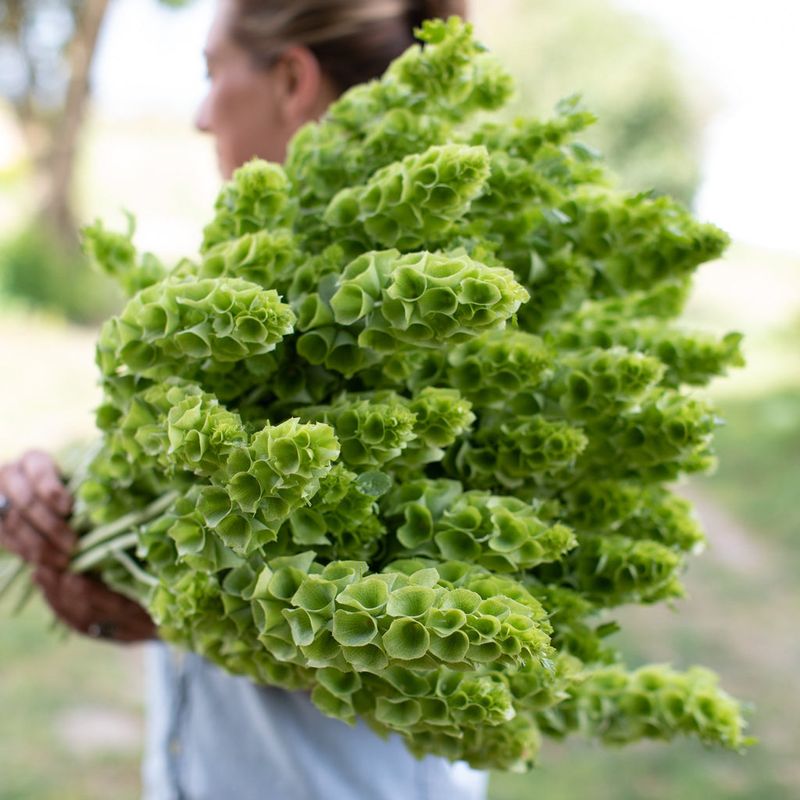
Bells of Ireland offer a unique green color that complements any floral arrangement. Starting seeds indoors in February is recommended for a head start. These plants prefer full sun and well-drained soil.
Bells of Ireland are known for their tall, spiky stems adorned with bell-shaped calyxes. They add height and texture to arrangements and are especially popular in weddings and formal bouquets.
While the flowers themselves are small, the prominent green bells make a bold statement. Regular watering and slight shade can enhance their growth and vibrancy.
6. Stock
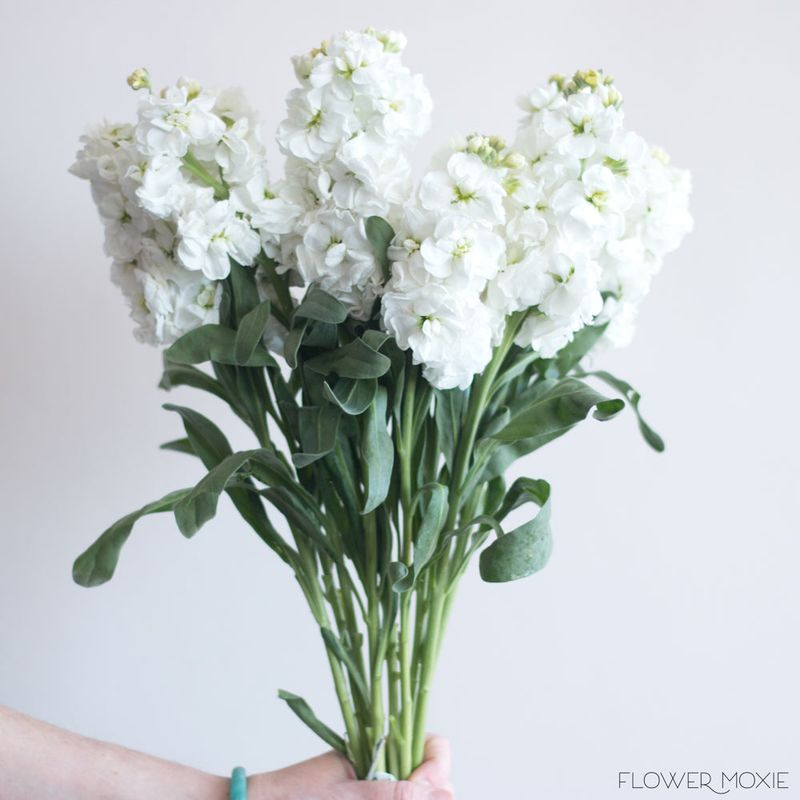
Stock flowers are a classic choice for their delightful fragrance and full blooms. Sow seeds in February to enjoy their early spring blossoms. Stock prefers cool temperatures and thrives in well-drained, rich soil.
Available in colors like pink, white, and purple, they add both visual and olfactory appeal to bouquets. Their double blooms and spicy-sweet scent make them a favorite among gardeners.
Plant in groups for a more substantial impact, and remember to deadhead regularly to prolong blooming. They work well in both formal and casual arrangements.
7. Larkspur
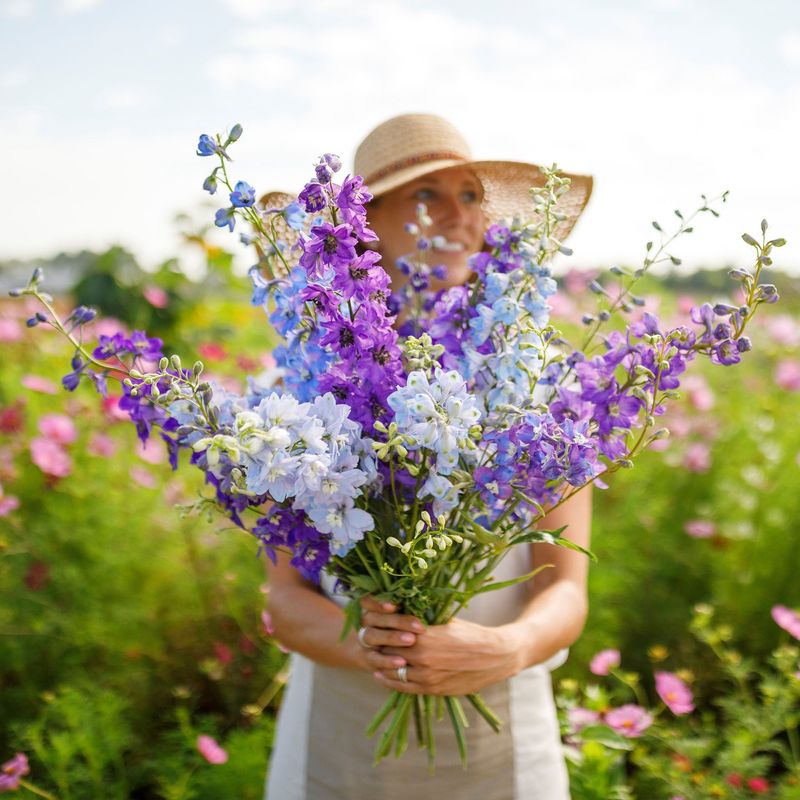
Larkspur is admired for its tall, graceful spikes of flowers that add vertical interest to any garden. Starting seeds in February allows for early summer blooms. These plants prefer full sun and well-drained soil.
Larkspur’s flowers come in shades of blue, pink, and white, making them a versatile choice for bouquets. They are excellent for cutting, providing fresh color indoors.
Larkspur requires some support as they grow tall and can be easily toppled by wind. Their delicate appearance belies a resilient nature, ideal for cottage and wildflower gardens.
8. Poppies
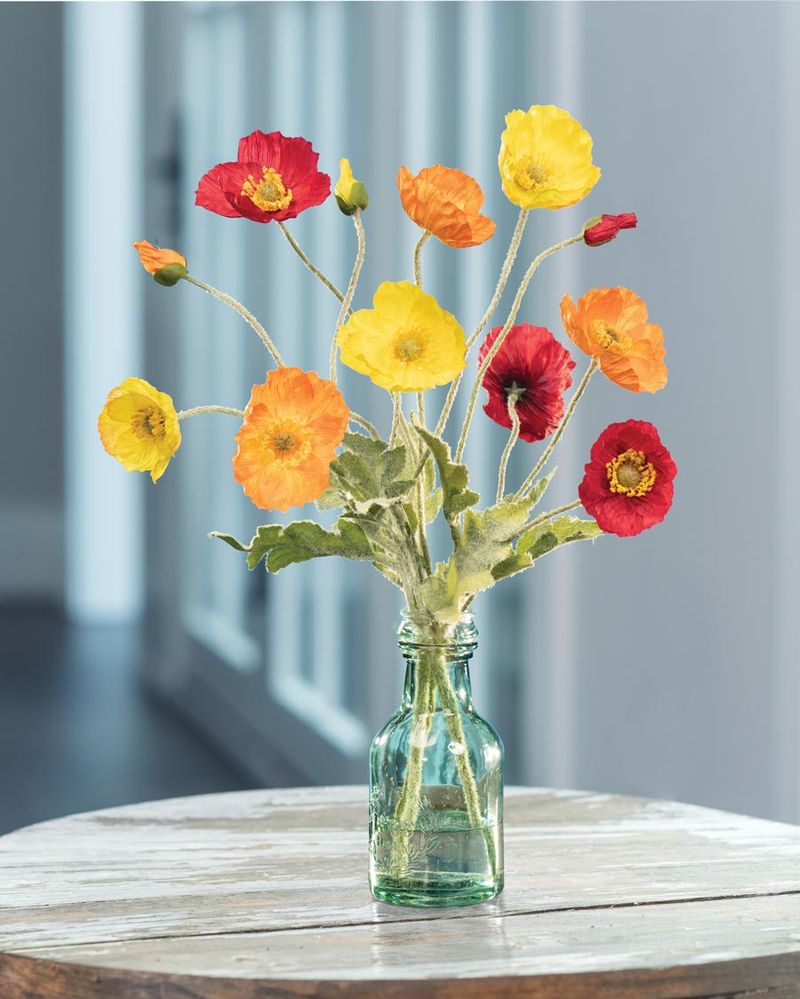
Poppies are known for their vibrant colors and delicate, papery petals. Sow poppy seeds in February for a stunning display come spring. They prefer full sun and well-drained soil, thriving in both garden beds and containers.
Poppies are available in a range of colors, from classic reds to oranges and pastels. Their striking blooms attract pollinators, adding movement and life to the garden.
Once established, poppies require minimal care, making them a low-maintenance option for gardeners. Harvesting the seed pods allows for future planting and propagation.
9. Dianthus
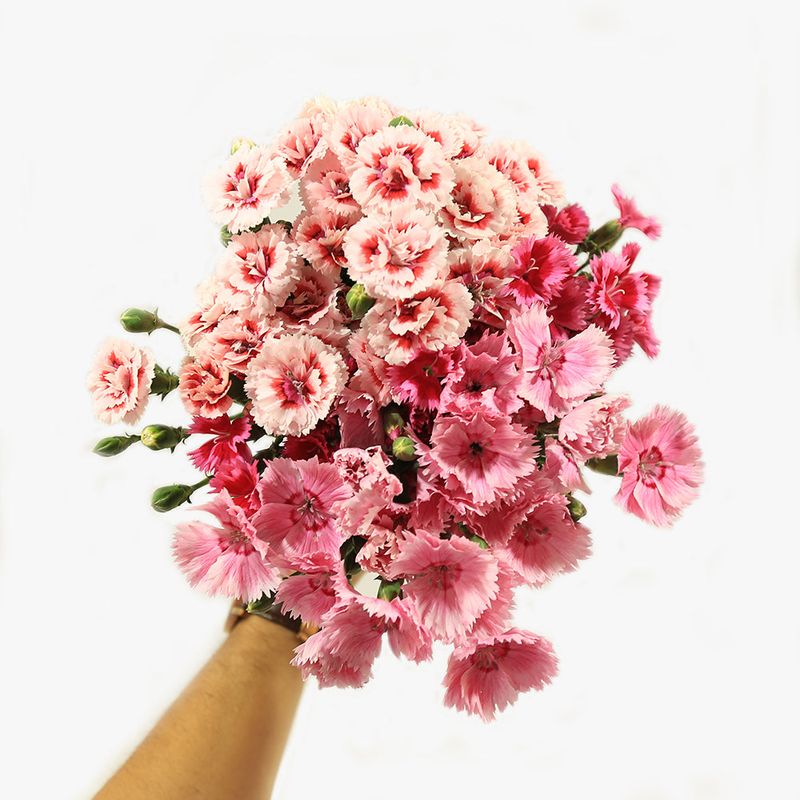
Dianthus, also known as “pinks,” are prized for their spicy fragrance and fringed petals. Start the seeds in February for blooms that last through summer. Dianthus thrive in full sun and well-drained soil, making them perfect for rock gardens and borders.
Their flowers come in shades of pink, red, and white, often with contrasting centers. Regular deadheading encourages continuous blooming and a neat appearance.
Dianthus are ideal for adding a vintage charm to bouquets, and their scent makes them a nostalgic favorite. They are drought-tolerant, suiting various garden conditions.
10. Celosia
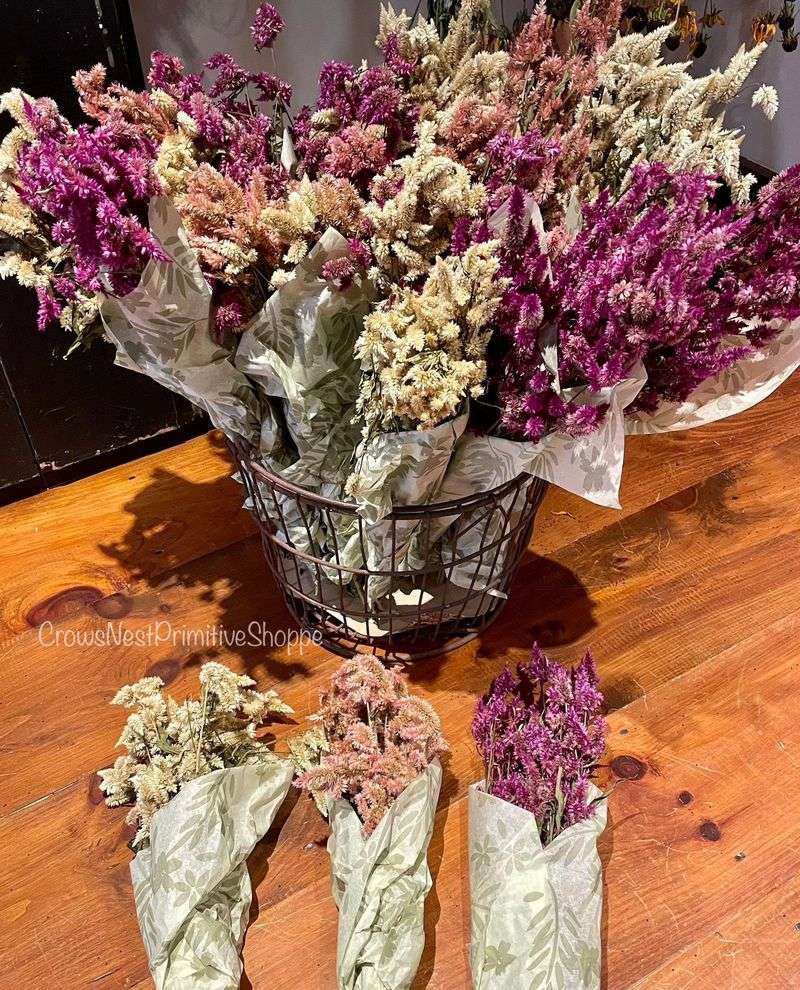
Celosia is celebrated for its vibrant colors and unique textures, making it a standout in any arrangement. Sow seeds in February for a brilliant summer display. Celosia thrives in full sun and well-drained soil, preferring warm conditions.
The flowers can be plume-like or crested, adding various shapes to bouquets. Colors range from fiery reds to sunny yellows and oranges. These heat-loving plants require little maintenance once established.
Celosia’s bold appearance is perfect for adding drama and texture to any floral composition, and they make excellent, long-lasting cut flowers.
11. Cosmos
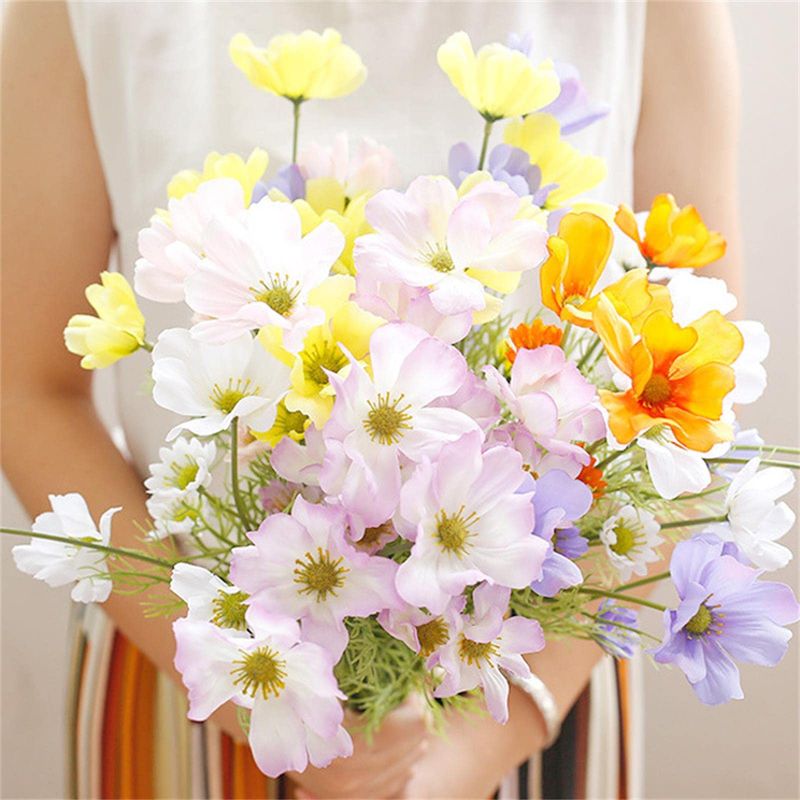
Cosmos are known for their delicate, daisy-like flowers and airy foliage. Starting seeds indoors in February ensures a long flowering period. They thrive in full sun and well-drained soil.
Cosmos come in an array of colors, from soft pinks to bold oranges and whites. Their tall, wispy stems add a touch of elegance to any bouquet. Cosmos attract butterflies and bees, enhancing garden biodiversity.
They are easy to care for, requiring minimal watering once established. Deadheading spent blooms encourages new growth and extends blooming throughout the season.
12. Zinnias
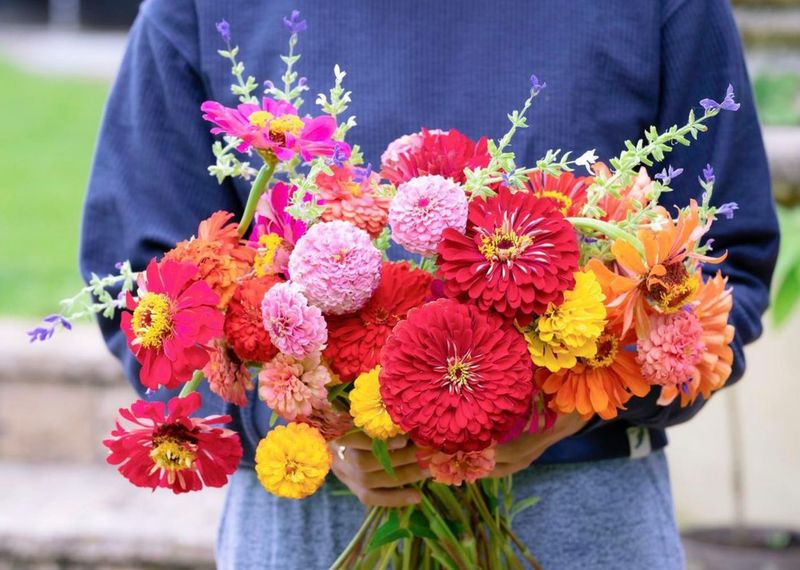
Zinnias are beloved for their bold colors and long-lasting blooms, making them perfect for bouquets. Sow zinnia seeds in February for summer flowers. They prefer full sun and well-drained soil and are known for their heat tolerance.
Zinnias come in countless colors and forms, from single to double blooms, providing endless design possibilities. They attract pollinators, such as butterflies and bees, to the garden.
Regular deadheading keeps them blooming prolifically. Zinnias are ideal for cutting, offering vibrant and cheerful additions to any floral arrangement.
13. Rudbeckia
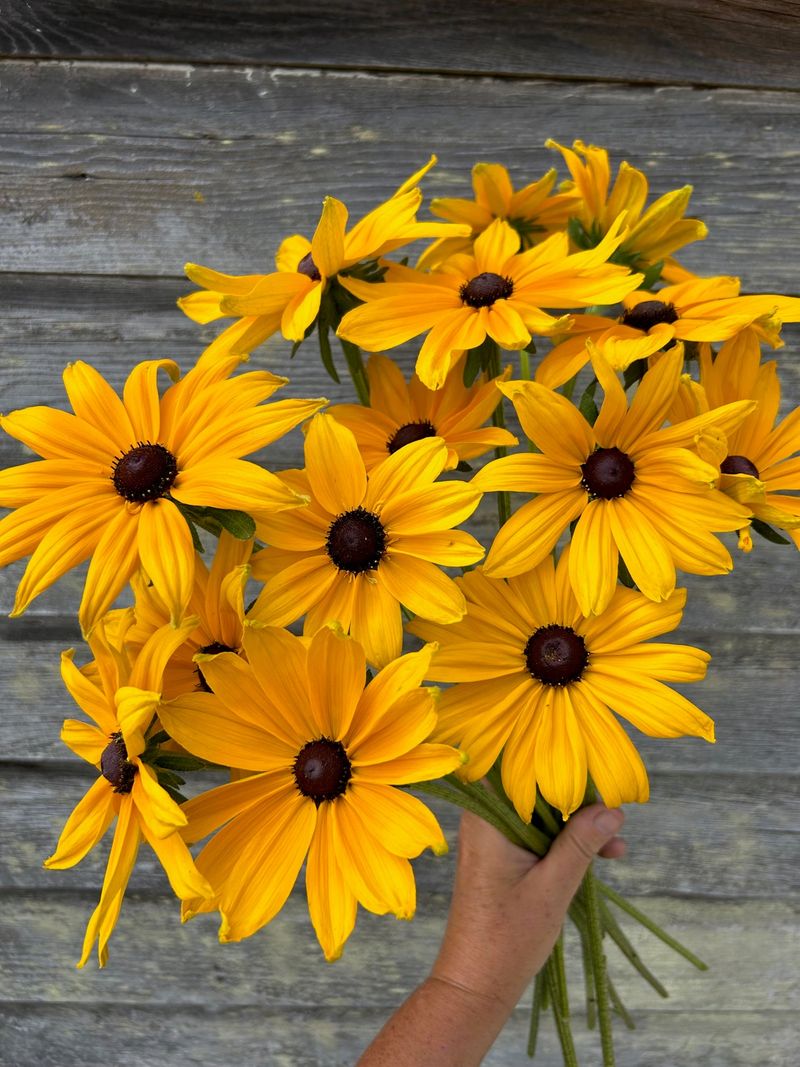
Rudbeckia, commonly known as black-eyed Susans, are vibrant summer bloomers. Start seeds in February for a head start on their sunny displays. They thrive in full sun and tolerate a range of soils, including poor and dry conditions.
The bright yellow petals with dark centers attract butterflies and other pollinators. Rudbeckia are ideal for borders and mass plantings, providing a burst of color.
Their sturdy stems make them excellent cut flowers, maintaining freshness in arrangements. They self-seed readily, ensuring their presence in the garden year after year.
14. Sunflowers
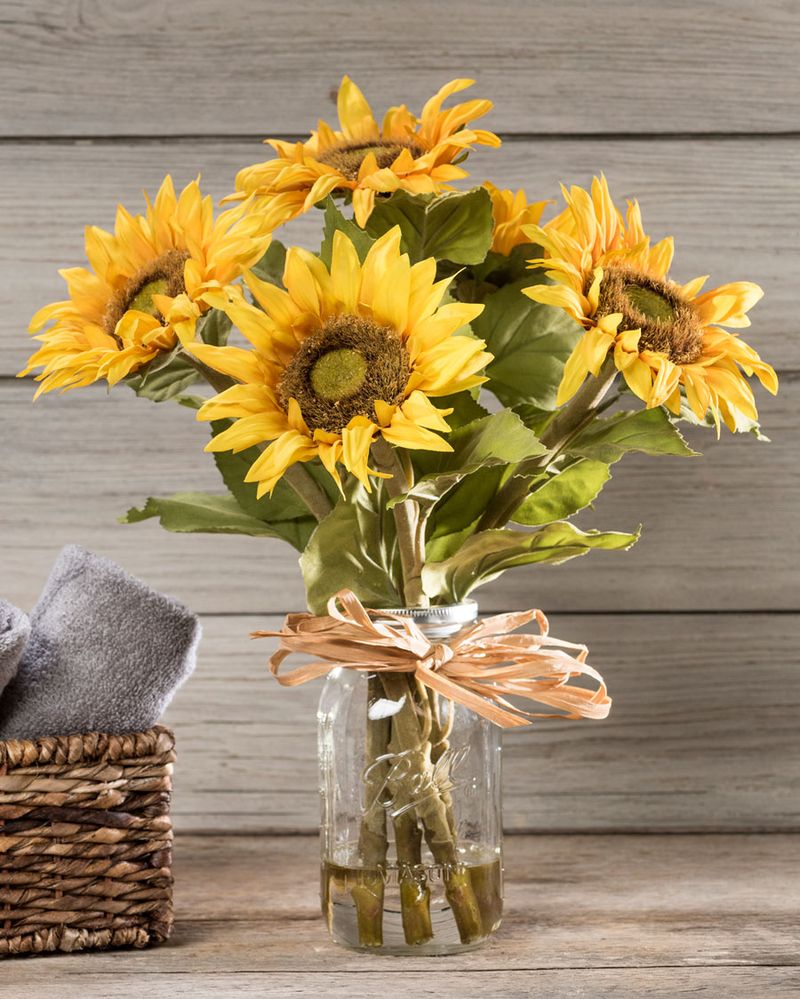
Sunflowers are iconic summer flowers, known for their towering heights and sunny disposition. Start seeds in February to enjoy a stunning display by late summer. They require full sun and well-drained soil, thriving in most garden settings.
Sunflowers vary in size and color, from classic yellow to deep red varieties. These flowers attract bees and birds, contributing to a lively garden ecosystem.
Sunflowers’ tall, sturdy stems make them ideal for cutting and display in large vases. They bring warmth and cheer to any arrangement or landscape.
15. Marigolds
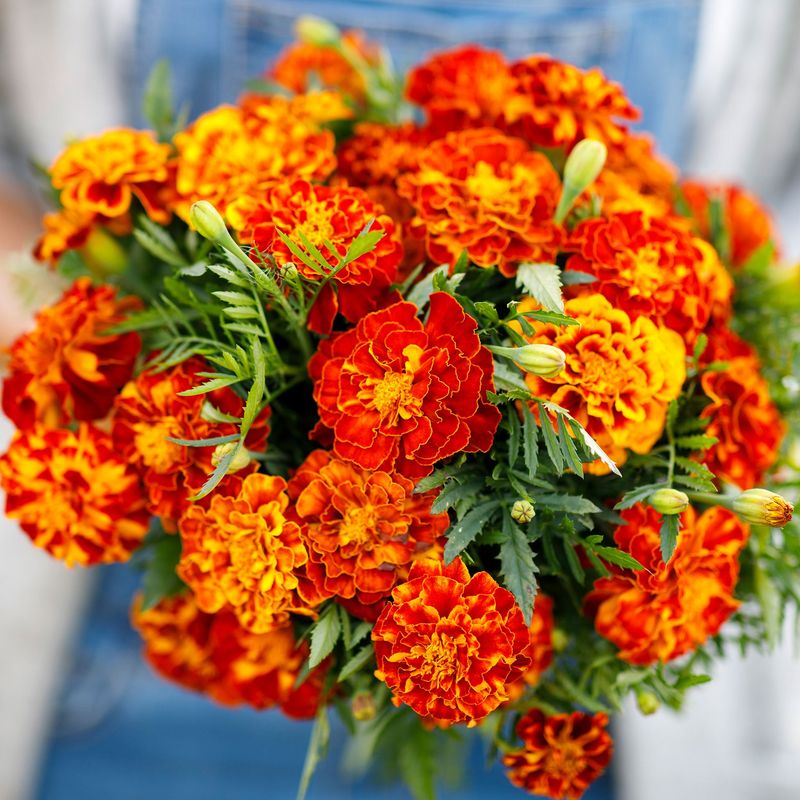
Marigolds are cheerful and easy to grow, making them a favorite for gardeners. Start seeds in February for blooms that last through fall. They thrive in full sun and well-drained soil, tolerating heat and drought conditions.
Marigolds come in various shades of orange and yellow, adding brightness to any garden. Their distinctive scent deters pests, making them excellent companions for vegetable gardens.
Regular deadheading encourages prolific blooming. Marigolds’ compact size makes them suitable for borders and containers, and their vibrant flowers add color and charm to bouquets.
16. Yarrow
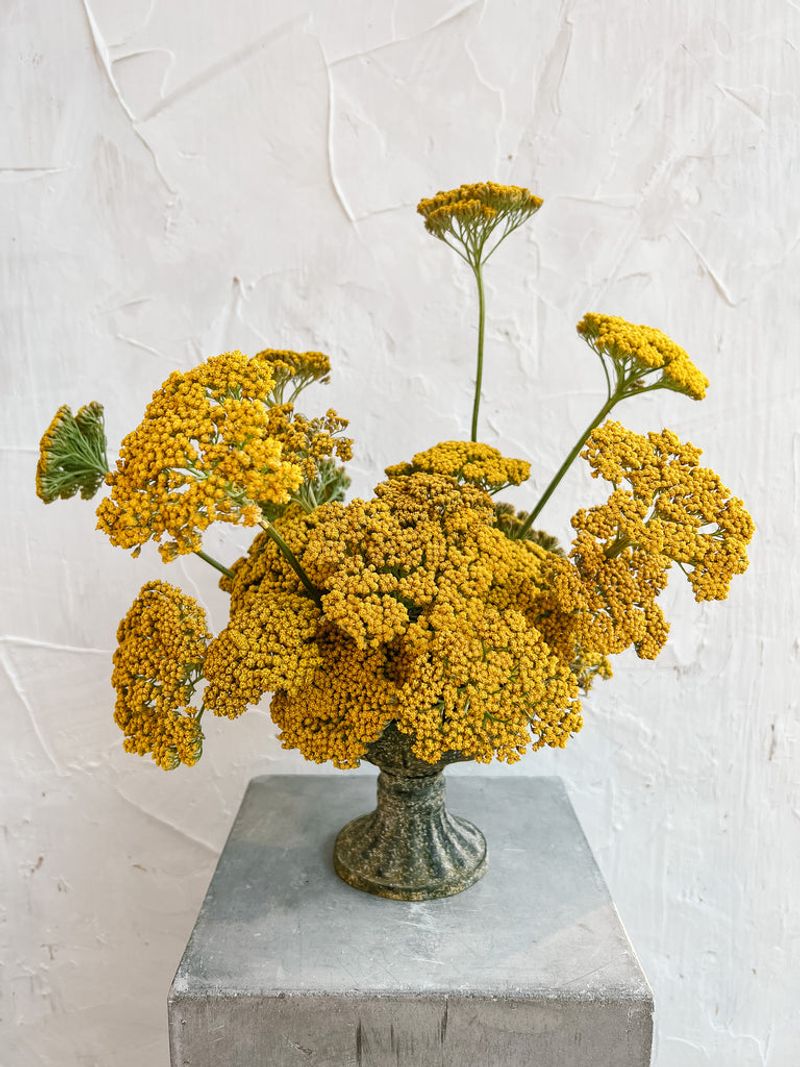
Yarrow is valued for its feathery foliage and clusters of tiny flowers. Start seeds in February for a robust summer display. Yarrow thrives in full sun and well-drained soil and is known for its drought tolerance.
The flowers come in shades of yellow, white, and pink, adding subtle color to arrangements. Yarrow attracts beneficial insects, promoting a healthy garden ecosystem.
Its flat-topped blooms and fern-like leaves add texture and interest to bouquets. Once established, yarrow requires little care, making it a low-maintenance choice for gardeners.
17. Ammi Majus
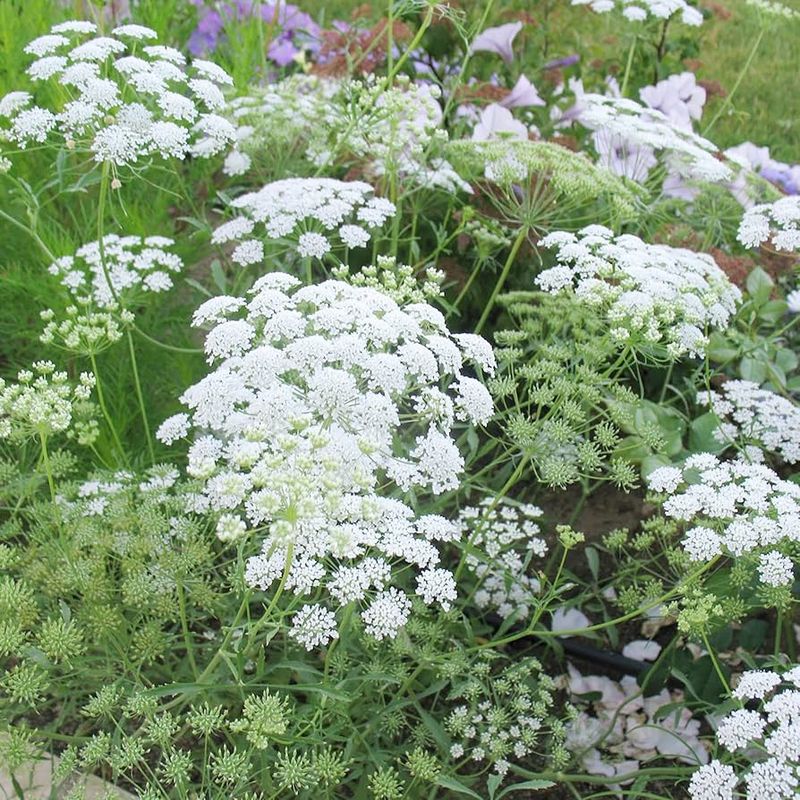
Ammi Majus, often called “bishop’s weed,” is known for its delicate, lace-like flowers. Sowing seeds in February provides a head start for summer blooms. This annual prefers full sun and well-drained soil and is often used in cottage gardens.
The white, airy flowers resemble Queen Anne’s lace and add a touch of elegance to arrangements. Ammi Majus attracts pollinators, enhancing garden biodiversity. These plants require minimal maintenance once established, thriving with regular watering.
Their delicate appearance makes them ideal for softening bouquets and adding a vintage charm.
18. Nigella
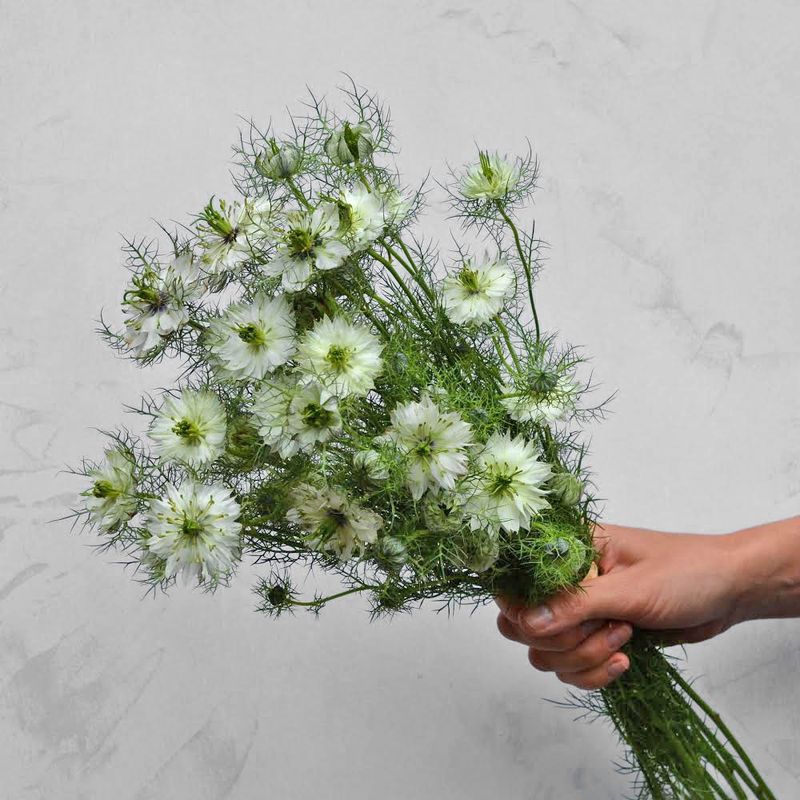
Nigella, also known as “love-in-a-mist,” is cherished for its unique flowers and feathery foliage. Start seeds in February for an early summer display. Nigella thrives in full sun and well-drained soil, adding a whimsical touch to gardens.
The flowers, available in shades of blue, white, and pink, are surrounded by a mist of lacy bracts. Once the blooms fade, the ornamental seed pods provide additional interest.
Nigella is easy to grow and self-seeds readily, ensuring a continuous presence in the garden. Its ethereal beauty enhances any floral arrangement.
19. Orlaya
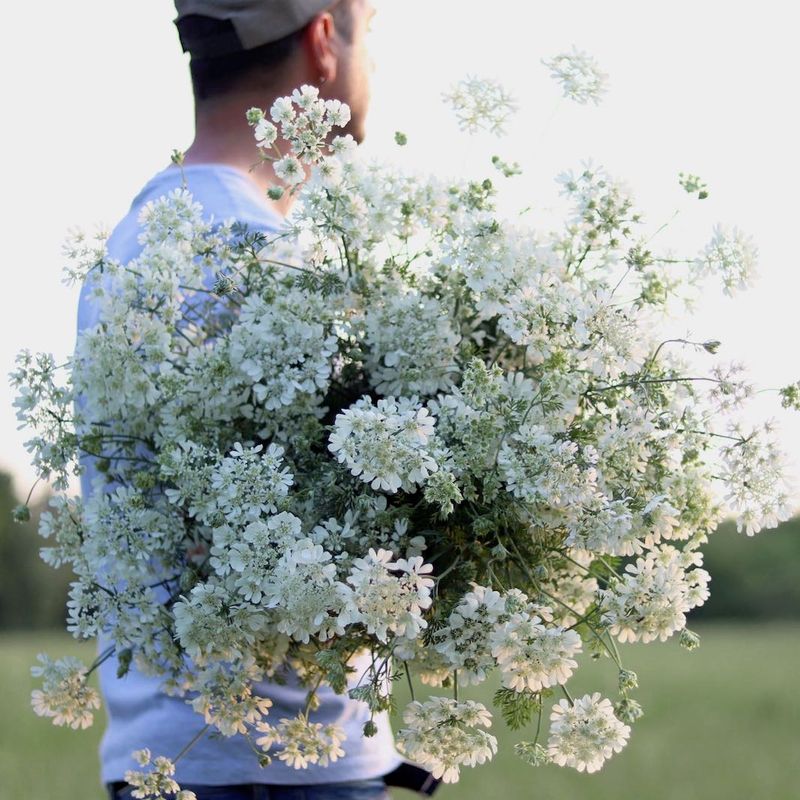
Orlaya is admired for its delicate, lace-like white flowers that bring elegance to any bouquet. Sow seeds in February for a summer full of blooms. It thrives in full sun and well-drained soil, often used in cottage gardens and wildflower meadows.
Orlaya’s flowers are similar to Queen Anne’s lace and add a soft, airy touch to arrangements. These plants attract beneficial insects, promoting a healthy garden environment.
Once established, Orlaya requires little care and is drought-tolerant. Their graceful appearance makes them a favorite for adding texture and depth to floral displays.
20. Scabiosa
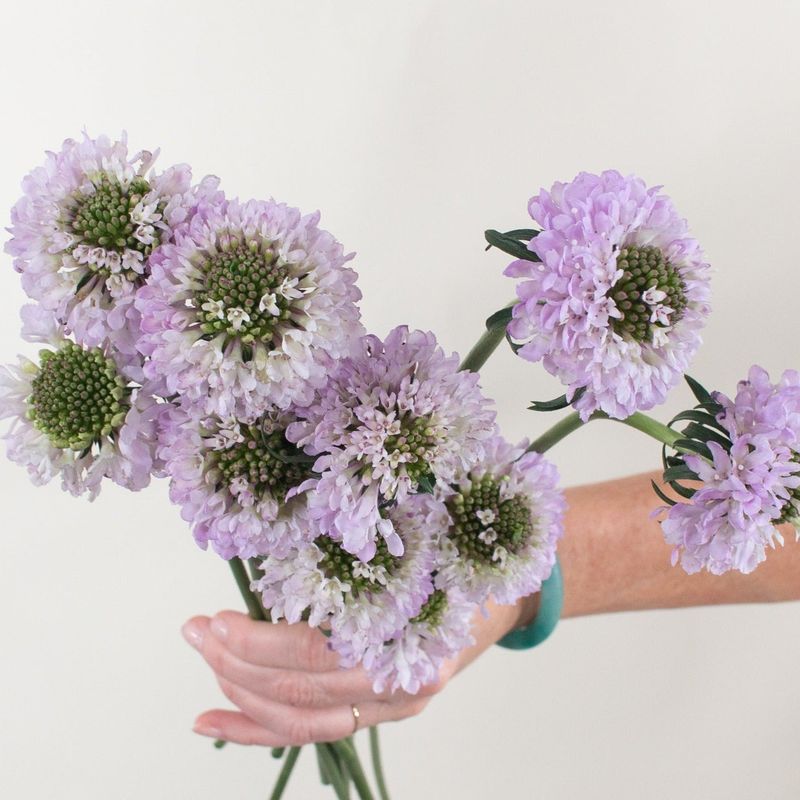
Scabiosa, or “pincushion flower,” is loved for its unique blooms and long flowering period. Start seeds in February for a head start on blooms. These plants prefer full sun and well-drained soil, making them versatile for various garden settings.
Scabiosa flowers come in shades of purple, pink, and white, adding charm to any arrangement. Their distinctive shape attracts pollinators, contributing to a lively garden.
Scabiosa requires minimal maintenance, with deadheading promoting continuous blooming. They are excellent cut flowers, adding both texture and interest to bouquets with their pincushion-like centers.