 Complete Gardening
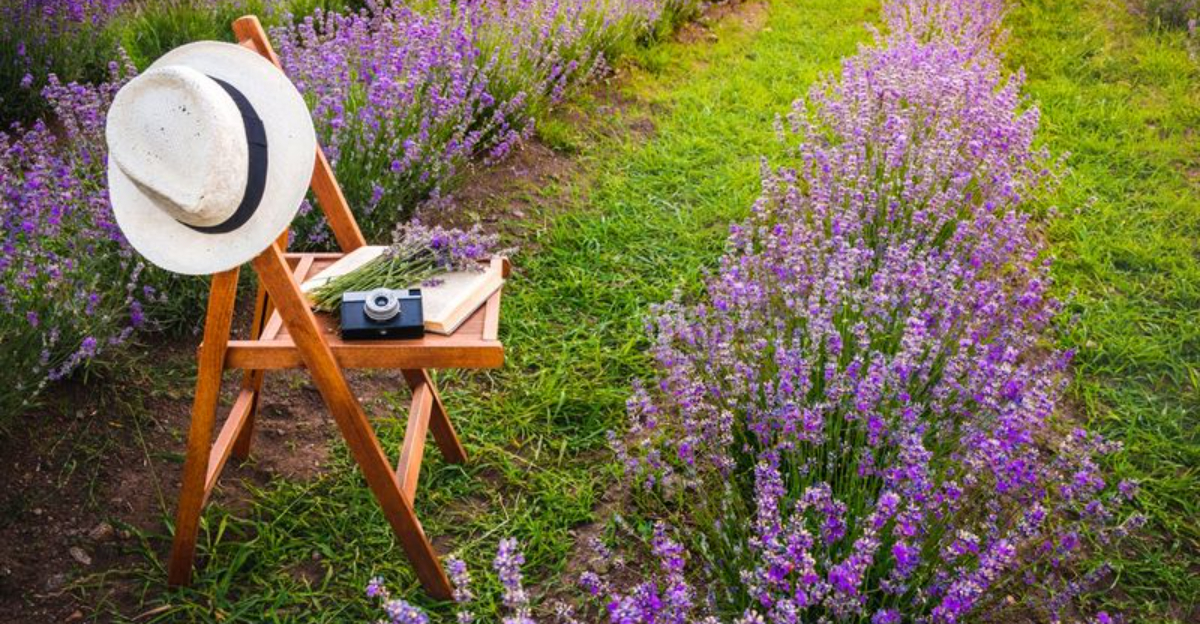
Exploring the synergy of citronella with companion plants can transform your garden into a fortress against pests. Here’s a detailed guide to 20 plants that complement citronella, each offering unique benefits to your garden ecosystem.
1. Marigolds
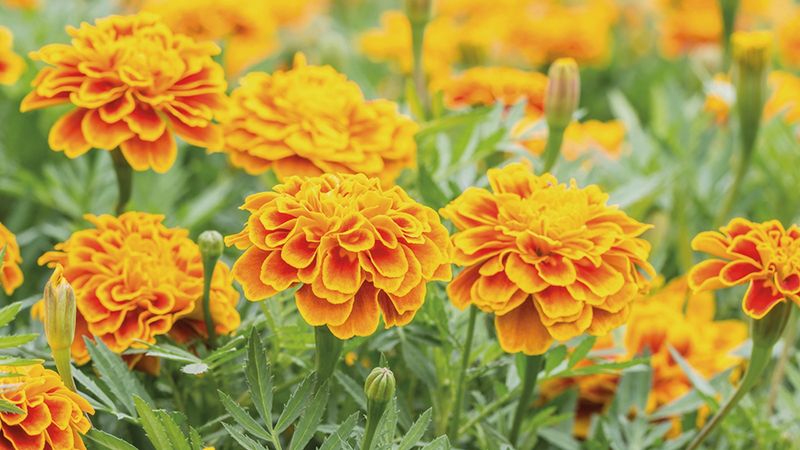
Marigolds are vibrant splash of color and a natural pest deterrent. Their distinct scent repels aphids, mosquitoes, nematodes, and whiteflies, enhancing your garden’s health.
Position them near vegetables to shield against unwanted invaders. Their easy-to-grow nature suits beginner gardeners, and they thrive in sunny spots.
Marigolds’ cheerful appearance brightens any garden, while their pest-fighting properties ensure plants flourish. They can be grown in containers or borders, making them versatile for any garden design.
2. Lemon Balm
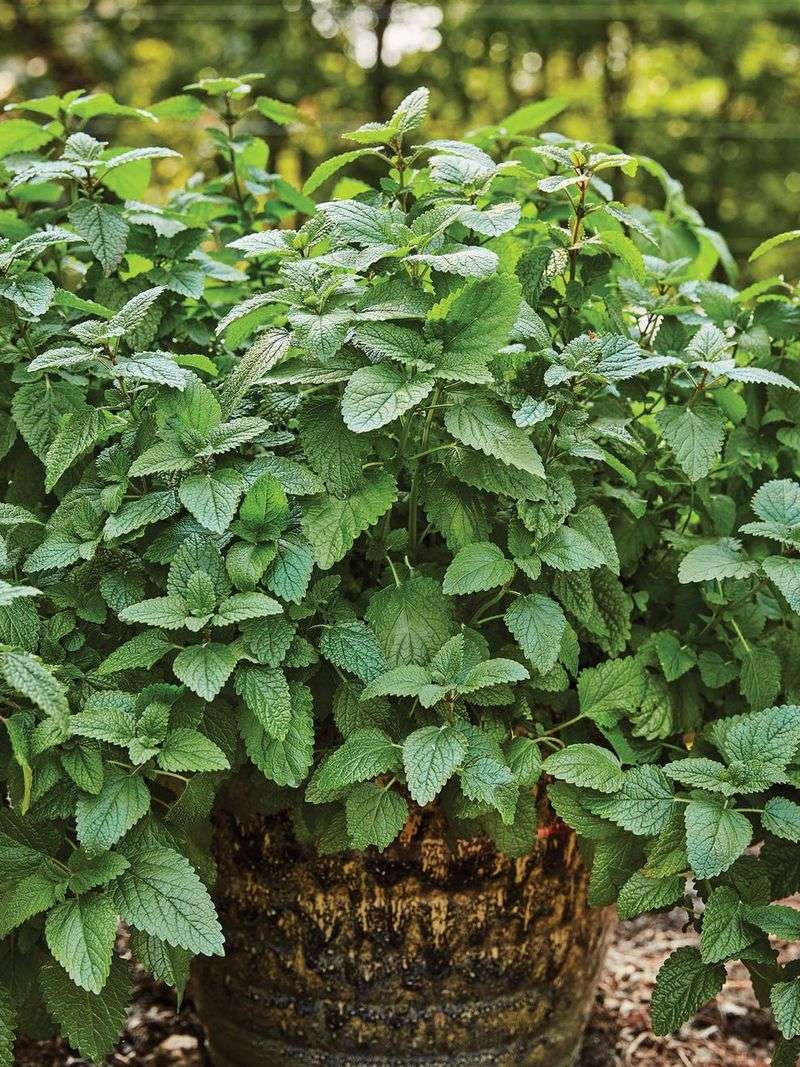
Lemon Balm, with its citronella-like fragrance, is a garden’s unsung hero. This hardy herb repels mosquitoes and gnats, offering a refreshing scent reminiscent of lemon.
Perfect for container gardening, lemon balm can be placed on patios or near doorways to fortify your garden’s pest defenses. Its leaves can be used in teas, adding a touch of zest to your drinks.
Not only does it protect your space, but it also attracts bees, ensuring pollination. Lemon Balm is easy to manage, making it ideal for novice gardeners seeking aromatic protection.
3. Peppermint
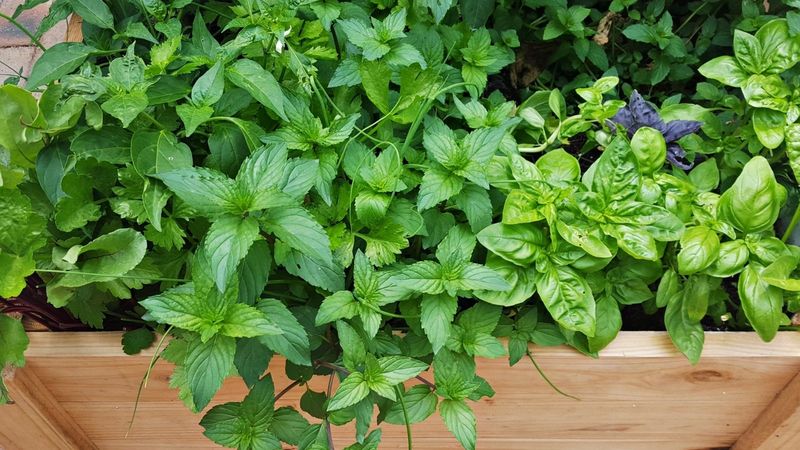
Peppermint’s invigorating aroma is a natural deterrent to ants, aphids, mosquitoes, and spiders. This fast-growing herb is perfect for keeping your garden pest-free.
Plant peppermint in containers to prevent it from overtaking other plants. Its strong scent not only wards off pests but also provides a refreshing aroma to your outdoor space.
Add peppermint leaves to homemade teas or use them as a garnish, enjoying both its culinary and protective benefits. This herb is an excellent companion for anyone looking to enhance their garden’s vitality.
4. Rosemary
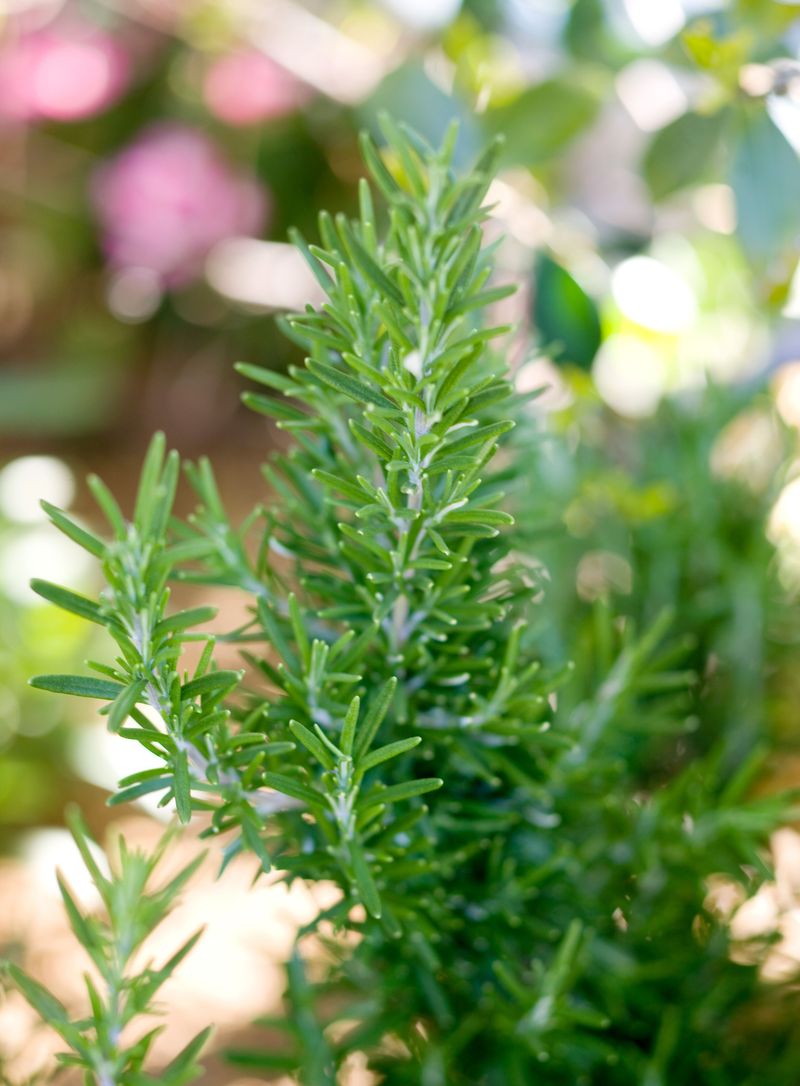
Rosemary stands as a robust defender against garden invaders. Known for its aromatic leaves, this herb deters mosquitoes, cabbage moths, carrot flies, and aphids effectively.
Plant rosemary near garden beds or in pots to shield vegetables and flowers alike. Its hardy nature thrives in sunny locations with well-drained soil.
Beyond pest control, rosemary adds a savory touch to dishes. Its evergreen foliage also provides visual interest, making it an attractive addition year-round.
5. Basil
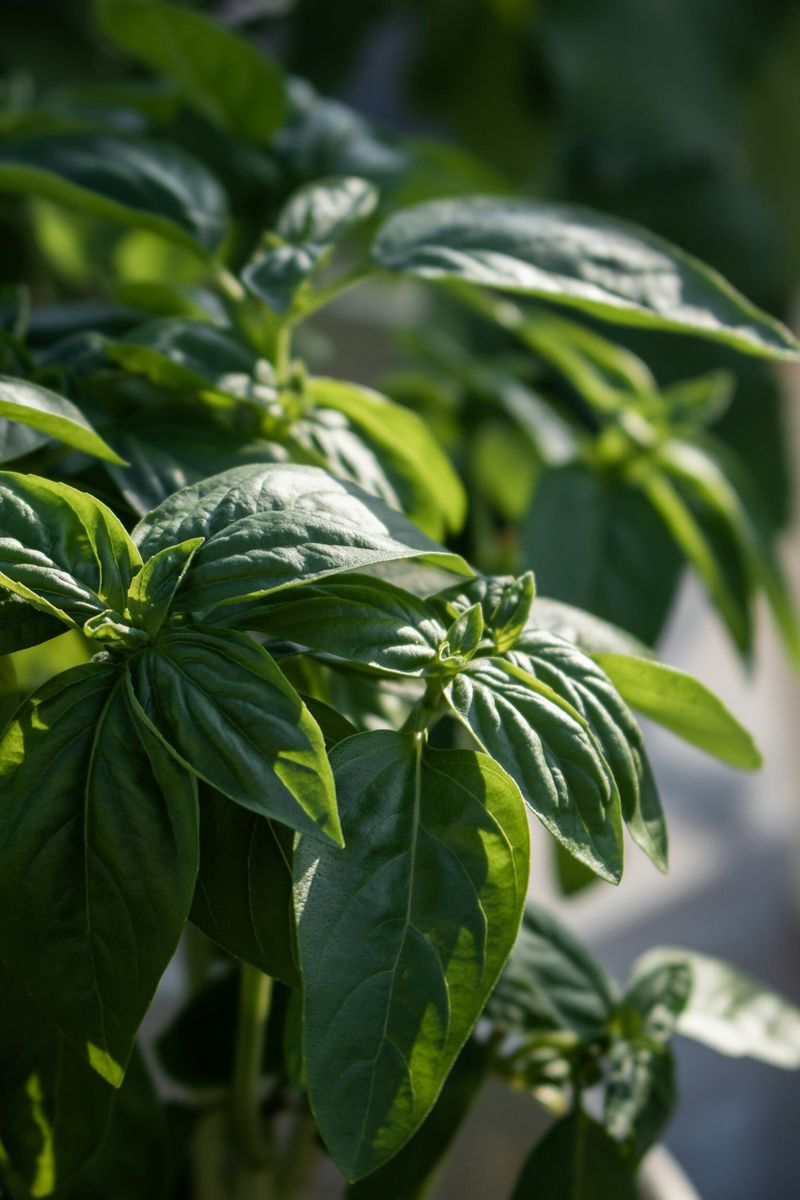
Basil is more than just a kitchen staple; it’s a guardian for your garden. Its aromatic leaves deter mosquitoes, aphids, flies, and tomato hornworms, making it indispensable in vegetable gardens.
Position basil near tomatoes or peppers to boost growth and flavor. Its scent enhances the garden’s ambiance, creating a fragrant escape.
Regular pruning encourages bushy growth and ensures a constant supply of fresh leaves for culinary use. Basil is perfect for anyone looking to blend flavor with garden protection.
6. Lavender

Lavender, with its soothing fragrance, is not just a delight for the senses; it’s a powerhouse in the garden. This aromatic plant repels mosquitoes, moths, and flies, making it a top choice for a pest-free oasis.
Its vibrant purple flowers attract beneficial pollinators, ensuring your garden thrives. Whether planted along pathways or in pots, lavender adds a touch of elegance.
Consider placing lavender near vegetable patches to enhance growth. Its calming scent doubles as a natural stress reliever, offering tranquility while you garden. Truly, it’s a must-have for any green space.
7. Catnip
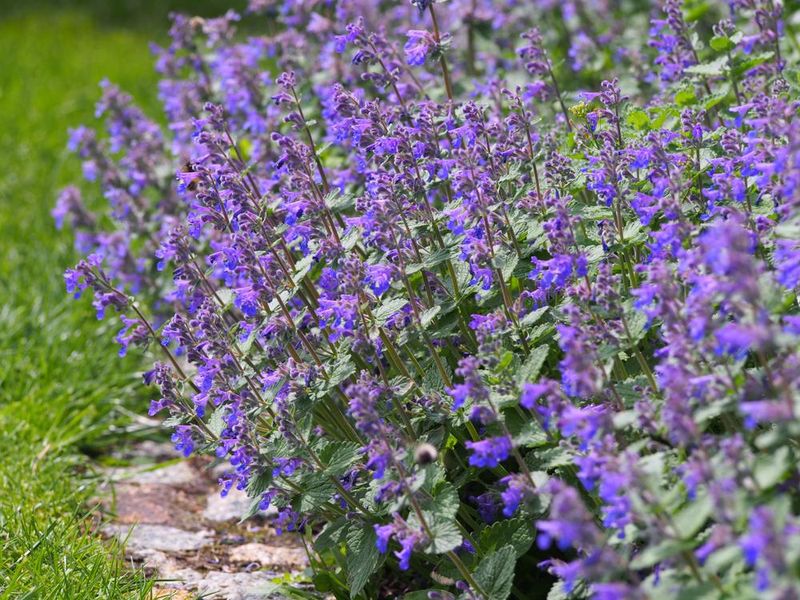
Catnip, famous for its feline appeal, holds a secret as a potent mosquito repellent. The chemical nepetalactone found in catnip effectively deters pesky insects while attracting beneficial pollinators.
Grow catnip in a sunny spot, but be mindful of its enthusiastic spread. Consider using containers to manage its growth.
Its soft, green leaves add texture to garden beds, and its aromatic qualities enhance outdoor spaces. Catnip is a playful yet practical addition for those seeking to blend utility with charm.
8. Geraniums (Scented)
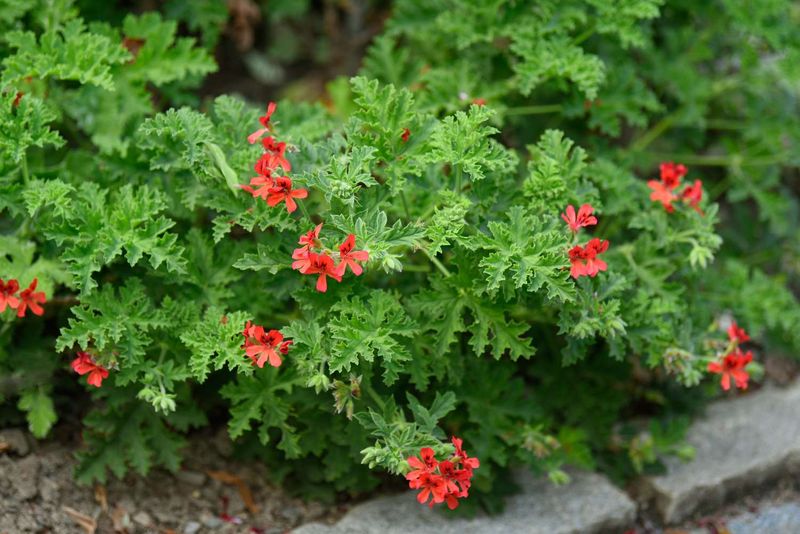
Scented geraniums bring a burst of fragrance and color to any garden, while repelling mosquitoes, flies, and various garden pests.
Their diverse scents range from lemon to rose, offering sensory delight. These hardy plants thrive in containers and flowerbeds alike, adding beauty and protection to your garden.
Cultivate them in well-drained soil and full sun for best results. Ideal for gardeners seeking to combine aesthetics with pest control, scented geraniums are both decorative and functional.
9. Garlic
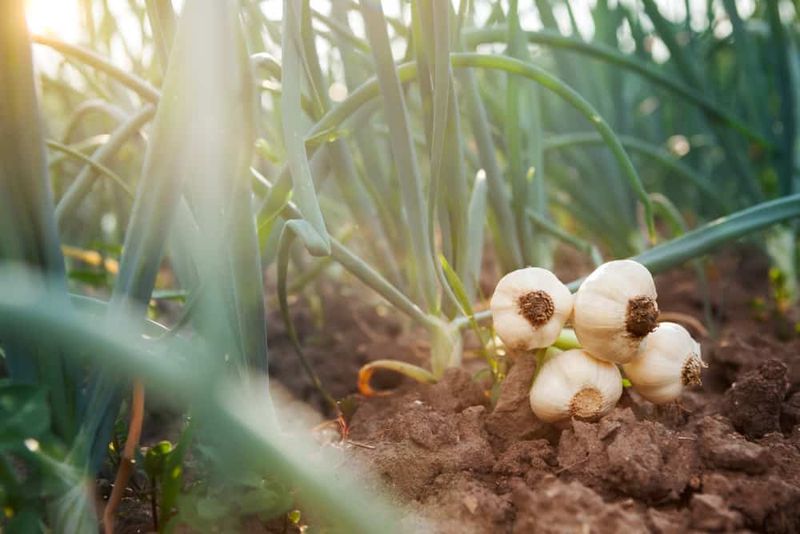
Garlic, with its pungent aroma, is a formidable force against garden pests. It naturally repels aphids, beetles, moths, and spider mites, safeguarding your plants.
Plant garlic cloves in sunny, well-drained areas to maximize their protective benefits. Intercropping garlic with vegetables can enhance growth and deter pests simultaneously.
Beyond its defensive role, garlic is a culinary staple, offering a fresh supply for your kitchen. This versatile plant is perfect for those looking to integrate edible and protective plants in their garden.
10. Thyme
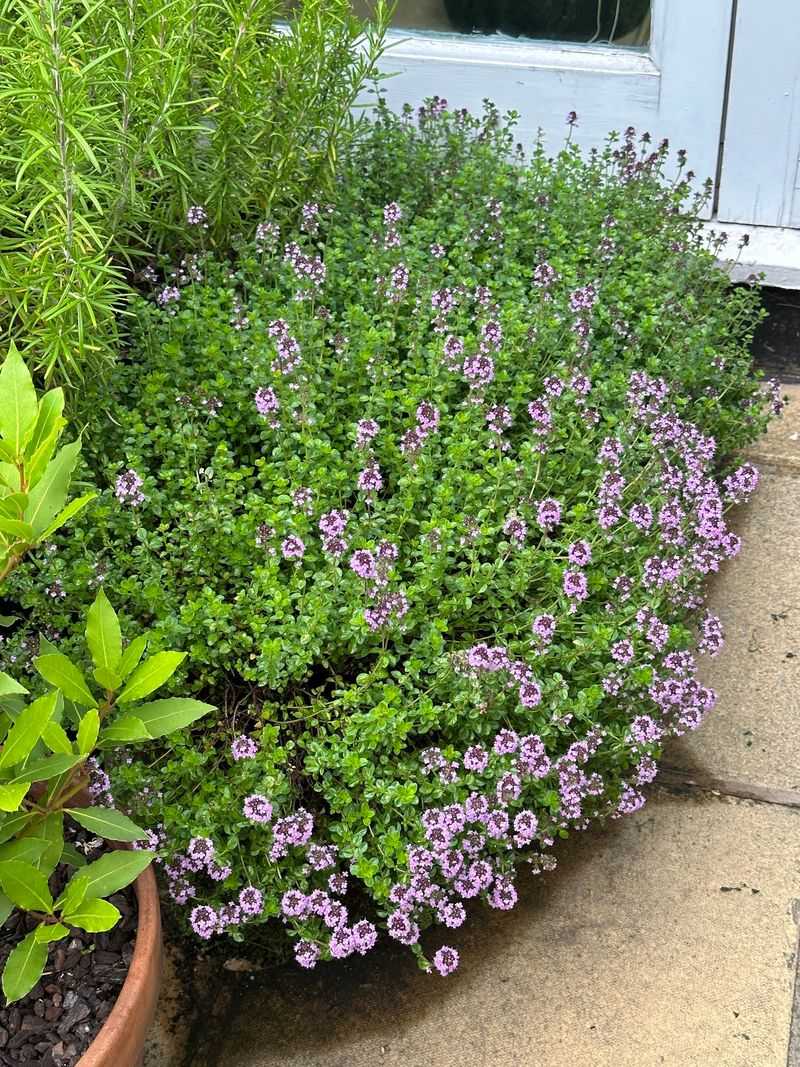
Thyme’s subtle aroma belies its strength in repelling garden pests like cabbage moths, whiteflies, mosquitoes, and tomato hornworms.
This hardy herb thrives in sunny conditions and well-drained soil, making it easy to care for. Plant thyme near vegetables and flowers to enhance their resilience.
Its tiny, fragrant leaves not only protect but also add flavor to dishes. Thyme is a versatile addition for gardeners looking to balance pest control with culinary benefits.
11. Sage
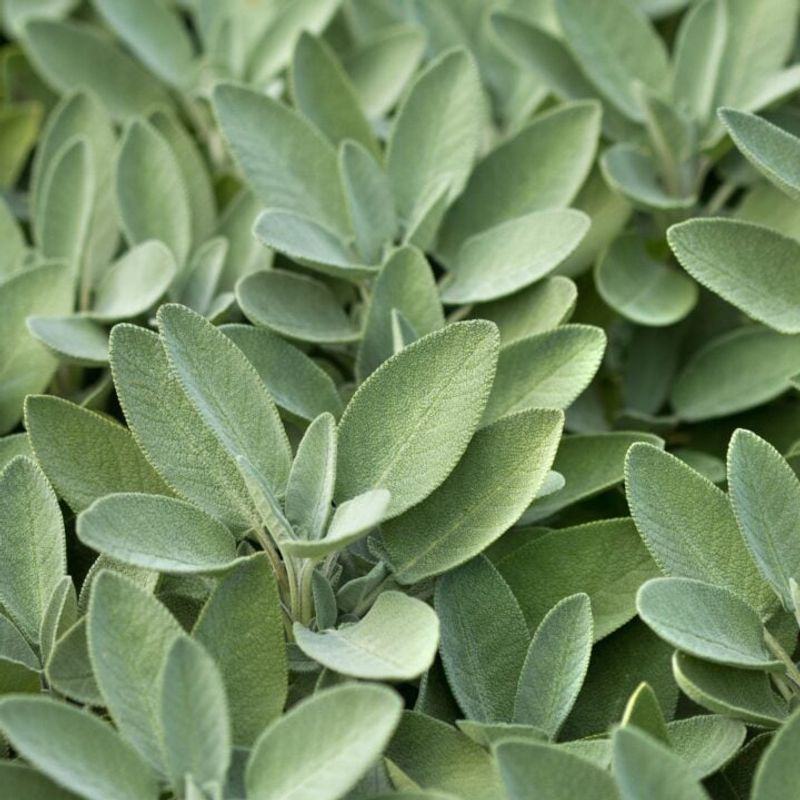
Sage, with its earthy aroma, is a trusty ally in the garden. It deters cabbage moths, flea beetles, slugs, and mosquitoes, ensuring your plants remain undisturbed.
Cultivate sage in well-drained soil and a sunny spot for optimal growth. Its leaves can be used in cooking, adding depth and flavor to various dishes.
As an evergreen, sage provides year-round interest, making it a practical and attractive choice for any garden. Ideal for those seeking an all-season defender.
12. Chives
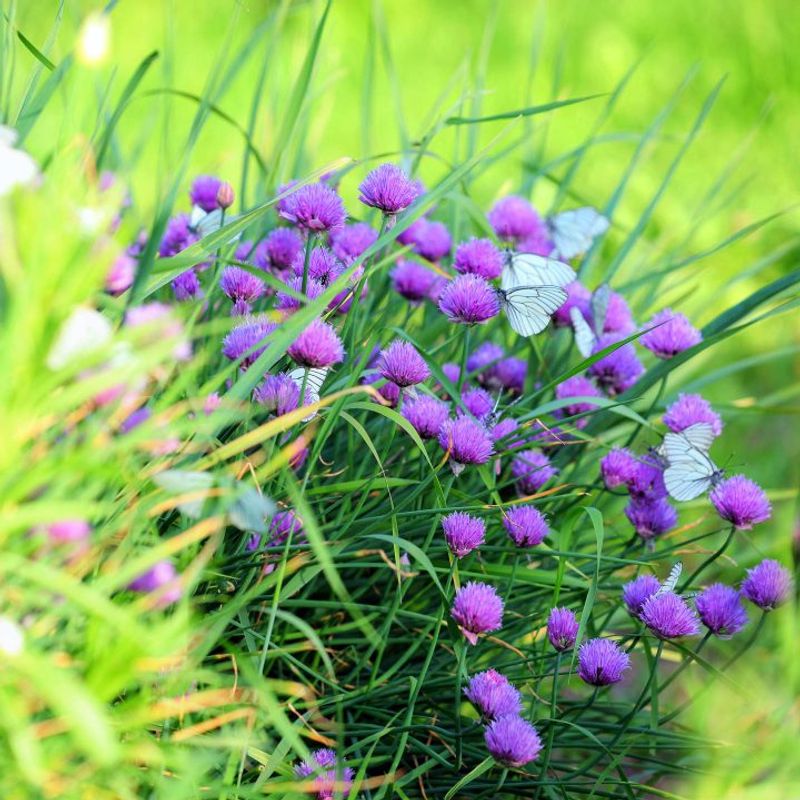
Chives, with their mild onion flavor, are more than just a kitchen ingredient. They repel aphids, carrot flies, and Japanese beetles, making them valuable companions in the garden.
Plant chives near vegetables or roses to enhance their growth and deter pests. Their bright purple flowers attract beneficial insects, contributing to a balanced ecosystem.
Easy to grow, chives thrive in both containers and garden beds, offering versatility and beauty. They are perfect for gardeners looking to combine culinary use with pest management.
13. Nasturtium
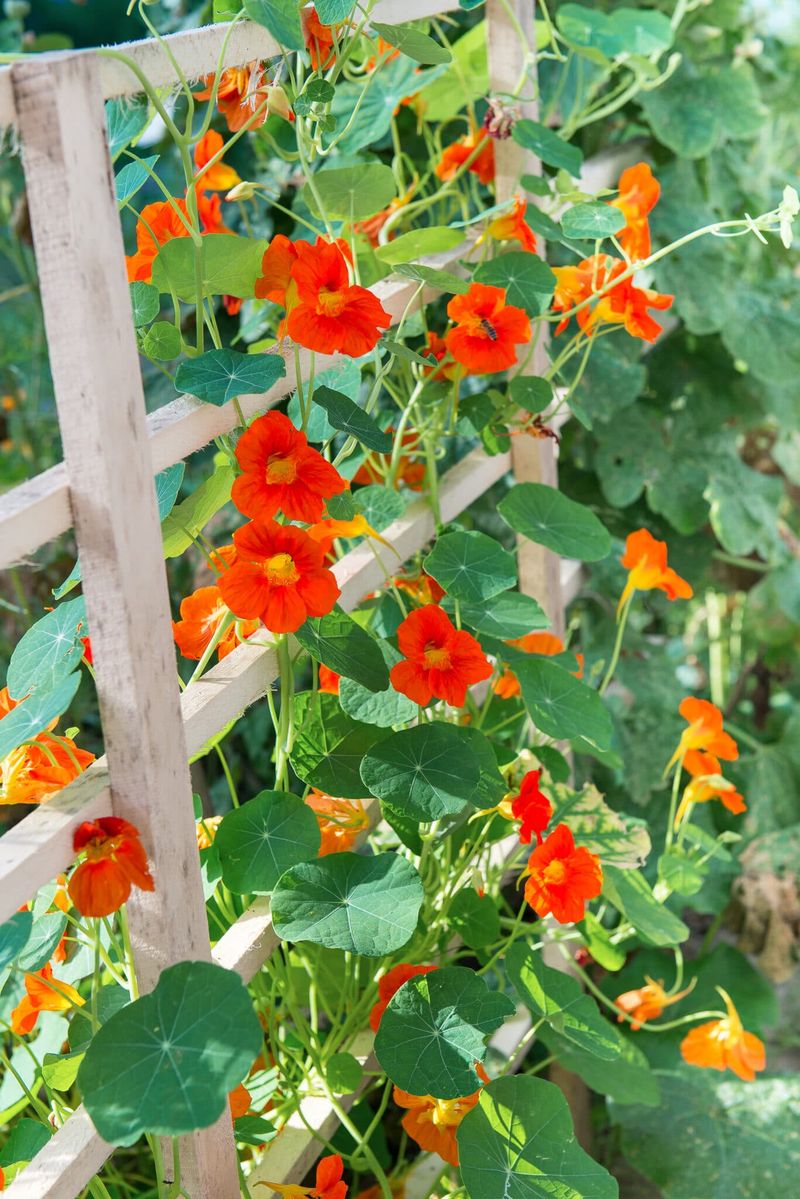
Nasturtiums are more than just their vibrant blooms; they’re natural protectors against aphids, whiteflies, cucumber beetles, and squash bugs.
These cheerful flowers thrive in poor soil, making them low-maintenance companions for vegetable gardens. Nasturtiums’ trailing habit adds visual interest, creating a lush, cascading effect.
Their edible flowers and leaves add a peppery kick to salads, providing both aesthetic and culinary benefits. Ideal for gardeners seeking a pop of color with practical advantages.
14. Lemongrass

Lemongrass, with its citronella-like aroma, is a formidable foe of mosquitoes, flies, and ants. Its tall, graceful stalks add a touch of the tropics to your garden.
Plant lemongrass in sunny spots with well-drained soil to maximize its benefits. Its aromatic leaves can be used in teas, offering a refreshing taste.
This versatile plant is perfect for those looking to blend decorative elements with functional pest control, creating a serene and pest-free environment.
15. Petunias
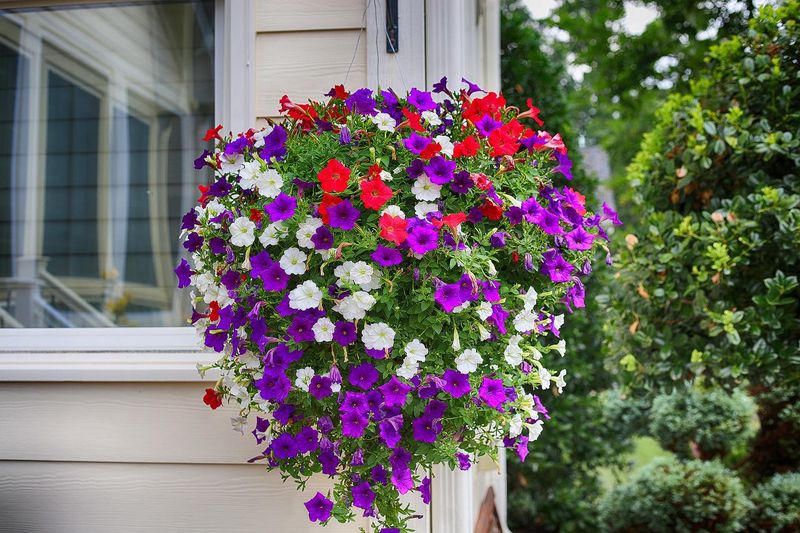
Petunias, with their vibrant blooms, serve as a natural insecticide, keeping aphids, tomato worms, and asparagus beetles at bay.
These hardy flowers thrive in full sun and well-drained soil, making them easy to grow. Their diverse colors add a cheerful touch to any garden.
Plant petunias in borders or window boxes for a splash of color and pest protection. Ideal for gardeners seeking beauty with practical benefits, petunias offer a vibrant solution.
16. Oregano
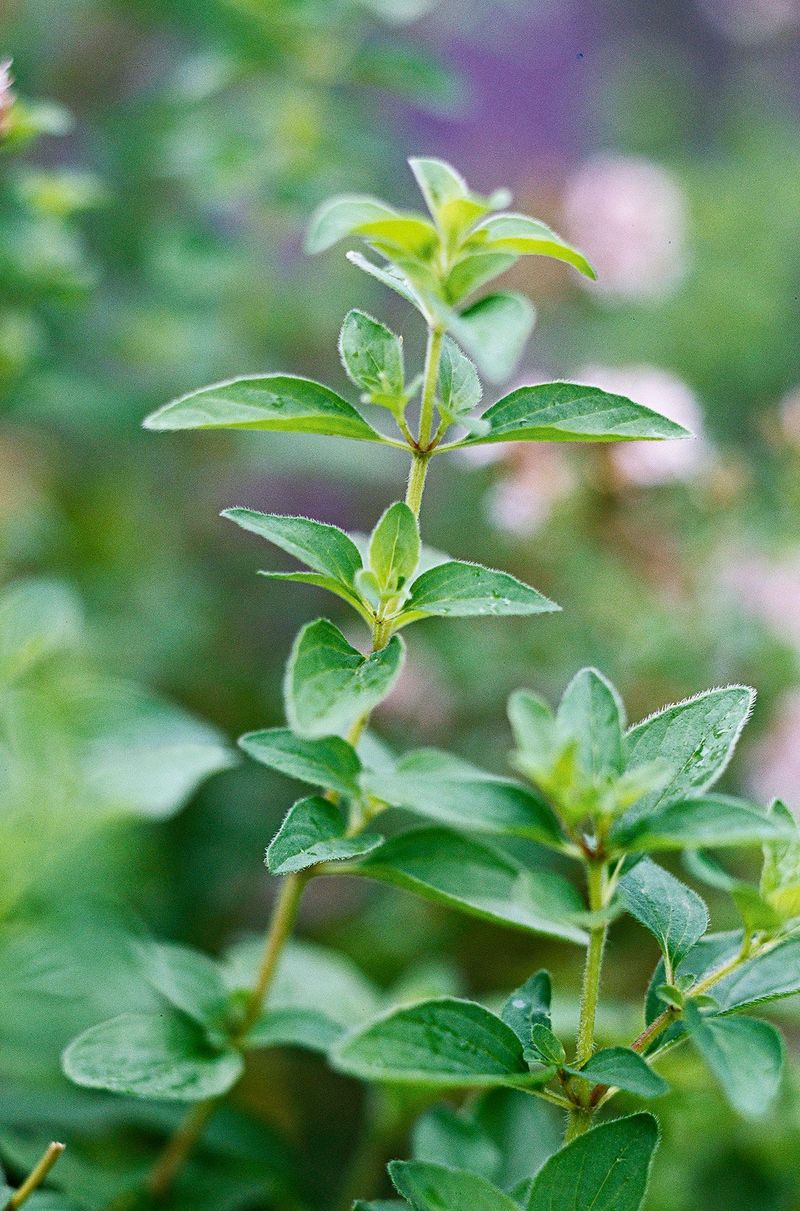
Oregano, renowned for its culinary uses, also effectively deters cabbage butterflies, cucumber beetles, and mosquitoes.
This hardy herb thrives in sunny conditions and well-drained soil, making it easy to cultivate. Plant oregano near vegetables to boost their growth and protection.
Its aromatic leaves can be used in cooking, adding flavor to dishes while safeguarding your garden. Perfect for those seeking to combine culinary delights with pest management.
17. Tansy
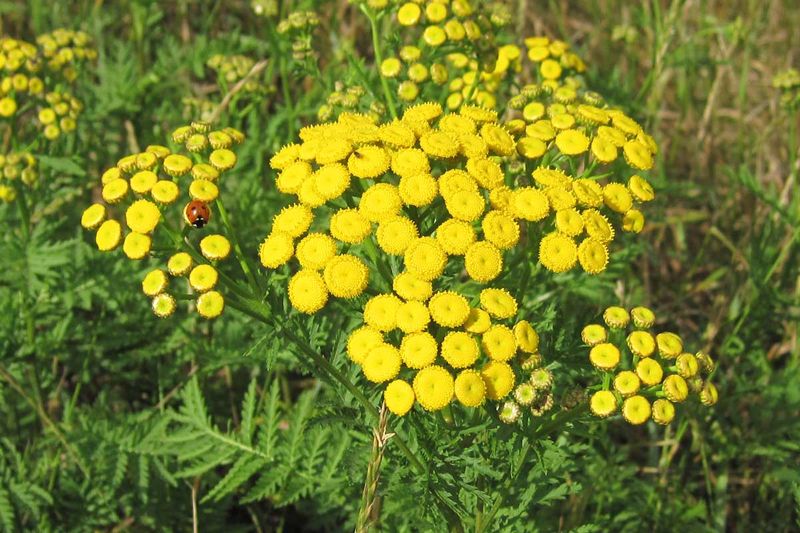
Tansy, with its vibrant yellow blooms, is a potent repellent for mosquitoes, flies, ants, moths, and Japanese beetles.
Plant tansy in sunny areas with well-drained soil to harness its full potential. Its fern-like foliage adds texture and interest to garden beds.
While tansy is effective at deterring pests, it’s important to manage its growth, as it can become invasive. Ideal for those seeking a colorful solution to pest problems.
18. Chamomile
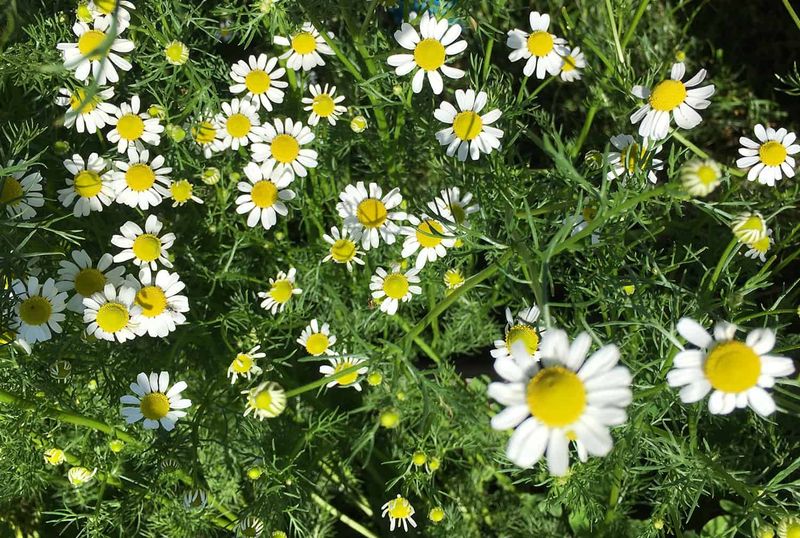
Chamomile, known for its calming properties, deters aphids, cabbage moths, and mites while attracting beneficial insects.
This hardy plant thrives in sunny spots with well-drained soil. Its dainty flowers add a quaint charm to gardens, enhancing their aesthetic appeal.
Use chamomile flowers to make soothing teas, enjoying their dual benefits of beauty and function. Perfect for gardeners seeking a tranquil yet protective addition to their green space.
19. Mint (Spearmint)
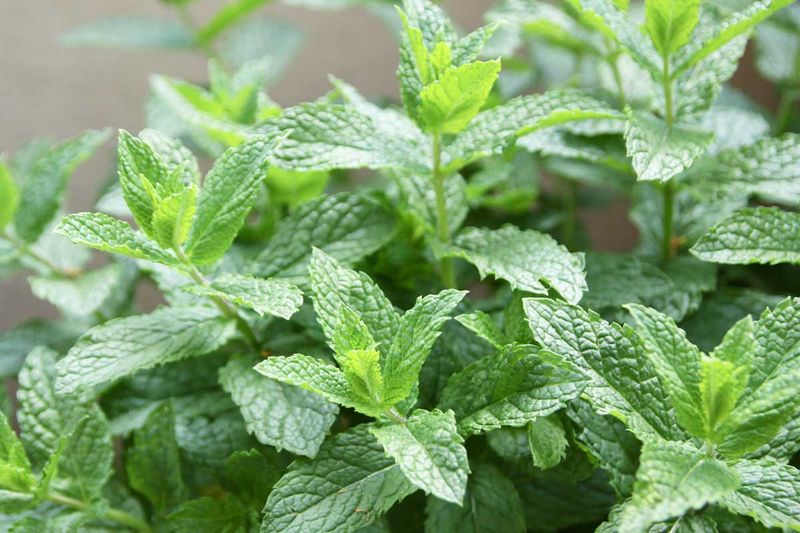
Spearmint, with its crisp aroma, is a natural deterrent to ants, mosquitoes, aphids, and flea beetles.
This fast-growing herb thrives in containers, preventing it from overtaking other plants. Its refreshing scent adds a pleasant atmosphere to any garden.
Use spearmint leaves in teas or as garnishes, enjoying both their culinary and protective benefits. Ideal for gardeners looking to blend flavor with pest management.
20. Bee Balm (Monarda)
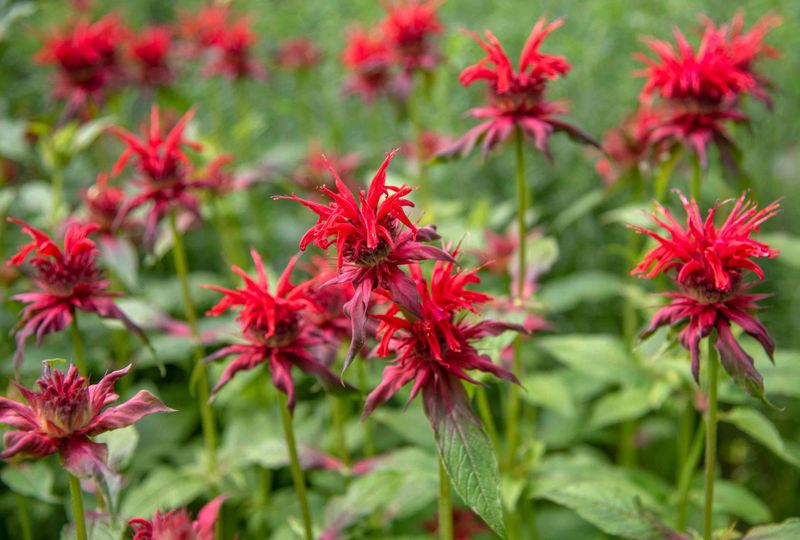
Bee Balm, or Monarda, is a showstopper with its striking red flowers that attract pollinators while deterring mosquitoes and common garden pests.
Plant bee balm in sunny spots with well-drained soil to encourage its vibrant blooms. Its aromatic foliage adds interest and protection to garden beds.
Ideal for gardeners seeking to enhance biodiversity and aesthetics, bee balm is both decorative and functional, creating a lively garden atmosphere.