 Complete Gardening
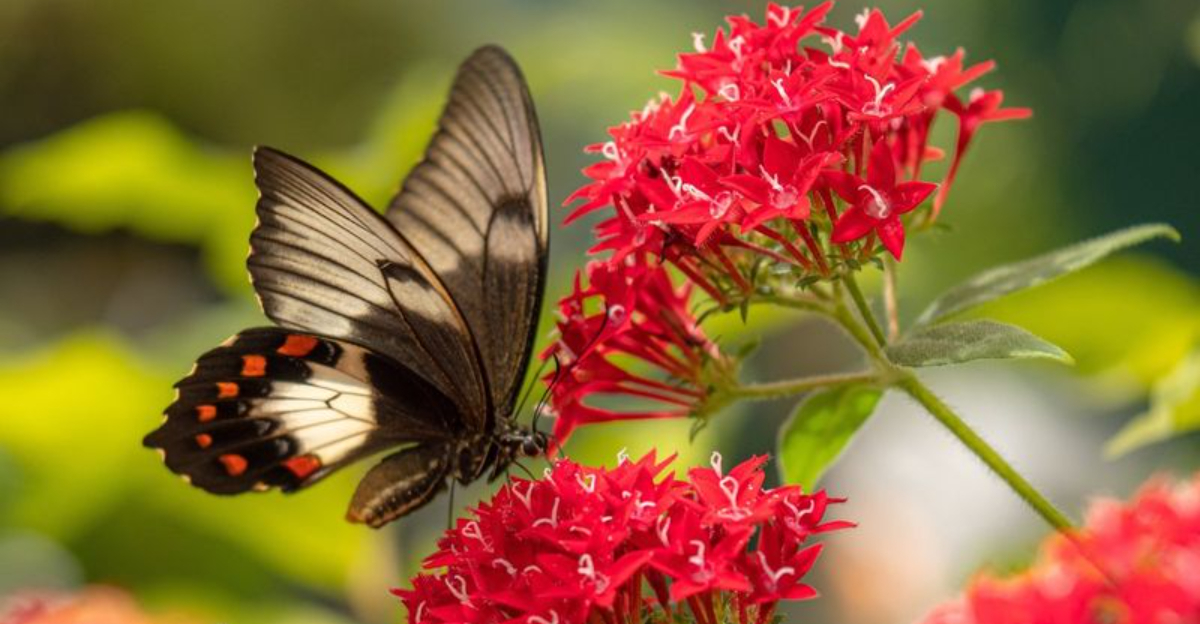
Hibiscus plants, with their vibrant blooms, are a garden favorite. To enhance their beauty, consider pairing them with complementary companion plants. Here are 20 colorful options to consider.
1. Lantana
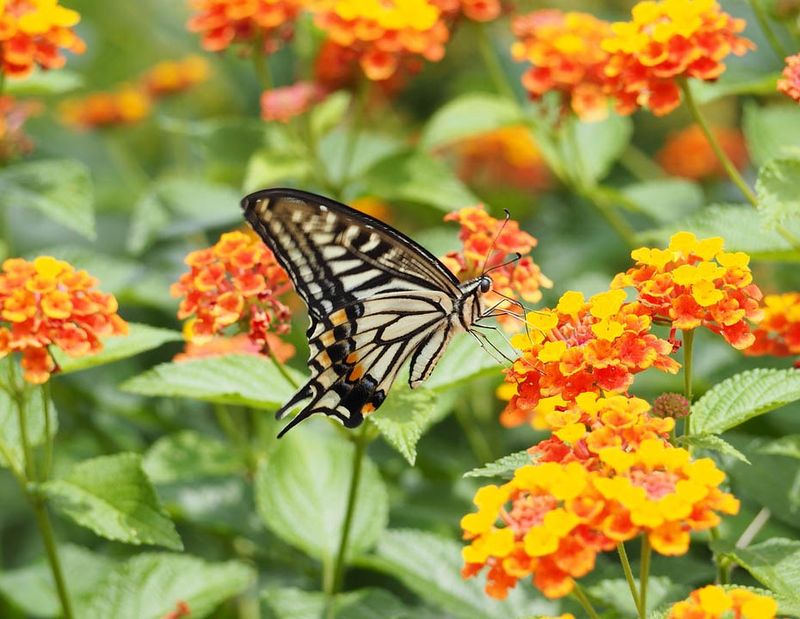
Lantana, known for its resilience, brings an explosion of color to any garden. Its hot pinks, oranges, and yellows create a stunning contrast against the lush green of hibiscus. Drought-tolerant and easy to care for, Lantana is a favorite among gardeners in warmer climates.
Butterflies find themselves irresistibly drawn to its vibrant blossoms, making it not only a visual delight but also a haven for pollinators. Plant Lantana near hibiscus to enjoy a dynamic and lively garden atmosphere.
This plant thrives in sunny locations, requiring minimal water once established.
2. Salvia
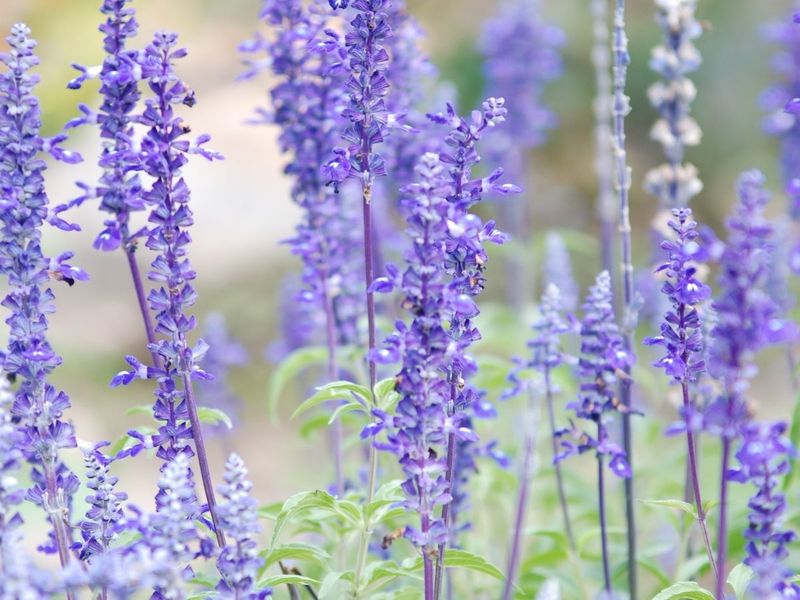
Salvia, with its tall spikes of blue or red blooms, makes a striking partner for hibiscus. This plant’s vivid colors and vertical growth habit provide an eye-catching contrast to the broad, tropical blooms of hibiscus.
Known for attracting bees, Salvia adds both beauty and ecological function to the garden. Its hardy nature ensures it thrives in a variety of conditions, though it prefers sunny spots.
Whether you choose the blue or red variety, Salvia promises to enhance your garden’s visual appeal while supporting local pollinators.
3. Canna Lily
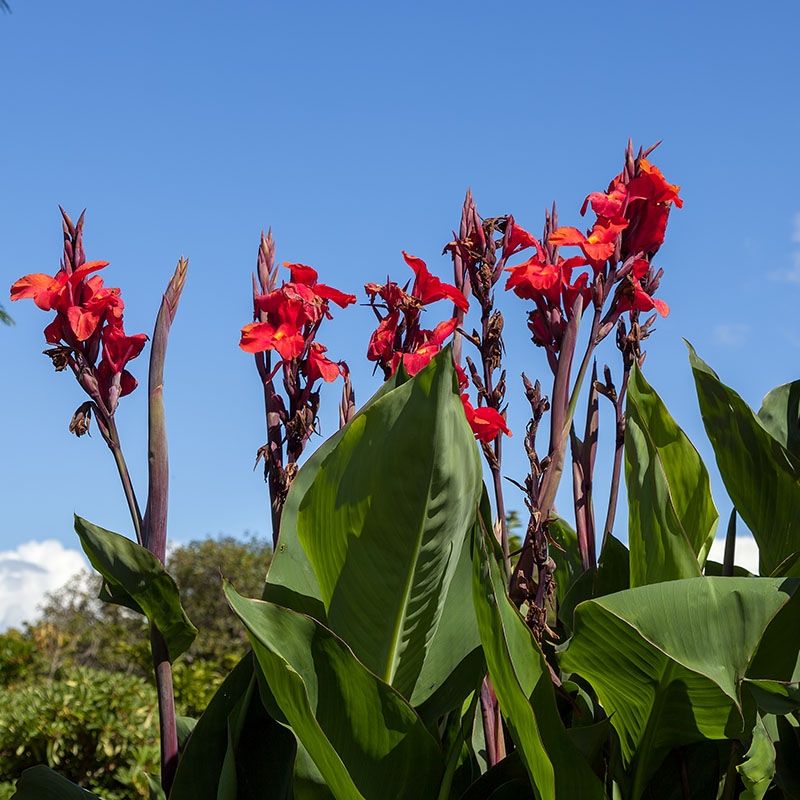
Canna Lily stands out with its bold tropical leaves and vibrant flowers, available in shades of red, orange, and yellow. This plant not only complements hibiscus with its color palette but also adds a touch of drama with its towering presence.
Perfect for gardeners seeking a lush, exotic look, Canna Lily thrives in sunny, warm environments. Its lush foliage provides an ideal backdrop for hibiscus blooms, creating a rich tapestry of textures and hues.
Easy to grow, Canna Lily is a wonderful choice for those looking to enhance their garden’s tropical vibe.
4. Coleus
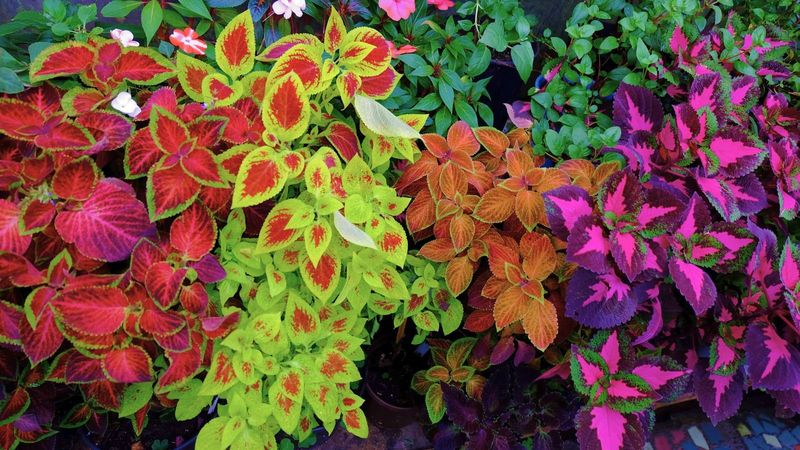
Coleus offers vibrant foliage that can brighten any shaded garden area. With leaves in shades of burgundy, lime, and pink, Coleus provides a stunning contrast when planted alongside hibiscus.
This shade-loving plant is perfect for filling in spaces under taller specimens, adding depth and interest to your garden’s understory. Easy to care for, Coleus is appreciated for its versatile nature and ability to thrive in various light conditions.
For those looking to introduce color and texture without flowers, Coleus is an ideal choice with its kaleidoscope of leaf colors.
5. Bougainvillea
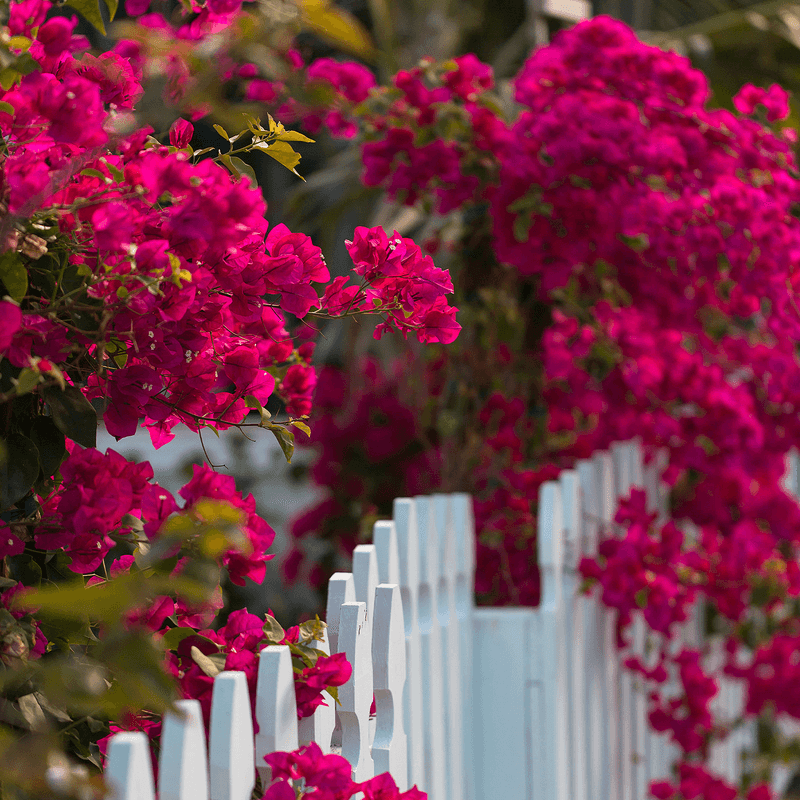
Bougainvillea, with its cascading bracts in pink, purple, or red, is a stunning companion for hibiscus in warm climates. Known for its climbing habit, it adds vertical interest and a burst of color to garden trellises and fences.
This plant requires full sun and thrives in well-drained soil, making it perfect for garden spots that bask in sunlight. Bougainvillea’s vibrant hues create a striking contrast with hibiscus blooms, enhancing the garden’s overall beauty.
For those in suitable climates, this plant offers a lush, colorful display nearly year-round.
6. Bee Balm
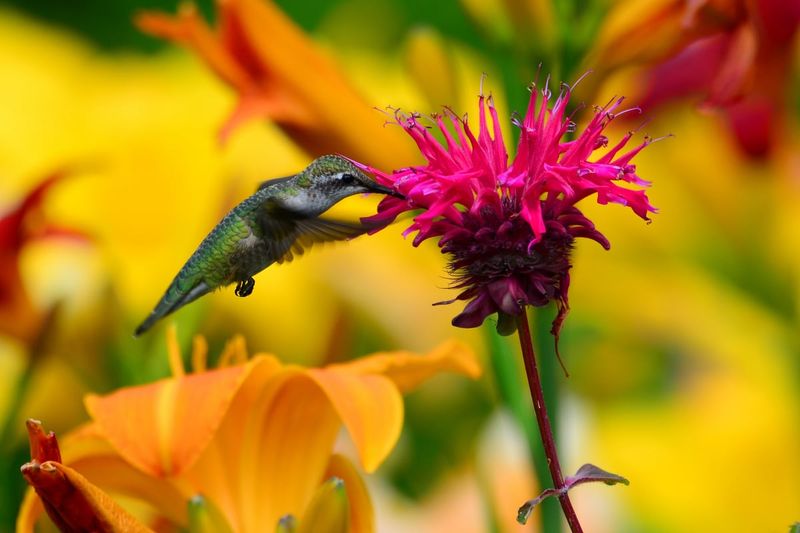
Bee Balm, also known as Monarda, captivates with its red, pink, or purple flowers. These blooms are a magnet for hummingbirds, adding life and movement to any garden space.
Its aromatic foliage not only boosts sensory appeal but also contributes to the garden’s ecological health. Planted near hibiscus, Bee Balm enhances the garden’s vibrancy while supporting crucial pollinators.
This plant thrives in sunny spots with well-drained soil, rewarding gardeners with prolonged blooming periods that keep gardens lively and colorful throughout the season.
7. Pentas
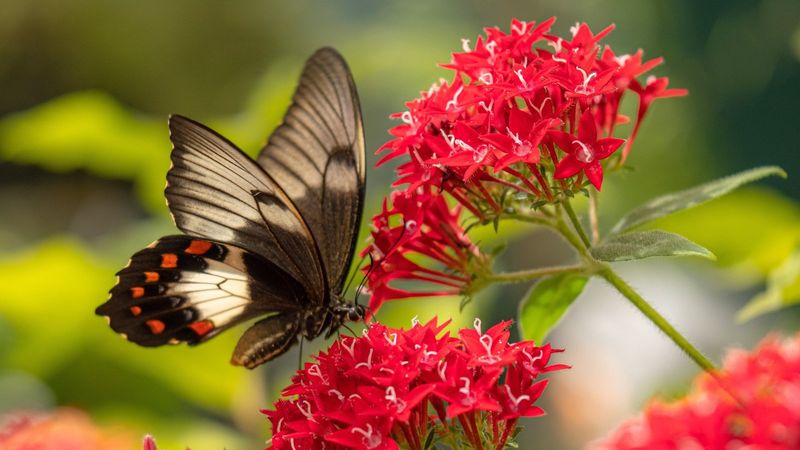
Pentas, celebrated for its star-shaped blooms, offers a splash of color in red, pink, and white. This plant is a butterfly magnet, attracting these delicate creatures with its nectar-rich flowers.
Perfect for sunny locations, Pentas complements hibiscus with its vibrant display and ability to draw in pollinators. Its compact growth habit makes it an excellent choice for garden borders and patio containers.
Pentas, with its cheerful blossoms, brings both aesthetic charm and ecological benefits, turning any garden into a lively, colorful haven.
8. Zinnias
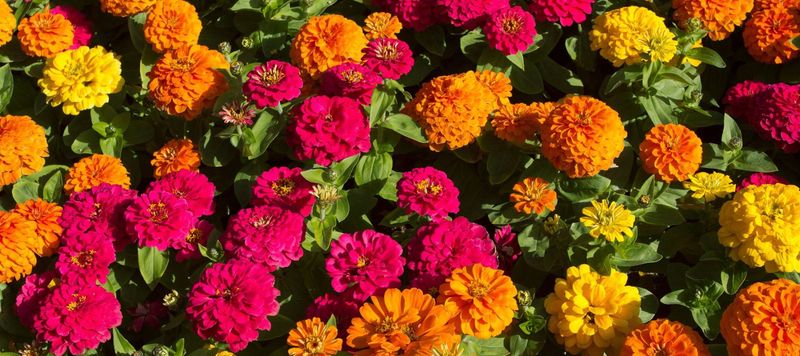
Zinnias bring life and color to the garden with their bright, long-lasting flowers. Available in a wide range of hues, they provide a delightful contrast when planted with hibiscus.
These flowers are particularly known for attracting bees, making them a valuable addition to any pollinator-friendly garden. Easy to grow, Zinnias thrive in full sun and offer a continuous show of blooms throughout the growing season.
Their resilient nature and dazzling colors ensure that they remain a favorite among gardeners looking to add vibrancy and vitality to their outdoor spaces.
9. Butterfly Bush
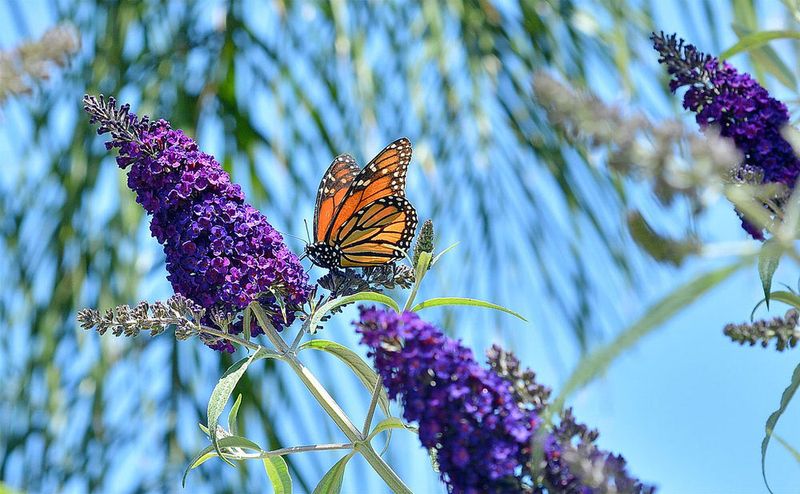
Butterfly Bush, or Buddleia, is renowned for its fragrant spikes of purple and pink flowers. This plant is a butterfly favorite, earning its name by attracting these winged visitors in droves.
When paired with hibiscus, the Butterfly Bush adds a fragrant layer to the garden, enhancing both sensory and visual appeal. Its vigorous growth requires regular pruning to maintain its shape and encourage more blooms.
Ideal for sunny spots, this plant is a must-have for gardeners looking to create a lively, pollinator-friendly environment.
10. Mexican Sunflower
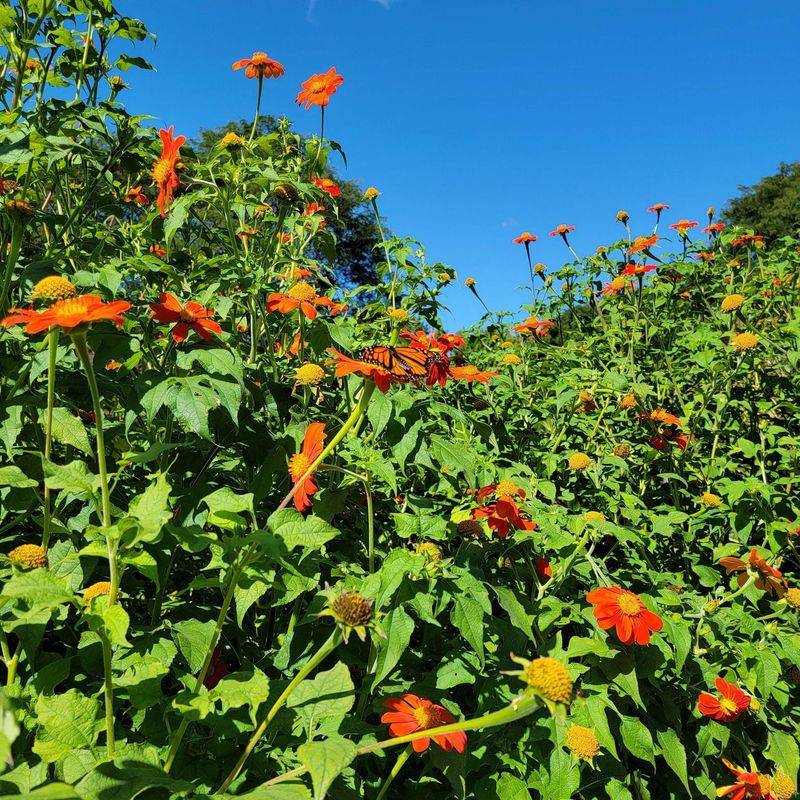
Mexican Sunflower, or Tithonia, dazzles with its fiery orange blooms. Standing tall, it creates an impressive backdrop when paired with hibiscus, adding height and drama to the garden.
Beloved by bees and other pollinators, this plant contributes significantly to the garden’s ecological balance. Its drought-tolerant nature and preference for sunny locations make it an ideal choice for adding lasting color and interest.
For gardeners seeking to attract pollinators while enjoying a striking floral display, the Mexican Sunflower is an excellent addition.
11. Elephant Ears
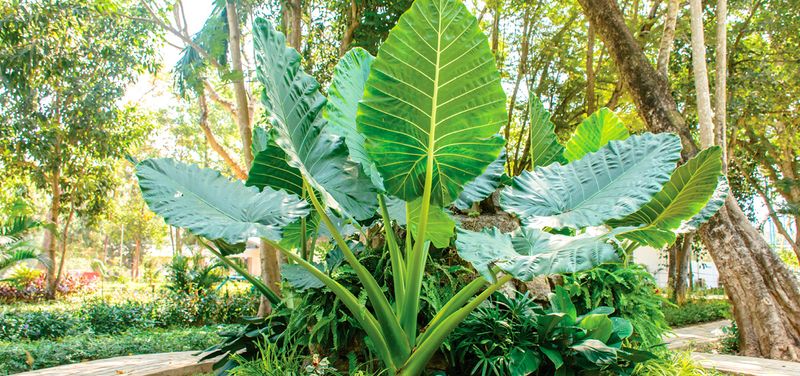
Elephant Ears, with their giant, dramatic leaves, bring a tropical flair to any garden. These plants offer a striking textural contrast when planted alongside hibiscus, enhancing the visual complexity of the garden.
Their lush foliage serves as a lush backdrop, highlighting the vibrant hibiscus blooms. Elephant Ears thrive in moist, well-drained soil and prefer partial to full shade.
For those looking to introduce bold textures and a tropical feel, Elephant Ears provide an exotic addition that is both visually and texturally appealing.
12. Ornamental Grasses
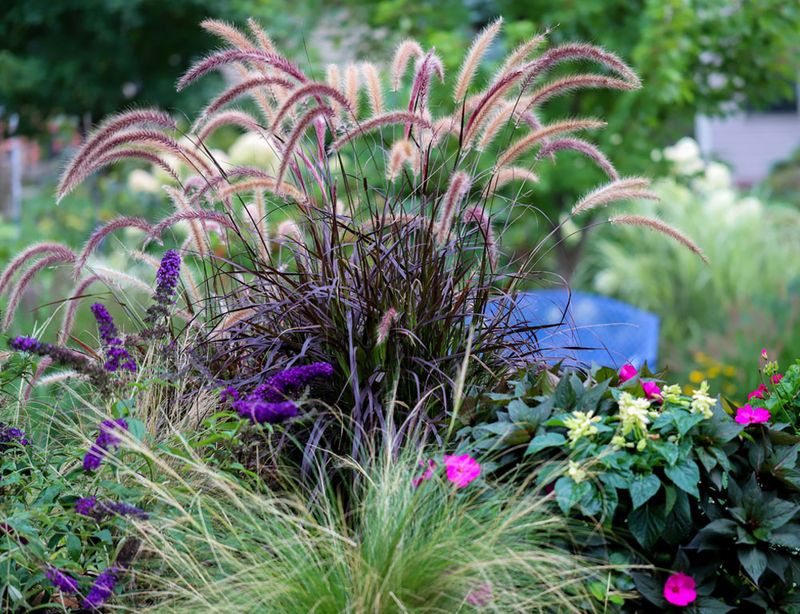
Ornamental grasses like Purple Fountain Grass and Muhly Grass offer a soft, flowing texture to garden compositions. These grasses provide a gentle contrast to the bold, colorful blooms of hibiscus, adding movement and grace.
Their feathery plumes and arching stems sway beautifully in the breeze, creating a dynamic and serene garden atmosphere. Ideal for sunny or partially shaded locations, ornamental grasses require minimal maintenance.
For gardeners seeking to add texture and subtle elegance, these grasses are an excellent choice, complementing the vibrant hibiscus blooms perfectly.
13. Croton
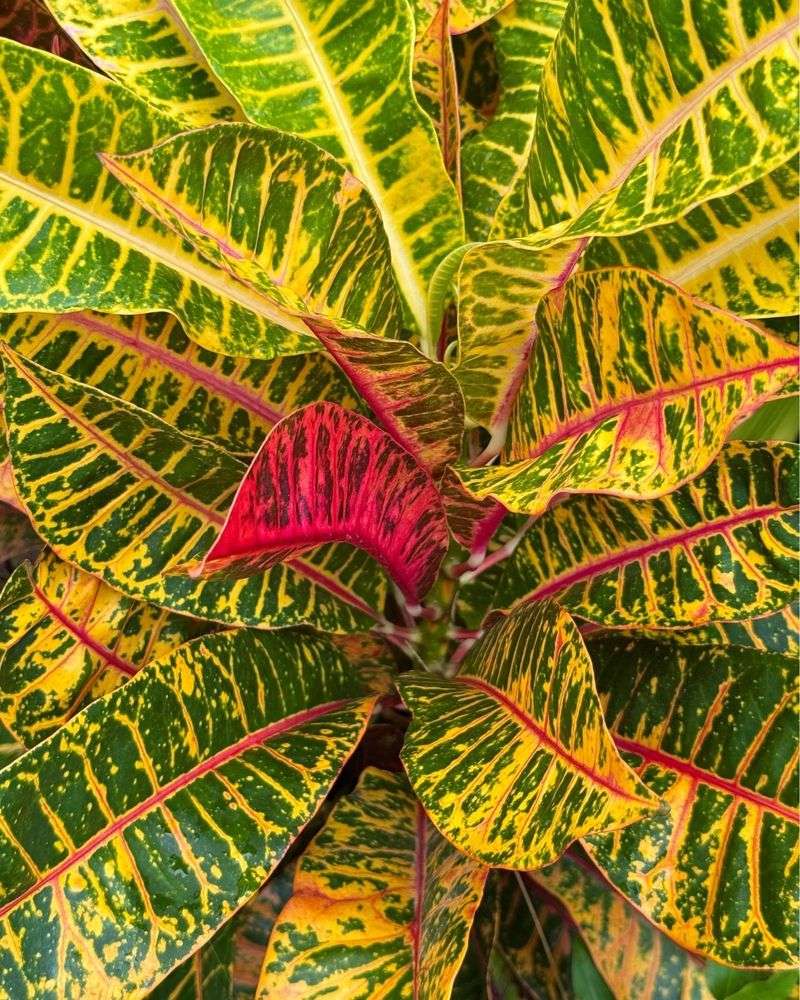
Croton, with its striking multicolored leaves, is a showstopper in any tropical garden. Its leaves, splashed with vibrant hues of red, orange, and yellow, provide an exciting visual counterpoint to hibiscus flowers.
This plant thrives in warm, humid environments and prefers bright, indirect sunlight. Its unique foliage adds year-round color and interest, even when other plants are not in bloom.
For gardeners in tropical zones, Croton offers a bold and colorful foliage option that enhances the overall garden palette.
14. Caladium
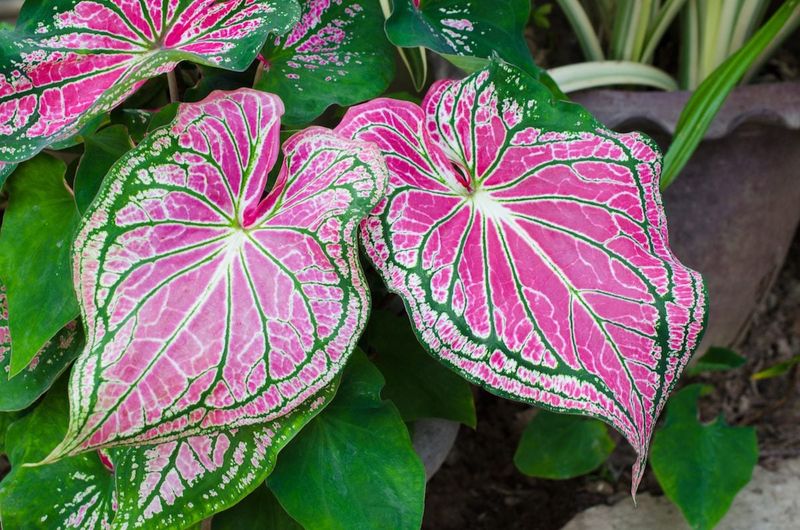
Caladium, with its heart-shaped leaves, brings a splash of color to shaded garden areas. Available in patterns of pink, white, and green, these plants add a delicate touch when paired with hibiscus.
Their unique foliage creates interesting visual patterns, enhancing the garden’s complexity and charm. Caladiums prefer well-drained soil and require regular watering to maintain their vibrant appearance.
For those looking to add subtle color and texture to shady spots, Caladium is an excellent choice, offering a graceful complement to more vibrant flowering plants.
15. Dusty Miller
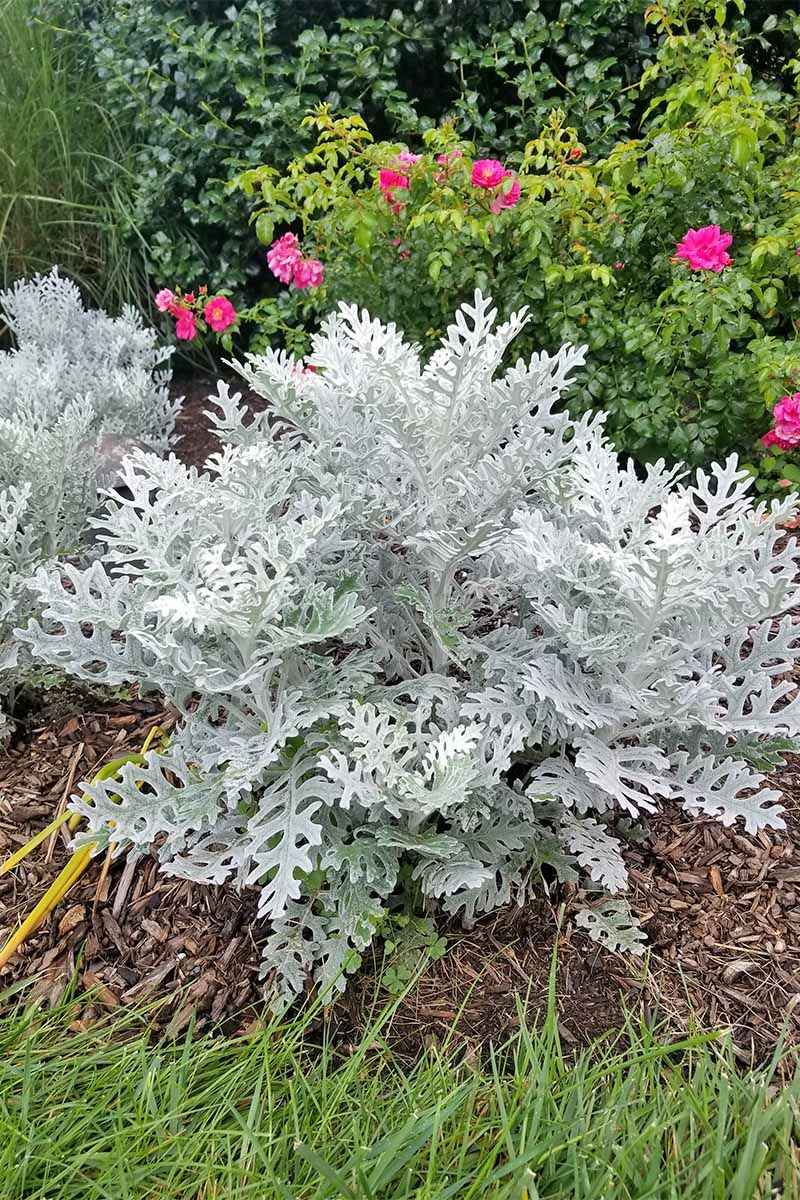
Dusty Miller’s silver leaves offer a unique contrast in any garden setting. When planted alongside the vibrant blooms of hibiscus, these foliage plants create a striking visual effect.
Their soft, silvery hue acts as a neutral palette that highlights surrounding colors, making them a versatile addition to garden compositions. Dusty Miller thrives in sunny locations and requires minimal care.
For gardeners looking to add a touch of elegance and subtlety, Dusty Miller provides a perfect backdrop that enhances the brilliance of more colorful plants.
16. Marigolds
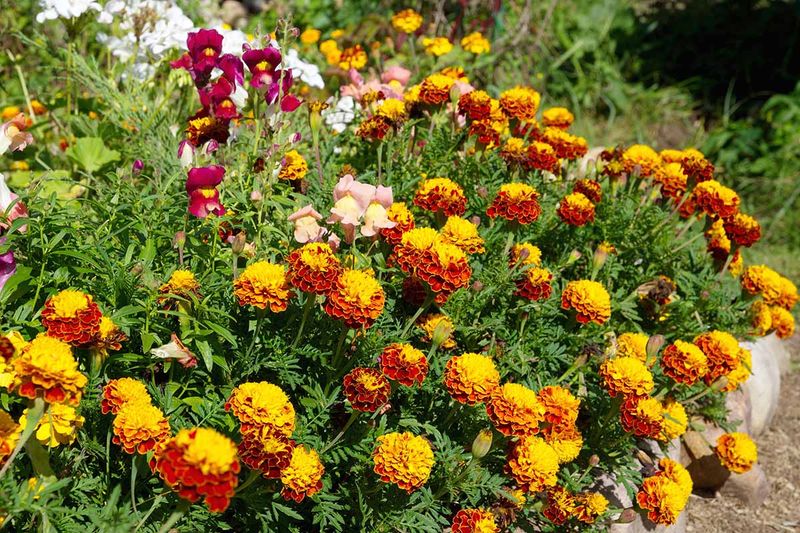
Marigolds, known for their bright yellow and orange blooms, serve as both aesthetic and functional additions to gardens. When planted at the base of hibiscus, they bring a cheerful splash of color and act as natural pest repellents.
Their scent deters nematodes and aphids, promoting healthier soil and plant growth. Marigolds thrive in sunny locations and are easy to care for, making them a practical choice for gardeners.
For those looking to add color while promoting a healthy garden ecosystem, Marigolds are an ideal planting partner for hibiscus.
17. Basil
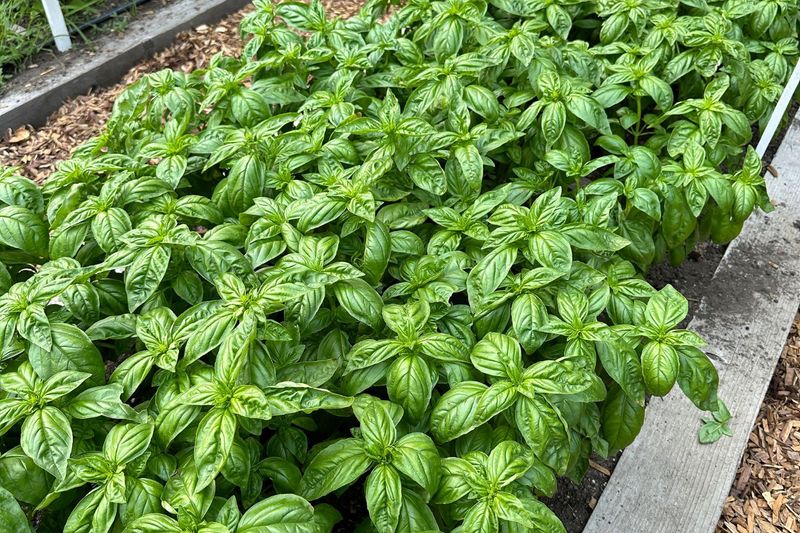
Basil, with its rich aroma, offers more than just culinary benefits. When planted near hibiscus, it helps deter whiteflies and supports healthier plant growth.
This herb’s aromatic leaves add a sensory dimension to the garden, enhancing the overall experience. Basil thrives in sunny spots with well-drained soil and requires regular harvesting to encourage new growth.
For gardeners who enjoy fresh herbs and a pest-free environment, Basil is a delightful addition that complements both the visual and functional aspects of garden design.
18. Garlic/Chives
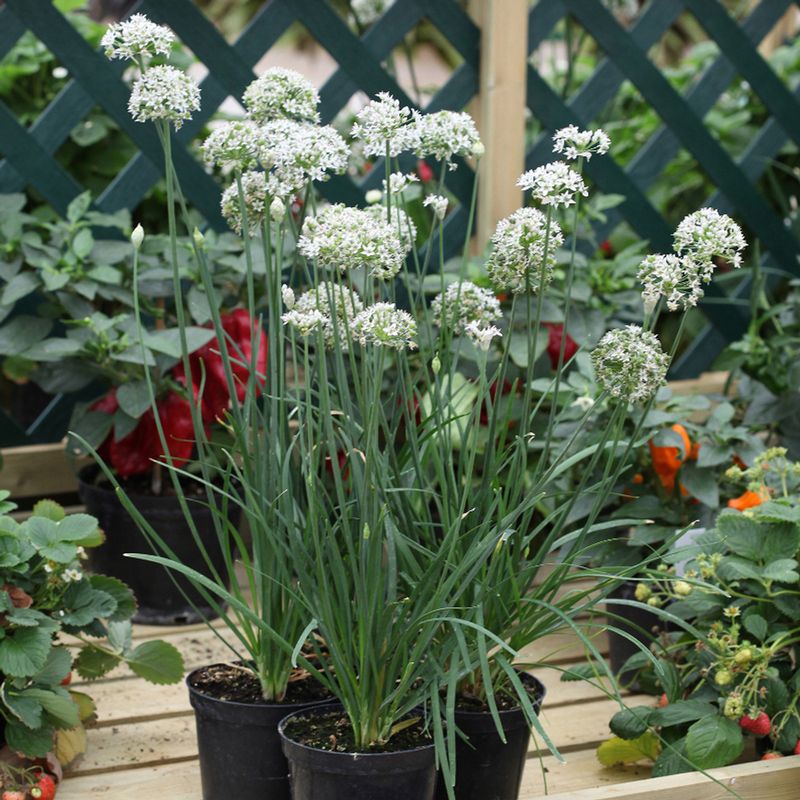
Garlic and Chives offer multifunctional benefits in the garden. Their subtle, slender leaves provide a gentle contrast to the bold hibiscus blooms, while also serving as natural pest repellents.
These plants help deter aphids and other unwanted insects, promoting a healthier garden environment. Easy to grow, they thrive in sunny spots and require minimal care.
For gardeners seeking both culinary uses and pest control, Garlic and Chives are excellent companions for hibiscus, enhancing the garden’s functionality and aesthetic appeal.
19. Nasturtiums
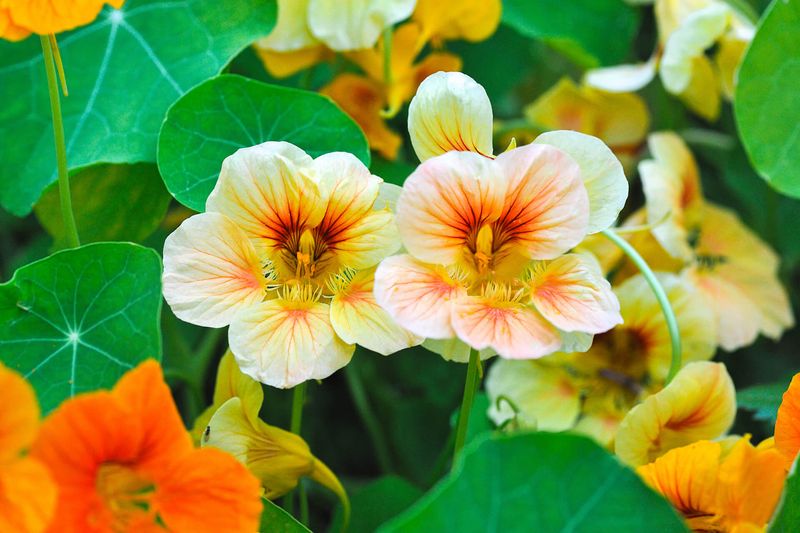
Nasturtiums, with their vibrant orange and yellow flowers, are a bright addition to any garden. Known as a trap crop, they attract aphids, protecting more valuable plants like hibiscus from pest damage.
These flowers are not only visually appealing but also edible, adding a peppery flavor to salads. Nasturtiums thrive in well-drained soil and full sun, making them easy to cultivate.
For gardeners interested in edible plants and natural pest control, Nasturtiums provide a colorful and functional solution that enhances overall garden health.
20. Sweet Alyssum
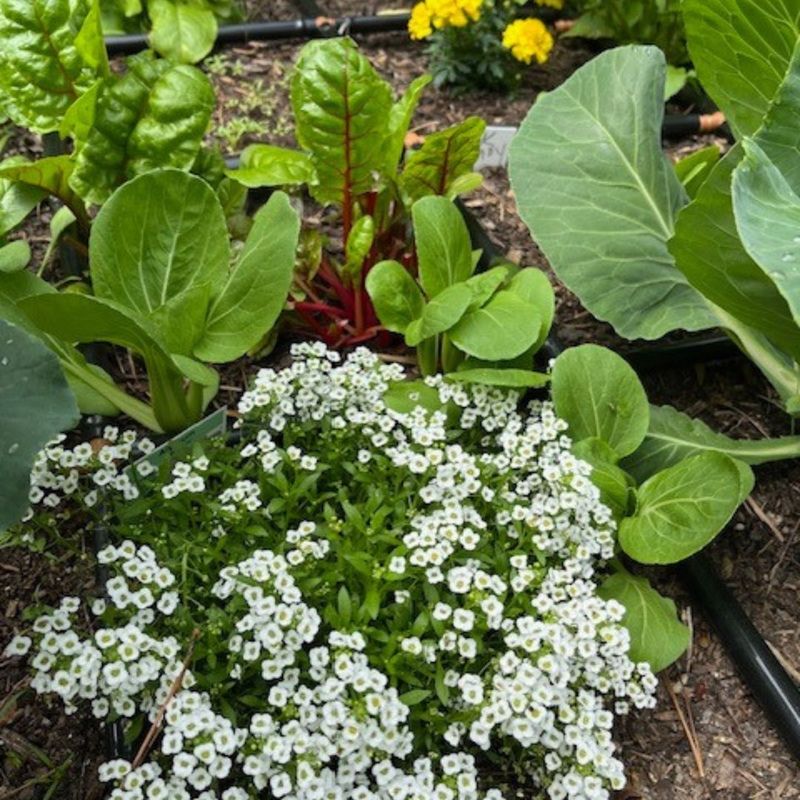
Sweet Alyssum, with its tiny white flowers, creates a delicate carpet that softens garden borders. This low-growing plant is perfect for filling gaps and providing a gentle contrast to the bold blooms of hibiscus.
Its sweet fragrance attracts beneficial insects, supporting the garden’s ecological balance. Sweet Alyssum thrives in full sun to partial shade and requires minimal maintenance.
For those looking to add a touch of elegance and functionality, Sweet Alyssum offers both beauty and ecological benefits, making it an excellent companion for hibiscus.