 Complete Gardening
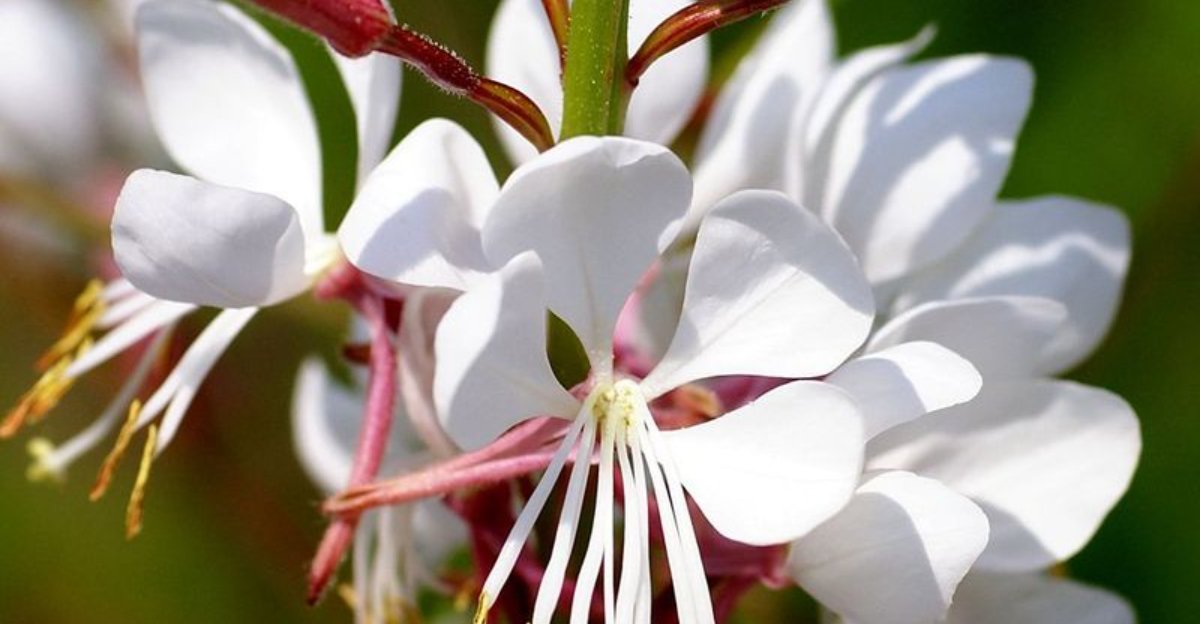
Explore the wonders of nature’s most resilient blooms with our list of 20 drought-tolerant flowers that require no deadheading. These stunning floral varieties are not only beautiful but also incredibly low-maintenance, making them perfect for gardeners of all experience levels.
1. Lantana
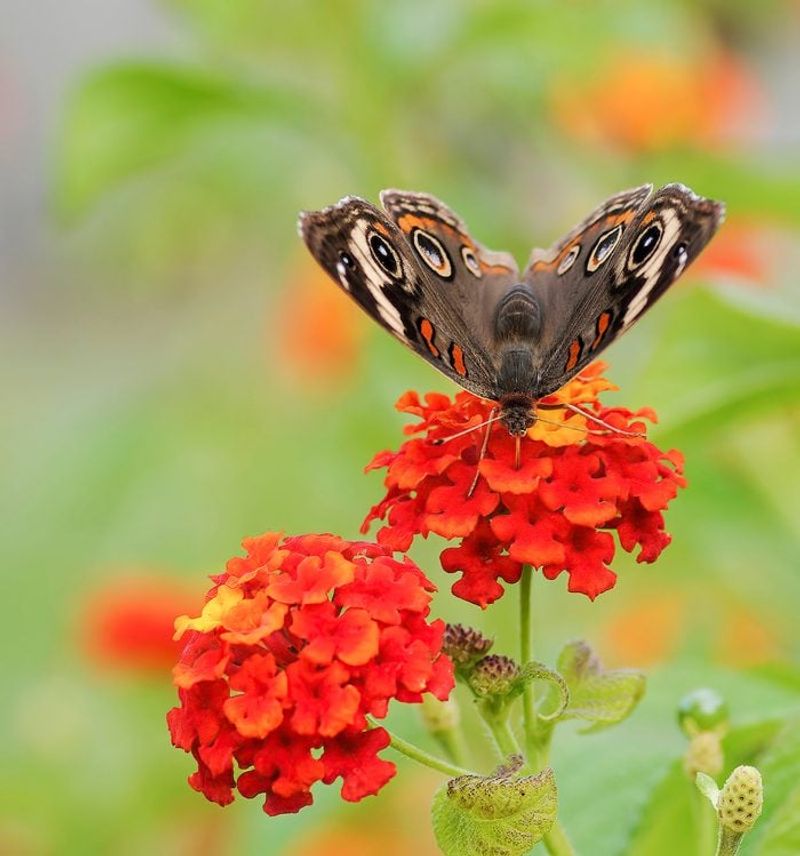
Known for its vibrant hues and butterfly appeal, Lantana is a heat-loving flower that blooms ceaselessly. This hardy plant thrives in sunny spots and offers a delightful mix of colors like yellow, orange, pink, and purple. Its resilience makes it a favorite among gardeners who seek low-maintenance beauty. Lantana’s ability to attract butterflies while enduring drought conditions adds to its charm. Not only does it beautify gardens, but it also supports local ecosystems by providing nectar to pollinators. Lantana’s vibrant presence in gardens is a testament to nature’s colorful resilience.
2. Russian Sage (Perovskia)
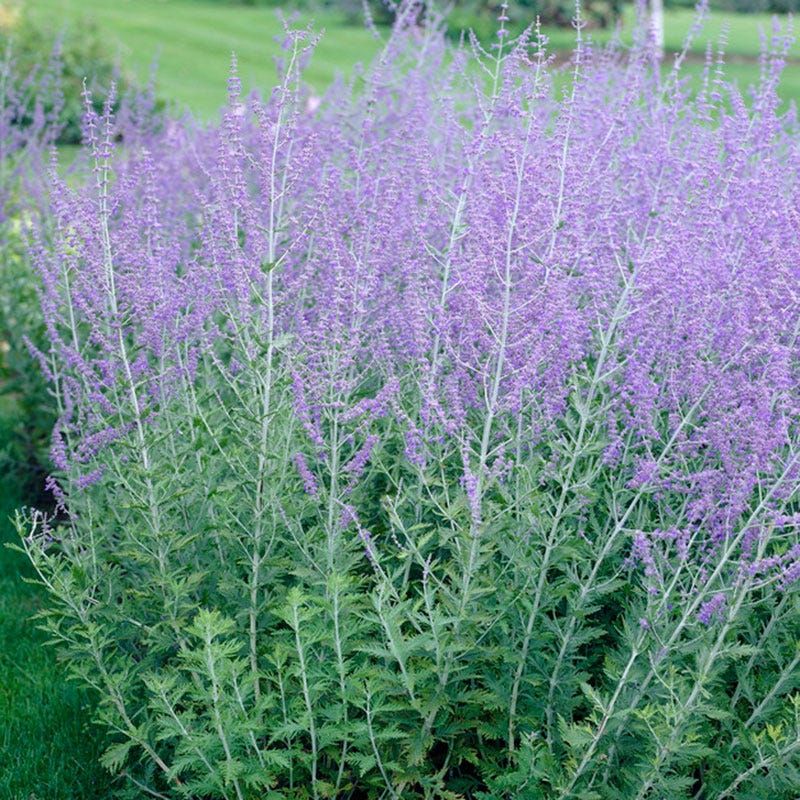
Russian Sage stands out with its elegant silvery foliage and striking purple spikes. This flower thrives on neglect, needing minimal water and care, making it ideal for busy gardeners. Its robust nature doesn’t just offer beauty; it’s also deer-resistant, ensuring your garden stays lush without unwanted guests. Russian Sage adds a touch of elegance with its wispy, aromatic presence, creating a serene atmosphere. Its resilience against drought conditions makes it a practical yet stunning addition to landscapes, offering both aesthetic and functional benefits.
3. Gaillardia (Blanket Flower)
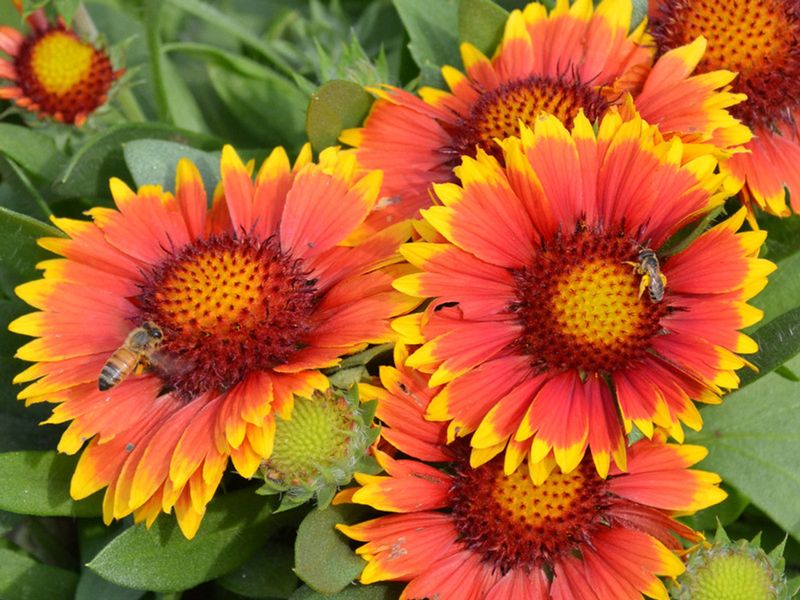
Gaillardia, also known as Blanket Flower, is celebrated for its fiery, daisy-like blooms. With hues of red and yellow, this flower creates a warm, inviting garden space. Known for being self-cleaning, Gaillardia requires no deadheading, which is perfect for gardeners seeking effortless beauty. Its ability to attract pollinators, such as bees and butterflies, further enhances its appeal. Gaillardia is a resilient bloom that adds color and life to any garden setting, embodying the spirit of carefree gardening while supporting ecological balance.
4. Sedum (Stonecrop)
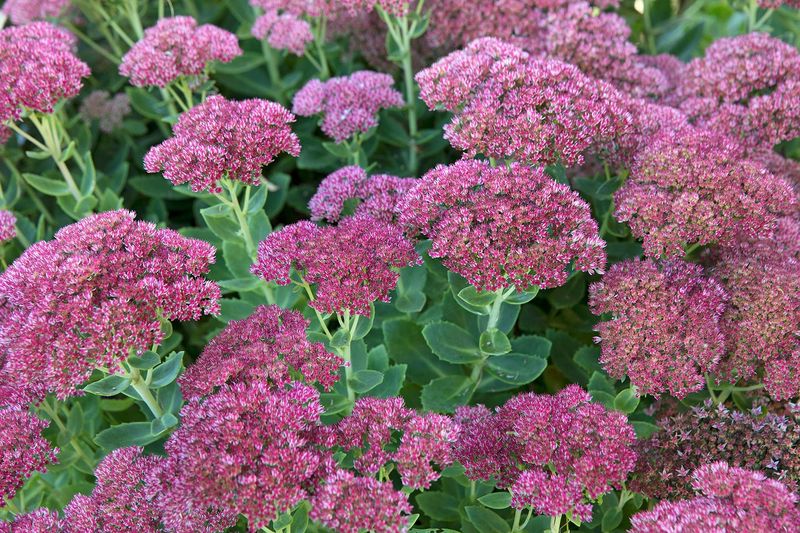
Sedum, commonly known as Stonecrop, is a succulent that showcases both beauty and tenacity. With its fleshy leaves and late-season blooms, Sedum requires zero maintenance, making it a gardener’s dream. Varieties like ‘Autumn Joy’ and ‘Dragon’s Blood’ provide unique textures and colors, enhancing any garden or rockery. Sedum’s ability to thrive in harsh conditions without needing constant care highlights its robust nature. This plant not only decorates but also stabilizes garden plots, offering a lush, textured presence that endures drought effortlessly.
5. Coreopsis (Tickseed)
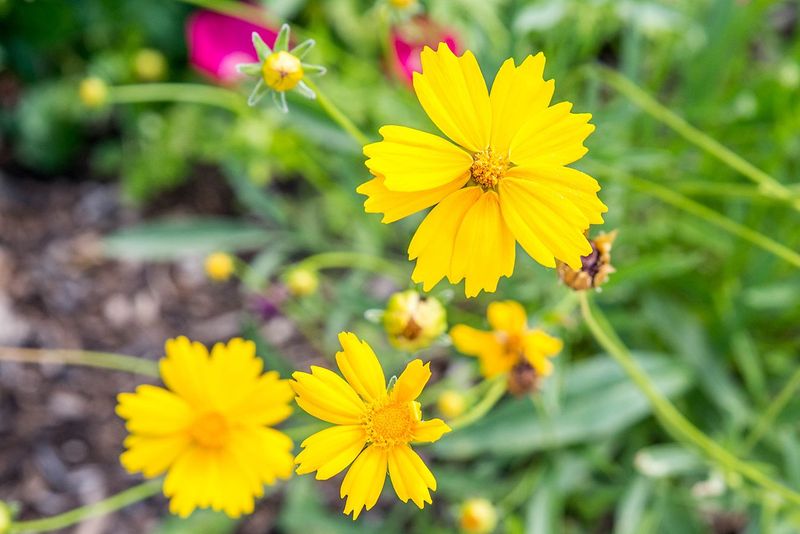
Coreopsis, affectionately known as Tickseed, boasts sunny yellow flowers that brighten any garden space. Known for long-blooming periods, Coreopsis thrives in drought conditions, making it a reliable choice for low-maintenance gardening. Varieties like ‘Moonbeam’ and ‘Zagreb’ offer diverse options for gardeners looking for continuous color. Coreopsis’s cheerful presence not only enhances visual appeal but also supports pollinators. Its ability to withstand dry spells without losing vibrancy makes it a preferred choice for gardens needing a splash of sunshine with minimal upkeep.
6. Salvia (Sage)
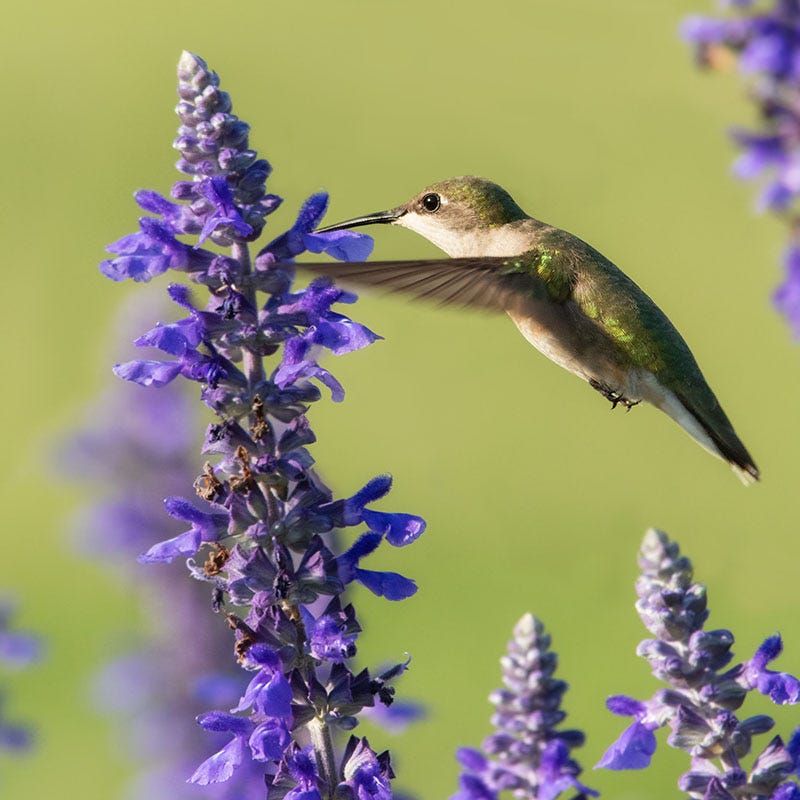
Salvia, a staple of vibrant gardens, features spikes of purple, red, or blue that captivate hummingbirds and gardeners alike. Known for its rich colors and minimal maintenance needs, Salvia varieties such as ‘May Night’ and ‘Hot Lips’ bring diversity and life to any landscape. This hardy plant thrives even in challenging conditions, making it an excellent choice for eco-conscious gardeners. Salvia not only decorates gardens but also supports wildlife, offering nectar to hummingbirds and bees, thus enriching the garden’s ecosystem.
7. Yarrow (Achillea)
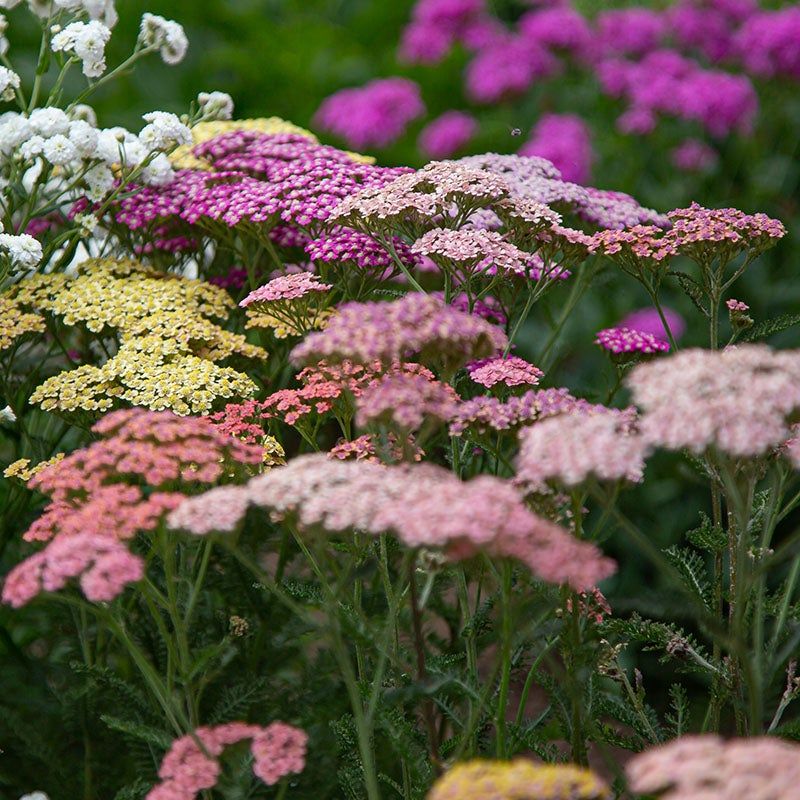
Yarrow, known for its feathery foliage and flat-topped blooms, thrives even in poor soil conditions. This versatile plant comes in a variety of colors including yellow, pink, red, and white. Its sturdy nature and minimal water needs make it perfect for low-maintenance gardens. Yarrow’s ability to attract beneficial insects while resisting drought adds functional beauty to landscapes. Often used in meadows and borders, Yarrow’s diverse color palette and hardy disposition ensure it remains a favorite among gardeners seeking both beauty and resilience.
8. Portulaca (Moss Rose)
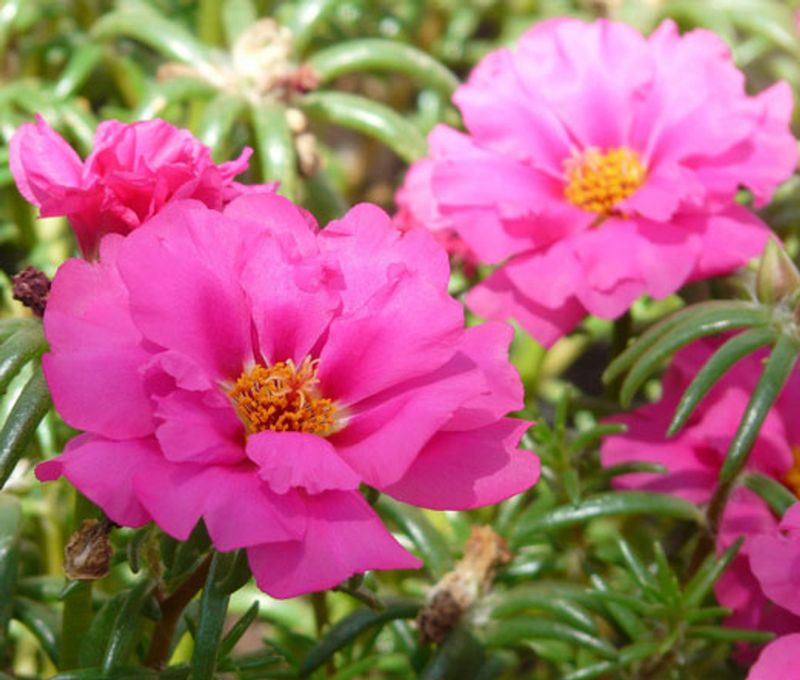
Portulaca, fondly known as Moss Rose, is a delightful, succulent-like plant with neon blooms. Its flowers open in the sunlight and close at night, adding dynamic interest to gardens. Portulaca’s ability to self-seed easily makes it a wonderfully low-maintenance choice. This plant’s bright, cheerful blooms bring a splash of color to any space, thriving even in poor soil conditions. Portulaca not only decorates pathways and borders but also provides a living carpet that withstands drought, making it a popular choice for sun-drenched gardens.
9. Gaura (Whirling Butterflies)
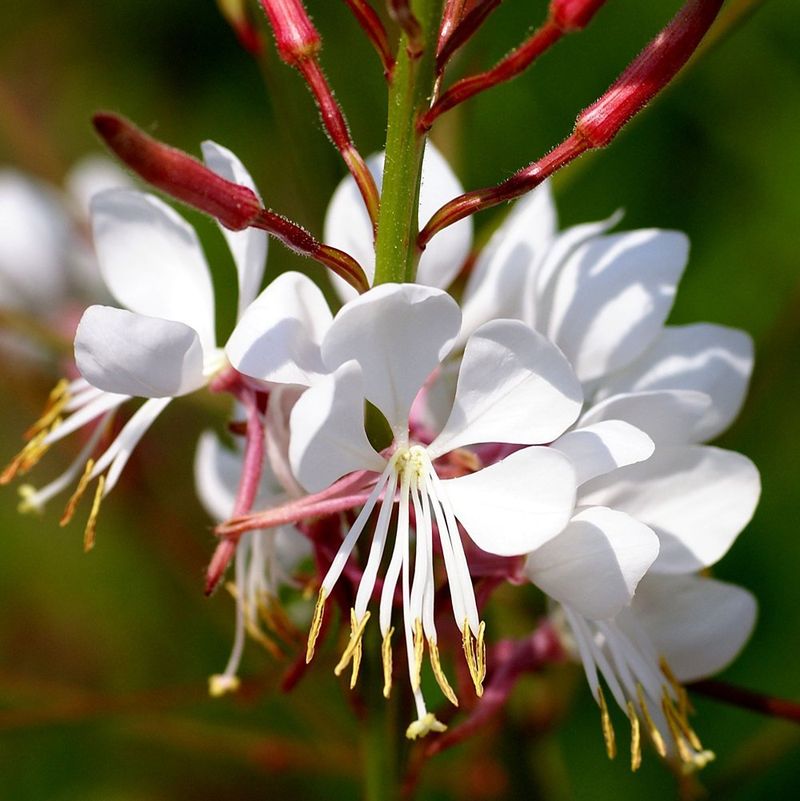
Gaura, whimsically known as Whirling Butterflies, enchants with its delicate pink and white blooms. These flowers seem to dance in the breeze, creating a lively and graceful garden atmosphere. Gaura’s long-lived perennial nature provides enduring beauty with minimal care. This plant’s resilience to drought makes it a practical yet elegant choice for gardeners seeking low-maintenance elegance. Gaura not only offers visual charm but also supports local ecosystems, attracting pollinators with its gentle presence. The enchanting dance of Gaura’s blooms adds a poetic touch to gardens.
10. Echinacea (Coneflower)
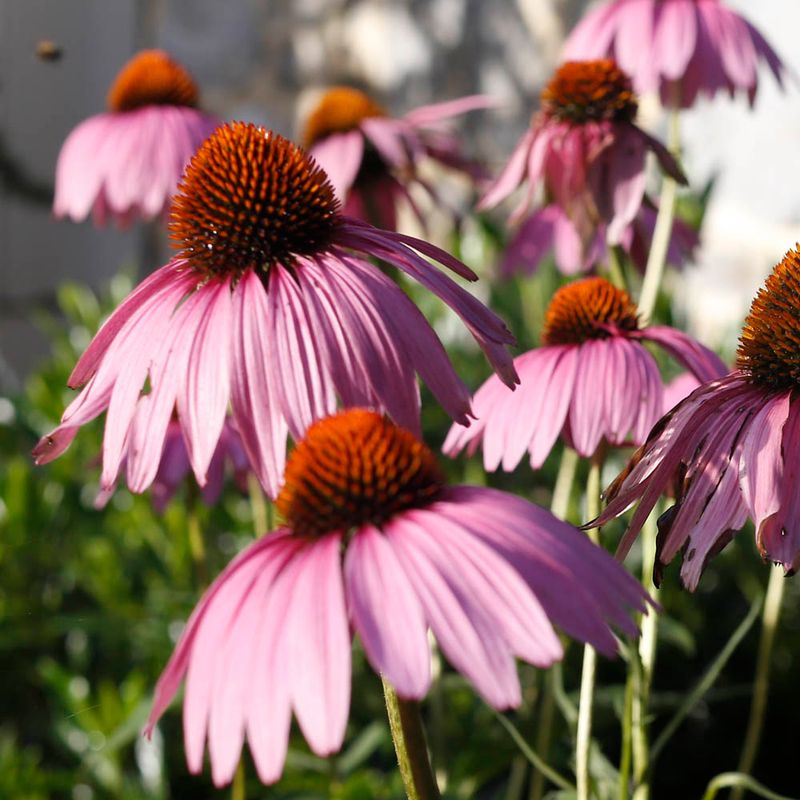
Echinacea, or Coneflower, is famed for its daisy-like appearance and drought tolerance. This versatile plant, available in shades of purple, white, orange, and green, is perfect for creating vibrant, low-maintenance gardens. Echinacea not only beautifies spaces but also serves as excellent cut flowers due to its sturdy stems. Its ability to attract pollinators while requiring little care makes it a favorite among eco-conscious gardeners. Echinacea’s robust nature ensures a lasting presence, providing color and ecological benefits to gardens throughout its blooming season.
11. Agastache (Hyssop)
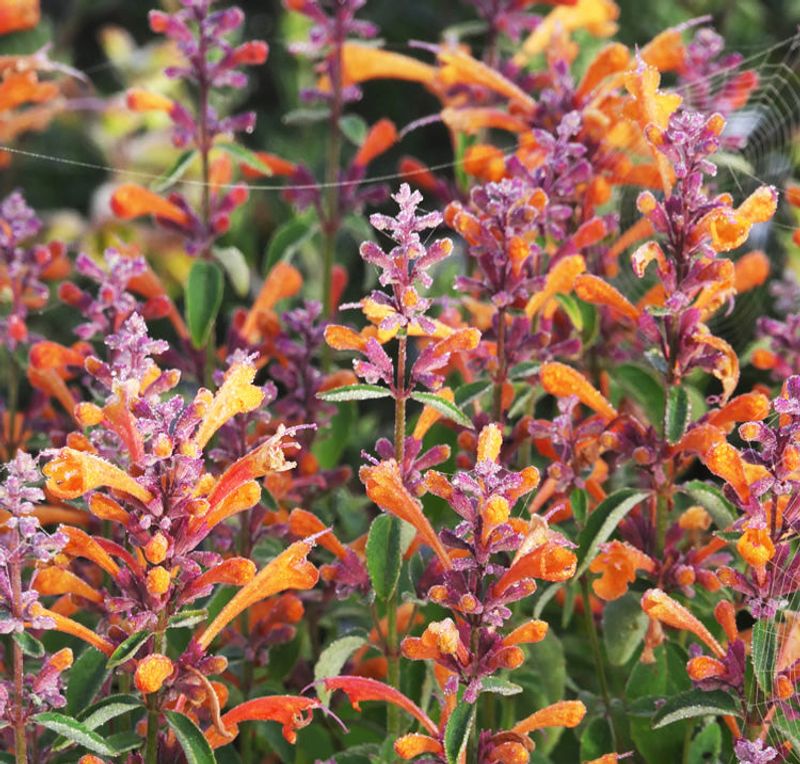
Agastache, or Hyssop, captivates with its aromatic foliage and vibrant flower spikes. With a minty fragrance and colors ranging from purple to orange, it entices both humans and bees alike. Varieties such as ‘Blue Fortune’ and ‘Apricot Sunrise’ offer unique hues and scents. Agastache’s drought-resistant nature and ability to attract pollinators make it a treasured addition to gardens. This plant not only pleases the senses but also contributes to the garden’s ecosystem, supporting biodiversity with its nectar-rich blooms and resilient growth.
12. Nepeta (Catmint)
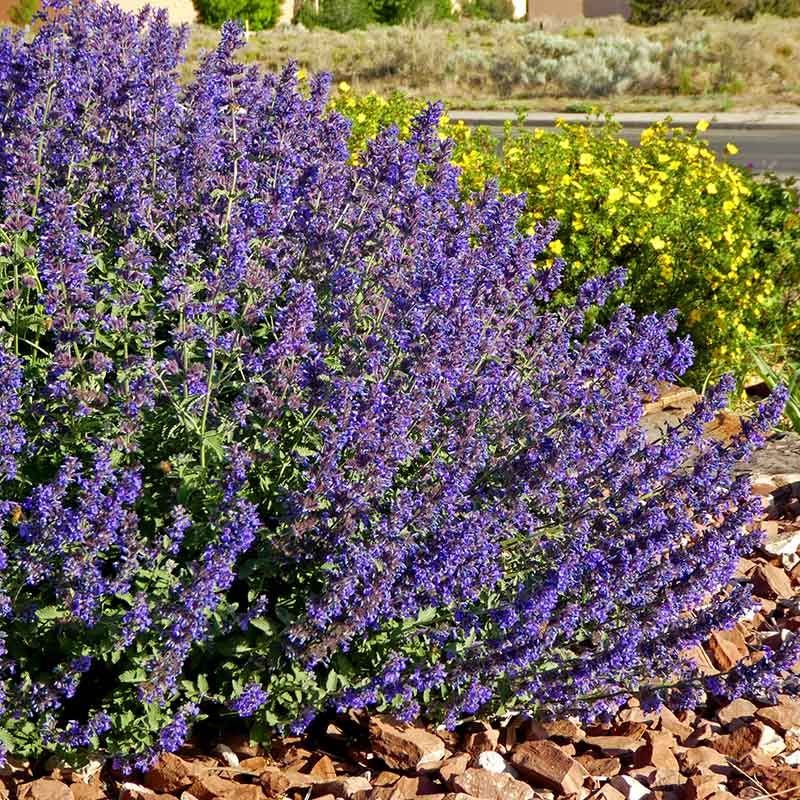
Nepeta, often referred to as Catmint, delights with its lavender-blue spikes and cascading growth habit. This plant’s gentle spread and lack of deadheading requirements make it ideal for carefree gardening. Cats may be drawn to its aromatic foliage, while deer keep their distance, making Nepeta both entertaining and practical. Its resilience in drought conditions ensures vibrant blooms with minimal effort. Nepeta not only adds color and texture to gardens but also supports pollinators, creating a lively and balanced garden environment that’s low in maintenance yet high in charm.
13. Penstemon (Beardtongue)
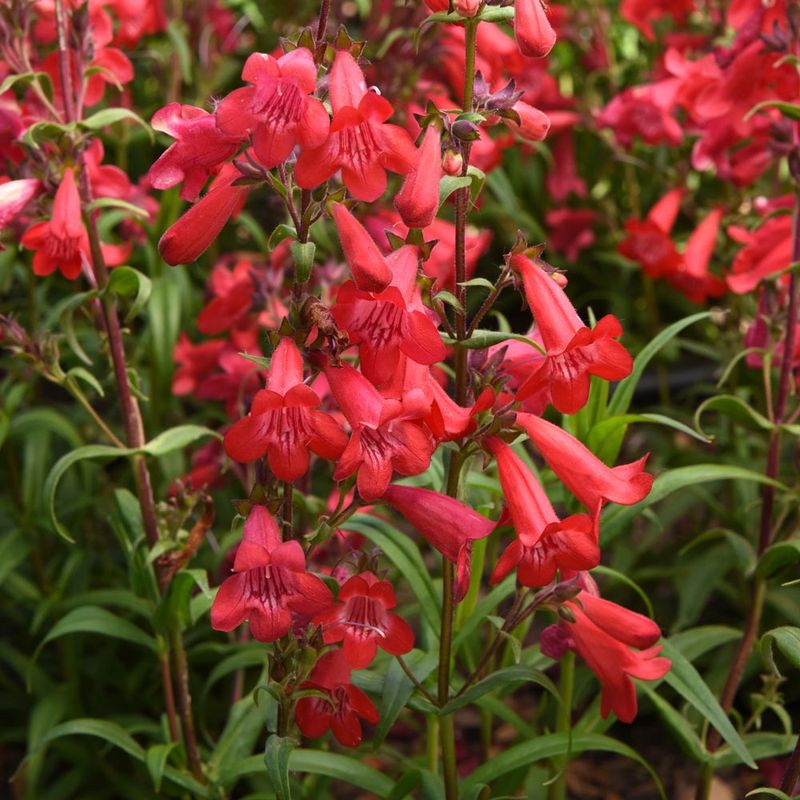
Penstemon, known for its tubular blooms, thrives in rocky and challenging soils. Varieties like ‘Husker Red’ and ‘Firecracker’ offer striking colors that attract hummingbirds, enhancing garden life. This flower’s ability to flourish with minimal care makes it a top pick for low-maintenance landscapes. Penstemon not only provides vibrant color but also supports pollinators, contributing to ecological health. Its striking blooms and robust nature add a dynamic presence to gardens, embodying both beauty and practicality in challenging growing conditions.
14. Verbena
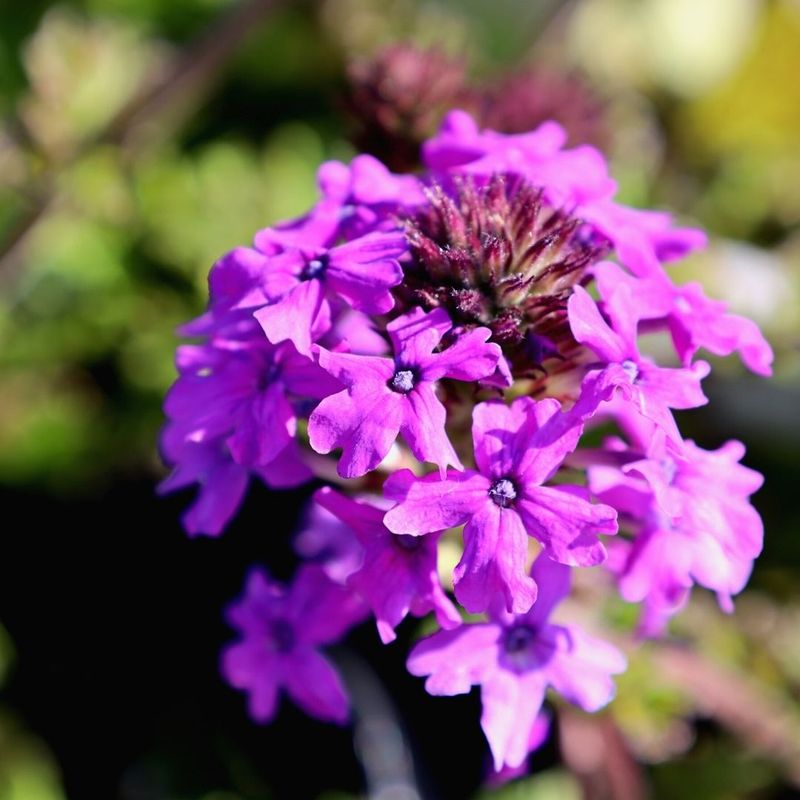
Verbena, with its long-lasting clusters of purple and pink flowers, adds a splash of color to any garden. Known for both trailing and upright varieties, Verbena is versatile in landscaping, adapting to various garden designs. Varieties like ‘Homestead Purple’ and ‘Superbena’ offer vibrant shades that endure through the season. Verbena’s minimal water needs and resistance to drought make it an attractive choice for gardeners seeking beauty without the hassle. Its blooms attract pollinators, supporting the garden’s ecosystem while offering visual delight.
15. Euphorbia (Spurge)
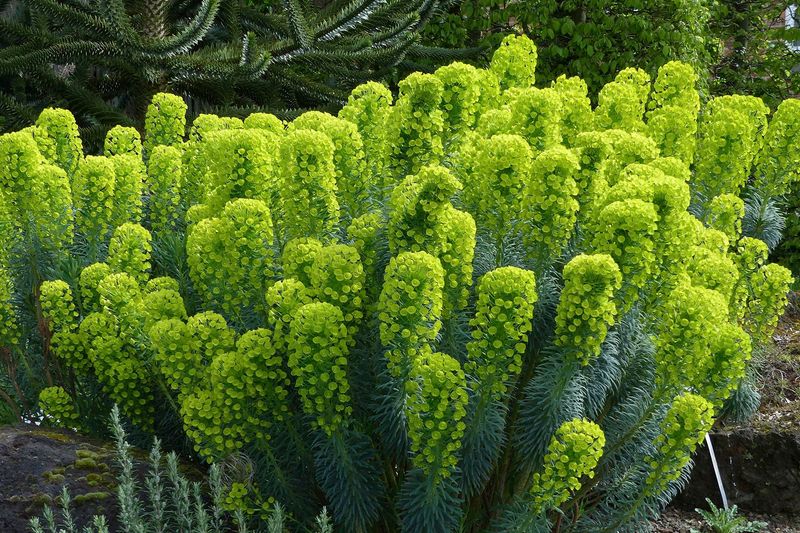
Euphorbia, or Spurge, is renowned for its unique chartreuse blooms and succulent-like toughness. Its robust nature makes it suitable for dry, rocky gardens, adding a distinctive architectural element. Though its sap can irritate skin, when handled carefully, Euphorbia offers both beauty and resilience. This plant’s ability to thrive in challenging conditions with minimal water makes it an excellent choice for low-maintenance gardens. Euphorbia not only adds texture and color but also supports the garden’s biodiversity, providing a lush, enduring presence.
16. Lavender
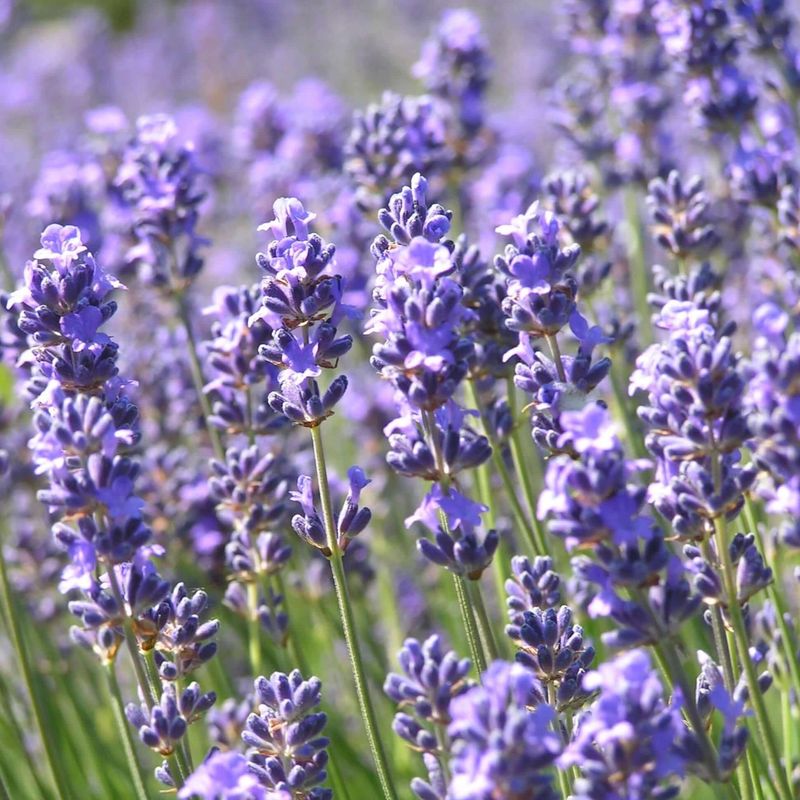
Lavender, celebrated for its fragrant spikes and gray-green foliage, is a staple in gardens seeking elegance and tranquility. Known for its soothing scent, Lavender’s purple blooms evoke a sense of peace. Minimal care is needed, though light pruning in spring enhances growth. Lavender’s resilience in dry climates makes it an ideal candidate for sustainable gardening. This plant not only perfumes the air but also attracts pollinators, enriching the garden’s atmosphere with both beauty and biodiversity. Lavender’s timeless appeal ensures a harmonious garden presence.
17. California Poppy
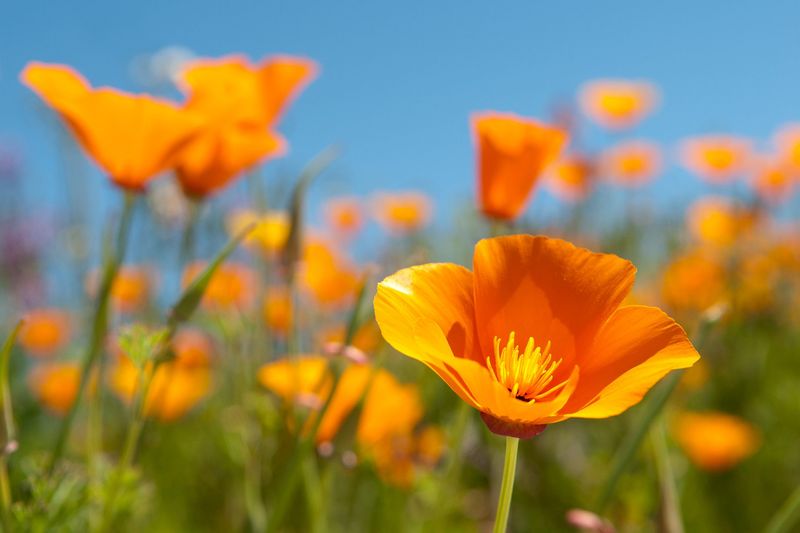
California Poppy, with its vibrant golden-orange blooms, effortlessly brightens gardens. Known for self-sowing, this flower requires little to no care, making it perfect for carefree gardening. As the state flower of California, it holds cultural significance while enhancing landscapes with its radiant hues. California Poppy’s ability to thrive in dry conditions without needing frequent attention ensures a lively garden display. This plant not only decorates but also supports pollinators, adding ecological value. Its cheerful presence and minimal care requirements make it a garden favorite.
18. Globe Thistle (Echinops)
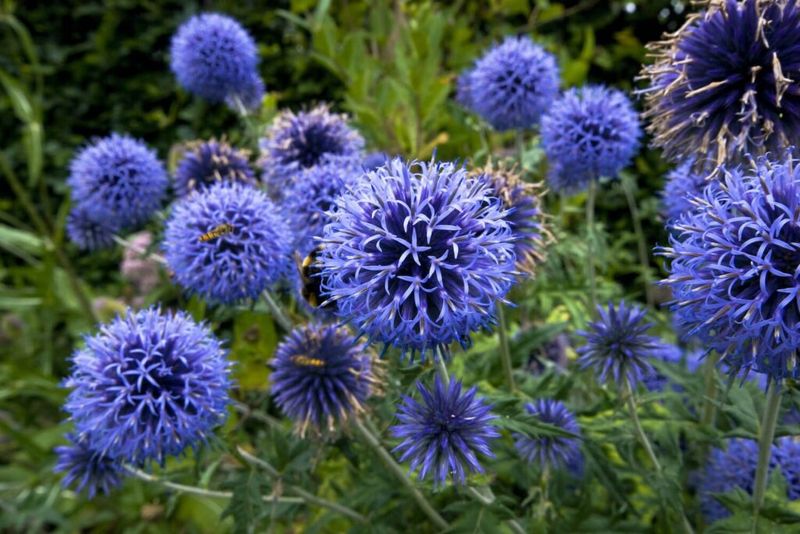
Globe Thistle, known for its spiky blue globes, adds architectural interest to gardens. This unique flower is a bee magnet, contributing to the garden’s ecological balance. Besides its striking appearance, Globe Thistle dries well for arrangements, offering versatility beyond the garden bed. Its drought tolerance and minimal care needs make it a practical choice for sustainable gardening. Globe Thistle not only enhances visual appeal but also supports biodiversity, ensuring a lively and dynamic garden environment. Its bold presence is both decorative and functional.
19. Artemisia (Wormwood)
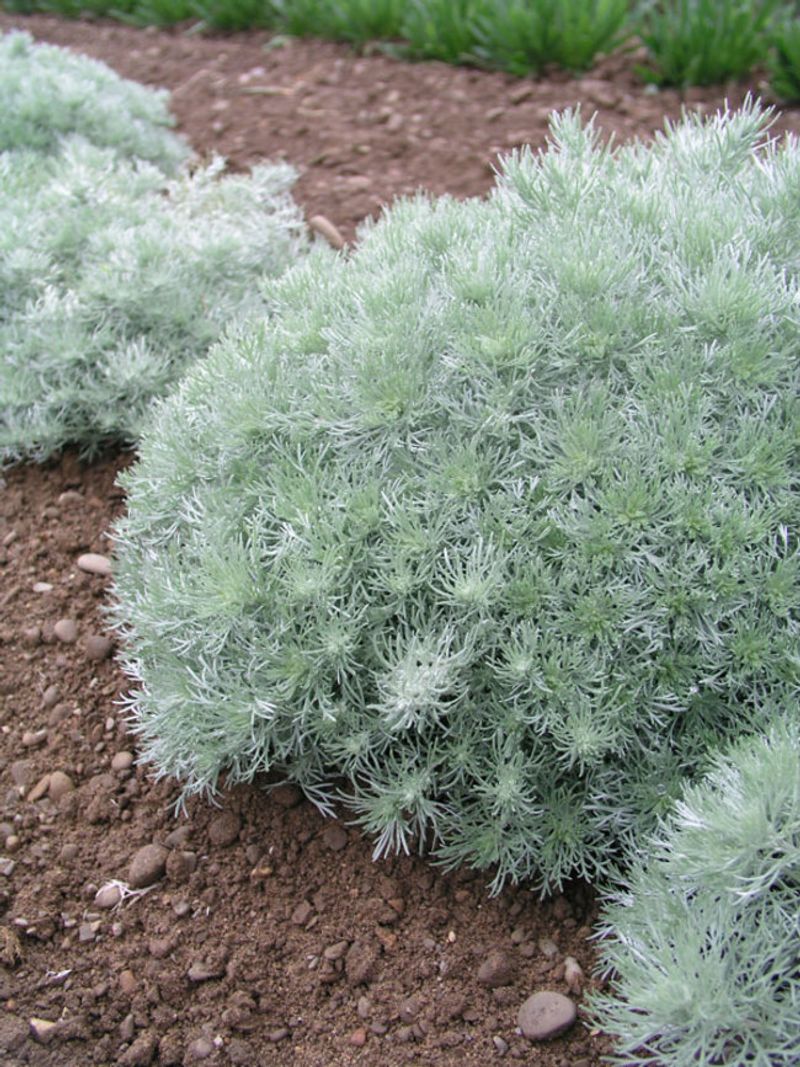
Artemisia, or Wormwood, is cherished for its silver foliage, providing striking contrast in garden designs. Ultra-drought-tolerant, Artemisia thrives with little water, making it a practical choice for dry landscapes. Varieties like ‘Powis Castle’ and ‘Silver Mound’ offer unique textures that enhance borders and beds. Besides its aesthetic appeal, Artemisia’s resilience in harsh conditions highlights its robust character. This plant not only decorates but also contributes to sustainable gardening practices, ensuring a vibrant garden presence with minimal intervention.
20. Ice Plant (Delosperma)
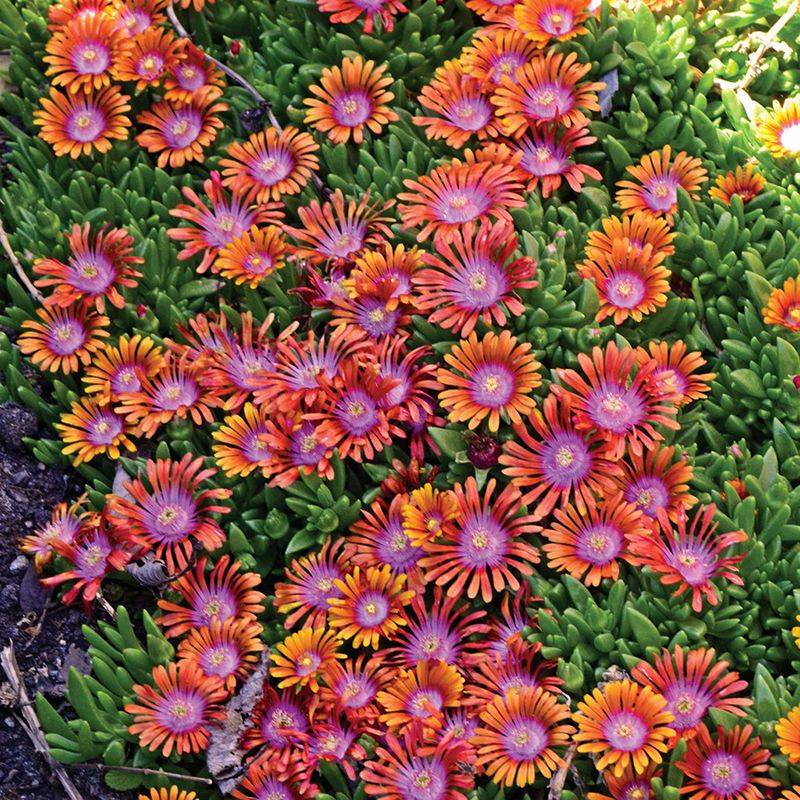
Ice Plant, or Delosperma, is a succulent groundcover that dazzles with neon daisy-like blooms. Varieties like ‘Cooperi’ and ‘Fire Spinner’ display vibrant purple and orange/pink hues. This plant’s ability to thrive in sunny, dry conditions with minimal care makes it a favorite for low-maintenance gardens. Ice Plant not only adds color and texture but also stabilizes soil, preventing erosion in challenging terrains. Its bright blooms and resilient nature ensure a lively garden presence throughout the growing season, offering both beauty and practicality.