 Complete Gardening
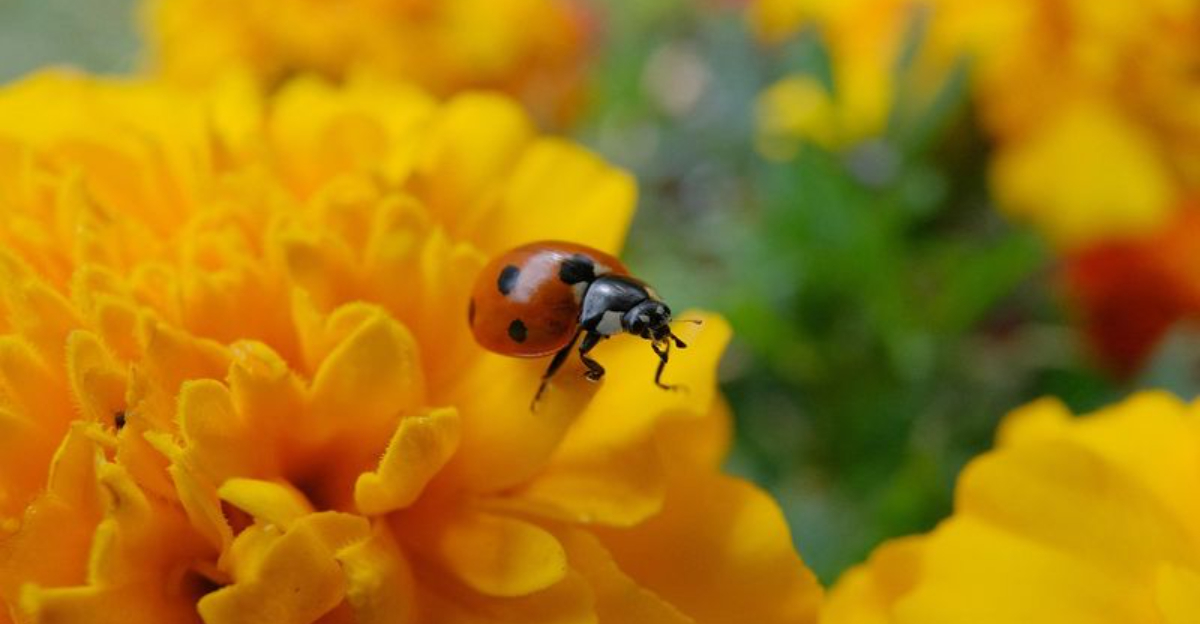
Explore the diverse world of flowers that can attract ladybugs to your garden. Whether it’s the charming blooms of Angelica or the vibrant petals of Calendula, discover the top 20 flowers that are sure to invite these beneficial insects. However, not all flowers are created equal; some species won’t help your ladybug population at all. Learn about 7 such flowers that won’t make a difference.
1. Angelica (Angelica archangelica)
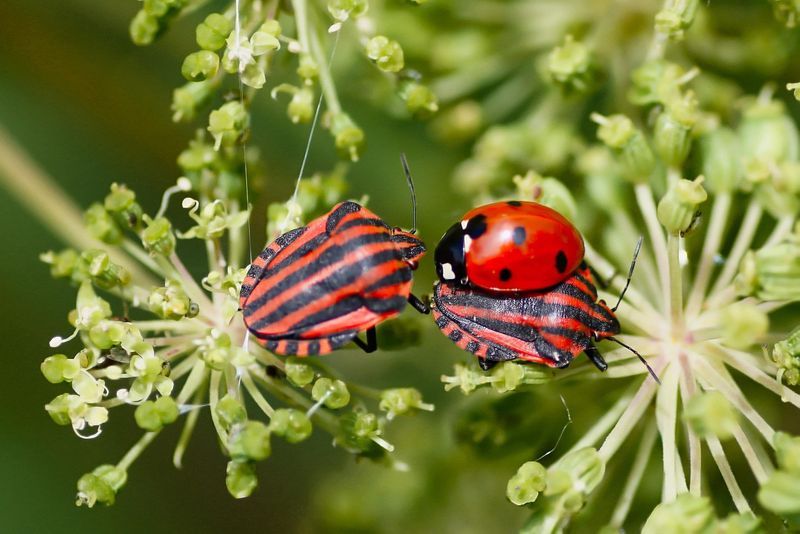
Angelica, with its towering umbels of greenish-white flowers, is a beacon for ladybugs. Historically, Angelica has been revered not just for its beauty but also its medicinal properties, adding depth to its garden appeal. The plant’s towering stature makes it an impressive addition, while its ability to attract beneficial insects ensures a balanced ecosystem. Its presence in the garden is both functional and ornamental, making it a favorite among seasoned gardeners.
2. Calendula (Calendula officinalis)
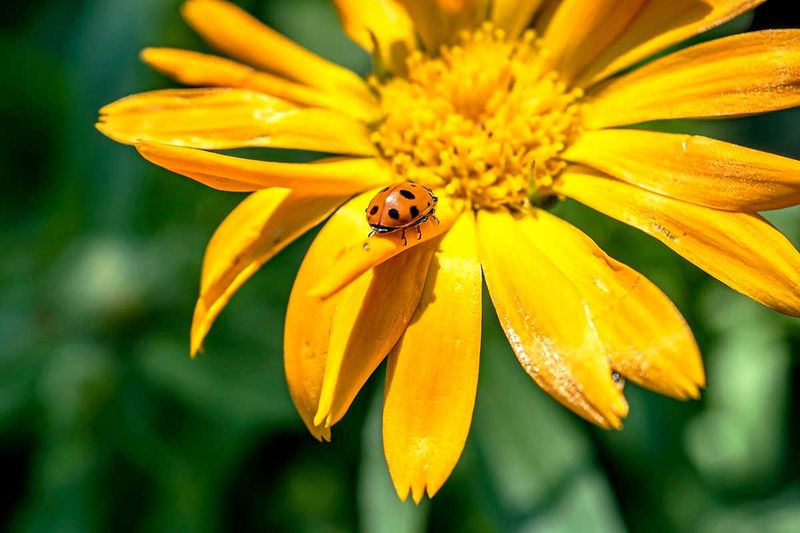
A splash of bright orange-yellow, Calendula flowers are a sight to behold. These blooms create a vibrant backdrop while attracting ladybugs and aphids alike. Known for their healing properties, Calendula has been used in skincare remedies for centuries. A garden filled with these flowers promises not only beauty but also a natural pest control system. The dual benefit of aesthetics and functionality makes Calendula a top choice for eco-conscious gardeners. Its cheerful presence is sure to lift spirits and invite beneficial insects.
3. Borage (Borago officinalis)
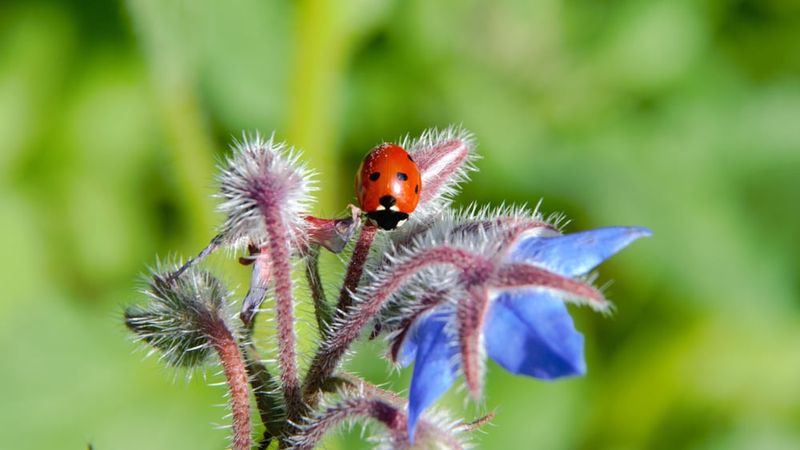
Borage, known for its striking blue star-shaped flowers, is a magnet for ladybugs. This hardy annual is easy to grow and thrives in a sunny spot. As it blooms, borage offers a continuous source of nectar, attracting ladybugs and other beneficial insects to your garden. With its cucumber-like taste, the leaves are a delightful addition to salads, and the flowers can be used as an edible garnish. Highly versatile, borage also helps improve soil health by adding minerals back into the ground.
4. Chives (Allium schoenoprasum)
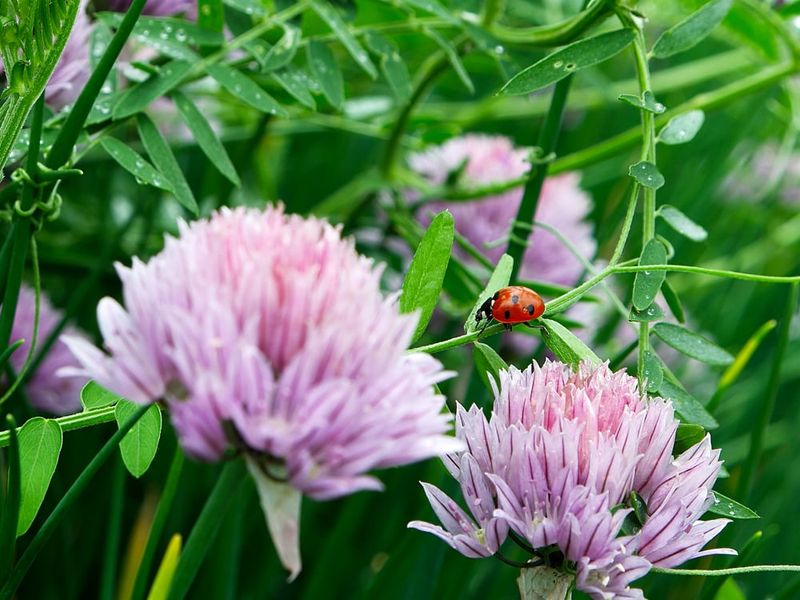
Chives, known for their purple-pink flower clusters, bring a pop of color to any garden. These blooms not only delight the eyes but also invite ladybugs and other beneficial pollinators. Chives are more than just a garnish in the kitchen; they are a garden powerhouse, contributing to pest control and enhancing the flavor of various dishes. As a member of the allium family, chives carry a rich history of use in both culinary and medicinal practices. Their presence is a testament to the garden’s health.
5. Cilantro/Coriander (Coriandrum sativum)
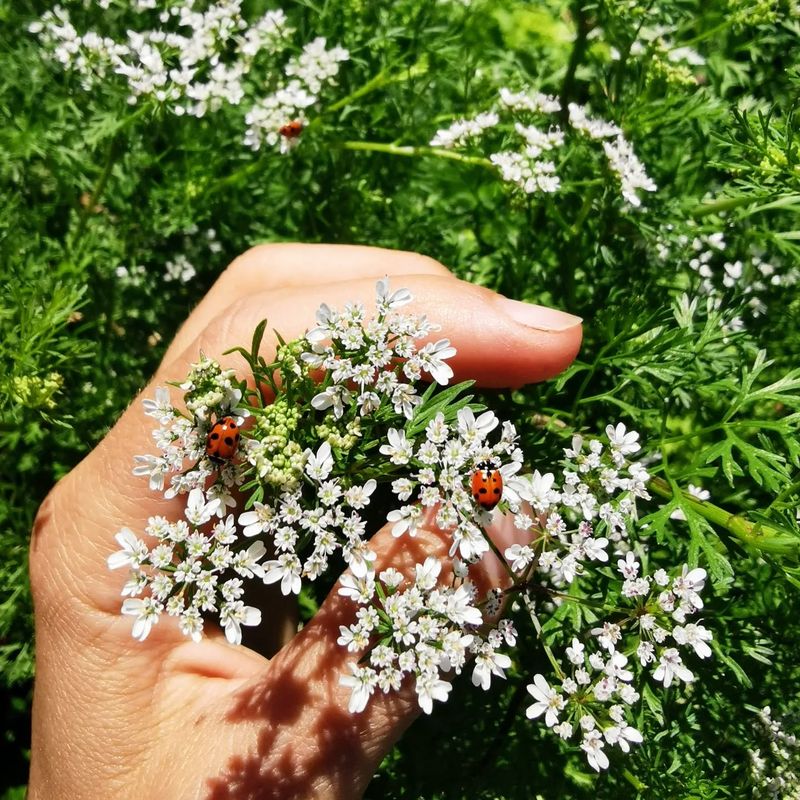
Cilantro, with its delicate white umbels, signals a feast for ladybugs on the hunt for aphids. This dual-purpose plant offers both culinary delight and natural pest control. While its leaves are a staple in many kitchens worldwide, its flowers serve as a beacon for beneficial insects. Historically, cilantro has been cherished in various cuisines, offering both flavor and health benefits. Its ability to attract ladybugs while enhancing dishes makes it an invaluable addition to any garden.
6. Cosmos (Cosmos bipinnatus)
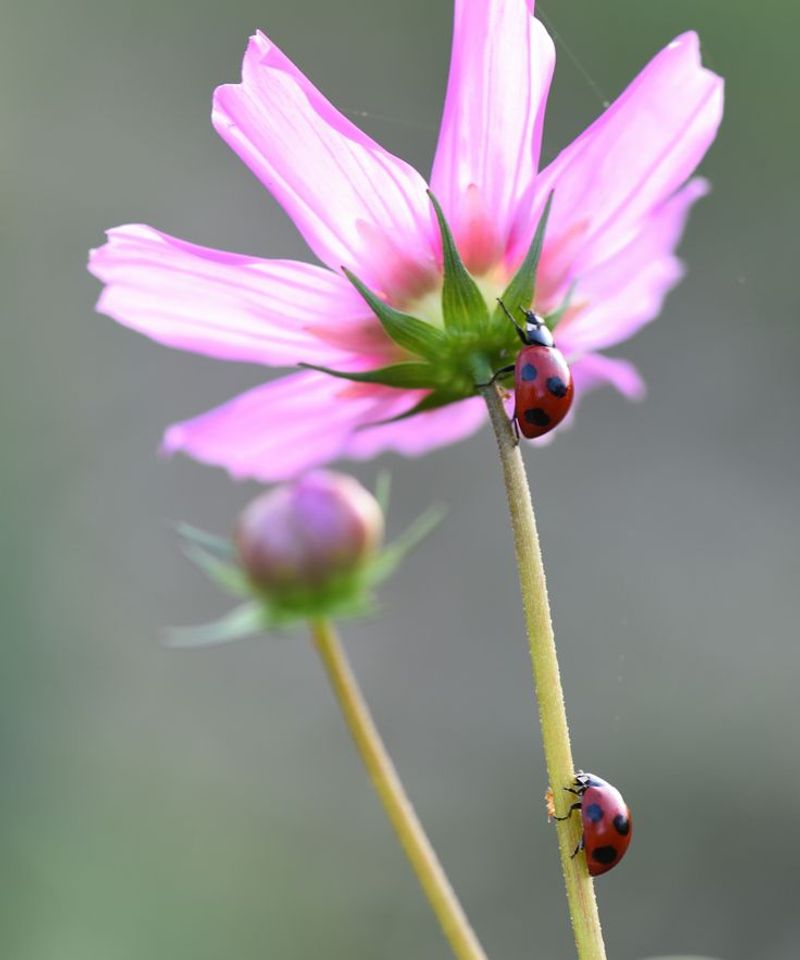
Cosmos, with its daisy-like blooms in shades of pink and white, serves as a landing pad for ladybugs. These flowers are not just visually pleasing; they play a crucial role in attracting beneficial insects to the garden. Often associated with simplicity and beauty, Cosmos has been a favorite in cottage gardens for centuries. Its easy-growing nature and ability to thrive in various conditions make it a beloved choice for gardeners. By inviting ladybugs, Cosmos contributes to a balanced ecosystem.
7. Dill (Anethum graveolens)
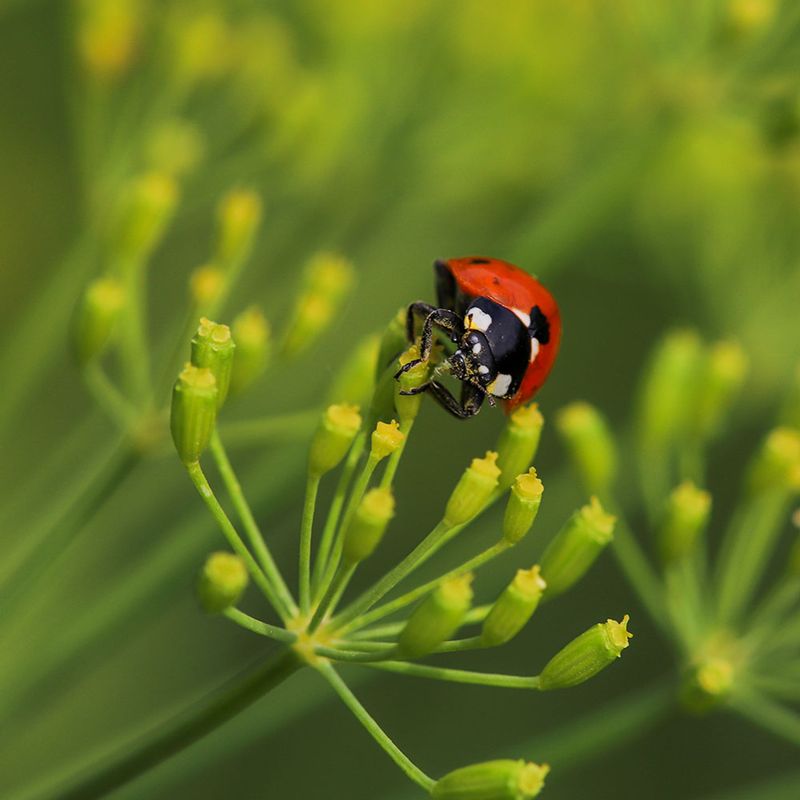
Dill’s lacy leaves and vibrant yellow sprays attract both ladybugs and parasitic wasps, creating a dynamic duo in pest control. This herb isn’t just for pickles; it’s a garden ally with a rich history of culinary and medicinal uses. Dill’s origins trace back to ancient times, where it was prized for its flavor and healing properties. Its presence in the garden adds a touch of elegance and functionality, ensuring a healthy balance of beneficial insects. Dill is a staple for those seeking both beauty and utility.
8. Feverfew (Tanacetum parthenium)
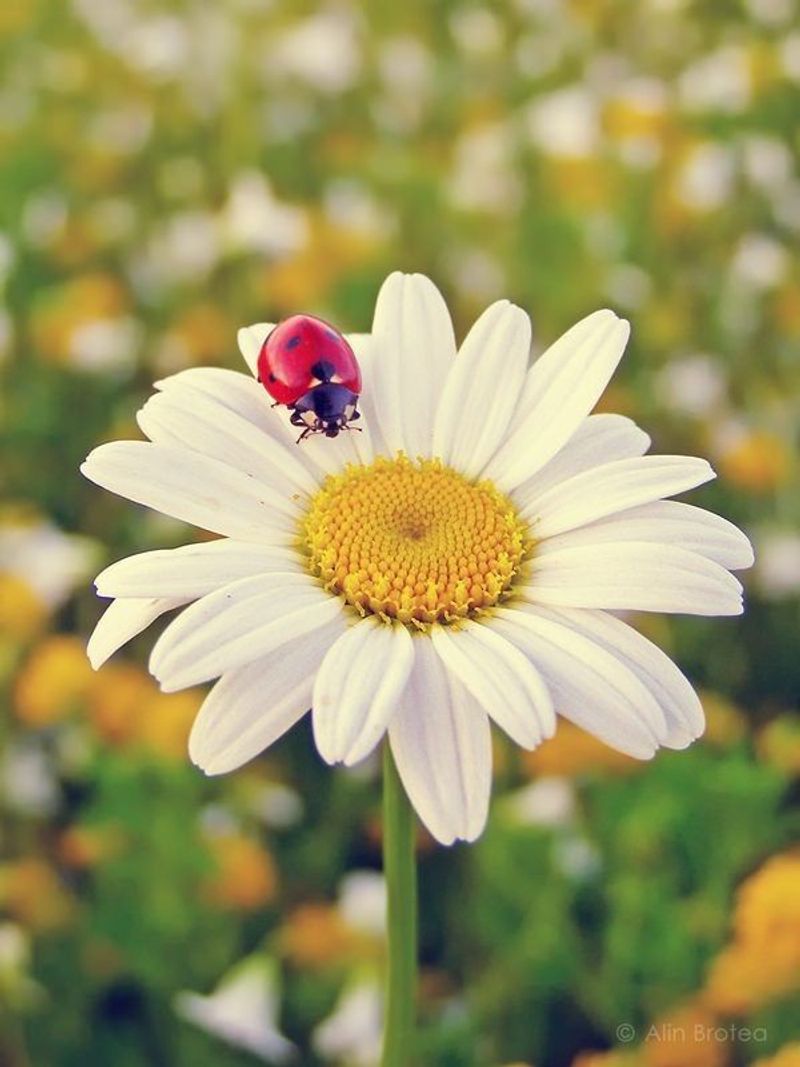
Feverfew’s white, daisy-like blooms are more than just a pretty face; they provide both food and shelter for ladybugs. Known for its medicinal properties, feverfew has been used in herbal remedies for centuries. In the garden, it stands as a testament to nature’s balance, attracting beneficial insects while repelling pests. Its bright blooms add a cheerful touch, ensuring a vibrant and healthy garden ecosystem. Feverfew is a testament to the harmonious relationship between beauty and functionality in the garden.
9. Fennel (Foeniculum vulgare)
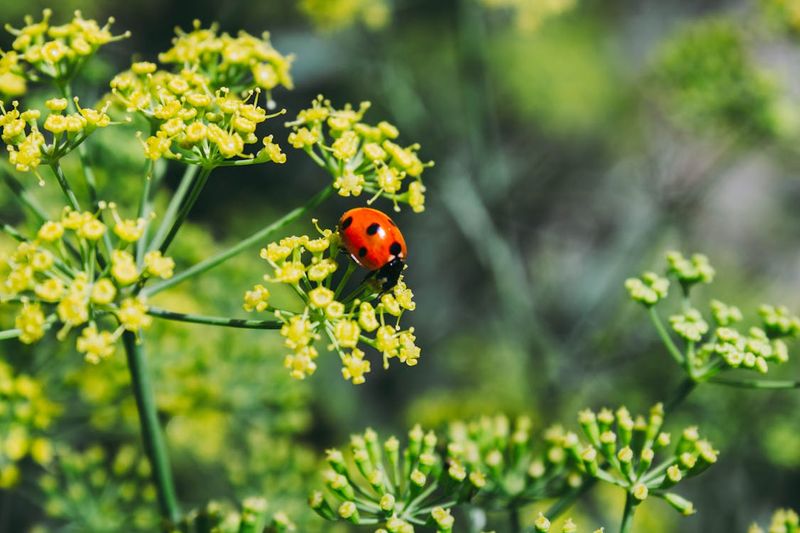
Fennel’s umbel-shaped yellow flowers are a magnet for ladybugs in search of pollen and prey. This aromatic plant is beloved not only for its culinary versatility but also for its role in attracting beneficial insects. Fennel has a storied history, from ancient medicinal uses to modern culinary applications. Its tall, feathery presence in the garden is both decorative and functional, supporting a diverse ecosystem. With fennel in the garden, ladybugs find a welcome haven, contributing to effective pest management.
10. Marigold (Tagetes spp.)
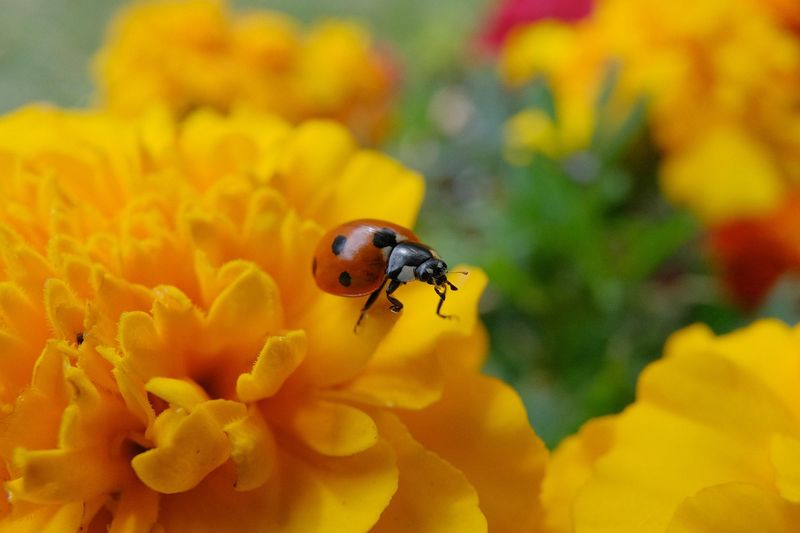
Marigolds, with their vibrant single blooms, offer easy access to pollen, making them a favorite among ladybugs. These flowers are not just for decoration; they play a pivotal role in pest control, repelling unwanted insects while attracting beneficial ones. Known for their robust nature, marigolds have been a staple in gardens worldwide, providing color and protection. Their ability to brighten any space and support a healthy ecosystem makes them an invaluable addition. Marigolds are a gardener’s ally in both beauty and function.
11. Sweet Alyssum (Lobularia maritima)
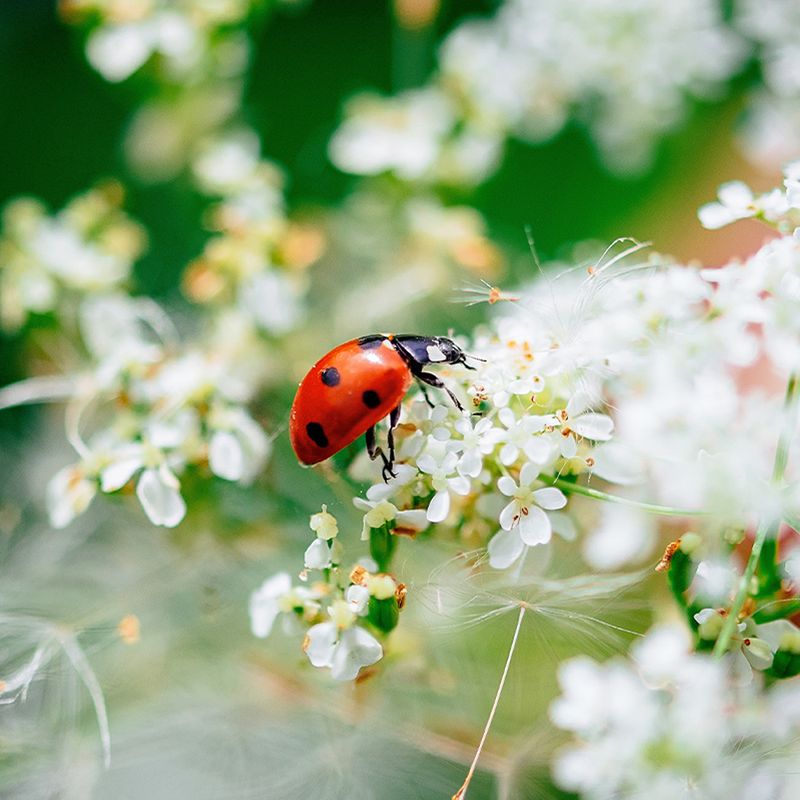
Sweet Alyssum forms low mats of tiny white flowers, creating pollen carpets that delight ladybugs. Known for its honey-sweet fragrance, this plant serves as a ground cover, adding beauty and functionality to the garden. Its presence attracts not only ladybugs but also other beneficial insects, contributing to a balanced ecosystem. Sweet Alyssum’s charm lies in its subtle ability to transform any garden space into a fragrant haven. With its gentle allure and practical benefits, it’s a must-have for gardeners seeking harmony.
12. Yarrow (Achillea millefolium)
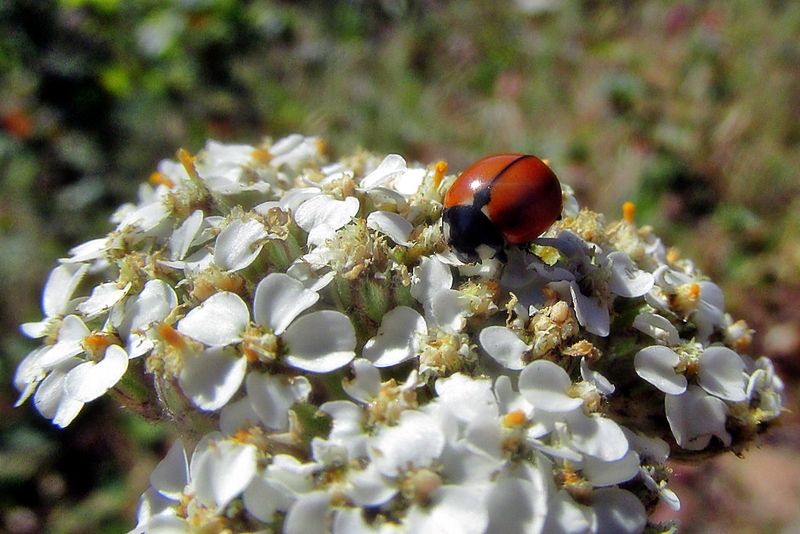
Yarrow’s flat clusters of white or yellow flowers are irresistible to ladybugs, offering both pollen and prey. This hardy perennial is renowned for its medicinal properties, having been used for centuries in herbal remedies. Yarrow’s adaptability makes it a garden favorite, thriving in various conditions while supporting beneficial insects. Its presence ensures a vibrant and healthy garden, balancing beauty with ecological benefits. Yarrow stands as a testament to nature’s ability to provide both healing and harmony in the garden.
13. Queen Anne’s Lace (Daucus carota)
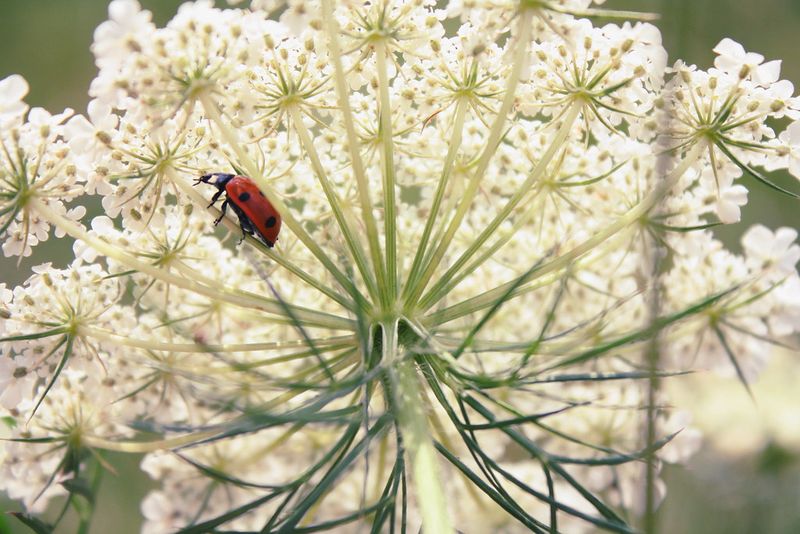
Queen Anne’s Lace, with its delicate white umbels, mimics native prey plants and lures ladybugs. Often found in meadows, this wild carrot is a favorite among beneficial insects seeking nectar and pollen. Its intricate flower structure adds a touch of elegance to any garden, creating a picturesque landscape. Historically, Queen Anne’s Lace has been valued for its natural beauty and role in supporting wildlife. Its presence in the garden is both decorative and functional, fostering a healthy ecosystem.
14. Lavender (Lavandula)
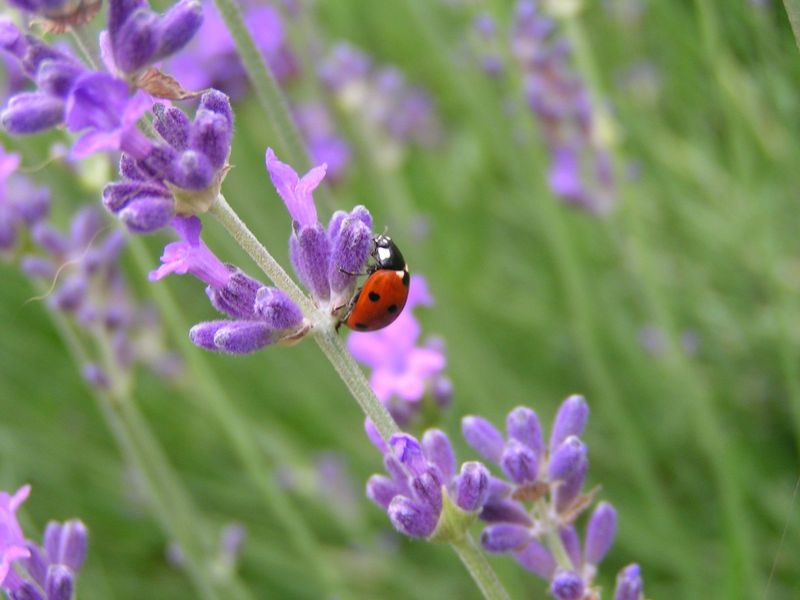
Lavender’s soothing fragrance isn’t just appreciated by humans; ladybugs adore it too. This perennial herb blooms with stunning purple flowers that attract ladybugs in droves, helping to control aphid populations. Lavender prefers well-drained soil and plenty of sunlight, making it a low-maintenance choice for gardeners. In addition to its pest-control benefits, lavender offers aromatic oils and can be used in culinary dishes, infusing them with its unique flavor.
15. Spearmint (Mentha spicata)
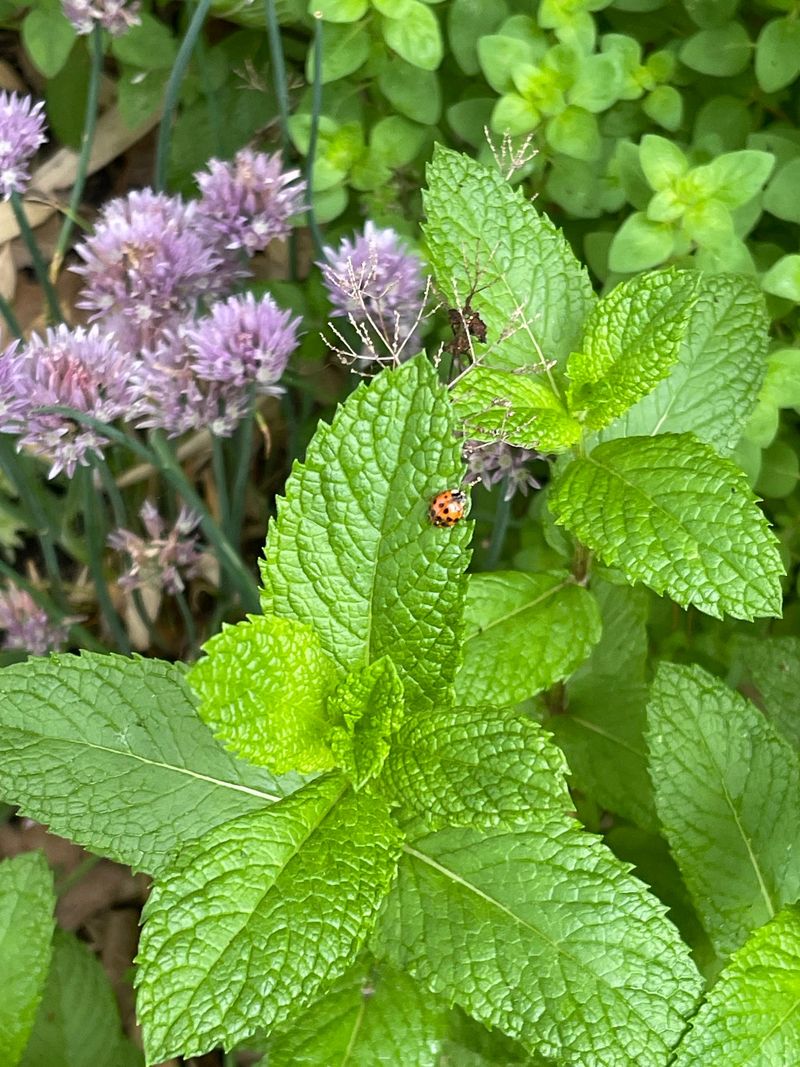
Spearmint’s tiny white blooms and strong scent help attract and retain ladybugs, offering both culinary and garden benefits. This versatile herb is not only a favorite in kitchens but also a powerful garden ally. Known for its refreshing aroma, spearmint has been used for centuries in teas and remedies. In the garden, it supports beneficial insects, creating a balanced ecosystem. With its lush green foliage and delicate flowers, spearmint is a delightful addition to any garden space.
16. Tansy (Tanacetum vulgare)
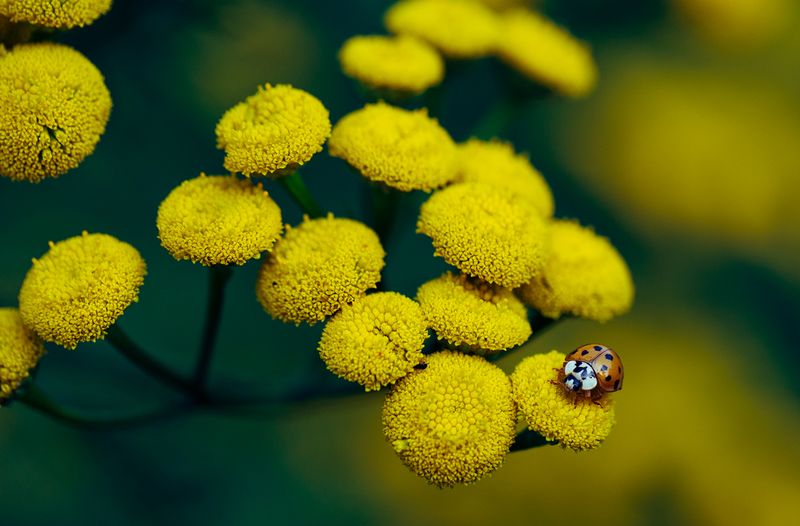
Tansy’s vibrant yellow flowers are more than just eye-catching—they’re a favorite for ladybugs. This perennial thrives in well-drained soil and full sun, often growing in wild and untamed garden corners. Its aromatic leaves add a touch of intrigue and help repel unwanted insects. Although tansy should be used with caution due to its toxicity when ingested, it serves a vital role in organic gardening by naturally attracting ladybugs and deterring pests like ants and beetles.
17. Sunflower (Helianthus annuus)
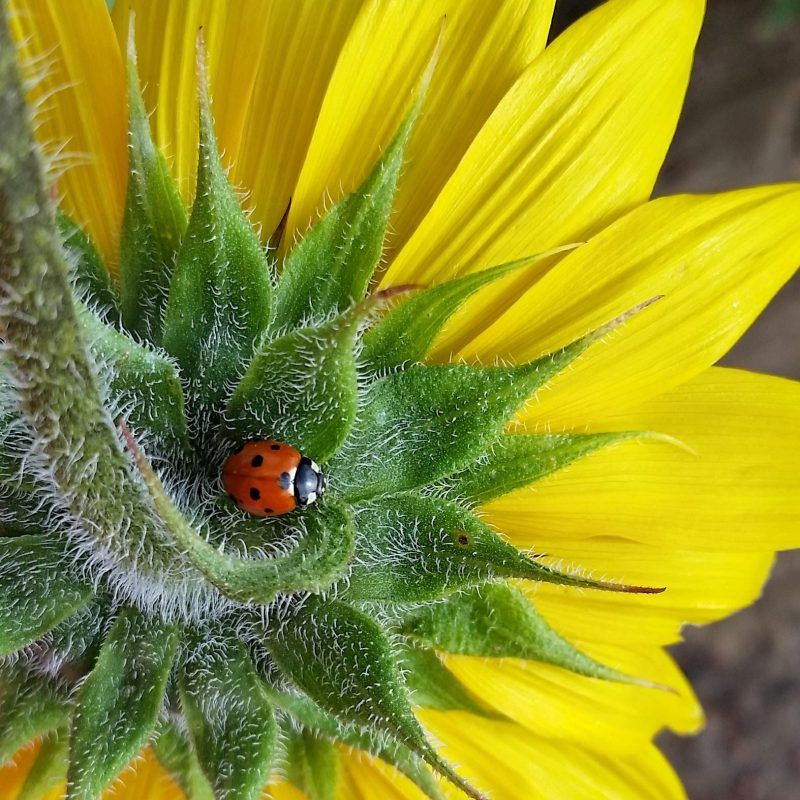
Sunflowers, standing tall and proud, are a beacon for ladybugs during the spring and summer months. Their large, sunny blooms provide a perfect landing spot for ladybugs searching for pests to consume. Sunflowers thrive in sunny locations and are relatively easy to grow, requiring regular watering and well-drained soil. Aside from being a ladybug haven, sunflowers offer edible seeds and can serve as a natural fence in gardens. Their cheerful presence is sure to brighten any garden space.
18. Echinacea
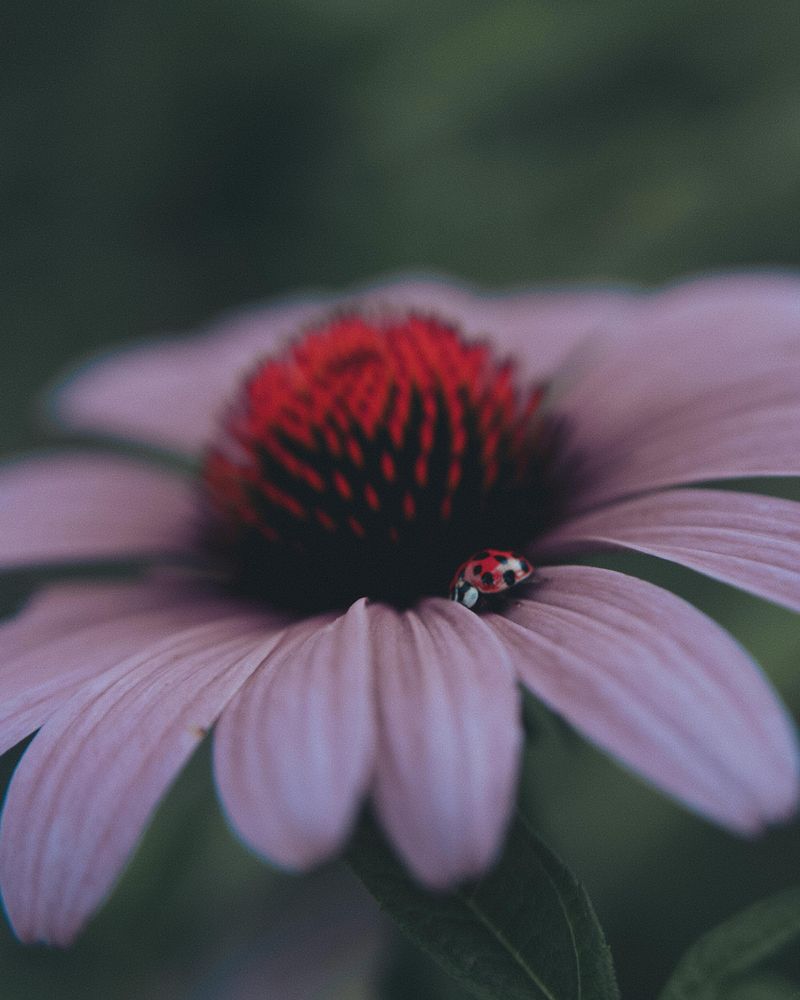
The Echinacea, or coneflower, is not only admired for its stunning appearance but also its ability to attract ladybugs. With its tall stems and vivid blooms, it creates a picturesque landscape, drawing in beneficial insects. This perennial plant thrives in sunny spots, requiring minimal maintenance. Its resilience and beauty make it a favorite among gardeners. Beyond its visual appeal, Echinacea offers medicinal benefits, adding to its allure. Ladybugs are particularly fond of its nectar, making Echinacea a must-have in any ladybug-friendly garden. Consider planting it alongside other perennials to enhance your garden’s biodiversity.
19. Goldenrod
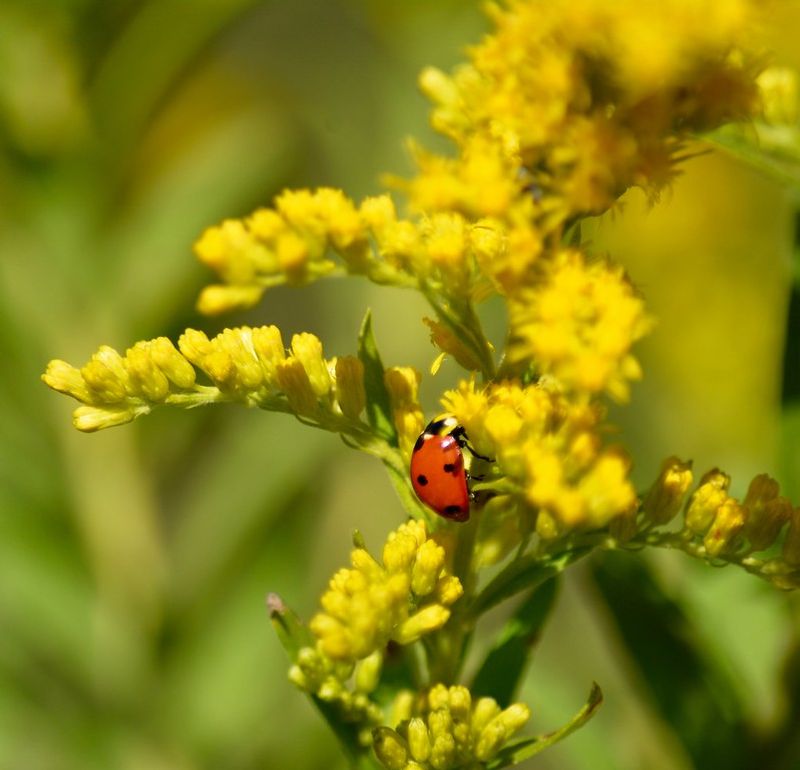
Goldenrod is a late-blooming flower that offers a splash of color in the fall. Its golden-yellow clusters not only brighten up the garden but also serve as a haven for ladybugs, who feast on the aphids that are drawn to it. Despite its reputation for causing allergies, Goldenrod is often misidentified, as it is not the true culprit. This hardy plant is a magnet for a variety of insects, promoting a healthy ecosystem. By introducing Goldenrod to your garden, you’re inviting a symphony of life, with ladybugs playing a central role in pest control.
20. Nasturtium
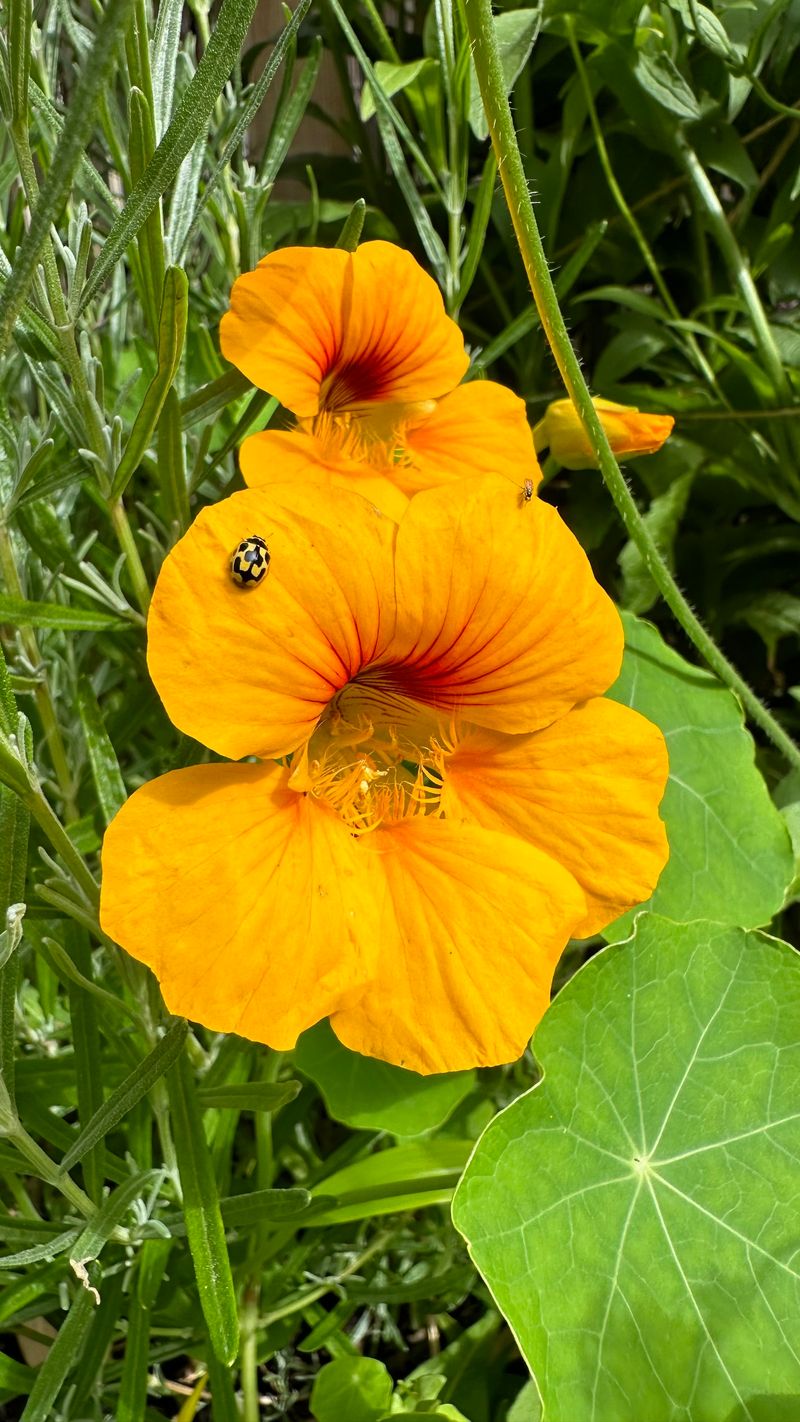
Nasturtium is a beloved addition to gardens, known for its cheerful flowers and peppery leaves. These vibrant blooms are not only visually appealing but also attract a host of beneficial insects, including ladybugs. The flowers and leaves are edible, offering a spicy twist to salads. Nasturtiums are easy to grow and thrive in poor soils, making them accessible to novice gardeners.
Ladybugs are drawn to the aphids that commonly infest nasturtiums, turning your garden into a natural pest-control zone.
1. Petunias
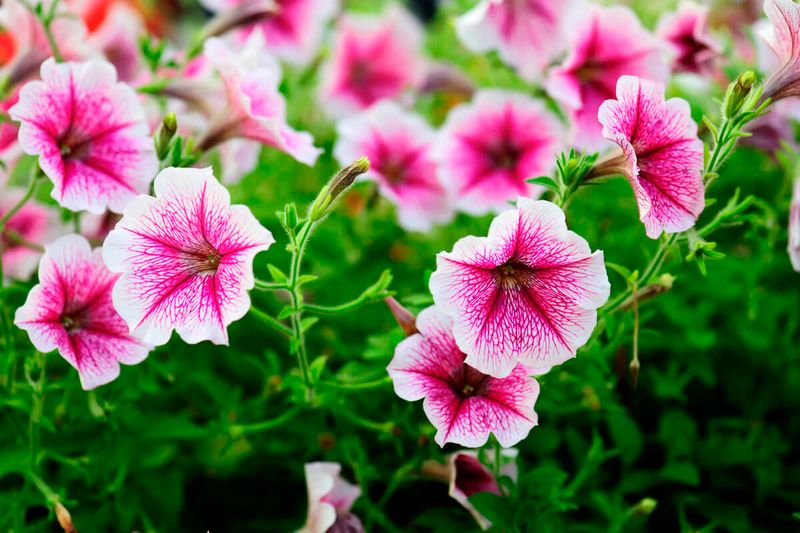
Petunias, with their tubular blooms, offer little pollen exposure, making them less attractive to ladybugs. While they bring vibrant colors to the garden, their primary role is ornamental, focusing on visual appeal rather than ecological function. Known for their adaptability, petunias thrive in various conditions, providing a splash of color throughout the growing season. Despite their lack of attraction for ladybugs, they remain a popular choice for gardeners seeking aesthetic value. Petunias are a testament to the art of gardening, prioritizing beauty and adaptability.
2. Impatiens
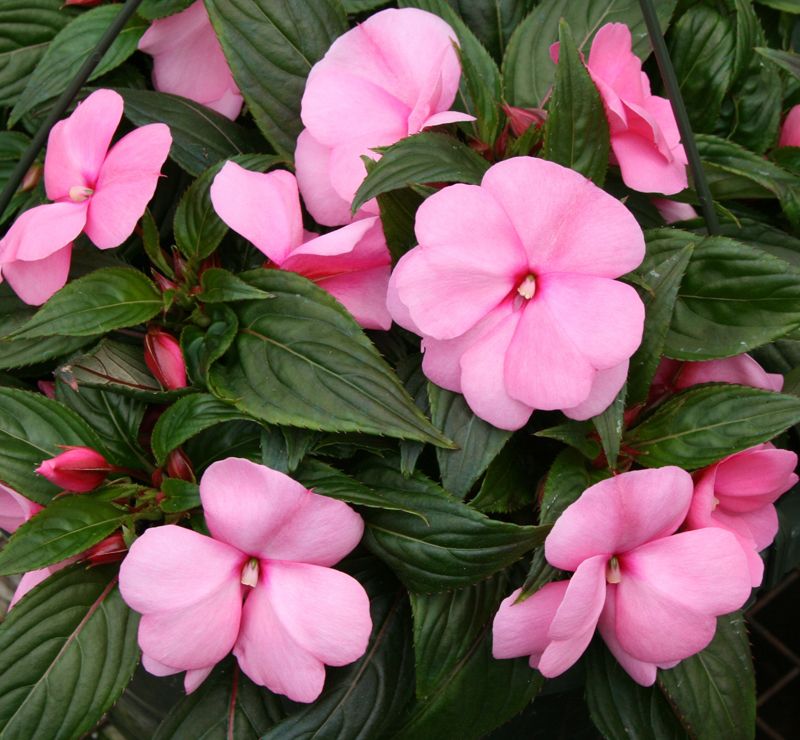
Impatiens, known for their colorful deep-funnel flowers, aren’t landing-pad friendly for ladybugs. While they add a vibrant touch to shaded garden areas, their primary appeal lies in aesthetics rather than ecological benefits. These blooms focus on creating visual interest, thriving in low-light conditions where other plants may struggle. Despite not attracting ladybugs, impatiens are loved for their ability to brighten garden corners. Their presence is a nod to the beauty of ornamental gardening, prioritizing color and charm.
3. Begonias
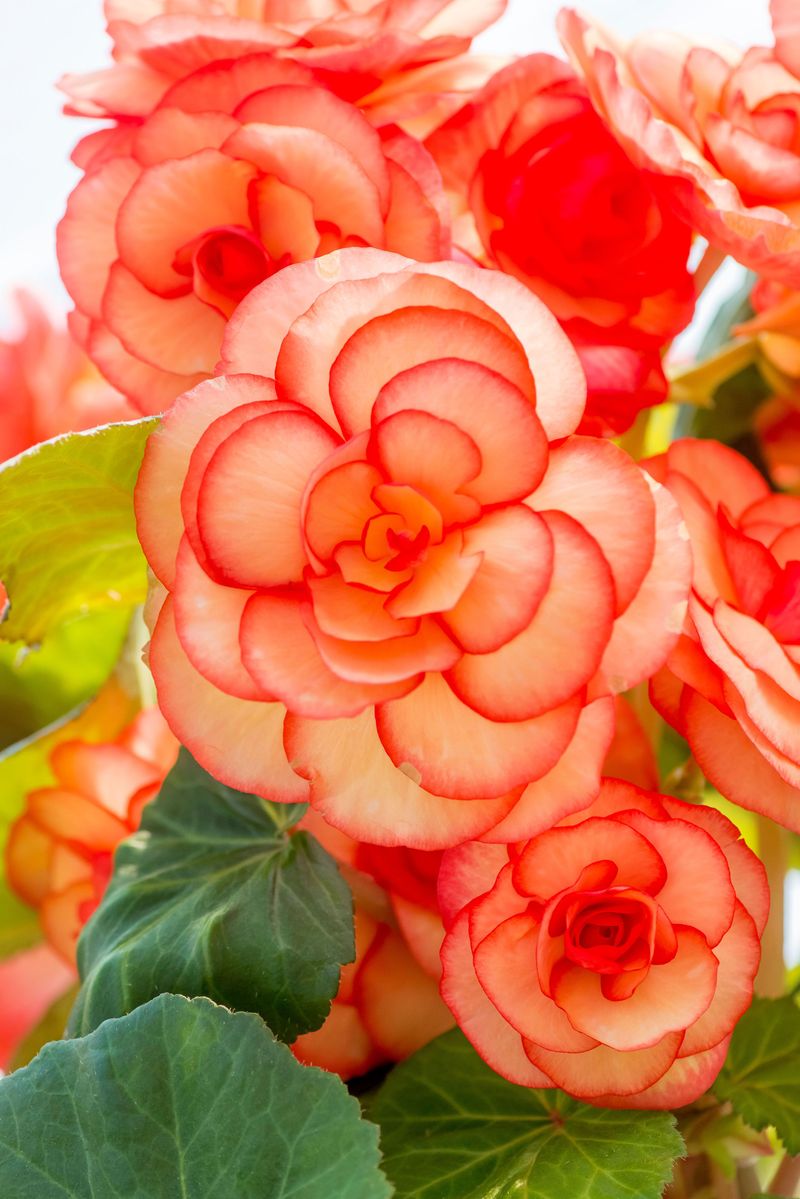
Begonias, with their mostly ornamental blooms, offer low pollen rewards, making them less appealing to ladybugs. These plants are celebrated for their lush foliage and vibrant colors, often featured in decorative garden arrangements. Known for their adaptability to various conditions, begonias bring beauty and elegance to any garden space. Despite their lack of attraction for ladybugs, they remain a favorite for their aesthetic contributions. Begonias stand as a testament to the art of ornamental gardening, focusing on visual delight.
4. Fuchsias
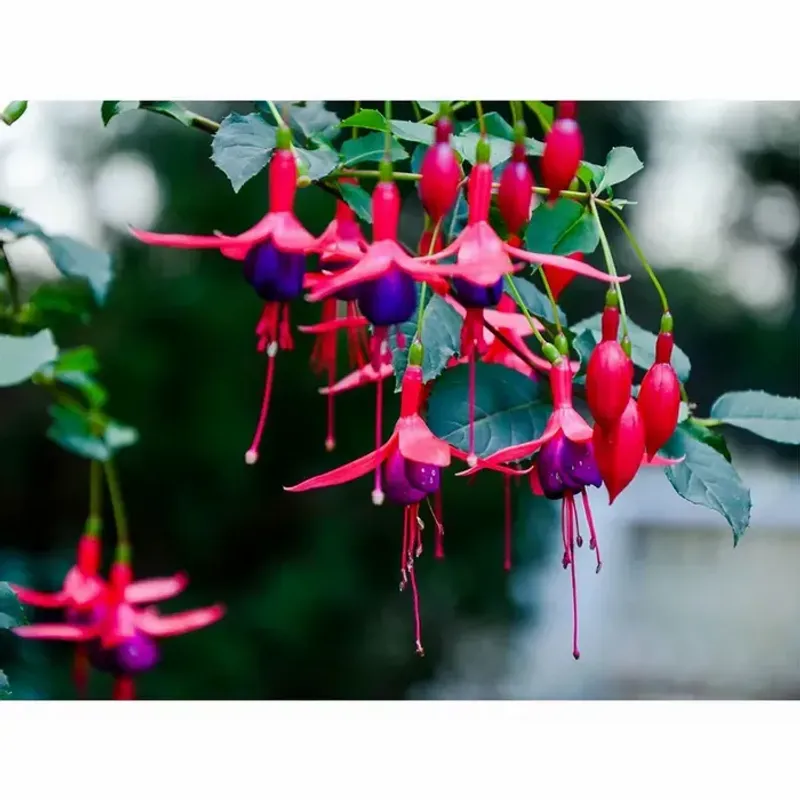
Fuchsias, with their hanging tubular blossoms, attract hummingbirds more than beetles like ladybugs. These flowers are celebrated for their unique shape and vibrant colors, creating a dramatic display in gardens and hanging baskets. Known for their ability to thrive in cooler climates, fuchsias add a touch of exotic beauty to any space. While they may not draw in ladybugs, their appeal to hummingbirds highlights the diversity of garden visitors. Fuchsias are a testament to the varied attractions of garden design.
5. Orchids
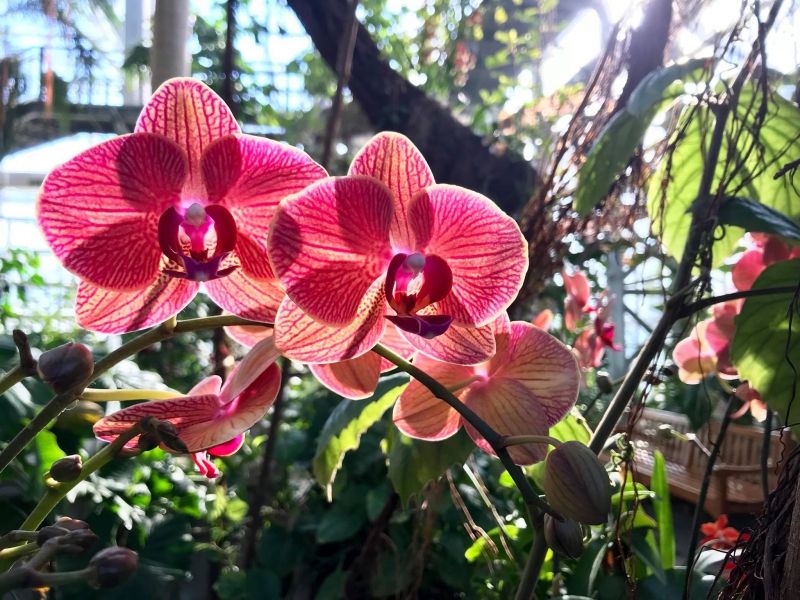
Orchids, renowned for their elegance, employ specialized pollination strategies that don’t appeal to ladybugs. These intricate blooms are celebrated worldwide for their beauty and complexity, often requiring specific care and conditions. While they may not attract ladybugs, orchids captivate gardeners with their exotic appeal and diverse species. Their presence in a garden is both a statement of horticultural skill and a celebration of nature’s artistry. Orchids stand as a testament to the diversity and specialization found in the plant kingdom.
6. Hostas
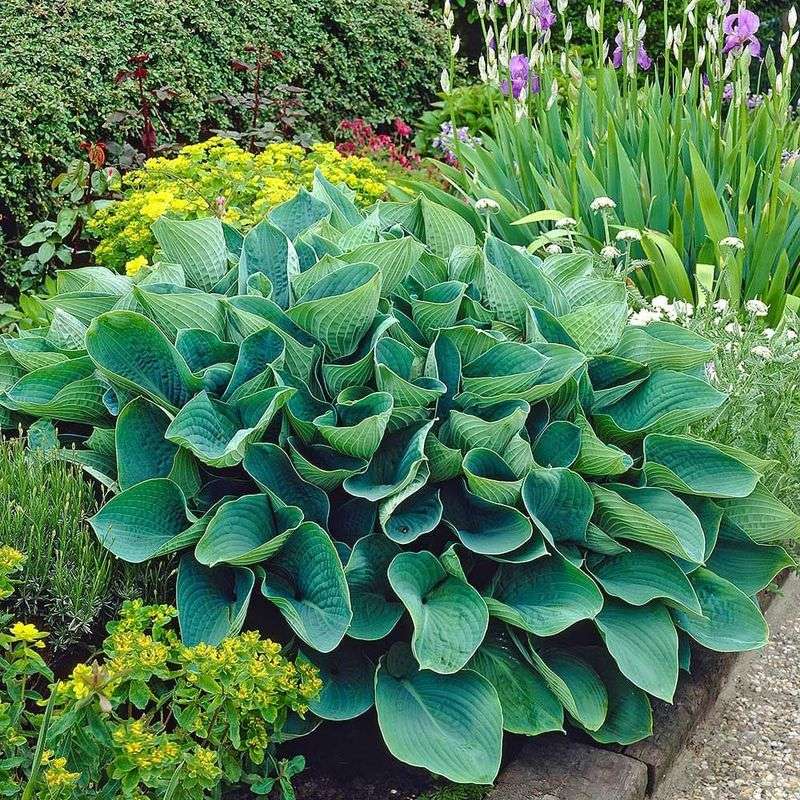
Hostas are primarily grown for their lush, decorative foliage, with flowers that are often considered insignificant. Known for their ability to thrive in shaded areas, hostas provide texture and greenery to garden spaces. While they may not attract ladybugs, their foliage is a favorite among gardeners looking to fill shaded areas with beauty. Hostas represent the art of foliage gardening, where leaves take center stage over flowers. Their adaptability and visual appeal make them a staple in many gardens, prioritizing greenery and texture.
7. Cacti & Succulents
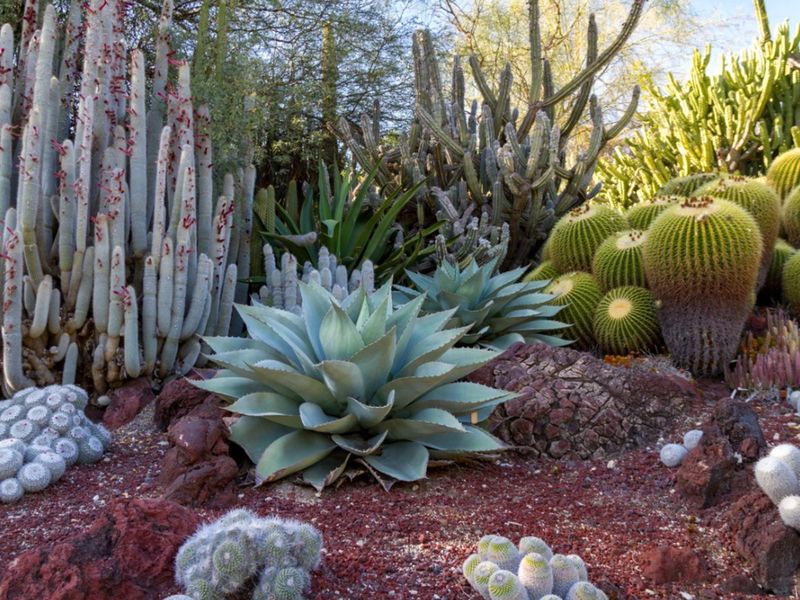
Cacti and succulents, with their small or hidden blooms, rarely support pollen feeders like ladybugs. These plants are celebrated for their sculptural forms and ability to thrive in arid conditions, offering unique visual interest in gardens. Known for their low maintenance, they are perfect for those seeking drought-tolerant options. Despite their lack of attraction for ladybugs, cacti and succulents are beloved for their resilience and aesthetic appeal. They stand as a testament to the beauty and innovation found in desert gardening.