 Complete Gardening
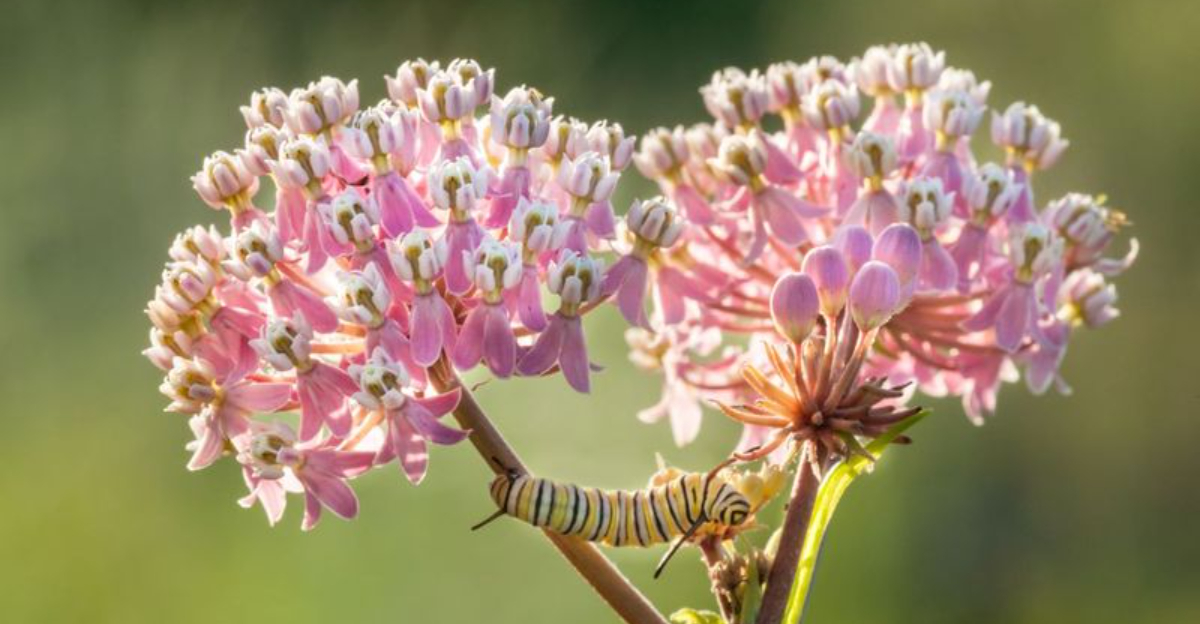
Explore the beauty and resilience of native flowers that not only grace our landscapes but also play essential roles in supporting local ecosystems. These native blooms are not only stunning but also environmentally friendly, often requiring less maintenance than their imported counterparts. Embrace the vibrant colors, unique shapes, and ecological importance of these 20 native flowers, each with its own distinct charm and appeal.
1. Purple Coneflower (Echinacea purpurea)
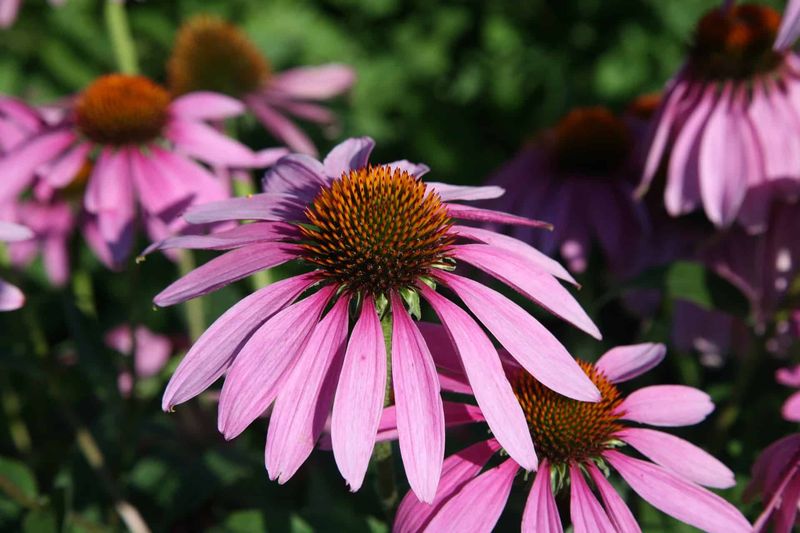
A beloved symbol of resilience, the Purple Coneflower thrives where others wilt. Its drought-resistant nature pairs with medicinal properties, offering both beauty and health benefits. In gardens, it’s a butterfly magnet, outshining thirsty hybrid roses. This native perennial brings life to dry landscapes, requiring minimal care. With its striking purple petals and central cone, it captivates the eye and supports local wildlife. Embrace its hardy nature, and enjoy a garden full of fluttering wings and vibrant blossoms. Truly, a flower that stands the test of time, while imported varieties demand more attention.
2. Black-Eyed Susan (Rudbeckia hirta)
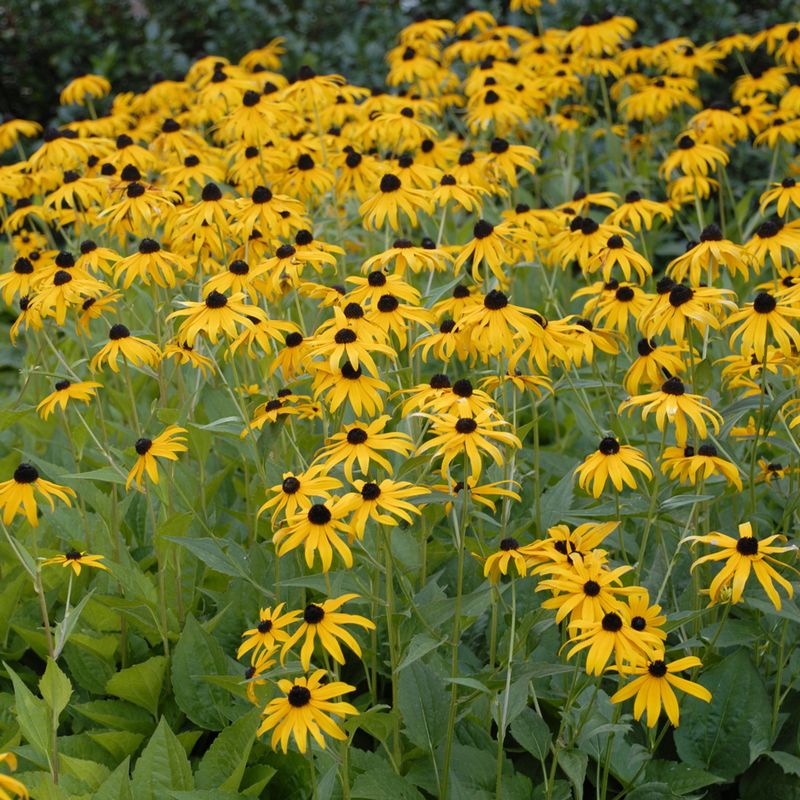
With sun-kissed petals and a hardy demeanor, the Black-Eyed Susan thrives in conditions where others fail. Its ability to flourish in poor soil makes it a gardener’s ally. Blooming for months, it outcompetes invasive species, providing a splash of color long after others fade. This flower’s resilience ensures a lively garden with minimal effort. Its cheerful appearance is matched by its environmental impact, supporting local pollinators and wildlife. In contrast to imported species, the Black-Eyed Susan offers sustainable beauty, embodying the spirit of native flora with grace and tenacity.
3. Cardinal Flower (Lobelia cardinalis)
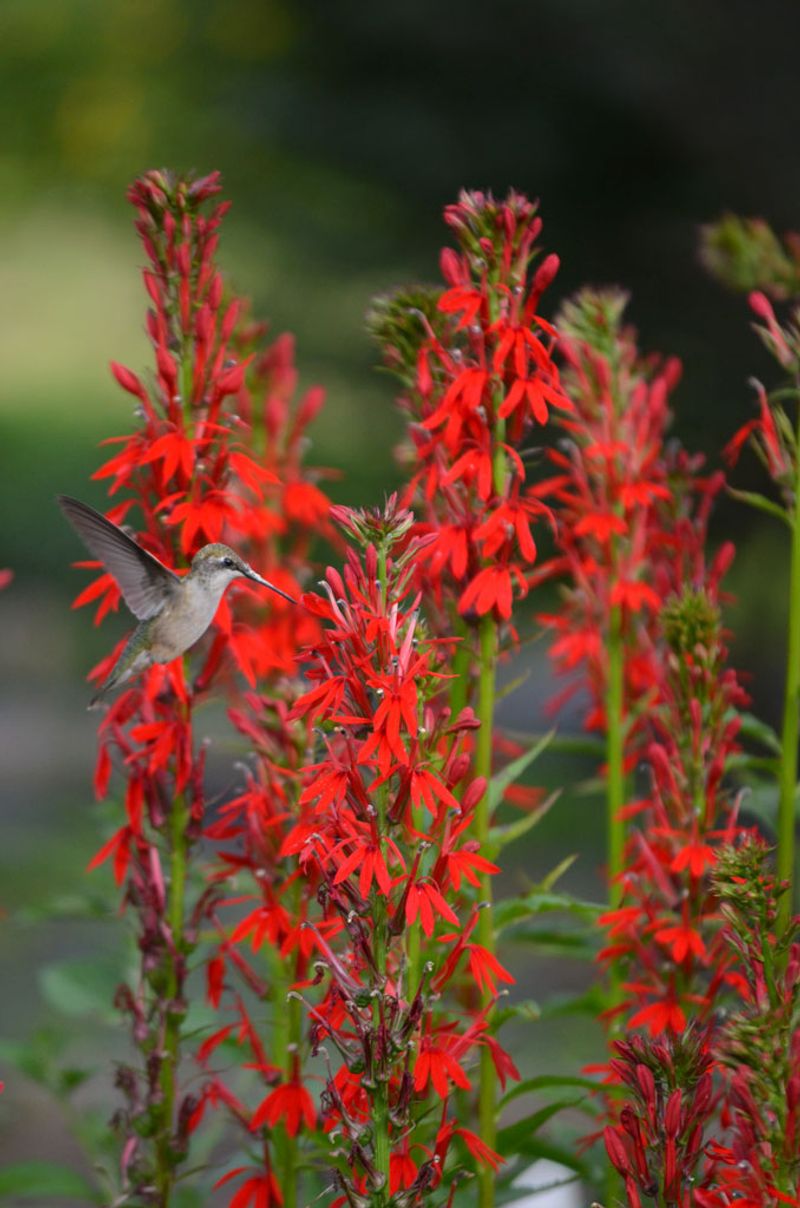
The Cardinal Flower’s scarlet spikes are a beacon for hummingbirds, creating a lively spectacle in gardens. Unlike tropical imports requiring constant watering, this native beauty thrives near streams and wetlands. Its vibrant color and elegant form make it a garden standout. Hummingbirds, drawn to its nectar, add movement and life to its surroundings. This flower offers a harmonious blend of beauty and ecological benefit, enhancing any landscape with its presence. Embrace the Cardinal Flower, and enjoy a natural show as these agile birds perform aerial dances around its blooms.
4. Wild Bergamot (Monarda fistulosa)
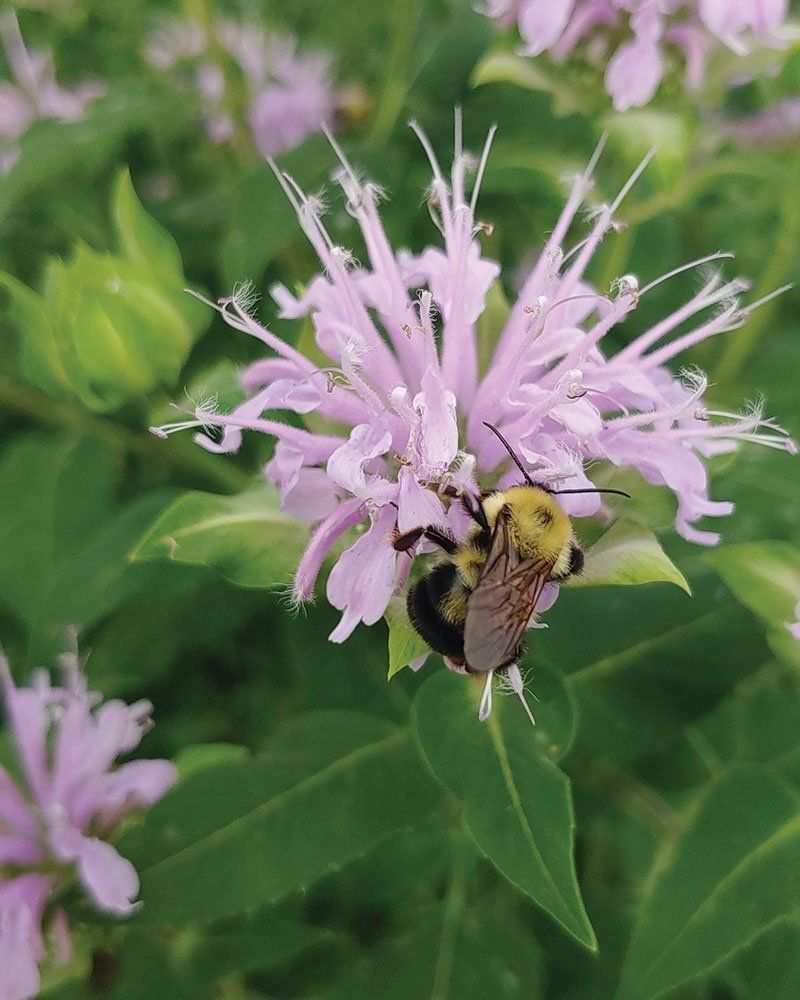
Fragrant and full of character, Wild Bergamot brings a sensory delight to any garden. Its pollinator-friendly blooms support bees and butterflies, offering a feast for the senses. Unlike the finicky orchid, it thrives with minimal fuss, becoming a staple in native gardens. Known for making amazing tea, its leaves add a culinary twist. Its floral display, reminiscent of fireworks, adds vibrancy and motion. This native gem marries beauty with function, offering both visual pleasure and ecological benefits. A truly delightful addition, it embodies the spirit of wild, untamed beauty.
5. Blue False Indigo (Baptisia australis)
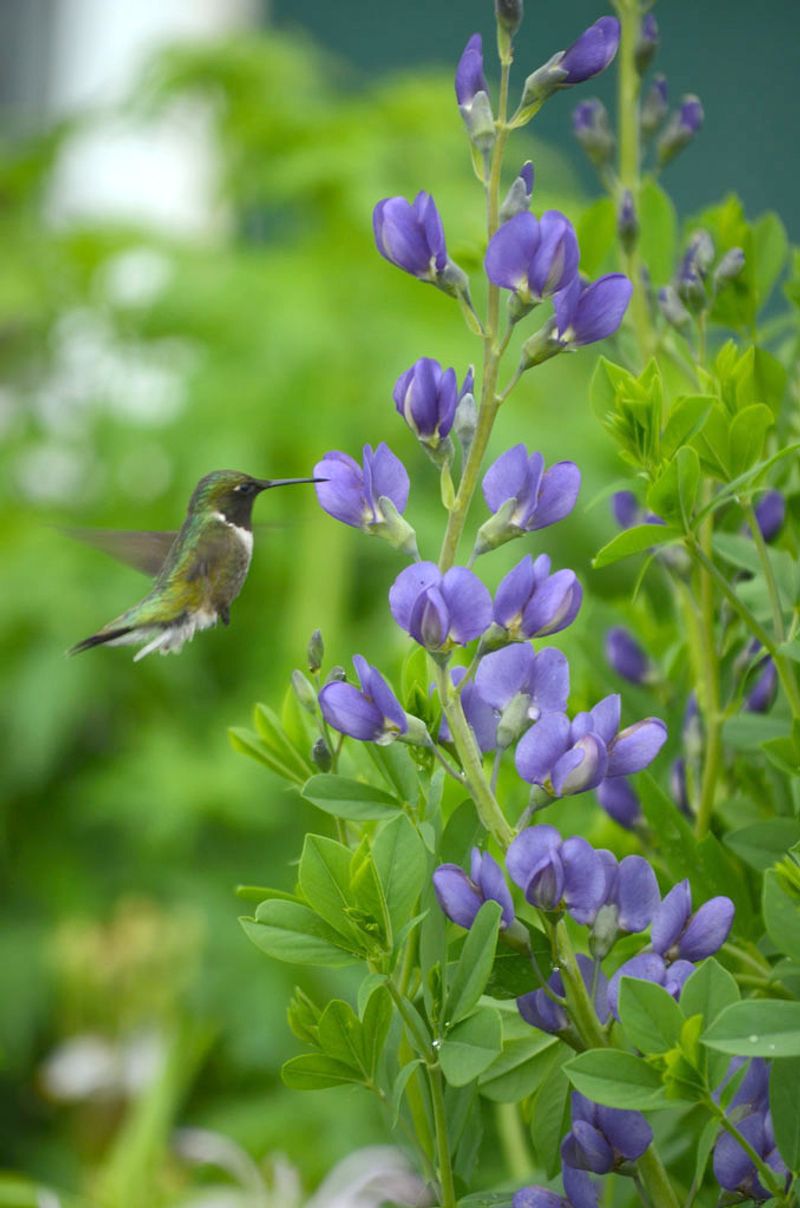
Blue False Indigo stands as a testament to nature’s ingenuity, offering nitrogen-fixing benefits that enrich the soil. Its deep blue blooms create a striking visual contrast, effortlessly outshining delicate peonies. This perennial’s robust nature requires little care, thriving in various conditions. Its architectural form adds structure and elegance to garden beds. Beyond aesthetics, it plays a vital role in supporting local ecosystems. Embrace this remarkable plant, and enjoy a garden that’s not only beautiful but also environmentally sustainable, highlighting the seamless blend of function and aesthetics.
6. Eastern Red Columbine (Aquilegia canadensis)
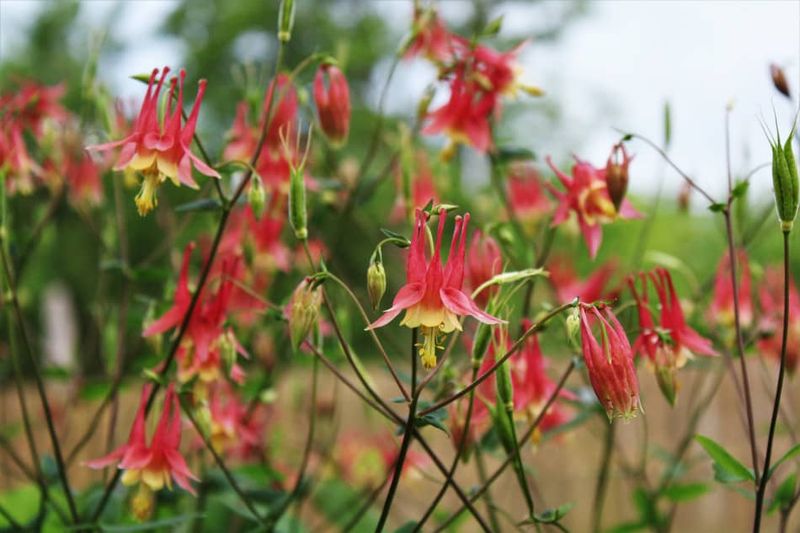
Delicately poised yet resilient, the Eastern Red Columbine charms gardens with its intricate blooms. Its self-seeding nature ensures year-after-year beauty, while its deer-resistant quality keeps gardens intact. Hummingbirds favor its unique form, creating a lively atmosphere. Unlike pampered tulips, it requires little intervention, thriving in shaded areas. This enchanting flower captivates with its blend of red and yellow hues, adding elegance to natural landscapes. Its ability to flourish with minimal care makes it a gardener’s dream, offering a vibrant, low-maintenance splash of color season after season.
7. Butterfly Weed (Asclepias tuberosa)
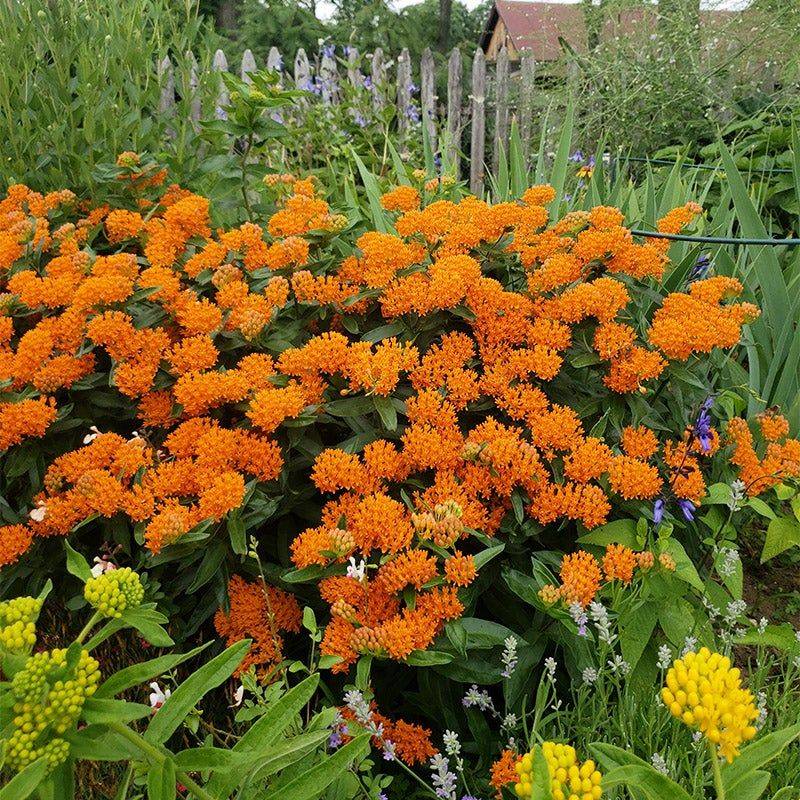
Essential for monarch butterflies, Butterfly Weed offers more than just beauty. Its bright orange blossoms serve as both a visual and ecological delight, supporting critical pollinators. Unlike most store-bought flowers, it provides sustenance to monarchs, playing a crucial role in their lifecycle. Hardy and drought-tolerant, it thrives where others struggle, making it a reliable garden mainstay. Its striking color and ecological importance make it a standout choice for environmentally conscious gardeners. Celebrate this native wonder, and contribute to a thriving ecosystem full of life and color, naturally.
8. Virginia Bluebells (Mertensia virginica)
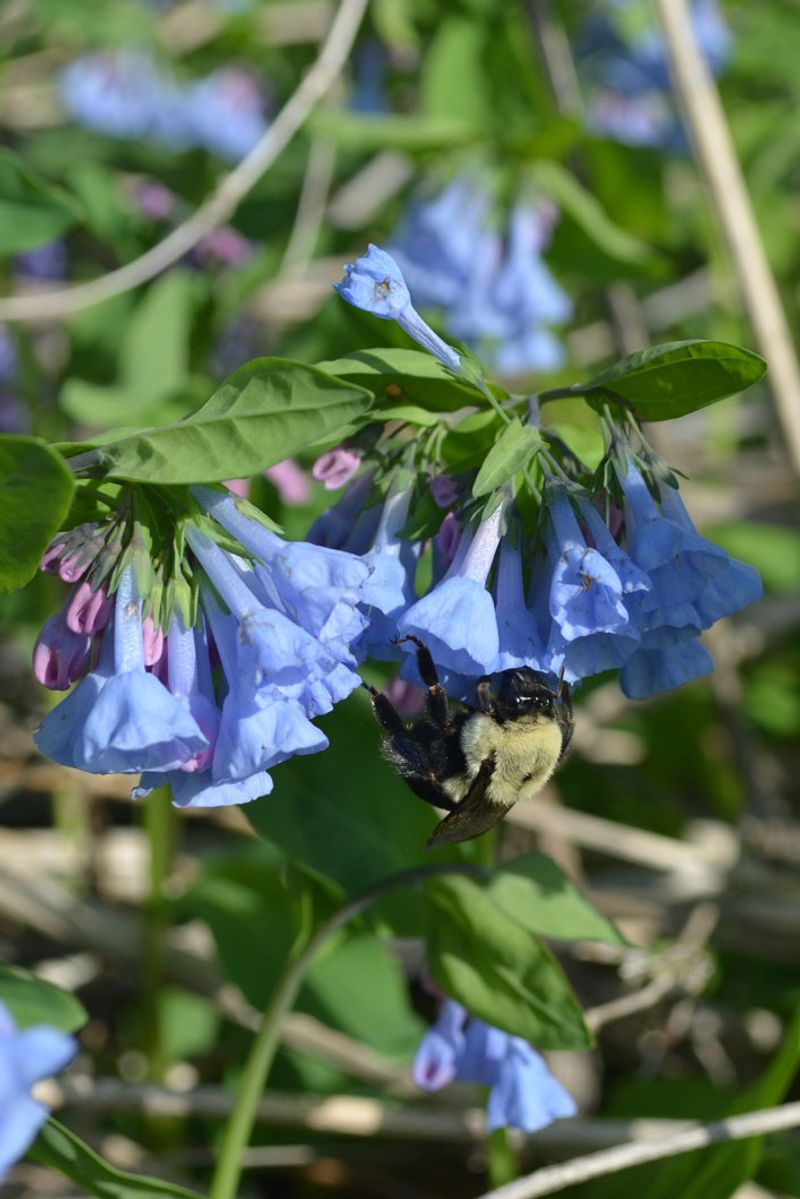
Virginia Bluebells herald the arrival of spring with their delicate blue blossoms. These early bloomers naturalize effortlessly, spreading across woodland floors with grace. Unlike high-maintenance hydrangeas, they require minimal care, thriving in shaded areas. Their ephemeral nature adds a transient beauty, captivating observers with a fleeting yet memorable display. As a native species, they support local ecosystems, attracting pollinators as they awaken from winter slumber. A garden adorned with these charming flowers promises a serene and enchanting springtime experience, celebrating the subtle elegance of native flora.
9. Goldenrod (Solidago spp.)
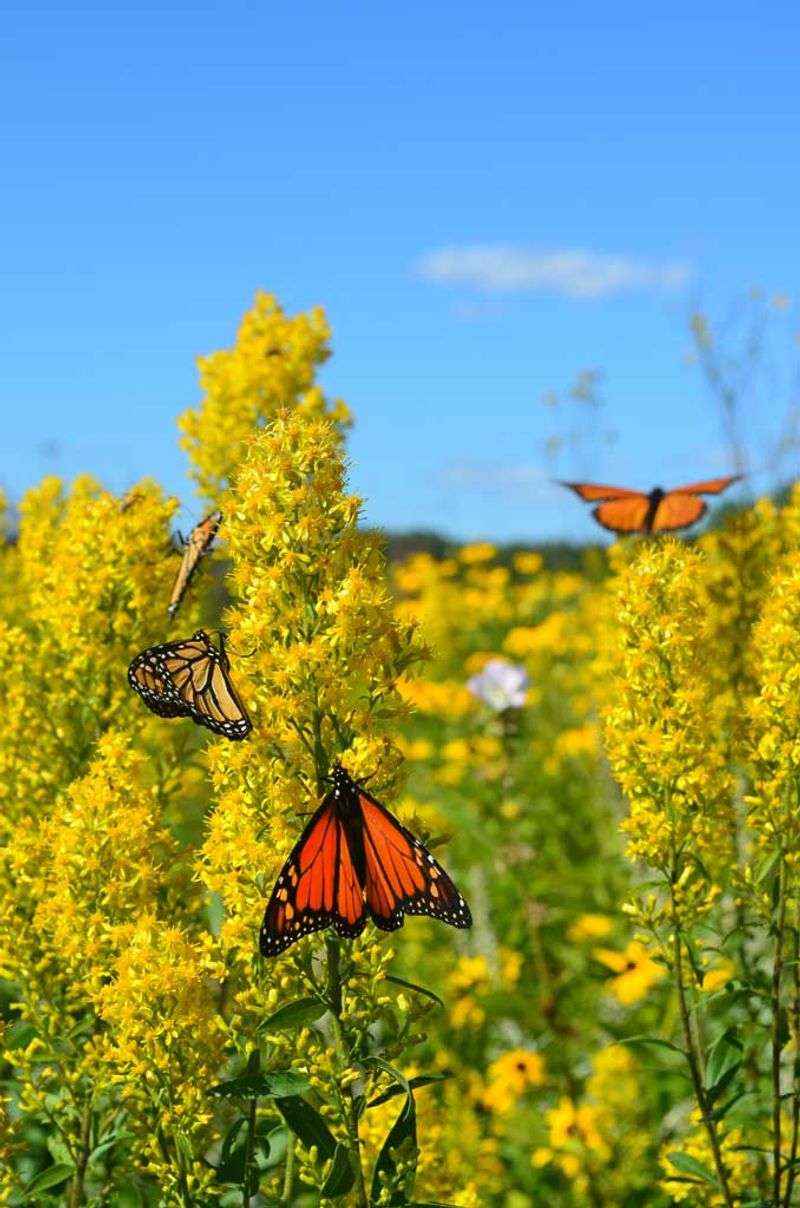
Often misunderstood, Goldenrod is a champion of biodiversity, supporting over 100 pollinator species. Its bright yellow blooms are unfairly blamed for allergies—ragweed is the true culprit. This resilient plant thrives in various conditions, providing a burst of color when other flowers fade. Its ecological contributions are vast, offering sustenance to a myriad of insects. Beyond its beauty, Goldenrod plays a vital role in maintaining healthy ecosystems. Embrace this misunderstood gem, and witness a garden teeming with life, supported by a plant that offers both beauty and ecological value.
10. Joe-Pye Weed (Eutrochium purpureum)
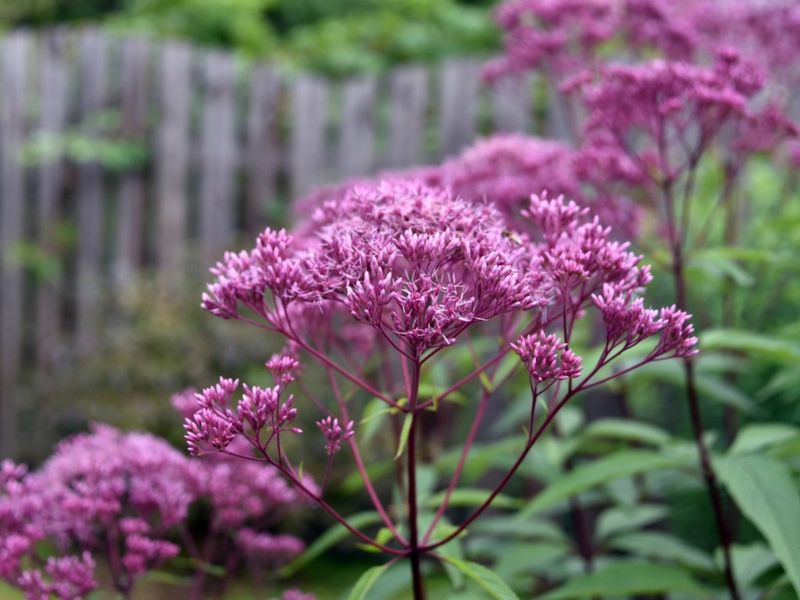
Joe-Pye Weed towers majestically in gardens, creating a vertical spectacle with its pink plumes. These blooms draw butterflies in droves, outperforming many exotic shrubs in attraction power. Thriving in moist soils, it requires minimal care, making it a gardener’s ally. Its presence transforms landscapes, adding height and movement with its swaying stems. Beyond aesthetics, it plays a significant role in supporting local pollinators, enriching biodiversity. This native marvel, with its combination of beauty and ecological importance, offers a perfect blend of form and function, enhancing any garden it graces.
11. Shooting Star (Dodecatheon meadia)
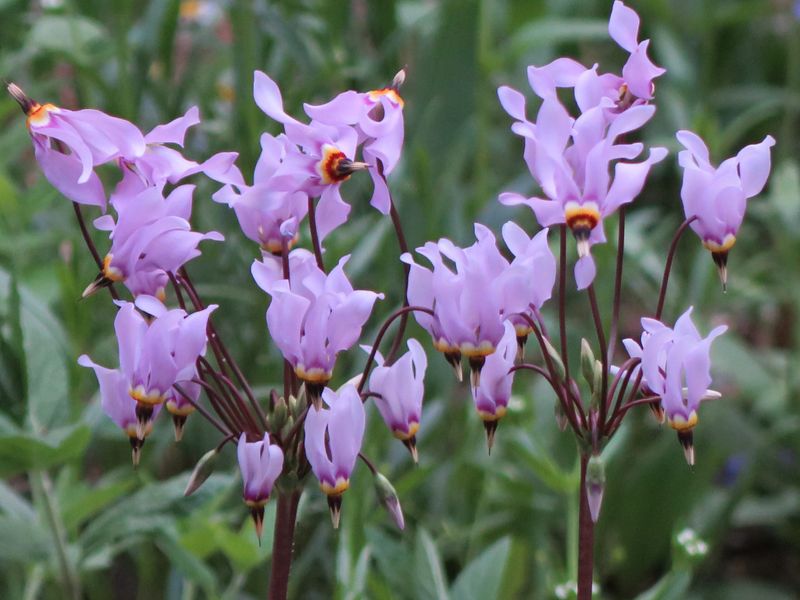
A rare sight, the Shooting Star captivates with its unique, backward-facing petals. This spring ephemeral offers a fleeting glimpse of nature’s artistry, outshining overused daffodils. Its delicate blooms appear to hover, lending an ethereal quality to gardens. Thriving in rich woodland soils, it requires minimal intervention, adding a touch of the extraordinary to natural landscapes. Beyond its visual appeal, it supports early-season pollinators, enriching ecosystems with its presence. Embrace the charm of the Shooting Star, and enjoy a garden infused with mystery and beauty, naturally.
12. New England Aster (Symphyotrichum novae-angliae)
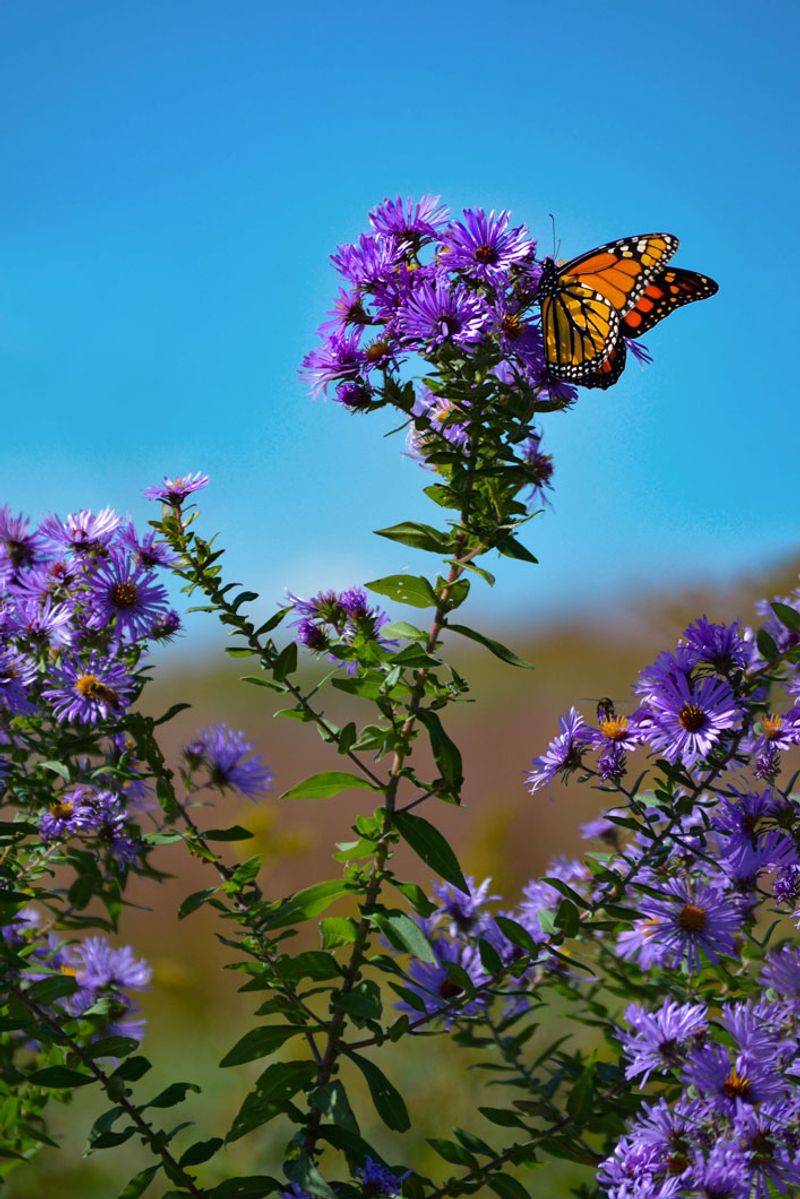
Late-season gardens are brought to life by the vibrant New England Aster. Its purple blooms burst forth when most flowers have faded, offering color and texture. Unlike forced mums, it thrives naturally, requiring little care. This perennial’s profusion of blossoms supports pollinators as they prepare for winter, providing sustenance in late autumn. Its adaptability to various soil types makes it a versatile addition to any garden. Celebrate the enduring beauty of the New England Aster, and enjoy a garden that remains vibrant and engaging, long after others have faded.
13. Prairie Smoke (Geum triflorum)
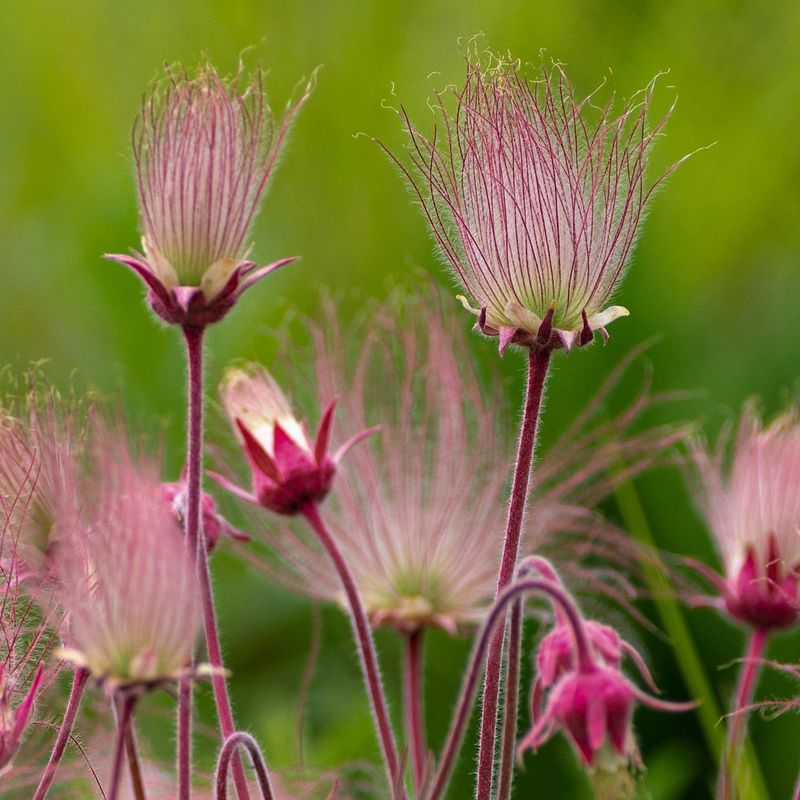
Whimsical and enchanting, Prairie Smoke adds an air of mystery to gardens with its feathery seed heads. These unique features outshine generic petunias, offering a touch of the unusual. Its pink blooms give way to wispy plumes, creating a dynamic visual display. Thriving in dry, open spaces, it requires little maintenance, becoming a garden staple. Beyond aesthetics, it supports local wildlife, enhancing biodiversity. Embrace the allure of Prairie Smoke, and transform your garden into a space of intrigue and delight, where the ordinary gives way to the extraordinary.
14. Swamp Milkweed (Asclepias incarnata)
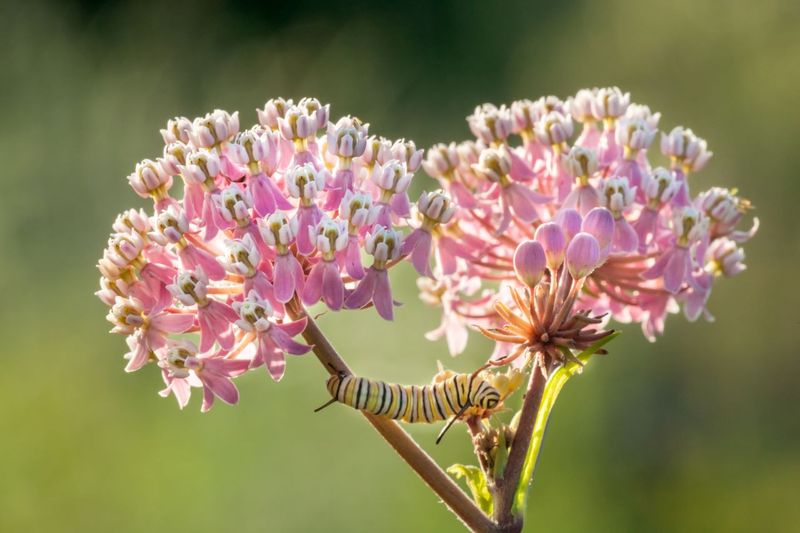
Swamp Milkweed emerges as a nurturing presence in wetland gardens, supporting the monarch butterfly lifecycle. Its pink blooms stand out against lush greenery, offering sustenance where it’s needed most. Unlike thirsty impatiens, it thrives in wet soil, requiring minimal intervention. This native beauty plays a vital role in preserving monarch populations, making it an essential garden addition. Its presence transforms landscapes into vibrant ecosystems, teeming with life. Celebrate the ecological importance of Swamp Milkweed, and enjoy a garden that not only looks beautiful but also supports vital pollinators.
15. Blazing Star (Liatris spicata)
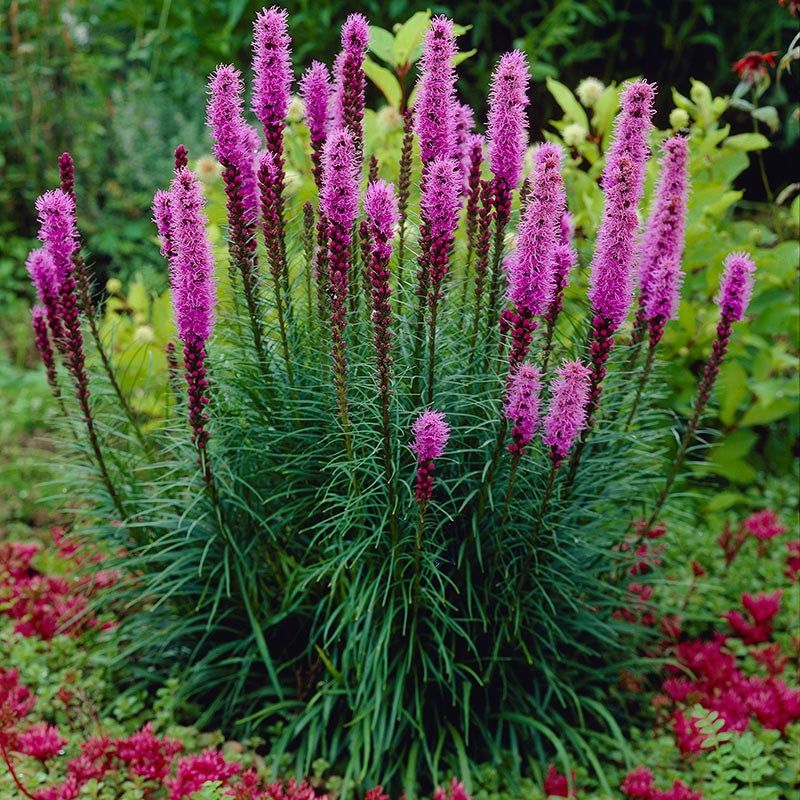
With its dramatic spikes, the Blazing Star commands attention in any garden. These purple blooms rise from top to bottom, requiring no staking, unlike delphiniums. Drought-tolerant and resilient, it thrives in challenging conditions, making it a gardener’s favorite. Its striking form adds vertical interest, while its flowers attract butterflies, enriching biodiversity. Beyond aesthetics, it plays a significant role in supporting pollinators, offering both beauty and ecological value. Embrace the bold elegance of the Blazing Star, and enjoy a garden full of life and color, naturally.
16. Mayapple (Podophyllum peltatum)
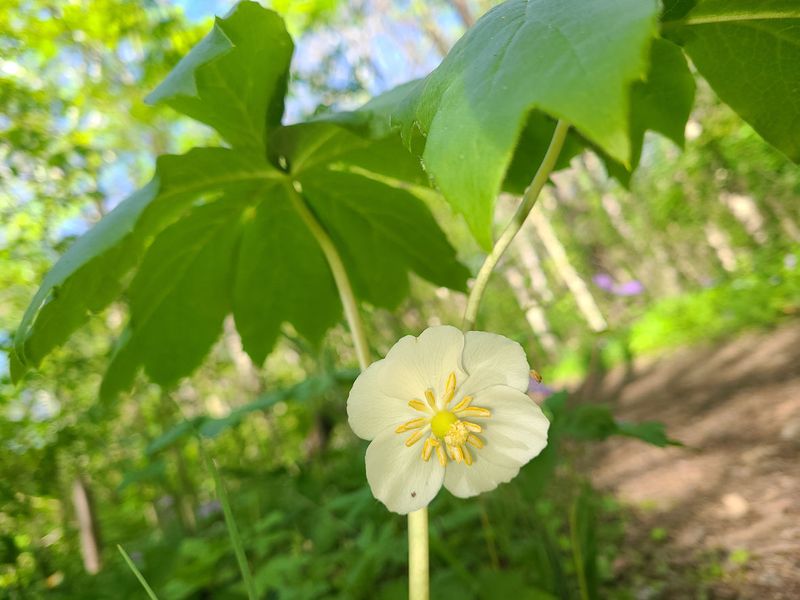
Exotic in appearance, the Mayapple captivates with its umbrella-like leaves. This woodland native outshines hostas with its unique form and subtle elegance. Its single white bloom remains hidden beneath the foliage, adding an element of surprise. Thriving in shaded areas, it requires minimal care, becoming a staple in naturalized gardens. Beyond its visual appeal, it supports forest ecosystems, contributing to biodiversity. Embrace the mysterious charm of the Mayapple, and enjoy a garden filled with the beauty of native flora, where every leaf and bloom tells a story of natural wonder.
17. Dutchman’s Breeches (Dicentra cucullaria)
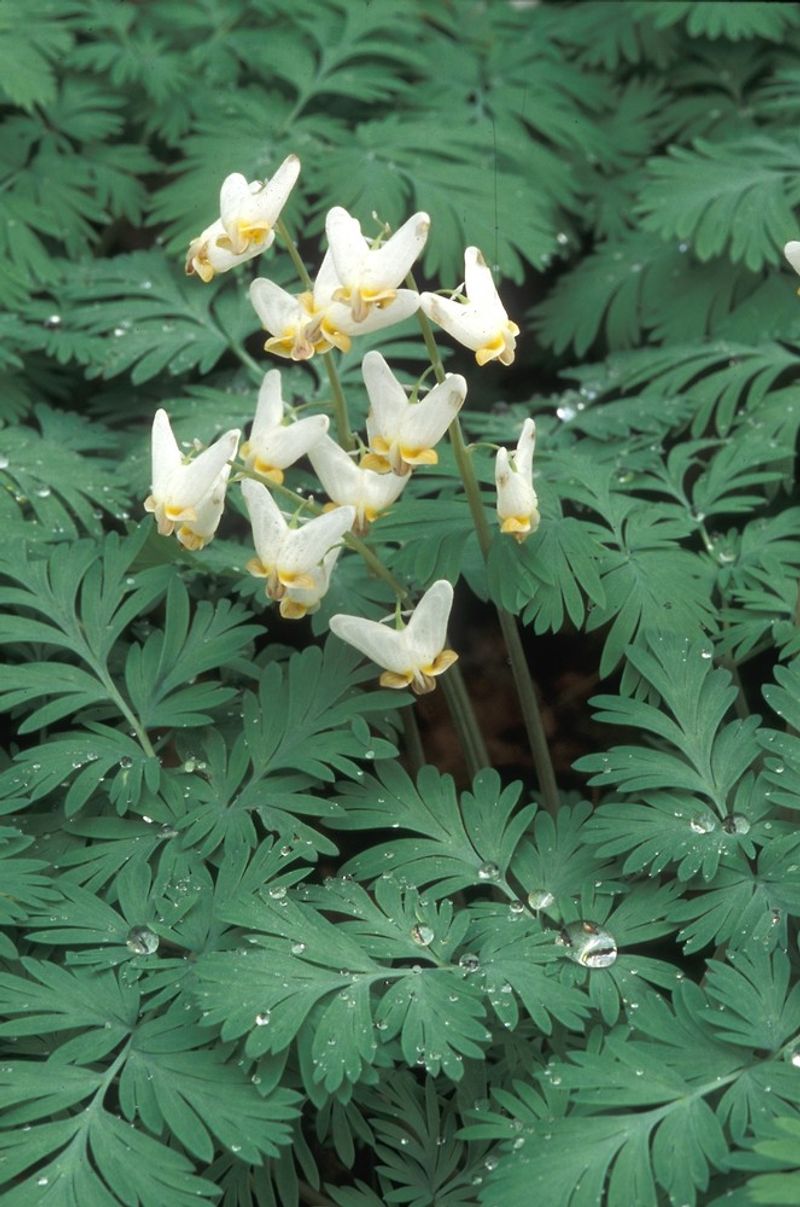
Whimsical and delightful, Dutchman’s Breeches charm with their pant-shaped blooms. These spring ephemerals naturalize effortlessly, adding a playful touch to woodland gardens. Unlike fussy lilies, they thrive with ease, requiring minimal care. Their unique form captures the imagination, offering a touch of the fantastical. Beyond aesthetics, they support early-season pollinators, enhancing biodiversity. Celebrate the quirky beauty of Dutchman’s Breeches, and transform your garden into a space of creativity and wonder, where nature’s artistry is on full display, and the ordinary becomes extraordinary.
18. Wild Lupine (Lupinus perennis)
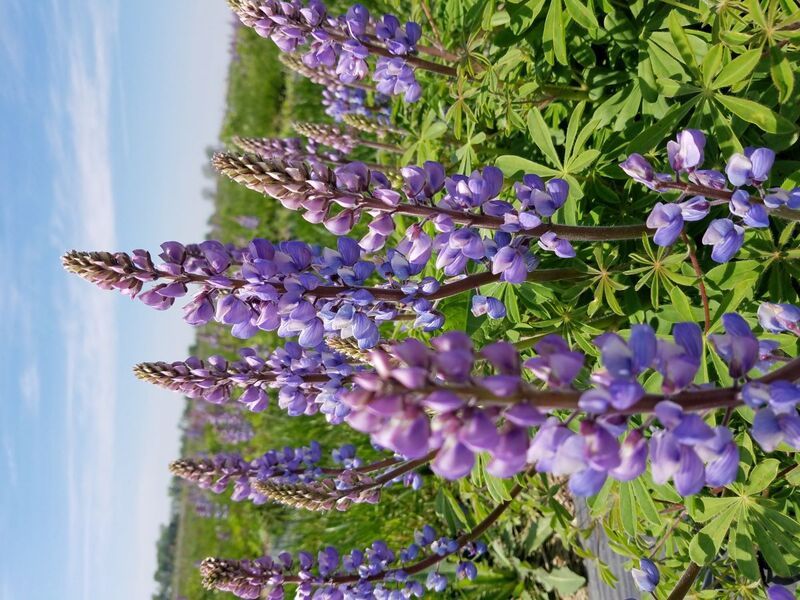
Wild Lupine stands as a beacon for endangered Karner blue butterflies, offering both beauty and ecological support. Its nitrogen-fixing ability enriches the soil, promoting a healthy garden environment. Unlike hybrid lupines, it thrives naturally, requiring little intervention. Its spires of blue flowers create a stunning visual display, contrasting against green foliage. Beyond aesthetics, it plays a pivotal role in supporting local wildlife, enhancing biodiversity. Embrace the vibrant presence of Wild Lupine, and enjoy a garden that’s not only beautiful but also serves as a sanctuary for vital species.
19. Beardtongue (Penstemon digitalis)
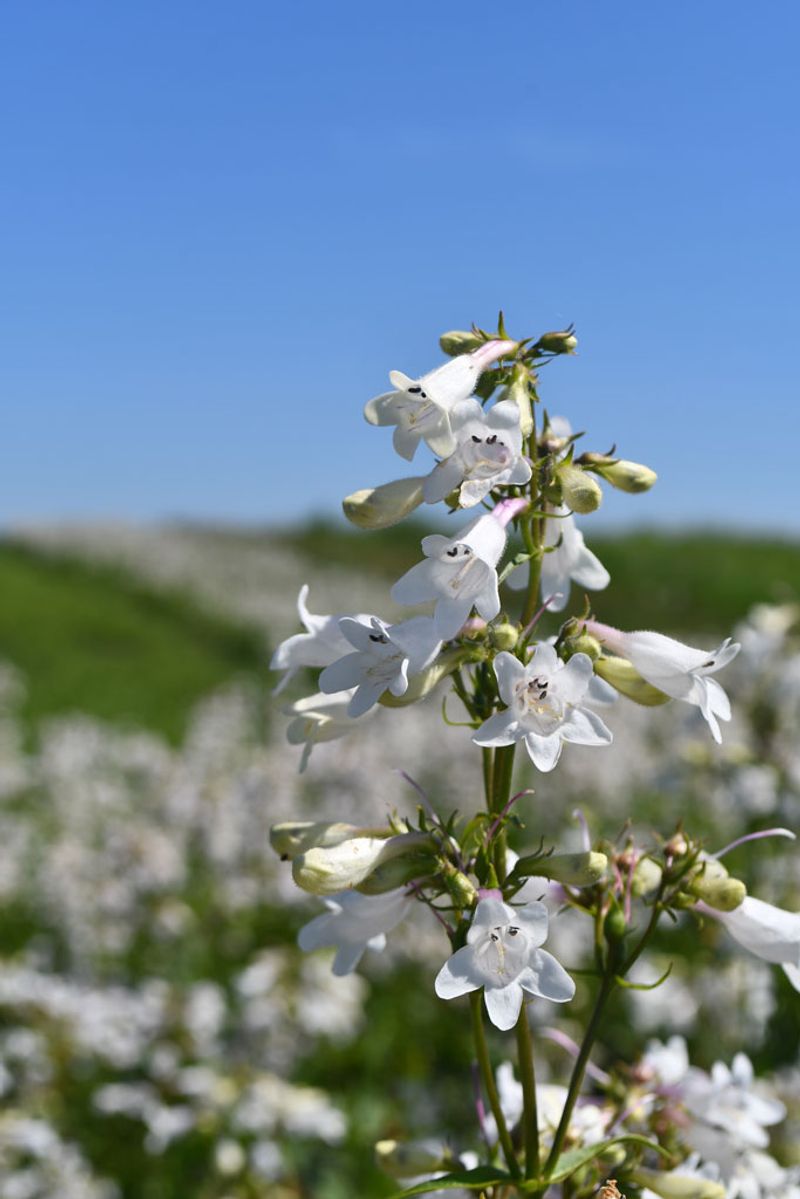
Deer-resistant and hardy, Beardtongue thrives in dry soil where others falter. Its tall white blooms stand out against rocky landscapes, offering a touch of elegance. Unlike roses that require coddling, it flourishes with minimal care, making it a gardener’s ally. Its presence supports local pollinators, contributing to a thriving ecosystem. Beyond its beauty, Beardtongue embodies the resilience of native flora, adapting to challenging conditions with grace. Celebrate this native wonder, and enjoy a garden that’s both beautiful and sustainable, where nature’s resilience is on full display.
20. Trillium (Trillium grandiflorum)
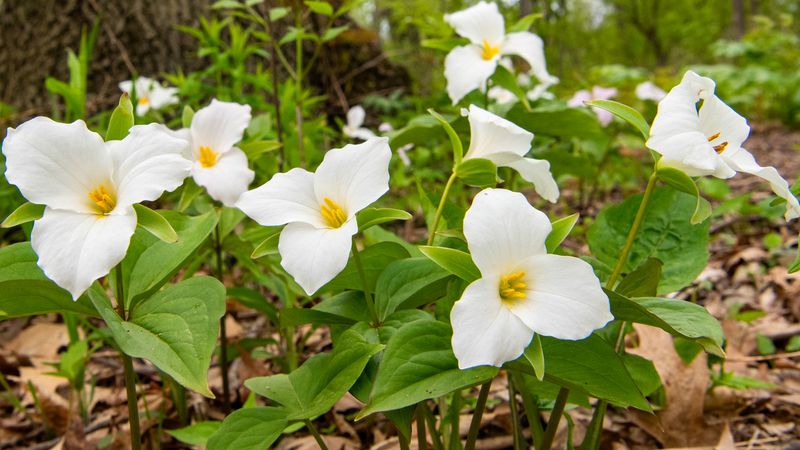
A woodland gem, the Trillium captivates with its simple yet elegant form. This rare beauty commands attention, outshining store-bought calla lilies with its natural charm. Thriving in shaded forests, it requires minimal intervention, making it a valuable addition to naturalized landscapes. Its presence supports forest ecosystems, contributing to biodiversity. Beyond its visual appeal, the Trillium tells a story of resilience and beauty, embodying the spirit of native flora. Celebrate the understated elegance of the Trillium, and transform your garden into a sanctuary of natural wonder.