 Complete Gardening
Growing bell peppers can be a rewarding experience, especially when paired with the right companion plants. These companions help boost growth, ward off pests, and improve flavor. Below is a list of 20 plants that thrive alongside bell peppers, each bringing its unique benefits to your garden. Choose wisely and watch your peppers flourish!
1. Basil
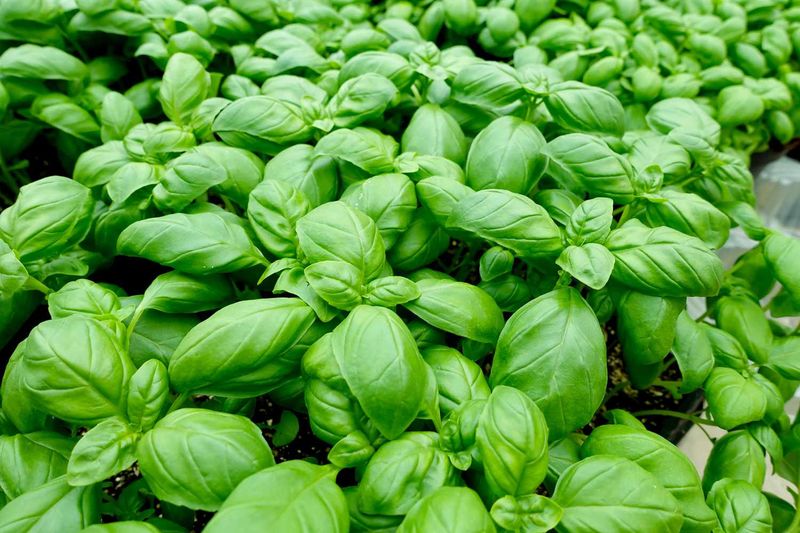
Basil, with its aromatic leaves, is more than just a staple in Italian cuisine. This herb is a perfect companion for bell peppers, attracting beneficial insects like bees and butterflies. Its strong scent deters pests such as aphids and spider mites, ensuring a healthier pepper plant.
Additionally, basil enhances the growth and flavor of bell peppers. Its easy-growing nature makes it a garden favorite. Planting basil near peppers not only boosts their yield but also adds a delightful fragrance to your garden.
2. Marigold
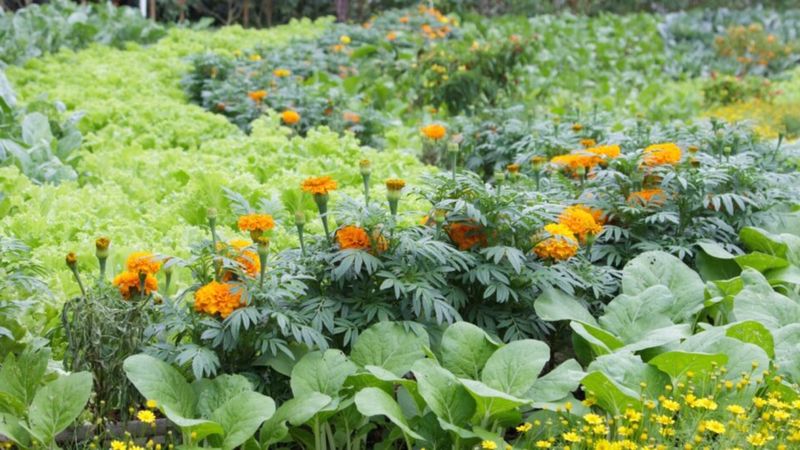
Marigolds are nature’s little warriors, known for their pest-repelling prowess. Planting marigolds near bell peppers can significantly reduce nematode populations in the soil. Their vivid colors also attract pollinators, boosting pepper production.
These cheerful flowers are easy to grow and require minimal care, making them ideal companions. Moreover, marigolds add a splash of color, turning your vegetable garden into a visual delight. Incorporate them into your pepper patch for a healthy and picturesque garden setting.
3. Chives
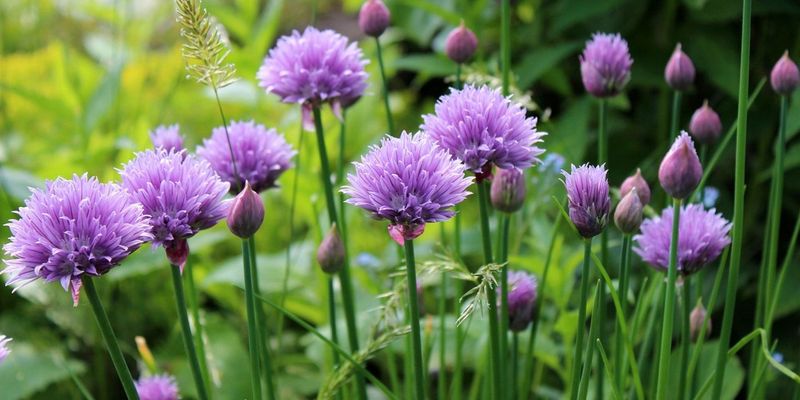
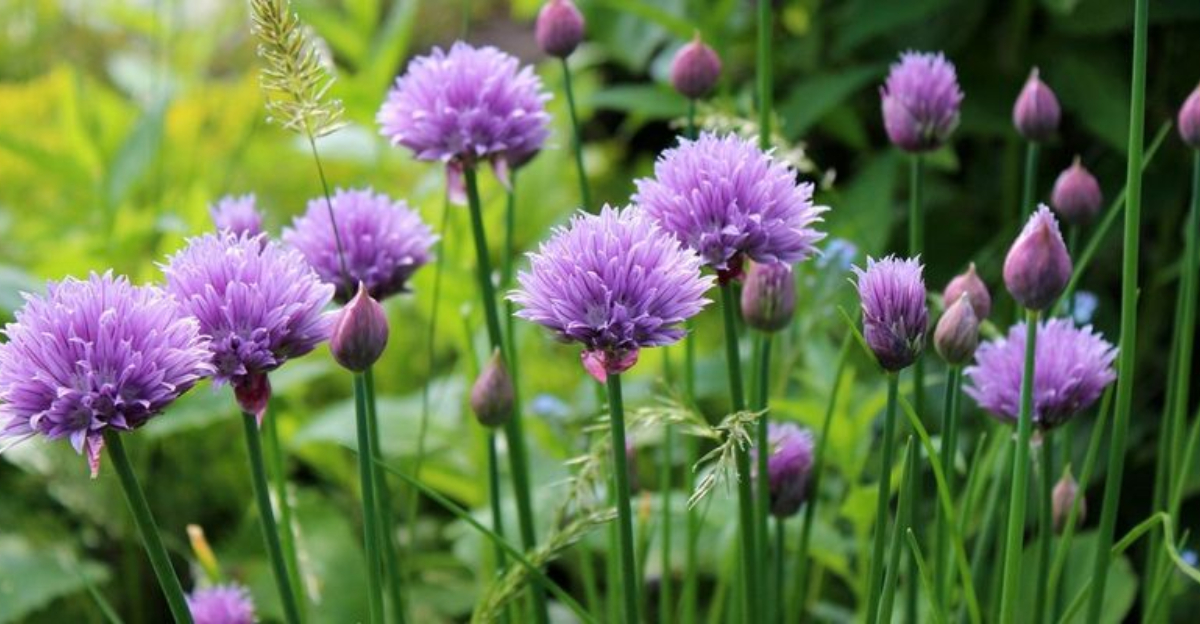
Chives bring both beauty and benefits to a pepper garden. Their mild onion-like aroma discourages pests such as aphids and beetles, providing natural protection for bell peppers. Chives’ delicate purple flowers attract bees, enhancing pollination.
This perennial herb is low-maintenance and returns each year with minimal effort. Its continuous growth ensures year-round companionship for your peppers. As a bonus, chives make a delicious addition to salads and dishes, adding both flavor and function.
4. Cilantro
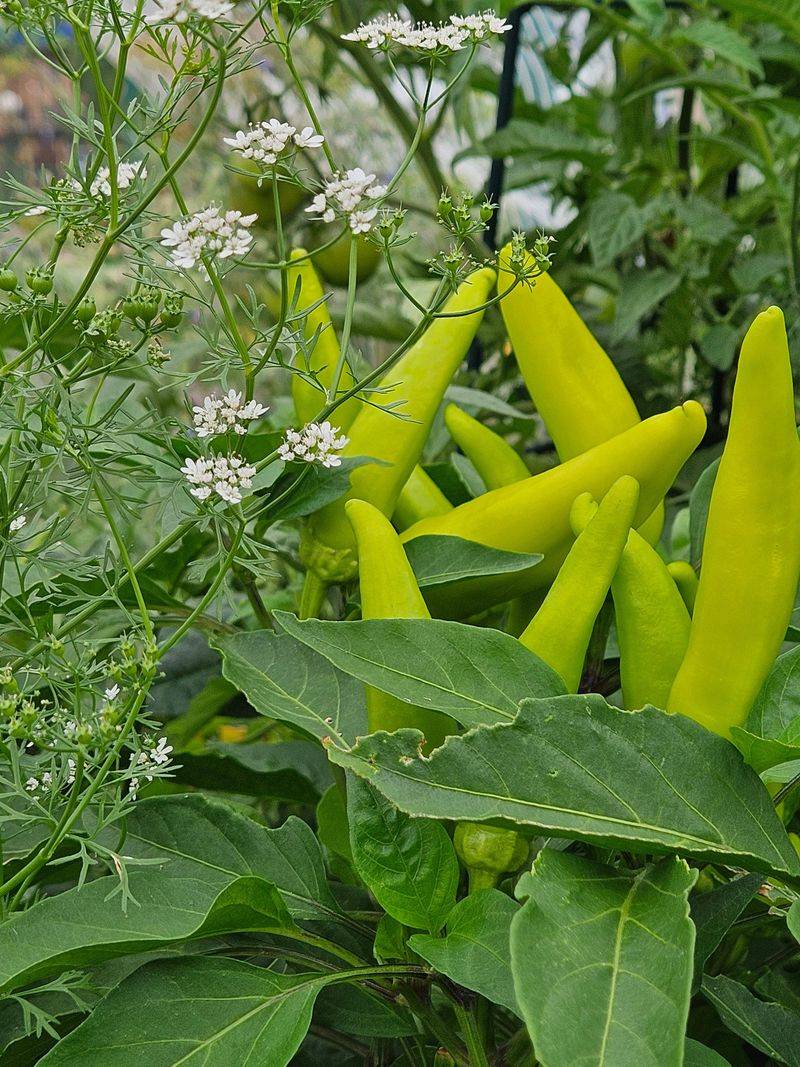
Cilantro, with its distinctive flavor, is a versatile herb in the kitchen and a useful companion in the garden. Its presence can deter pests such as spider mites and aphids, providing a protective shield for bell peppers.
In addition, cilantro attracts beneficial insects like hoverflies and parasitic wasps, which further aid in pest control. Its fast-growing nature ensures quick results, making it a practical choice for gardeners aiming for productive pepper patches.
5. Onions
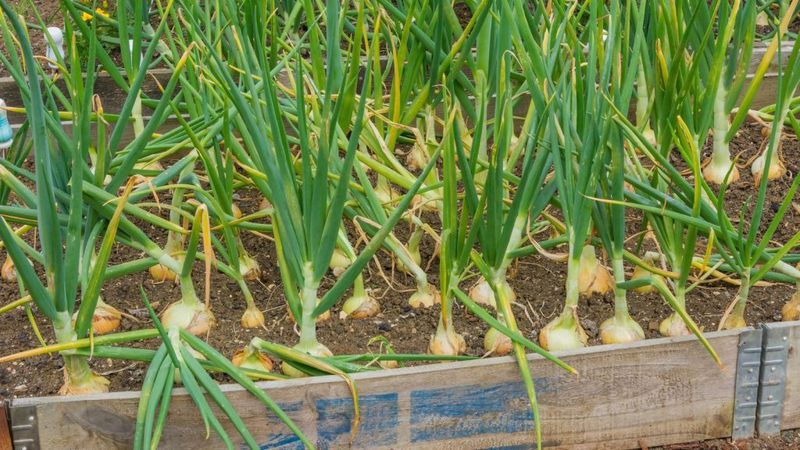
Onions, with their robust aroma, are excellent deterrents for a variety of garden pests. Planting onions alongside bell peppers can help reduce the presence of slugs, aphids, and even rabbits.
These hardy plants require little maintenance and thrive in similar soil conditions as bell peppers. Their compatibility makes them a practical addition to any pepper patch. Besides, onions add a savory depth to dishes, enhancing the culinary repertoire of any home cook.
6. Spinach
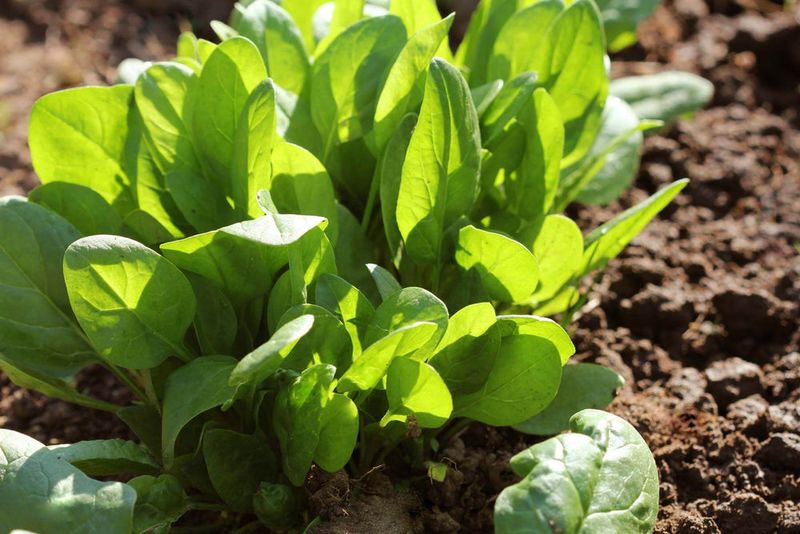
Spinach, with its lush green foliage, serves as an excellent ground cover for bell peppers. Its broad leaves help retain soil moisture, promoting a healthy environment for peppers to thrive.
Additionally, spinach’s rapid growth and shading capabilities reduce weed competition, allowing peppers more space and nutrients. Its cool-growing season complements the warm-loving peppers, ensuring a harmonious garden setting. Spinach also adds nutritional value to your produce collection, rich in vitamins and minerals.
7. Carrots
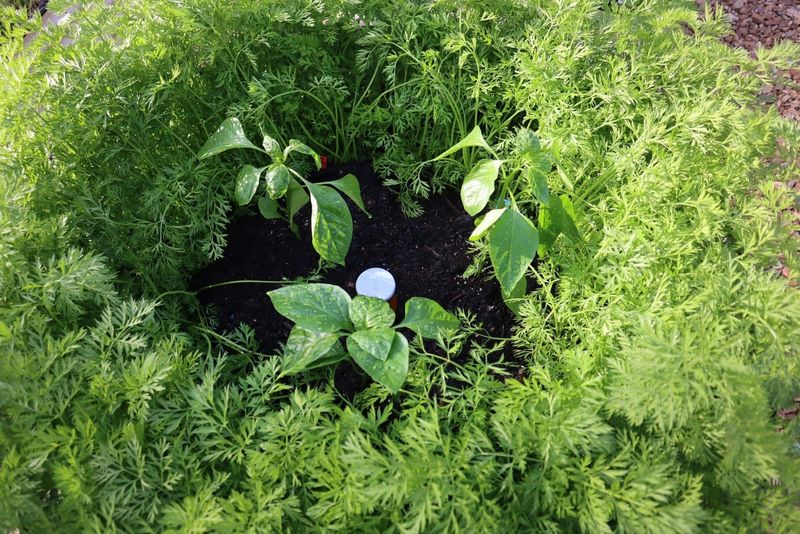
Carrots, with their long roots, are perfect companions for peppers due to their efficient space utilization. They grow underground, leaving ample room for pepper plants above.
This unique growth pattern allows for mutual benefits; carrots aerate the soil, improving root health for peppers. Additionally, they don’t compete for the same nutrients, promoting a balanced garden ecosystem. Carrots add a sweet crunch to meals, enhancing both the garden and culinary experience.
8. Lettuce
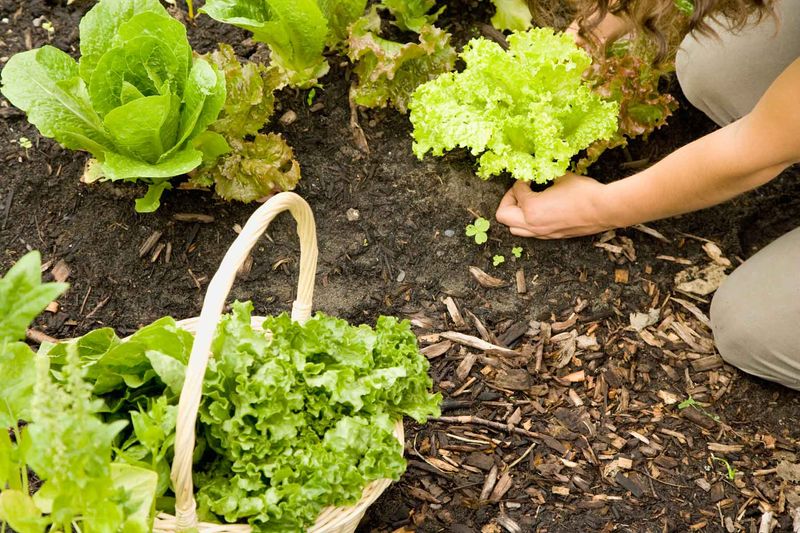
Lettuce, with its tender leaves, offers shade to the roots of pepper plants, helping retain soil moisture. This cooling effect creates an ideal environment for peppers during hot weather.
Its shallow roots mean no competition for nutrients, ensuring both plants thrive. Lettuce’s fast growth provides a quick harvest, allowing for continuous planting cycles. Its presence not only benefits the peppers but also adds a refreshing crunch to salads.
9. Eggplant
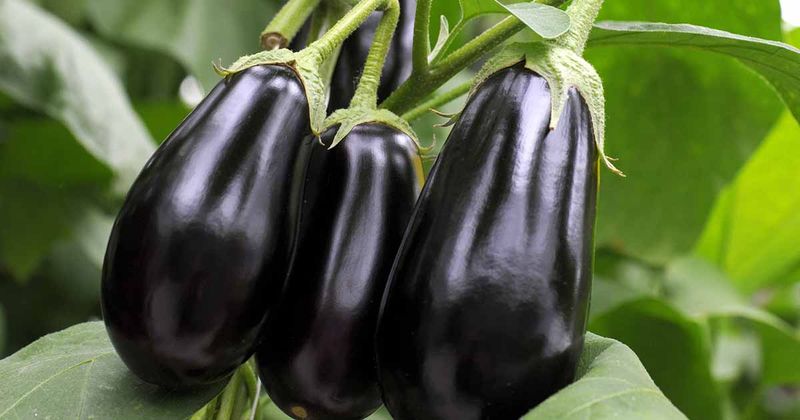
Eggplants, sharing the same family as bell peppers, make excellent companions. They thrive in similar conditions, promoting a harmonious garden setup.
Both plants benefit from shared pest resistance techniques and attract beneficial insects. Eggplants’ bold appearance adds visual interest, making your garden more appealing. Their rich flavor complements the sweet taste of bell peppers in various dishes, enhancing culinary creativity.
10. Cucumbers
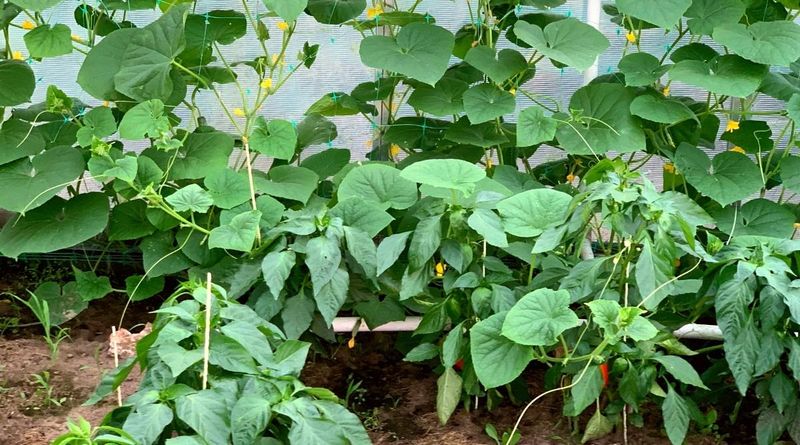
Cucumbers, with their sprawling vines, provide natural ground cover, maintaining moisture for bell peppers. Their broad leaves offer shade, protecting peppers from intense sunlight.
Both plants share similar growing conditions, making them compatible companions. Cucumbers’ refreshing taste pairs well with the mild sweetness of bell peppers, perfect for summer salads and dishes. Their presence in the garden ensures a diverse and fruitful harvest.
11. Asparagus
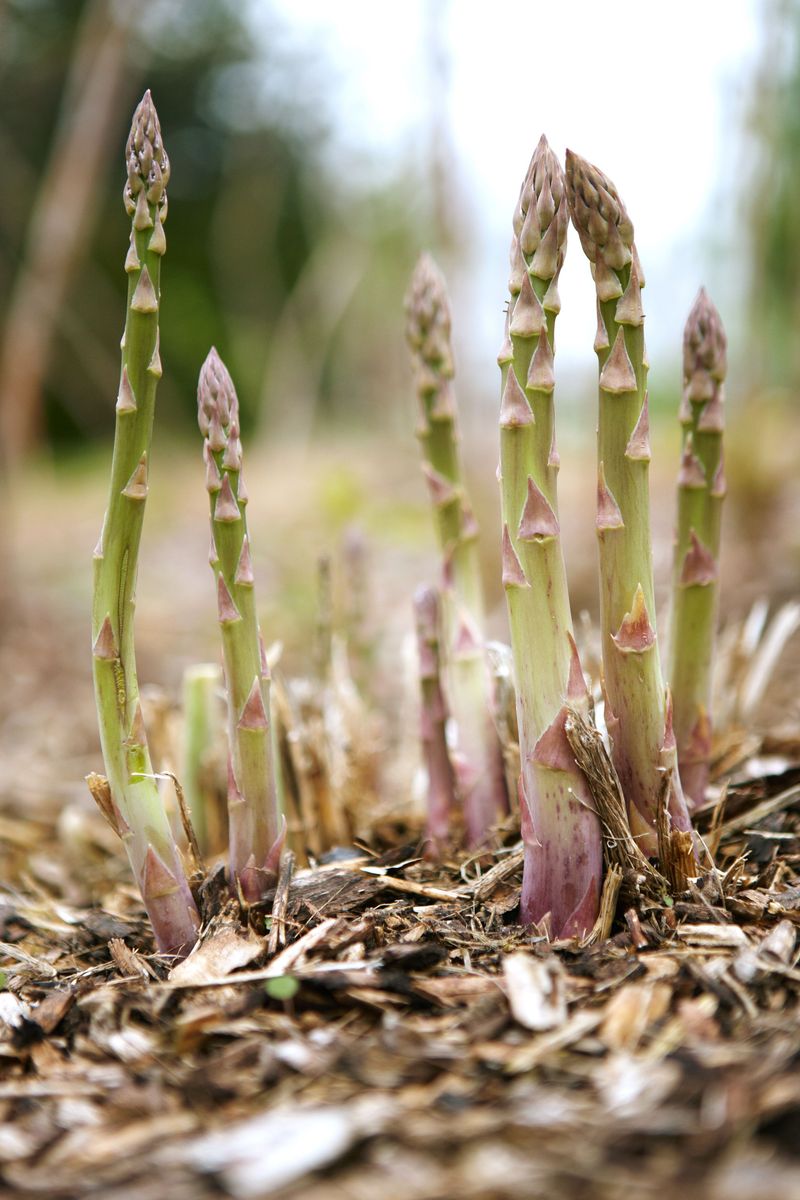
Asparagus, with its perennial nature, offers longevity and structure to a garden. Its deep roots aerate the soil, benefiting shallow-rooted plants like bell peppers.
The feathery foliage of asparagus provides dappled shade, maintaining optimal soil conditions. Both plants coexist peacefully, as they don’t compete for resources. Incorporating asparagus into your garden not only enhances its productive life but also adds a touch of elegance.
12. Dill
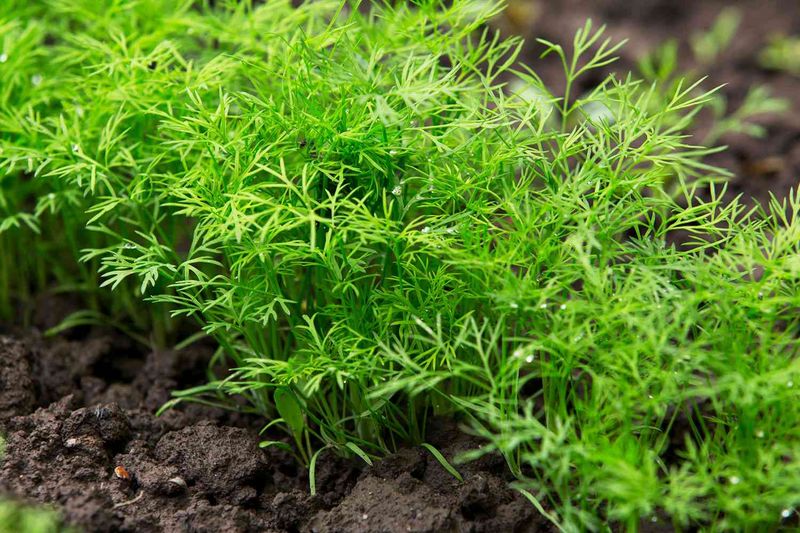
Dill, with its aromatic leaves, is an excellent ally for bell peppers. Its scent deters pests, while its flowers attract beneficial insects like ladybugs and predatory wasps.
This dual-purpose plant not only protects but also enhances garden dynamics. Dill’s airy structure doesn’t overshadow peppers, ensuring they receive ample sunlight. Its culinary versatility adds flavor to a variety of dishes, making it a garden favorite.
13. Nasturtiums
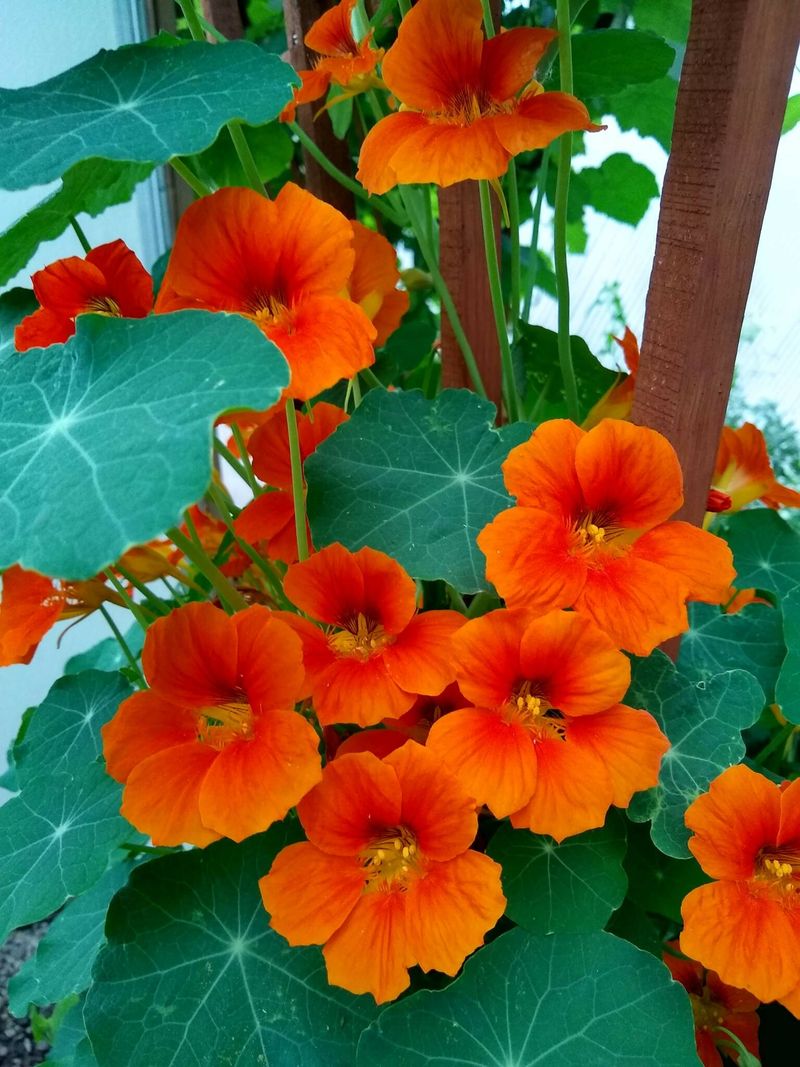
Nasturtiums are not only visually striking but also functional companions for bell peppers. Their bright blooms attract pollinators, boosting pepper production.
Additionally, nasturtiums act as a trap crop, drawing aphids away from peppers. Their edible flowers add a peppery kick to salads, enhancing both the garden and culinary experience. Easy to grow, they thrive in various conditions, adding color and function to your garden.
14. Borage
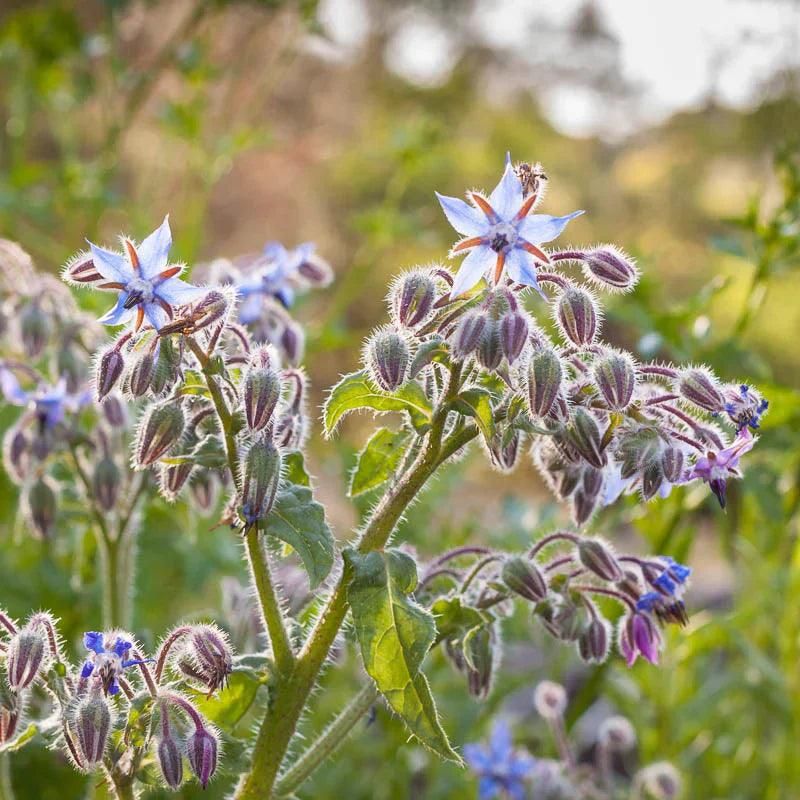
Borage, with its star-shaped blue flowers, is a charming addition to any garden. Known for attracting pollinators, it enhances the productivity of bell peppers.
This self-seeding plant requires minimal maintenance and enriches the soil with trace minerals. Its leaves can be used in teas and salads, offering a cucumber-like flavor. Borage not only beautifies the garden but also supports a thriving ecosystem.
15. Parsley
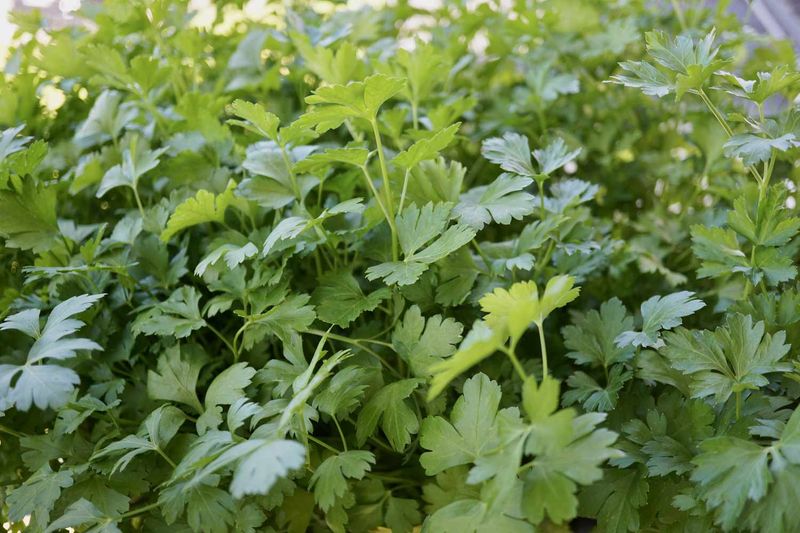
Parsley, with its lush green leaves, complements bell peppers both visually and functionally. It attracts beneficial insects like hoverflies and serves as a deterrent to pests.
Its compact growth habit doesn’t overshadow peppers, ensuring optimal light exposure. Parsley’s culinary versatility adds flavor to various dishes, making it a staple in both garden and kitchen. Its presence ensures a well-rounded and productive garden.
16. Tomatoes
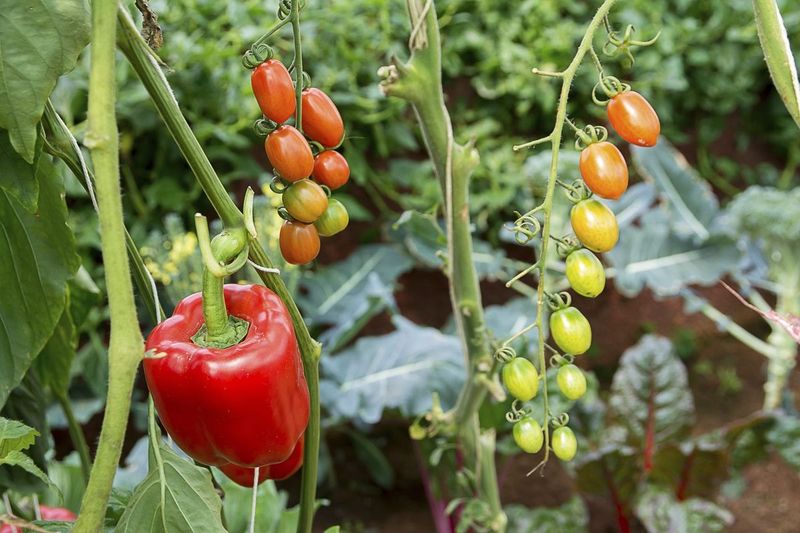
Tomatoes, sharing the same growing requirements as bell peppers, are ideal companions. Both thrive in warm conditions and benefit from similar care routines.
Their tall stature provides shade, helping to conserve soil moisture for peppers. Additionally, they attract similar pollinators, boosting crop yield. The combination of tomatoes and bell peppers offers a dynamic duo in the garden and kitchen, enhancing flavor profiles.
17. Radishes
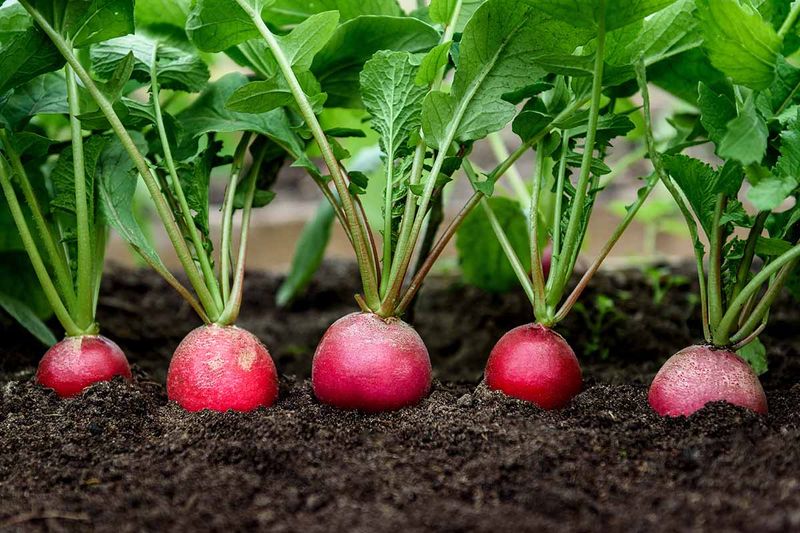
Radishes, with their quick growth cycle, are excellent companions for peppers. They help loosen the soil, improving aeration and water penetration for pepper roots.
Their presence also deters certain pests, providing a natural form of protection. Radishes’ mild spiciness adds a kick to salads, complementing the sweet flavor of bell peppers. Their rapid turnover allows for continuous planting, ensuring a productive garden season.
18. Petunias
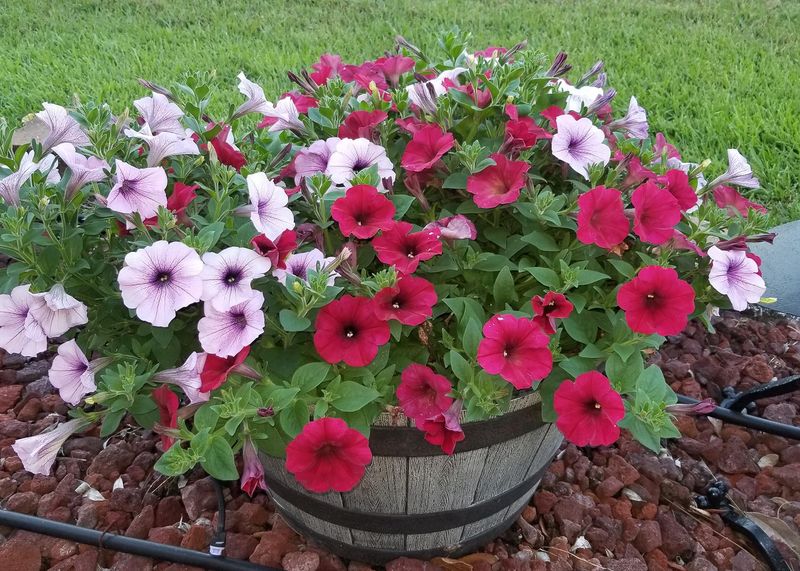
Petunias, with their vibrant blooms, add a splash of color to the garden while serving a protective role. They repel various insects, safeguarding bell peppers from potential damage.
These flowers are easy to grow and require minimal maintenance, making them an attractive choice for gardeners. The combination of petunias and peppers creates a visually stunning and functional garden space, enhancing both aesthetics and productivity.
19. Beets
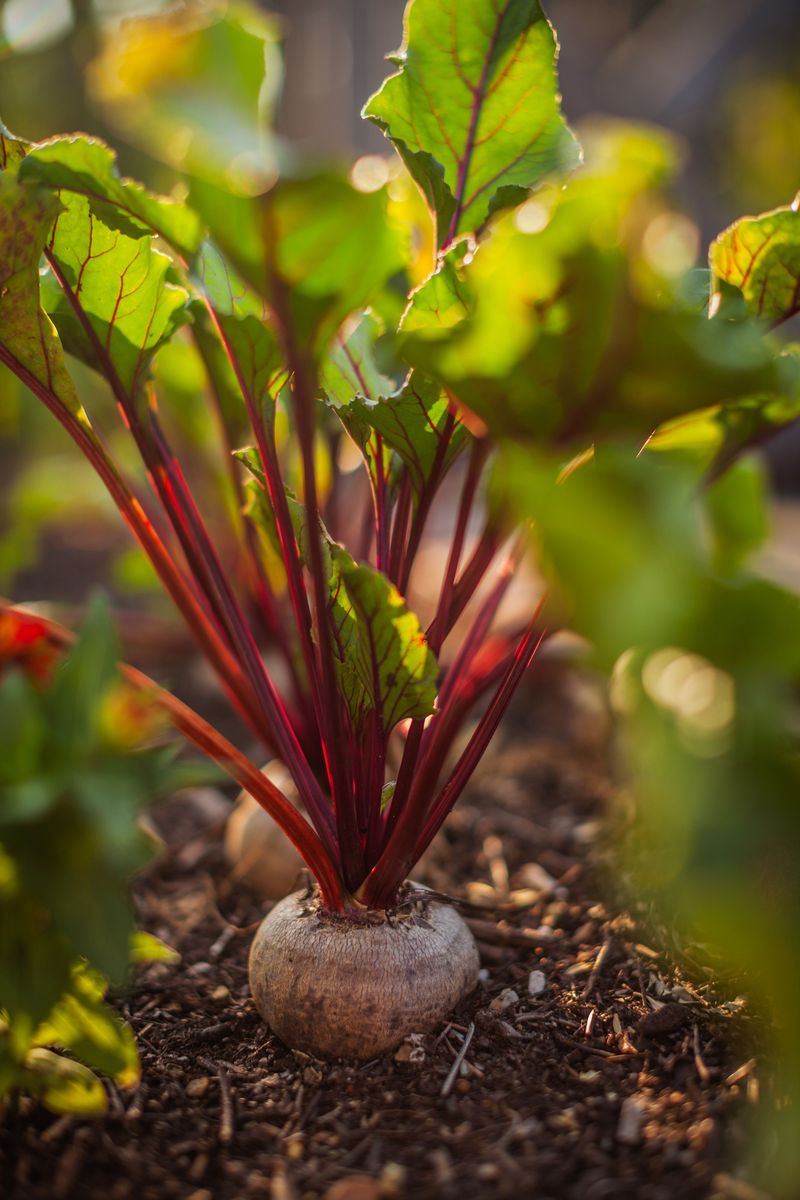
Beets, with their deep roots, help aerate the soil, benefiting bell peppers’ growth. Their leafy tops offer shade, helping retain soil moisture.
This vegetable’s unique growth pattern ensures minimal competition for nutrients, creating a balanced garden environment. Beets’ earthy flavor complements the sweetness of bell peppers, providing a delightful contrast in dishes. Their presence in the garden ensures both beauty and functionality.
20. Zucchini
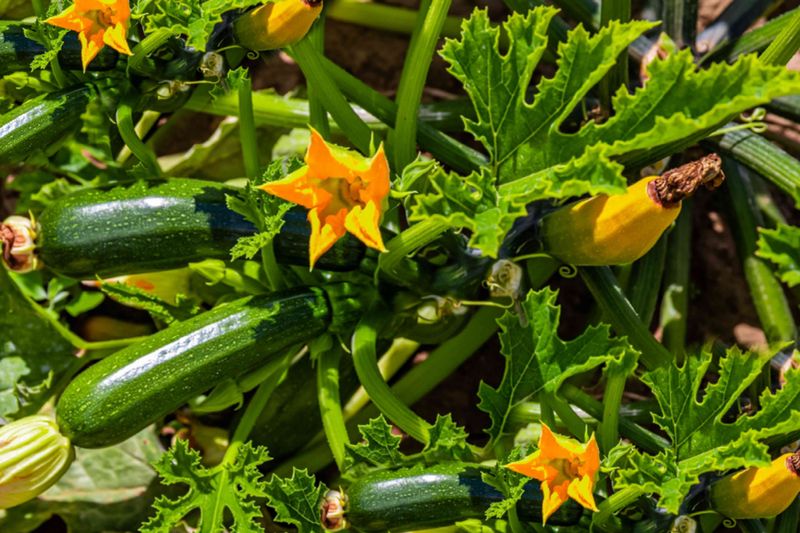
Zucchini, with its sprawling growth habit, provides excellent ground cover, conserving soil moisture for bell peppers. Its large leaves offer shade, creating a suitable microclimate.
Both plants thrive in similar conditions, ensuring a productive partnership. Zucchini’s mild flavor pairs well with the sweetness of bell peppers, enhancing culinary versatility. Their combined presence guarantees a bountiful garden harvest, rich in diversity.