 Complete Gardening
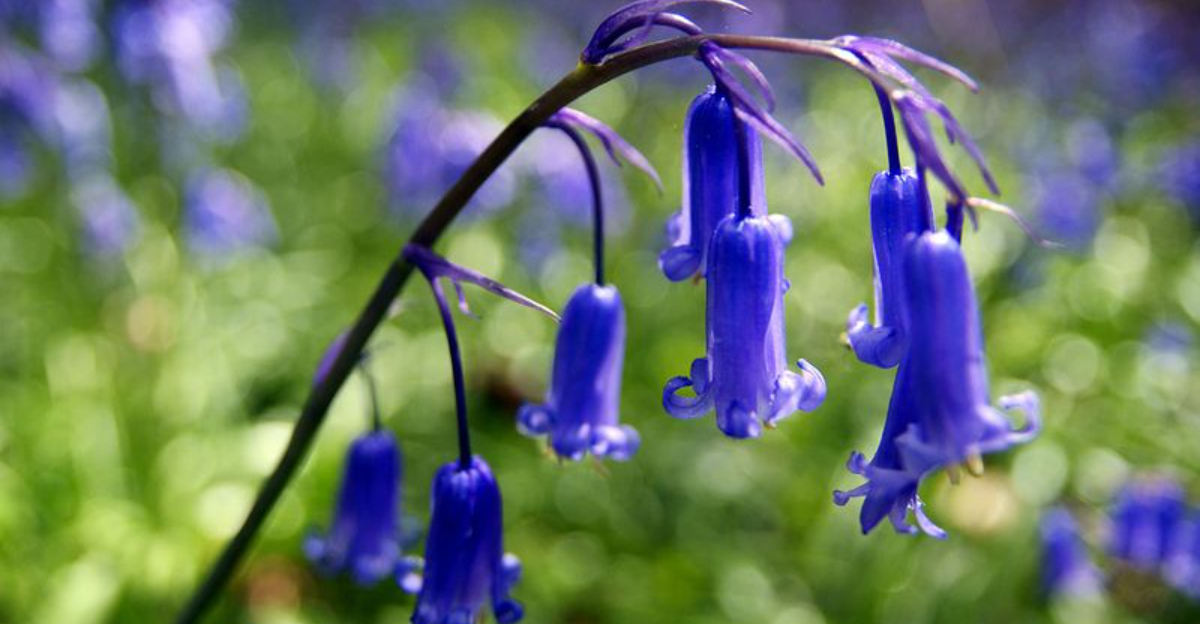
Explore the enchanting world of bell-shaped flowers that add elegance and charm to gardens worldwide.
These 20 unique flowers, each resembling a bell, offer a diverse palette of colors and shapes, bringing visual interest to any outdoor space.
From the classic Canterbury Bells to the rare Giant Bluebell, discover the beauty and elegance of these floral wonders.
1. Canterbury Bells (Campanula medium)
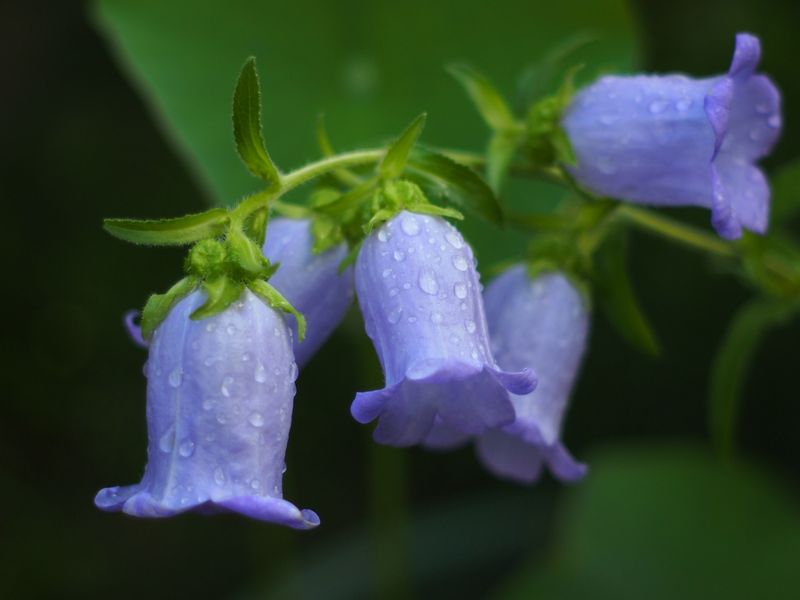
Canterbury Bells are renowned for their large, vibrant bell-shaped flowers that come in shades of blue, pink, purple, and white. These biennial plants are favored for their striking appearance in garden borders.
Their tall, upright stems can reach impressive heights, creating a dramatic vertical element. They thrive in well-drained soil and prefer full sun to partial shade.
Gardeners appreciate their lengthy blooming period, which can last from late spring to early summer. With proper care, Canterbury Bells can reseed themselves, ensuring a presence in the garden for years to come.
2. Lily of the Valley (Convallaria majalis)
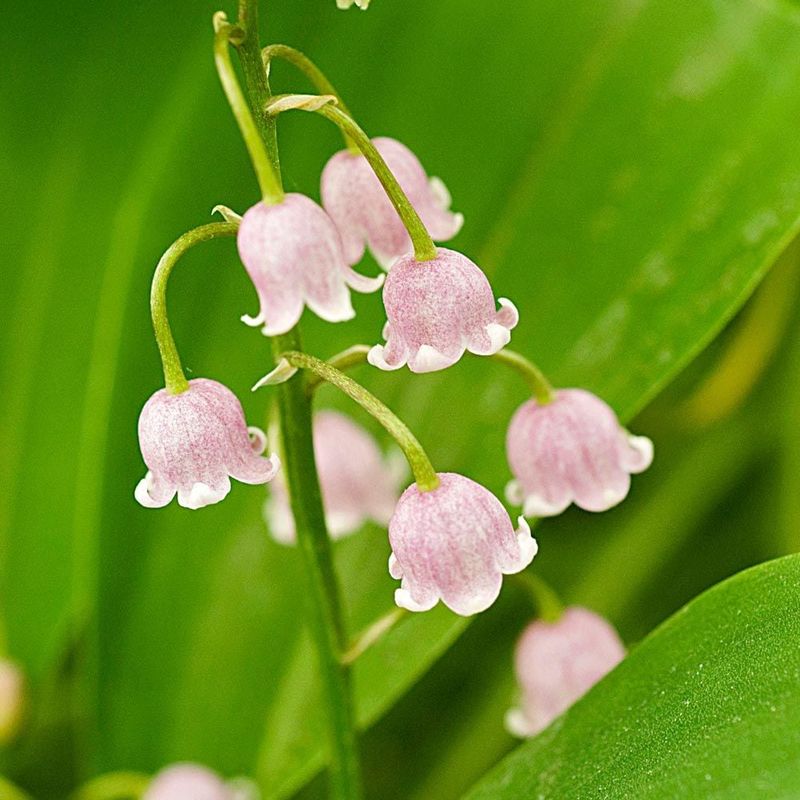
Lily of the Valley is treasured for its delicate, fragrant white bell-like blooms that grace shaded garden areas. These perennials form dense, lush ground cover, creating a verdant carpet beneath trees.
Their sweet scent makes them a popular choice for perfumes and bridal bouquets. Blooming in late spring, they offer a charming display that signifies the arrival of warmer weather.
Thriving in cool, shaded environments, they prefer well-drained, moist soil. Care should be taken with their placement, as they can be invasive if not properly managed, spreading rapidly through rhizomes.
3. Foxglove (Digitalis purpurea)
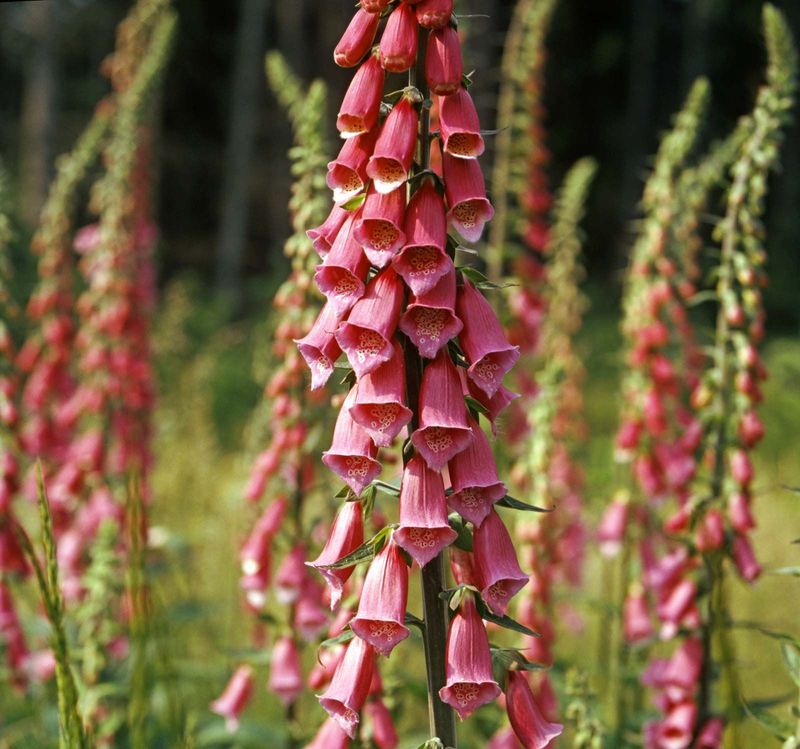
Foxgloves, with their tall spikes of bell-shaped flowers, are a striking addition to any garden. Available in shades of pink, purple, and white, these biennials are known for their towering presence and unique, spotted flowers.
They are best suited to cottage gardens, woodland edges, or wildflower gardens. While they thrive in full sun to partial shade, they prefer rich, well-drained soil.
Gardeners should handle Foxgloves with care, as all parts of the plant are toxic if ingested. Despite this, they attract pollinators like bees, adding ecological value to the garden.
4. Fuchsia (Fuchsia spp.)
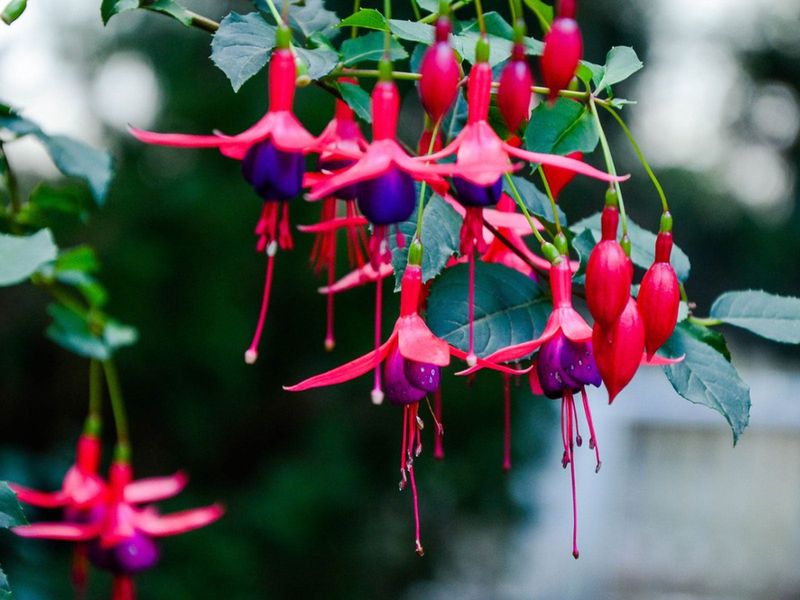
Fuchsias are adored for their elegant, drooping, teardrop-shaped flowers that resemble small bells. Available in vibrant hues of pink, purple, and red, these flowers are perfect for hanging baskets or container gardens.
They prefer cool, shaded areas and thrive in moist, well-draining soil. Their unique shape and vivid colors make them a favorite among gardeners seeking to add a touch of elegance to shaded spots.
Fuchsias are not only beautiful but also attract hummingbirds, making them a delightful choice for wildlife-friendly gardens. Regular deadheading encourages continuous blooming throughout the season.
5. Snowdrop (Galanthus nivalis)
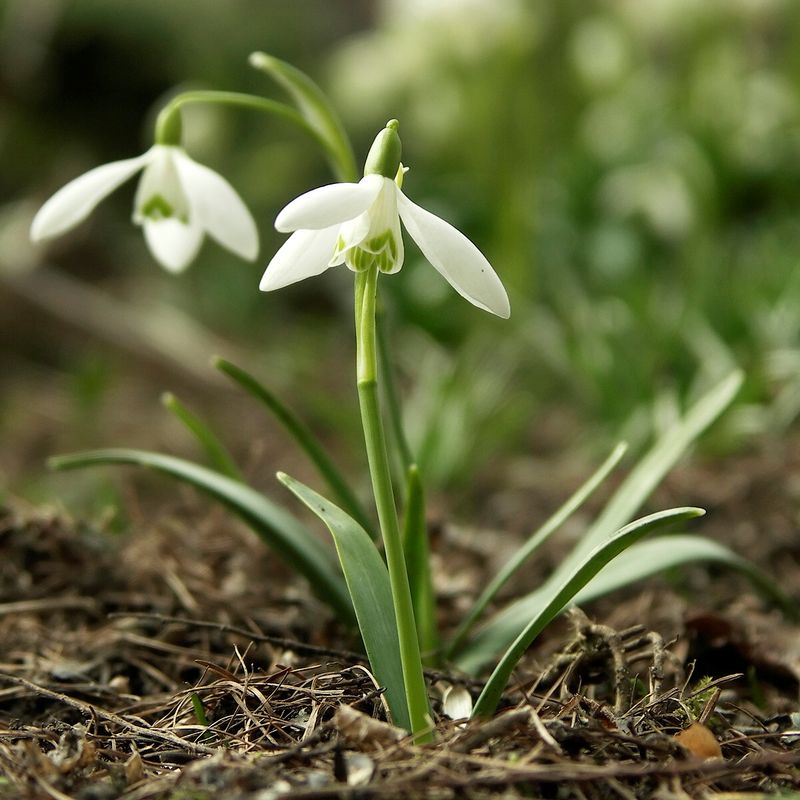
Snowdrops are one of the first flowers to bloom in late winter, signaling the end of the cold season with their pure white, bell-like flowers. These perennials are cherished for their resilience and beauty, often emerging through the snow.
They prefer well-drained soil and thrive in shady to partially sunny areas. Snowdrops are ideal for naturalizing in woodland gardens or beneath deciduous trees.
Though small, their impact is significant, as they herald the arrival of spring. Gardeners can enjoy their simple elegance, which requires minimal care aside from ensuring adequate moisture during growth.
6. Coral Bells (Heuchera spp.)
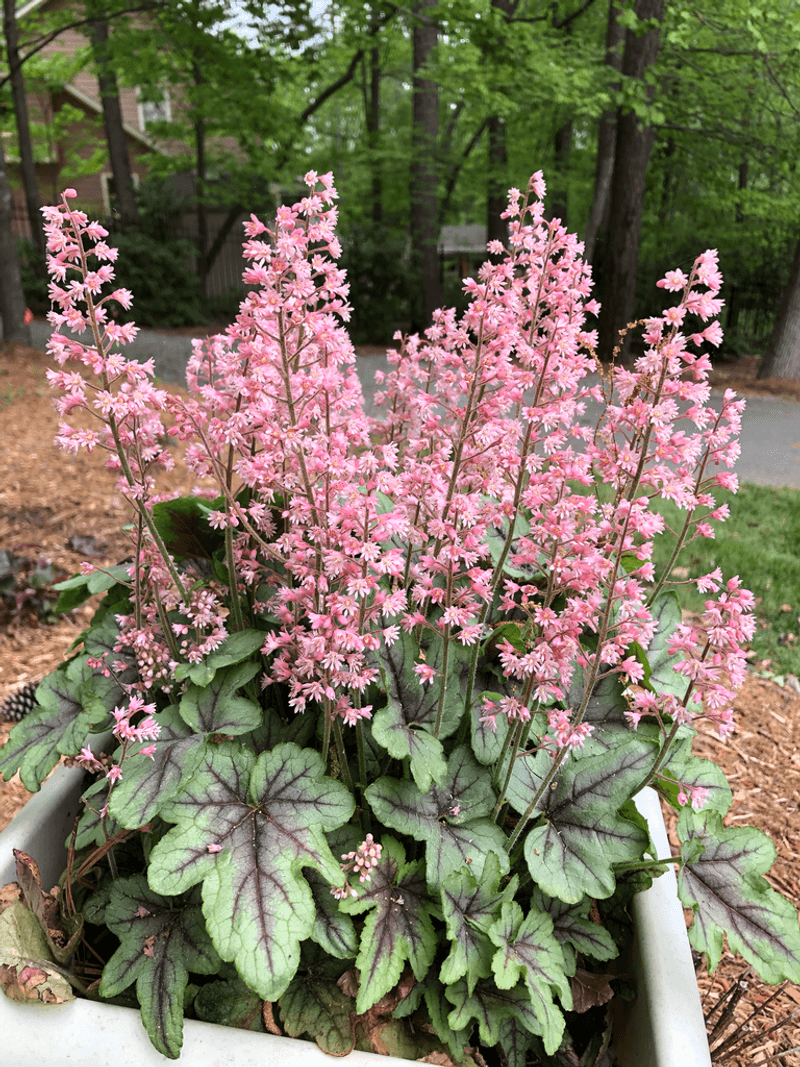
Coral Bells are known for their small, delicate bell-shaped flowers that rise above stunning foliage on tall stems. These perennials offer a dual appeal—ornamental leaves in varied colors and charming flowers.
They thrive in well-drained soil and prefer partial shade, making them ideal for shady borders or woodland gardens. Their foliage comes in an array of colors, from deep purple to lime green, adding visual interest.
While the flowers are subtle, they attract pollinators such as bees and butterflies. Regular division can help maintain plant health and vigor, ensuring their presence in the garden year after year.
7. Japanese Lantern (Abutilon spp.)
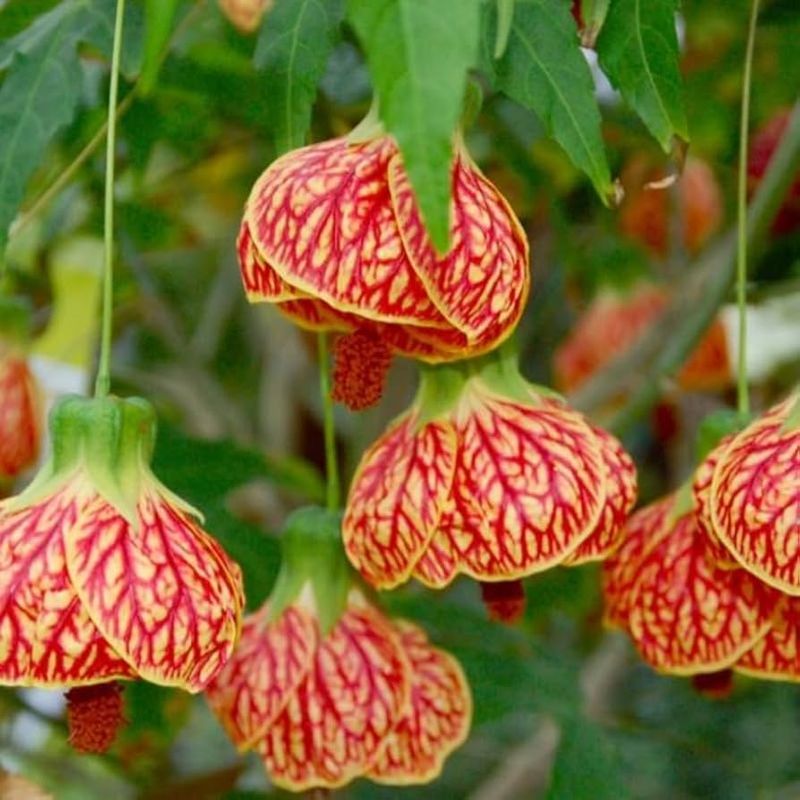
Japanese Lanterns, also known as Flowering Maples, boast delicate, lantern-like blooms that come in shades of red, orange, and yellow. These shrubs provide a tropical flair to gardens and are especially striking when backlit by the sun.
They thrive in well-drained soil and prefer full sun, although they can tolerate partial shade. Perfect for container gardening, they can be brought indoors in colder climates.
These plants are versatile, complementing both formal and informal garden settings. Regular pruning encourages bushy growth and more prolific flowering, making them an excellent choice for vibrant garden displays.
8. Bladder Campion (Silene vulgaris)
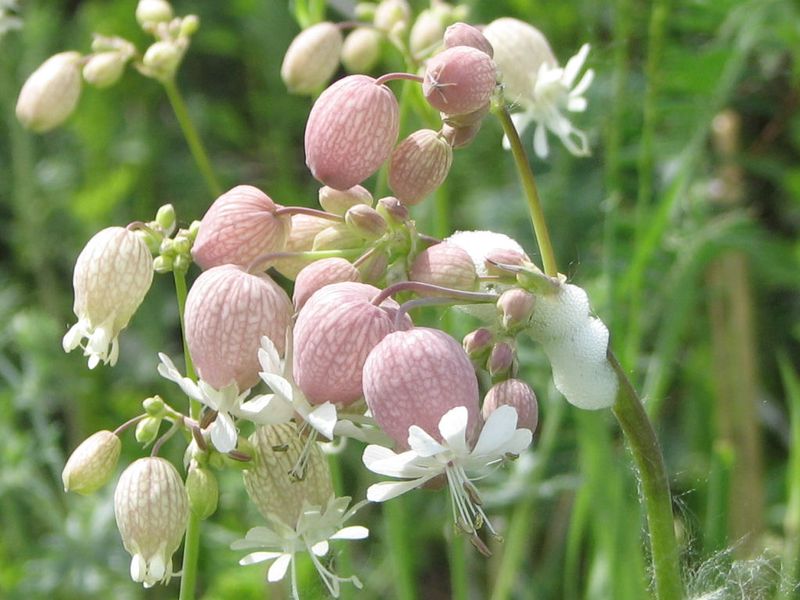
Bladder Campion is a wildflower with inflated, balloon-like calyxes that resemble tiny bells, adding a whimsical touch to meadows and gardens. These perennials are hardy and can thrive in a variety of soil types.
They prefer full sun and are often found in grasslands and rocky areas, making them suitable for wildflower gardens or naturalized settings. Known for their drought tolerance, they require minimal care once established.
Their unique appearance draws attention, and they can be used in cut flower arrangements to add an unusual element. Bladder Campion also supports pollinators, enhancing biodiversity.
9. Bluebells (Hyacinthoides non-scripta)
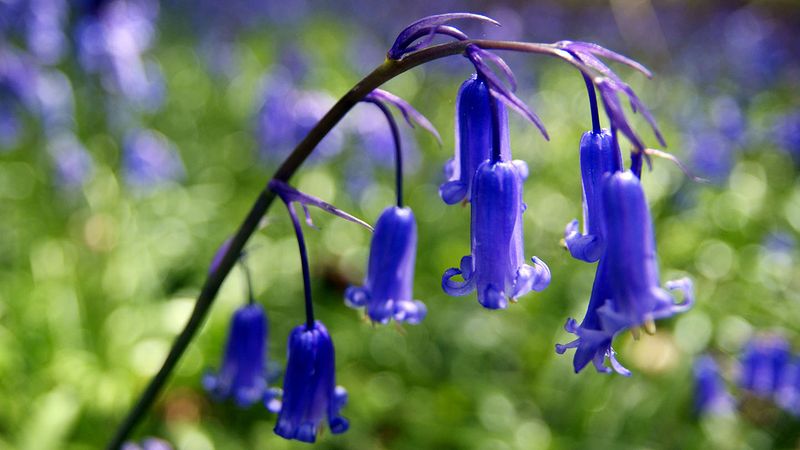
Bluebells create breathtaking carpets in woodlands, with their beautiful blue or purple hanging bell-like flowers. These perennials bloom in mid to late spring, creating a sea of blue that enchants nature lovers.
They require well-drained soil and can thrive in both sun and partial shade. Known for their resilience, Bluebells often grow beneath deciduous trees, benefiting from the spring sunlight before the trees leaf out.
Gardeners should be mindful of their spread, as these flowers can naturalize quickly, ensuring a continuing display in naturalized settings or woodland gardens.
10. Angel’s Trumpet (Brugmansia spp.)
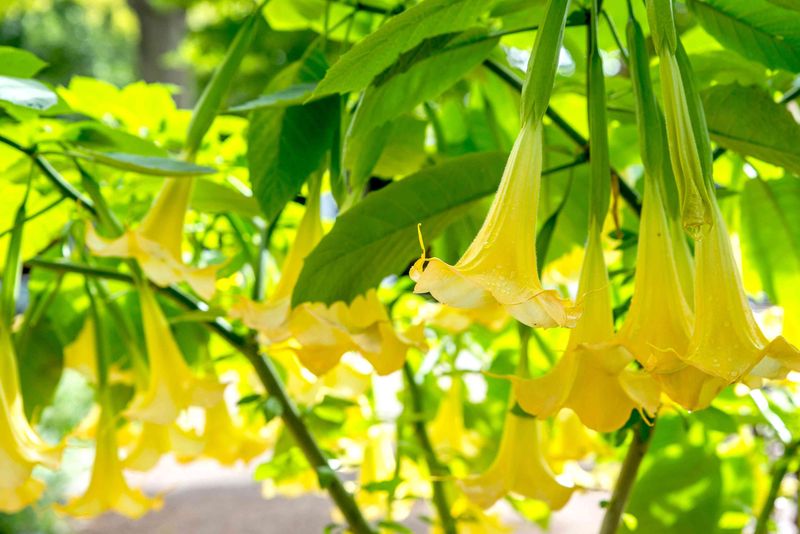
Angel’s Trumpet features large, pendulous, trumpet-shaped flowers that resemble oversized bells. These tropical shrubs or small trees are striking additions to any garden, with blooms in shades of white, pink, or yellow.
They thrive in well-draining soil and prefer full sun, adding a touch of the exotic to the landscape. Due to their size and fragrance, they are best suited for spacious gardens where their beauty can be fully appreciated.
Caution is advised, as all parts of Angel’s Trumpet are toxic if ingested. Nevertheless, their dramatic presence and sweet scent make them an alluring choice for gardeners.
11. Bellflower (Campanula spp.)
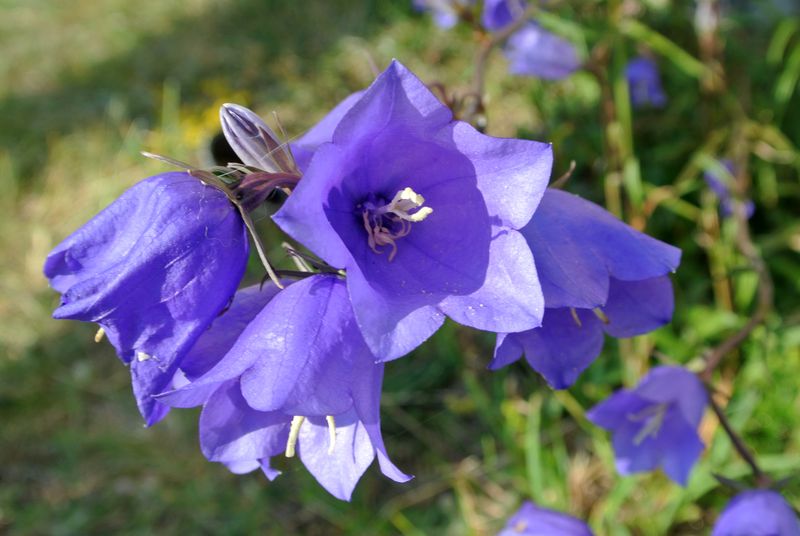
Bellflowers, part of the Campanula genus, are a diverse group of flowers featuring classic bell-shaped blooms in shades of purple, blue, and white. These perennials are adaptable to a variety of garden settings.
They thrive in well-drained soil and can tolerate full sun to partial shade. Bellflowers are ideal for borders, rock gardens, and containers, with some species spreading rapidly to create colorful carpets.
Their beauty is matched by their ability to attract pollinators, supporting garden biodiversity. Regular deadheading promotes extended blooming, making Bellflowers a rewarding choice for continuous garden interest.
12. Chinese Lantern (Physalis alkekengi)
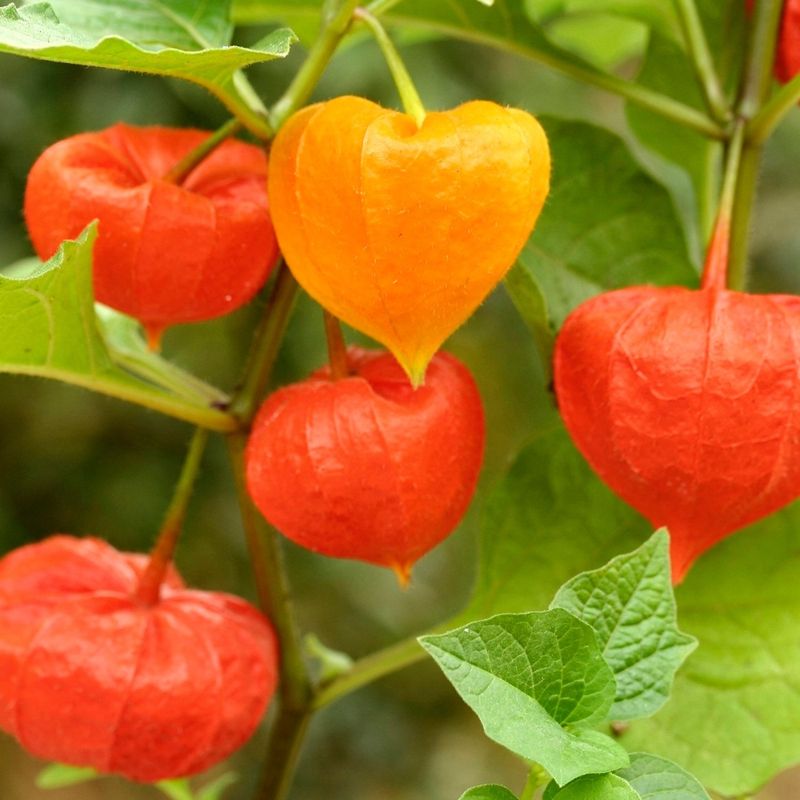
Chinese Lanterns are known for their bright orange, papery husks that enclose tiny flowers, resembling hanging bells or lanterns. These perennials add a vibrant splash of color to autumn gardens.
They thrive in well-drained soil and prefer full sun, although they can tolerate partial shade. Chinese Lanterns are perfect for dried flower arrangements due to their distinctive husks. Care should be taken as they can spread aggressively in the garden.
Regular pruning helps manage their growth, while their unique appearance makes them a conversation starter, delighting those who appreciate unusual garden elements.
13. Harebell (Campanula rotundifolia)
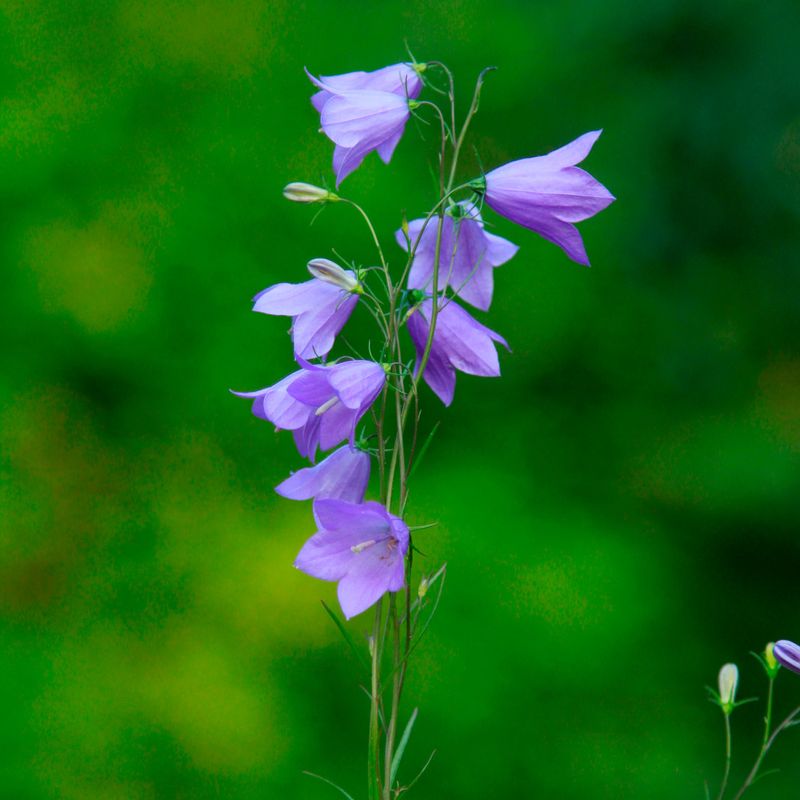
Harebells, known for their dainty, nodding violet-blue bell-shaped blossoms, are a charming addition to any garden. These perennials thrive in rocky settings or meadows, lending a delicate touch to naturalized areas.
They prefer well-drained soil and can tolerate full sun to light shade. Their slender stems and resilient nature make them ideal for rock gardens or wildflower displays.
Despite their delicate appearance, Harebells are hardy and can withstand harsh conditions. They attract pollinators, enriching garden biodiversity. Their understated beauty offers a subtle yet captivating display in any outdoor space.
14. Virginia Bluebells (Mertensia virginica)
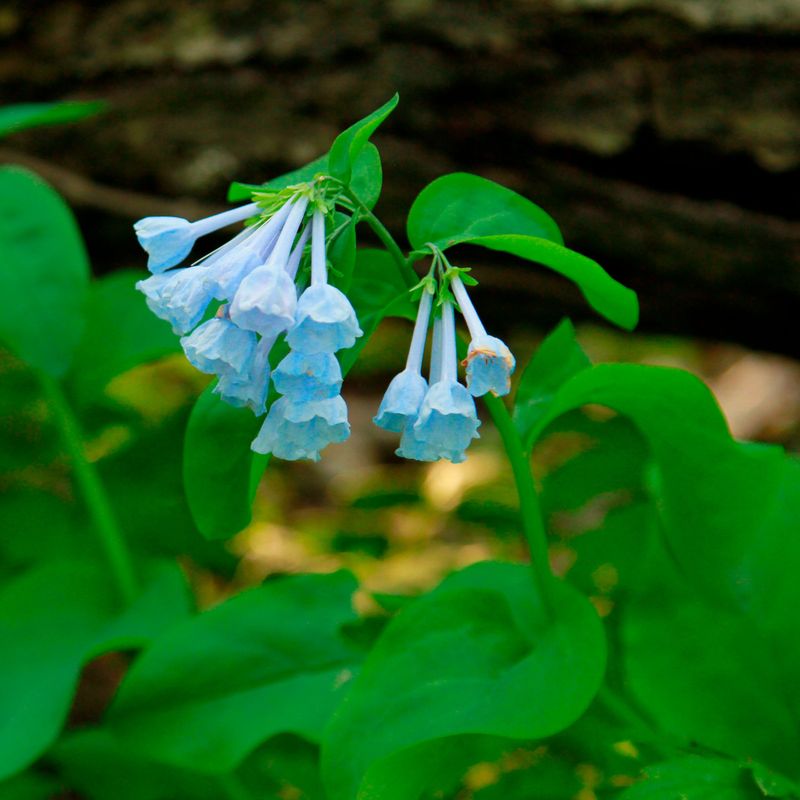
Virginia Bluebells are cherished for their soft blue, trumpet-like flowers that open from pink buds in early spring. These perennials create a stunning display in woodland gardens or shaded borders.
They prefer moist, well-drained soil and thrive in partial to full shade. Virginia Bluebells are ideal for naturalizing, spreading gently to form beautiful drifts of color.
Their ephemeral nature means they go dormant after blooming, so pairing them with later-emerging perennials can ensure continuous garden interest.
Their attractive blooms are a magnet for early pollinators, enhancing the ecological value of the garden.
15. White Mountain Heather (Cassiope mertensiana)
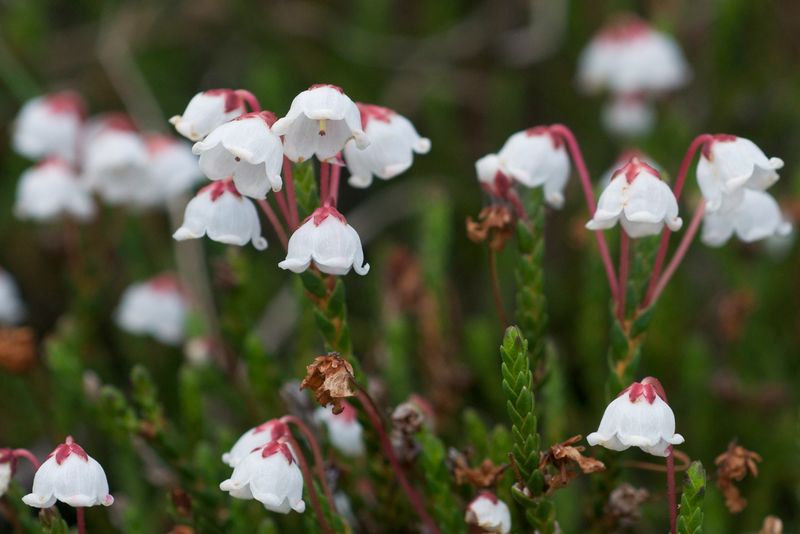
White Mountain Heather is a low-growing evergreen shrub with small, white bell-shaped flowers. This alpine plant is perfect for rock gardens or as ground cover, offering year-round interest.
It thrives in well-drained, acidic soil and prefers full sun to partial shade. Known for its hardiness, it can withstand cold temperatures and exposure, making it suitable for challenging environments.
Its compact growth habit and delicate flowers provide an elegant touch to garden settings. White Mountain Heather is ideal for adding texture and structure, with its evergreen foliage ensuring a persistent presence.
16. Twinflower (Linnaea borealis)
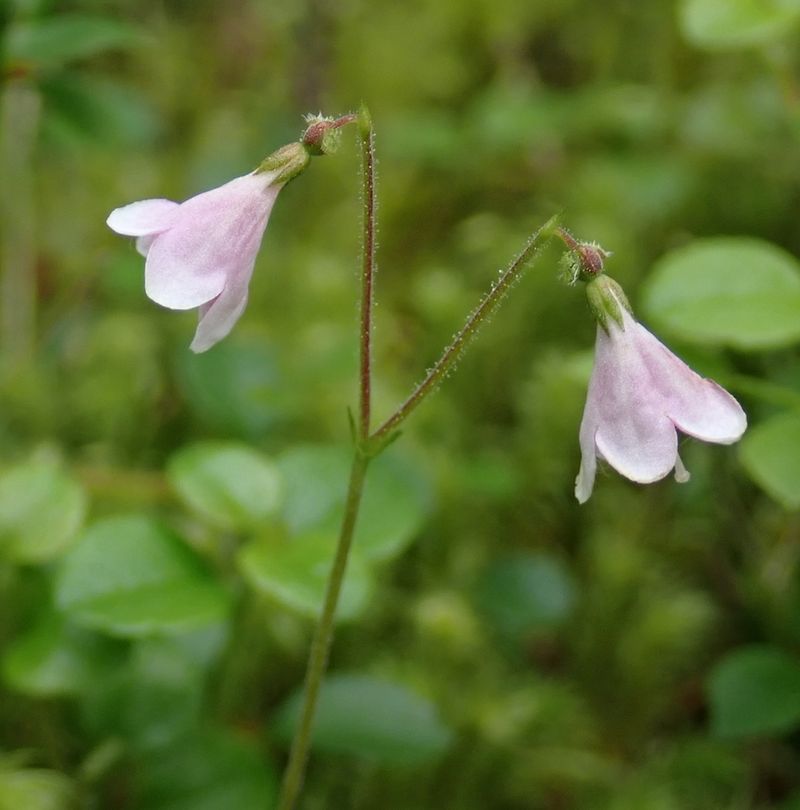
Twinflower is a delicate woodland plant with tiny pink bell-shaped flowers that often grow in pairs. It thrives in the cool, moist conditions of forest floors, contributing to the undergrowth beauty.
This creeping perennial prefers well-drained, acidic soil and partial to full shade. Its charming flowers and trailing habit make it perfect for naturalistic plantings or shaded areas. Though small, Twinflower adds a whimsical touch to gardens.
It’s a symbol of delicate beauty, attracting those who appreciate subtlety. Its low-growing nature complements ferns and mosses, creating a harmonious woodland tapestry.
17. Swamp Doghobble (Eubotrys racemosa)
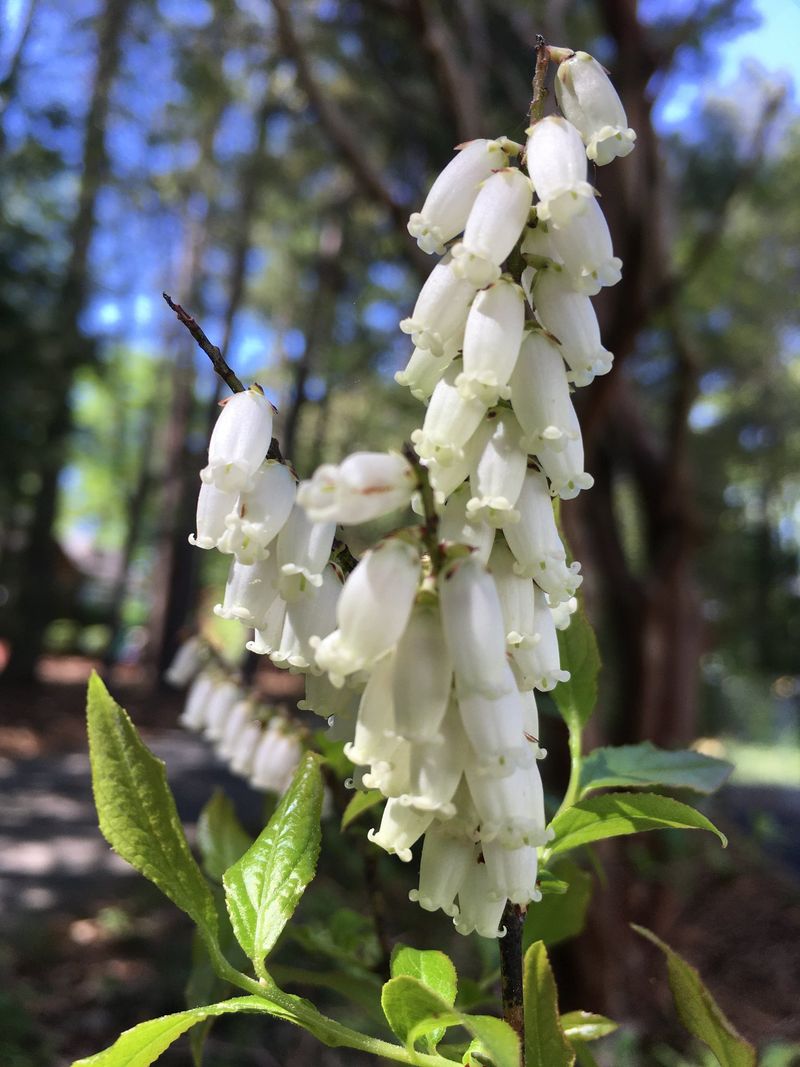
Swamp Doghobble is characterized by hanging clusters of tiny white bell-like flowers, adding elegance to wetland areas. This deciduous shrub thrives in moist, acidic soils, making it ideal for bog gardens or alongside streams.
It prefers partial sun to shade and is noted for its attractive foliage, which turns vibrant shades in the fall. Swamp Doghobble supports diverse habitats, providing cover for wildlife and attracting pollinators.
Its graceful blooms and adaptability to wet conditions make it a valuable addition to naturalized areas. Regular pruning helps maintain its shape and encourages healthy growth.
18. Hens and Chicks (Sempervivum spp.)
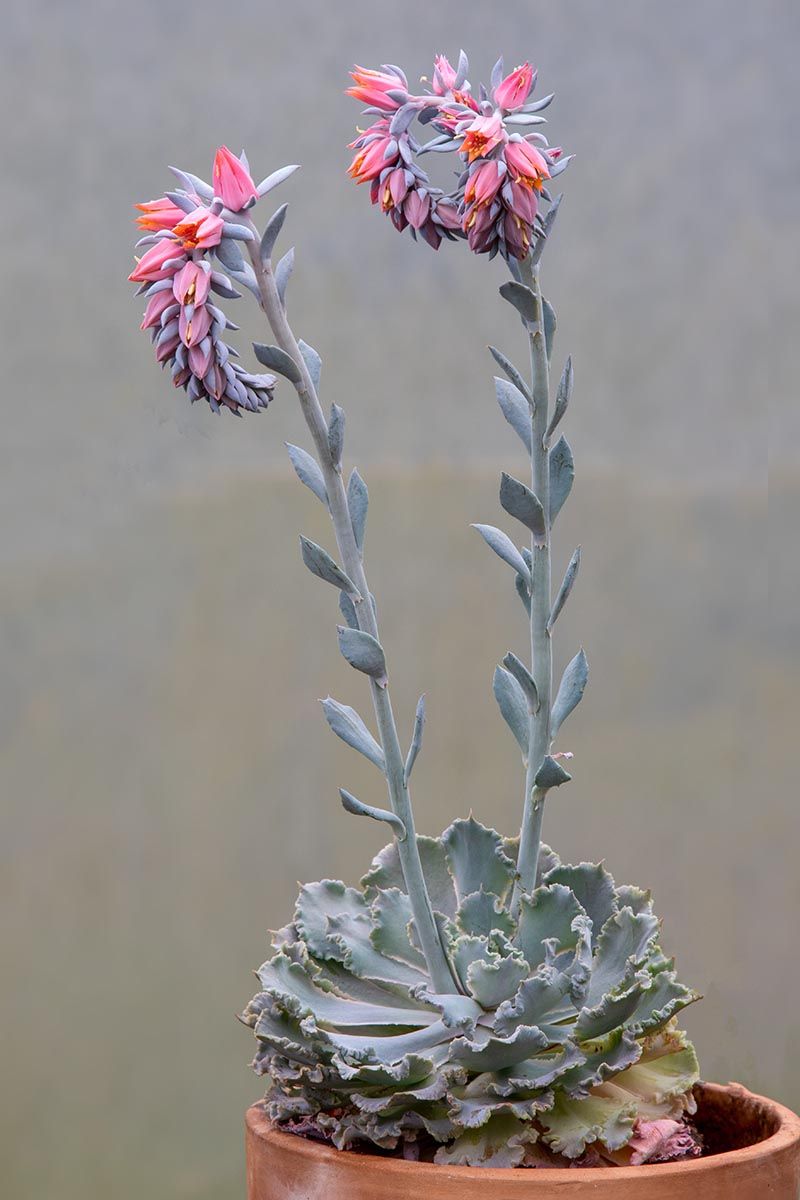
Hens and Chicks are known for their iconic rosette foliage, but they also produce tall stems with bell-like blooms. These succulents are favored for their unique appearance and hardiness.
They thrive in well-drained, sandy soils and full sun, making them ideal for rock gardens or containers. Their ability to store water allows them to withstand drought conditions with ease.
While the flowers are a secondary attraction, they add an unexpected touch of beauty. Hens and Chicks are low-maintenance, requiring minimal care, and can multiply quickly, providing a lush, succulent display.
19. Snake’s Head Fritillary (Fritillaria meleagris)
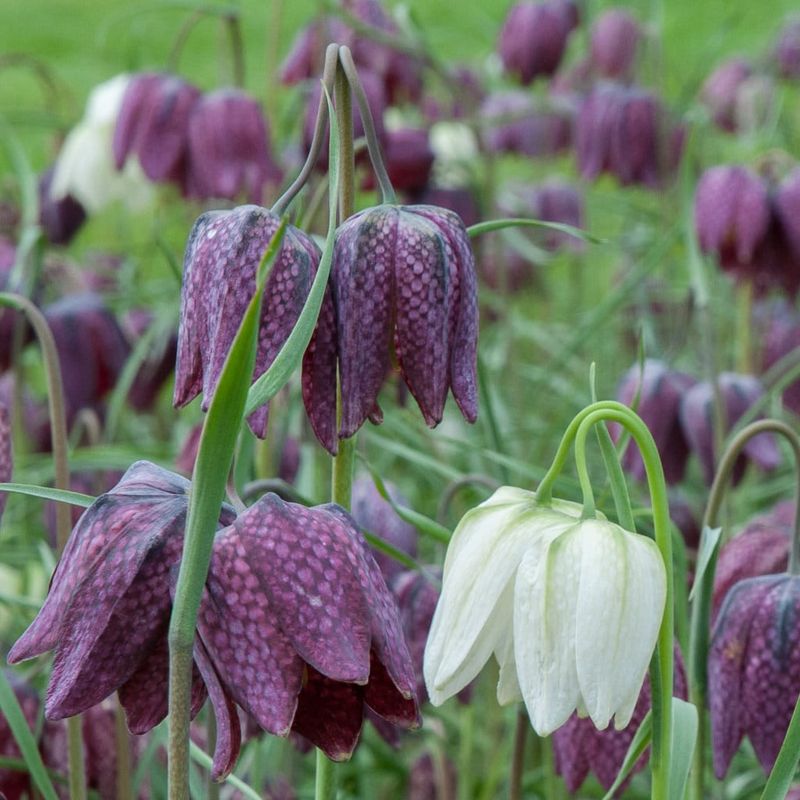
Snake’s Head Fritillary is renowned for its unique checkered purple or white bell-shaped flowers, resembling reptile scales. These perennials add an exotic flair to meadows and gardens.
They prefer moist, well-drained soil and thrive in full sun to partial shade. Ideal for naturalizing, they create striking displays when planted en masse in grasslands or wildflower gardens.
Their unusual pattern and shape make them a conversation piece, captivating gardeners and visitors alike. Snake’s Head Fritillary is a symbol of elegance and mystery, enhancing any garden with its distinctive charm.
20. Giant Bluebell (Wahlenbergia gloriosa)
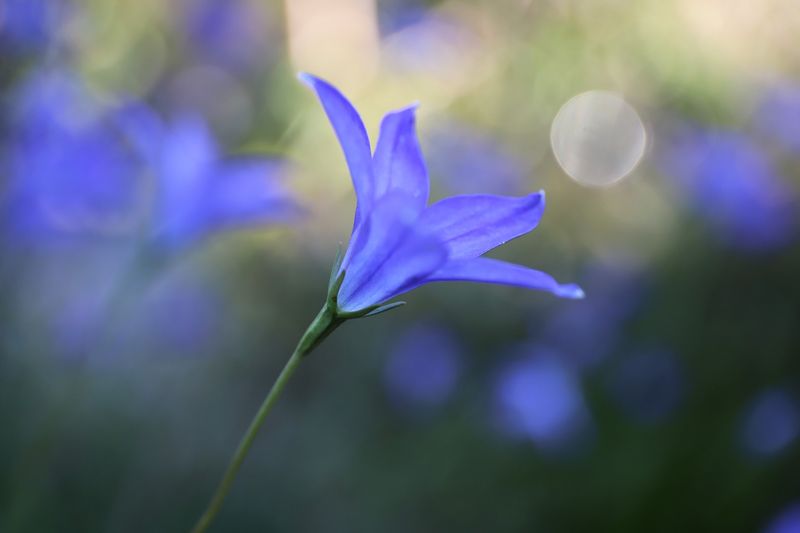
Giant Bluebell is a rare species showcasing large, sky-blue bell-shaped blooms that captivate garden enthusiasts. These perennials bring a touch of the extraordinary to any garden setting.
They thrive in well-drained soil and prefer full sun, making them ideal for sunny borders or rockeries. Their striking color and size make them a standout feature, even among other flowering plants.
While they require some care to ensure optimal growth, their stunning display is well worth the effort. Giant Bluebells are a symbol of rarity and beauty, offering a unique addition to diverse garden landscapes.