 Complete Gardening
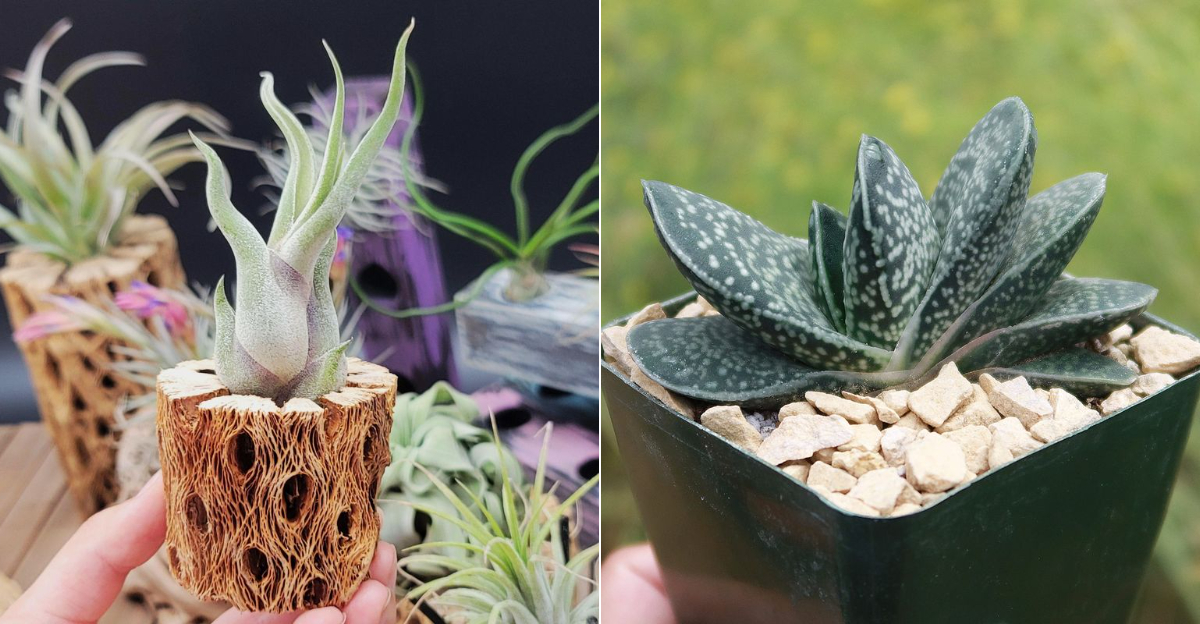
Explore the fascinating world of succulents that can thrive without soil. These versatile plants offer a unique twist to traditional gardening methods, making them perfect for modern plant enthusiasts.
1. Echeveria
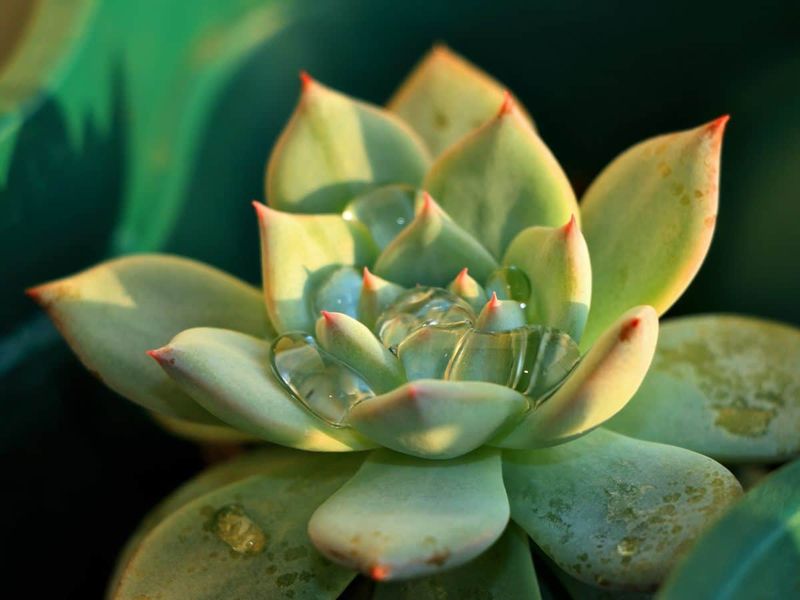
Echeveria is an eye-catching succulent known for its rosette shape and vibrant colors. What makes it unique is its ability to adapt to water propagation. Its leaves should be kept dry to prevent rot, but its roots thrive when submerged in water. This adaptability makes Echeveria a great option for those looking to experiment with soilless gardening.
2. Haworthia
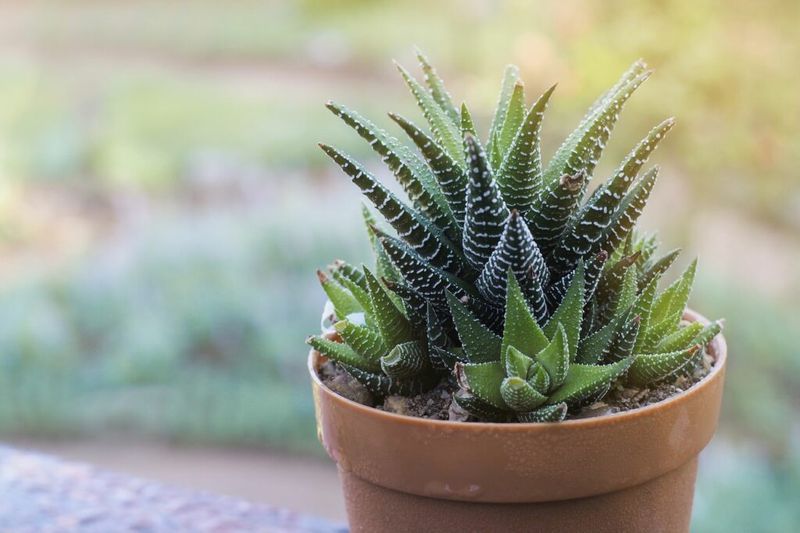
Haworthia is a striking succulent that thrives in water with bright, indirect light. Its fleshy leaves store water, making it resilient even in soilless conditions. This succulent is perfect for indoor spaces where traditional soil might be less desirable. Its low maintenance nature means it can flourish with minimal attention.
3. Sedum (Stonecrop)
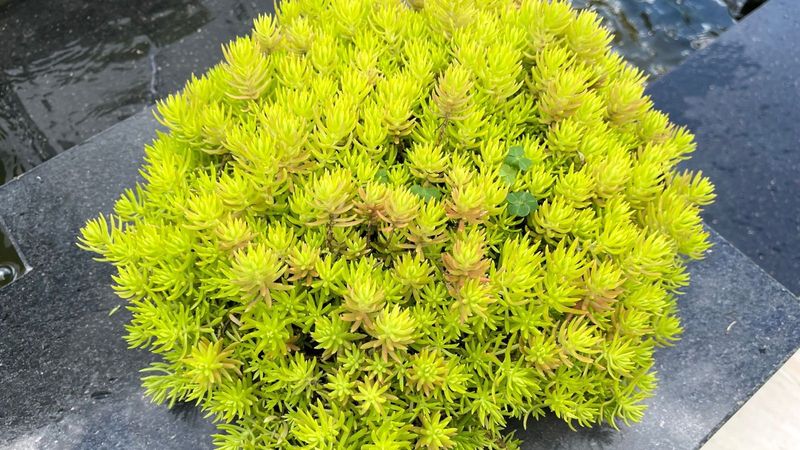
Sedum, also known as Stonecrop, is a fast-rooting succulent that showcases a hardy nature in water. Its ability to quickly establish roots makes it an excellent choice for hydroponic setups. The plant’s tolerance to varying light conditions allows it to thrive in diverse environments, adding greenery to any living space.
4. Graptopetalum
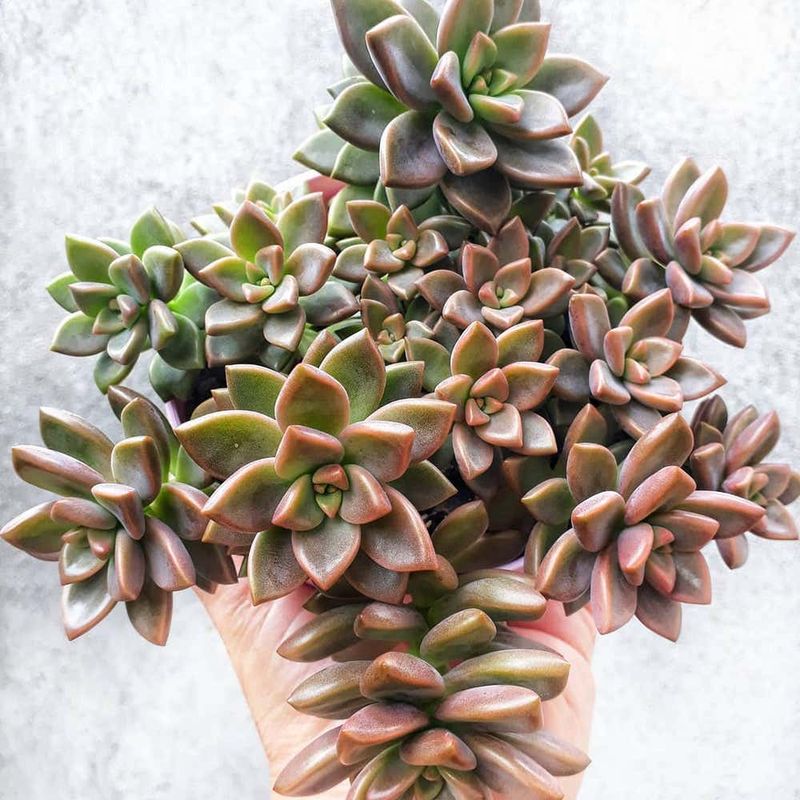
Graptopetalum stands out with its fleshy, rosette-shaped leaves, capable of thriving in water. It prefers occasional drying periods to mimic natural cycles, making it a unique feature in water-based gardening. With its elegant appearance, Graptopetalum brings a touch of sophistication to any indoor plant collection.
5. Kalanchoe
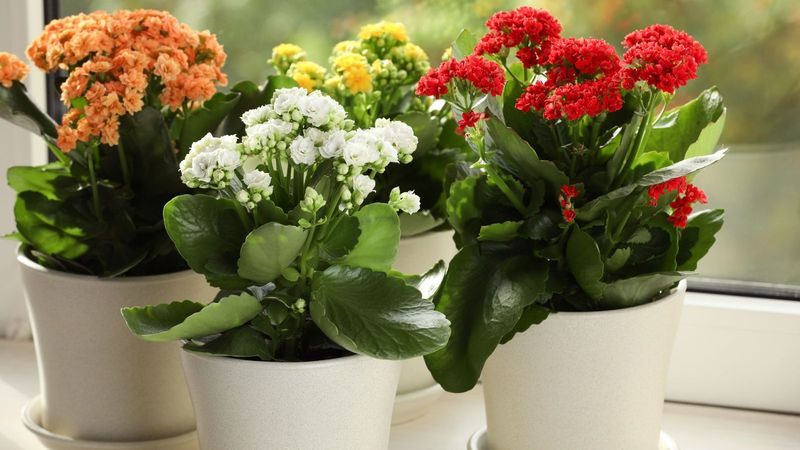
Kalanchoe is a versatile succulent known for its ability to grow hydroponically. While it adapts well to water, it thrives best when provided with occasional soil-like nutrients. This balance mimics its natural environment and ensures healthy growth. Its vibrant flowers and glossy leaves add color and life to any room.
6. Tillandsia ionantha
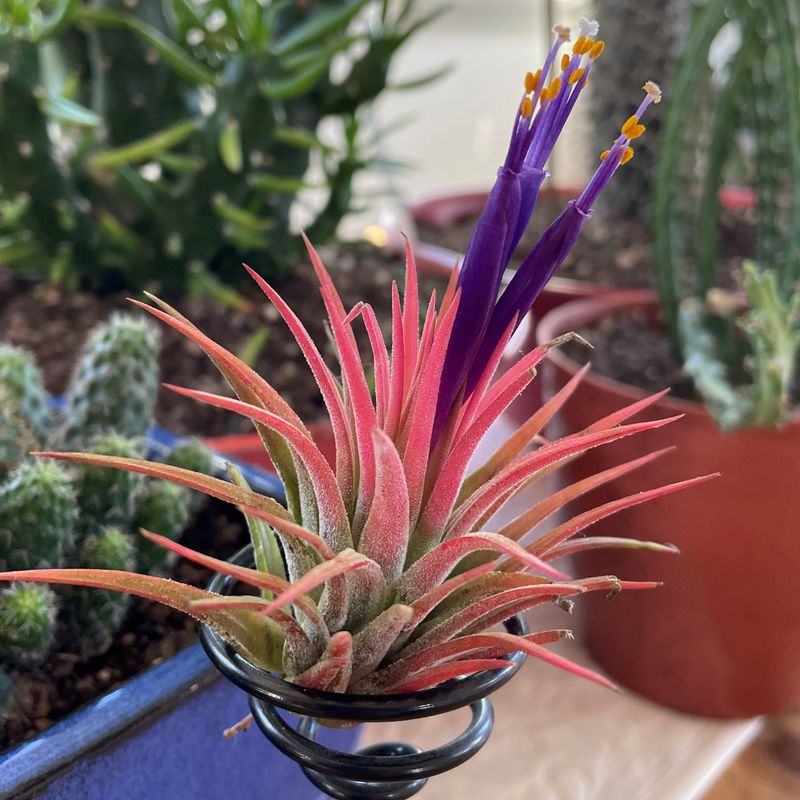
Tillandsia ionantha is an air plant that captivates with its colorful and low-maintenance characteristics. Unlike traditional succulents, it absorbs moisture from the air, eliminating the need for soil. Its adaptability and vibrant hues make it a favorite among plant enthusiasts looking for something different.
7. Tillandsia xerographica
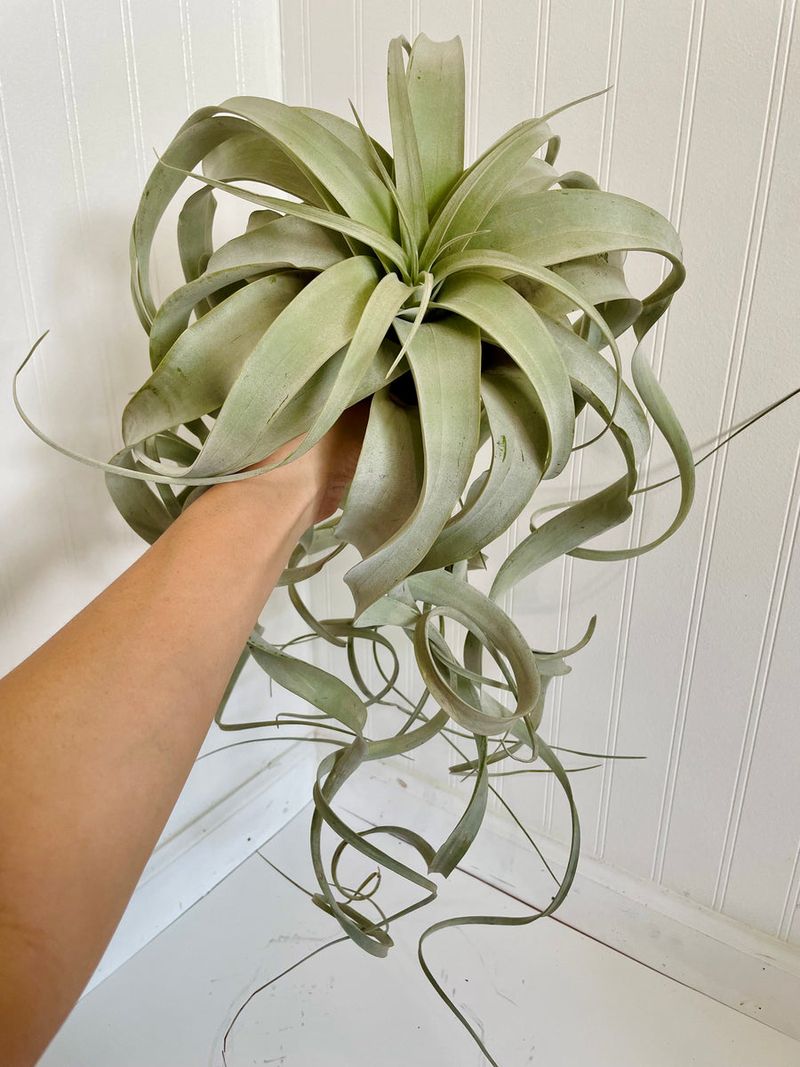
Tillandsia xerographica is a standout air plant known for its large, striking presence and drought tolerance. Its ability to thrive without soil is due to its unique structure, which allows it to absorb moisture directly from the air. This plant’s graceful curls add a sculptural element to any decor.
8. Tillandsia caput-medusae
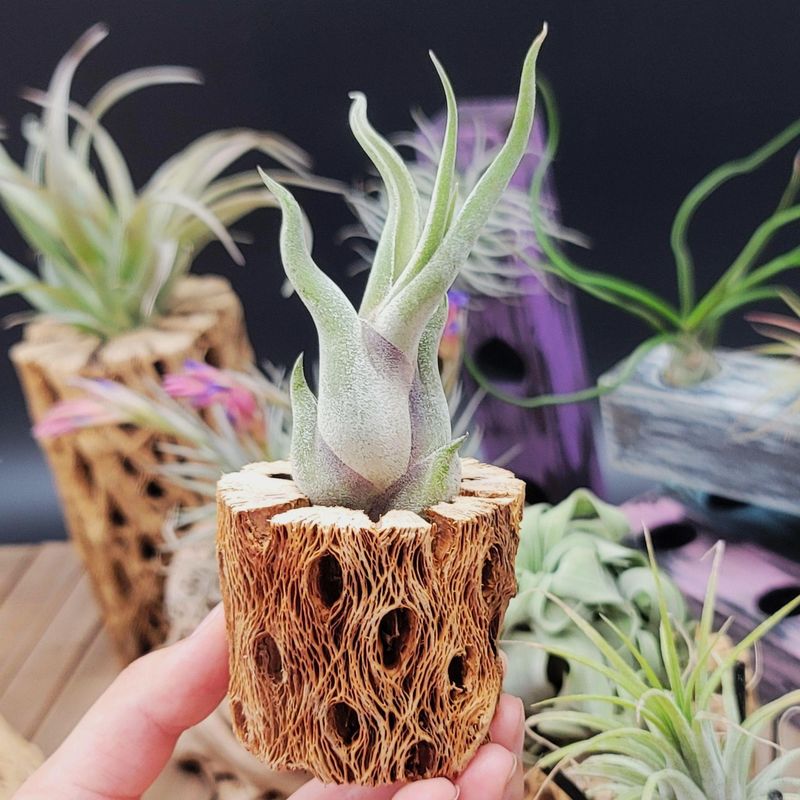
Tillandsia caput-medusae earns its name from its unique, snake-like curls. This air plant thrives without soil, absorbing water and nutrients from the atmosphere. Its unusual shape makes it a conversation starter, adding an intriguing touch to any setting.
9. Tillandsia stricta
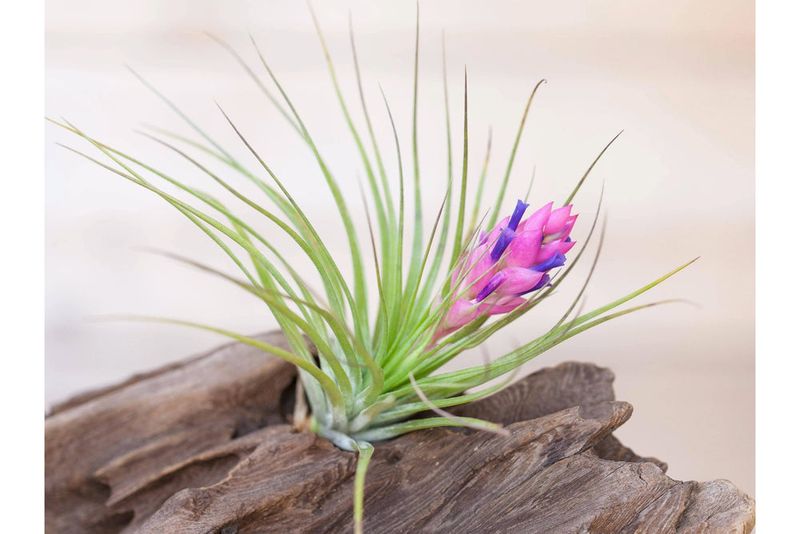
Tillandsia stricta is known for its beautiful pink blooms, offering a splash of color without the need for soil. This air plant’s resilience and aesthetic appeal make it an ideal choice for adding natural beauty indoors. It’s a low-maintenance option for plant lovers seeking floral elegance.
10. Tillandsia bulbosa
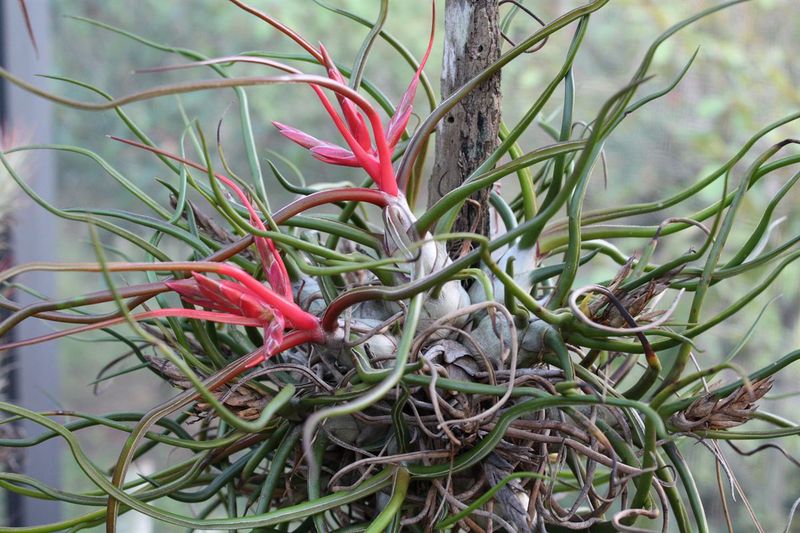
Tillandsia bulbosa is a fascinating air plant with a twisty, alien-like appearance. Its ability to thrive in soilless conditions adds to its charm, making it a favorite for those seeking unique home decor. The plant’s unusual shape and vibrant green color create a whimsical touch.
11. Lithops (Living Stones)
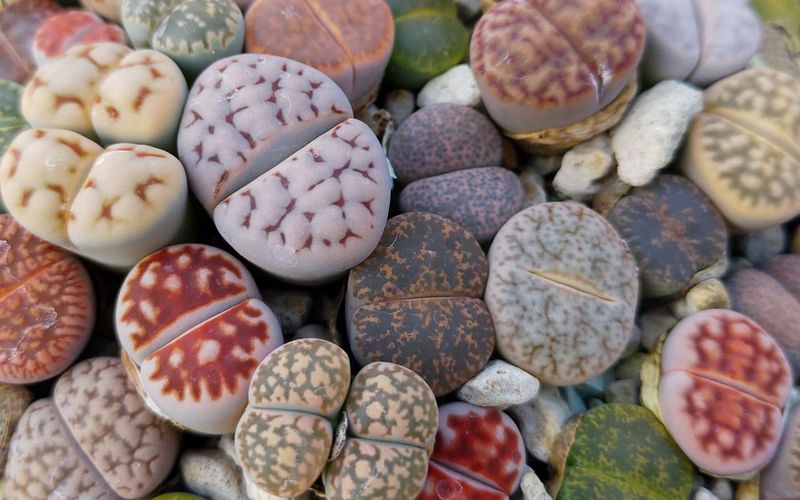
Lithops, often called Living Stones, are intriguing succulents that thrive in sandy, rocky setups. Their stone-like appearance camouflages them in their natural environment, providing a unique addition to any succulent collection. These succulents are perfect for those wanting a low-maintenance, visually captivating plant.
12. Pleiospilos nelii (Split Rock)
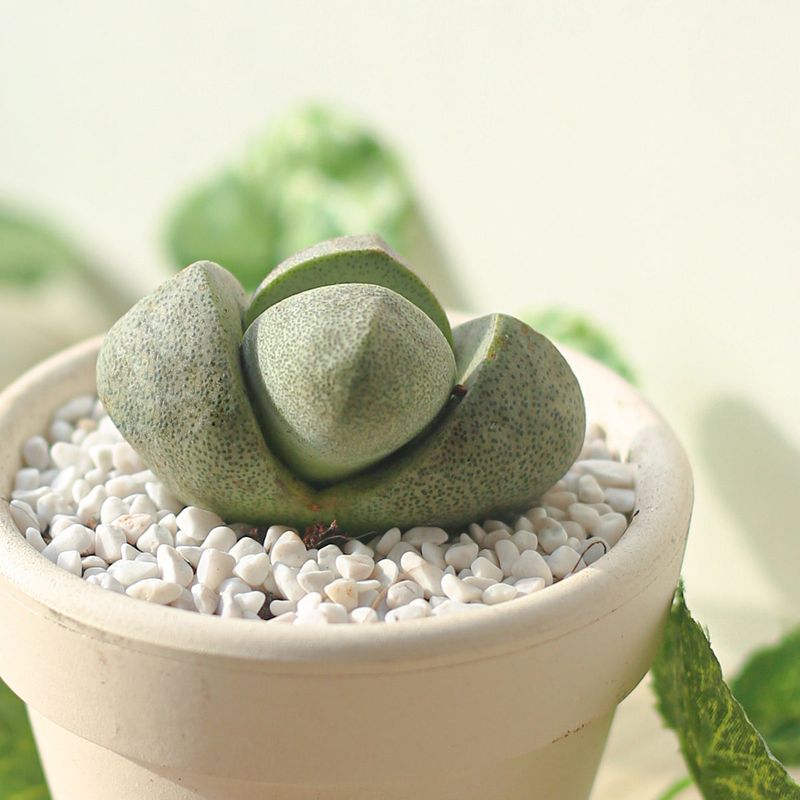
Pleiospilos nelii, or Split Rock, is a succulent that prefers gritty, well-draining substrates. Its split rock appearance makes it a conversation piece, appealing to those who appreciate unusual plant forms. This succulent’s ability to thrive in minimal soil conditions adds to its allure.
13. Sempervivum (Hens & Chicks)
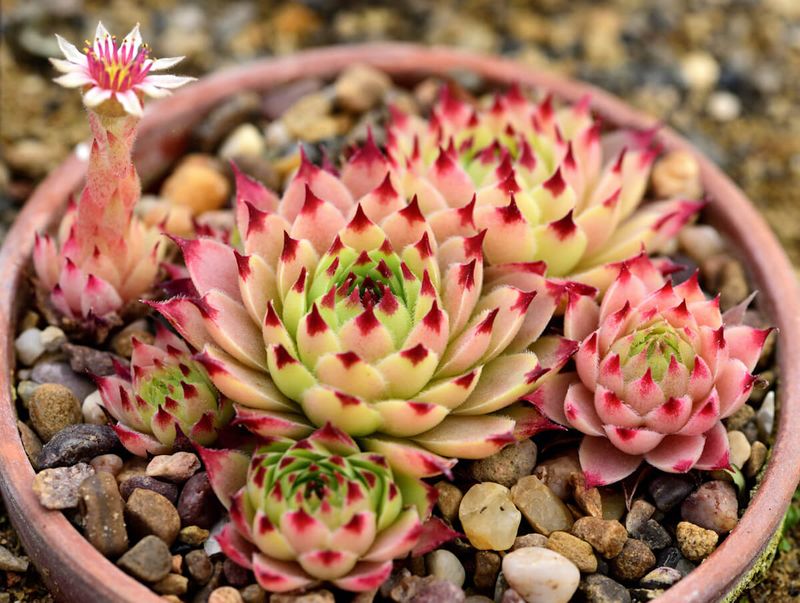
Sempervivum, commonly known as Hens & Chicks, is a hardy succulent capable of growing in gravel or sand. Its ability to propagate easily makes it a popular choice for gardeners looking for a resilient, low-maintenance plant. The succulent’s rosette formation adds a charming touch to any garden setup.
14. Agave
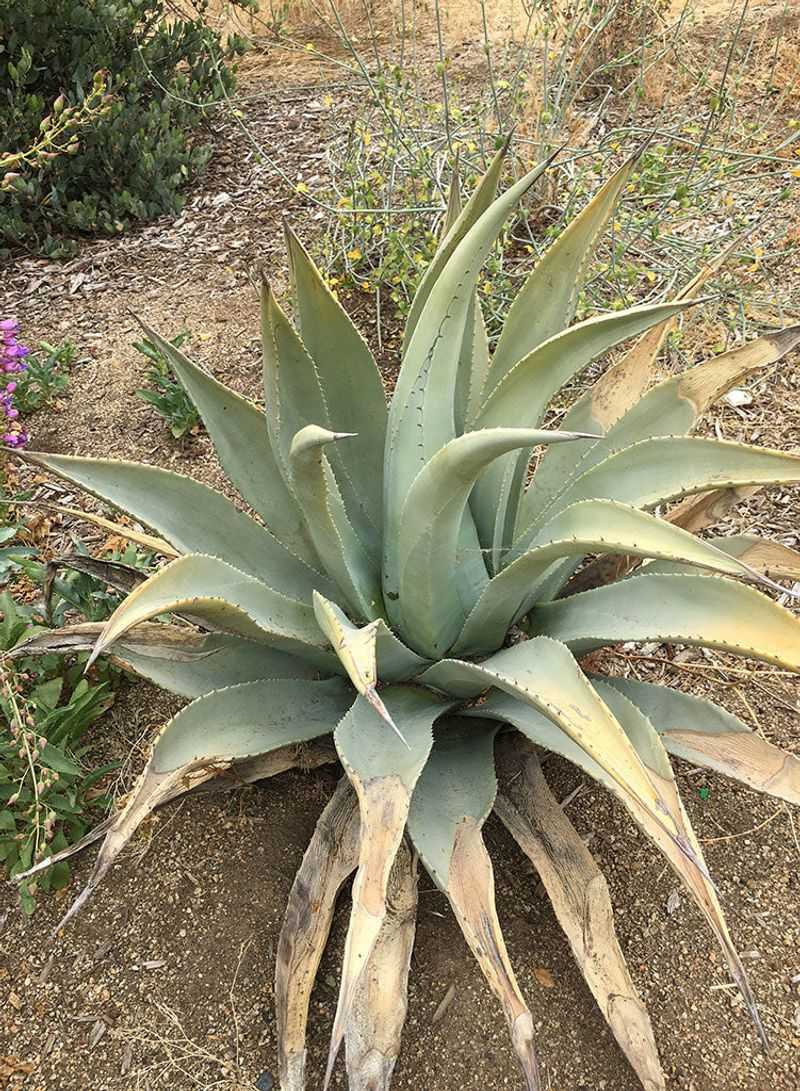
Agave is a striking succulent known for its ability to tolerate sandy, desert-like conditions. Its dramatic, spiky leaves make it a focal point in any garden. Agave’s resilience and bold appearance appeal to gardeners interested in drought-tolerant landscaping options.
15. Aloe vera
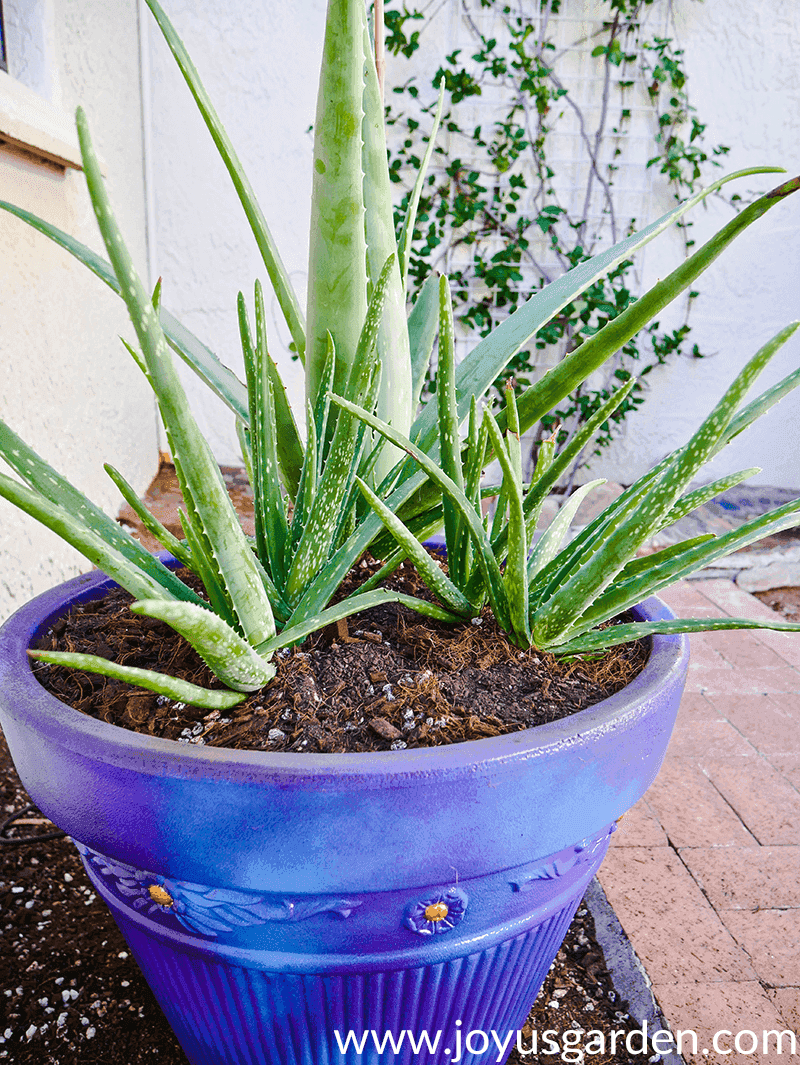
Aloe vera is renowned for its medicinal properties and ability to grow in coarse, well-draining substrates. Its fleshy leaves store water, allowing it to thrive in minimal soil conditions. Aloe vera’s soothing gel and striking appearance make it a must-have for succulent enthusiasts.
16. Crassula
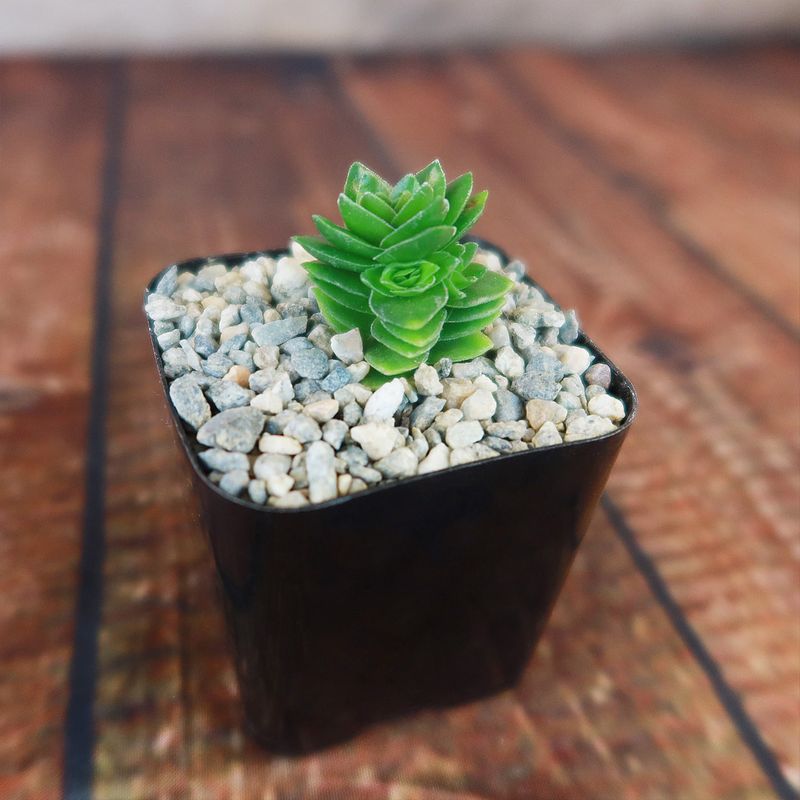
Crassula is a distinctive succulent known for its stacked leaf structure, capable of thriving in pebble-based setups. Its architectural form adds a modern touch to any plant display. Crassula’s adaptability to low-maintenance environments makes it an appealing choice for urban gardening.
17. Euphorbia
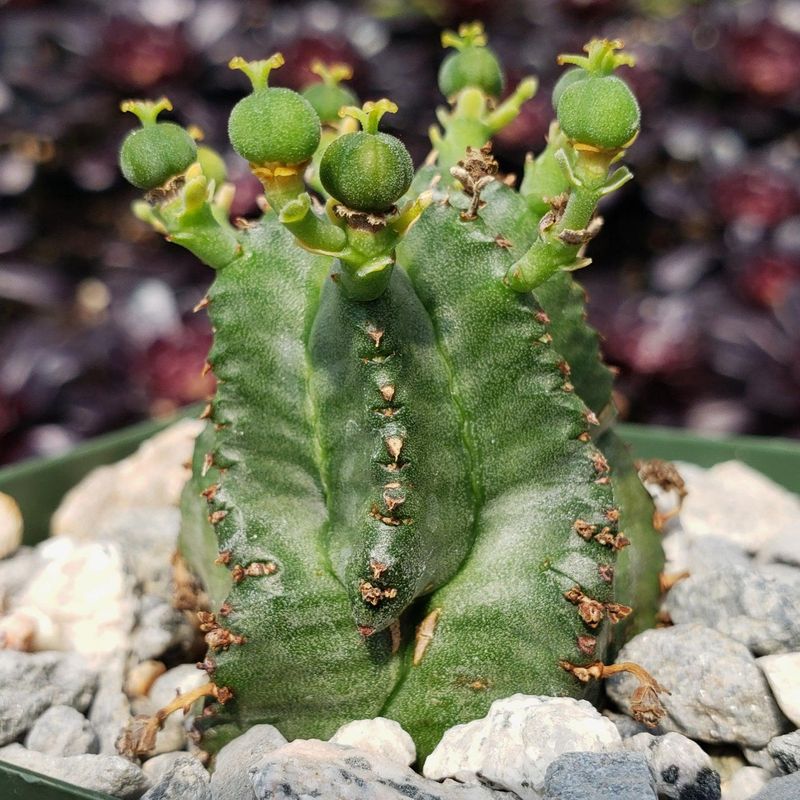
Euphorbia is a resilient succulent that thrives in sandy, rocky substrates. Its spiky, cactus-like appearance makes it a standout in any collection. Euphorbia’s ability to adapt to arid conditions ensures it remains a favorite for gardeners seeking eye-catching and hardy plants.
18. Gasteria
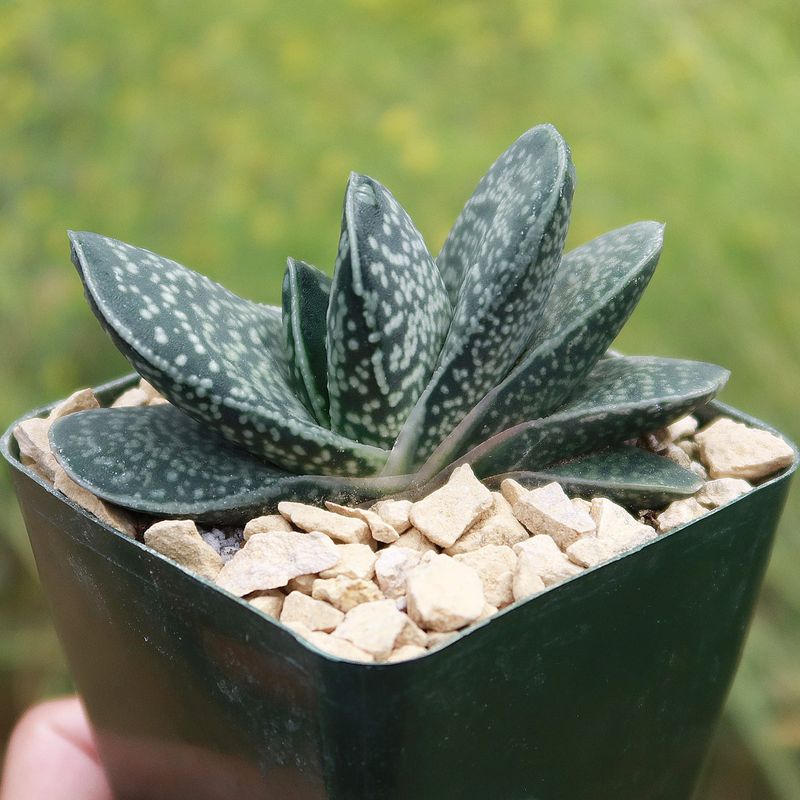
Gasteria is a succulent known for its thick, strap-like leaves, thriving in gravel-filled pots. Its ability to adapt to various light conditions makes it a versatile addition to any indoor garden. Gasteria’s unique leaf texture and low-maintenance nature appeal to both novice and experienced gardeners.
19. Sansevieria (Snake Plant)
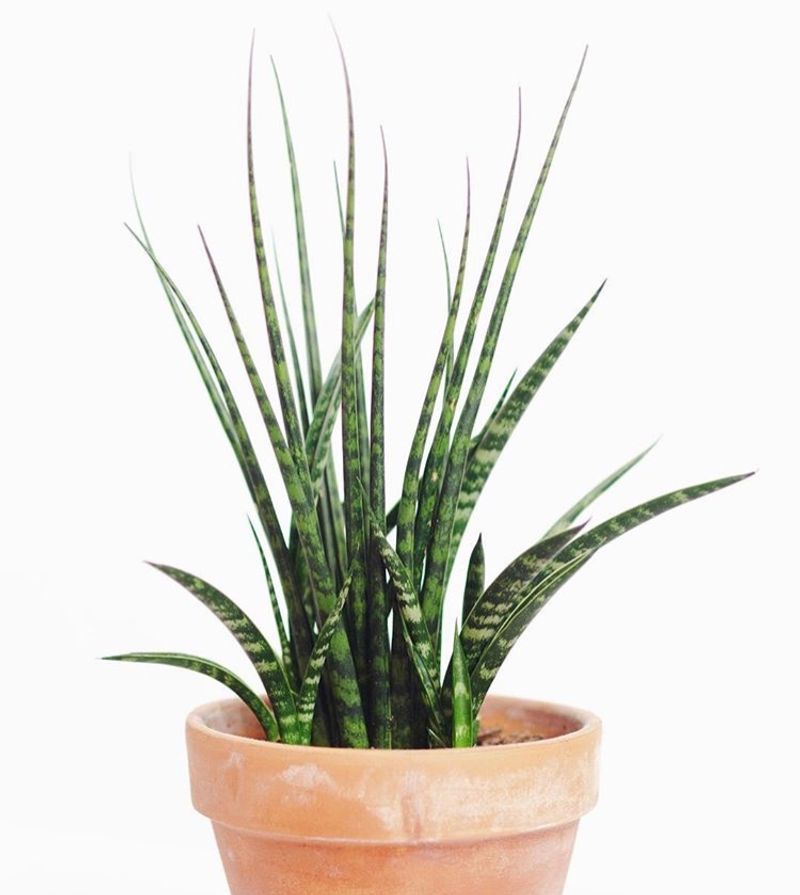
Sansevieria, or Snake Plant, is renowned for its ability to thrive in sand and pebbles. Its tall, sword-like leaves create a dramatic vertical presence, making it a popular choice for modern interiors. Sansevieria’s air-purifying qualities and resilience make it a staple for low-maintenance gardening.
20. Rhipsalis
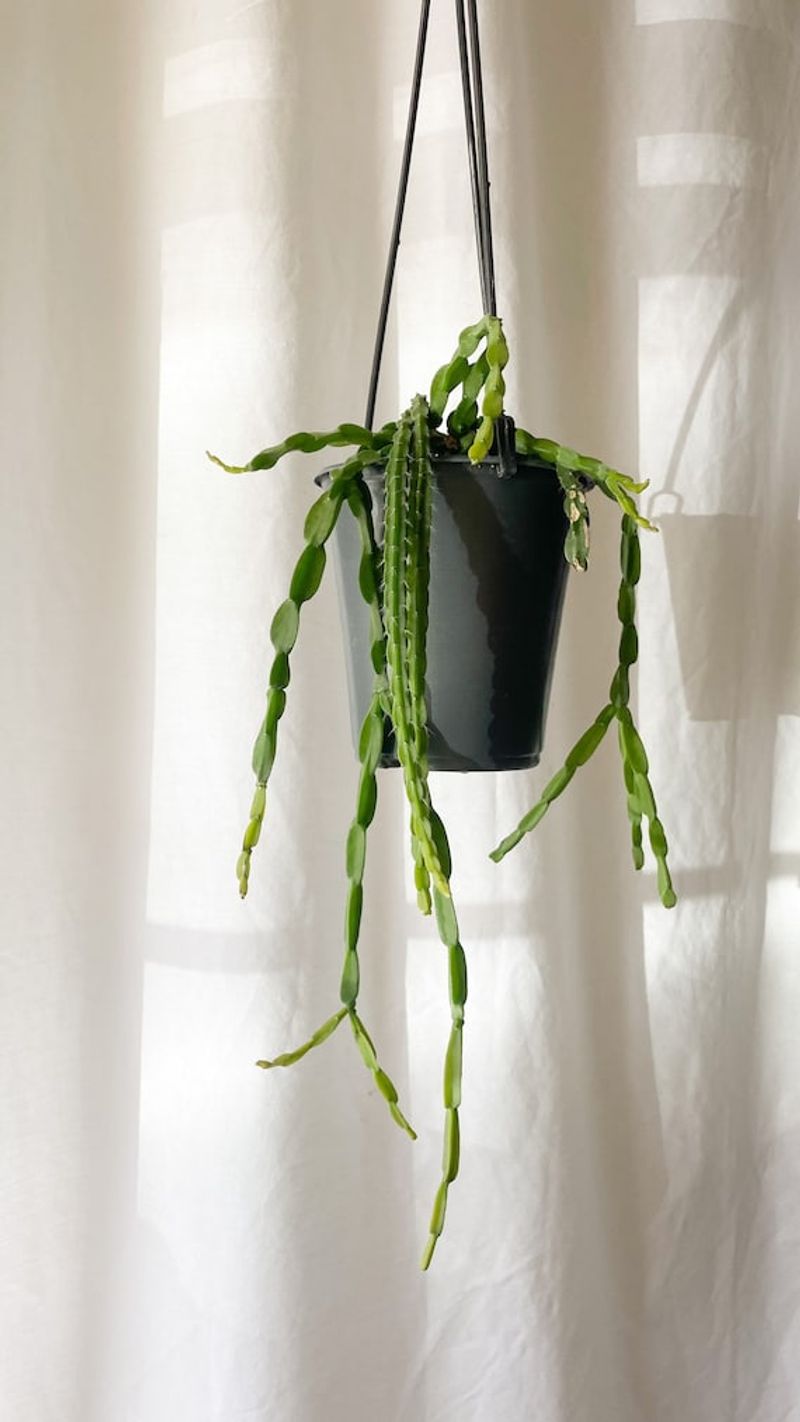
Rhipsalis is a unique succulent with cascading, pencil-thin stems that thrive in hanging pots. Its ability to grow in soilless conditions and adapt to indirect light makes it an excellent choice for hanging gardens. Rhipsalis adds a touch of elegance with its delicate, flowing appearance.